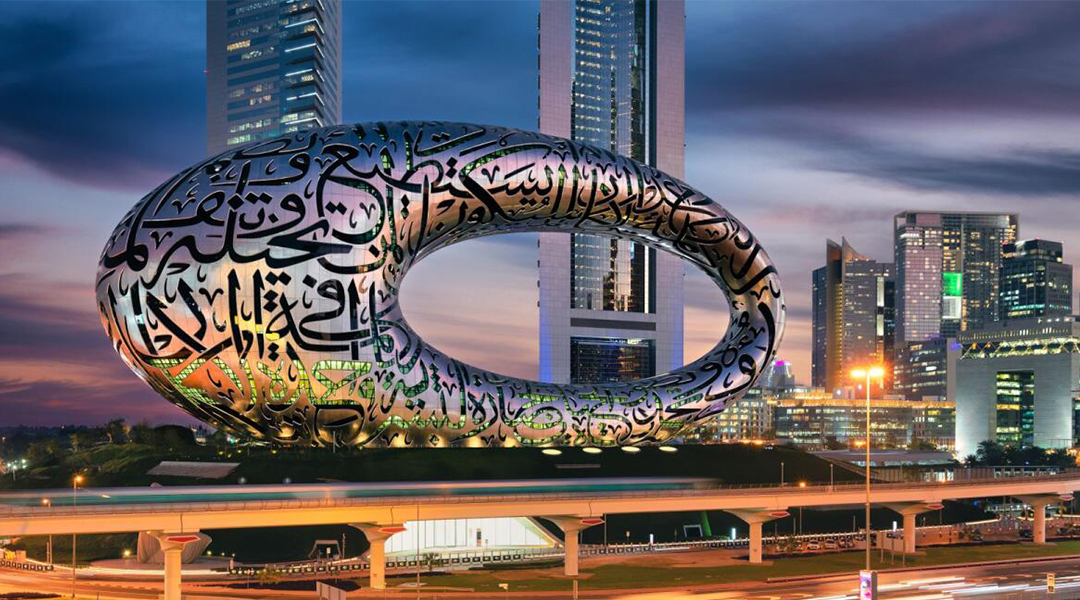
Museum of the Future: An Exceptional Visionary Building Design



Building design at its visionary best engrosses, thrills, and inspires in architectureArchitectureThe art and science of designing and constructing buildings, structures, and spaces that are functional, safe, and aesthetically pleasing. It encompasses the planning, design, materials, and techniques used to createGo to Architecture Glossary. It should possess an ineffable quality that embodies design intelligence, connection to place, and above all, imagination. Admired not only from afar are the structures in these modern times. It is not also about shaping and planning functional public spaces but also about creating an icon. True in the Dubai scene recently launching the “Museum of the Future.” Another iconic building that captivates the unfailing emirate’s skyline. Said to be one of the world’s complex structures, yet it’s also one of the most beautiful buildings worldwide. The futuristic torus-shaped concept is awe-inspiring that isn’t enough for just eye-lingering but should be understood and experienced.
The Futuristic Structure
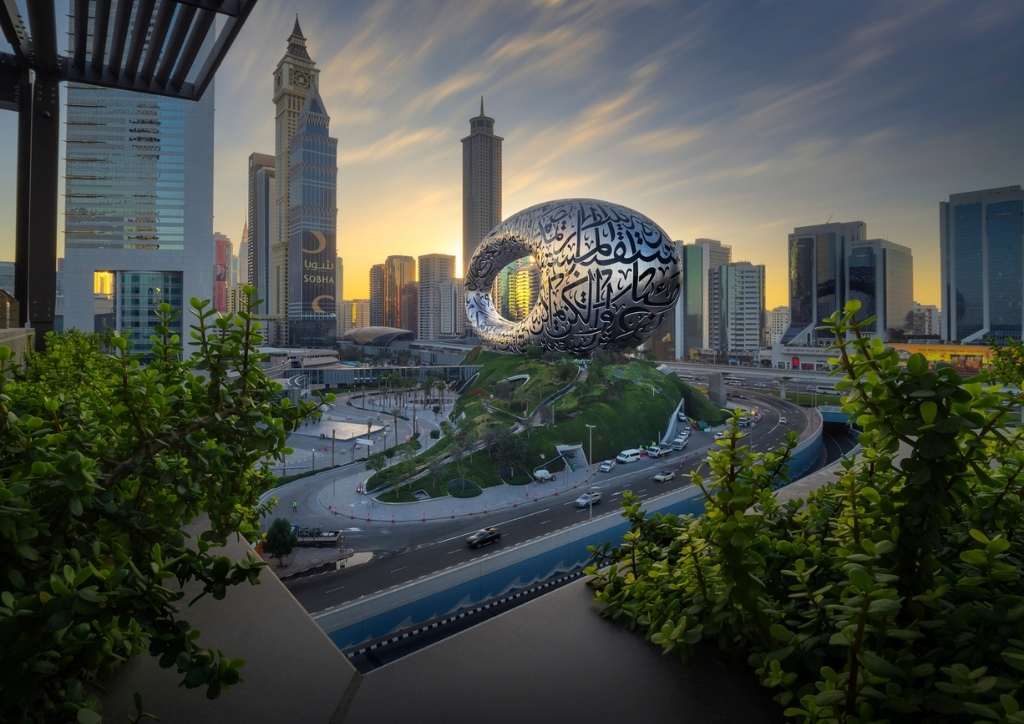
Nestled in the heart of Dubai’s main arterial highway, the road, and the metro passengers will not miss this unique manifestation of the collaboration between man and machine. A second look is not enough. As its name speaks for itself, The Museum of the Future is a futuristic building representing “humankind in all its strength, creativity, and unmatched ability to exist within its surroundings,” explained Dubai Media Office (DMO).
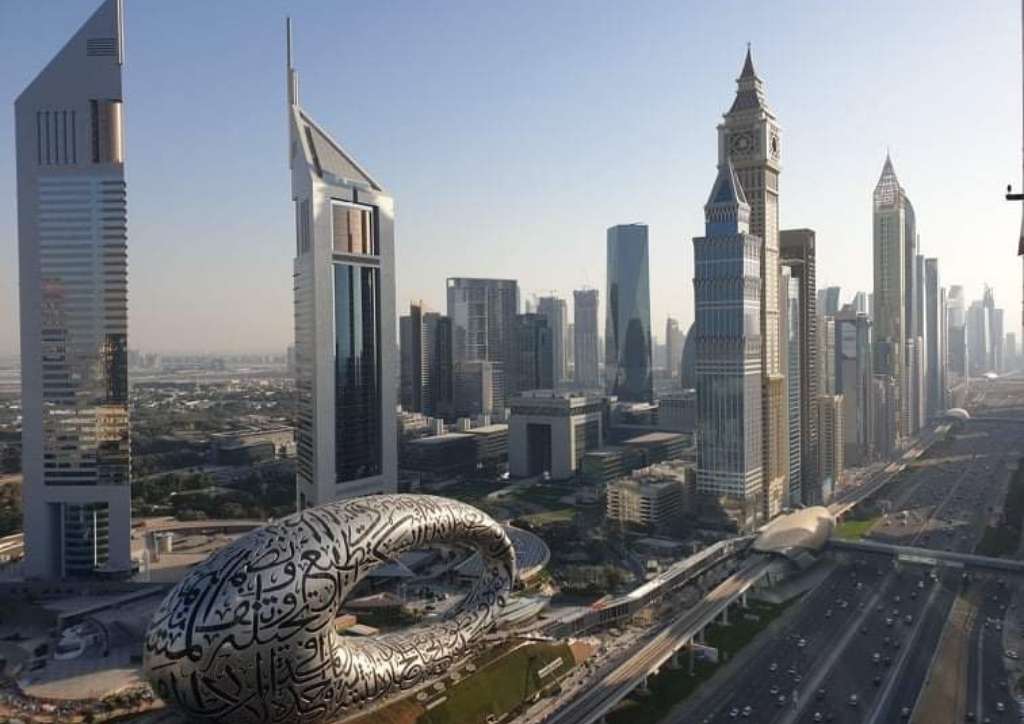
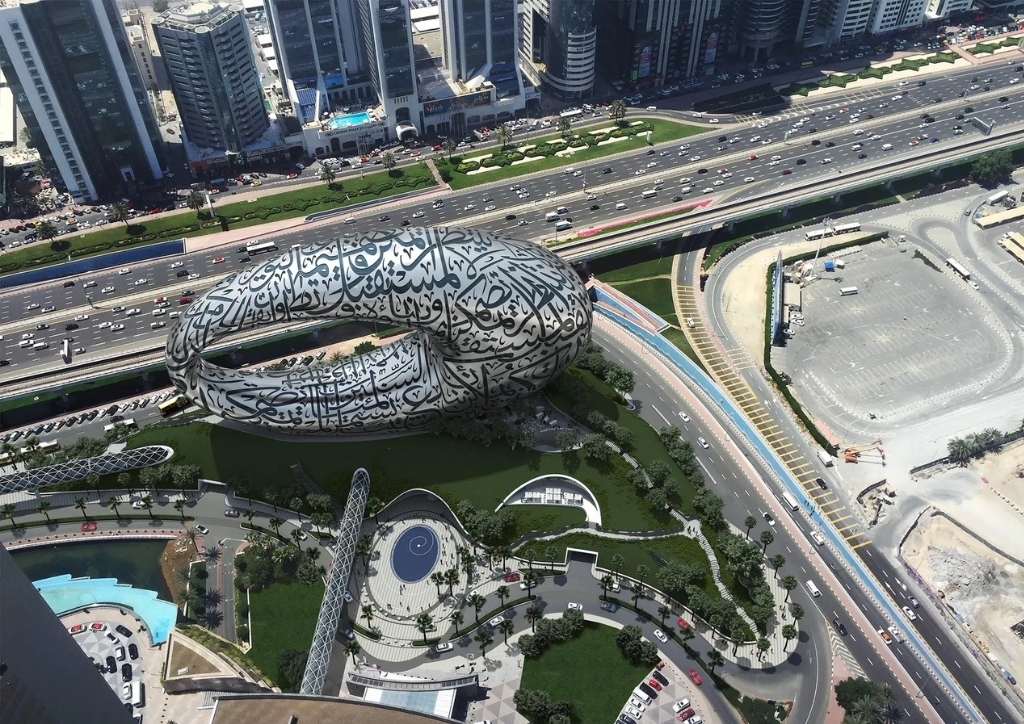
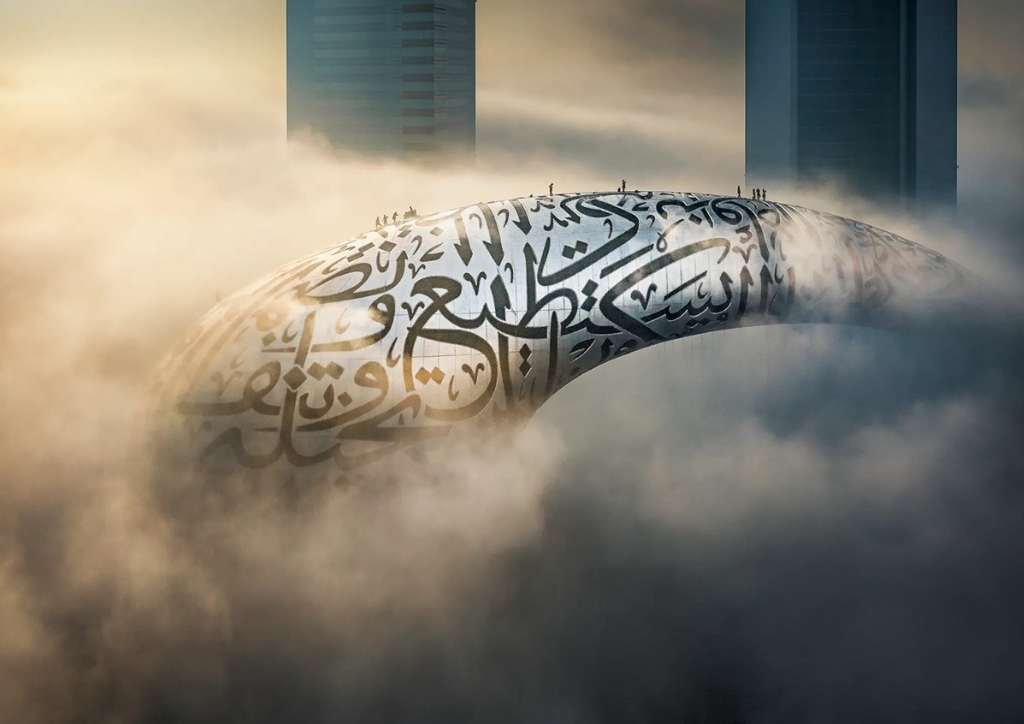
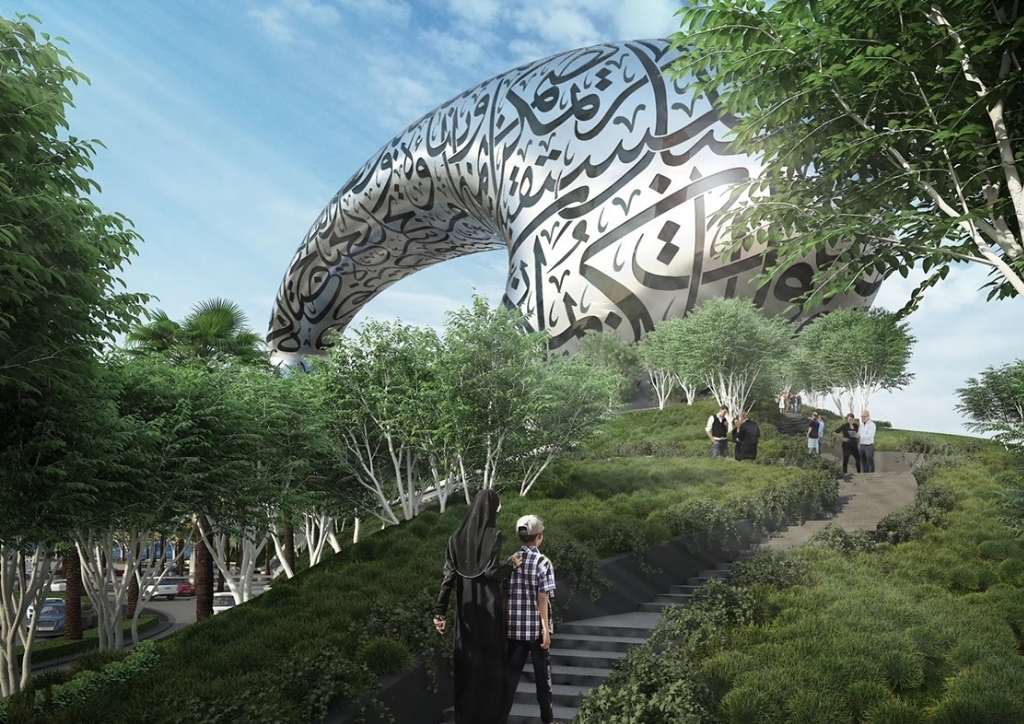
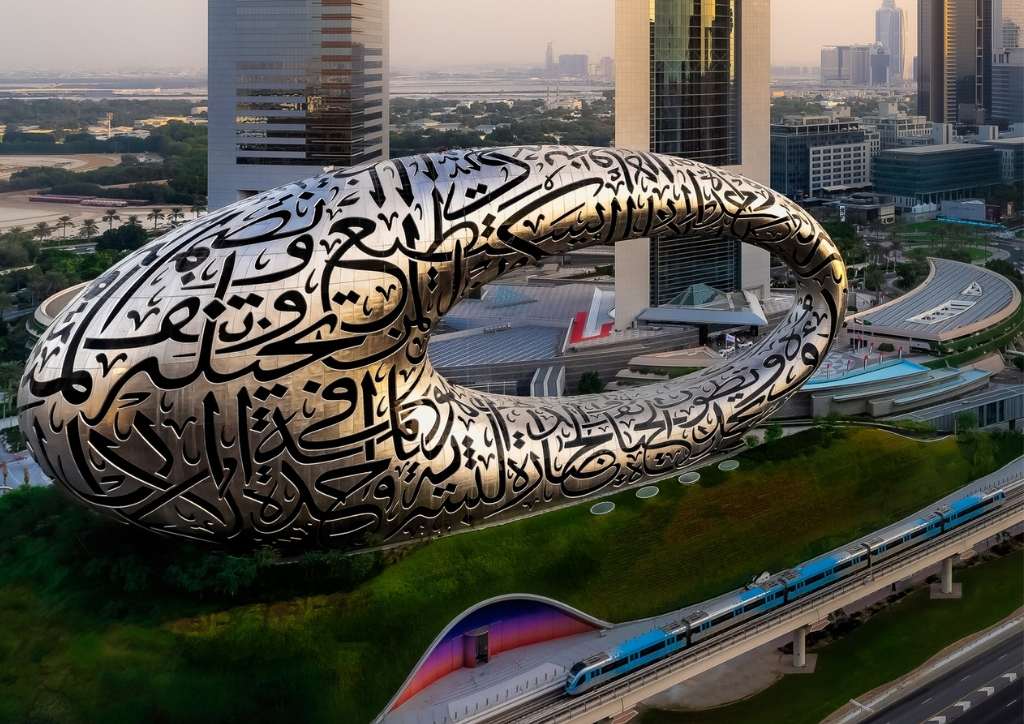
The bold torus-shaped building captures the perpetual energy of the city. It comprises three main parts: the green hill, the main building, and the void. Killa Designs and Buro Happold developed the designs and structural details with one aim in mind, making it one of the “most advanced buildings in the world.” The green hill elevates the building above the metro line to enjoy greenery while engaging with the museum. According to Killa Designs, it is uncommon in the areas of ultramodern facilities habitat. The Greenhill also represents the earth’s rootedness in place, time, and history. The main building’s exterior is clad stainless steel achieving the LEED platinum status. The museum exemplifies a new digital design approach by using BIM holistically at every stage.
Details and Interiors
Wrapped and cut with Arabic calligraphy is the stainless steel in the facade. These also serve as windows of the building. The said calligraphy is a poem of Dubai’s ruler Sheik Mohammed about his vision for the city’s future. It is a catalyst for pioneering ideas and inventions and inspiration to those who visit the building to “innovate, create and discover.” Mainly seen also at the interior’s upper floors are the Arabic calligraphy which is a dedication to humanity’s strength, artistry, and passion for the art. The elliptical void in the middle stands for innovation and is the unwritten future into which humanity and the world can look forward to. It means the unburdened time ahead of us and an inspiration to drive today’s innovators.
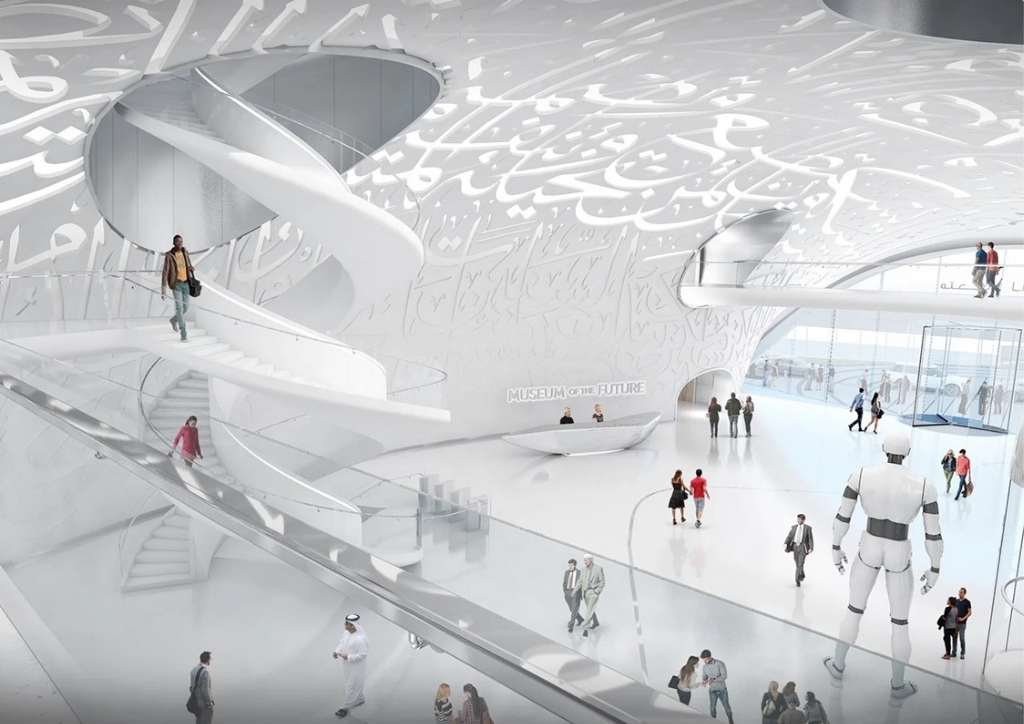
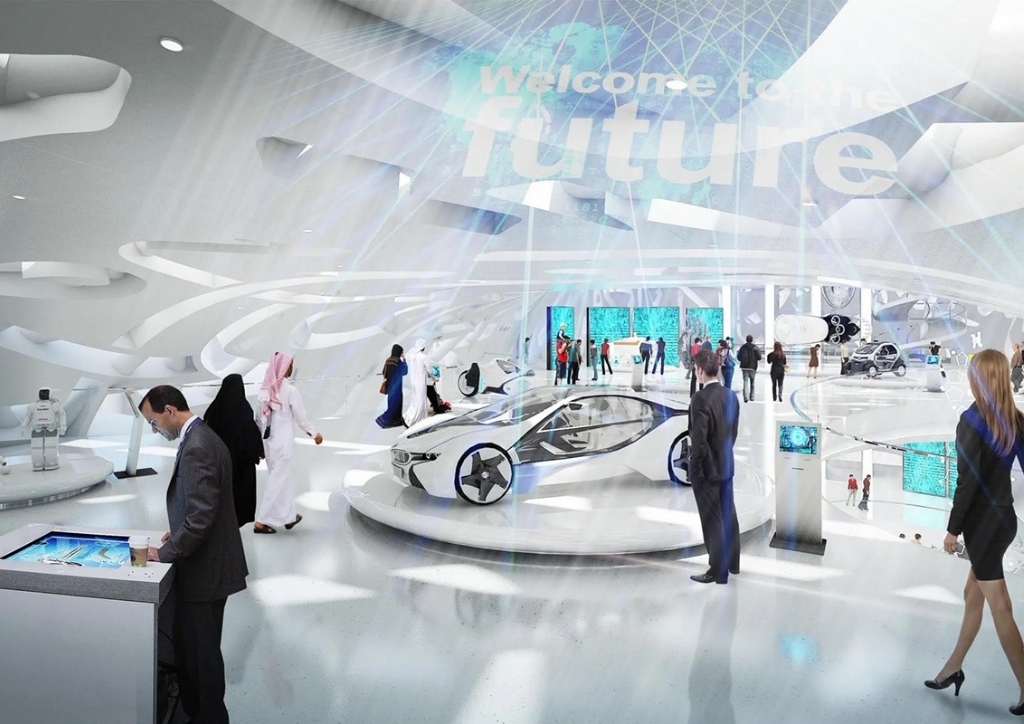
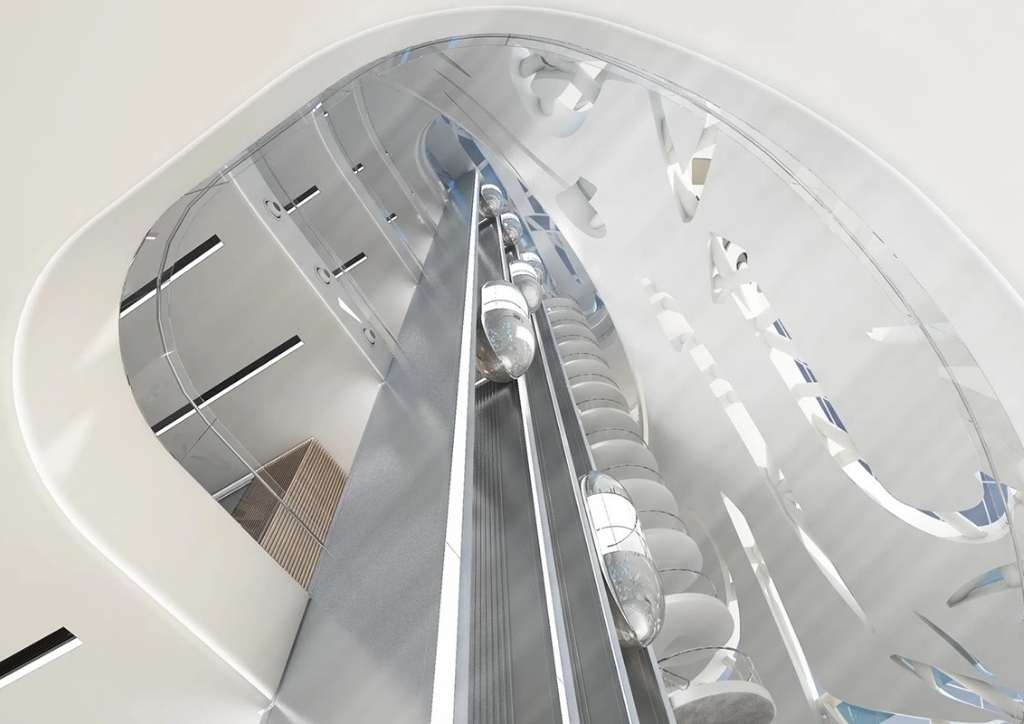
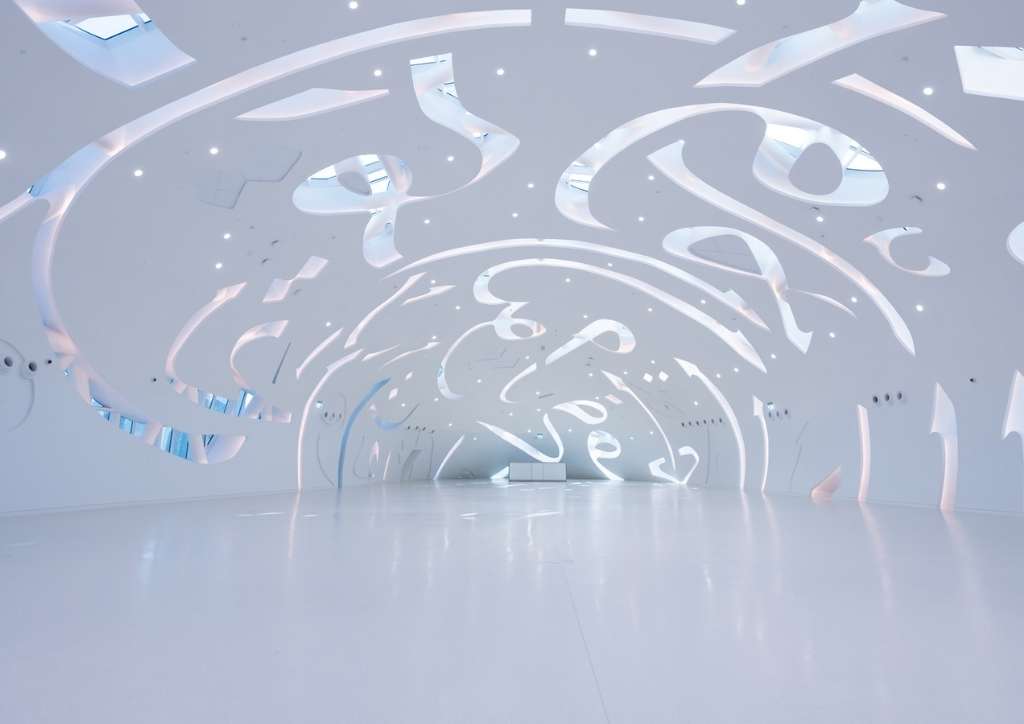
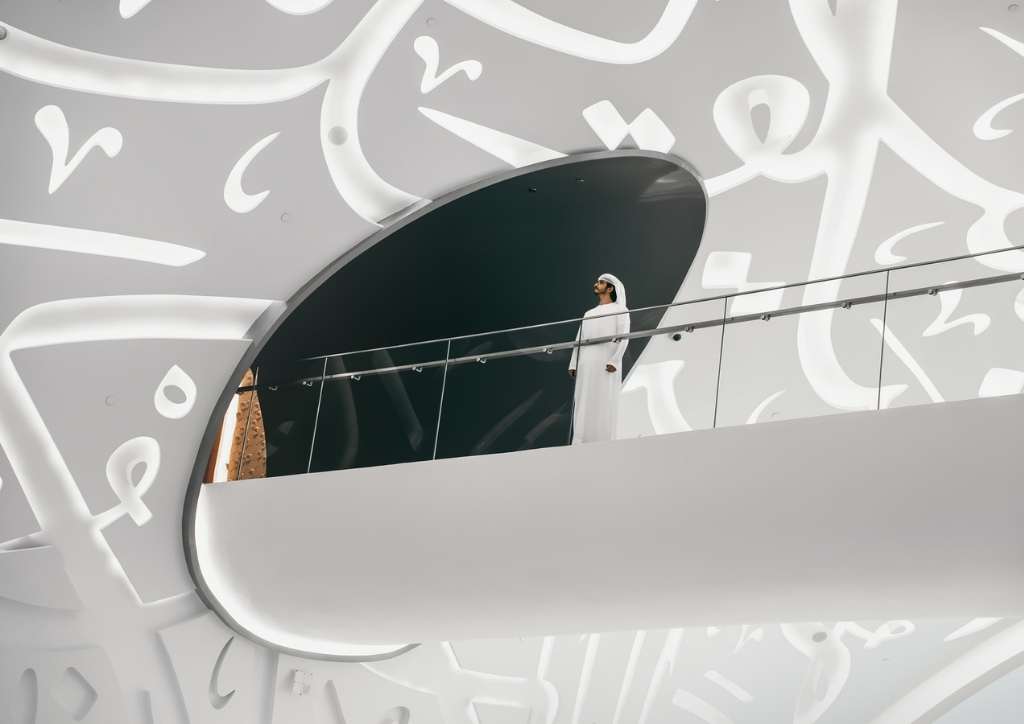
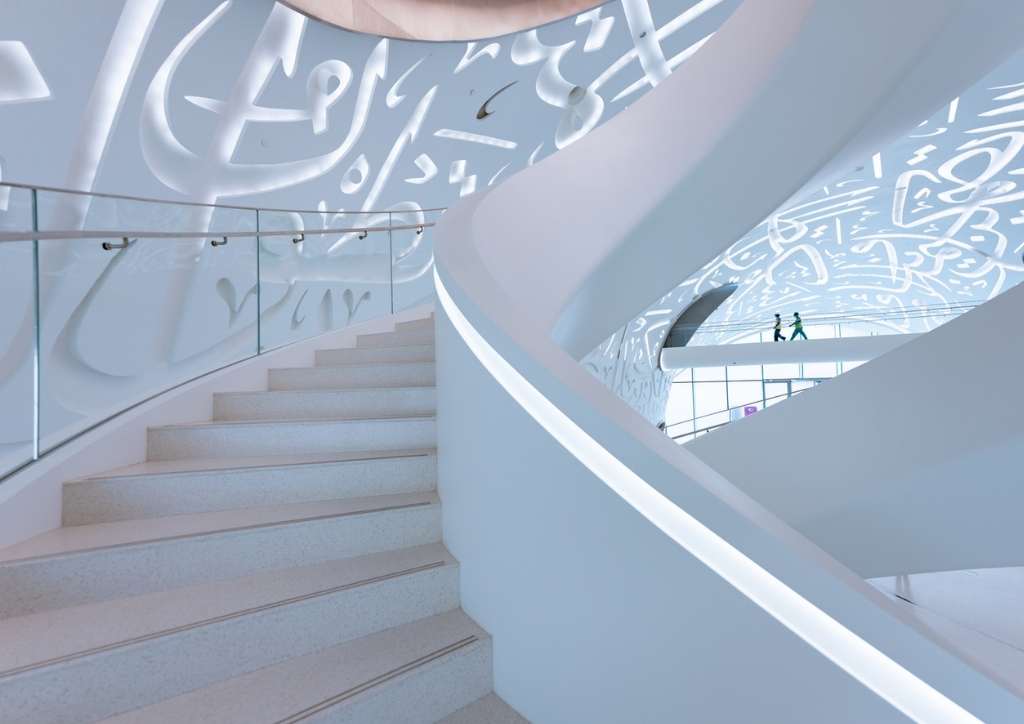
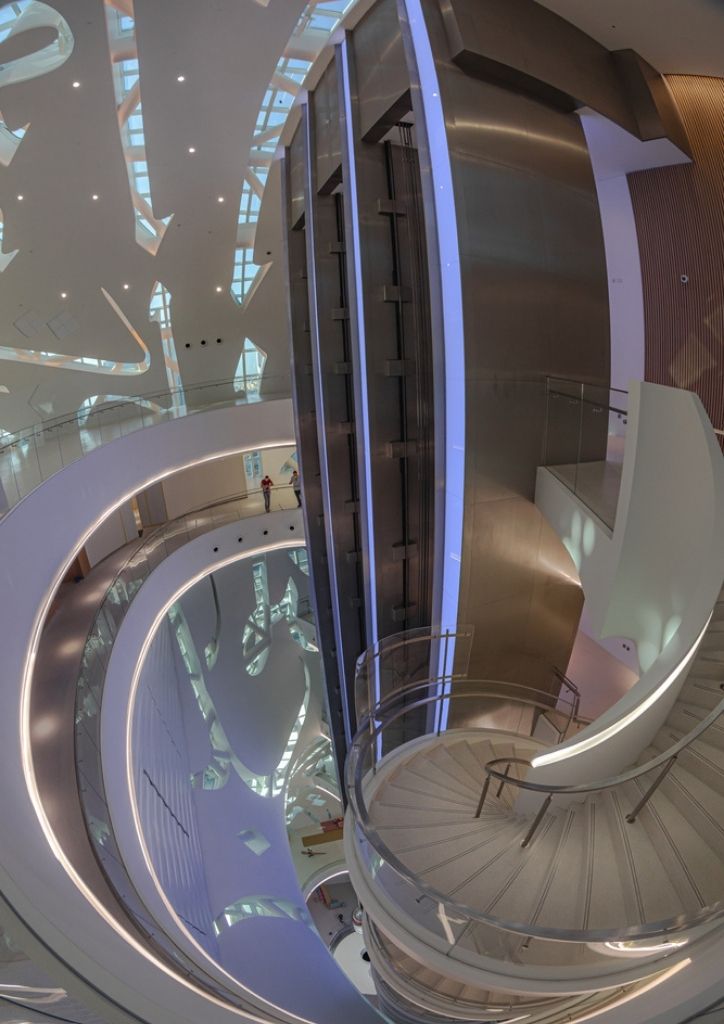
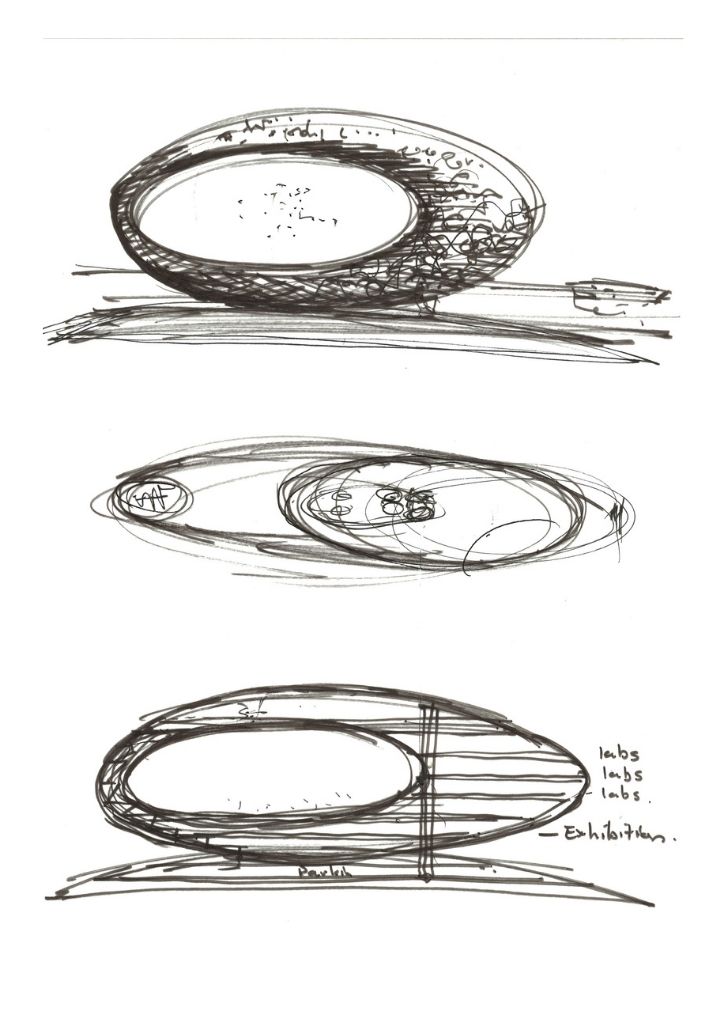
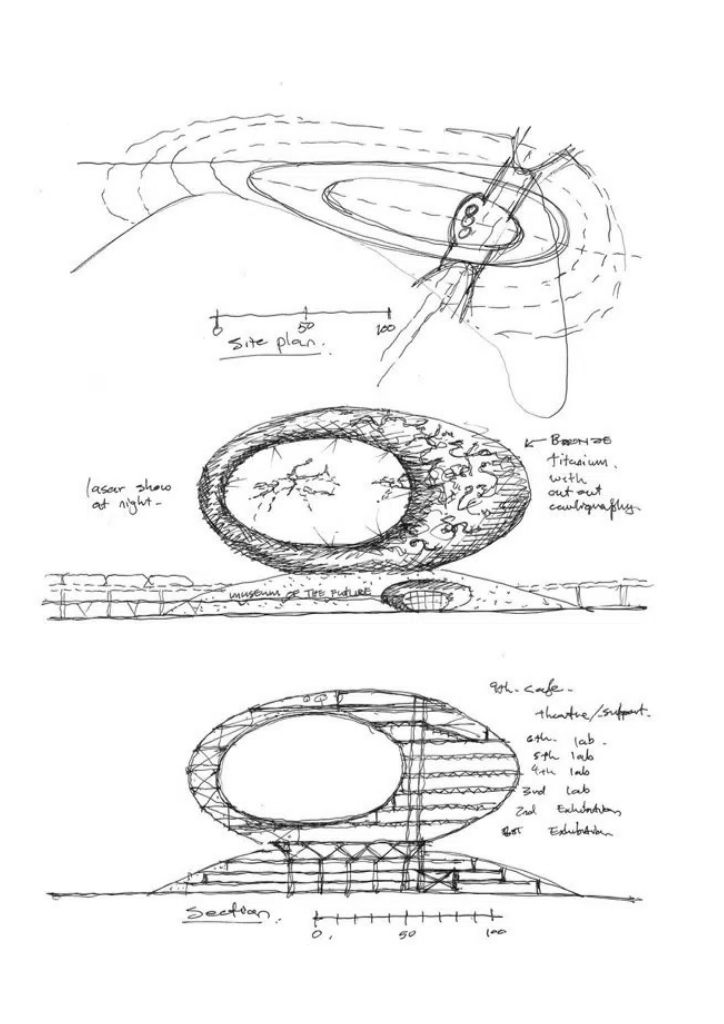
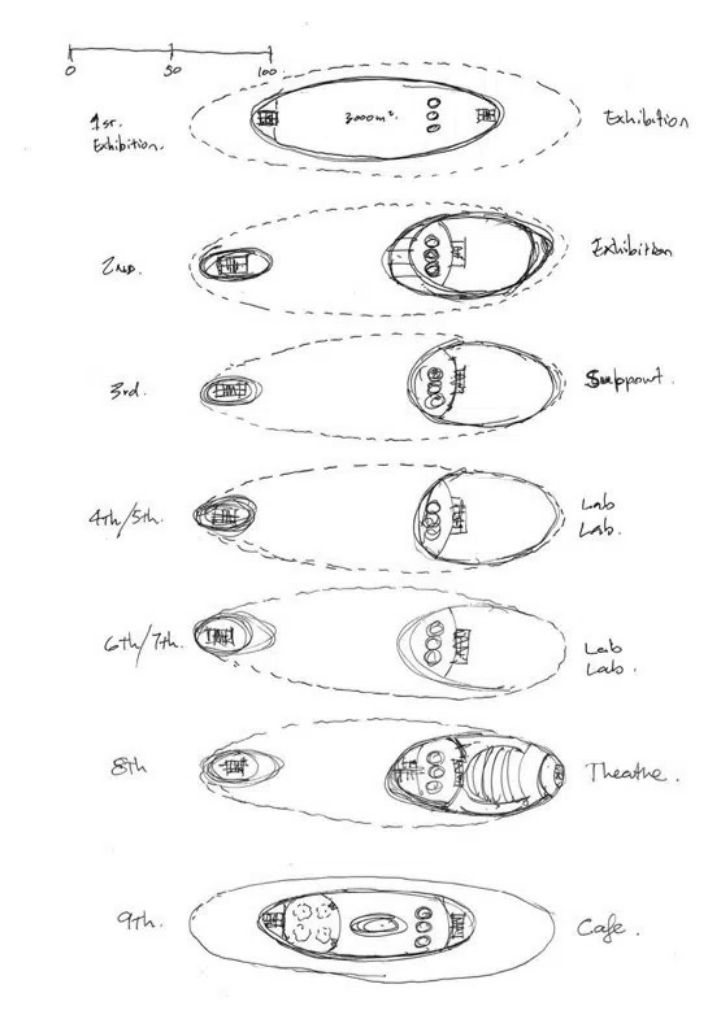
The Museum of the Future is a 78-meter-high structure with six exhibitions and one administration floor above a 3-story podium. Moreover, an F&B deck, auditorium, retail, parking, and services are also available within the premises. These facilities are set to open to the public this February 22, 2022. A futuristic building and artistic beacon in Dubai yet a low carbon civic building that sets a new benchmark for parametric design and passive solar architecture—a true union of social and environmental responsibility of UAE’s aesthetic ambition.
Photo Credits: Ar. Kern Parangan, Kaleej Times, Killa Designs, CNN, and MOTF©
Frequently Asked Questions
The Museum of the Future is a 78-meter-tall torus-shaped landmark in Dubai, opened on February 22, 2022. Designed by Killa Design with structural engineering by Buro Happold, it houses six exhibition floors, an F&B deck, auditorium, and retail spaces. It is widely regarded as one of the most complex and visually striking buildings in the world.
The Museum of the Future was designed by Killa Design in collaboration with Buro Happold. Their shared goal was to create one of the most advanced buildings in the world — a structure that represents human creativity, strength, and adaptability. The design uses BIM holistically across every stage, setting a new benchmark for parametric and passive solar architecture.
The Arabic calligraphy wrapping the museum’s stainless steel facade is drawn from a poem by Dubai’s ruler Sheikh Mohammed bin Rashid Al Maktoum, expressing his vision for the city’s future. The inscriptions serve a dual purpose — functioning as the building’s windows while conveying a message of innovation, creativity, and humanity’s potential to shape what lies ahead.
The elliptical void at the center of the torus form symbolizes the unwritten future — an open space representing boundless possibility and the innovations yet to come. It is intentionally left undefined, serving as a visual and conceptual invitation for today’s creators and thinkers to imagine and build the world ahead without constraint.
The Museum of the Future achieved LEED Platinum certification, the highest standard in green building design. Its stainless steel facade incorporates passive solar design strategies, while the green hill elevating the structure above Dubai’s metro line promotes urban greenery in a dense, ultramodern environment. The building demonstrates that civic architecture can balance aesthetic ambition with environmental responsibility.

