BluPrint: Architecture and Design
Latest
architecture
Interiors
arts & culture

news

TOP 5 STORIES THIS WEEK:
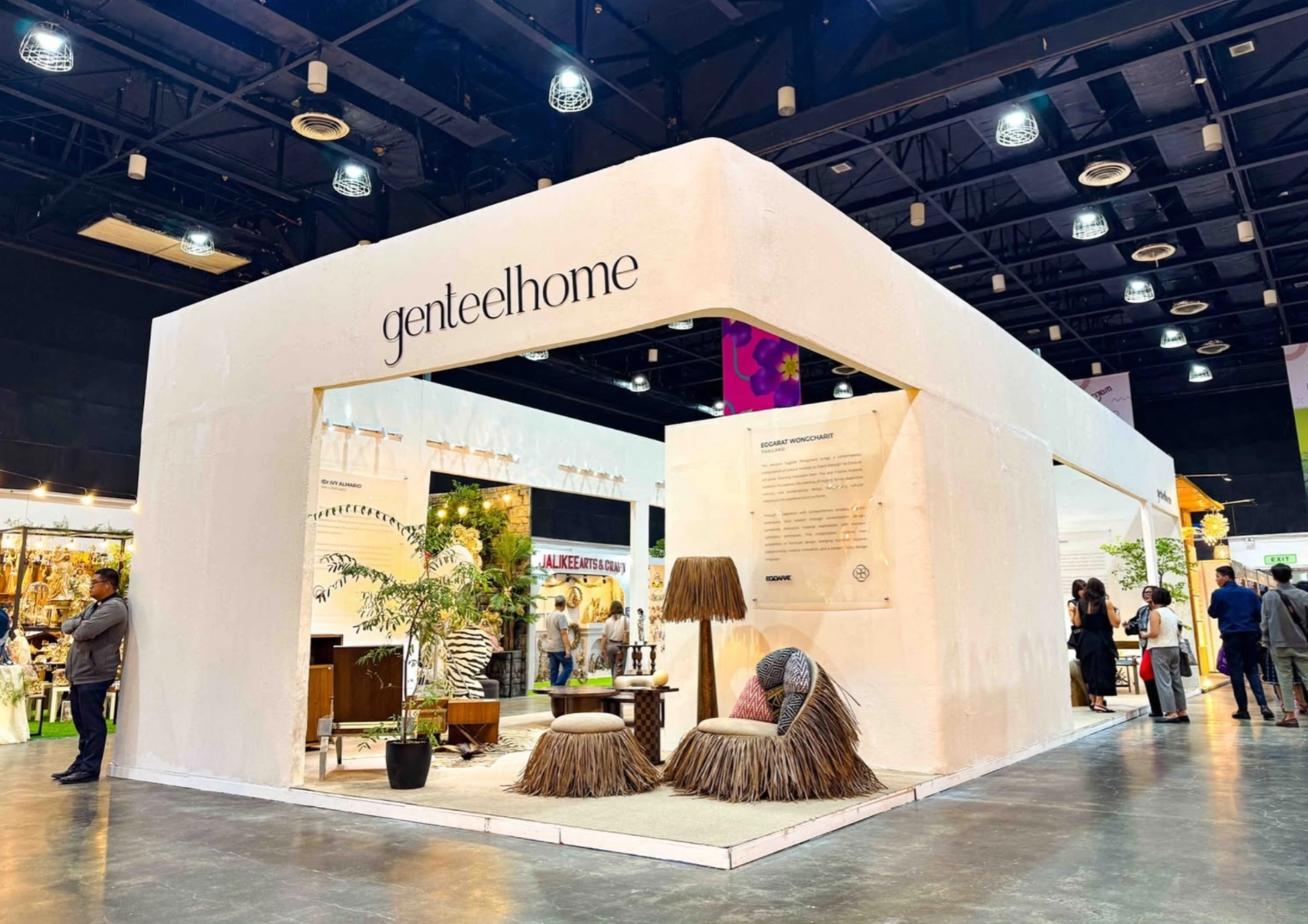
5 - genteelhome Builds on the Excellence of Filipino Craft
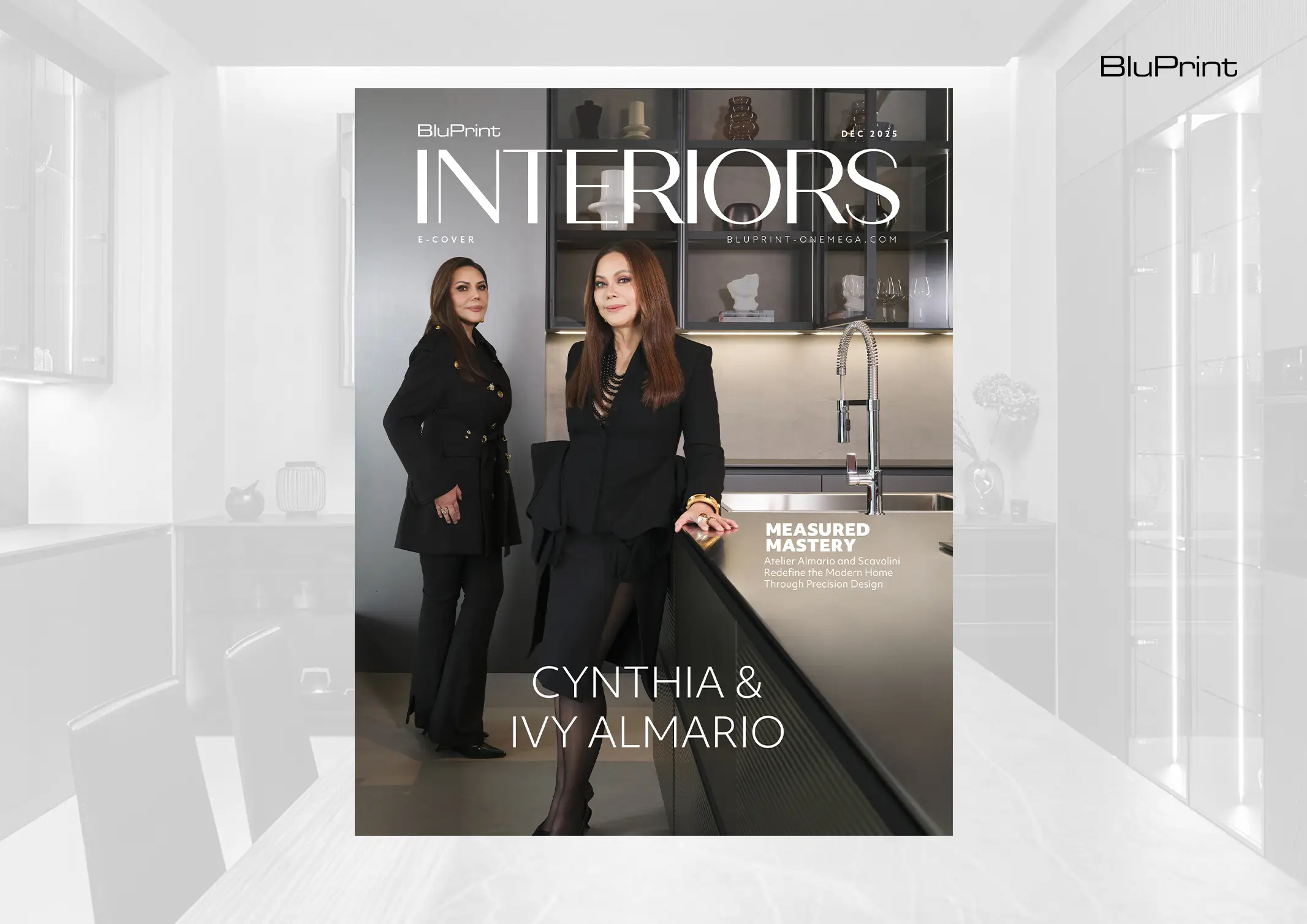
4 - How Focus Global Has Shaped Filipino Homes Through 35 Years of Design
3 - Preserving Asia’s Modernist Buildings
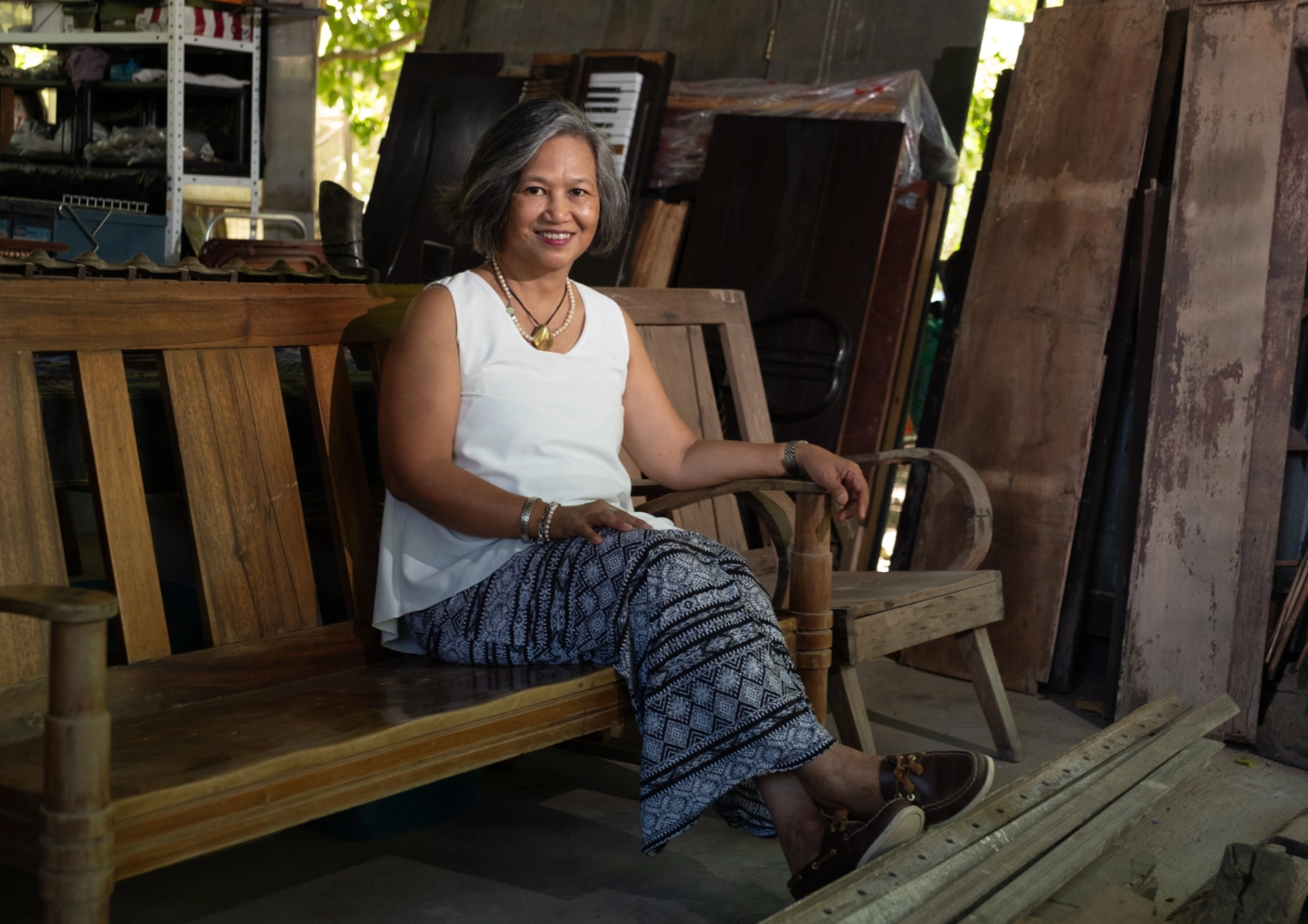
PLUS: Micaela Benedicto on Designing Homes Built to Last
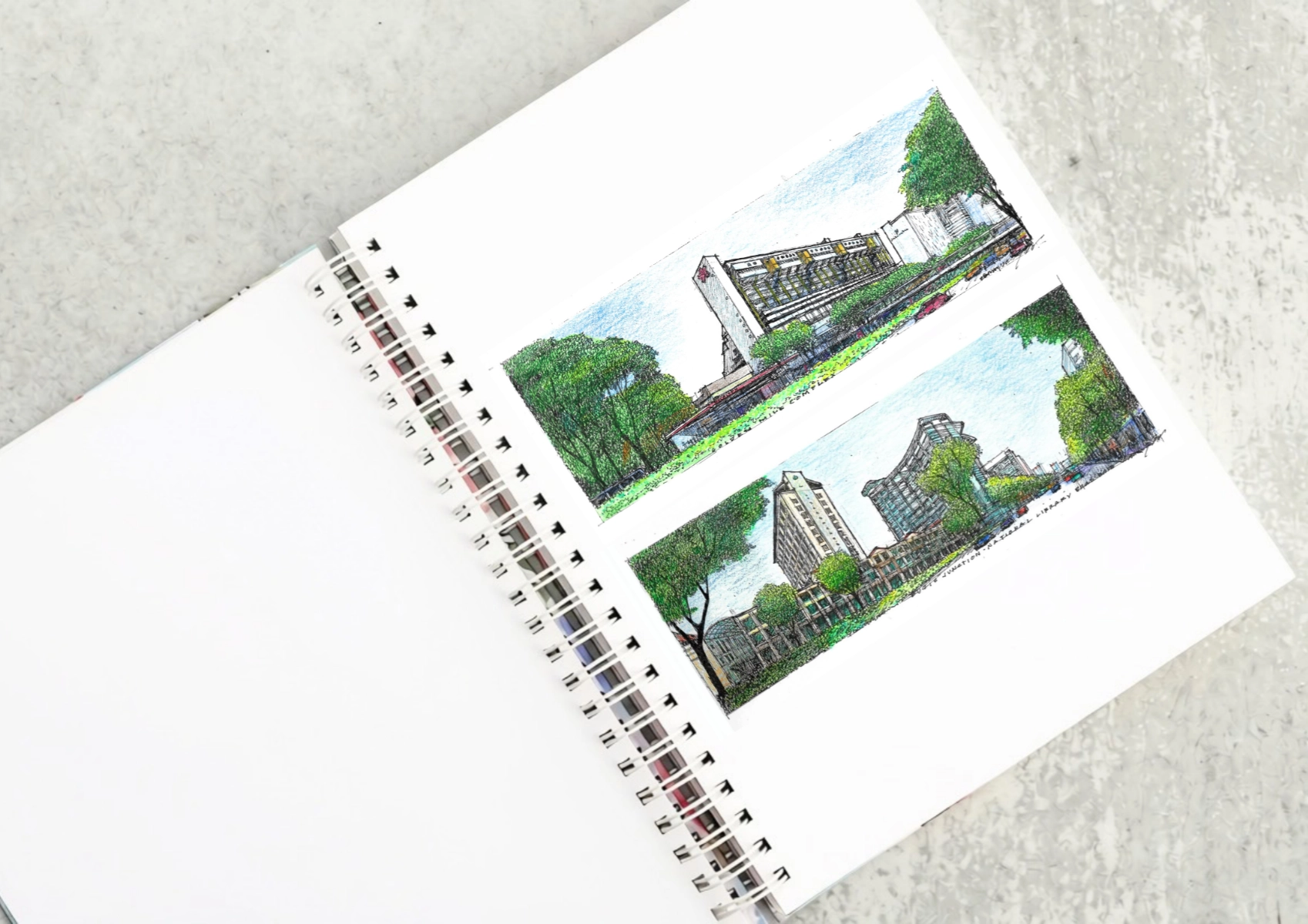
2 - Sketching Shared Ground: Architecture and Memory in Singapore
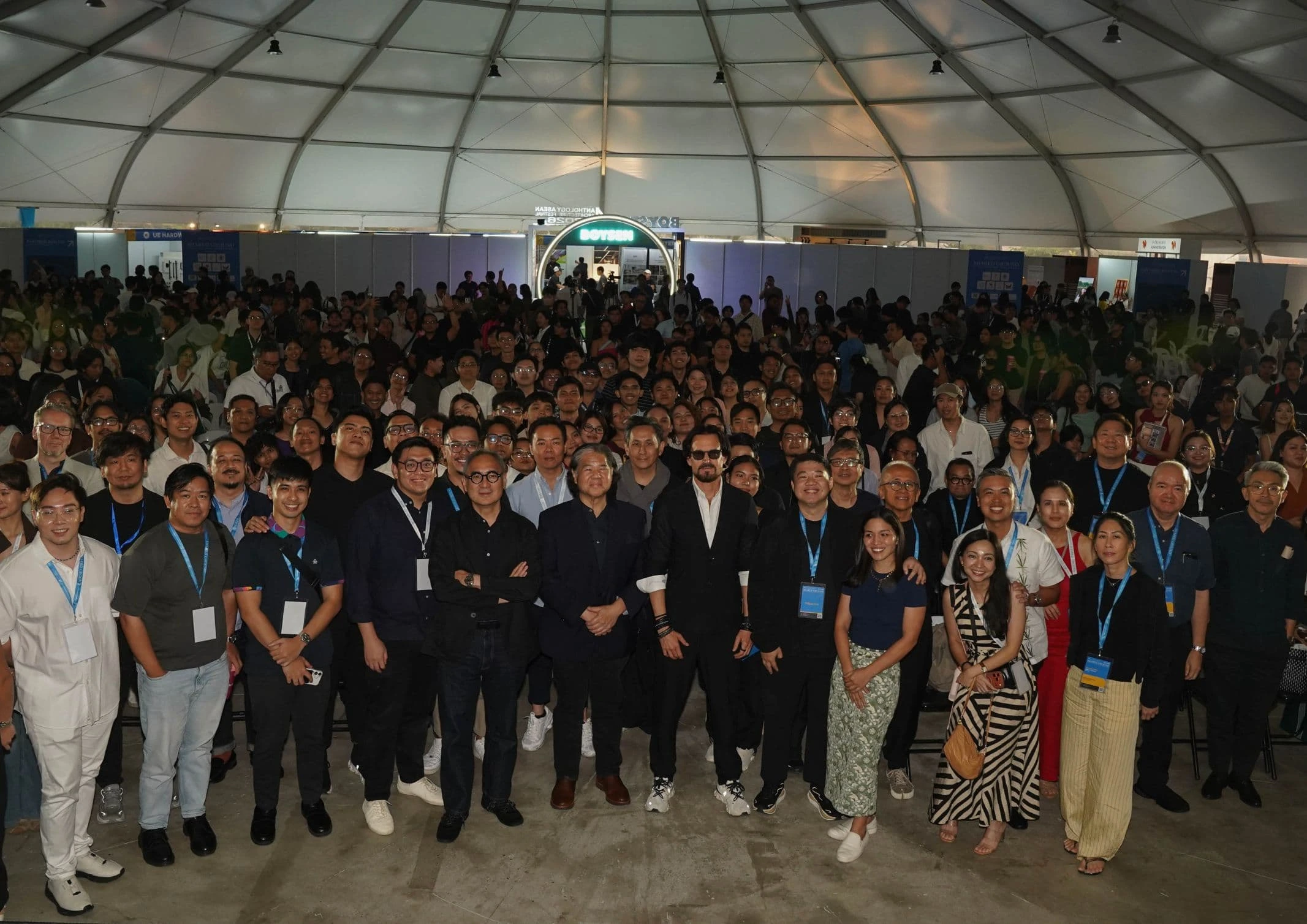
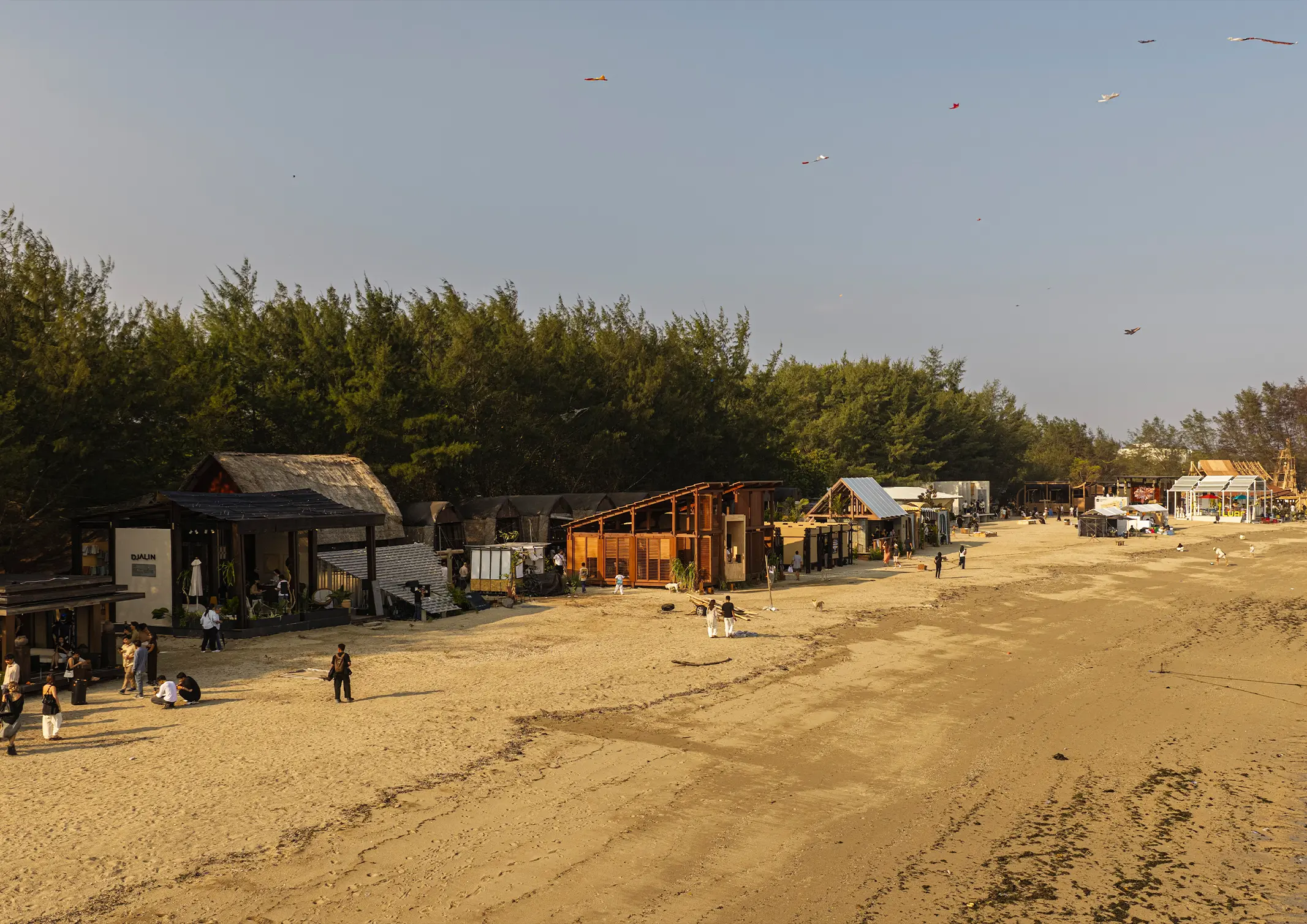
1 - Anthology ASEAN Architecture Festival 2026 Explores Shared Ground in the Philippines and Beyond

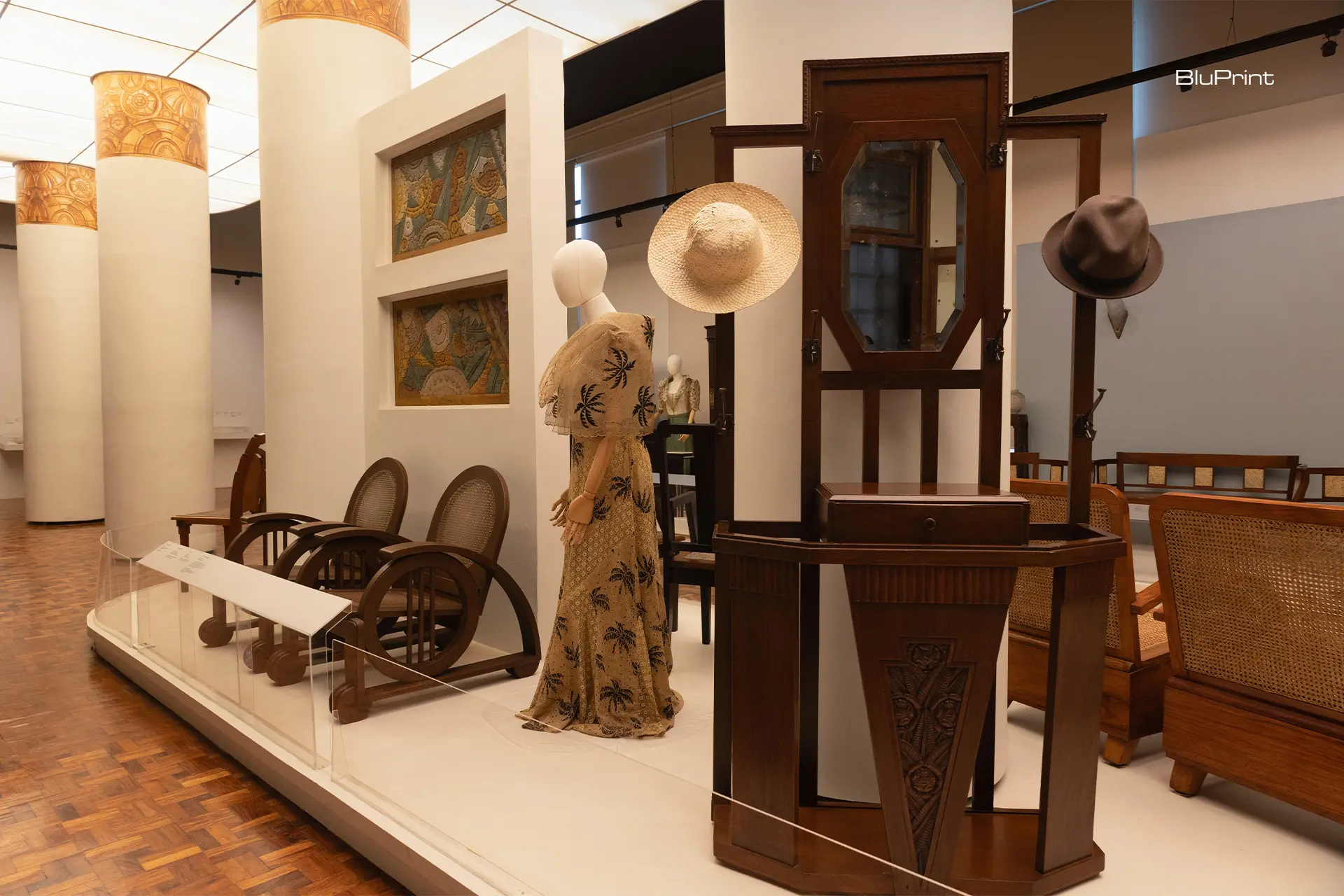
BluPrint and Lifestyle Asia host a morning of culture and conversation, beginning with a tour of the National Museum introduced by BluPrint Editor-in-Chief Paulo Alcazaren.
The gathering continues over lunch at Mango Tree at Newport hosted by Lifestyle Asia’s Chief of Editorial Content, Kerry Tinga, broadening the discussion to Southeast Asia.
TOP 5 STORIES THIS WEEK:
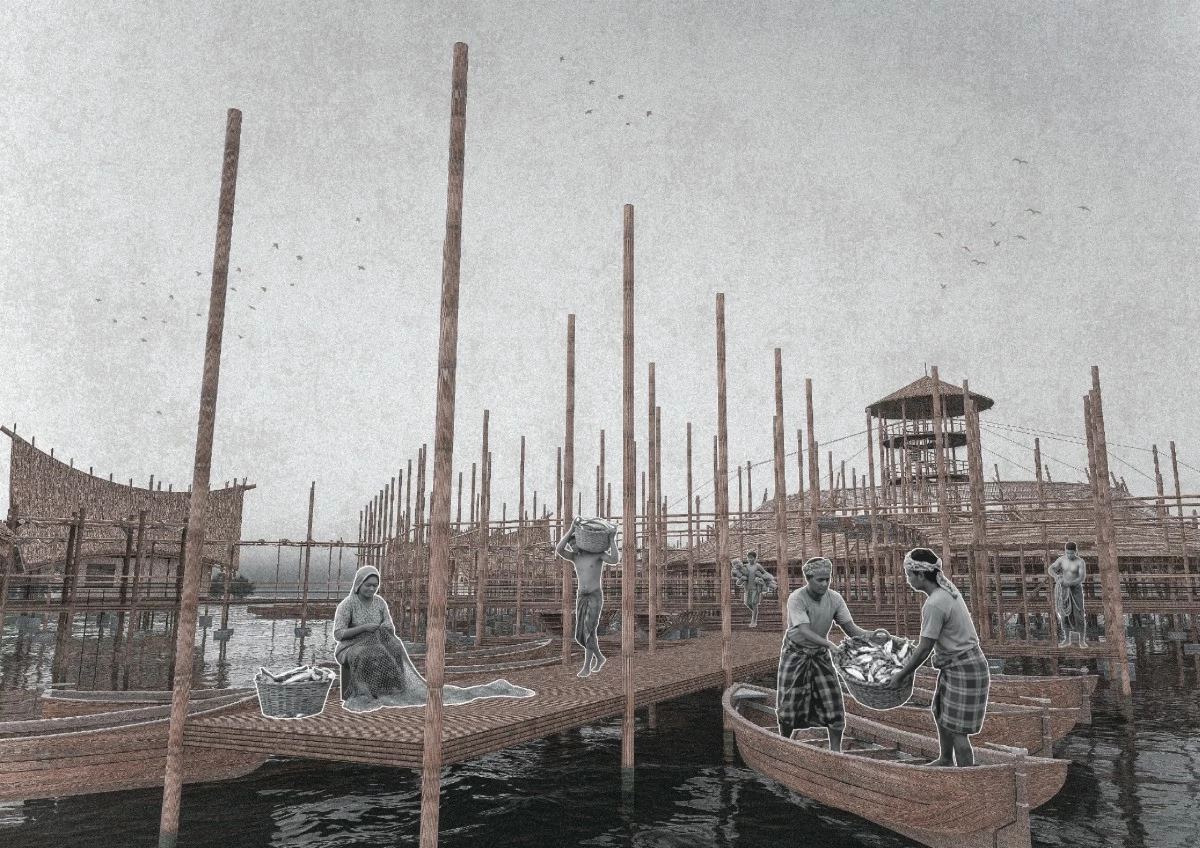
5 - Reimagining the Heart of Manila Through the Visions of Our Future Architects
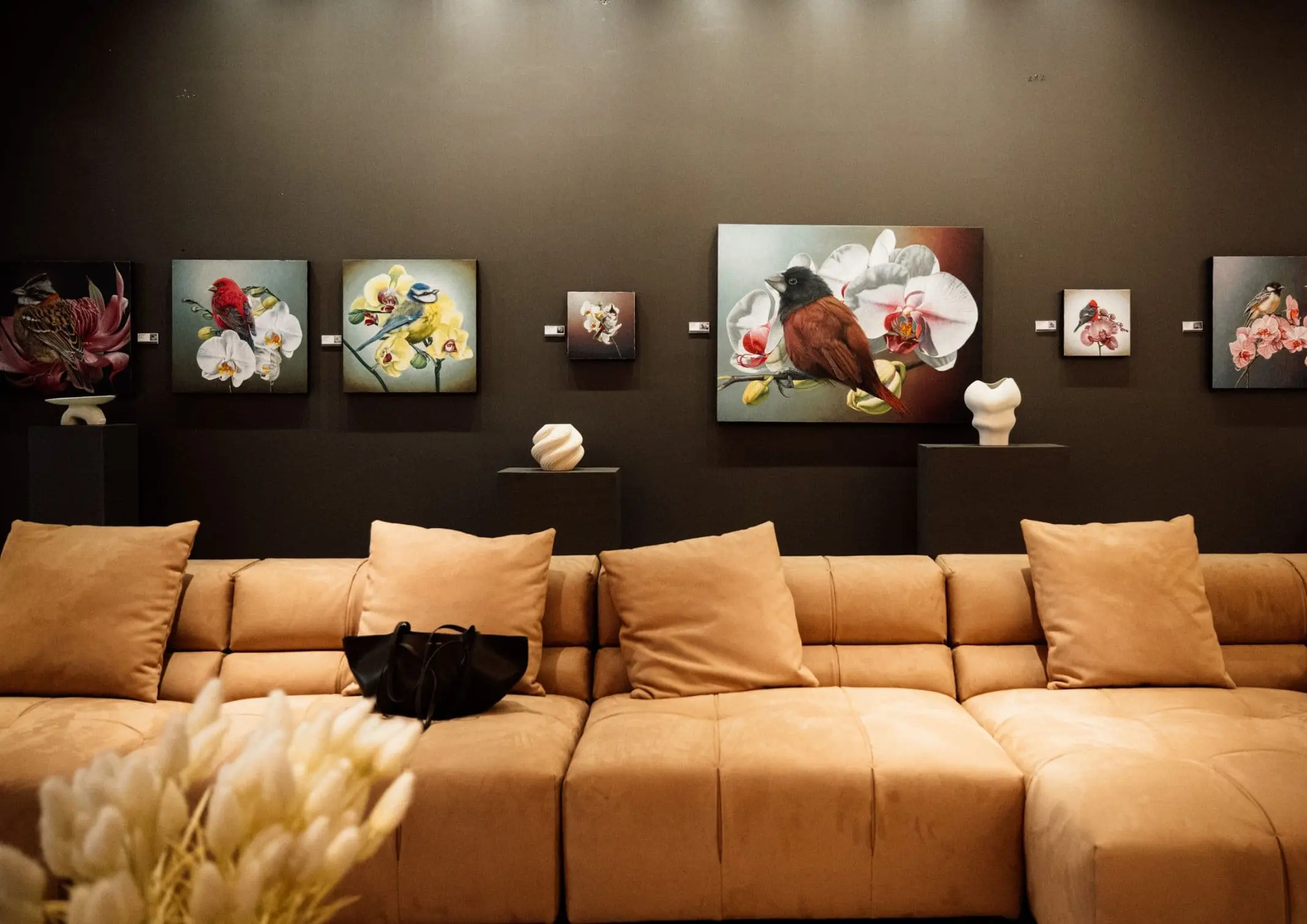
4 - How Can Art and Furniture Work Together in Interior Design?
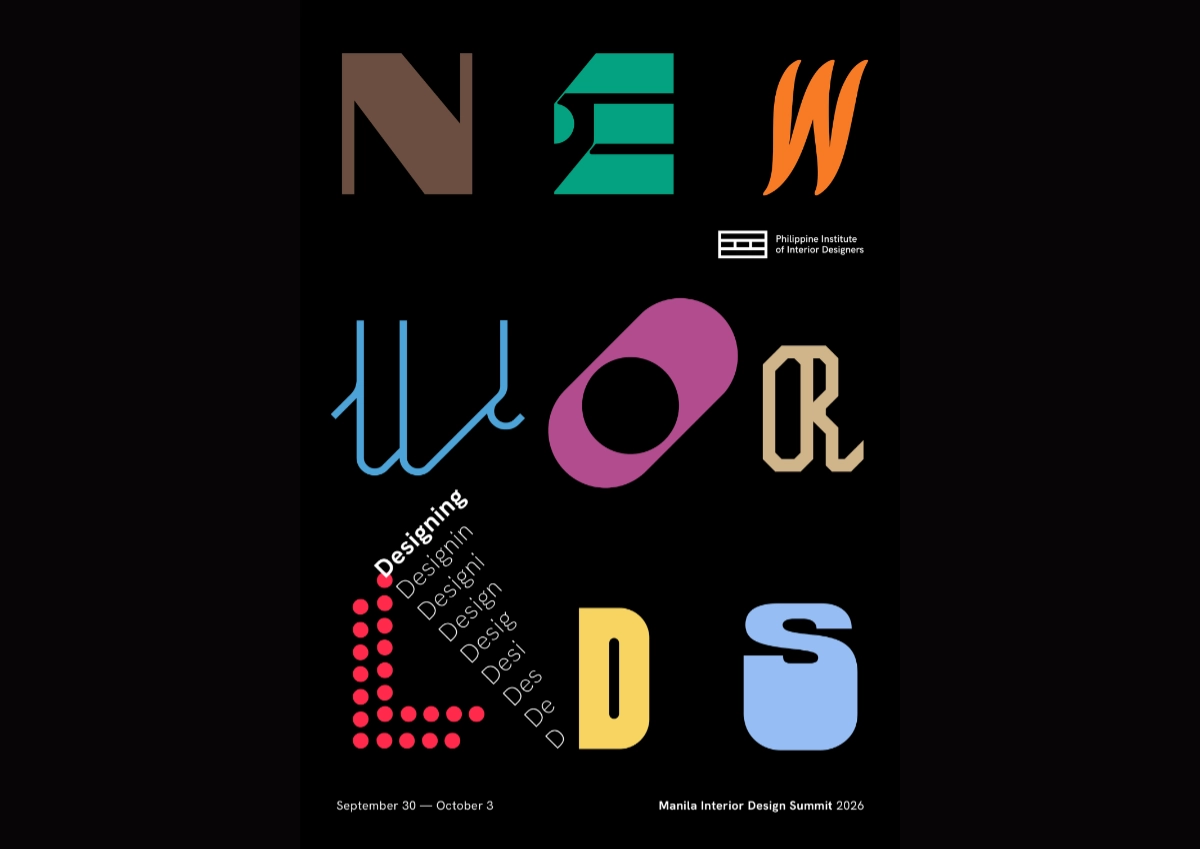
3 - Manila Interior Design Summit 2026 Explores the Filipino Voice in Southeast Asian Design
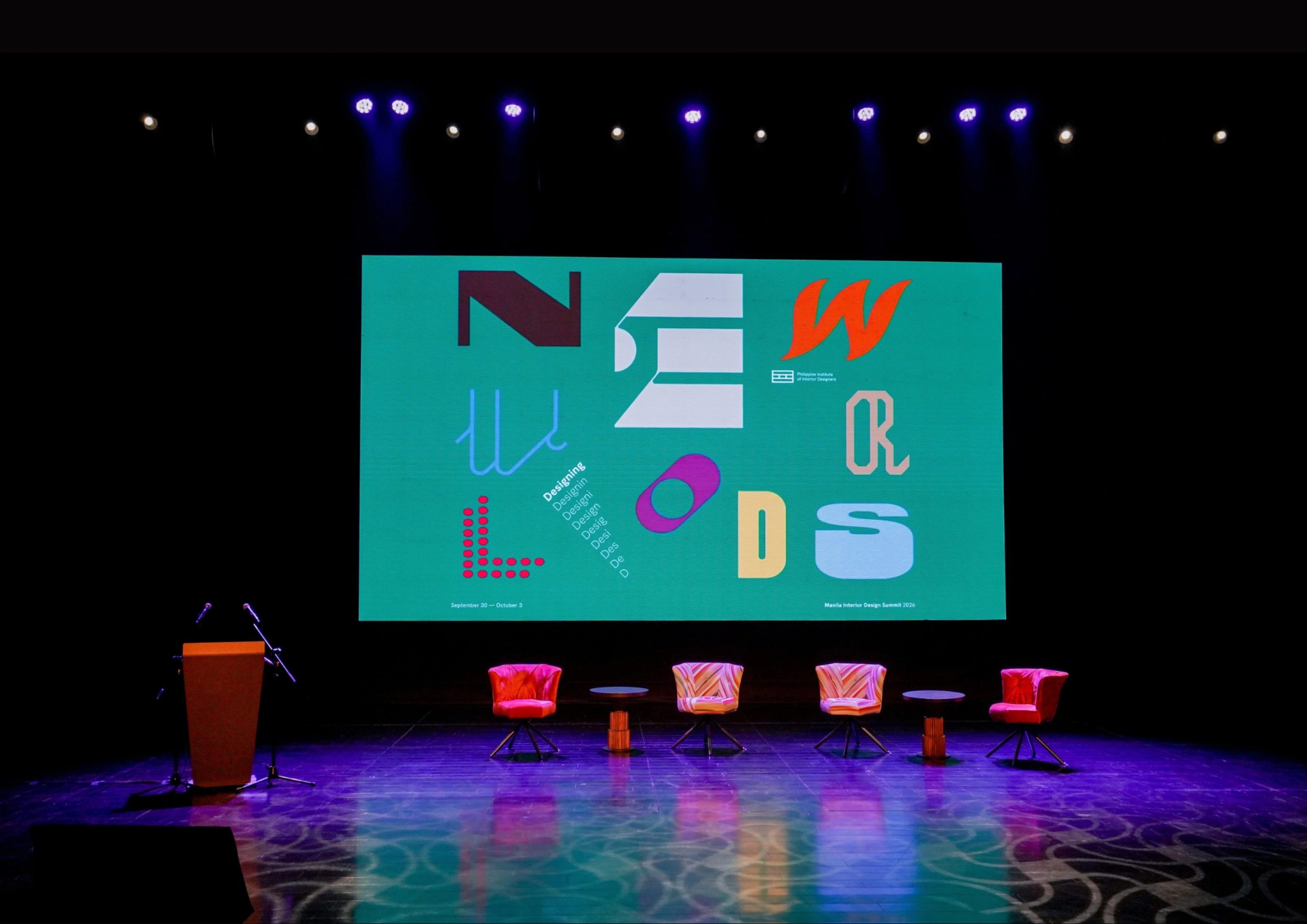
2 - MIDS 2026: Designing New Worlds
PLUS: BluPrint Vol. 3 The Poetics of Space is still available. Order a copy from sarisari.shopping or visit select Fully Booked and National Bookstore outlets.
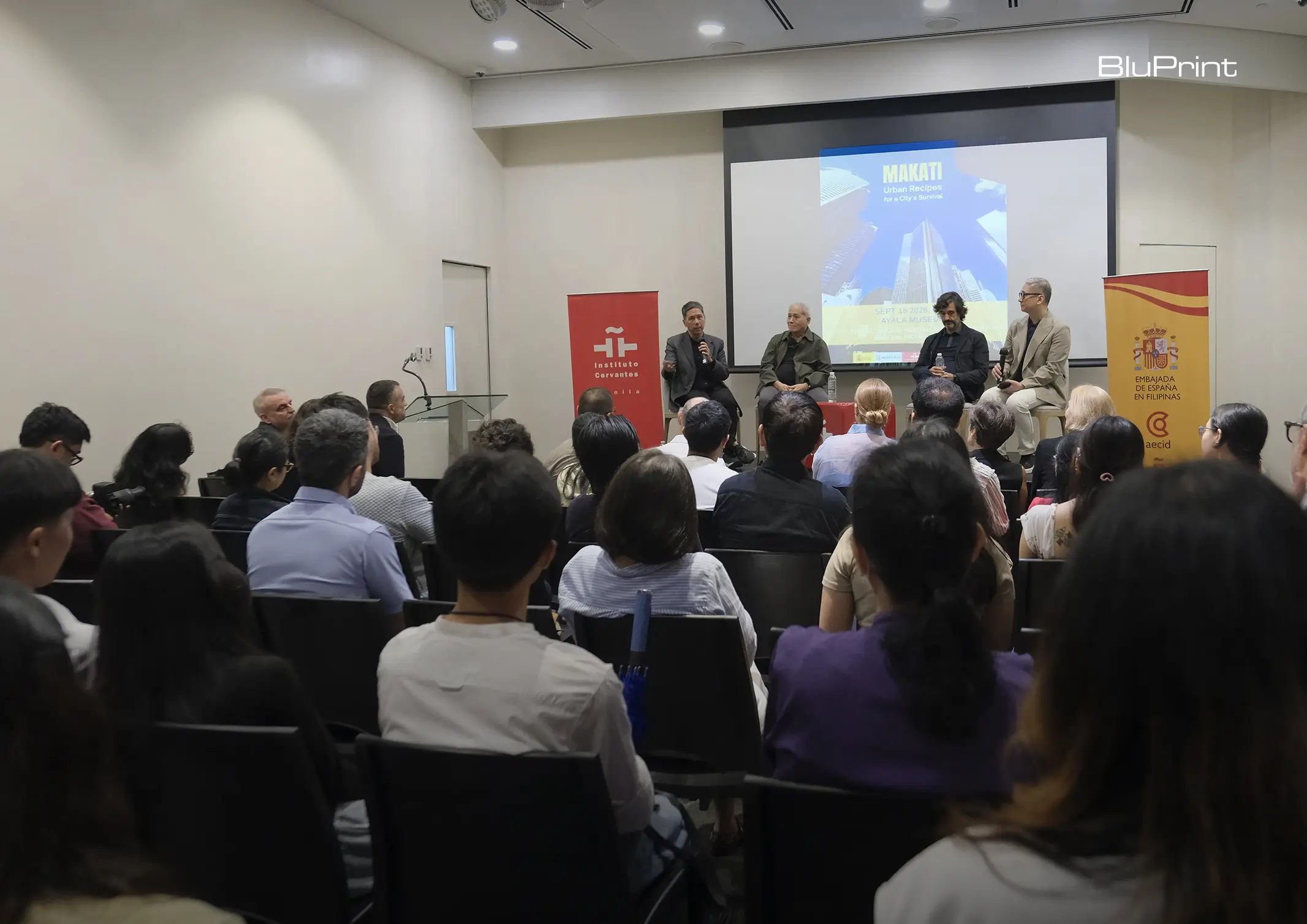
1 - What Makes a City More Livable? Lessons from “Makati Urban Recipes for a City’s Survival”
Discover how architecture and interiors hold the stories of our lives.
BluPrint Vol. 3: The Poetics of Space explores how spaces preserve memories, reflect personal histories, and reveal the relationship between design and lived experience.
Read the issue now at the link in bio.
5 - Filipino Design Finds a Platform at ASEAN Creative Industries Expo
4 - Maestranza to Become Creative Hub as Intramuros Eyes UNESCO Creative Cities List
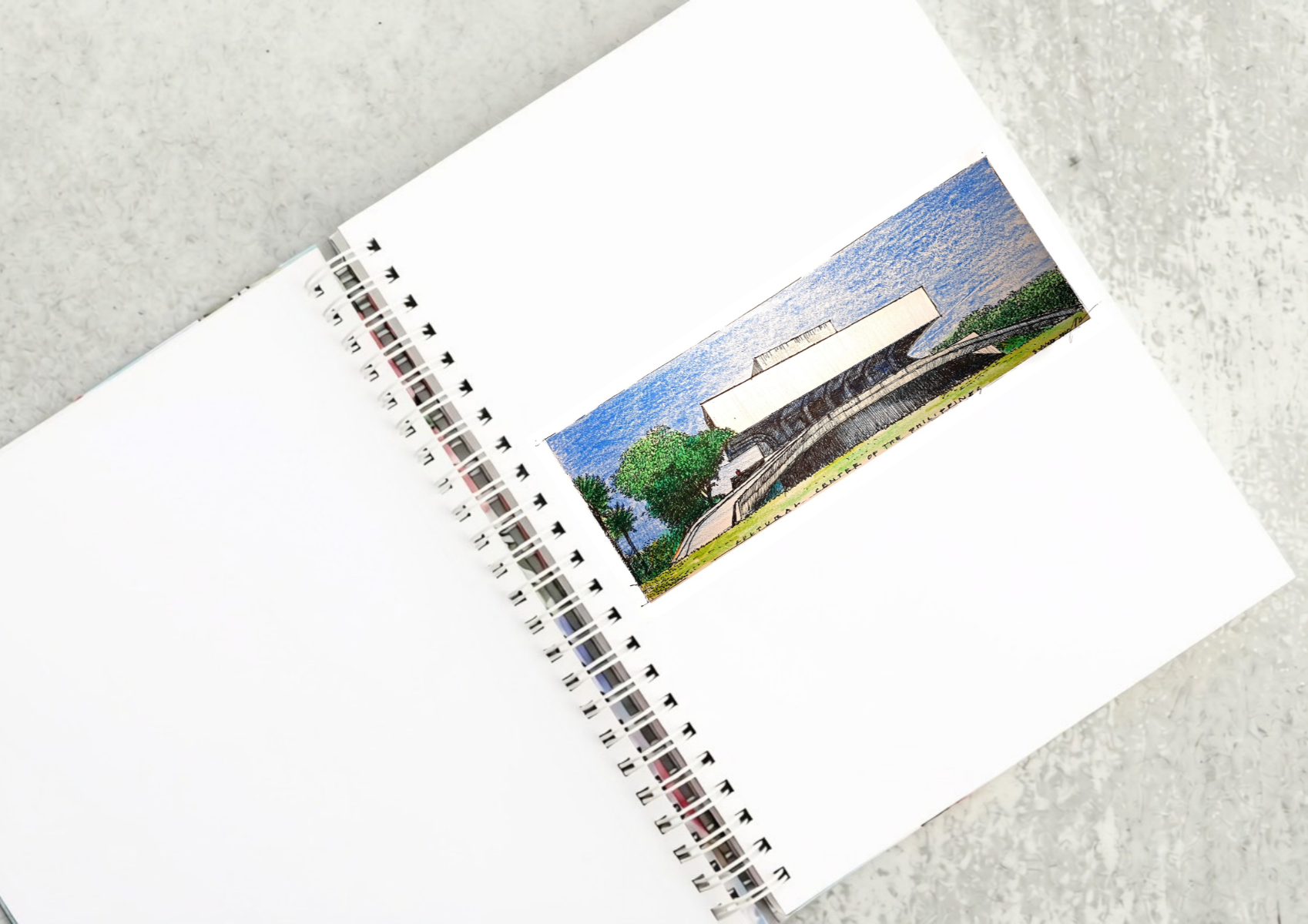
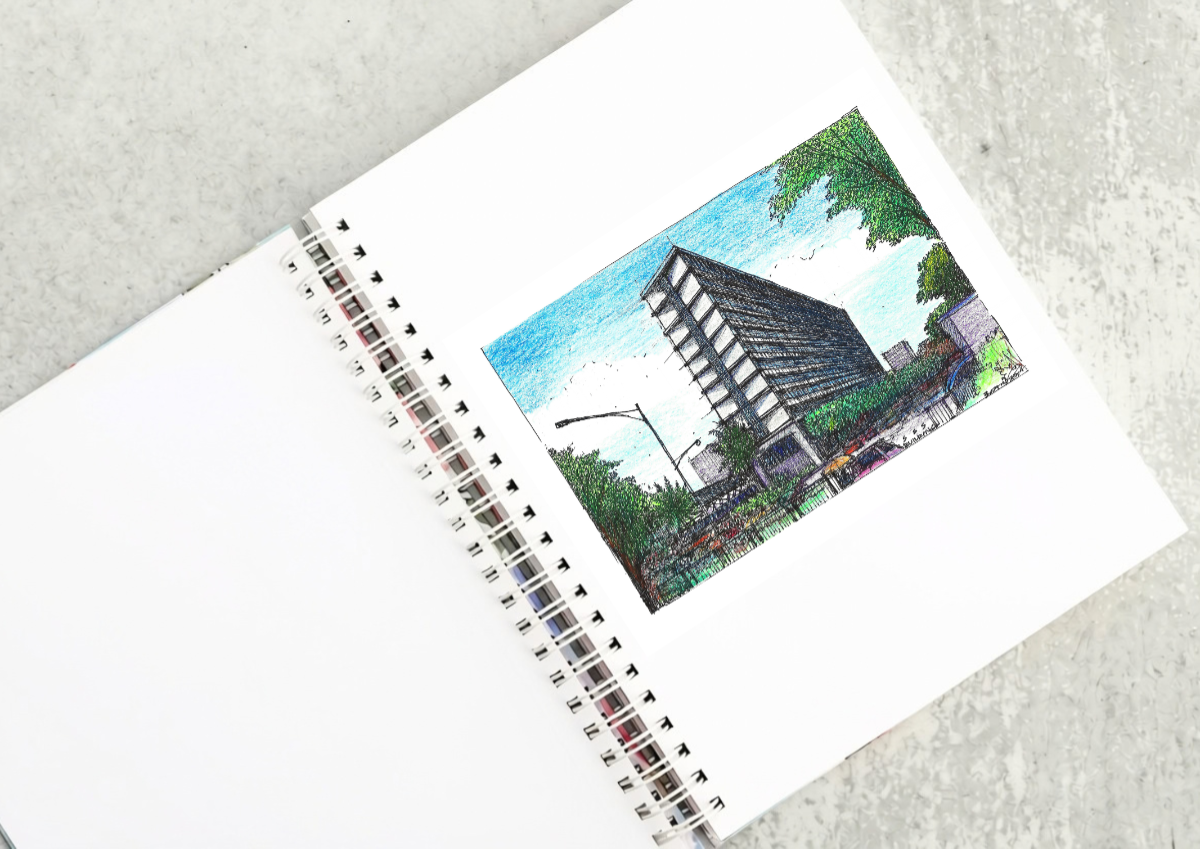
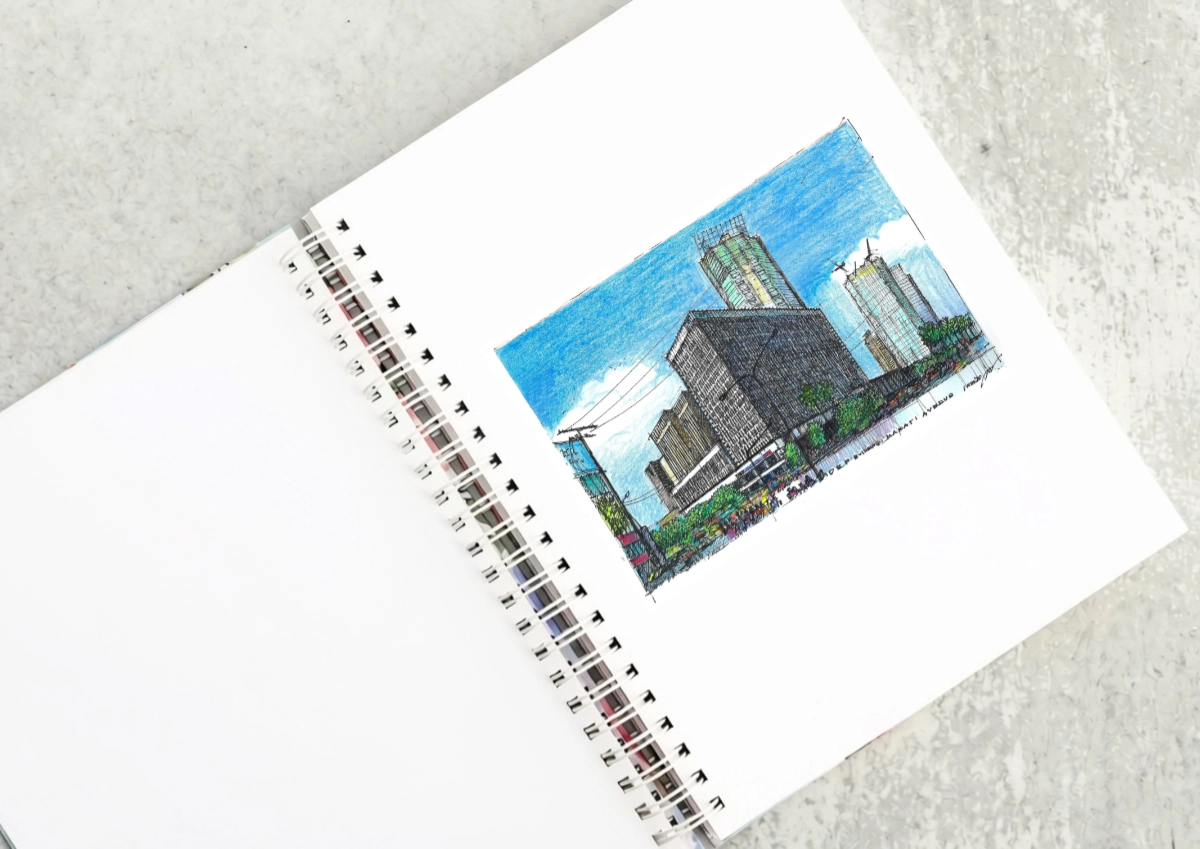
3 - Sketching Modernity 05: The SSS Building
PLUS: A few copies left of BluPrint Design Conversations, a curated book and discussion series celebrating 25 years of Philippine architecture and design. Grab a copy from sarisari.shopping before it runs out.
2 - Edson Cabalfin on His Shift from Fashion to Architecture
1 - Archie Carrasco, Architect of Philippine Fashion and Lifestyle Media, Joins The BoF 500
Read more on Philippine architecture, interior design, and the allied arts on bluprint-onemega.com Link in bio.
5 - Escolta Maestros: 6 Filipino architects who shaped the old CBD
4 - David Consunji on working with Arguelles, Nakpil, Zaragoza, and more
3 - Sketching Modernity 04: The DBP Building
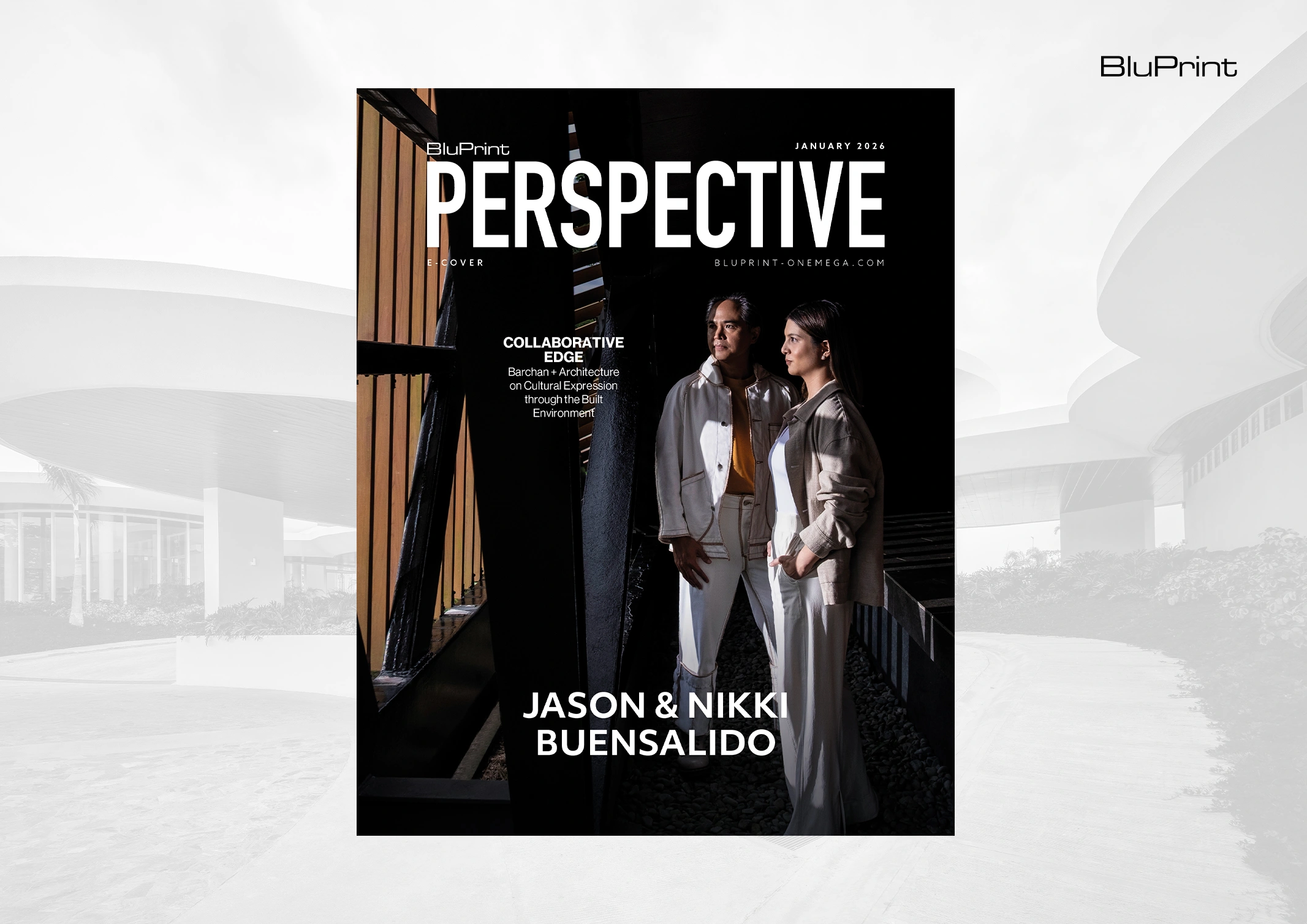
2 - The Art of Collaboration: Barchan + Architecture on Decentralizing Design and Cultural Expression
PLUS: BluPrint Vol. 3 The Poetics of Space is out now.
Order a copy from sarisari.shopping or visit select Fully Booked and National Bookstore outlets.
1 - How Cultural Knowledge Can Move Design Beyond Cultural References
Want to learn more about Philippine architecture, interiors, and the allied arts? Join our Facebook page–BLUPRINTMAG or follow us on Instagram @bluprintmag or visit bluprint-onemega.com. Link in bio.
BluPrint congratulates Archie G. Carrasco, Chairman and CEO of AGC Power Holdings Corp., on being named to the BoF 500 Class of 2026, Media Category.
His inclusion in The Business of Fashion’s definitive index of people shaping the global fashion industry reflects a vision that has long guided his work: bringing Filipino talent, creativity, and storytelling to the global spotlight.
It is a vision that resonates deeply with BluPrint. By championing Filipino creativity and the people behind it, platforms can help ensure that the Philippines is not only part of the global creative conversation, but more visible within it.
Congratulations, AGC, from the BluPrint team!
#ArchieCarrasco #BoF500 #AGCPowerHoldings #FilipinoCreativity
Interiors hold more than the objects and people within them. They carry memory, express identity, and shape how a place is experienced and remembered.
In this issue, BluPrint explores interiors as storytellers of memory and lived experience, from homes and places of hospitality to cultural landmarks that have become part of the country’s collective memory.
At its heart is the Philippine International Convention Center, a National Cultural Treasure marking its 50th anniversary and an enduring expression of Filipino creativity and craftsmanship.
The Poetics of Space
BluPrint Volume 3
Out on Digital October 1, 2026
Pre-order the limited print edition at sarisari.shopping