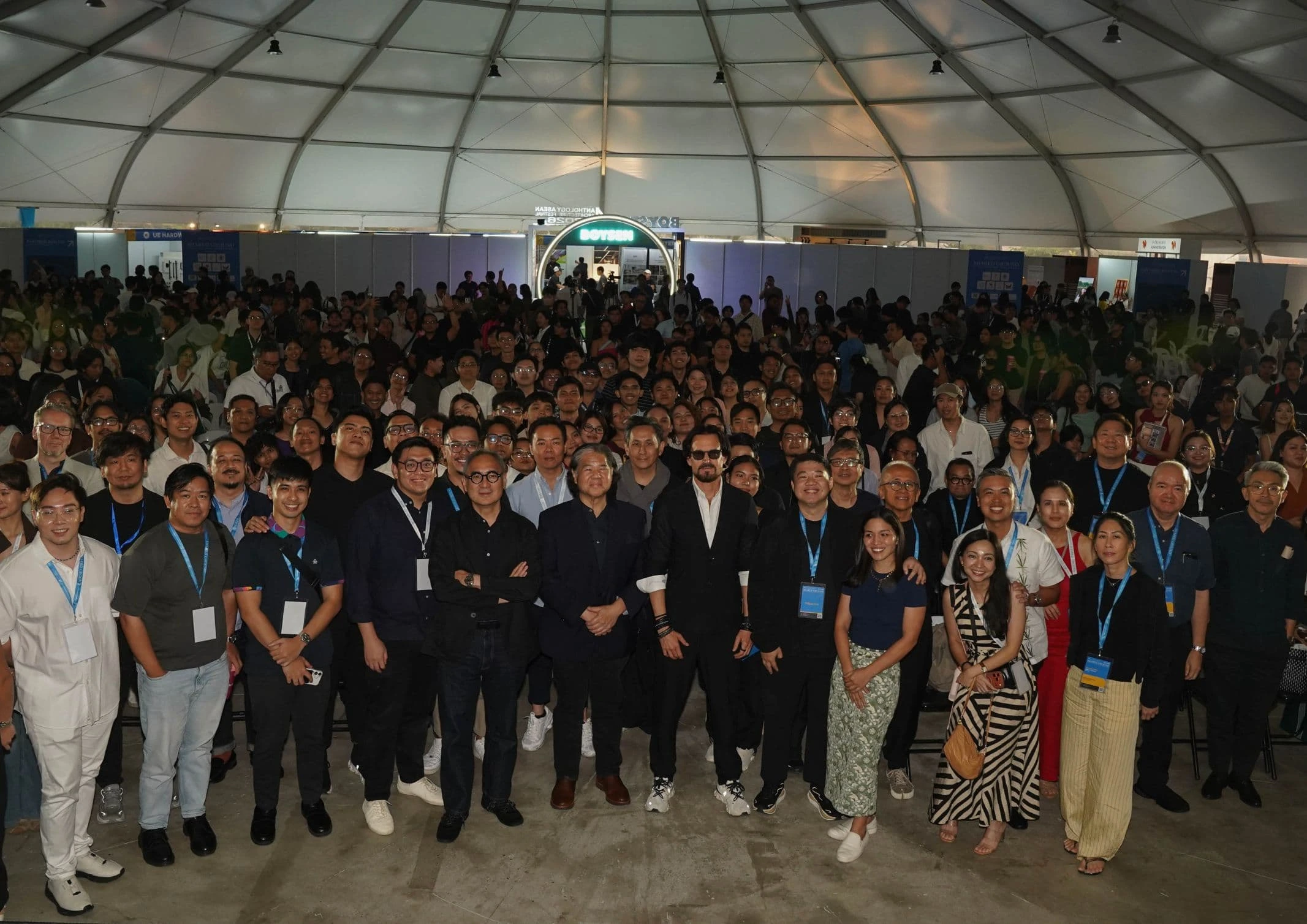
The seventh edition of the Anthology ASEAN ArchitectureArchitectureThe art and science of designing and constructing buildings, structures, and spaces that are functional, safe, and aesthetically pleasing. It encompasses the planning, design, materials, and techniques used to createGo to Architecture Glossary Festival brought together over 4,000 delegates from across the Philippines and Southeast Asia for three […]
Resilience by Design: The CWC Design Center and the Urban Land Institute Philippines Discuss Strengthening Cities, Buildings, and Communities



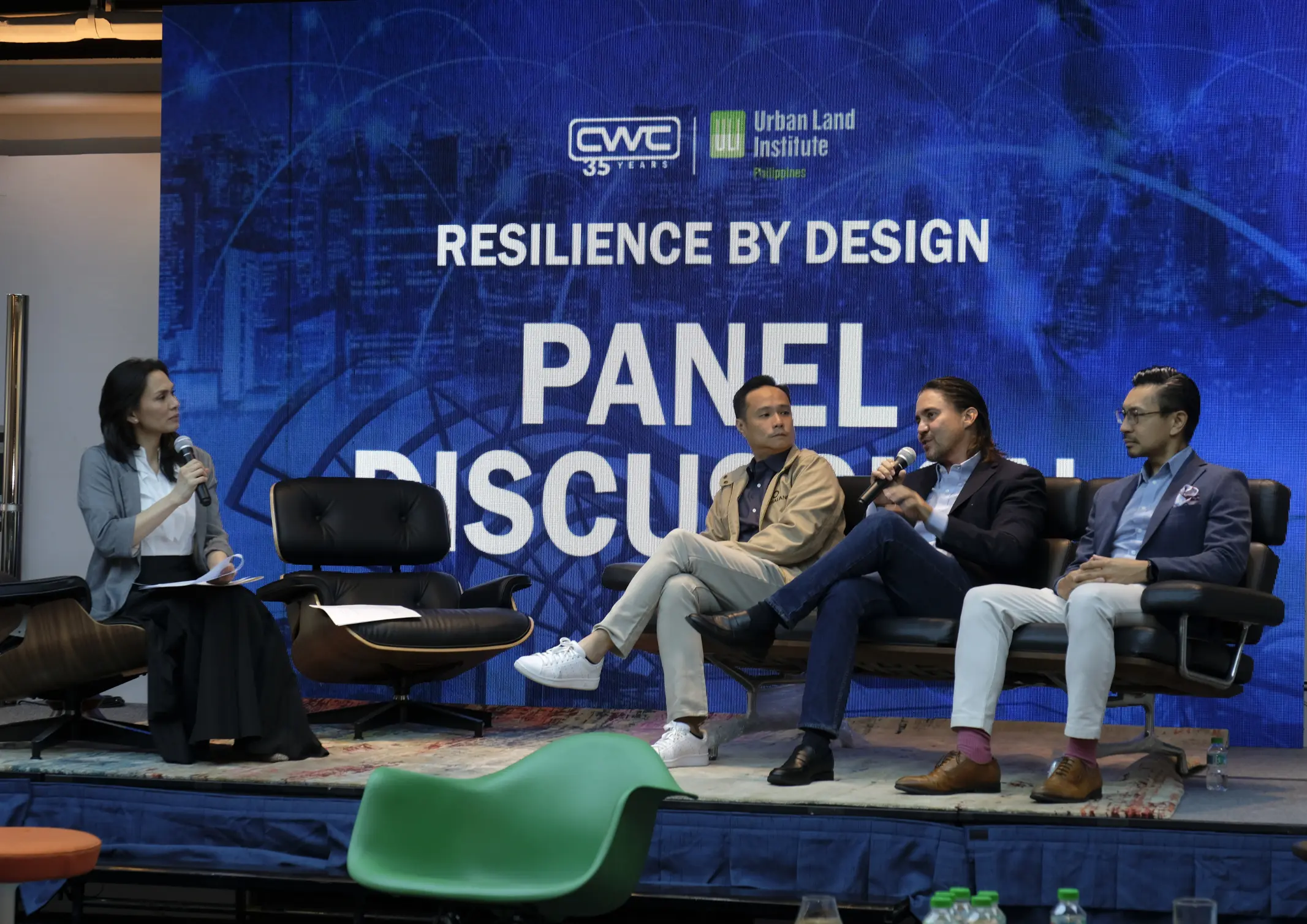
The CWC Design Center (CDC), along with the Urban Land Institute (ULI) Philippines, hosted its Resilience by Design: Strengthening Cities, Buildings, & Communities event. The event invited Architect Eric Manuel of ARCH Capital, Architect Gelo Mañosa of Mañosa & Co., and Oliver Chan of Arthland as panelists. Aptly named, the event discussed how good design can address the Philippines’ challenges, ranging from flood control to disaster resilience.
ULI Philippines: World Risk Report
Eric Manuel of ARCH Capital, and the current chair of ULI Philippines, stated in his opening remarks that the Philippines’ #1 ranking on the World Risk Report, which measures how vulnerable countries are to disasters and their capacity to respond. This ranking indicates that the Philippines is among the worst-positioned globally to handle disasters.
A key comparison was made between Japan and the Philippines, both of which face similar natural disaster risks. However, the former doesn’t appear in the top 50 due to its disaster preparedness and response capabilities. This is a stark contrast to the Philippines.
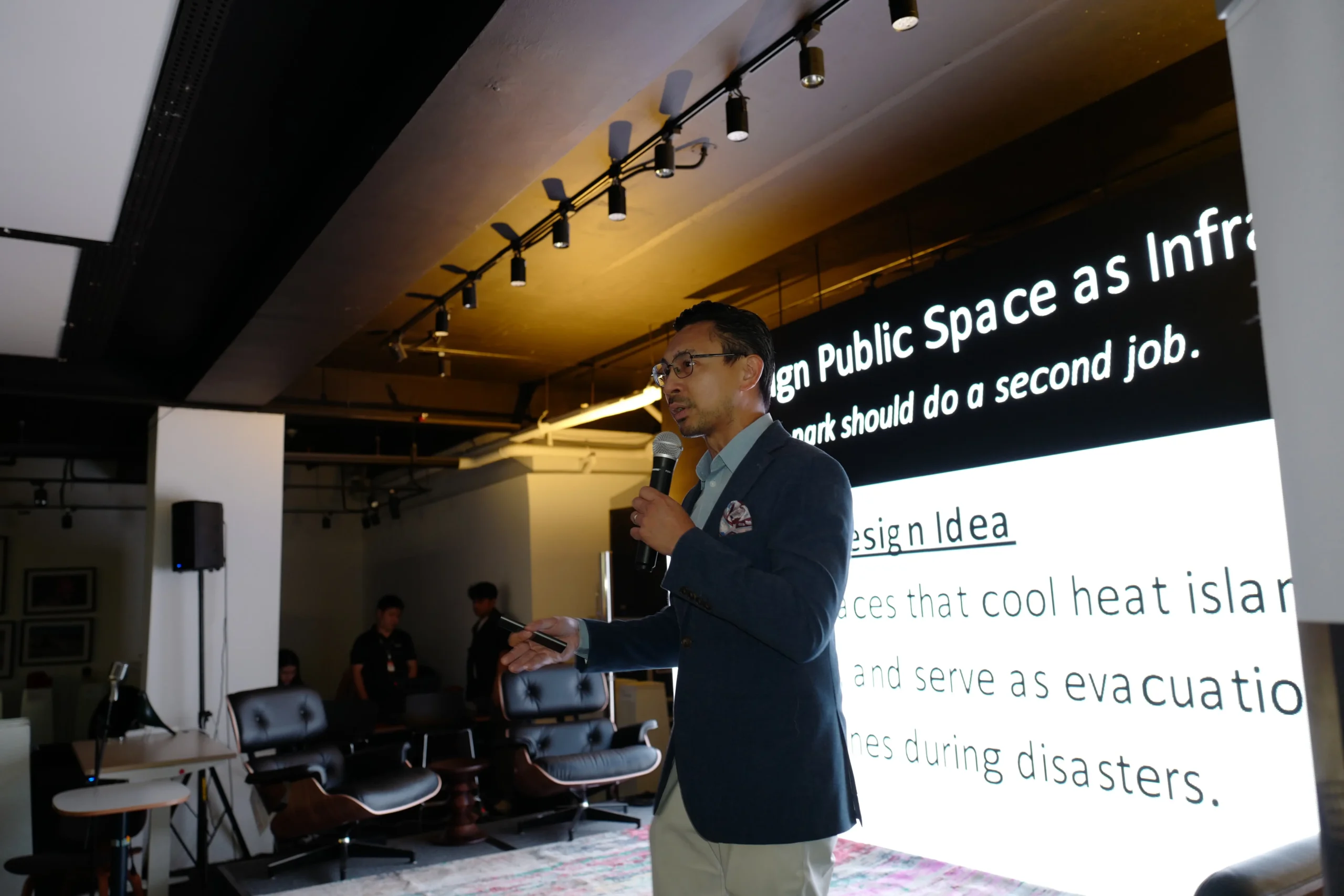
While he has presented the challenges the country faces, Manuel also highlighted how good design can address them. He listed six design principles for resilience: design for water, not against it; build up, not just stronger; make buildings self-sufficient; design public space as infrastructure; and flexibility beats permanence.
“Resilience is not a feature, it’s a design philosophy,” Manuel states. For him, resilience requires multi-sectoral collaboration among the government, the private sector, the community, and academia. Rather than just top-down governance, resilience is faced with a multidisciplinary approach.
In this approach, he emphasizes that there are 3 scales of design: city scale, building scale, and human scale. This refers to the actions we can take as individuals to promote sustainability and resilience. Manuel remarks, “And tonight, CWC will introduce something very special. We are actually doing something at the human scale. That is upcycled furniture, the things that we use in our day-to-day… Now, I want to emphasize the partnership we have with CWC. At the end of the day, I do not want to continue these conversations with design. We design for resiliency.”
Panel Discussion Insights
The panel featured Architects Eric Manuel, Gelo Mañosa, and Oliver Chan. The discussion panel on sustainable development offered insights into the subject, including a knowledge deficit in the Philippine real estate industry. While green buildings exist in the country, they are insufficient in number.
The country possesses an abundance of design talent, yet most sustainable construction is driven by compliance rather than genuine protection. Issues such as life cycles and long-term solutions are rarely considered in the design of structures.
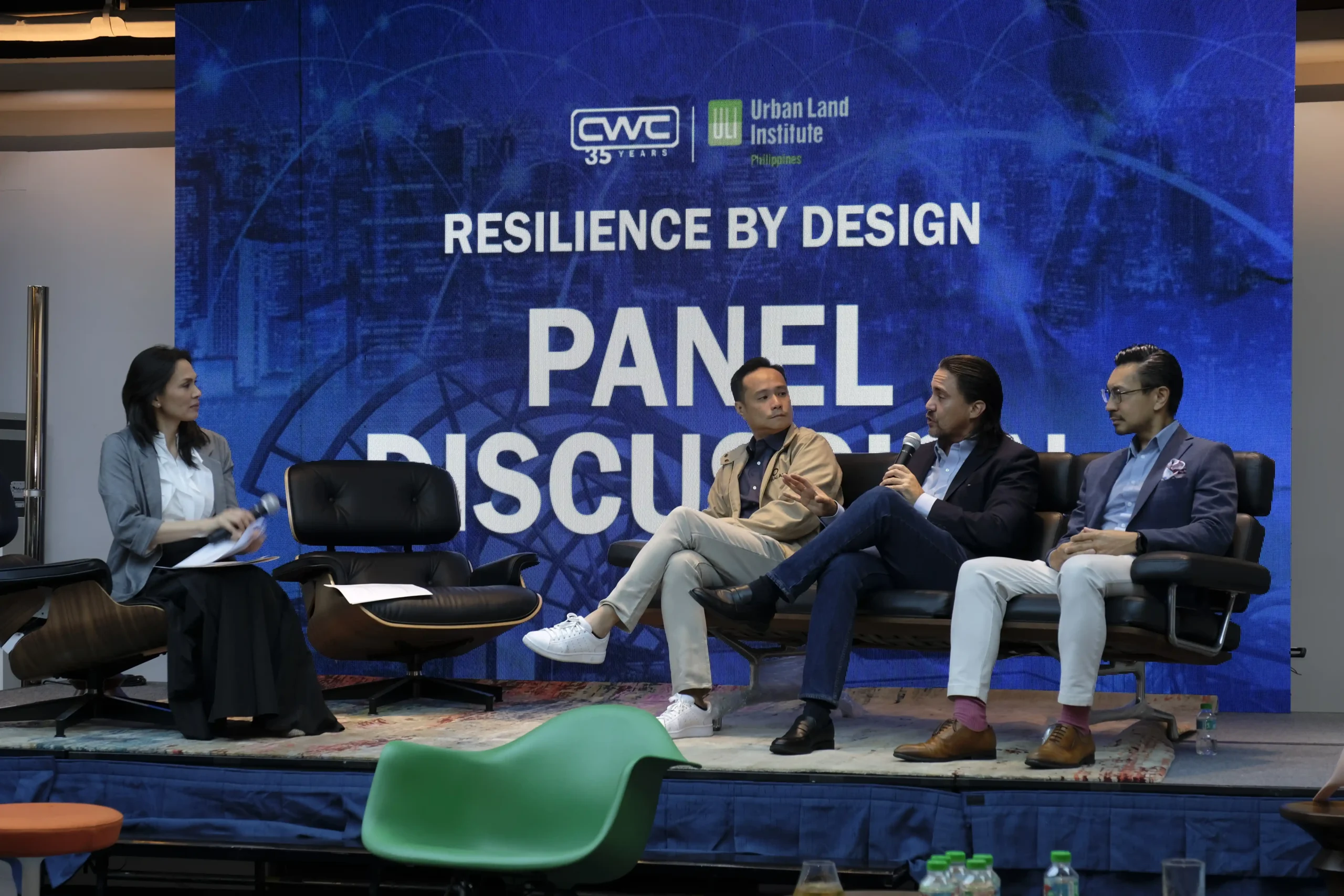
The panelists identified education as one of the most critical issues in designing for sustainability. The consensus was that clients often don’t understand what sustainability truly entails. This leads to the misconception that sustainable options are expensive.
Panelists urged developers to think long-term, especially about future generations who will inherit the cities and buildings we live in now. This demographic shift offers compelling reasons for change. The younger generation demonstrates significantly greater environmental consciousness, and the panelists say this philosophy is often evident among younger members of their teams.
Chan, from Arthaland, shares: “So, [who] we focus on are people who believe in sustainability and why it matters. And that’s what we work on. Then, we teach them the fundamentals, how to make it even bigger. Then the ideas come in. The ideas come in because people believe in it, and they actually think of how to make [them] better.”
Looking Towards the Future
All three panelists estimate that climate-resilient design will only become a standard rather than a premium ten to fifteen years from now. As such, there is still a long way to go in building a more resilient Philippines. Matters such as education, government policy, climate reality, individual action, and local government initiatives are vital steps towards utilizing good design to combat our country’s vulnerability to disasters.
Mañosa laments how the inevitable changes in our climate will eventually force us to make the changes we need. He states, “Climate will force us to start making the changes… Stronger floods, stronger typhoons, stronger storm surges. It’s going to get hotter. It gets hotter. It gets worse year-by-year, and super typhoons are more frequent…We will be forced, whether we like it or not, to have to make changes.”
Photographs from Ed Simon.
Read More: Likhang Filipino Exhibition Halls: A New Era for Philippine Design and Craftsmanship
Frequently Asked Questions
Architect Eric Manuel outlined a specific framework for designing in high-risk environments that moves beyond traditional construction. These principles include designing for water rather than against it by utilizing flood-adaptive architecture and building up instead of just stronger to stay above projected flood levels. Furthermore, buildings should be made self-sufficient to operate off-grid, public spaces should be designed as infrastructure to double as flood catchments, and designers should prioritize flexibility over permanence. Finally, redundancy in critical utility systems is essential for survival during disasters.
The report measures the gap between a country’s exposure to natural hazards and its capacity to respond. A key comparison was made with Japan, which faces nearly identical seismic and typhoon risks but does not appear in the top 50 due to its advanced disaster preparedness and infrastructure capabilities. In contrast, the Philippines suffers from a knowledge deficit and a lack of long-term sustainable construction, where many projects are driven by mere compliance with building codes rather than a genuine intent to protect inhabitants from future climate realities.
Resilience must be implemented across a multidisciplinary spectrum to be effective. The first is the City Scale, which involves integrated urban planning and government policy. The second is the Building Scale, focusing on architectural innovations and self-sufficient property development. The third is the Human Scale, which refers to the daily actions individuals can take to promote sustainability. An example of human-scale design mentioned at the event was the introduction of upcycled furniture by CWC, emphasizing that the objects we use daily contribute to a larger resilient ecosystem.
Panelists Gelo Mañosa and Oliver Chan identified education as the biggest barrier to widespread adoption, noting that clients often perceive sustainable options as an unnecessary premium cost. The technical counter-argument is the consideration of the building’s life cycle. While initial investment may be higher, the long-term cost of repairing damage from frequent “super typhoons” and extreme heat makes resilient design a financial necessity. This shift in thinking requires moving away from short-term profits toward long-term asset protection for future generations.
The panel estimates it will take ten to fifteen years before resilient design becomes the baseline for construction rather than a luxury. This transition will be accelerated by two factors: the rising environmental consciousness of the younger demographic who will inherit these cities, and the increasing frequency of extreme weather events. As storm surges and heatwaves become more severe, the industry will eventually be forced by the climate itself to adopt these changes, regardless of whether policy or preference leads the way.
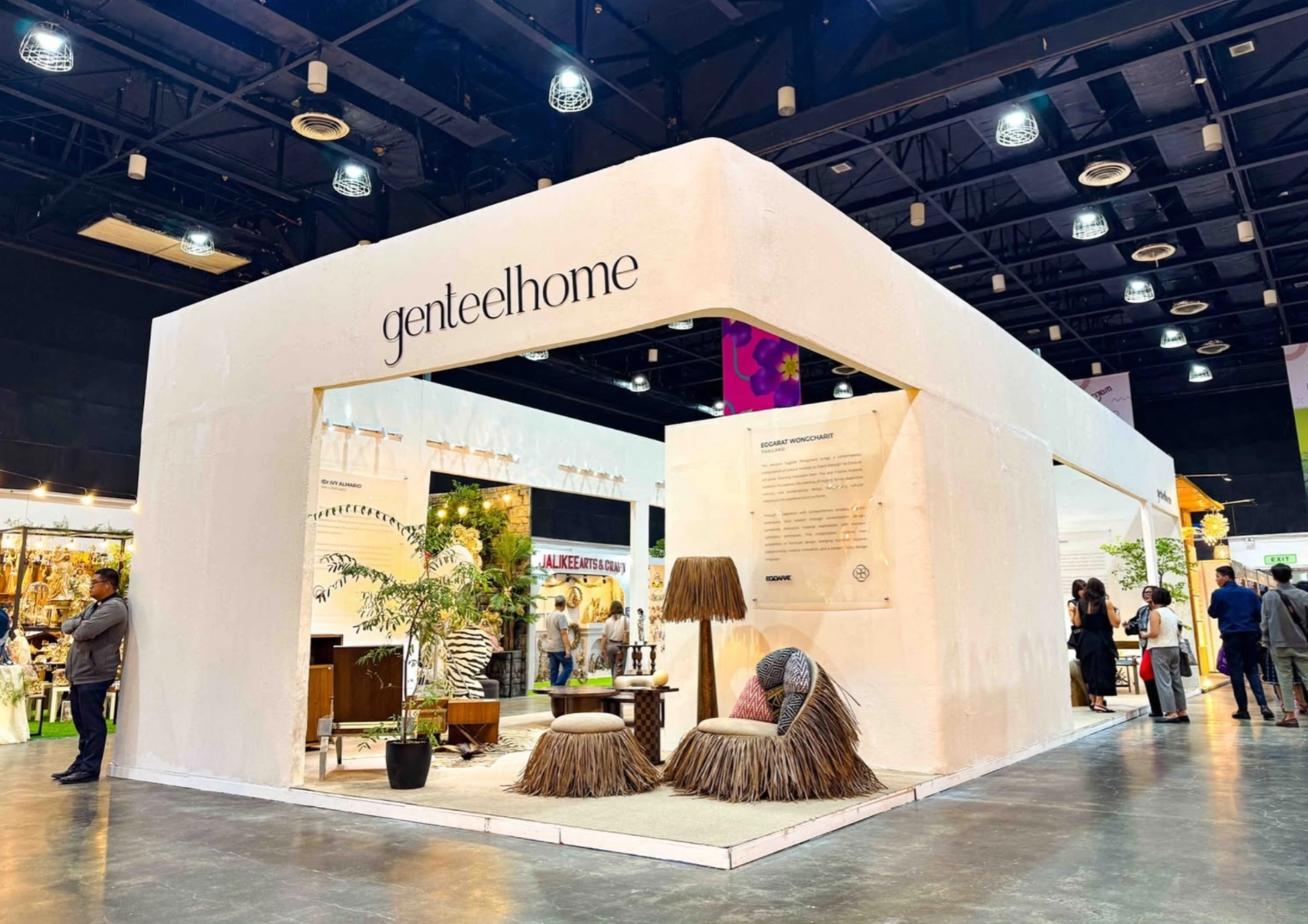
Bigkis is the act of binding. In Tagalog, the word can refer to something used to bind or encircle, as well as a bundle formed by tying several separate elements together. Figuratively, it can also mean a bond, union, or unity. The meanings move from the physical act of joining things together to the connection […]
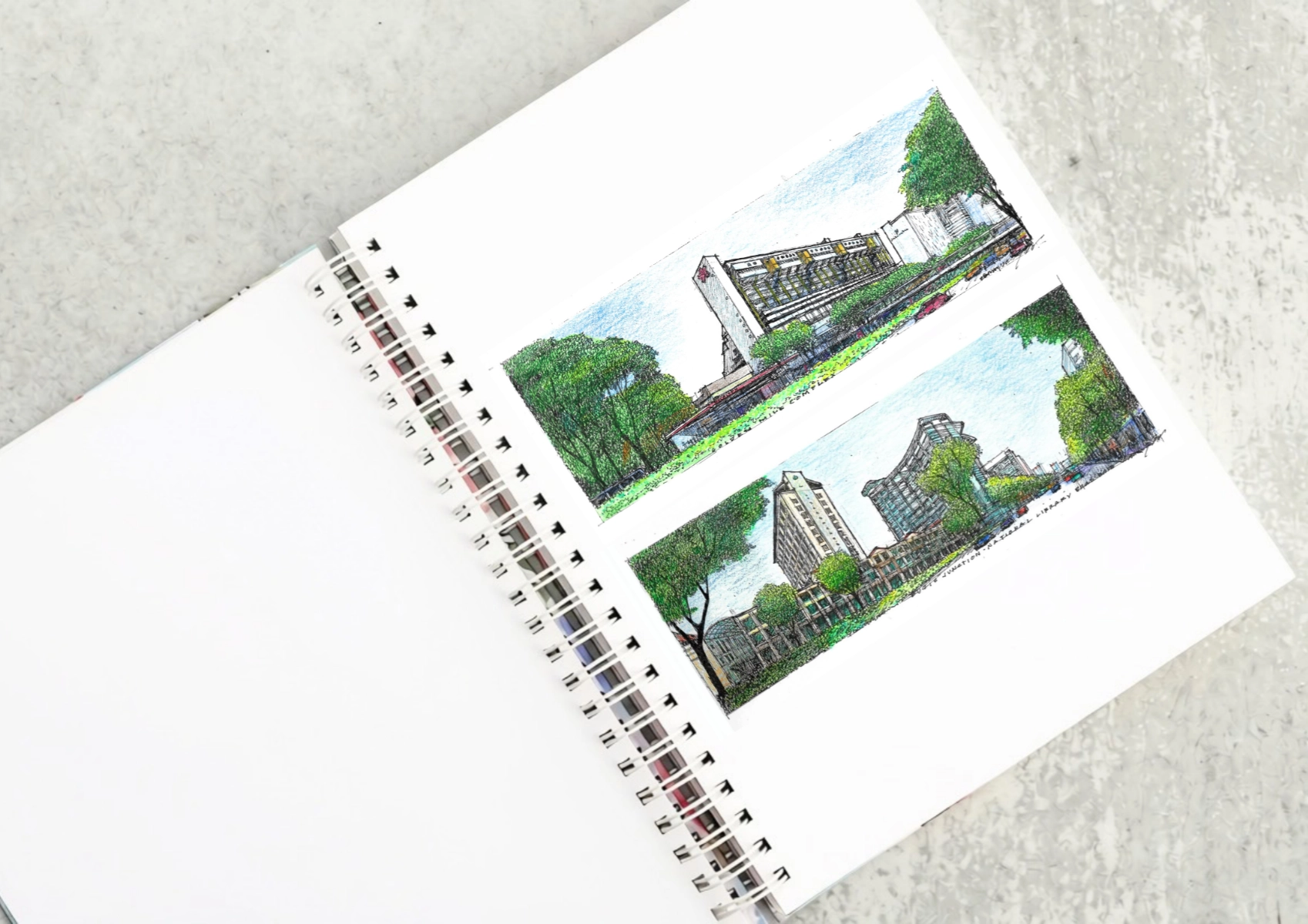
Two sketches of Singapore connect BluPrint Editor in Chief Paulo G. Alcazaren’s personal and professional history with Shared Ground: ArchitectureArchitectureThe art and science of designing and constructing buildings, structures, and spaces that are functional, safe, and aesthetically pleasing. It encompasses the planning, design, materials, and techniques used to createGo to Architecture Glossary of Care, Culture, […]
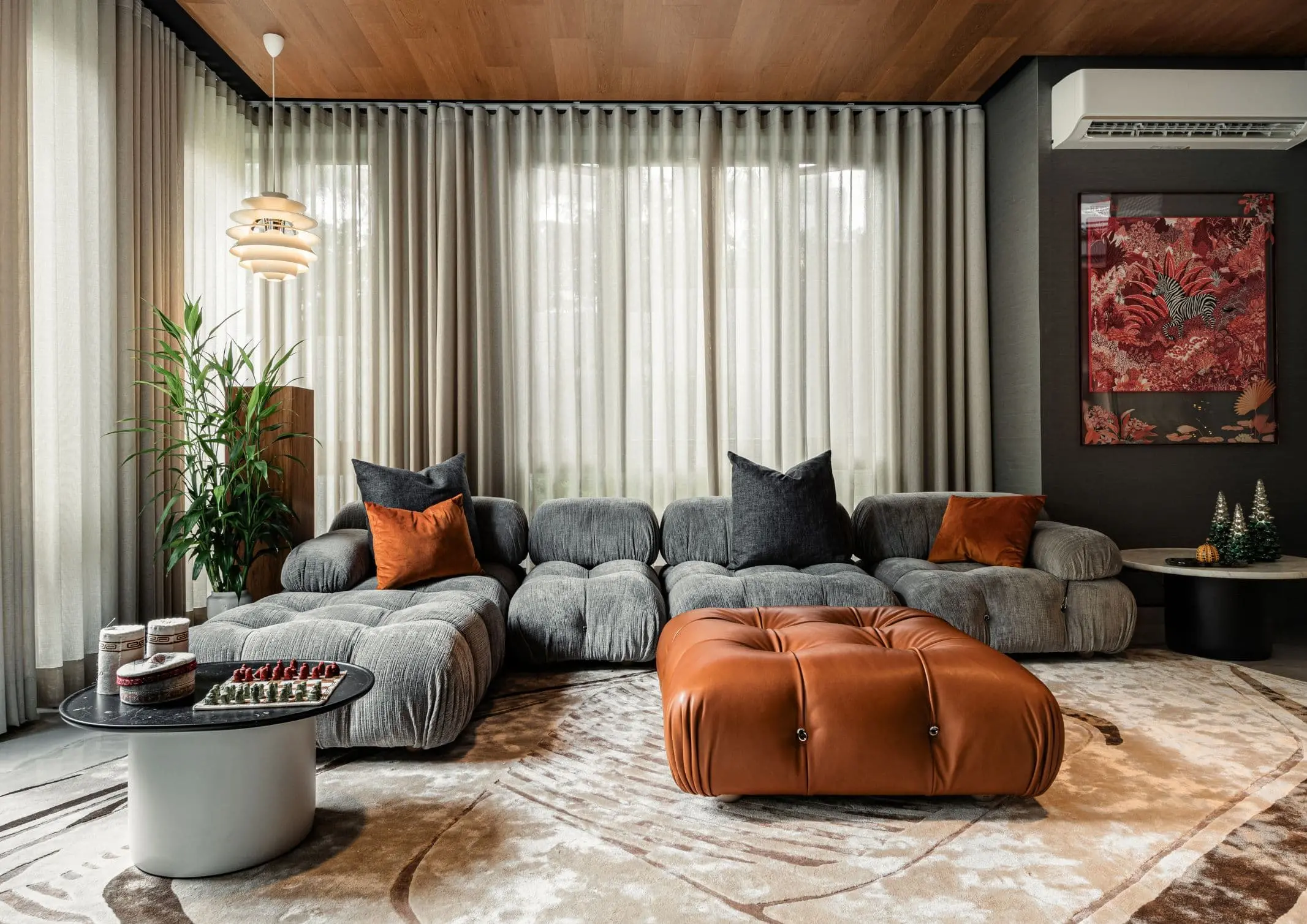
Some have become household names – Coleman, Oster, and KitchenAid – products that have found their way into Filipino kitchens, homes and family routines. In home furnishings, brands such as B&B Italia, Ethan Allen, Sub-Zero, Miele, SieMatic, Louis Poulsen, Hunter Douglas, Tempur, and Technogym, have helped shape the way Filipinos live. From everyday essentials to […]
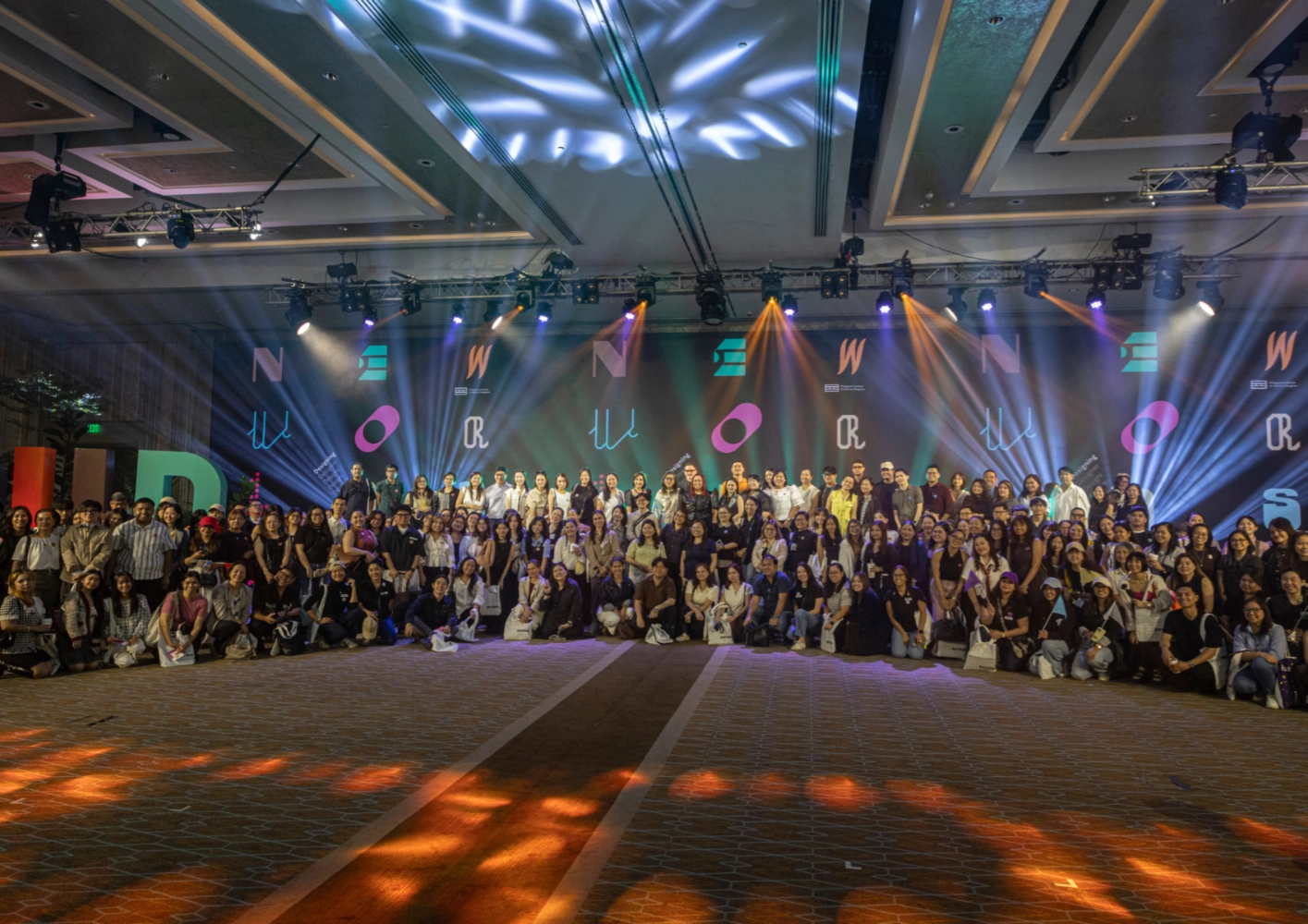
In a way, designers are the modern-day soothsayers and prophets. They design for the future, predicting how a room, a house, a building or a whole city will be used by people. They foresee how users will interact with a space, conjure exact shades of colors to elicit specific behavior and arrange furniture to build […]
Read the issues.

Collect the volumes.

Recommended Video
Tap to Unmute
Unmute
0:00
0:00