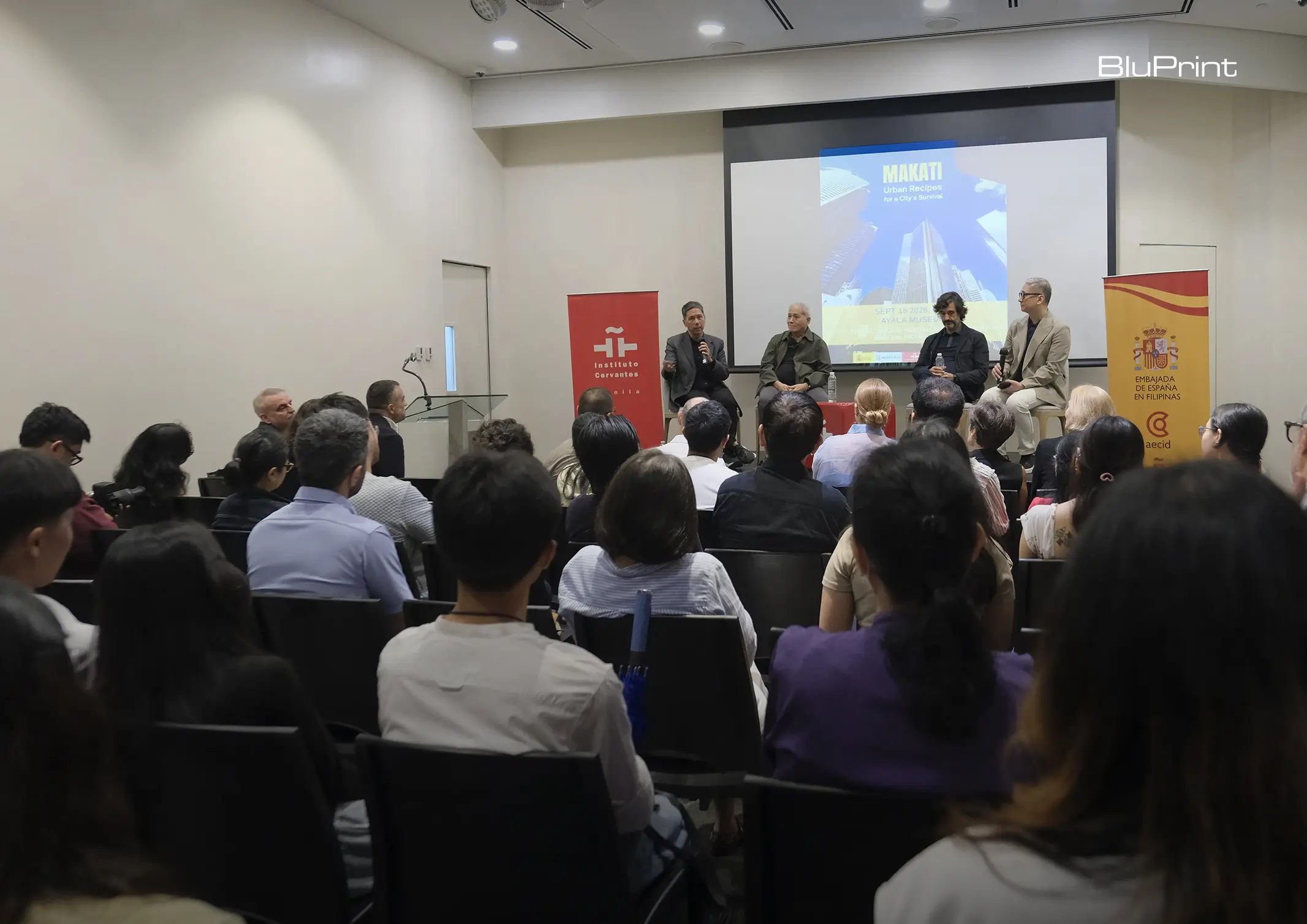
How can better-planned cities create the conditions for more creative, livable, and resilient urban environments? “Makati Urban Recipes for a City’s Survival,” a colloquium held at the Ayala Museum on September 15, brought together architects and practitioners from the fields of urbanism and the creative economy to discuss how design, planning, and collaboration can address […]
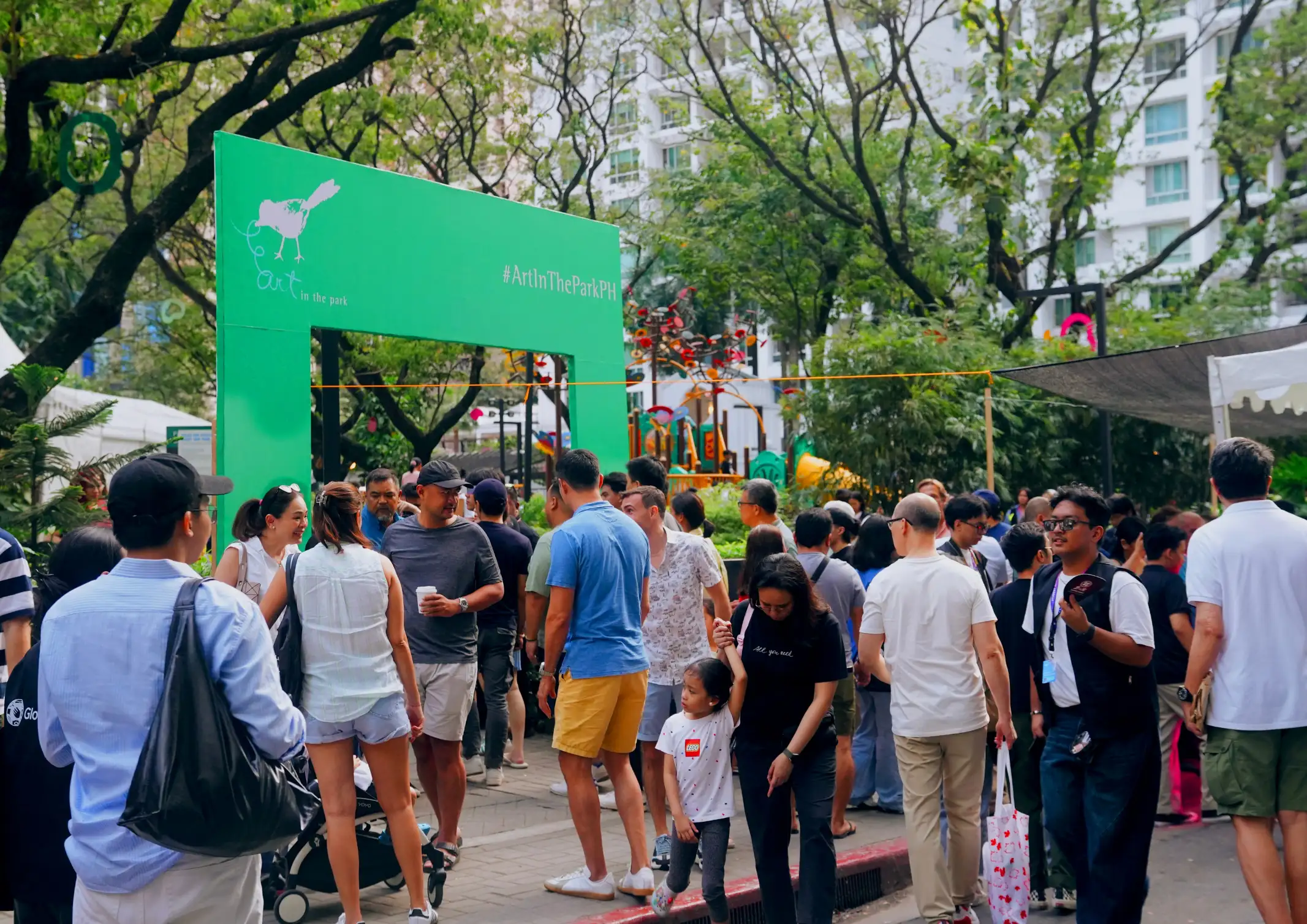
20 Years with Art in the Park: From Active Park to Outdoor Fair



Art in the Park returned this year to Jaime Velasquez Park in Salcedo Village, Makati City, to celebrate its 20th anniversary. This year’s edition featured a curated selection of works from 55 exhibitors representing galleries, art collectives, independent art spaces, and student groups. With all artworks capped at Php 70,000, the fair continued its mission of making art accessible to the public through a casual atmosphere.
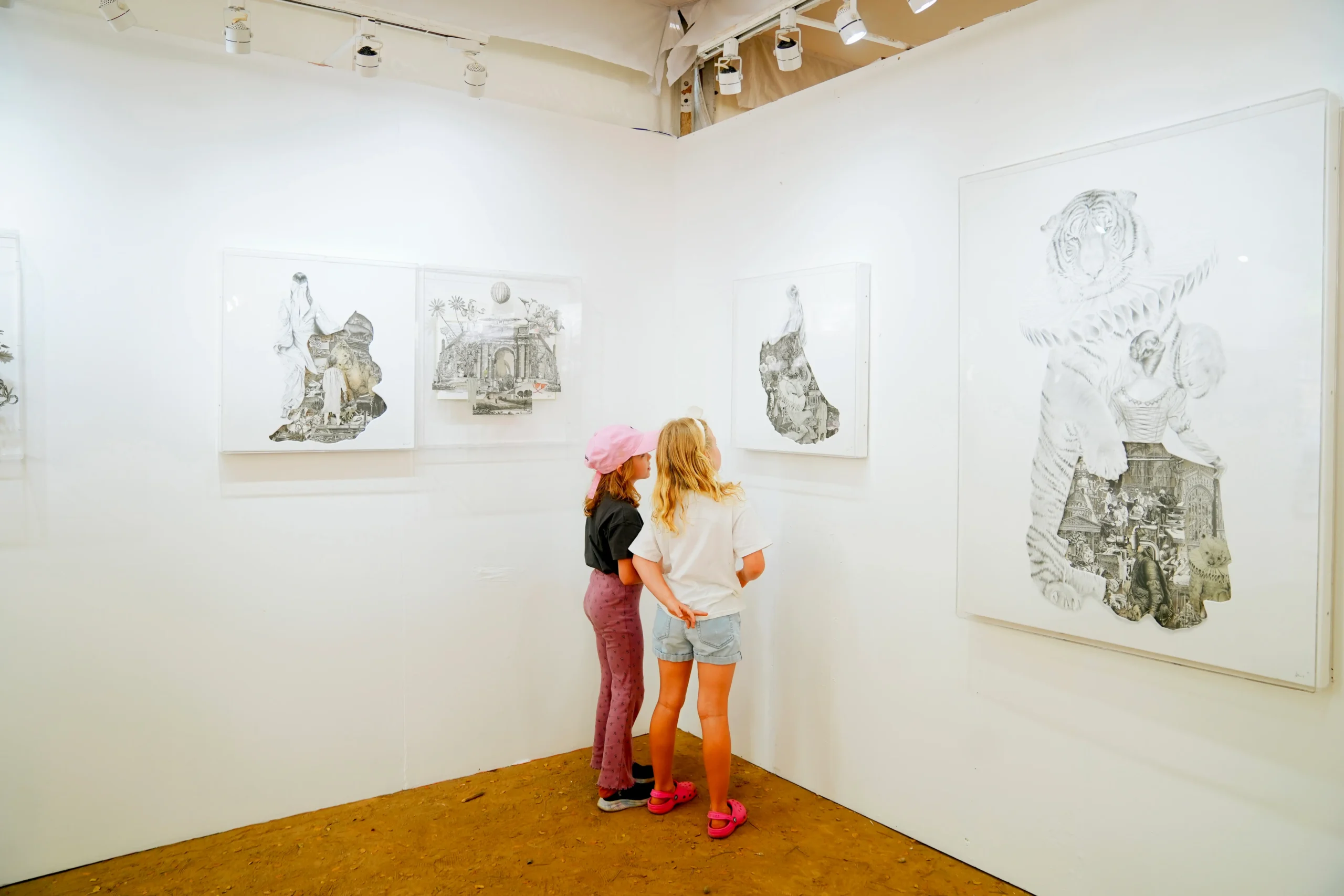
Art in the Park as a Community Activity
Organized for the benefit of the Museum Foundation of the Philippines, Art in the Park worked with Nazareno/Lichauco, the same architectureArchitectureThe art and science of designing and constructing buildings, structures, and spaces that are functional, safe, and aesthetically pleasing. It encompasses the planning, design, materials, and techniques used to createGo to Architecture Glossary firm responsible for Art Fair Philippines. Co-founders Trickie Lopa and Lisa Periquet approached the fair with the objective of keeping Art in the Park a community event.
“Art in the Park is first and foremost a community event. So we are very conscious about maintaining that feel and ambiance of a shared gathering rather than that of an overtly commercial affair,” says Lopa.
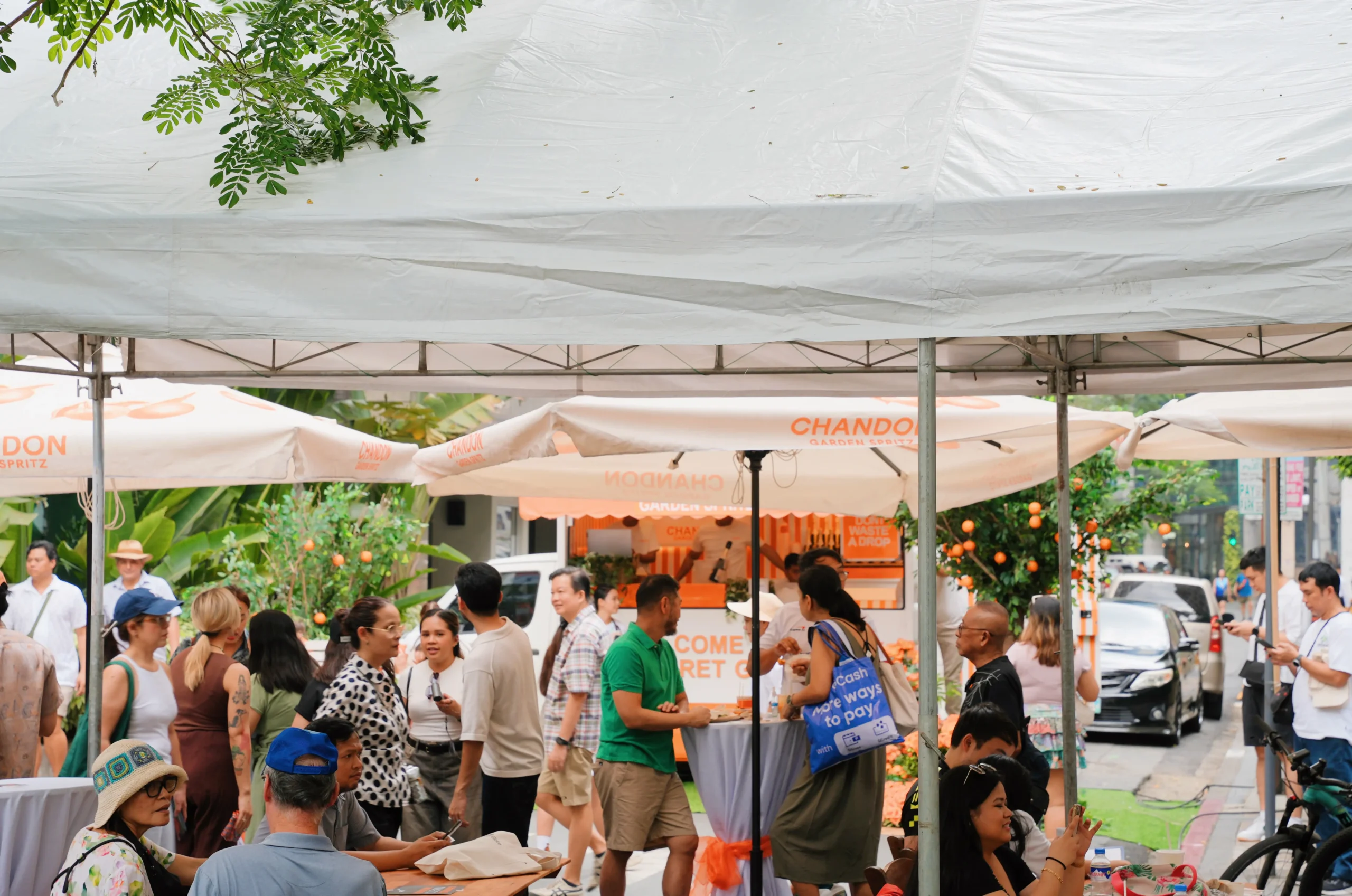
This involves implementing a sense of uniformity in its design language through features such as similar tents for each booth, consistent signage, and logos kept inside the booths. “The idea is that no booth visually dominates another,” explains Lopa, “Everything feels equal and open.”
Committed to keeping Art in the Park a community event, the fair limits sponsors and branding. This is especially true for its food and beverage section, where many of their vendors are home-based local businesses. “Many big commercial names ask to join Art in the Park because we have a huge audience, but we really stick to home-based businesses,” Periquet explains.
Situated within a residential neighborhood, the fair also takes residents into consideration. Managed by the Makati Commercial Estates Association (MCEA), the park was developed as an active community park. “It’s a park for the residents of the village, so this is a community thing. They can exercise in the park; there are places for them to sit and relax. It’s catering to the community. As one of the few events that they hold there in the year, we had to adjust,” Periquet shares.
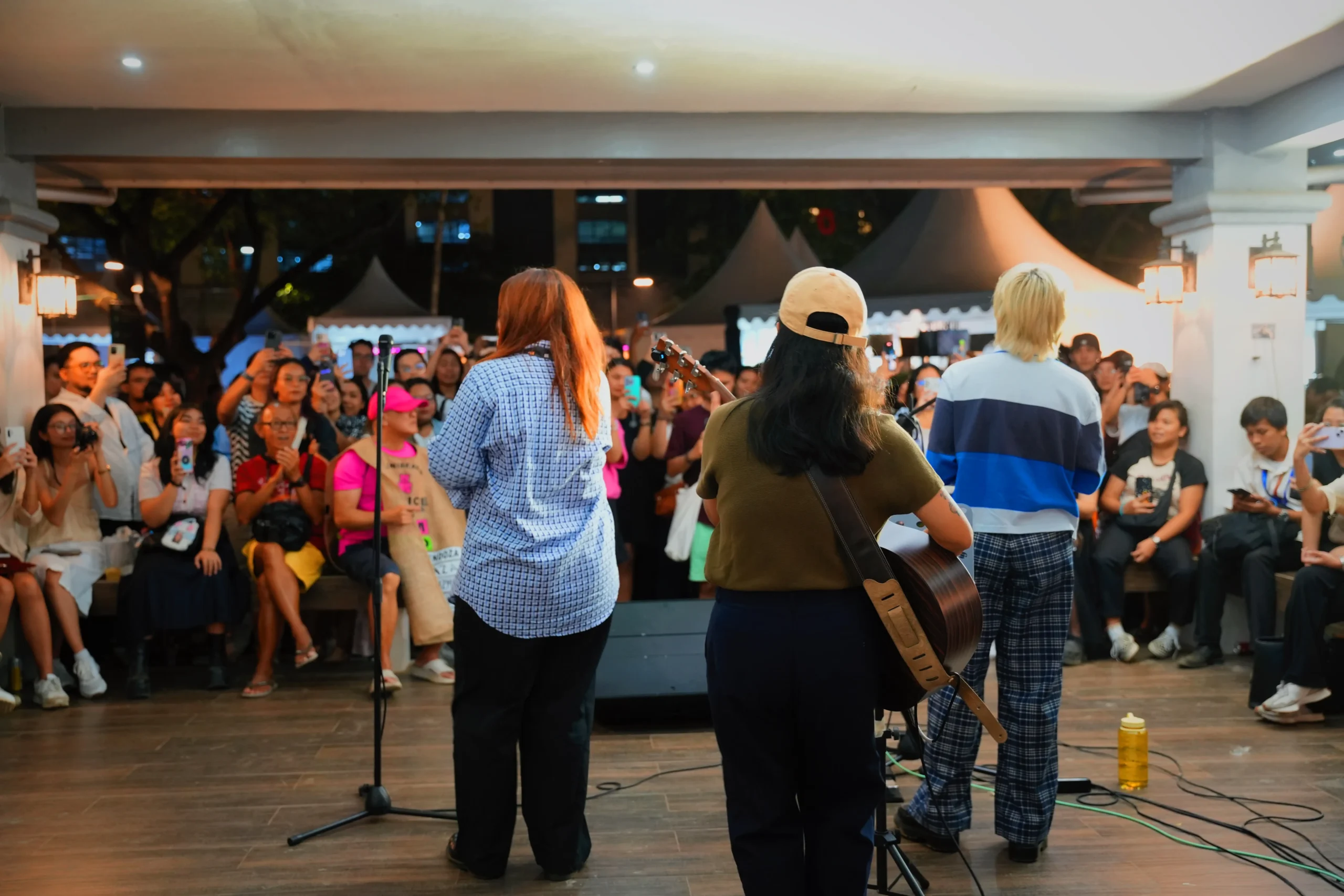
This development involved removing the car park, prompting the fair to place its food and beverage section along the sidewalks surrounding the park.. Its exhibition section, however, remained within the confines of the park. These adjustments also ensure that the fair does not disrupt residents’ daily activities—keeping music performances acoustic and reminding exhibitors and subcontractors to minimize noise.
Accessibility Measures in Both Art and Space
Beyond seasoned collectors, Art in the Park brings in a more diverse range of visitors who come to simply browse the fair with friends and family. Serving as an entry point for both artists and new collectors, the fair encourages more people to participate in collecting art.
Lopa shares: “Inclusivity is our hallmark. Participants display art very casually; you are meant to look through works and discover what appeals to you. We open at 10 AM for everybody. No previews, no VIP lists.”
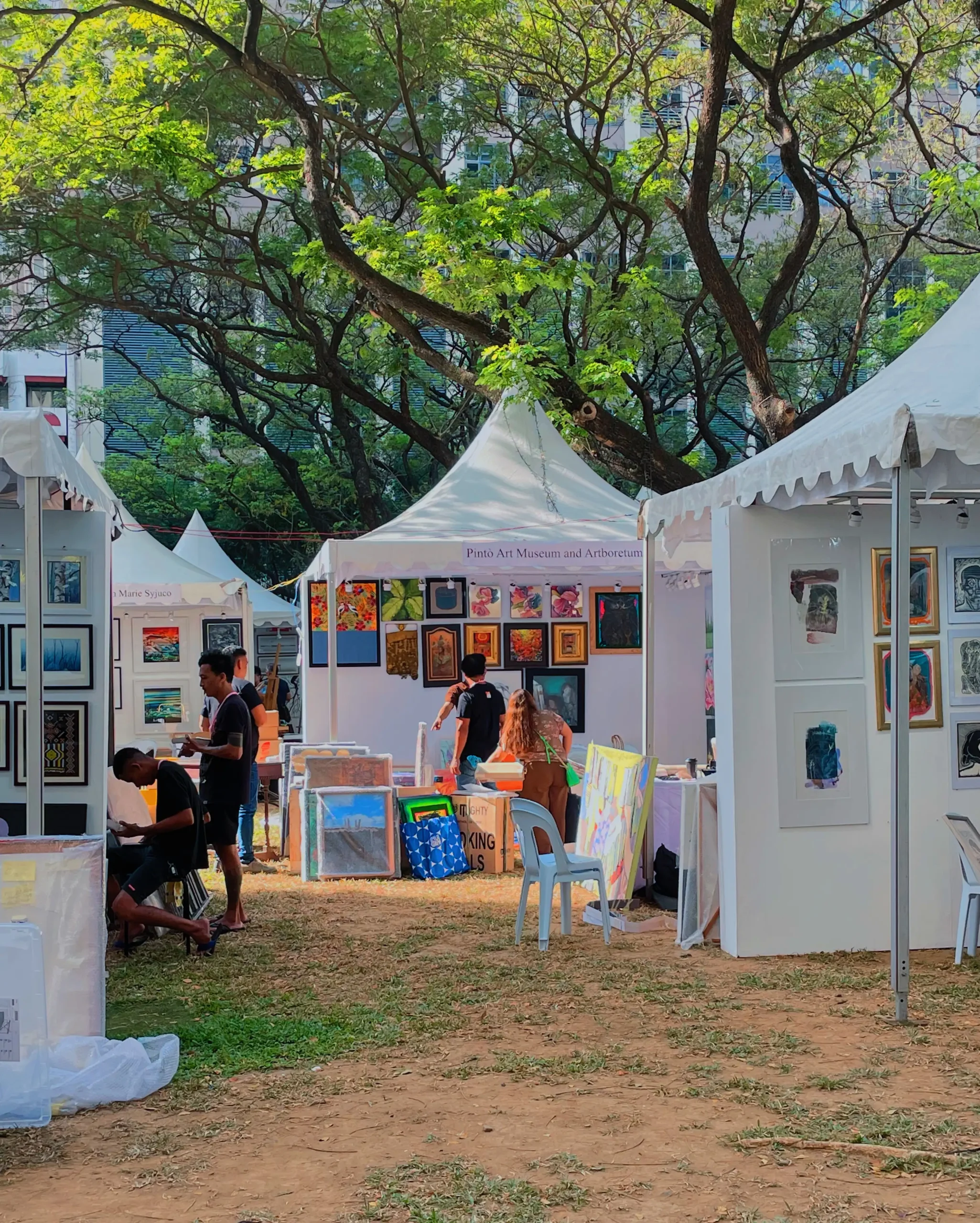
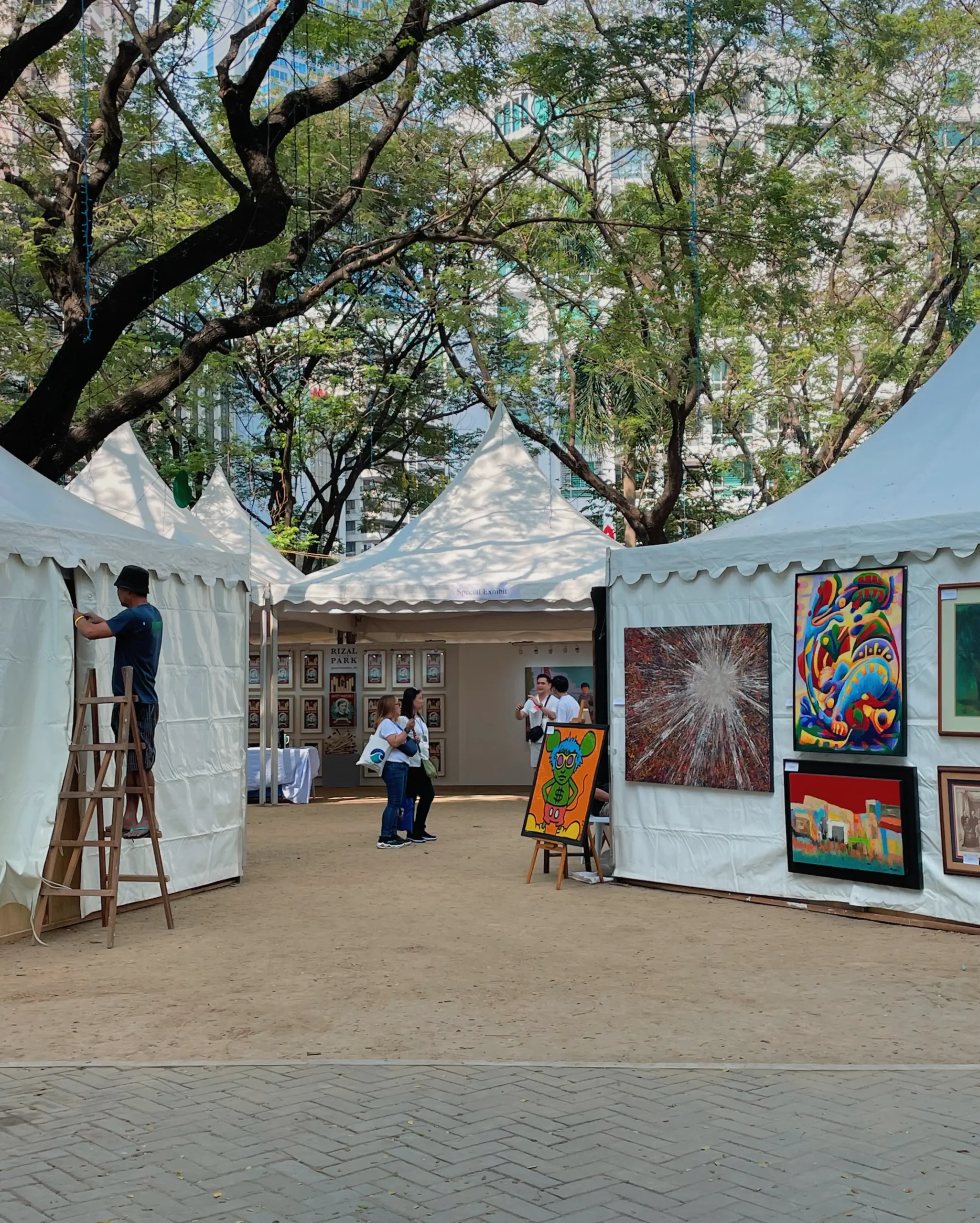
As the fair pushes for inclusivity through its price ceiling and informal atmosphere, it also broadens the range of visitors it welcomes—including persons with disabilities (PWDs). Periquet notes that while PWDs do visit the fair, she finds that there is still room for improvement: “I don’t think that’s comfortable for them, but it is accessible.”
Factors such as crowding and tents situated on grass contribute to the mobility challenges faced by PWD visitors. The fair had to limit the maximum number of tents to around 55 to 60. “Last year, I think, we’ve hit upon a really good balance of having enough open spaces for visitors to circulate and enjoy discovering each booth. This entailed reducing our participants. But that was necessary,” Lopa says.
After 20 years, Art in the Park Makati continues to promote the best of Filipino art through a relaxed, communal atmosphere. Each year, both new and returning visitors excitedly engage in the fair. Periquet adds: “It just opens up people’s eyes to what’s available in art, especially in a space that’s welcoming and fun.”
Image courtesy of Art in the Park.
Read More: How FotomotoPH Turned the Paseo Underpass in Makati into an Art Exhibit
Frequently Asked Questions
The price cap for all artworks at Art in the Park is strictly set at Php 70,000 to ensure the fair remains accessible to new collectors. This ceiling applies to all 55 exhibitors, including galleries and art collectives, maintaining the event’s mission of offering affordable Filipino art in a casual setting.
Art in the Park maintains a community feel by implementing a uniform design language where no single booth visually dominates another. The organizers use consistent tent styles and signage, prioritize home-based food vendors over big commercial brands, and eliminate VIP previews to ensure an equal experience for all visitors.
Art in the Park is held annually at Jaime Velasquez Park in Salcedo Village, Makati City, and typically opens to the public at 10 AM. The fair operates without previews or VIP lists, allowing the general public first access to the curated selection of works from 55 different exhibitors.
The fair layout has evolved by moving the food and beverage section to the surrounding sidewalks to accommodate the removal of the park’s old car park. The exhibition section remains inside the park, while the total number of tents is limited to around 60 to ensure enough open space for visitor circulation and comfort.
Accessibility is managed through an inclusive “no-VIP” policy and a layout that allows for wheelchair access, though the grass surface and occasional crowding can pose mobility challenges. The organizers have intentionally reduced the number of participants to increase open spaces, making the communal environment more navigable for a diverse range of visitors, including PWDs.
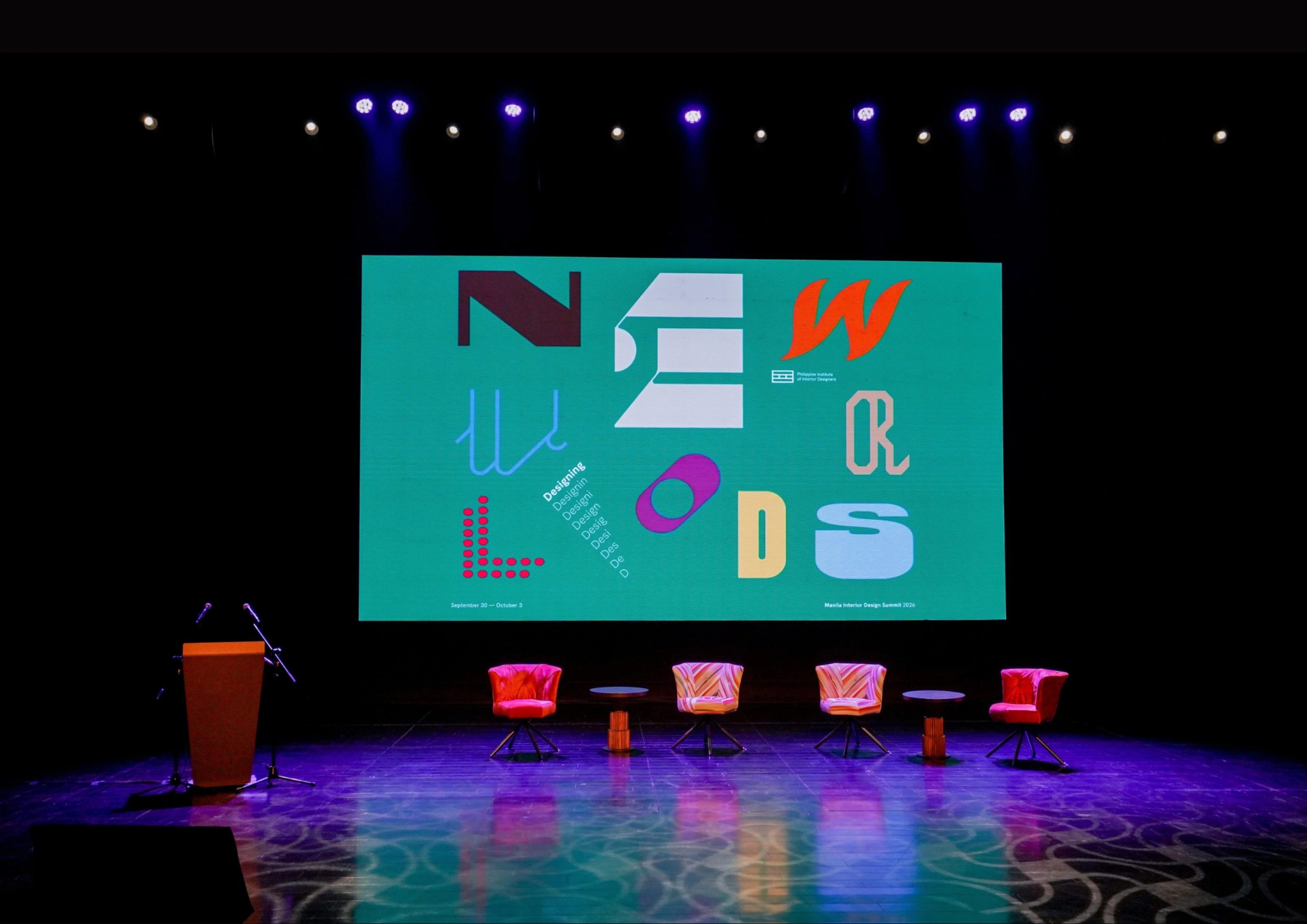
The fourth Manila Interior DesignInterior DesignThe discipline of planning and shaping interior spaces for function, comfort, safety, and beauty. It covers layout, lighting, materials, finishes, furniture, and color, and in the Philippines is a licensedGo to Interior Design Glossary Summit (MIDS) brought together more than 300 delegates for four days of conversations, exhibitions, and design […]

Held at the SMX Convention Center Aura in Taguig City, the first ASEAN Creative Industries Expo by Malikhaing Pinoy (ASEAN MPEx) features nine creative domains, including design, visual arts, digital interactive media, and performing arts. Organized by the Department of Trade and Industry (DTI), the event includes exhibitions, cultural performances, industry talks, and pitching sessions […]
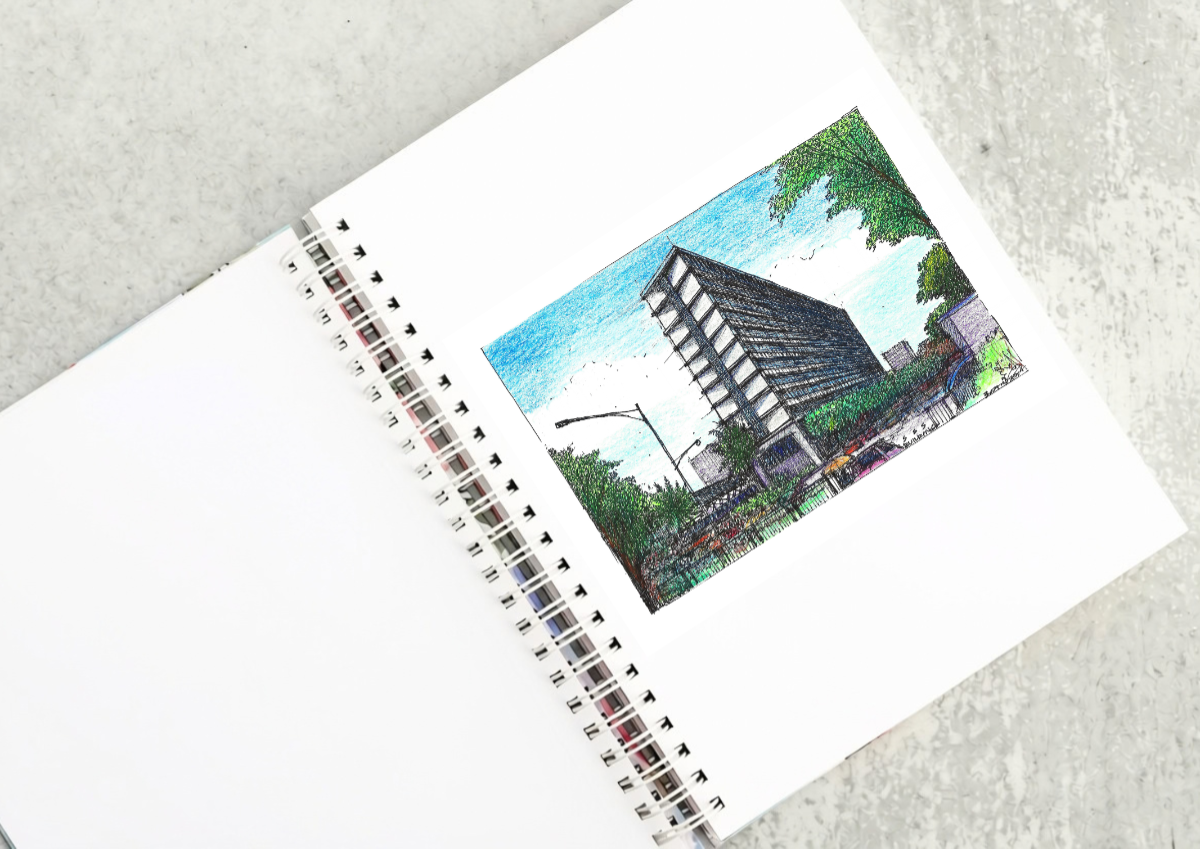
The SSS Building as an Expression of Civic Modernism My favorite modernist landmark in Quezon City is the SSS building on East Avenue. Designed by National Artist for ArchitectureArchitectureThe art and science of designing and constructing buildings, structures, and spaces that are functional, safe, and aesthetically pleasing. It encompasses the planning, design, materials, and techniques […]

Archie G. Carrasco, Chairman and CEO of AGC Power Holdings Corp. (AGC PHC), has been named to The BoF 500 Class of 2026 under the Media category, joining The Business of Fashion’s global community of individuals shaping the fashion industry. Carrasco is among 100 new members from 33 countries and 48 nationalities selected for the […]
Read the issues.

Collect the volumes.

Recommended Video
Tap to Unmute
Unmute
0:00
0:00