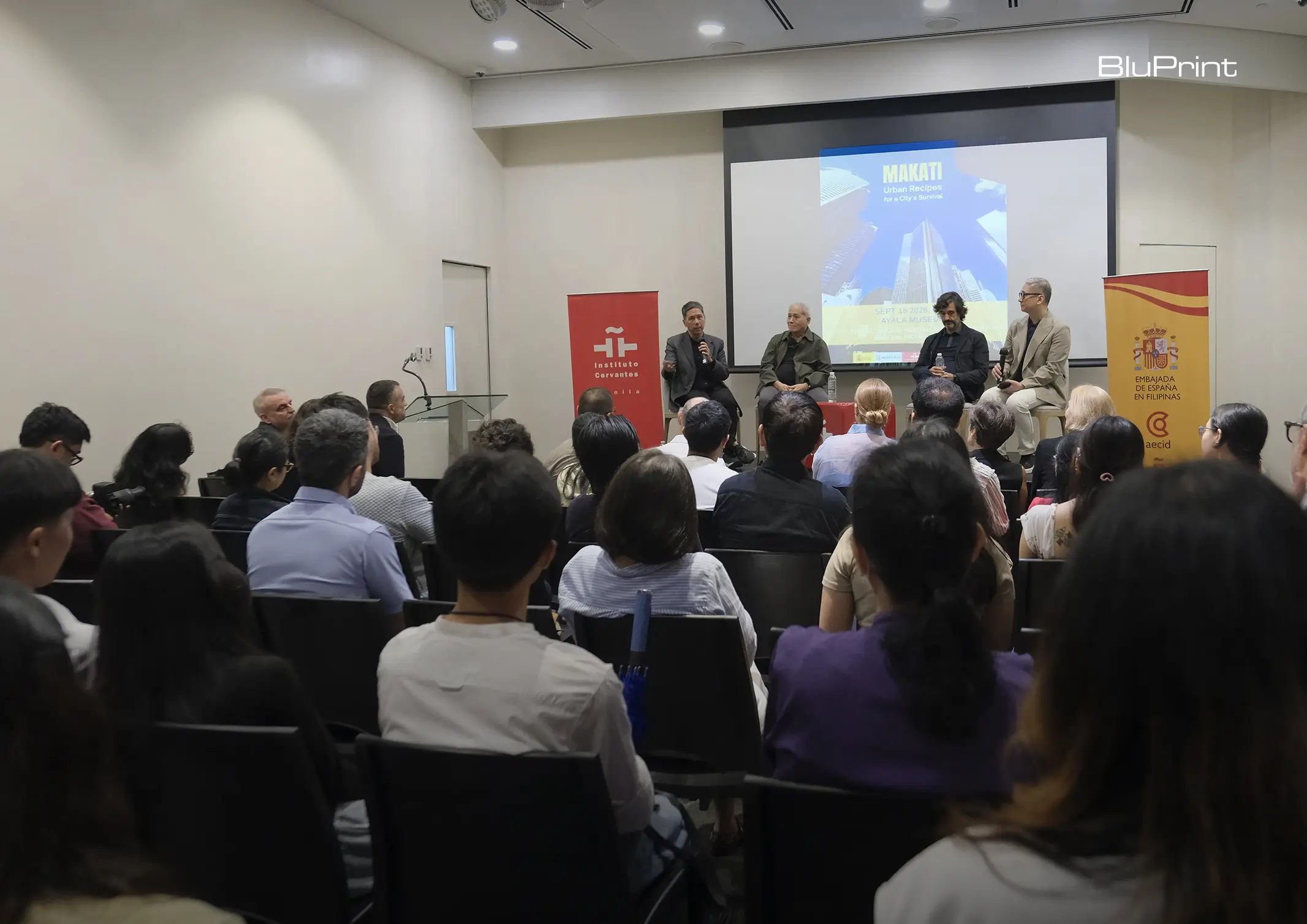
How can better-planned cities create the conditions for more creative, livable, and resilient urban environments? “Makati Urban Recipes for a City’s Survival,” a colloquium held at the Ayala Museum on September 15, brought together architects and practitioners from the fields of urbanism and the creative economy to discuss how design, planning, and collaboration can address […]
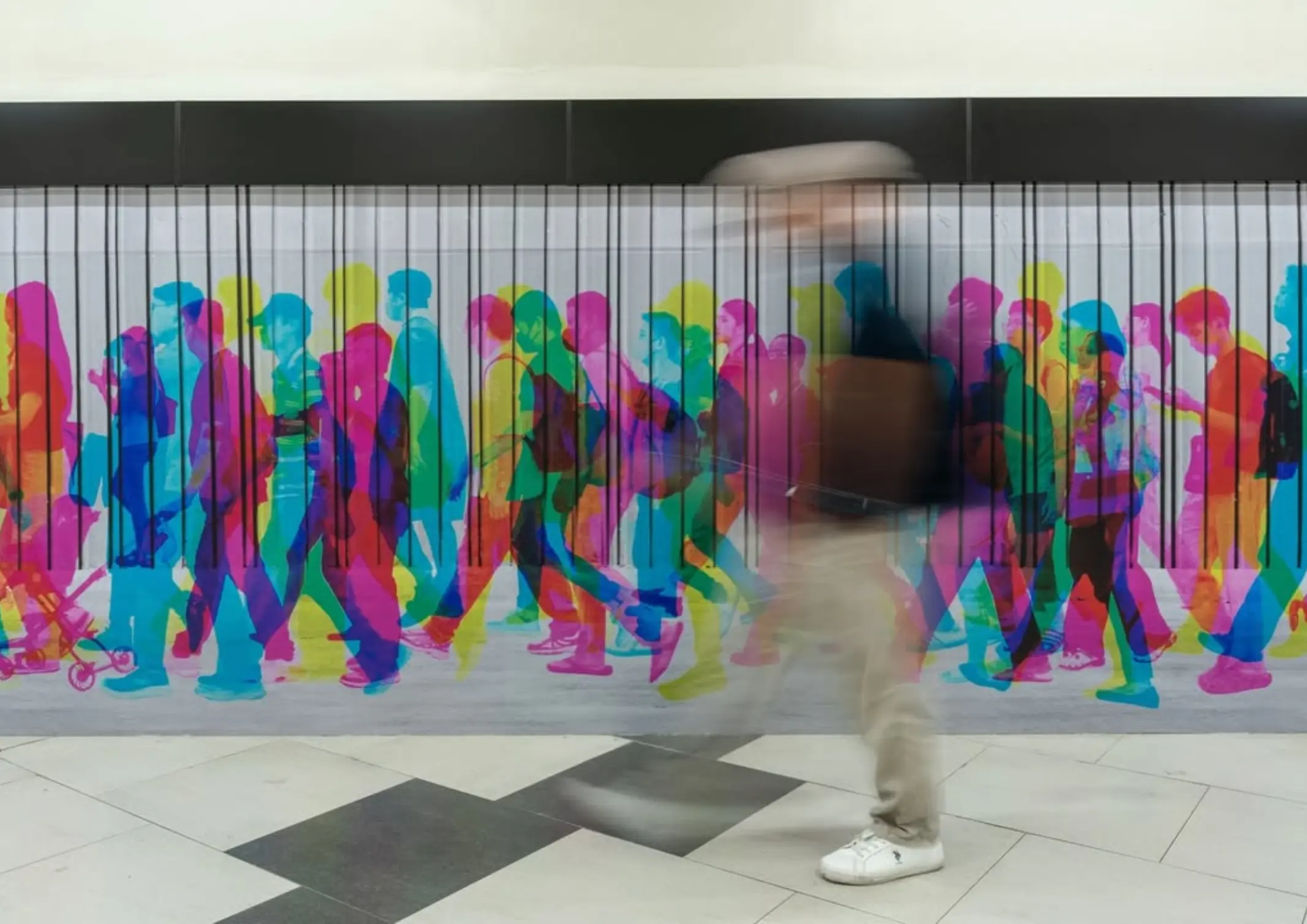
How FotomotoPH Turned the Paseo Underpass in Makati into an Art Exhibit



Public spaces in Metro Manila are often defined by movement rather than pause. People in transit hurry through; the underpass is a shortcut, not a place to stop.
Underground, the installation by photography group FotomotoPH, reimagined the Paseo Underpass as a visual experience. FotomotoPH is a Philippine-based photography collective dedicated to promoting, exhibiting, and fostering dialogue around Filipino photography as art. The exhibit opened on January 30 and was extended to March 7, coinciding with the run of Art Fair Philippines 2026 in the Makati CBD.
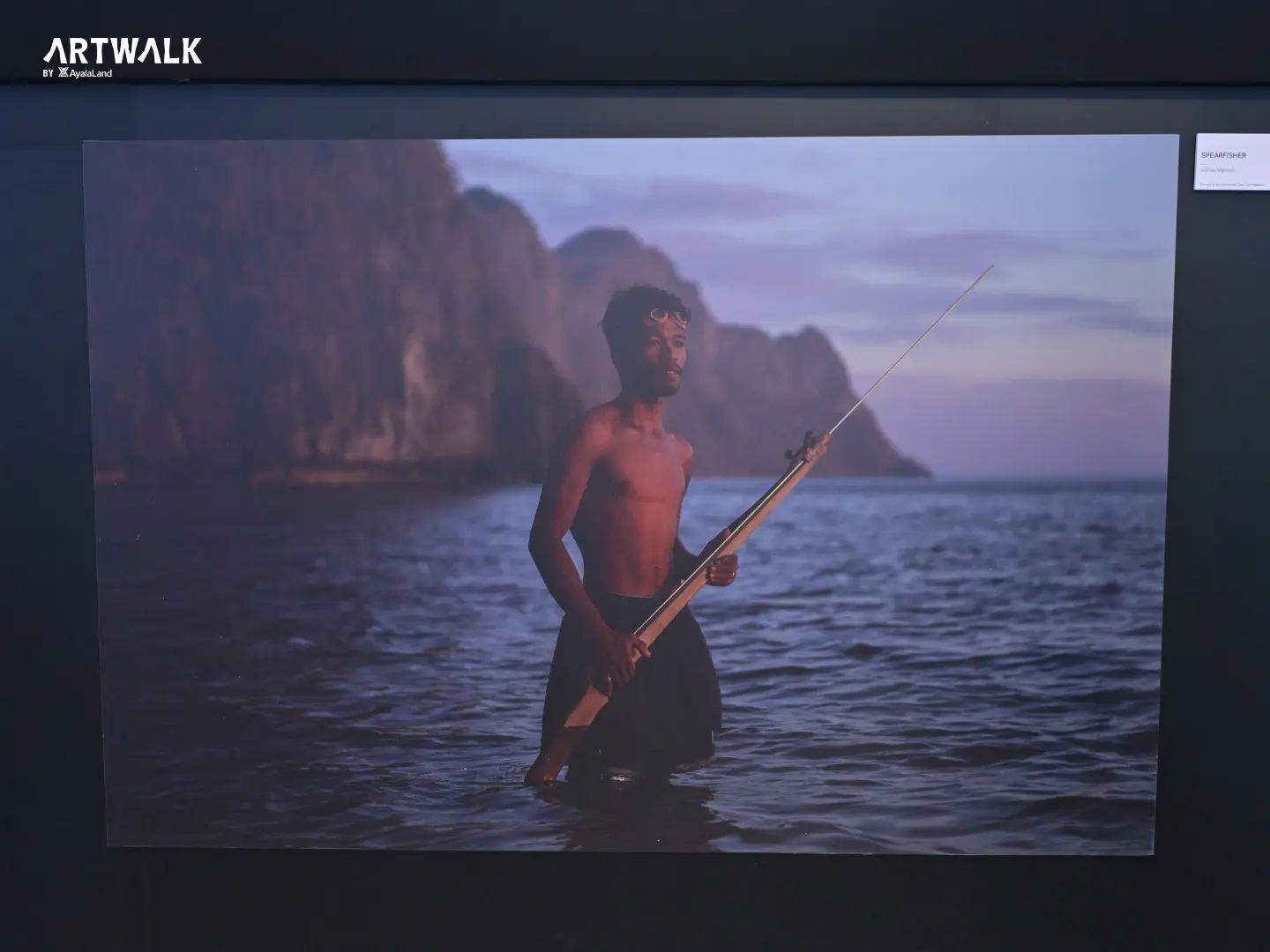
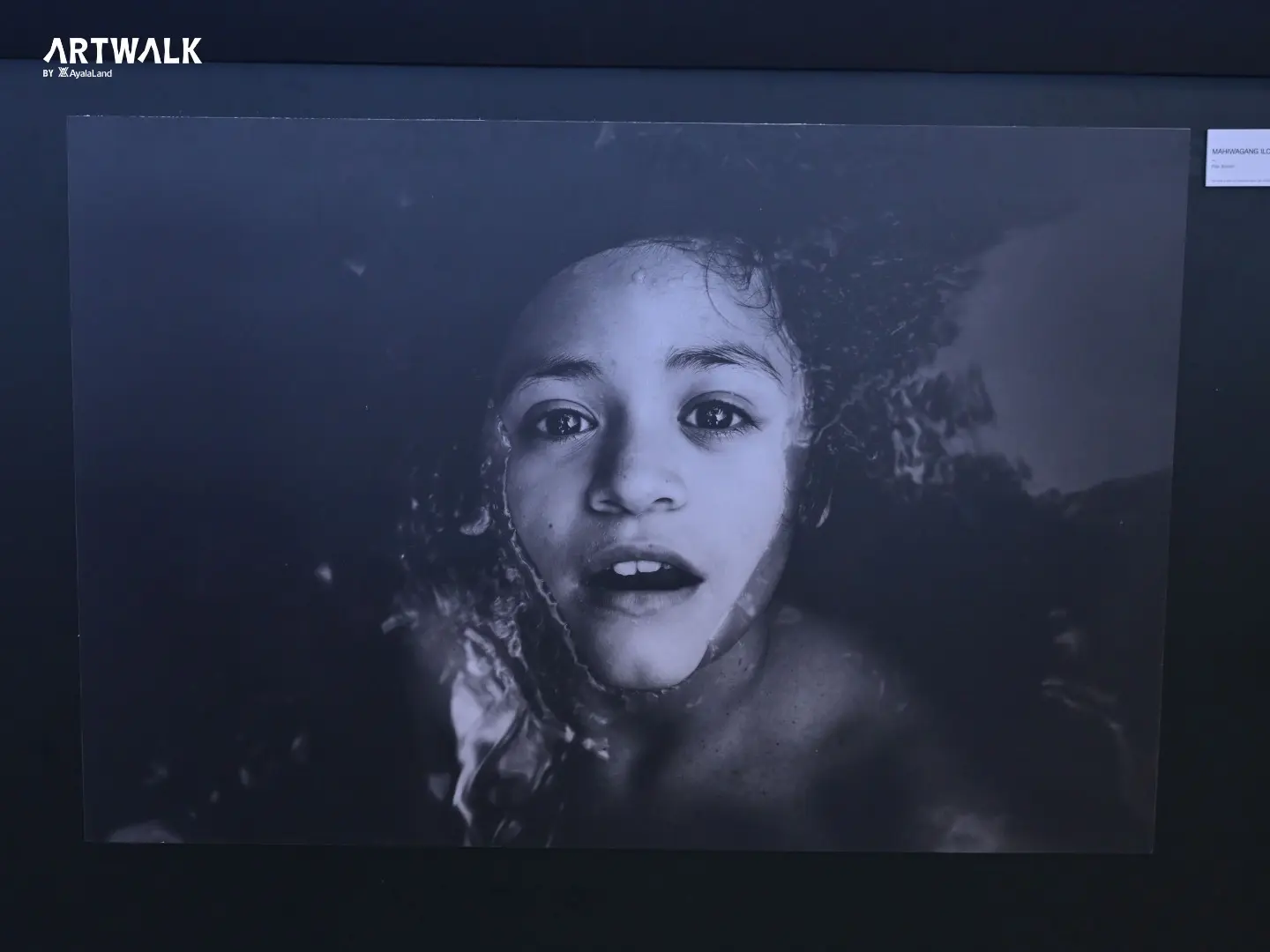
Transforming the Paseo Underpass
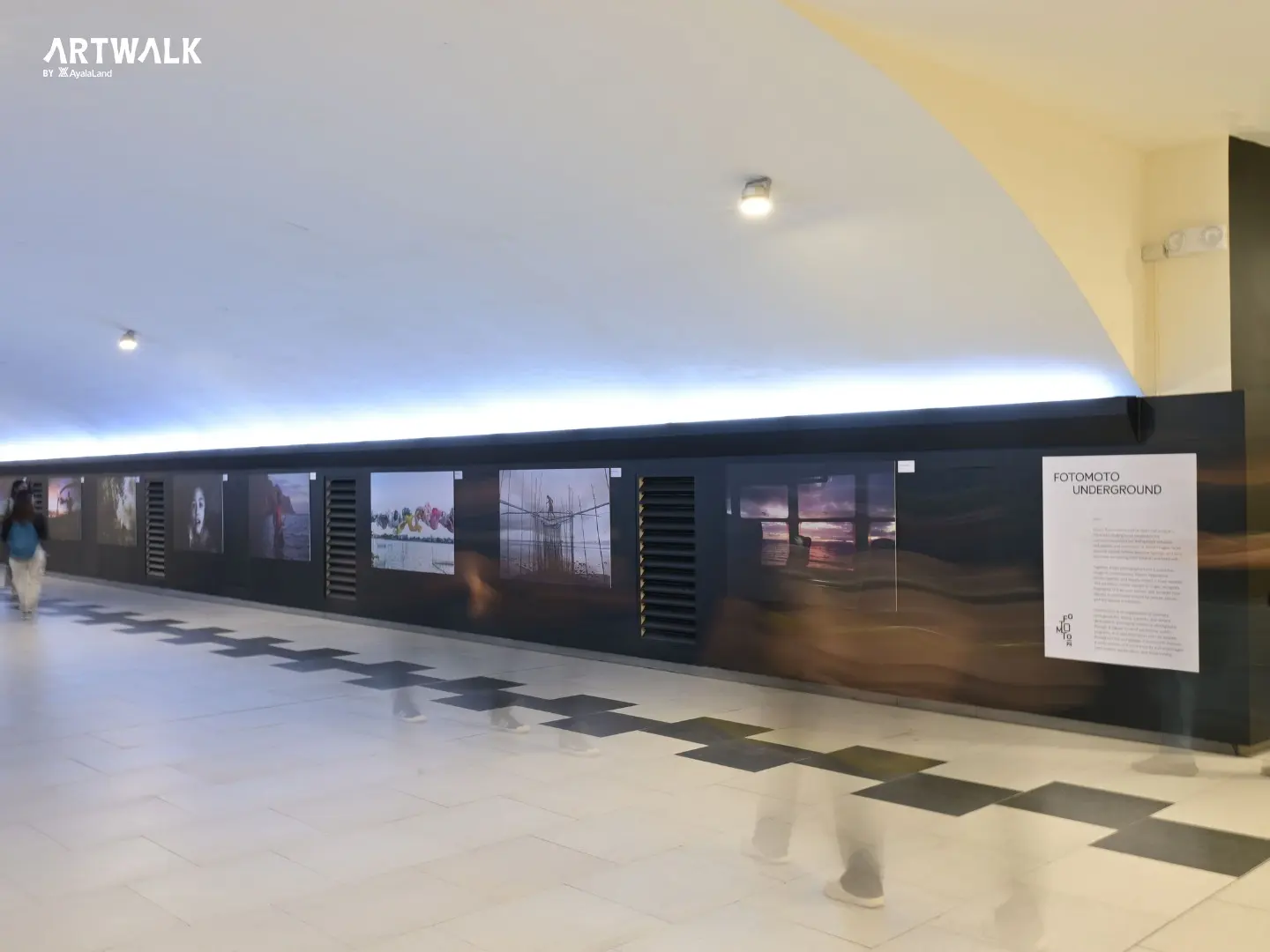
FotomotoPH challenged the notion that an underpass is just a passageway by repurposing it into a setting that invites pedestrians to linger. Large-format photographic prints were mounted directly onto dark wall panels along the corridor, creating a continuous visual line that commuters encountered as they walked along the route. Instead of rushing past, passersby slowed down to take in stories told through the lens of the participating photographers.
Speaking in Pictures
The photos were the result of an Open Call Program that encouraged submissions from all over the country. This resulted in a rich collection of images that capture Filipino ritual, labor, and urban life.
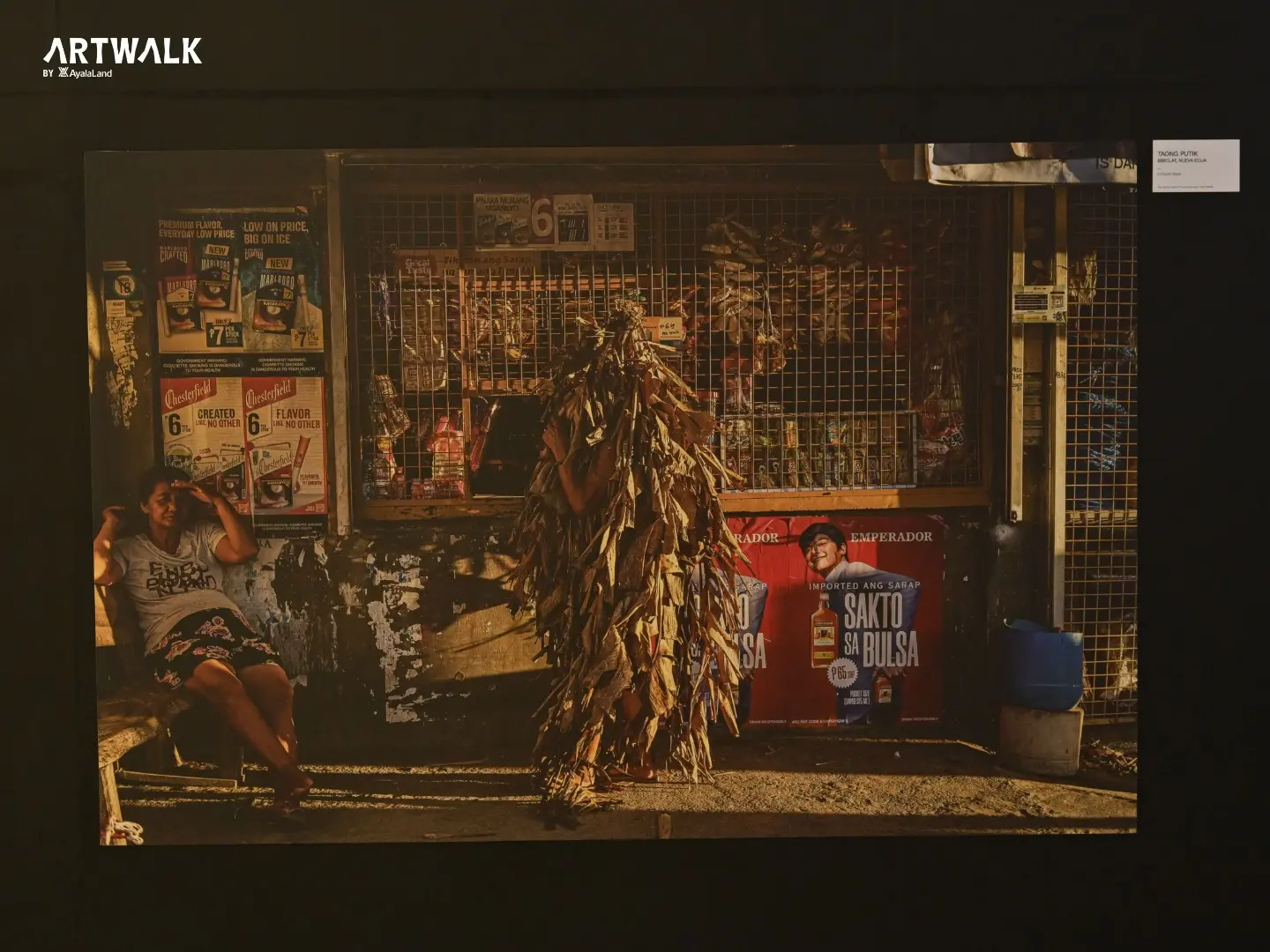
One example is the photograph by Enrique Bejar entitled Taong Putik. In it, a taong putik–literally “mud man.” He is shown standing in front of a sari-sari store (a small convenience store usually operating from part of someone’s house) wearing dried banana leaves and mud. The man is a participant in the Pagsa-San Juan, a religious observance celebrating St. John the Baptist, in the village of Bibiclat, Aliaga, Nueva Ecija. The stark contrast between ancient ritual and modern amenities reflects the layers of life experienced in the everyday.
When Infrastructure Becomes Cultural Ground
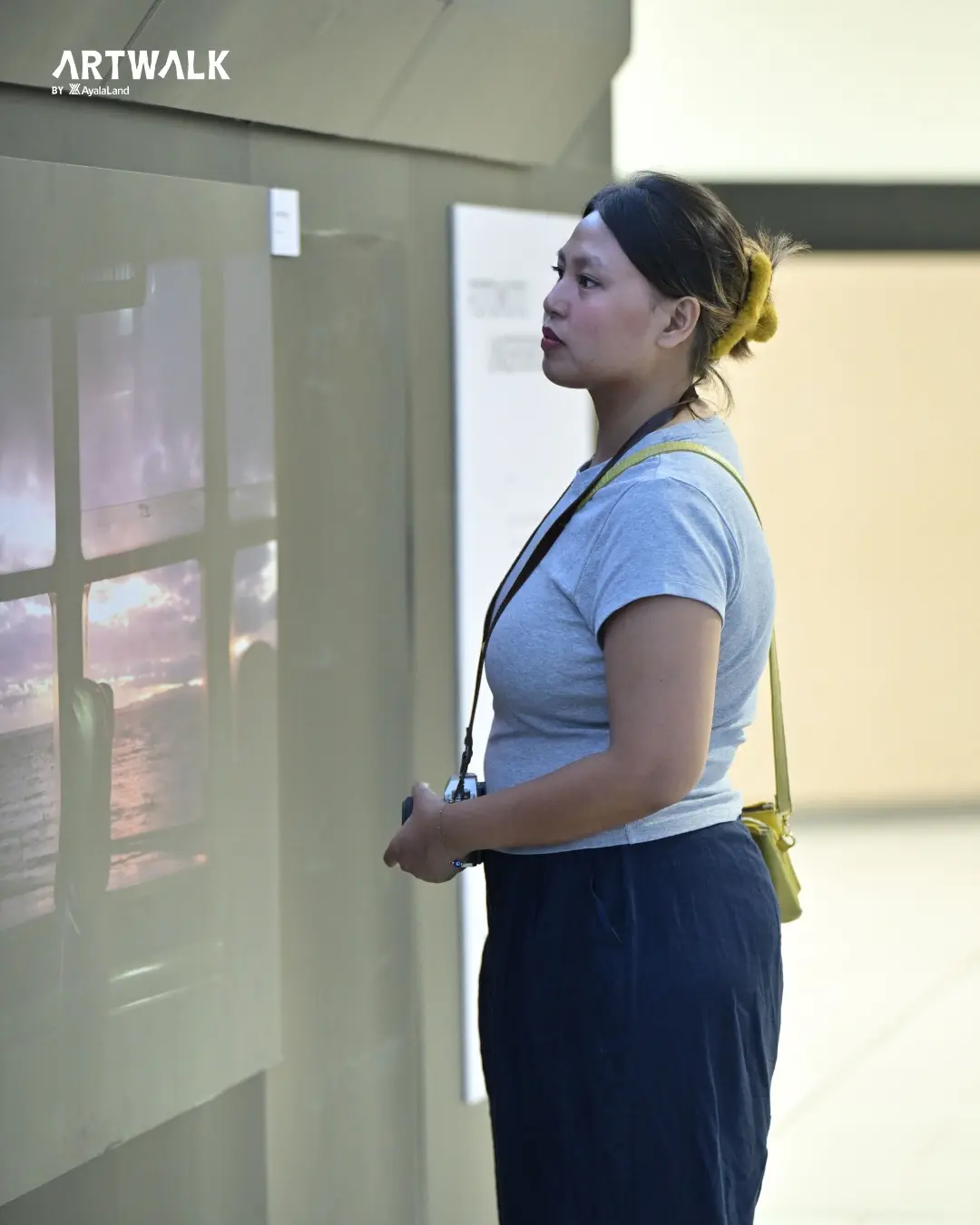
In turning a corridor of transit into a site of reflection, Underground demonstrated how even the most functional infrastructure can be reimagined as cultural ground. The underpass, once a shortcut between streets, became a space of encounter—between ritual and routine, past and present, city and self. As Makati’s business district pulsed above ground, the exhibition below suggested a quieter possibility: that art need not occupy a white cube to shape public consciousness. Sometimes, it only needs a wall, a passageway, and the willingness of passersby to pause.
Photographs from FotoMotoPH and Art Walk
Read More: Celebrating Philippine-Japanese Relations Through the Tree of Life
Frequently Asked Questions
The installation utilized large-format photographic prints mounted directly onto the existing dark wall panels of the underpass. By creating a continuous visual line at eye level, the exhibit leveraged the linear architecture of the corridor to force a change in pedestrian behavior. Pedestrians accustomed to rushing through the “shortcut” were nudged into a slower pace, transforming a space of movement into a space of “pause” and encounter.
The images were selected through a nationwide Open Call Program. This technical approach ensured that the exhibit wasn’t just locally focused but represented a cross-section of Filipino identity. The resulting collection captured diverse themes of ritual, labor, and urban life, bringing stories from rural provinces (like Nueva Ecija) directly into the heart of the country’s busiest financial district.
Bejar’s photograph depicts a “mud man” participating in the Pagsa-San Juan ritual, standing in front of a modern sari-sari store. Technically, the photograph uses the contrast between the ancient practice (wearing mud and dried banana leaves) and the modern convenience store to highlight the “layers of life.” Placing this image in an underground concrete corridor in Makati creates a powerful juxtaposition between rural religious heritage and the high-speed urbanity of the city above.
The project demonstrates that functional infrastructure—usually seen as an invisible or purely practical necessity—can be reimagined as a site for public reflection. By choosing an underpass rather than a museum, FotomotoPH successfully turned a “non-place” into a site of encounter. It suggests that cultural ground is not defined by the building type, but by the willingness of the public to engage with imagery in their everyday routine.
The exhibit opened on January 30, 2026, and due to its success, was extended to March 7, 2026. This extension allowed it to coincide perfectly with Art Fair Philippines 2026, capturing the influx of art enthusiasts in the Makati Central Business District. By integrating with a city-wide art event, the underpass became an essential “stop” on the Art Walk, rather than just a way to get from one building to another.
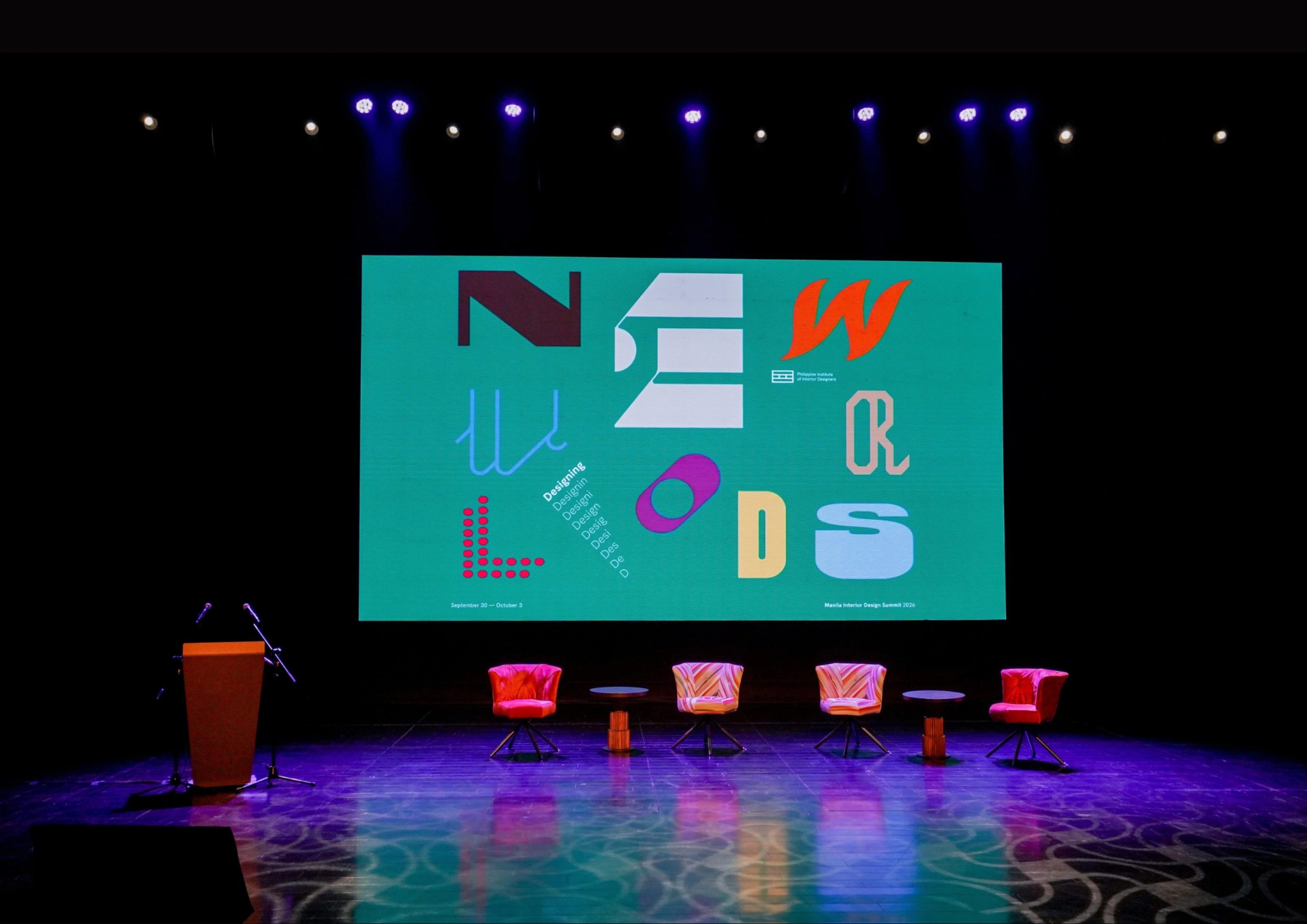
The fourth Manila Interior DesignInterior DesignThe discipline of planning and shaping interior spaces for function, comfort, safety, and beauty. It covers layout, lighting, materials, finishes, furniture, and color, and in the Philippines is a licensedGo to Interior Design Glossary Summit (MIDS) brought together more than 300 delegates for four days of conversations, exhibitions, and design […]

Held at the SMX Convention Center Aura in Taguig City, the first ASEAN Creative Industries Expo by Malikhaing Pinoy (ASEAN MPEx) features nine creative domains, including design, visual arts, digital interactive media, and performing arts. Organized by the Department of Trade and Industry (DTI), the event includes exhibitions, cultural performances, industry talks, and pitching sessions […]
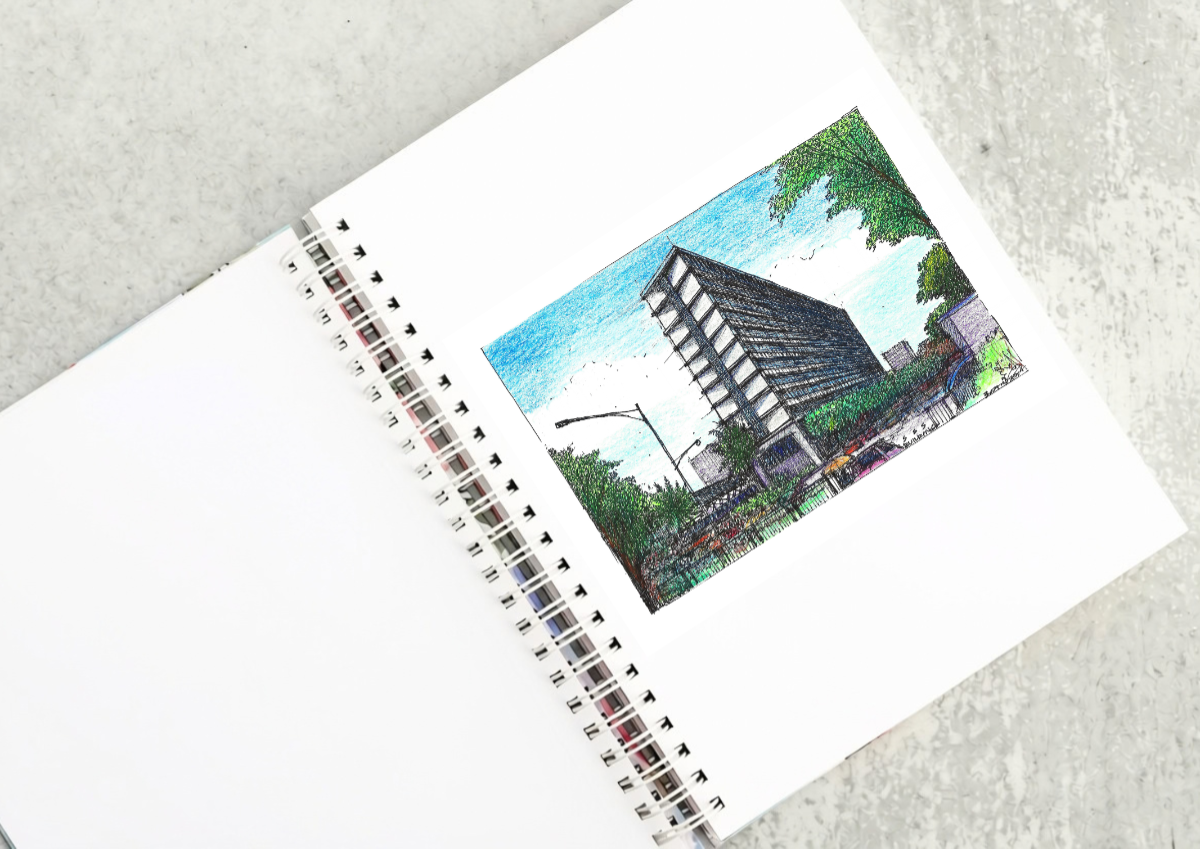
The SSS Building as an Expression of Civic Modernism My favorite modernist landmark in Quezon City is the SSS building on East Avenue. Designed by National Artist for ArchitectureArchitectureThe art and science of designing and constructing buildings, structures, and spaces that are functional, safe, and aesthetically pleasing. It encompasses the planning, design, materials, and techniques […]

Archie G. Carrasco, Chairman and CEO of AGC Power Holdings Corp. (AGC PHC), has been named to The BoF 500 Class of 2026 under the Media category, joining The Business of Fashion’s global community of individuals shaping the fashion industry. Carrasco is among 100 new members from 33 countries and 48 nationalities selected for the […]
Read the issues.

Collect the volumes.

Recommended Video
Tap to Unmute
Unmute
0:00
0:00