Bigkis is the act of binding. In Tagalog, the word can refer to something used to bind or encircle, as well as a bundle formed by tying several separate elements together. Figuratively, it can also mean a bond, union, or unity. The meanings move from the physical act of joining things together to the connection […]
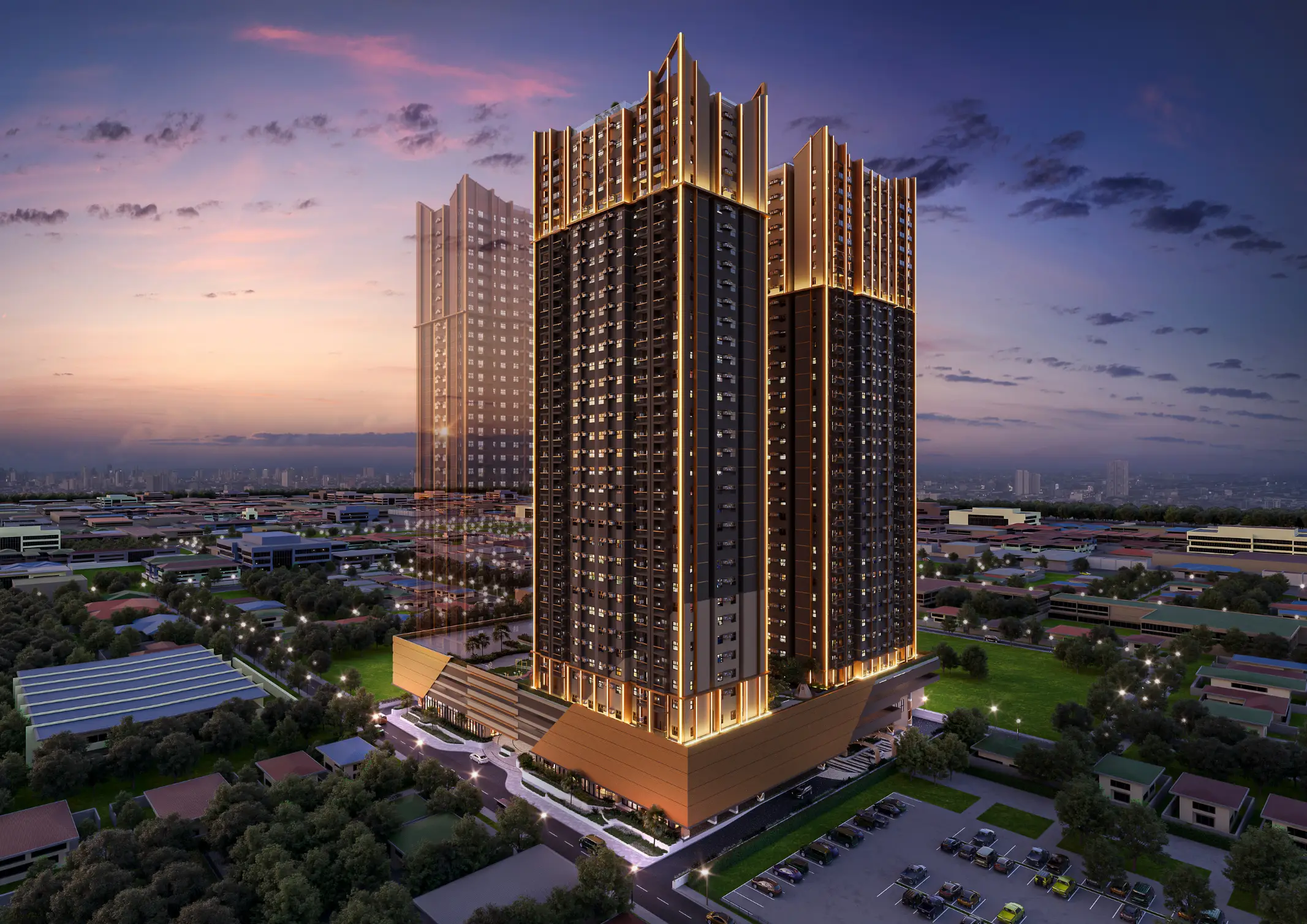
Why Mixed-Use Living Is Shaping Quezon City’s Urban Future



Across Metro Manila, residential developments are increasingly designed around proximity. As cities grow denser and mobility becomes more complex, new housing is often positioned near transport nodes, commercial districts, and educational institutions.
This approach reflects a broader shift in urban planningUrban PlanningThe discipline of shaping how cities and towns grow, balancing land use, housing, transport, infrastructure, public space, and the environment. In rapidly urbanizing Philippine areas like Metro Manila, Cebu, andGo to Urban Planning Glossary. Mixed-use environments allow residents to live closer to daily necessities—reducing commute times while supporting more walkable and efficient neighborhoods.
Quezon City demonstrates this transition particularly well. As the largest city in Metro Manila, it balances the scale of a major economic center with residential districts that still maintain a quieter, slightly suburban character. This combination has made the city a strong location for new residential projects that prioritize accessibility without losing everyday livability.
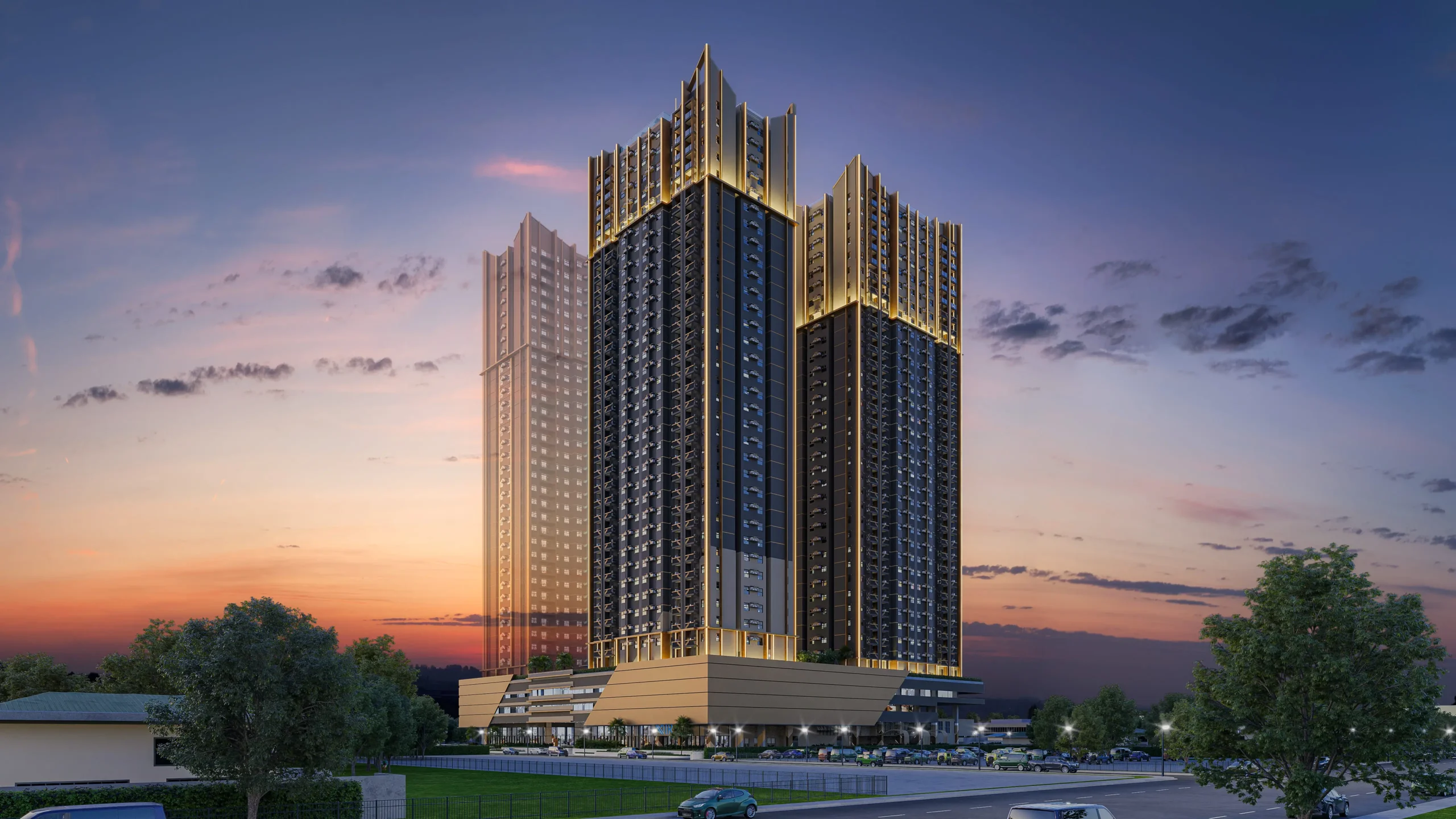
One such development is MIRA, an upcoming residential project by RLC Residences.
A Residential Address Within Reach of Metro Manila’s Key Districts
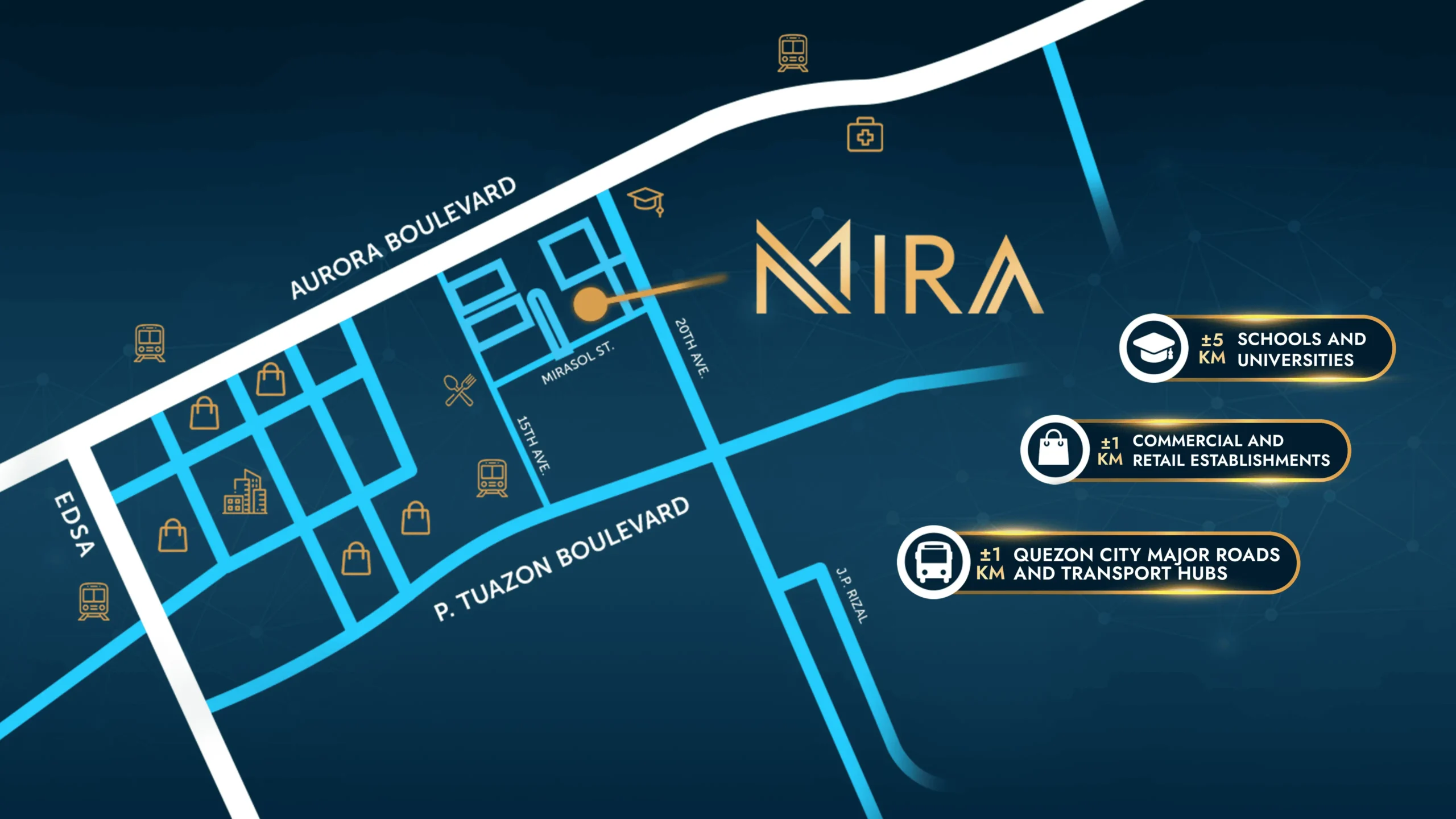
Soon to rise in Quezon City, MIRA by RLC Residences positions itself around connectivity. The development sits within reach of several major commercial and business districts, including Araneta City, Eastwood City, Bridgetowne Destination Estate, and Ortigas Center.
“MIRA connects families to where they need to be. Its central location puts future residents at the center of life’s opportunities,” said Katrina Tordilla, AVP and Head of Business Development of RLC Residences.
For residents, proximity to these districts allows daily routines to unfold within a smaller urban radius. Offices, retail centers, and cultural venues are all accessible from the development’s location, placing employment and leisure within practical reach.
Close to Quezon City’s Academic and Retail Centers
The surrounding area also situates the development near several major academic institutions.
The Technological Institute of the Philippines lies less than a kilometer away, while Ateneo de Manila University, Miriam College, and the University of the Philippines Diliman are all located within five kilometers.
Retail destinations are equally accessible. Robinsons Easymart at Aurora Escalades is within walking distance, while Ali Mall, Gateway Mall, and SM Cubao provide larger commercial centers nearby. Entertainment venues such as the Smart Araneta Coliseum and the New Frontier Theater further contribute to the area’s active urban environment.
In a city where travel time often defines daily schedules, proximity to these institutions and destinations becomes a practical advantage.
Homes Designed Around Space and Openness
MIRA offers residential layouts ranging from 26.5-square-meter studio units to 78-square-meter two-bedroom flats with balconies.
The units prioritize efficient layouts that maximize light and functionality while accommodating a range of household needs—from compact urban living to homes suited for growing families.
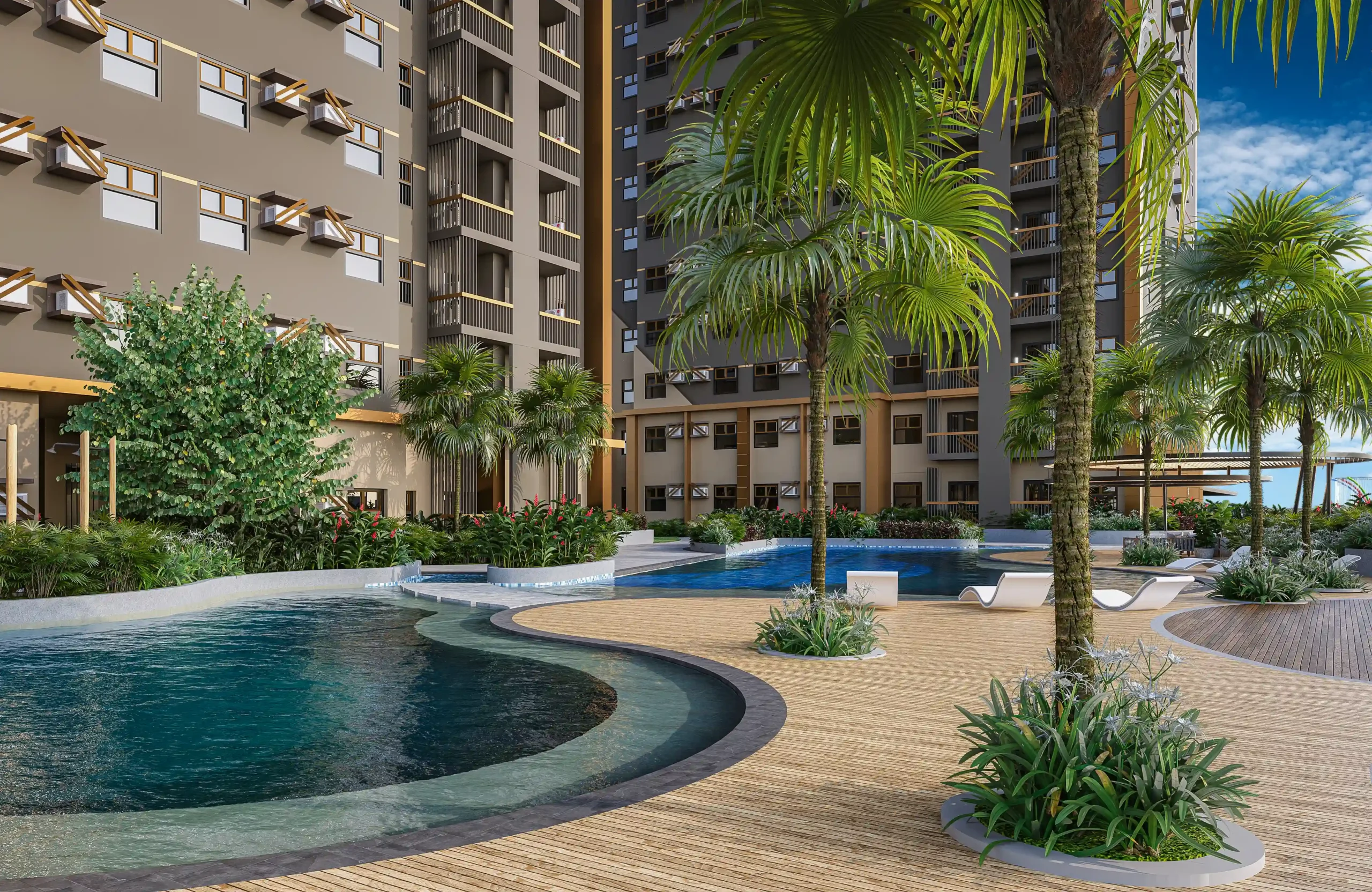
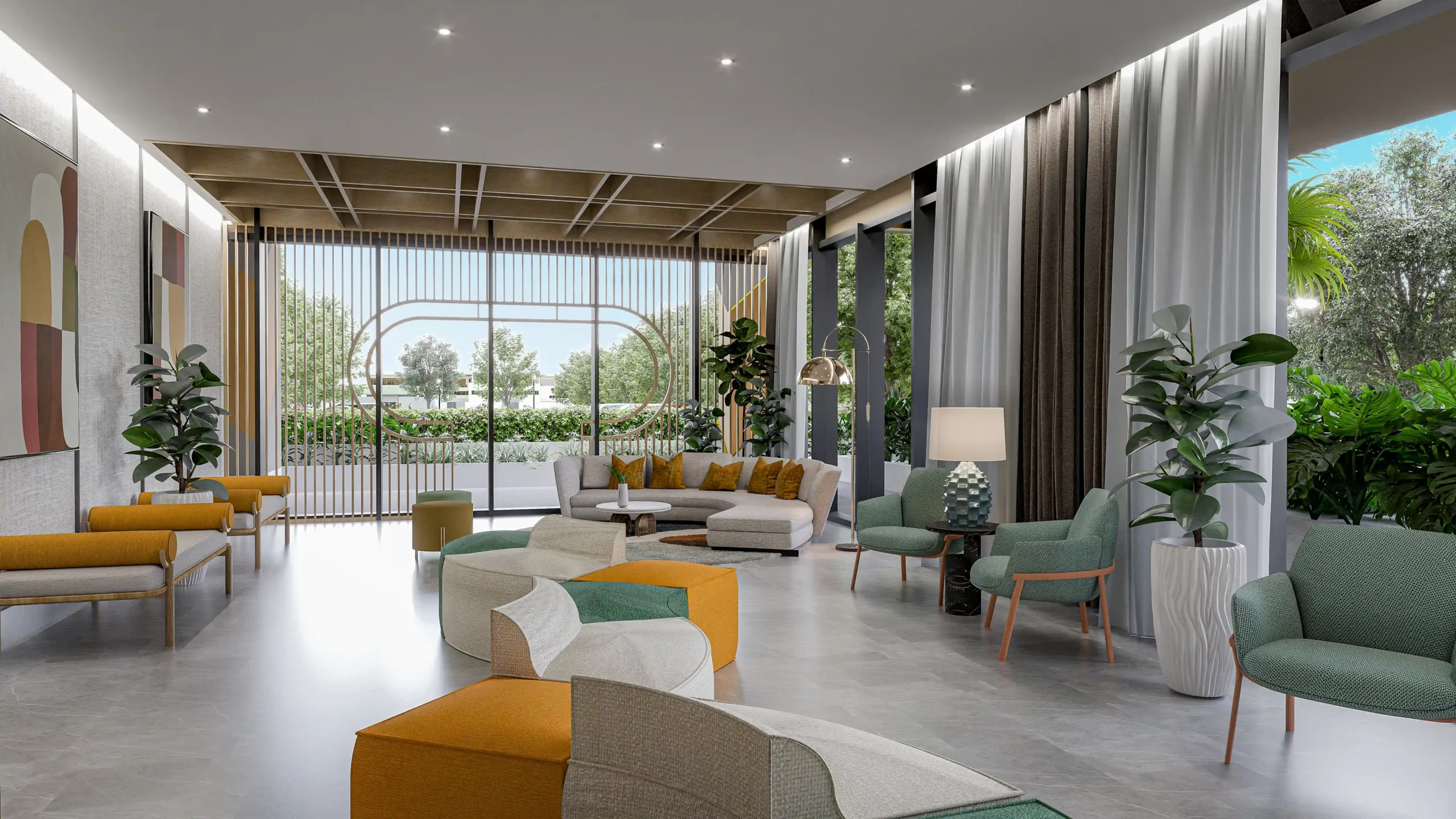
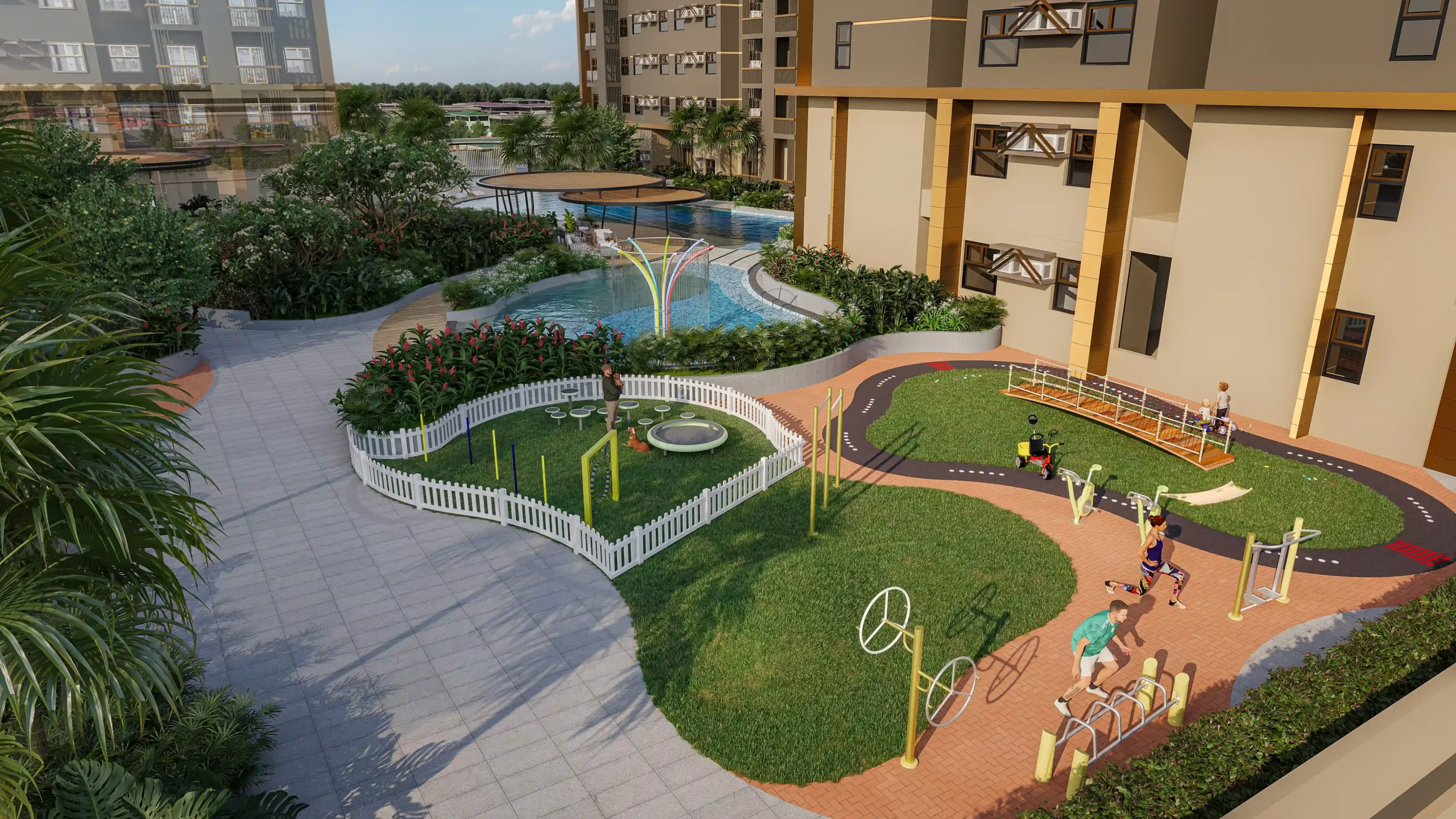
Shared spaces within the development also form a key part of the project’s design. The podium amenity floor features 57 percent open space, allowing residents access to outdoor areas within the building.
“The podium amenity floor is designed with 57 percent open space, ensuring residents are not confined to their units,” Tordilla explained. “Instead, families can enjoy expansive open areas, fresh air, natural ventilation, and panoramic views of Quezon City.”
These spaces reflect a growing emphasis in residential design on amenities that function as extensions of the home.
Developed by a Long-Established Philippine Real Estate Group
MIRA is developed by RLC Residences, the residential arm of Robinsons Land Corporation. Part of the JG Summit group, Robinsons Land has been active in Philippine real estate development for more than four decades, with projects spanning residential communities, commercial centers, offices, and hotels across major cities nationwide.
RLC Residences has received industry recognition in recent years, including consecutive “Developer of the Year” awards at the DOT Property Philippines Awards—acknowledging the company’s portfolio of residential developments and its focus on construction quality and customer experience.
A Property Investment in a Growing Urban District
Quezon City continues to attract residential development due to its concentration of universities, commercial districts, and transport infrastructure.
According to Colliers Philippines’ Q3 2025 market insights, the city’s strong economic fundamentals and enterprise base support long-term residential demand.
Future transport improvements may further strengthen this position. The MRT-7 line, expected to begin full operations by 2027, will enhance connectivity between northern Metro Manila and surrounding provinces, potentially increasing mobility and accessibility across the district.
For residential projects located within these networks, improved infrastructure can reinforce long-term property value.
Living Within the Flow of the City
MIRA reflects a broader direction in Metro Manila housing—developments that integrate residential life with the surrounding urban environment.
Located in a district where education, commerce, and transport networks converge, the project offers residents proximity to the systems that shape daily life in the city.
For families, professionals, and first-time homeowners, the development presents an opportunity to live in a part of Quezon City that remains connected to Metro Manila’s economic centers while retaining the quieter residential character that continues to define many of its neighborhoods.
Read More: RLC Residences Rises to the Top Among Residential Condo Developers
Photographs from RLC Residences
Frequently Asked Questions
Mixed-use living is an urban design strategy that integrates residential housing with commercial, educational, and transport hubs to create proximity-based environments. This approach reduces commute times and increases efficiency by placing daily necessities, such as workplaces and retail centers, within a walkable or easily accessible radius for residents.
Quezon City is a prime location because it balances being a major economic center with a quieter, suburban residential character. Its high concentration of top-tier universities, established business districts like Eastwood and Araneta City, and expanding transport infrastructure creates a sustainable environment for long-term residential demand.
The MRT-7 project reinforces long-term property value by enhancing connectivity between northern Metro Manila and surrounding provinces, significantly increasing district mobility. Residential developments located near these transport nodes become more desirable as improved infrastructure reduces travel time and integrates residents more deeply into the city’s economic flow.
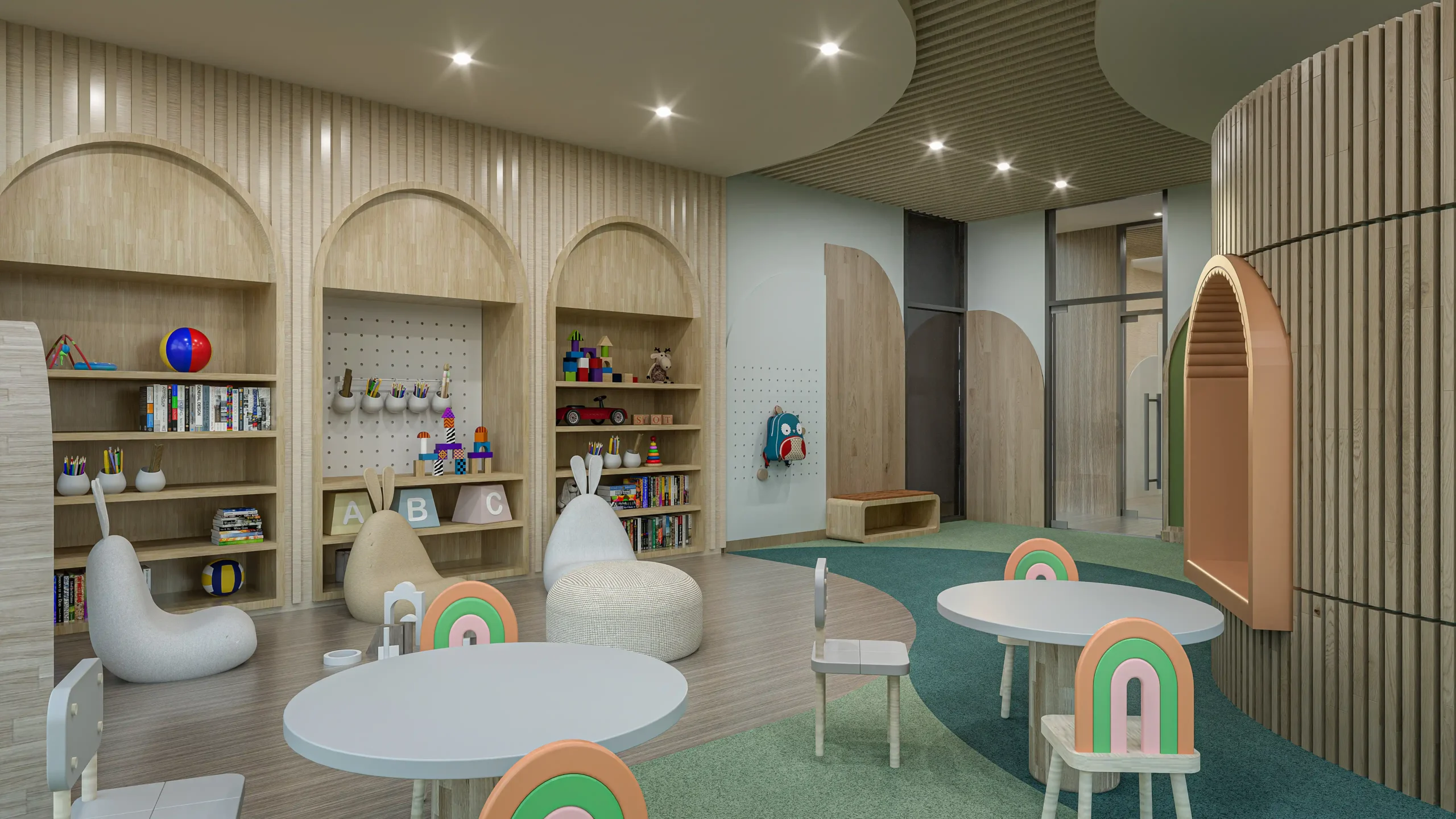
Modern podium amenities prioritize maximizing fresh air and natural ventilation, often dedicating over 50% of the area to open space to prevent residents from feeling confined. These shared spaces function as “extensions of the home,” offering outdoor environments, panoramic city views, and functional areas like “Learnscapes” for families and professionals.
Investors should focus on efficient layouts that maximize light and functionality, such as studio units for professionals or two-bedroom flats with balconies for growing families. Selecting a project from an established developer with “Developer of the Year” recognition ensures construction quality and better long-term appreciation within growing urban districts.
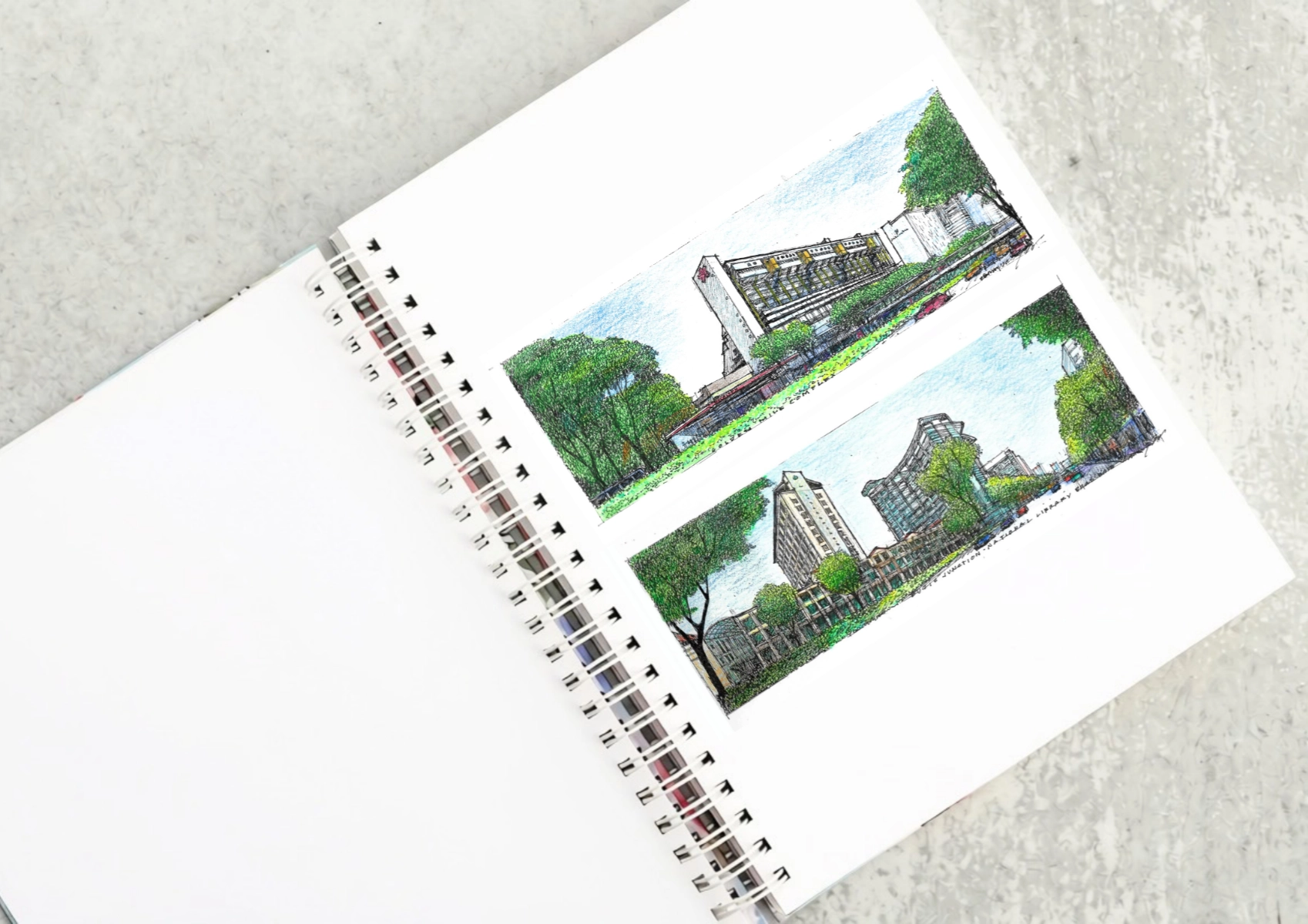
Two sketches of Singapore connect BluPrint Editor in Chief Paulo G. Alcazaren’s personal and professional history with Shared Ground: ArchitectureArchitectureThe art and science of designing and constructing buildings, structures, and spaces that are functional, safe, and aesthetically pleasing. It encompasses the planning, design, materials, and techniques used to createGo to Architecture Glossary of Care, Culture, […]
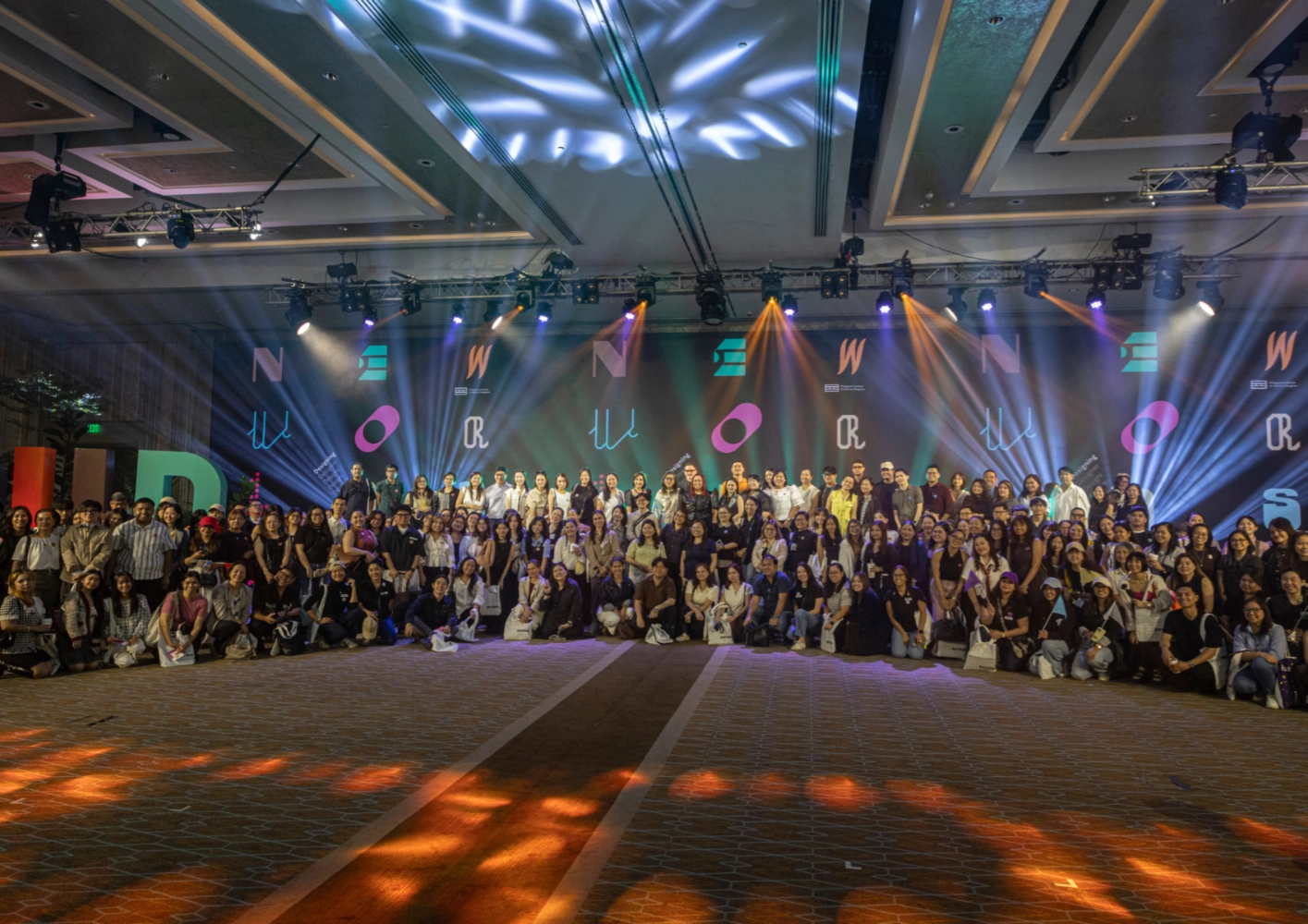
In a way, designers are the modern-day soothsayers and prophets. They design for the future, predicting how a room, a house, a building or a whole city will be used by people. They foresee how users will interact with a space, conjure exact shades of colors to elicit specific behavior and arrange furniture to build […]
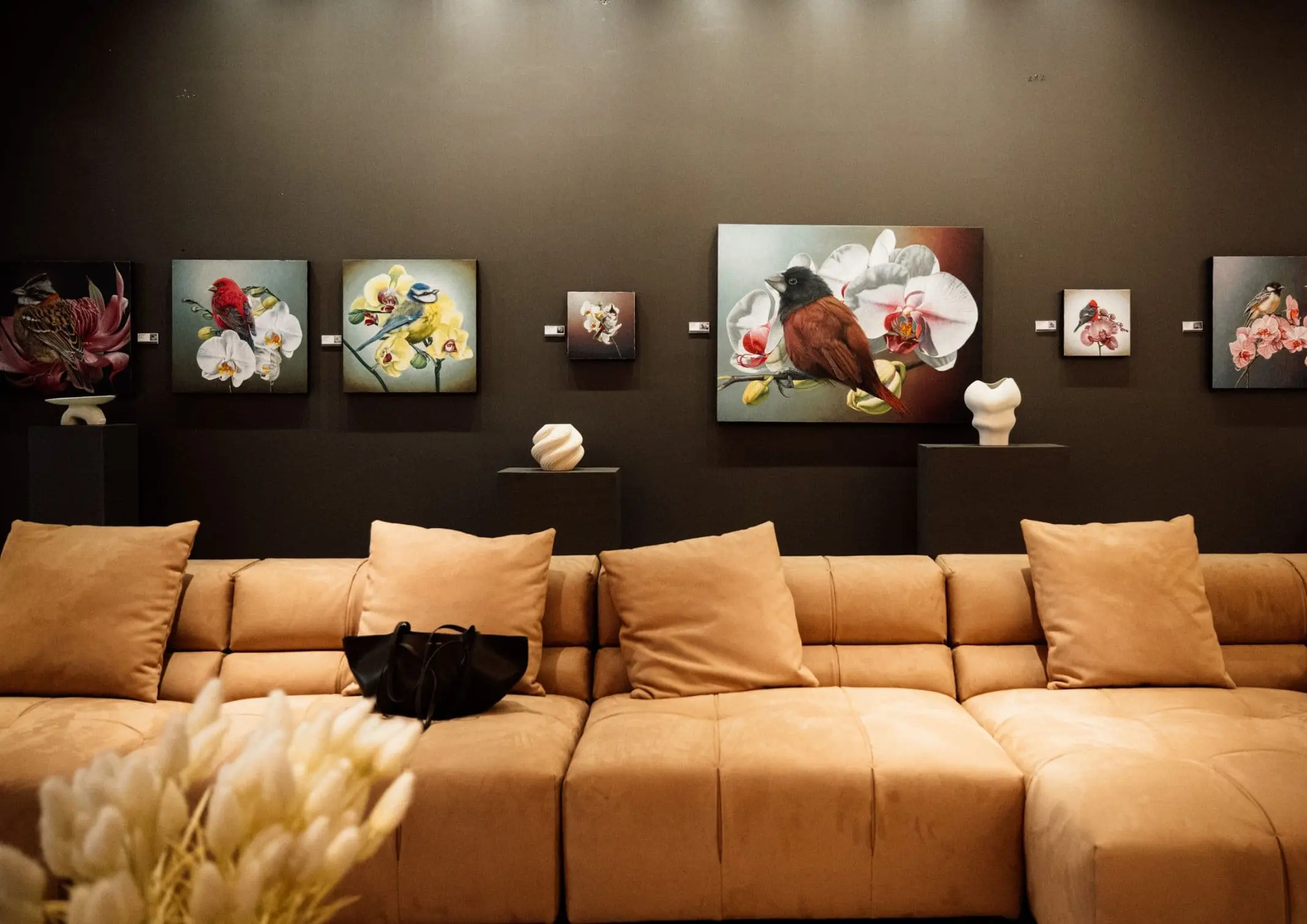
Art and furniture are often selected separately, yet their relationship can shape how a room looks and feels. The collaboration between Hooga and Galerie Joaquin explores how these elements can work together, bringing contemporary artworks into furnished residential settings at Hooga’s showroom in Uptown Mall, Bonifacio Global City. For Hooga, which curates furniture, lighting, and […]
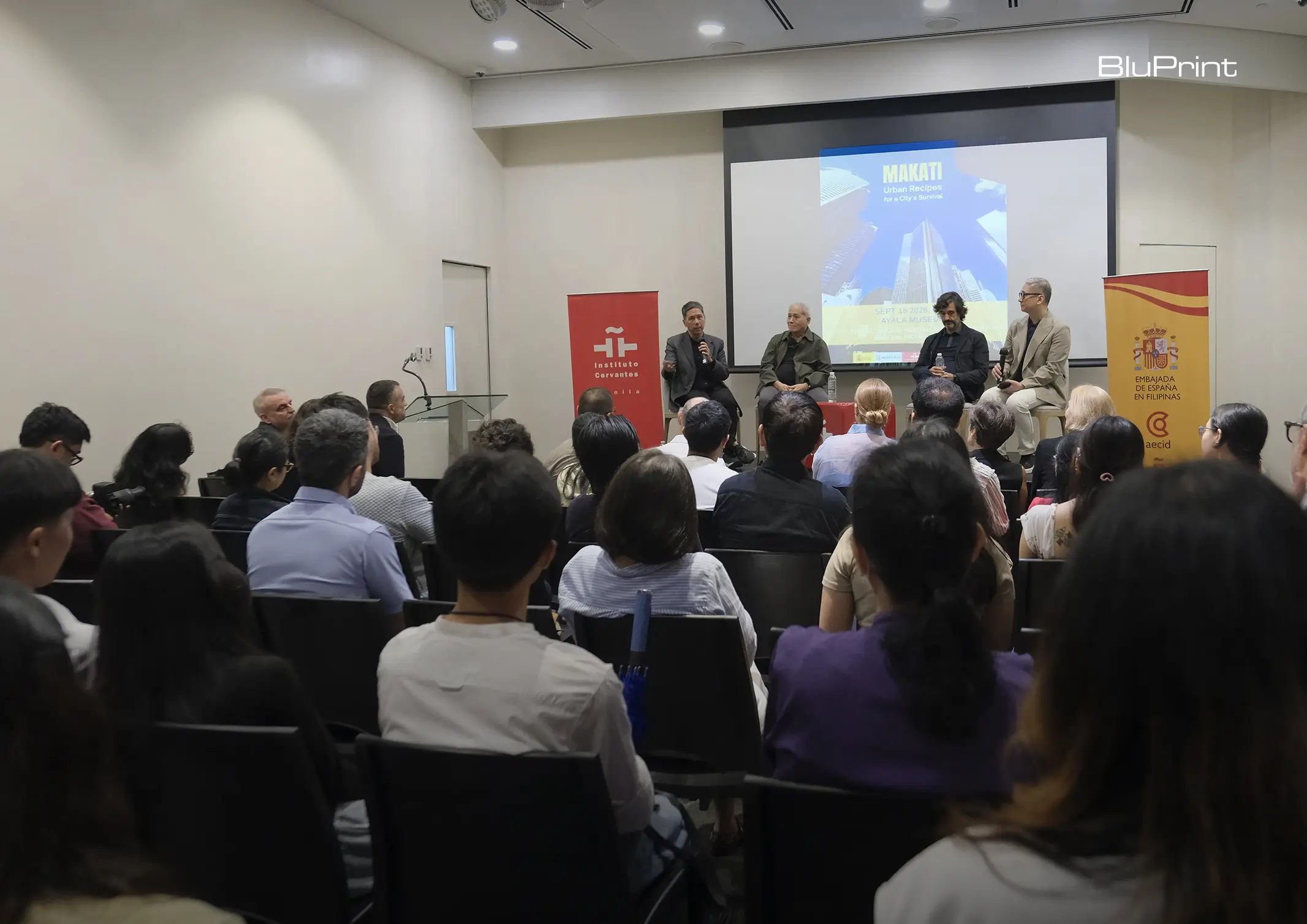
How can better-planned cities create the conditions for more creative, livable, and resilient urban environments? “Makati Urban Recipes for a City’s Survival,” a colloquium held at the Ayala Museum on September 15, brought together architects and practitioners from the fields of urbanism and the creative economy to discuss how design, planning, and collaboration can address […]
Read the issues.

Collect the volumes.

Recommended Video
Tap to Unmute
Unmute
0:00
0:00