


Revisiting Jose Maria Zaragoza’s 1969 modernist landmark on Ortigas Avenue, where corporate architectureArchitectureThe art and science of designing and constructing buildings, structures, and spaces that are functional, safe, and aesthetically pleasing. It encompasses the planning, design, materials, and techniques used to createGo to Architecture Glossary, performing arts, and personal memories come together. The Meralco Building […]
Revisiting Jose Maria Zaragoza’s 1969 modernist landmark on Ortigas Avenue, where corporate architectureArchitectureThe art and science of designing and constructing buildings, structures, and spaces that are functional, safe, and aesthetically pleasing. It encompasses the planning, design, materials, and techniques used to createGo to Architecture Glossary, performing arts, and personal memories come together.
The Meralco Building as a Modernist Landmark
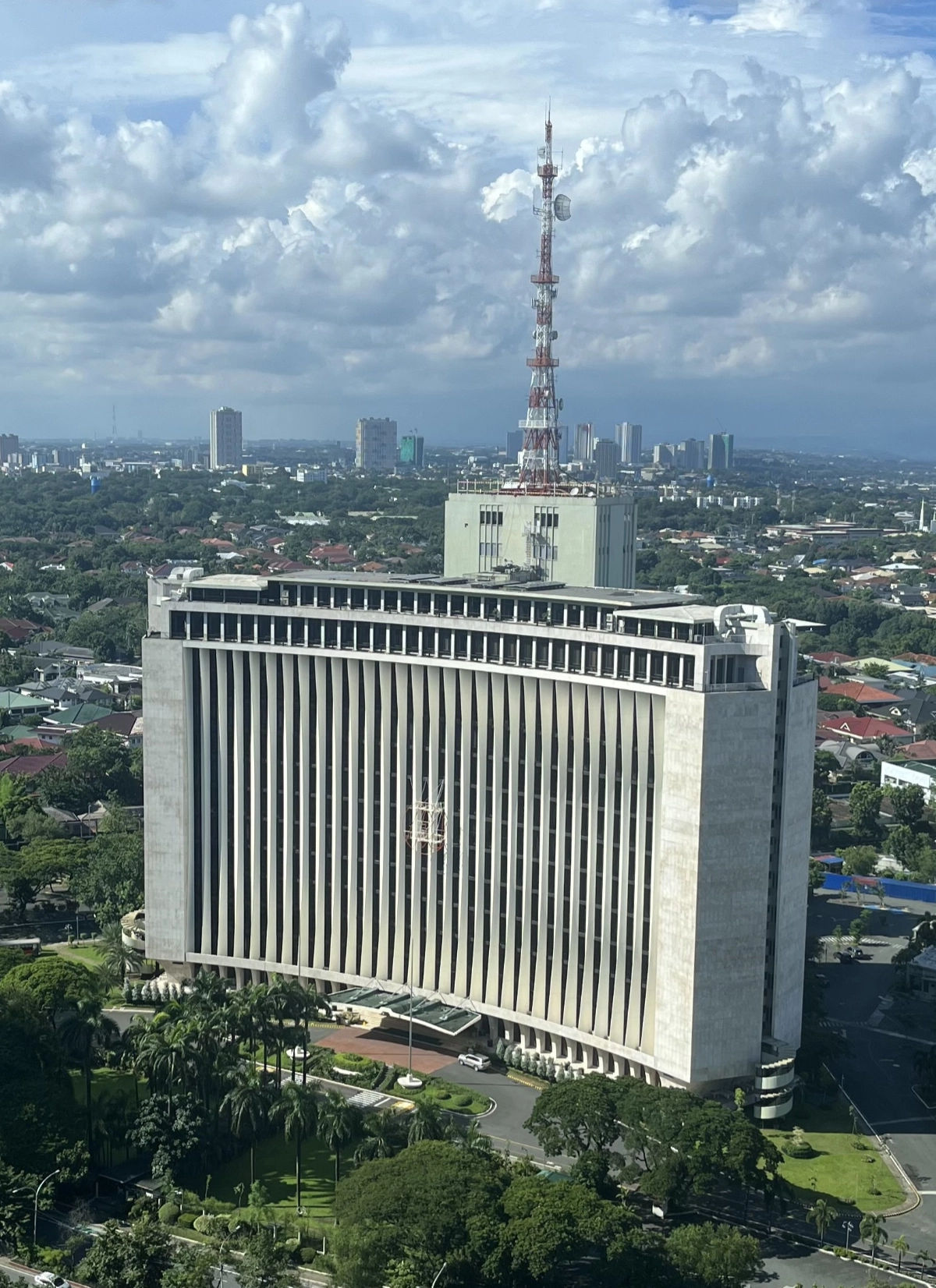
One of my favorite modernist buildings is one I grew up with, the Meralco building on Ortigas Avenue. Designed by National Artist for ArchitectureArchitectureThe art and science of designing and constructing buildings, structures, and spaces that are functional, safe, and aesthetically pleasing. It encompasses the planning, design, materials, and techniques used to createGo to Architecture Glossary Jose Maria Zaragoza, the 14-story tower with attached theater was completed in 1969, two years after my family moved to nearby Barrio Kapitolyo. As children we watched as the building rose on the then empty canvas that was the Ortigas district. My father moved us to the area to be nearer to work, and that work was with Meralco, as one of its doctors manning the company hospital.
Related Read: These are 7 Historic Commercial Landmarks You Should Know About
The Meralco Theater and Its Place in Philippine Performing Arts
We frequented the building for its theater. It was and still is one of the most modern and fully equipped theaters in the country. It seats a thousand, half the capacity of the CCP, but arguably with better acoustics. My old professor and former dean of the UP College of Architecture, Aurelio Juguilon, was the acoustic designer and he used the theater as an example of good acoustics.
I got my first taste of musical theater, ballet, and opera at the Meralco theater. The building’s inauguration was marked by performances of the Bolshoi Ballet of Moscow with renowned dancers Raisa Struchkova, Alexander Lapuri, Boris Khoklov, and Vladimir Levashev. The four were ably supported by the corps de ballet of the Hariraya Dance Company of the Philippines, products of the rigorous training of Totoy de Oteyza and Inday Gaston Mañosa. The music was rendered by the Manila Symphony Orchestra under the baton of the Bolshoi’s Mikhail Bank. I caught one of the matinees; the lack of a tux and my age prevented me from attending the gala. Then First Lady Imelda Marcos attended the performance and was promptly mesmerized by the Bolshoi and the new theater.
For the inauguration, a few evenings of beautiful classical music were also offered by the Manila Symphony Orchestra, led by guest conductor Helen Quach (the theater has an orchestra pit that can accommodate a full 60-piece orchestra). The operas La Traviata and La Boheme were staged by the Philippine Theater of the Performing Arts. Finally, the Meralco brought in Beverly Sills, the famous American coloratura soprano.
Related Read: Samsung Performing Arts Theater: Highlighting Filipino Talent On A World-Class Stage
Jose Maria Zaragoza’s Architecture and Changing Ortigas Landscape
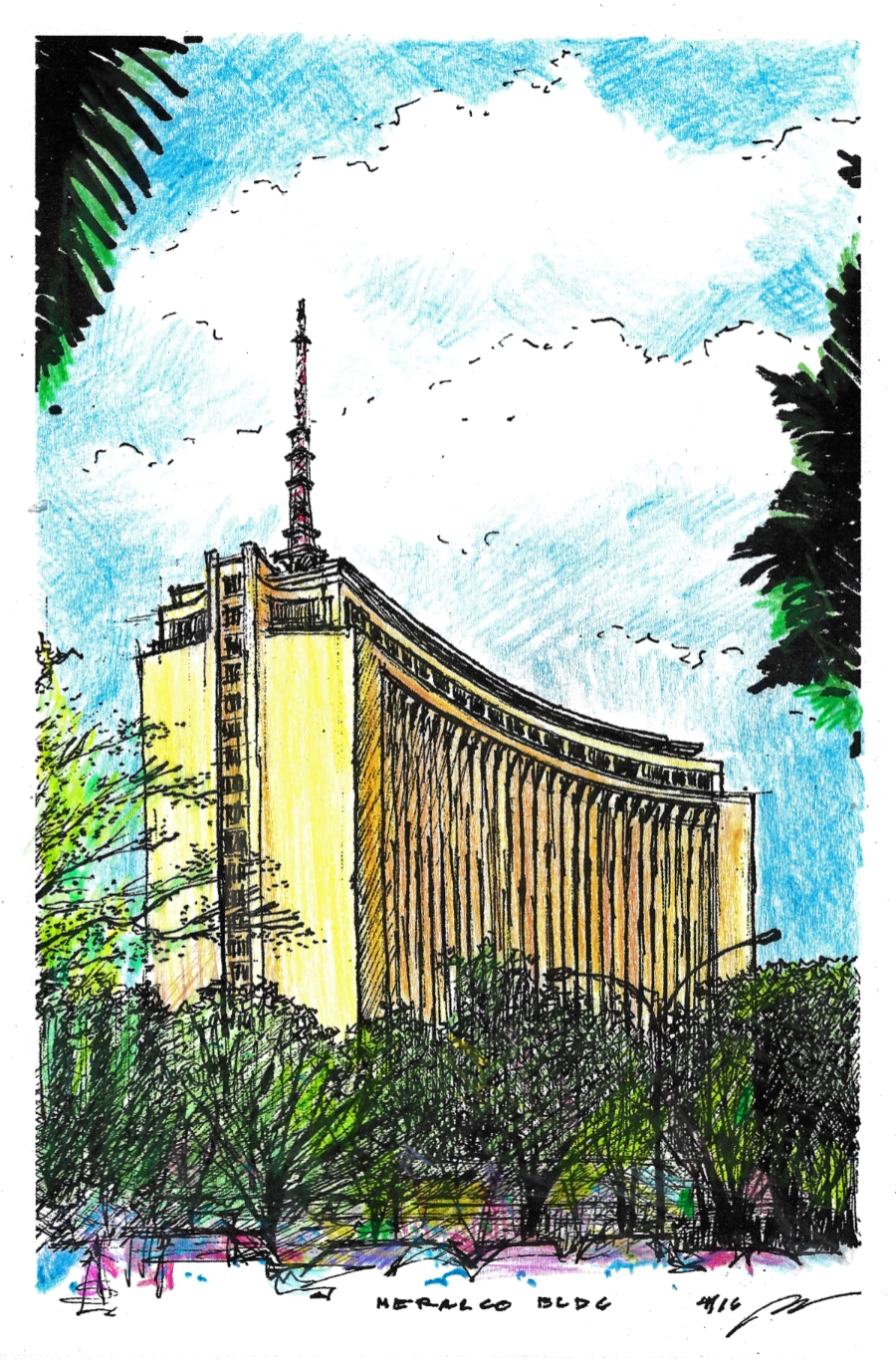
The building’s design by Zaragoza is, in my opinion, his most elegant. With its vertical brise soleil fins, the façadeFaçadeThe exterior face of a building, particularly the principal front facing a street or public space. More than decoration, a façade shapes a building's identity and performance, managing light, heat,Go to Façade Glossary glowed like a lantern at night. This, of course, because it is the electric utility company’s headquarters. Clad in marble, the rest of the façade has stood the test of time. The main lobby flowed into the back to the theaters’ own smaller lobby, past a bank of elevators that formed a spine linking the tower to the theater.
The original surrounding landscape was the work of landscape architect Dolly Perez, one of my professors at UP Diliman. Unfortunately the original stately expanse of green in front of the building was compromised in succeeding decades by the addition of a parking lot, an entry portal, and heavy-handed landscaping that obscures views of the structure from Ortigas Avenue. The portal could have been put to the side.
That said the building still stands as a proud landmark of the era, when clients trusted Filipino architects and allied professionals to design their iconic buildings. The Meralco has since changed hands from the original owners. The building is protected by law and we all hope it will continue to be maintained well into its next 50 years.
Related Read: For Whom the Bell Tolls: PH Heritage Landmarks Left in Ruins
Sketching Modernity is a series of analog illustrations and reflections on landmark buildings and sites by BluPrint Editor in Chief Paulo G. Alcazaren.
Frequently Asked Questions
The Meralco Building was designed by National Artist for Architecture Jose Maria Zaragoza. Completed in 1969, the complex consists of a 14-story office tower and an adjoining theater.
The Meralco Building is a landmark of Philippine modernist architecture. Its design features a marble-clad façade and vertical brise soleil fins that gave the building a lantern-like appearance when illuminated at night.
The Meralco Theater was completed in 1969 as part of the Meralco headquarters complex. It seats approximately 1,000 people and includes an orchestra pit capable of accommodating a 60-piece orchestra.
Architect Aurelio Juguilon, a former dean of the University of the Philippines College of Architecture, designed the theater’s acoustics. Its acoustic performance is among the qualities highlighted in Paulo G. Alcazaren’s account.
Landscape architect Dolly Perez designed the original grounds. The building initially featured an expansive landscaped frontage along Ortigas Avenue, portions of which were subsequently altered by parking facilities, an entrance portal, and additional landscaping.
There is no excerpt because this is a protected post.
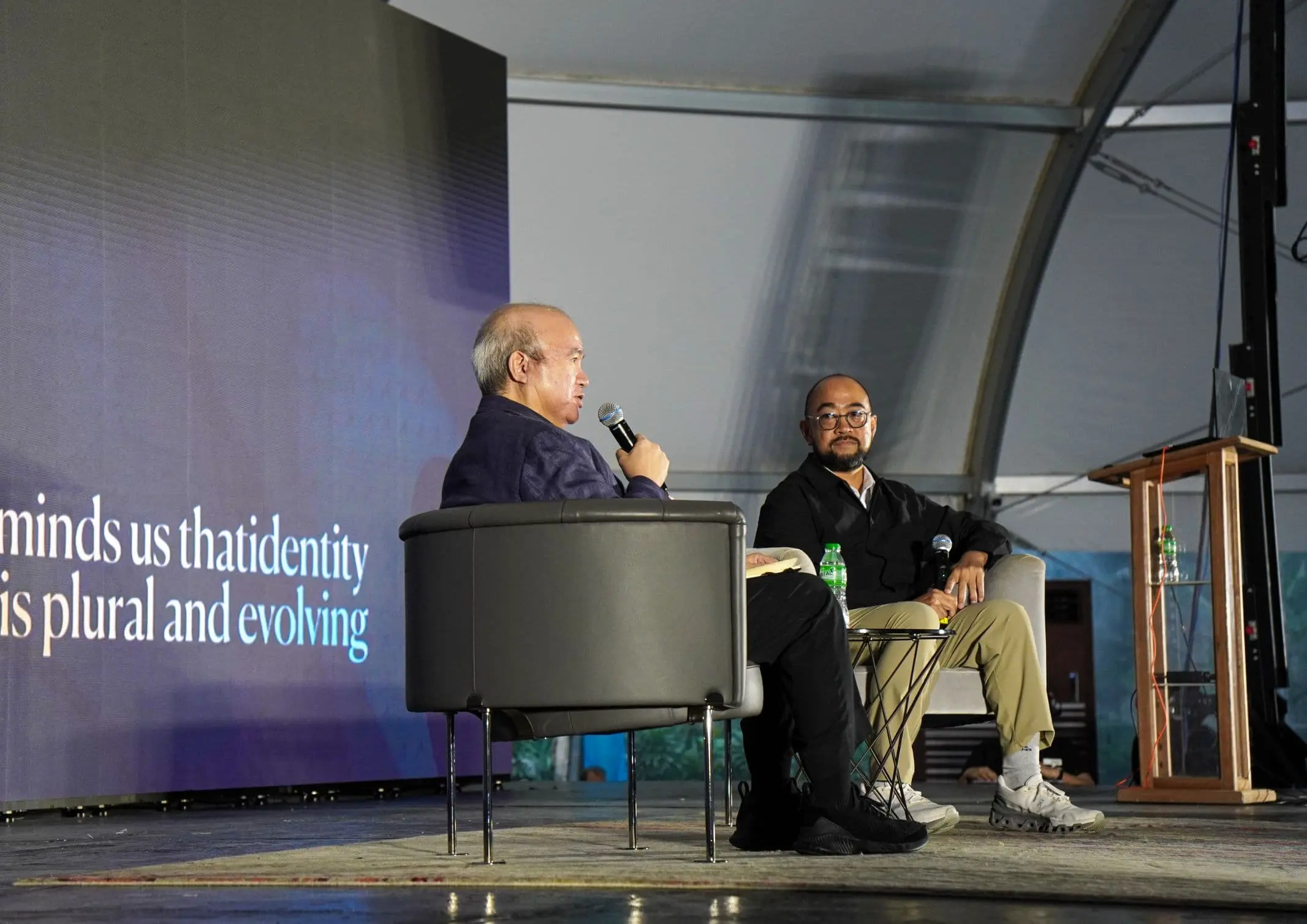
Culture is not just a motif incorporated into architectureArchitectureThe art and science of designing and constructing buildings, structures, and spaces that are functional, safe, and aesthetically pleasing. It encompasses the planning, design, materials, and techniques used to createGo to Architecture Glossary and interior design. It is shaped by people, places, and shared experiences. On the […]
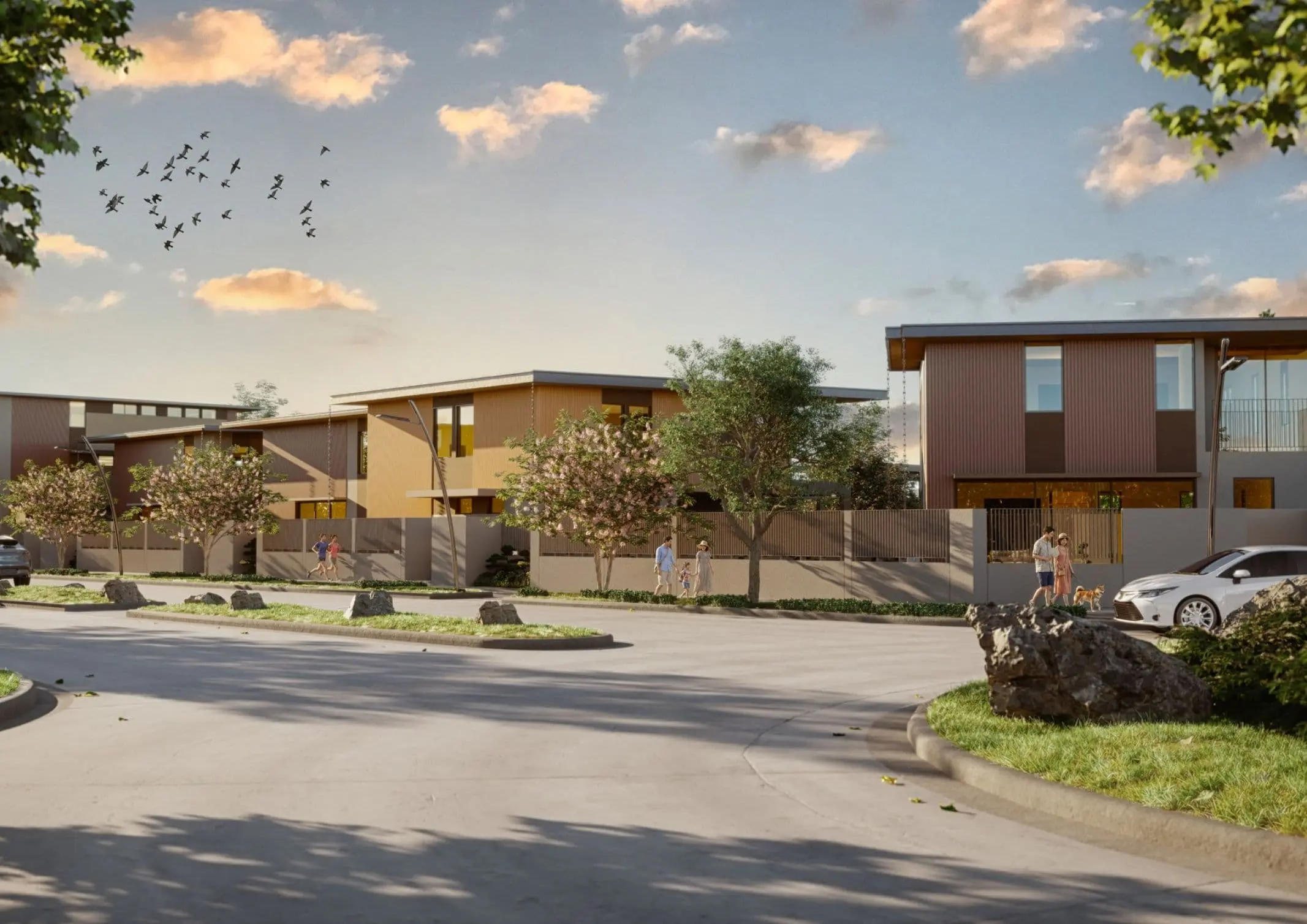
The idea of home extends beyond the walls of the house. It also considers the spaces and environments people share—the larger setting that supports everyday life. At Yume at Riverpark, these considerations begin with individual homes and lots, extend to the shared landscape of an 18-hectare residential development in General Trias, Cavite, and ultimately connect […]
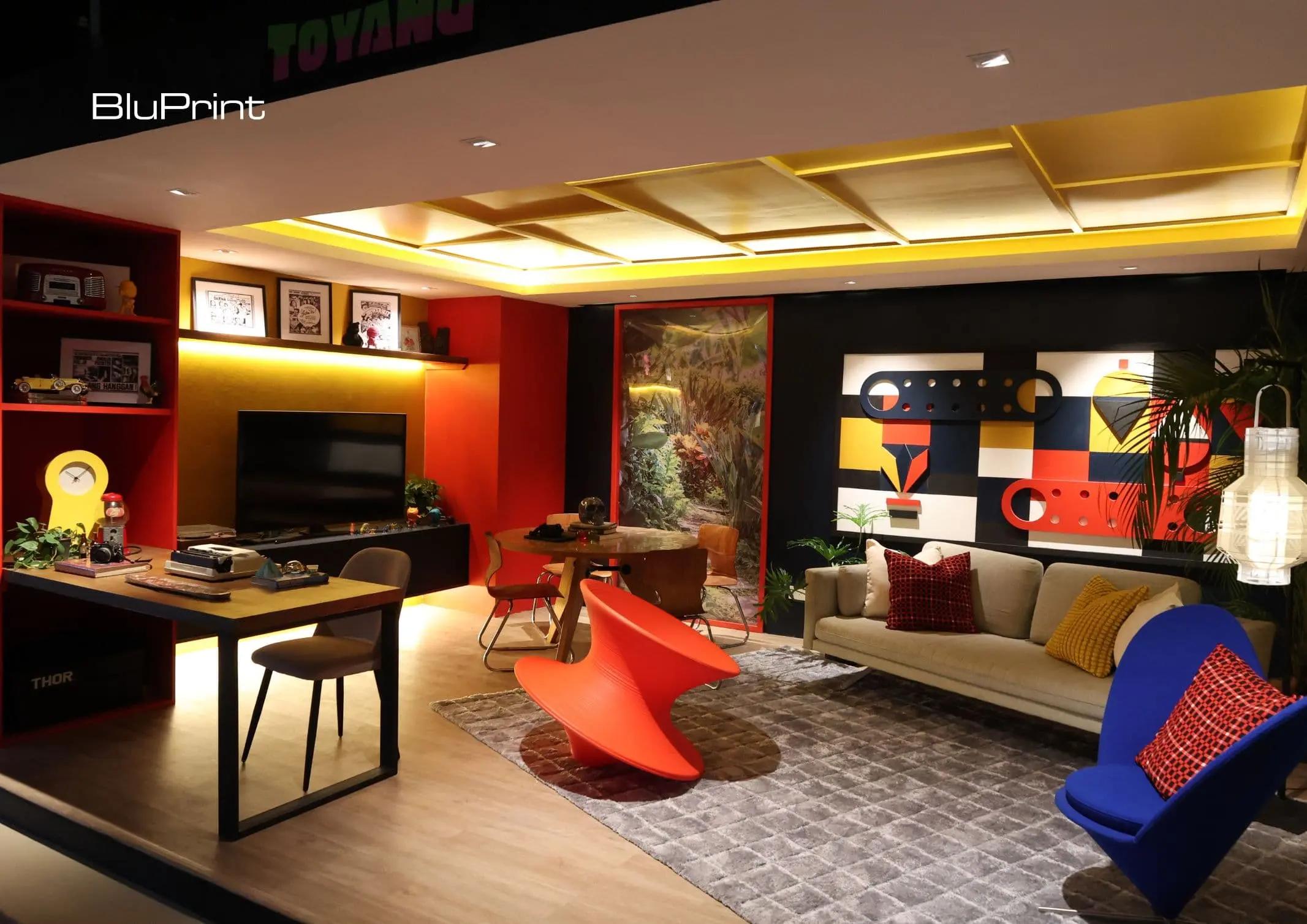
PSID presents “What the Pop!,” an exhibition opened on the third floor of V-Mall in Greenhills, San Juan City, that examined how popular culture shaped Filipino homes and lifestyles. Through spaces representing four generations—Baby Boomers, Generation X, Millennials, and Generation Z—the exhibit explored how each era’s experiences inform its approach to interior designInterior DesignThe discipline […]
Read the issues.

Collect the volumes.

Recommended Video
Tap to Unmute
Unmute
0:00
0:00