Design is not limited to the creation of finished objects. It is also a process of experimentation, problem-solving, and exchanging ideas across disciplines. This approach to making took center stage at the 2026 edition of MakersCon Philippines, held from November 12 to 13 at the University of the Philippines (UP) Fine Arts Gallery (Parola) in […]
How MakersCon PH 2026 is Shaping the Future of Filipino Making


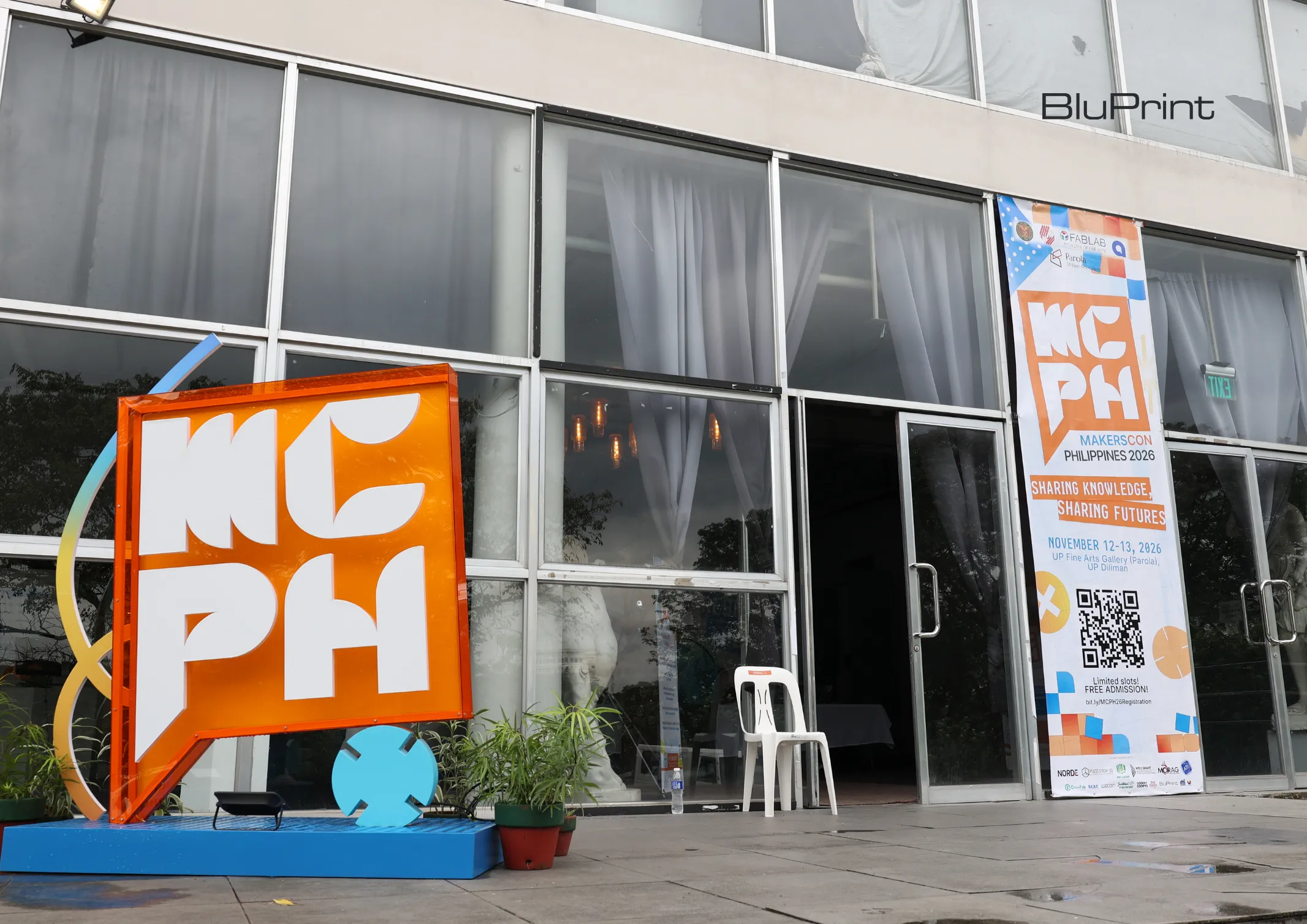
Design is not limited to the creation of finished objects. It is also a process of experimentation, problem-solving, and exchanging ideas across disciplines. This approach to making took center stage at the 2026 edition of MakersCon Philippines, held from November 12 to 13 at the University of the Philippines (UP) Fine Arts Gallery (Parola) in UP Diliman, Quezon City.
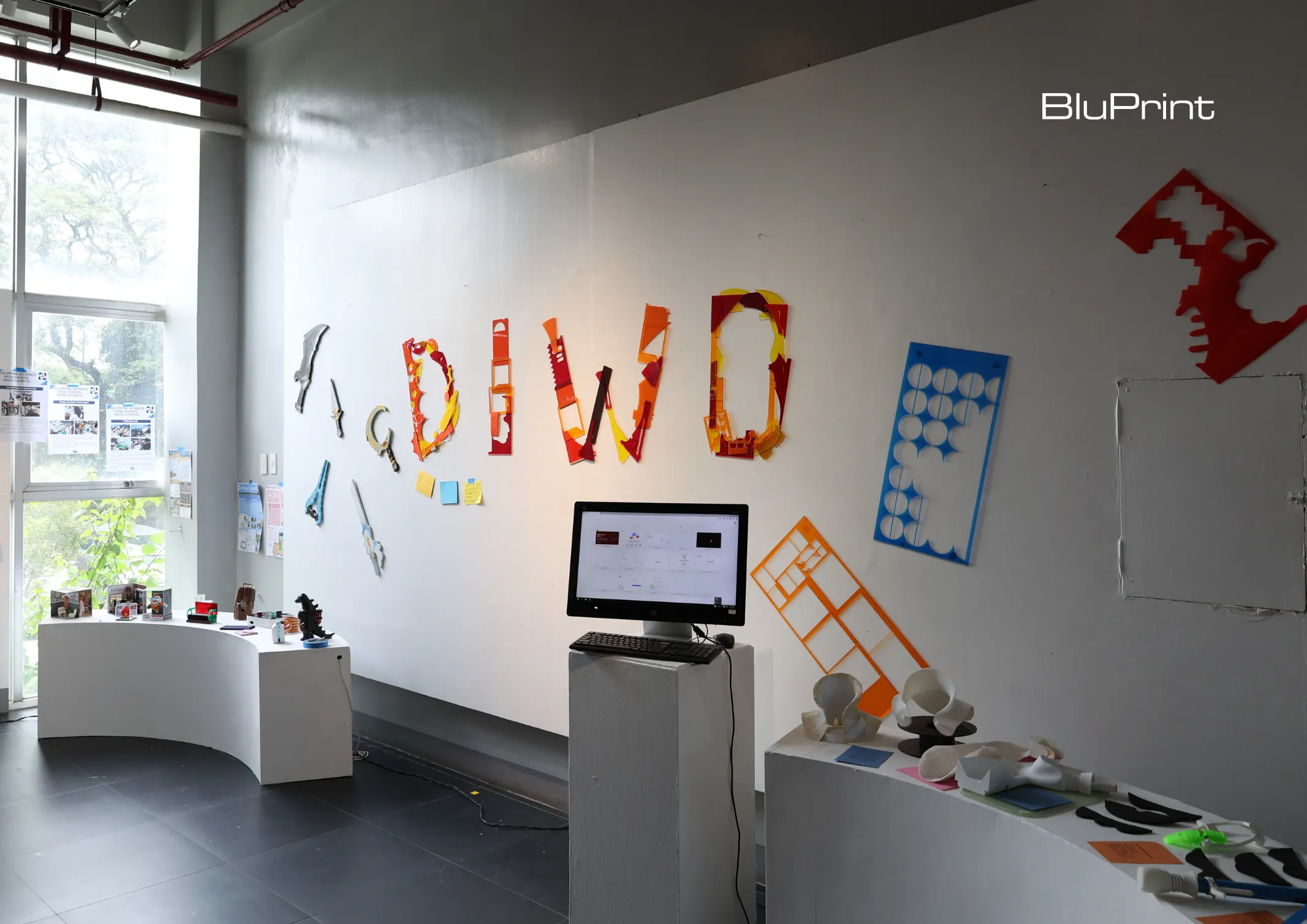
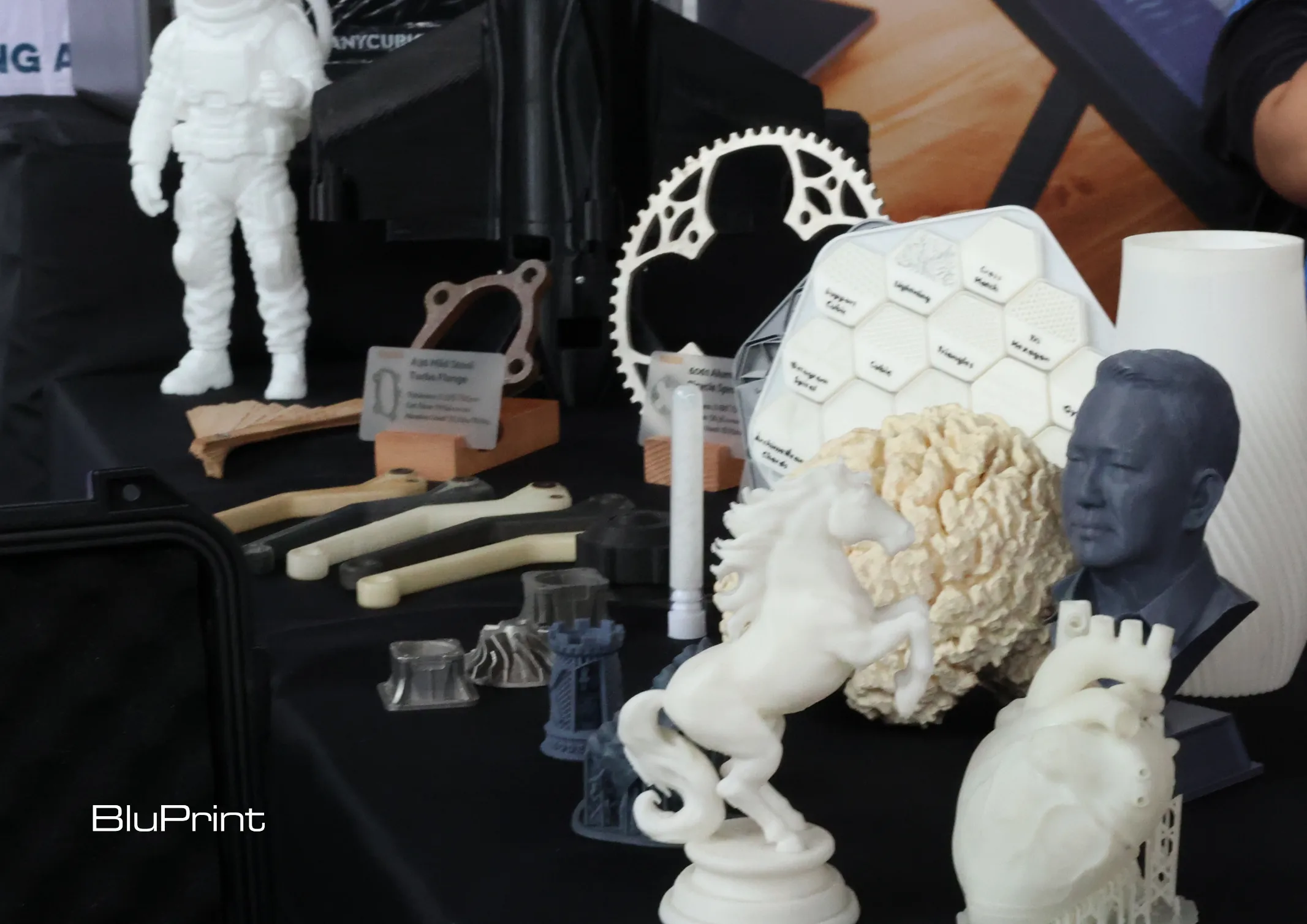
Organized by the UP College of Fine Arts (CFA) FabLab, the event brought attention to the role of digital fabrication laboratories, or FabLabs, as spaces that provide access to tools and technologies—including 3D printers, laser cutters, CNC machines, and electronics stations—that enable schools, entrepreneurs, and local communities to develop physical projects. The two-day gathering brought together students, makers, hobbyists, entrepreneurs, and FabLab leaders under the theme “Sharing Knowledge, Sharing Futures,” emphasizing a collaborative approach to design through the DIWO (Do It With Others) culture. This philosophy encourages participants to exchange skills, knowledge, and resources, allowing them to learn from one another and develop creative solutions to shared challenges.
Related Reading: Filipino Design Finds a Platform at ASEAN Creative Industries Expo
A Growing Maker Movement in the Philippines
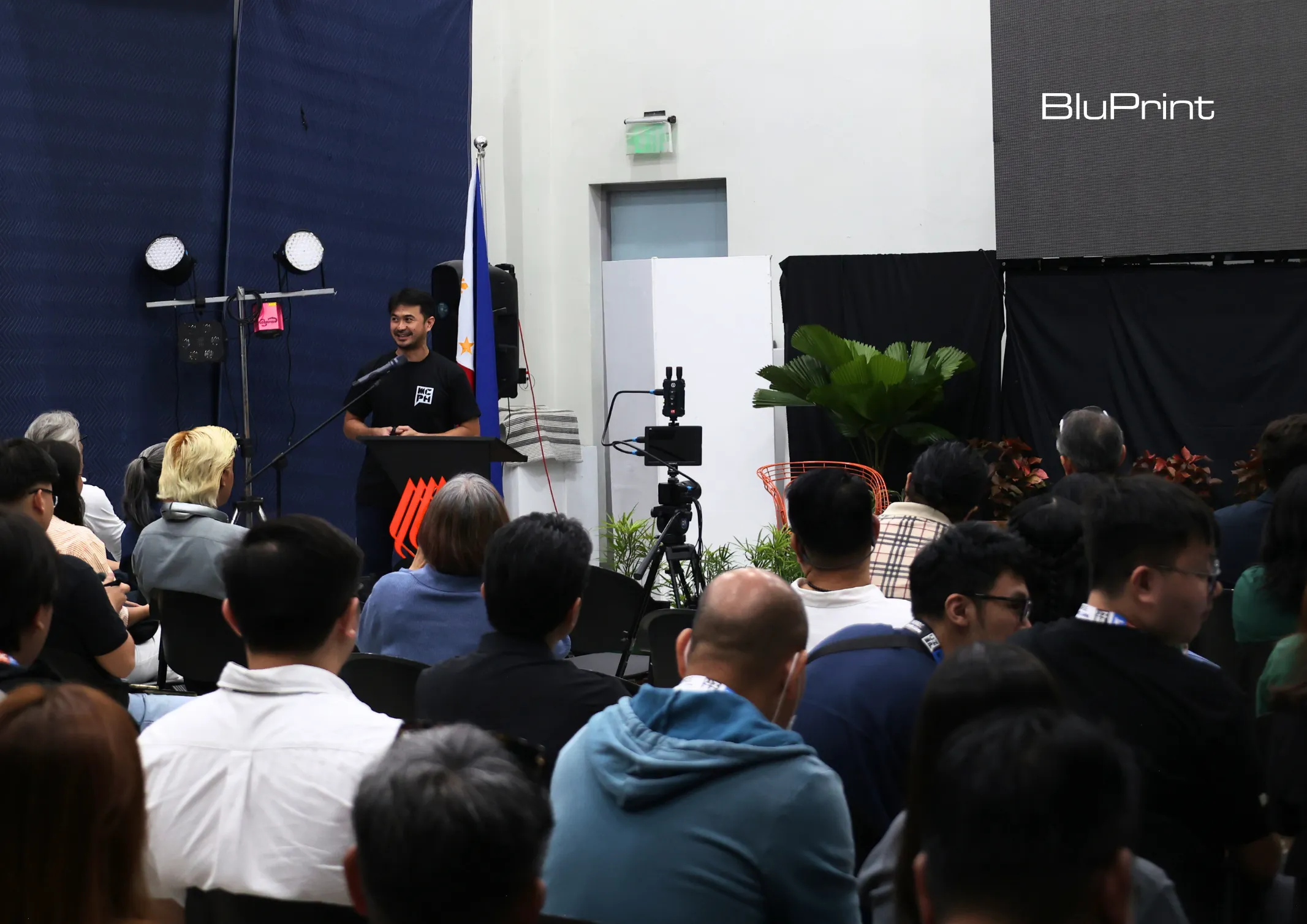
The first day of the convention explored the growing maker movement through perspectives from international and local practitioners. This included Tomas Diez, founding member and executive director of Fab City Foundation and founding partner of FabLab Bali, who discussed the global FabLab movement and its role in innovation. Meanwhile, Kohshi Katoh, project manager at Toyota Motor Corporation in Japan, shared insights on co-designing practical projects for the Global South.
The discussions also touched on the role of making in addressing social and environmental concerns. Jill Manapat of Ayala Foundation, Inc. spoke about social innovation and entrepreneurship, while Mica Agregado, founder of Plastics by Manila Automat, explored the relationship between sustainability and entrepreneurship. Together, these perspectives highlighted how design and fabrication can serve as tools for developing solutions that address the needs of the broader community.
Related Reading: The World of Parametric Design and Generative Architecture
Where Design, Science, and Making Intersect
On the second day, conversations turned to the intersection of design, science, and art in shaping local creative practices. Among the speakers was industrial designer Lee Villanueva, who shared his experiences in Filipino footwear design. Chris Rana, industrial designer and science research specialist at Department of Science and Technology–Forest Products Research and Development Institute (DOST-FPRDI), discussed a scientific approach to designing for sustainability and communities. Dr. Maricor Soriano of the UP Diliman National Institute of Physics explored 3D imaging using common tools. And ceramic artist and educator, Jezzel Wee, presented on the value of experimentation and discovery in small studio practice.
These discussions extended into Maker Playground, where talks and hands-on workshops introduced participants to different materials, fabrication processes, and creative technologies. Sessions explored applications ranging from designing functional fashion out of textile waste and vacuum forming for small businesses, to circuit bending, laser cutting, and collaborative cardboard construction. The Rube Goldberg Competition also challenged senior high school and college teams to build chain-reaction machines, putting creative problem-solving and collaborative thinking into practice.
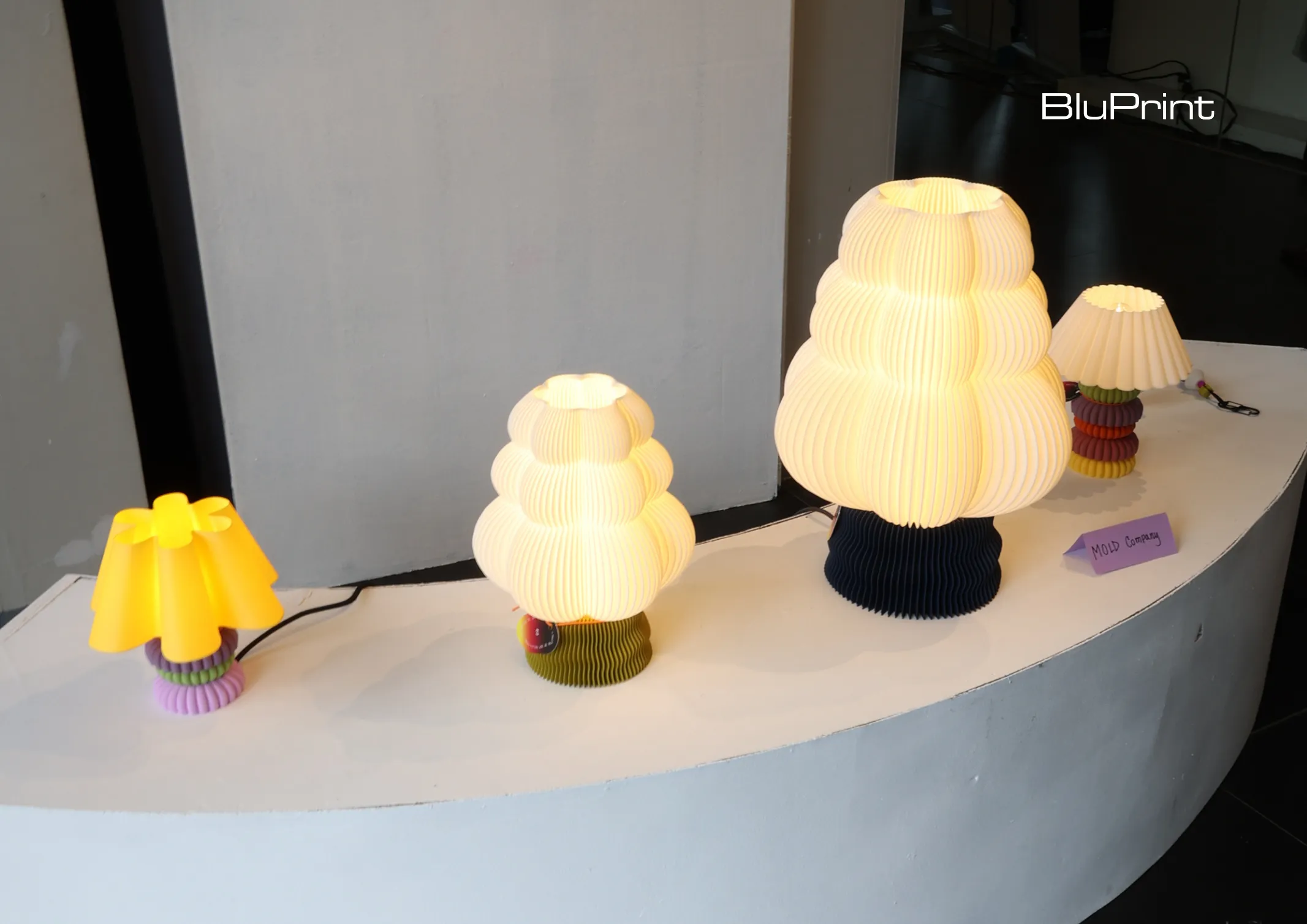
Building a Collaborative Filipino Maker Community
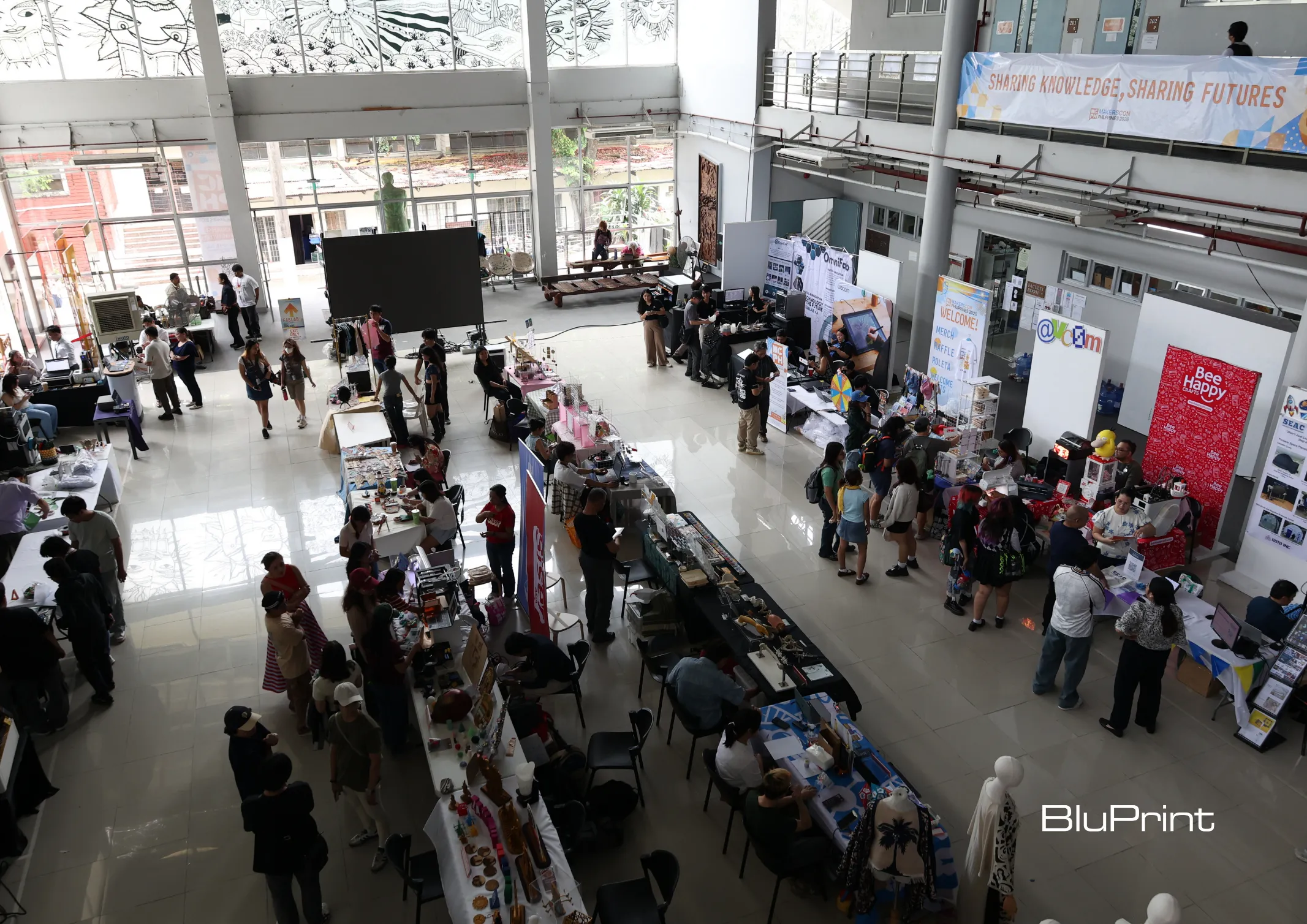
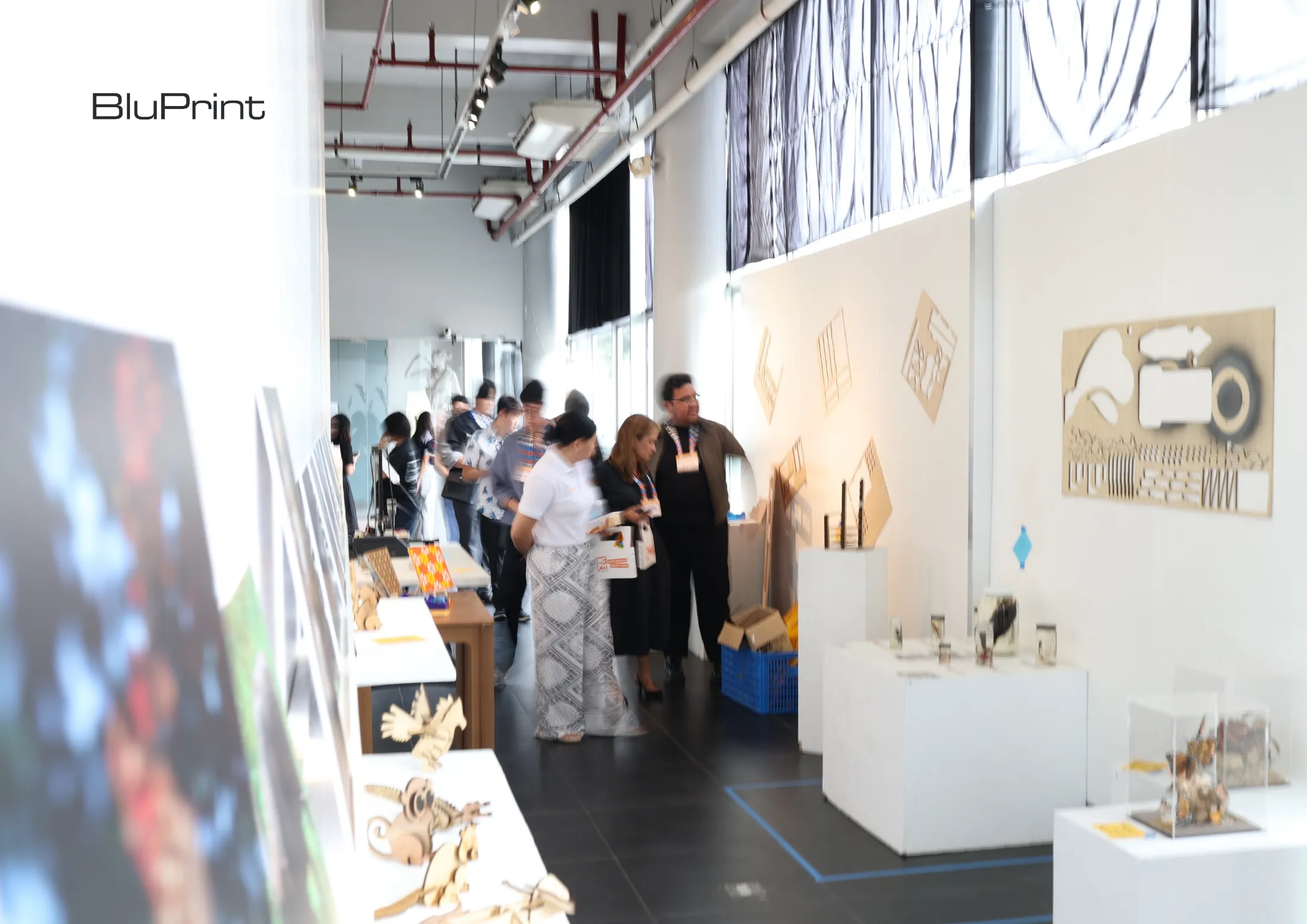
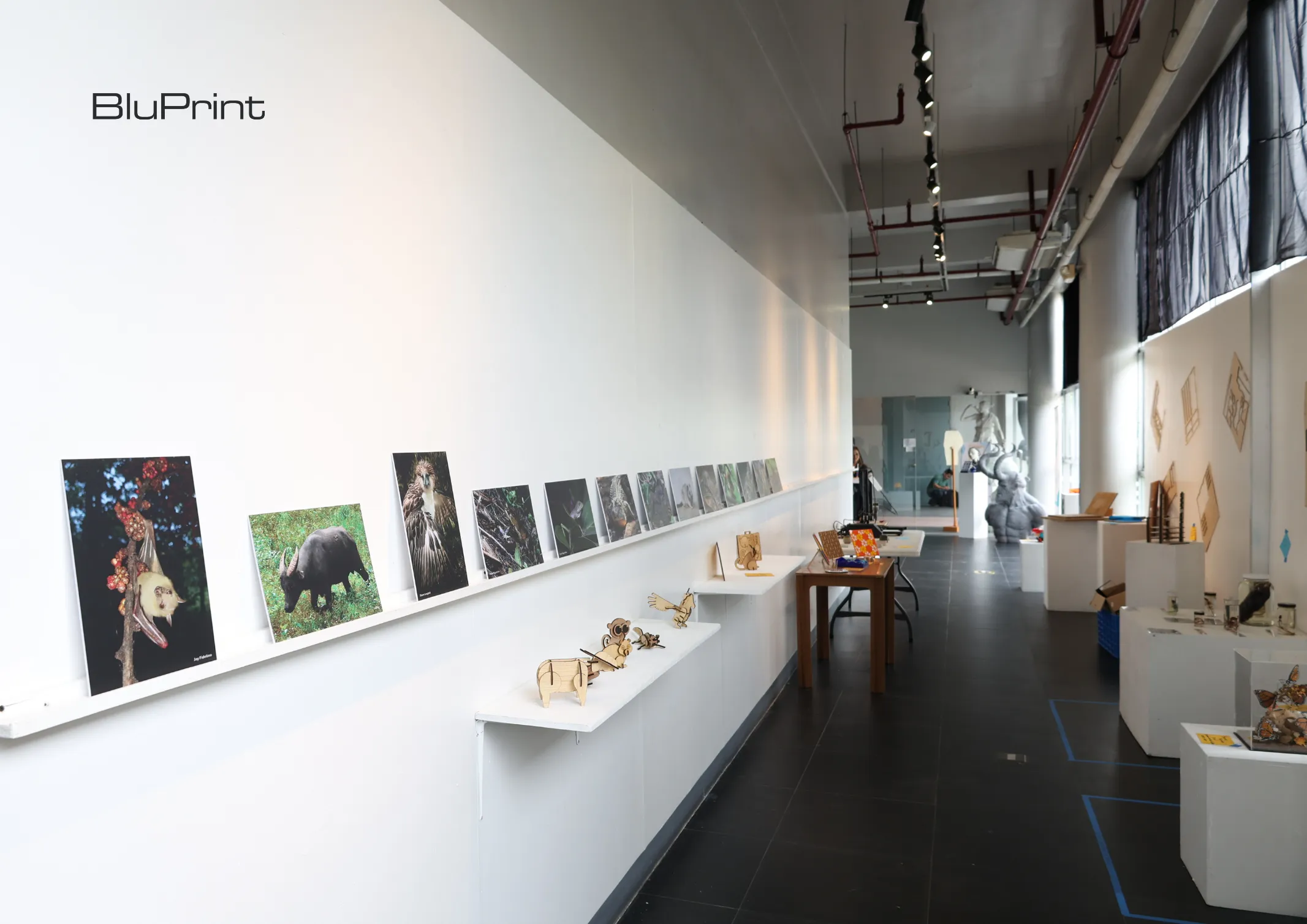
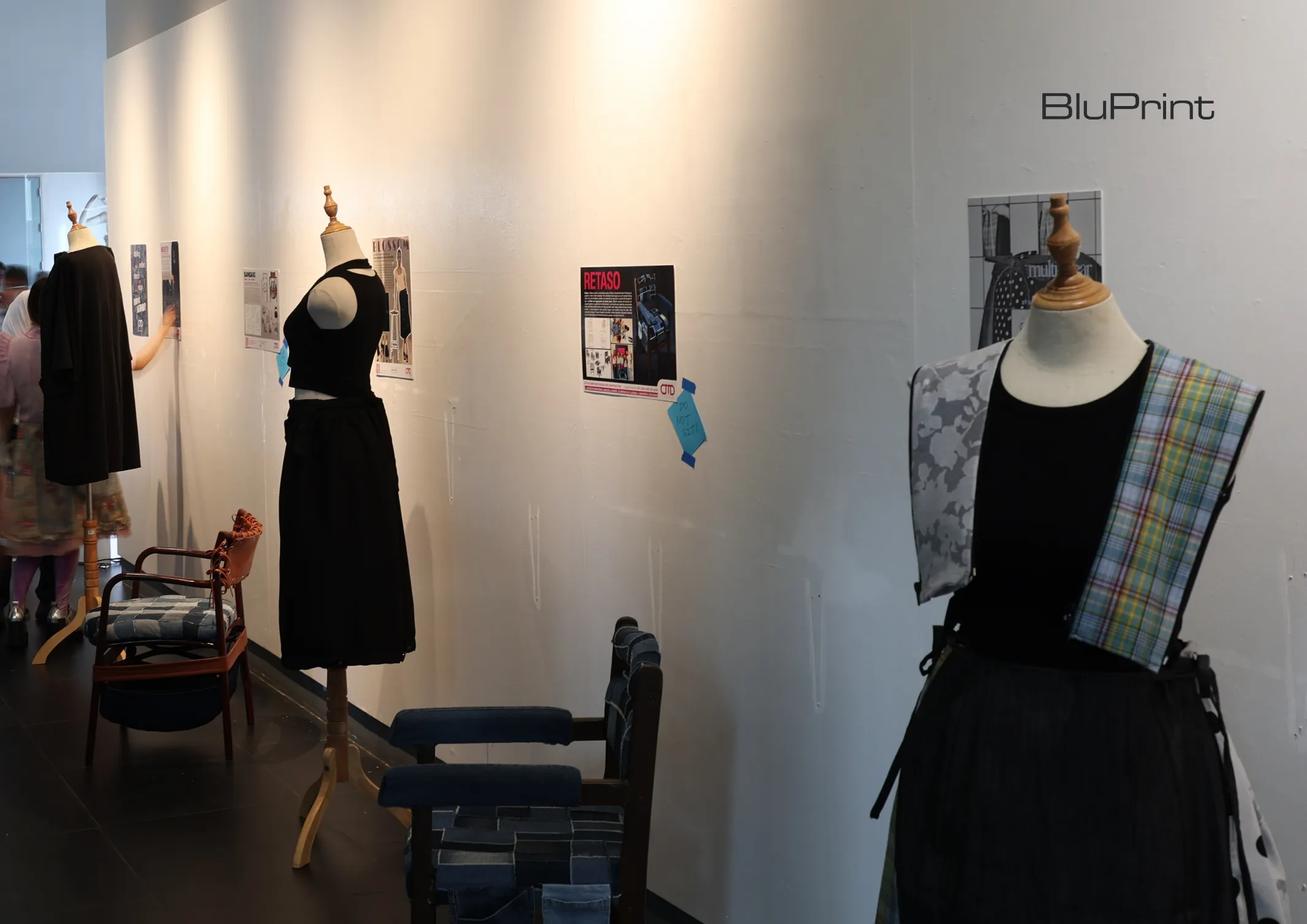
Beyond the talks and workshops, MakersCon provided a platform for makers and creative communities to present their work. Makers Hub featured interactive booths showcasing projects, inventions, and community-driven innovations, while Artists Latagan brought together products and designs from FabLab Micro, Small, and Medium Enterprise (MSME) beneficiaries, UP CFA students, alumni, and partners.
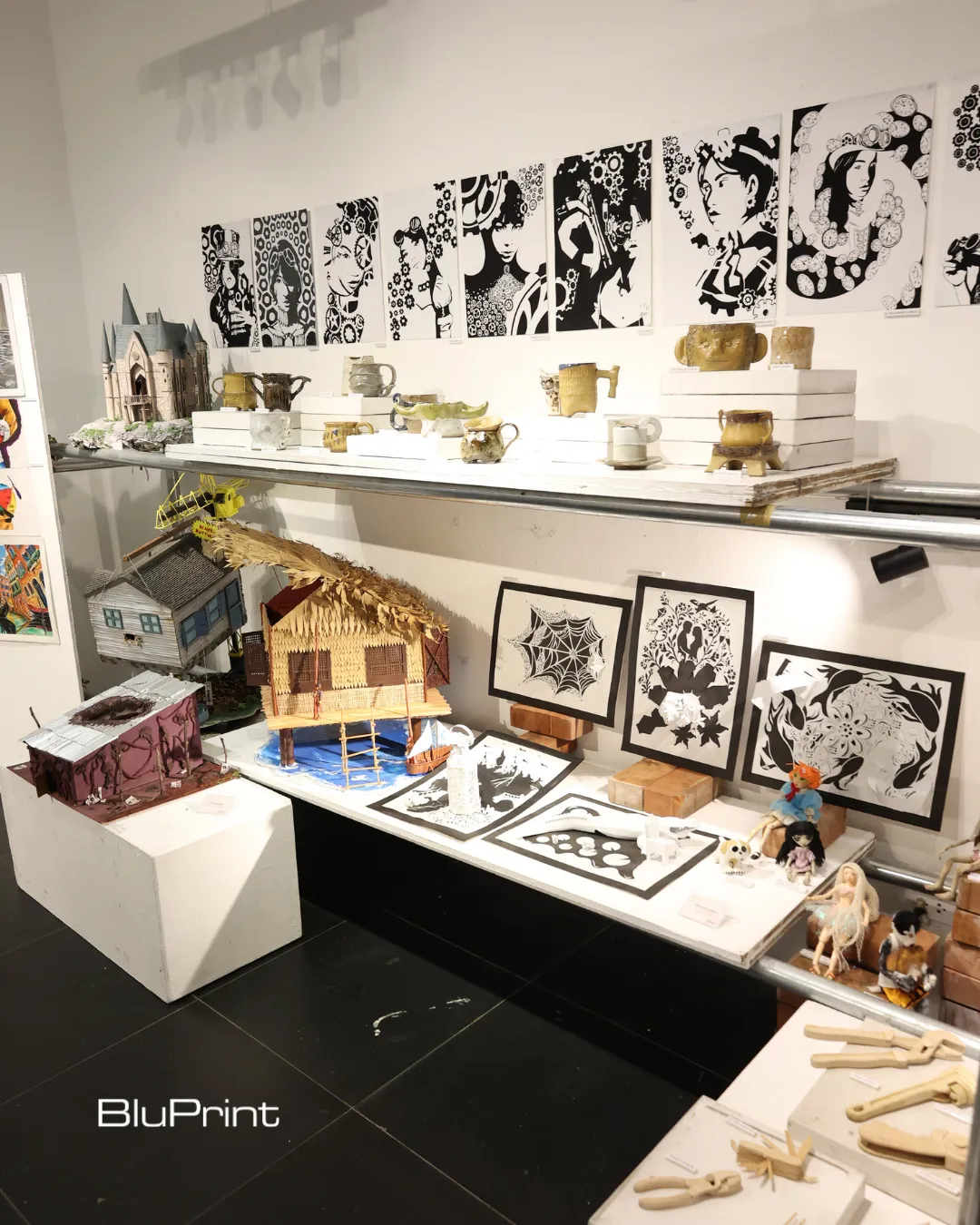
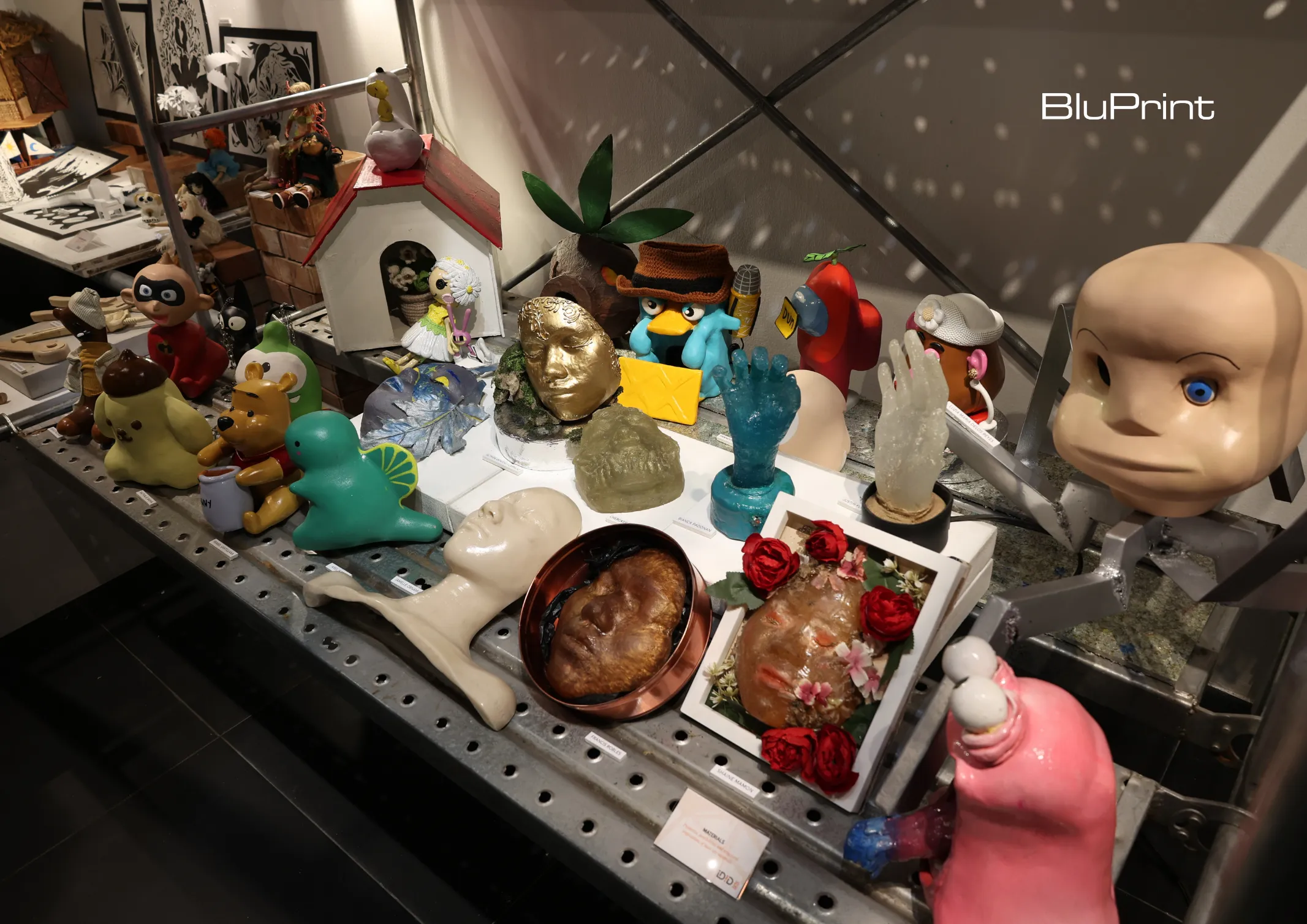
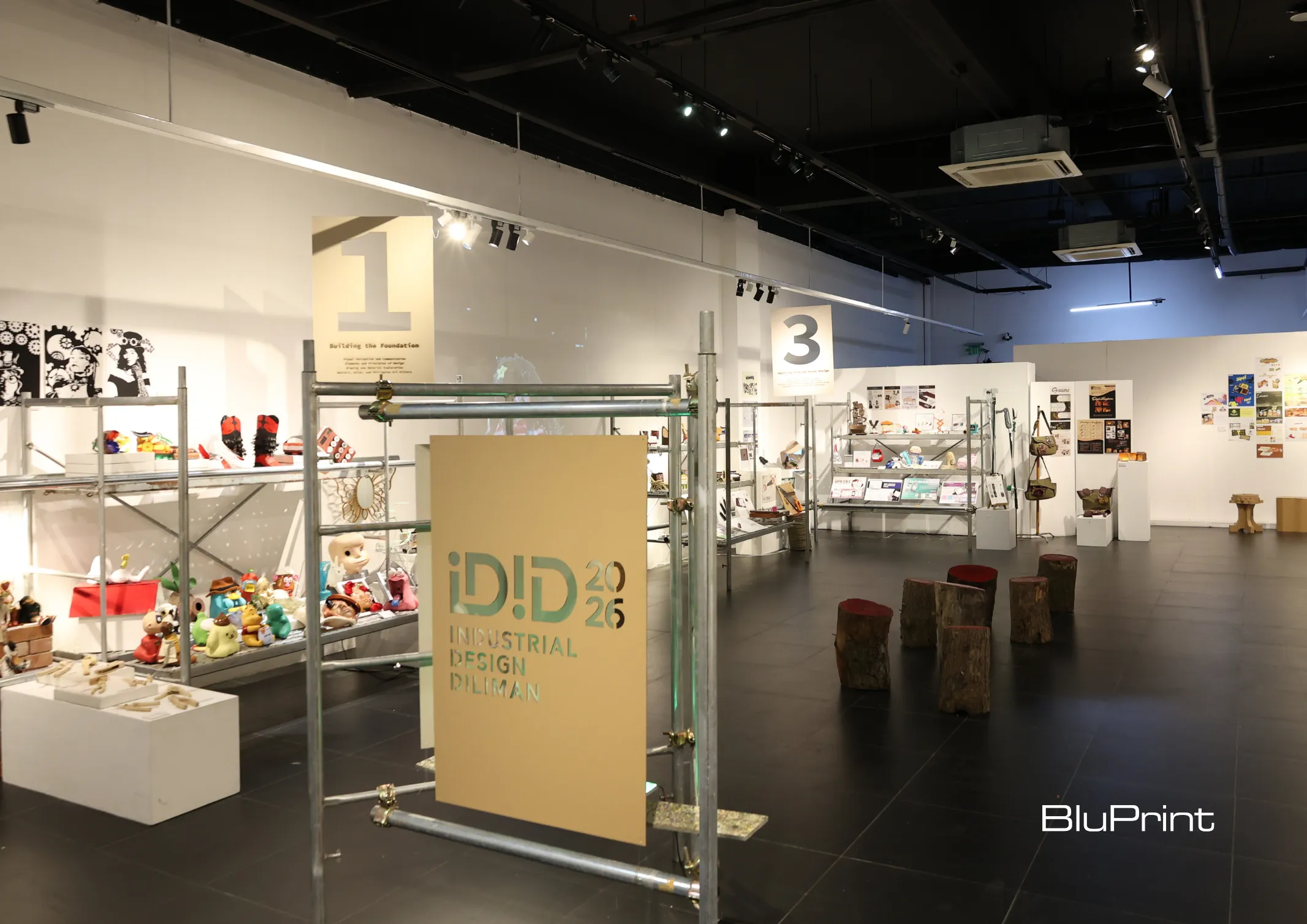
The event also opened two exhibitions that further highlighted the range of work emerging from the local community. iD!D 2026: Industrial Design Diliman featured selected projects by UP CFA Industrial Design students, while The Makers Exhibit presented works from FabLabs and makerspaces nationwide, reflecting the collaborative and experimental nature of the Philippine maker movement.
Through its talks, workshops, and exhibitions, MakersCon Philippines 2026 demonstrated how collaboration across disciplines can open up new possibilities for Filipino design. By bringing together different creative practices and making technologies, the event highlighted the importance of accessible tools and shared knowledge in supporting local innovation.
Related Reading: Museum of the Future: An Exceptional Visionary Building Design
About MakersCon Philippines
MakersCon Philippines is a national gathering that brings together makers, designers, students, entrepreneurs, and FabLab communities to exchange knowledge, showcase innovations, and explore creative technologies. Through talks, workshops, exhibitions, and collaborative activities, the convention promotes interdisciplinary learning and the development of the Philippine maker movement.
About University of the Philippines College of Fine Arts (UP CFA) FabLab
The University of the Philippines College of Fine Arts (UP CFA) FabLab is a learning and prototyping space that provides students, communities, Micro, Small, and Medium Enterprises (MSMEs), and emerging makers access to digital fabrication tools and creative technologies. Guided by art and design principles, it supports experimentation, collaboration, and impact-driven making through traditional and digital fabrication. As a founding member of FabLabs PH and part of the global FabLab network, it connects local makers to a wider international community.
Frequently Asked Questions
MakersCon Philippines is a national convention that brings together Filipino makers, designers, students, entrepreneurs, and FabLab communities. It features talks, workshops, exhibitions, and competitions that encourage collaboration, knowledge-sharing, and innovation through design and technology.
MakersCon Philippines 2026 carried the theme “Sharing Knowledge, Sharing Futures.” It emphasized collaborative making through the DIWO (Do It With Others) culture, encouraging participants to exchange skills, knowledge, and resources to develop creative solutions.
A FabLab, or digital fabrication laboratory, is a space equipped with tools and technologies such as 3D printers, laser cutters, CNC machines, and electronics stations. These facilities allow students, entrepreneurs, designers, and communities to experiment, prototype, and develop physical projects.
MakersCon PH 2026 featured speaker sessions, hands-on workshops, the Maker Playground, and a Rube Goldberg Competition for senior high school and college students. It also presented Makers Hub and Artists Latagan, alongside exhibitions featuring industrial design students and works from FabLabs and makerspaces nationwide.
Digital fabrication gives Filipino designers, makers, and communities access to tools for prototyping, experimenting with materials, and developing products. Through shared facilities such as FabLabs, these technologies can support creative entrepreneurship, sustainable design, and collaborative problem-solving.
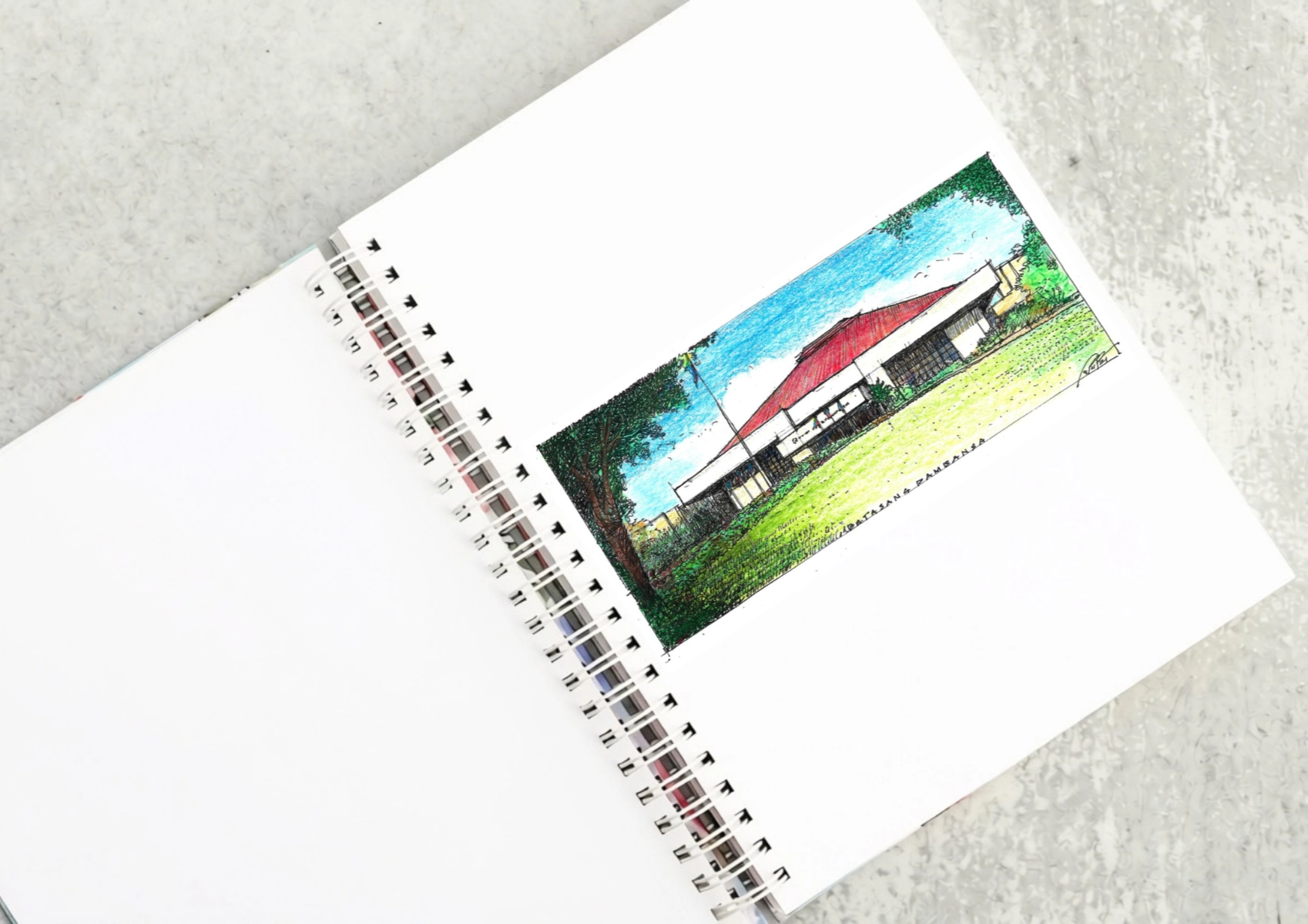
The Batasang Pambansa as a Landmark of Philippine Civic Architecture The congress of the Republic of the Philippines is housed in a complex in Quezon City. It was the first and only of the three main branches of the government to move to what was, for a period, the capital of the Philippines. The Batasang […]
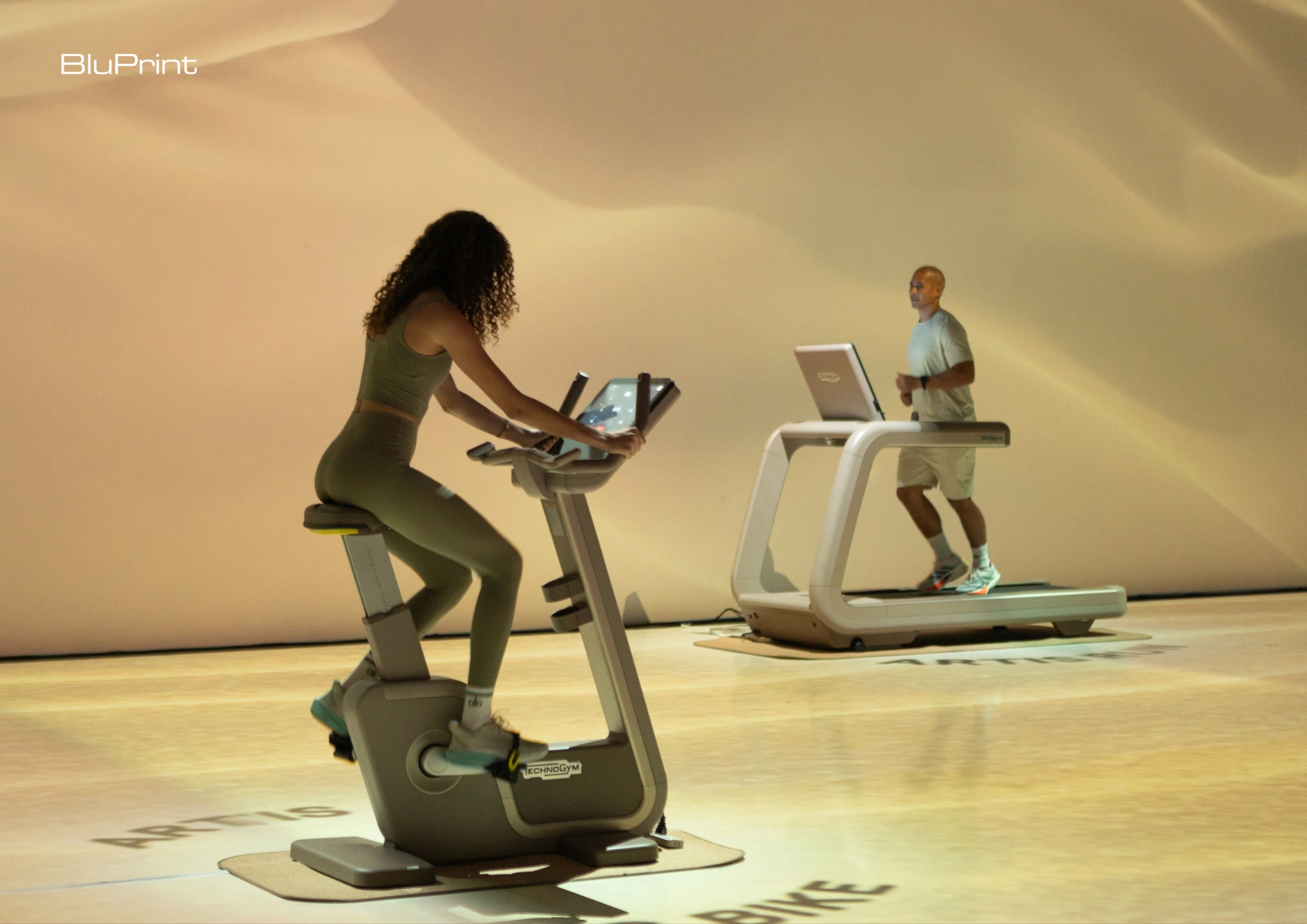
In a curated event presented by Focus Global Inc. and co-hosted by BluPrint, Technogym unveiled its Sand Stone Collection to the Philippine market at Bigger Pictures in Mandaluyong City. The launch brought together over 100 guests, including architects, designers, and media representatives, for an introduction to the collection and its approach to fitness equipment. The […]
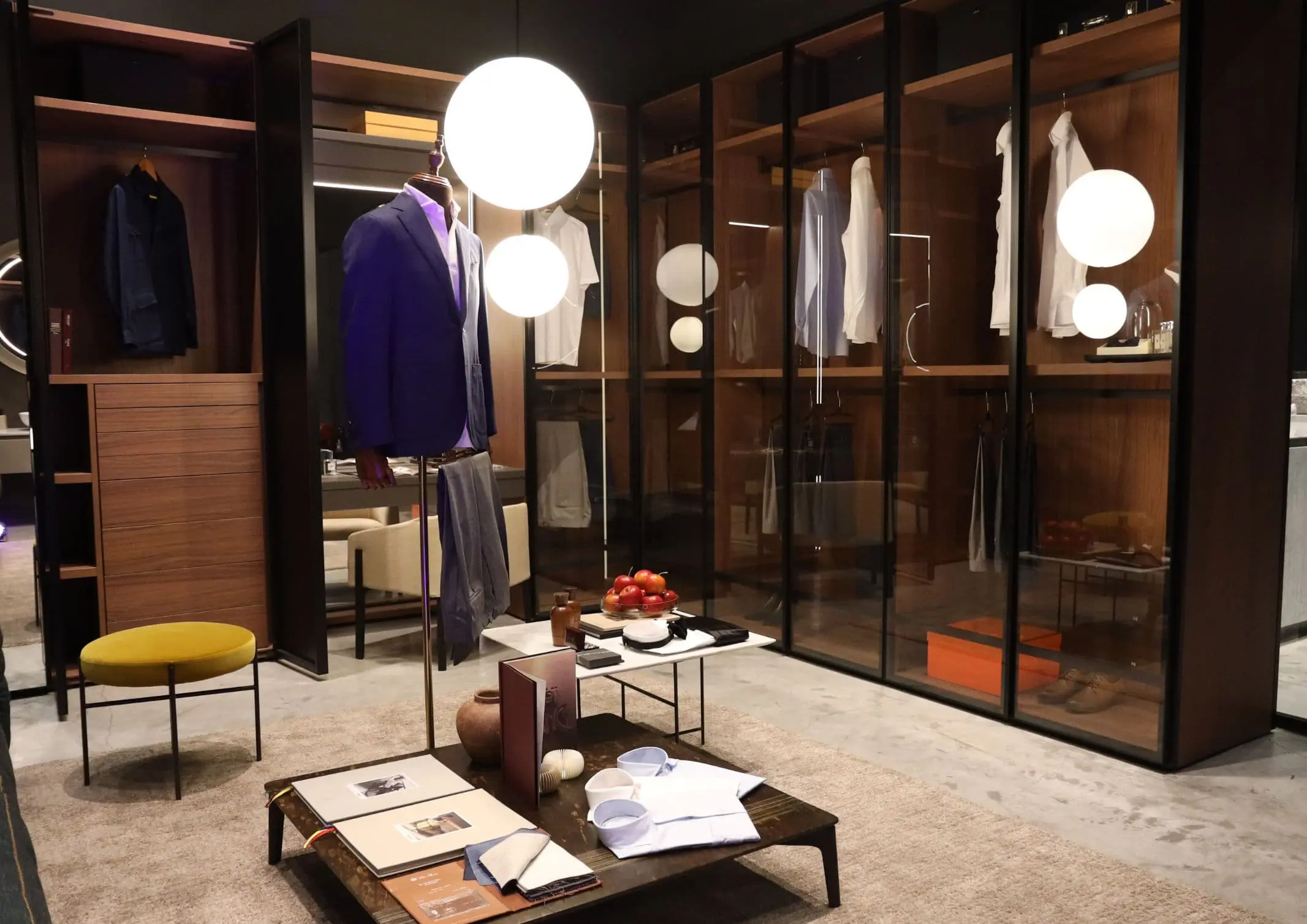
The principles behind a well-designed home are not unlike those behind a tailored garment. Both begin with an understanding of the individual, balancing proportion, material, and function to create something suited to its user. This shared approach informed “The Art of Bespoke,” an event hosted by Boffi | DePadova and Focus Global Inc., in collaboration […]
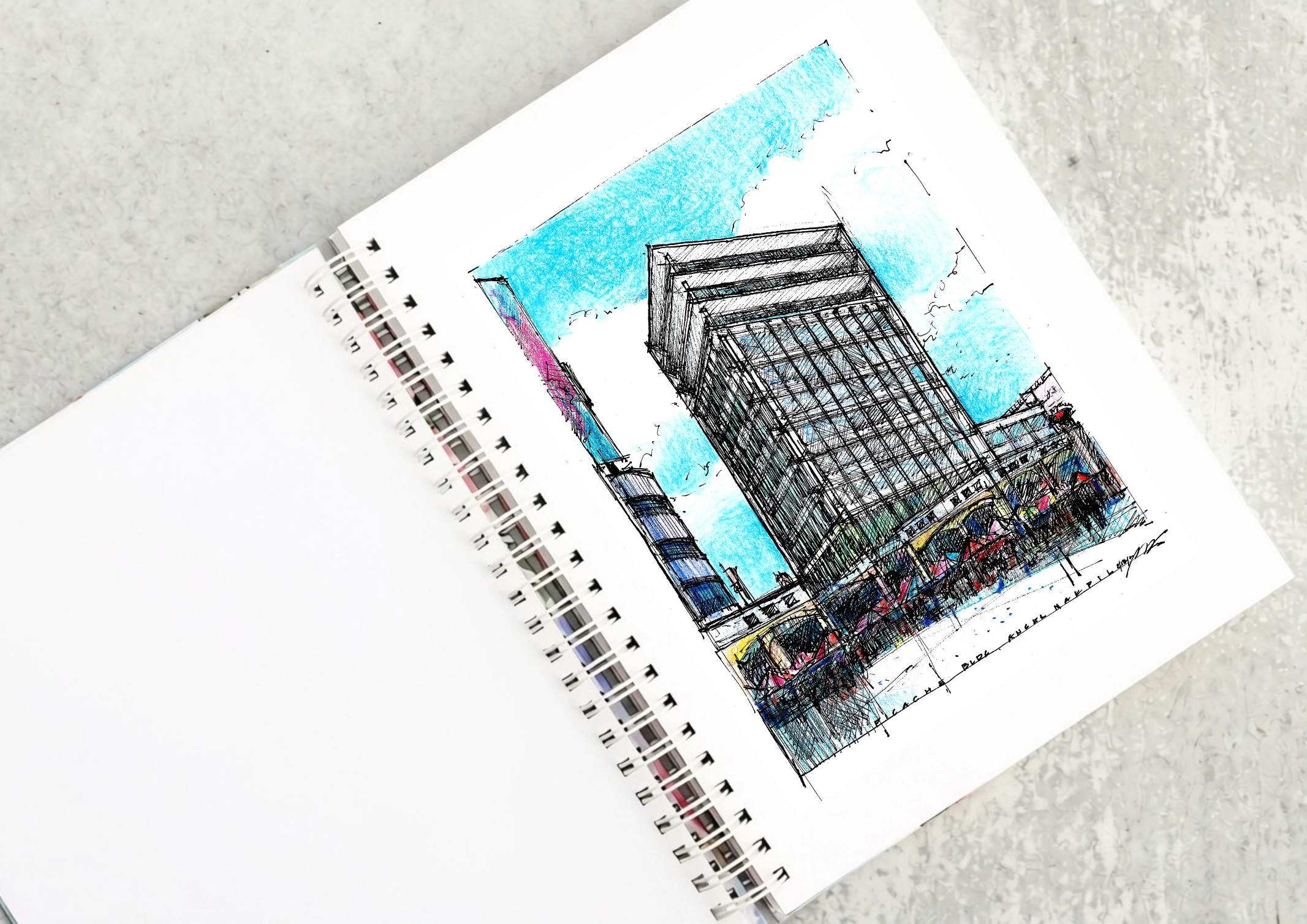
The Picache Building and the Rise of Manila’s First Skyscrapers Until Makati emerged as Metro Manila’s premier business, shopping, and entertainment district in the 1970s, downtown meant Quiapo in central Manila. From the Spanish colonial period to the late 1950s, the district was anchored by its historic Plaza Miranda and its eponymous church. It was […]
Read the issues.

Collect the volumes.

Recommended Video
Tap to Unmute
Unmute
0:00
0:00