Culture is not just a motif incorporated into architectureArchitectureThe art and science of designing and constructing buildings, structures, and spaces that are functional, safe, and aesthetically pleasing. It encompasses the planning, design, materials, and techniques used to createGo to Architecture Glossary and interior design. It is shaped by people, places, and shared experiences. On the […]
Lessons From Anthology 2026: Dominic Galicia on Cultural Identity in Architecture


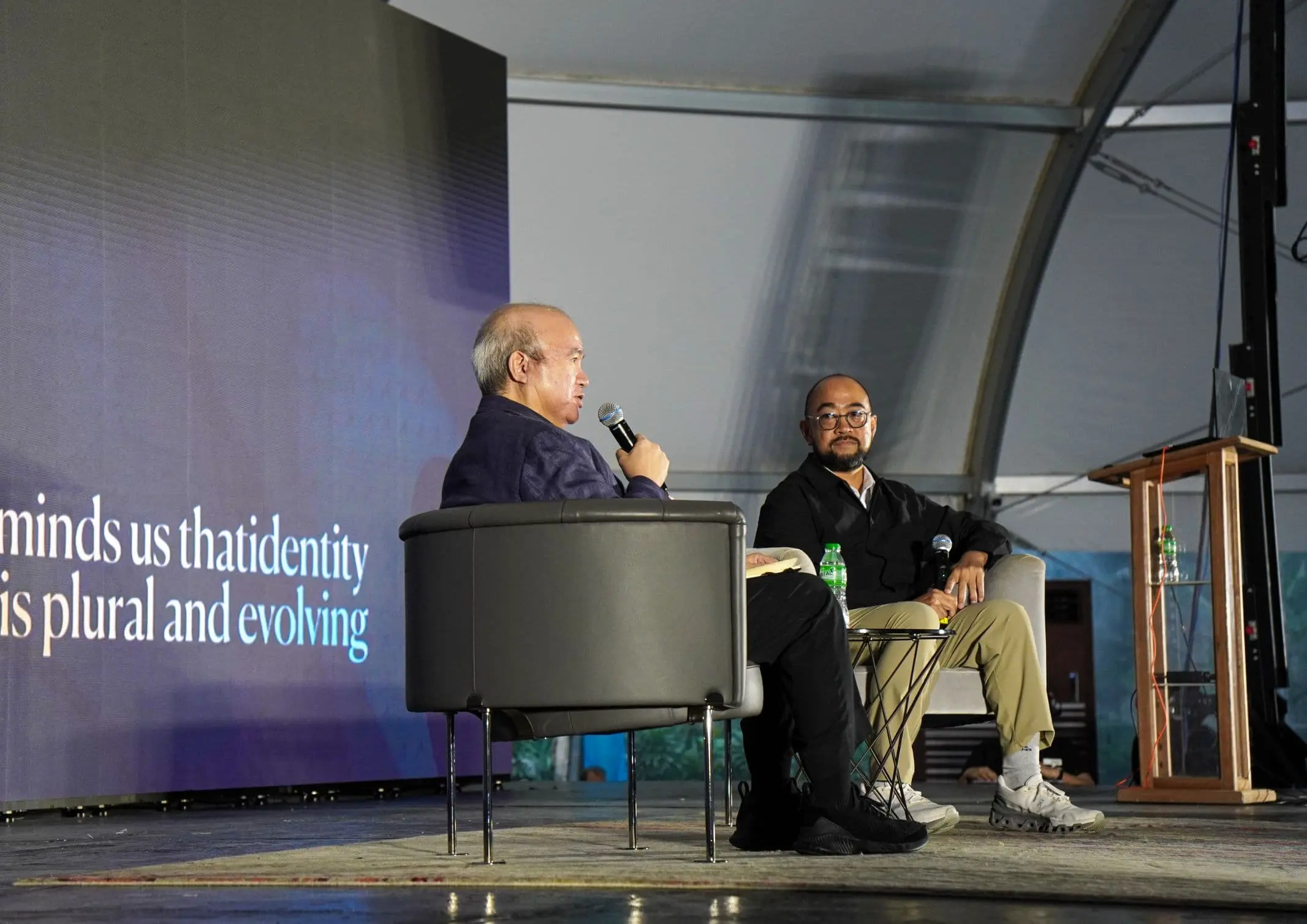
Culture is not just a motif incorporated into architectureArchitectureThe art and science of designing and constructing buildings, structures, and spaces that are functional, safe, and aesthetically pleasing. It encompasses the planning, design, materials, and techniques used to createGo to Architecture Glossary and interior design. It is shaped by people, places, and shared experiences. On the second day of Anthology 2026—where the theme centered on “Architecture of Culture”—Ar. Dominic Galicia discussed how understanding these connections allows architects to express cultural identity beyond recognizable forms and references.
How can architectureArchitectureThe art and science of designing and constructing buildings, structures, and spaces that are functional, safe, and aesthetically pleasing. It encompasses the planning, design, materials, and techniques used to createGo to Architecture Glossary preserve cultural identity beyond recognizable motifs?
Galicia believes that cultural identity is already present from the beginning of a project. Rather than deliberately imposing cultural references, architects can draw from the context surrounding a site, including its environment and the people who inhabit it.
“In projects—in design, when we respond naturally, when we gather all the facts, when we interview people, when we determine the overall context of the project—that’s already a microcosm of the culture. So, that microcosm of the culture is the soil in which we plant the seed of the idea of the project. [And] that seed is planted in the cultural context,” he said.
If culture is already present in a project’s context, the next step is recognizing how an architect can interpret it meaningfully without reducing it to visual symbols.
Related Reading: Anthology Expands the Conversation Around Philippine Architecture
Beyond Motifs: Architecture as a Deeper Expression of Identity
Galicia emphasized that incorporating cultural references into architectureArchitectureThe art and science of designing and constructing buildings, structures, and spaces that are functional, safe, and aesthetically pleasing. It encompasses the planning, design, materials, and techniques used to createGo to Architecture Glossary requires respecting and learning the experiences that give them meaning.
“It’s to respect and to try to understand the motivations for the forms resulting from their own cultural experience. And we then, with that sympathy and respect, we try to bring that [into architectureArchitectureThe art and science of designing and constructing buildings, structures, and spaces that are functional, safe, and aesthetically pleasing. It encompasses the planning, design, materials, and techniques used to createGo to Architecture Glossary],” he said.
Galicia acknowledged that using cultural motifs is not necessarily something to avoid. Rather, their significance depends on how architects understand and interpret them.
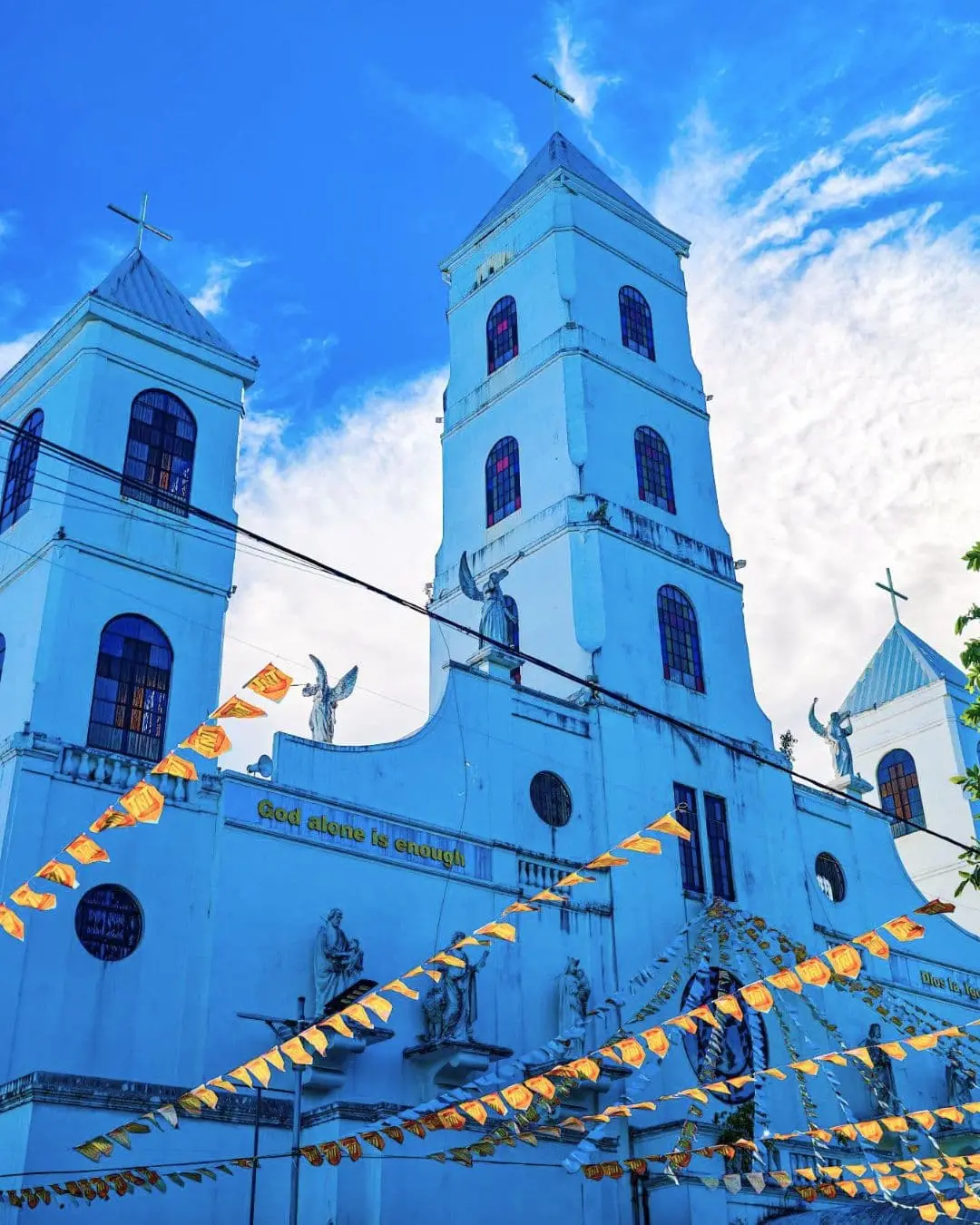
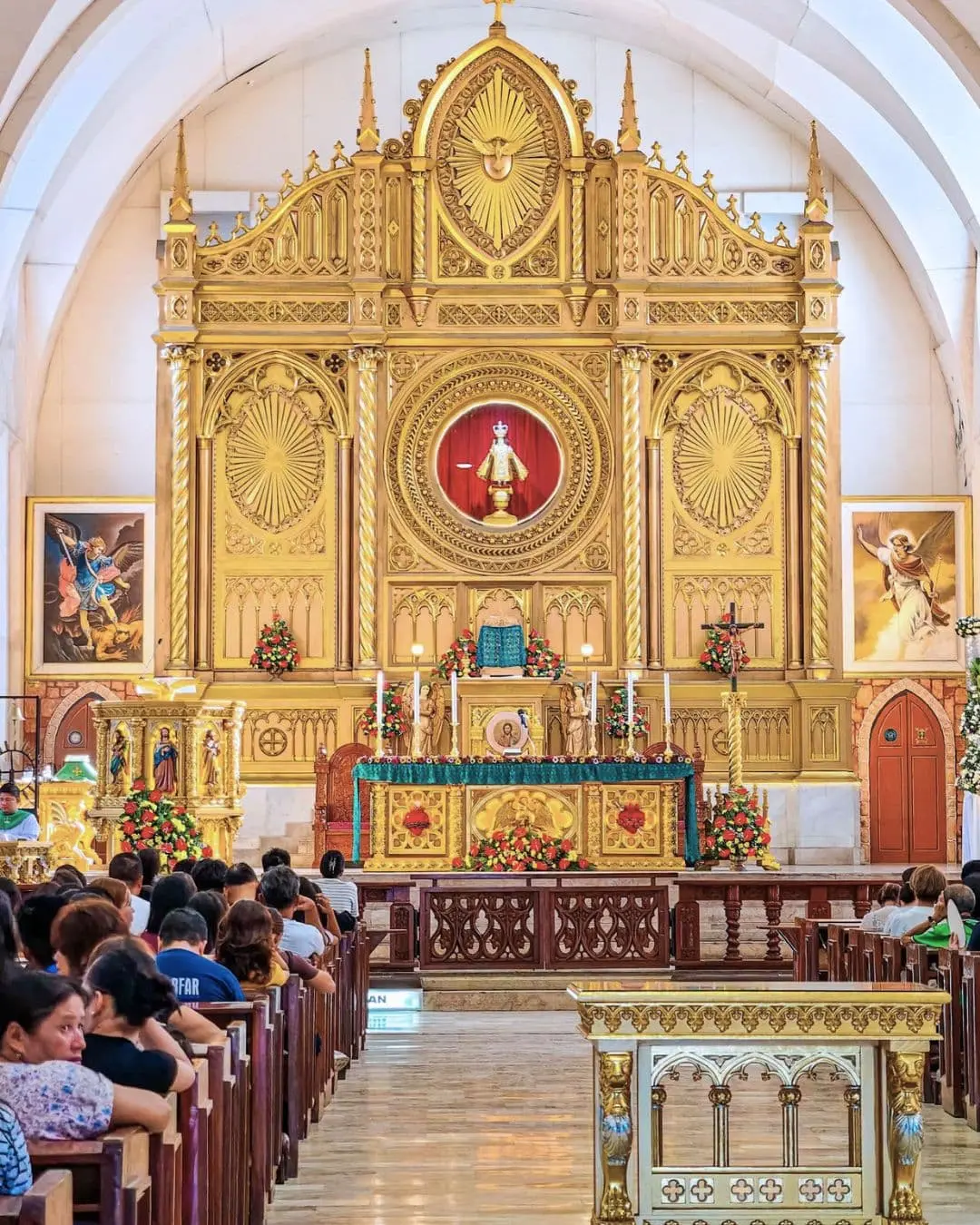
Recognizing a form is only the starting point. Understanding the experiences and values behind it allows architects to incorporate cultural references with greater meaning and respect.
He also acknowledged the need to understand communities beyond how they are represented in books and the media. Although Galicia has not yet worked directly with specific communities, he expressed an interest in doing so, recognizing that there is more to learn from engaging with people themselves. This aspiration points to a deeper understanding of cultural identity, one that goes beyond visual references to consider the lived experiences of the people who give them meaning.
Galicia’s approach is reflected in projects that draw on local cultural expressions to convey deeper meaning. In the rebuilding of a Santo Niño church in Tacloban, for instance, he said the design of the grill doors was inspired by the tattoos of the Pintados, whose patterns held personal and cultural significance. By drawing on a tradition that predated the arrival of Christianity in the region, Galicia sought to connect the church’s spiritual significance with the cultural context that came before it.
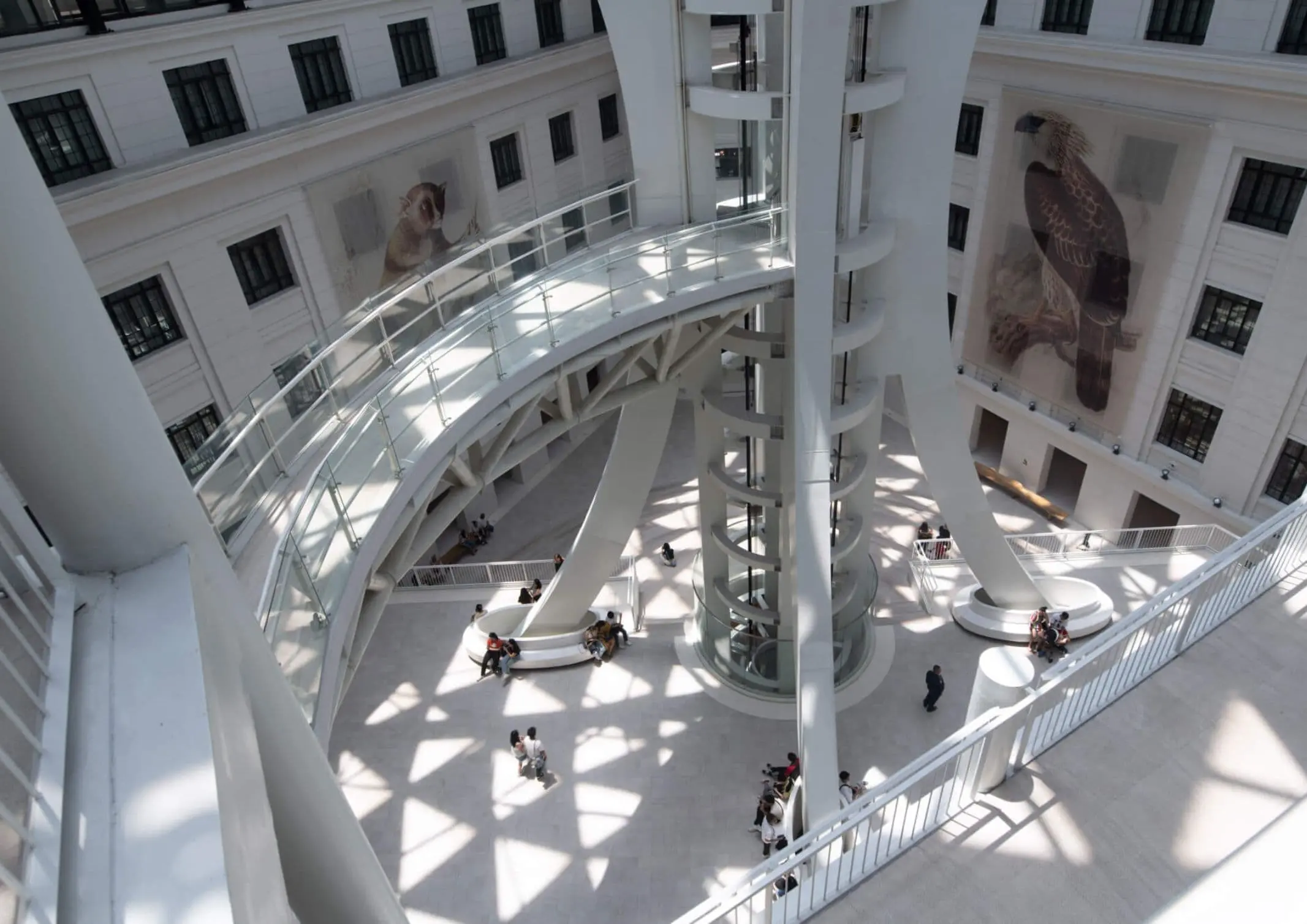
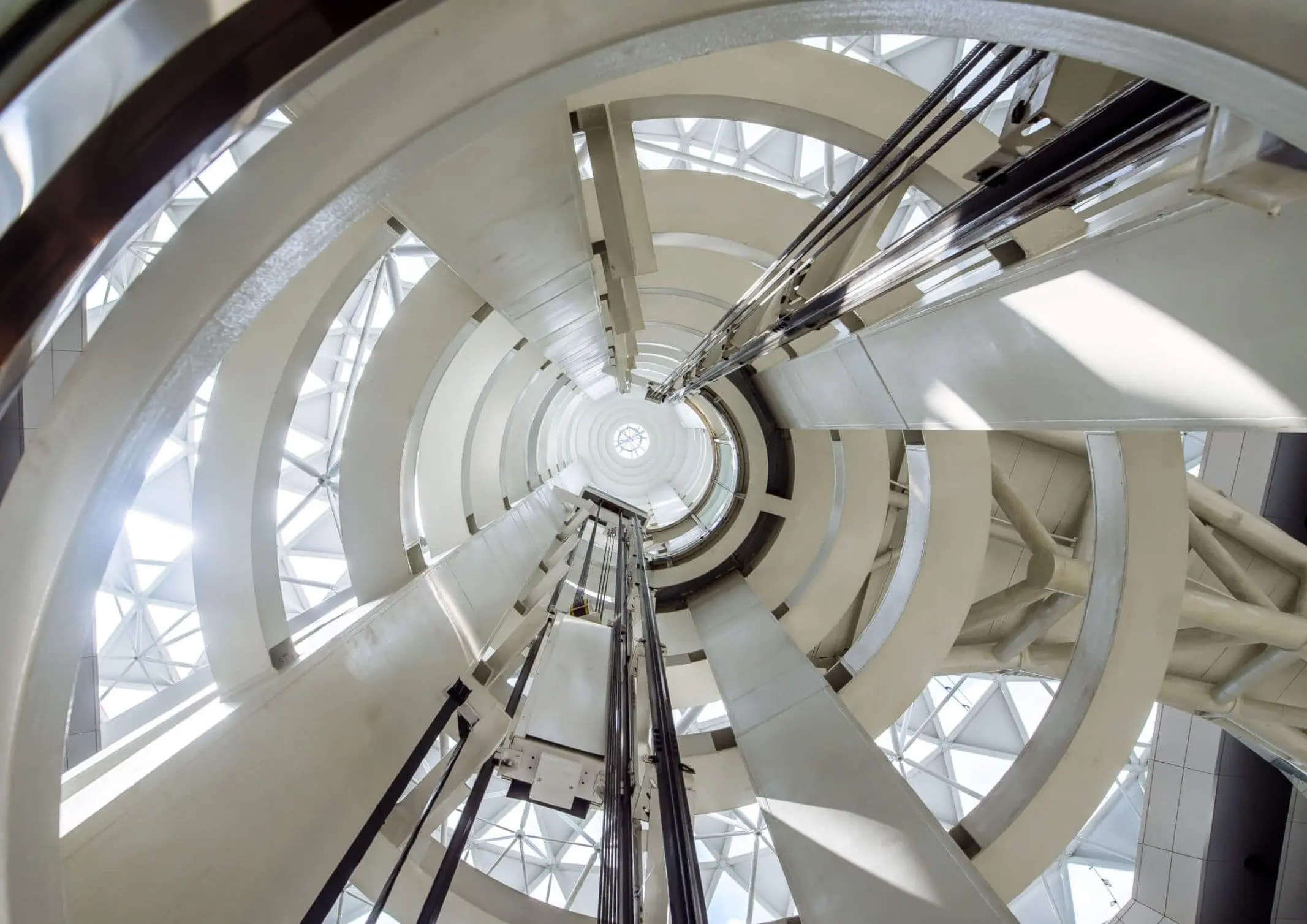
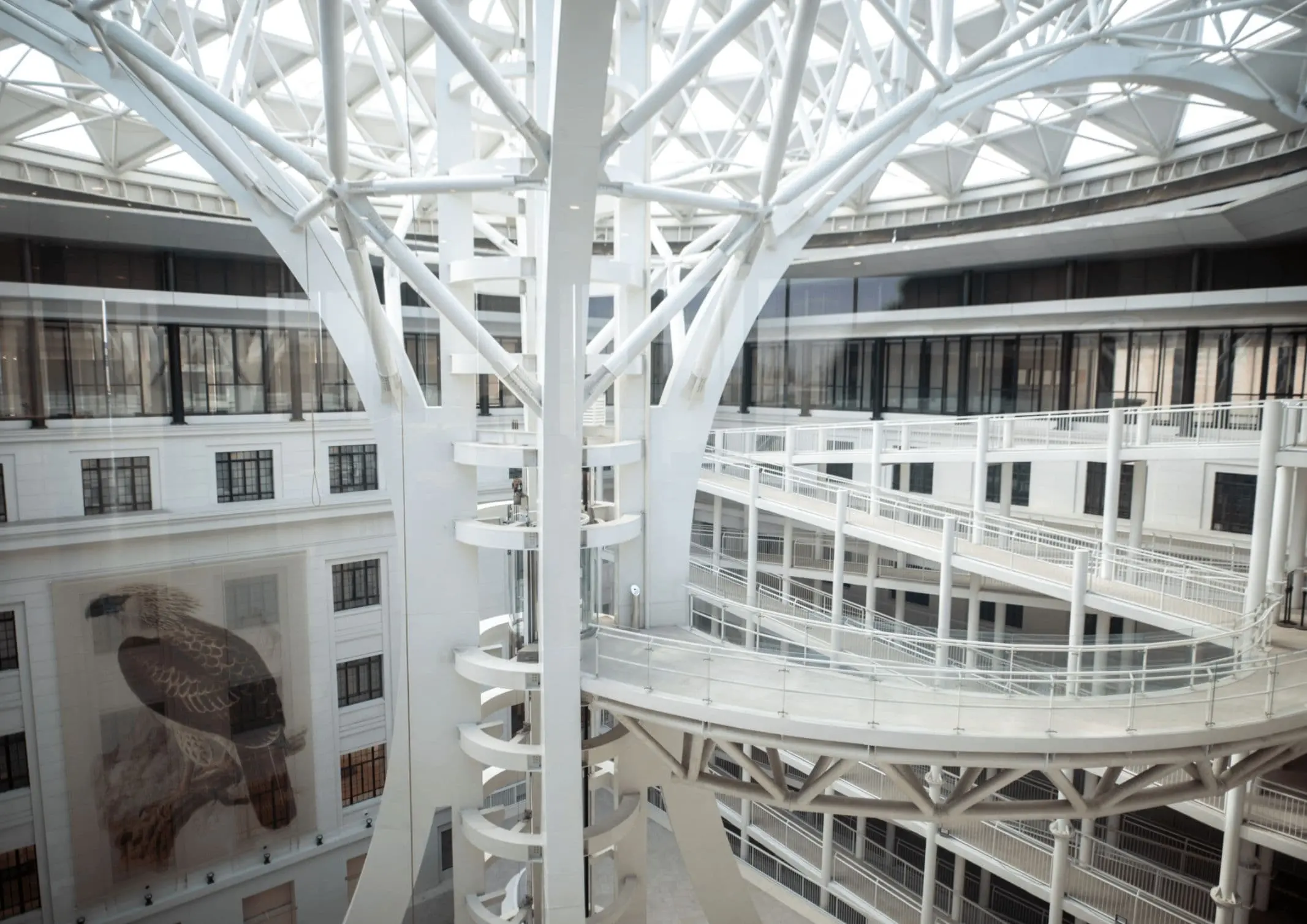
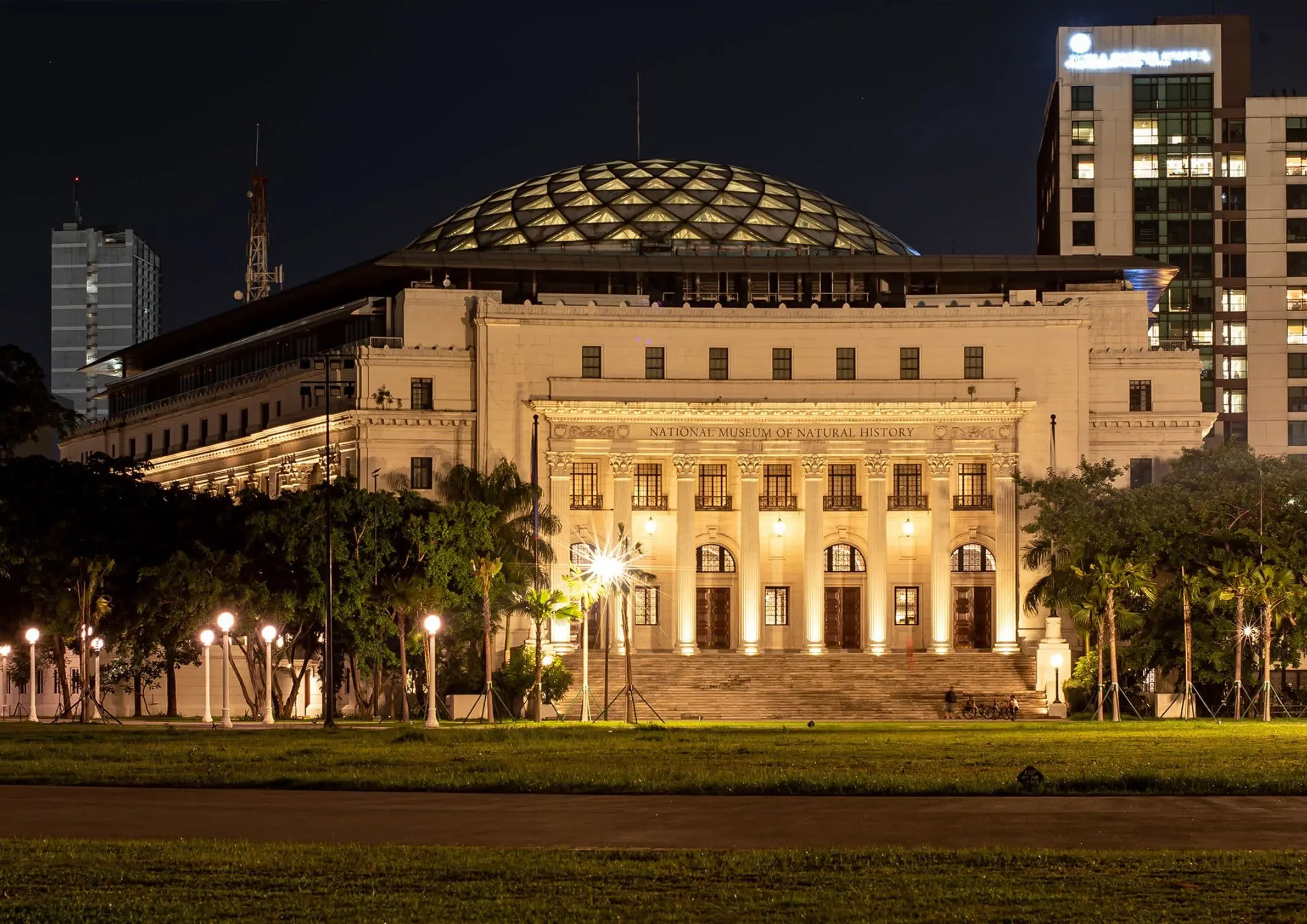
Another project that exemplifies Galicia’s philosophy is the renovation of the National Museum of Natural History, where the Tree of Life stands at the center. The structure holding the glass ceiling dome draws inspiration from the Tree of Life in the culture of the Hanunó’o Mangyan, an Indigenous group from Mindoro. The concept is also expressed through the Pakudos, a sacred, symmetrical cross motif traditionally embroidered onto clothing or woven into the group’s nito vine and bamboo baskets. Through these cultural references, the design evokes the Tree of Life branching out toward the four mystic corners of the universe.
Finding the Universal in the Local
While his projects demonstrate how cultural references can inform architectural design, Galicia’s approach also opens up another possibility: communicating local identity through experiences that people from different backgrounds can share. Elements such as light and space, for instance, can create connections that transcend cultural boundaries while remaining rooted in a specific place.
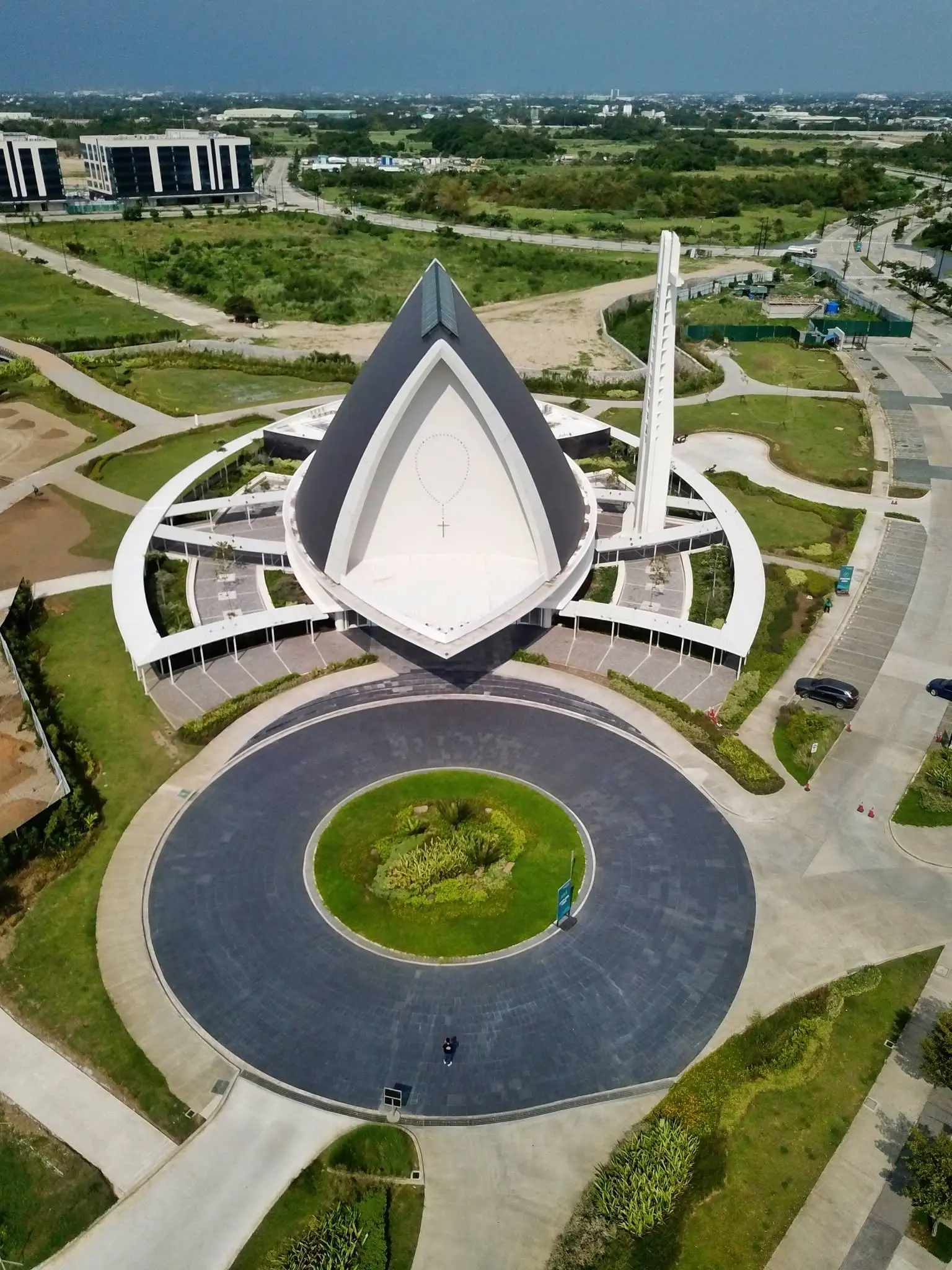
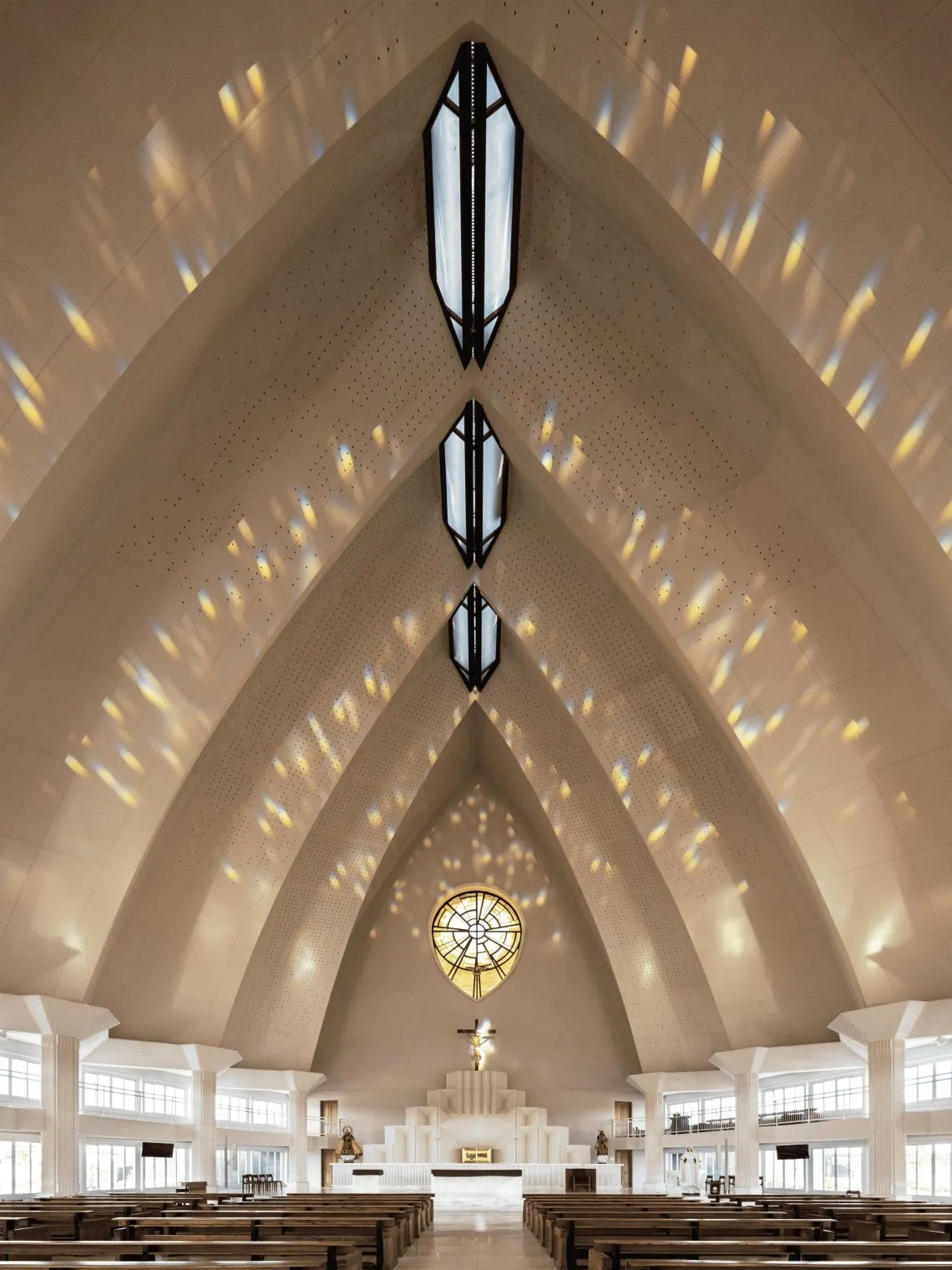
This approach is evident in the Church of Mount Carmel in Evo City, Kawit, Cavite, which was shortlisted in the Civic and Community category at the 2026 World ArchitectureArchitectureThe art and science of designing and constructing buildings, structures, and spaces that are functional, safe, and aesthetically pleasing. It encompasses the planning, design, materials, and techniques used to createGo to Architecture Glossary Festival. Situated on a sprawling lot with few towering buildings nearby, the church takes advantage of its open surroundings. Galicia designed the 1,000-seat Catholic church with skylights running from one end of the structure to the other, allowing natural light to fill the interior and creating what he described as a “rainbow beacon” when the sun is high at noon. Sacred geometric patterns, such as a rosary-shaped window, further shape how light enters the space.
For Galicia, however, these universal experiences do not exist apart from their surroundings. The meaning of a building is also shaped by its relationship with the people and environment around it. ArchitectureArchitectureThe art and science of designing and constructing buildings, structures, and spaces that are functional, safe, and aesthetically pleasing. It encompasses the planning, design, materials, and techniques used to createGo to Architecture Glossary can offer moments of connection and reflection, but the places that make these experiences possible must also be protected. This raises a broader question about who gets to shape the environments communities share, and whose voices are heard when those places are transformed.
Related Reading: Lessons From Anthology 2026: Redefining Architecture Beyond the “Culture of Capital”
When Shared Ground Is Threatened, Cultural Identity Is at Stake

Galicia explained that the relationship between people and place extends beyond individual buildings to the shared environments that shape community life. He raised concerns about infrastructure projects that move forward without meaningful dialogue with the people affected by them, questioning whether shared ground can truly be developed when community voices are excluded from the process.
He pointed to the proposed Pasig River Expressway (PAREX) and Southern Access Link Expressway (SALEX), as well as the cutting of trees along Quirino Avenue, as examples of developments that have troubled him. He argued that these issues are inseparable from architectureArchitectureThe art and science of designing and constructing buildings, structures, and spaces that are functional, safe, and aesthetically pleasing. It encompasses the planning, design, materials, and techniques used to createGo to Architecture Glossary, as they affect both the physical environment and the conditions in which architects work.
For Galicia, protecting shared ground also means preserving the cultural experiences, relationships, and sense of belonging that connect people to a place. He stressed the need for an environment that allows architects to continue creating, particularly when development threatens the spaces and communities they serve.
“I’m trying to create a beautiful world for the people who live in it, for the community around it. But the impact of these [structures] is so strong, it’s drowning. So I have to react, in order that we can continue to create,” he said.
Architecture as a Window to Meaning
Galicia’s reflections on cultural identity and shared ground point to a broader understanding of architectureArchitectureThe art and science of designing and constructing buildings, structures, and spaces that are functional, safe, and aesthetically pleasing. It encompasses the planning, design, materials, and techniques used to createGo to Architecture Glossary—one that considers how buildings relate to the people, communities, and environments around them. Beyond physical forms, architecture carries the values and experiences of the places in which it exists.
“We have a quest to create environments, create spaces that help people, that touch the spirits of people [and] their emotions, such that these become windows to deeper meaning. And when you can create architecture that helps that, then you’re doing a great service to people,” he said.
Related Reading: The Good in Tension: How Dominic Galicia Designs Beyond Time
About Dominic Galicia
Ar. Dominic Galicia is a Filipino architect whose work explores the relationship between architecture, cultural identity, and the built environment. His approach emphasizes understanding local contexts, respecting the cultural experiences behind architectural forms, and creating spaces that respond to the people and communities they serve. At the Anthology ASEAN Architecture Festival 2026, Galicia discussed how architecture can express cultural identity beyond recognizable motifs and contribute to a deeper connection between people and place.
Frequently Asked Questions
Galicia views cultural identity as something already present in a project’s context, shaped by its environment, the people who inhabit it, and their shared experiences. Rather than relying solely on recognizable motifs, architects can draw from these elements to create meaningful designs.
Architects can incorporate cultural references by understanding the experiences, values, and traditions behind them. Galicia emphasizes approaching these references with respect rather than using them as purely decorative elements.
Architecture can use shared experiences, such as the effects of natural light and spatial design, to connect people across cultural boundaries while remaining grounded in a specific place.
Shared ground includes the environments and public spaces that shape community life. Protecting these spaces helps preserve the relationships, cultural experiences, and sense of belonging that connect people to a place.
Galicia believes architecture should do more than provide functional buildings. It should respond to people’s needs, engage their emotions, and create environments that foster meaningful connections between people and their surroundings.
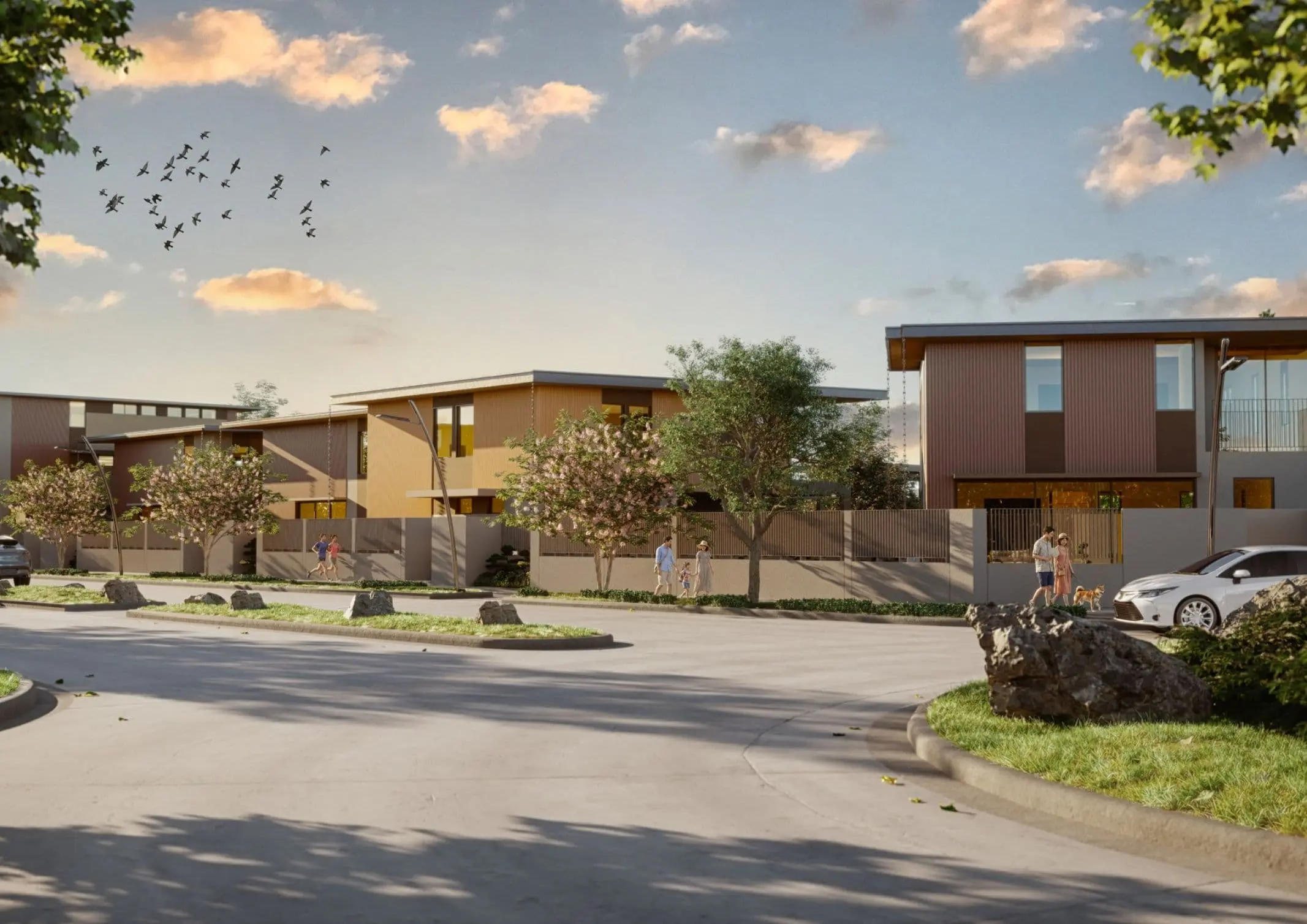
The idea of home extends beyond the walls of the house. It also considers the spaces and environments people share—the larger setting that supports everyday life. At Yume at Riverpark, these considerations begin with individual homes and lots, extend to the shared landscape of an 18-hectare residential development in General Trias, Cavite, and ultimately connect […]
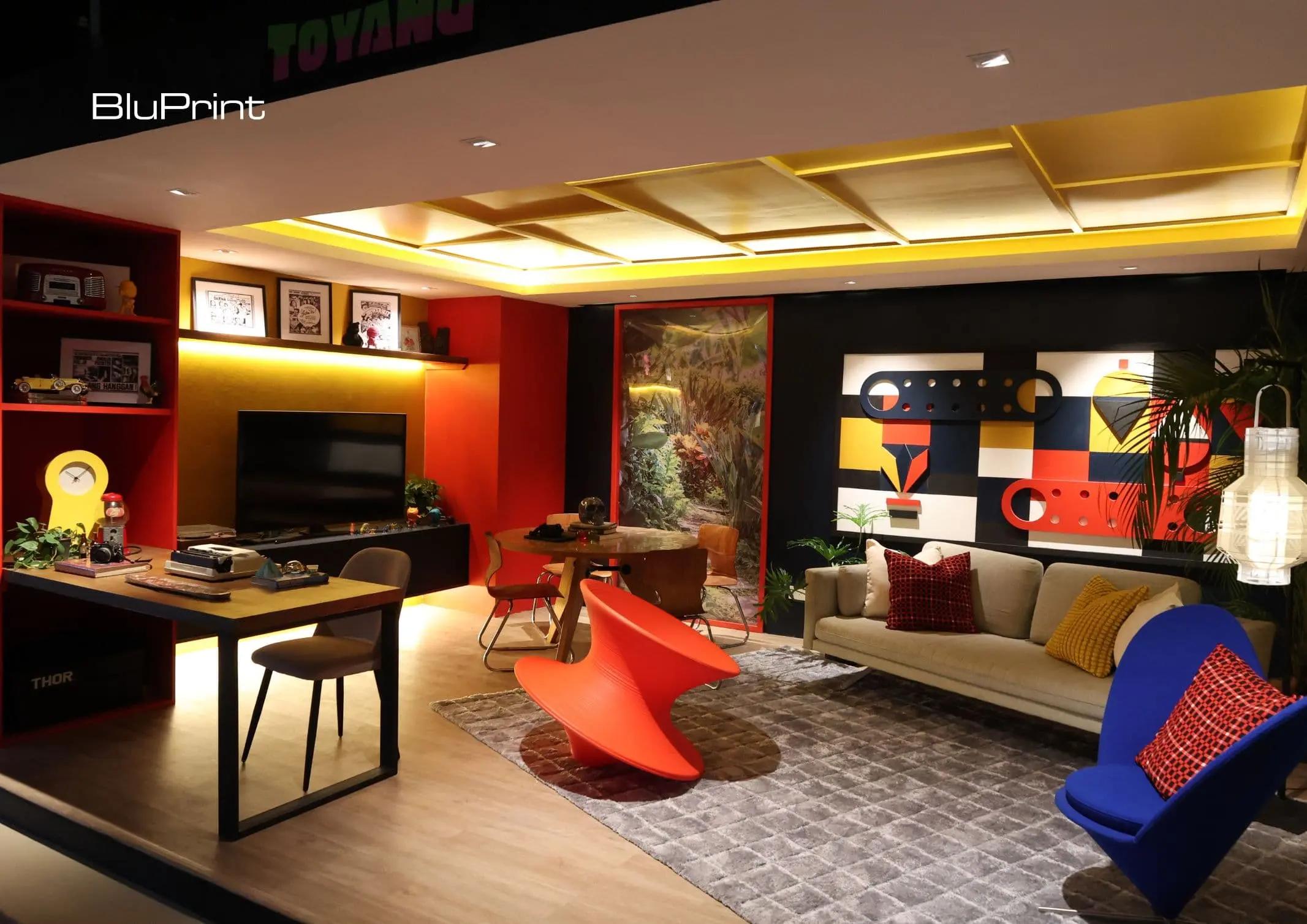
PSID presents “What the Pop!,” an exhibition opened on the third floor of V-Mall in Greenhills, San Juan City, that examined how popular culture shaped Filipino homes and lifestyles. Through spaces representing four generations—Baby Boomers, Generation X, Millennials, and Generation Z—the exhibit explored how each era’s experiences inform its approach to interior designInterior DesignThe discipline […]
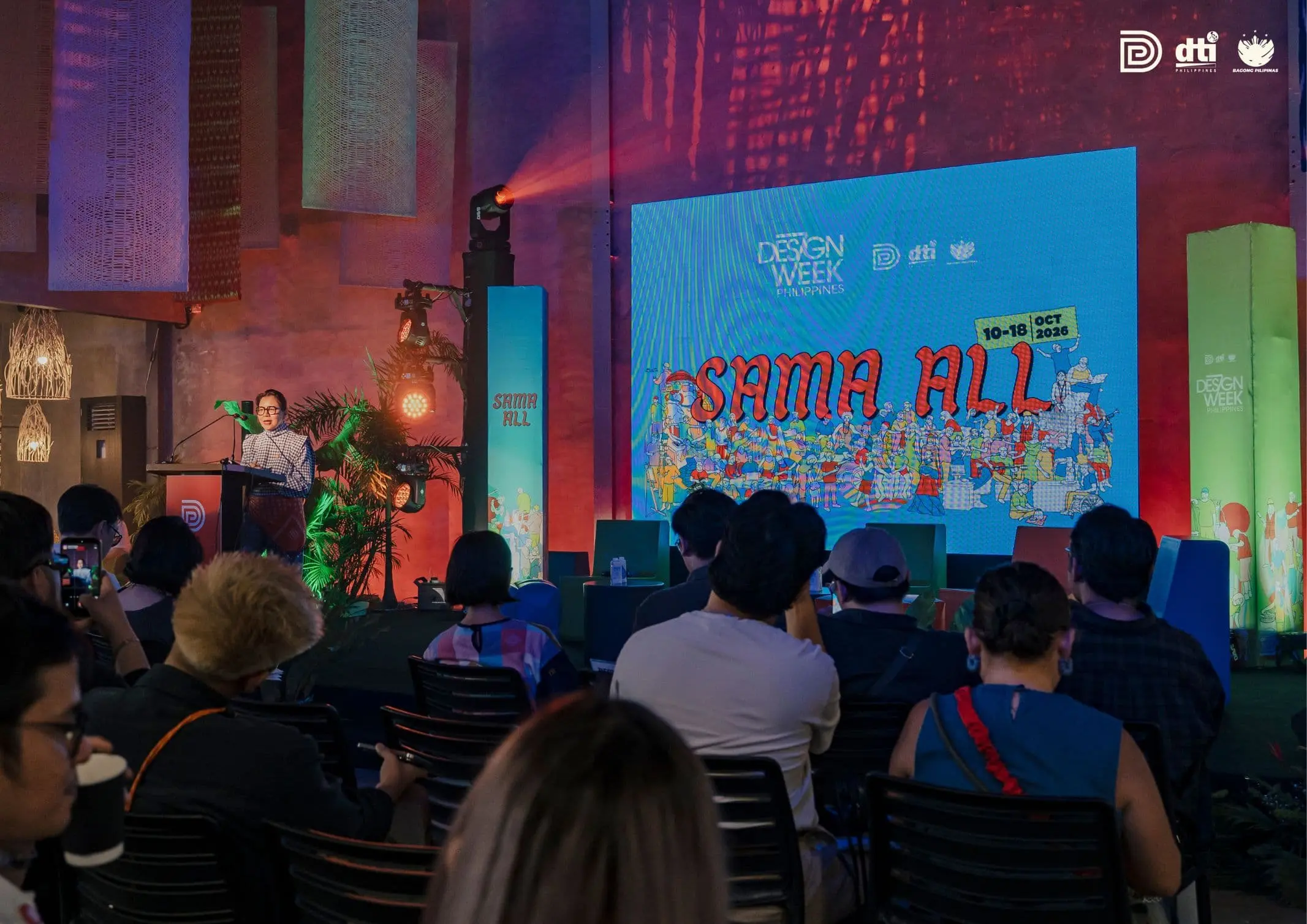
Design Week Philippines 2026 marked its 15th year with “Sama All,” a theme that invited designers, industry leaders, and communities to come together in shaping the future of Filipino design. Organized by the Design Center of the Philippines (DCP), the festival opened with festivities on October 10, followed by the design fair and exhibitions from […]
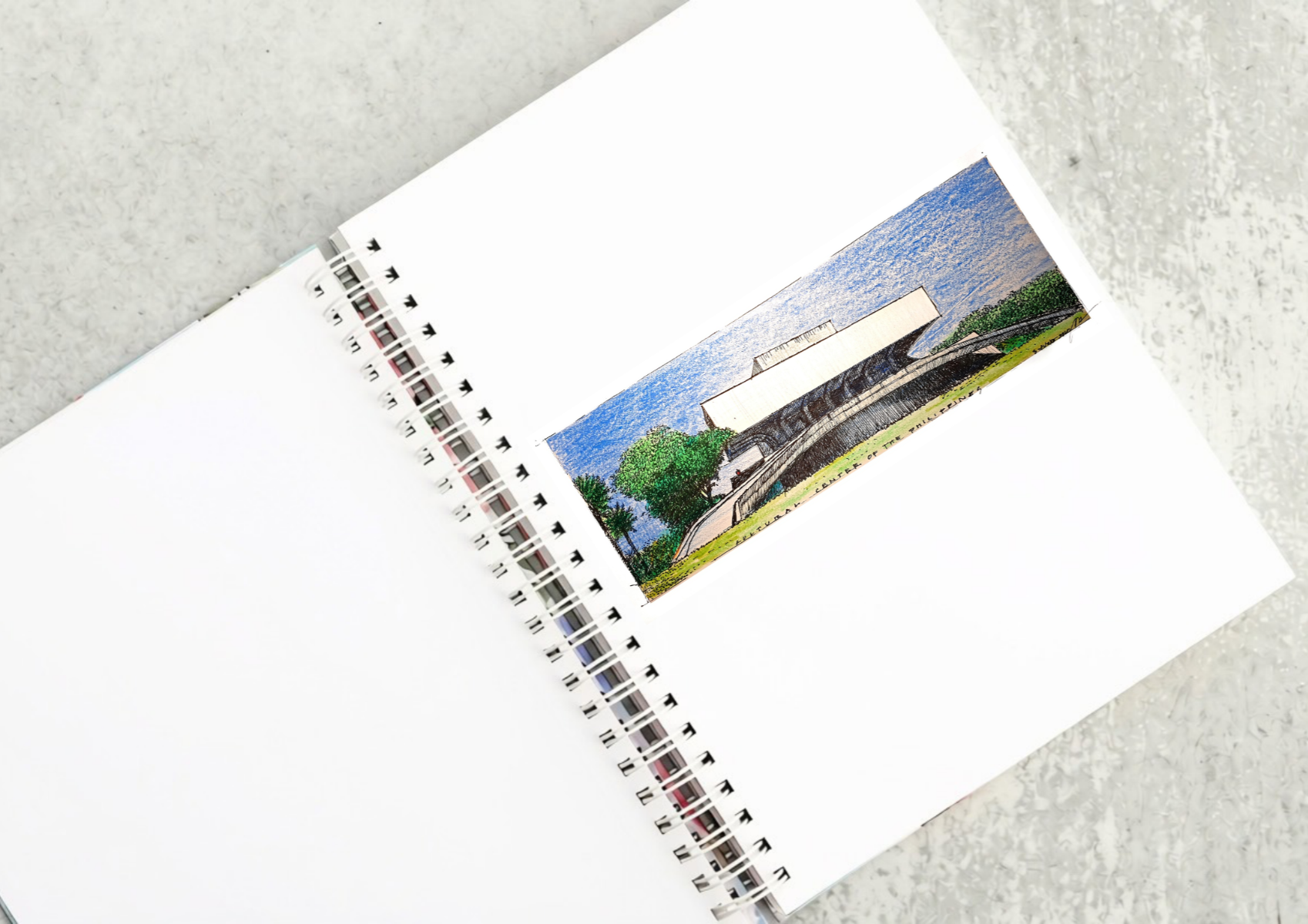
The CCP Main Theater as an Icon of Philippine Modernism The CCP main theater by National Artist for ArchitectureArchitectureThe art and science of designing and constructing buildings, structures, and spaces that are functional, safe, and aesthetically pleasing. It encompasses the planning, design, materials, and techniques used to createGo to Architecture Glossary Leandro V. Locsin is […]
Read the issues.

Collect the volumes.

Recommended Video
Tap to Unmute
Unmute
0:00
0:00