PSID presents “What the Pop!,” an exhibition opened on the third floor of V-Mall in Greenhills, San Juan City, that examined how popular culture shaped Filipino homes and lifestyles. Through spaces representing four generations—Baby Boomers, Generation X, Millennials, and Generation Z—the exhibit explored how each era’s experiences inform its approach to interior designInterior DesignThe discipline […]
“What the Pop!” Exhibition Translates Four Generations of Filipino Culture Into Interactive Interior Spaces


PSID presents “What the Pop!,” an exhibition opened on the third floor of V-Mall in Greenhills, San Juan City, that examined how popular culture shaped Filipino homes and lifestyles. Through spaces representing four generations—Baby Boomers, Generation X, Millennials, and Generation Z—the exhibit explored how each era’s experiences inform its approach to interior designInterior DesignThe discipline of planning and shaping interior spaces for function, comfort, safety, and beauty. It covers layout, lighting, materials, finishes, furniture, and color, and in the Philippines is a licensedGo to Interior Design Glossary.
The eight booths drew inspiration from gaming, music, cinema, fashion, and food, translating these influences into distinct spatial concepts. From Bauhaus-inspired family rooms and Brutalist lounges, to vibrant, kikay-inspired bedrooms and contemporary coffee corners, each interior uses materials, furnishings, and form to reflect the cultural references of its generation.
Related Reading: New Year, New Home: 2026 Interior Design Trends for the Filipino Home
How Revisiting Boomers’ Filipino Pop Culture Inspired Playful, Nostalgic Interiors
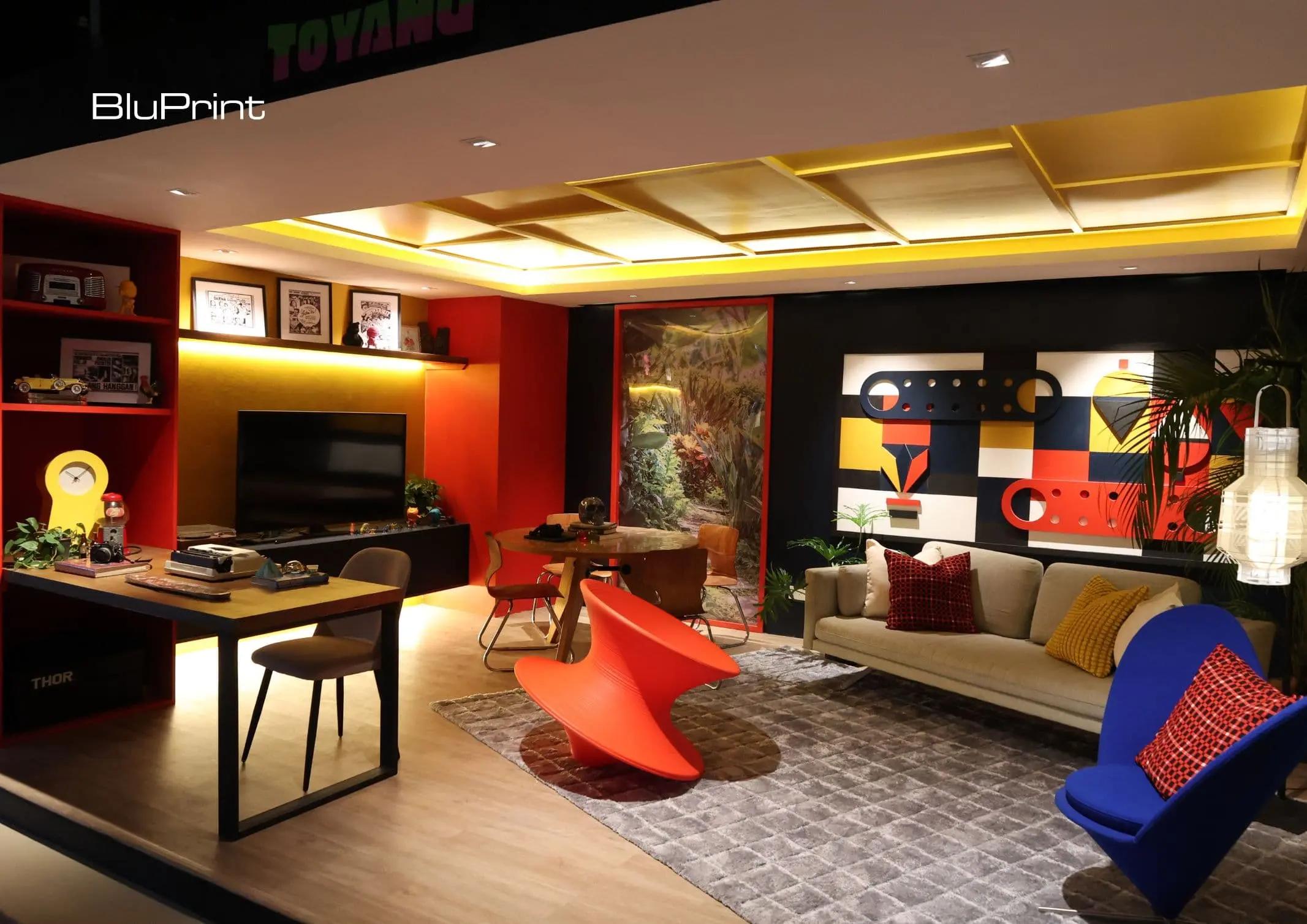
TOYANG: Reimagining Childhood Through Bauhaus Design
Designed as a family room for Boomer grandparents, TOYANG explored the idea that play has no age limit. The booth drew on the geometric forms and functional principles of the Bauhaus movement, using them as a framework for a space that balances clean lines with playful details.
Traditional Filipino childhood games, including sungka, piko, trumpo, and sipa, inform the room’s design. These familiar activities were reinterpreted through interior elements such as a terrazzo-inlaid game table, a vibrant feature wall with geometric patterns, and a trumpo-shaped statement piece. Together, these details incorporated Filipino cultural references into the room’s design.
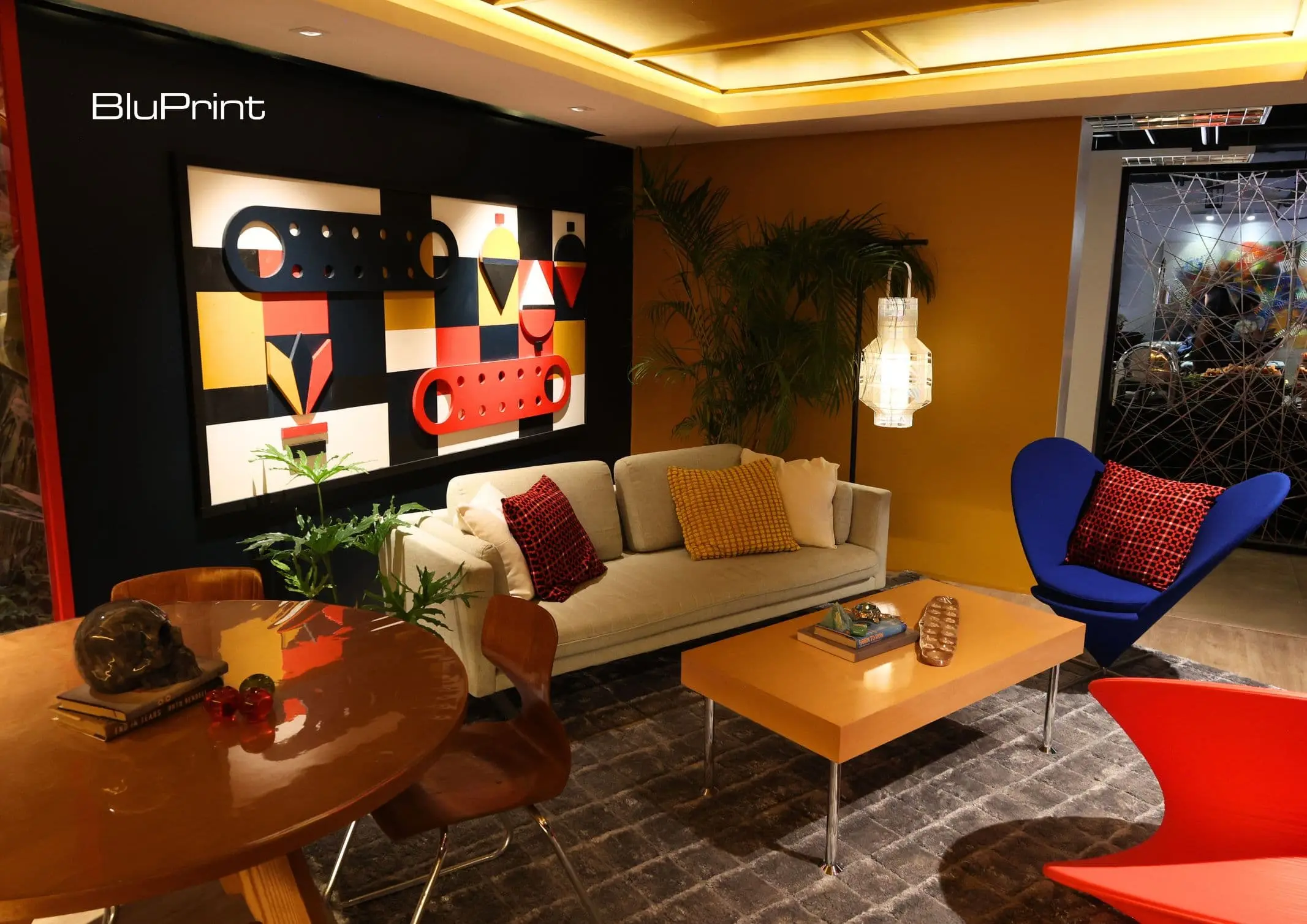
TeleBisyon: A Mid-Century Modern Take on Filipino Cinema
TeleBisyon looked to the Golden Age of Philippine cinema, drawing inspiration from the films and domestic interiors of the 1940s through the 1960s. Its living room took cues from an antique television set, where shows and films are broadcasted in sepia tones.
To mimic this element, a restrained sepia palette established the booth’s nostalgic atmosphere, while vintage appliances and traditional materials lend the interior a distinctly Filipino character. Capiz windows, solihiya, and banig introduced familiar textures and craft traditions into the mid-century modern setting.
When Gathering Spaces and Musical Memories Resonate the Generation X
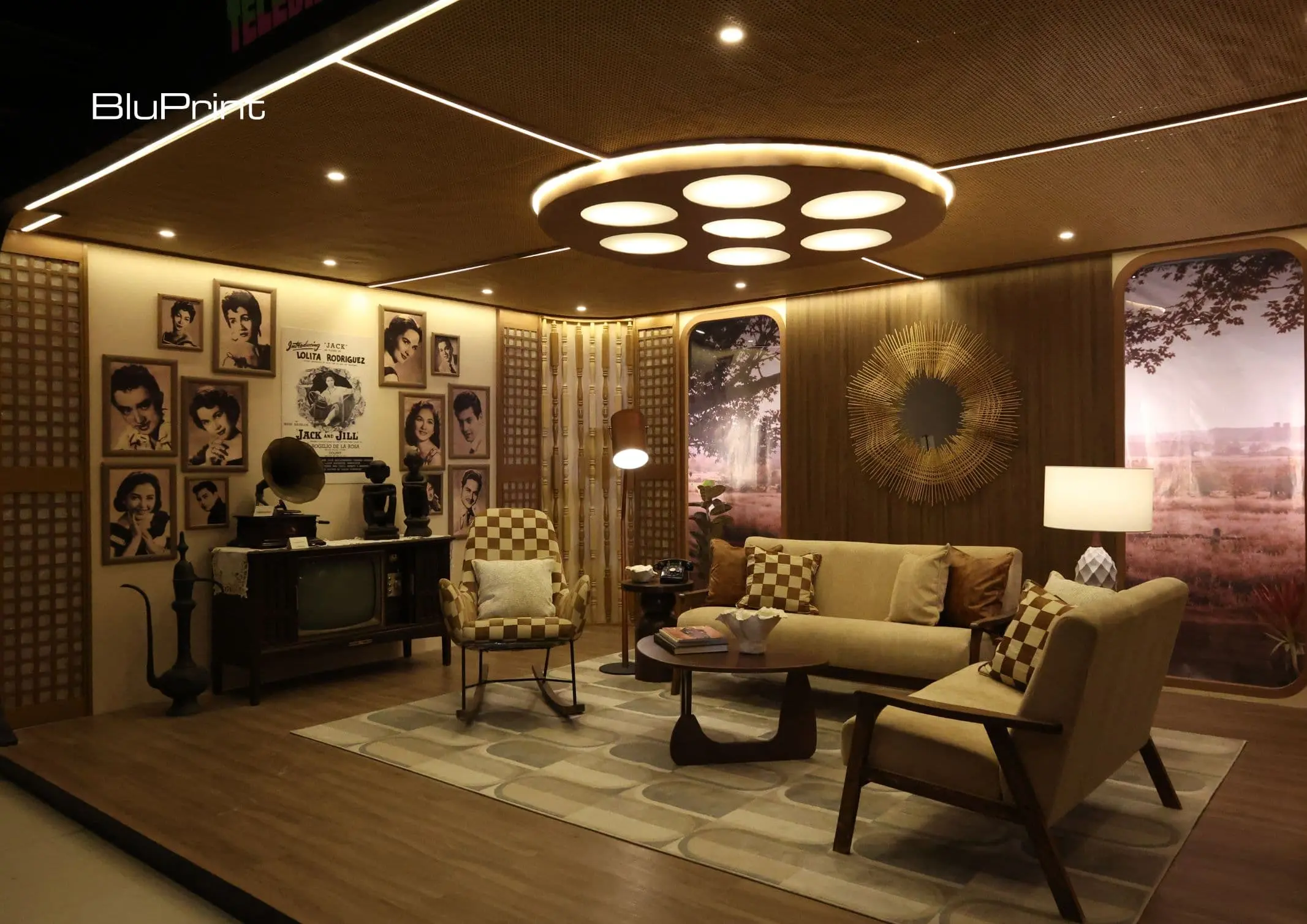
ISTAMBAY: The Raw, Industrial Character of a Filipino Tambayan
ISTAMBAY reinterpreted the Filipino tambayan as a bar lounge shaped by the social and political realities of the 1970s. Its Brutalist framework established a stark architectural presence, with concrete, weathered iron, and other raw industrial materials giving the interior a deliberately unfinished character.
The material palette reflected the tensions beneath the decade’s surface, while protest-inspired street art introduced a more personal and expressive layer. Together, these elements referenced the resistance and political struggles associated with the period, including the Martial Law years. The booth used the familiar idea of a neighborhood gathering place to explore how interiors can carry meanings beyond their immediate function and become spaces where social histories and collective experiences are made visible.
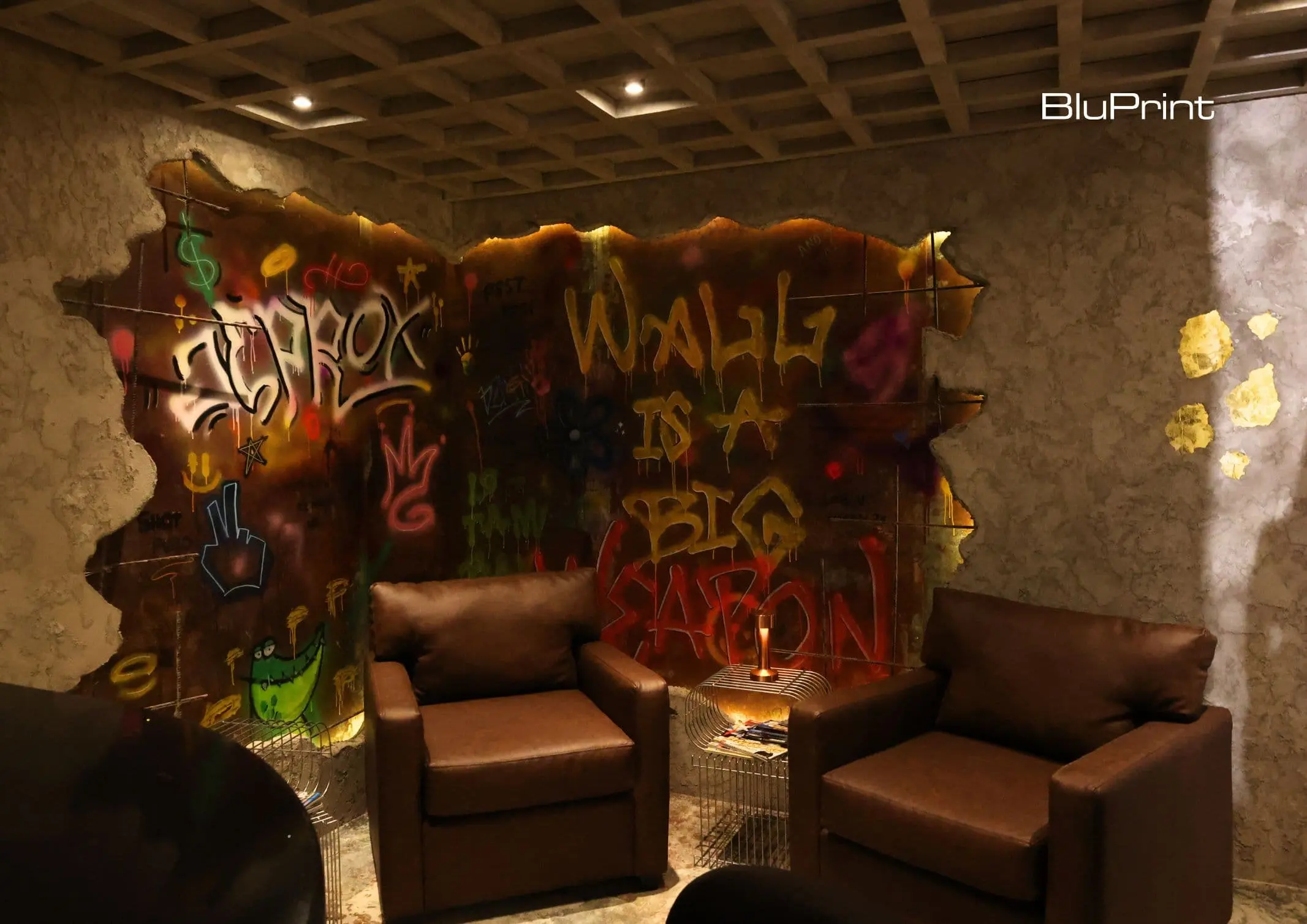
TUNOG KALYE: Designing a Space Around the Filipino Music Experience
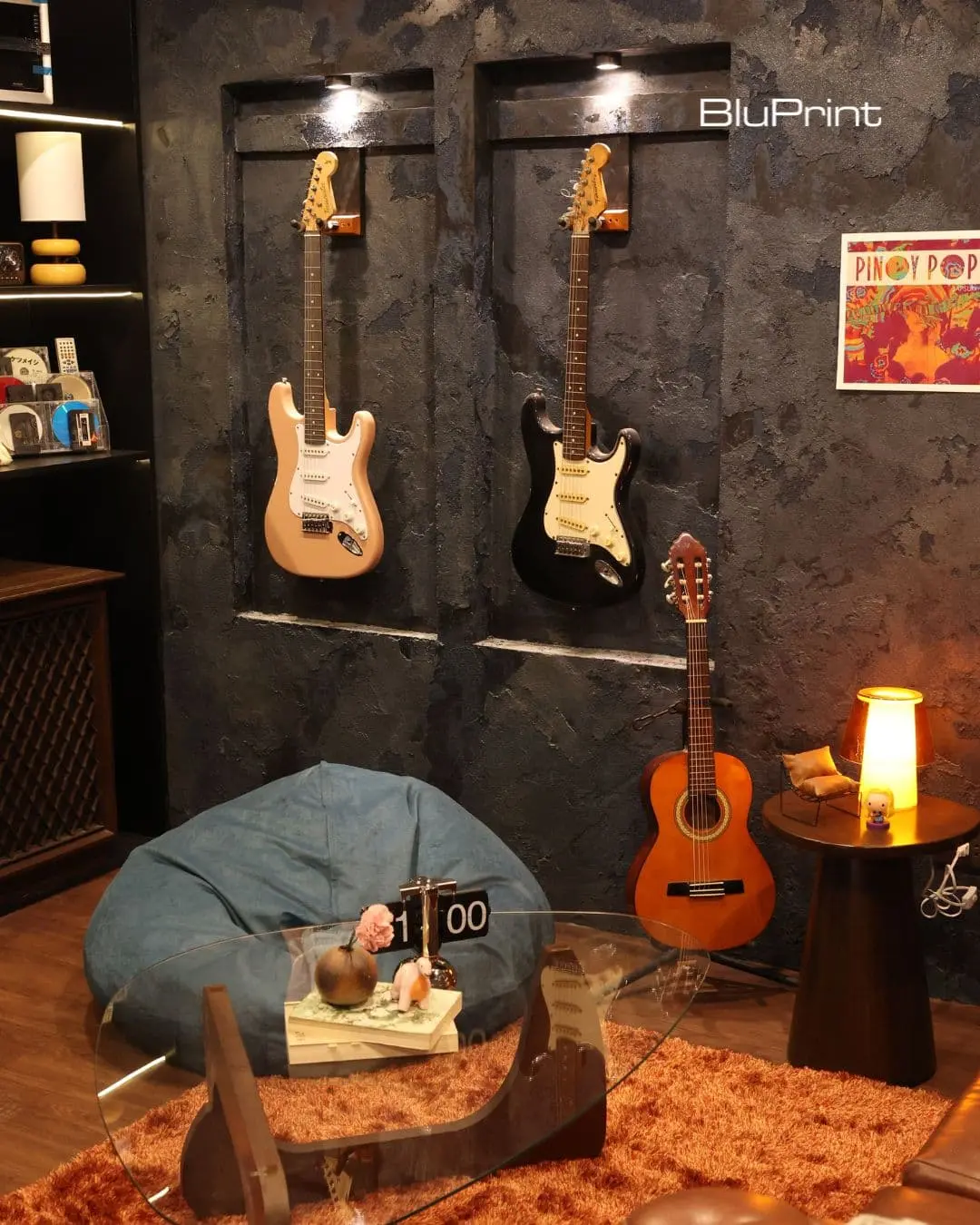
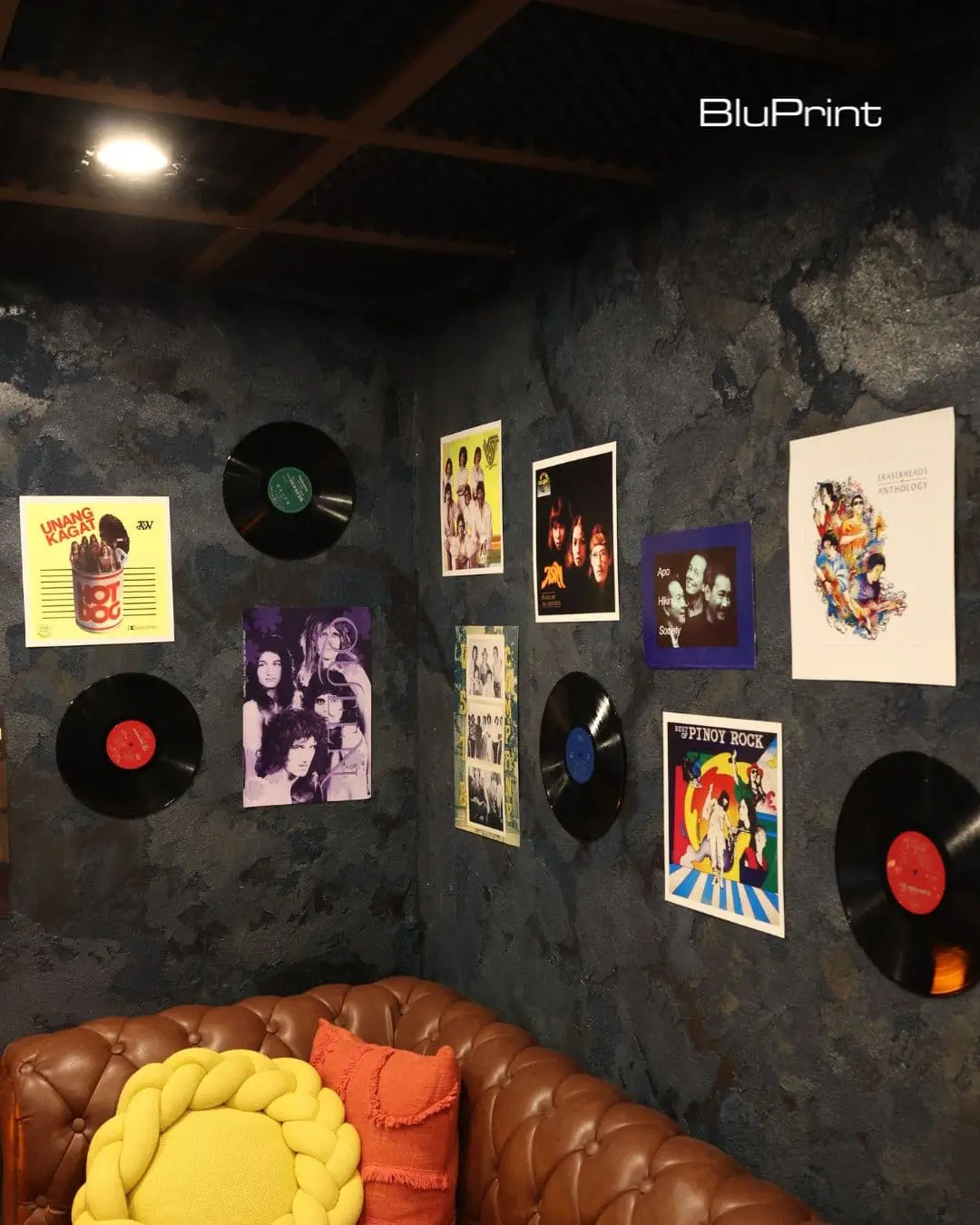
Where ISTAMBAY draws on the physical language of the street, TUNOG KALYE explored the role of music in shaping shared memories. The booth reimagined the traditional music room as a vintage listening space, inspired by the sound culture of the 1970s.
Dark walls and ceilings established a moody backdrop, balanced by warm wood finishes and comfortable furnishings. Radios, cassette tapes, vintage speakers, and album-inspired artworks served as visual reminders of how music was experienced and shared before the digital age. Instead of recreating a period interior in exact detail, the design drew on the atmosphere of listening rooms and the objects associated with them.
Related Reading: What Interior Designers Consider Before Planning a Space
How Millennial Pop Culture Influenced Glamorous and Romantic Interiors
KARISMA: A Glamorous Interior Inspired by the Bebot Era
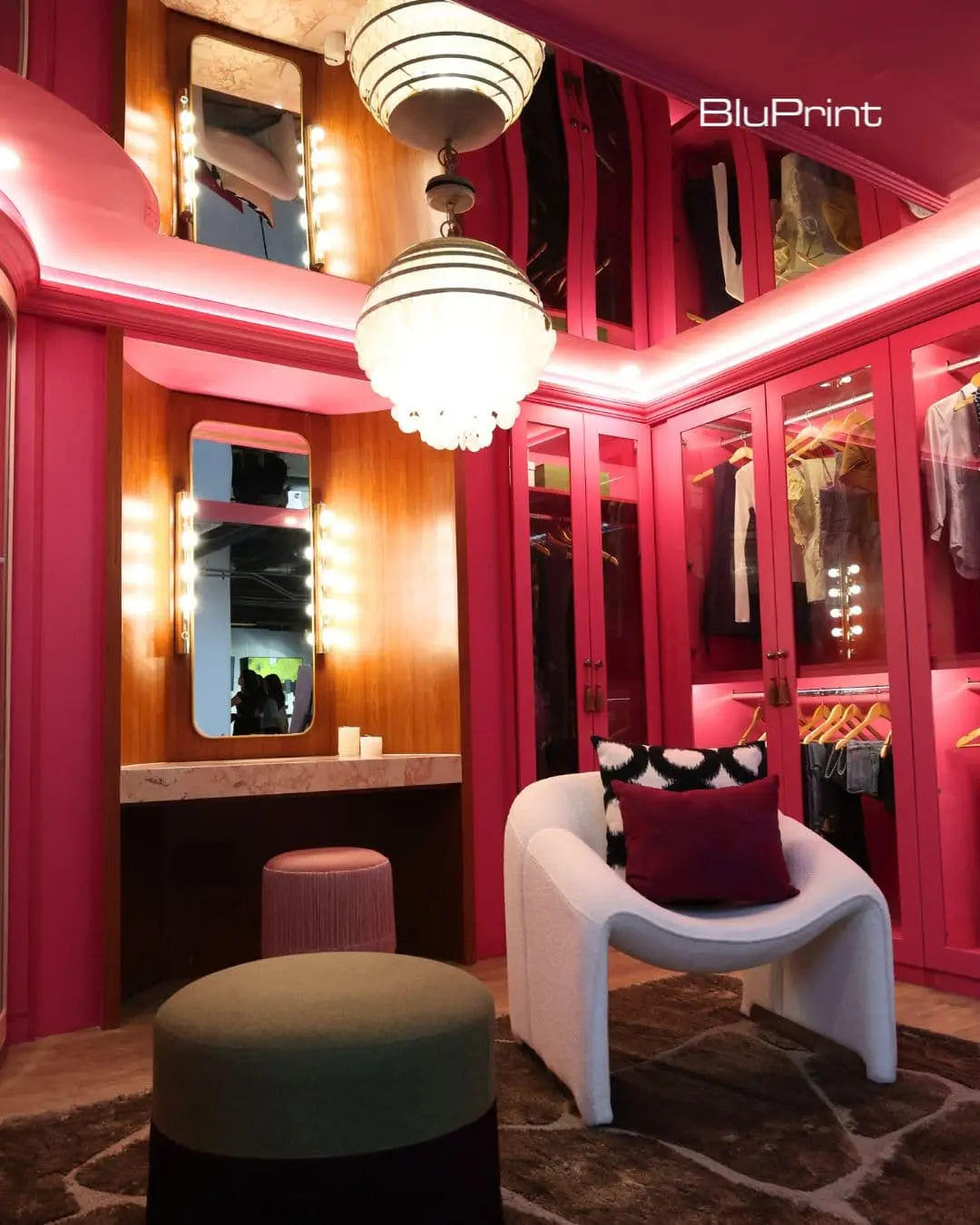
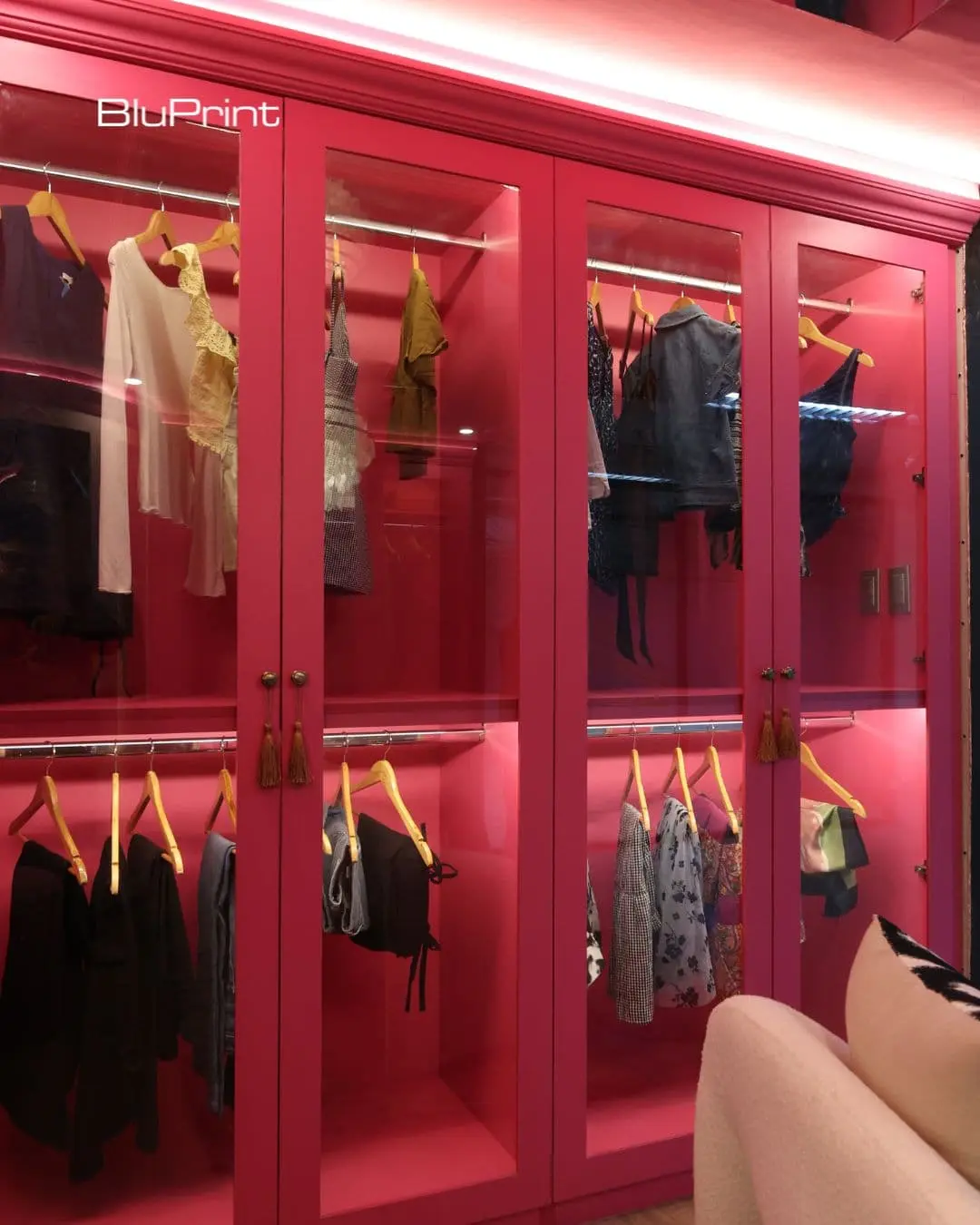
KARISMA translated the fashion-forward sensibility associated with the bebot era—a viral Y2K-inspired beauty and cultural trend celebrating early-2000s Pinay glam—into a walk-in closet and vanity for a Millennial woman. Conceived as a personal space for dressing and self-expression, the booth embraced a more exuberant design language than the restrained palettes of the earlier-generation interiors.
A vibrant fuchsia pink accent color, statement patterns, and glamorous details established its visual identity. At the center, a vanity area can be found, surrounded by glass cabinets that display fashionable shoes, outfits, and other accessories. A large mirror adorned the ceiling, with a capizCapizA translucent windowpane oyster shell harvested mainly in the Philippines, named after the province of Capiz. Traditionally set into sliding wooden window grids in the bahay na bato, it softensGo to Capiz Glossary chandelier that served as a statement lighting element.
TEALIK: The Intimacy of 1990s Filipino Romantic Films
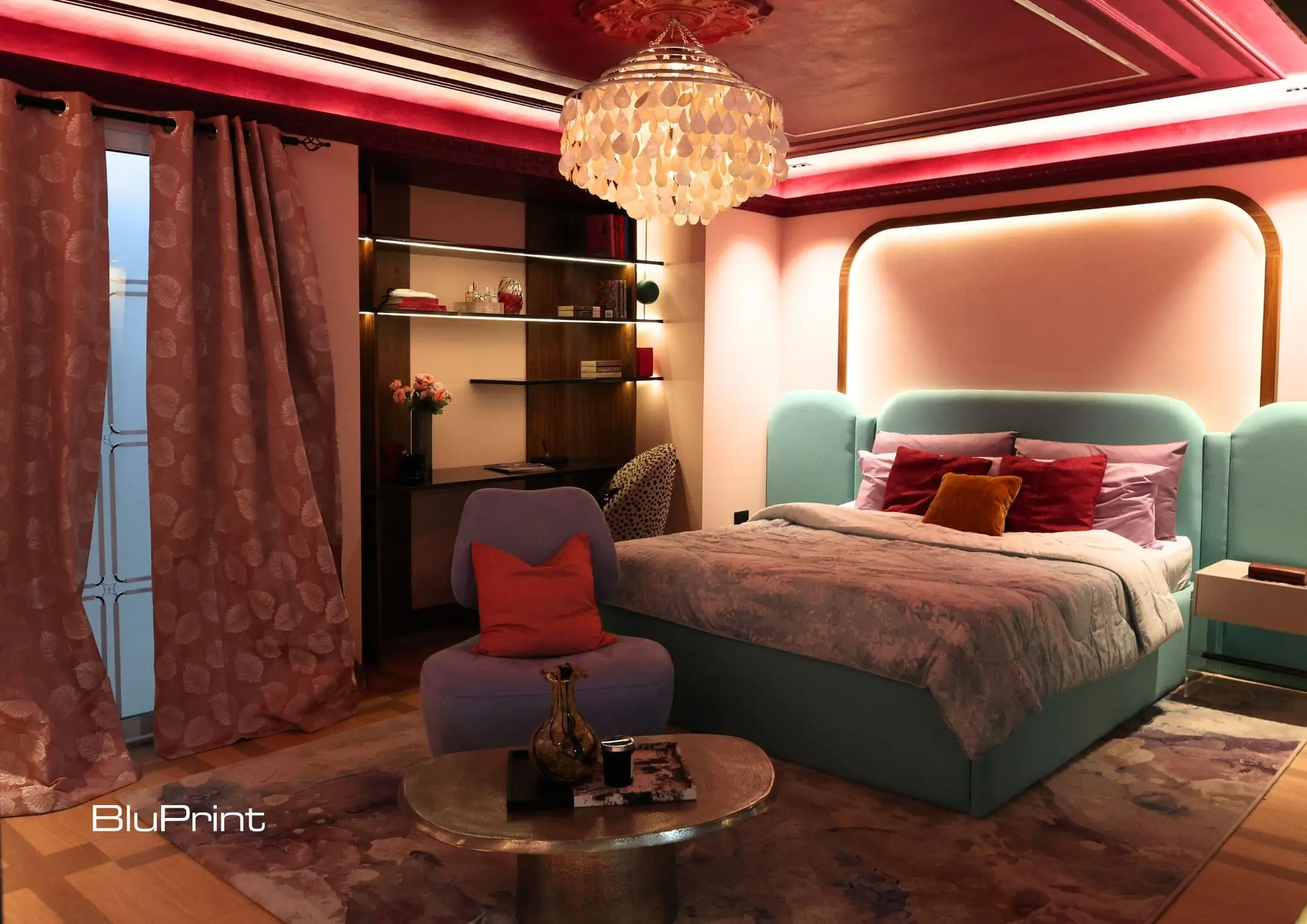
Inspired by the emotional worlds of 1990s Filipino romantic films, TEALIK imagined the bedroom of a Millennial woman whose sense of romance remains part of her everyday life. The interior drew on the softness and intimacy associated with cinematic love stories without turning the room into a literal film set.
The room was separated into three sections, featuring romantic hues—including vibrant pink, teal, and pastel yellow—tactile upholstery, layered surfaces, and intimate lighting. The first section is the vanity and study desk area, surrounded by bookshelves. At the far left is an entertainment space, complete with a television set and a sofa. The final section, which is the main part of the room, is the bed, featuring a teal bedframe with a headboard that extends to the width of the wall, and matching bedside tables and lamps.
Generation Z: Everyday Rituals and Digital Culture
SIMULA: A Contemporary Home Built Around Coffee Culture
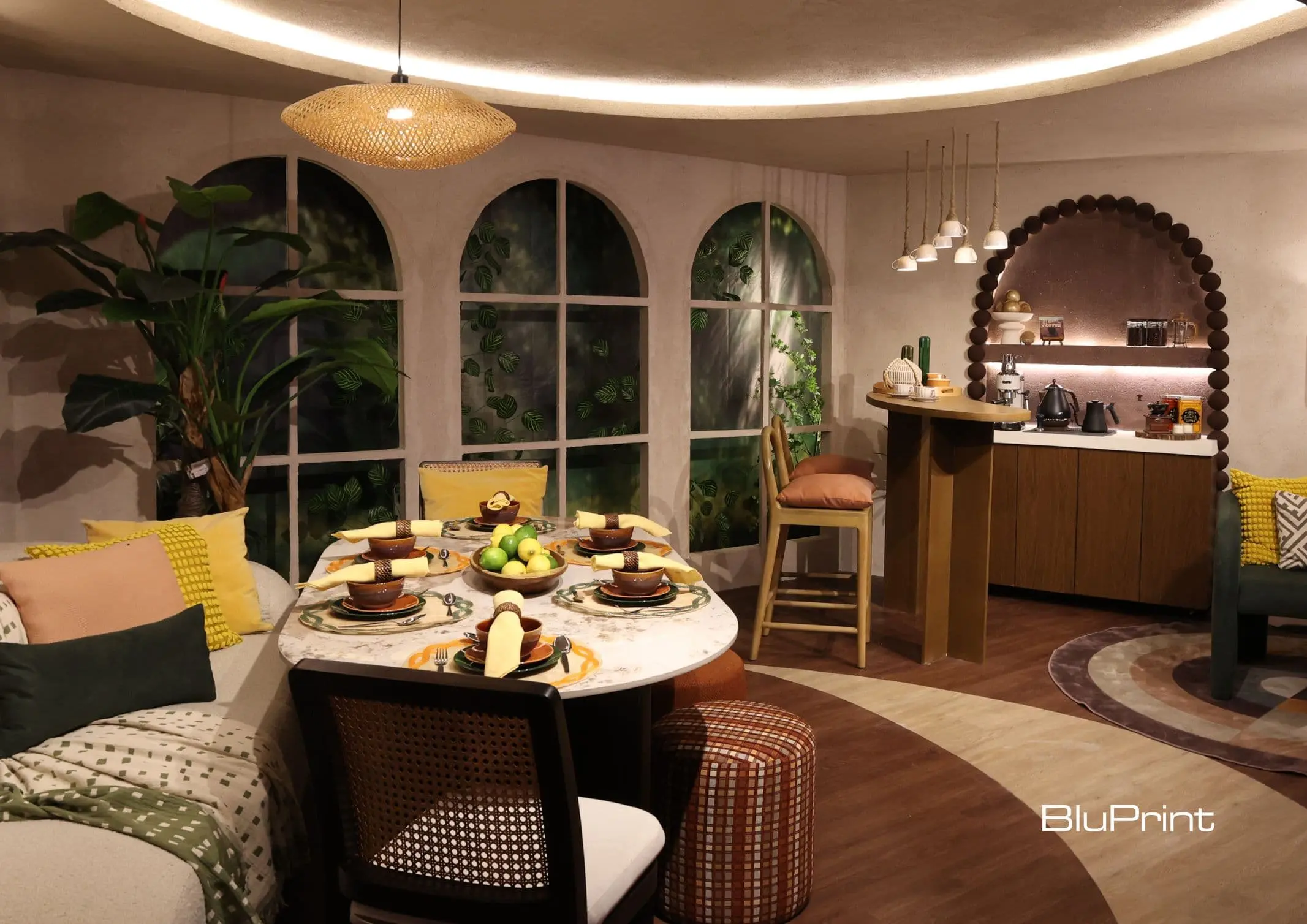
SIMULA explored the domestic rituals of a newly married Gen Z couple, placing a coffee bar at the center of its dining space. The design considered coffee, not just as a daily drink, but as a focal point for connection, conversation, and the formation of shared routines.
Soft curves and arched forms, emphasized with brown, spherical forms that mimic coffee beans, give the interior a gentle visual rhythm. Meanwhile, warm neutrals and woven textures introduce a sense of warmth into the space. Other coffee-related elements can also be seen within the space, including a suspension lamp made out of coffee mugs. The same design cue was adorned the feature wall at the far left corner by the couch, creating a sense of comfort while rounding out the coffee-themed experience.
ALIWAN AVE.: Where the MRT Commute Meets Gaming Culture
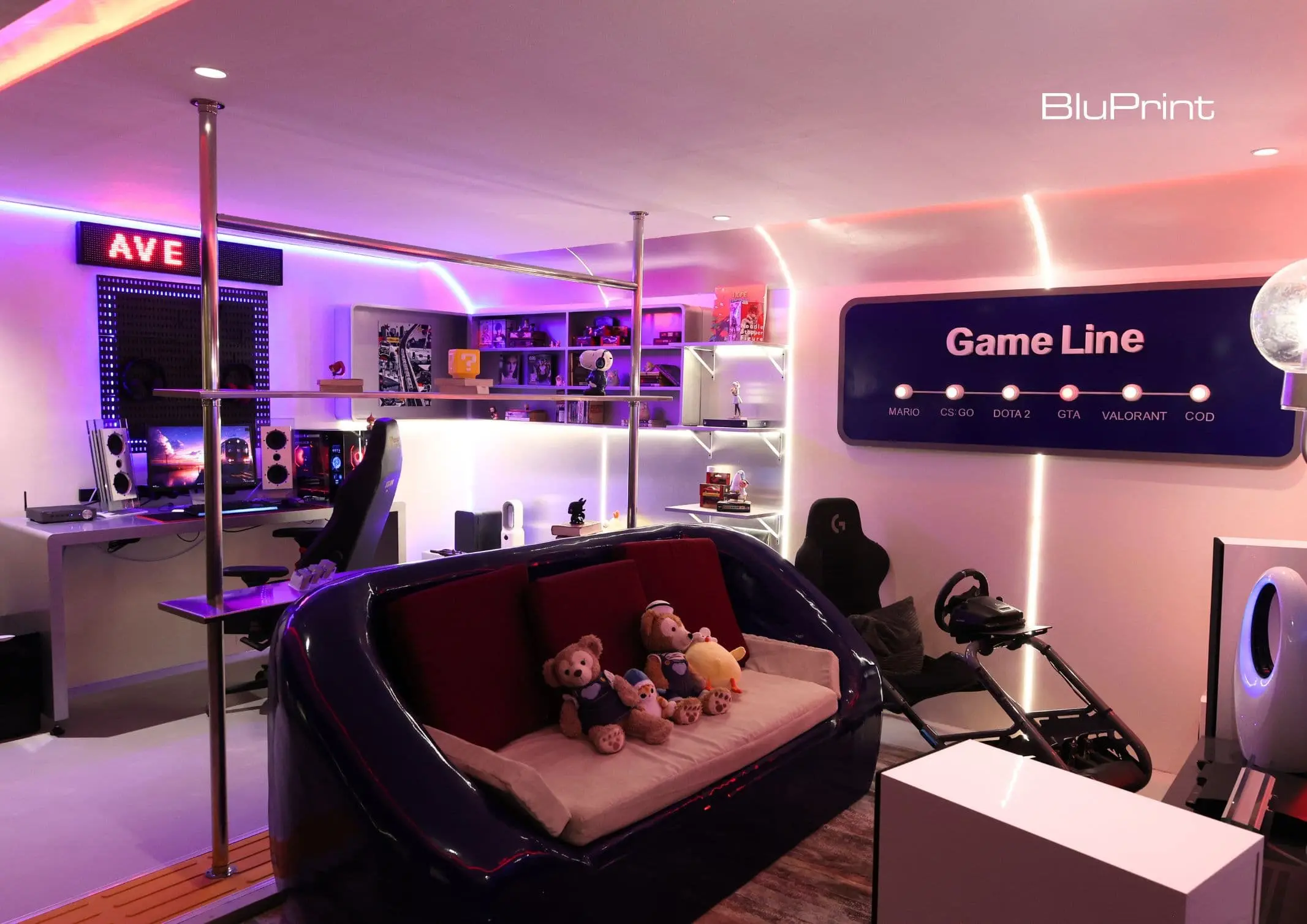
ALIWAN AVE. brought together two familiar aspects of Gen Z life: the daily MRT commute and digital gaming. The booth translated the movement and linear geometry of urban transit into an entertainment space, exploring how elements of the city can inform the design of a personal interior.
Continuous lines and linear lighting established a sense of direction and movement, while transit-inspired details connected the space to the rhythms of commuting. These design elements include metal railings, yellow tactile paving, and station indicators that meet the visual language of gaming. While white walls kept the space pristine, strategically placed LED light strips added visual depth and a more dynamic atmosphere.
Pop Culture as a Design Language
Across its eight booths, “What the Pop!” demonstrated how cultural references can inform more than a room’s decorative theme. The exhibition drew on familiar games, films, music, fashion, and everyday rituals to develop interiors with distinct identities, each shaped by the experiences and values associated with a particular generation.
Related Reading: PSID 2018 exhibit takes on the challenge of adaptive reuse
Presented by PSID’s graduating batch of 2026, the exhibition is on view until October 31, 2026 at the third floor of V-Mall, Greenhills, San Juan City. Admission is free, and the exhibit is open daily from 10AM to 10PM.
About The Philippine School of Interior Design
The Philippine School of Interior Design (PSID) is an interior design school in the Philippines that trains aspiring designers. Through its student exhibits, including “What the Pop!,” PSID showcases emerging design concepts that explore the relationship between interiors, culture, and everyday life.
Frequently Asked Questions
“What the Pop!” was an interior design exhibition by the Philippine School of Interior Design’s graduating batch of 2026. It explored Filipino pop culture across four generations through eight interior spaces inspired by music, gaming, cinema, fashion, and food.
The exhibition was held on the third floor of V-Mall in Greenhills, San Juan City, Philippines.
The exhibition explored the experiences and cultural influences of Boomers, Generation X, Millennials, and Generation Z through distinct interior design concepts.
The eight booths were TOYANG, TeleBisyon, ISTAMBAY, TUNOG KALYE, KARISMA, TEALIK, SIMULA, and ALIWAN AVE. Each interpreted a different aspect of Filipino culture and generational experience through materials, furnishings, lighting, and spatial design.
The exhibition translated familiar cultural references into interior elements, from traditional Filipino childhood games and indigenous materials to vintage music equipment, fashion-inspired vanities, coffee-themed furnishings, and MRT-inspired details. These choices showed how cultural memories and everyday experiences can shape the design and identity of interior spaces.
There is no excerpt because this is a protected post.
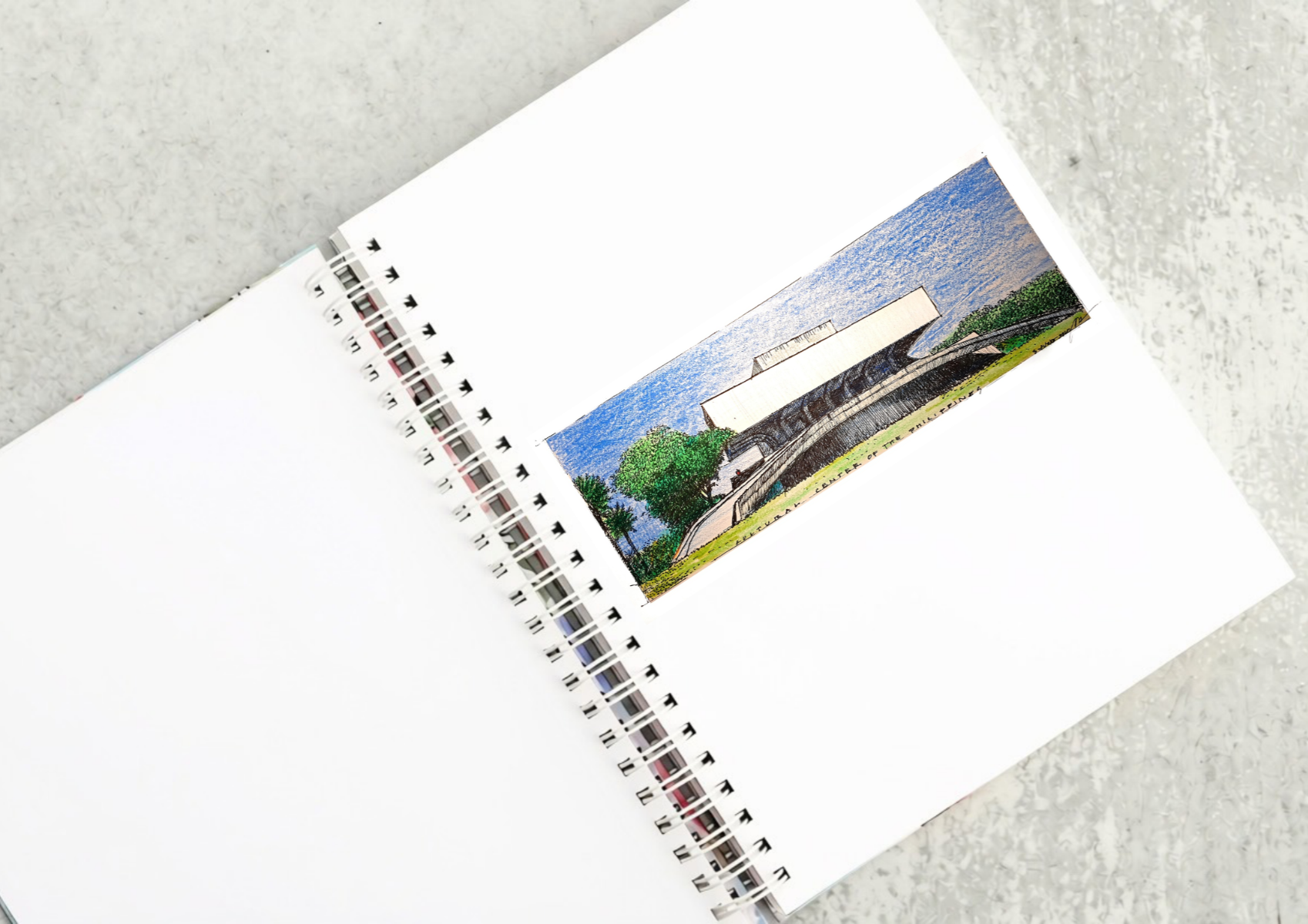
The CCP Main Theater as an Icon of Philippine Modernism The CCP main theater by National Artist for ArchitectureArchitectureThe art and science of designing and constructing buildings, structures, and spaces that are functional, safe, and aesthetically pleasing. It encompasses the planning, design, materials, and techniques used to createGo to Architecture Glossary Leandro V. Locsin is […]
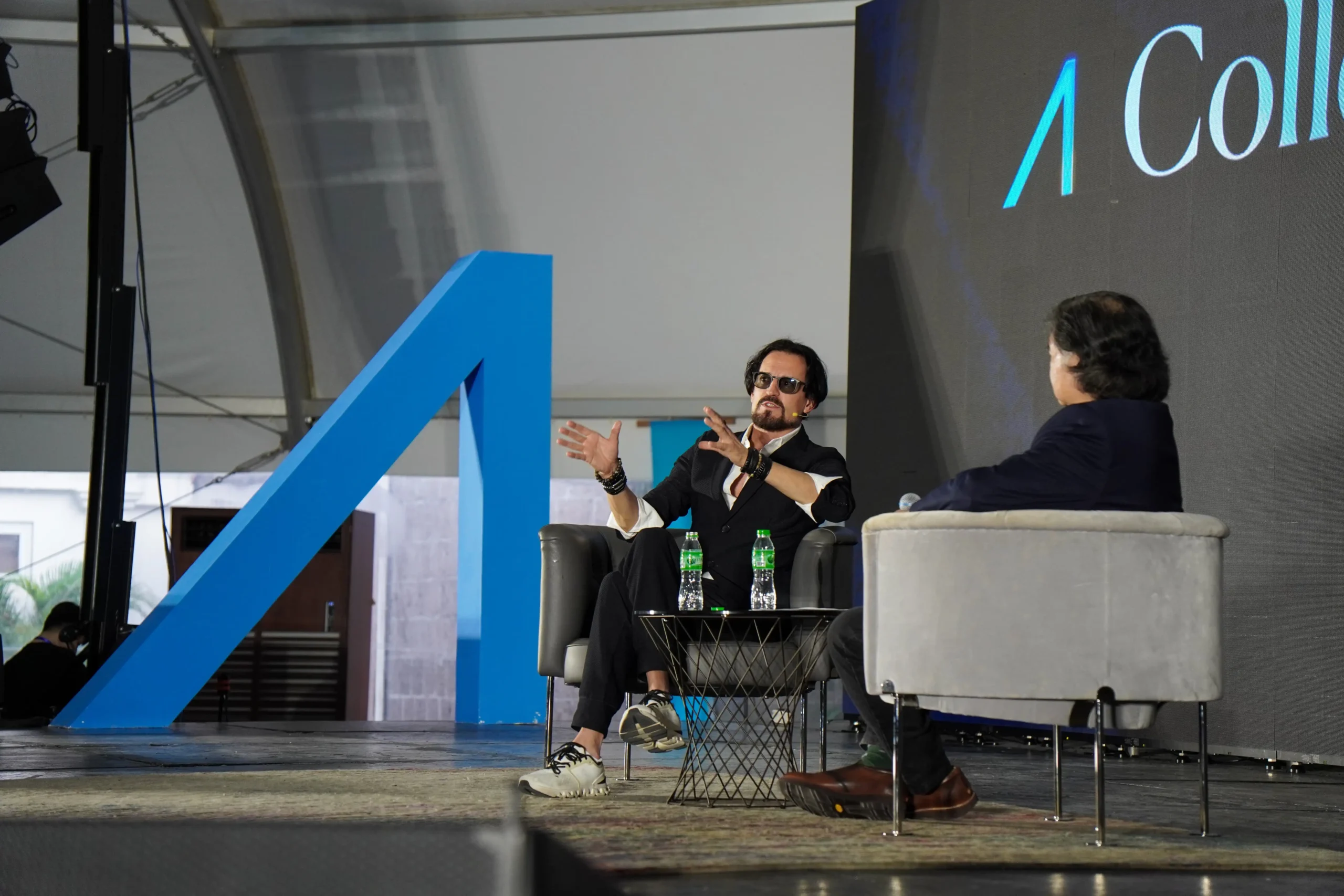
As co-founder of Dubai- and Tokyo-based studio waiwai, Al Awar brings over 22 years of experience to questions surrounding how cities are designed and how architectureArchitectureThe art and science of designing and constructing buildings, structures, and spaces that are functional, safe, and aesthetically pleasing. It encompasses the planning, design, materials, and techniques used to createGo […]
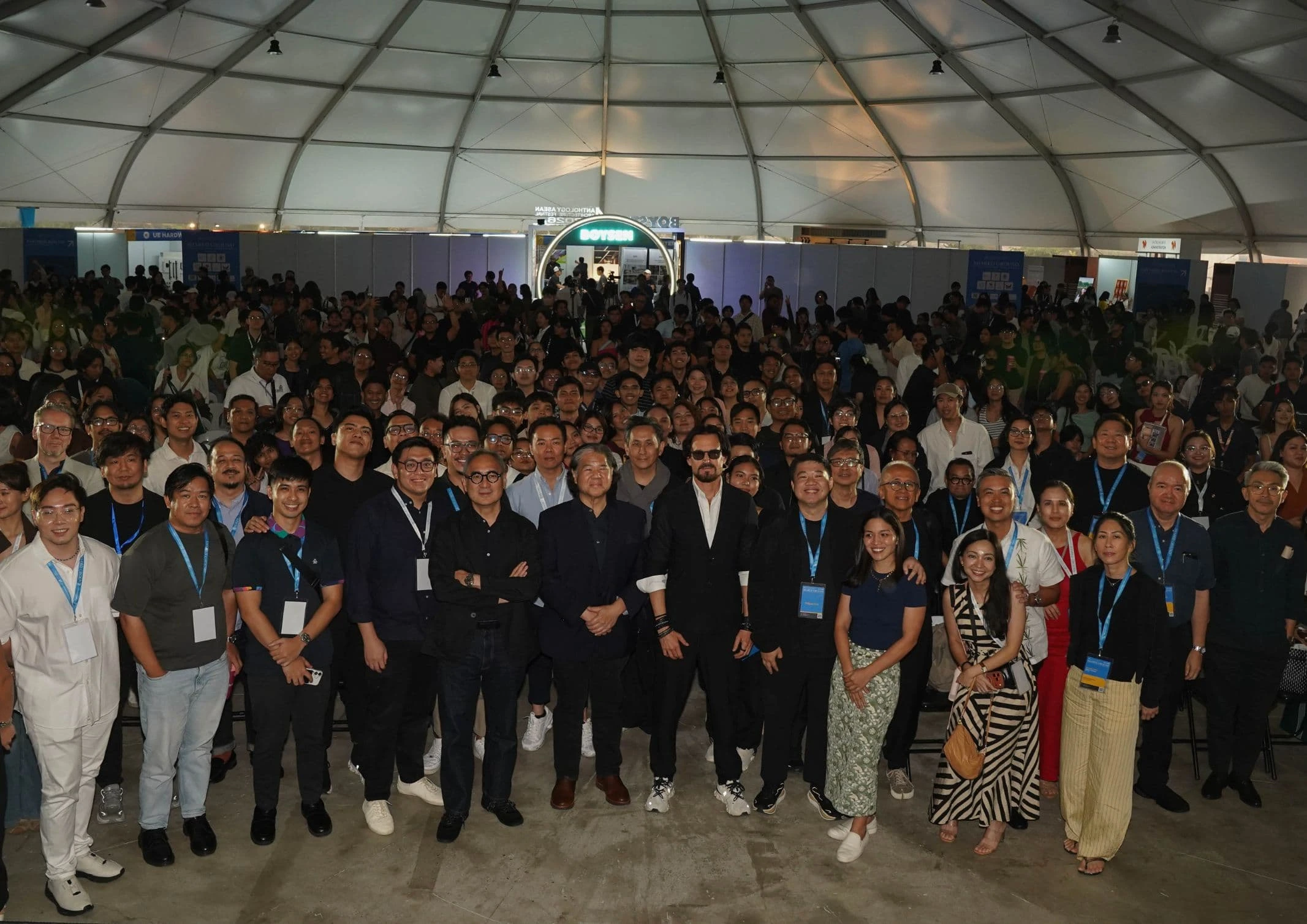
The seventh edition of the Anthology ASEAN ArchitectureArchitectureThe art and science of designing and constructing buildings, structures, and spaces that are functional, safe, and aesthetically pleasing. It encompasses the planning, design, materials, and techniques used to createGo to Architecture Glossary Festival brought together over 4,000 delegates from across the Philippines and Southeast Asia for three […]
Read the issues.

Collect the volumes.

Recommended Video
Tap to Unmute
Unmute
0:00
0:00