Bigkis is the act of binding. In Tagalog, the word can refer to something used to bind or encircle, as well as a bundle formed by tying several separate elements together. Figuratively, it can also mean a bond, union, or unity. The meanings move from the physical act of joining things together to the connection […]
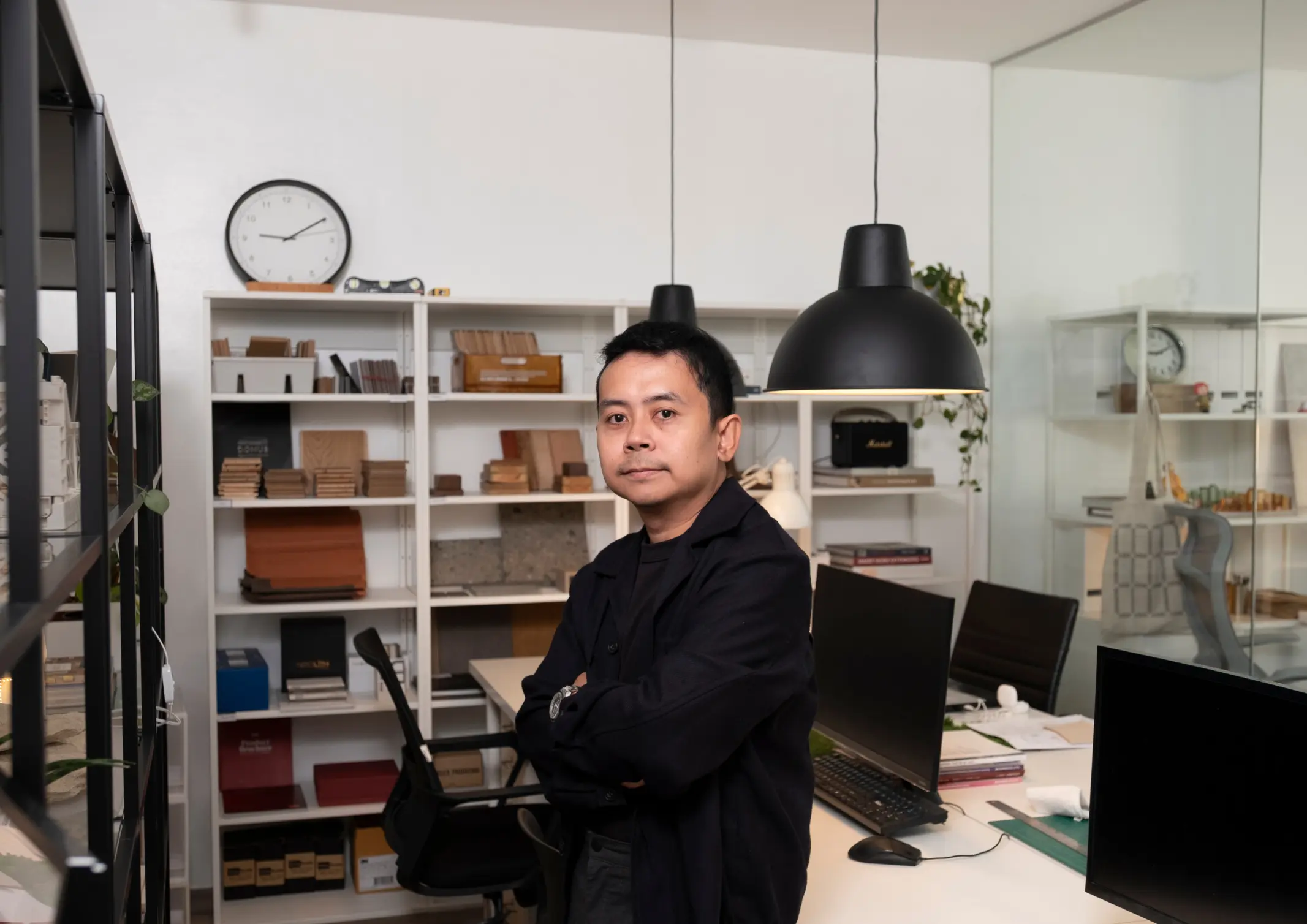
On Breakthroughs: Architect Pierre Briones on Establishing His Name in Architecture



Breaking through in their respective careers is a daunting task for any young professional. For Architect Pierre Briones, architectureArchitectureThe art and science of designing and constructing buildings, structures, and spaces that are functional, safe, and aesthetically pleasing. It encompasses the planning, design, materials, and techniques used to createGo to Architecture Glossary has always been an intentional pursuit. Having spent much of his childhood around construction sites, Briones’s environment shaped his interest in architecture, including his fascination with how structures and buildings are built.
“Choosing architectureArchitectureThe art and science of designing and constructing buildings, structures, and spaces that are functional, safe, and aesthetically pleasing. It encompasses the planning, design, materials, and techniques used to createGo to Architecture Glossary was never a coincidence. In fact, my twin brother and I had already planned our careers back in high school,” Briones shared. His decision to pursue architecture was strongly influenced by his late father, a civil engineer and general contractor.
In 2016, Briones established his own firm, Brioarc Design Studio, which is finding its footing as a young practice in the industry.
Emerging Professional and Practice
Building a name for himself in the industry involved sacrifices for Briones, including leaving behind his established career abroad as an architectural coordinator in Singapore. “During those years, projects were slowly starting to come in. So, we had to do our daytime job and nighttime job at the same time,” recounts Briones.
Along with his twin brother, a civil engineer who founded Briobuild, he decided to try his luck back home in the Philippines and open his own practice. “It was a matter of either swimming or drowning. We moved forward slowly and deliberately, striving to balance knowing our worth with taking on only the projects we could responsibly manage,” Briones adds.
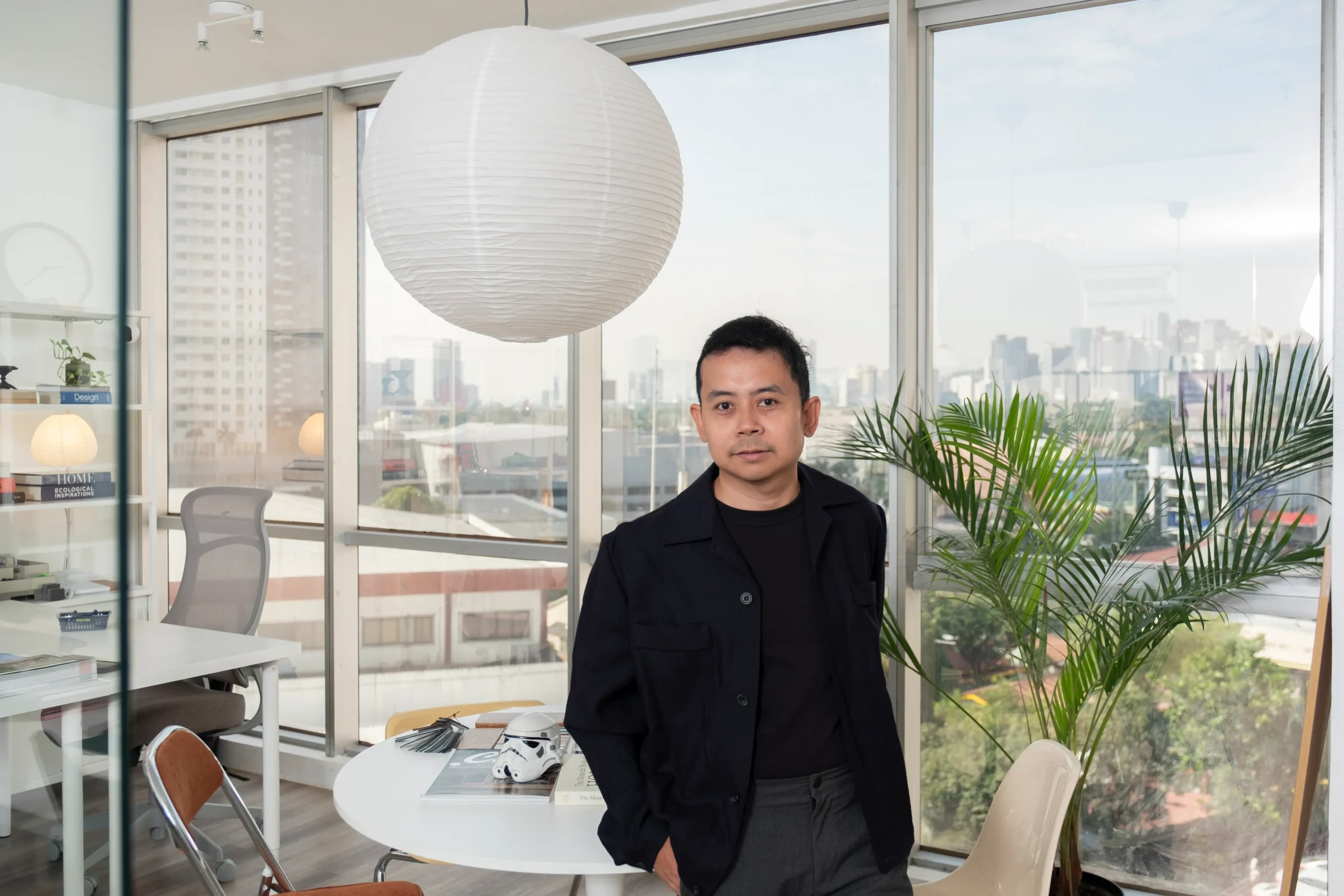
Briones often works with his twin brother on projects, which comes with its own set of advantages and disadvantages. He describes this dynamic as having the best of both worlds. His relationship with his brother enables deeper collaboration, through which many of their strongest solutions emerge as their perspectives as designers and builders become fully integrated.
“The greatest advantage is that, because we know each other so well, we can discuss project details openly and honestly—often beyond the usual contractual boundaries. We regularly share insights and adopt best practices across BRIOARC and BRIOBUILD,” Briones shares.
As one of the younger architects in the industry, Briones understood that he had to earn his credibility. This includes taking on responsibility early, collaborating across disciplines, building meaningful connections with colleagues, and experimenting with modest materials to keep costs down. This year, his practice is about to turn a decade old.
A balanced approach
Balancing a nature-centric and people-focused approach, Brioarc has always been fascinated by the history and culture of a site and by how they relate to its surrounding natural environment. Briones believes in the interdependence of humans and nature, including understanding how the built environment deeply influences emotions. The firm’s goal is to translate this understanding into unique spaces that connect seamlessly with nature.
“Our designs aim to respond not only to the practical needs of users but also to the natural environment. Ultimately, it’s about discovering the soul of each project—the elements that create emotional connection, express cultural identity, and create meaningful, crafted user experiences beyond mere form and function,” Briones states.
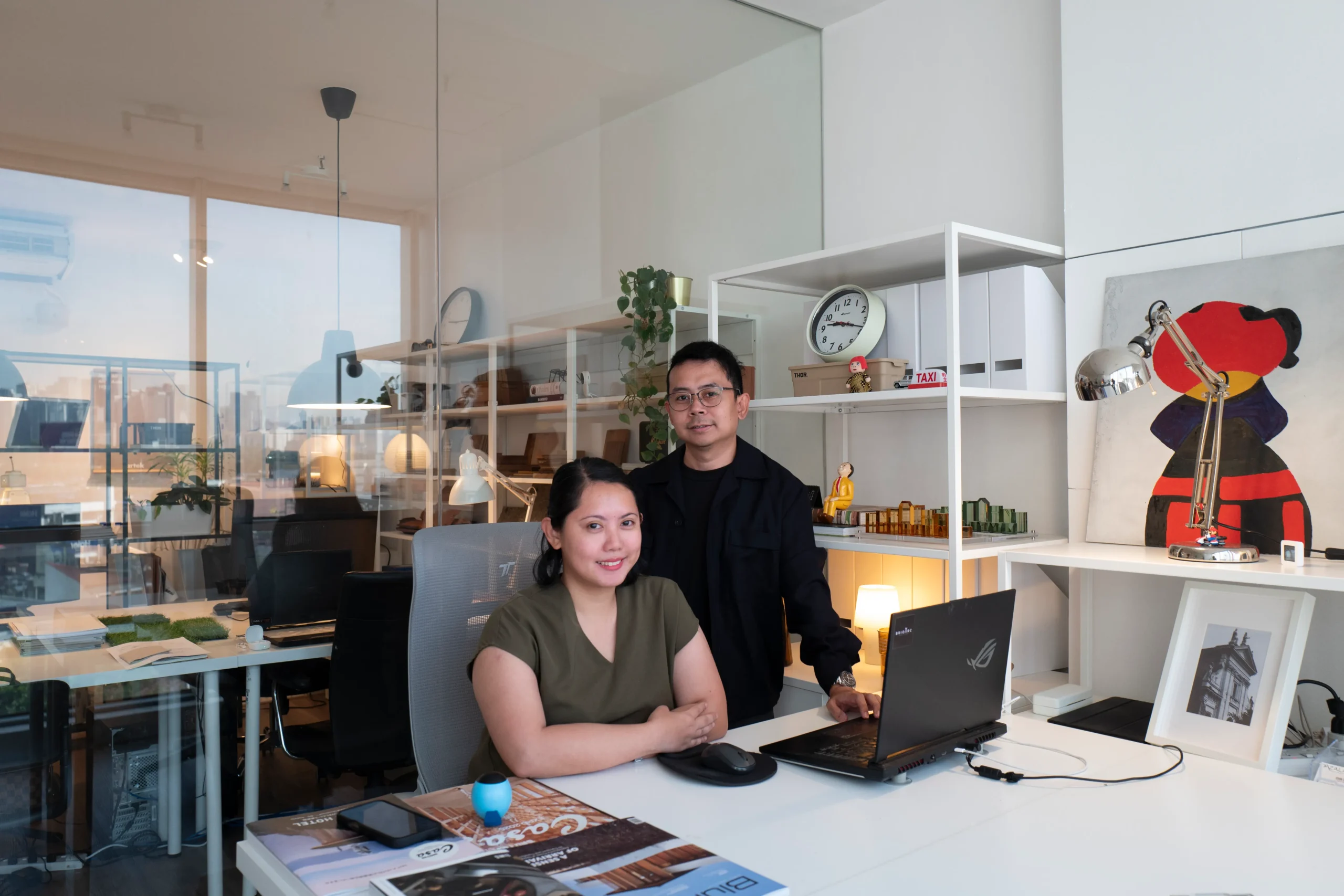
Pushing humble materials beyond conventional use results in more efficient, durable, and high-performing structures. “Culturally, it requires finding the right balance between honoring traditional beliefs and embracing progressive approaches to design,” Briones states.
Accompanying this belief is Briones’s mindset that connecting with clients is necessary to deliver the right architectural solutions to problems. Collaboration is a key feature at every stage, taking the time to step back as a firm to reflect and view the project from the client’s perspective. This includes understanding their needs, navigating contextual limitations, and developing a design strategy tailored to each project.
In doing so, the firm finds a balance between creative expression and client needs. In terms of creativity, the firm broke ground by pivoting to new styles and combining ideas never before combined—taking risks and being bold in challenging established architectural norms.
Beyond Physical Structures
“I distinctly remember feeling small whenever we passed by EDSA. The scale of the building left a strong impression on me. Even then, I was already learning how space and structure could shape emotions […] One memory that still stands out is climbing a mound of sand with my brothers while waiting for our dad to finish a meeting. Those moments quietly shaped how we understood the built environment—not as something distant, but as something lived in,” Briones recounts.
Throughout his career in architectureArchitectureThe art and science of designing and constructing buildings, structures, and spaces that are functional, safe, and aesthetically pleasing. It encompasses the planning, design, materials, and techniques used to createGo to Architecture Glossary, Briones worked on a range of projects. Before establishing his own firm, Briones trained with Casas + Architects, gaining experience on hospitality projects. During his time in Singapore, he worked on hospitality projects, specifically in major hotel structures. Currently, he primarily focuses on residential projects, particularly on vacation and secondary homes—many of which are by the beach.
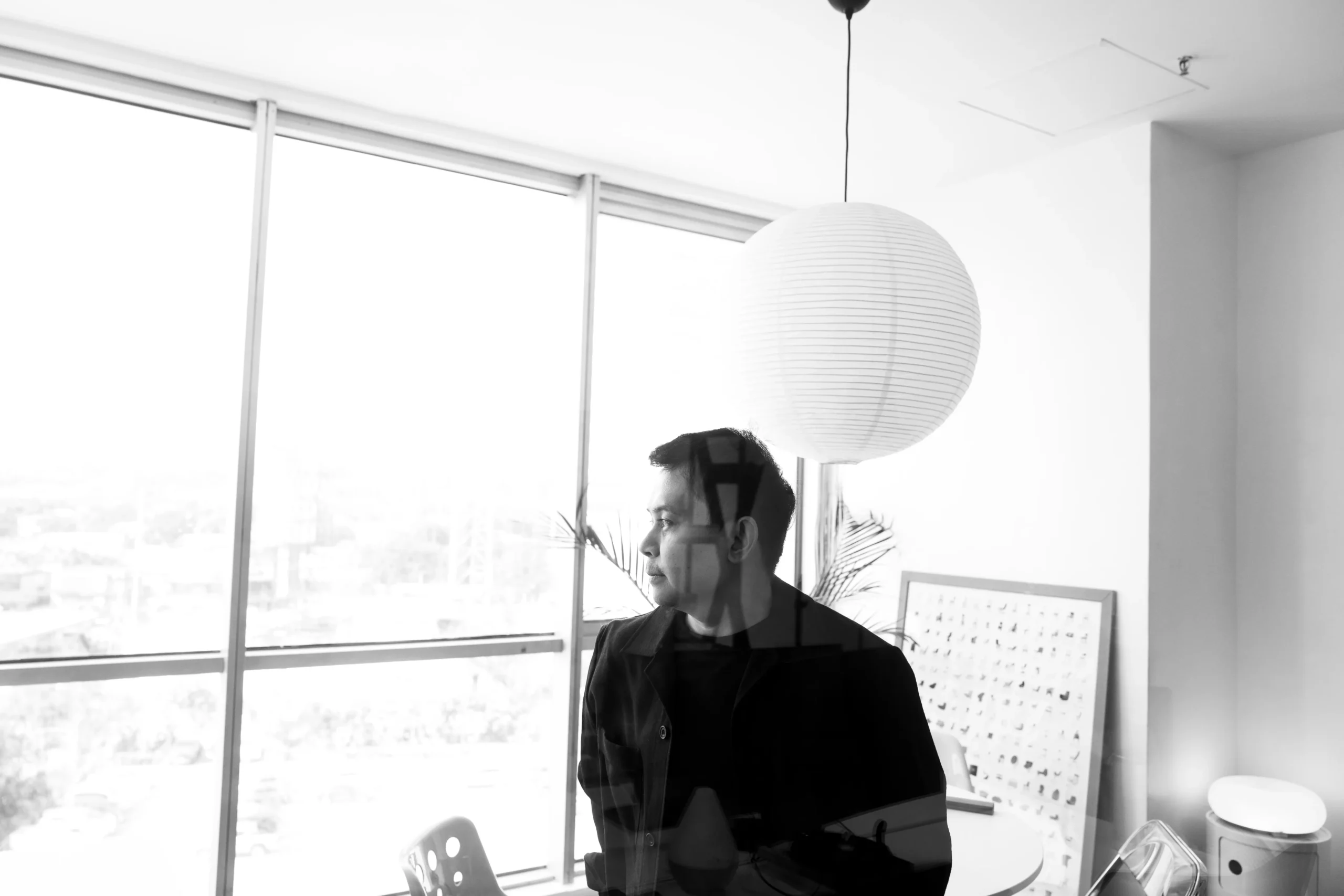
For Briones, structures exist beyond their physical context. “We approach design as a dialogue between people, place, and context. Beyond functionality, we focus on how spaces make people feel, how they move, gather, and connect. By translating history, culture, and materials into layered experiences, our spaces create lasting emotional connections and a sense of legacy,” he shares.
On the Future
Briones hopes that the next generation of architects will continue to embrace the Filipino culture and identity in their exploration of new possibilities for the industry. He hopes that future architects go beyond creating mere fashionable façades and embrace the integration of human behavior and the physical structure. This deeper understanding of changing cultural norms allows architecture to evolve with the evolving needs of Filipinos.
“Above all, they must remain curious in seeking new ways to stimulate social connections to the new generation, reflect cultural identity, and contribute meaningful civic value through architectureArchitectureThe art and science of designing and constructing buildings, structures, and spaces that are functional, safe, and aesthetically pleasing. It encompasses the planning, design, materials, and techniques used to createGo to Architecture Glossary,” Briones expresses.
Photographs by Ed Simon.
Read More: Luscara and Soliento: Barchan + Architecture on Designing a Clubhouse that Responds to its Landscape
Frequently Asked Questions
Working in Singapore’s highly regulated and fast-paced construction industry as an architectural coordinator provided Briones with a foundation in cross-disciplinary integration. This experience taught him the importance of bridging the gap between design intent and site execution. When he returned to the Philippines, he applied this “nighttime-daytime” work ethic to build a firm that views architecture as a lived experience rather than just a physical structure.
Briones describes the dynamic with his twin brother, a civil engineer, as “the best of both worlds.” Technically, this allows for a seamless design-build feedback loop. Because the architect and engineer share a deep, honest connection, they can discuss project details—such as structural integrity, material limitations, and cost-efficiency—beyond standard contractual boundaries. This leads to more integrated solutions where the designer’s vision is technically validated by the builder’s insights in real-time.
Briones believes in pushing modest, unconventional materials to their technical limits to create high-performing and durable structures. Rather than relying solely on high-end imports, the firm experiments with locally available materials to keep costs down while achieving progressive design outcomes. This approach requires a balance between honoring traditional Filipino building beliefs and embracing modern engineering to ensure efficiency and cultural relevance.
The firm’s strategy involves discovering the “soul” of a project by analyzing the site’s history and surrounding natural environment. Briones focuses on how the built environment influences human emotions, aiming for a seamless connection between interior spaces and nature. This is particularly evident in his current focus on secondary vacation homes and beach residences, where the architecture must navigate tropical context, orientation, and climate to create a “crafted user experience.”
Briones views architecture as a dialogue between the designer and the client. To deliver tailored solutions, the firm intentionally steps back to view projects from the client’s perspective, navigating specific contextual and budgetary limitations. This collaborative stage is what allows Brioarc to take bold creative risks—such as pivoting to new styles or combining previously un-merged ideas—while ensuring the final structure remains functional and meaningful to the user.
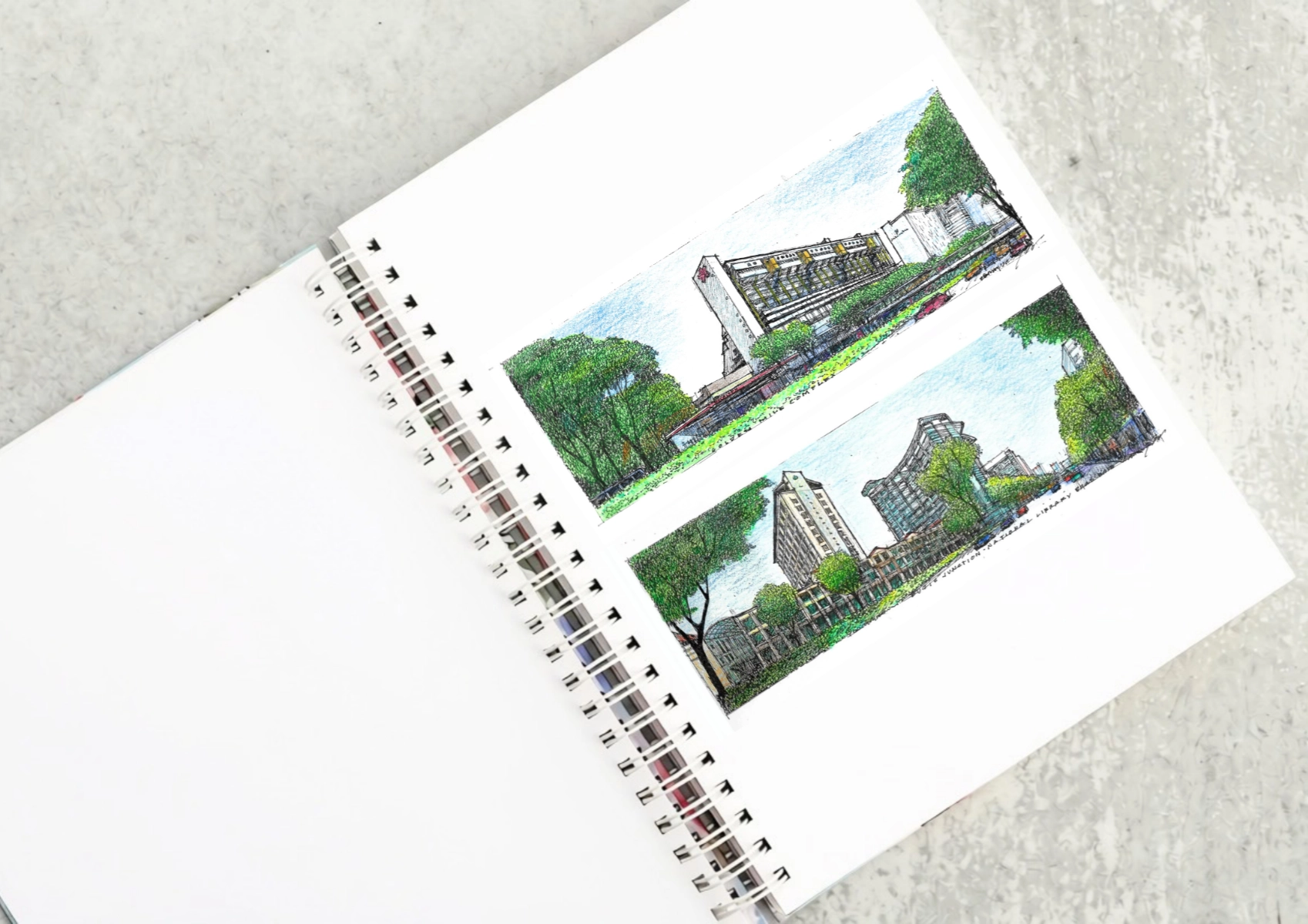
Two sketches of Singapore connect BluPrint Editor in Chief Paulo G. Alcazaren’s personal and professional history with Shared Ground: ArchitectureArchitectureThe art and science of designing and constructing buildings, structures, and spaces that are functional, safe, and aesthetically pleasing. It encompasses the planning, design, materials, and techniques used to createGo to Architecture Glossary of Care, Culture, […]
Some have become household names – Coleman, Oster, and KitchenAid – products that have found their way into Filipino kitchens, homes and family routines. In home furnishings, brands such as B&B Italia, Ethan Allen, Sub-Zero, Miele, SieMatic, Louis Poulsen, Hunter Douglas, Tempur, and Technogym, have helped shape the way Filipinos live. From everyday essentials to […]
In a way, designers are the modern-day soothsayers and prophets. They design for the future, predicting how a room, a house, a building or a whole city will be used by people. They foresee how users will interact with a space, conjure exact shades of colors to elicit specific behavior and arrange furniture to build […]
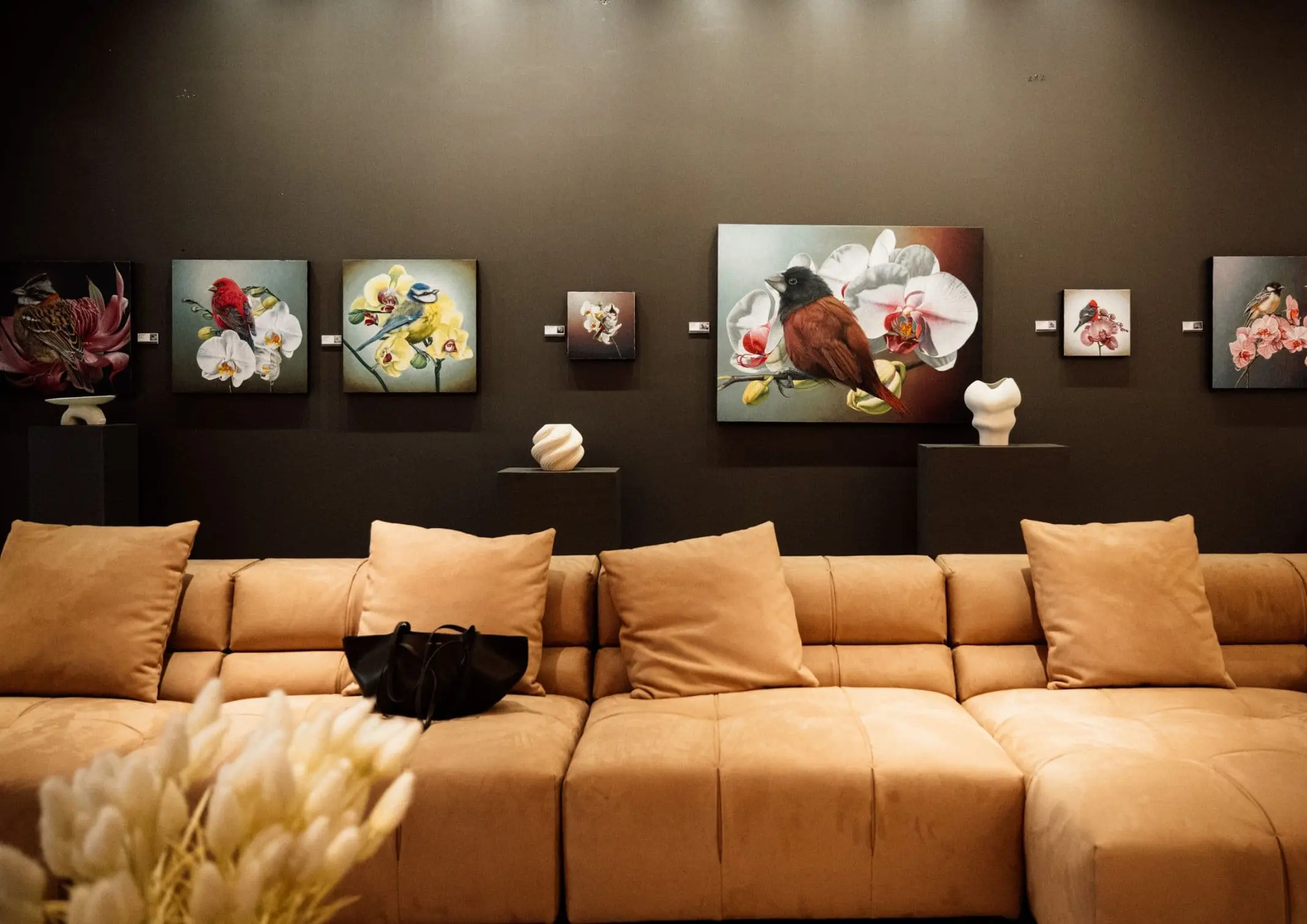
Art and furniture are often selected separately, yet their relationship can shape how a room looks and feels. The collaboration between Hooga and Galerie Joaquin explores how these elements can work together, bringing contemporary artworks into furnished residential settings at Hooga’s showroom in Uptown Mall, Bonifacio Global City. For Hooga, which curates furniture, lighting, and […]
Read the issues.

Collect the volumes.

Recommended Video
Tap to Unmute
Unmute
0:00
0:00