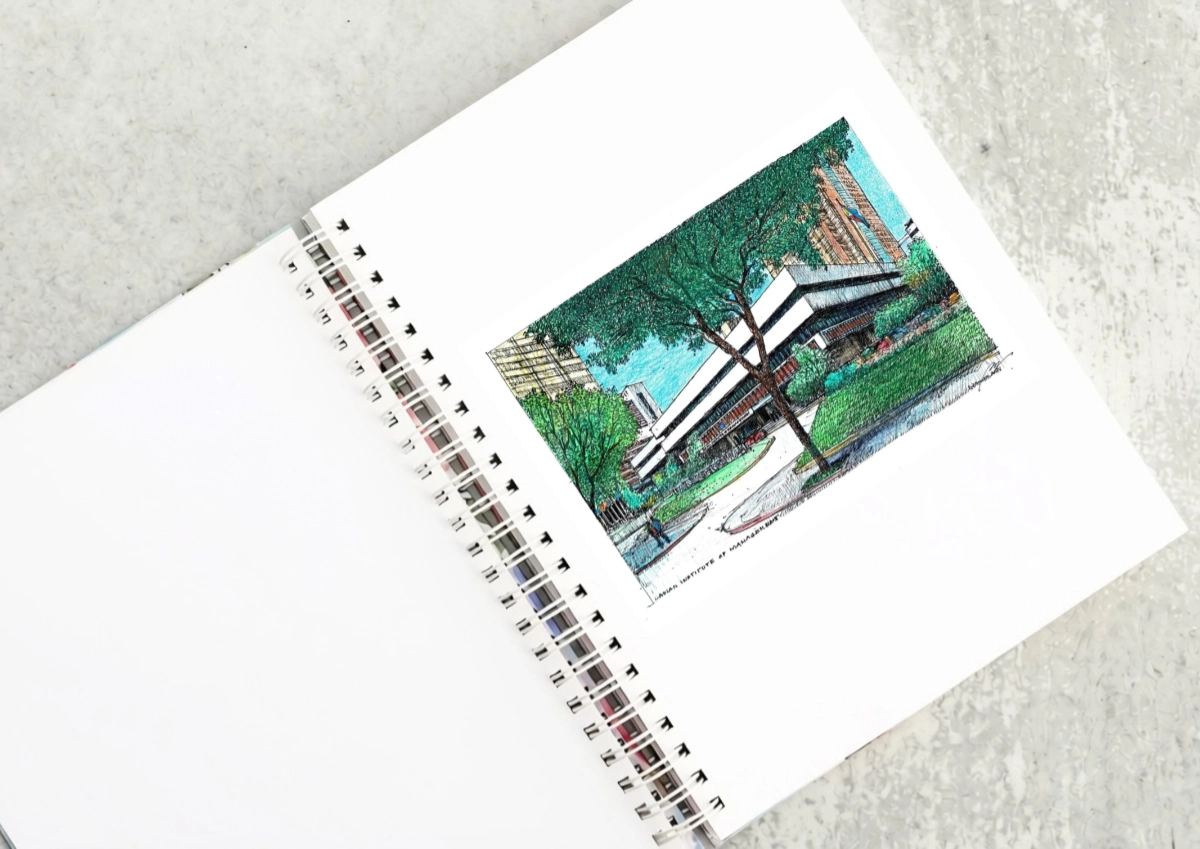
A Filipino Interpretation of Modernist Architecture Unlike the rest of Makati today, the northern end of Paseo de Roxas in Makati is anchored by a low complex rather than a tall skyscraper. This is the elegant Asian Institute of Management, designed by architect Gabriel Formoso and completed in 1971. In my opinion, the building is […]
Madi Hiyaa: An Overwater Bamboo Restaurant



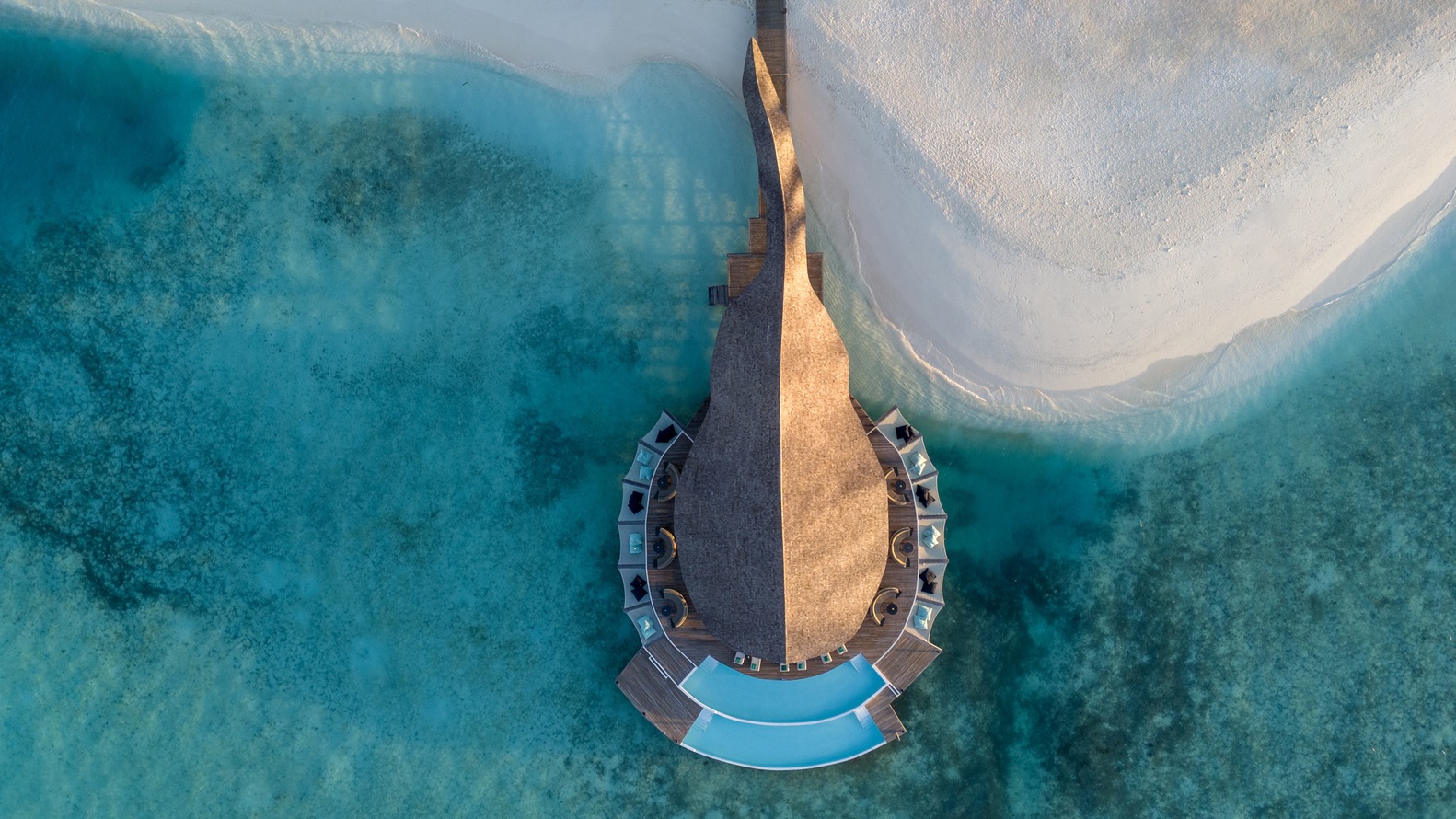
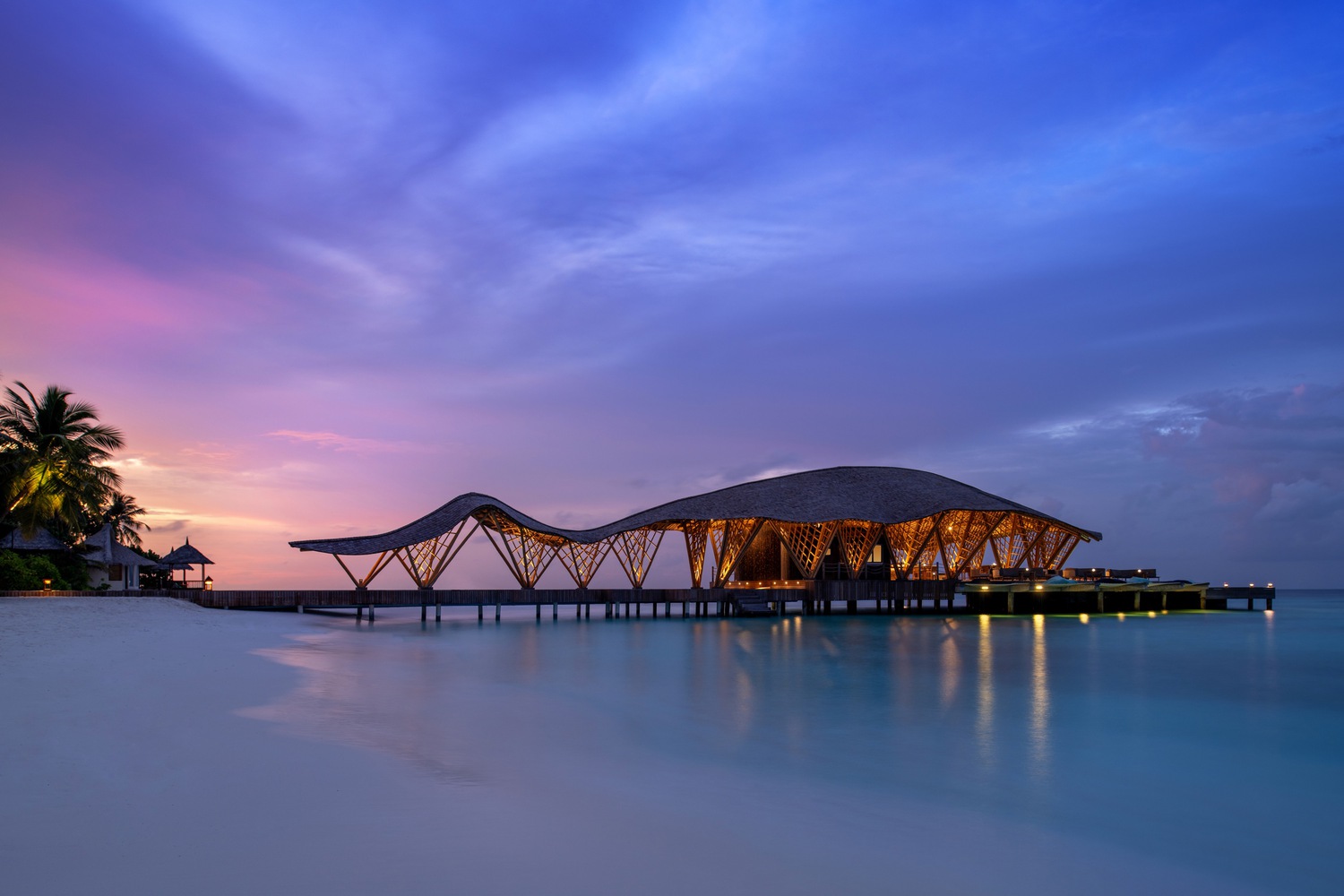
The Overwater Bamboo Restaurant, or Madi Hiyaa, is an overwater structure that combines biomimicry, local materials, and the local environment. Atelier Nomadic designs this Yakitori Restaurant as part of the Nomadic Resorts Group’s island development. It rests upon the shining Maldivian Lagoon, across the Indian ocean, teeming with life that inspires the design motifs of the structure.
A Ray of Sunshine and Beaches
The captivating and graceful form of the Pink Whiprays serve as the architects’ design inspiration. The curvilinear form evokes a sense of fluid motion in tandem with natural beauty. The undulating roof is akin to the profile of the whipray as it swims about. A looping shingled tail forms the entry with a dynamic silhouette that relates the project to the local ecosystem and its inhabitants. In terms of plan, you also see the whipray’s silhouette formed by the spaces inside.
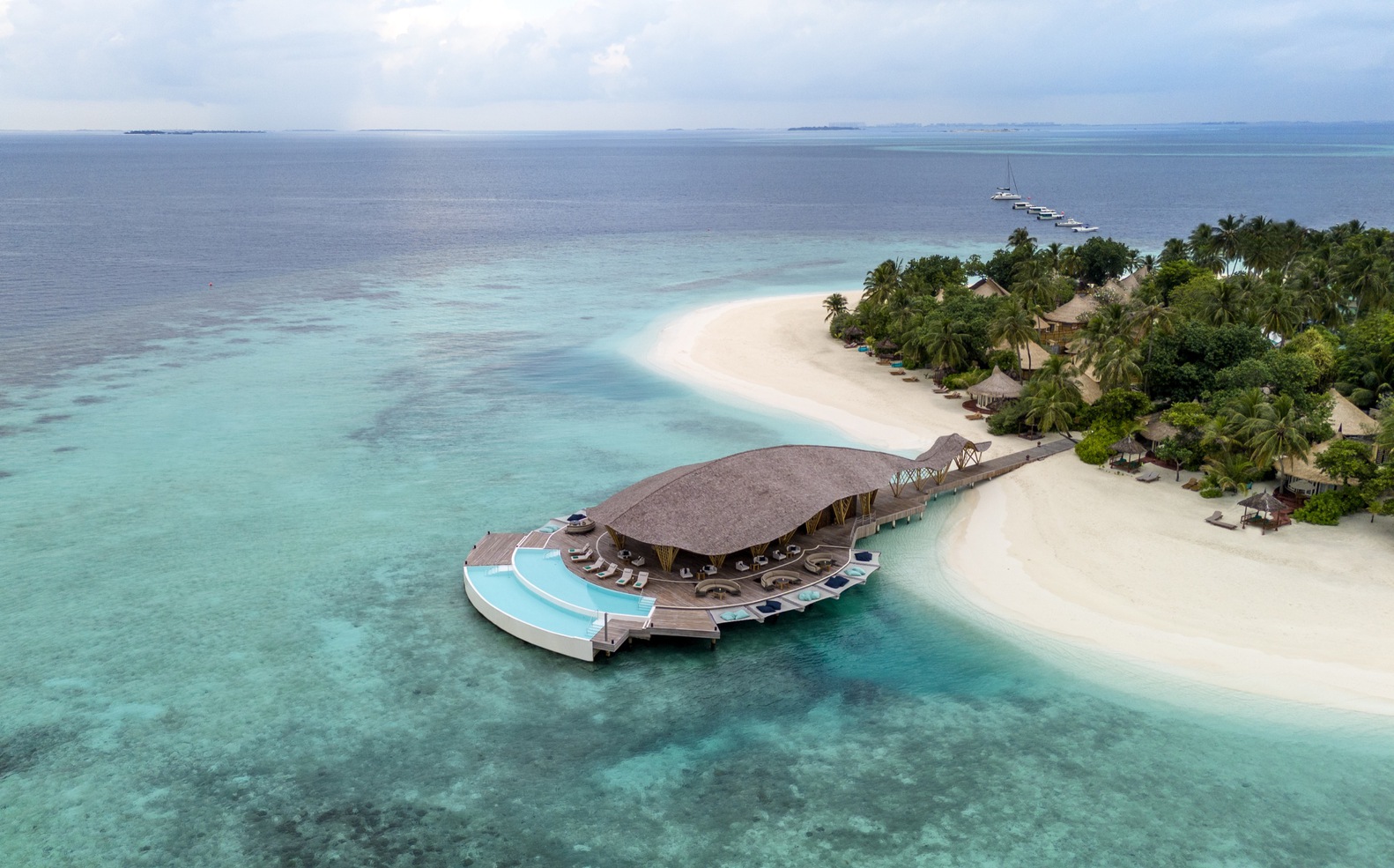
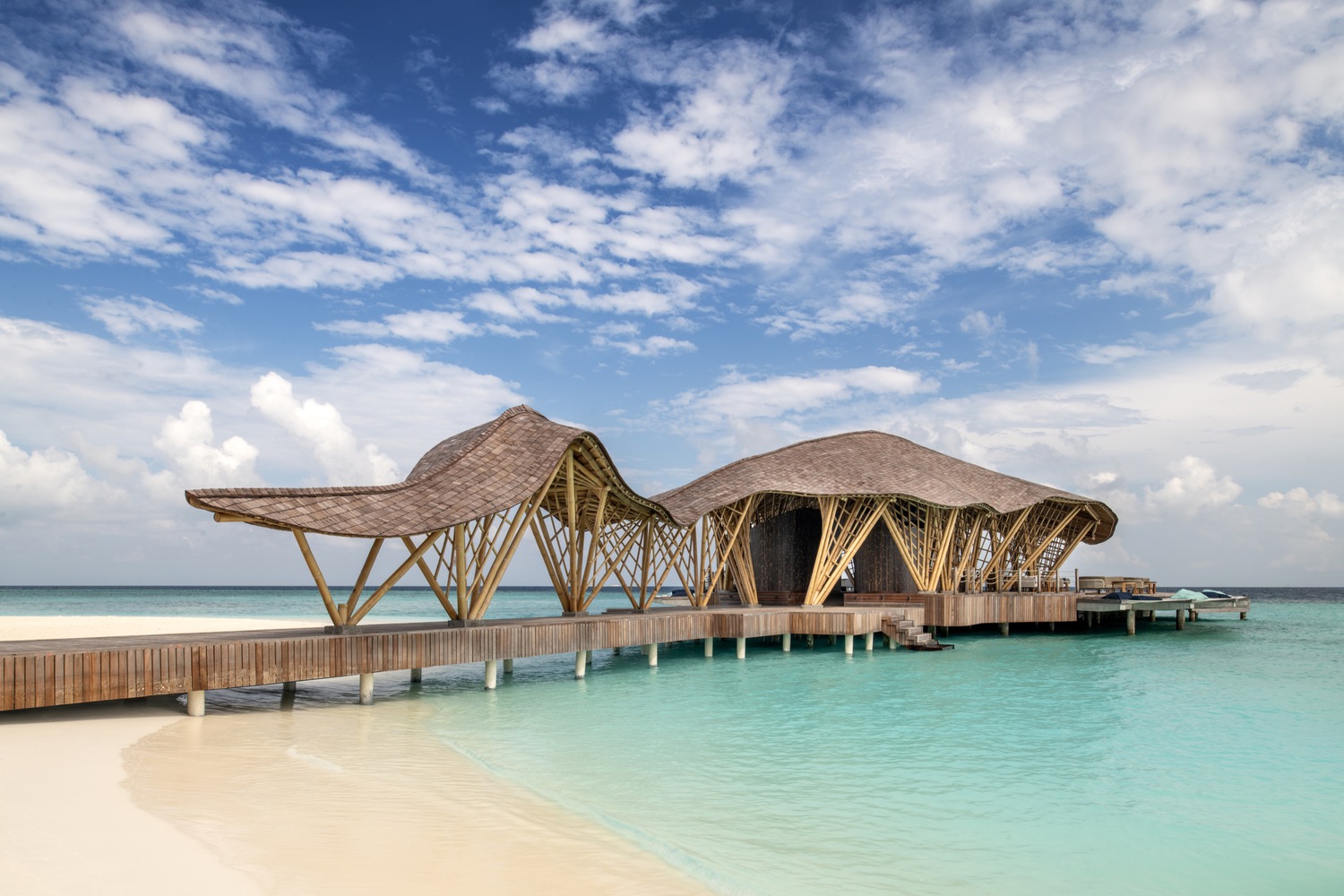
The Madi Hiyaa takes a step back and lets the beach setting take center stage. The open layout and large openings provide unobstructed views of the Maldives’ famous crystal clear waters. The inclusion of design features such as a salt-water infinity pool and overwater catamaran nets further increases this intimacy with its surroundings. The semi-circular shape gives one a 360 degree view to appreciate the vibrant environment.
The developers wished to minimize the possible impact of the structure on the pristine beachfront. Firstly, making a lightweight structure minimizes site disturbance and allows for easy disassembly and relocation if needed. Secondly, making the structure elevated responds to the overwater context, minimizing impact on the delicate marine ecosystem. Lastly, the use of vernacular materials dampens the logistical expenses of construction while also making it a carbon sink.
A Splendor of Bamboo
The Madi Hiyaa’s standout feature is in its mastery of using bamboo. Olav Bruin, the lead architect, is a virtuoso in its use as an ambassador of the World Bamboo Organization. Their use of this material is a significant stride in making the project’s construction more sustainable due to its rapid growth and widespread availability. Bamboo’s distinct strength, versatility, form factor, and texture are essential ingredients that bring out the architectureArchitectureThe art and science of designing and constructing buildings, structures, and spaces that are functional, safe, and aesthetically pleasing. It encompasses the planning, design, materials, and techniques used to createGo to Architecture Glossary’s tropical flavor.
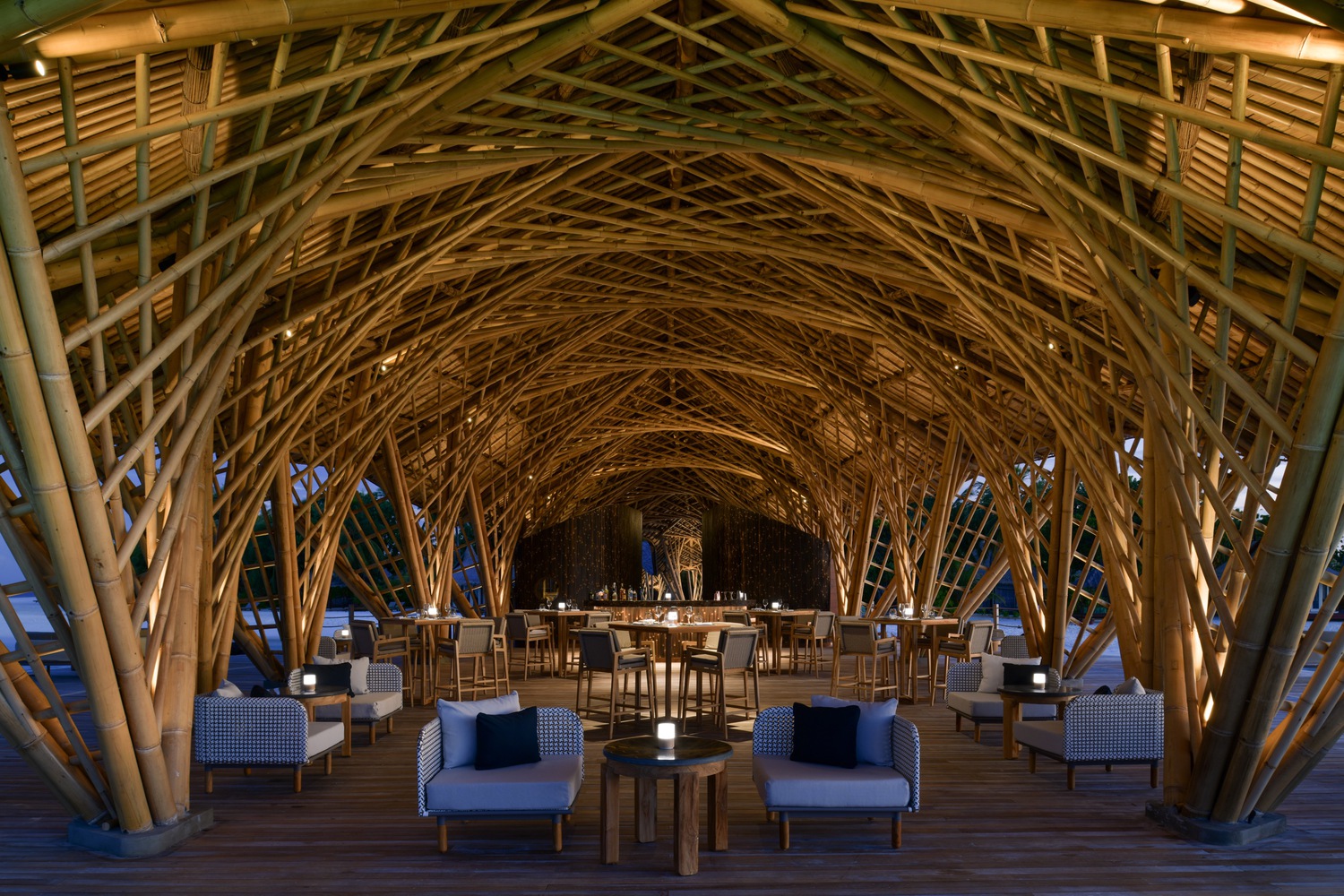
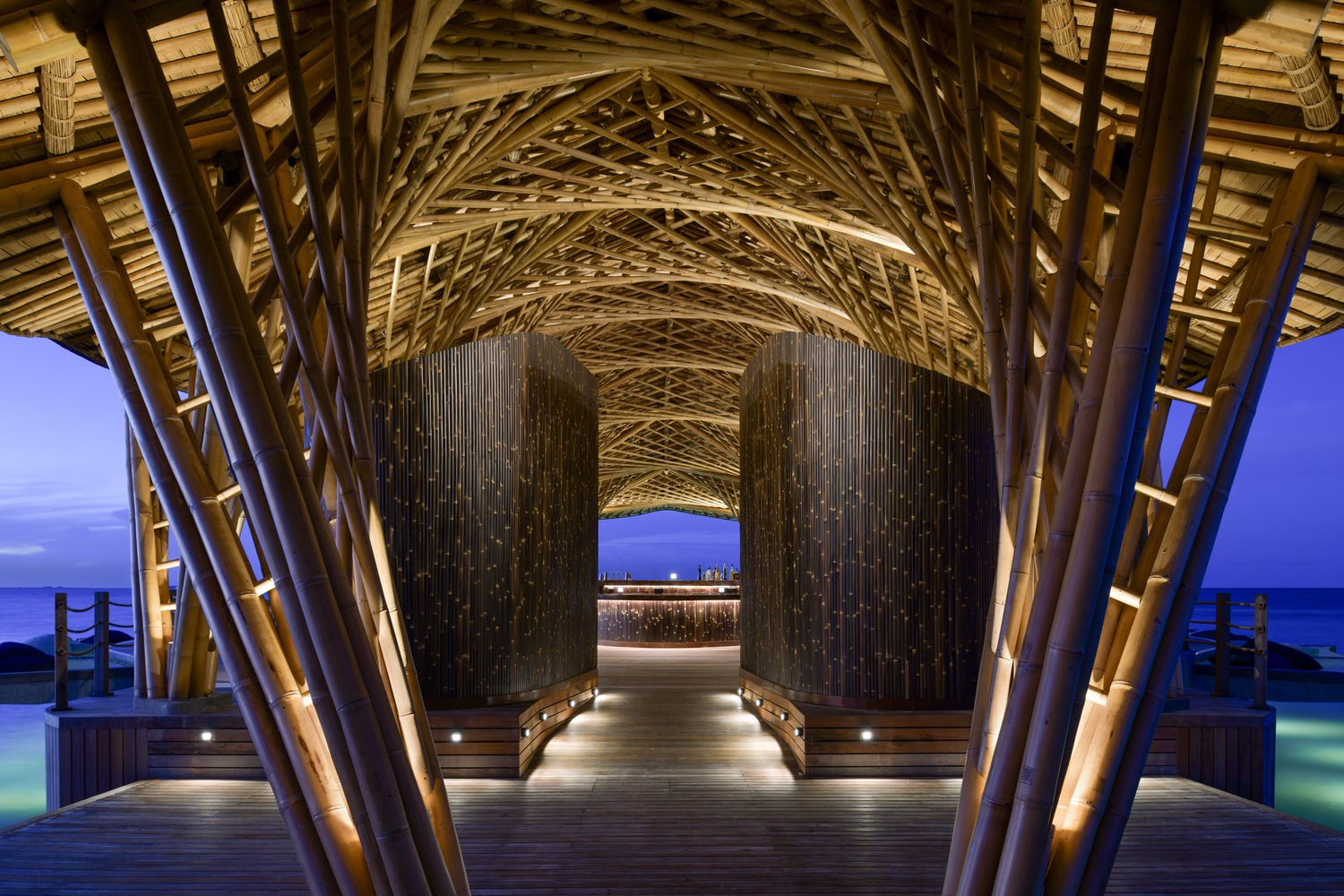
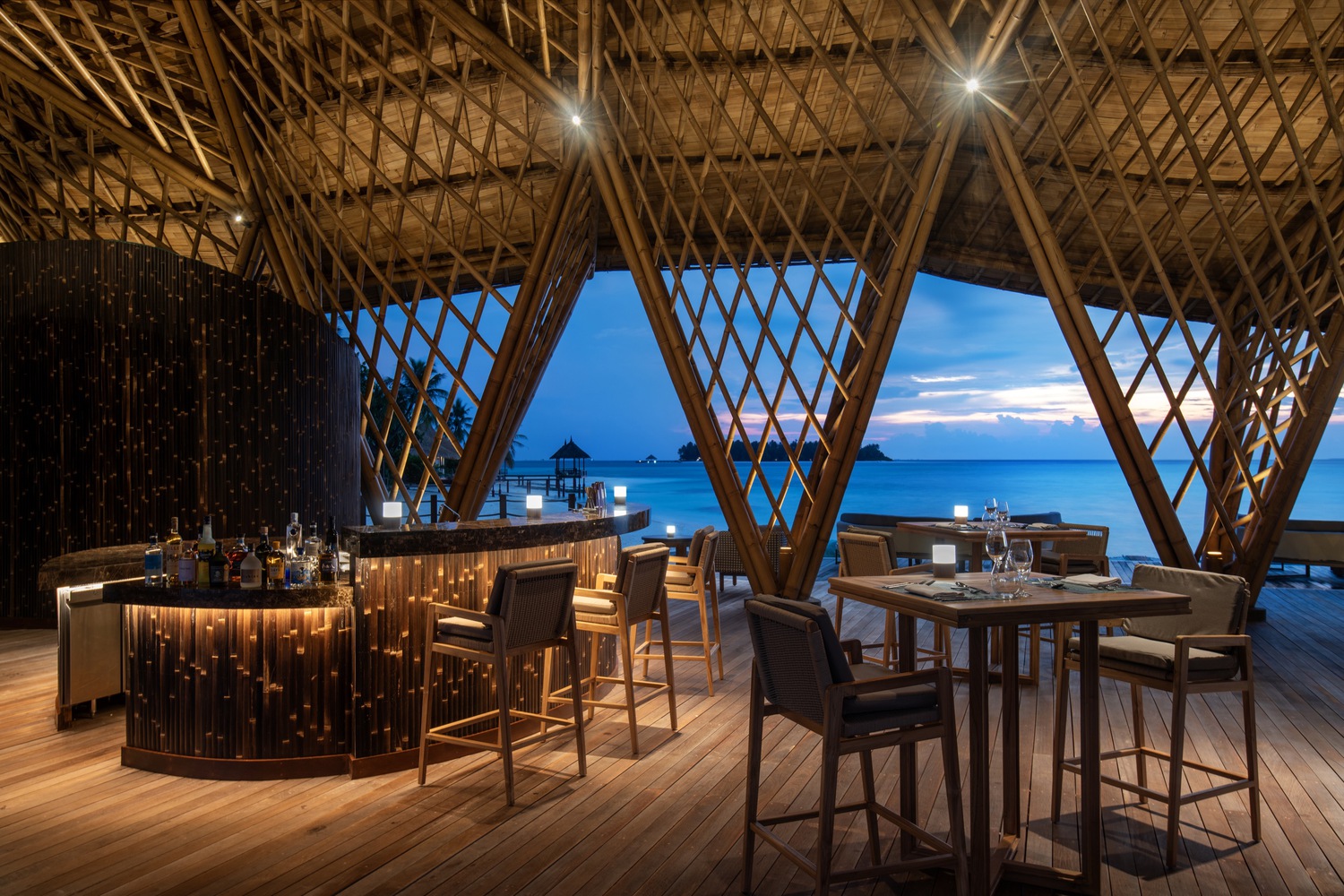
The Dendrocalamus Asper bamboo makes up the bulk of the restaurant’s structural material. This particular species of bamboo is known for its wide diameter and its abundance in the tropics, making it ideal as a supporting member. Conversely, the Gigantochloa Apus makes a grid infill as it is much thinner, making it more workable. Black Gigantochloa Atroviolacea bamboo cladding is further added to juxtapose against the lighter tones of the other timbers used.
Achieving the form of the endo-skeleton of the Pink Whiprays using this timber requires an exceptional attention to detail accompanied by excellent craftsmanship. The exposed hyperbolic paraboloid columns and trusses form arches within that evoke the gentle movement of the waves. The added texture creates visual interest as both light and shadow permeate through its array of openings.
A Luxurious Feast of Comforts
The Madi Hiyaa serves high-quality Japanese cuisine for the resort’s guests. Adaptable spaces, through its open layout, make it suitable for a variety of functions ranging from intimate dinners to larger celebrations. Separate dining and lounging areas allows for exploration and the right fit for relaxing along the Maldivian waters. Cushioned seatings with a minimalist palette are conjoined with wooden tables furnished simply with a lamp.
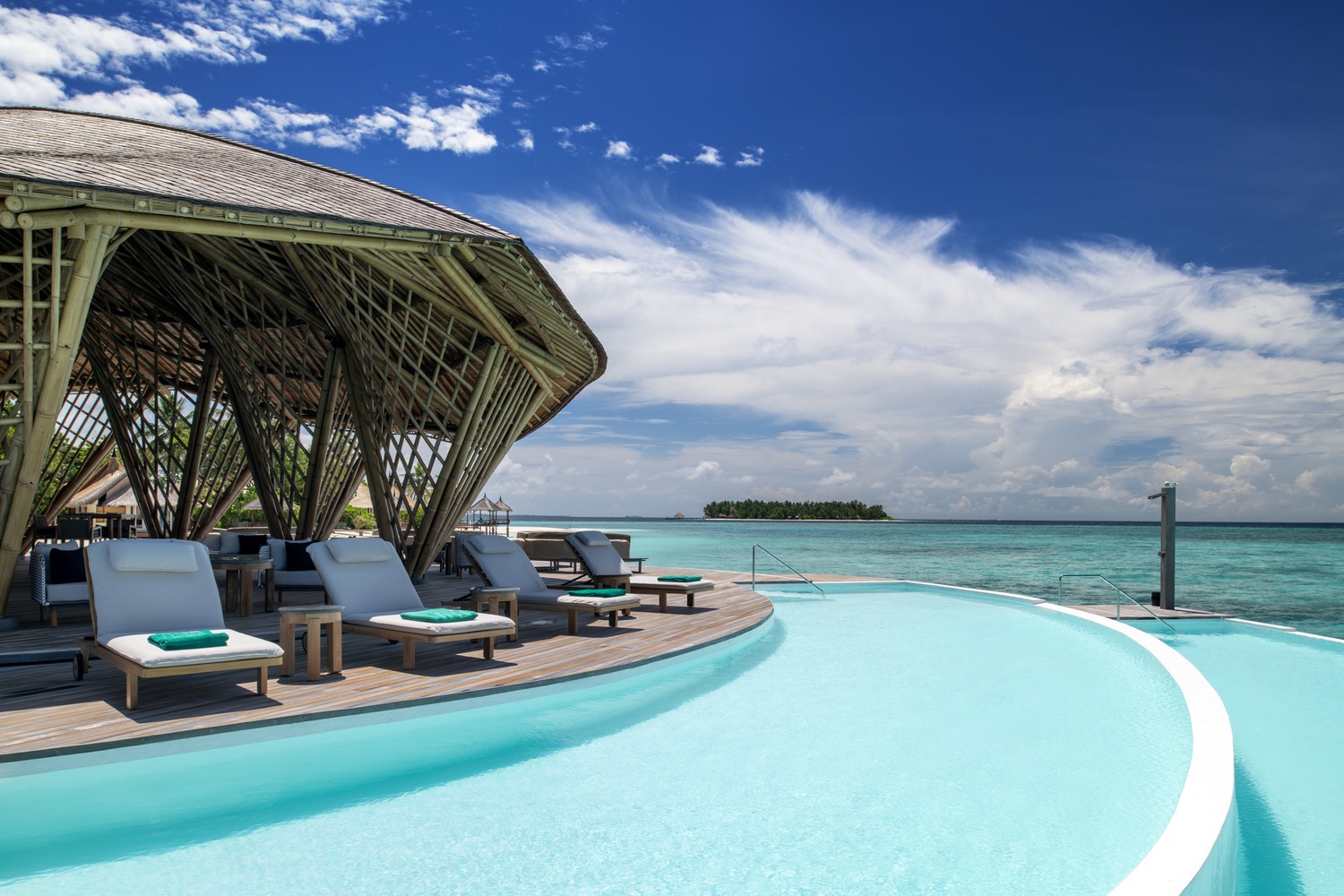
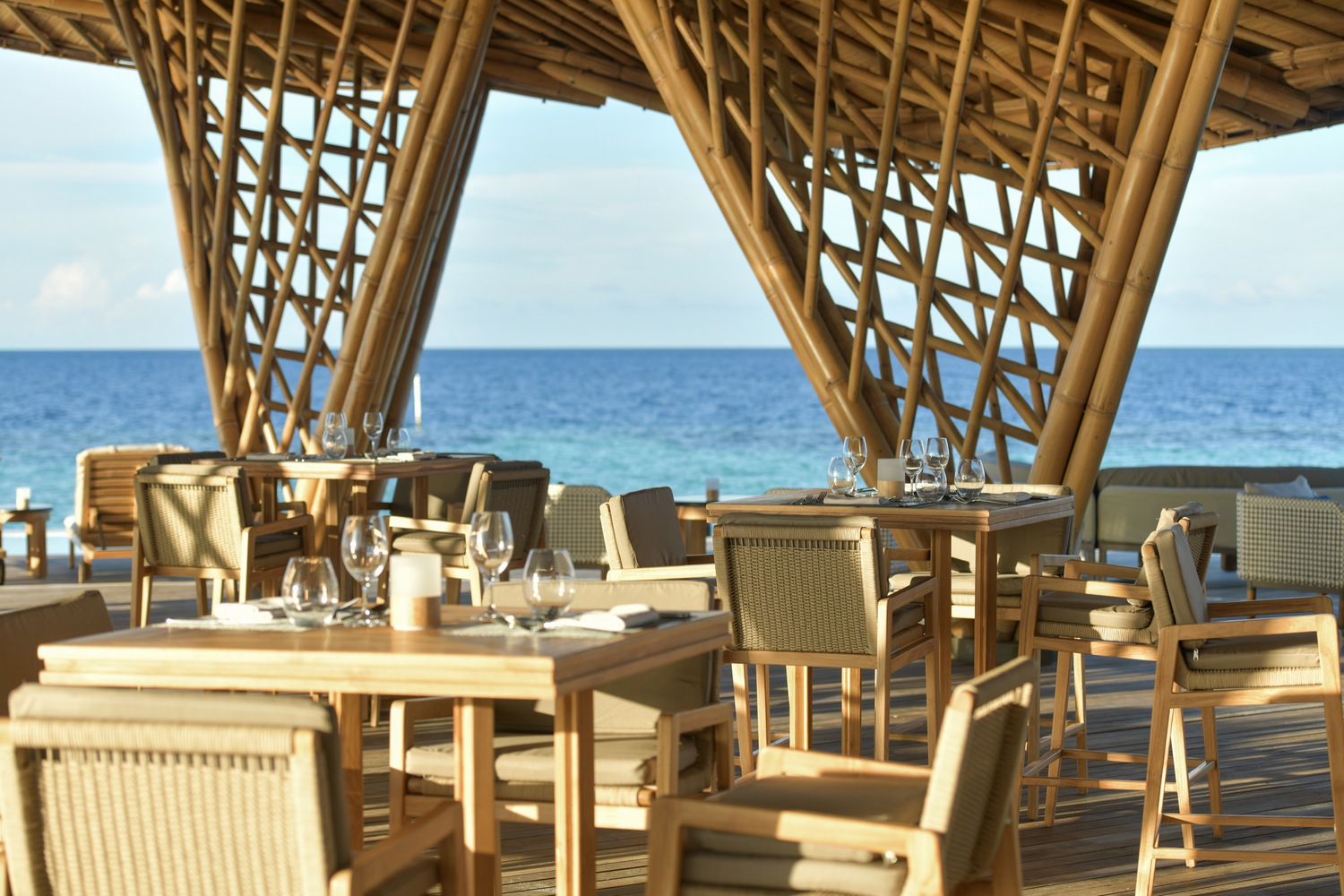
The amenities to enjoy the ocean sit just outside the coverings of the roof. The pool is located at the farthest end of the structure as it faces towards the rest of the lagoon. The catamaran nets, acting like frills, surround the perimeter. Multiple lounge chairs sit on viewing decks where one can simply rest and relax.
The lighting design of the structure is quite understated as there are no direct overhead lights in the guest areas. The lighting of the bamboo from the ground up, accent lighting along the trimmings, and floor lamps evoke an understated elegance. Reducing the lighting prevents light pollution that again reduces the impact of the building onto the nearby waters.
A Mindful Tropical Development
The team of Atelier Nomadic went above and beyond in designing this restaurant that infuses vernacular form and materiality into a luxury setting. Guests can experience the best of the Maldivian seascape through its Pink Whipray inspired form, use of bamboo species, and assimilation into the lagoon. Its awareness and careful treatment of its environment can serve as a benchmark for developments in tropical areas.
Read more: Ravana Pool Club: A Bamboo Beach Club with A Mountain View
Photos are by Joe Chua Agdeppa
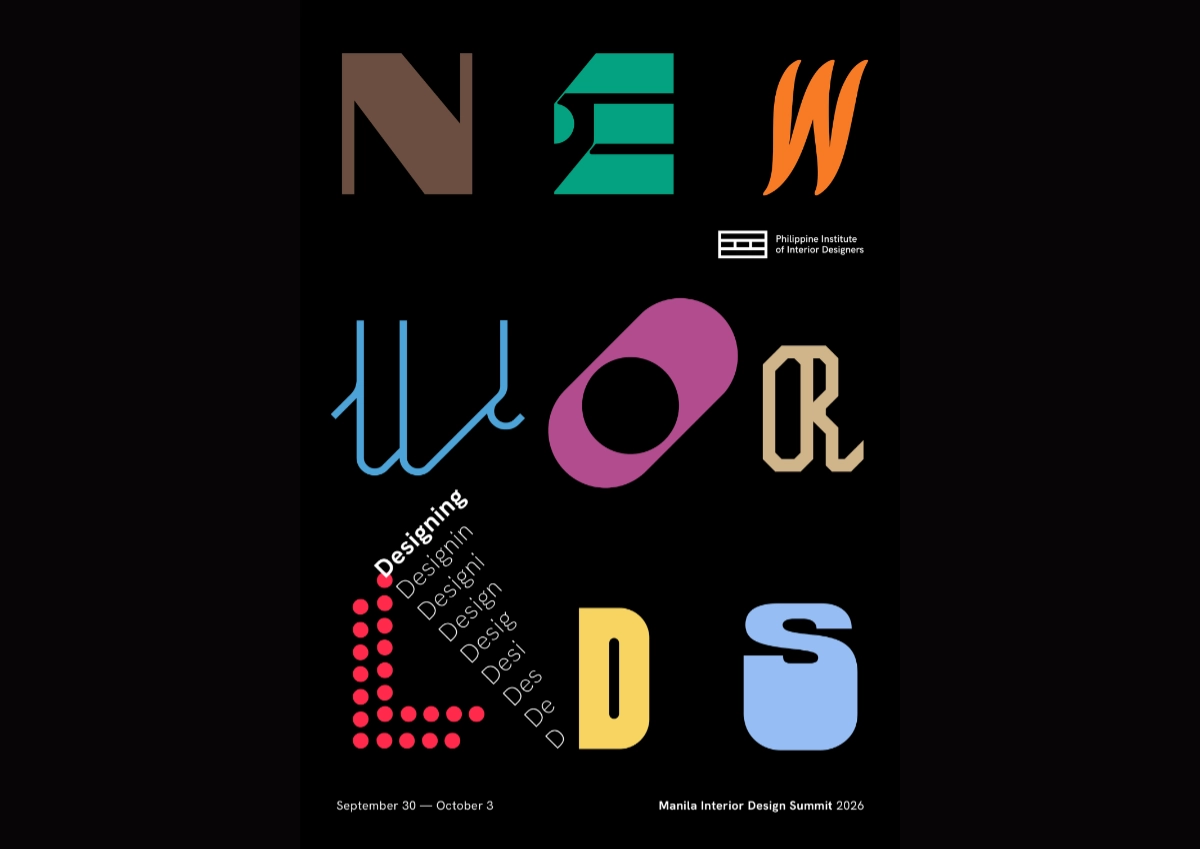
“Thailand has claimed urban creativity and livability. Singapore has institutional design leadership. Indonesia is emerging as a design hub. Vietnam is moving into design innovation. And the Philippines? Its position is not weak. It is simply unclaimed.” For IDr. Cecil Ravelas, National President of the Philippine Institute of Interior Designers (PIID), the challenge is not […]
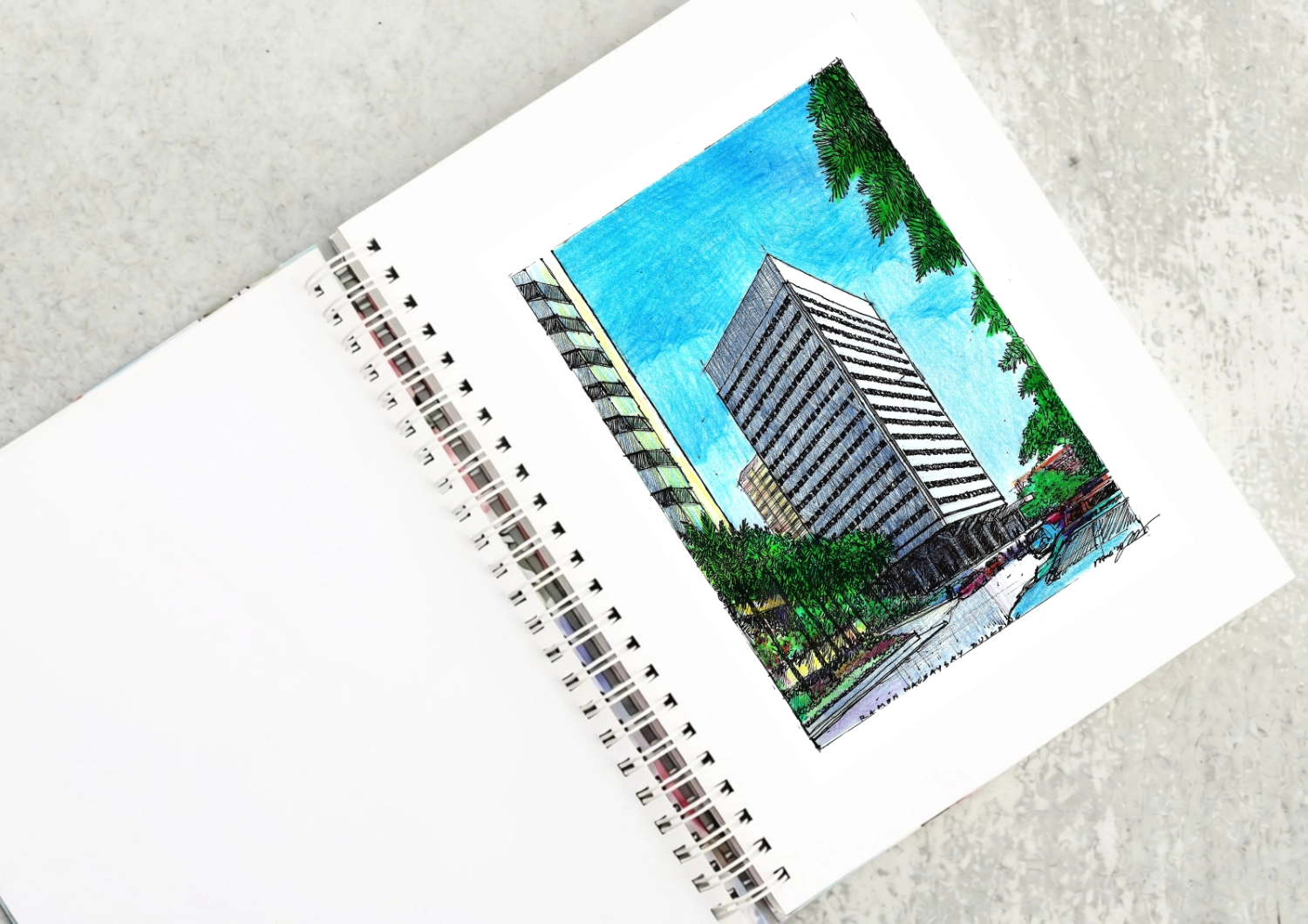
The Ramon Magsaysay Center as a Modernist Landmark Driving down Roxas boulevard from Rizal Park, what will catch your eye is the most elegant modernist structure in the country, the Ramon Magsaysay Center. Most established Filipino architects put it in their top ten lists of favorite buildings. It was designed by Alfredo J. Luz, who […]

Rinna Soriano’s favorite part of her work is sanding. At her workbench, she stays focused, following the grain, adjusting to changes in its direction. Narra, she has learned, can have interlocking grain. A piece of mango once proved particularly difficult until a worker explained that she had reached the point where a branch once grew […]
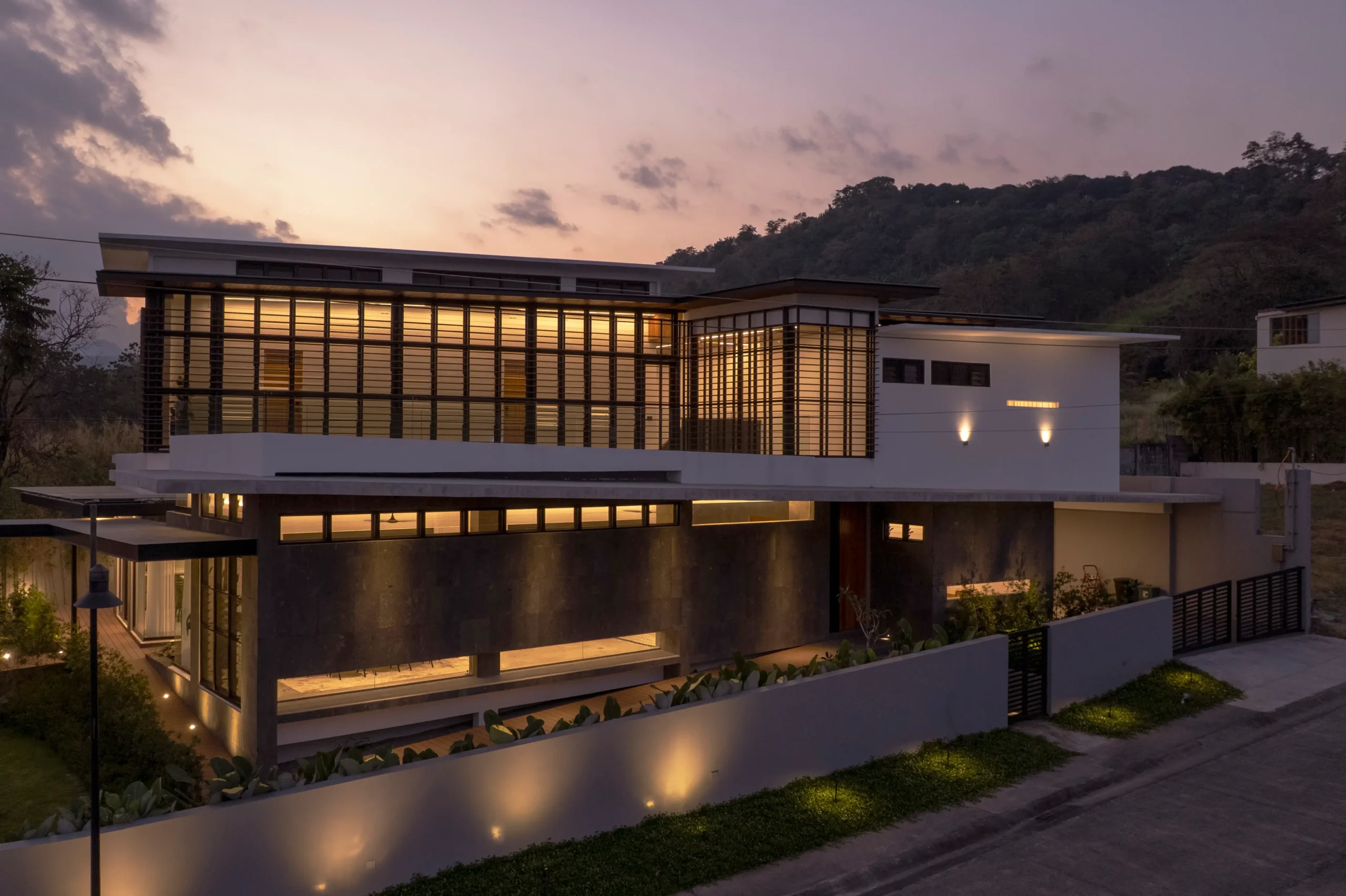
Filipino architectureArchitectureThe art and science of designing and constructing buildings, structures, and spaces that are functional, safe, and aesthetically pleasing. It encompasses the planning, design, materials, and techniques used to createGo to Architecture Glossary has long been associated with indigenous materials and vernacular design strategies, from bamboo and timber construction to jalousie windows, generous spaces, […]
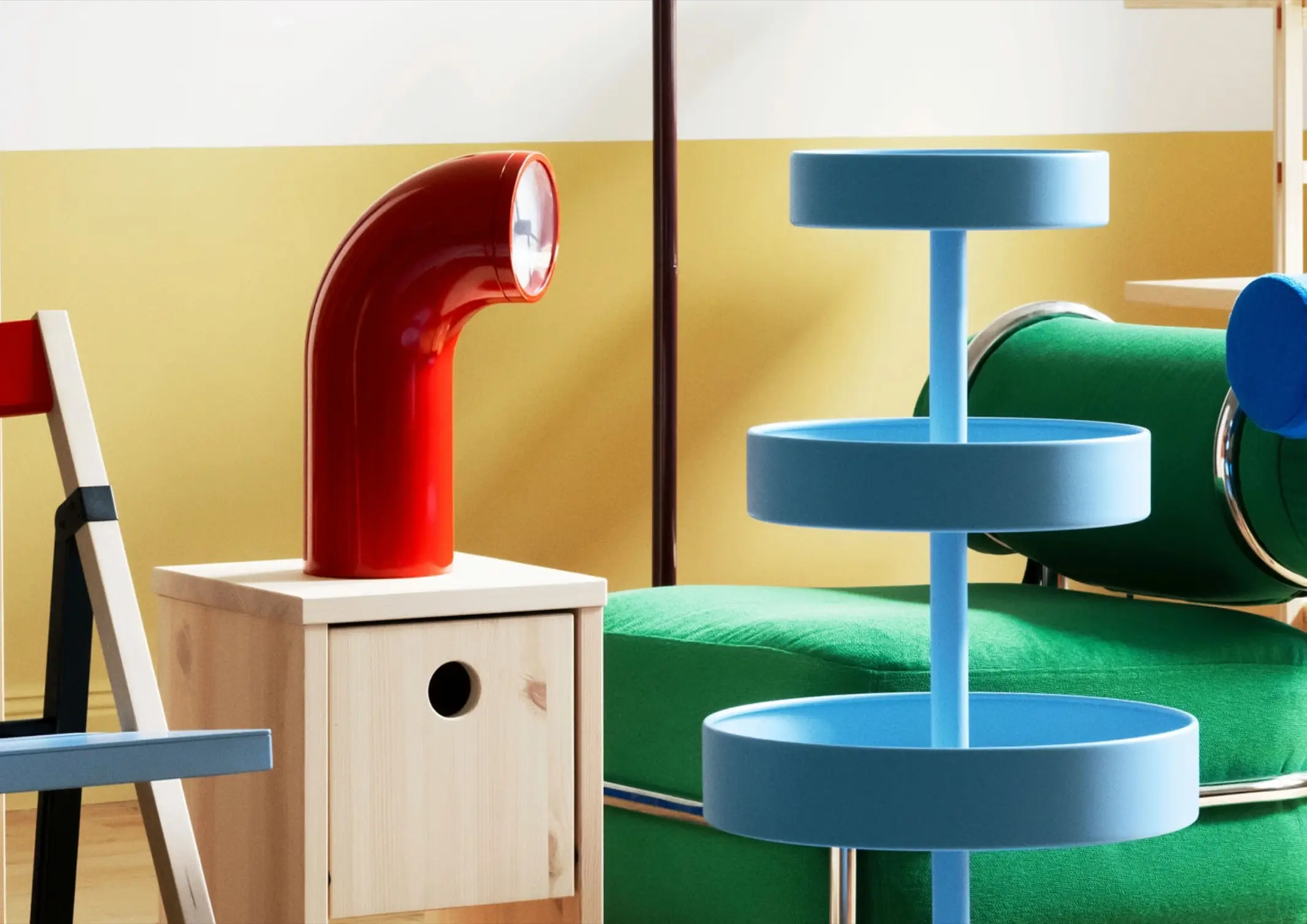
A chair does not always prescribe how to sit in it. A lamp can be more than a source of light. A clock can be more than a way to tell the time.These small departures from convention are at the center of IKEA PS 2026. The latest iteration of IKEA’s experimental PS series comprises more […]
Read the issues.

Collect the volumes.

Recommended Video
Tap to Unmute
Unmute
0:00
0:00