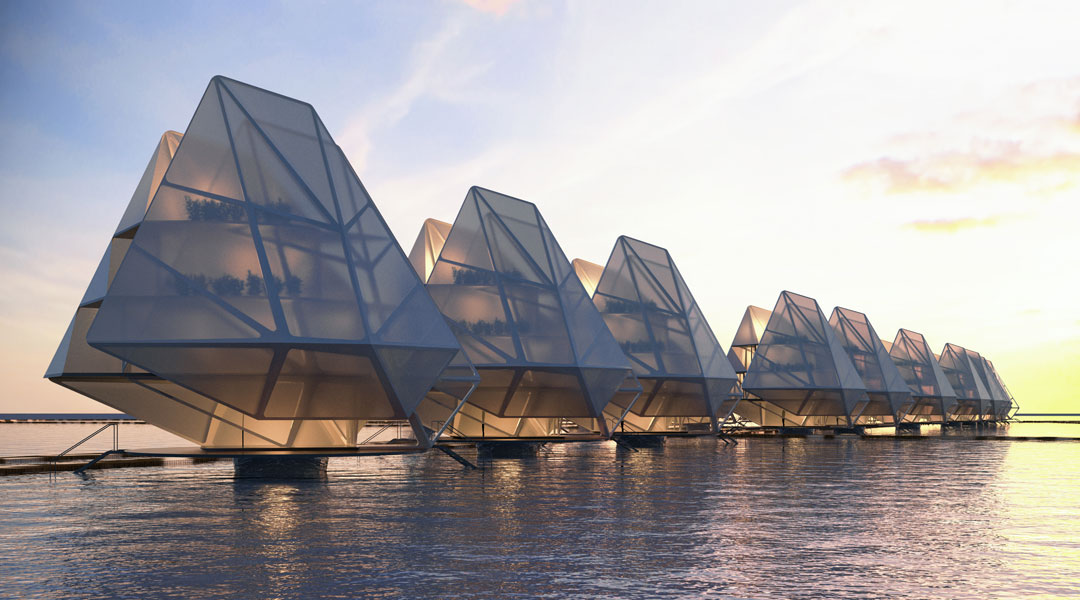
Currents for Currents wins grand prize for Architecture for the Sea



Currents for Currents, a design concept by Deo Alam and 228 Design Studio, won the grand prize for “Innovation and ArchitectureArchitectureThe art and science of designing and constructing buildings, structures, and spaces that are functional, safe, and aesthetically pleasing. It encompasses the planning, design, materials, and techniques used to createGo to Architecture Glossary for the Sea” at the Jacques Rougerie Foundation Awards last 18 January 2018 in Paris.
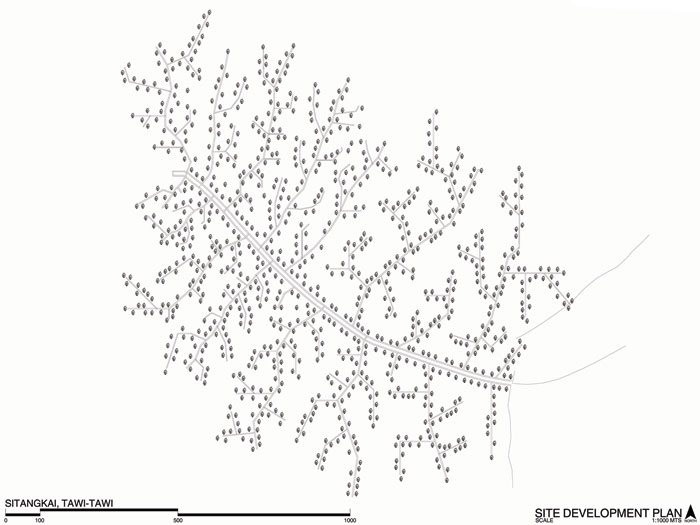
The proposal aims to fulfill the need for reliable electrical power infrastructure in Mindanao and make coastal communities more resilient in the midst of typhoons and rising sea levels. Mindful of imposing modern technology on the deeply rooted, old-world cultures, the team based the Currents for Currents housing design and site plans on the current dwellings of the Tausug, Samal, and Badjao tribes.
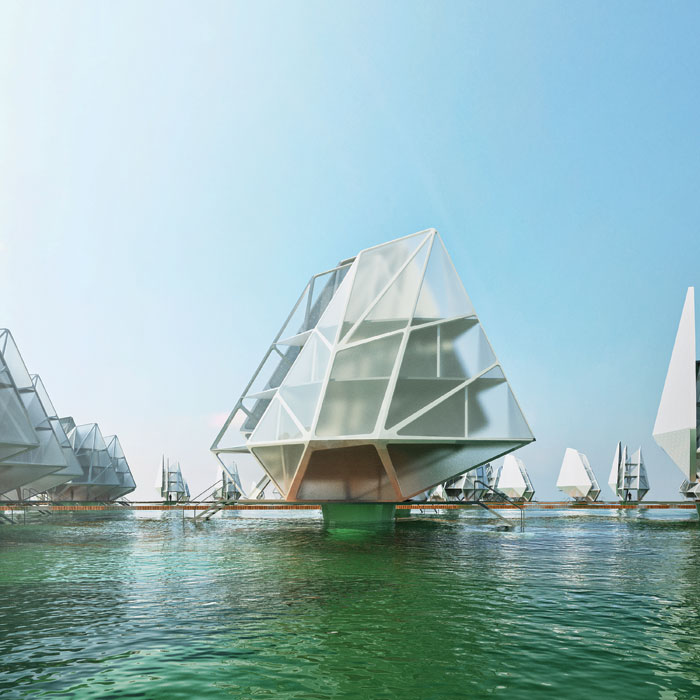
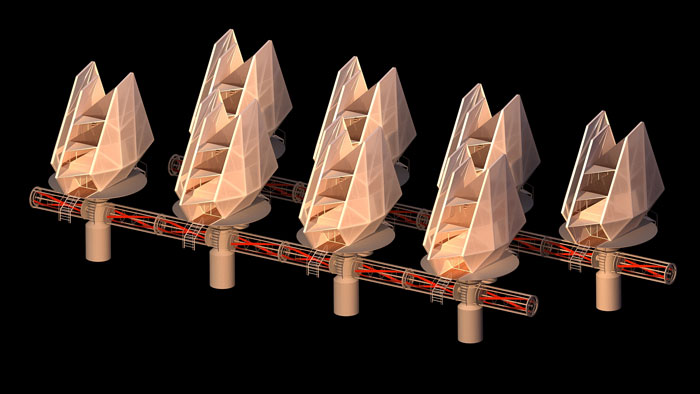
Each structure is anchored to the seabed by a column on which water turbines are attached—a year 2050 version of a house on stilts. The houses are clustered along the coast with their power collection interlinked so they can produce electricity for the whole community. Excess power can be sold to power-plants to be redistributed to nearby cities, providing the fisher-folk an alternative means of income.
Deo Alam, who represented the team at the awards, shared with BluPrint a recap of his panel defense: “I told them the beauty of the project lies in the idea that small indigenous communities will benefit the most. That there is so much designers can learn from the old-world and we should not allow technological advancement to override our humanity.”
“One of the jurors commented the project balanced beauty and function, and that it was feasible to build in a few years’ time,” Alam added.
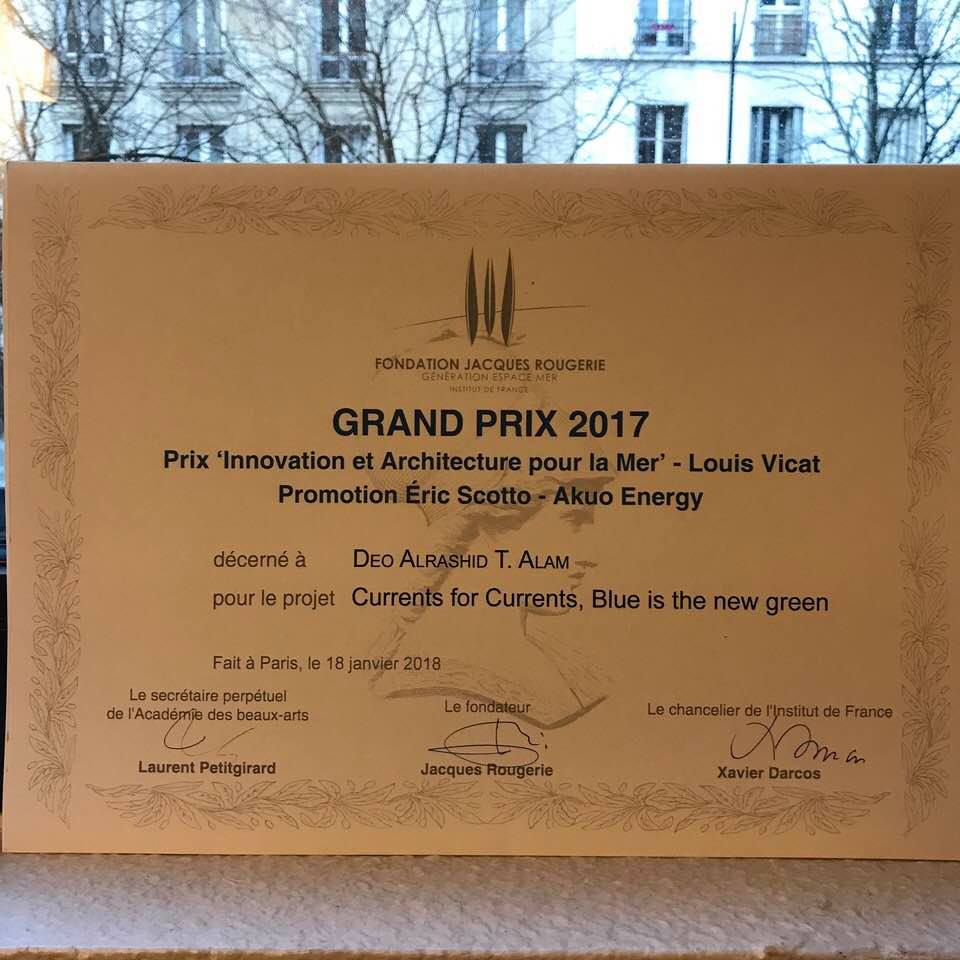
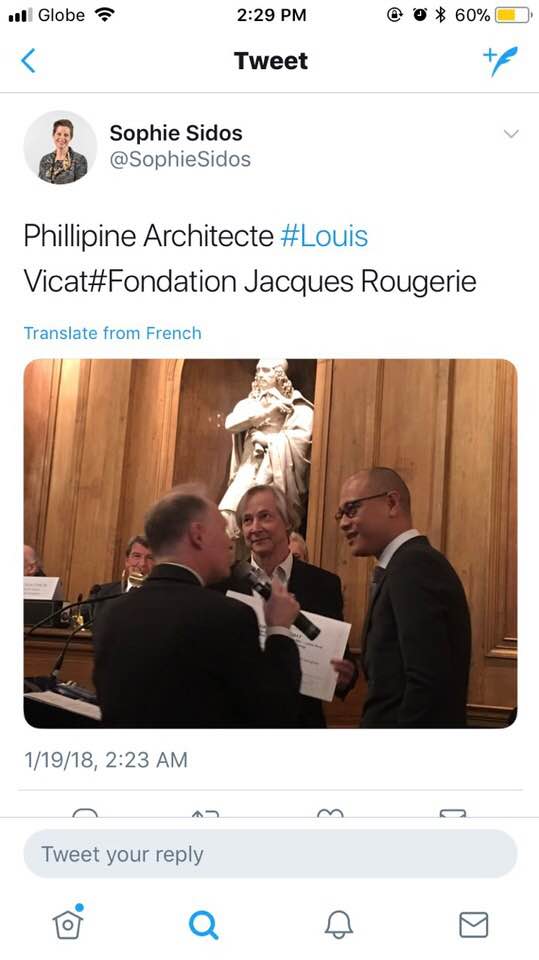
Jacques Rougerie Foundation – Institut de France is a non-profit organization dedicated to architectural innovation and sustainable development for the ocean and outer space. Since 2011, the foundation has organized an International ArchitectureArchitectureThe art and science of designing and constructing buildings, structures, and spaces that are functional, safe, and aesthetically pleasing. It encompasses the planning, design, materials, and techniques used to createGo to Architecture Glossary Competition to promote the development of highly innovative and promising projects. 
Frequently Asked Questions
Currents for Currents is a grand-prize-winning design concept created to provide resilient housing and renewable energy for indigenous coastal communities in Mindanao. The project utilizes a “2050 version” of traditional stilt houses, integrating tidal and surge power technologies to create a self-sustaining infrastructure for seafaring tribes like the Tausug, Samal, and Badjao.
The system generates electricity using water turbines attached to the central column that anchors each house to the seabed. Depending on the environment, the design employs cylindrical turbines for shallow waters and propeller-type turbines for deeper waters, harvesting kinetic energy from ocean currents to power the home and the interconnected community grid.
The houses are designed with a manual rig that allows homeowners to pivot the entire structure. This feature enables residents to rotate the house to face the least resistance against gale-force winds during a typhoon or, conversely, to maximize natural air inflow for cooling during calm, hot weather.
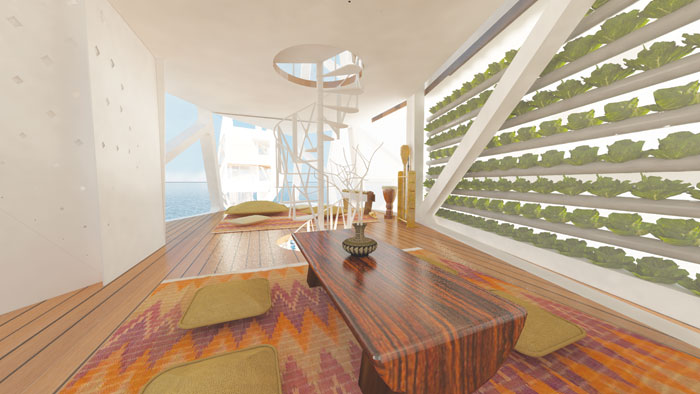
The design rejects “imposing” modern aesthetics in favor of the traditional architectural language of the Tausug, Samal, and Badjao tribes. The interior features a 73-square-meter open floor plan without partitions, reflecting the free-flowing spatial traditions of these indigenous seafaring cultures while incorporating modern vertical hydroponic gardens for food security.
Yes. The project is designed with interlinked power collection systems across clusters of houses. Any excess electricity produced by the community can be sold back to local power plants and redistributed to nearby cities, providing the residents with a steady, alternative source of income beyond traditional fishing.