Archie G. Carrasco, Chairman and CEO of AGC Power Holdings Corp. (AGC PHC), has been named to The BoF 500 Class of 2026 under the Media category, joining The Business of Fashion’s global community of individuals shaping the fashion industry. Carrasco is among 100 new members from 33 countries and 48 nationalities selected for the […]
Residência RRD 04: How Greenery Can Coexist With Any Design



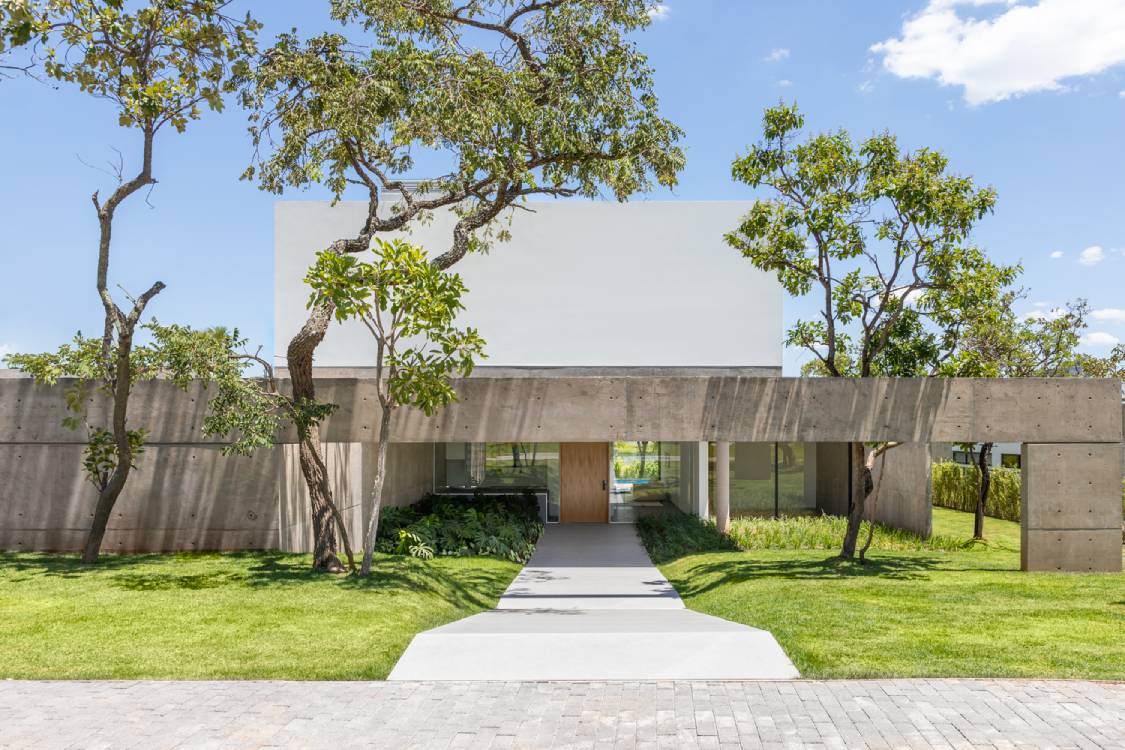
In Brasília, Brazil Residência RRD 04 is a local residential project seeped in environmentalism and urban ideas. Paulo Henrique Paranhos led the project as the main architect.
Paranhos utilizes a brutalist design language, with its concrete exterior and stone walls. And yet, much of the architectureArchitectureThe art and science of designing and constructing buildings, structures, and spaces that are functional, safe, and aesthetically pleasing. It encompasses the planning, design, materials, and techniques used to createGo to Architecture Glossary serves the environment around it, Paranhos giving prominence to the greenery outside the home. The residence also works in conversation with the future houses in the area, as the architect tries to create surroundings that are livable for all people in the neighborhood.
How interesting that society has progressed so far that deconstructions and reinterpretations of previously groundbreaking ideas like brutalismBrutalismA modernist architectural style from the 1950s to 1970s defined by raw, exposed concrete, massive geometric forms, and honest expression of structure. In the Philippines, landmarks such as the CulturalGo to Brutalism Glossary become more common.
Harmony with Natural Species
Residência RRD 04 is built in what’s called a cerrado, a region in Brazil that’s a tropical savannah. The lead architect pushed to ensure the conservation of different varieties of wildlife and plant life even as they build the residential units, as a contrast to the paved concrete walkways of urban cities.
For such a big residential space, much of the lot contains a vast cultivated field of plant life. A stone wall borders the property, allowing the preservation of the existing greenery inside the lot. Lush trees exist around the house, giving a nice differentiating texture.
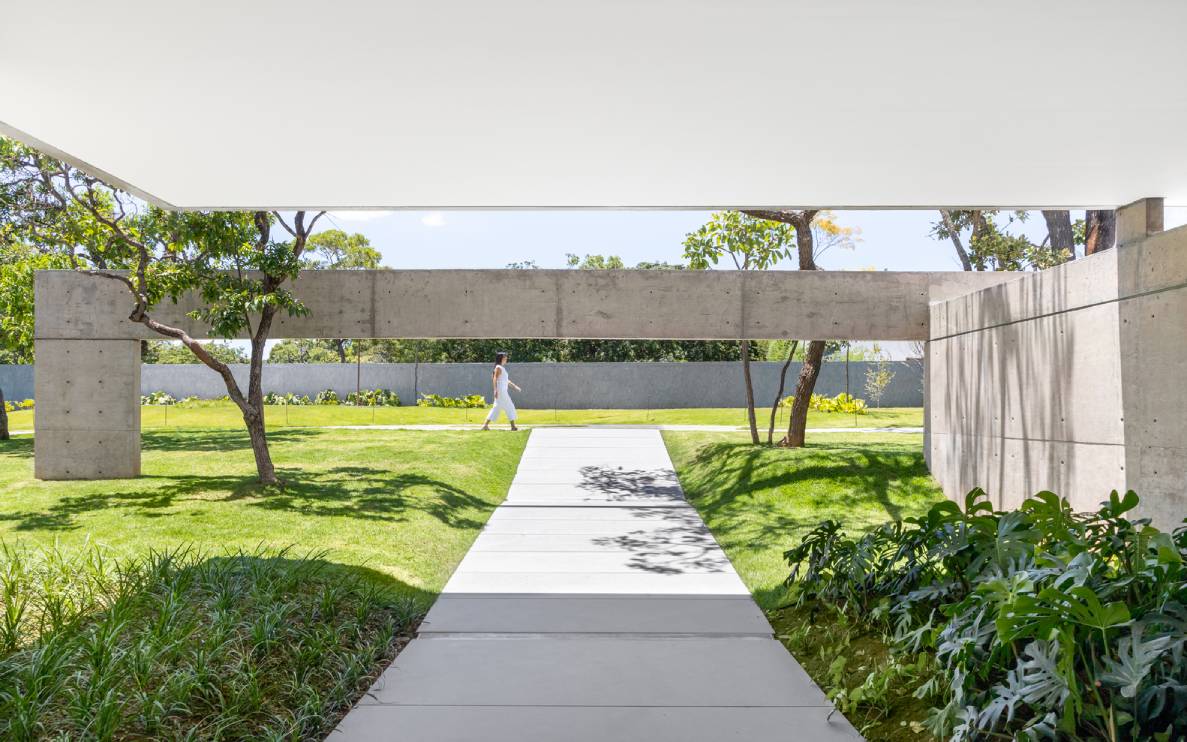
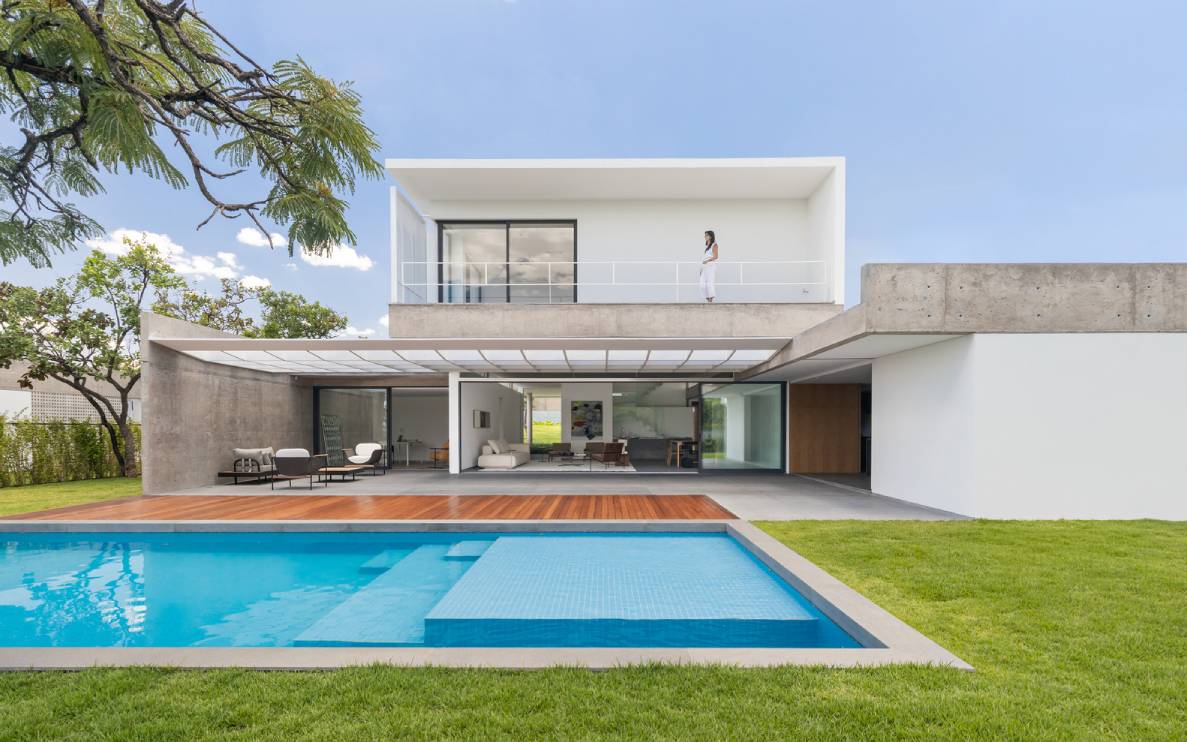
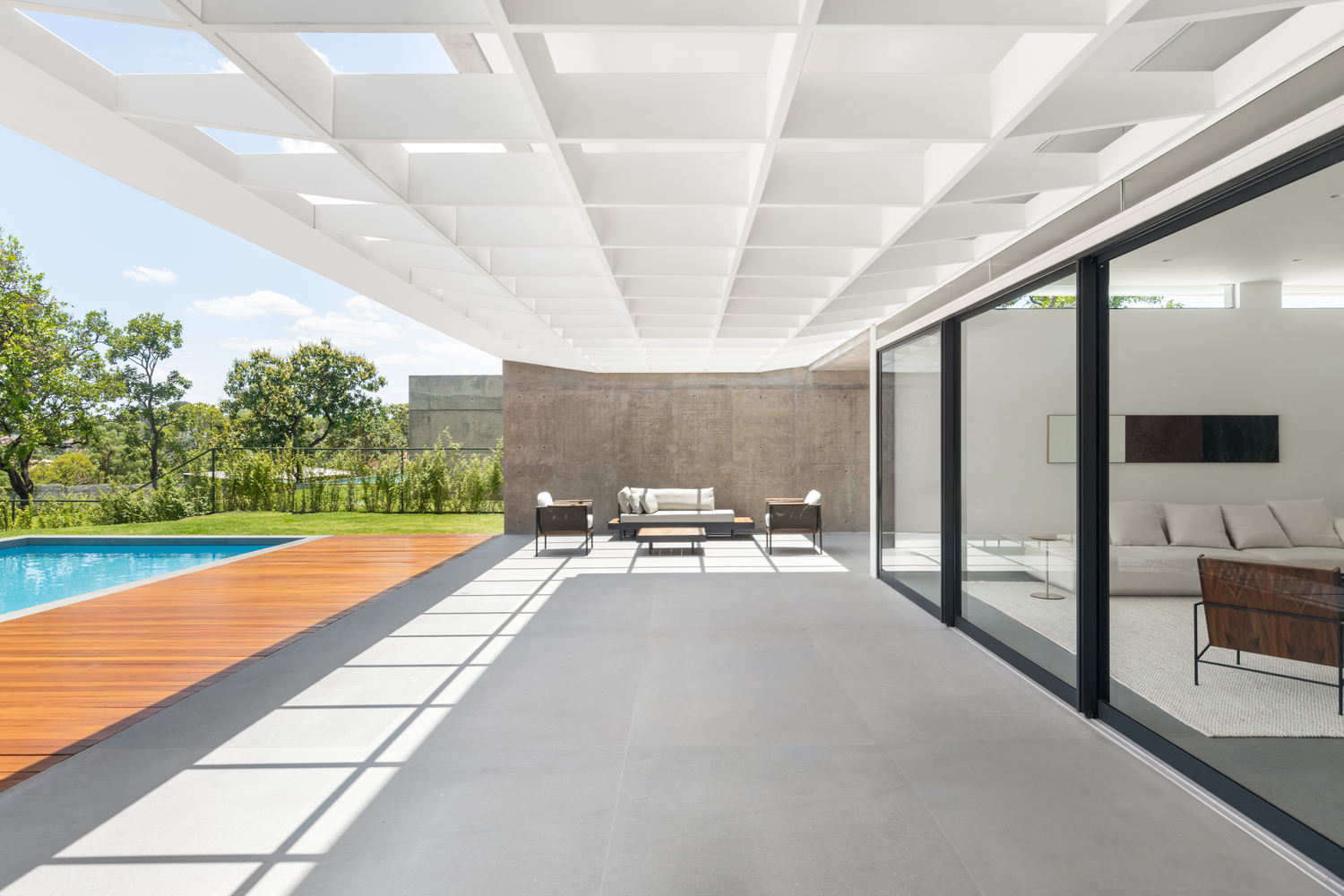
The home’s exterior harkens back to brutalismBrutalismA modernist architectural style from the 1950s to 1970s defined by raw, exposed concrete, massive geometric forms, and honest expression of structure. In the Philippines, landmarks such as the CulturalGo to Brutalism Glossary, with bare concrete pillars and walls surrounding the outside. Most of the home utilizes reinforced concrete as its structural base, and this stripped-down look feels in-line with Paranhos’ desire for environmental preservation. It uses only the minimum flourishes on the outdoors, lessening the amount of materials that could be harmful.
The residence has two floors, with the second floor being significantly smaller than the first. The second floor stands out in the middle with its e white finish compared to the predominantly grey look of the first floor. Designed to accentuate the differences between the two floors, the architects created cantilevers for both ends of the residence. Slits were added there in between the floors, with transparent glass securing the area.
Modernist Styles on the Inside
The home, on the inside, is very minimalistic in its design. A big portion of the ground floor focuses on spaces, from the living room to the veranda and deck outside. A swimming pool punctuated the highlight of the area, surrounded by some of the vast trees in the property.
Most of the rooms exist on the first floor, including the guest bedrooms, dining room, and kitchen. The dining room connects directly to the veranda, as does the living room.
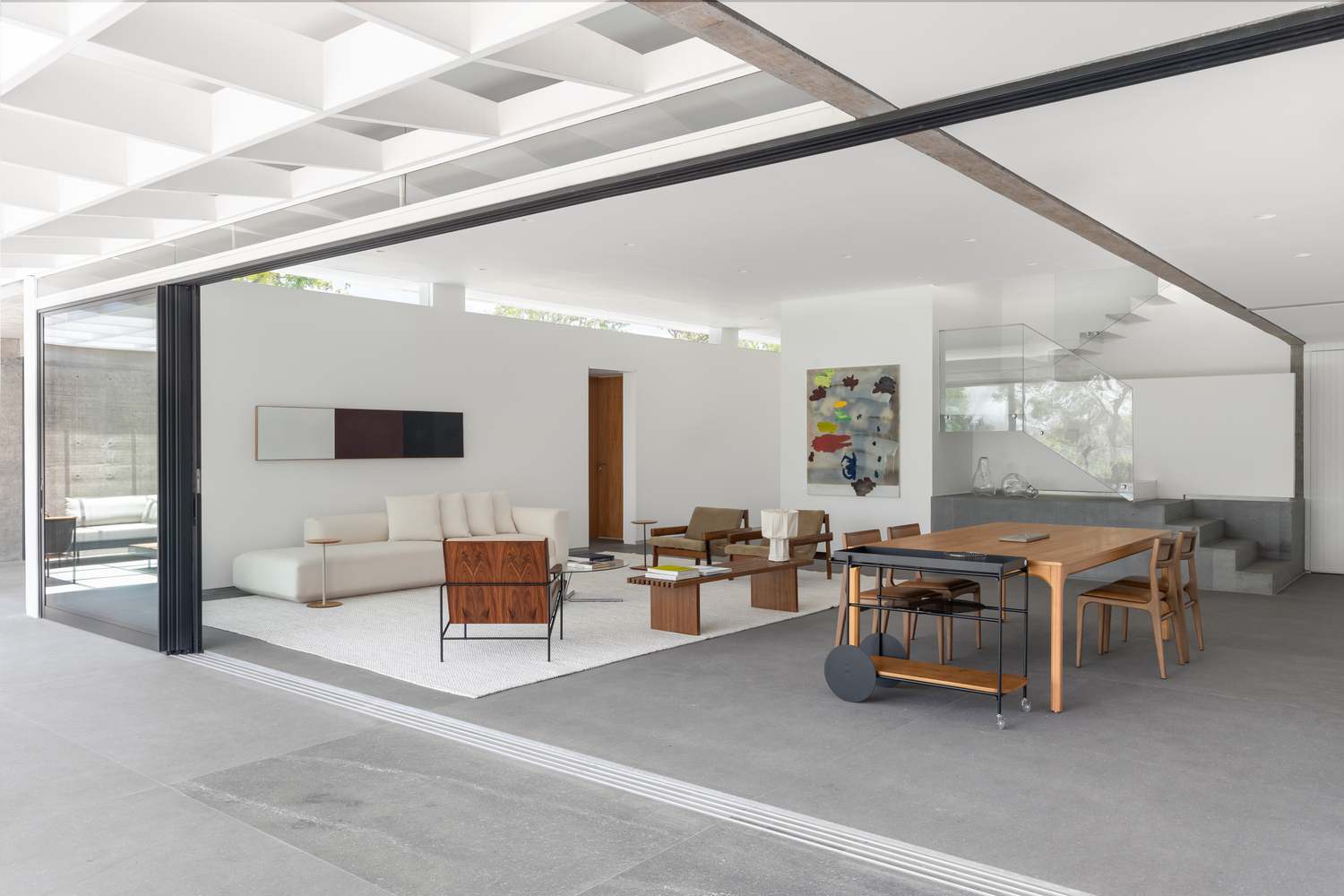
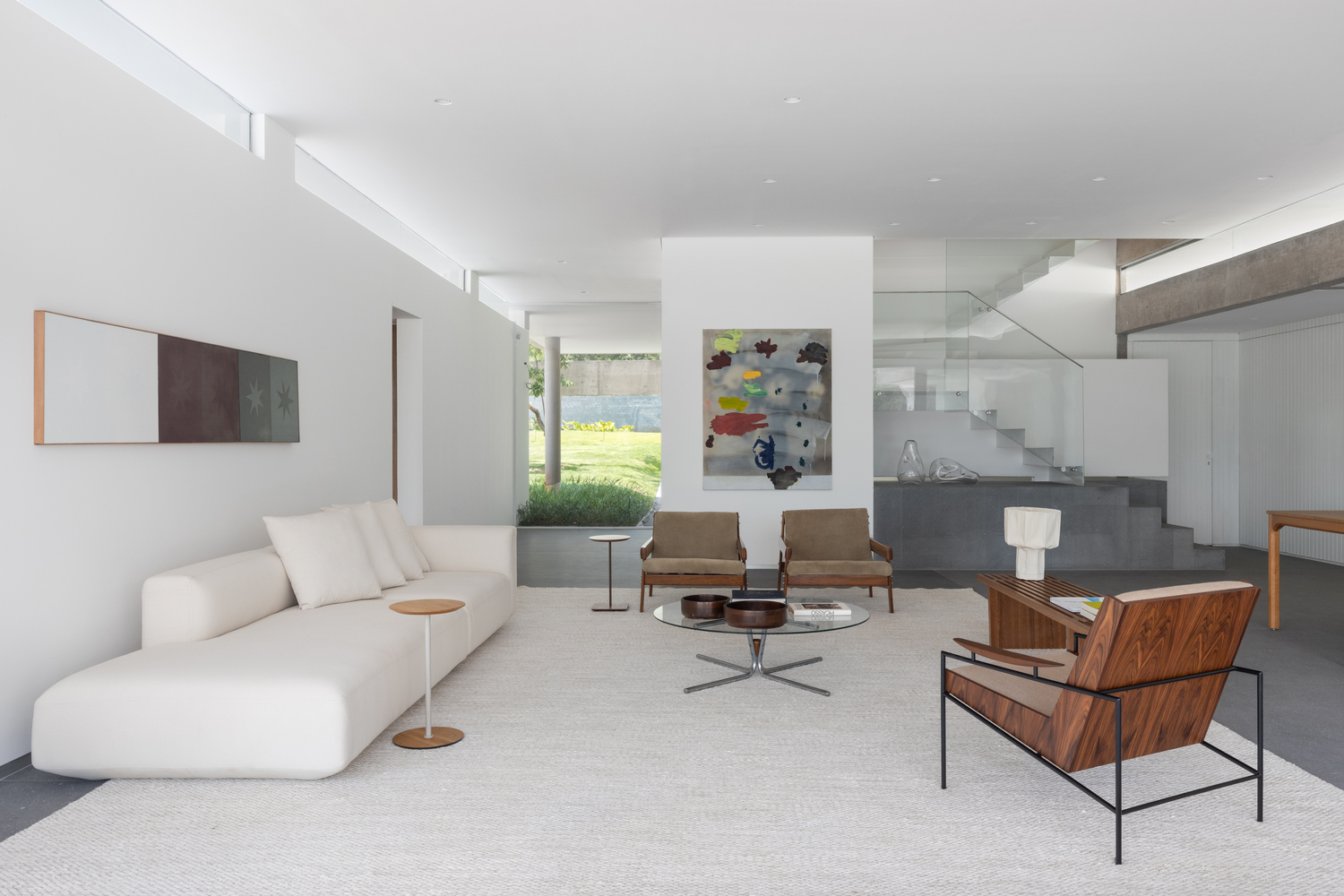
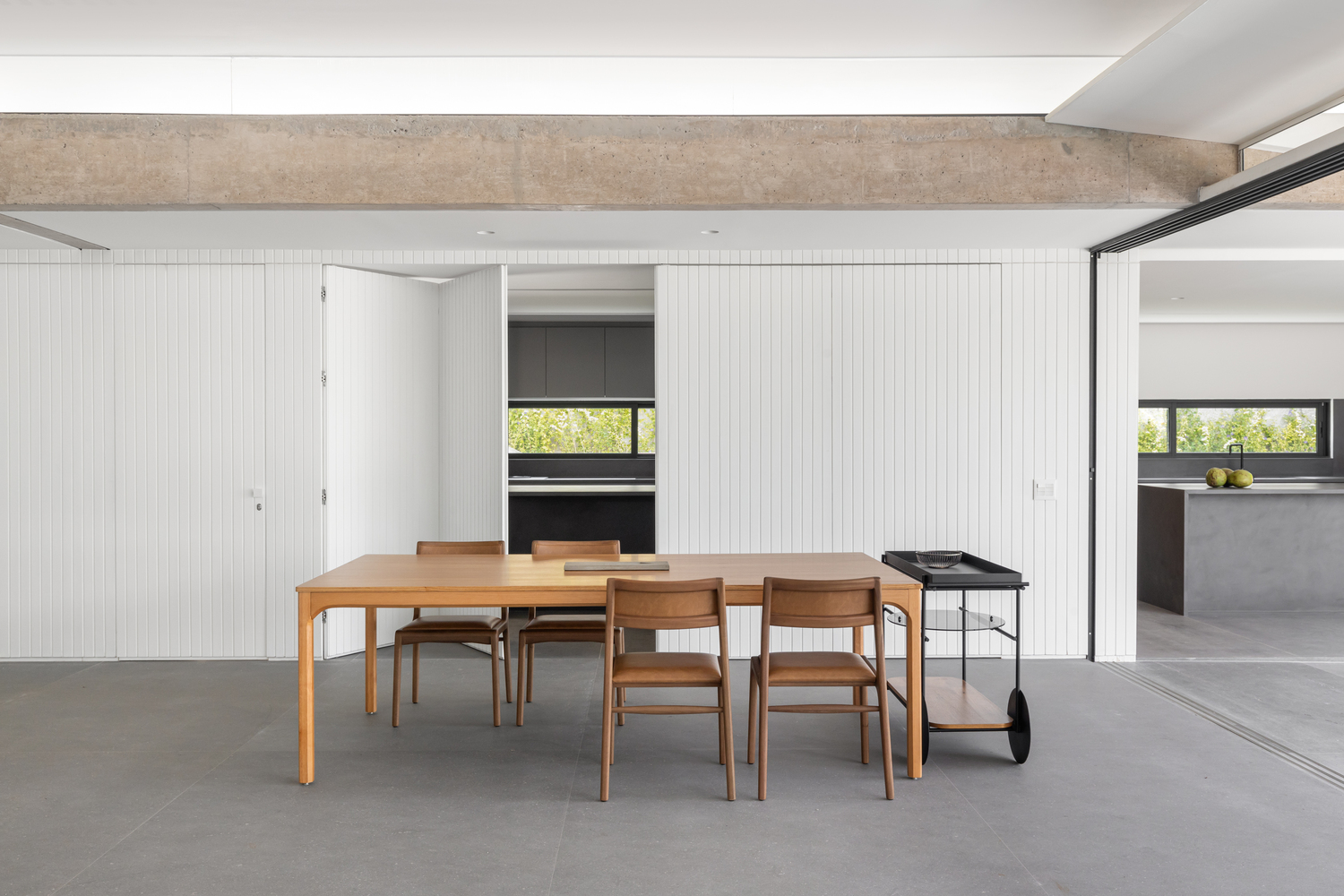
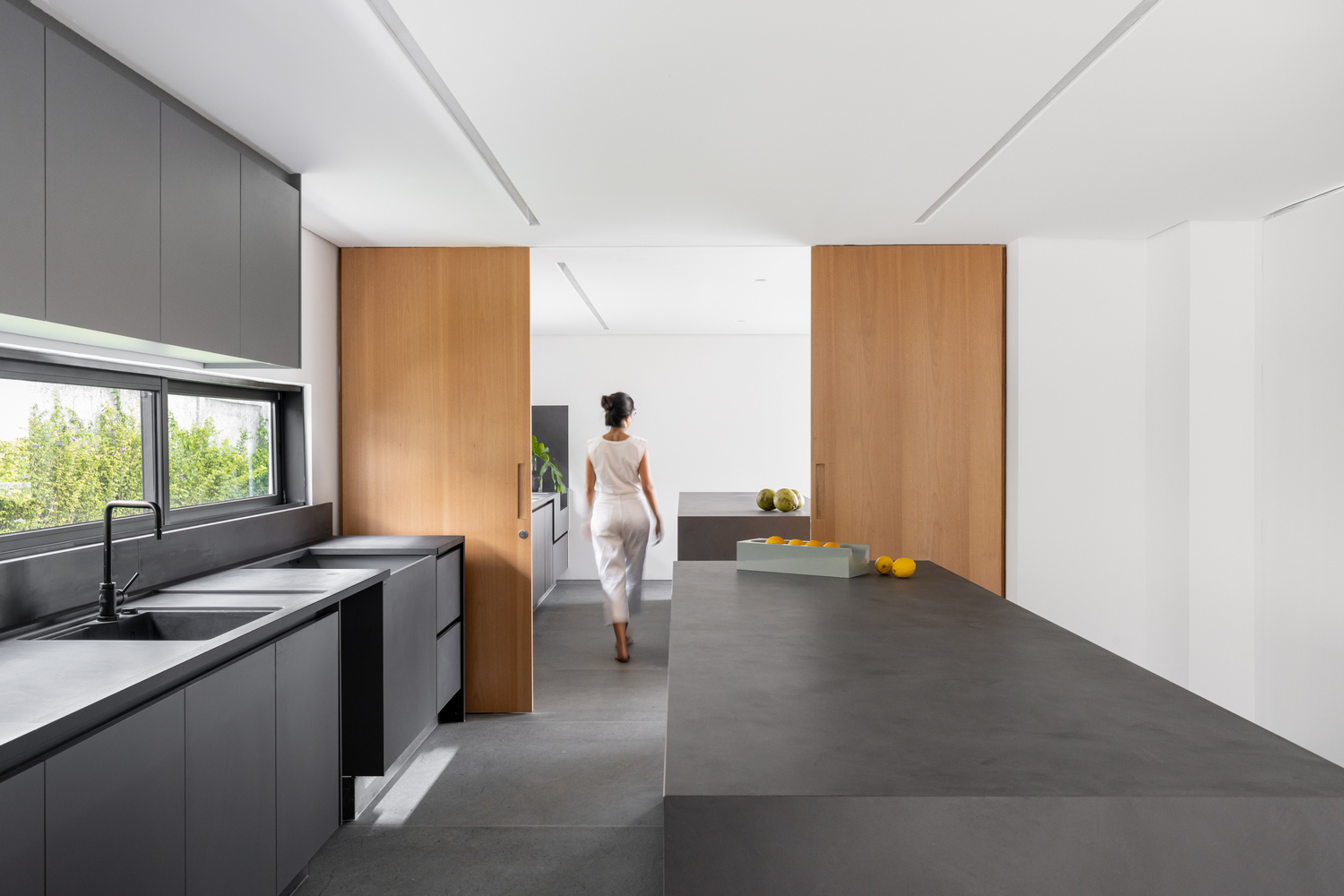
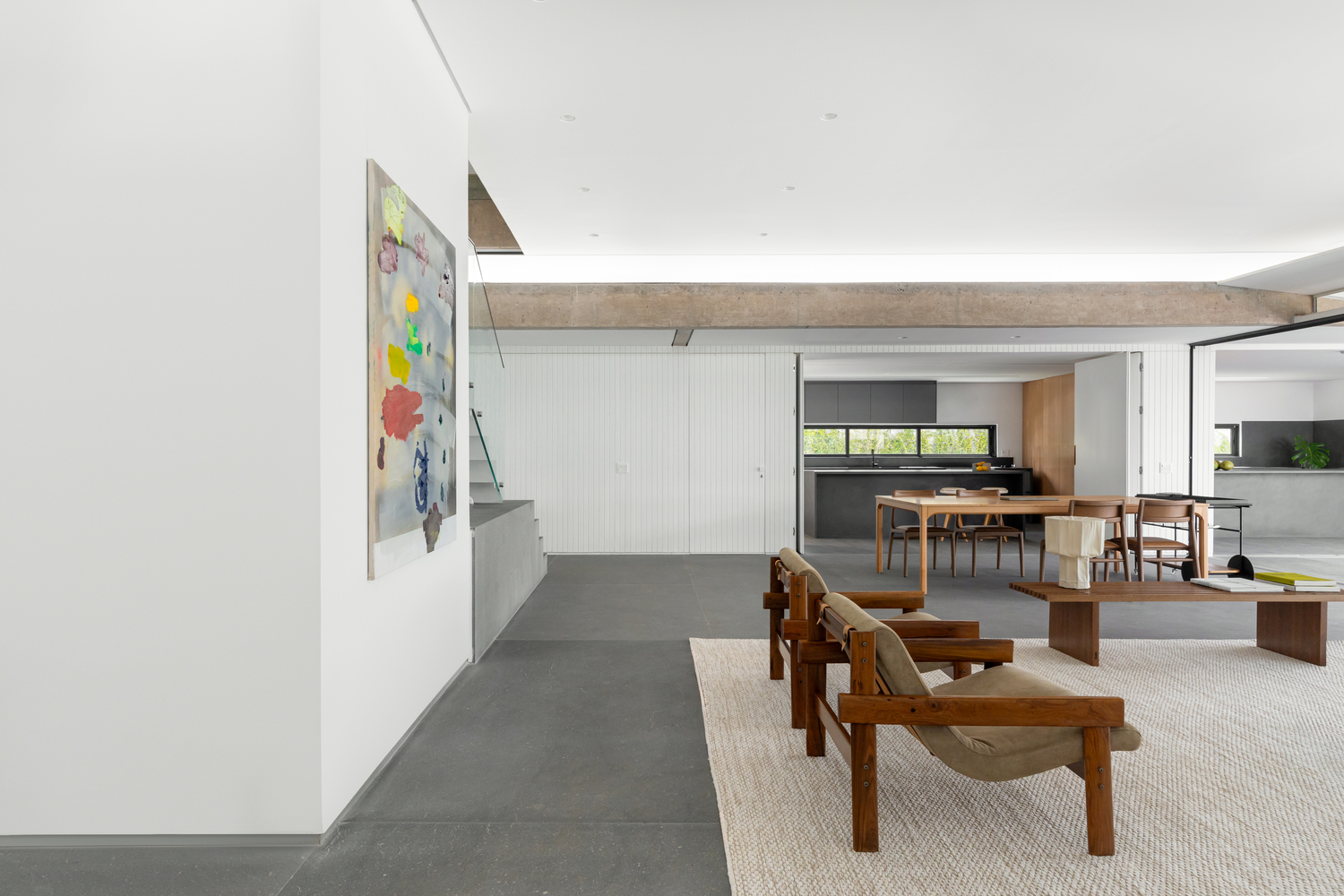
Meanwhile, the second floor houses four bedrooms, including the master bedroom. Each has their own bathroom, and the whole floor centers with a small gathering area next to the staircase where the family can congregate.
Residência RRD 04 coexists with the greenery of the world. It utilizes the styles of the past to create something modern and urban without being detrimental to the environment around us. The project shows us that nature-centric buildings aren’t inherent to this design or that, but can be adapted from any style in various ways.
Related reading: Cool Down Your House: Lush Greenery Could Be The Key

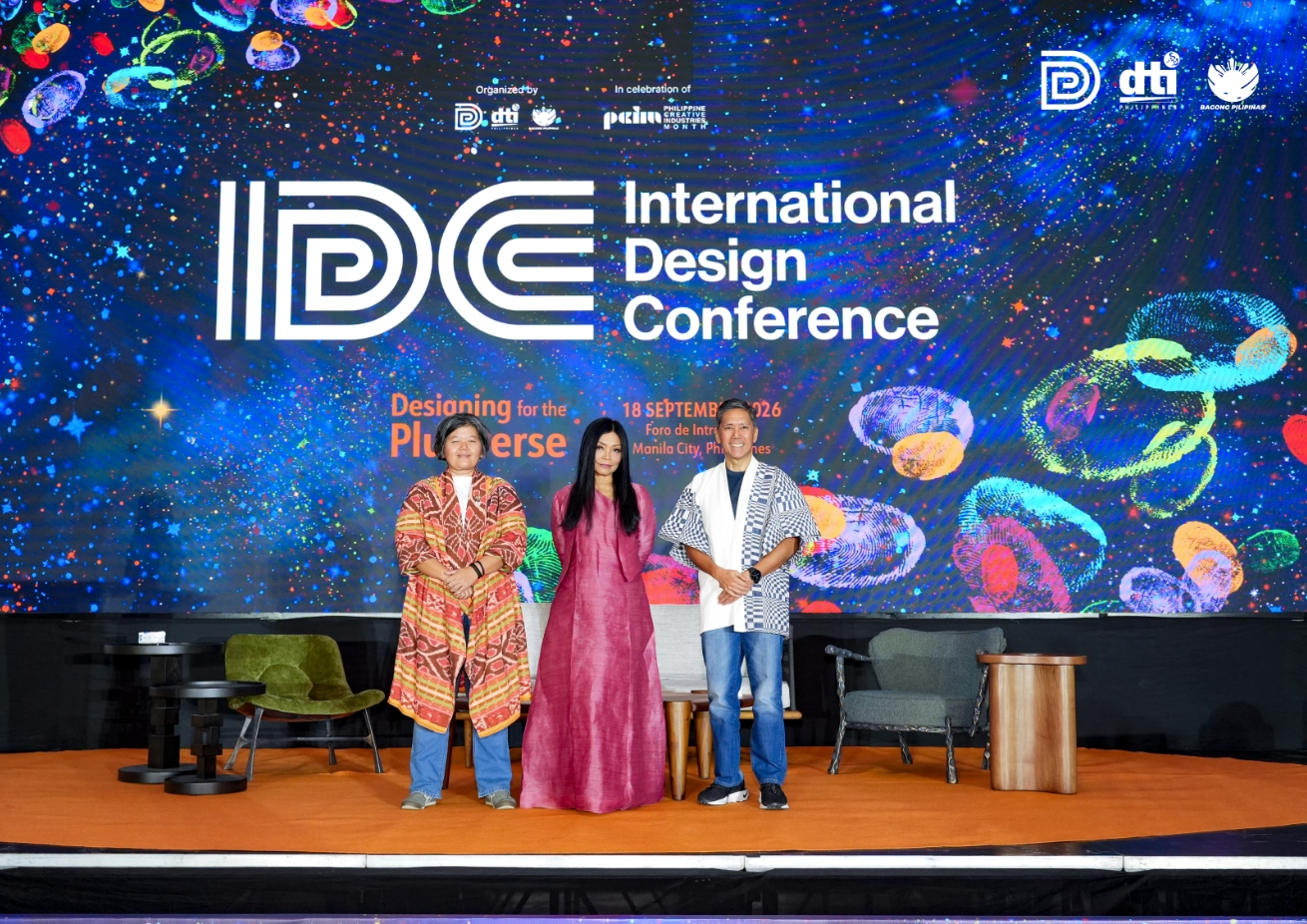
Culture in design does not always announce itself through a recognizable motif, material, or symbol. It can also be embedded in the relationships designers build, the knowledge they listen to, the materials they choose, and the decisions they make in response to communities and their environments. This distinction emerged throughout the 2026 International Design Conference […]
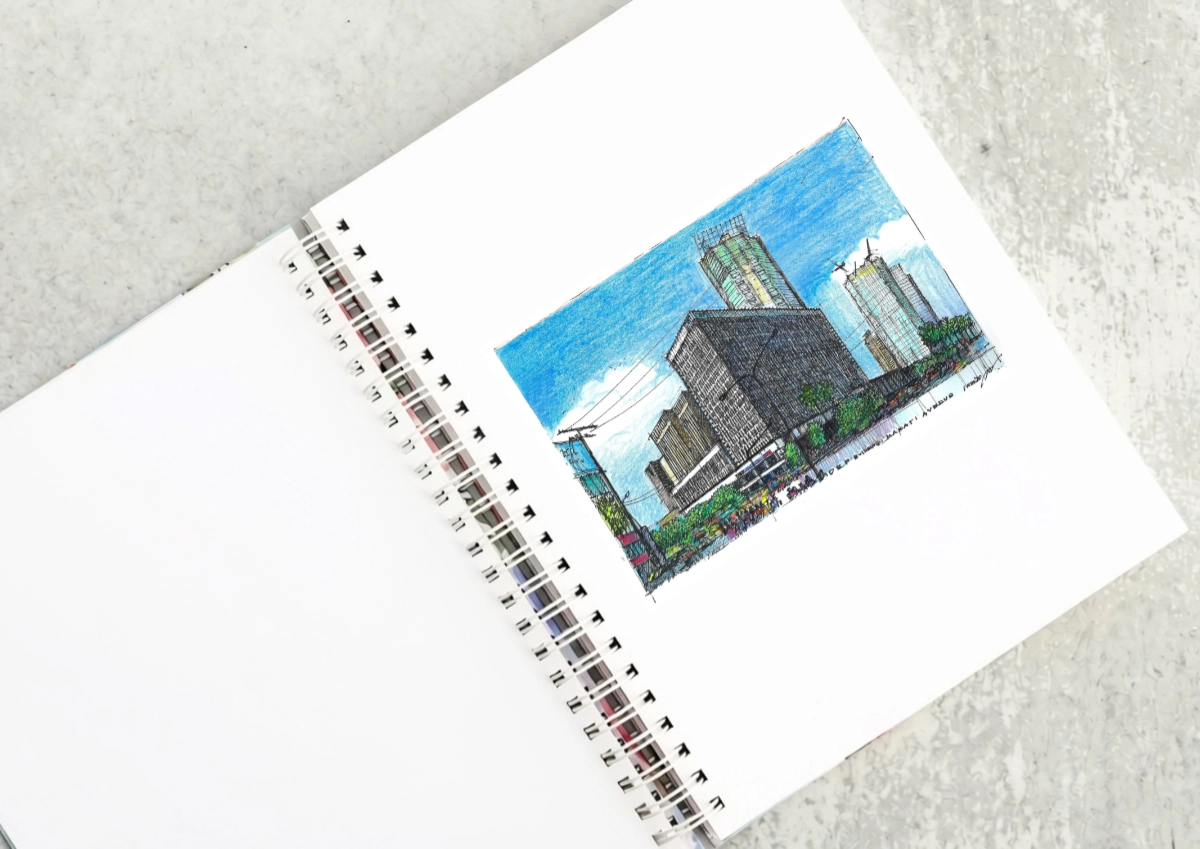
The DBP Building as a Landmark of the International Style At the corner of Sen. Gil Puyat Avenue and Makati Avenue stands a landmark of the Makati Central Business District. It is one of the last still standing that were built in the first wave of construction in district fifty years ago. The Development Bank […]
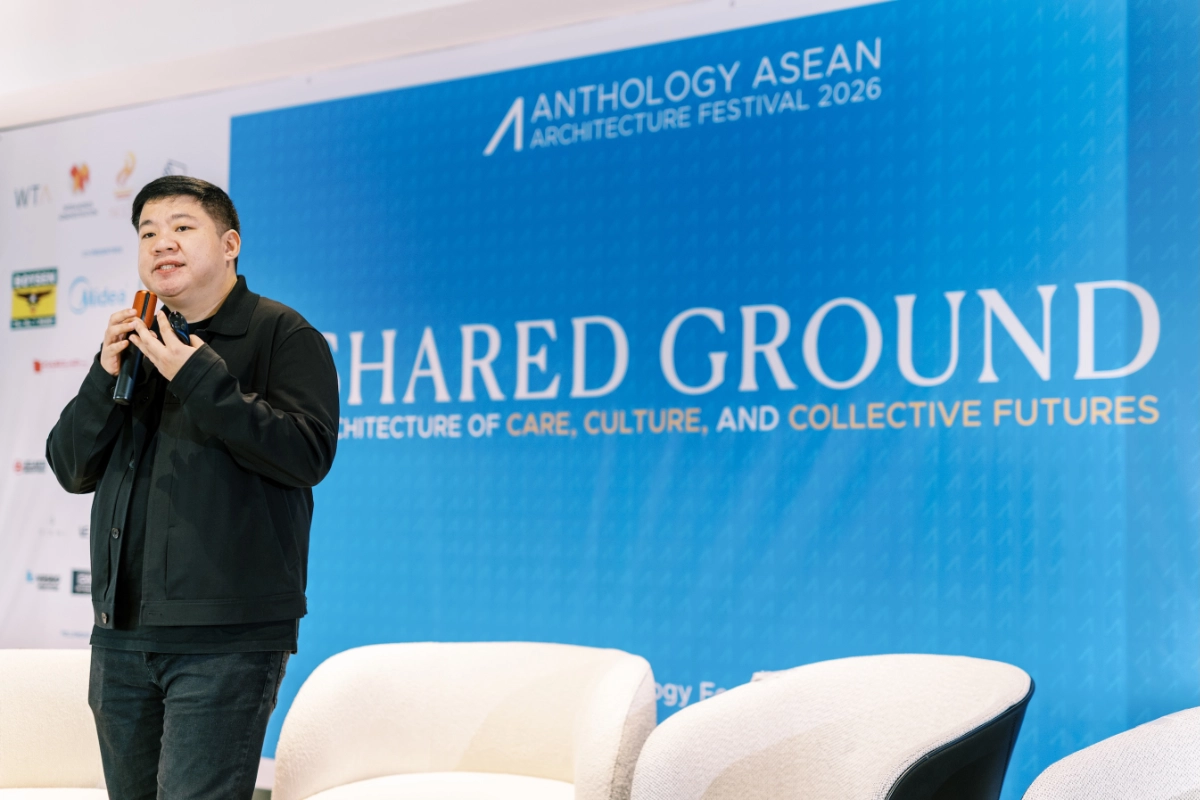
“Buildings only become architectureArchitectureThe art and science of designing and constructing buildings, structures, and spaces that are functional, safe, and aesthetically pleasing. It encompasses the planning, design, materials, and techniques used to createGo to Architecture Glossary when they are shared,” said William Ti Jr., founder of the Anthology Festival and WTA Architecture and Design Studio, […]
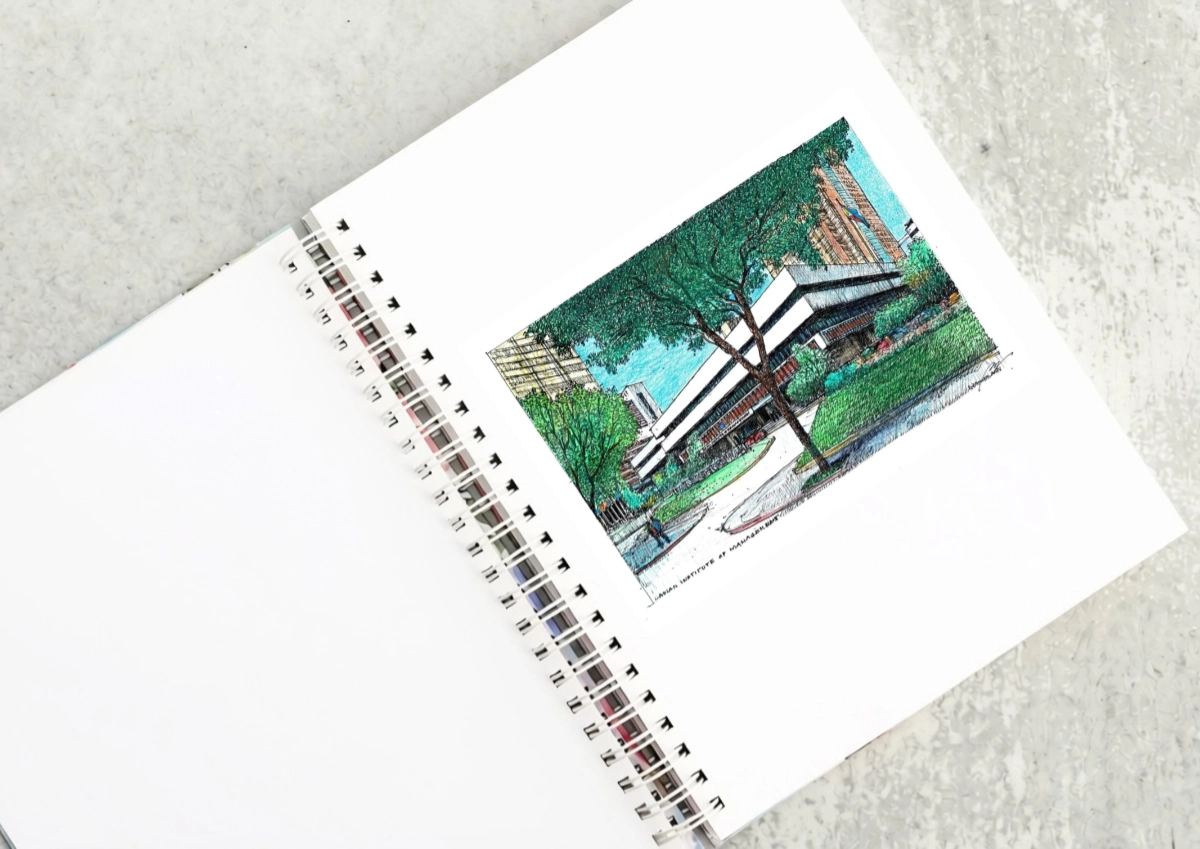
A Filipino Interpretation of Modernist Architecture Unlike the rest of Makati today, the northern end of Paseo de Roxas in Makati is anchored by a low complex rather than a tall skyscraper. This is the elegant Asian Institute of Management, designed by architect Gabriel Formoso and completed in 1971. In my opinion, the building is […]
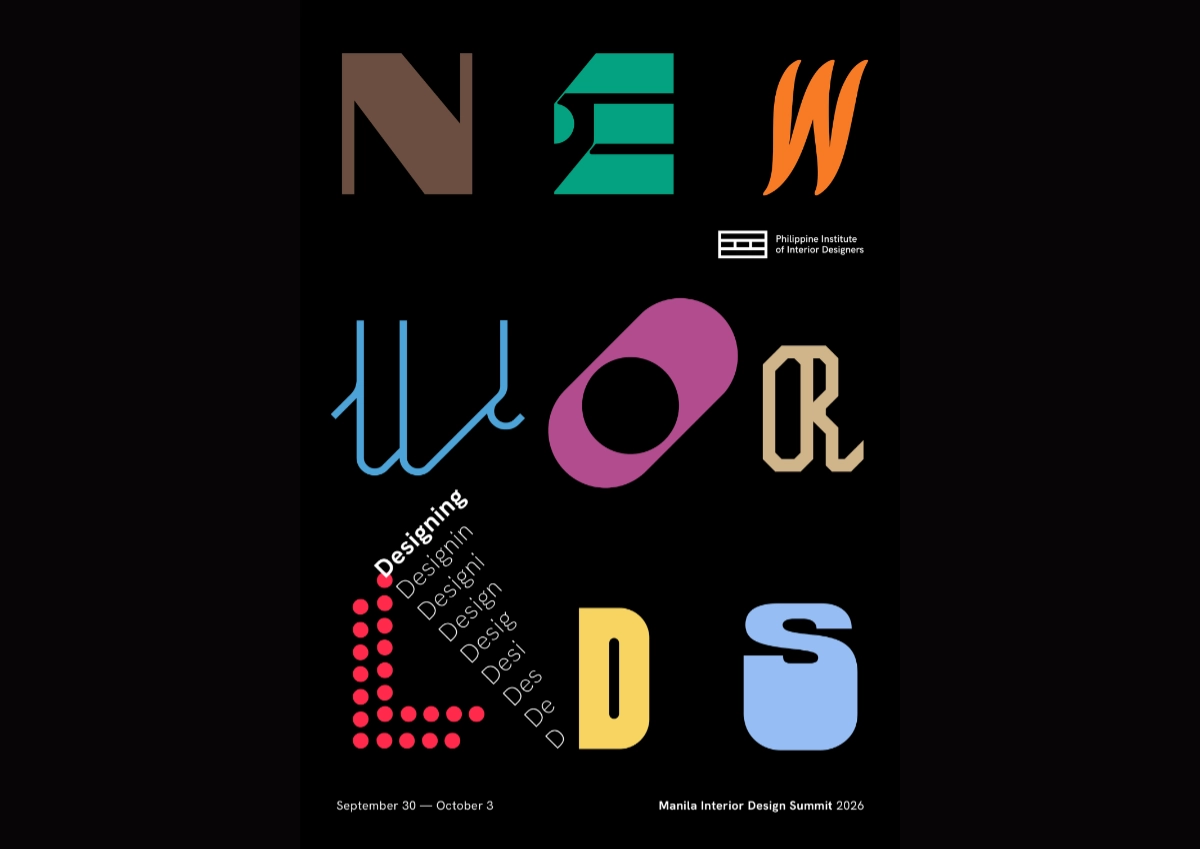
“Thailand has claimed urban creativity and livability. Singapore has institutional design leadership. Indonesia is emerging as a design hub. Vietnam is moving into design innovation. And the Philippines? Its position is not weak. It is simply unclaimed.” For IDr. Cecil Ravelas, National President of the Philippine Institute of Interior Designers (PIID), the challenge is not […]
Read the issues.

Collect the volumes.

Recommended Video
Tap to Unmute
Unmute
0:00
0:00