Advertisement
Heritage

A manifesto for architecture education in the 21st century


February 2, 2018
|
By 

The values embodied within 19th and 20th century models of architectureArchitectureThe art and science of designing and constructing buildings, structures, and spaces that are functional, safe, and aesthetically pleasing. It encompasses the planning, design, materials, and techniques used to create do not completely address the problems of the 21st century. The value system embodied in architectureArchitectureThe art and science of designing and constructing buildings, structures, and spaces that are functional, safe, and aesthetically pleasing. It encompasses the planning, design, materials, and techniques used to create education and the profession needs to be recalibrated to meet the challenges of the future. This manifesto makes 35 statements advocating for architectureArchitectureThe art and science of designing and constructing buildings, structures, and spaces that are functional, safe, and aesthetically pleasing. It encompasses the planning, design, materials, and techniques used to create that is inclusive, democratic, equitable, humane, sustainable, innovative and creative. This manifesto is a call to action.

From 19th and 20th century models to a 21st century model

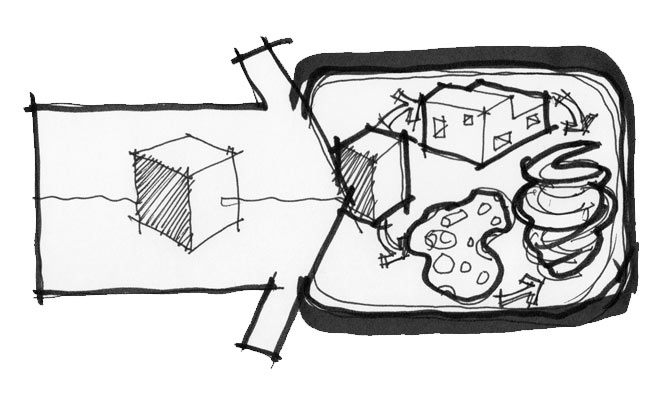
From architectureArchitectureThe art and science of designing and constructing buildings, structures, and spaces that are functional, safe, and aesthetically pleasing. It encompasses the planning, design, materials, and techniques used to create as buildings
To architectureArchitectureThe art and science of designing and constructing buildings, structures, and spaces that are functional, safe, and aesthetically pleasing. It encompasses the planning, design, materials, and techniques used to create as the designed and built environment.
Cabalfin illo 1

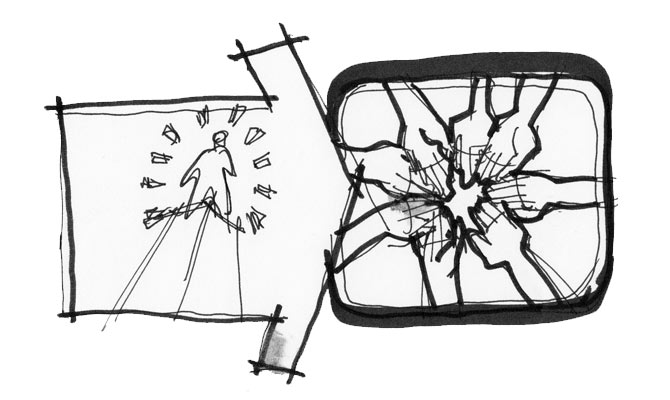
From architect as singular author
To architect as multiple authors.

From architectureArchitectureThe art and science of designing and constructing buildings, structures, and spaces that are functional, safe, and aesthetically pleasing. It encompasses the planning, design, materials, and techniques used to create as homogenous voice
To architectureArchitectureThe art and science of designing and constructing buildings, structures, and spaces that are functional, safe, and aesthetically pleasing. It encompasses the planning, design, materials, and techniques used to create as heterogeneous voices.

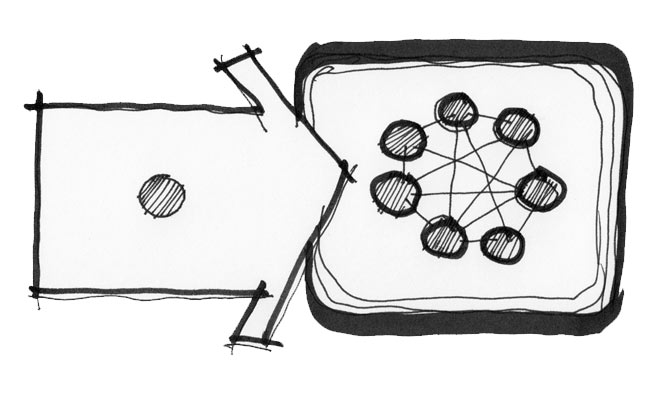
From architect as preeminent project leader and professional
To architect as collaborator, conduit, facilitator, and team member.
Cabalfin illo 10

From architectureArchitectureThe art and science of designing and constructing buildings, structures, and spaces that are functional, safe, and aesthetically pleasing. It encompasses the planning, design, materials, and techniques used to create as isolated profession
To architectureArchitectureThe art and science of designing and constructing buildings, structures, and spaces that are functional, safe, and aesthetically pleasing. It encompasses the planning, design, materials, and techniques used to create as collaboration across disciplines and networks.

From architectureArchitectureThe art and science of designing and constructing buildings, structures, and spaces that are functional, safe, and aesthetically pleasing. It encompasses the planning, design, materials, and techniques used to create as singular and specialized profession
To architectureArchitectureThe art and science of designing and constructing buildings, structures, and spaces that are functional, safe, and aesthetically pleasing. It encompasses the planning, design, materials, and techniques used to create as diverse, multifaceted and multi-disciplinary.

Architects should go beyond thinking of the architectural object as the ultimate goal, and consider the processes that engender the designed environment. ArchitectureArchitectureThe art and science of designing and constructing buildings, structures, and spaces that are functional, safe, and aesthetically pleasing. It encompasses the planning, design, materials, and techniques used to create is a system, rather than an isolated object. We must teach our students to learn from a wide array of disciplines and fields, such as neuroscience, anthropology, engineering, medicine, art history, philosophy, and others. Schools should make students work in interdisciplinary teams. Instead of focusing on buildings, projects can revolve around larger issues or themes, such as water, mobility and resiliency—topics that encompass broader and more complex concerns. This process requires multiple disciplines all working together to solve urgent and intricate issues. Teachers should help students to simultaneously ground their work on the designed environment with learning and insights from other fields.

From architectureArchitectureThe art and science of designing and constructing buildings, structures, and spaces that are functional, safe, and aesthetically pleasing. It encompasses the planning, design, materials, and techniques used to create as grand gestures
To architectureArchitectureThe art and science of designing and constructing buildings, structures, and spaces that are functional, safe, and aesthetically pleasing. It encompasses the planning, design, materials, and techniques used to create as small and incremental.

Cabalfin illo 2

From architectureArchitectureThe art and science of designing and constructing buildings, structures, and spaces that are functional, safe, and aesthetically pleasing. It encompasses the planning, design, materials, and techniques used to create as elitist
To architectureArchitectureThe art and science of designing and constructing buildings, structures, and spaces that are functional, safe, and aesthetically pleasing. It encompasses the planning, design, materials, and techniques used to create as populist, participatory and democratic.

From architectureArchitectureThe art and science of designing and constructing buildings, structures, and spaces that are functional, safe, and aesthetically pleasing. It encompasses the planning, design, materials, and techniques used to create as designed only by architects
To architectureArchitectureThe art and science of designing and constructing buildings, structures, and spaces that are functional, safe, and aesthetically pleasing. It encompasses the planning, design, materials, and techniques used to create designed by everybody.

From architectureArchitectureThe art and science of designing and constructing buildings, structures, and spaces that are functional, safe, and aesthetically pleasing. It encompasses the planning, design, materials, and techniques used to create as top-down and autocratic
To architectureArchitectureThe art and science of designing and constructing buildings, structures, and spaces that are functional, safe, and aesthetically pleasing. It encompasses the planning, design, materials, and techniques used to create as bottom-up and participatory.

From architectureArchitectureThe art and science of designing and constructing buildings, structures, and spaces that are functional, safe, and aesthetically pleasing. It encompasses the planning, design, materials, and techniques used to create for the privileged few
To architectureArchitectureThe art and science of designing and constructing buildings, structures, and spaces that are functional, safe, and aesthetically pleasing. It encompasses the planning, design, materials, and techniques used to create for the common good.

From architectureArchitectureThe art and science of designing and constructing buildings, structures, and spaces that are functional, safe, and aesthetically pleasing. It encompasses the planning, design, materials, and techniques used to create as cool objects
To architectureArchitectureThe art and science of designing and constructing buildings, structures, and spaces that are functional, safe, and aesthetically pleasing. It encompasses the planning, design, materials, and techniques used to create as human-centered design.

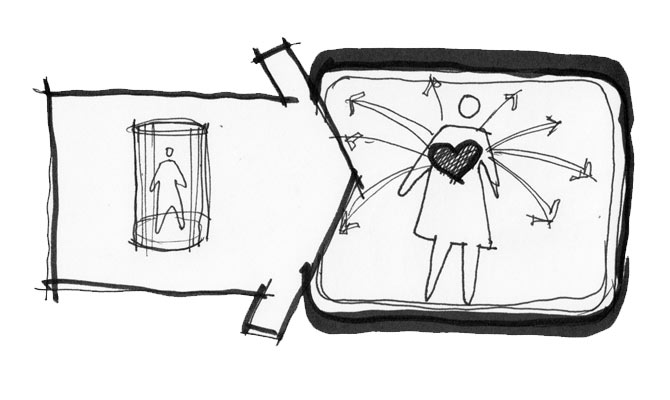
Cabalfin illo 3

From architectureArchitectureThe art and science of designing and constructing buildings, structures, and spaces that are functional, safe, and aesthetically pleasing. It encompasses the planning, design, materials, and techniques used to create as proprietary and specialized body of knowledge
To architectureArchitectureThe art and science of designing and constructing buildings, structures, and spaces that are functional, safe, and aesthetically pleasing. It encompasses the planning, design, materials, and techniques used to create as open-sourced and shared body of knowledge.

ArchitectureArchitectureThe art and science of designing and constructing buildings, structures, and spaces that are functional, safe, and aesthetically pleasing. It encompasses the planning, design, materials, and techniques used to create focuses too much on people with money and power. Whereas the histories of architectureArchitectureThe art and science of designing and constructing buildings, structures, and spaces that are functional, safe, and aesthetically pleasing. It encompasses the planning, design, materials, and techniques used to create emphasize monuments and mega-structures as the epitome of great architectureArchitectureThe art and science of designing and constructing buildings, structures, and spaces that are functional, safe, and aesthetically pleasing. It encompasses the planning, design, materials, and techniques used to create, teachers should cover a broader scope of the designed environment. History and theory courses should discuss efforts of ordinary people in shaping their environments. ArchitectureArchitectureThe art and science of designing and constructing buildings, structures, and spaces that are functional, safe, and aesthetically pleasing. It encompasses the planning, design, materials, and techniques used to create history needs to be rewritten to include those who are voiceless and have been rendered invisible.

In teaching studios, we must include users who may not have the capacity to pay for our services. Students need to learn to design for everybody. Schools should teach participatory design processes that engage with the community. Projects should include small and everyday scenarios. Teachers: ArchitectureArchitectureThe art and science of designing and constructing buildings, structures, and spaces that are functional, safe, and aesthetically pleasing. It encompasses the planning, design, materials, and techniques used to create should not strive only to be iconic.

Students should be trained to listen. Schools should teach architectureArchitectureThe art and science of designing and constructing buildings, structures, and spaces that are functional, safe, and aesthetically pleasing. It encompasses the planning, design, materials, and techniques used to create as participatory design—design emerging from the users. In a human-centered approach, teachers will need to learn diverse skills such as interviewing, ethnography, participatory observation, artifact analysis, discourse analysis, qualitative and quantitative analysis, and other tools so that they can teach these in turn to their students to enable them to deeply understand their users. Teachers, remind your students that they are not to impose their own values but to serve as channels of their users’ needs and hopes.

READ MORE: WAF has a student competition that the PH already won
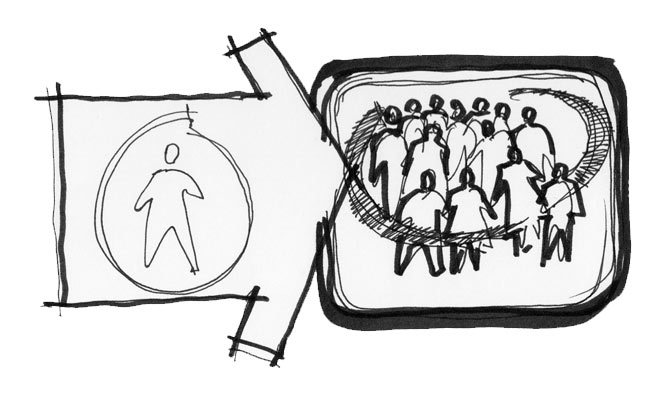
Cabalfin illo 4

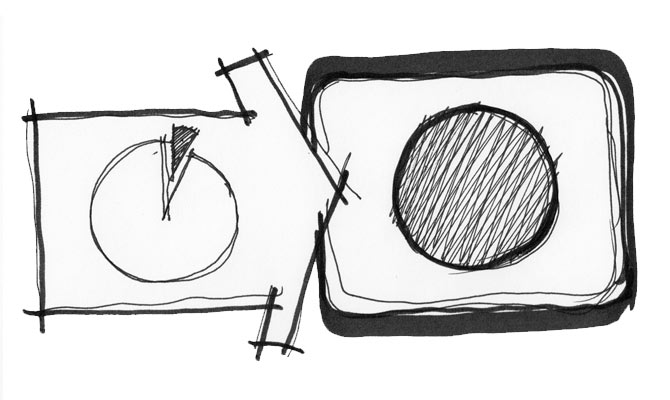
From architects serving only 10% of the population
To architects serving 100% of the population.

From architectureArchitectureThe art and science of designing and constructing buildings, structures, and spaces that are functional, safe, and aesthetically pleasing. It encompasses the planning, design, materials, and techniques used to create biased towards white, heterosexual and able-bodied males
To architectureArchitectureThe art and science of designing and constructing buildings, structures, and spaces that are functional, safe, and aesthetically pleasing. It encompasses the planning, design, materials, and techniques used to create for all, regardless of gender, race, class, sexuality and abilities.

From architectureArchitectureThe art and science of designing and constructing buildings, structures, and spaces that are functional, safe, and aesthetically pleasing. It encompasses the planning, design, materials, and techniques used to create as wasteful and shortsighted
To architectureArchitectureThe art and science of designing and constructing buildings, structures, and spaces that are functional, safe, and aesthetically pleasing. It encompasses the planning, design, materials, and techniques used to create as sustainable and future-oriented.

From architectureArchitectureThe art and science of designing and constructing buildings, structures, and spaces that are functional, safe, and aesthetically pleasing. It encompasses the planning, design, materials, and techniques used to create as individual expression
To architectureArchitectureThe art and science of designing and constructing buildings, structures, and spaces that are functional, safe, and aesthetically pleasing. It encompasses the planning, design, materials, and techniques used to create as expression of multiple perspectives.

From architectureArchitectureThe art and science of designing and constructing buildings, structures, and spaces that are functional, safe, and aesthetically pleasing. It encompasses the planning, design, materials, and techniques used to create as isolated and autonomous form-making
To architectureArchitectureThe art and science of designing and constructing buildings, structures, and spaces that are functional, safe, and aesthetically pleasing. It encompasses the planning, design, materials, and techniques used to create as a complex system of economic, political, socio-cultural and ecological imperatives.

ArchitectureArchitectureThe art and science of designing and constructing buildings, structures, and spaces that are functional, safe, and aesthetically pleasing. It encompasses the planning, design, materials, and techniques used to create should be inclusive. Projects should address the needs people of diverse backgrounds, abilities, contexts, and types. Schools must teach students universal design principles, and to apply them in various scenarios.

ArchitectureArchitectureThe art and science of designing and constructing buildings, structures, and spaces that are functional, safe, and aesthetically pleasing. It encompasses the planning, design, materials, and techniques used to create history needs to be rewritten to include those who are voiceless and have been rendered invisible.

Architectural education should embody sustainability in every phase of design. Sustainable design should engage the ecological, economic and socio-cultural dimensions of the environment. Following systems theory, architectureArchitectureThe art and science of designing and constructing buildings, structures, and spaces that are functional, safe, and aesthetically pleasing. It encompasses the planning, design, materials, and techniques used to create is understood as part of an interconnected system. Our next generations of architects need to learn to design within this complex system.

In conjunction with sustainability, schools must teach future scenario planning methods, where students are taught to not just think of the present situation but also anticipate possible future conditions. Teachers, show your pupils how to identify larger trends and drivers that shape architectureArchitectureThe art and science of designing and constructing buildings, structures, and spaces that are functional, safe, and aesthetically pleasing. It encompasses the planning, design, materials, and techniques used to create, and have them design accordingly.

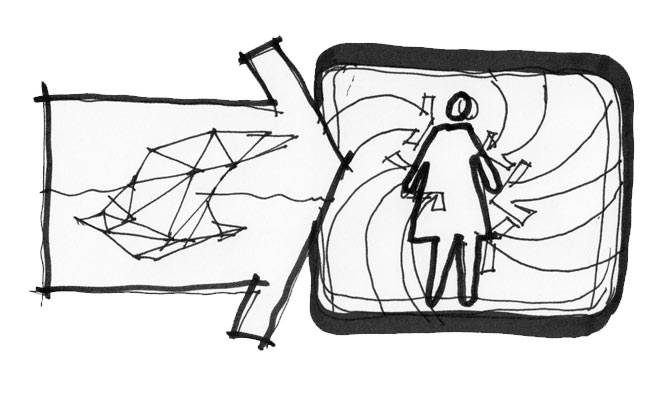
Cabalfin illo 5

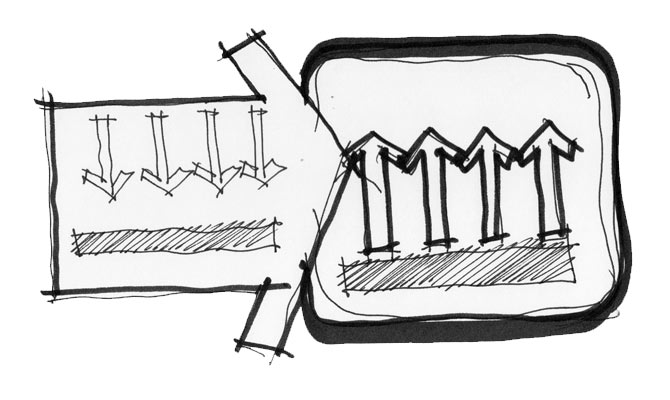
From architectureArchitectureThe art and science of designing and constructing buildings, structures, and spaces that are functional, safe, and aesthetically pleasing. It encompasses the planning, design, materials, and techniques used to create as beautiful, simple, and pristine object
To architectureArchitectureThe art and science of designing and constructing buildings, structures, and spaces that are functional, safe, and aesthetically pleasing. It encompasses the planning, design, materials, and techniques used to create as polyvalent, messy and complex.

From architectureArchitectureThe art and science of designing and constructing buildings, structures, and spaces that are functional, safe, and aesthetically pleasing. It encompasses the planning, design, materials, and techniques used to create as commodity and object
To architectureArchitectureThe art and science of designing and constructing buildings, structures, and spaces that are functional, safe, and aesthetically pleasing. It encompasses the planning, design, materials, and techniques used to create as process and product.

From architectureArchitectureThe art and science of designing and constructing buildings, structures, and spaces that are functional, safe, and aesthetically pleasing. It encompasses the planning, design, materials, and techniques used to create as produced, sold and consumed
To architectureArchitectureThe art and science of designing and constructing buildings, structures, and spaces that are functional, safe, and aesthetically pleasing. It encompasses the planning, design, materials, and techniques used to create as created, experienced and shared.

From architectureArchitectureThe art and science of designing and constructing buildings, structures, and spaces that are functional, safe, and aesthetically pleasing. It encompasses the planning, design, materials, and techniques used to create as static
To architectureArchitectureThe art and science of designing and constructing buildings, structures, and spaces that are functional, safe, and aesthetically pleasing. It encompasses the planning, design, materials, and techniques used to create as dynamic.

Cabalfin illo 6

From architectureArchitectureThe art and science of designing and constructing buildings, structures, and spaces that are functional, safe, and aesthetically pleasing. It encompasses the planning, design, materials, and techniques used to create as fixed, immutable and permanent
To architectureArchitectureThe art and science of designing and constructing buildings, structures, and spaces that are functional, safe, and aesthetically pleasing. It encompasses the planning, design, materials, and techniques used to create as agile and adaptive, and ephemeral.

From architectureArchitectureThe art and science of designing and constructing buildings, structures, and spaces that are functional, safe, and aesthetically pleasing. It encompasses the planning, design, materials, and techniques used to create as defiant
To architectureArchitectureThe art and science of designing and constructing buildings, structures, and spaces that are functional, safe, and aesthetically pleasing. It encompasses the planning, design, materials, and techniques used to create as resilient.

While aesthetic qualities and formal manipulation have been emphasized in the past, architectureArchitectureThe art and science of designing and constructing buildings, structures, and spaces that are functional, safe, and aesthetically pleasing. It encompasses the planning, design, materials, and techniques used to create education in the future should not simply focus on architectureArchitectureThe art and science of designing and constructing buildings, structures, and spaces that are functional, safe, and aesthetically pleasing. It encompasses the planning, design, materials, and techniques used to create as a final object. Students should understand the entire process of creating architectureArchitectureThe art and science of designing and constructing buildings, structures, and spaces that are functional, safe, and aesthetically pleasing. It encompasses the planning, design, materials, and techniques used to create from conceptualization, to construction, to its being used. Schools should teach design as an iterative process where learning from failure often enough allows students to refine their ideas.

Next, students also need to understand the complexity of the built environment by being exposed to building processes. Prototyping would be an integral step in actualizing ideas. Schools should integrate within their curriculum design-build programs where students are allowed to experiment their ideas through actual construction, to expose them to the intricacies of building and the material conditions within which they are designing.

After the design is implemented, students also need to see and understand how users have adapted to the building, and how the environment has changed the building. Teach students post-occupancy evaluation methods so they may assess the life of buildings after they have been turned over to users. Students need to learn to design architectureArchitectureThe art and science of designing and constructing buildings, structures, and spaces that are functional, safe, and aesthetically pleasing. It encompasses the planning, design, materials, and techniques used to create that is resilient to changes within and outside architectureArchitectureThe art and science of designing and constructing buildings, structures, and spaces that are functional, safe, and aesthetically pleasing. It encompasses the planning, design, materials, and techniques used to create. Through a cycle of conceptualizing-iterating-prototyping-refining, the design process recognizes architectureArchitectureThe art and science of designing and constructing buildings, structures, and spaces that are functional, safe, and aesthetically pleasing. It encompasses the planning, design, materials, and techniques used to create as always in a state of flux.

Cabalfin illo 9

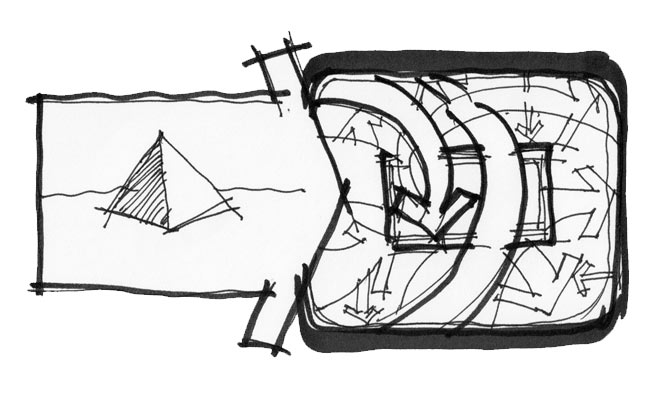
From architectureArchitectureThe art and science of designing and constructing buildings, structures, and spaces that are functional, safe, and aesthetically pleasing. It encompasses the planning, design, materials, and techniques used to create as sculptural objects in the landscape
To architectureArchitectureThe art and science of designing and constructing buildings, structures, and spaces that are functional, safe, and aesthetically pleasing. It encompasses the planning, design, materials, and techniques used to create as immersive experience.

From architectureArchitectureThe art and science of designing and constructing buildings, structures, and spaces that are functional, safe, and aesthetically pleasing. It encompasses the planning, design, materials, and techniques used to create as self-referential form-making
To architectureArchitectureThe art and science of designing and constructing buildings, structures, and spaces that are functional, safe, and aesthetically pleasing. It encompasses the planning, design, materials, and techniques used to create as design thinking and problem solving.

From architectureArchitectureThe art and science of designing and constructing buildings, structures, and spaces that are functional, safe, and aesthetically pleasing. It encompasses the planning, design, materials, and techniques used to create as blind appropriation
To architectureArchitectureThe art and science of designing and constructing buildings, structures, and spaces that are functional, safe, and aesthetically pleasing. It encompasses the planning, design, materials, and techniques used to create as critical thinking.

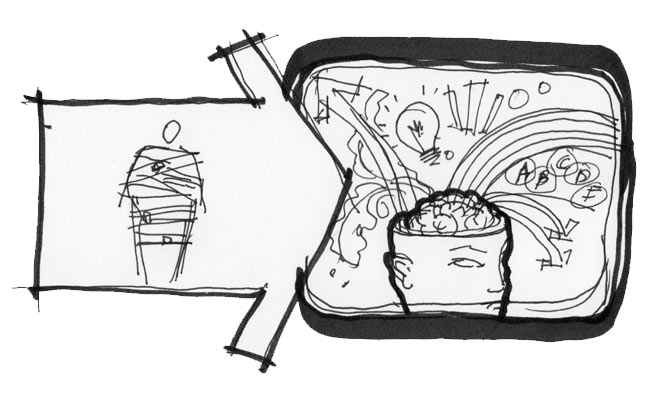
From architectureArchitectureThe art and science of designing and constructing buildings, structures, and spaces that are functional, safe, and aesthetically pleasing. It encompasses the planning, design, materials, and techniques used to create as uncritical following of rules
To architectureArchitectureThe art and science of designing and constructing buildings, structures, and spaces that are functional, safe, and aesthetically pleasing. It encompasses the planning, design, materials, and techniques used to create as creative, inspiring and imaginative.
Cabalfin illo 8

From architectureArchitectureThe art and science of designing and constructing buildings, structures, and spaces that are functional, safe, and aesthetically pleasing. It encompasses the planning, design, materials, and techniques used to create as artistic expressions only
To architectureArchitectureThe art and science of designing and constructing buildings, structures, and spaces that are functional, safe, and aesthetically pleasing. It encompasses the planning, design, materials, and techniques used to create as entrepreneurial and innovative.

While architectureArchitectureThe art and science of designing and constructing buildings, structures, and spaces that are functional, safe, and aesthetically pleasing. It encompasses the planning, design, materials, and techniques used to create has been rooted in materials and structures, it should not be reified into merely a type of form-manipulation where the ultimate goal is to create a unique form. Students need to see their form making as part of a larger process of innovation. ArchitectureArchitectureThe art and science of designing and constructing buildings, structures, and spaces that are functional, safe, and aesthetically pleasing. It encompasses the planning, design, materials, and techniques used to create education should foster innovation, critical thinking and entrepreneurship as core values. We need to teach them how to innovate by learning from the sciences and the humanities. Critical thinking should be integrated in the curriculum so that students may begin to question, challenge and innovate.

Too many students—and architects—think they will change the world merely by dropping their icons and monuments on the land.

Highlight creativity in the curriculum to encourage students to develop a sense of exploration and curiosity. Imagination should be at the core of the design process. While recognizing that design has its limitations, it should not hinder the imagination of future possibilities. Rules, codes and laws are necessary guideposts in designing, but these should not straight-jacket a student’s creativity. Additionally, optimism should also be fostered. A sense of hope and positive thinking should be practiced throughout the learning process.

Include lessons on phenomenology. ArchitectureArchitectureThe art and science of designing and constructing buildings, structures, and spaces that are functional, safe, and aesthetically pleasing. It encompasses the planning, design, materials, and techniques used to create is about experience. Teach students not just to design objects, but most importantly experiences. Put the needs of the users at the forefront, and architectureArchitectureThe art and science of designing and constructing buildings, structures, and spaces that are functional, safe, and aesthetically pleasing. It encompasses the planning, design, materials, and techniques used to create becomes the creation of positive and ennobling experiences for these people.

From architectureArchitectureThe art and science of designing and constructing buildings, structures, and spaces that are functional, safe, and aesthetically pleasing. It encompasses the planning, design, materials, and techniques used to create as passive objects
To architectureArchitectureThe art and science of designing and constructing buildings, structures, and spaces that are functional, safe, and aesthetically pleasing. It encompasses the planning, design, materials, and techniques used to create as catalyst of change.

From architectureArchitectureThe art and science of designing and constructing buildings, structures, and spaces that are functional, safe, and aesthetically pleasing. It encompasses the planning, design, materials, and techniques used to create as apolitical and amoral
To architectureArchitectureThe art and science of designing and constructing buildings, structures, and spaces that are functional, safe, and aesthetically pleasing. It encompasses the planning, design, materials, and techniques used to create as social justice and equity.

From architects as passive by-standers
To architects as active agents of change.

From architectureArchitectureThe art and science of designing and constructing buildings, structures, and spaces that are functional, safe, and aesthetically pleasing. It encompasses the planning, design, materials, and techniques used to create as apathetic
To architectureArchitectureThe art and science of designing and constructing buildings, structures, and spaces that are functional, safe, and aesthetically pleasing. It encompasses the planning, design, materials, and techniques used to create as empathetic.

Cabalfin illo 7

From architectureArchitectureThe art and science of designing and constructing buildings, structures, and spaces that are functional, safe, and aesthetically pleasing. It encompasses the planning, design, materials, and techniques used to create as firmness, commodity and delight
To architectureArchitectureThe art and science of designing and constructing buildings, structures, and spaces that are functional, safe, and aesthetically pleasing. It encompasses the planning, design, materials, and techniques used to create as empowering, experiential and ennobling.

From architectureArchitectureThe art and science of designing and constructing buildings, structures, and spaces that are functional, safe, and aesthetically pleasing. It encompasses the planning, design, materials, and techniques used to create as oppressive and subjugating
To architectureArchitectureThe art and science of designing and constructing buildings, structures, and spaces that are functional, safe, and aesthetically pleasing. It encompasses the planning, design, materials, and techniques used to create as liberating and emancipating.

Too many students—and architects—think they will change the world merely by dropping their icons and monuments on the land. We often teach architectureArchitectureThe art and science of designing and constructing buildings, structures, and spaces that are functional, safe, and aesthetically pleasing. It encompasses the planning, design, materials, and techniques used to create as passive, innocent, neutral and inert objects. Instead, we should teach that architectureArchitectureThe art and science of designing and constructing buildings, structures, and spaces that are functional, safe, and aesthetically pleasing. It encompasses the planning, design, materials, and techniques used to create has the capacity to instigate change in the world. Students should be trained to become as activists advocating social causes and mobilizing the community. The world needs social entrepreneurs, able to address social problems with an entrepreneurial approach and innovation. Change is necessary and designers should become catalysts of such change.

Architects need to learn how to be empathetic. Traveling should be part of the courses. We must immerse our students in different living conditions, work situations and social settings, including areas of intense poverty and humanitarian concern to understand what people truly need. Students should be required to perform community work as well. Students can design and build projects for the community, focusing on urgent needs and issues.

Schools should be advocates of social justice. Lessons must include learning about global issues that affect people, such as poverty, inequality, global trade, modern day slavery, environmental degradation, and others. The study of history as well as current events should be integrated in the courses. Students need to engage in community activities, not just as innocent by-standers but as active participants in social change.

I see pockets of genuine change taking place in architectureArchitectureThe art and science of designing and constructing buildings, structures, and spaces that are functional, safe, and aesthetically pleasing. It encompasses the planning, design, materials, and techniques used to create education. In general, schools make an effort to impart values, which, when taken to heart, will help direct our future professionals towards paths that contribute to society and the world in general. However, too much of our teaching is lipservice, and too much is left in the realm of theory. We have been way too complacent and lazy to think and change. We also cannot let money and power drive how we teach, learn and, ultimately, how we live. We need our students to get their hands dirty, to dig deep, to see from multiple perspectives.

For genuine change to occur in architectureArchitectureThe art and science of designing and constructing buildings, structures, and spaces that are functional, safe, and aesthetically pleasing. It encompasses the planning, design, materials, and techniques used to create education and architectureArchitectureThe art and science of designing and constructing buildings, structures, and spaces that are functional, safe, and aesthetically pleasing. It encompasses the planning, design, materials, and techniques used to create, we all need to work together—schools, students, teachers, administrators, professional organizations, institutions, users and clients. ArchitectureArchitectureThe art and science of designing and constructing buildings, structures, and spaces that are functional, safe, and aesthetically pleasing. It encompasses the planning, design, materials, and techniques used to create that empowers and emancipates people, and instigates positive change in the future is not something that will happen by chance. We cannot leave the betterment of our world to chance. The future lies in all of our hands. We need to change now. B ender

This article first appeared in BluPrint Special Issue 1 2015. Edits were made for Bluprint.ph.

Frequently Asked Questions

To transition from “architecture as buildings” to a designed environment, substitute the goal of creating iconic monuments with human-centered design. Focus on participatory processes where design emerges from the users rather than a singular author. By incorporating tools like ethnography and artifact analysis, you ensure the result is democratic and equitable, serving 100% of the population rather than just the privileged few.

Achieving a resilient texture requires shifting from fixed, permanent objects to agile and adaptive systems. The “secret” is an iterative process: conceptualizing, prototyping, and refining through actual building exposure. By treating architecture as a dynamic product in a state of flux—using post-occupancy evaluation to see how users adapt to the space—you create a complex, “messy,” yet durable environment that withstands social and ecological shifts.

The most common mistake is focusing exclusively on mega-structures and “top-down” history. To fix this, curricula must be rewritten to include ordinary people and those previously rendered invisible or voiceless. Avoid teaching architecture as an isolated, apolitical profession; instead, integrate lessons on global trade, inequality, and social justice to transform students from passive bystanders into active agents of social change.

Knowledge should no longer be stored as proprietary or specialized secrets. Instead, architecture must move toward an open-sourced and shared body of knowledge. This “storage” strategy involves collaboration across disciplines like neuroscience, anthropology, and engineering. Sharing data on water, mobility, and resiliency ensures that architectural insights remain future-oriented and accessible to the broader multidisciplinary network necessary for solving complex 21st-century issues.

The core ingredients for innovation are critical thinking, imagination, and a sense of optimism. Educators should add “design thinking” to the curriculum, encouraging students to view form-making as a larger process of problem-solving rather than just artistic expression. By including lessons on phenomenology and entrepreneurship, you empower students to become social entrepreneurs who can address urgent humanitarian needs with creative, inspiring, and liberating solutions.


Download this month's BLUPRINT magazine digital copy from:
Subscribe via [email protected]

Recommended Video

Tap to Unmute
Unmute
0:00
0:00 / 0:00
0:00

To provide a customized ad experience, we need to know if you are of legal age in your region.

By making a selection, you agree to our Terms & Conditions.