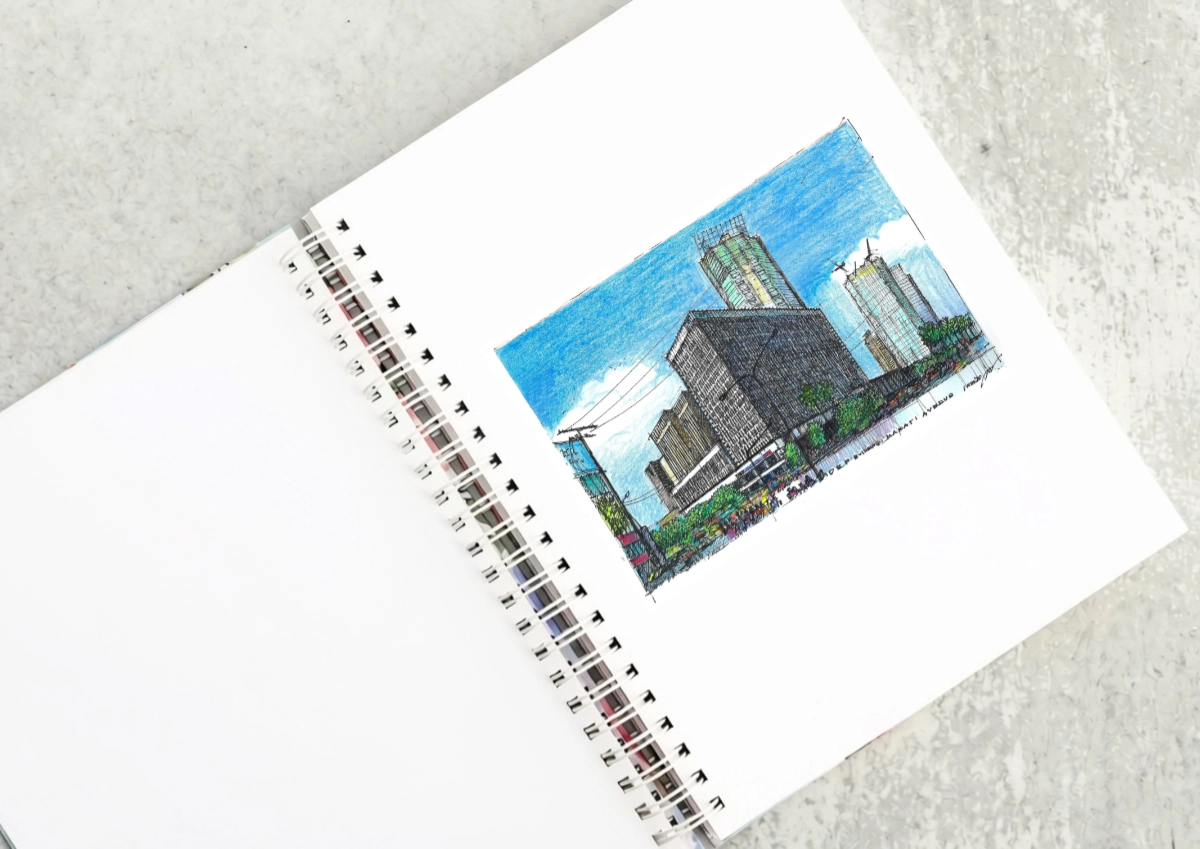
The DBP Building as a Landmark of the International Style At the corner of Sen. Gil Puyat Avenue and Makati Avenue stands a landmark of the Makati Central Business District. It is one of the last still standing that were built in the first wave of construction in district fifty years ago. The Development Bank […]
Kärcher Sponsors Fort Santiago Clean-up for Heritage Preservation



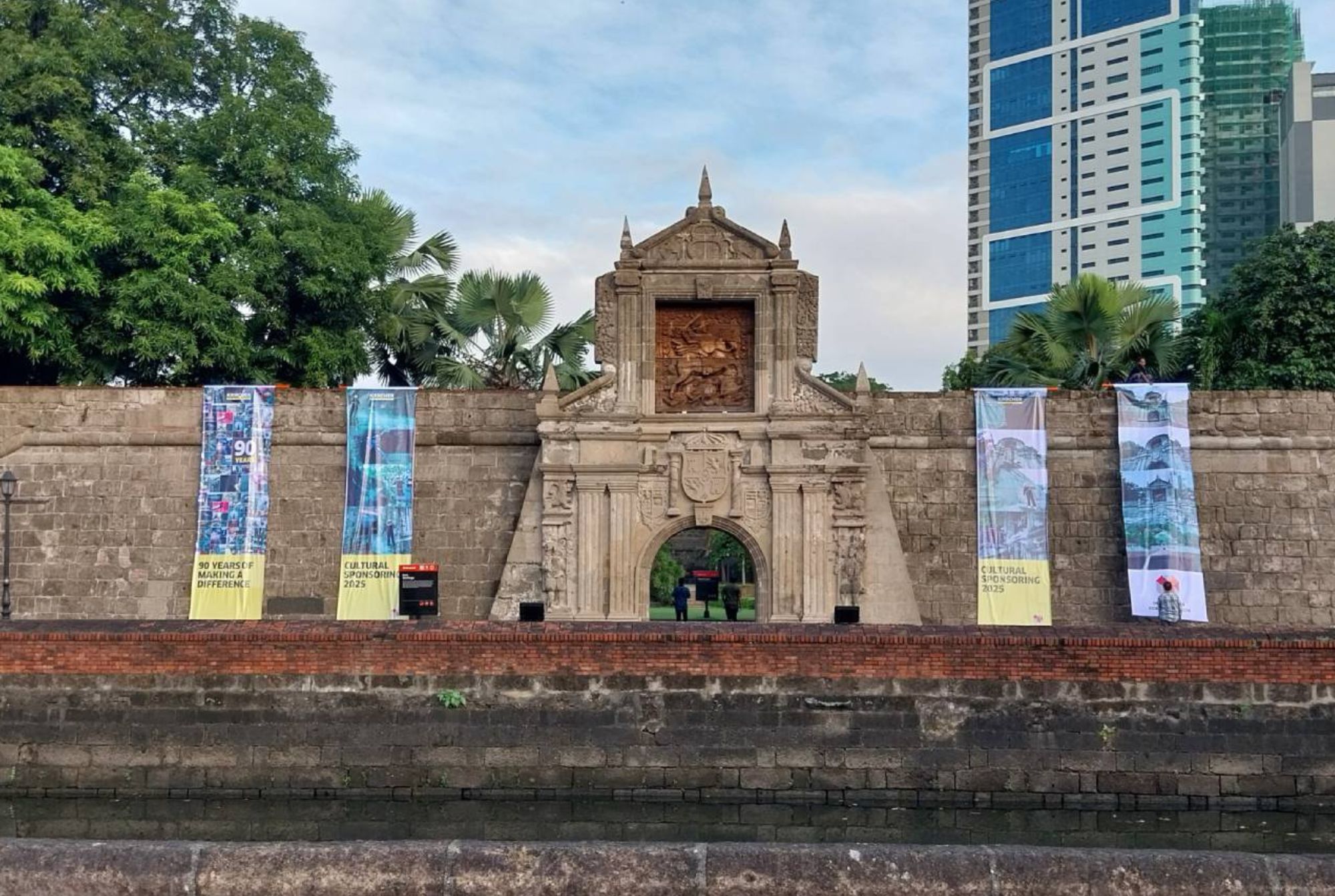
Kärcher, the German multinational company known for their cleaning machines, debuted the newest part of their 2025 Cultural Initiative as they partnered with the Intramuros Administration to clean up the walls of Fort Santiago.
A “restorative cleaning effort” done to celebrate the company’s 90th anniversary, Kärcher’s team focused on cleaning up the wall facade and the main gate of Fort Santiago. It reportedly took them five days to do so, with some extra effort for the main gate due to the prominent wooden structure on top of the walls.
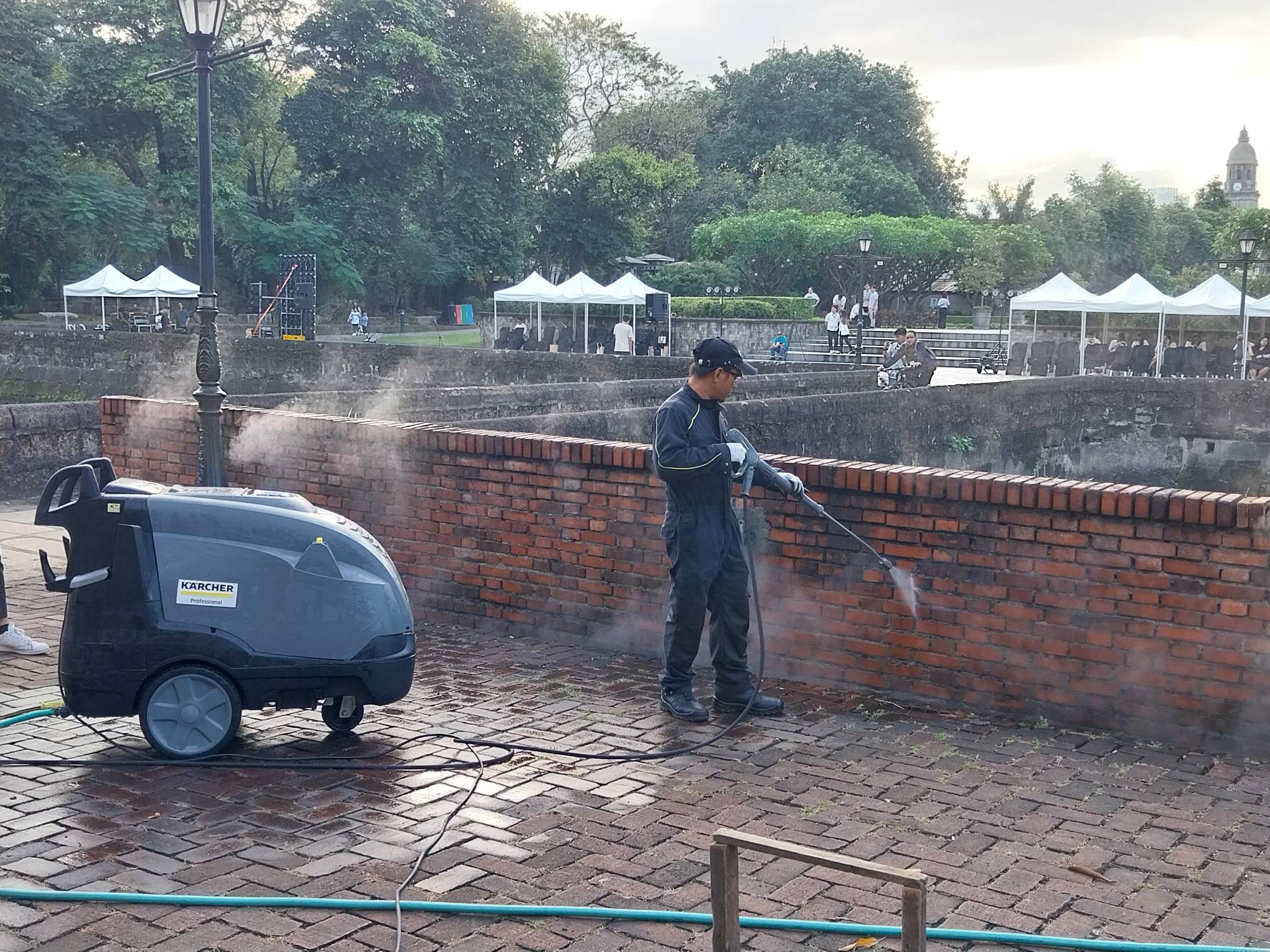
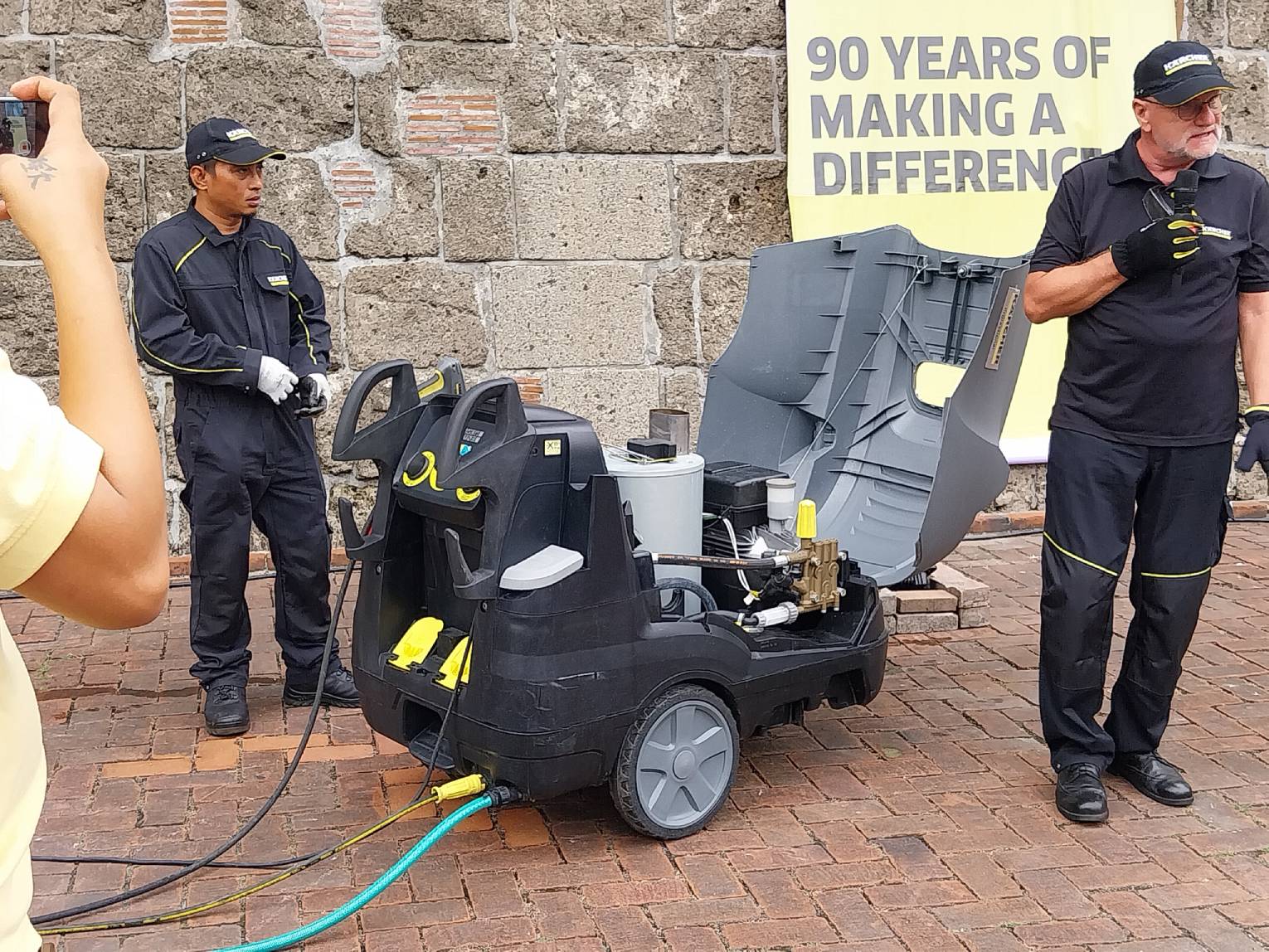
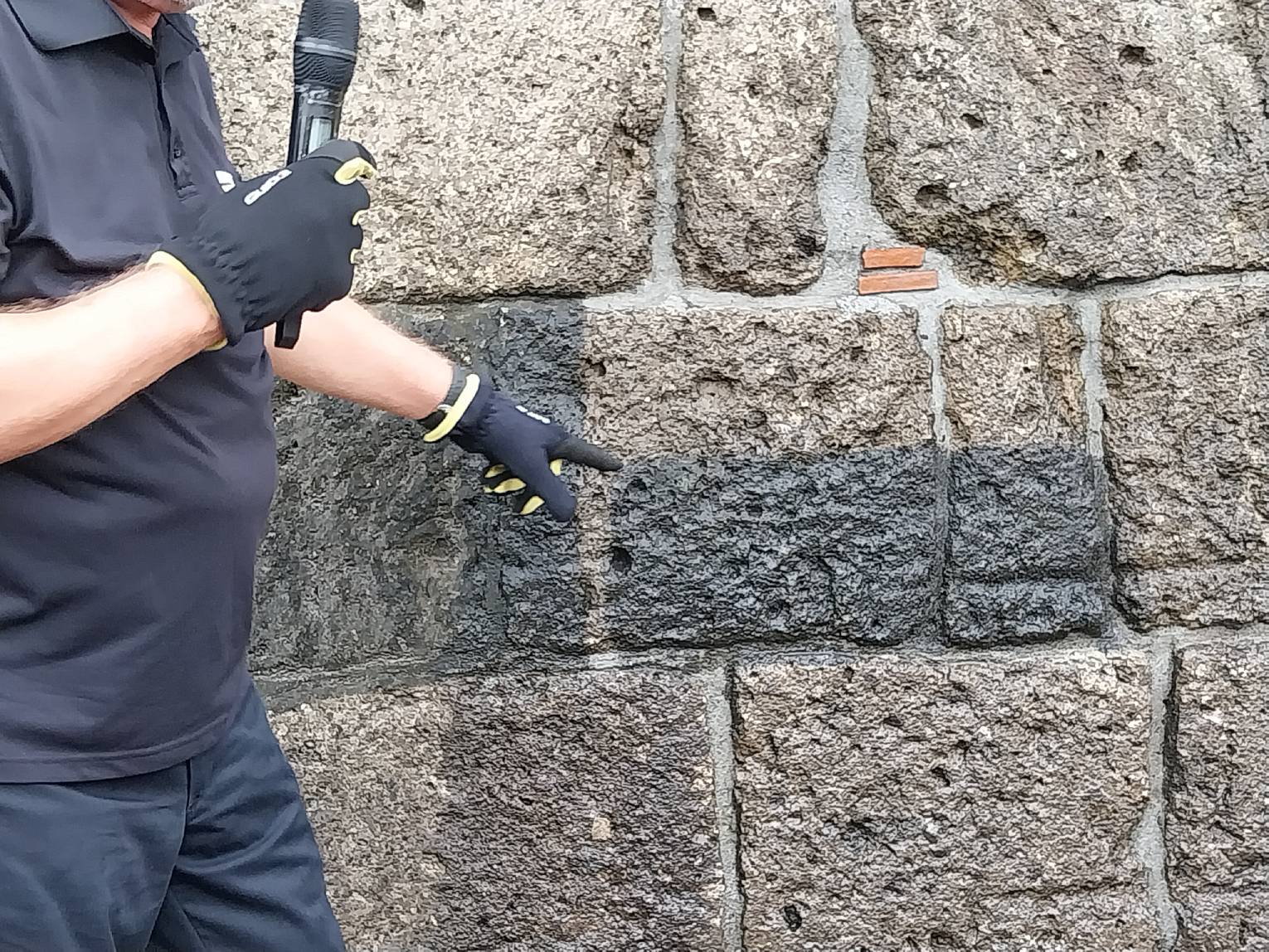
They used a high-pressure, hot water cleaner that utilizes a gentle steam setting to clean up the mold and dirt buildup without damaging the stones of the wall. Kärcher donated some of their cleaning machines to the Intramuros Administration to help maintain the walled city. They will also train some of the workers in Fort Santiago to its use to ensure maximum effectiveness in their maintenance.
“Our goal is not just to enhance the appearance of this historic site but to ensure its long-term preservation by preventing natural growth that can affect the stone over time,” Daina Bartuseviciute, the director of Marketing and Product for Kärcher Southeast Asia said.
Cultural Sponsorships for Targeted Cleaning
This is not the first time Kärcher has initiated the cleaning of a historical site in the country. In fact, their Cultural Sponsorship program has cleaned up over 191 different monuments across the globe over the past few decades. Currently, to celebrate their 90th anniversary, the company is initiating an ambitious project for their Cultural Sponsorship where they undertake over 90 cleaning projects across the world.
The partnerships for these cleaning projects usually come from either entities looking to preserve their monuments and other heritage sites, or from Kärcher, who assess a site and see if their products can help in maintaining these monuments.
“First of all, there should be [a] need for the cleaning,” Bartuseviciute said. “It’s a collaboration with restorers as well, because sometimes they approach us looking for solutions. And sometimes we see that we can support and help. It’s always a collaborative approach, I would say. And of course, we are interested in different UNESCO heritage monuments, any monument that has historical value because it’s really something that requires preservation.”
Cleaning Up Fort Santiago
In the Philippines, Fort Santiago becomes the ninth monument to be cleaned under the program. Since 2017, they’ve cleaned up well-known entities such as the Rizal Monument in Luneta, Plaza Miranda in Quiapo, the EDSA People Power Monument, the San Agustin Church in Manila, and the St. Andrews Cathedral in Parañaque. Though they haven’t yet revealed any specifics, the company plans to initiate more cleaning projects in the country.
“As part of our global cultural sponsorship program, our goal is not only to clean but also to help preserve historic and culturally significant landmarks around the world. This initiative aligns with the growing awareness among Filipinos about the importance of heritage conservationHeritage ConservationThe practice of protecting, maintaining, and restoring historically, culturally, or architecturally significant buildings, sites, and landscapes. In the Philippines, it is guided by the National Cultural Heritage Act and bodiesGo to Heritage Conservation Glossary,” Darwin Banez, general manager of Kärcher Philippines, said.
Revitalizing Fort Santiago
Joan Padilla, who heads the Intramuros Administration, said that Kärcher had approached them early on to discuss the potential plan of cleaning up Fort Santiago with its tools. The pandemic delayed these efforts, but the continued talks over the past two years allowed for the project to eventually come into fruition.
“We have our own efforts,” Padilla said, “but it’s not with the partnership of a private entity. But it’s good that Kärcher approached us because we don’t have that innovative tool yet to be able to clean all of this. Now that we are armed with this tool, […] we can start the cleanup of our walls and fortifications, not just in Fort Santiago, but for the rest of the walled city.”
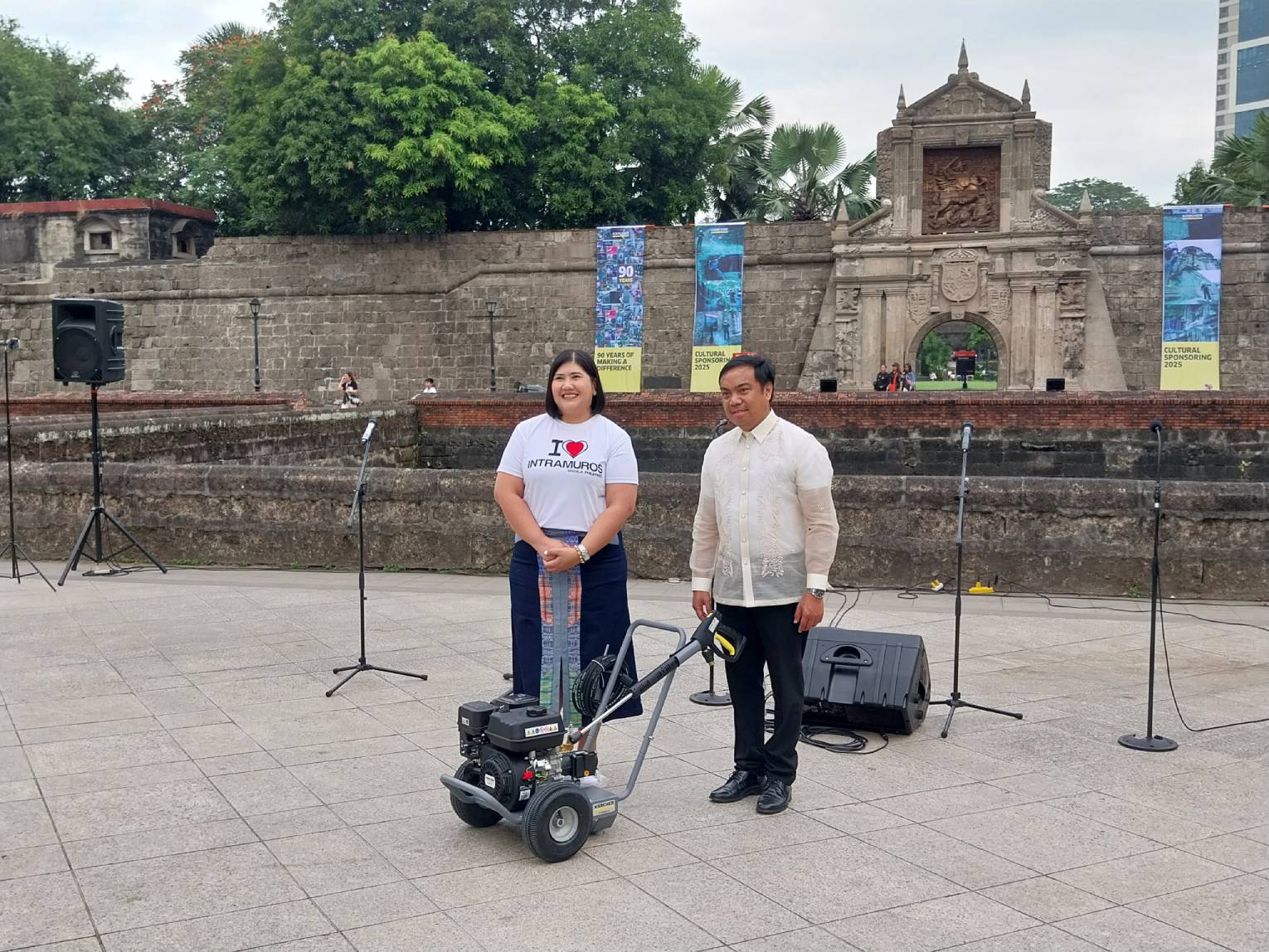
Padilla revealed that the Intramuros Administration also had broader plans that went beyond restoration of the walls. She talked about the opening of the Fort Santiago Riverwalk, which will allow tourists to be able to go to the Pasig River next to the fortified city.
“ The tourists are not just limited to the main area of Fort Santiago,” she said. “Now they can go outside and enjoy the riverwalk and see the beautiful Pasig River and also the beautiful enhancements that are being made […] for the Pasig River Bigyang Buhay Muli project of our president.”
Fostering Stronger Relations Between Germany and the Philippines
The Kärcher Cultural Sponsorship cleanings are seen by Dr. David Klebs, the Economics Counsellor of the German Embassy, as a firm way of ensuring strong ties between the Philippines and Germany—both culturally, and economically.
“It’s really the essence of Corporate Social Responsibility,” he said. “It’s a company working on preserving such historic monuments, and I think it stands for a typical thing that German companies do. [The project is] a wonderful symbol of our friendship and the work that the German companies have been doing consistently over the last years, and I hope it continues.”
![[From left] Darwin Banez, general manager of Kärcher Philippines, host Daphne Osena=Paez, Dr. David Klebs, Kärcher Southeast Asia marketing director Daina Bartuseviciute, Intramuros Administraion head Joan Padilla, and a member of Kärcher's cleaning team.](https://assets.bluprint-onemega.com/wp-content/uploads/2025/03/20250220_084058.jpg "20250220_084058 - BluPrint")
Klebs pointed out that Germany and the Philippines are also celebrating their 70th year of diplomatic relations. With this, he said that this provides a symbolic gesture of the continued commitment of the two countries to maintaining their beneficial engagements together.
“We are committed to deepening our engagements across a wide range of mutually beneficial areas, ensuring that our partnership continues to thrive,” he said. “Both countries are committed to upholding democratic values, human rights, and the rule of law.”
Photos by Elle Yap.
Related reading: 6 Historical Places in the Philippines that Celebrate Its Independence
Frequently Asked Questions
The project was a restorative cleaning effort aimed at preserving the historical wall facade and main gate of Fort Santiago while celebrating Kärcher’s 90th anniversary. By removing mold and dirt buildup, the initiative prevents natural growth from damaging the ancient stones, ensuring the long-term structural integrity of the site. This partnership with the Intramuros Administration highlights a commitment to heritage conservation through advanced, non-destructive German cleaning technology.
Kärcher utilizes a high-pressure, hot water cleaner specifically adjusted to a gentle steam setting to lift biological growth and pollutants without Abrading the delicate stone surfaces. This specialized technique ensures that dirt is removed effectively while the original texture and material of the heritage site remain perfectly intact. The process is conducted in collaboration with professional restorers to ensure the most appropriate and safest cleaning solution is applied to each unique monument.
Fort Santiago is the ninth Philippine monument to benefit from this global initiative, joining a prestigious list of sites cleaned since 2017. Other notable landmarks include the Rizal Monument in Luneta, the EDSA People Power Monument, San Agustin Church in Manila, and Plaza Miranda in Quiapo. These projects are part of a broader global effort to clean over 90 significant monuments worldwide to mark the company’s nearly century-long history.
The partnership serves as a vital example of Corporate Social Responsibility, providing the Intramuros Administration with innovative tools and training they previously lacked for large-scale fortification maintenance. Beyond the immediate cleaning of Fort Santiago, Kärcher donated equipment to help maintain the entire Walled City. This collaboration supports the government’s broader revitalization goals, including the enhancement of the Pasig Riverwalk and other cultural heritage tourism projects in Manila.
This initiative symbolizes the strong 70-year diplomatic and economic bond between Germany and the Philippines, showcasing how German multinational expertise can support local cultural preservation. By engaging in “Cultural Sponsorship,” German companies demonstrate a commitment to social responsibility and the shared values of historical respect. These projects foster deeper bilateral ties, proving that international corporate cooperation can play a decisive role in protecting a nation’s most cherished cultural landmarks.

“Buildings only become architectureArchitectureThe art and science of designing and constructing buildings, structures, and spaces that are functional, safe, and aesthetically pleasing. It encompasses the planning, design, materials, and techniques used to createGo to Architecture Glossary when they are shared,” said William Ti Jr., founder of the Anthology Festival and WTA Architecture and Design Studio, […]
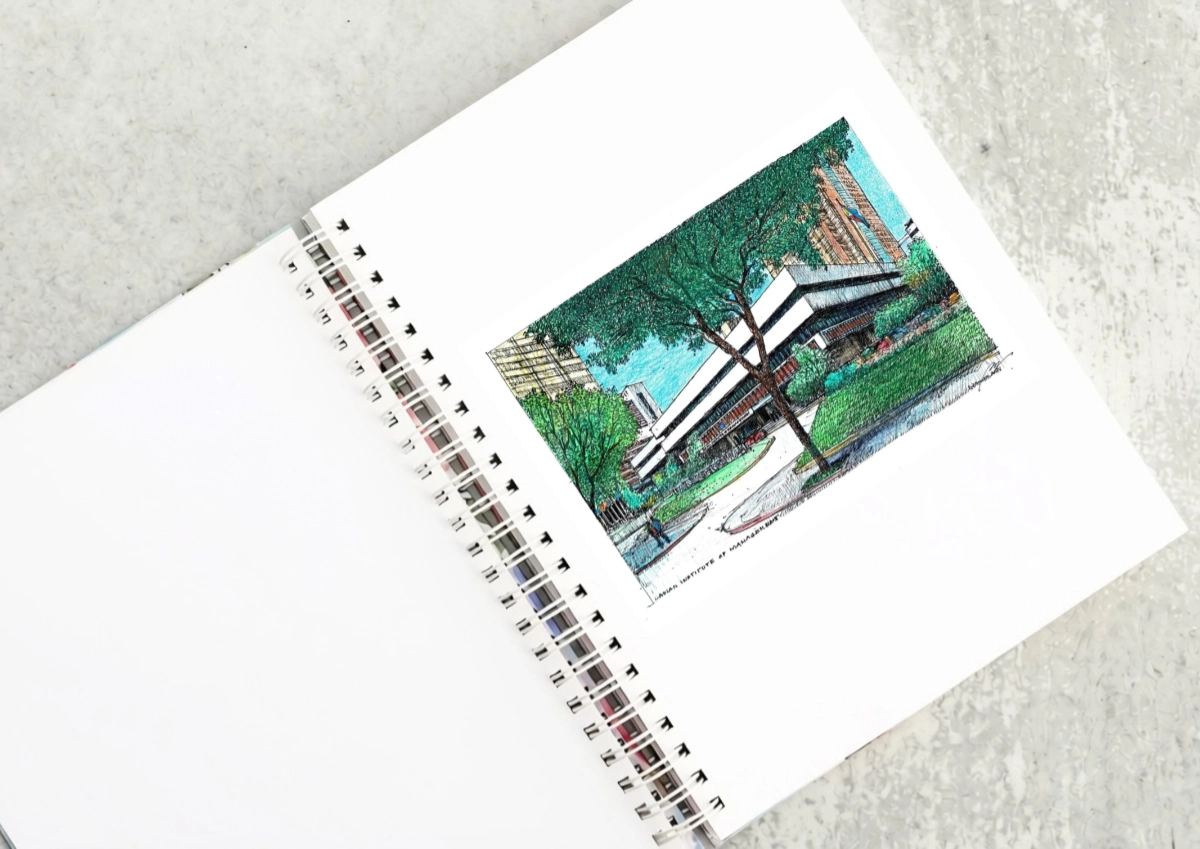
A Filipino Interpretation of Modernist Architecture Unlike the rest of Makati today, the northern end of Paseo de Roxas in Makati is anchored by a low complex rather than a tall skyscraper. This is the elegant Asian Institute of Management, designed by architect Gabriel Formoso and completed in 1971. In my opinion, the building is […]
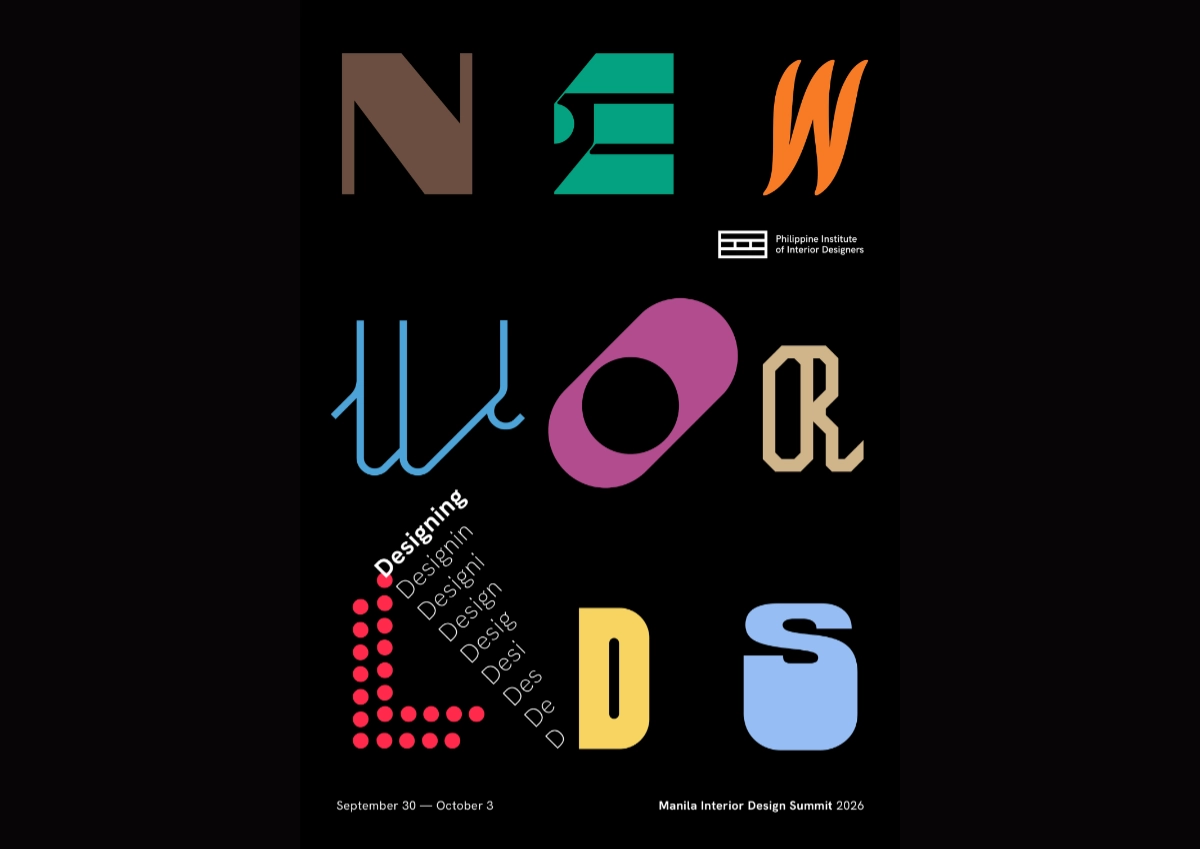
“Thailand has claimed urban creativity and livability. Singapore has institutional design leadership. Indonesia is emerging as a design hub. Vietnam is moving into design innovation. And the Philippines? Its position is not weak. It is simply unclaimed.” For IDr. Cecil Ravelas, National President of the Philippine Institute of Interior Designers (PIID), the challenge is not […]
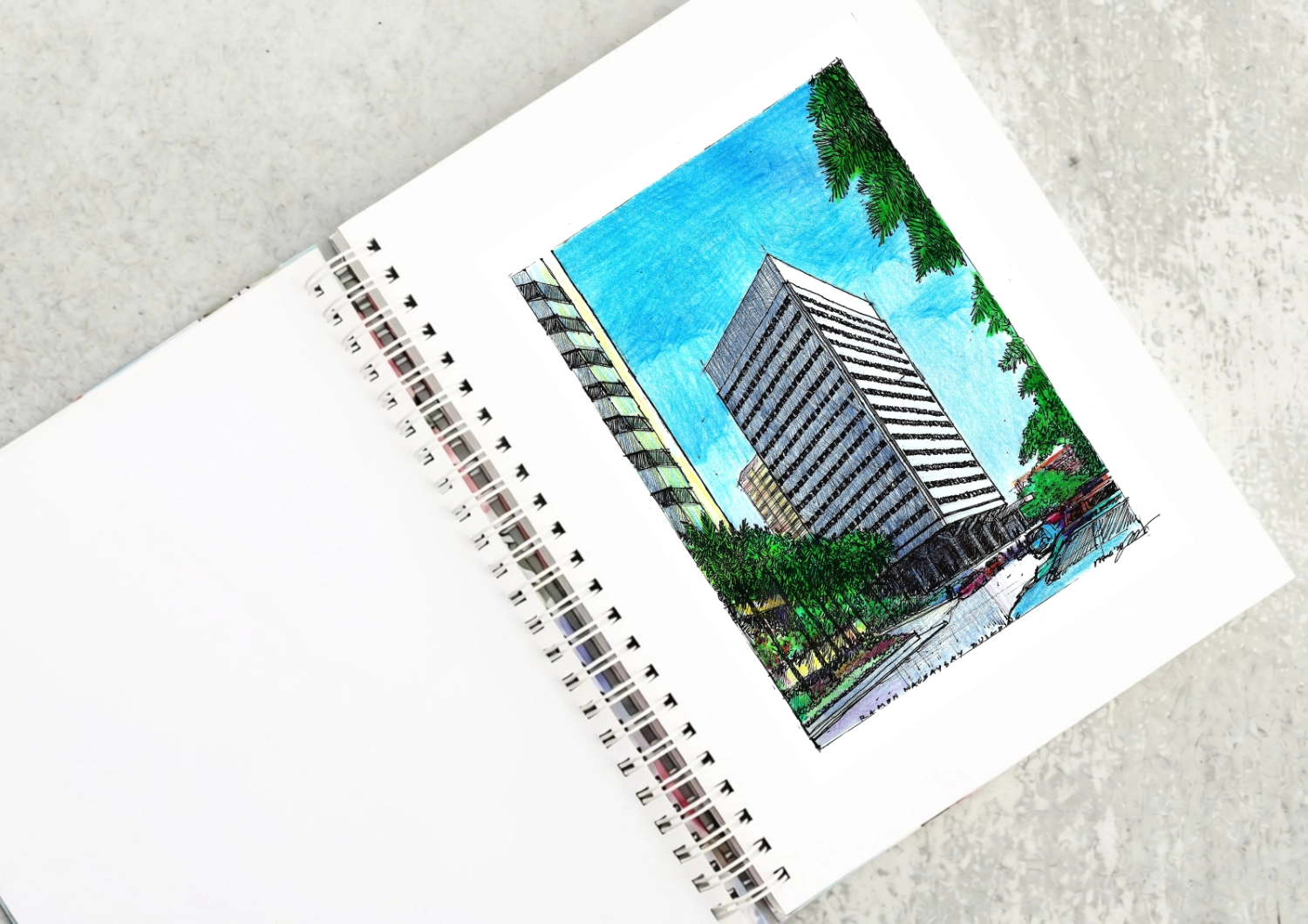
The Ramon Magsaysay Center as a Modernist Landmark Driving down Roxas boulevard from Rizal Park, what will catch your eye is the most elegant modernist structure in the country, the Ramon Magsaysay Center. Most established Filipino architects put it in their top ten lists of favorite buildings. It was designed by Alfredo J. Luz, who […]

Rinna Soriano’s favorite part of her work is sanding. At her workbench, she stays focused, following the grain, adjusting to changes in its direction. NarraNarraThe national tree of the Philippines, Pterocarpus indicus, prized for its durable, reddish-gold hardwood and handsome grain. Traditionally used for furniture, flooring, and carved panels, narra is now protected fromGo to […]
Read the issues.

Collect the volumes.

Recommended Video
Tap to Unmute
Unmute
0:00
0:00