Culture in design does not always announce itself through a recognizable motif, material, or symbol. It can also be embedded in the relationships designers build, the knowledge they listen to, the materials they choose, and the decisions they make in response to communities and their environments. This distinction emerged throughout the 2026 International Design Conference […]
Push to Declare Pasig River a National Cultural Treasure Gains Momentum



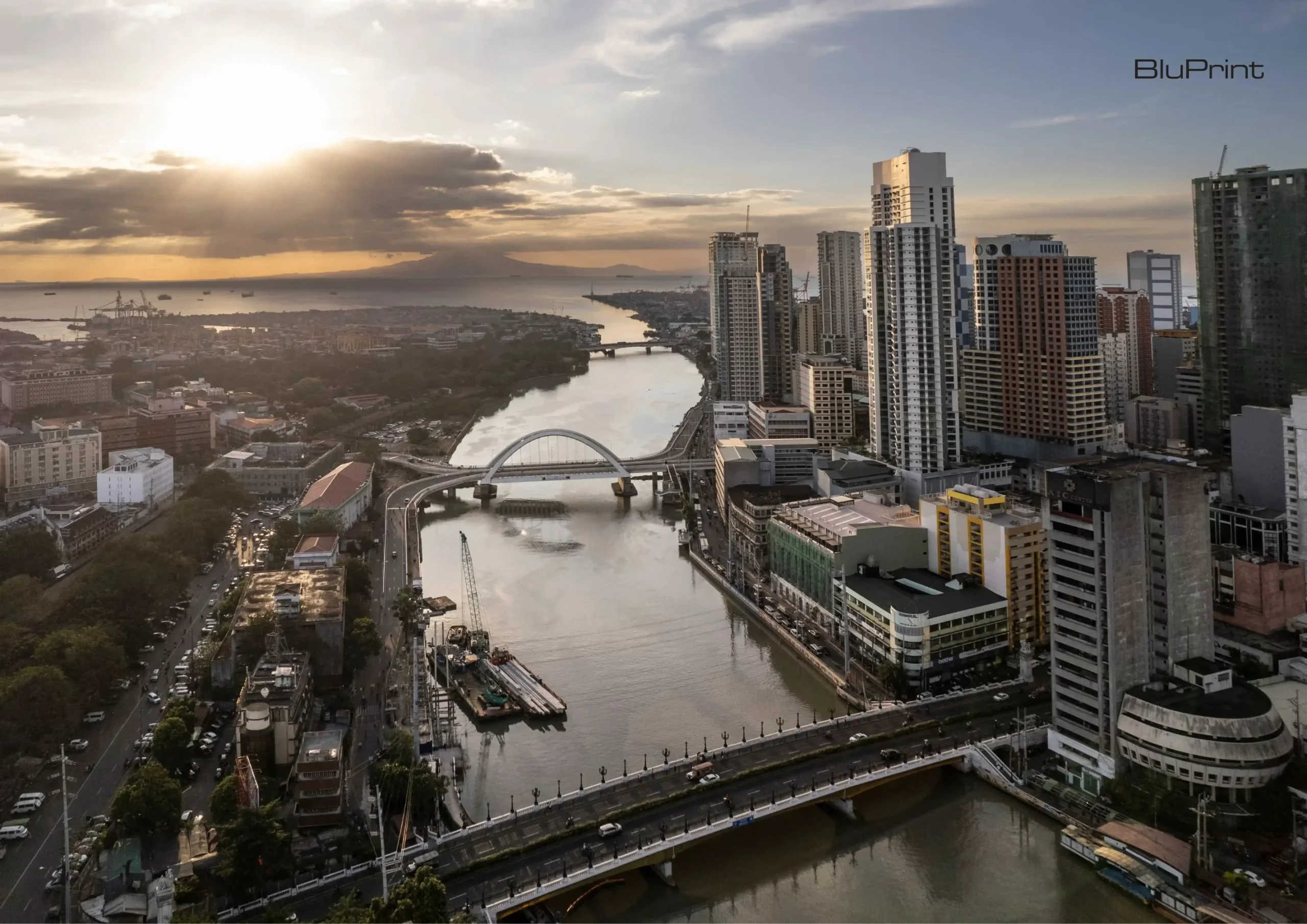
A growing coalition of heritage conservationists and cultural advocates is calling for the urgent call to declare the Pasig River a National Cultural Treasure (NCT). They cite the river’s irreplaceable historical, cultural, and ecological significance. The move comes amid renewed concerns over the Pasig River Expressway (PAREX), a controversial 19.37 kilometer, 6-lane expressway that critics warn could irreversibly alter the river’s identity and legacy.
In a recent online meeting convened by the National Commission for Culture and the Arts (NCCA), members of the joint technical working group composed of the International Council on Monuments and Sites (ICOMOS) Philippines and the Heritage ConservationHeritage ConservationThe practice of protecting, maintaining, and restoring historically, culturally, or architecturally significant buildings, sites, and landscapes. In the Philippines, it is guided by the National Cultural Heritage Act and bodiesGo to Heritage Conservation Glossary Society (HCS) discussed the proposed flowchart and guidelines that would support the petition to recognize the Pasig River as an NCT.
According to Architect Dominic Galicia, past President of ICOMOS Philippines, the initiative gained significant traction thanks to a robust Statement of Significance released by ICOMOS in March 2023. The document outlines the river’s centuries-old role in the country’s social, cultural, and environmental fabric.
“You cannot tell the story of the Philippines without the Pasig River,” Galicia remarked, underscoring institutional support for the initiative.
Legal Foundations in R.A. 10066
Advocates point to the National Cultural Heritage Act of 2009 (R.A. 10066), whose core objectives are to protect, preserve, conserve, and promote the nation’s cultural heritage—including its physical sites, intangible traditions, and the identities of local communities. The law mandates that:
- The State foster a balanced atmosphere in which historic legacies coexist in harmony with modern society.
- Conservation be approached in an integrated, multidisciplinary manner, cutting across all relevant fields and technologies.
- Heritage resources be managed in a spirit of stewardship, for the benefit and inspiration of present and future generations.
Under R.A. 10066, the Pasig River itself—together with the heritage buildings lining its banks and the few remaining open spaces—qualifies as a single “cultural property.” The Act defines cultural property broadly, encompassing everything from churches and historic structures to natural sites and movable artifacts. ICOMOS Philippines therefore recommends that this combined river–site complex be formally declared both a Heritage Zone by the National Historical Commission of the Philippines (NHCP) and a National Cultural Treasure by the NCCA, in recognition of its outstanding historical, social, and aesthetic value.
NHCP Resolution No. 19: Precedent for the Pasig River Heritage Zone
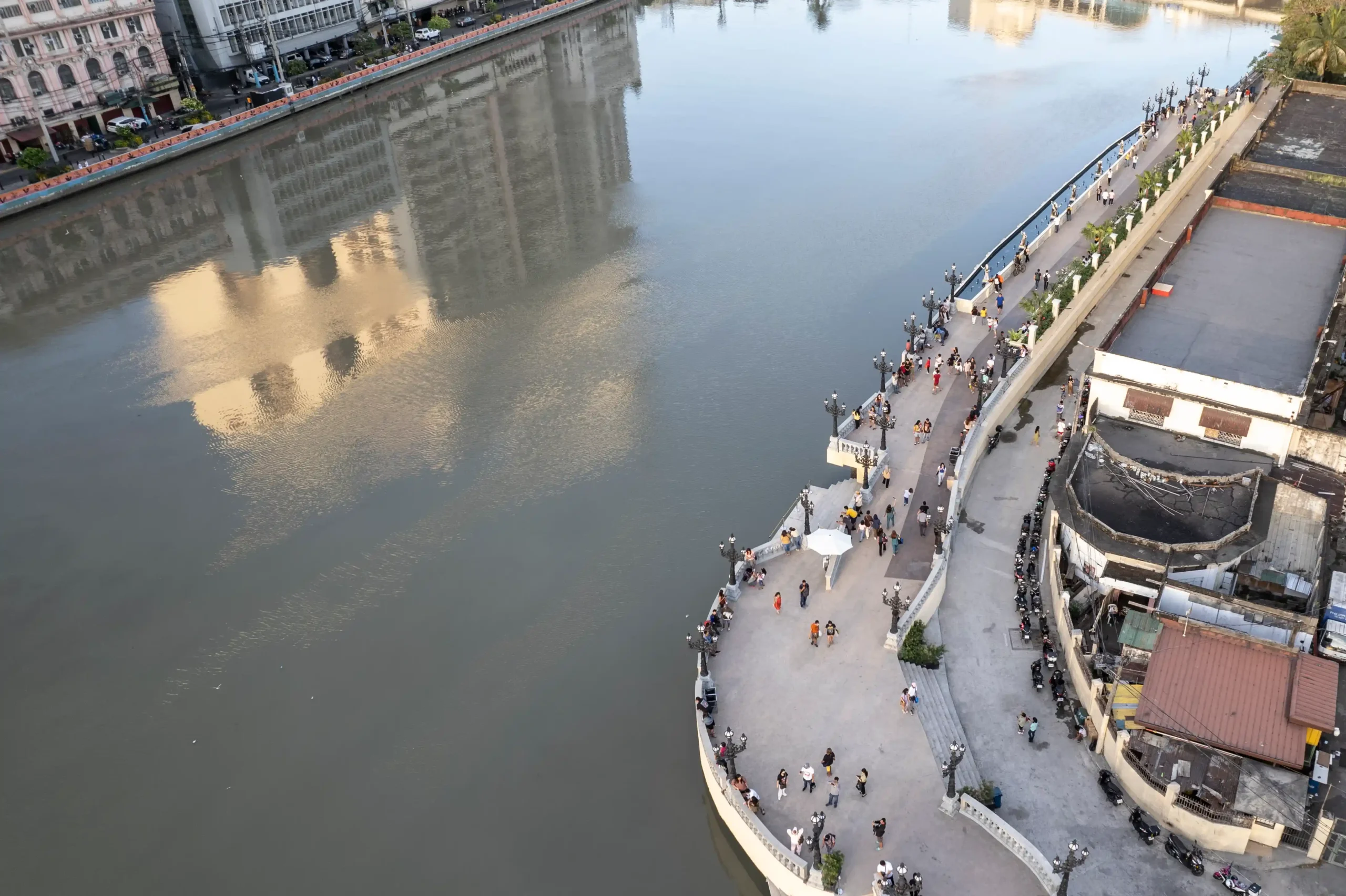
ICOMOS Philippines also cites NHCP Resolution No. 19, s. 2012. This declared the Manila Bay waterfront (from Del Pan Bridge to the Cultural Center of the Philippines) a National Historical Landmark. It’s a clear precedent for protecting a continuous stretch of interconnected heritage. A similar declaration for the Pasig River corridor safeguards the river, structures, open spaces holistically rather than treated in isolation.
Why Is the Pasig River Culturally and Historically Significant to Metro Manila?
Stretching 27 kilometers from Laguna de Bay to Manila Bay, the Pasig River has been a character-defining feature of Metro Manila since at least 900 AD. It served as the primary transportation, trade, and communication artery for Tagalog settlements, and later under Spanish and American colonial administrations. Today, it remains an alternative mode of public transport, a flood-management channel, and an urban heat sink that mitigates the effects of climate change.
Culturally, the river has inspired generations of Filipino artists, writers, and composers—from José Honorato Lozano and José Rizal to Fernando Amorsolo and modern filmmakers—earning it a place alongside the Seine, Thames, and Chao Phraya as a living emblem of national identity.
PAREX: A Threat to Holistic Conservation
The proposed expressway is a 19.37-kilometer elevated toll road that will run along the banks of the historic Pasig River, from R-10 in Manila to C-6 in Taguig. While pitched as a solution to traffic congestion, the project draws significant criticism for its potential destructive impact on the river’s ecological, cultural, and social value.
Its construction threatens to alter the river’s natural character, undermining its historic role as Manila’s lifeline and eroding its identity as a vital cultural and environmental resource. By introducing a massive elevated structure along its banks, the expressway would disrupt the aesthetic and historical views of heritage buildings—many of which date back centuries and are key elements of the nation’s architectural patrimony.
In addition, the project risks worsening pollution and ecological degradation. Elevated expressways, known to generate significant noise, air, and water pollution, potentially inflict further harm on an already fragile waterway. PAREX would also undermine current and future efforts to rehabilitate the river as a shared public space that promotes ecological balance, recreation, and well-being across generations.
Most importantly, the project directly contradicts the principles of the National Cultural Heritage Act of 2009, which emphasizes holistic stewardship of cultural properties like the Pasig River and its surrounding heritage zone.
Critics argue that rather than resolving traffic, PAREX will concretize a critical urban waterway, turning it into an eyesore and choking off the chance for sustainable development along one of Metro Manila’s most historically significant and environmentally crucial corridors.
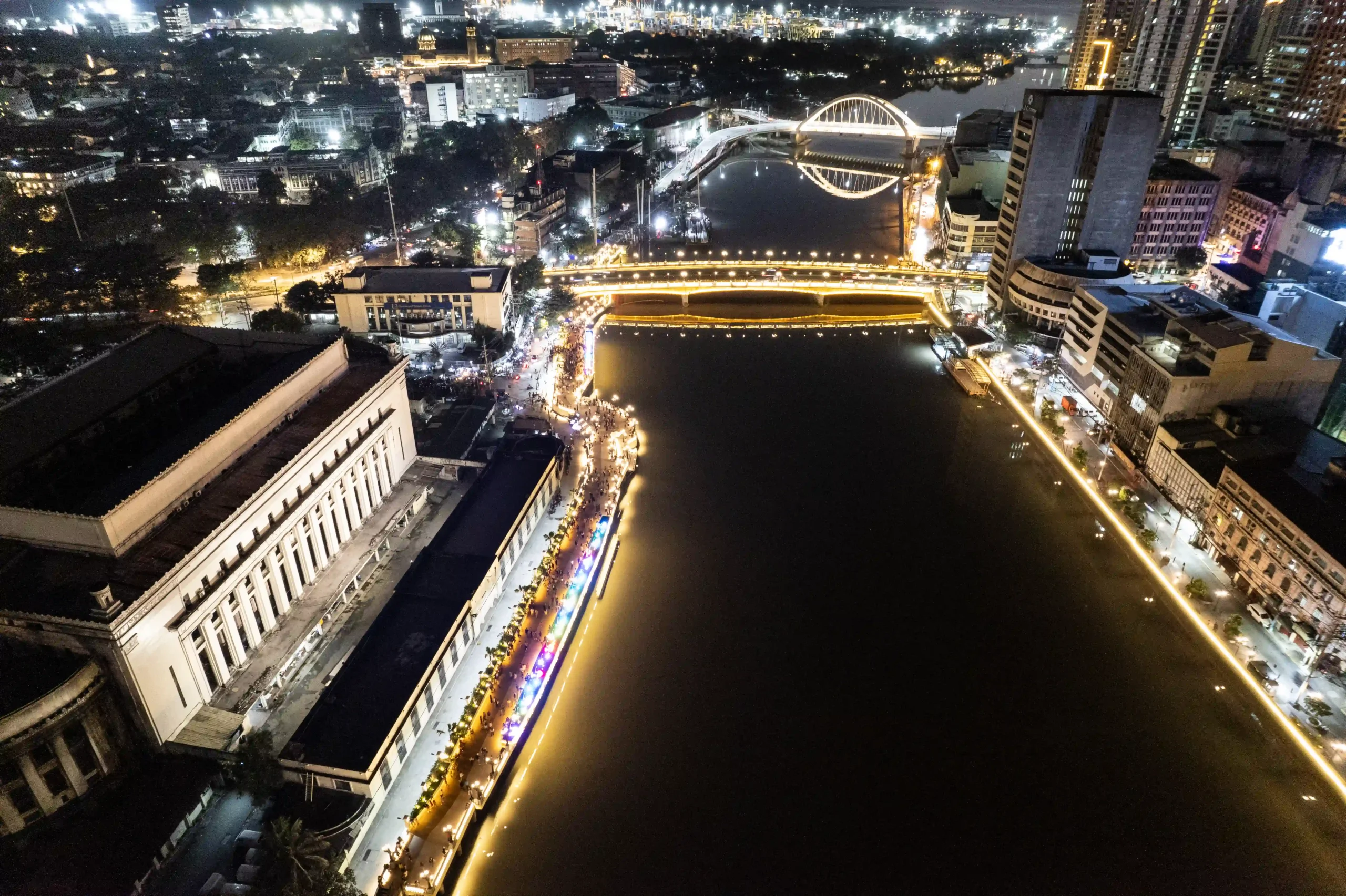
Conservationists warn that without the legal shield of an NCT designation, piecemeal protections will fall short—allowing one element (for example, an open-space park or a historic warehouse) to be imperiled if decision-makers treat them as discrete assets.
“A National Cultural Treasure designation is not just symbolic,” Galicia emphasizes. “It is a lifeline—for the river, for our heritage, and for the generations who will inherit both.”
As the NCCA continues deliberations on the petition, heritage and environmental groups urge swift action to enshrine the Pasig River corridor under the strongest possible legal framework—an integrated, holistic safeguard befitting one of the Philippines’ most storied and essential cultural landscapes.
The joint ICOMOS-HCS petition marks a significant moment in the country’s cultural preservation efforts, signaling a broader movement to center heritage in the face of rapid urban development.
For updates on the Pasig River NCT campaign and related developments, follow ICOMOS Philippines at philippines.icomos.org.
Photos by Ed Simon.
Read more: Revitalizing the Pasig River to Transform Manila’s Social Fabric
Frequently Asked Questions (FAQs)
Pasig River is a vital waterway in Metro Manila, serving as a historical trade route and cultural landmark. It reflects the city’s heritage, connecting communities while symbolizing efforts to restore urban waterways.
The rehabilitation program aims to clean, restore, and revitalize the Pasig River through waste removal, eco-friendly engineering, and heritage conservation. It combines environmental sustainability with cultural preservation for future generations.
While once considered biologically dead due to pollution, restoration initiatives have improved water quality and revived aquatic life. Ongoing projects aim to fully restore its ecological and cultural value.
Heritage-marker status would protect the river’s historic significance, attract tourism, and secure funding for conservation. It reinforces its role as a cultural landmark while supporting sustainable urban development.
Yes, the lighthouse and preserved riverside houses could be part of a designated heritage zone. Including these structures highlights their cultural value and strengthens efforts to protect the river’s historical identity.

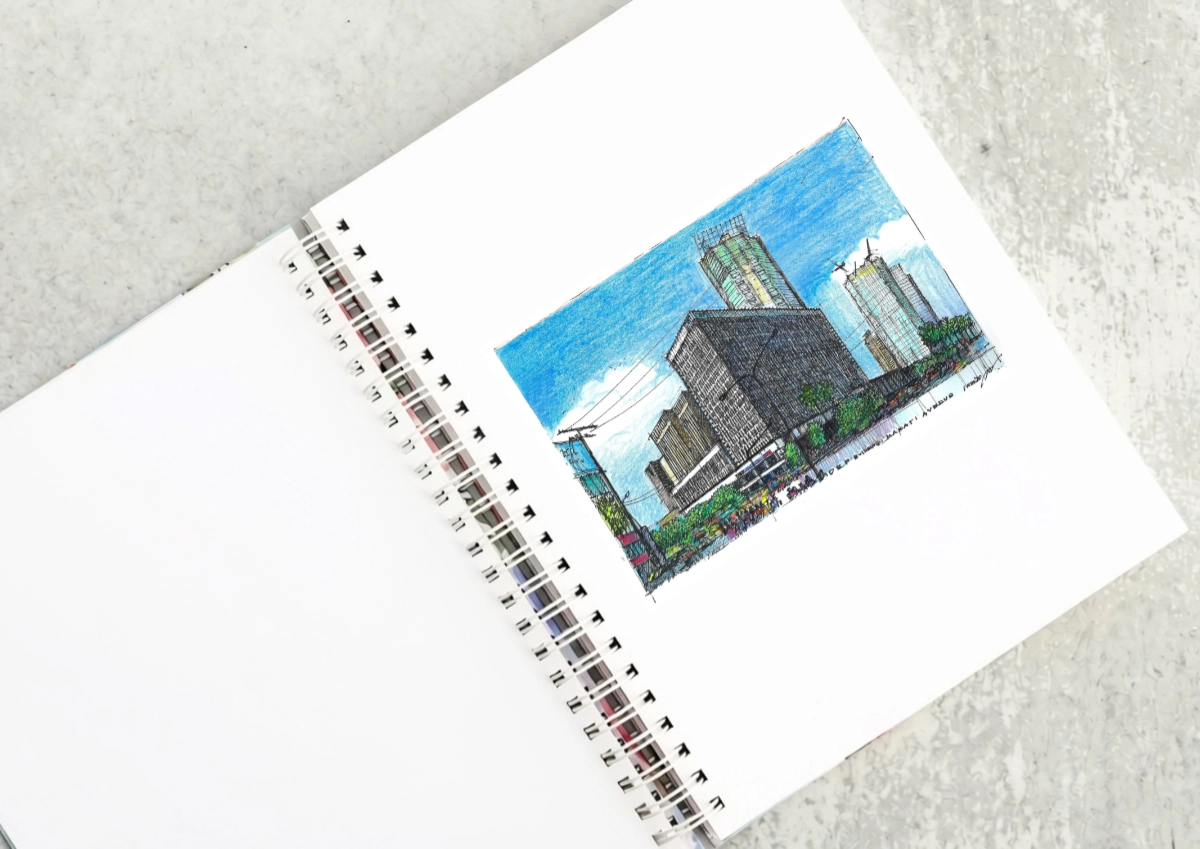
The DBP Building as a Landmark of the International Style At the corner of Sen. Gil Puyat Avenue and Makati Avenue stands a landmark of the Makati Central Business District. It is one of the last still standing that were built in the first wave of construction in district fifty years ago. The Development Bank […]

“Buildings only become architectureArchitectureThe art and science of designing and constructing buildings, structures, and spaces that are functional, safe, and aesthetically pleasing. It encompasses the planning, design, materials, and techniques used to createGo to Architecture Glossary when they are shared,” said William Ti Jr., founder of the Anthology Festival and WTA Architecture and Design Studio, […]
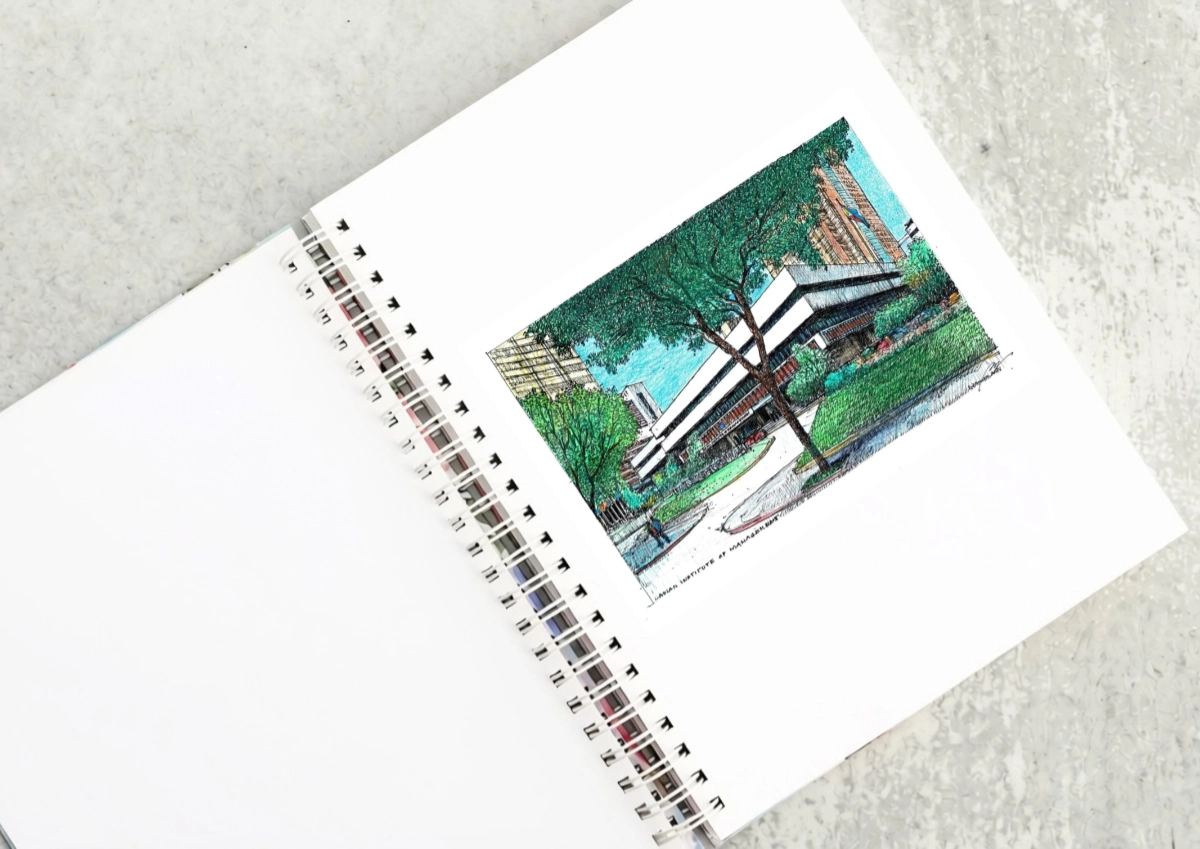
A Filipino Interpretation of Modernist Architecture Unlike the rest of Makati today, the northern end of Paseo de Roxas in Makati is anchored by a low complex rather than a tall skyscraper. This is the elegant Asian Institute of Management, designed by architect Gabriel Formoso and completed in 1971. In my opinion, the building is […]
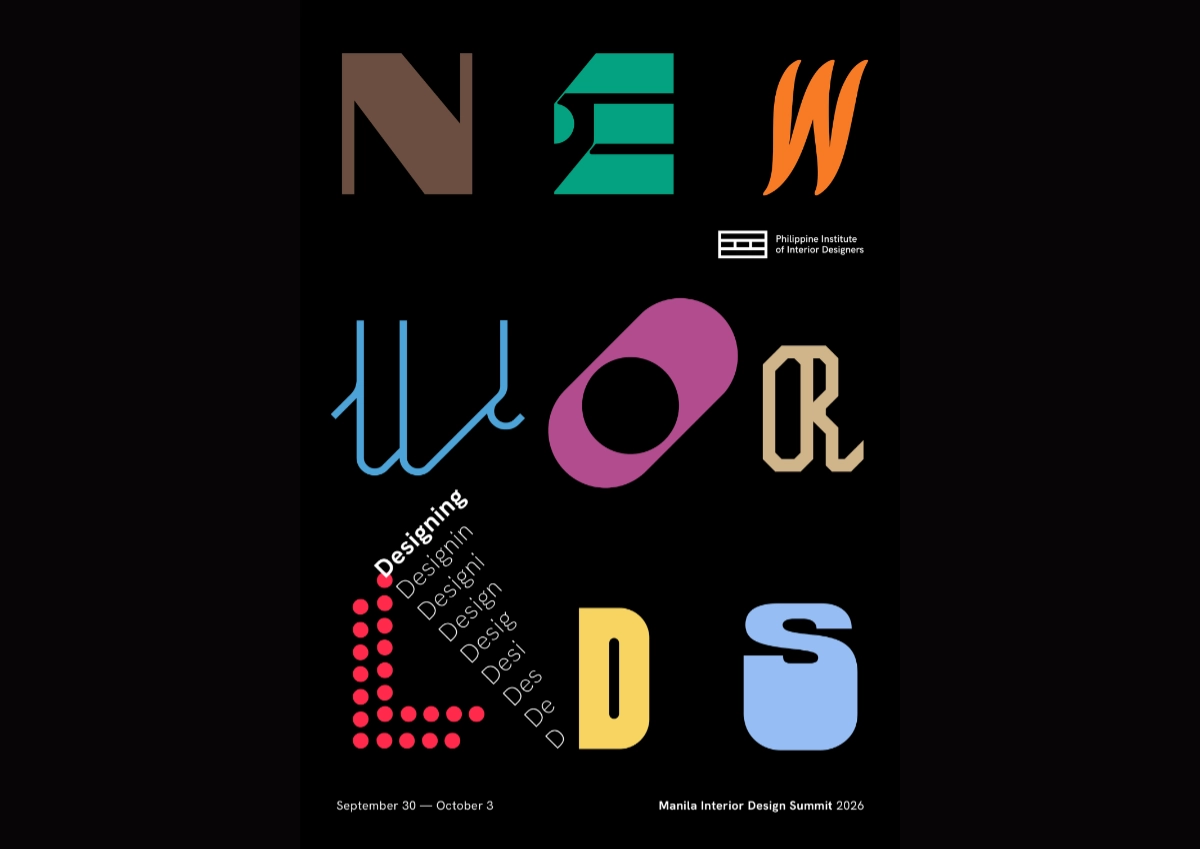
“Thailand has claimed urban creativity and livability. Singapore has institutional design leadership. Indonesia is emerging as a design hub. Vietnam is moving into design innovation. And the Philippines? Its position is not weak. It is simply unclaimed.” For IDr. Cecil Ravelas, National President of the Philippine Institute of Interior Designers (PIID), the challenge is not […]
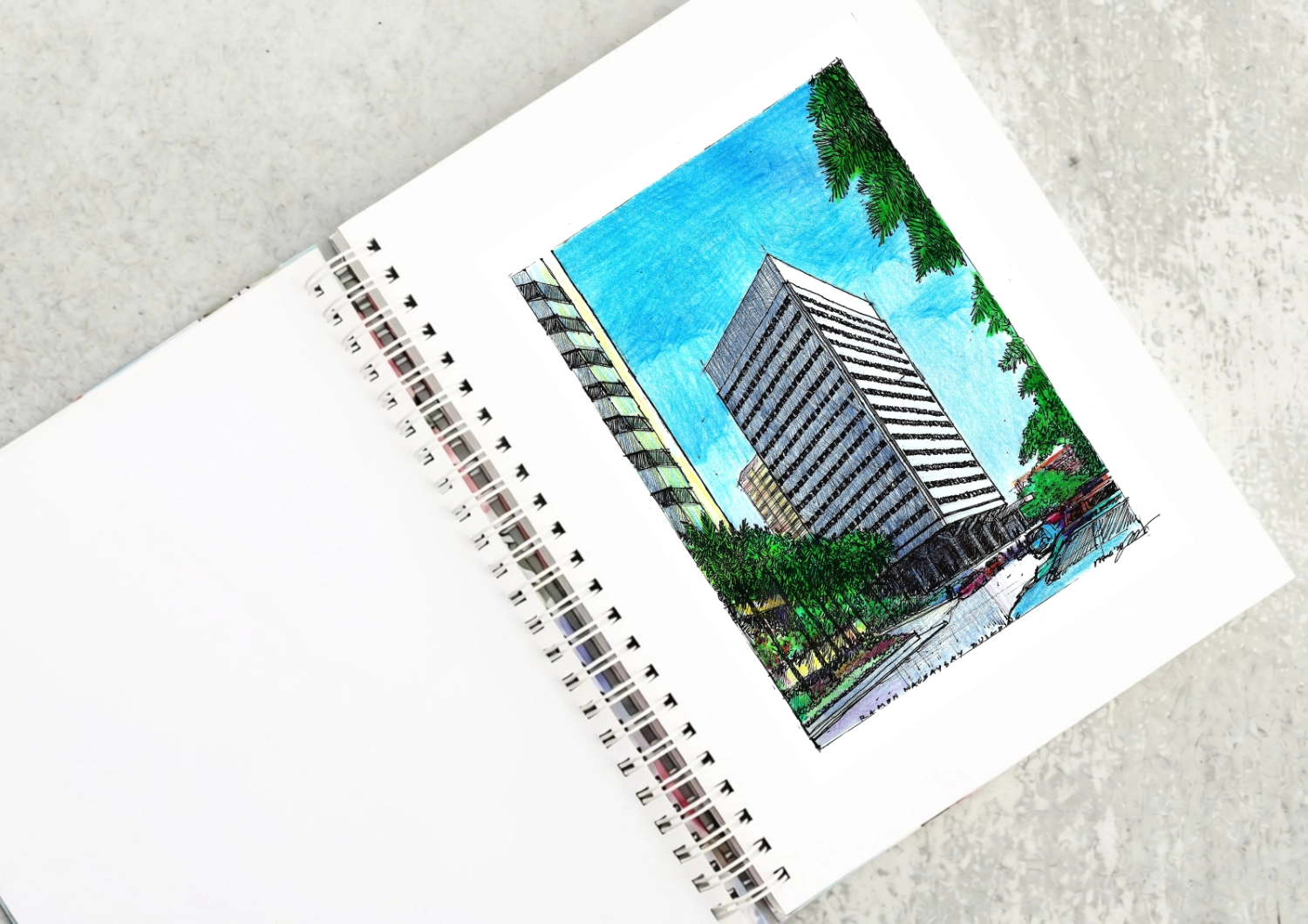
The Ramon Magsaysay Center as a Modernist Landmark Driving down Roxas boulevard from Rizal Park, what will catch your eye is the most elegant modernist structure in the country, the Ramon Magsaysay Center. Most established Filipino architects put it in their top ten lists of favorite buildings. It was designed by Alfredo J. Luz, who […]
Read the issues.

Collect the volumes.

Recommended Video
Tap to Unmute
Unmute
0:00
0:00