In a way, designers are the modern-day soothsayers and prophets. They design for the future, predicting how a room, a house, a building or a whole city will be used by people. They foresee how users will interact with a space, conjure exact shades of colors to elicit specific behavior and arrange furniture to build […]
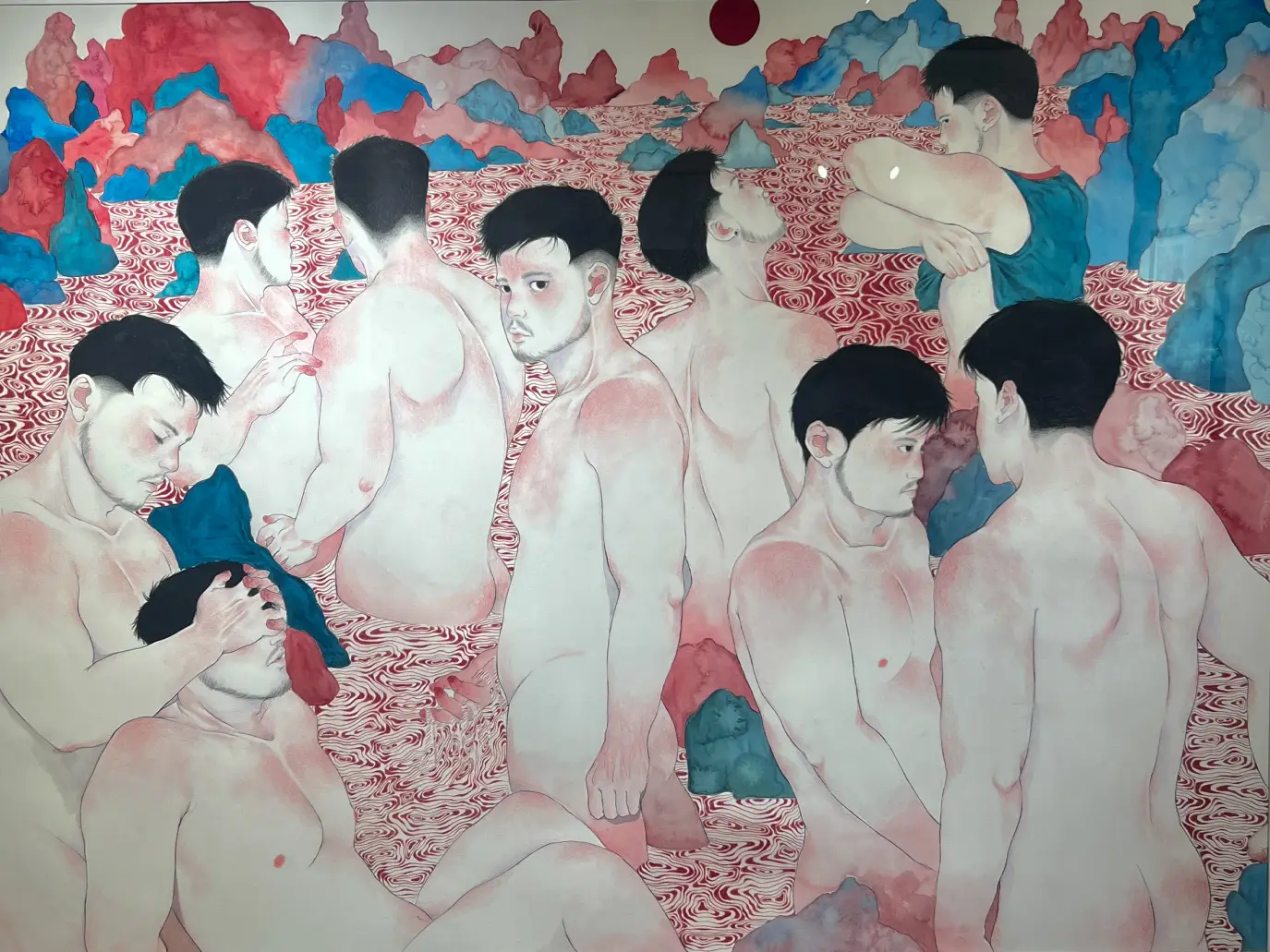
Queer Artists Speak Out: How Queerness Affects the Art They Create



Being part of the LGBTQIA+ community is trying to balance the whiplash of emotions between fighting for recognition and legal rights and celebrating new wins in the community. It isn’t just queer artists specifically; in general, being queer means finding a sense of joy in knowing and living one’s truth honestly while facing destructive regressive political and cultural forces around the world.
For Pride Month, BluPrint interviewed ten artists from a variety of different backgrounds. Some are freelance artists working part-time on their practice. Others are more established, having had exhibits in galleries and art fairs across the country.
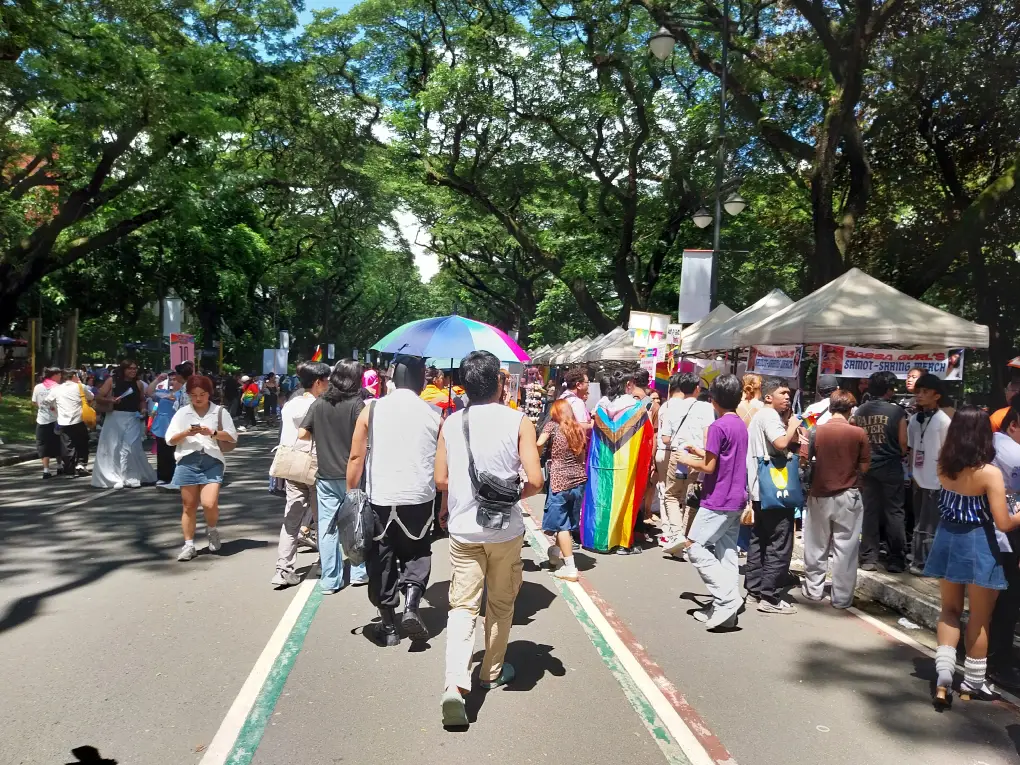
Broadly, what links them all together are two things. The first is their remarkable passion for their artforms and the way they slavishly practice it. The second is their status as queer people—of any and all sexual orientations, gender identities, and expressions (SOGIE)—in the country. Though some of them are not able to be open about it due to their personal circumstances, for others it has become a part of their core artistic identity.
In the first of this two-part series, we discuss the way they create art, and how being part of the LGBTQIA+ community affects the way they work.
Finding Inspiration
How does one get into art in the first place? Everyone has an origin story, and for the artists in question, many of them were drawn to it as a creative outlet for themselves. It was a mind-stimulating activity for multimedia artist John (he/him), for example, and that’s led him to expand to newer mediums as he explores where his ideas can take him.
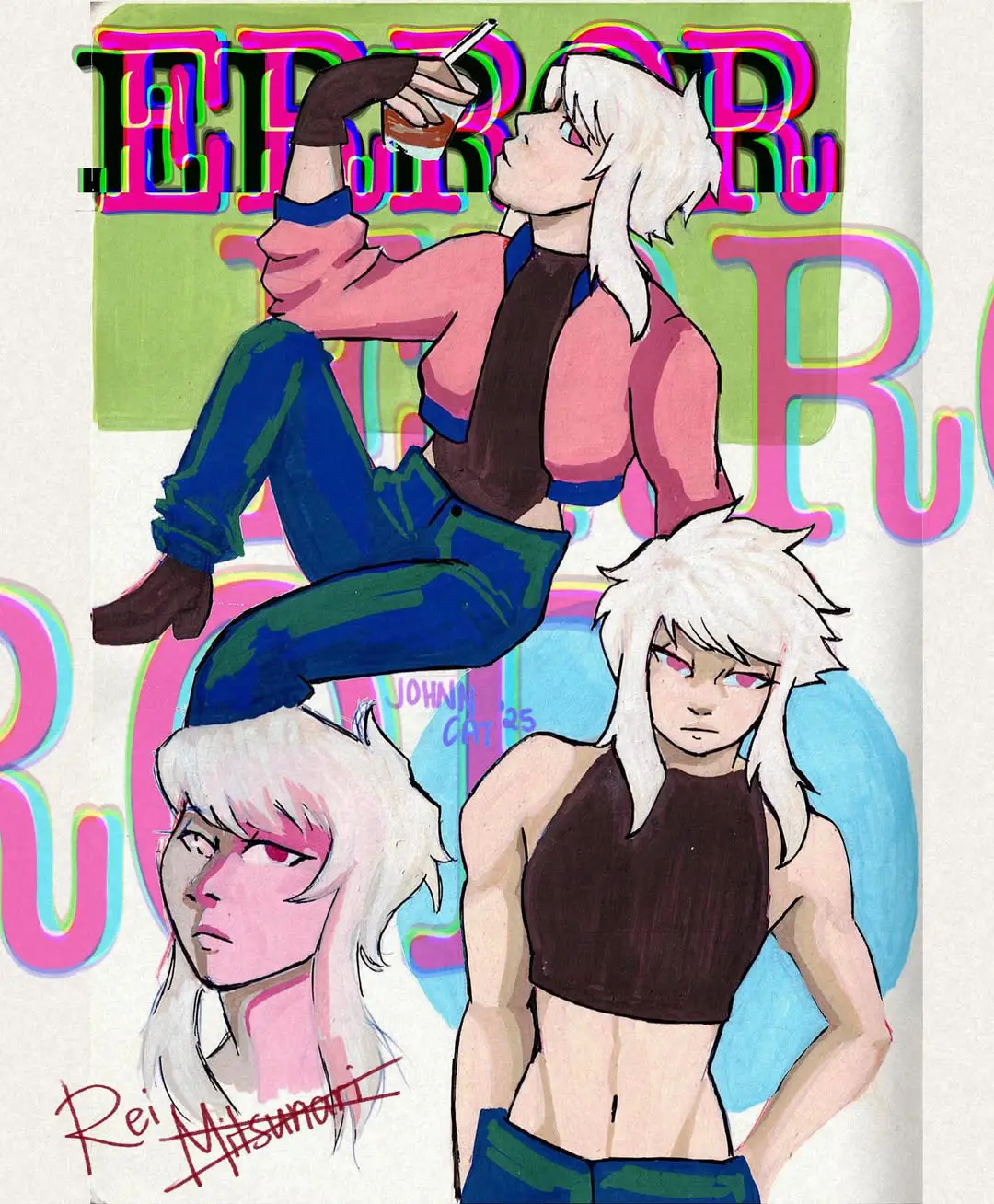
“I’ve been drawing for as long as I [can] remember,” he shared. “I think, since I had so many ideas, I needed an outlet and something to stimulate my mind. I do both digital and traditional art (mostly alcohol markers and acrylic pens), and lately I’ve been combining the two.
Digital illustrator Raven (they/them) got into artistry because of the cartoons they watched growing up. They then got access to the Internet and found communities online that spurred them into making art for the first time.
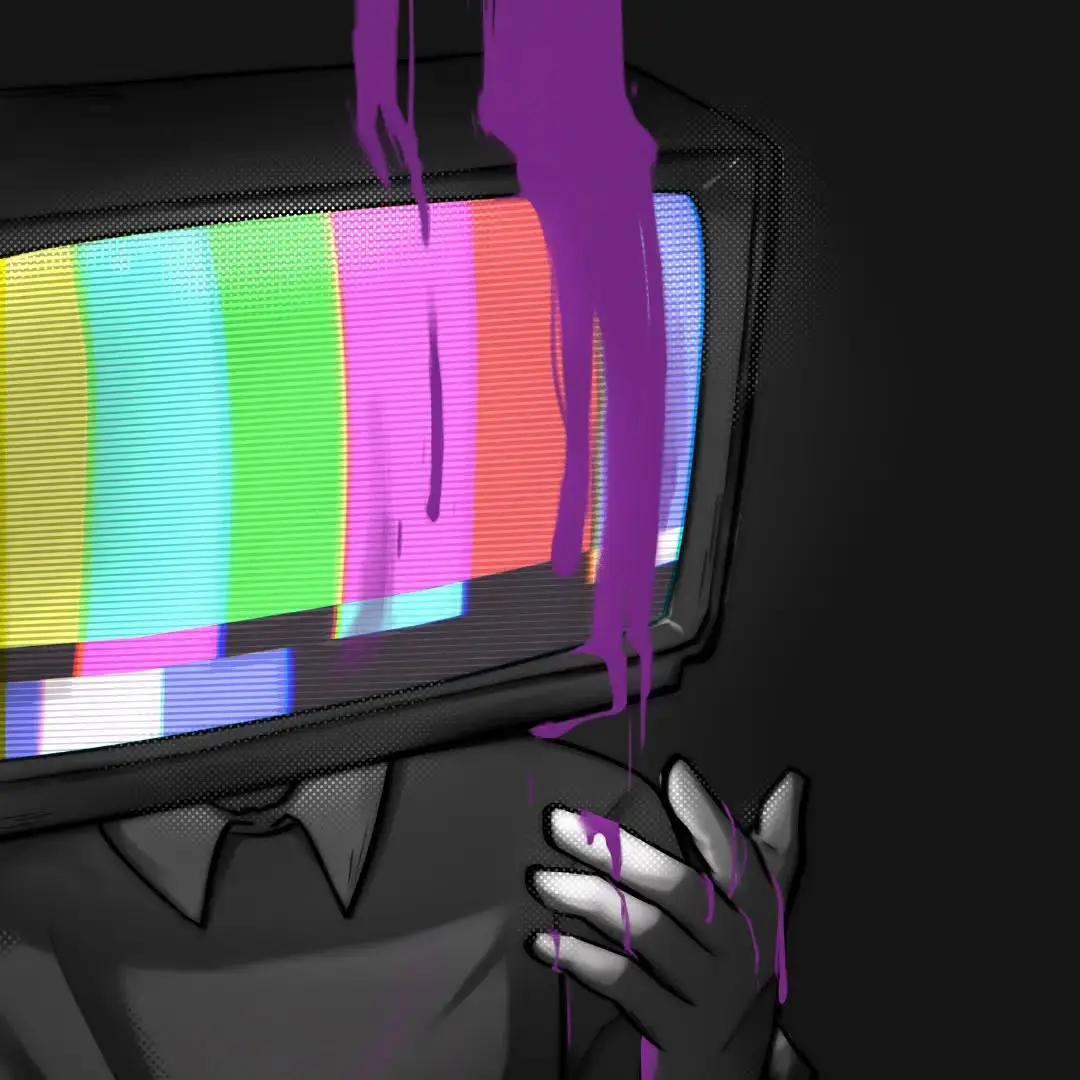
“My art practice started with a love for cartoons and fan art, which naturally led me to explore digital illustration,” they remarked. “I used to spend hours redrawing my favorite characters, and over time, I realized how much I enjoyed creating visuals that reflected the media and stories I connected with.
“At 15, I saved up enough money to buy my first tablet, and from then on, digital illustration became my favorite pastime,” they said.
For collage artist Putimbulak (he/him), he started getting into art with doodles of mermaids, Crayola drawings on the ruled red-and-blue white sheets provided for children in grade school. It wasn’t until he was older that he started getting into more complex types of artistry.
“When I was in high school, I did start using watercolor for my illustrations,” he explained. “I had a phase when I bought those kit watercolors, those 36-span ones that would consist of many different colors, and then I would paint with it. Aside from that, I would also draw on my phone—like the small touchscreen phone, 4.5-inch—and then eventually, when I was able to save some money, I was able to buy a graphic tablet and then connect it to my laptop.”
Mediums and Artforms
While many of the queer artists interviewed use painting and digital art as their primary medium, there are others who are more experimental with their approach. The medium becomes part of the message, as they seek to capture a portion of everyday life with the variety at their disposal.
Multimedia artist AJ Cu (any pronouns) said that they got into artistry as a storytelling method. This led them towards an ongoing process of exploration for the types of artforms that they would use, including “slower, tactile processes” that re-engages with their mind.
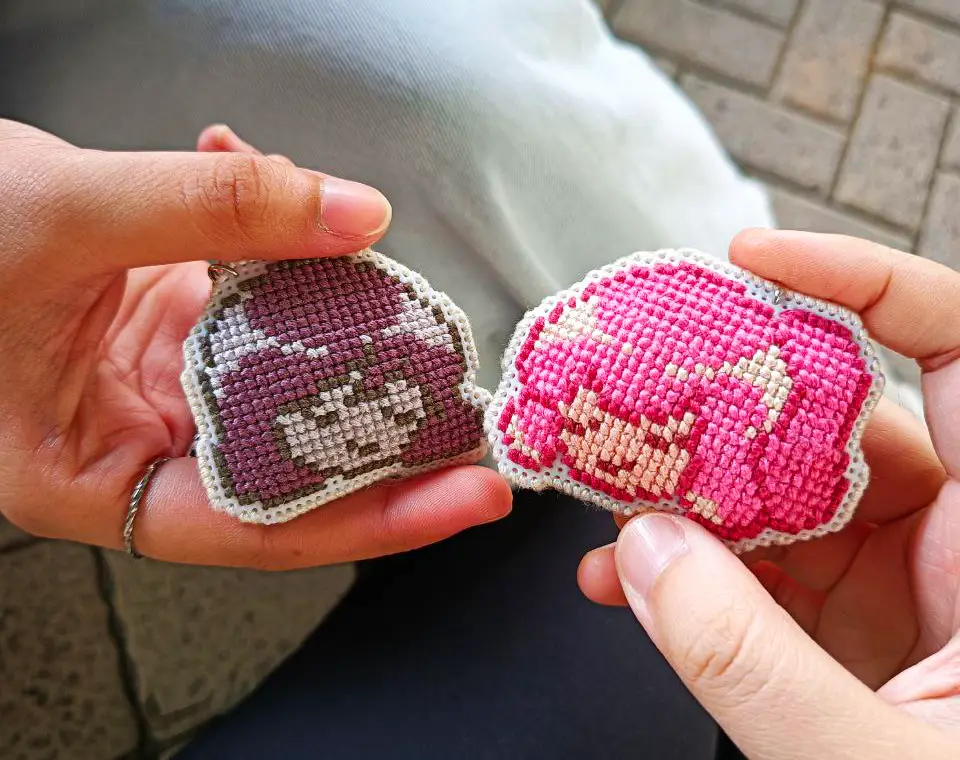
“I started making art because it helped me make sense of things I couldn’t put into words,” AJ said. “I was drawn to visual storytelling, I would pick up my pen, or anything that has ink or can color, really, and start drawing and crafting. Illustration and digital art felt like a natural fit. Sewing, cross-stitching, and embroidery became second nature over time, almost meditative.”
Photographer Lee Morale (she/they), meanwhile, utilizes the medium of photography as a way of reflecting her environments. Her style is a naturalistic approach that reflects her queer identity while focusing on smaller details that hones into the specificity of her experiences and the world around them.
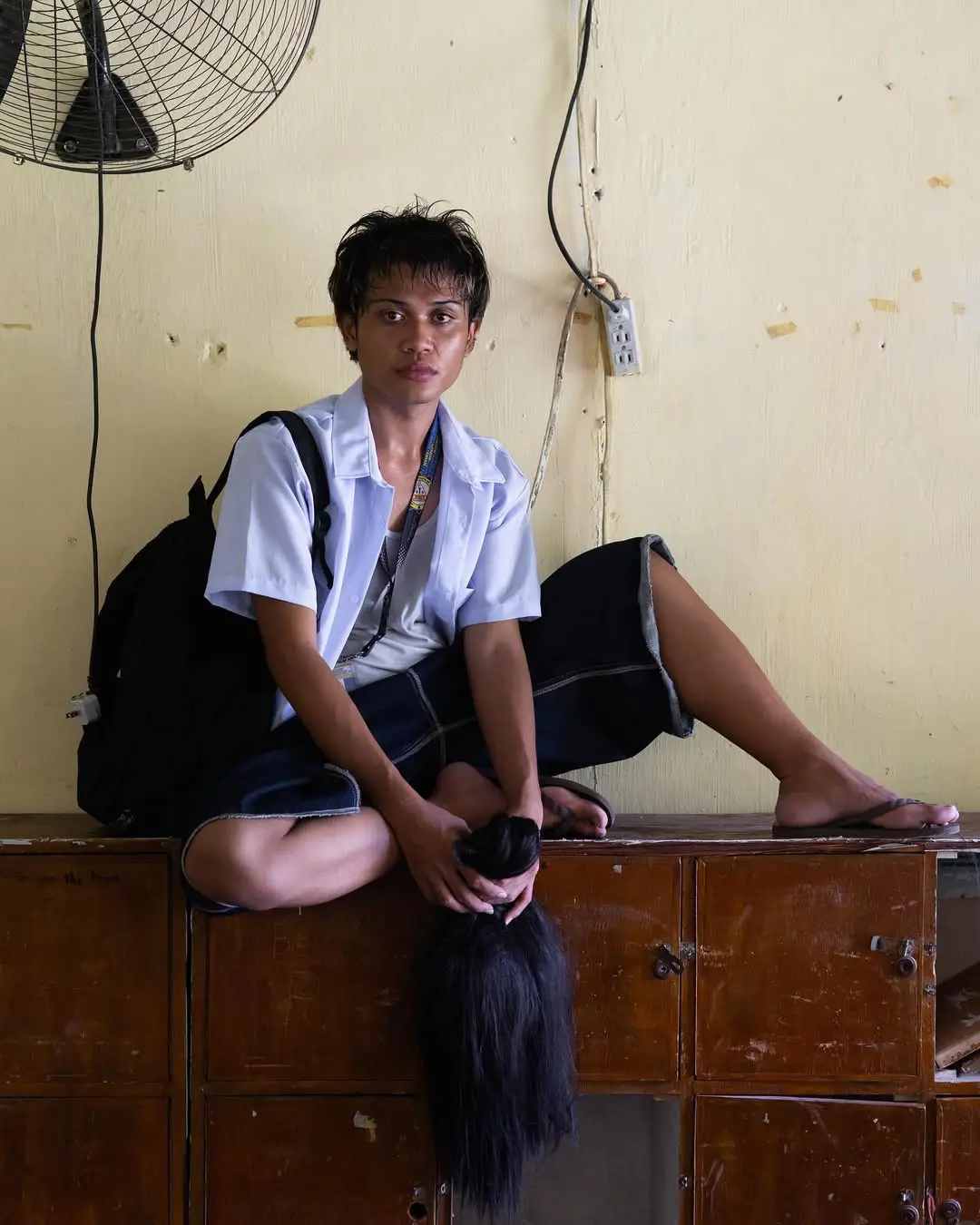
“I document the familiar rhythms of Filipino life—not the curated or idealized, but the lived-in textures that often go unnoticed,” she said. “Lately, I feel my inclinations shifting towards the mundane. I want my work to be less about spectacle and more about familiarity.”
Painter DJ Amago (he/him) was not set to be an artist in the first place. He studied business in his school, and only started experimenting with art as a way to unwind. Watercolor became the primary medium he would express himself due to its accessibility compared to other artforms.
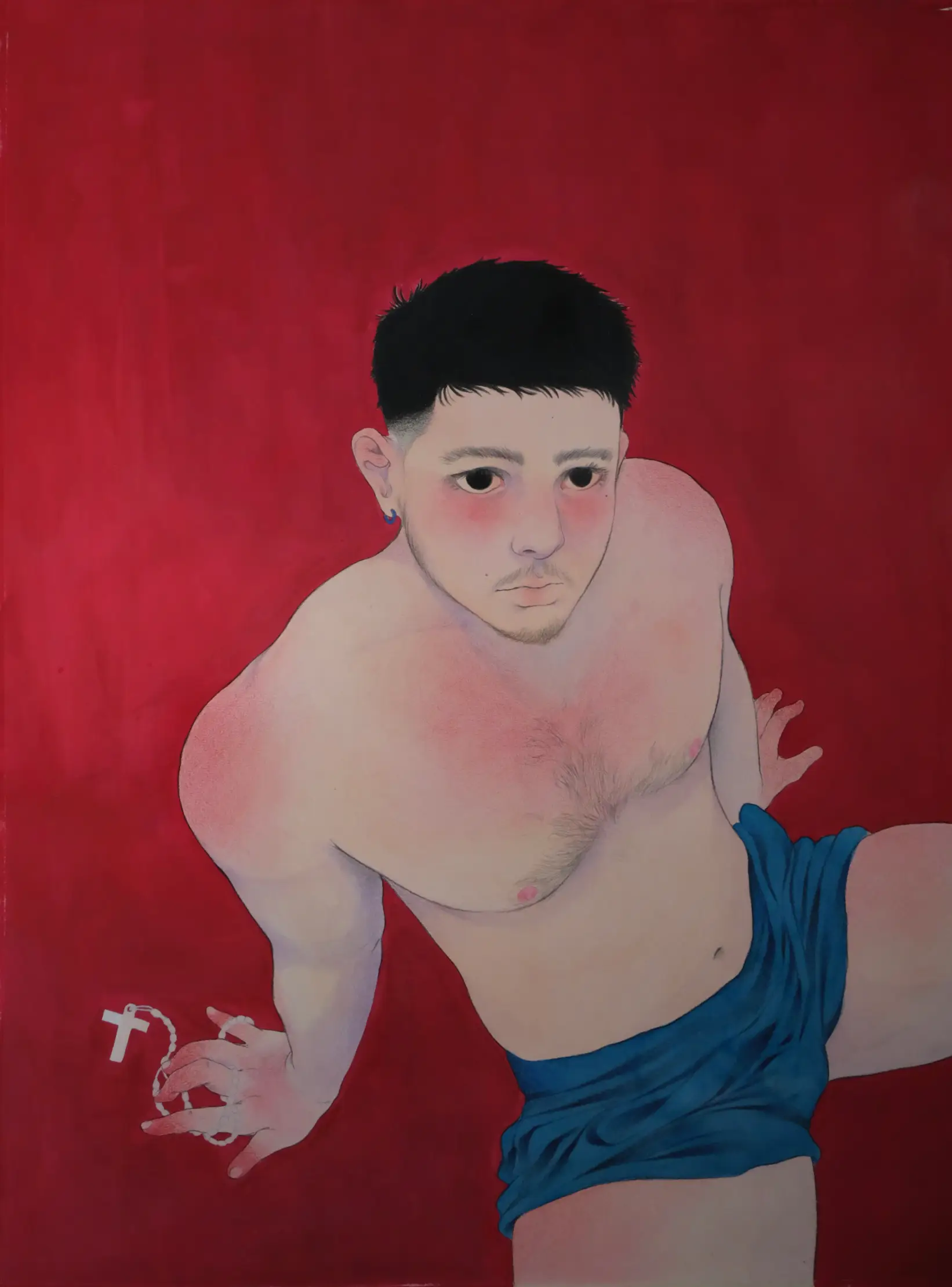
“I still remember my first set: the Prang oval pan watercolor set, which was a gift from my best friend back in 2011,” he shared. “Art has always been something I do to unwind after a long day, just something that brings me peace and joy. Still, I gave myself room to explore. From 2013 to 2015, I experimented with acrylic and oil paints from time to time, but eventually, I decided to stick with what felt most natural to me: watercolor and colored pencils.”
Discovering Queerness in Their Artistic Identities
An interesting thing about these artists is that for most of them, their forays into art helped them clarify their (SOGIE). Graphic designer Lee B. (she/he/they), for example, said that his artworks have helped him process through the complexities of their SOGIE, allowing them to accept—or at least be open to explore—these aspects of himself.
“Art, writing, and drawing has also helped me process my feelings about my SOGIE when I was younger, and even now,” they said. “The themes and ideas that I pursue in my art, e.g. queer love, queer friendships, queer joys and struggles, monster horror and horror as a way to explore and engage with queerness, are all shaped and influenced by my own queer experiences.”
John also said that he was able to work through some of the volatile feelings that he faced as a trans man in his artwork. The process allowed him to gain a little more clarity while charting a way to move forward emotionally.
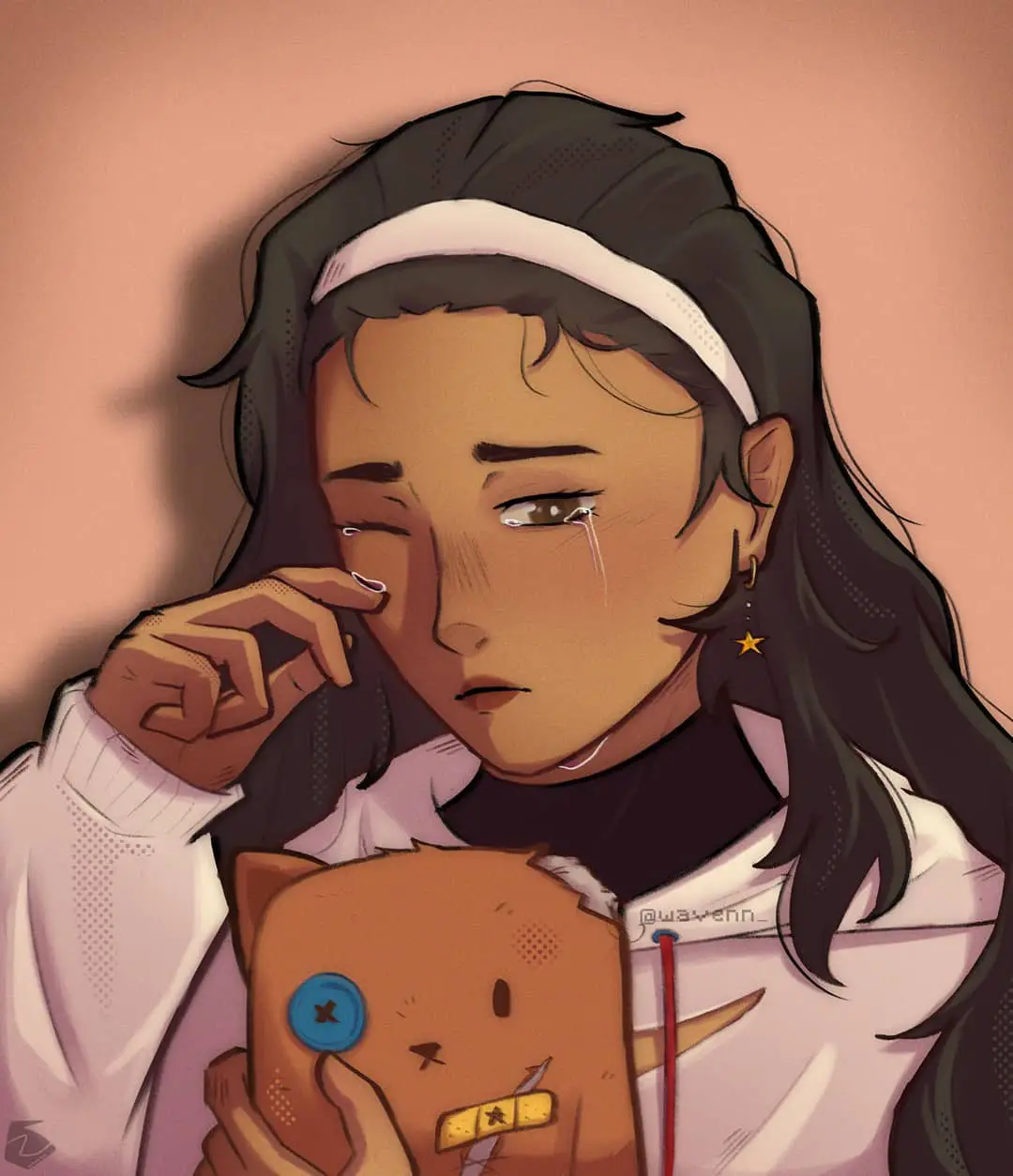
“It seeps into my art work because I do love creating characters based on myself, my friends, or my experience whether it be a story concept about a happy queer couple or me wanting to just be a genderless, even shapeless, purple blob,” he shared.
Raven commented that artistry gave them a language to express their feelings through their artworks that they could not express with their words.
“Art has been a safe space for me to explore and express my identity, especially parts of myself that felt difficult to articulate in words,” they said. “It gave me the freedom to embrace my queerness in subtle, personal ways—whether through the characters I design, the themes I gravitate towards, or even the image of my partner themselves.”
Queer Empowerment Through Art
For Lee Morale, that self-expression is a vital part of her photographs. The act of creation itself is a necessary part of the freedom she finds within herself. It is a way to discuss her experiences in her own terms, using visual languages that focus on what affects her instead of the antiquated language that the world currently uses.
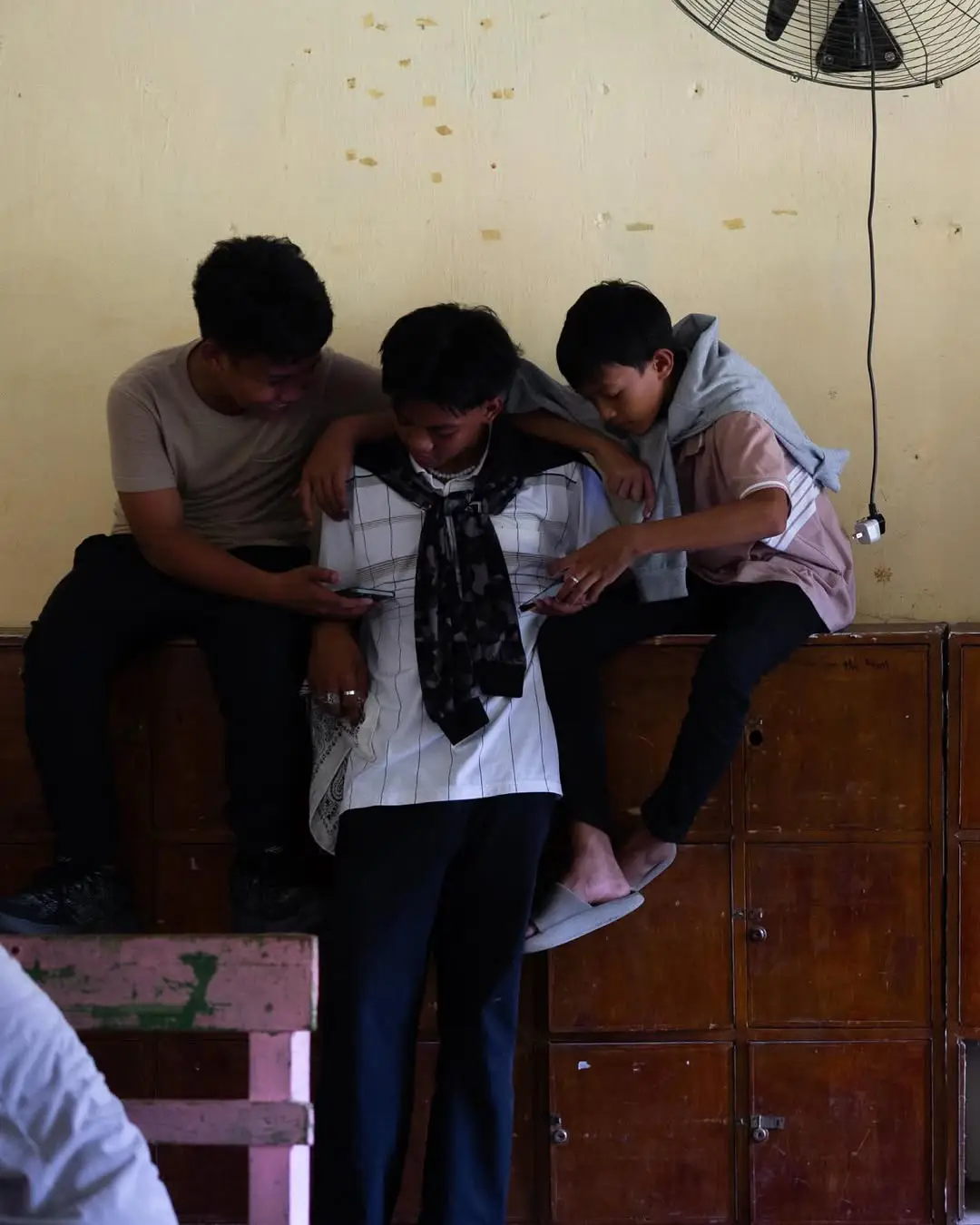
“My art has become a vital avenue for self-discovery,” she explained. “Through creating, I’ve come to understand my identity more deeply. My pieces reflect the lived experiences and ongoing struggles of my community—they flow through my life and consciousness. These realities inevitably inform the themes and emotions of my recent works, making them not just personal, but collective expressions as well.”
Continuing on that throughline, she added: “My queerness is a resistance to the status quo. In a state where a semi-colonial system erases and demonizes the community’s history, visibility and voices, just being here is a statement. It’s about saying: I’m here. I deserve a seat at the table.”
Putimbulak’s collage works, meanwhile, transformed his feelings of exhaustion and their complicated experiences as a queer person into something silly and relatable. Describing them as works akin to a John Waters film, his identity seeps into through his collage work.
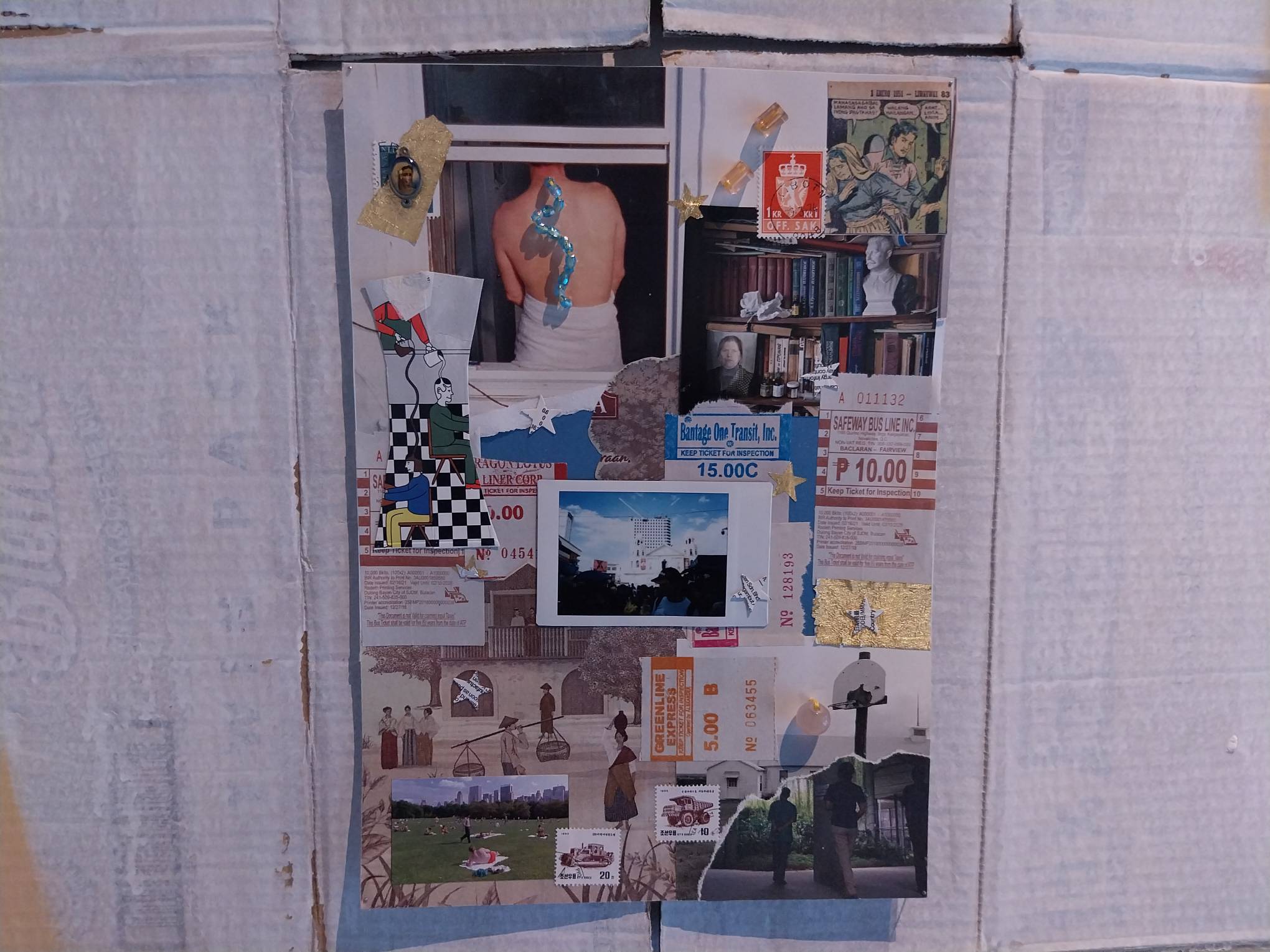
“They’re very raunchy in a way, but I like looking at these supposed sexy pornographic stuff and [turning] it into something funny in my own head, turn it into something silly,” he said. “ That’s the spirit of my collages in general: they’re just silly. Because yeah, these are products of my [exhaustion], and I won’t want my art to be something so serious because my life is already kind of serious and it’s kind of miserable already. I don’t want that to be an imprint in my creations.”
Unapologetically Queer
Being honest with their identity and inner truths has led for these queer artists to be able to create works that are unashamed in their gayness or transness. DJ Amago, for example, paints intimate scenes of gay and lesbian love. There, he meditates on its quiet normalcy, removing the stigma of the eroticism displayed that would not be there if it were a straight couple.
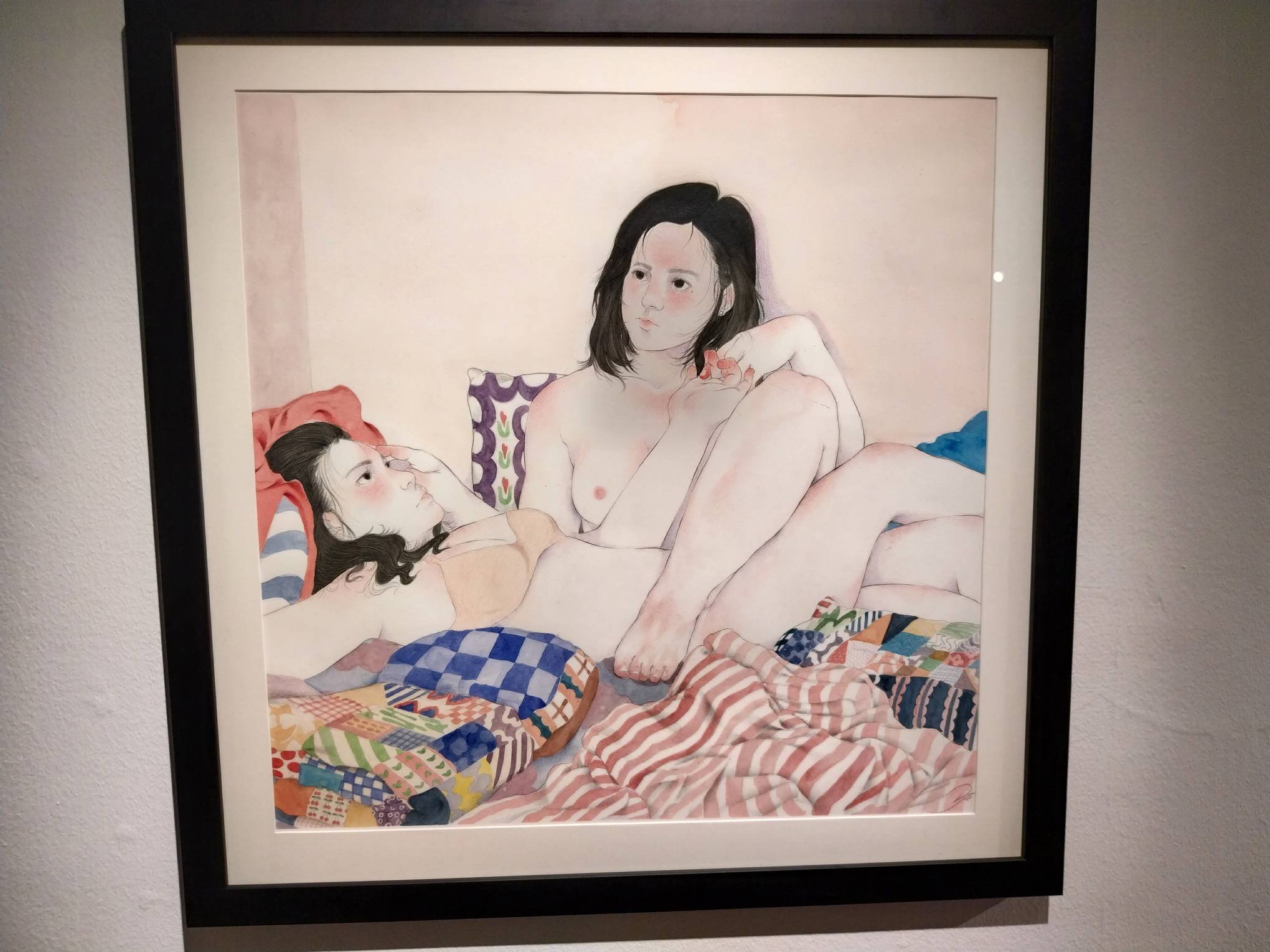
“I never realized it until I found my identity as an artist that what I want to portray is people, queer people, at their most raw and vulnerable state,” he explained. “For me, this state is the truest a person can be. Who would want to be vulnerable knowing that people know that you are? Nobody. At least I don’t want to be in front of many people.
“I think […] my art has really become a sanctuary for me to release all my frustrations and to be able to open to my audience and [with the hopes that] they get what I feel as a person who’s part of the LGBTQIA+ community.”
Lee Morale’s work also explores her past experiences as a queer person. One series of photographs from her documents an artistic rendition of her school years where her hair was policed by administrators. It’s a struggle many transgender students have today: being unable to express themselves in their preferred gender due to rigorous rules pushing one to what gender they were assigned with at birth.
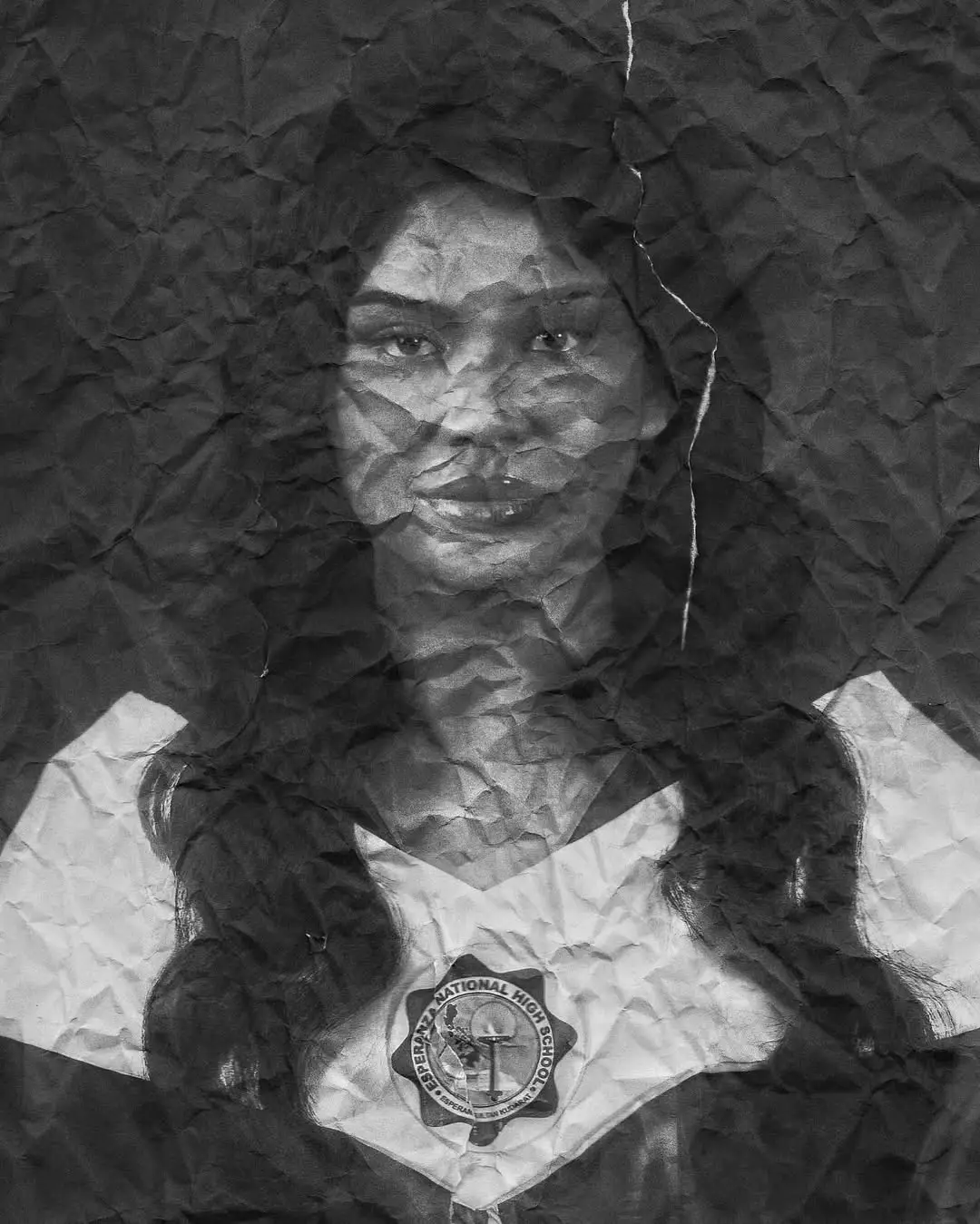
“When I released a photo series about it, it resonated widely because I knew I wasn’t alone—it told the story of many students silenced by macho-feudal school rules and regulations,” she said. “As an artist, knowing oneself is crucial, because it is from there that the most authentic and necessary stories emerge.”
That authenticity also shows up for more than the SOGIE of queer artists. AJ Cu’s current project is Etta Na! Gawaing Aklat sa Ibanag-Filipino, “an illustrated bilingual activity book that introduces children to basic Ibanag expressions and vocabulary.” Their explorations of that aspect of their identity contains the same principles of visibility that they believe is a reflection of who they are as people.
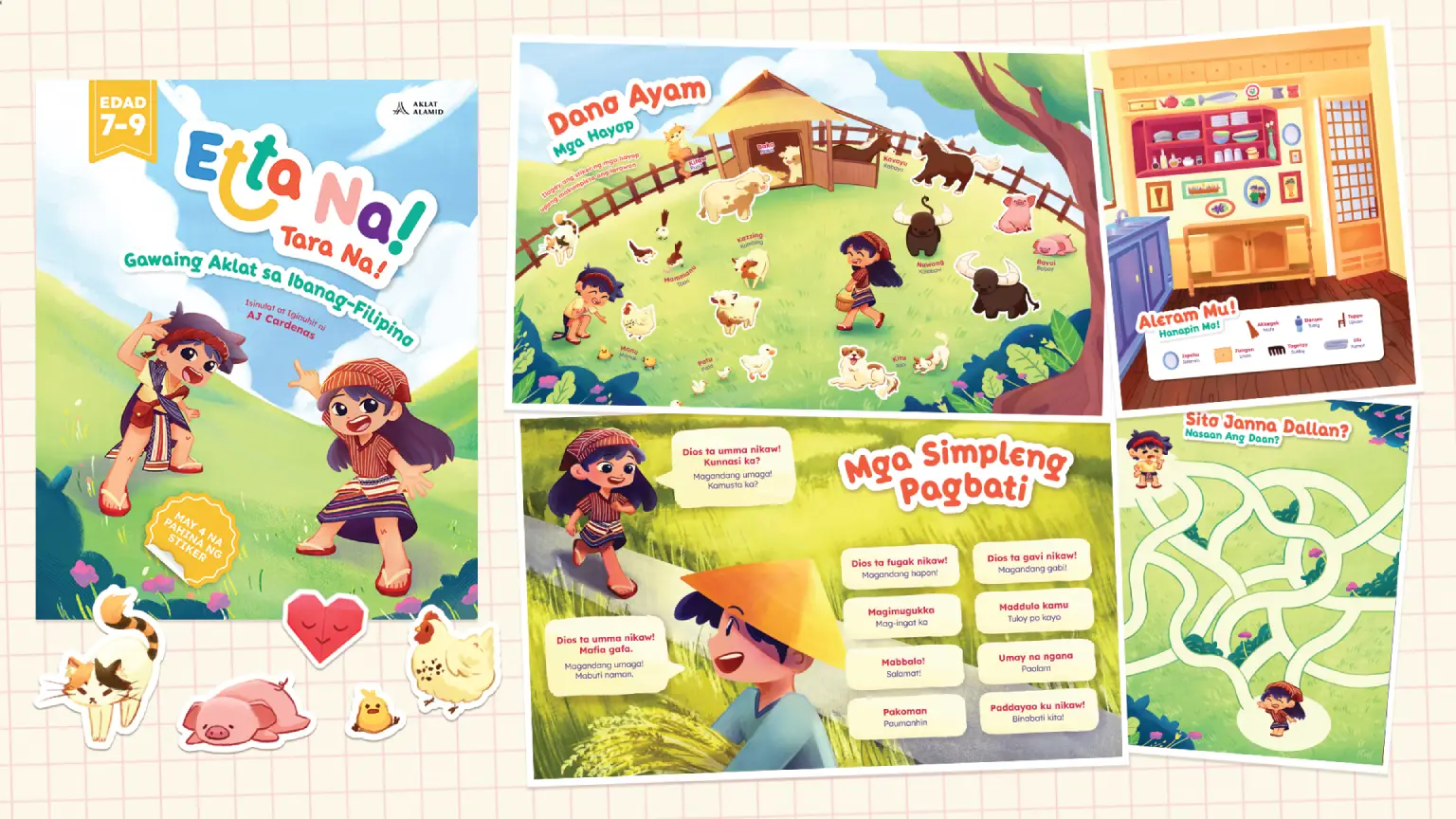
“It’s deeply personal—a love letter to my heritage and the Ibanag community—but I also hope others see parts of themselves in it and learn to appreciate our country’s regional languages,” they said. “I’ve been collaborating with a local independent publisher and connecting with Ibanag community groups throughout its development.”
‘A Mirror and A Map’ for Queer Artists and Queer People
For these queer artists, their loudness in highlighting their SOGIE is the point. It’s not their full identity, but it is an aspect of themselves that society has forced them to bury and hide. With art, it becomes something that is loudly their own, a way for them to find their identities fully without any shame of who they are.
“Art helped me name what I didn’t have words for,” AJ Cu elaborated. “It became both a mirror and a map. Queerness shows up in my work as care, yearning, softness, and sometimes in what’s left unsaid, what’s held in tension.
“It started as a secret held between breaths. I’d draw quietly, eyes on the page, while my ears were trained on the door listening intently for their footfalls, ready to hide everything the moment the doorknob turned. What began as a closeted escape turned into quiet resistance. Now, it’s an open expression of identity, of life, of a voice that refuses to be silenced, and a love that no longer hides.”
“Importante siya kasi, ikaw na ‘yan,” Amago added. “That’s your identity. If you deny that part of yourself, then who are you really? Are you just going to live as someone you’re forced to be, just because society doesn’t fully accept the community? Hindi. You stand your ground, own who you are, and move forward.”
Related reading: Gravity Art Space’s New Exhibit Examines Ideas of Queerness
Frequently Asked Questions
For many queer artists, their identity serves as a primary lens through which they process emotions and experiences, often turning art into a safe space for self-discovery. This influence manifests in diverse ways, from exploring themes of queer joy and struggle to using art as a “mirror and a map” to navigate complex feelings about SOGIE. Ultimately, queerness often moves from being a “closeted escape” to an open, vital expression of their authentic selves.
Artists utilize a vast range of mediums—including digital illustration, traditional watercolor, photography, and tactile crafts like cross-stitching—to capture the specific textures of their lived experiences. For example, photography may be used to document the mundane realities of Filipino life, while collage can transform the exhaustion of discrimination into something “silly” and relatable. These varied artforms allow creators to choose the medium that best reflects the nuances of their personal and collective narratives.
Yes, art often acts as a vital tool for processing feelings about SOGIE that may be difficult to articulate in words. Many artists find that creating characters or visual stories allows them to work through volatile emotions or “name what they didn’t have words for” regarding their transitions or attractions. This creative exploration fosters a sense of clarity and self-acceptance, helping them embrace their identity more fully in the physical world.
Visibility serves as a form of resistance against social forces that have historically pressured queer individuals to hide their true selves. By being “unapologetically queer” in their work—such as painting intimate, normalized scenes of same-sex love—artists challenge existing stigmas and demand a “seat at the table.” This openness not only empowers the artist but also creates a sense of community and resonance for others who share similar struggles and triumphs.
Queer artists often use their work to document and critique regressive policies, such as the policing of gender expression and hair length in traditional school systems. By sharing these “authentic and necessary stories,” they highlight the collective struggles of the community and provide a voice for those silenced by “macho-feudal” regulations. These artistic series transform personal pain into public discourse, advocating for a more inclusive future where identity is celebrated rather than suppressed.
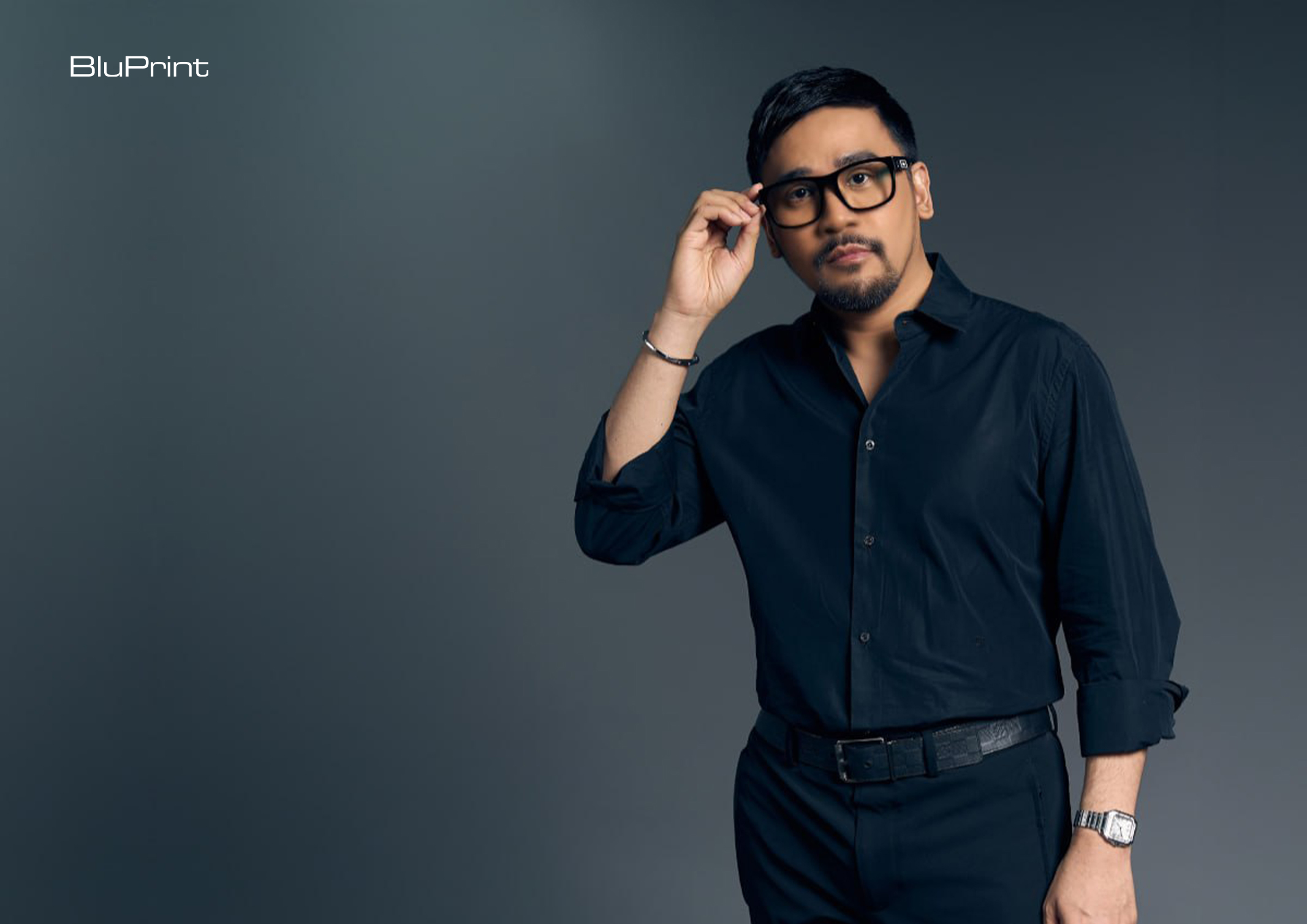
Archie G. Carrasco, Chairman and CEO of AGC Power Holdings Corp. (AGC PHC), has been named to The BoF 500 Class of 2026 under the Media category, joining The Business of Fashion’s global community of individuals shaping the fashion industry. Carrasco is among 100 new members from 33 countries and 48 nationalities selected for the […]
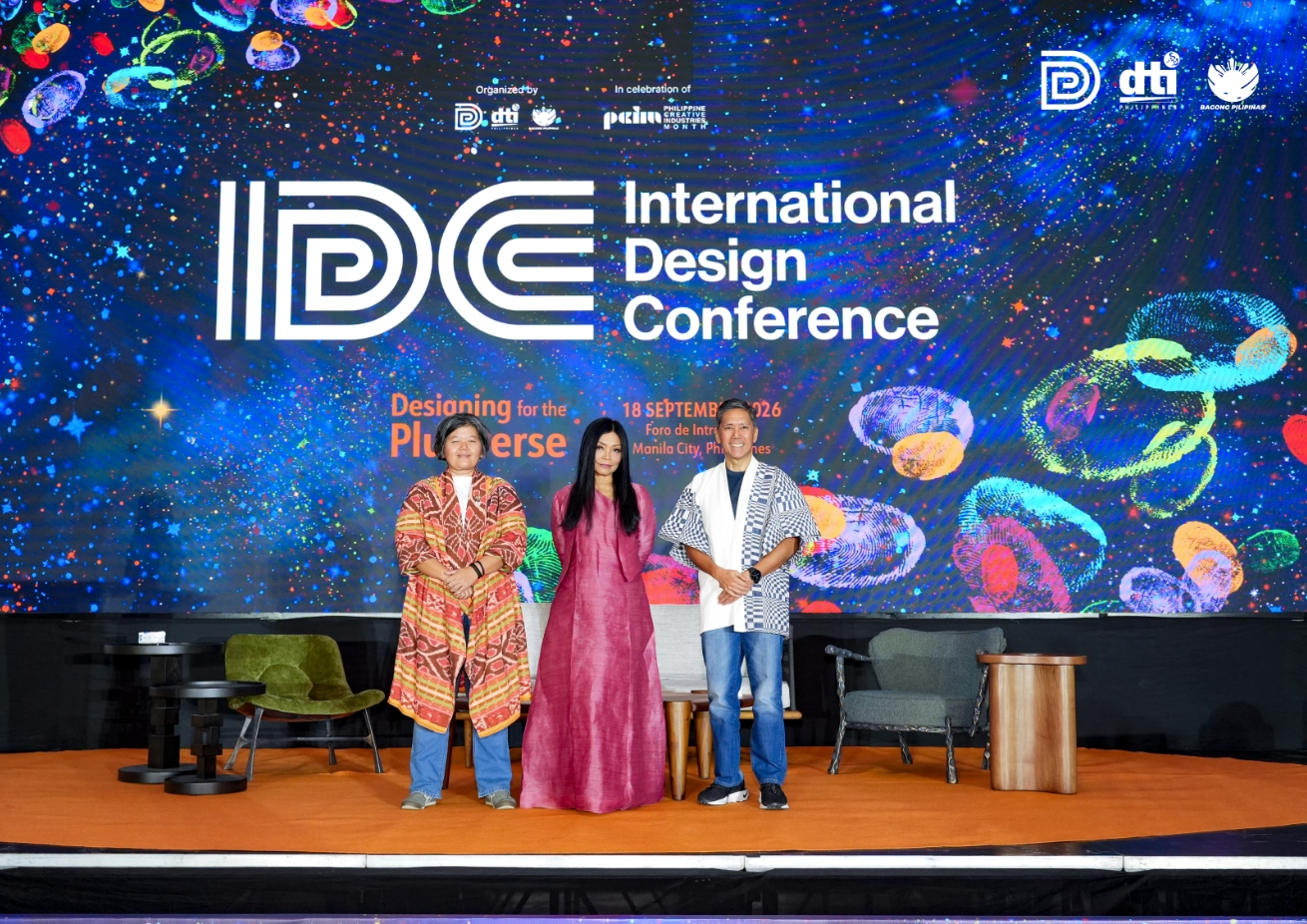
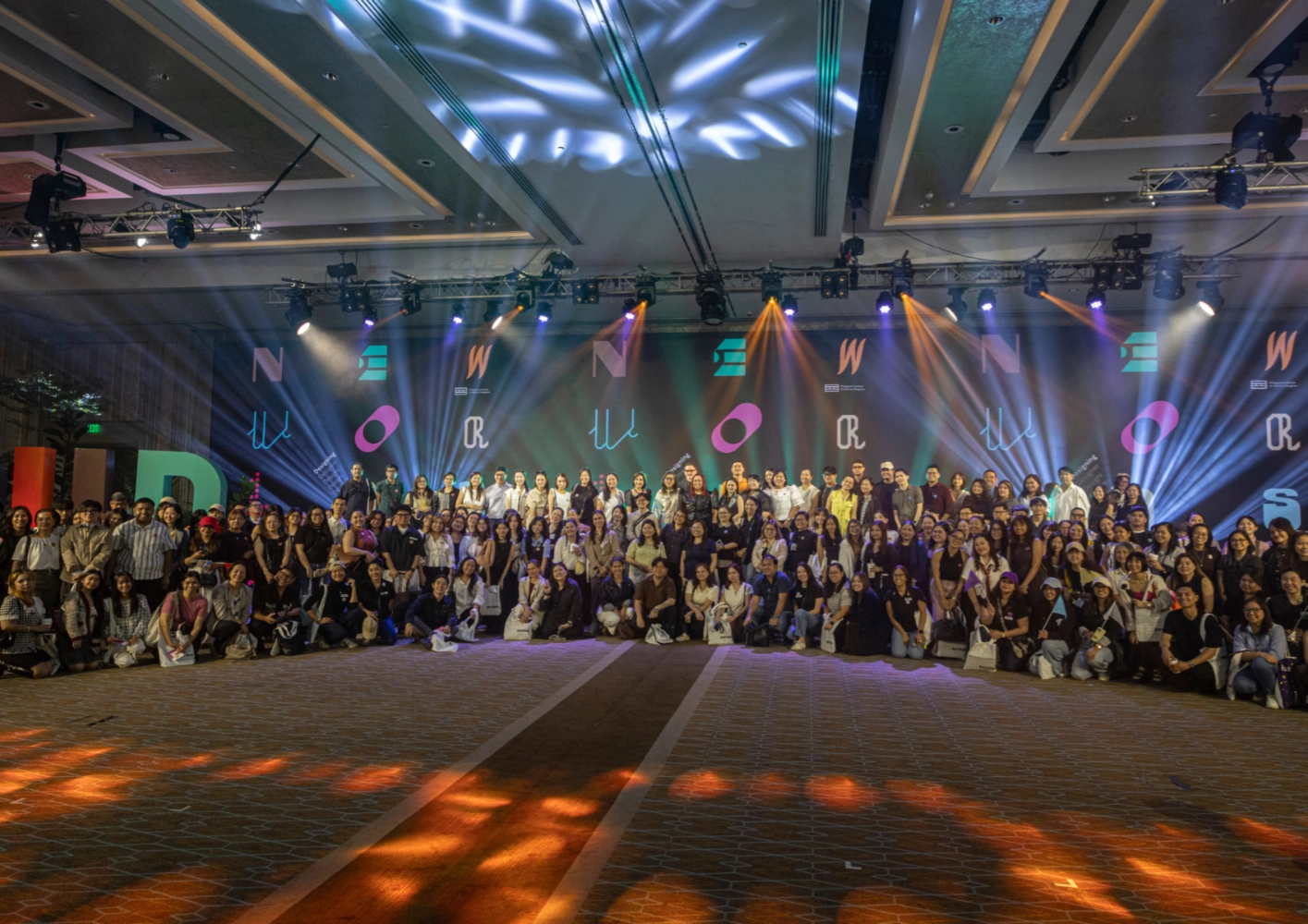
Culture in design does not always announce itself through a recognizable motif, material, or symbol. It can also be embedded in the relationships designers build, the knowledge they listen to, the materials they choose, and the decisions they make in response to communities and their environments. This distinction emerged throughout the 2026 International Design Conference […]
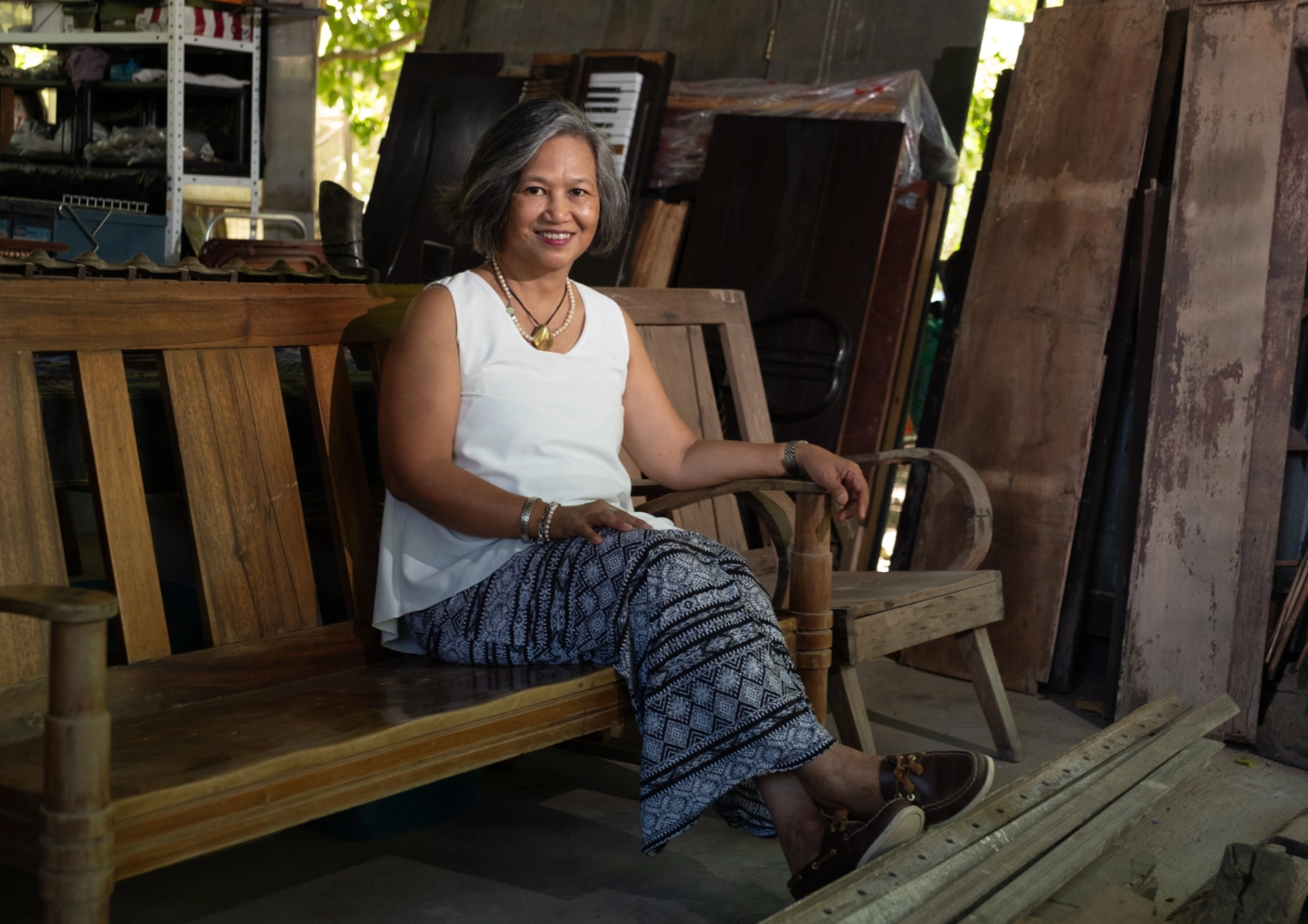
Rinna Soriano’s favorite part of her work is sanding. At her workbench, she stays focused, following the grain, adjusting to changes in its direction. NarraNarraThe national tree of the Philippines, Pterocarpus indicus, prized for its durable, reddish-gold hardwood and handsome grain. Traditionally used for furniture, flooring, and carved panels, narra is now protected fromGo to […]
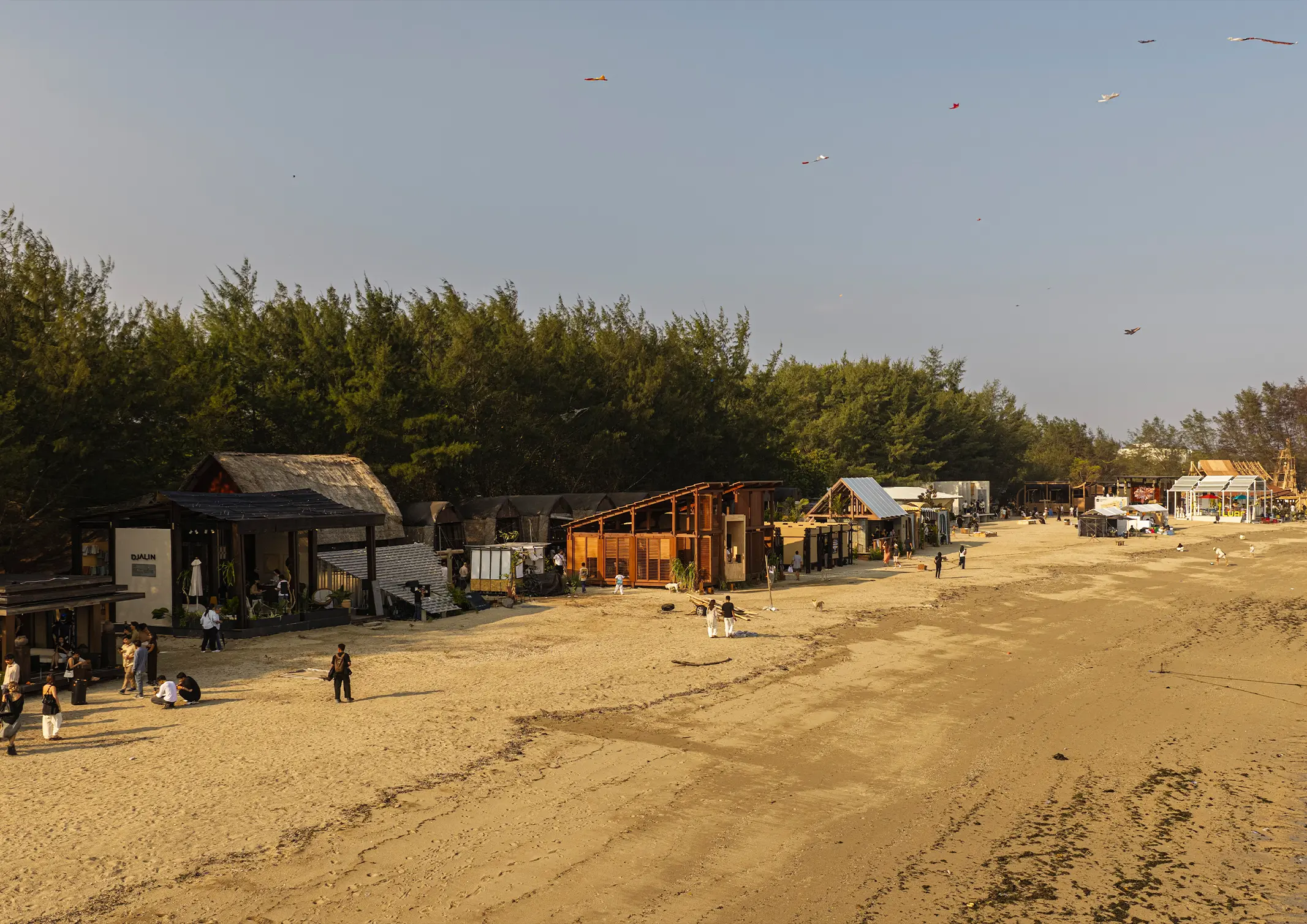
After being set amongst the ruins of an abandoned theme park in the past years, Jia CURATED found a home on the shores of Pengembak Beach, Bali for this year’s installment. It’s a unique location with multiple natural features like Sanur’s coastline, pine and mangrove forests, and a stream—making nature an important participant for how […]
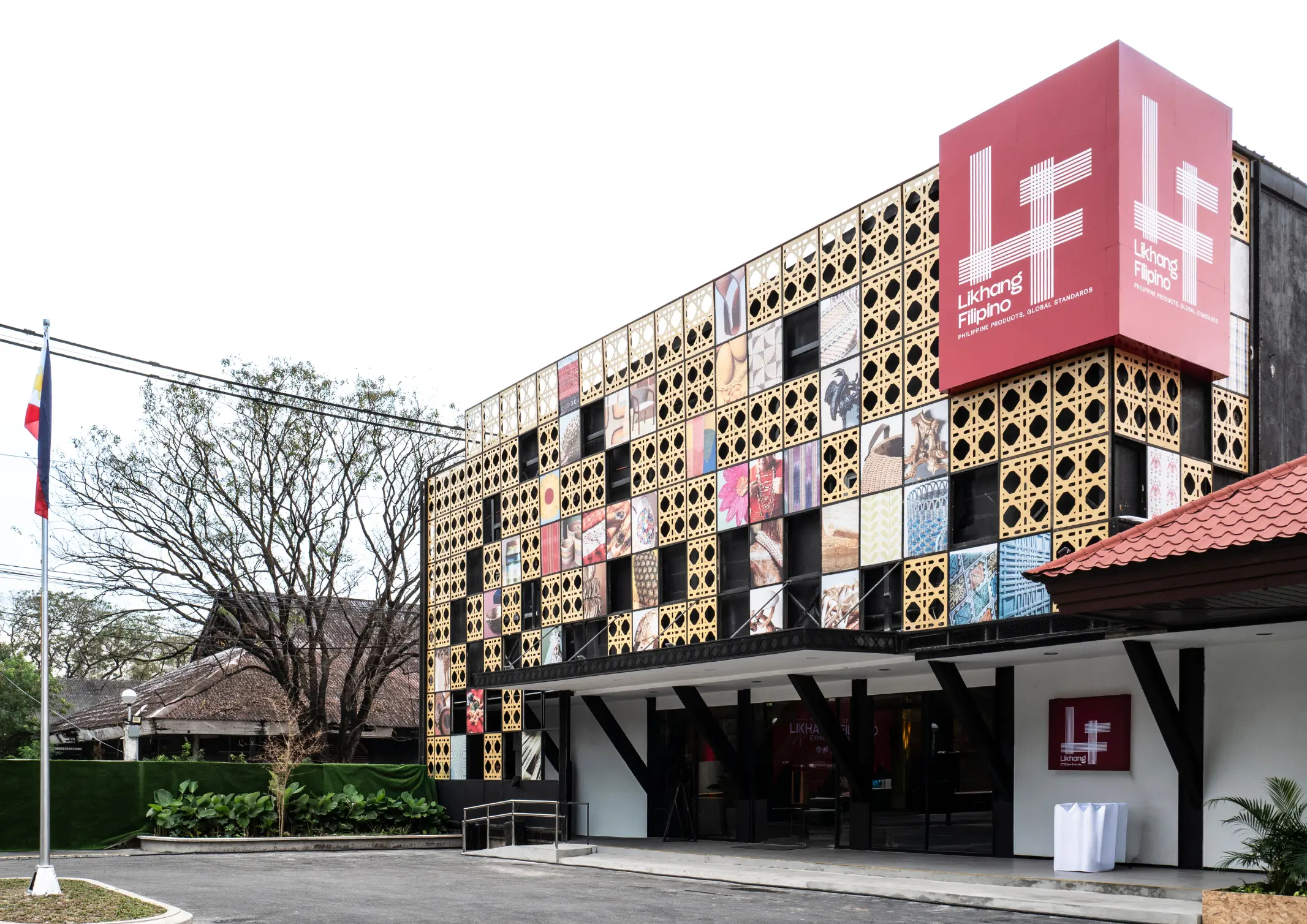
Likhang Filipino stands on the former site of the PhilTrade Center along Roxas Boulevard in Pasay City, a landmark that once symbolized the Philippines’ export ambitions and introduced Filipino craftsmanship to international audiences. Originally inaugurated in 1979, the PhilTrade Center was conceived as a national showcase for Philippine exports, with its longitudinal form and sloping […]
Read the issues.

Collect the volumes.

Recommended Video
Tap to Unmute
Unmute
0:00
0:00