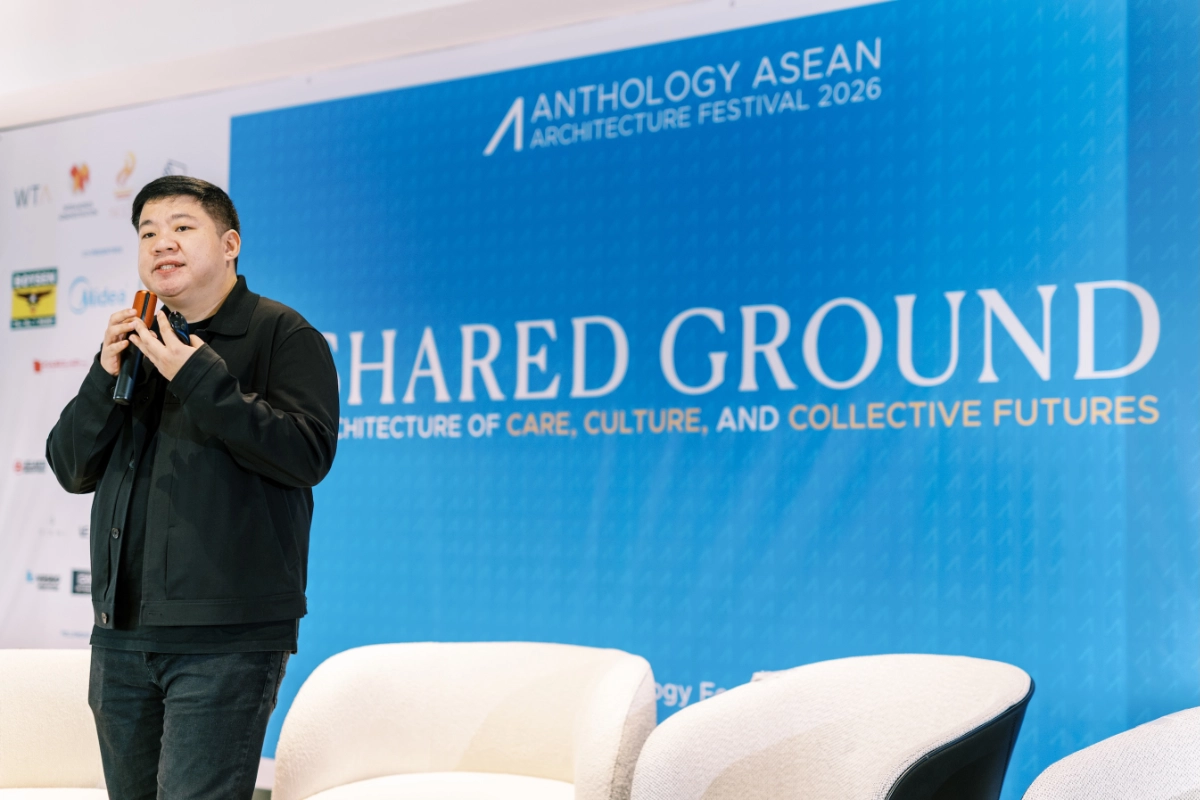
“Buildings only become architectureArchitectureThe art and science of designing and constructing buildings, structures, and spaces that are functional, safe, and aesthetically pleasing. It encompasses the planning, design, materials, and techniques used to createGo to Architecture Glossary when they are shared,” said William Ti Jr., founder of the Anthology Festival and WTA Architecture and Design Studio, […]
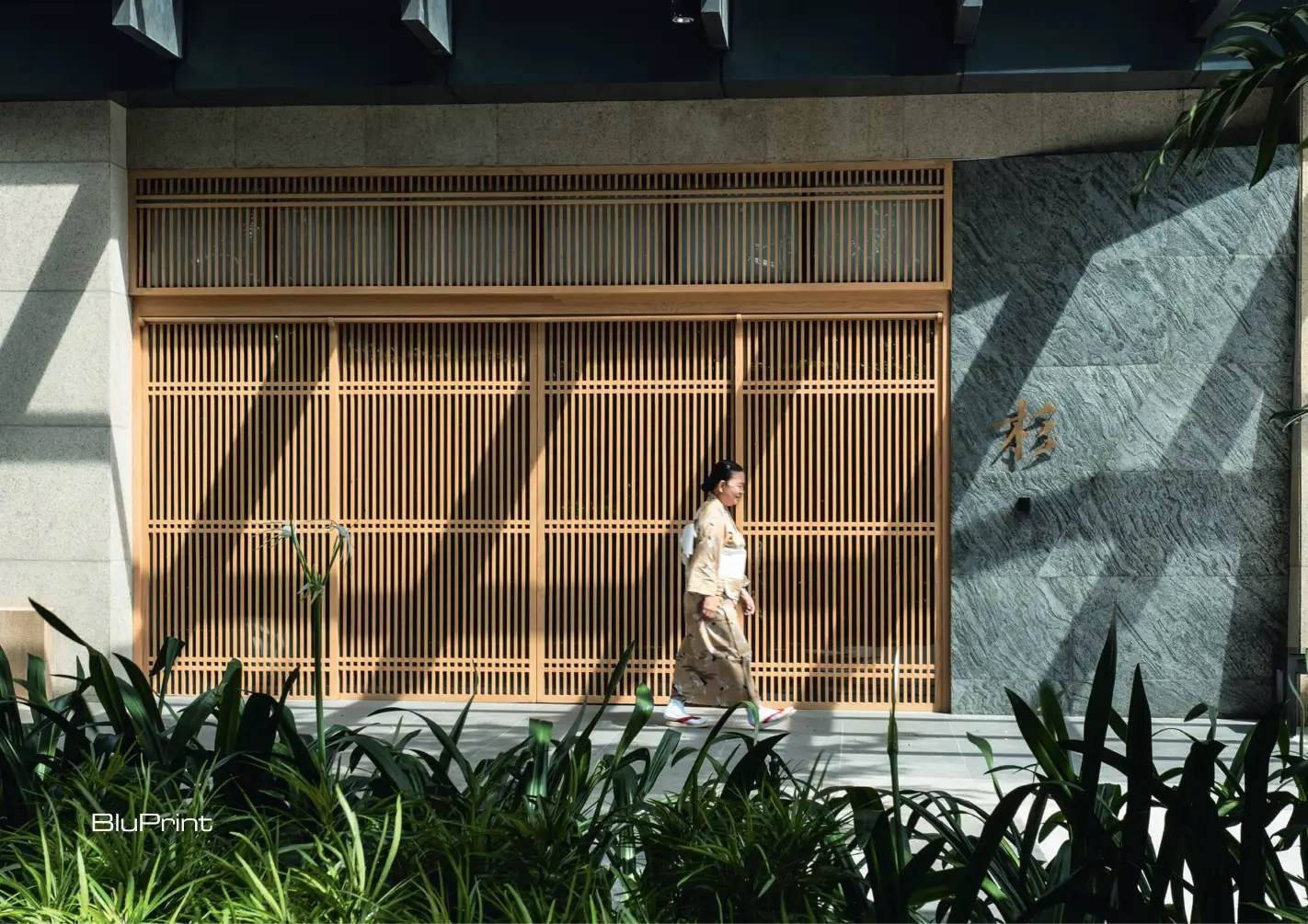
Sugi Japanese Restaurant: The Rebirth of an Icon



In a city infamous for its ever-evolving and oversaturated dining landscape, Sugi has the rare distinction of being a household name in Manila’s restaurant scene. For four decades, it has remained a cornerstone of local Japanese dining, its legacy woven into the memories of generations who have gathered around its tables.
Established in the old Greenbelt in 1984, the restaurant moved to Greenbelt 2, where it thrived for 20 years. Now, with a long-standing reputation built on consistency, tradition, and quality, the challenge was clear: how do you update a legendary establishment without losing its soul?
An Updated Interpretation
While honoring the past, the new Sugi also embraces modernity. “For the new interiors, we wanted a much more updated and modern look,” says General Manager Ines Cabarus-Habayeb. “We hired one of the city’s top designers and architects to help us create a vision that is more minimalist, brighter, and incorporates more natural elements like wood and bamboo to give a sense of serenity and Zen.”
Lara Fernandez Barrios, Principal Architect of Larawan Ink, took on this challenge with a clear vision—preserving Sugi’s familiar warmth while contemporizing its aesthetics and functionality.
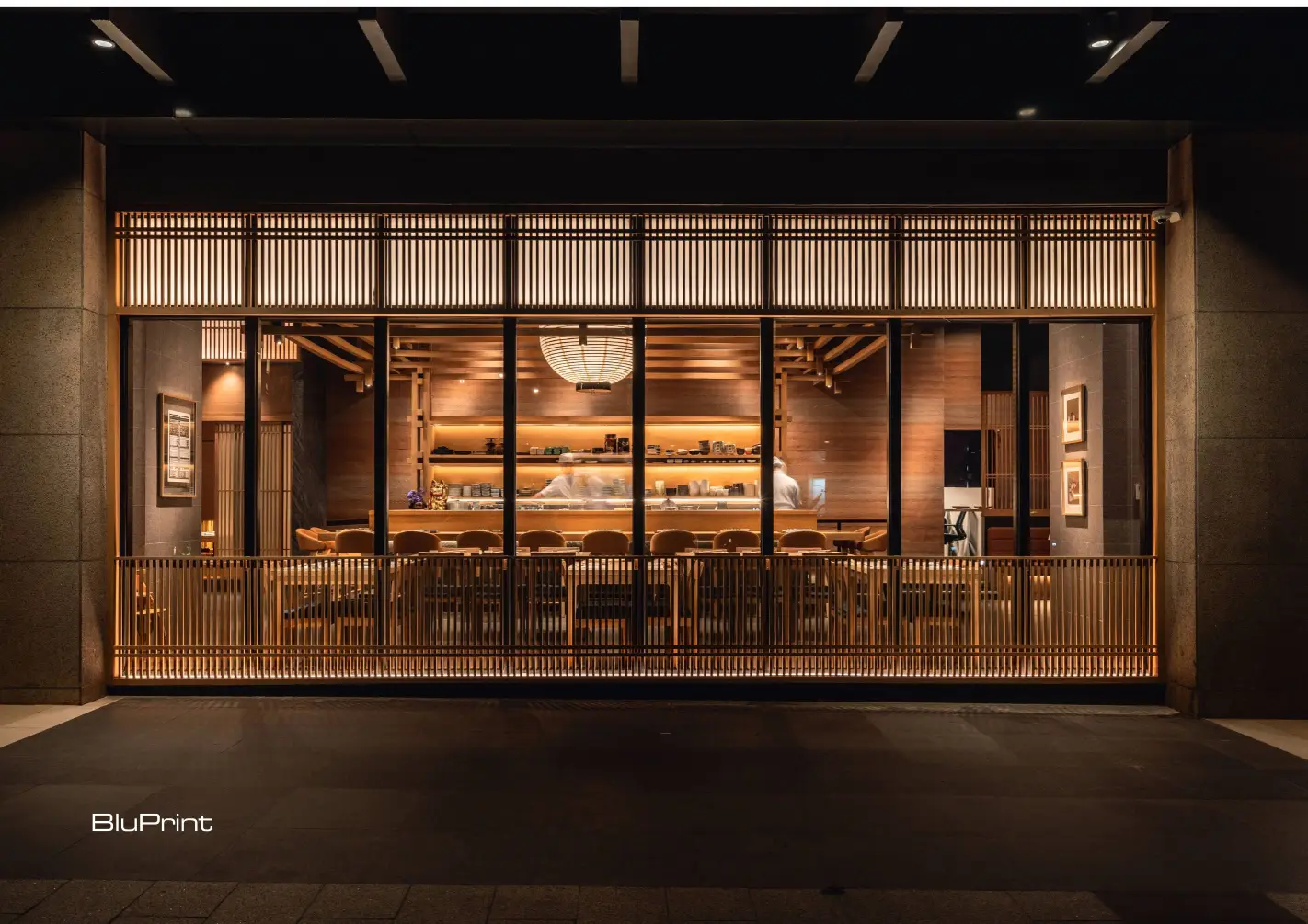
The space spans a little under 500 square meters with a seating capacity similar to the original location. Extensive research went into incorporating authentic Japanese design elements. “We researched a lot into traditional Japanese designs and fabrics, and then we really just tried to incorporate it with modern materials,” she shares.
Ultimately, the team aimed to ensure the new space retained the essence of Sugi. “This is everyone’s favorite Japanese restaurant, so there was a lot of pressure to make sure the design lived up to the Sugi brand,” she says. One of the most rewarding moments came when a board member told her that “the space felt familiar, and she felt like she was in Japan.”
Honoring Traditions
A key aspect of the redesign was maintaining signature elements that long-time patrons would recognize. “We kept the tatami rooms and the Western dining rooms,” Fernandez Barrios says.
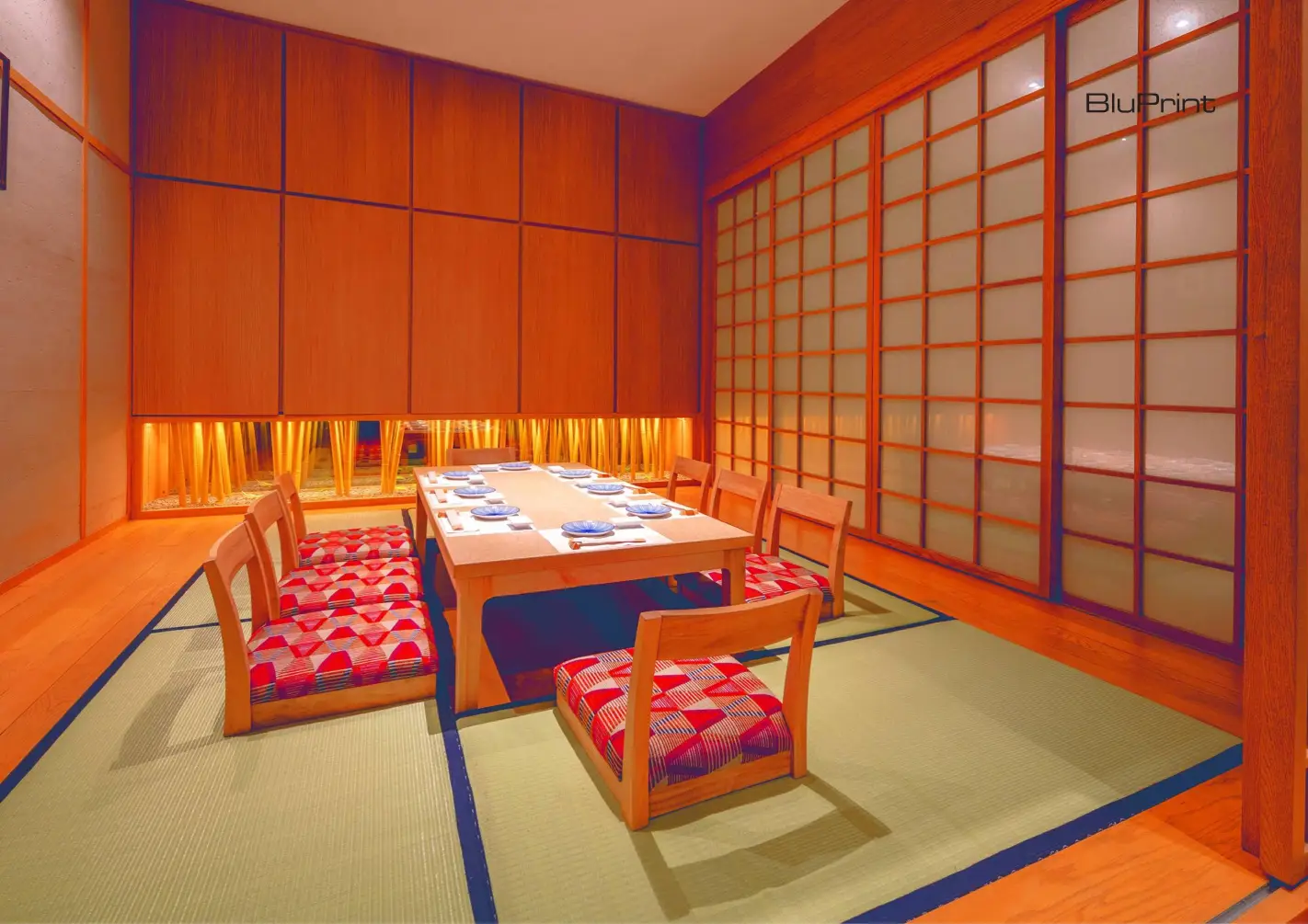
These private spaces embody the refined elegance of traditional Japanese interiors. Elevated slightly from the main floor, the tatami rooms feature low wooden chairs adorned with red and white patterned cushions, adding a subtle yet striking contrast against the neutral tones of the room.
Functionality played a crucial role in the redesign. “The design needed to be comfortable for both customers and staff and embody a family-favorite atmosphere,” says Fernandez Barrios. “The programming was really about making sure the functionality worked well, with segregated dining areas that could be rented out.”
The Heart of Sugi
While the interiors received a significant upgrade, Sugi’s commitment to culinary excellence remains unchanged. “I think the key to Sugi’s success is our consistency,” says Cabarus-Habayeb. “Being around for 40 years is no easy feat, and we’ve managed to maintain the highest quality and consistency in our food.”
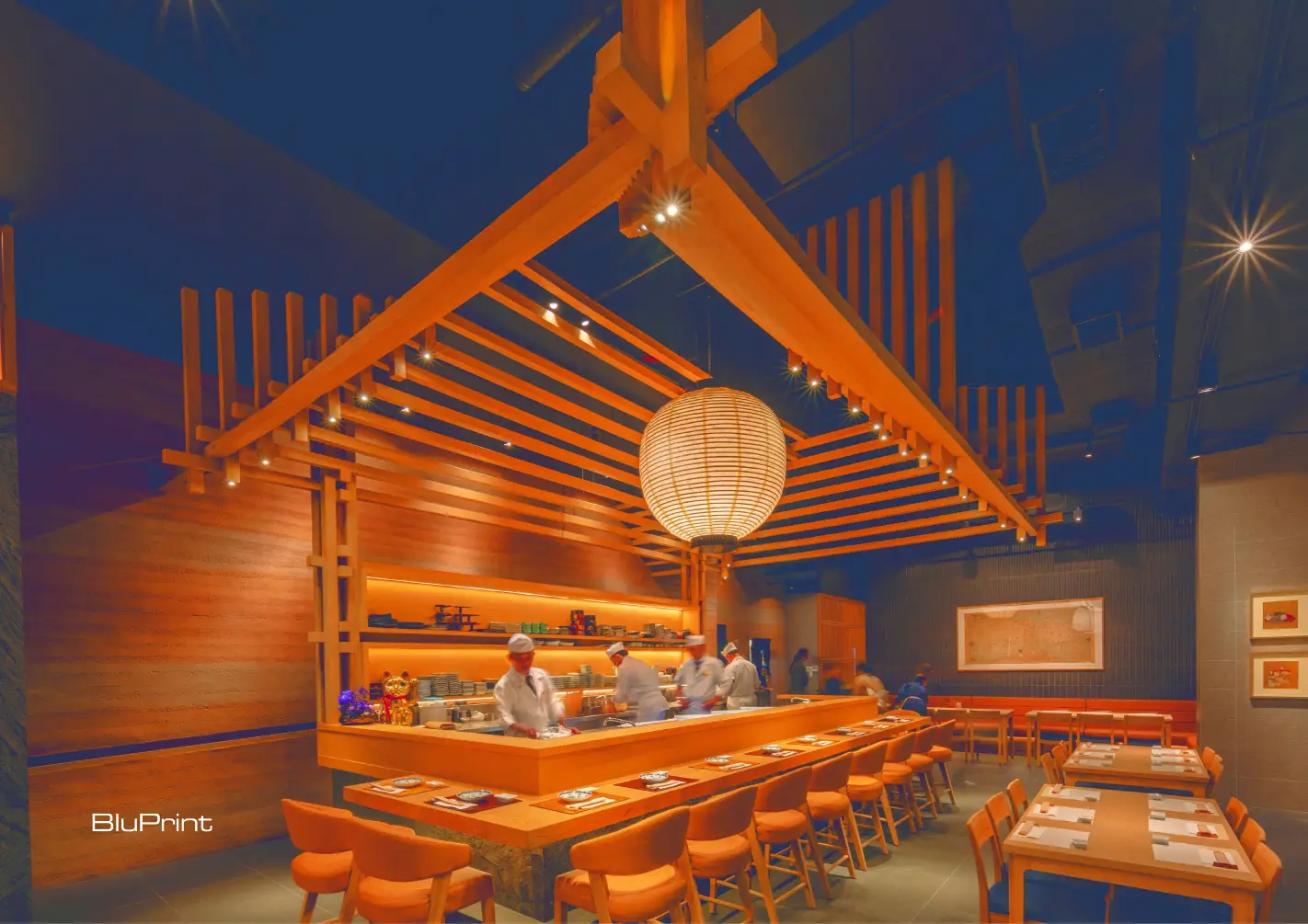
In order to highlight this, one of the most notable upgrades to the space is the repositioning of the sushi bar. Centrally located as a main focal point, this serves as the heart of the restaurant. “This allows our sushi chefs and Japanese chefs to showcase their skills and use high-quality ingredients in front of the customers,” Cabarus-Habayeb explains.
This draws attention to the chefs as they prepare dishes with precision. A long counter topped with warm-toned wood anchors the bar, complemented by plush, earth-toned bar stools that offer an inviting spot for diners.
Carrying the Legacy Forward
By thoughtfully blending familiar elements with contemporary updates, Sugi’s new home beautifully preserves the very essence patrons have come to love. Whether it’s through the carefully curated interiors, the dedication to authenticity in the kitchen, or the welcoming ambiance, Sugi continues to stand as a beacon of Japanese culinary excellence in Manila.
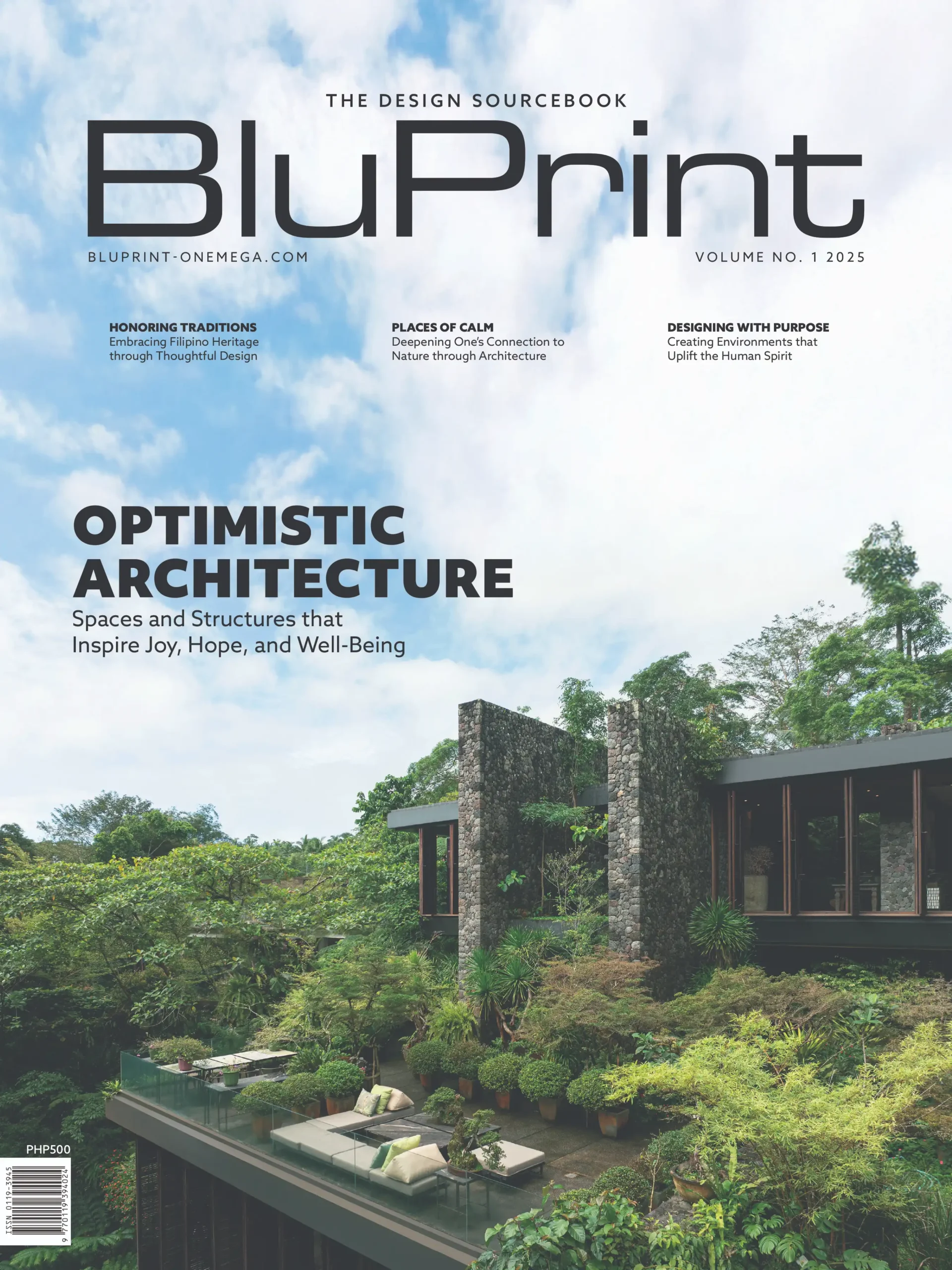
Read the full story by grabbing your copy of BluPrint Volume 1 2025, available at sarisari.shopping, Shopee, and Lazada.
E-magazines are available for download here or through Readly, Press Reader, and Magzter.
Photos by Ed Simon.
Frequently Asked Questions
To modernize the icon, Principal Architect Lara Fernandez Barrios of Larawan Ink balanced contemporary minimalism with traditional Japanese elements. The 500-square-meter space was brightened using natural materials like wood and bamboo to create a Zen-like serenity. By keeping signature features such as private tatami rooms and Western-style dining areas, the redesign ensured that long-time patrons felt a sense of familiarity despite the upgraded, sophisticated aesthetics.
The redesign features authentic Japanese fabrics and traditional joinery-inspired structures, most notably a striking wooden canopy over the centrally located sushi bar. The tatami rooms utilize low wooden chairs with red and white patterned cushions set against neutral tones, embodying refined elegance. These elements were thoughtfully integrated with modern materials to create a space that feels both current and deeply rooted in Japanese heritage.
Moving the sushi bar to a central focal point allows the restaurant to showcase the craftsmanship and precision of its chefs. This layout puts the focus on the high-quality ingredients and the culinary skills of the Japanese chefs, acting as the “heart” of the restaurant. Anchored by a warm-toned wooden counter and plush, earth-toned stools, the bar provides an inviting, interactive spot for diners to witness the art of sushi preparation.
The programming of the 500-square-meter space focused on segregating dining areas to provide privacy and comfort for families while maintaining an efficient flow for staff. By creating flexible spaces that can be rented out for private events and ensuring the seating capacity matched the original location, the design supports Sugi’s reputation as a family-favorite atmosphere. This careful spatial planning ensures that the high-volume service remains seamless without compromising the guest experience.
General Manager Ines Cabarus-Habayeb attributes Sugi’s longevity to unwavering consistency and quality. Despite the move to a modernized location, the restaurant’s core commitment to authentic Japanese culinary excellence remains its strongest pillar. By combining this reliable food quality with an updated interior that feels “familiar yet fresh,” Sugi continues to serve as a cornerstone for generations of Filipino diners.
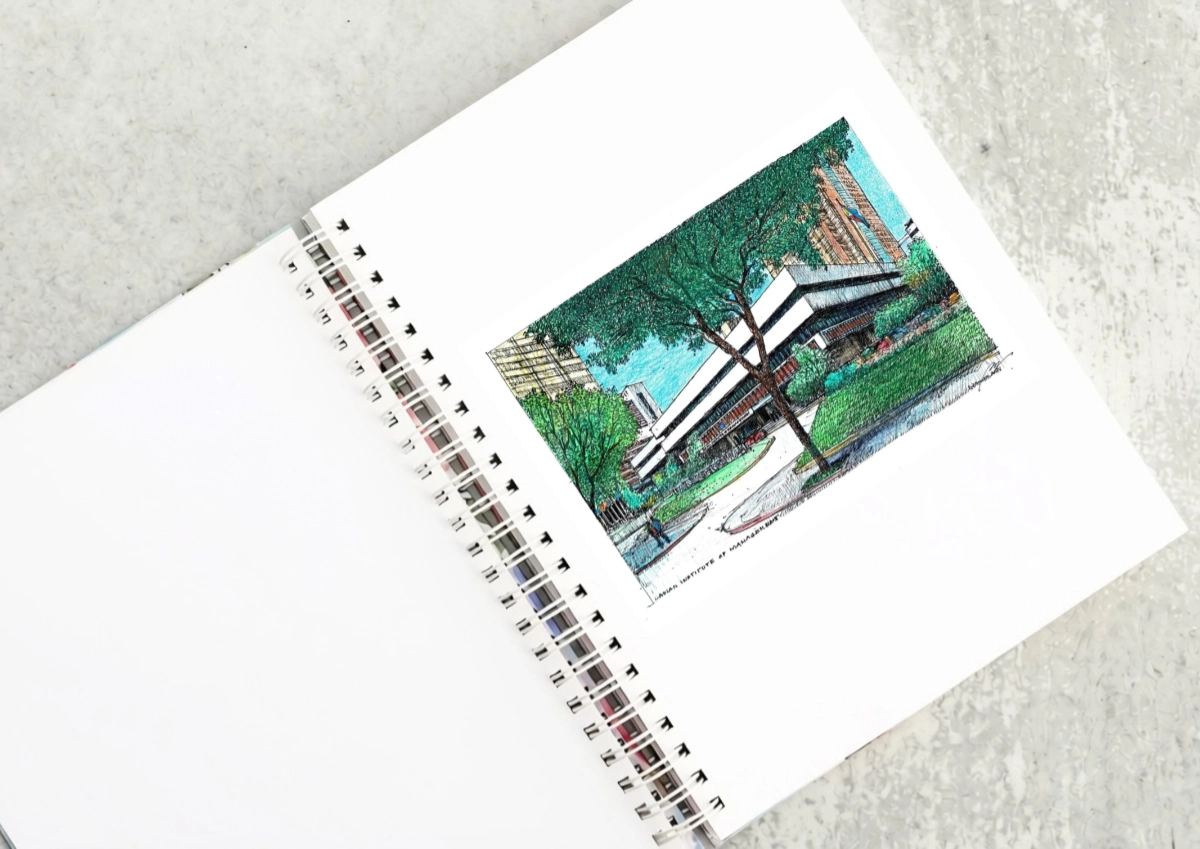
A Filipino Interpretation of Modernist Architecture Unlike the rest of Makati today, the northern end of Paseo de Roxas in Makati is anchored by a low complex rather than a tall skyscraper. This is the elegant Asian Institute of Management, designed by architect Gabriel Formoso and completed in 1971. In my opinion, the building is […]

“Thailand has claimed urban creativity and livability. Singapore has institutional design leadership. Indonesia is emerging as a design hub. Vietnam is moving into design innovation. And the Philippines? Its position is not weak. It is simply unclaimed.” For IDr. Cecil Ravelas, National President of the Philippine Institute of Interior Designers (PIID), the challenge is not […]
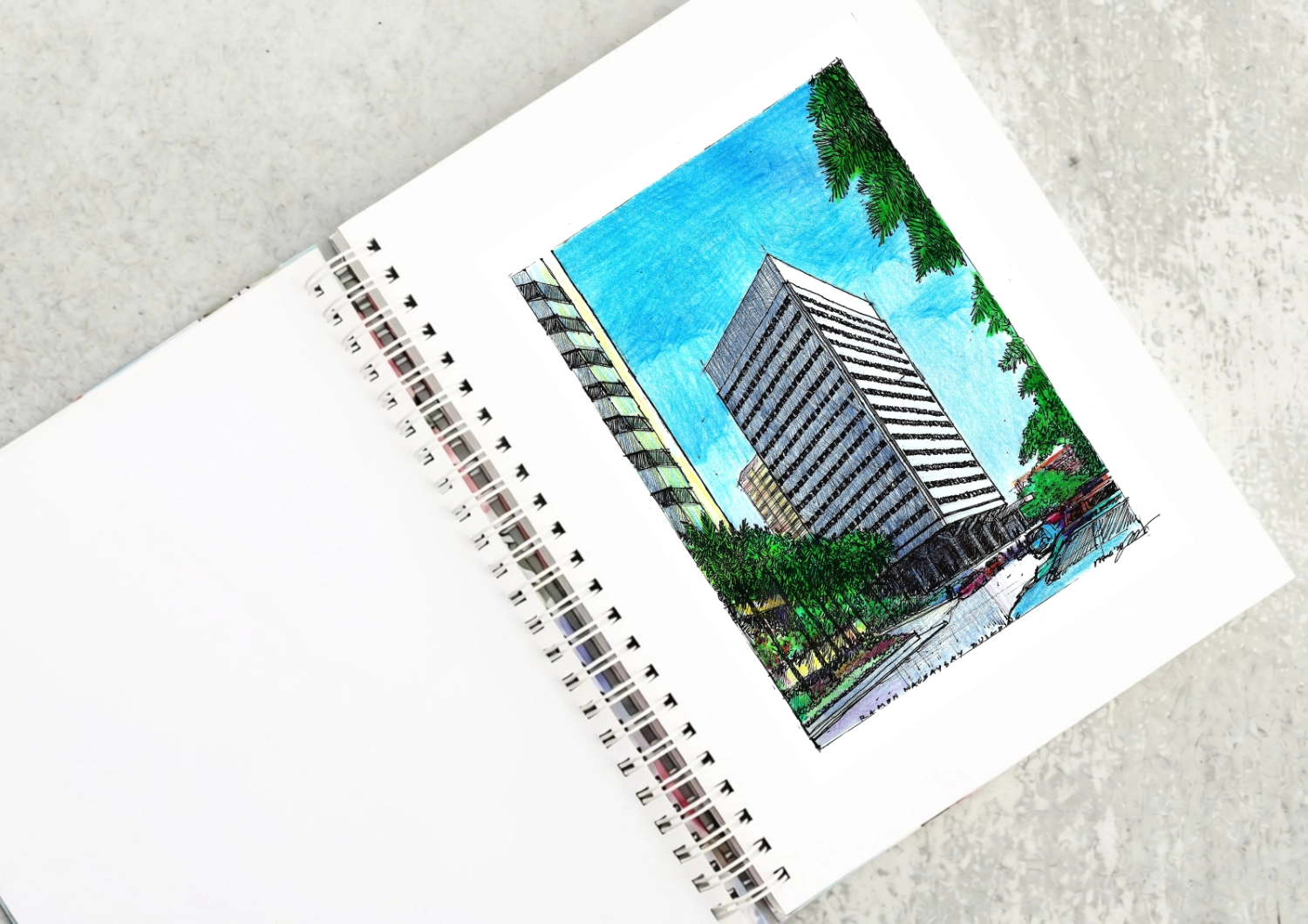
The Ramon Magsaysay Center as a Modernist Landmark Driving down Roxas boulevard from Rizal Park, what will catch your eye is the most elegant modernist structure in the country, the Ramon Magsaysay Center. Most established Filipino architects put it in their top ten lists of favorite buildings. It was designed by Alfredo J. Luz, who […]

Rinna Soriano’s favorite part of her work is sanding. At her workbench, she stays focused, following the grain, adjusting to changes in its direction. Narra, she has learned, can have interlocking grain. A piece of mango once proved particularly difficult until a worker explained that she had reached the point where a branch once grew […]
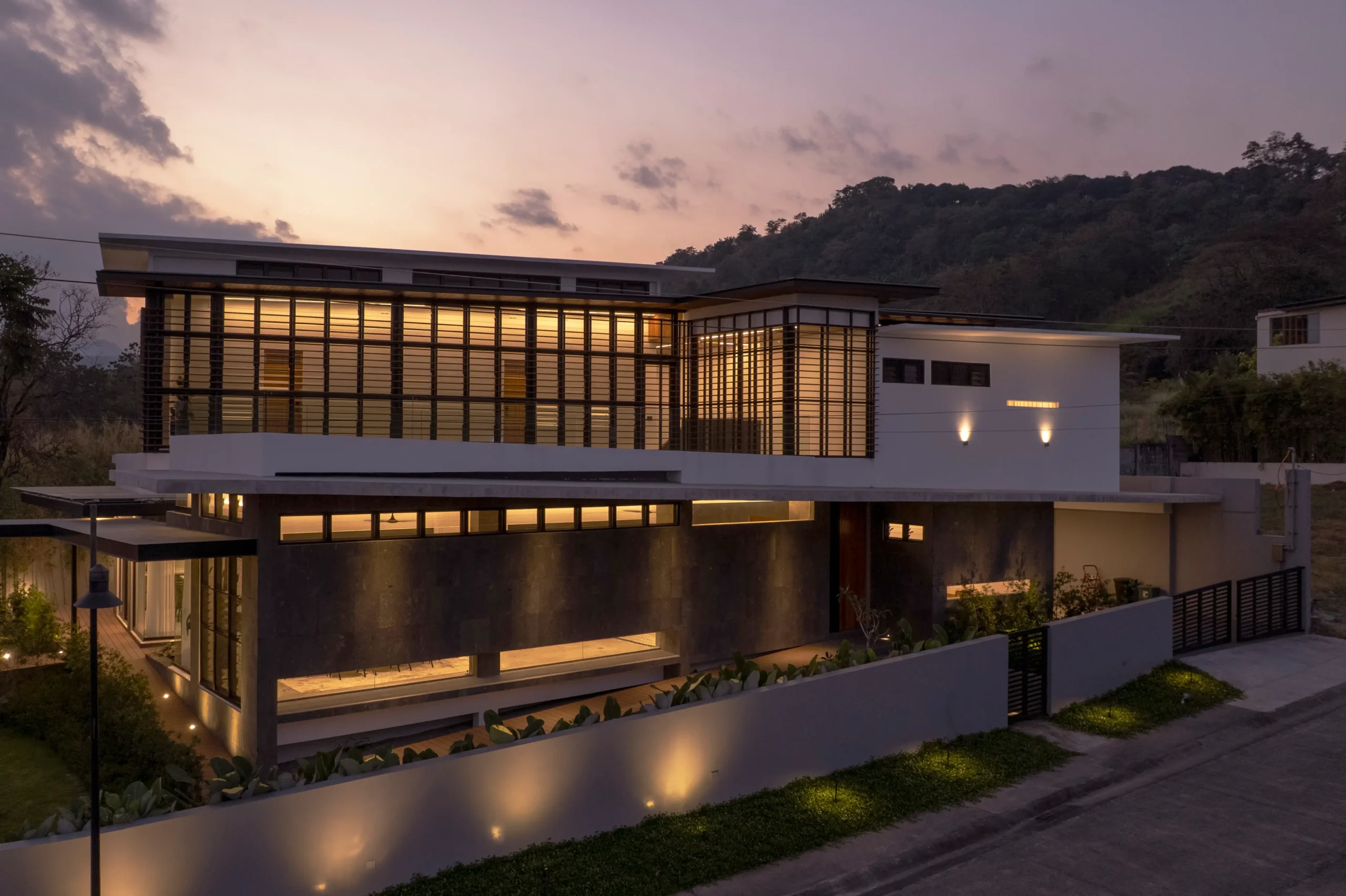
Filipino architectureArchitectureThe art and science of designing and constructing buildings, structures, and spaces that are functional, safe, and aesthetically pleasing. It encompasses the planning, design, materials, and techniques used to createGo to Architecture Glossary has long been associated with indigenous materials and vernacular design strategies, from bamboo and timber construction to jalousie windows, generous spaces, […]
Read the issues.

Collect the volumes.

Recommended Video
Tap to Unmute
Unmute
0:00
0:00