Rinna Soriano’s favorite part of her work is sanding. At her workbench, she stays focused, following the grain, adjusting to changes in its direction. Narra, she has learned, can have interlocking grain. A piece of mango once proved particularly difficult until a worker explained that she had reached the point where a branch once grew […]
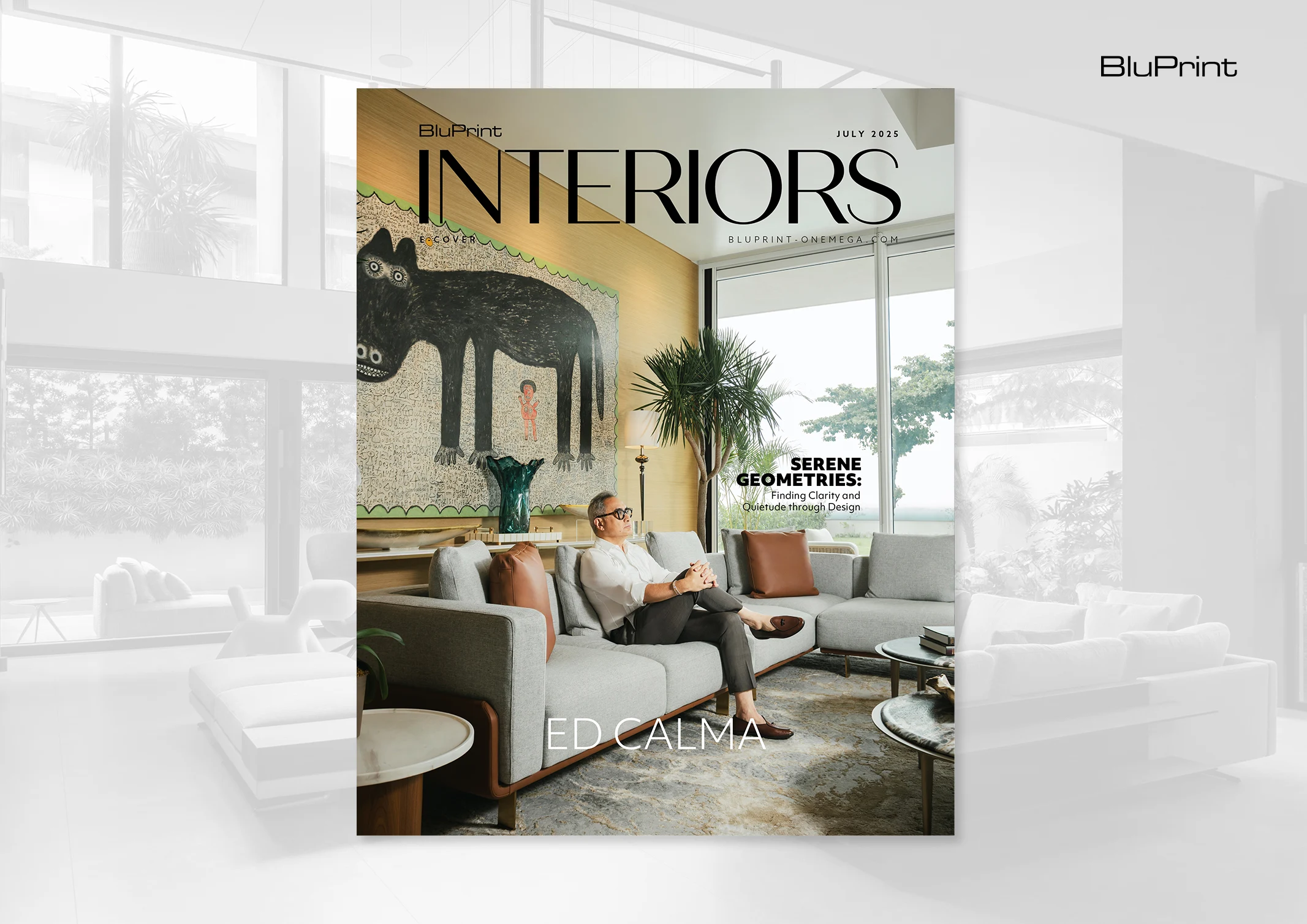
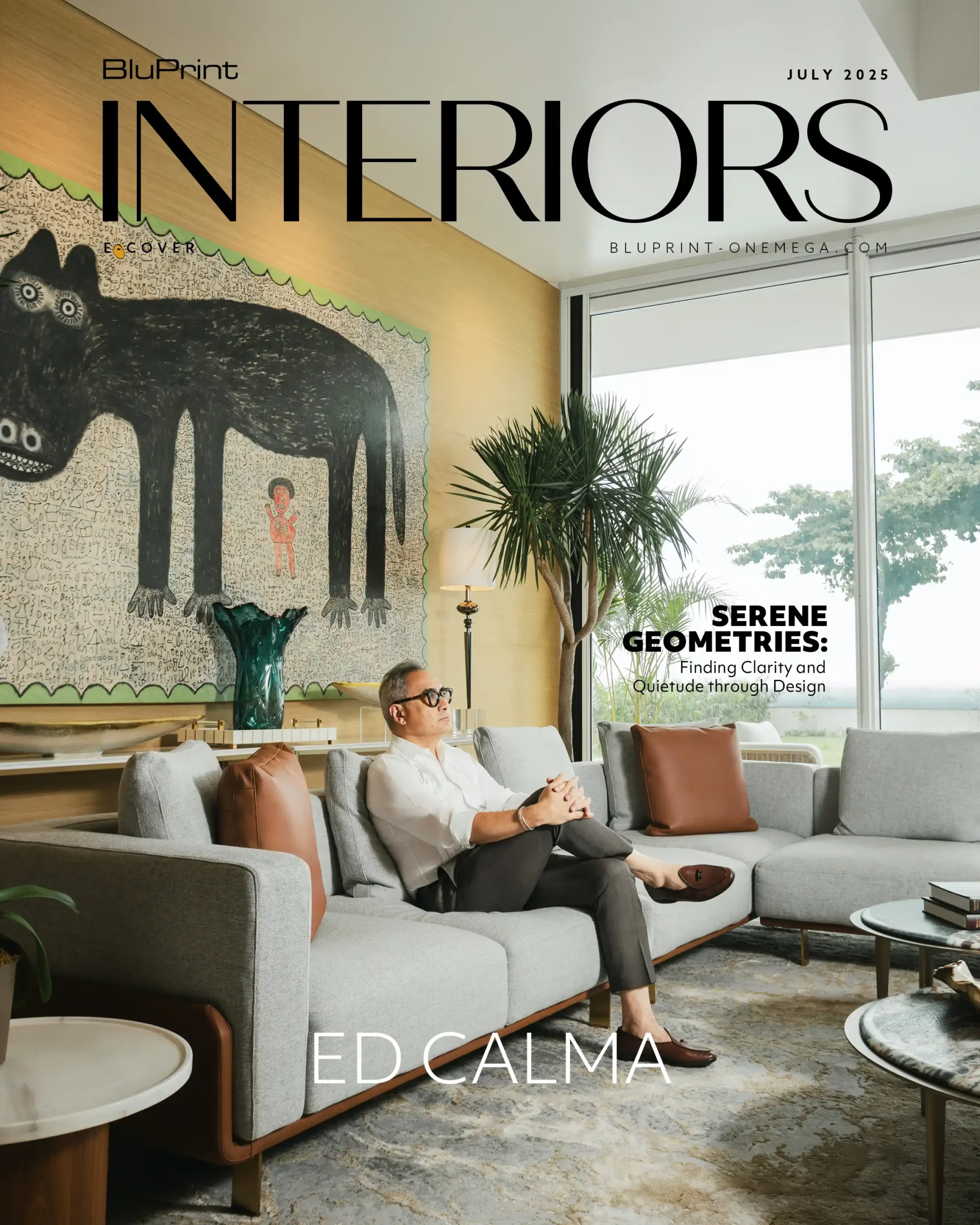
Serene Geometries: Ed Calma Finds Clarity Through Quietude



“I always consider a house as having two lives,” Ed Calma states. “One is the architect’s vision for the house, and the other is how the clients live in it.” The first is the one imagined by its creator—a vision of light, form, and intention. The second, more complex life begins the moment someone walks through the door. It is the life of habitation, of memories collected and objects accrued, of daily routines that trace paths across a floor. It is a life that is fluid, unpredictable, and often at odds with the purity of the original design.
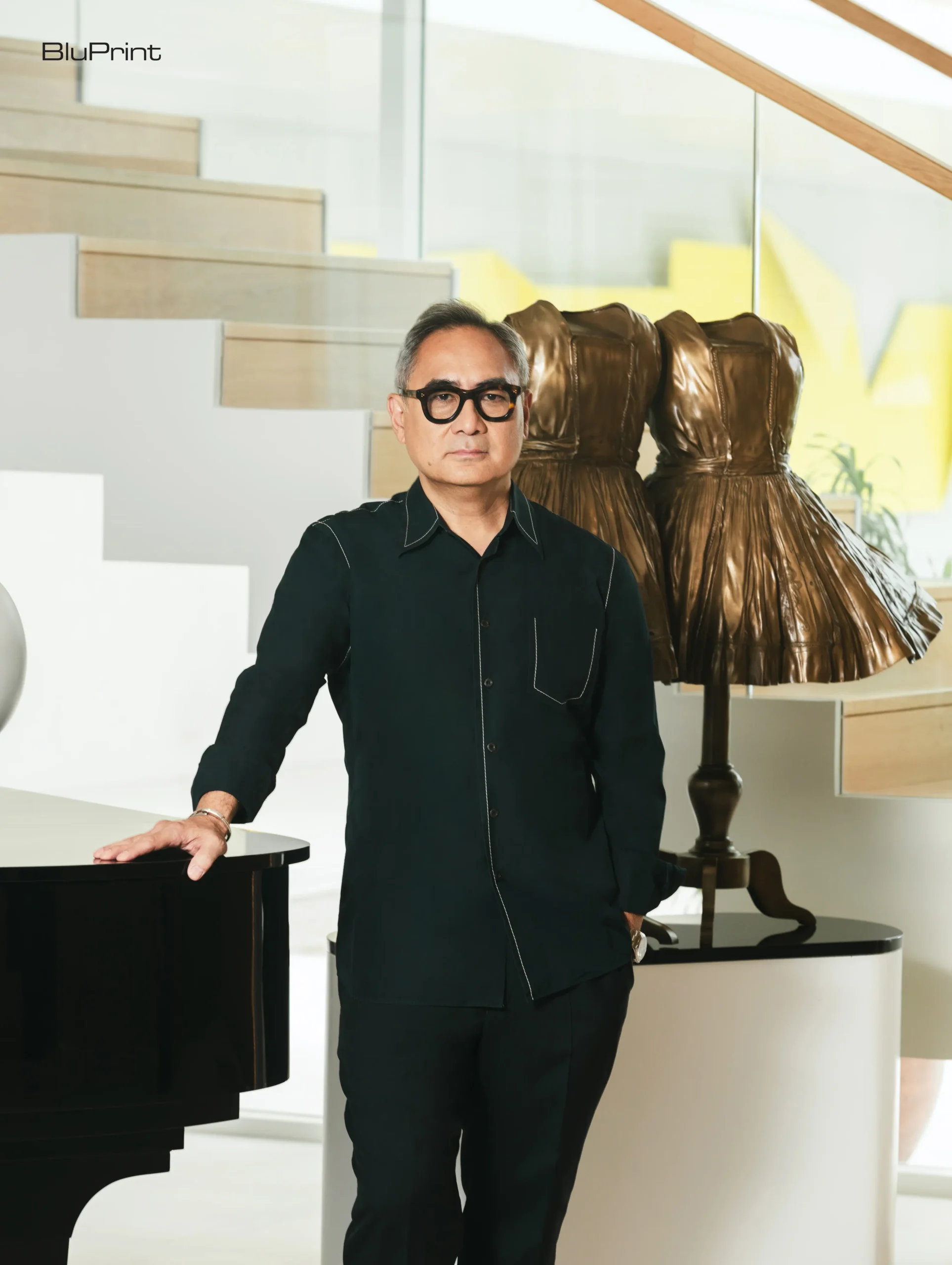
Few understand this duality better than Calma, a figure who stands as a quiet titan in the landscape of Philippine architectureArchitectureThe art and science of designing and constructing buildings, structures, and spaces that are functional, safe, and aesthetically pleasing. It encompasses the planning, design, materials, and techniques used to createGo to Architecture Glossary and interior design. For him, the genius lies not in resisting this second life, but in creating a vision so clear and a structure so profound that it can gracefully contain all the beautiful chaos that living entails.
This acknowledgment stems from profound understanding. It is the foundational principle for a body of work that spans private sanctuaries and institutional buildings. In navigating this tension, Calma forged a signature style and shaped a philosophy of space that continues the pioneering legacy of his family while casting a long, unwavering light toward the future of Filipino design.
Lor Calma and Partners: A Design Legacy in Two Generations
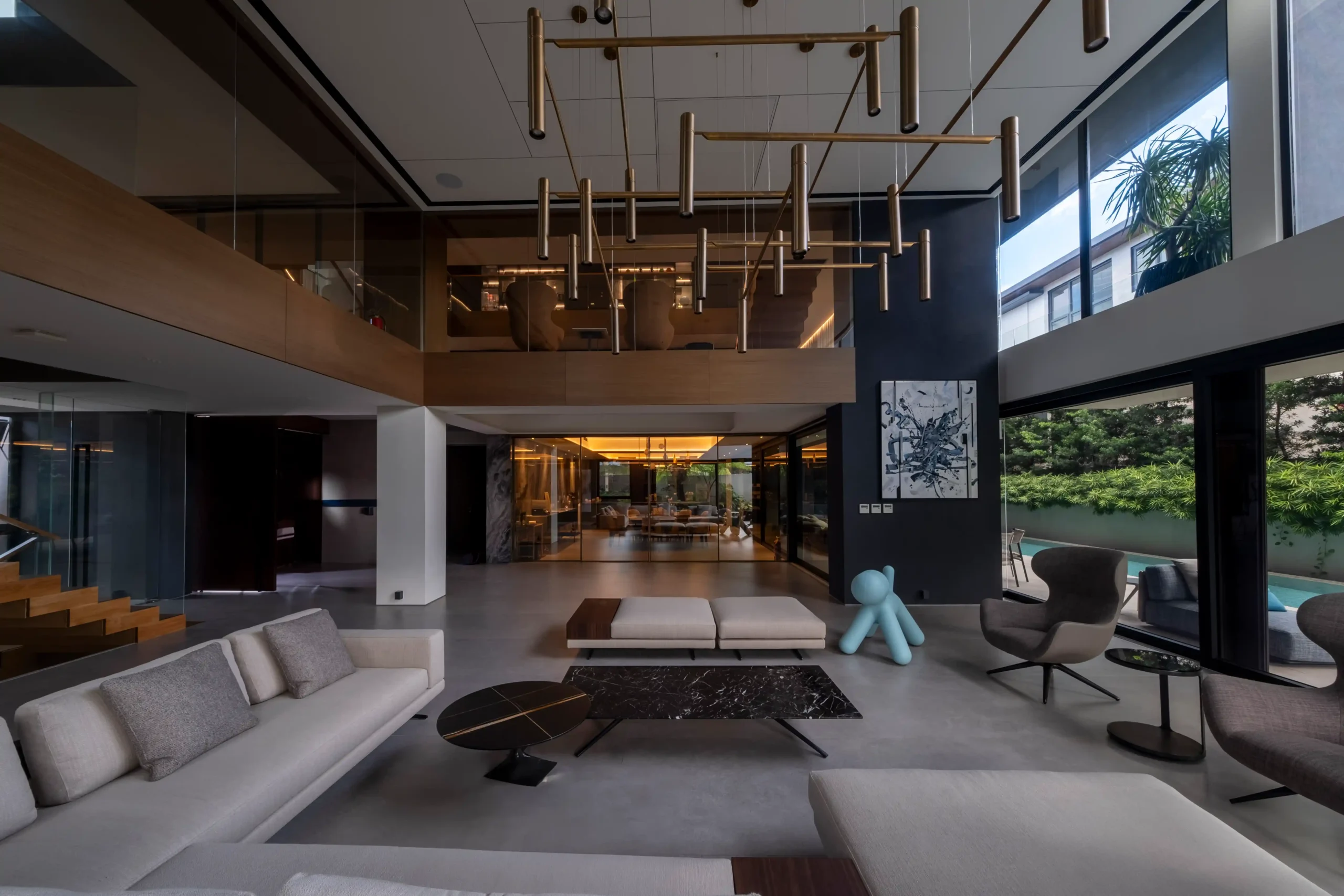
To understand the work of Ed Calma is to first understand the ground upon which he builds. He is the design principal of Lor Calma and Partners, the firm founded by his father, Lor Calma, a trailblazer widely regarded as one of the fathers of Philippine interior design and modernism. The elder Calma was a master of integrating minimalist forms with a distinct Filipino cultural context, creating furniture and interiors that were both internationally sophisticated and locally resonant. His work was about a certain kind of perception, a quality that Ed would inherit and evolve.
“My father’s work has never been able to be photographed really well,” Calma explains, offering a crucial insight into his own inherited perspective. “Because you need to see things as he moves through the space. You need to see what he sees.” This was a lesson in phenomenology—the idea that space is a kinetic, sequential experience. This foundational lesson in seeing was coupled with an equally important lesson in freedom. “He never really pinned you down to a certain style or a certain design approach,” Calma recalls of his father. “He wanted you to be completely open, free to be able to go beyond what he knew or what I know currently. He was very open.”
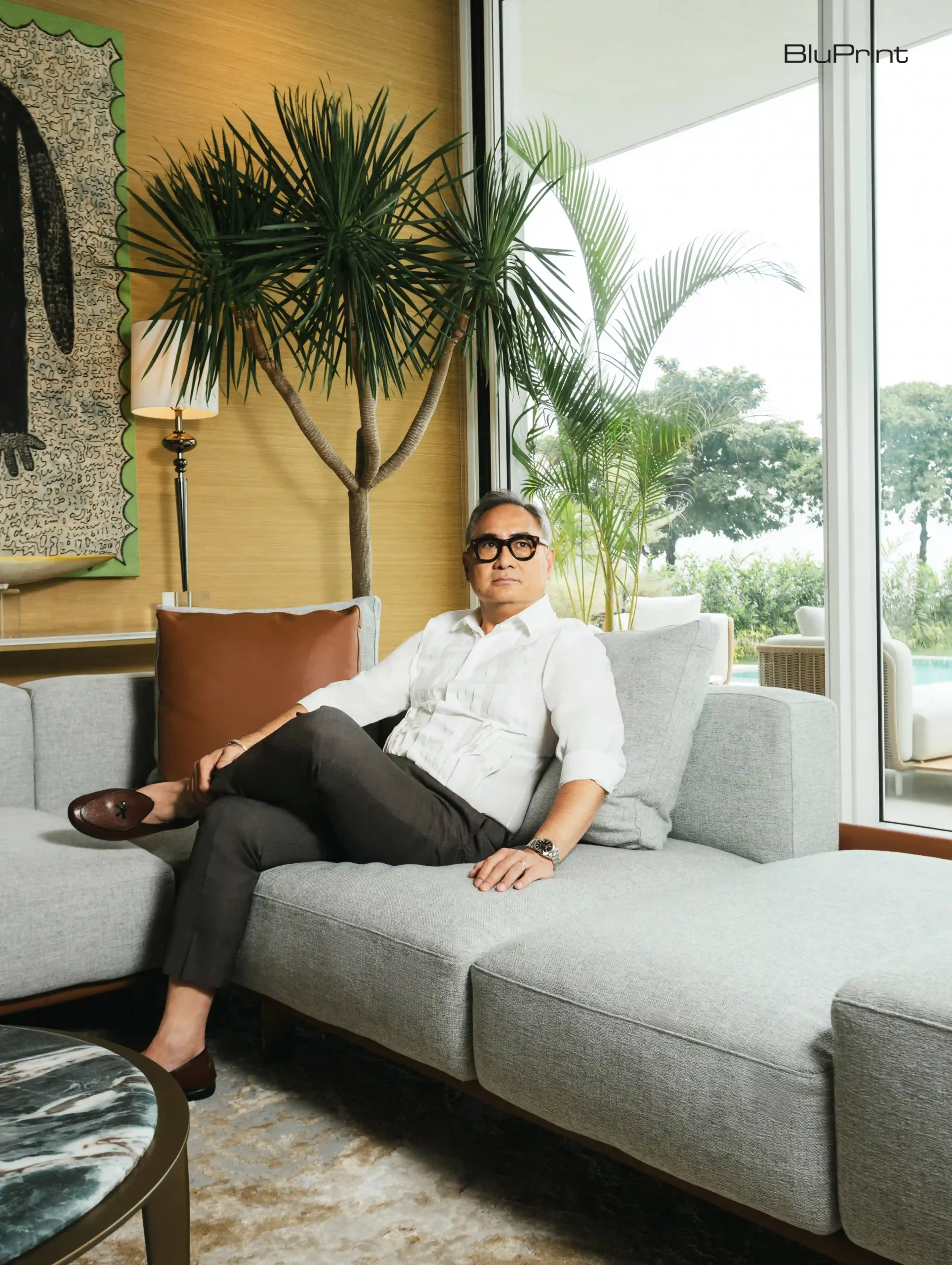
This encouragement to go beyond is precisely what defines Ed Calma’s practice. While he undoubtedly took up the mantle, he also expanded its reach, building upon his father’s mastery of the interior to command the entire architectural envelope. Where Lor Calma pioneered modern interiors, Ed Calma extended that language to the structure itself, creating a holistic vision where the line between outside and inside dissolves into a single, powerful statement. He introduced a new scale of thinking, most notably in the realm of environmental sustainability, that would come to redefine what a modern Filipino building could be.
Élan by the Bay: Contextual Modernism Along the Shoreline
BluPrint spoke with Calma in one of his most recent projects, Élan by the Bay, a social space along the city’s shoreline. It is also home to Ed Calma’s first attempt at sculpture, Steel Cloud; the bright yellow is a clear nod to the objet d’art found in his father’s home.
Élan aptly serves as a clear synthesis of his design philosophies; an exercise in his brand of contextual modernism. Its placement and form are a direct response to the location, with clean architectural lines and an artful restraint that defers to the vast, serene horizon. The building engages in a quiet dialogue with the environment, using panoramic views to turn the bay’s cinematic light into a defining feature of the interior experience.
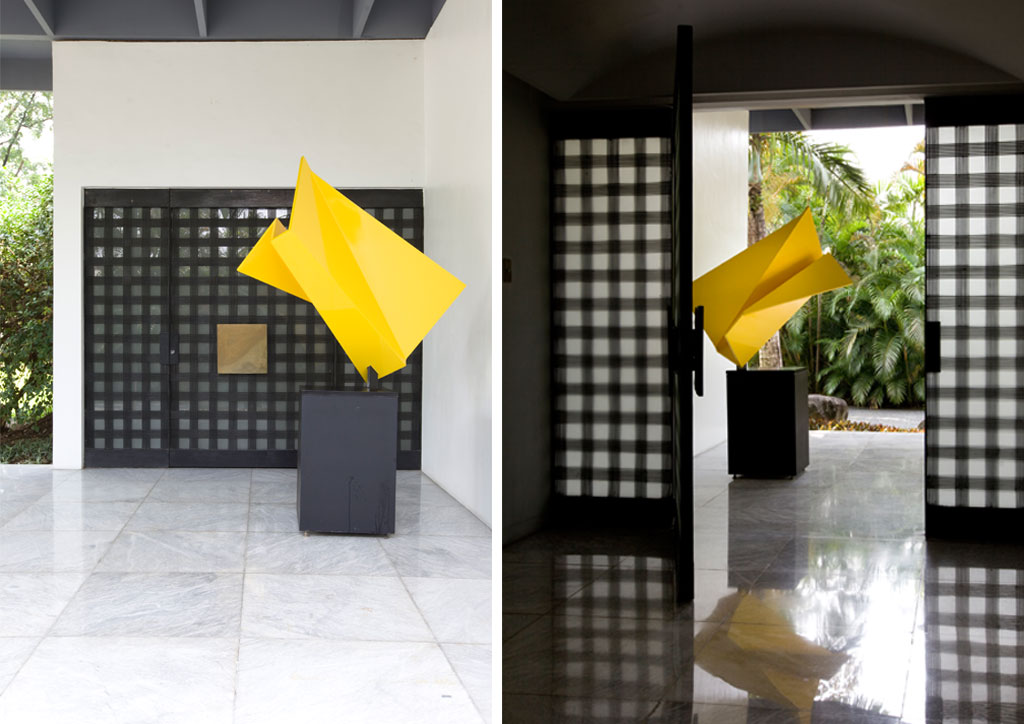
The concept of architectureArchitectureThe art and science of designing and constructing buildings, structures, and spaces that are functional, safe, and aesthetically pleasing. It encompasses the planning, design, materials, and techniques used to createGo to Architecture Glossary as a journey is central to the design. The interior—choreographed to guide movement from the main hall’s transition to an intimate garden or the upper floor that opens onto a balcony—embodies Calma’s belief in a kinetic spatial experience. This orchestrated flow through the building is a narrative tool that shapes how the space is perceived and inhabited during a gathering.
Designed with inherent flexibility as a versatile canvas, the structure provides a pristine architectural vision intended to host a wide array of functions. In this, Élan is a compelling case study of the Calma approach, where an enduring structure is built to gracefully embrace the many vibrant second lives curated within it.
Tropical Climate Adaptation and Sustainable Design
If modernism is the foundation of Ed Calma’s work, his practice is a continuous conversation with its principles. “Architecture will always have its foundations—in my case, the modern movement,” he affirms. “It’s a dialogue between what was done before and how architecture responds to current conditions [and] the program.” For Calma, true modernism transcends any rigid set of stylistic rules imported from the West. It is a flexible, problem-solving methodology, a way of thinking that must, above all, respond to its specific context.
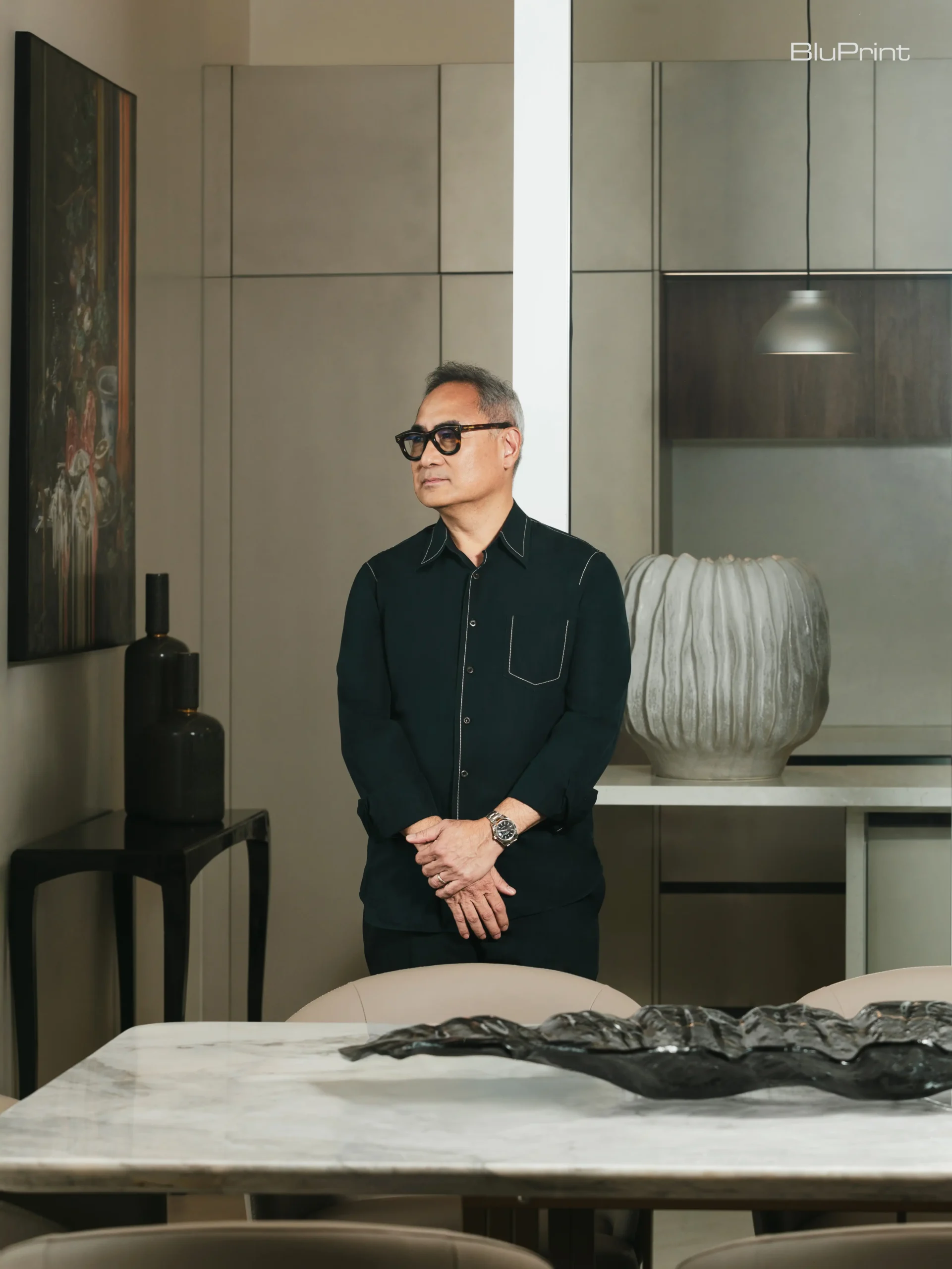
This philosophy is most evident in his masterful adaptation of modernist principles to the unique challenges and opportunities of the tropical climate. In a country defined by intense heat and light, his extensive use of glass walls might seem counterintuitive. His designs, however, exercise environmental sensitivity. His residential projects feature thoughtfully designed facades that balance a desire for openness with the critical need for privacy and heat mitigation. He orients his buildings to minimize solar gain. Roofs and exteriors are often solar-reflective, and the layouts promote natural ventilation. This is a breathing, responsive architectureArchitectureThe art and science of designing and constructing buildings, structures, and spaces that are functional, safe, and aesthetically pleasing. It encompasses the planning, design, materials, and techniques used to createGo to Architecture Glossary intrinsically tied to its place.
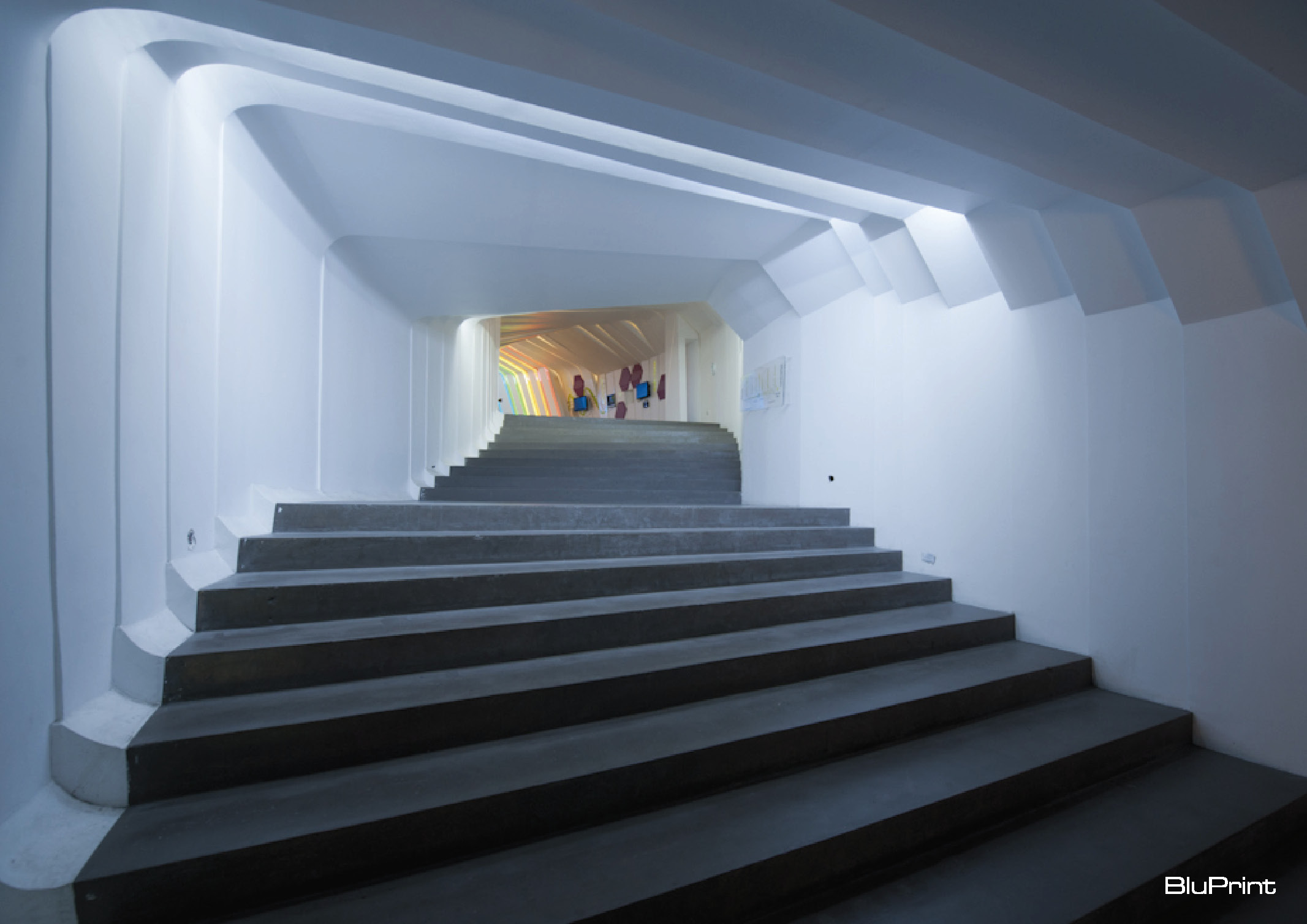
His influence extends far beyond the residential. The Mind Museum in Bonifacio Global City, a landmark project, is a clear example of his vision of a sustainable future. Earning a LEED Gold Award for its environmentally conscious design, the museum incorporates features like grass roofing, rainwater harvesting, and passive cooling strategies, setting a new benchmark for public architectureArchitectureThe art and science of designing and constructing buildings, structures, and spaces that are functional, safe, and aesthetically pleasing. It encompasses the planning, design, materials, and techniques used to createGo to Architecture Glossary in the Philippines. Similarly, his designs for the College of St. Benilde’s School of Design and Arts building and the Chapel of St. Benilde showcase a contemporary approach to institutional and even sacred spaces, stripping them down to their essential forms to create environments conducive to learning, creativity, and contemplation.
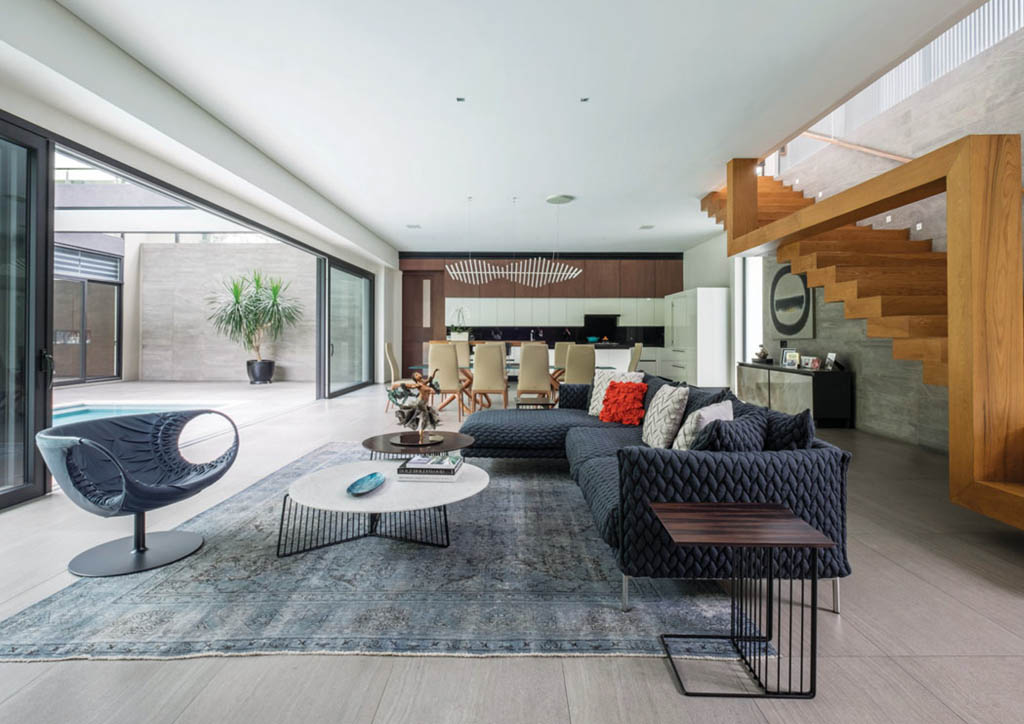
His modernism also responds to a shift in how people live. “The way people live in houses now or go to work is different,” he observes. “Now, it’s more open, not compartmentalized. Before it was very formal; now it’s not.” This understanding fuels his frequent use of open-plan living spaces, where living, dining, and kitchen areas flow seamlessly into one another and often extend into the outdoors, breaking down the rigid formalities of the past to embrace a more fluid and connected way of life.
Spatial Journey and Kinetic Experience
Central to the experience of a Calma space is the concept he inherited from his father: the journey. His buildings are designed to be experienced sequentially, as a narrative that unfolds through movement. “I always see space as one travels right through it,” he insists. “I never look at it like a single area that should be ‘here,’ but the whole. You just have to really travel through it.”
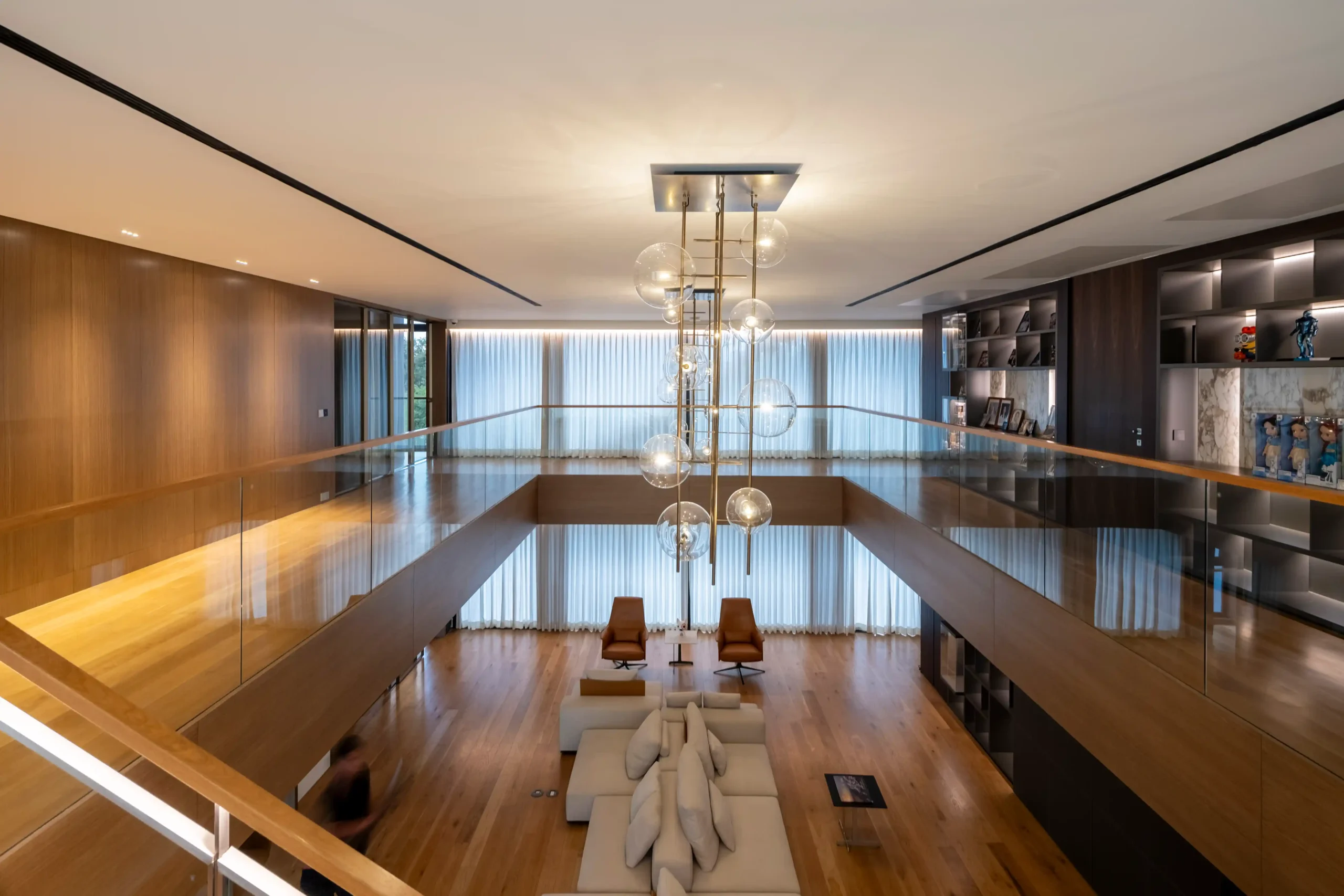
This philosophy explains why his interiors, though often minimalist, are never sterile. They are stages for life, designed to create dynamic spatial experiences. In projects like the Cliff House, he utilized the steep terrain as an opportunity to orchestrate a dramatic journey through the home, with shifting volumes and carefully framed panoramic views that reveal themselves as one moves through the space. His sculptural staircases, sometimes featuring uneven steps to create a subtle rhythm. They are choreographic elements that guide the simple act of moving from one floor to another.
This emphasis on the kinetic experience creates a visual continuity that is a hallmark of his style. Unified flooring materials often run from inside to out, large sliding glass doors erase the boundary between a living room and a garden, and double-height ceilings create dramatic volumes of light and air that are meant to be felt as much as seen. The architecture itself becomes a form of storytelling, guiding the inhabitant through moments of compression and expansion, creating what he calls “moments of self-reflection.” It is architecture designed for the body in motion, not for the stillness of a photograph.
Continuing the Architectural Language Within
While his architectural vision is grand, his command of the interior is equally precise. Here, his philosophy of clarity and purpose translates to a language of material restraint and sophisticated composition. His approach is often described as creating a “total work of art,” where the interior is a continuation of the architectural thought process. Ed Calma designs the space to be a pristine, minimalist vessel, a quiet stage upon which light, material, and life can perform.

Intentionally restrained palettes focus on natural materials that speak for themselves. Rich wood paneling, tile surfaces in muted tones, and subtle metal accents create a calm, cohesive environment. This material sophistication serves a distinct purpose. He sees the interior as a refined backdrop for art and furniture, a principle that allows him to create spaces that feel curated rather than merely decorated. This philosophy allows his clients, who are often collectors, to bring their own narrative into the space without disrupting its core identity. He provides the “good bones”—the thoughtfully composed canvas—and the client provides the final layer of personality.
This is where the second life of the house comes into sharp focus. “All the clients who come to me now know my work and what to expect,” he says, acknowledging the trust he has built. “Yet, there are still others who populate spaces with what they already have.” The challenge, then, a central tenet of his interior practice, is to create a vision so cohesive that it can gracefully absorb these personal elements. This often comes down to a negotiation, an understanding of what must remain pure and what can be flexible. “Maybe you won’t get 100%,” he admits with a refreshing honesty. “Maybe you’ll get 80% of what you like, but I can live with that.”
Far from diluting his vision, this pragmatism strengthens it, allowing his work to be both aspirational and deeply livable. He meticulously designs joinery, cabinetry, and lighting to align with the architectural grid, ensuring a seamless integration between the building’s structure and its interior details. Even functional elements are imbued with sculptural quality. There is no excess; every element has a reason for being. This approach, rooted in a deep respect for form and function, has profoundly influenced Filipino interior design, moving the conversation away from decorative excess and towards a more meaningful, sustainable, and spatially intelligent modernism.
A Modernist Legacy for Philippine Architecture
Ed Calma operates at the confluence of legacy and innovation, of architectural form and the intimate details of living. He continues a dialogue with modernism as a living language capable of responding to the urgent questions of our time—of climate, culture, and community. His work champions a quietude that feels radical in a world of noise, proposing that the greatest luxury is not what we can add to a space, but the quality of the space itself.
By embracing the two lives of a house—the enduring vision of the designer and the ever-changing story of its inhabitants—Ed Calma created a body of work that is both monumental and deeply human. The clean lines, the pristine surfaces, and the dramatic volumes of light make up the grammar of a powerful design language, creating a soul in the structure so clear and resonant that it elevates the very act of living. And long after the residents have changed, the architecture itself will remain.
Read more: Unrestrained Modernism: Advancing the Contemporary Architecture and Design Dialogue
Photographer: Excel Panlaque
Hair and Make Up: Cats del Rosario
Sittings Editor: Geewel Fuster
Managing Editor: Katherine Lopez
Shoot Coordinator: Mae Talaid
Frequently Asked Questions
Ed Calma is a design principal at Lor Calma and Partners and a leading figure in Philippine modernism. Building upon the legacy of his father, Lor Calma, he expanded the family’s influence from interior design to holistic architecture. His work is characterized by a “total work of art” approach, where the architectural envelope and interior spaces dissolve into a single, cohesive statement that emphasizes environmental sustainability and tropical adaptation.
Calma believes a house has two distinct existences: the architect’s original vision of form and light, and the “life of habitation” where clients fill the space with memories and objects. His philosophy focuses on creating a structure so profound and clear that it can gracefully contain the “beautiful chaos” of daily living. This pragmatic approach ensures that his minimalist designs remain deeply livable and adaptable to the fluid routines of his clients.
Rather than importing rigid Western styles, Calma uses modernism as a problem-solving methodology for the tropics. He orients buildings to minimize solar gain, uses solar-reflective materials, and incorporates passive cooling through vent stacks and natural ventilation. Even his signature use of glass walls is balanced with strategic facades that mitigate heat while maintaining a connection to nature, resulting in a “breathing” architecture intrinsically tied to its location.
Inspired by his father’s work, Ed Calma views space as a kinetic, sequential experience rather than a static photograph. His buildings are choreographed to guide inhabitants through a narrative of movement, featuring sculptural staircases, unified indoor-outdoor flooring, and shifting volumes of light. This orchestrated flow—seen in projects like Élan by the Bay—creates “moments of self-reflection” and shapes how a space is perceived during daily use or social gatherings.
Calma’s commitment to a sustainable future is best exemplified by The Mind Museum in Bonifacio Global City, which earned a LEED Gold Award for its green roofing and rainwater harvesting. Other notable institutional works include the College of St. Benilde’s School of Design and Arts and the Chapel of St. Benilde. These projects demonstrate his ability to strip structures down to their essential forms to create environments that foster creativity, learning, and contemplation.

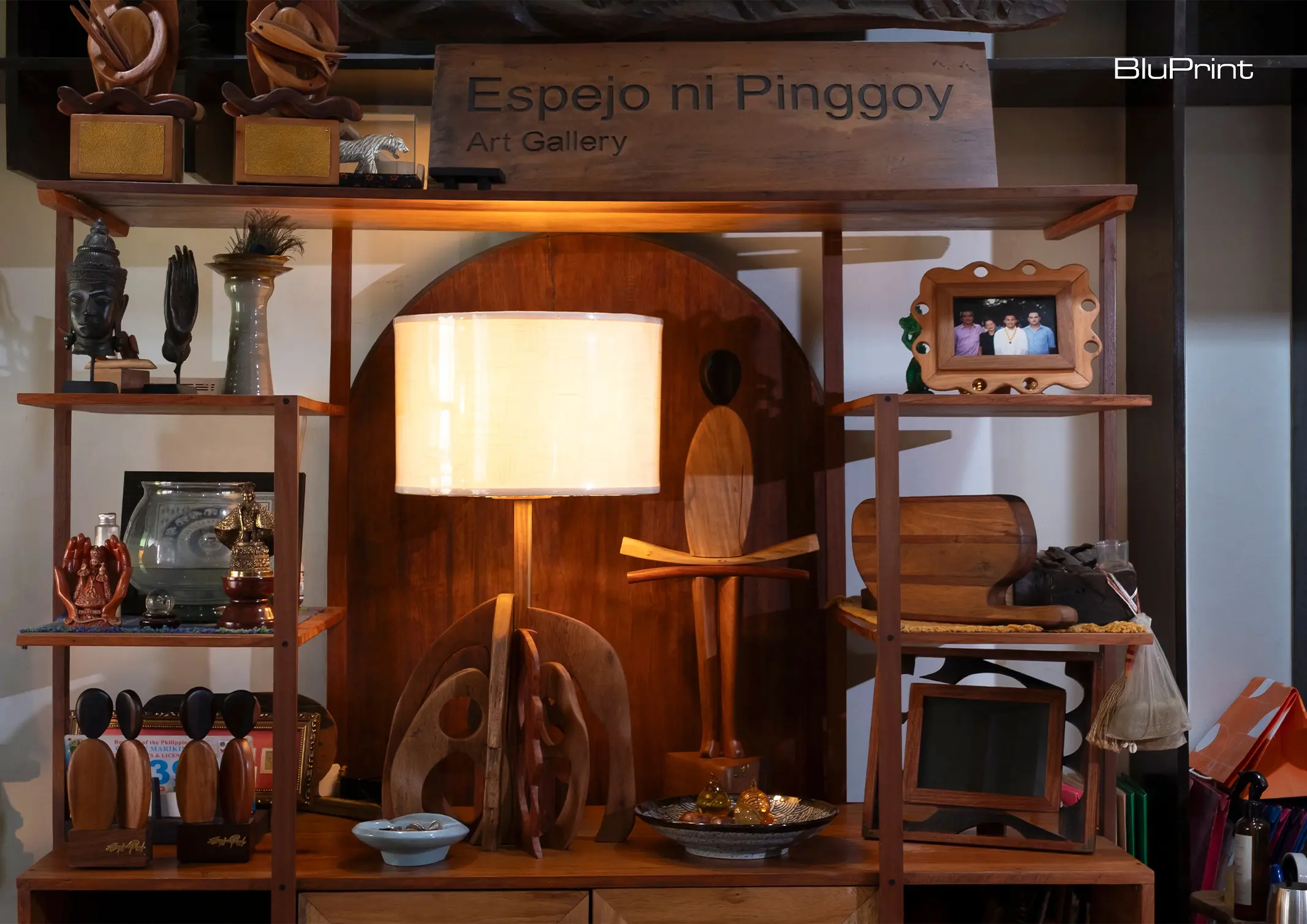
In Malanday, Marikina, a simple home’s garage has been transformed into a studio-gallery called Espejo ni Pinggoy. Once considered by Pinggoy Generoso as a waste of space, it now serves as his favorite spot in the house, “When I renovated this part of the house, my main goal was to make it a very relaxing […]
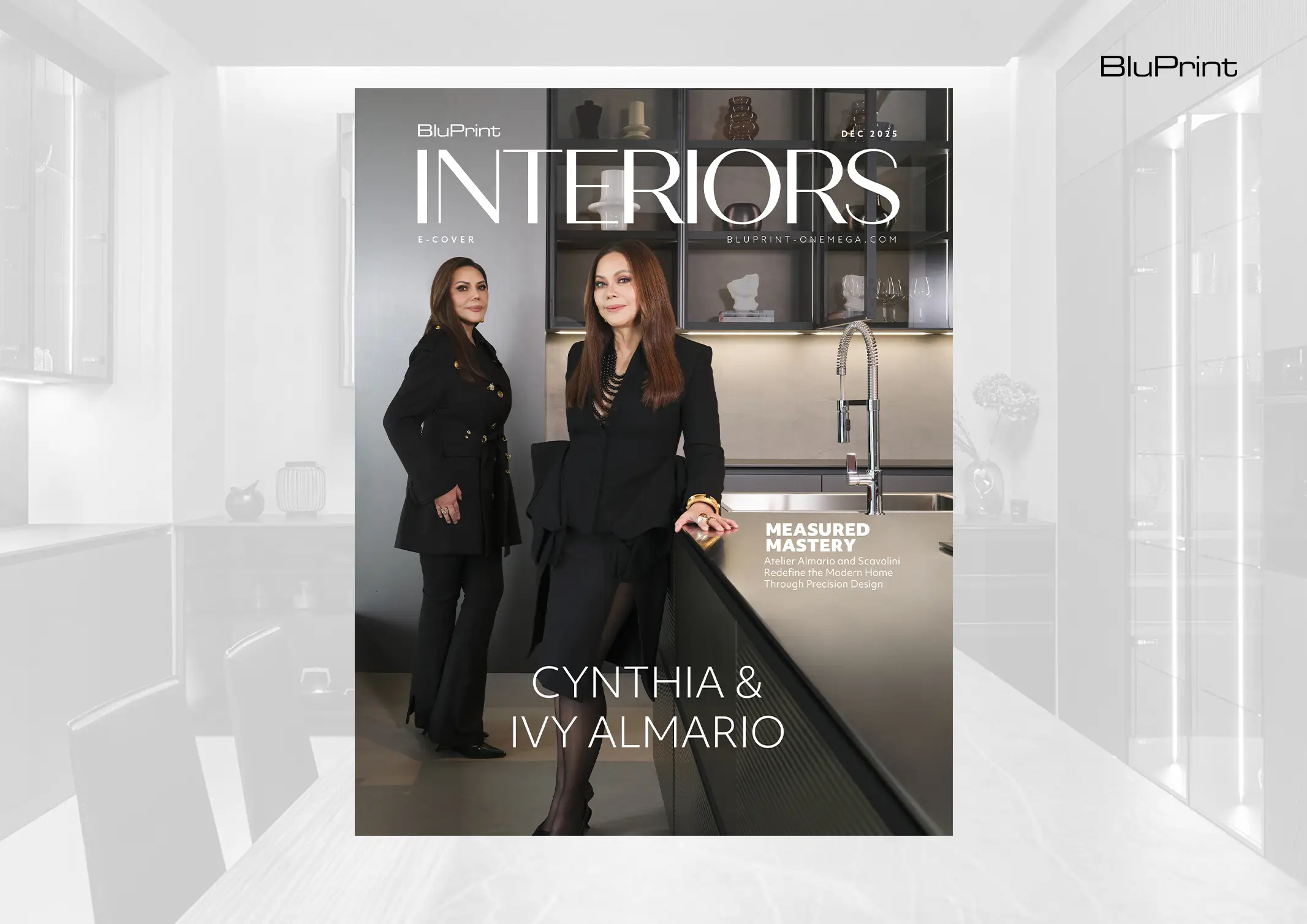
Atelier Almario, led by powerhouse siblings Ivy and Cynthia Almario, have the vision of fully realizing the design of your dream home. Their dedication and expertise are seen with every decision they make, from the basic measurements that allow a space to be harnessed efficiently, to their use of trusted companies like the Italian design […]
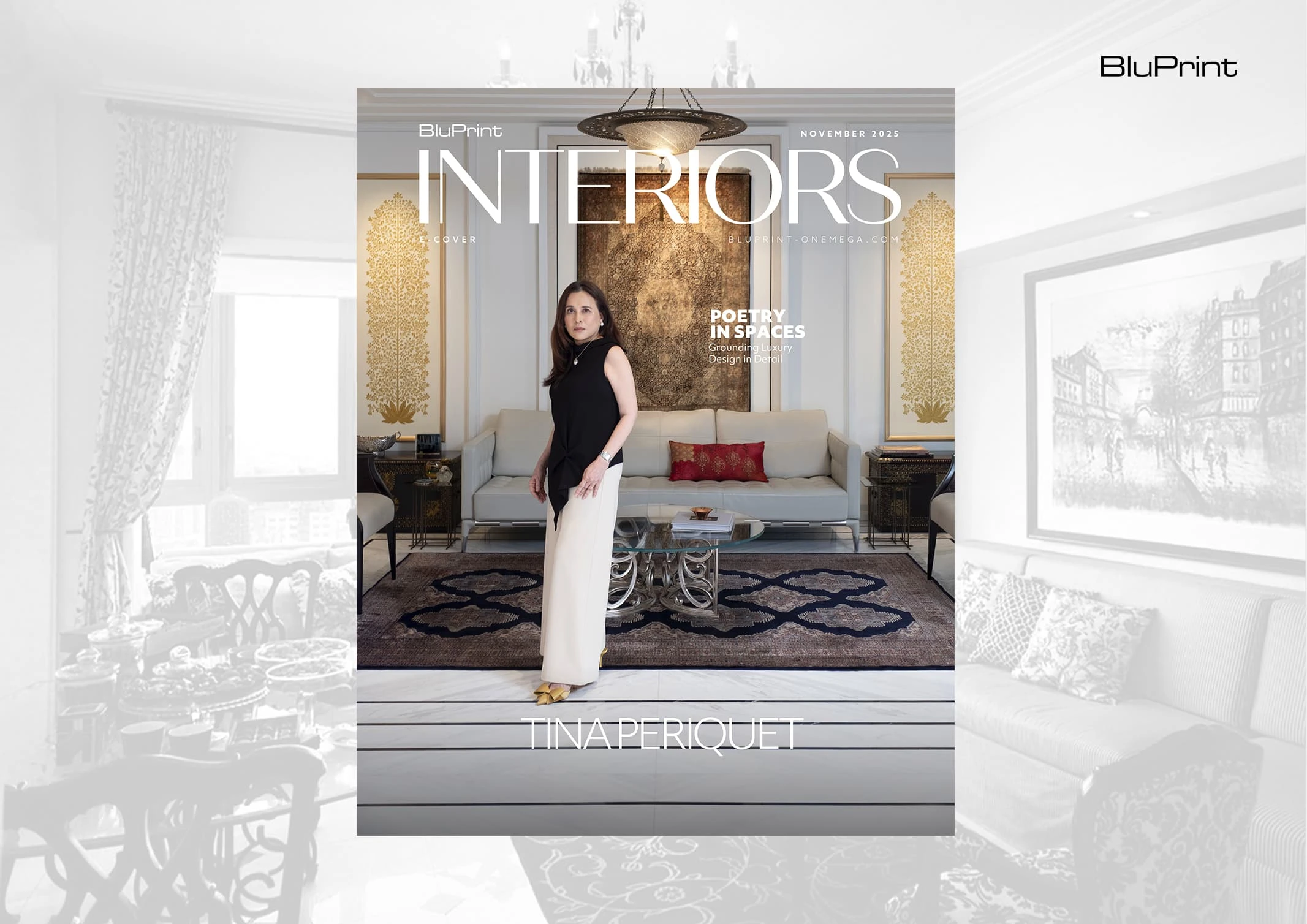
At her core, Tina Periquet is a storyteller. Hers is a unique methodology that makes her stand out from the world of designers, both here and abroad. She posses a keen understanding of the intricate grammar of design; how the details of a space flow together to create a habitat for her clients that tells […]
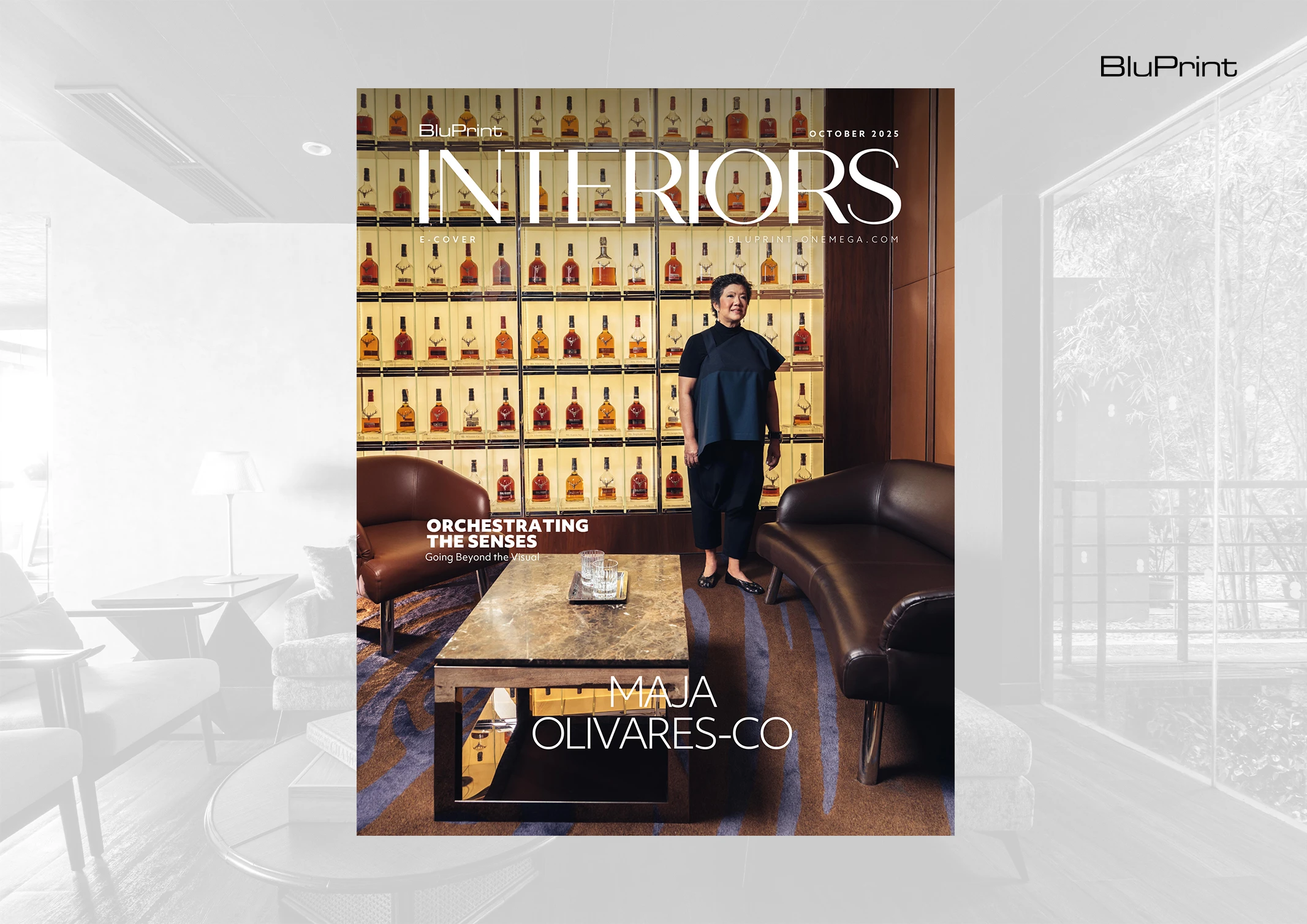
Few figures navigate the space between legacy and innovation with the same fluidity as Maja Olivares-Co. Her career holds seeming contradictions in perfect balance: historical reverence and modern invention, commercial success and profound social conscience. As the Creative Director and Principal Designer of the pioneering firm Sonia Santiago Olivares and Associates (SSOa), she has evolved […]
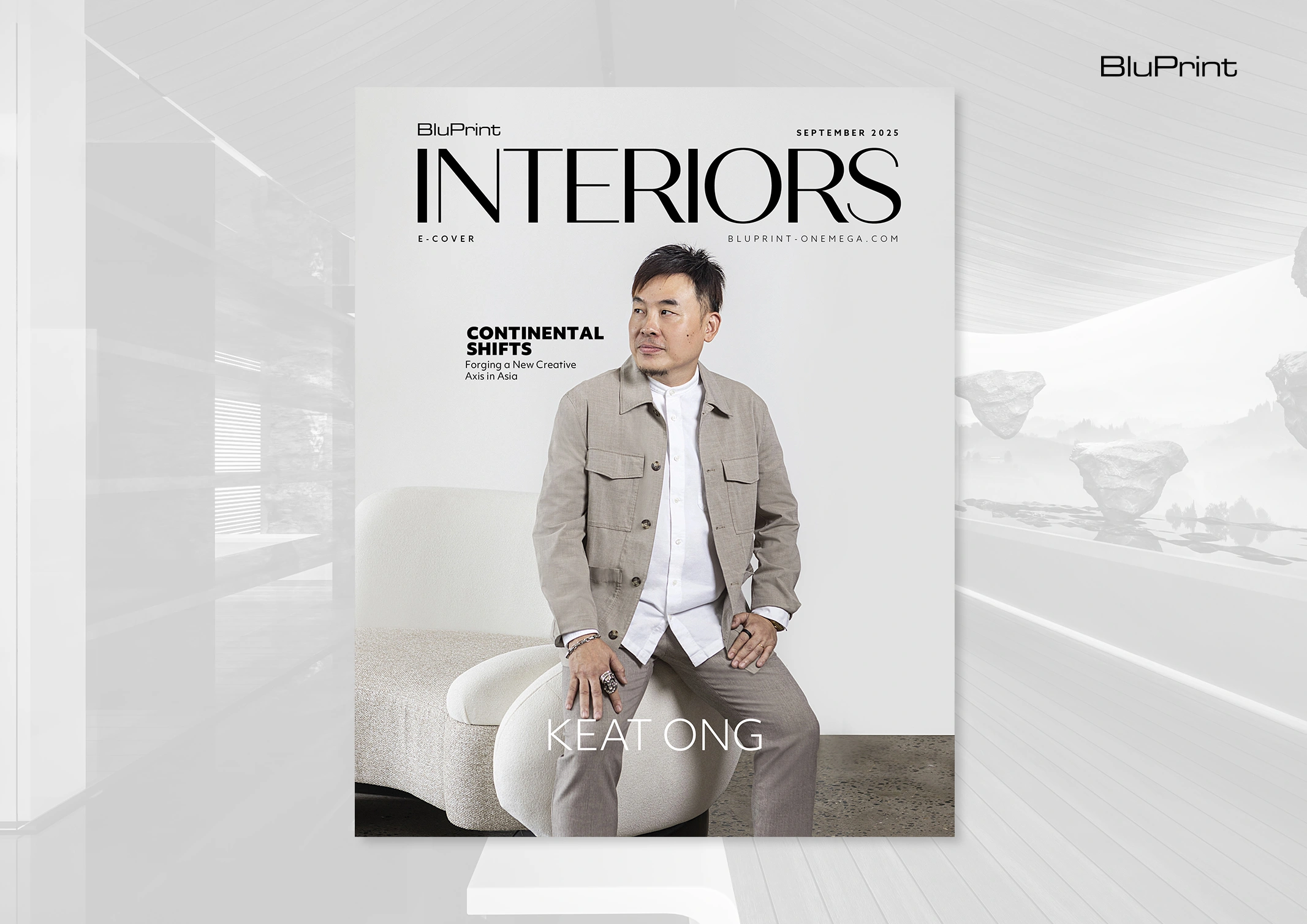
In the discourse of design, few figures manage to master both the creative and commercial realms with equal authority. For over a quarter-century, Professor Keat Ong has not just built a portfolio of award-winning projects; he has architected the very profession itself. As a creative director, a tireless advocate, and an educator, Ong has become […]
Read the issues.

Collect the volumes.

Recommended Video
Tap to Unmute
Unmute
0:00
0:00