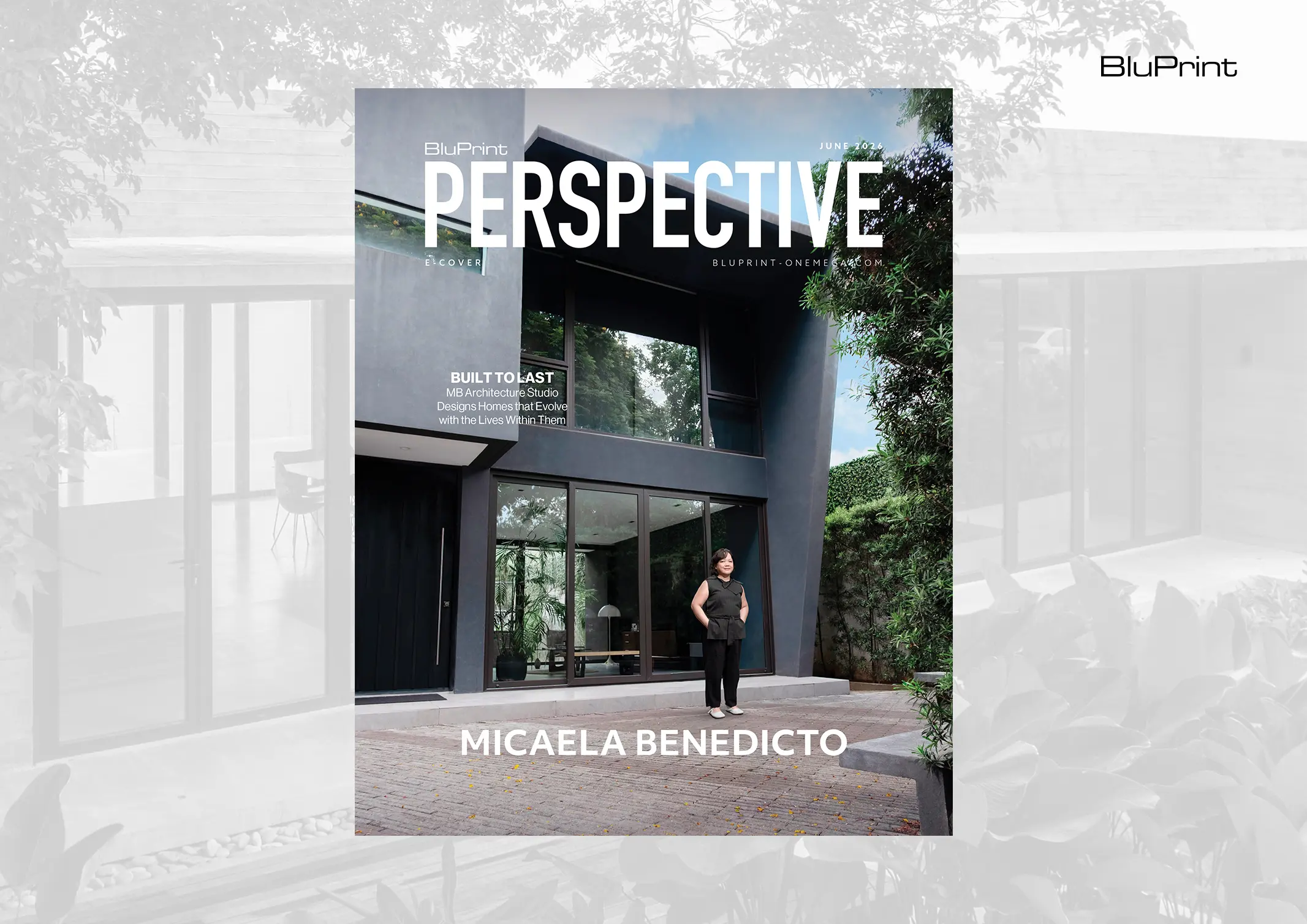
Since setting up her design firm, MB Architecture Studio, in 2007, Ar. Micaela Benedicto has built a diverse portfolio of architectural projects. Her works, whether residential or commercial, showcase a distinct spatial quality, “I like to create things that can go from something static to something that is alive and reactive,” Benedicto states. “In creating […]
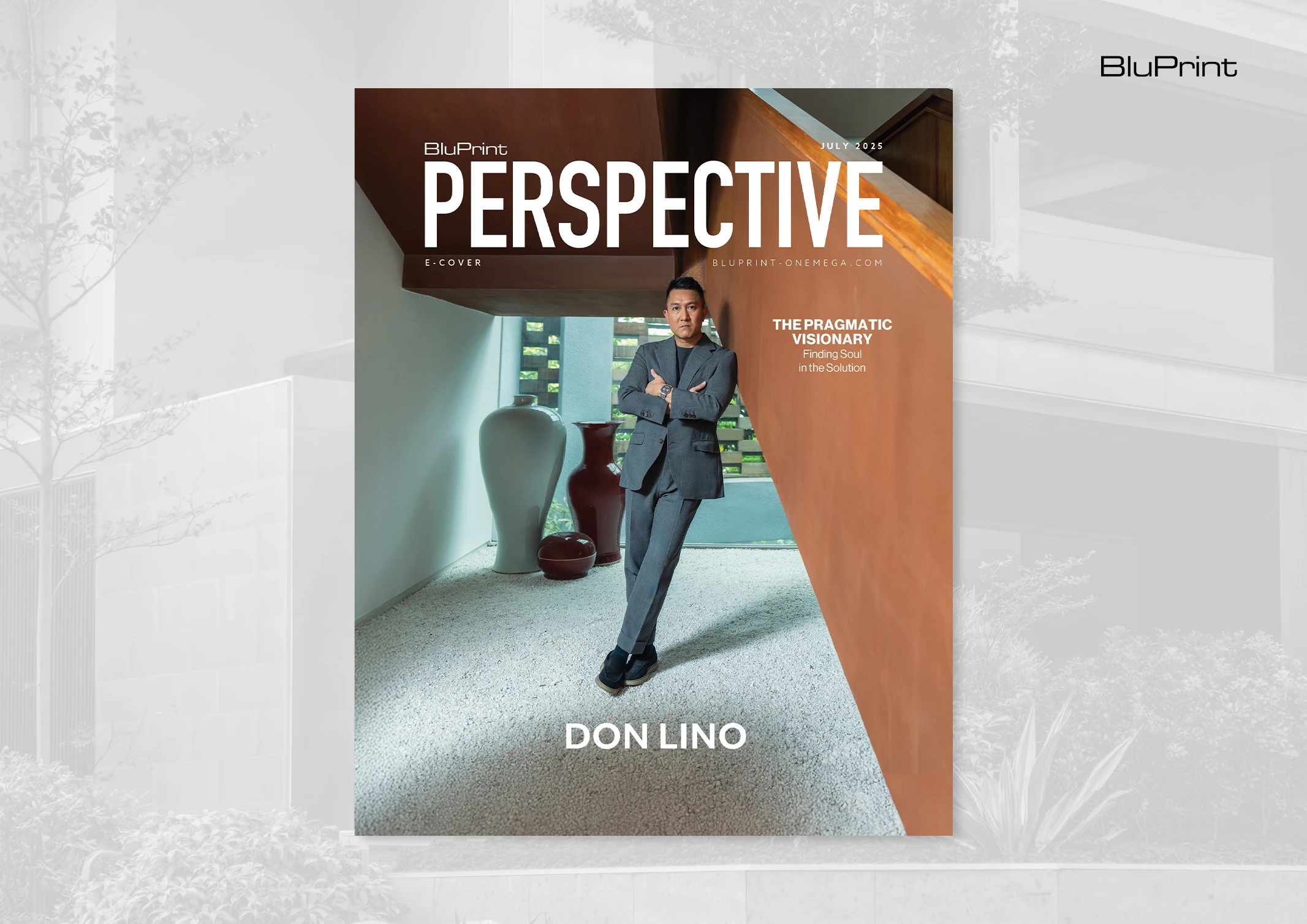
The Pragmatic Visionary: Don Lino Finds Soul in the Solution



What is the soul of a building? For many, the answer lies in history, aesthetics, or some intangible poetry of space. For architect Don Lino, the answer is far more concrete: the soul is found in the solution. This is the guiding principle of his firm, LINO ArchitectureArchitectureThe art and science of designing and constructing buildings, structures, and spaces that are functional, safe, and aesthetically pleasing. It encompasses the planning, design, materials, and techniques used to createGo to Architecture Glossary, a practice built on the conviction that the most meaningful and enduring design emerges not from a romantic gesture, but from the rigorous and intelligent process of solving a problem well. It is a philosophy that positions Lino as pragmatic, one who argues that the deepest narrative of a structure is revealed only when it is made to work beautifully for the present.
Sought by discerning clients, from cultural institutions to celebrities like actress Kathryn Bernardo, Lino’s work champions sustainability, adaptive reuseAdaptive ReuseThe practice of converting an old or disused building for a new purpose while keeping its structure and character. In the Philippines, it has turned heritage houses, warehouses, and factoriesGo to Adaptive Reuse Glossary, and narrative-driven design. Yet, a conversation with him reveals that his practice is built on a foundation that challenges the very archetype of the architect as a pure artist. He argues for a new model: understanding that financial literacy and business acumen are not corrupting forces, but powerful tools that enable greater creativity and the preservation of our built heritage.
Forging a Philosophy Far from Home
Every philosophy has an origin story. For Lino, the crucible was not the familiar context of the Philippines, but the hyper-modern environment of Dubai. After completing his studies in 2004, a bold, speculative move to the Middle East proved to be the defining chapter of his early career. It was there, under the mentorship of seasoned international architects, that his perception of the discipline underwent a seismic shift.
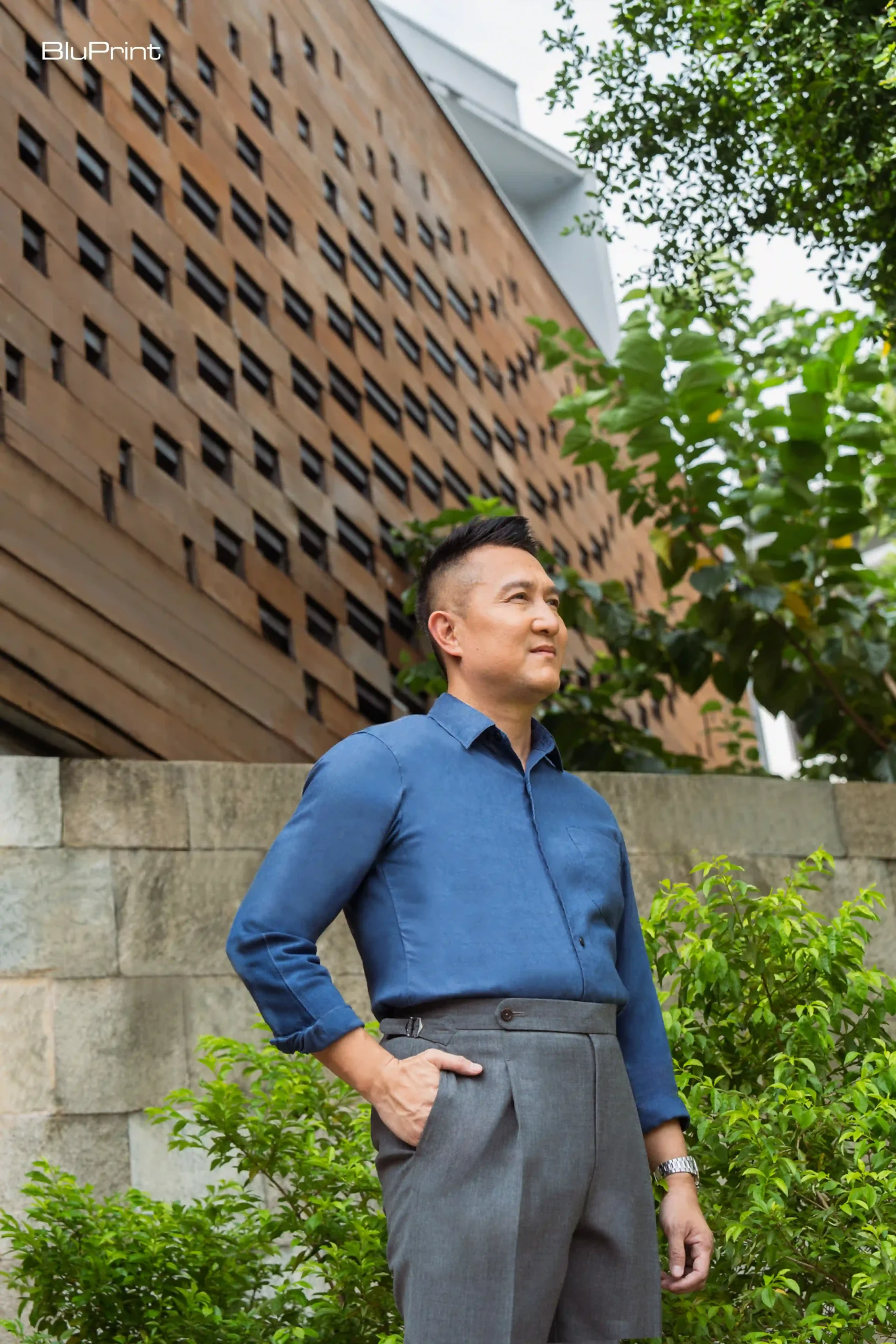
“That’s where I really took architecture seriously,” Lino admits. “They really taught me how to think about architecture in a more intelligent way.”
This “intelligent” approach was a departure from a purely aesthetic focus. “Before that, it was always static, you know, fancy materials,” he explains. “With my mentors abroad, that’s what they really emphasized. You’re shaping a lifestyle, you’re not just creating something to look at.” This core idea—that architectureArchitectureThe art and science of designing and constructing buildings, structures, and spaces that are functional, safe, and aesthetically pleasing. It encompasses the planning, design, materials, and techniques used to createGo to Architecture Glossary is an active, experiential force that choreographs human life—became the foundational principle he would carry back to the Philippines. The experience abroad gave him a global perspective that would later inform his contribution to the Philippine entry at the 2016 Venice Architecture Biennale, allowing him to place distinctly Filipino design sensibilities into a wider architectural discourse.
Upon returning, he began to see his home country with new eyes, questioning the prevailing tendency to demolish and discard. “To be able to tell a story from one generation or a timeline to the present, I always appreciated it,” he reflects. “So that became a main thing for me when I moved back here. I started questioning, ‘Why are we not doing this?’ Because if we do this, then it gives us more history, it gives us more heritage.”
Narrative Architecture: Buildings as Chronicles
What Don Lino developed is a practice built on a cohesive set of principles that prioritize depth and meaning. It is a method that sees every project, particularly a renovation, as a site of immense potential, where layers of history can be excavated and expressed, not erased.
At the heart of his work is the concept of “narrative architectureArchitectureThe art and science of designing and constructing buildings, structures, and spaces that are functional, safe, and aesthetically pleasing. It encompasses the planning, design, materials, and techniques used to createGo to Architecture Glossary.” He views buildings as living documents, vessels that hold the stories of people and places. His primary aim is to preserve the intrinsic features of existing structures while introducing contemporary elements in a way that creates a continuous, evolving story. This stands in direct opposition to a modernizing impulse that often sees the past as an impediment to progress.
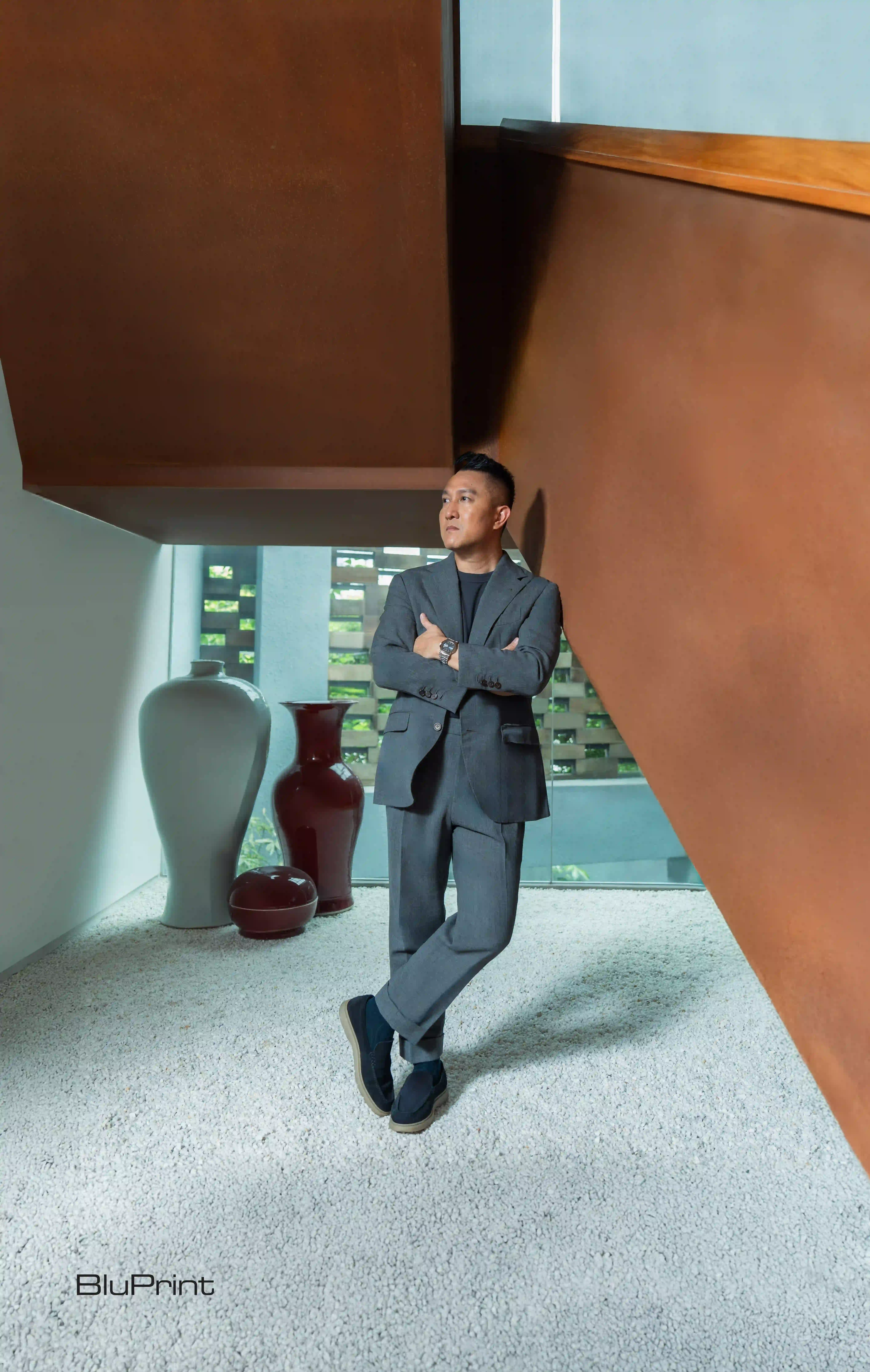
A clear manifestation of this is the 910 Arnaiz Building in Makati, formerly known as the Colbella Arcade. Instead of gutting the commercial building and imposing a completely new identity, Lino embarked on an architectural excavation. He chose to meld vestiges of the past with modern interventions, allowing the building to tell the story of its own evolution. He selected materials for their narrative capacity. Weathering Corten steel, with its raw, time-worn patina, clads parts of the exterior, suggesting age and resilience.
Most strikingly, the architect physically embedded the building’s history into its new form for all to see with engraved timelines integrated into the design. The result is a structure that is both contemporary and deeply rooted in its own specific history.
Respectful Interventions
Flowing directly from his narrative philosophy is a profound respect for heritage, which translates into a very practiced adaptive reuseAdaptive ReuseThe practice of converting an old or disused building for a new purpose while keeping its structure and character. In the Philippines, it has turned heritage houses, warehouses, and factoriesGo to Adaptive Reuse Glossary. In a city where the wrecking ball often swings with impunity, Don Lino is a staunch advocate for renovation. He consistently makes the case for adapting existing structures rather than demolishing them, preserving historical details like ornate doors, patterned balustrades, and unique rooflines. Rather than treat these elements as dated liabilities, he sees them as invaluable assets that lend character and soul to a project.
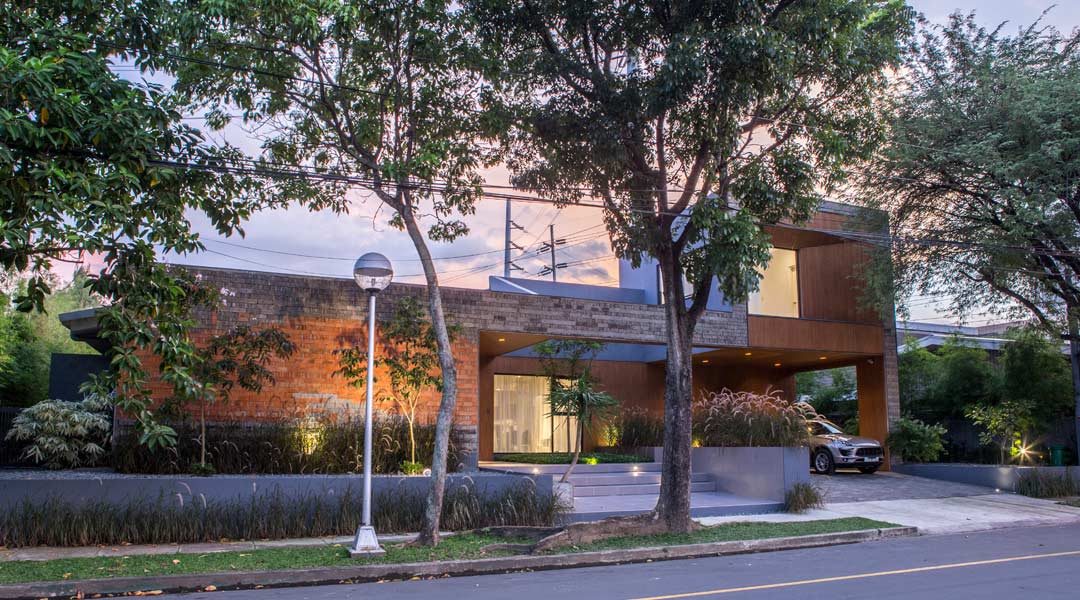
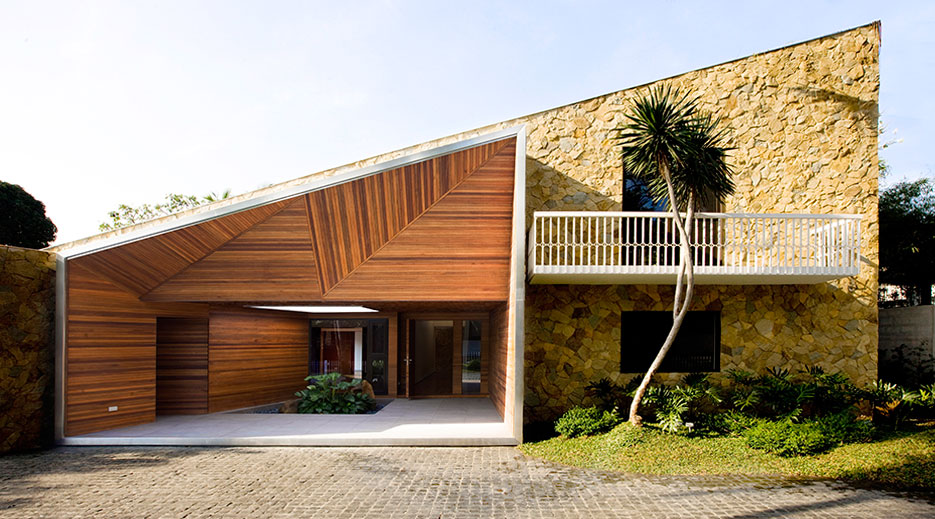
Eloquent examples of this dot his portfolio, such as his renovation of a traditional 1980s bungalow in Makati. Faced with clients initially leaning towards demolition, Lino successfully argued for the value of the existing structure, a home filled with family memories. His firm retained the original foundation and floor planFloor PlanA scaled drawing showing a building's layout as seen from above, as if sliced horizontally at roughly waist height. It maps rooms, walls, doors, windows, circulation, and fixed furniture, helpingGo to Floor Plan Glossary, using them as a nostalgic anchor. The intervention was both respectful and transformative. He introduced the vernacular concept of the silong—the shaded, functional space beneath a traditional bahay kubo—by reimagining the ground floor as a bright, multi-purpose area that opens up to the garden.
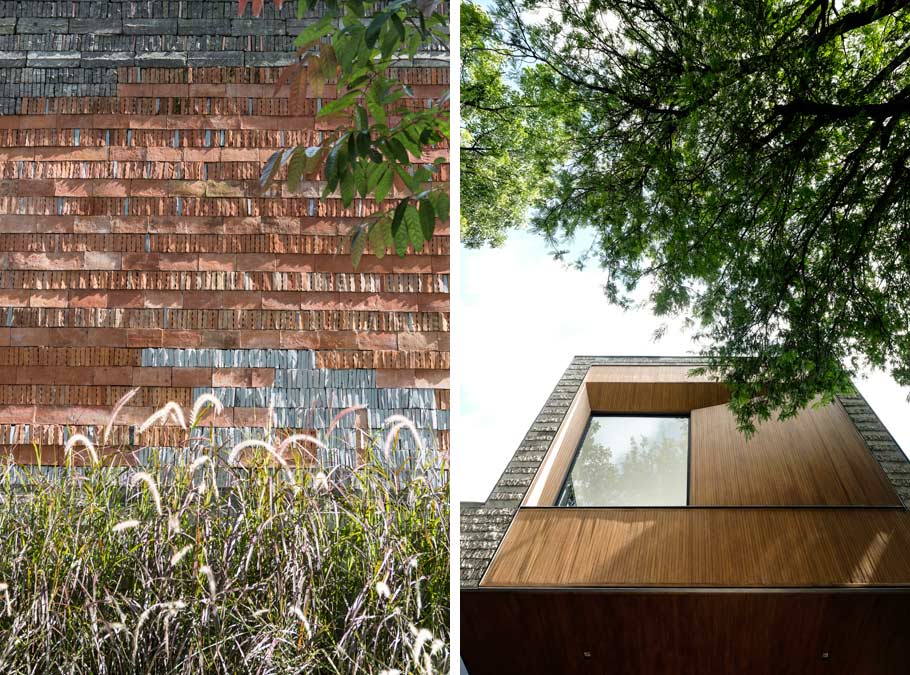
The home’s facade became a canvas for its own history. The team meticulously reclaimed, cut, and composed the original Araal stones from the property into a new, textured pattern, creating a visual link between past and present. They even preserved the home’s original main door and re-integrated a tangible piece of the family’s history, which now serves as the entrance to their future. This project showcases the architect’s ability to weave new materials like wood, steel, and stone around a historical core, achieving a visual continuity that feels both honest and elegant.
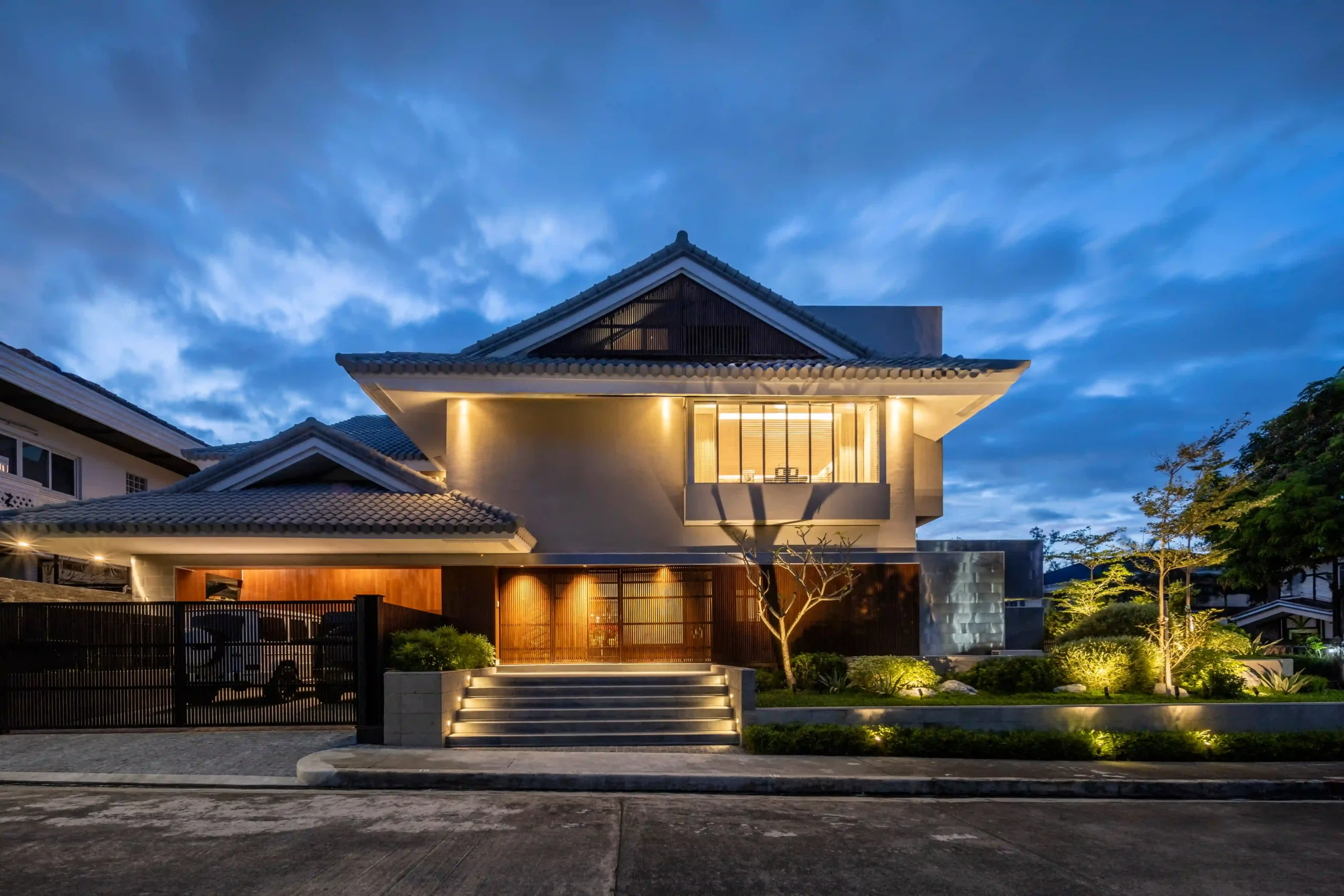
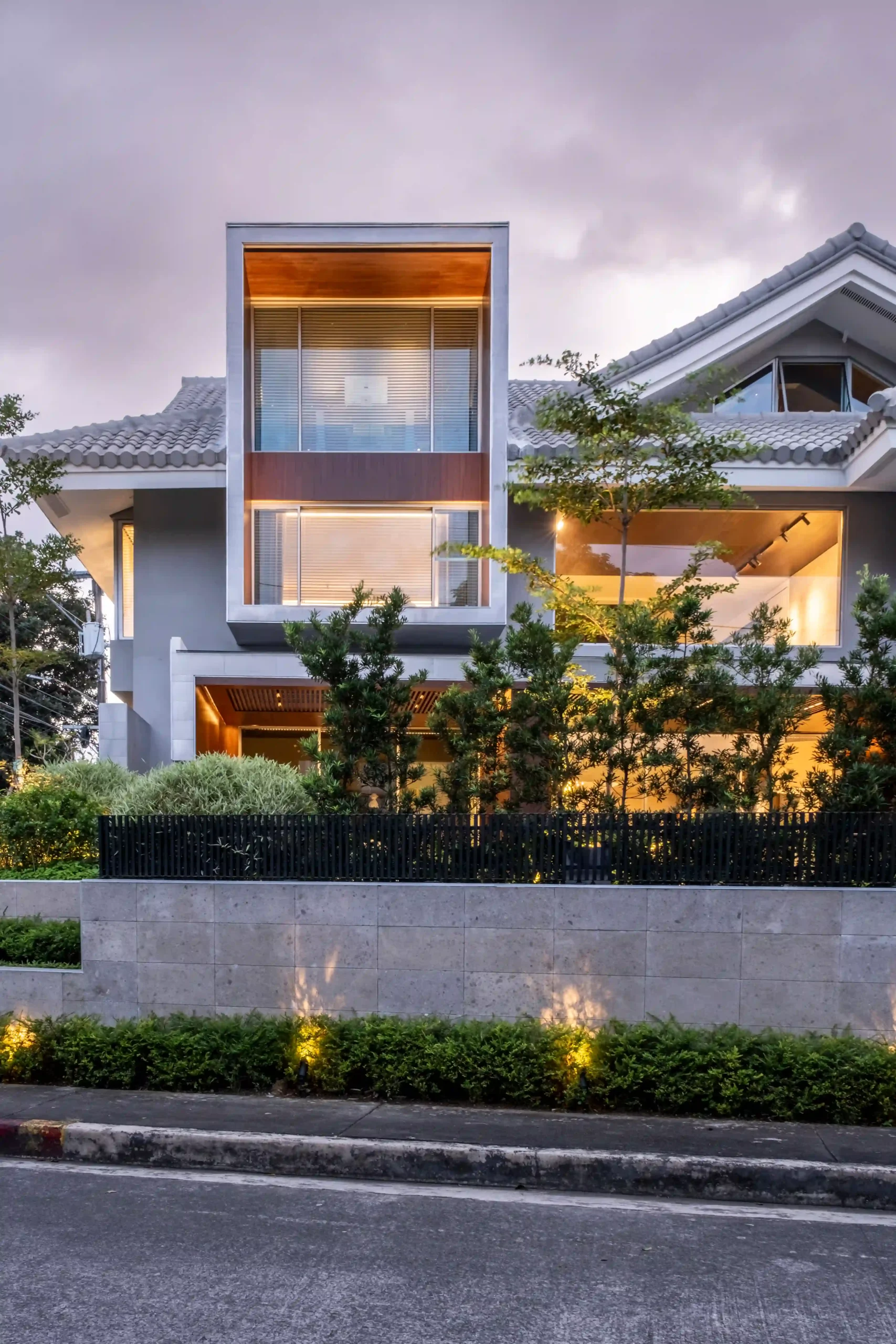
For AP House, a 40-year-old Quezon City residence, he convinced its owners to revitalize rather than raze. His approach was not to blur the lines between past and present, but to orchestrate a sharp, intentional dialogue. This is most powerfully expressed by preserving the home’s dominant, original pitched tiled roof and setting it in direct contrast against a new, monolithic rectangular volume clad in modern stainless steel.
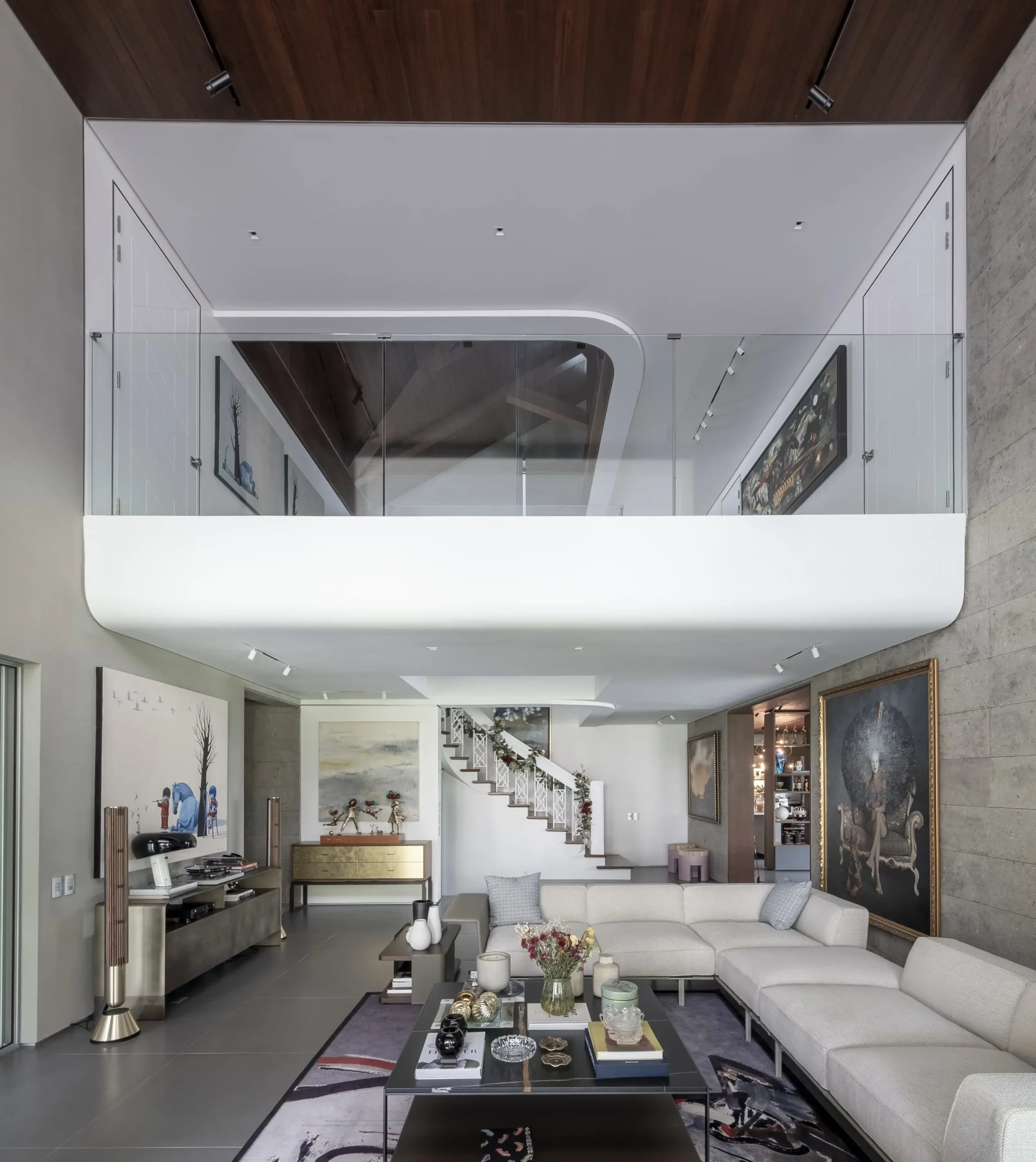
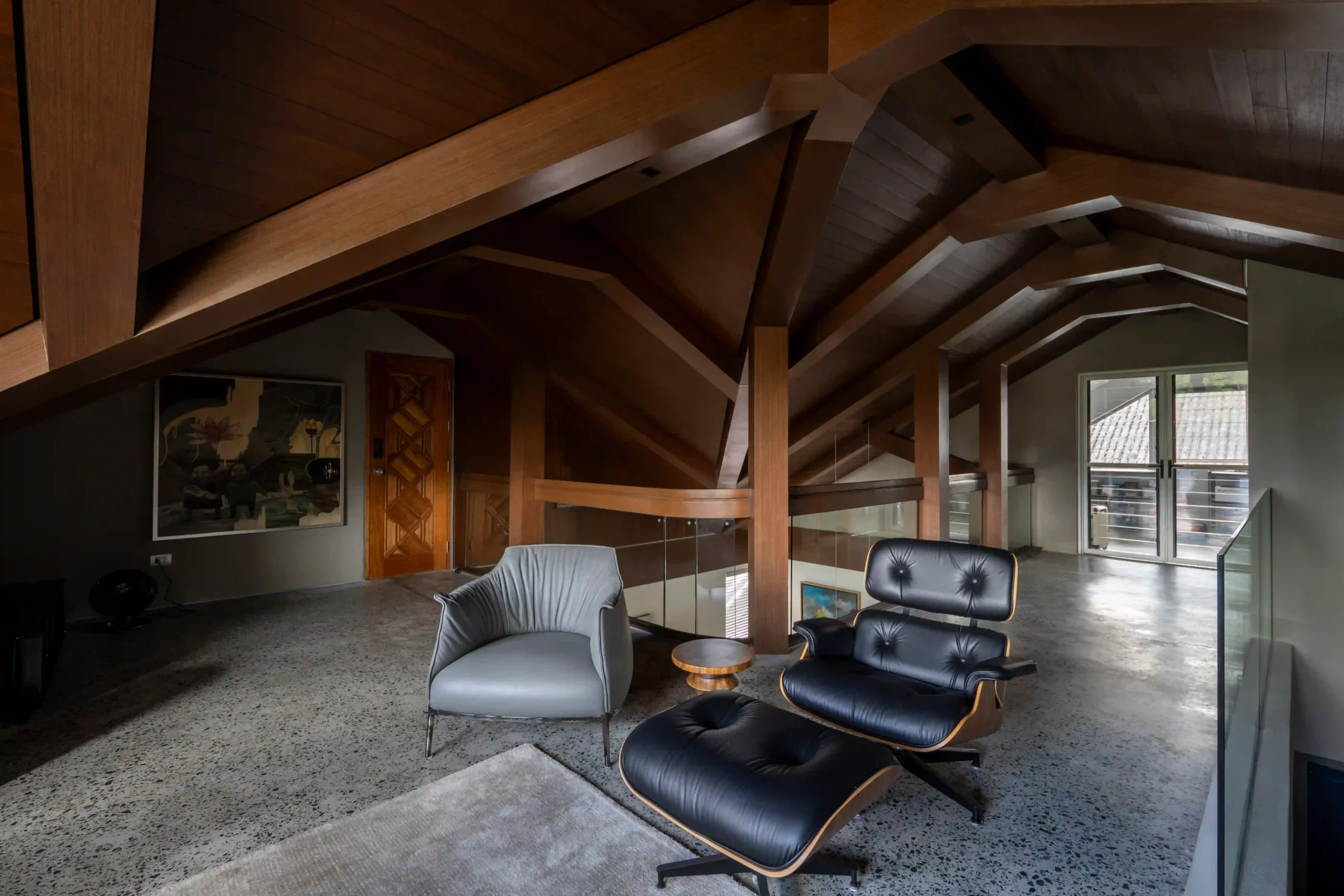
Inside, this theme continues where a dramatic, multi-story atrium fosters visual connection between floors, while the original wooden ceiling in the attic is retained and meticulously re-detailed as a warm, textural crown. By creating clear distinctions between the old and the new—from the monochrome palette to the modernized stair railings—Lino demonstrates that the most profound architectural narrative emerges not from seamless blending, but from the confident and intelligent contrast between a structure’s history and its future.
Sustainability as Resourcefulness
Lino’s commitment to sustainability is deeply intertwined with the Filipino cultural value of pagkamaparaan, or resourcefulness. This longstanding tradition of minimizing waste and making the most of available resources finds a contemporary expression in his work. He frequently incorporates recycled and reclaimed materials, not only for their environmental benefits but also for their embedded histories.
“Actually, the house I did, the facade was basically cut pieces of marble, Adobe bricks that all came from the existing house,” he recounts, referring to the Makati bungalow. “Rather than throwing it away, I thought, oh, might as well make use of this.” This choice was driven by more than just pragmatism. “It was really more of a sentimental value to it, right? The owner, I think it was their first house,” he says. “That pattern, for me, I liked it, just because it’s tied to the house from what it was before. And then, aesthetically, it was timeless as well.”
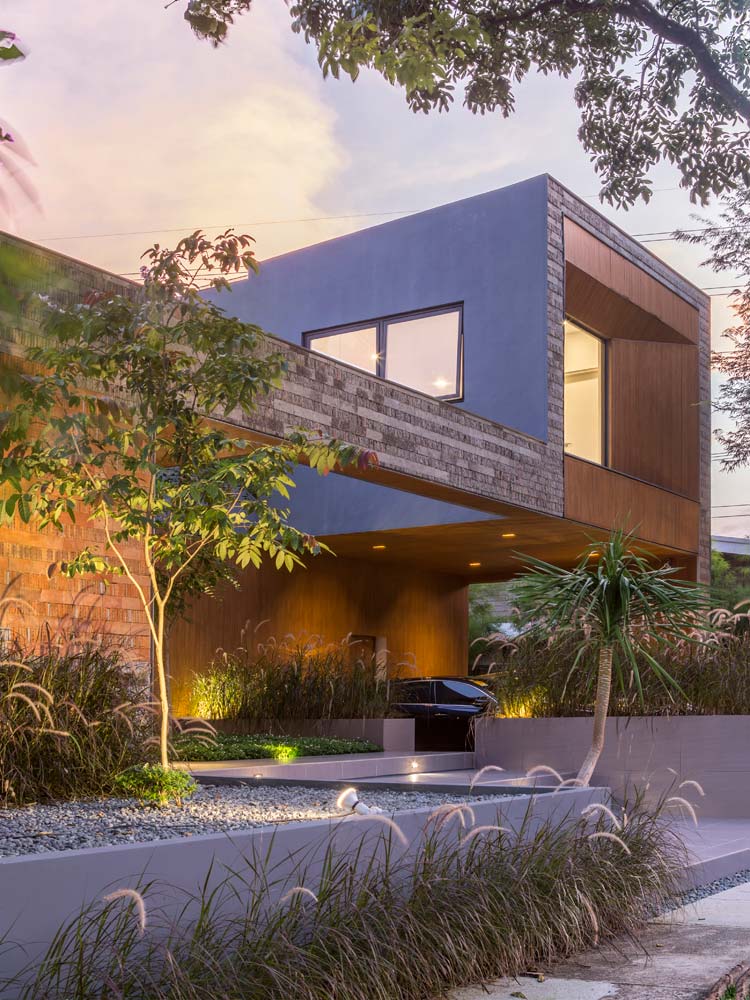
This sustainable mindset also informs his new builds. A Malabon Family Home, for instance, features a striking steel architectural screen. While its clean lines and robust form hint at a brutalist aesthetic, its primary function is climate-responsive. The screen acts as a brise-soleil, mitigating the harsh tropical sun and promoting natural ventilation, a modern interpretation of the climate-sensitive strategies inherent in traditional Filipino architecture. It is a design that is at once visually bold, sustainable, and deeply contextual.
Bridging Local with Global
Don Lino’s work is unmistakably Filipino, not because it resorts to vernacular pastiche, but because it embodies the nation’s layered and hybrid identity. The Philippines, a cultural crossroads of Malay, Spanish, American, and other Asian influences, has always been a place of blending and adaptation. His architectureArchitectureThe art and science of designing and constructing buildings, structures, and spaces that are functional, safe, and aesthetically pleasing. It encompasses the planning, design, materials, and techniques used to createGo to Architecture Glossary reflects this reality. He confidently pairs raw concrete with warm teakwood, integrates traditional spatial concepts like the silong into modern floor plans, and balances the severity of modernist lines with the lushness of the tropical landscape.
His designs often open up spaces to encourage communal gatherings, a nod to the deep-seated Filipino emphasis on family and community. By creating visual continuity between exterior and interior spaces, he dissolves the boundaries between the home and its environment, fostering aesthetic and functional connections to place. It’s a continuous dialogue between the local and the global, between tradition and modernity, creating an architectural language that is sophisticated, authentic, and forward-looking.
A Call for Pragmatism
When asked about the single biggest challenge facing Filipino architecture today, his answer is swift and precise. It is not a lack of talent or a specific issue like preservation, but something more fundamental: “creating an architecture that has a soul.”
He laments the proliferation of “cookie-cutter” designs, soulless buildings driven by expediency rather than experience. For him, the antidote lies in a steadfast commitment to his guiding principle. “I’ve always rooted my design into an experience rather than just an aesthetic,” he asserts. “Because an experience you remember… there’s more depth to it.”
This is where his philosophy takes a radical, pragmatic turn. He believes that the preservation of heritage and the creation of soulful spaces cannot be achieved through passion alone. It requires a head for business. “I think most importantly, us as architects, we need to find solutions that will bridge what’s needed in the future and what we have in the past,” he says. “It’s a thin line… I really believe there’s a middle ground to that.”
Finding that middle ground, he argues, depends on architects embracing a side of the profession they are often taught to disdain: the numbers. “For me, I think architects should embrace the numbers,” he states with conviction. “I feel like there is an art in numbers. And I feel like if we get to that level of understanding that when we design or we keep our heritage… there’s an equivalent cost to that.”
This financial literacy is empowerment. It enables an architect to make a rational, compelling case for preservation to a client, proving that it can be economically viable. “It can be done,” he insists, referencing the adaptive reuse common in European cities. “I don’t know why we always take the easy way out.”
Looking ahead, Lino is characteristically forward-thinking, his pragmatism extending to the tools of the future. He is intrigued by the potential of Artificial Intelligence, not as a shortcut for renderingRenderingA realistic or stylized image that visualizes a proposed design before it is built. Produced with 3D modeling and visualization software, renderings show materials, lighting, furniture, and context, helping architectsGo to Rendering Glossary, but as a powerful analytical tool. “If you work intelligently with AI, you can get to 1,000 iterations in one day, then you may actually have a better solution,” he muses. For him, AI is another instrument in the service of problem-solving.
He urges young architects to aggressively develop their business sense. “Being creative doesn’t mean you have to be the starving artist,” he declares. “Because I feel like if you’re literate in terms of business, you can actually create more great works of architecture.”
It is a message tempered with empathy and realism, acknowledging the diverse pressures every professional faces. There is no single path, no easy answer. His ultimate advice is a mantra for a sustainable career in a demanding field: “Run your own race.”
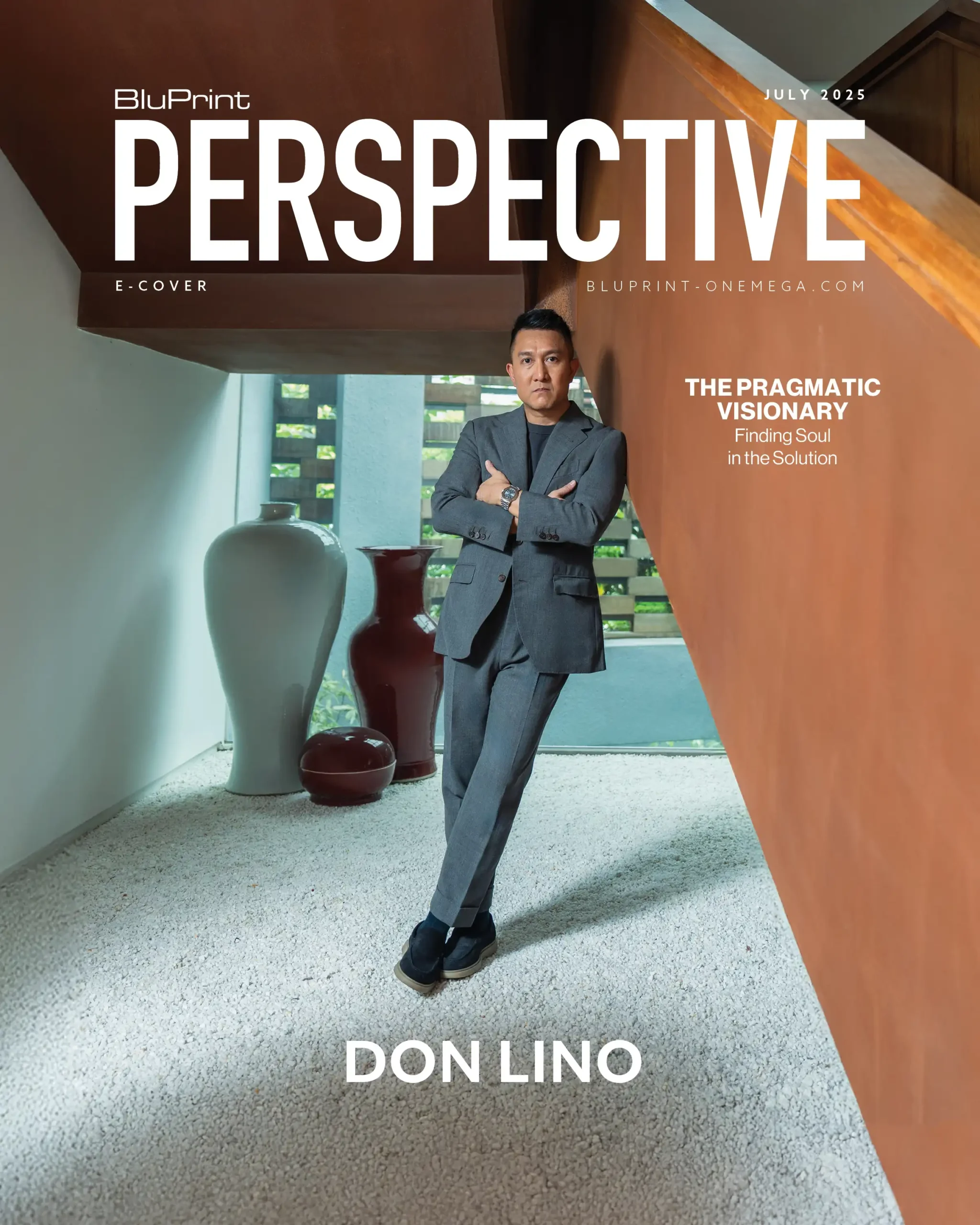
In the end, the work and wisdom of Don Lino offer a powerful blueprint. He presents a vision of the architect as an intelligent synthesizer, a storyteller, a problem-solver, and a savvy realist. He makes a compelling case that in the complex context of the 21st-century Philippines, the most beautiful, lasting, and soulful architecture will be that which is born from a brilliant solution.
Get the full story on AP House by ordering your copy of “Design Conversations” at Sari Sari Shopping, Shopee, and Lazada. E-magazines are also available for download here or through Readly, Press Reader, and Magzter.
Read more: Serene Geometries: Ed Calma Finds Clarity Through Quietude
Photographer: Kieran Punay
Hair and Make Up: Cats del Rosario
Sittings Editor: Geewel Fuster
Managing Editor: Chad Rialp
Shoot Coordinator: Mae Talaid
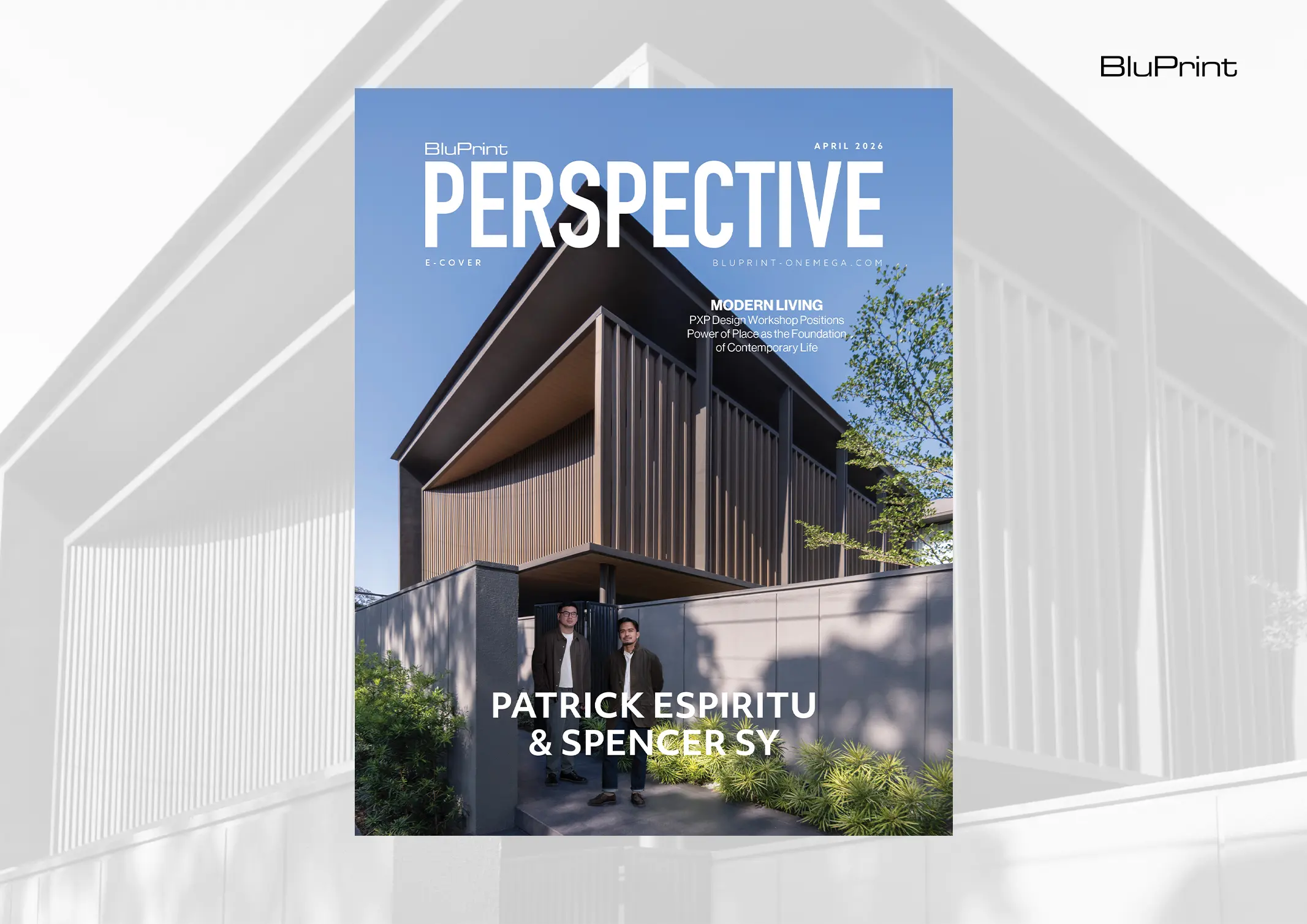
Architects Spencer Sy and Patrick Espiritu of PXP Design Workshop believe it is their responsibility to create spaces that improve how people live. The studio is known for modern residences and nature-integrated homes that show how the built environment can shape human interaction. Building a Practice in the Philippines As a child, Sy was drawn […]
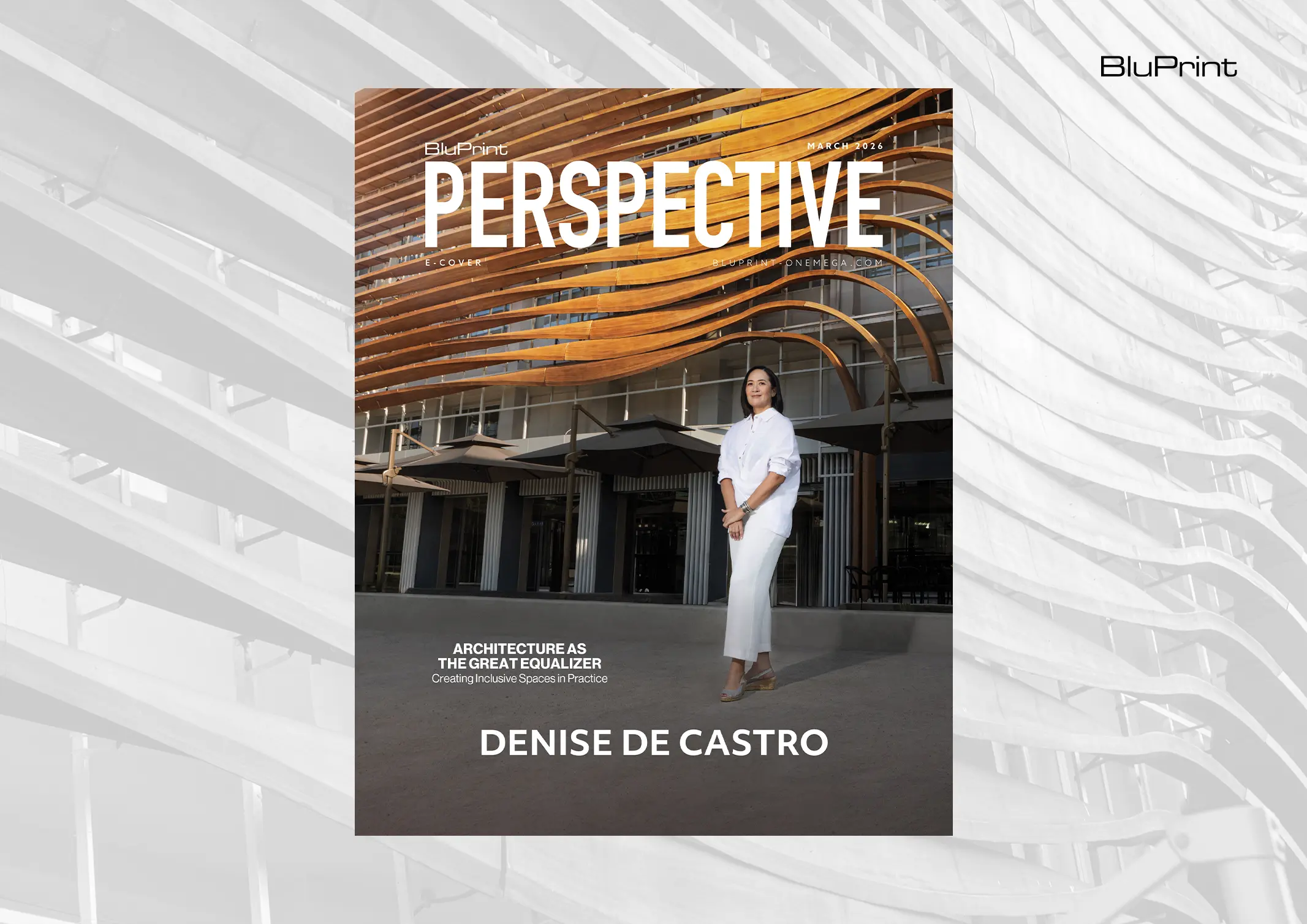
Denise de Castro, Principal Architect of DEQA Design Collaborative, believes that designing with equity in mind means starting at the workplace. Values and practices that your studio or office espouse inevitably filter down to the work that you do. Equitable design ensures that people with different needs and different backgrounds are supported through fair access, […]
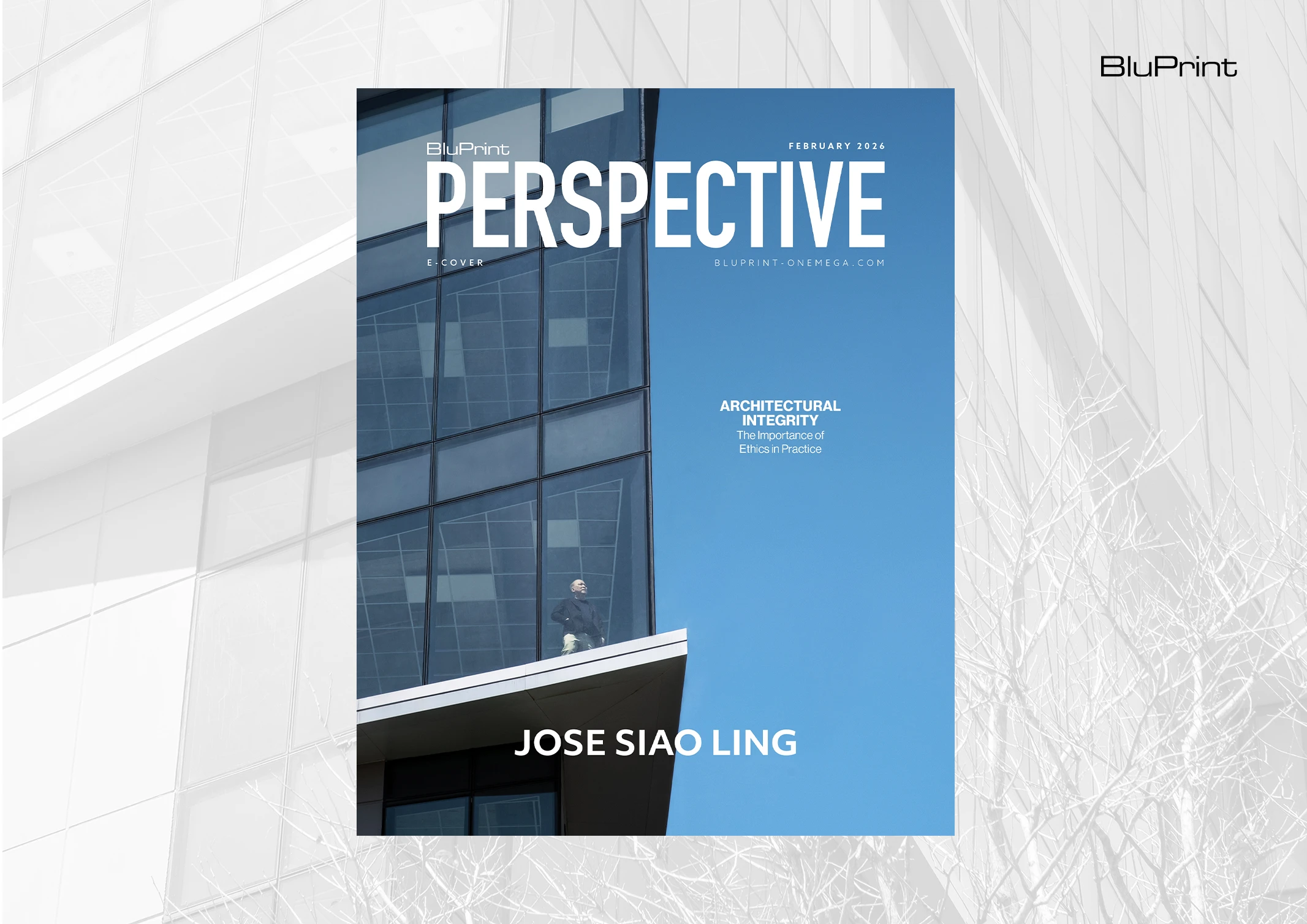
As the built environment evolves, the role of the architect demands reconsideration. For Jose Siao Ling, Co-Founder and Principal Architect of Jose Siao Ling & Associates (JSLA Architects), the role extends far beyond being a licensed professional who designs and oversees construction. By championing ethical practice, ISO-certified systems, and mentorship-driven leadership, he built a firm […]
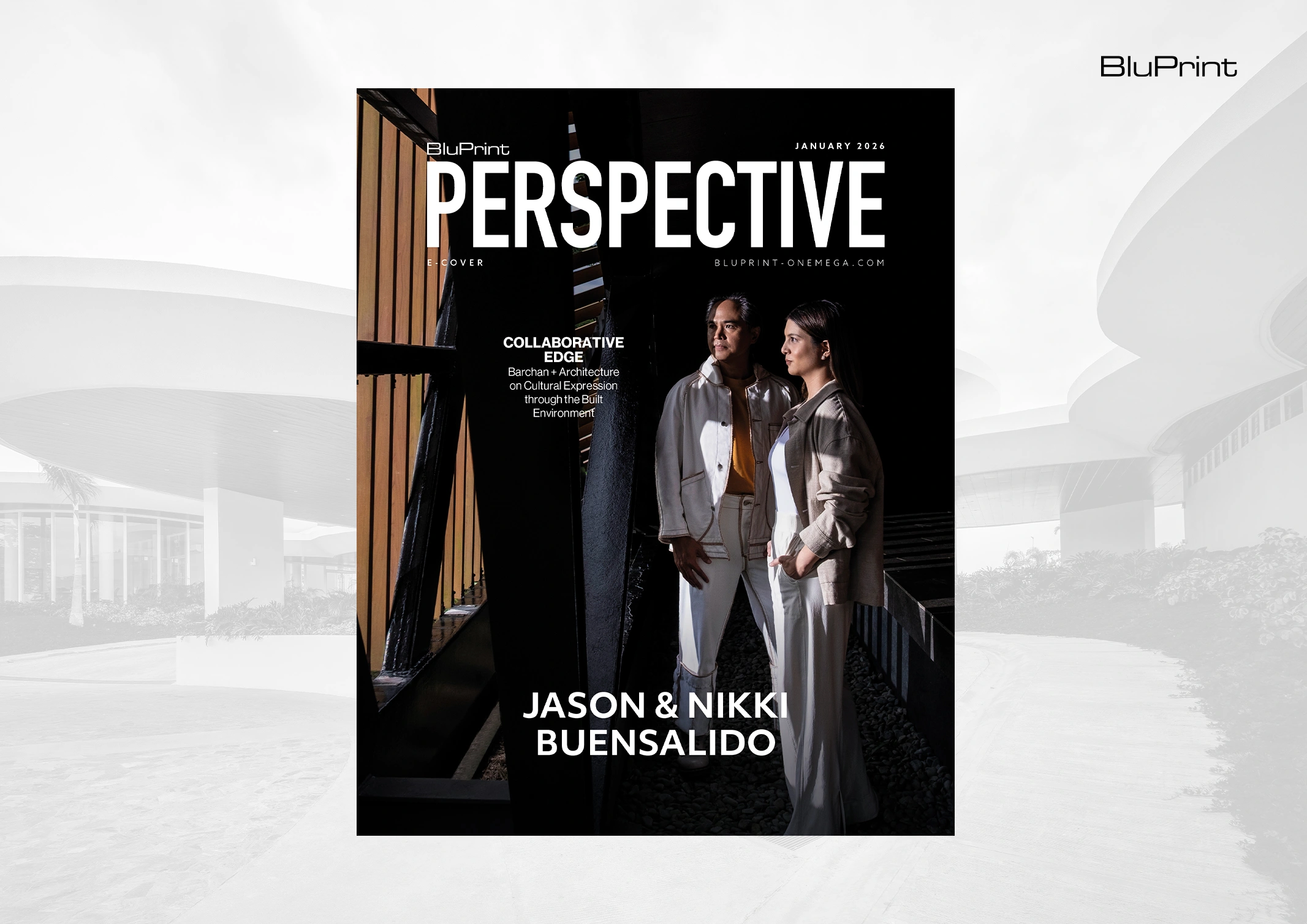
ArchitectureArchitectureThe art and science of designing and constructing buildings, structures, and spaces that are functional, safe, and aesthetically pleasing. It encompasses the planning, design, materials, and techniques used to createGo to Architecture Glossary extends beyond mere structures. It has the power to hold stories that reflect our current social milieu, while also presenting itself as […]
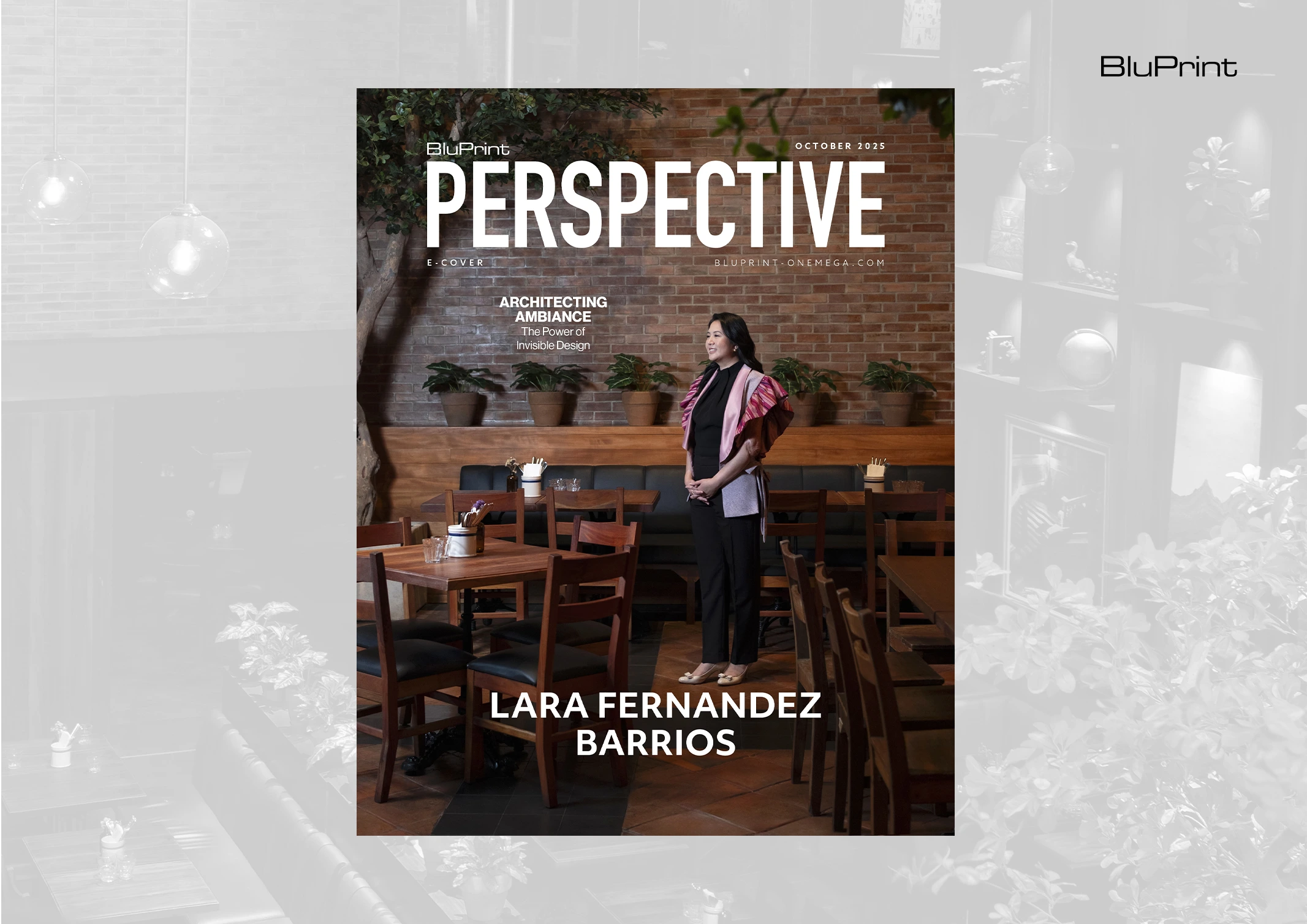
The genius of a well-designed space is often invisible, yet its presence is deeply felt. It’s there in the warmth of light that encourages you to linger, the balance of texture and materials, and in the intuitive layout that guides you effortlessly through the room. This translation of an idea into a tangible, atmospheric reality […]
Read the issues.

Collect the volumes.

Recommended Video
Tap to Unmute
Unmute
0:00
0:00