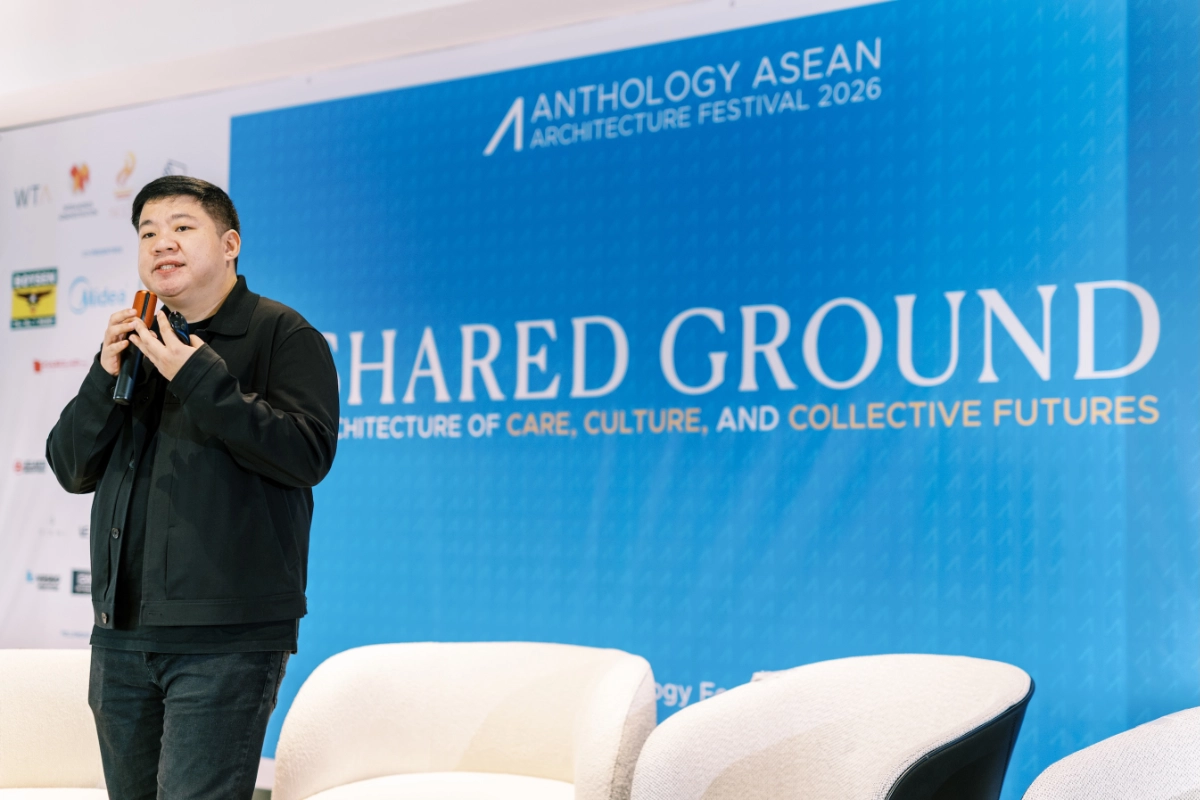
“Buildings only become architectureArchitectureThe art and science of designing and constructing buildings, structures, and spaces that are functional, safe, and aesthetically pleasing. It encompasses the planning, design, materials, and techniques used to createGo to Architecture Glossary when they are shared,” said William Ti Jr., founder of the Anthology Festival and WTA Architecture and Design Studio, […]
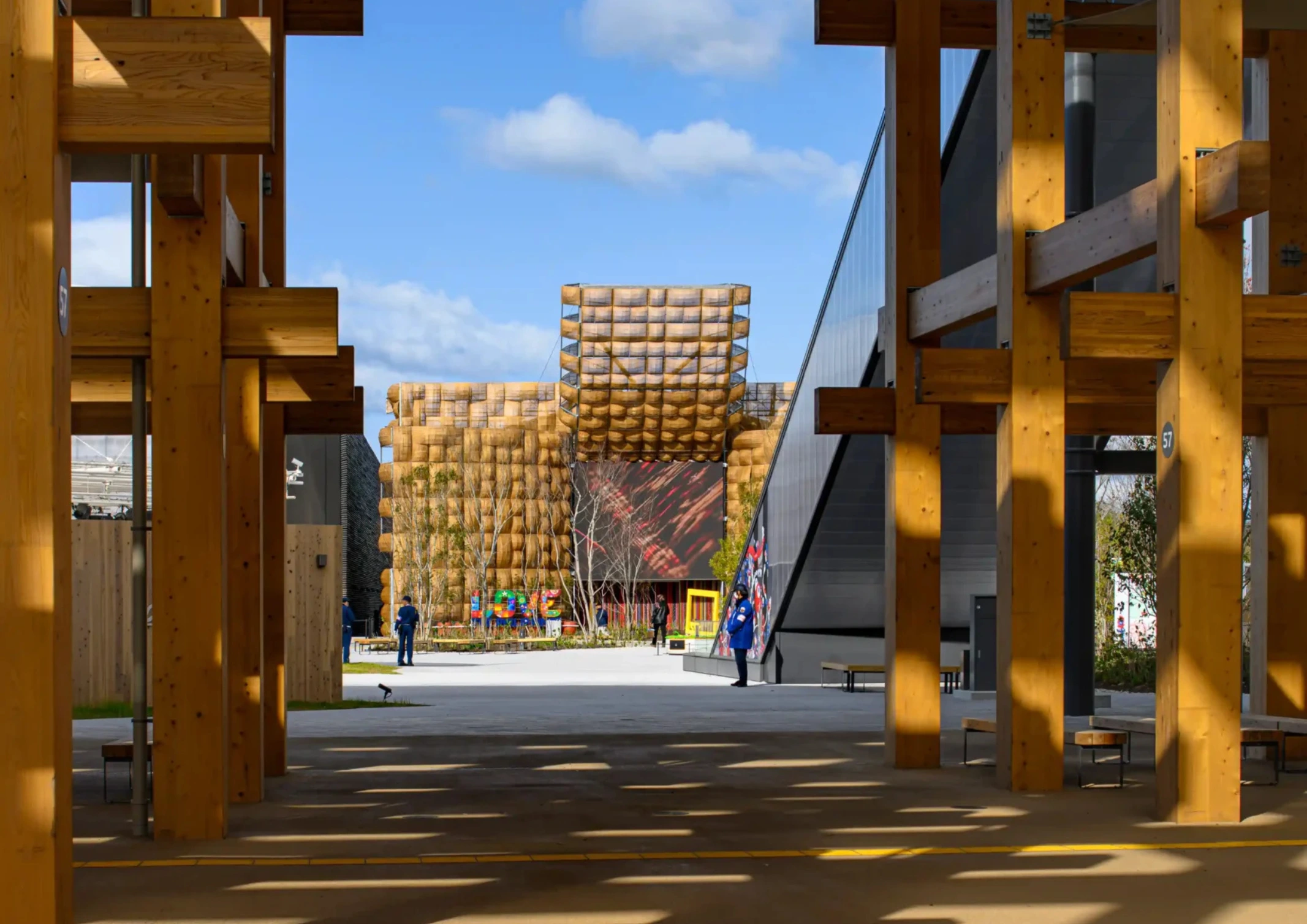
The Philippine Pavilion Wins Silver Medal Design at Expo 2025 Osaka



In a landmark achievement for Filipino design on the world stage, the Philippine Pavilion at Expo 2025 Osaka has secured the Silver Award for Exhibition Design from the Bureau International des Expositions. The victory is more than a mere accolade; it is a powerful validation of a bold design approach: the seamless integration of heritage craftsmanship with digital artistry.
A Tapestry of a Nation
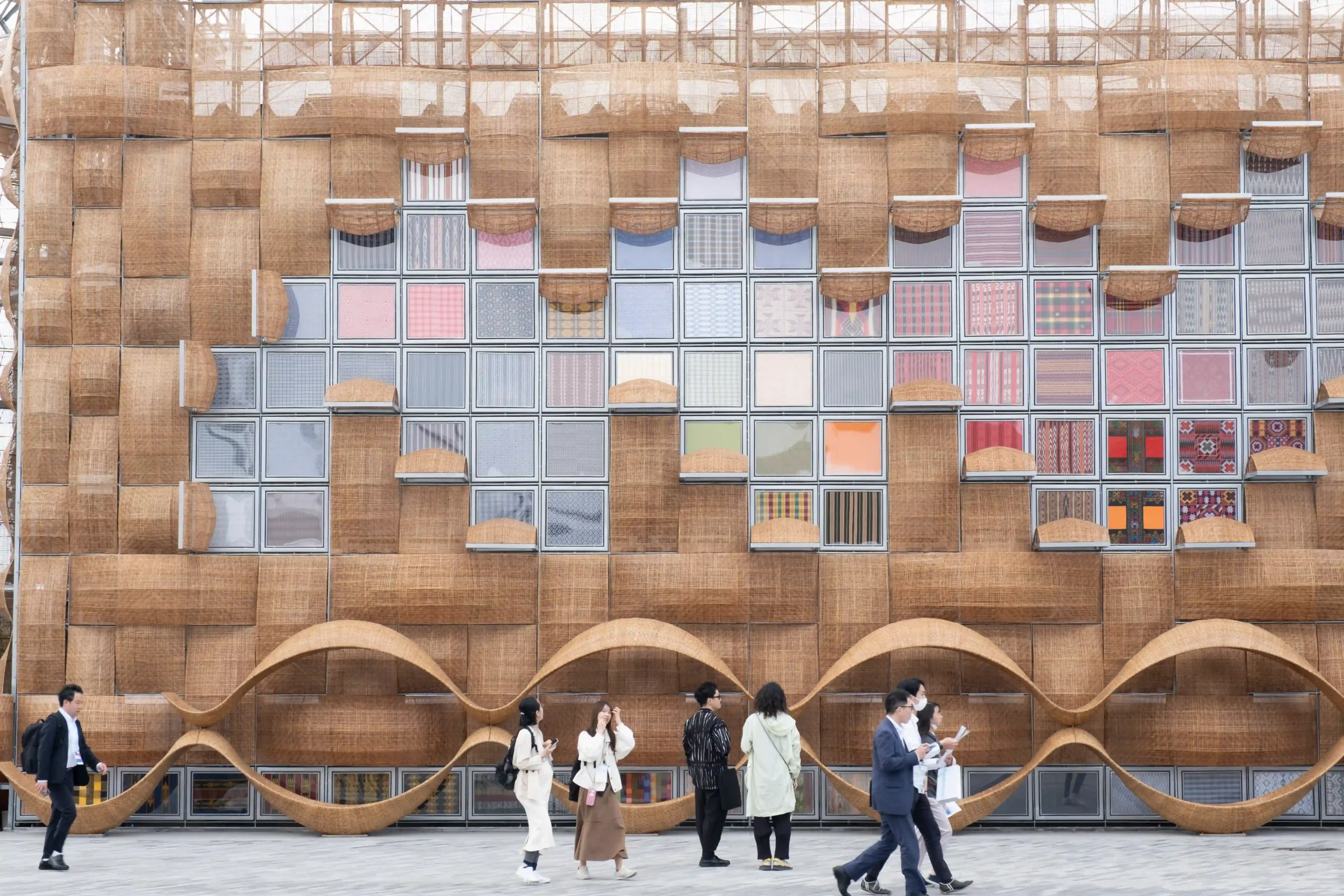
Under the theme “Nature, Culture & Community,” the pavilion was conceived by its organizers, the Department of Tourism and the Tourism Promotions Board (TPB) Philippines, as a definitive statement. The design, led by architectural firm Carlo Calma Consultancy, Inc., with Tellart crafting the guest experience, aimed to move beyond static displays. The goal was to create an immersive, living structure that embodied the Filipino spirit of collaboration.
The most striking feature was its façadeFaçadeThe exterior face of a building, particularly the principal front facing a street or public space. More than decoration, a façade shapes a building's identity and performance, managing light, heat,Go to Façade Glossary, the first-ever live performance façade for a Philippine World Expo entry. It was clad in over 200 handwoven panels, sourced from artisan communities across all 18 regions of the Philippines. This monumental collaboration transformed diverse weaving traditions—each with its own history and materiality—into a singular, cohesive architectural statement. It was not merely a wall; it was a national tapestry that communicated heritage at a grand scale.
The Synthesis of Craft and Code
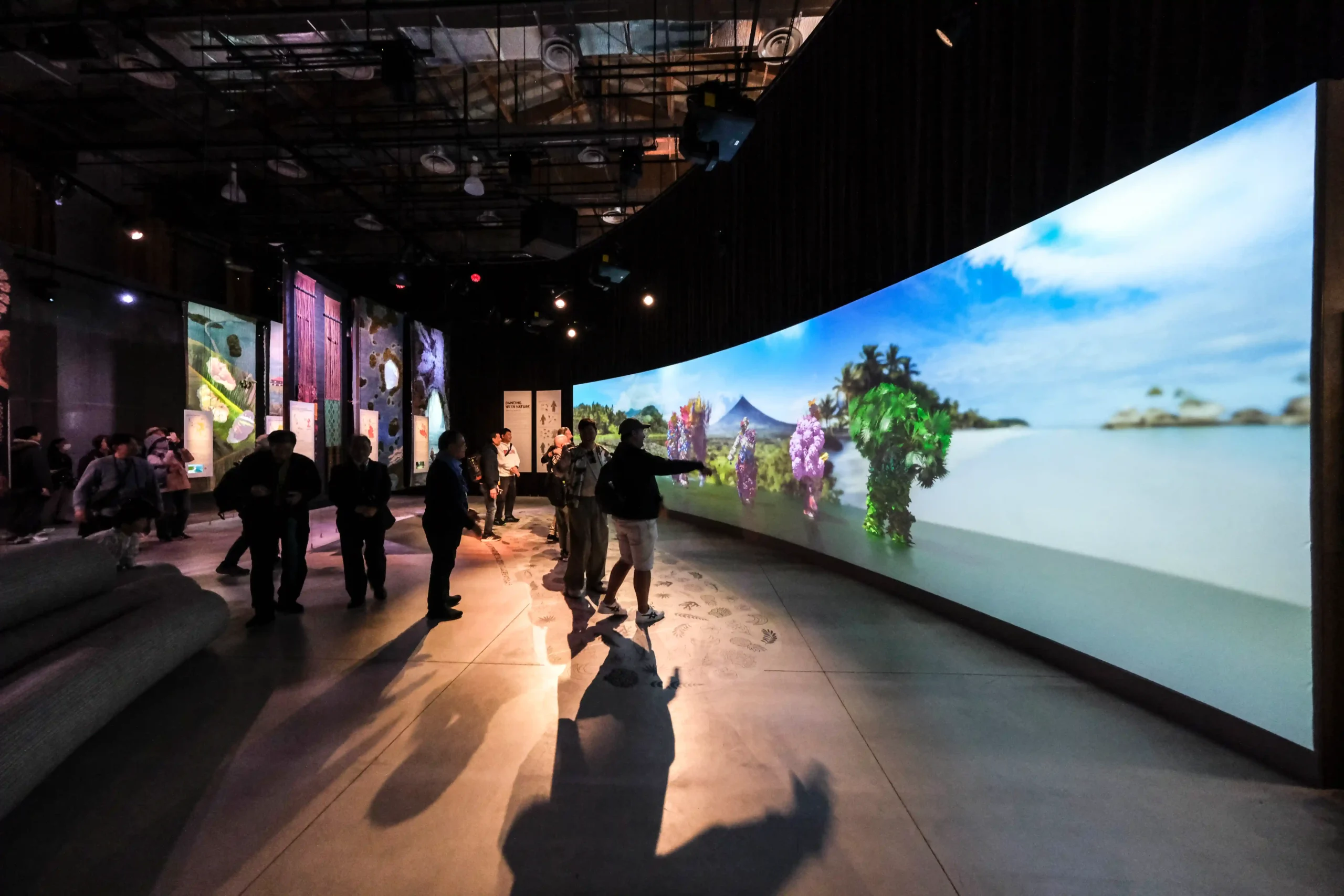
Inside, the design narrative elegantly merged the physical and digital realms. Eighteen large-scale, handwoven art pieces provided a tactile anchor to the space, complemented by the “Dancing with Nature” installation. This digital centerpiece used a generative algorithm to translate visitor movements into fluid, nature-inspired visuals, creating an interactive environment. The technology served as a modern lens, offering a new way for visitors to engage with Filipino creative traditions.
This fusion of heritage and innovation extended to every corner. AI-powered photobooths captured guest portraits against artistic backdrops, while a dedicated wellness corner offered visitors an experience of traditional hilot. The pavilion successfully demonstrated how contemporary Filipino design draws strength from its deep cultural roots, creating a uniquely modern expression.
“From the very beginning… we knew that the Philippine Pavilion was going to be more than just a physical structure,” explained TPB Chief Operating Officer Margarita Montemayor Nograles. “It was going to be our nation’s heartbeat at Expo 2025… We did not just build a Pavilion. We built pride.”
A Benchmark for the Future
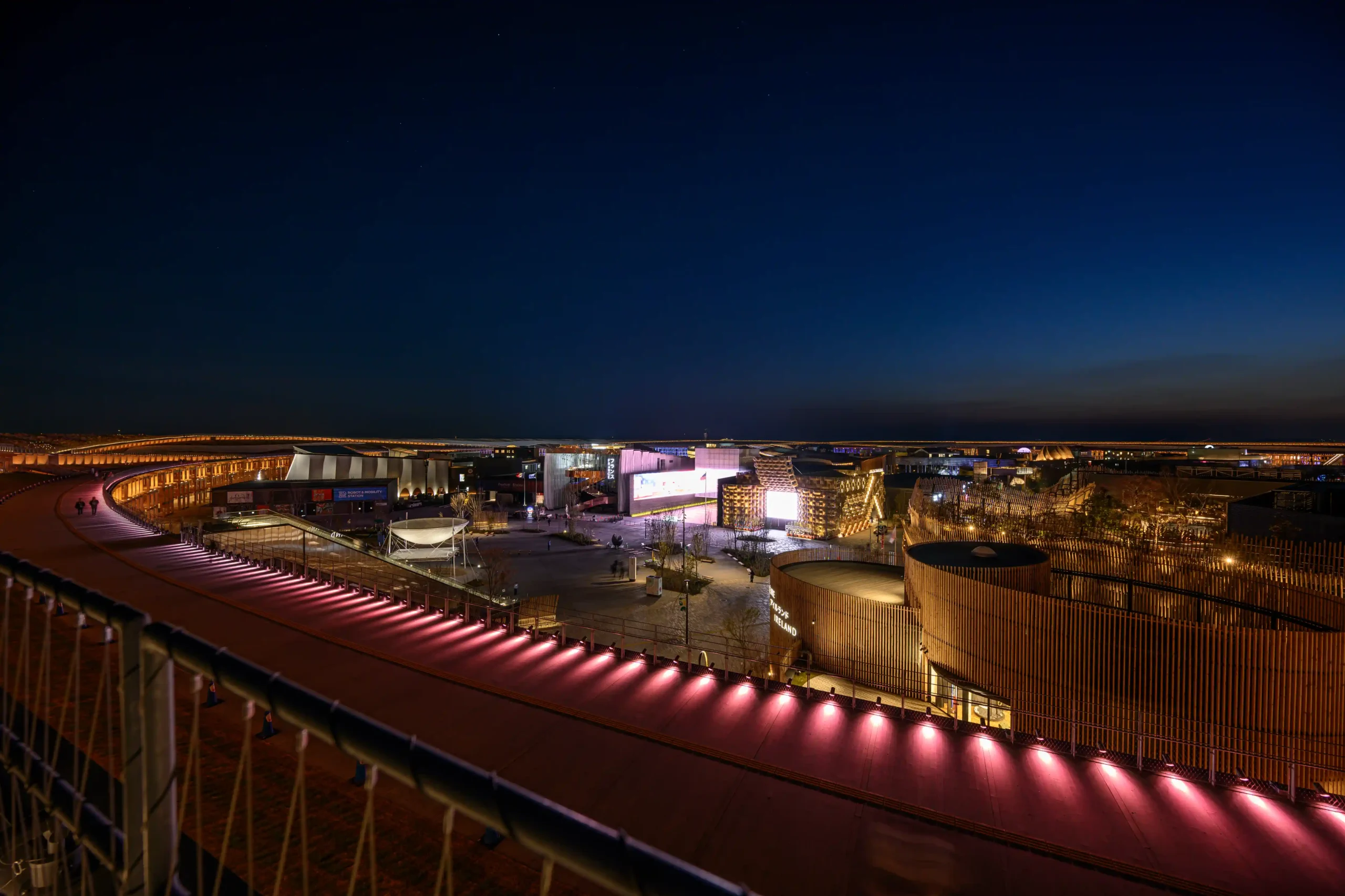
Over its six-month run, the pavilion captivated more than 1.1 million visitors, serving as a dynamic hub for cultural diplomacy and tourism promotion. The Silver Award affirms the project’s holistic success, recognizing both its aesthetic appeal and its power in effective storytelling.
As the Expo concludes, the pavilion’s legacy is already being secured. Key architectural and artistic elements will be repatriated and integrated into the National Museum of the Philippines and other regional sites. Plans are also in motion to feature some components in the upcoming ASEAN Tourism Forum in Cebu, ensuring the design’s impact continues.
“What we created here was both a space and a feeling—of warmth, of welcome, of wonder,” Nograles added. “And we carry that spirit home with us.”
The Philippine Pavilion at Expo 2025 Osaka provides a new benchmark for national representation on the global stage: one that is confident in its heritage, fluent in contemporary design language, and adept at weaving the two together.
Photographed by Ed Simon, Masaki Komatsu, and Tellart.
Read more: Osaka World Expo Philippine Pavilion: What the First 100,000 Visitors Know That You Don’t
Frequently Asked Questions
The pavilion won the Silver Award for Exhibition Design primarily for its innovative “live performance façade.” This structure featured over 200 handwoven panels sourced from 18 Philippine regions, representing a monumental collaboration of artisan communities. This “national tapestry” combined diverse weaving traditions into a cohesive architectural statement that embodied the Filipino spirit of “Nature, Culture & Community” on a global scale.
The design narrative merged physical craft with digital artistry through the “Dancing with Nature” installation. This centerpiece utilized a generative algorithm to translate visitor movements into fluid, nature-inspired visuals in real-time. Additionally, AI-powered photobooths and interactive digital layers served as a modern lens, allowing over 1.1 million visitors to engage with traditional Filipino creative traditions in a uniquely contemporary way.
The façade served as a dynamic architectural medium rather than a static wall. By sourcing panels from every region in the Philippines, lead architect Carlo Calma created a structure that physically manifested national unity. This approach moved beyond traditional displays, transforming the building itself into a living craft that communicated the depth of Filipino heritage and the country’s commitment to collaborative, sustainable artistry.
To ensure long-term impact, key architectural and artistic elements of the pavilion will be repatriated to the Philippines. Major components will be integrated into the National Museum of the Philippines and various regional sites. Plans also include featuring design elements at the upcoming ASEAN Tourism Forum in Cebu, maintaining the pavilion’s role as a benchmark for cultural diplomacy and contemporary Filipino design.
The pavilion’s physical structure and overall vision were led by Carlo Calma Consultancy, Inc., an architectural firm known for bold, innovative forms. The immersive guest experience and digital narrative were crafted by Tellart, a design studio specializing in the intersection of technology and storytelling. This partnership between architectural vision and experiential design was critical in securing international recognition from the Bureau International des Expositions.
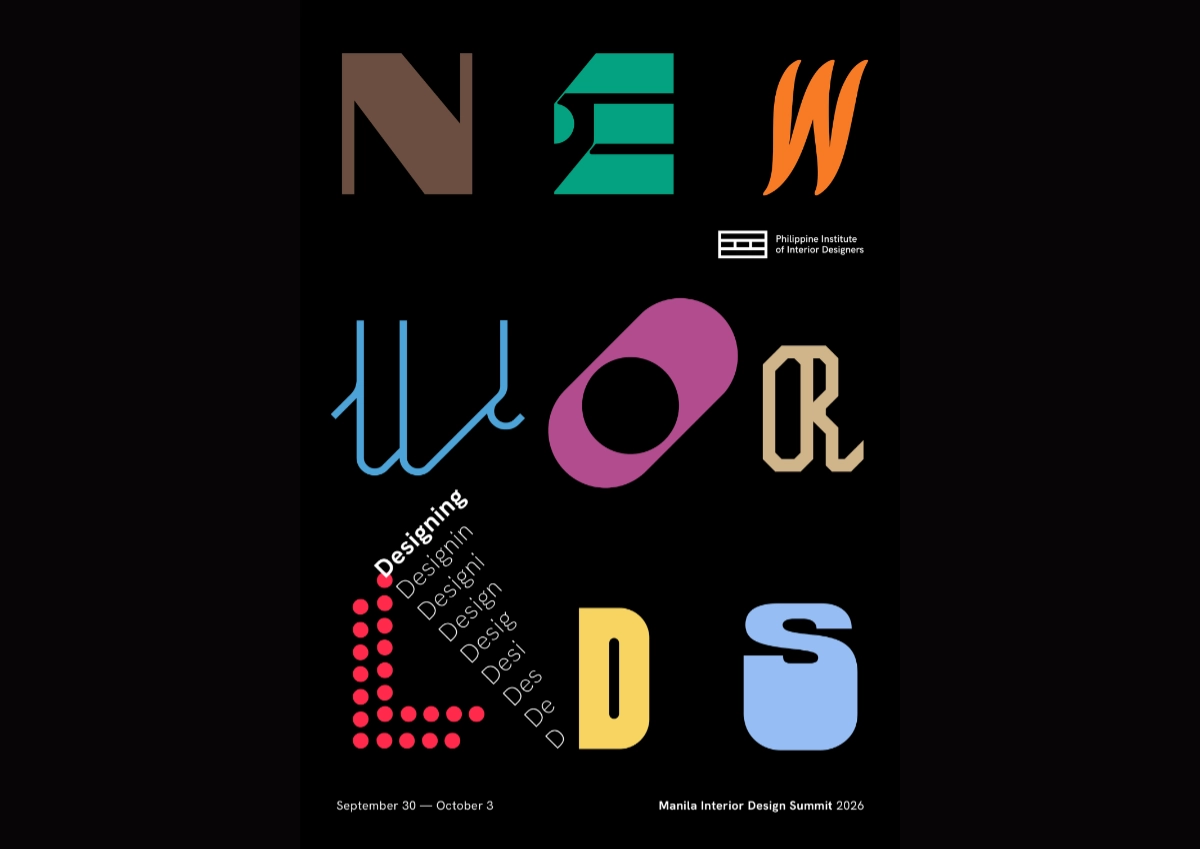
“Thailand has claimed urban creativity and livability. Singapore has institutional design leadership. Indonesia is emerging as a design hub. Vietnam is moving into design innovation. And the Philippines? Its position is not weak. It is simply unclaimed.” For IDr. Cecil Ravelas, National President of the Philippine Institute of Interior Designers (PIID), the challenge is not […]
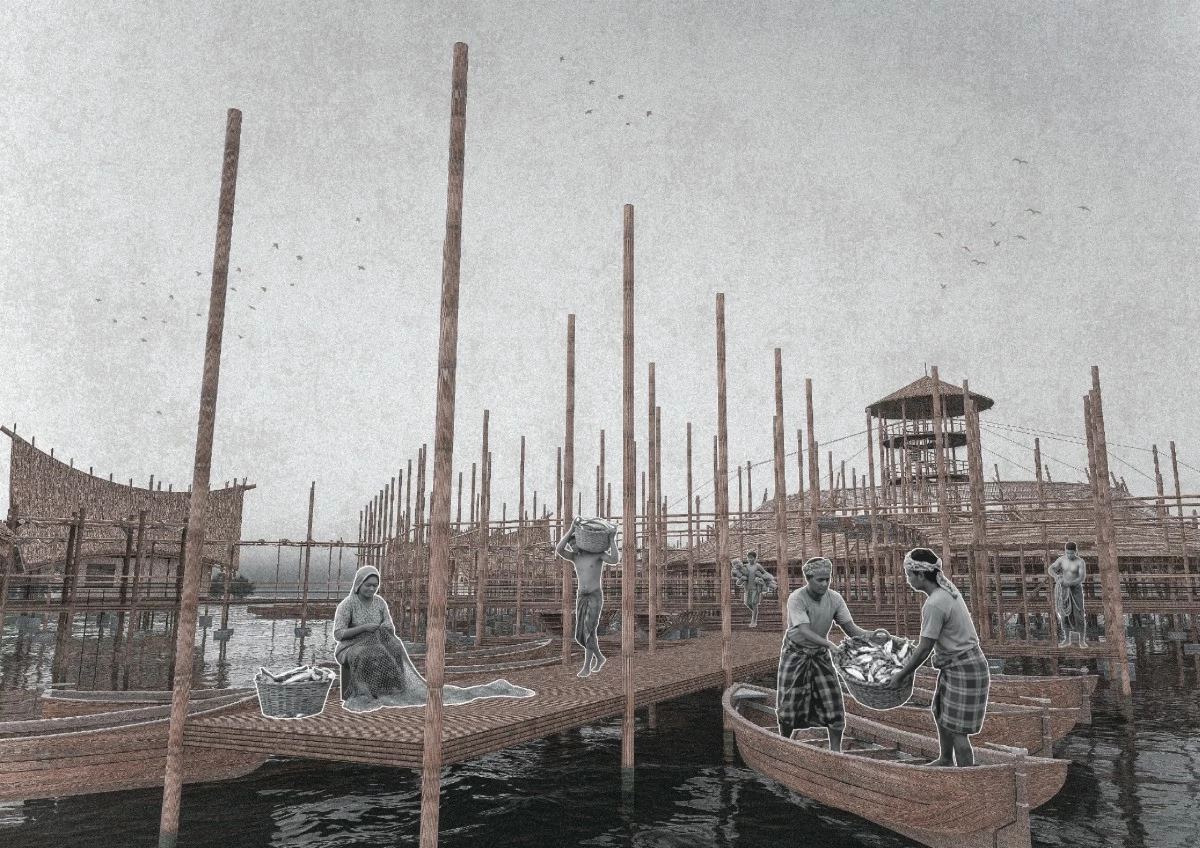
Mindanaoan architectureArchitectureThe art and science of designing and constructing buildings, structures, and spaces that are functional, safe, and aesthetically pleasing. It encompasses the planning, design, materials, and techniques used to createGo to Architecture Glossary student Ejhay L. Durias of the University of Mindanao made history after becoming the first Filipino to receive the AYDA International […]
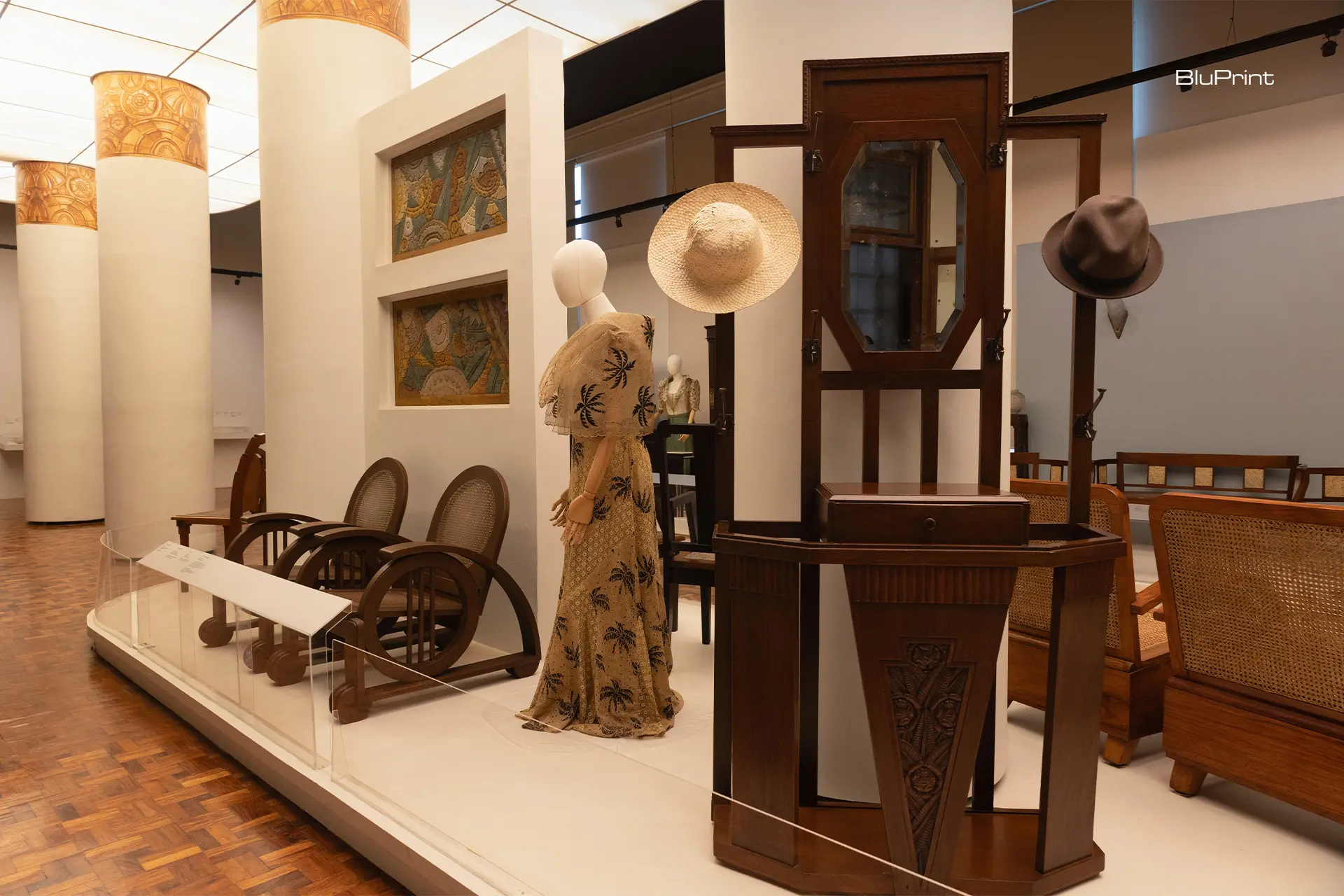
Running from November 27, 2025, to May 31, 2026, the exhibition traces how Art DecoArt DecoA decorative design style popular in the 1920s and 1930s, known for bold geometry, stepped forms, stylized ornament, and rich materials. Manila holds notable examples, including the Metropolitan Theater andGo to Art Deco Glossary moved from global design movement to […]

SoFA Design Institute has established itself as one of the Philippines’ leading centers for creative education. It is dedicated to equipping students with the skills, perspective, and confidence needed to succeed in design both locally and internationally. Last March 11, this vision was brought into sharper focus through the launch of SoFA’s academic partnership with […]

In a platform that aims to overturn hierarchies and reimagine societies, a Filipina designer secures a spot at Milan Design Week. This proves that Kamayan, the traditional Filipino practice of communal eating by hand, can be recoded into a futuristic ritual. Every Milan Design Week, BASE Milano becomes a ground for eccentric ideas, transforming into […]
Read the issues.

Collect the volumes.

Recommended Video
Tap to Unmute
Unmute
0:00
0:00