The DBP Building as a Landmark of the International Style At the corner of Sen. Gil Puyat Avenue and Makati Avenue stands a landmark of the Makati Central Business District. It is one of the last still standing that were built in the first wave of construction in district fifty years ago. The Development Bank […]
Architecture of Dining: The Restaurant Interiors We’re Still Thinking About



Restaurants are spaces where their spatial design is as vital as their culinary offerings in terms of orchestrating the dining experience. This year, BluPrint explores restaurants whose interior designs have crafted unique dining spaces.
Kiwami MOA: A New Kind of Food Hall
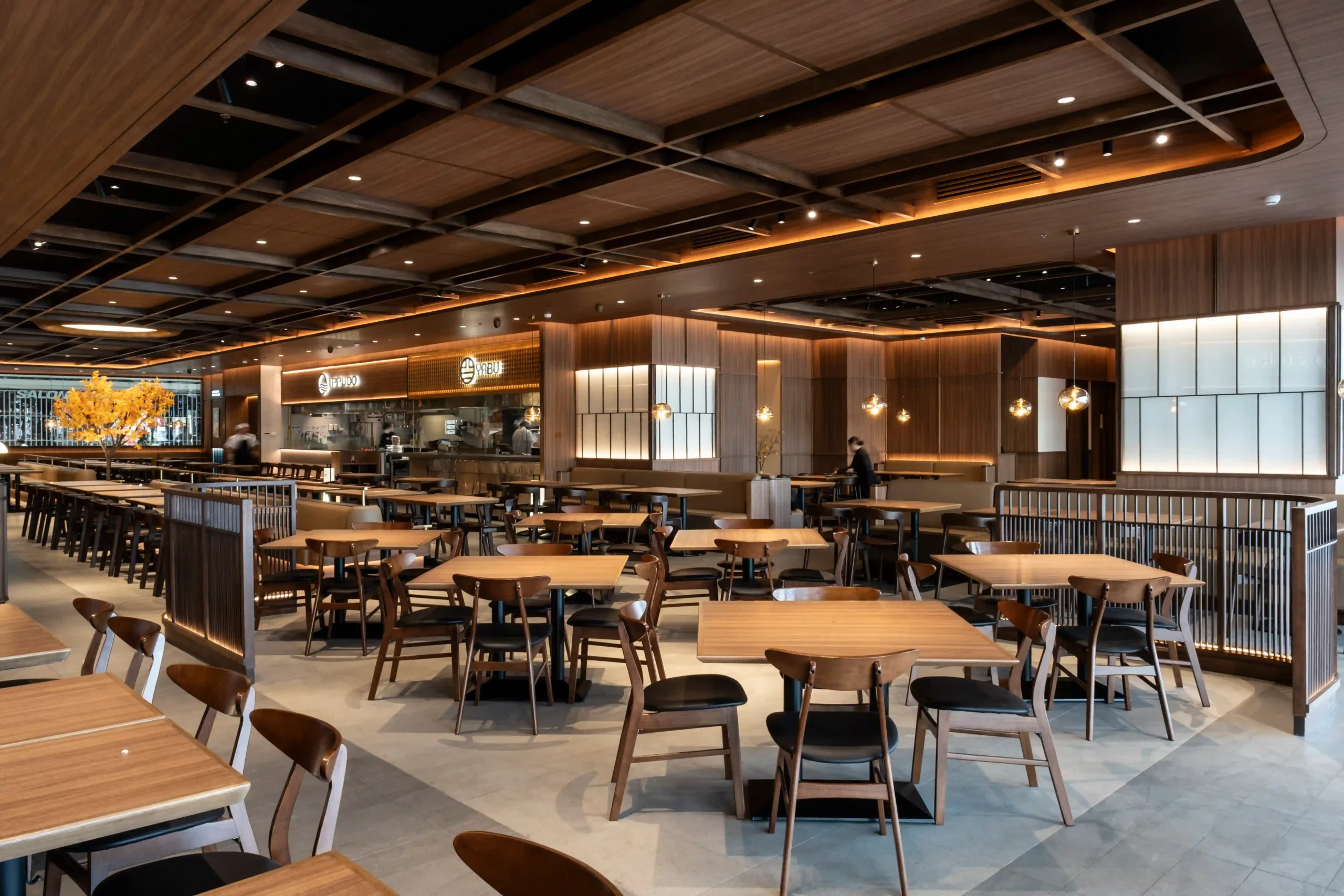
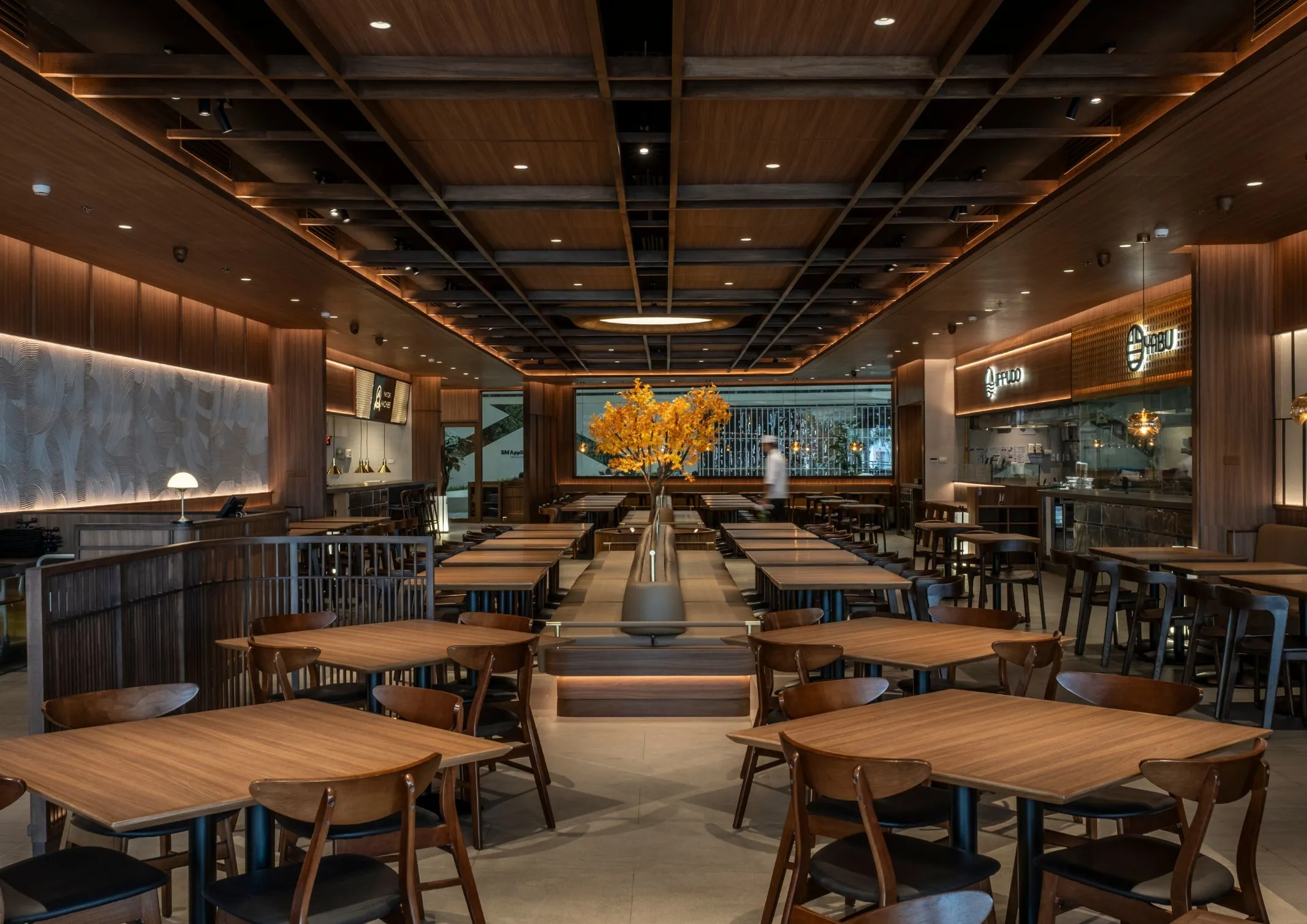
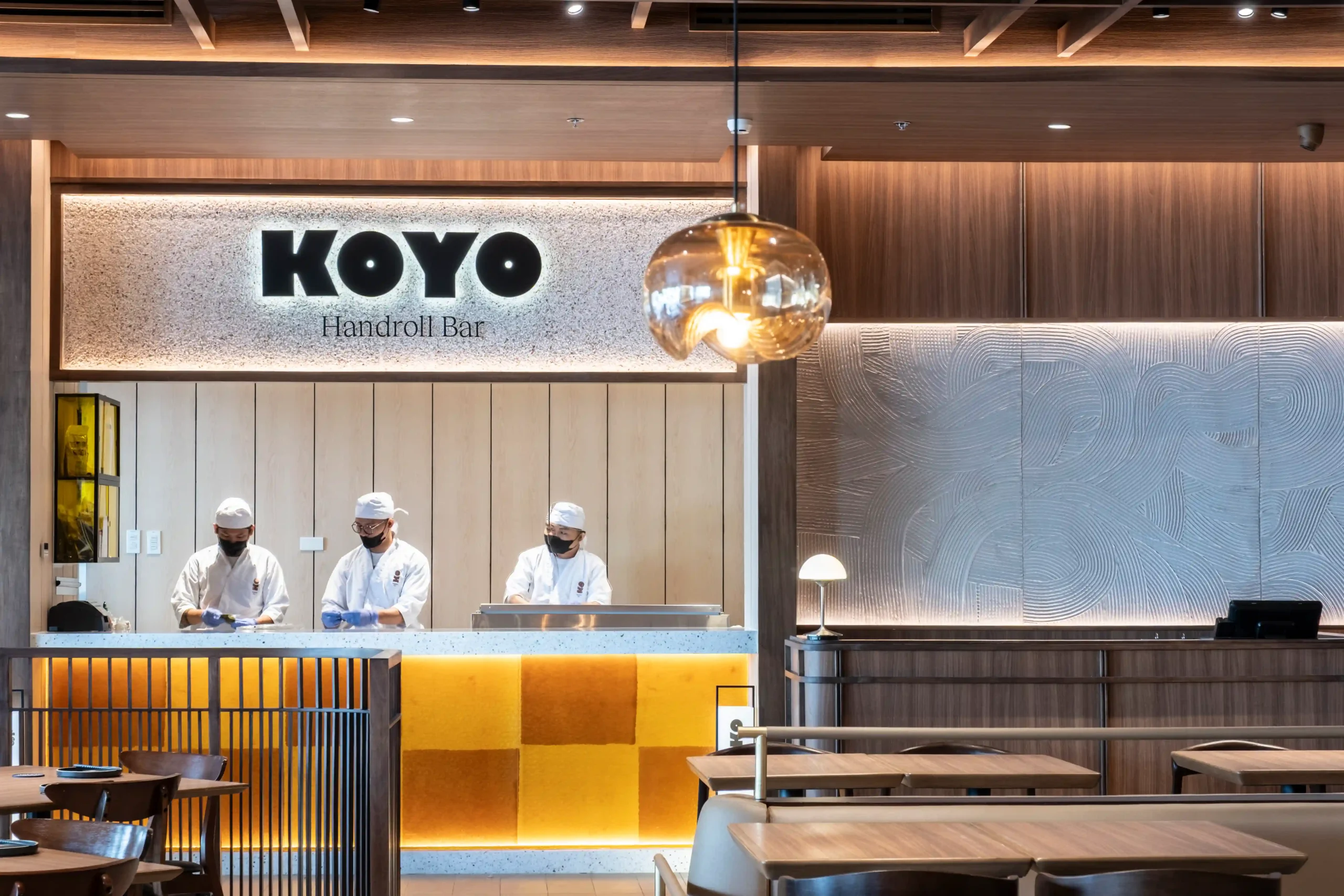
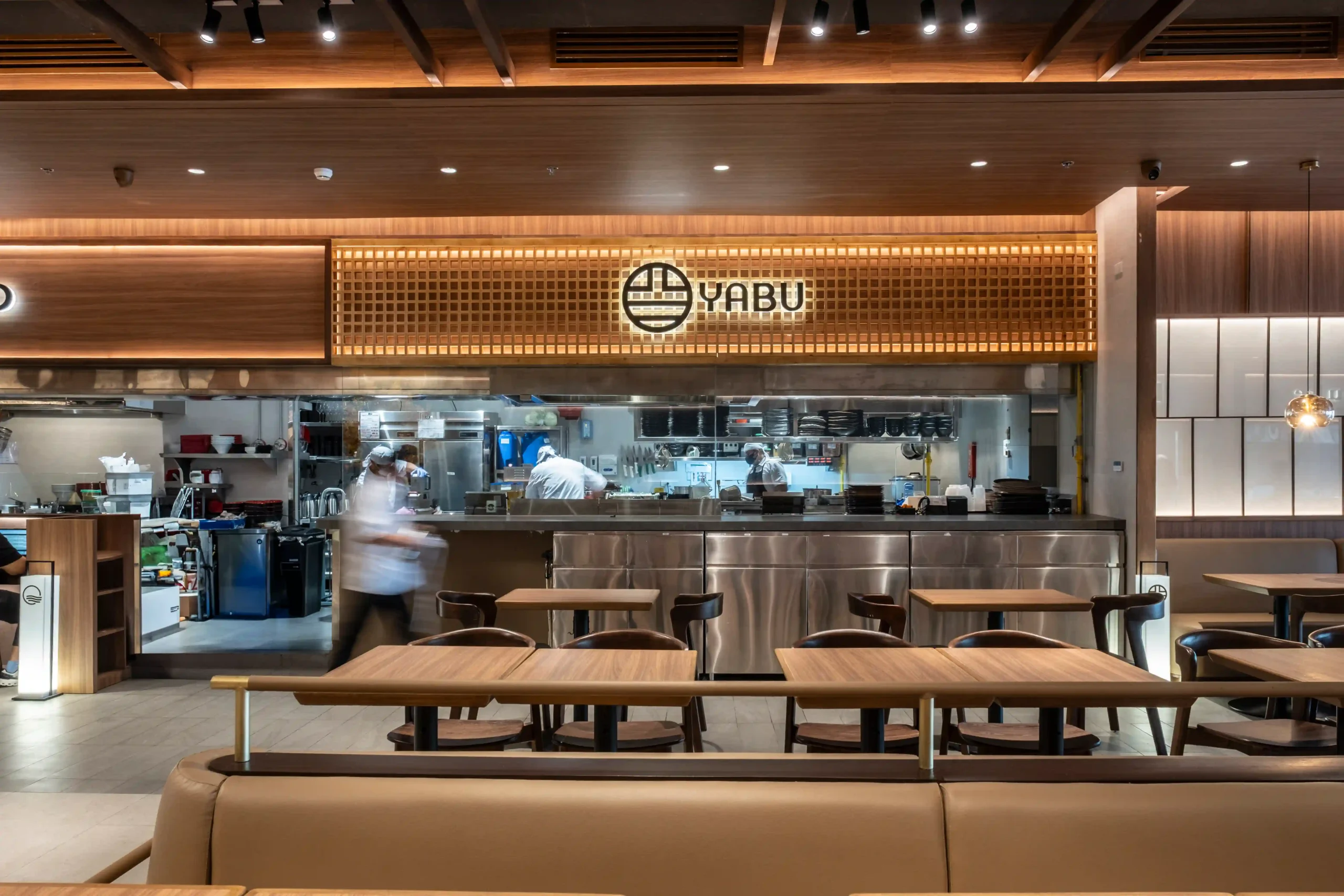
Tucked in SM Mall of Asia, Kiwami MOA redefines the traditional food hall by crafting a communal dining experience designed for tranquility. The food hall houses all of Standard Hospitality Group’s (SHG) beloved Japanese concepts: Ippudo, Yabu: House of Katsu, Koyo Handroll Bar, Hokkaido Soft Cream, Hannosuke, and Hachibei.
Designed by the ArchitectureArchitectureThe art and science of designing and constructing buildings, structures, and spaces that are functional, safe, and aesthetically pleasing. It encompasses the planning, design, materials, and techniques used to createGo to Architecture Glossary team at C+Y Design Studio, the space was formed to craft intimacy amidst a high-traffic commercial setting. The arboreal accents define the spatial design through the strategically placed Japanese maple trees that serve as the space’s visual anchors. Not only do they guide diners, but they also integrate an organic form that further drives the overall sense of tranquility.
Above each tree, an artificial skylight was placed to mimic natural daylight. Thus, it creates a brighter and more airy feel within the expansive space. In addition, features such as warm wood dominate the interior, offering natural comfort to diners. The acoustics are also carefully considered to mitigate the noise from the mall. All of these elements provide guests with a break from chaos.
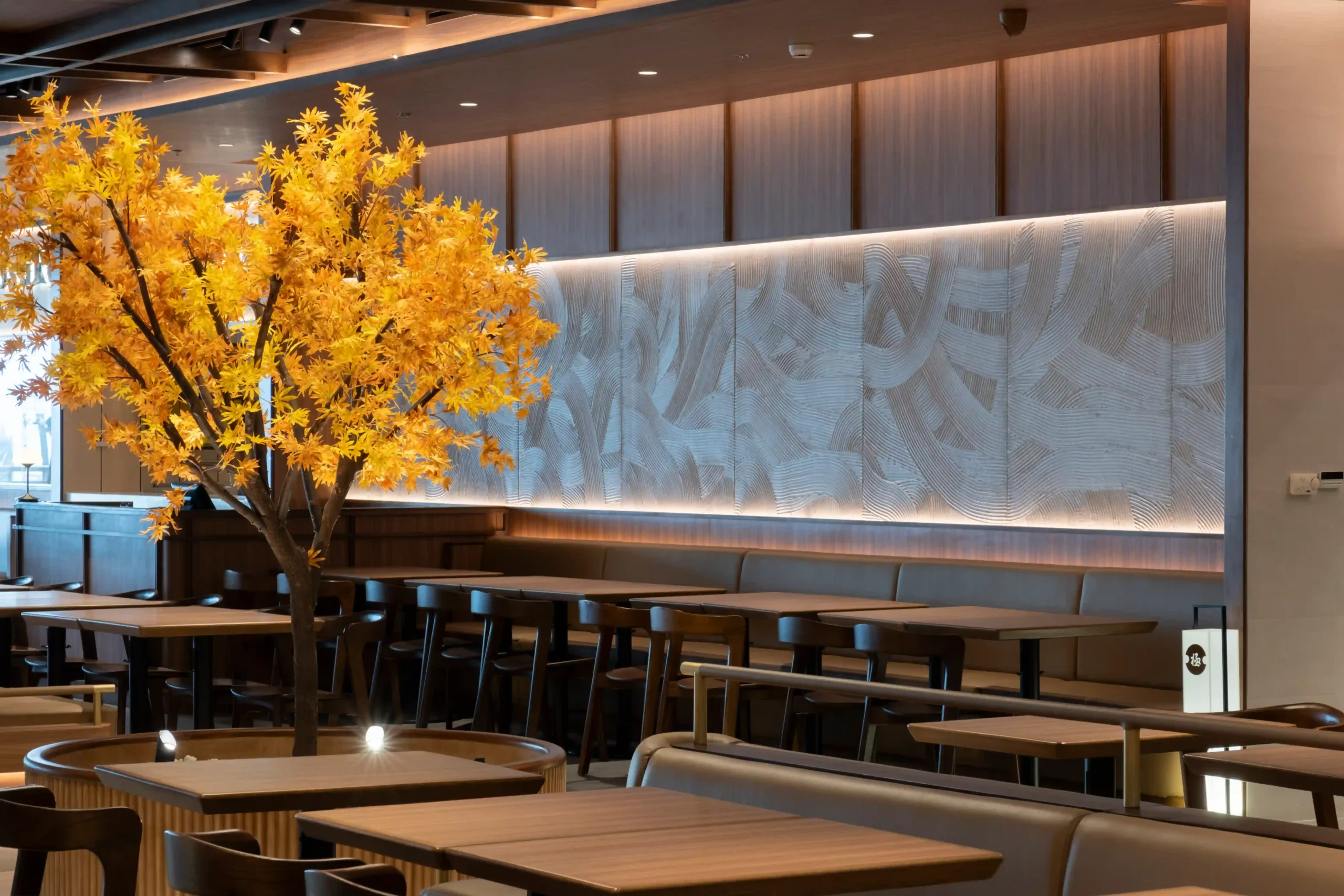
The food hall’s layout encourages interaction and discovery. The “theatrical kitchen” allows guests to observe the food preparation. By doing so, the space fosters a sense of connection to the food and the diner. Overall, for Kiwami MOA, its culinary offerings are just as important as the peaceful space it can provide within one of Southeast Asia’s largest malls.
Los Tacos: Authentic by Design
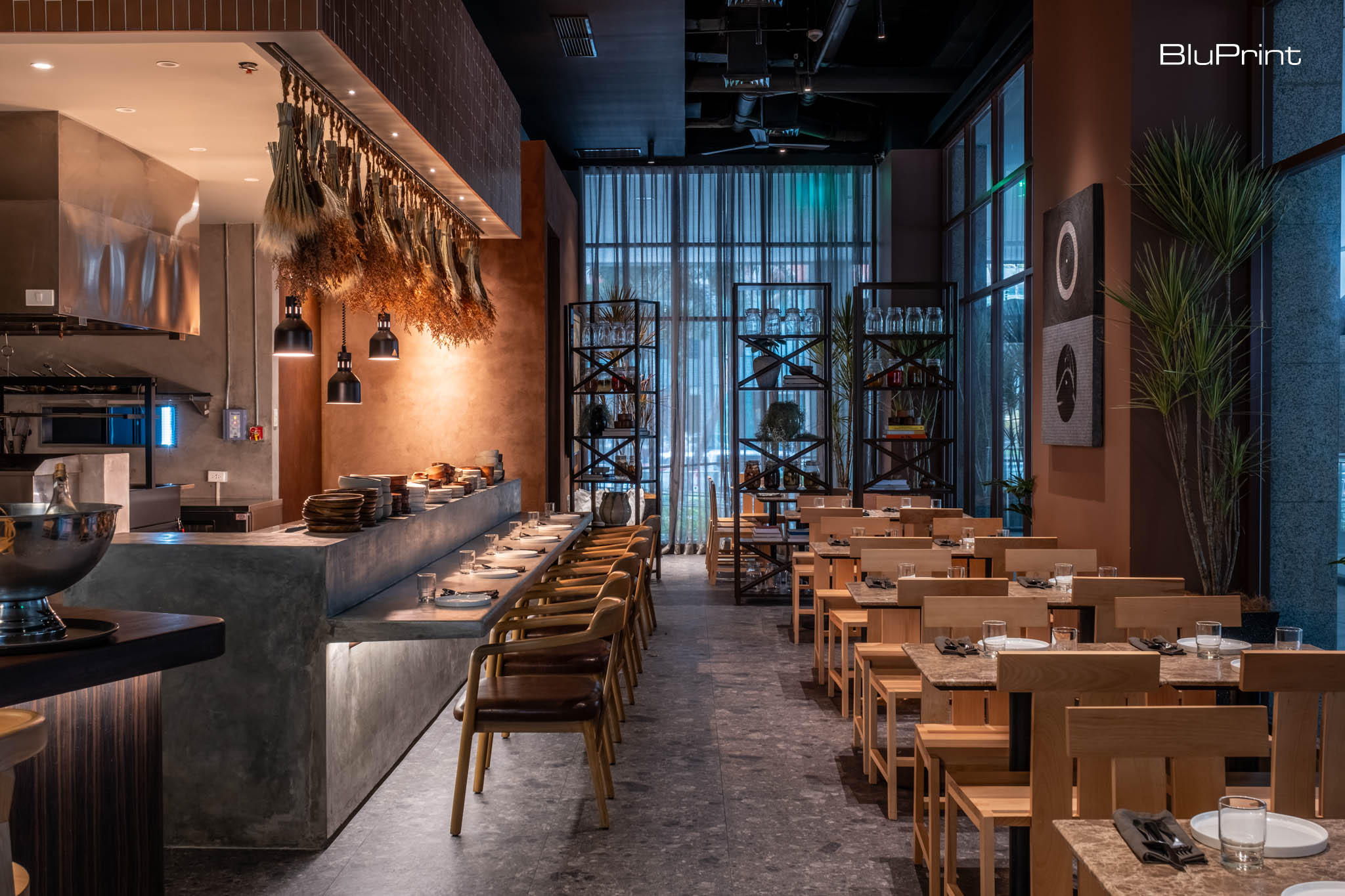
Stemming from Chef Patrick Curitana’s own home, Los Tacos is now a 138-square-meter restaurant with seating for 52 guests. Guided by the principles of honesty and growth, the goal was to craft a space that embodies the ethos and the chef’s culinary philosophy. Designed by architect Brian Ver, the restaurant aimed to create an interior that flows with its menu.
The design prioritized natural finishes, including raw textures and organic finishes. This offers a sense of comfort and warmth, reflecting the simplicity of the food. The restaurant’s design draws inspiration from Oaxaca, Mexico, home of the molinito (corn mill), crucial for producing authentic masa. By utilizing natural, earthy tones and textures, the design pays tribute to the tradition of the ingredients and culinary methods used.
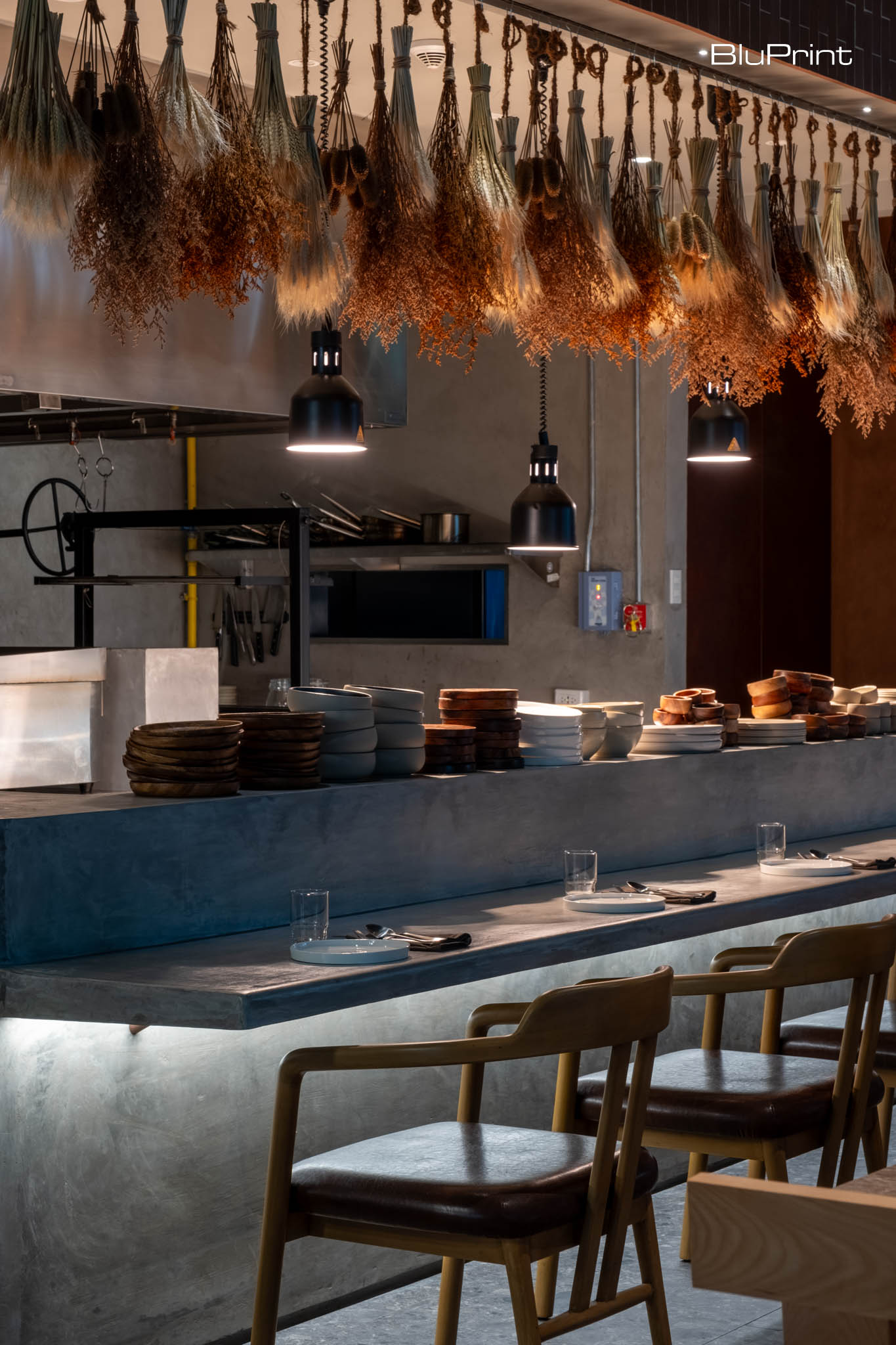
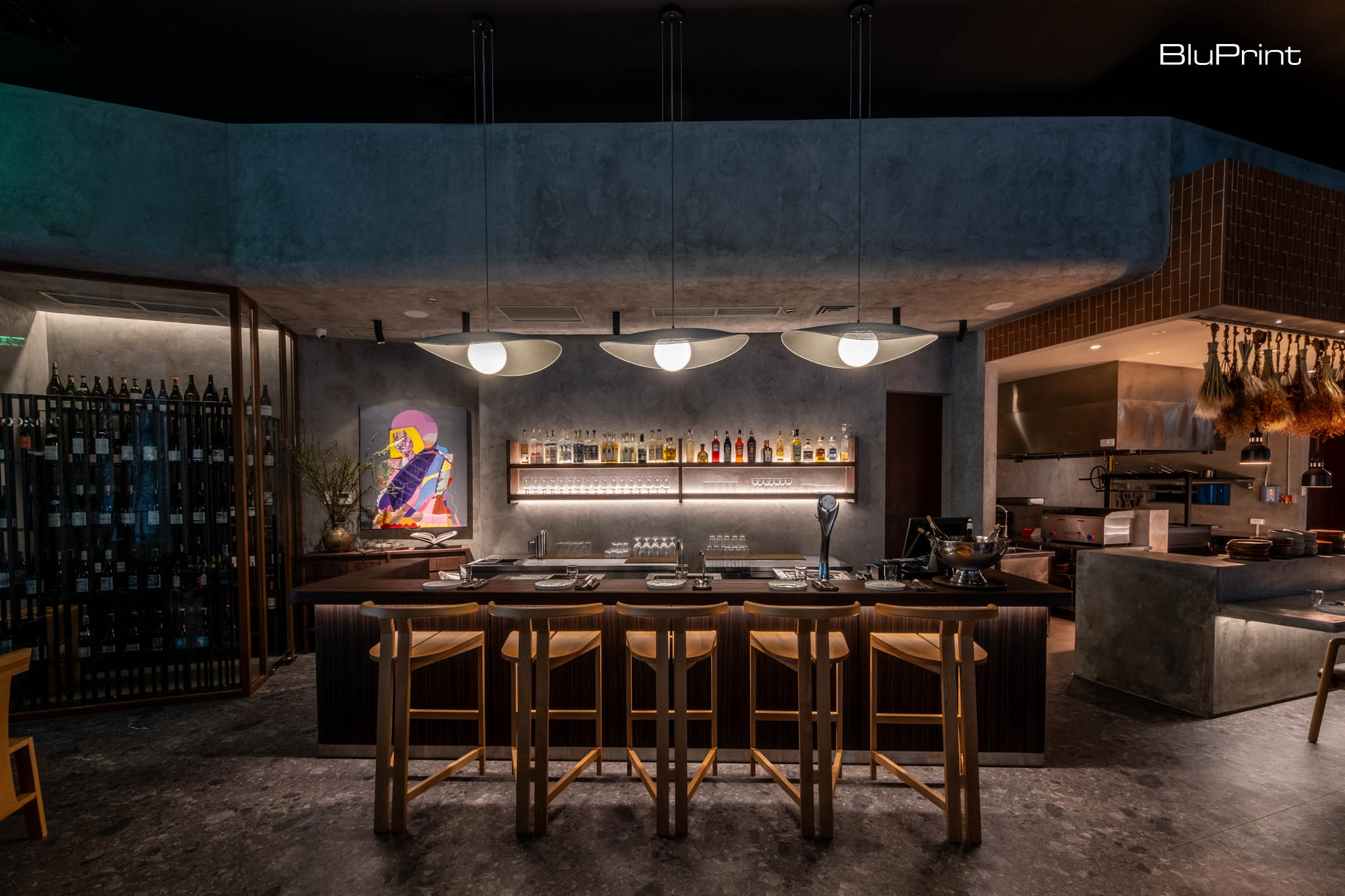
Its spatial layout is divided into two sections: the dining area and the kitchen. Through this layout, diners can feel connected to their meal by observing the chef’s process and sensing the activity behind the scenes. As such, the restaurant’s central feature is the Chef’s table area, which uses a concrete finish to maintain simplicity. In doing so, it brings attention to the cooking process.
Los Tacos aims to redefine fine dining by offering an approachable and relaxed setting where patrons can enjoy elevated food.
Oak & Smoke: A Culinary Fusion of Fire and Flavor
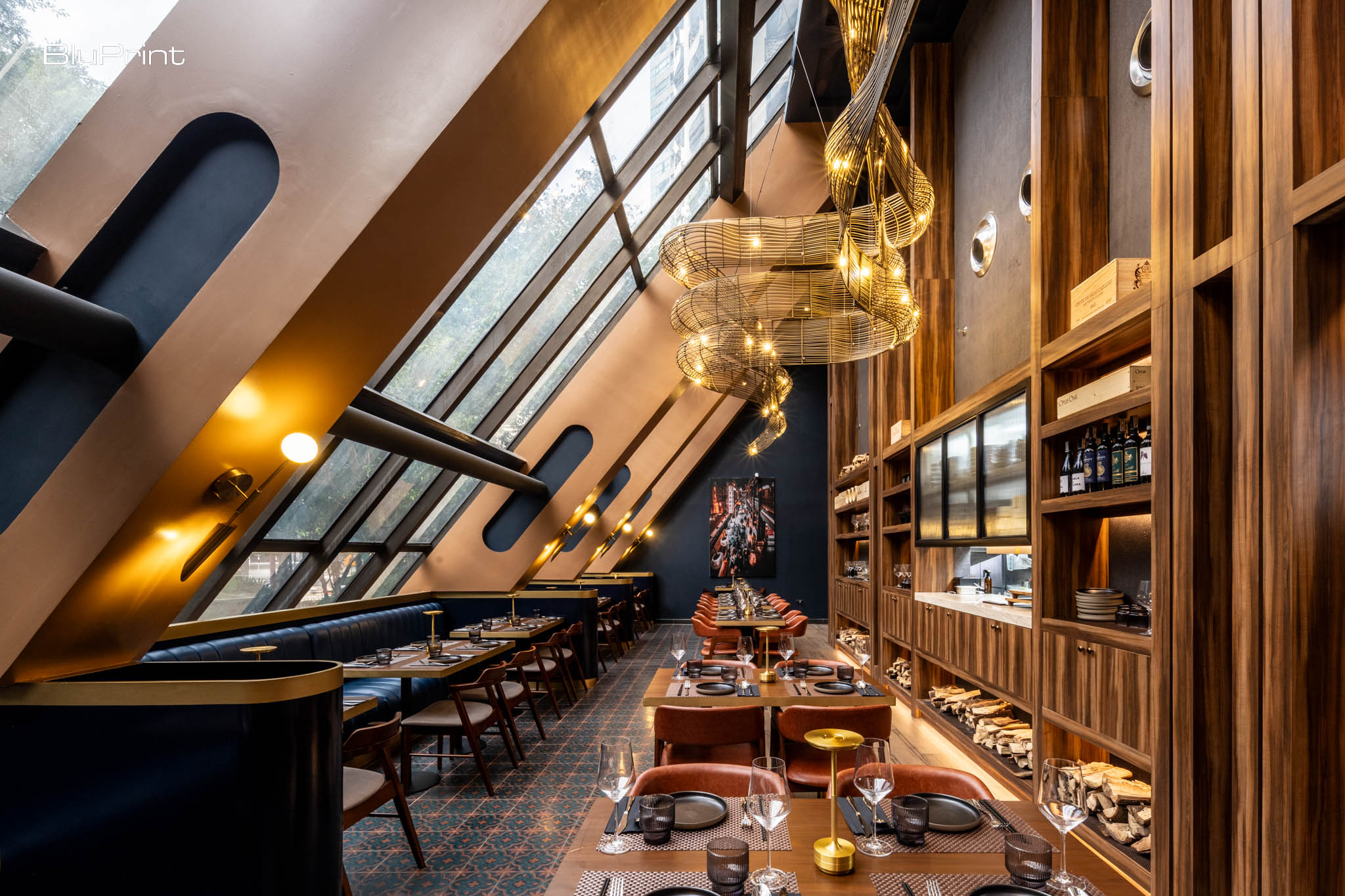
Situated in Salcedo Village, Oak & Smoke (O/S) is the creation of culinary duo Chef Anna Bautista and Chef Sean Jorgensen. Rooted in smoked meats, the restaurant has evolved into a fusion of Southern U.S. flair and Northern Californian finesse. Its allure lies in its open-flame cooking, with its interior design mirroring this culinary philosophy.
Designed by Andrew Trinidad of Headroom CDV Co., the space exhibits a contemporary design that complements the restaurant’s cuisine. Its design balanced the masculine and the feminine, pairing the dark hues ot blue, gray, and wood with subtly integrated floral patterns.
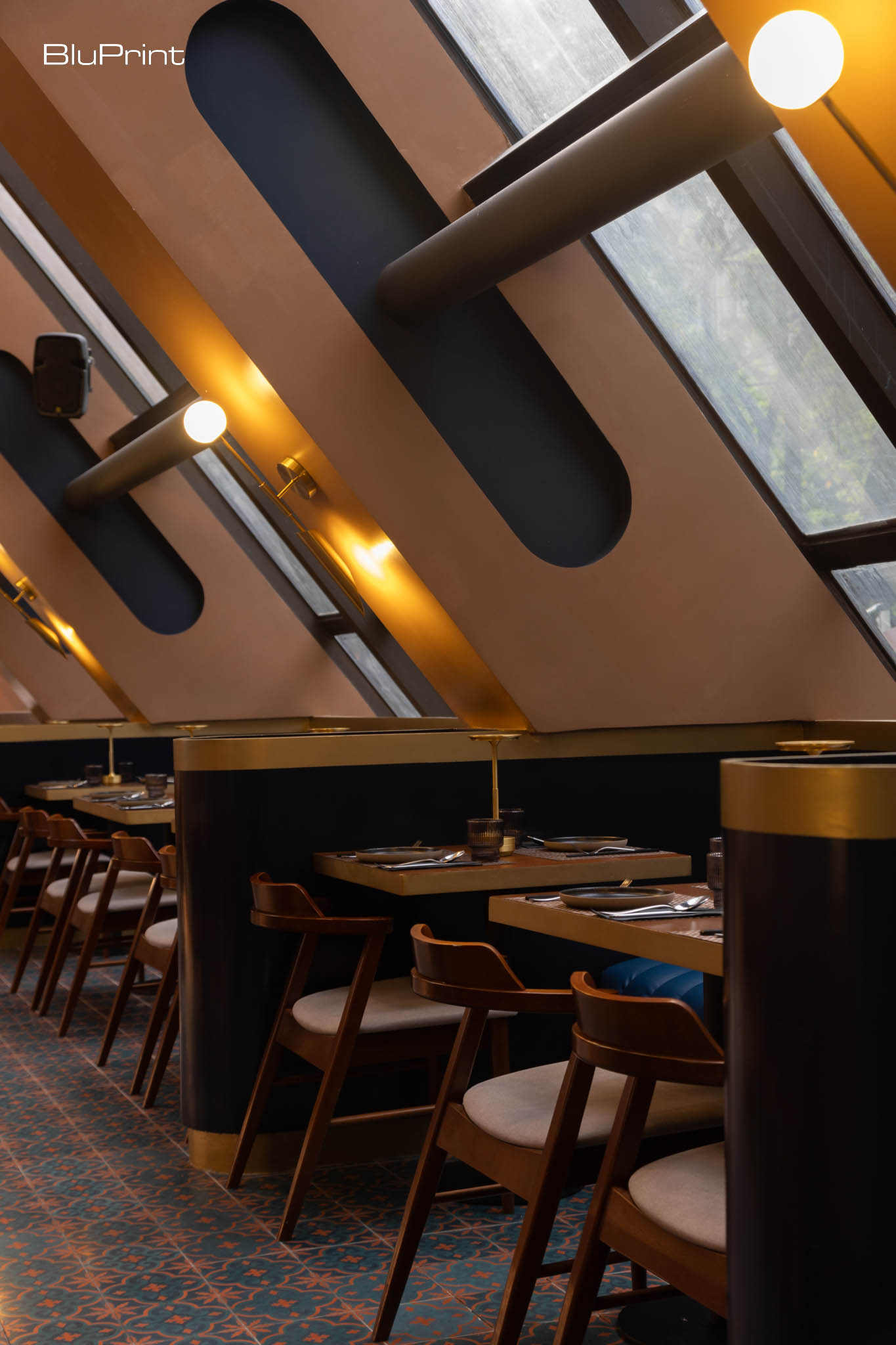
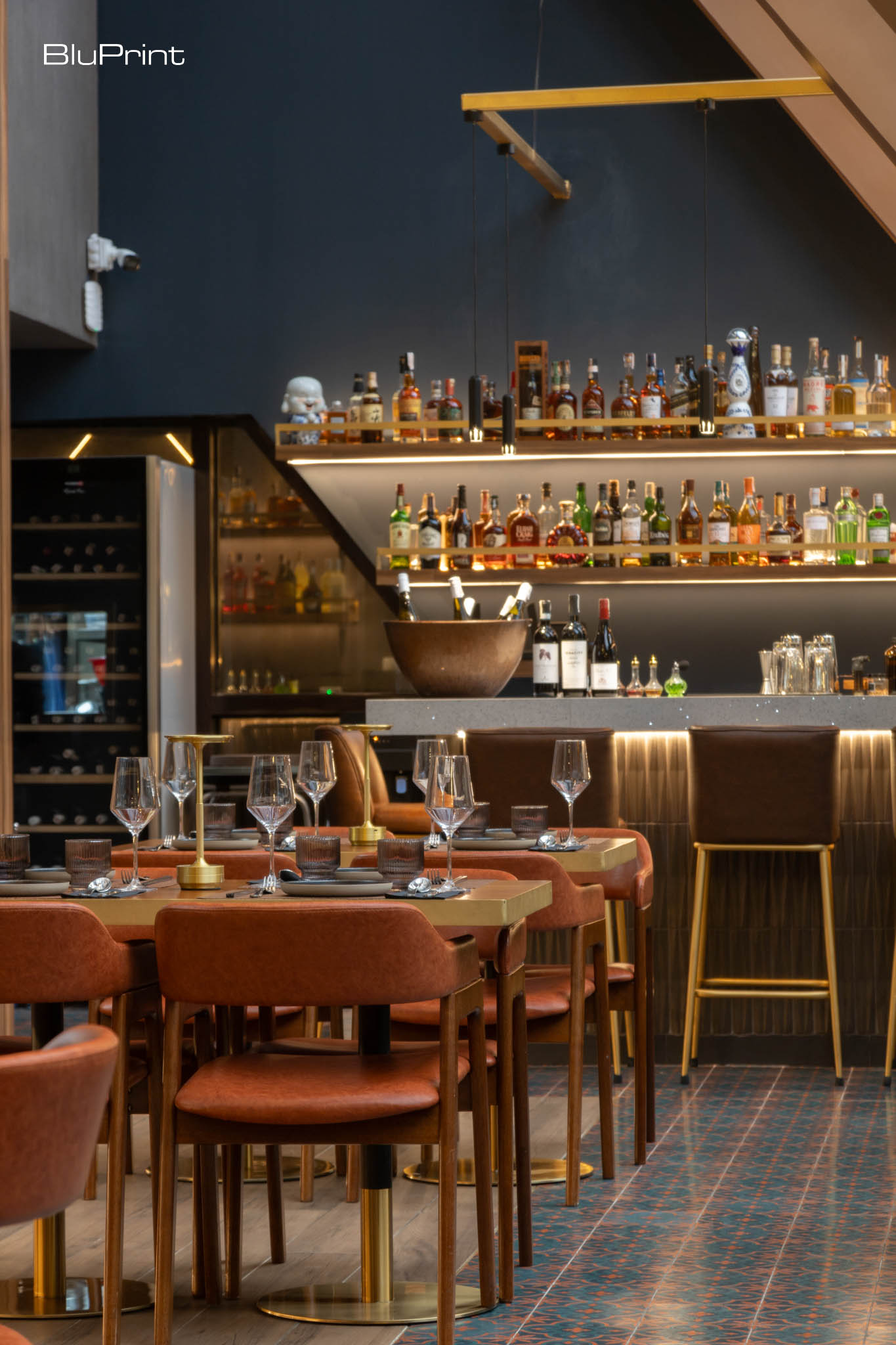
A striking nine-meter-long chandelier that mimics smoke is the focal point of the design. It runs the length of the dining room, creating a sense of grandeur. Further emphasizing the central role of fire in the restaurant’s culinary identity, visible firewood on the open kitchen walls was included.
In its layout, an open kitchen was integrated to provide guests with a view of the culinary behind the scenes. Alongside this, the bar was placed at the far end of the dining room to allow guests a full view of the interior design. Inside, guests are transported to a sensory experience that extends beyond food.
Fable Café and Lounge: Kenneth Cobonpue’s New “Cabinet of Curios”
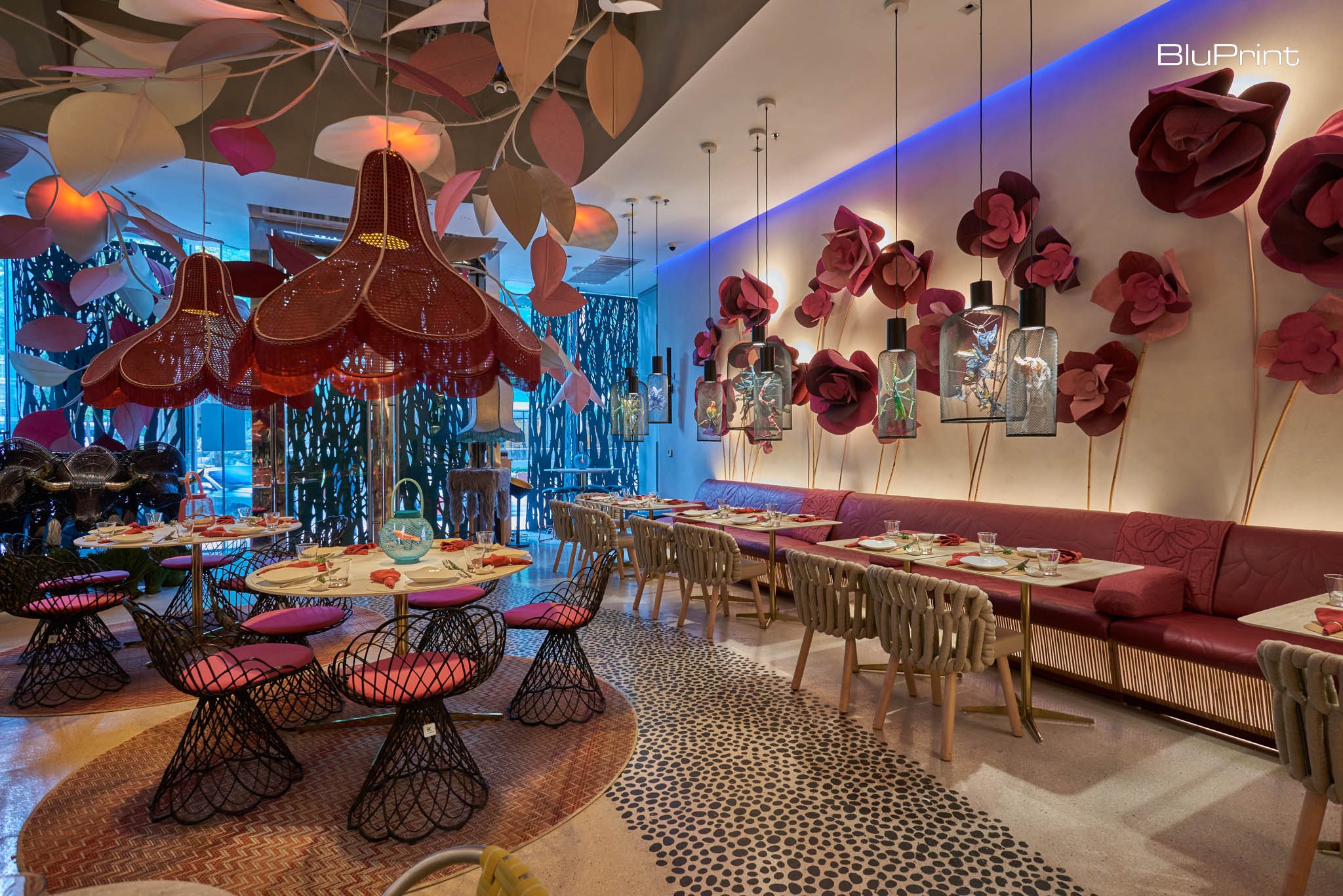
Internationally acclaimed designer Kenneth Cobonpue goes beyond the physical and into the experiential at the Fable Café and Lounge. Located in Bonifacio Global City, the café is an immersive and whimsical space that serves around 50 diners. Central to its design is the designer’s love for nature and storytelling, which shaped the café’s distinctive look.
The café and lounge are one of the spaces in Cobonpue’s 900-meter showroom. Inside, the designer’s interpretation of a fantasy world is brought to life. Features such as organic elements and symbolic forms surround the space to evoke a sense of wonder among guests. Furthermore, the designer experimented with materials while approaching functional elements with an imaginative flair. From handmade wire light fixtures to cutlery holders shaped like crocodiles, each design choice reflects his playful approach to the space.
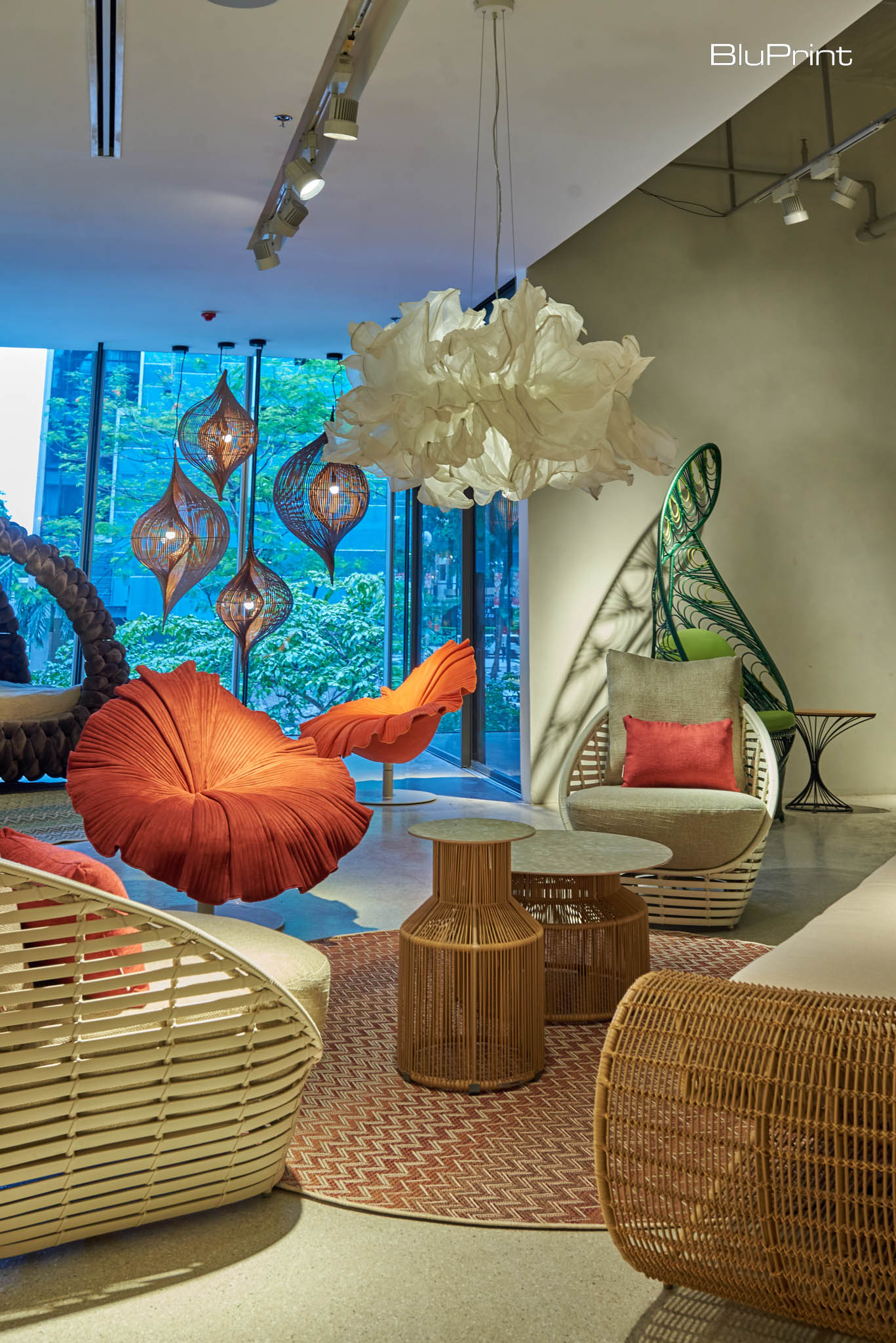
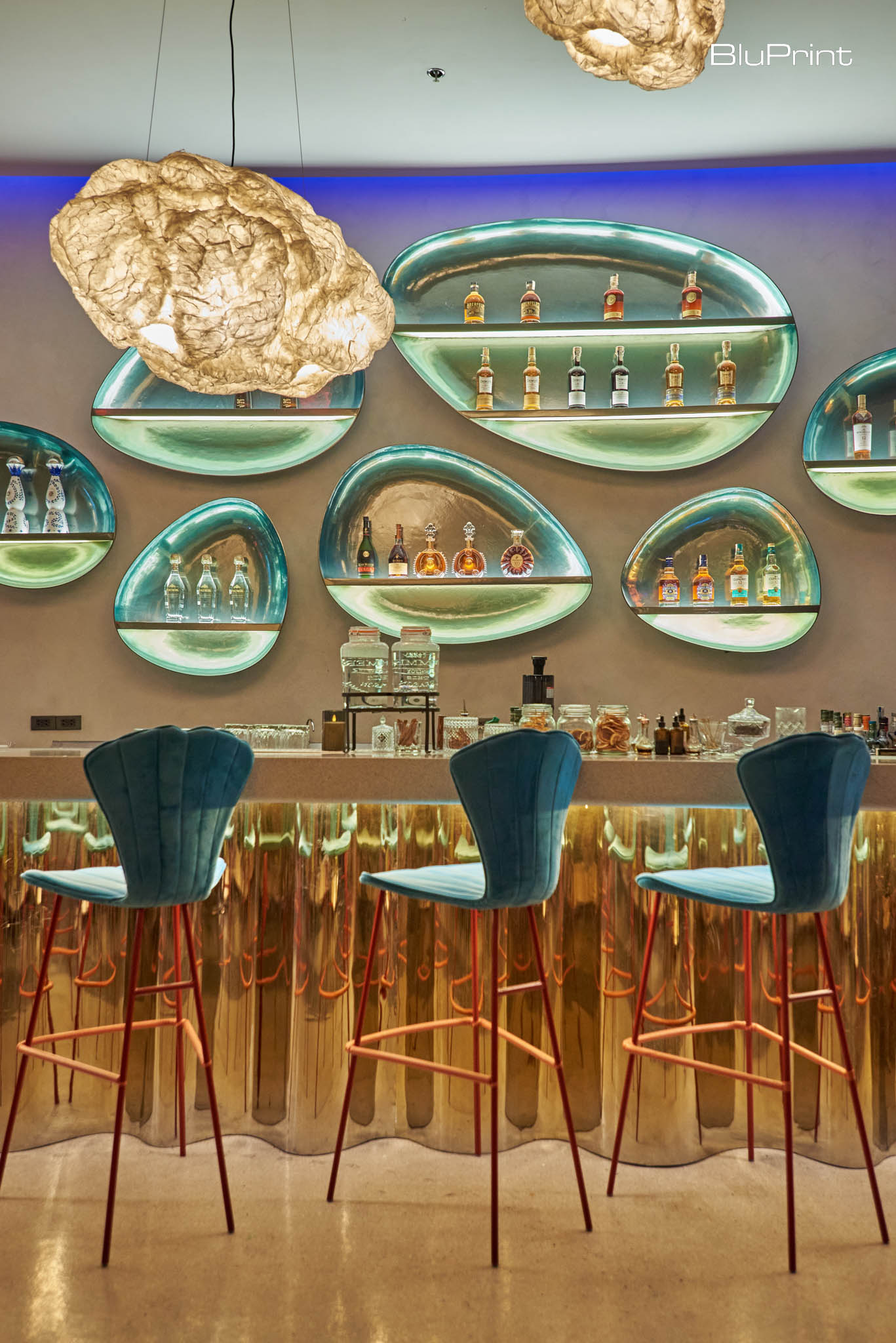
Breaking away from the constraints of furniture design, the café and lounge are a canvas for his imagination. While the food and drinks originate from different parts of the world, each object within the space allows guests to transport themselves into another world.
Taupe: A Canvas for Food, Art, and Experience
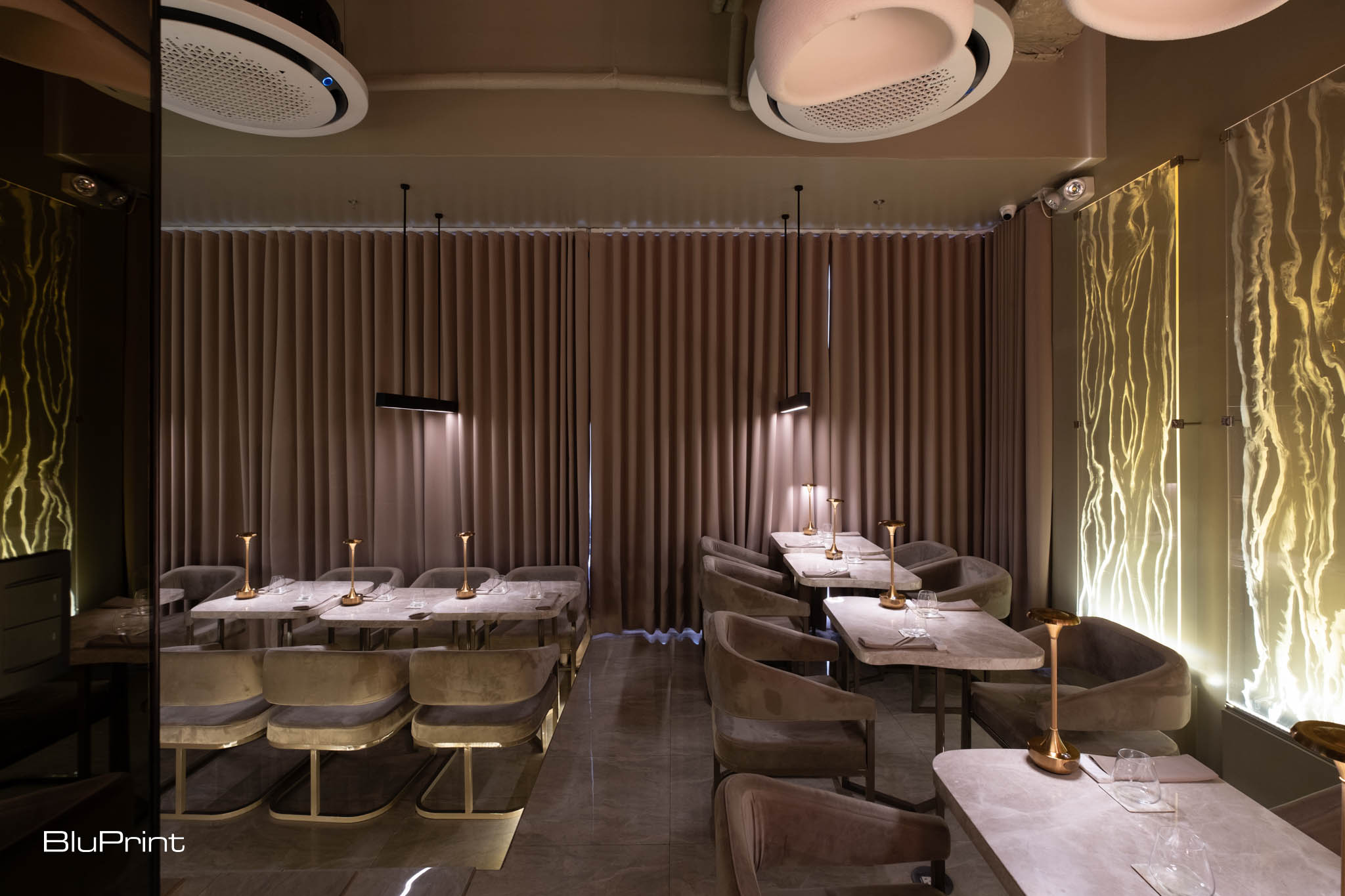
Located in Bonifacio Global City, Taupe is named after the versatile grayish-brown hue. Due to its neutral and monochromatic tones, Executive Chef Francis Tolentino chose this color for the interiors to allow the food to be the main focus. His vision for the restaurant’s design was realized through architect Thea Domingo.
Architect Domingo wanted to capture the essence of Taupe’s cuisine and Chef Tolentino’s personal history of cooking with his grandmother. As such, she employed a design philosophy centered on roots, neutrality, and timelessness. This was achieved through sculptural materials like stone and glass, bespoke marble tables, and velvet chairs. Through which, she balanced hard and soft elements.
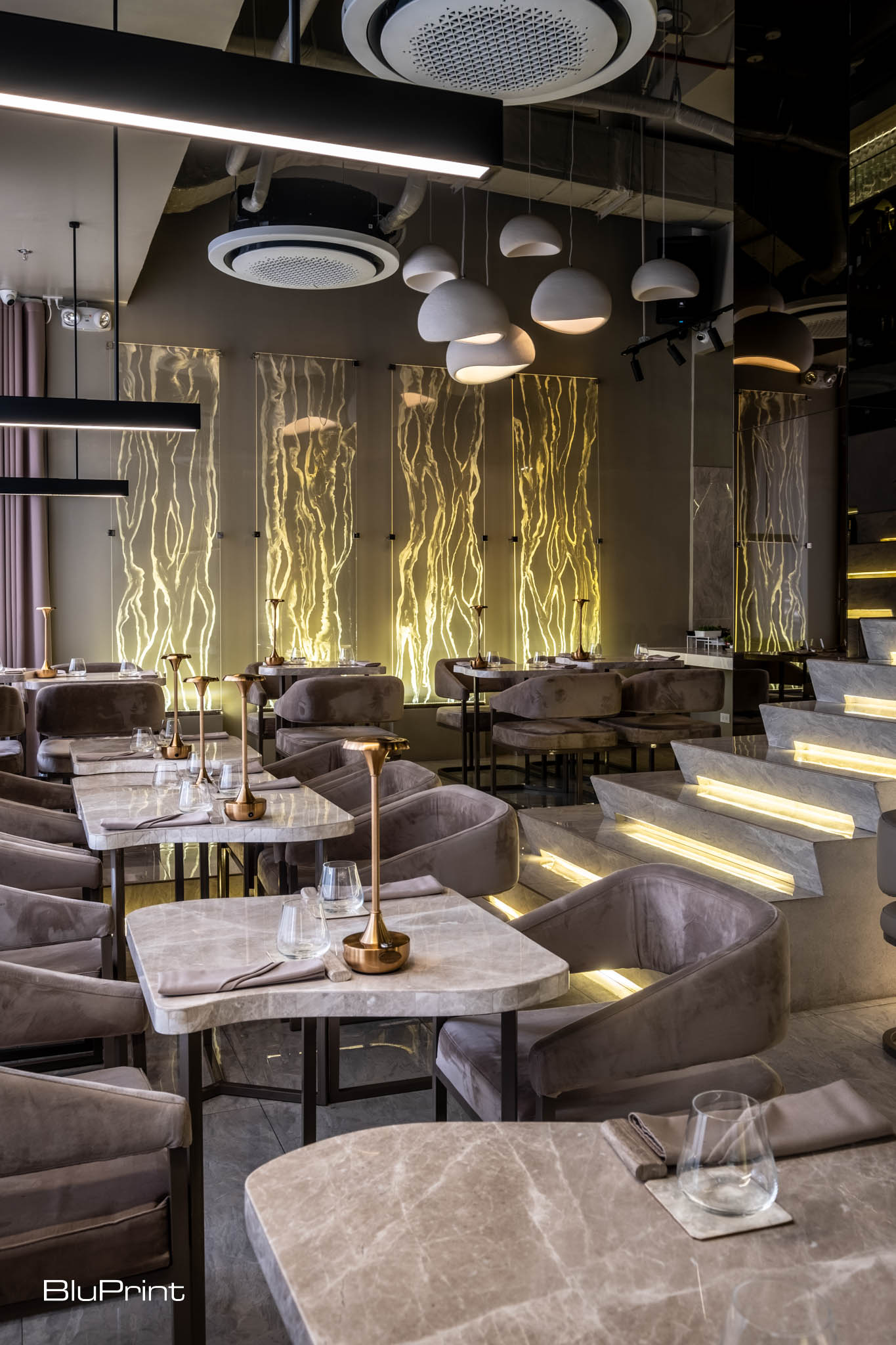
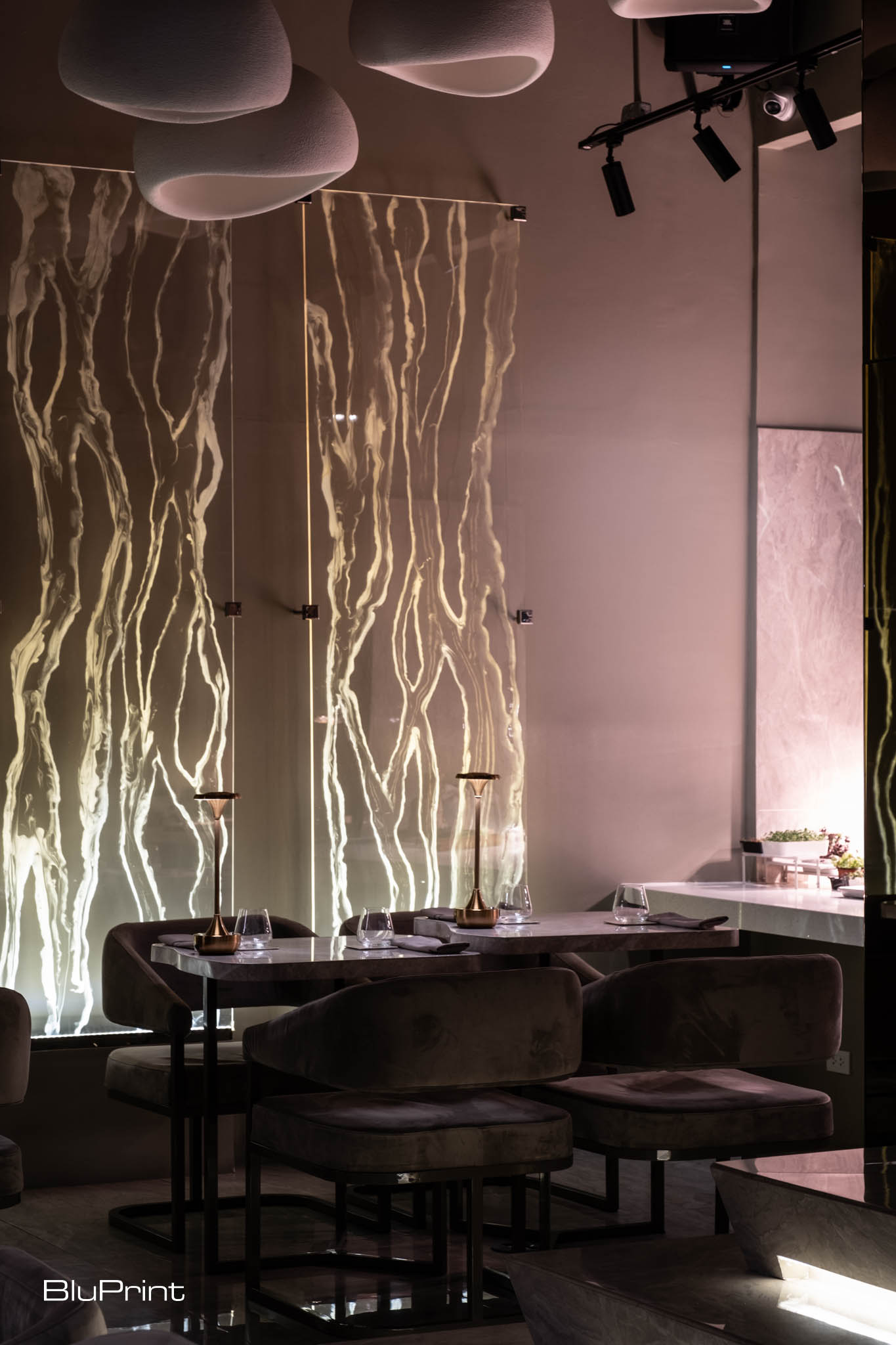
Despite its neutral color palette, the tone-on-tone color scheme, decorative resin panels, and soft lighting all work together to create an elegant environment where the atmosphere is soft and serene. Functionality was also paramount, evidenced by a 60:40 dining-to-kitchen ratio and efficient space planning. This includes a show kitchen, full-height bronze mirrors, and an open ceiling for visual expansion, with material substitutions like resin for glass addressing challenges.
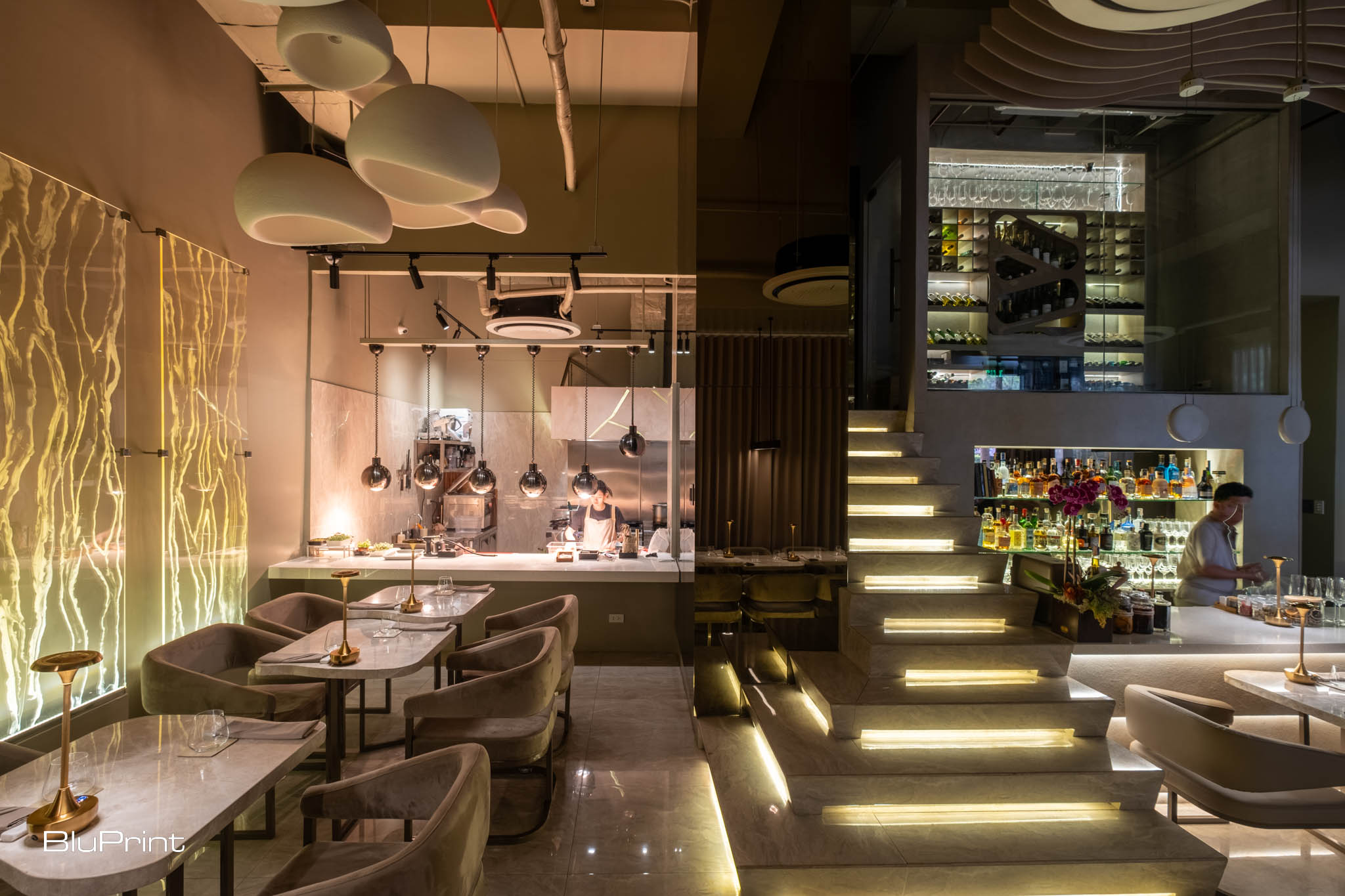
Interactive elements like the stairs, a chef’s table, and a prominent bar, coupled with a medley of textures, varying heights, stone, glass, and strategic lighting, provide an elegant backdrop aimed at creating “timeless elegance” where guests can feel absorbed, connect, share stories, and fully experience the “culinary masterpiece”—an “experience within an experience.”
Incanta: An Enchanting Cave Dining Experience Within the City
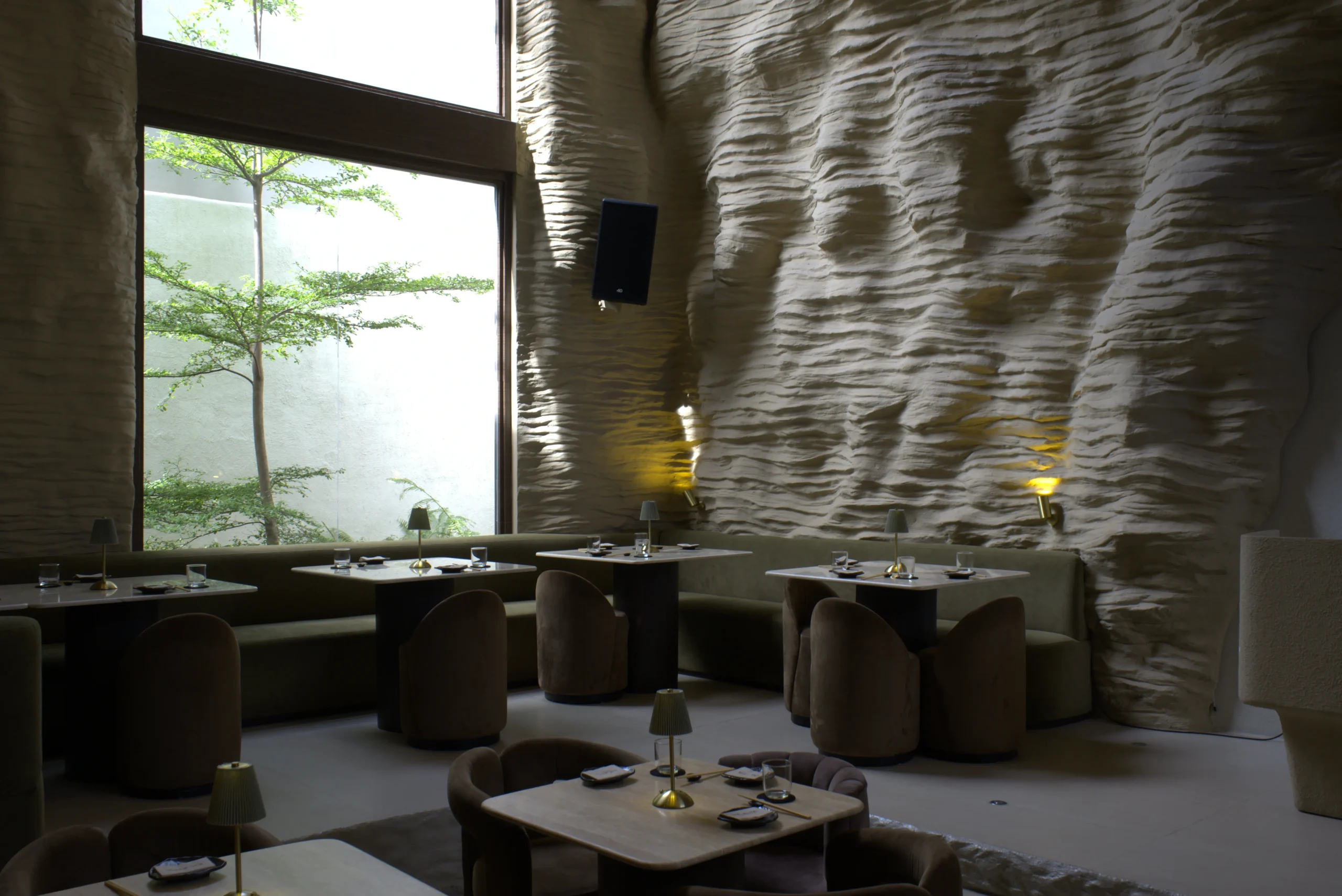
Incanta, a unique bar and restaurant in Tomas Morato, Quezon City, offers a new dimension of dining. With its hand-sculpted, cave-like interior, it transforms the urban setting into an ambiance reminiscent of natural landscapes. Inspired by their travels, particularly an experience at The Cave in Bali, founders Sarah Genove-Uy and Ma. Cristine Caringal Melad envisioned creating a natural cave of their own in the city.
Aligning the concept with the Philippines’ rich geological landscape, they collaborated with architects Jeng Diaz and Angelo Blay. The owners and architects engaged with local artists to hand-sculpt the ridges and formations. Through which they were able to transform the 500-square-meter space into the restaurant it is today: a simple, minimalist space that blends architectureArchitectureThe art and science of designing and constructing buildings, structures, and spaces that are functional, safe, and aesthetically pleasing. It encompasses the planning, design, materials, and techniques used to createGo to Architecture Glossary with nature.
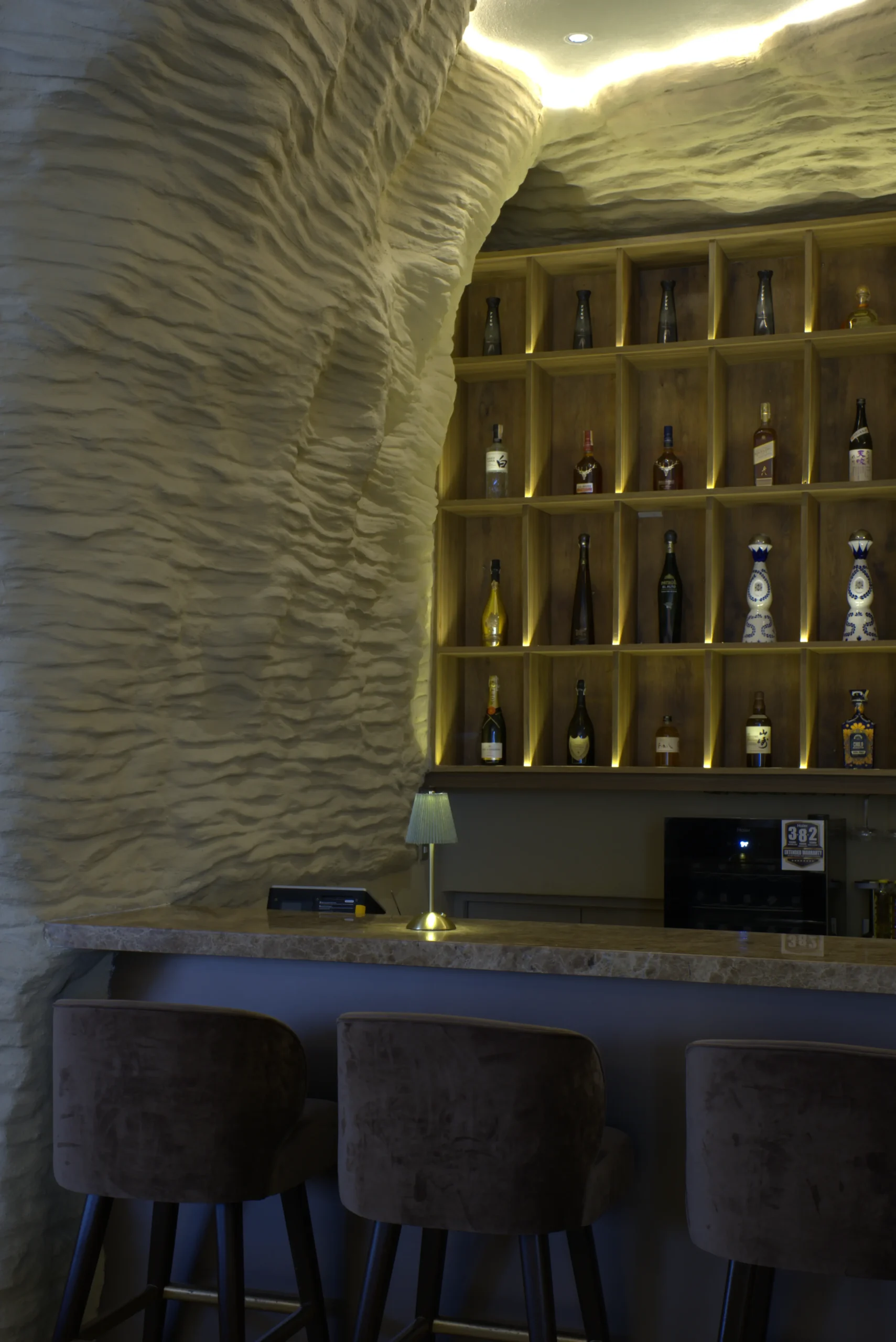
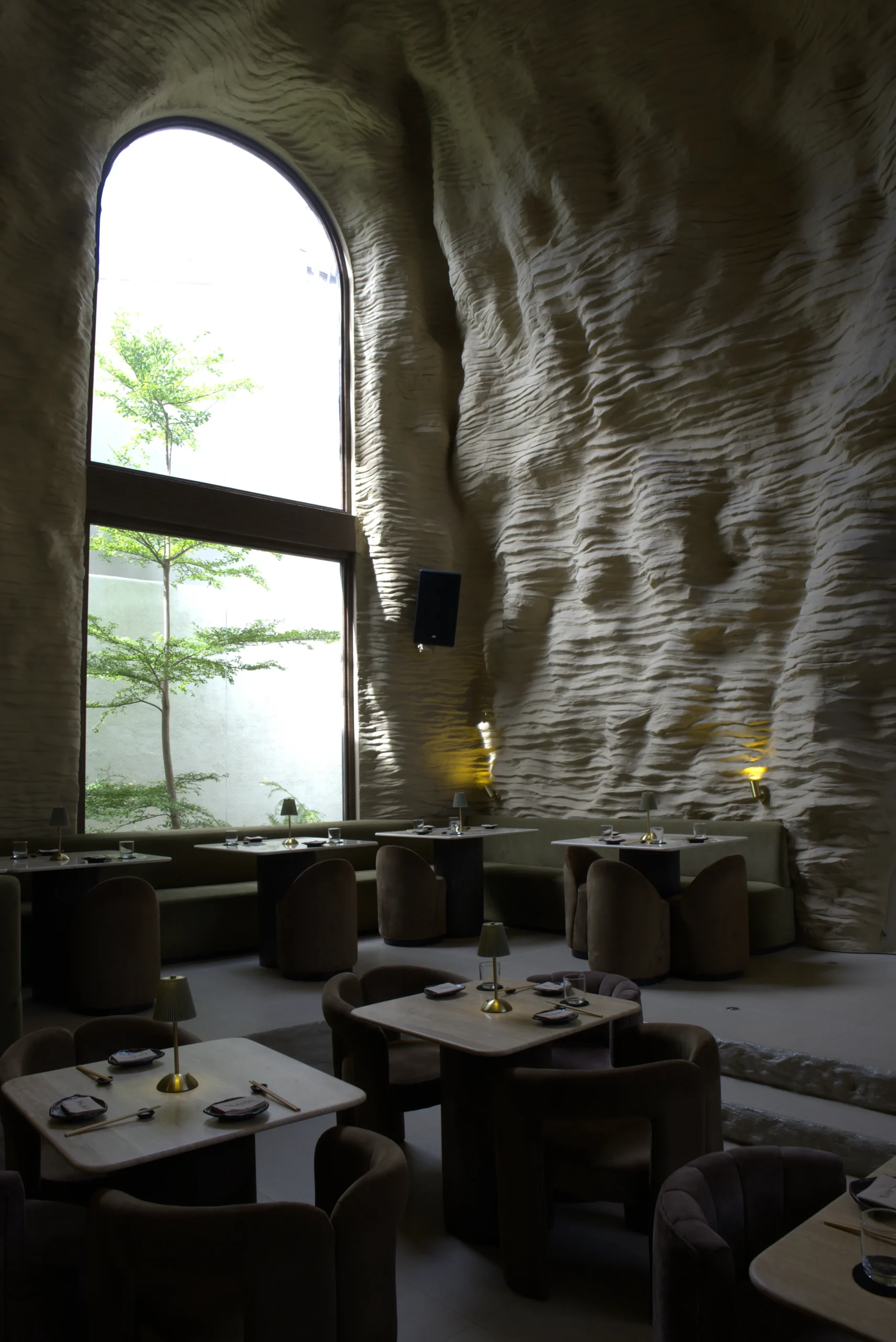
Its design is characterized by natural materials, curved shapes, and an earthy color palette. While the exterior is a pragmatic, box-like structure with undulating forms to maximize interior space, the inside impresses with a massive face sculpture in the vestibule. The main dining area is defined by faux ridges meticulously molded from Portland cement. These ridges are colored in a contemporary mocha mousse. Genove-Yu intentionally chose this color to achieve a minimalistic ambiance rather than a direct imitation of natural cave hues.
The restaurant’s striking moon chandelier, suspended from a high ceiling, features three distinct moods—solar, dusk, and lunar—to enhance the guest experience. The solar mood provides soft, diffused light, perfect for daytime dining. As dusk nears, the orange sunset glow transforms the space into a cafe with scattered starlight. In the evening, the lunar mode creates a dimmer, bloody red hue, shifting the atmosphere to a bar.
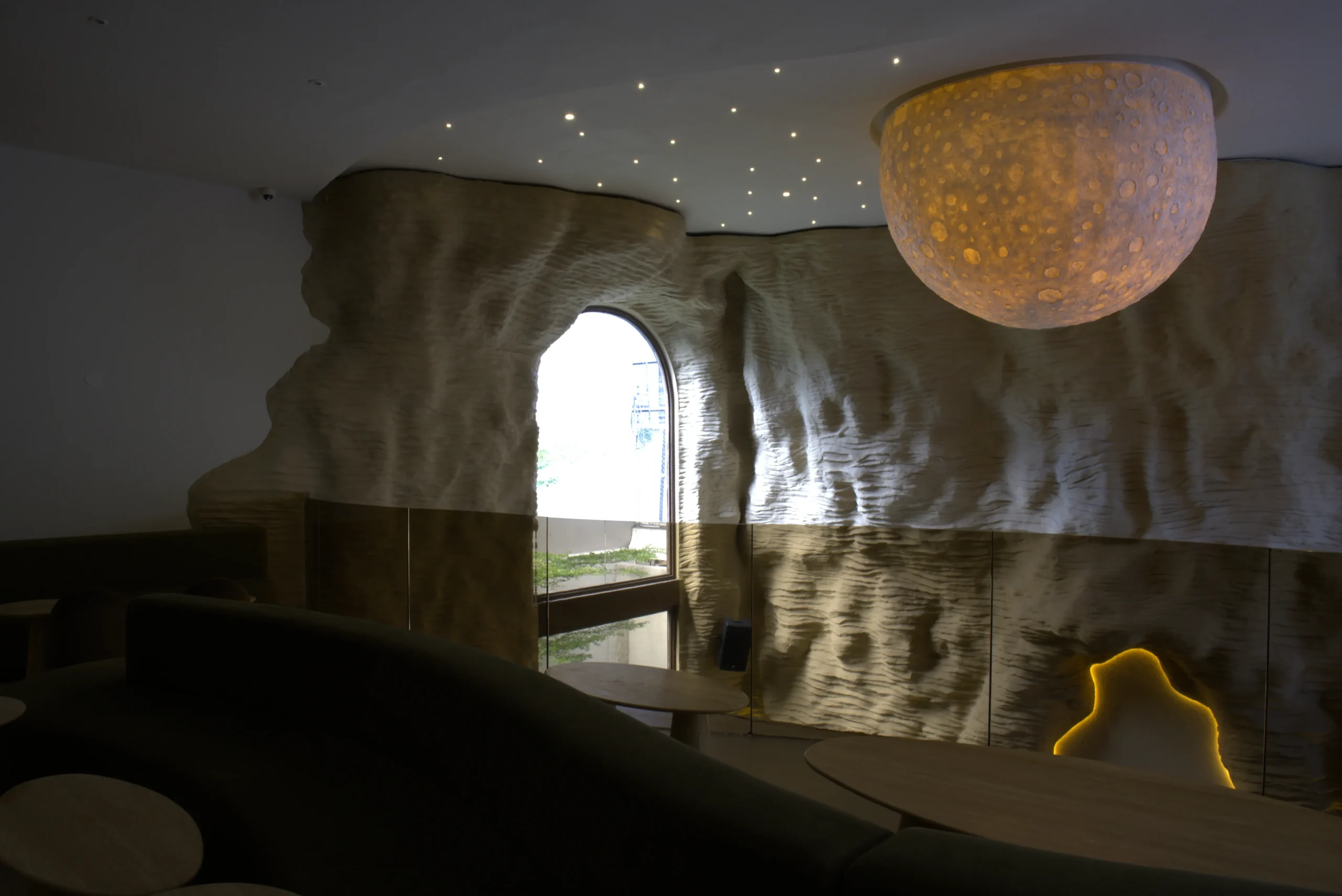
Incanta, already a unique dining destination in the Philippines, envisions continuous growth and evolution, planning to introduce new design elements and seasonal themes to keep the experience fresh.
The Design Story Behind the World’s First Ippudo Ramen Bar
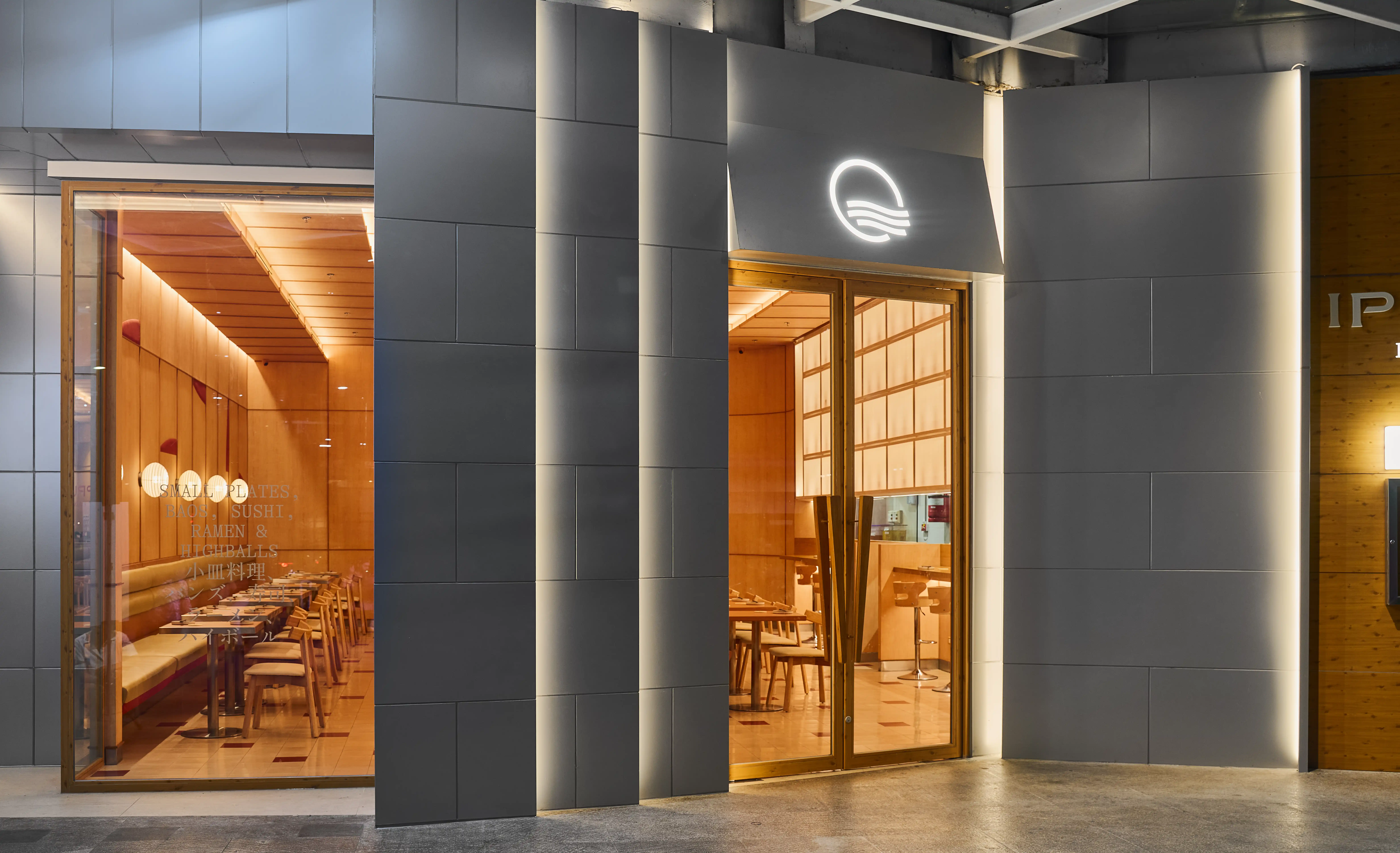
Located in Uptown BGC, the Ippudo Ramen Bar opened its doors to the public early this year. Together with its long-time collaborator Standard Hospitality Group (SHG), Ippudo debuted its Ramen Bar concept through a modern space that converges heritage and innovation, its restaurant design reflecting a seamless balance between the past and present.
The design pays homage to Ippudo’s beginnings in the 80s, as it embraces a more minimalist and forward-thinking aesthetic. Its ramen bar counter acts as the design anchor of the space, providing diners with an open view of the kitchen. This is a nod to the traditional Japanese ramen shop. Meanwhile, design elements such as abstract shapes and a contemporary color palette of muted metallics and bold accents form a modern dynamism in the space.
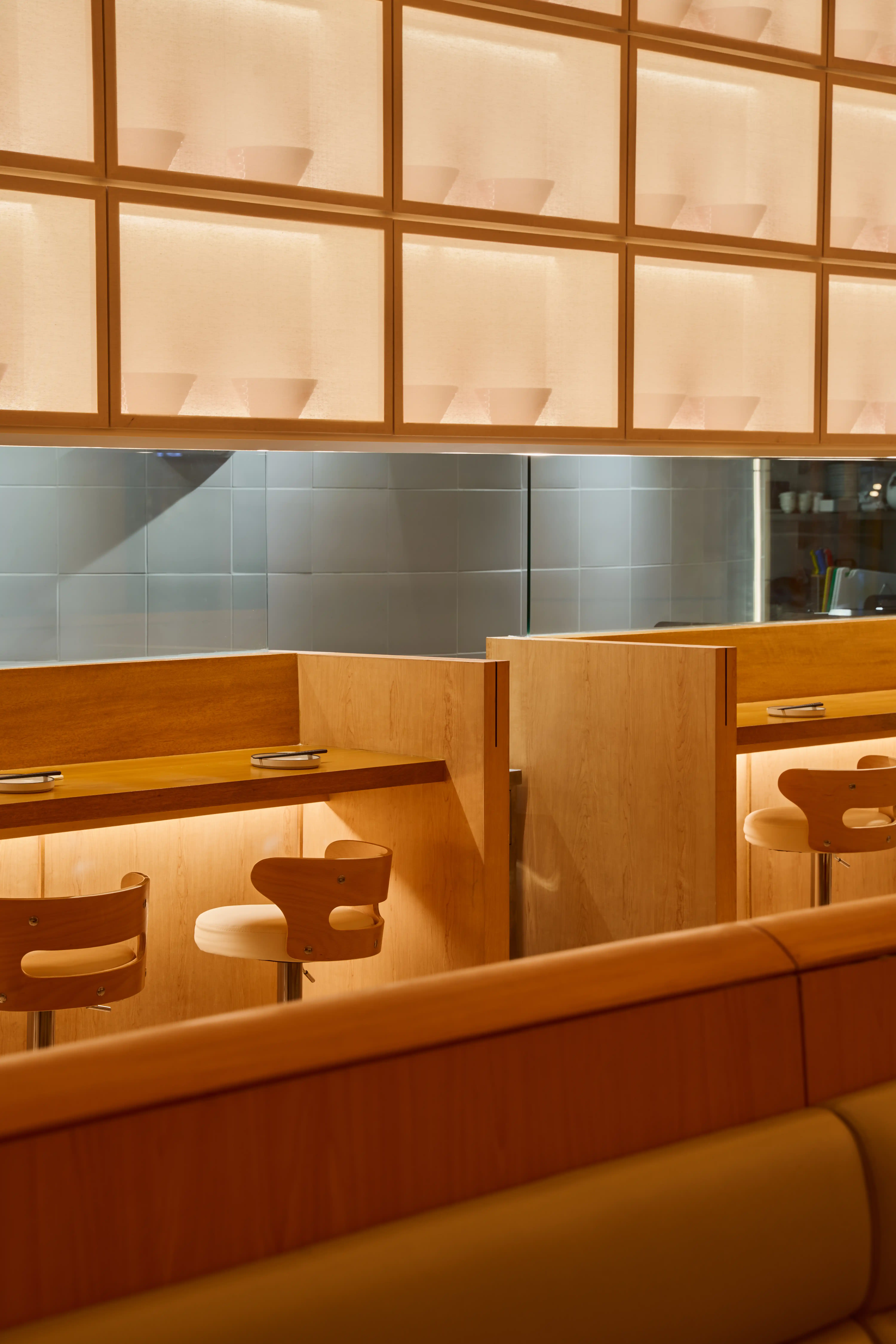
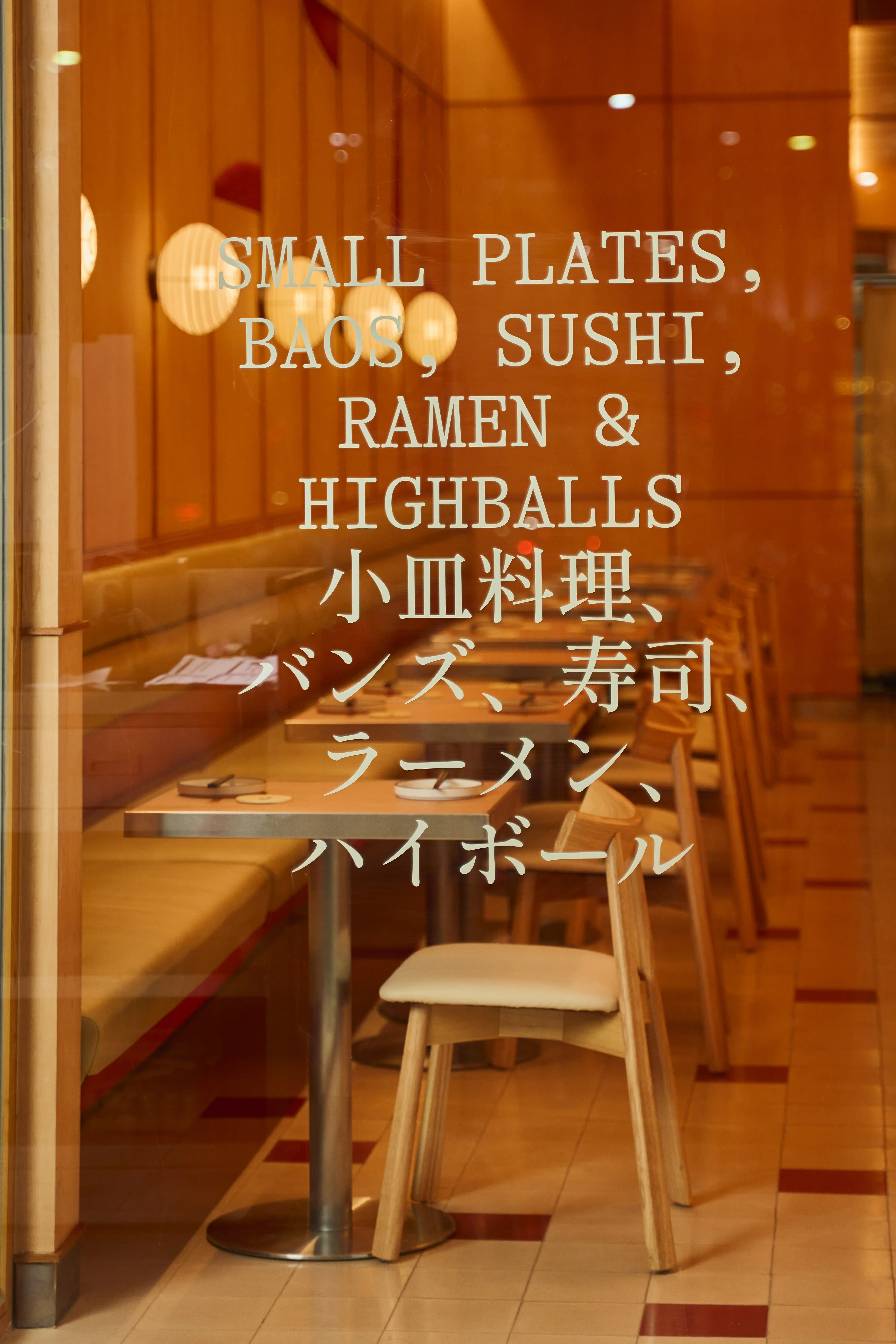
To create an inviting and dynamic dining experience, the team prioritized balanced, indirect lighting—resulting in a softer ambiance and the spotlighting of the textures and warmth of the space. The designers also took into consideration the space’s acoustic design. Features such as textiles and timber finishes absorb sound, creating an intimate yet lively space that addresses the hollow echo seen in some modern spaces.
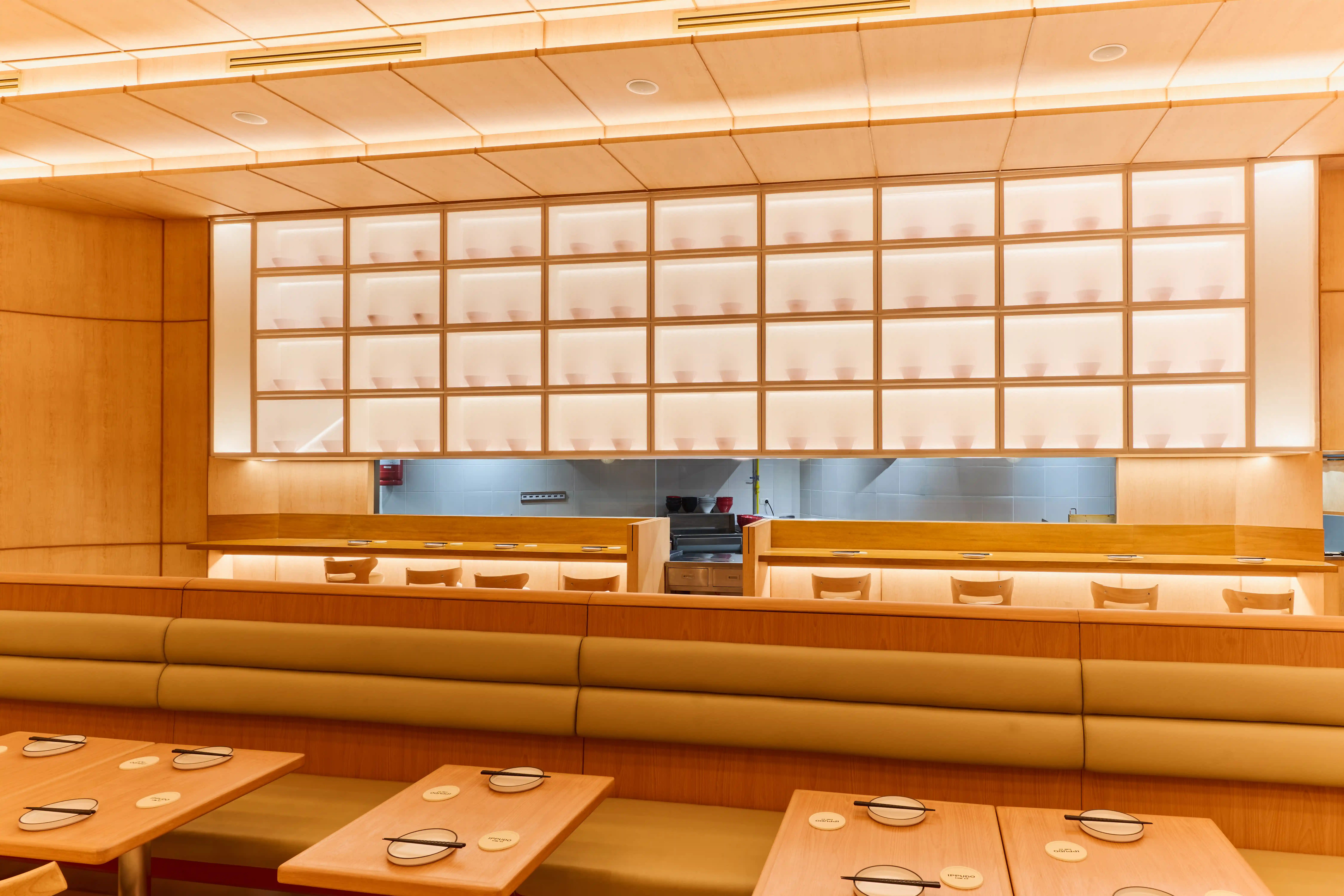
Efficient seating was also established to maximize the space, accommodating both solo diners and those staying for a longer meal. Through its design choices, the Ipuddo Ramen Bar crafted a space designed for a memorable and engaging dining experience.
The Architecture of Dining
Memorable dining experiences are crafted by both the restaurant’s culinary offerings and interior design. These architectural feats go beyond mere aesthetics, establishing an ambiance that moves along with culinary flavors and techniques, leaving behind a profound, lasting impression.
Read More: Architecture of Dining: The Best Restaurant Interior Design of 2024
Frequently Asked Questions
Kiwami MOA addresses “mall fatigue” through biophilic anchors. Architects at C+Y Design Studio used Japanese maple trees and artificial skylights that mimic natural daylight to create a sense of tranquility. Technically, this is supported by high-performance acoustic timber finishes that mitigate the ambient noise of the Mall of Asia, transforming a commercial food hall into a “zen” communal sanctuary.
The design by Brian Ver translates the simplicity of masa (corn dough) into architectural form. The palette relies on raw, organic finishes and concrete textures inspired by the molinito (corn mill) of Oaxaca, Mexico. The layout uses a 138-square-meter footprint divided into a dining area and a kitchen, centered around a concrete Chef’s table that strips away “fine dining” pretension to focus purely on the honesty of the ingredients.
Both restaurants use lighting as a dynamic storytelling tool:
Oak & Smoke: Features a nine-meter smoke-mimicking chandelier that runs the length of the dining room, visually representing the restaurant’s open-flame cooking philosophy.
Incanta: Uses a “Moon Chandelier” with three distinct technical moods—Solar (diffused daytime), Dusk (orange sunset glow), and Lunar (bloody red bar mode). This allows the 500-square-meter “cave” to transition functionally from a cafe to an immersive bar without changing the physical furniture.
At Taupe, the interior is intentionally monochromatic to prevent the architecture from competing with the food. Architect Thea Domingo balanced hard sculptural materials (stone, resin, marble) with soft elements (velvet, soft lighting). Technically, the restaurant utilizes a 60:40 dining-to-kitchen ratio and bronze mirrors to create “visual expansion,” ensuring the “experience within an experience” remains centered on the plate.
While inspired by natural sea caves, Incanta’s interior is a feat of artisanal hand-sculpting. Local artists molded the ridges using Portland cement, which was then colored in a “mocha mousse” hue. This creates a minimalist, “geological” ambiance that avoids being a literal imitation of nature. The exterior is a pragmatic box, but the interior uses undulating forms to maximize spatial depth, proving that industrial materials can replicate organic, primeval environments.
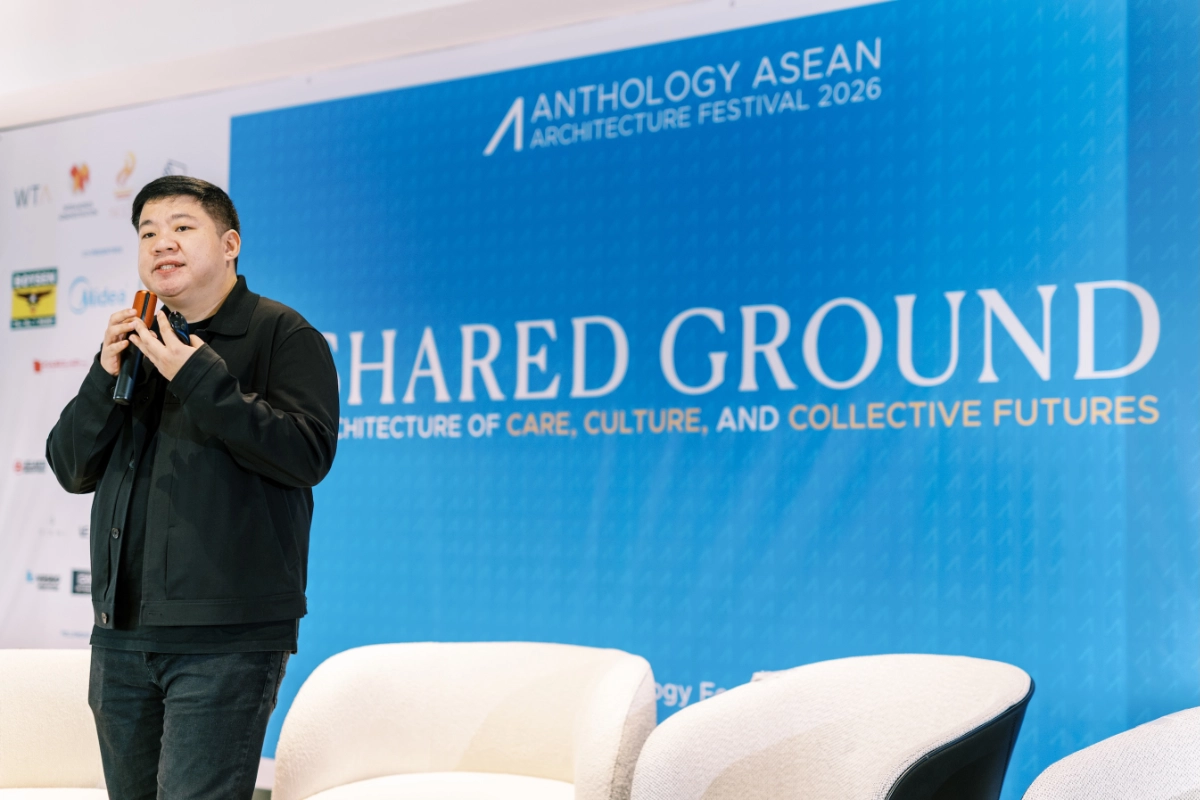
“Buildings only become architectureArchitectureThe art and science of designing and constructing buildings, structures, and spaces that are functional, safe, and aesthetically pleasing. It encompasses the planning, design, materials, and techniques used to createGo to Architecture Glossary when they are shared,” said William Ti Jr., founder of the Anthology Festival and WTA Architecture and Design Studio, […]
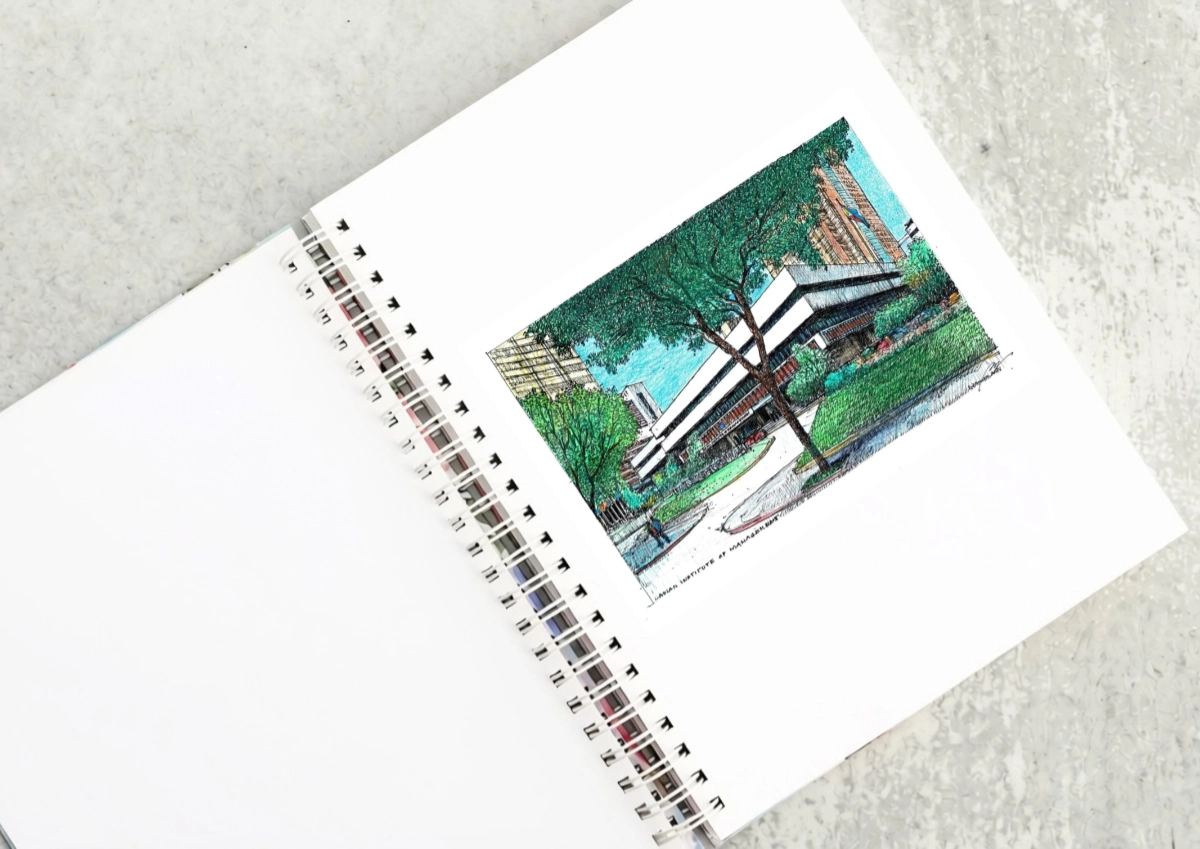
A Filipino Interpretation of Modernist Architecture Unlike the rest of Makati today, the northern end of Paseo de Roxas in Makati is anchored by a low complex rather than a tall skyscraper. This is the elegant Asian Institute of Management, designed by architect Gabriel Formoso and completed in 1971. In my opinion, the building is […]
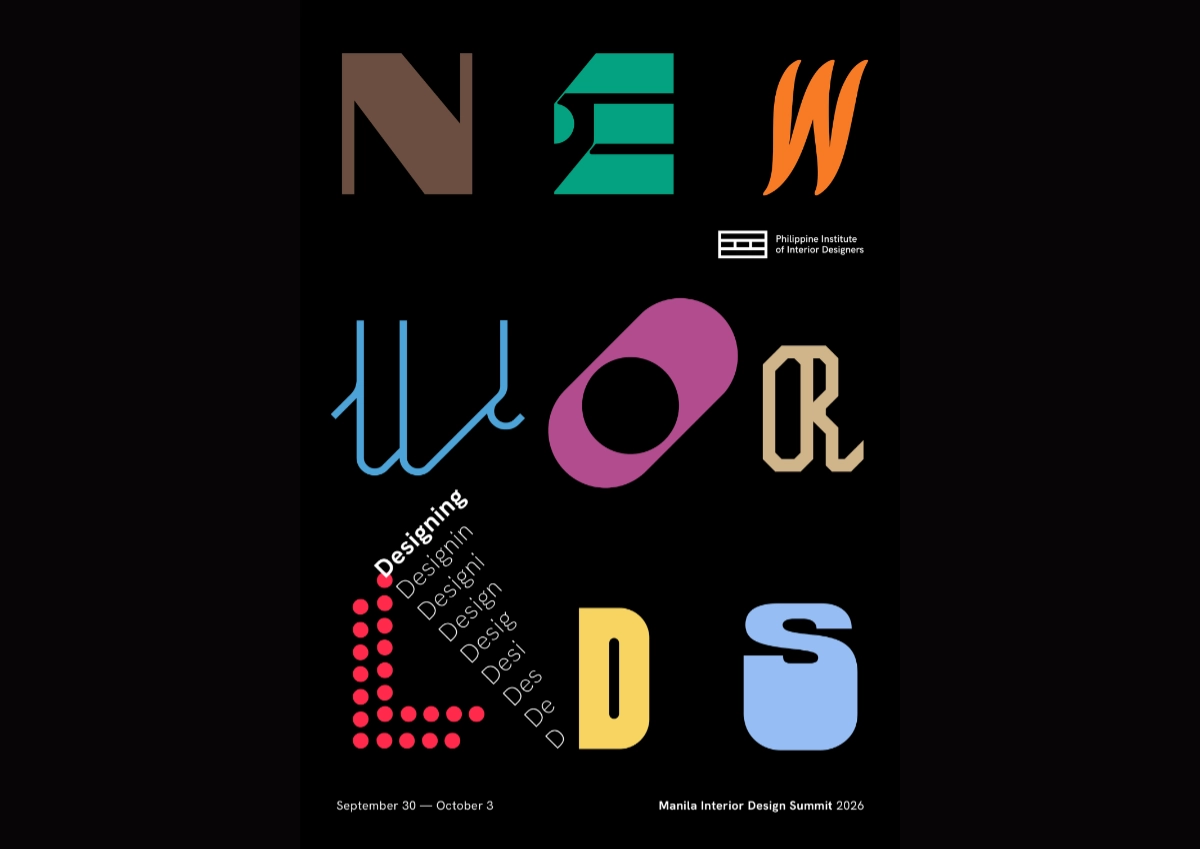
“Thailand has claimed urban creativity and livability. Singapore has institutional design leadership. Indonesia is emerging as a design hub. Vietnam is moving into design innovation. And the Philippines? Its position is not weak. It is simply unclaimed.” For IDr. Cecil Ravelas, National President of the Philippine Institute of Interior Designers (PIID), the challenge is not […]
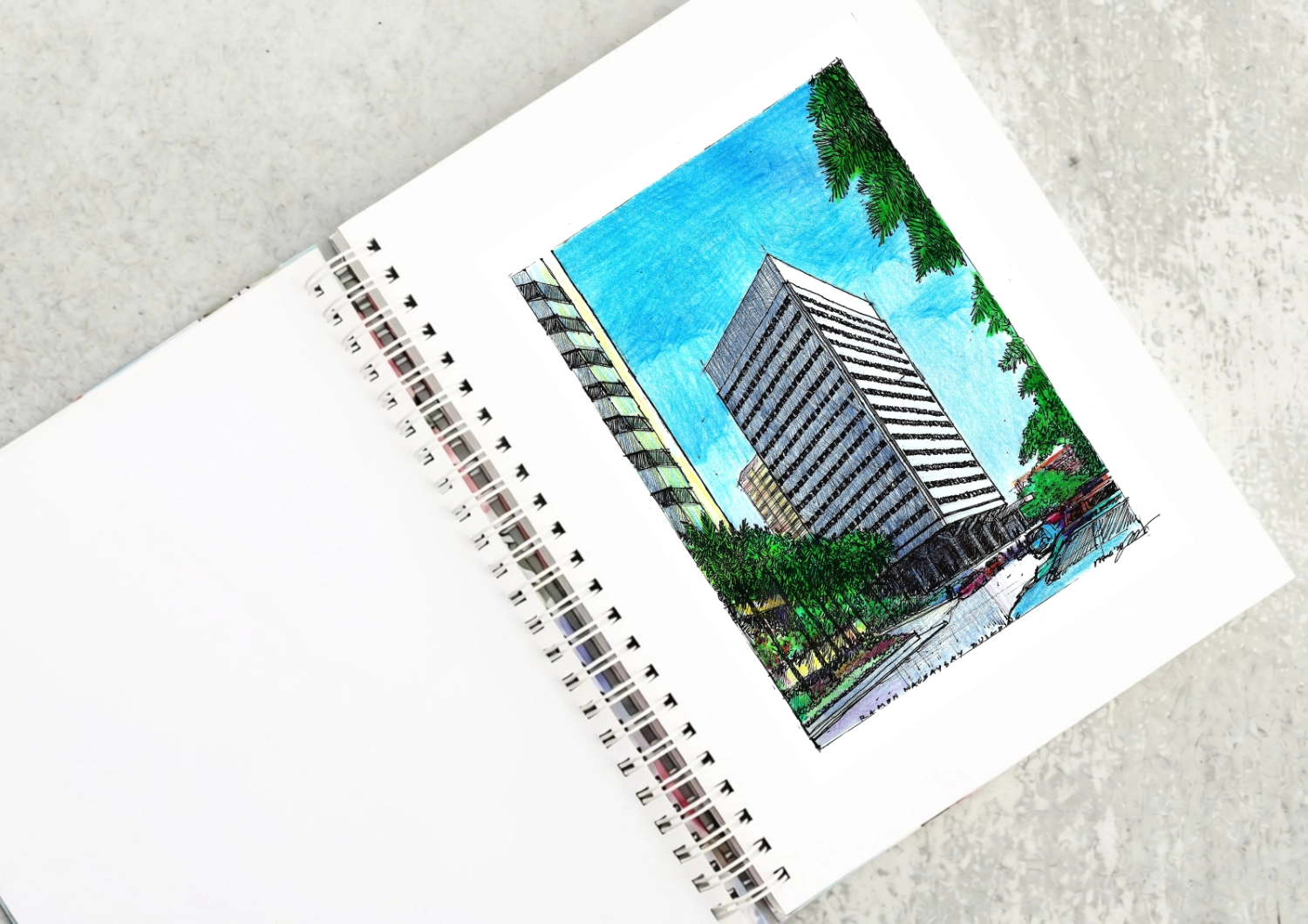
The Ramon Magsaysay Center as a Modernist Landmark Driving down Roxas boulevard from Rizal Park, what will catch your eye is the most elegant modernist structure in the country, the Ramon Magsaysay Center. Most established Filipino architects put it in their top ten lists of favorite buildings. It was designed by Alfredo J. Luz, who […]
Read the issues.

Collect the volumes.

Recommended Video
Tap to Unmute
Unmute
0:00
0:00