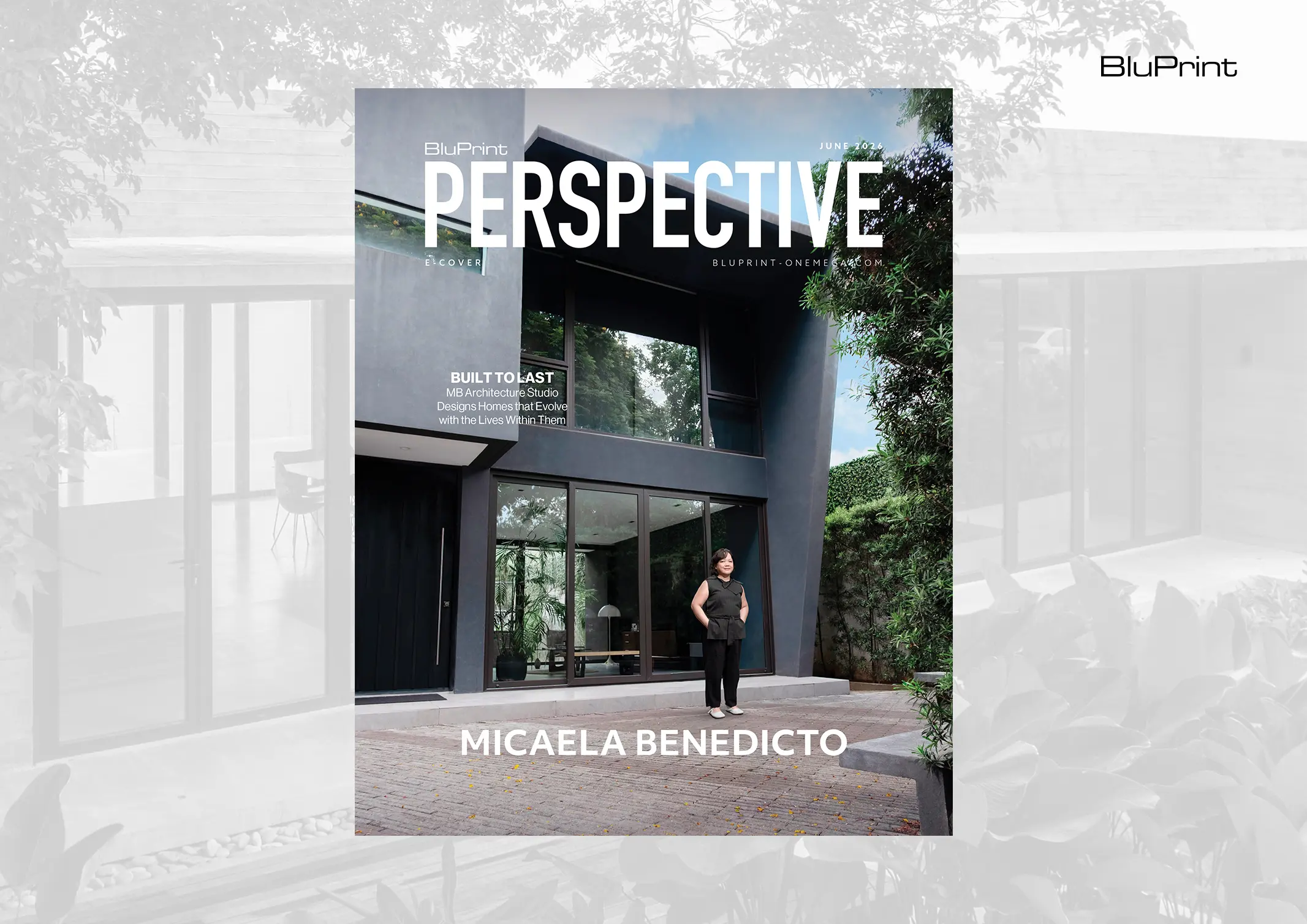
Since setting up her design firm, MB Architecture Studio, in 2007, Ar. Micaela Benedicto has built a diverse portfolio of architectural projects. Her works, whether residential or commercial, showcase a distinct spatial quality, “I like to create things that can go from something static to something that is alive and reactive,” Benedicto states. “In creating […]
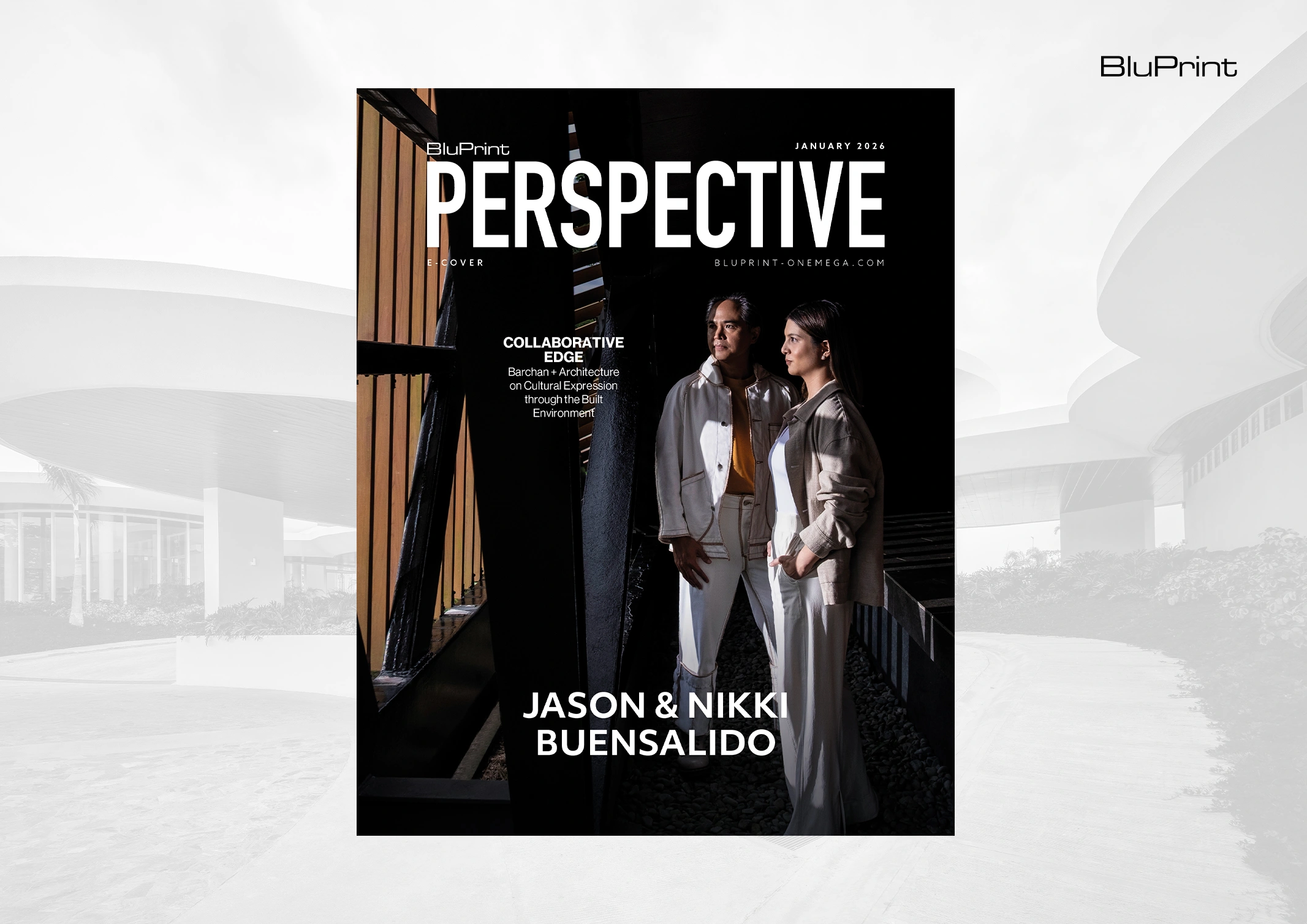
The Art of Collaboration: Barchan + Architecture on Decentralizing Design and Cultural Expression



ArchitectureArchitectureThe art and science of designing and constructing buildings, structures, and spaces that are functional, safe, and aesthetically pleasing. It encompasses the planning, design, materials, and techniques used to createGo to Architecture Glossary extends beyond mere structures. It has the power to hold stories that reflect our current social milieu, while also presenting itself as a solution to societal challenges. As time progresses, Barchan + Architecture continues to evolve along with the changing landscape. Standing at the forefront of progressive architecture are the firm’s Principal Architect, Jason Buensalido, and Vice President of Culture and Civic Affairs, Nikki Buensalido.
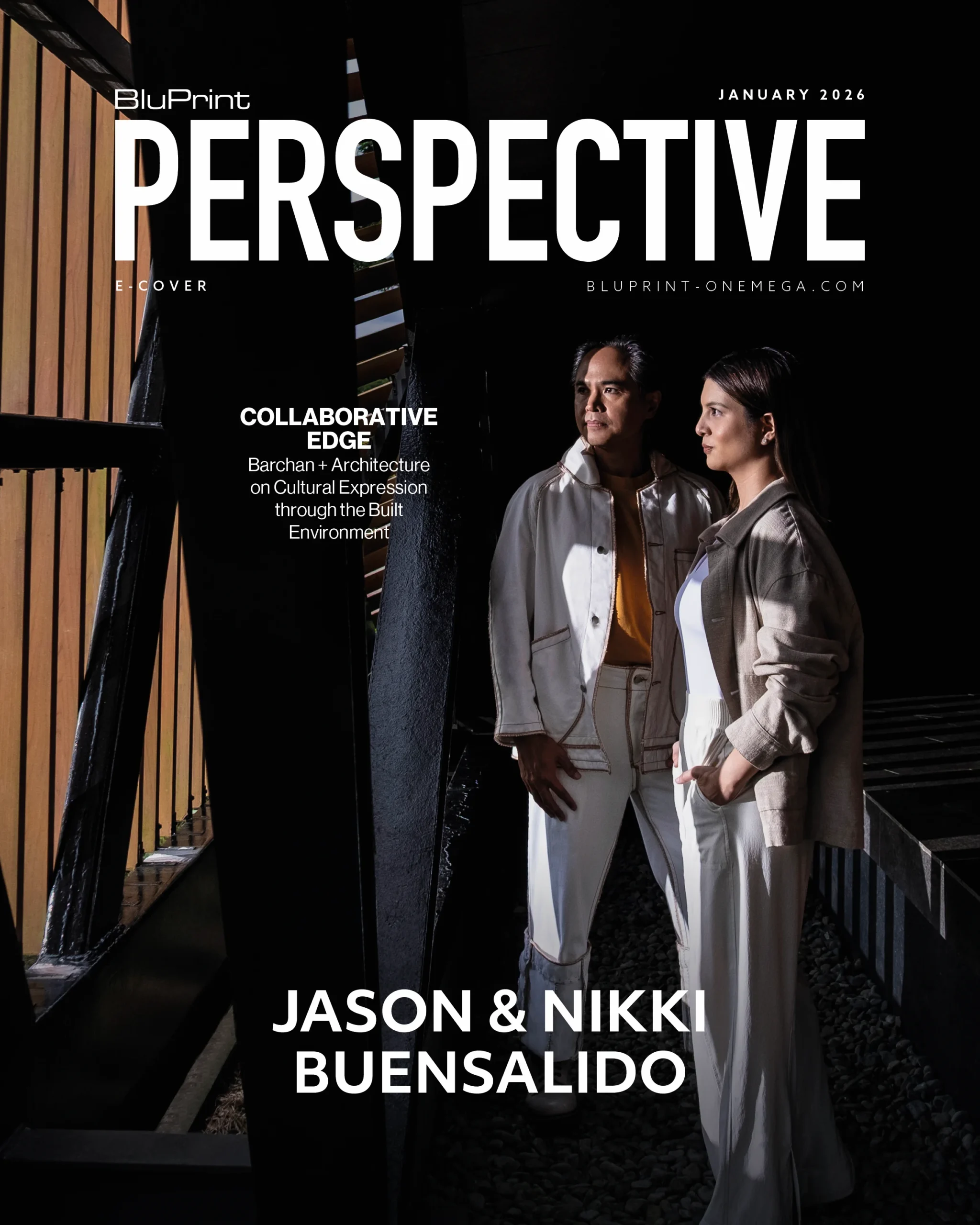
For this month’s BluPrint Perspective, we speak to the Buensalidos, along with the Barchan firm, to amplify cultural expression through the built environment. “We know that the built environment shapes us. If we don’t do our part in shaping it, especially with who we are, our identity as Filipinos, in the built environment, then it’s just a matter of time [before] our identity will fade away,” expresses Jason. “We believe in the importance of reflection, expression, and even the amplification of culture in architectureArchitectureThe art and science of designing and constructing buildings, structures, and spaces that are functional, safe, and aesthetically pleasing. It encompasses the planning, design, materials, and techniques used to createGo to Architecture Glossary.”
Beyond the Solitary
Throughout the history of architectureArchitectureThe art and science of designing and constructing buildings, structures, and spaces that are functional, safe, and aesthetically pleasing. It encompasses the planning, design, materials, and techniques used to createGo to Architecture Glossary, there has been a primary focus on the architect as a singular figure, with an emphasis on the legacy they have left behind. In Jason’s case, he believes in the deviation from this narrative, expressing that architecture firms are not operated by a single person. Rather, it is the work of a collective group that allows it to exist.
“One of the reasons why we changed our identity is because we wanted to communicate the fact that no architectural project or firm is run by a solitary person. By taking out any name from the practice, it’s really to communicate this idea: the decentralization of design in architectureArchitectureThe art and science of designing and constructing buildings, structures, and spaces that are functional, safe, and aesthetically pleasing. It encompasses the planning, design, materials, and techniques used to createGo to Architecture Glossary and ideation from a single person,” shares Jason.
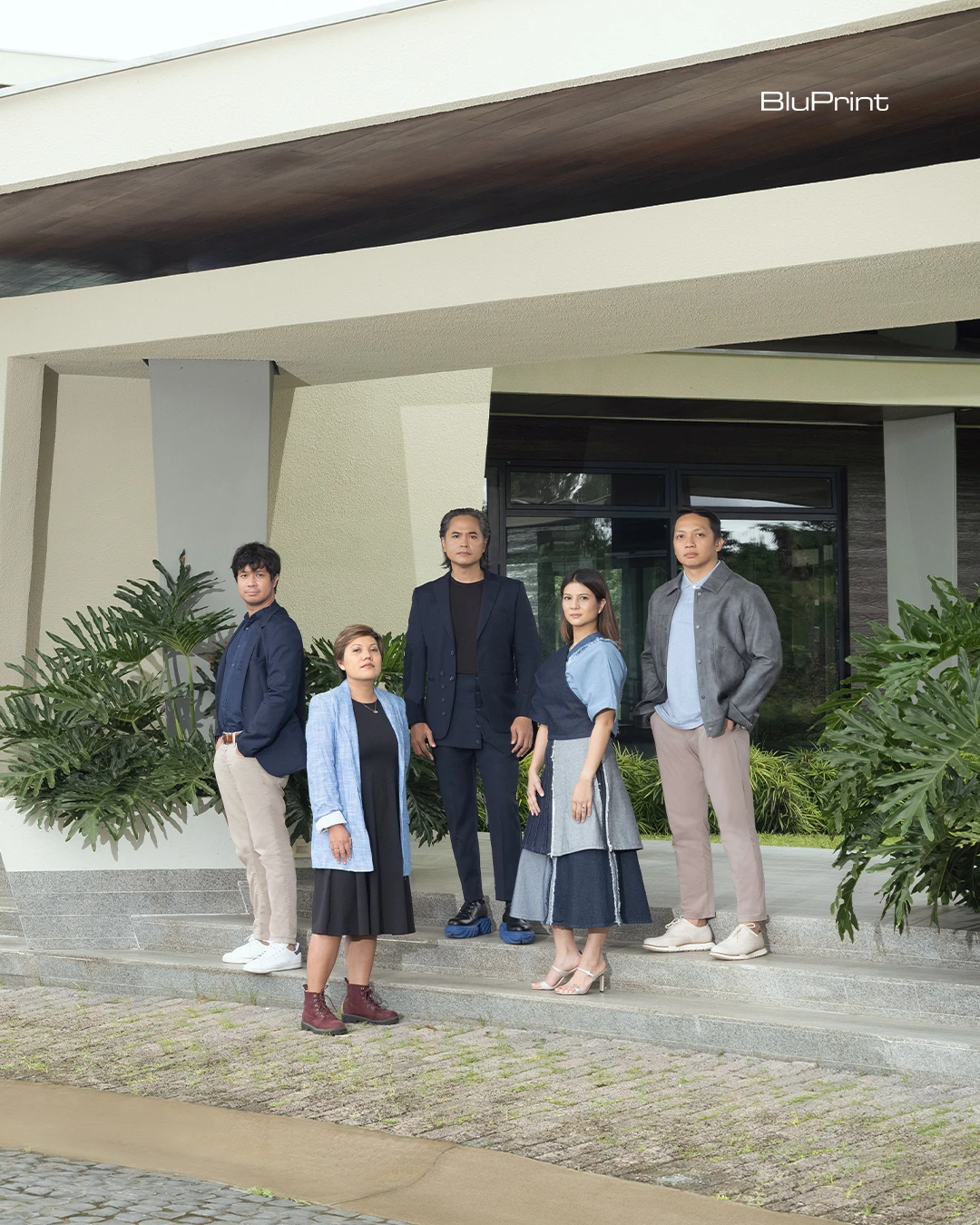
Barchan operates on the principle that a collective can champion and achieve a shared vision. For the firm, that vision is utilizing architectureArchitectureThe art and science of designing and constructing buildings, structures, and spaces that are functional, safe, and aesthetically pleasing. It encompasses the planning, design, materials, and techniques used to createGo to Architecture Glossary as a powerful instrument for positive transformation. The unified purpose of the team is to establish architectural solutions to address and overcome societal ills and challenges. The firm’s strength lies in the diverse mix of backgrounds, education, and experiences of its members, which, when directed toward a common objective, enables them to provide clients with a wide array of creative solutions.
Nikki expresses, “It’s not just a building. It has to be an experience that we create as architects, so that we can also be a sparkplug of optimism and change in the community and the stakeholders we cater to.”
Design Democracy
Working in a field like architecture presents teams with various challenges, including creative conflicts, strict deadlines, and managing different client relationships. The firm maintains a harmonious work environment that hinges on values alignment and internal office processes. Both elements rely on open communication.
“When it comes to values alignment, it’s no different from communicating our values externally. We also do that internally. We discuss it. We debate about it. We align and realign, then we tweak and adapt our values according to the changing times. These are the things that really glue and hold us together. So much so, when it comes to the actual act of designing and solving problems, that becomes an automatic filter for us to suggest solutions and ideas,” shares Jason.
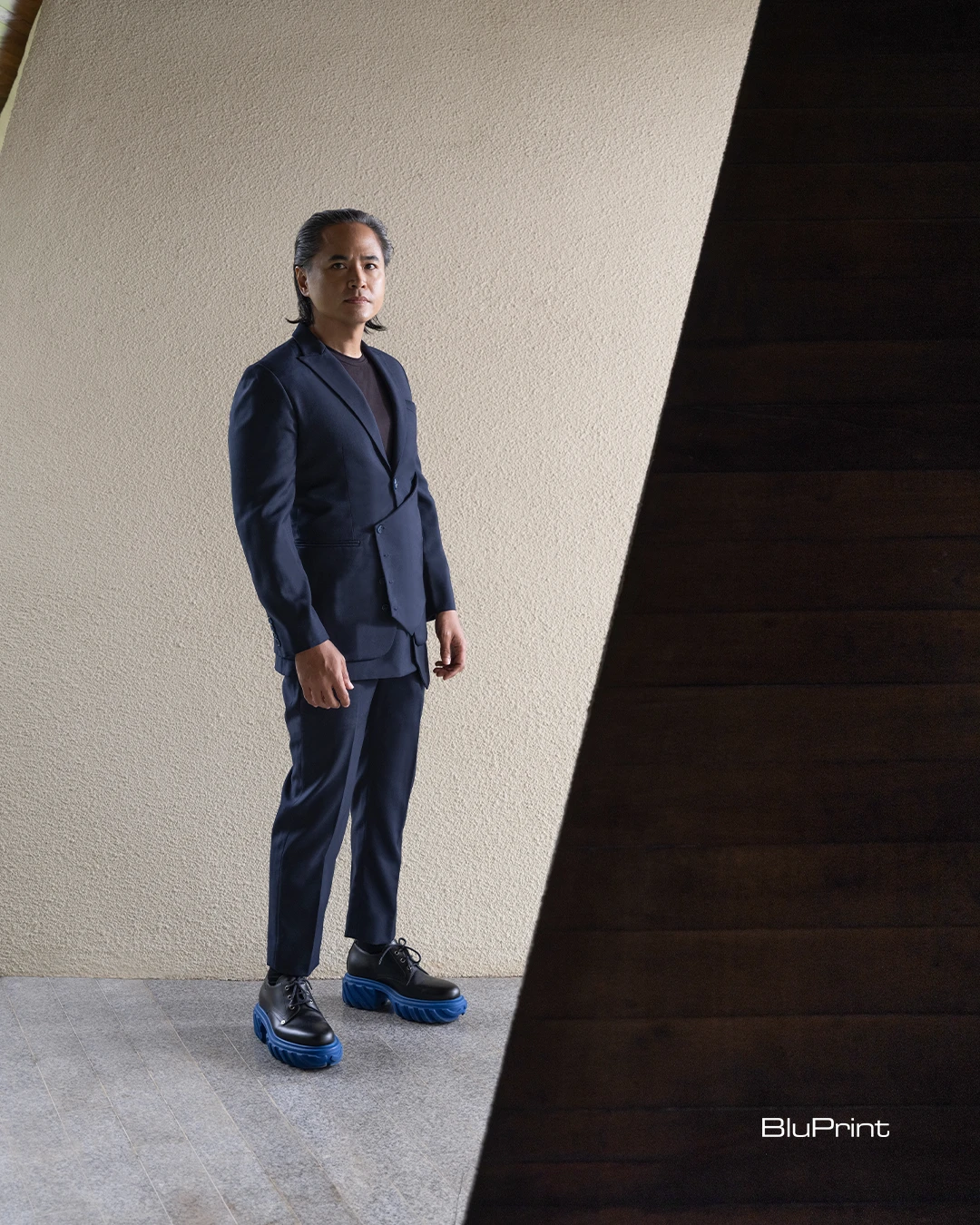
The firm places a high value on diversity, leveraging it as a unique strength rather than a challenge. This value is cultivated through frequent design discussions—both project-specific and firm-wide—where team members from varied backgrounds meet to exchange and converge ideas. These constant dialogues are crucial for addressing and resolving problems, starting from comprehension and question formulation. By drawing on a wide array of backgrounds and experiences, the firm ensures a wide variety of potential solutions, preventing homogeneous thinking and making it easier to select the most effective resolution.
A point that resonated with Nikki is the singular opportunity architects have in designing a building or structure. Therefore, they must maximize every available resource, including maintaining effective communication with the client and the team.
For the rest of the architects who belong to Barchan, a similar notion is expressed. Jerome Bautista, Associate Architect, adds, “As a firm, we believe in co-creating. It doesn’t really matter if you’re a junior architect who’s been with us for a year or a partner who’s been with us for 20 years. Every voice matters. It’s all about putting all of those abstract ideas on the table, and having the courage to put those ideas in.”
In this regard, they built an environment where all ideas come together. This offers the architects a place for constructive criticism. Simultaneously, it allows them to craft the best solutions together, valuing everybody’s point of view.
On Filipino Culture and Architecture
Barchan follows the standard design thinking process—empathizing, asking, ideating, prototyping, and repeating—but distinguishes itself through its approach to ideation. This stage goes beyond the immediate problem to incorporate deep insights derived from Filipino culture, including social behaviors and the plurality of the Filipino identity.
Nikki believes in drawing inspiration from one’s roots, both in the physical and emotional sense. “I think you should never forget your roots,” she shares, “A lot of emotions come into play, to take that all in as a start-up professional in the profession. It’s also nice to get experiences from mentors, from the people you look up to.”
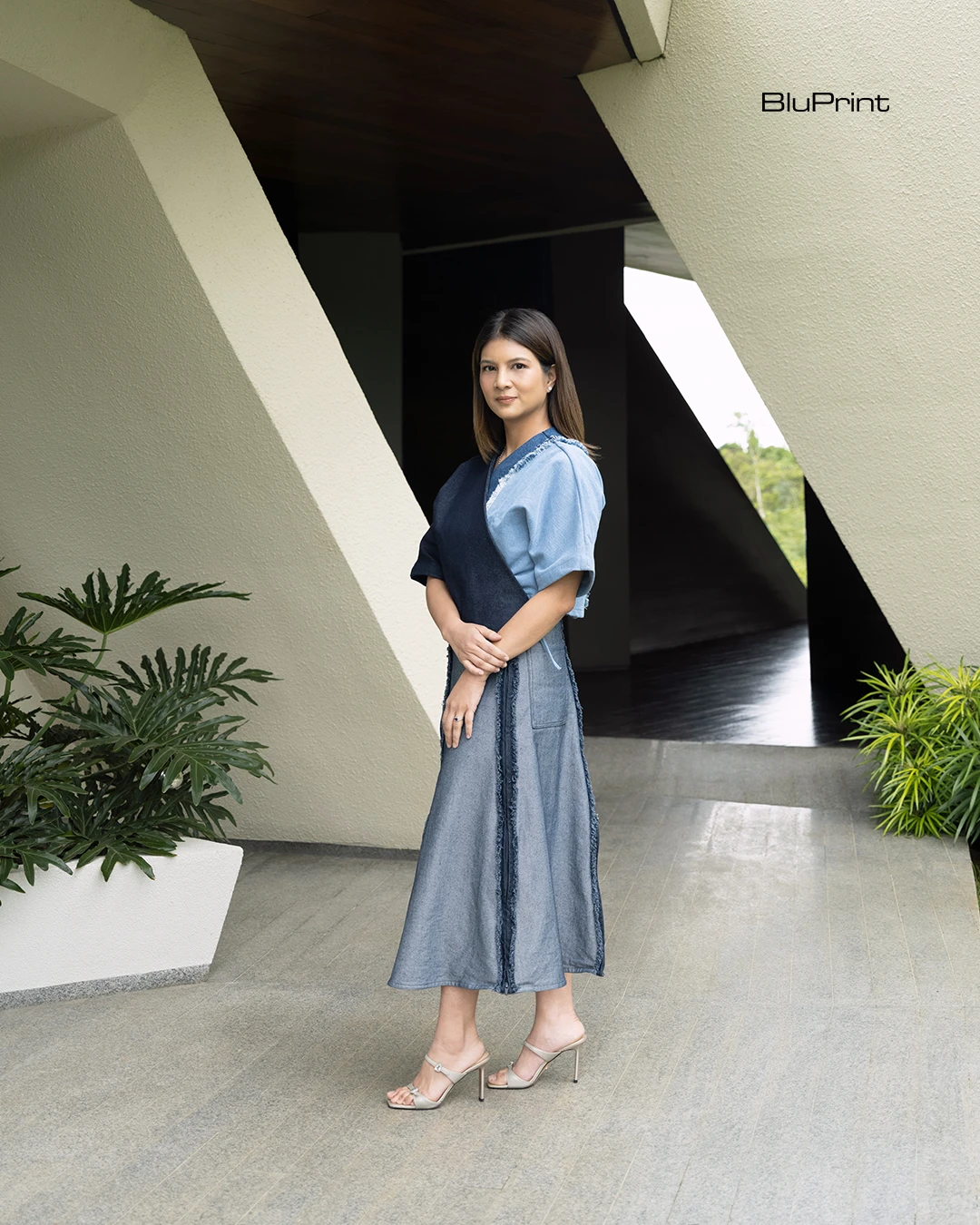
This understanding of the intangible aspects of Filipino life, where seemingly incompatible ideas are stitched together, guides the firms towards tangible architectural solutions. “We believe that culture is one of the most important aspects of architecture, because it provides richness and meaning to societies and civilizations. It gives the world a certain level of variety, where we are given a specific sense of place,” states Jason.
Both Jason and Nikki believe in taking pride in one’s own culture. It is important to shift away from the long-standing “multigenerational challenge” of colonial mentality. In architectureArchitectureThe art and science of designing and constructing buildings, structures, and spaces that are functional, safe, and aesthetically pleasing. It encompasses the planning, design, materials, and techniques used to createGo to Architecture Glossary, this is seen in developments from the past where themed villages featuring styles, like Mediterranean, Swiss, and American colonial, dominated. This transition from foreign emulation to genuine cultural expression in design is what signifies a form of breaking ground, or moving toward an innovative direction in architecture.
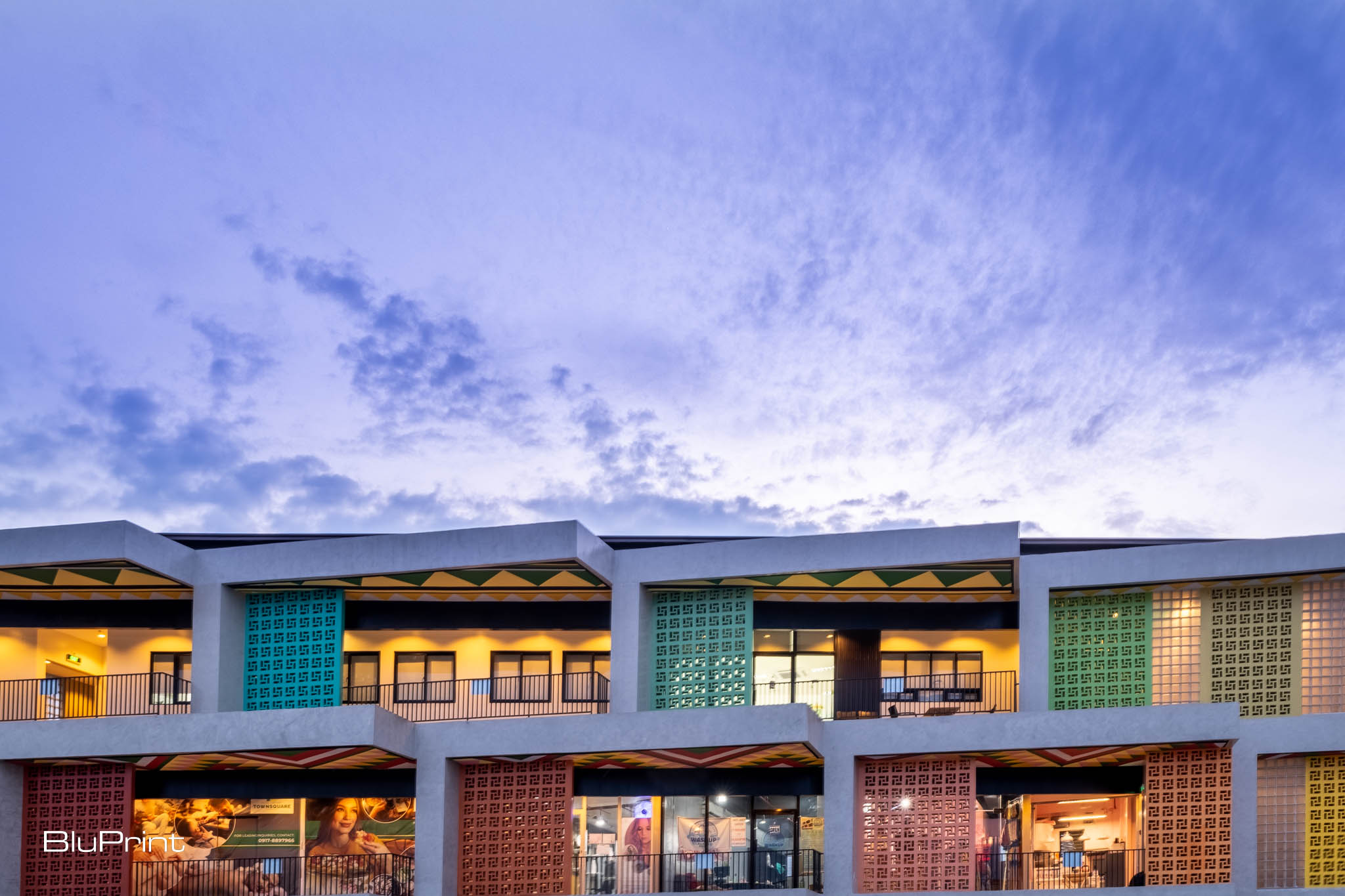
“We need to reflect our culture, our sociocultural behaviors, in architectureArchitectureThe art and science of designing and constructing buildings, structures, and spaces that are functional, safe, and aesthetically pleasing. It encompasses the planning, design, materials, and techniques used to createGo to Architecture Glossary, and celebrate and amplify it. So, a [millennium] from now, the people who’ll be studying who we were will start to have an understanding of what was important to us, what was meaningful to us, how we dealt with each other,” asserts Jason.
Clients, Nature, and Creativity
One of the aspects of architectureArchitectureThe art and science of designing and constructing buildings, structures, and spaces that are functional, safe, and aesthetically pleasing. It encompasses the planning, design, materials, and techniques used to createGo to Architecture Glossary is interpreting and responding to client needs. As such, architects must find the balance between client expectations and their ideas and beliefs. Barchan + Architecture’s internal processes and communication with clients are characterized by a consistent, similar approach. In this relationship, two elements are vital: values alignment and objectives alignment.
Nikki explains, “First and foremost, it is to try and understand where they’re coming from, what the project brief is about, what they want to happen, and try to bring that sensibility into what we do. But, also trying to make sure that we do it responsibly. In the Philippines, with the land that we have to build structures, we only have one shot at preserving whatever natural resources we have. We also try to put that in mind.”
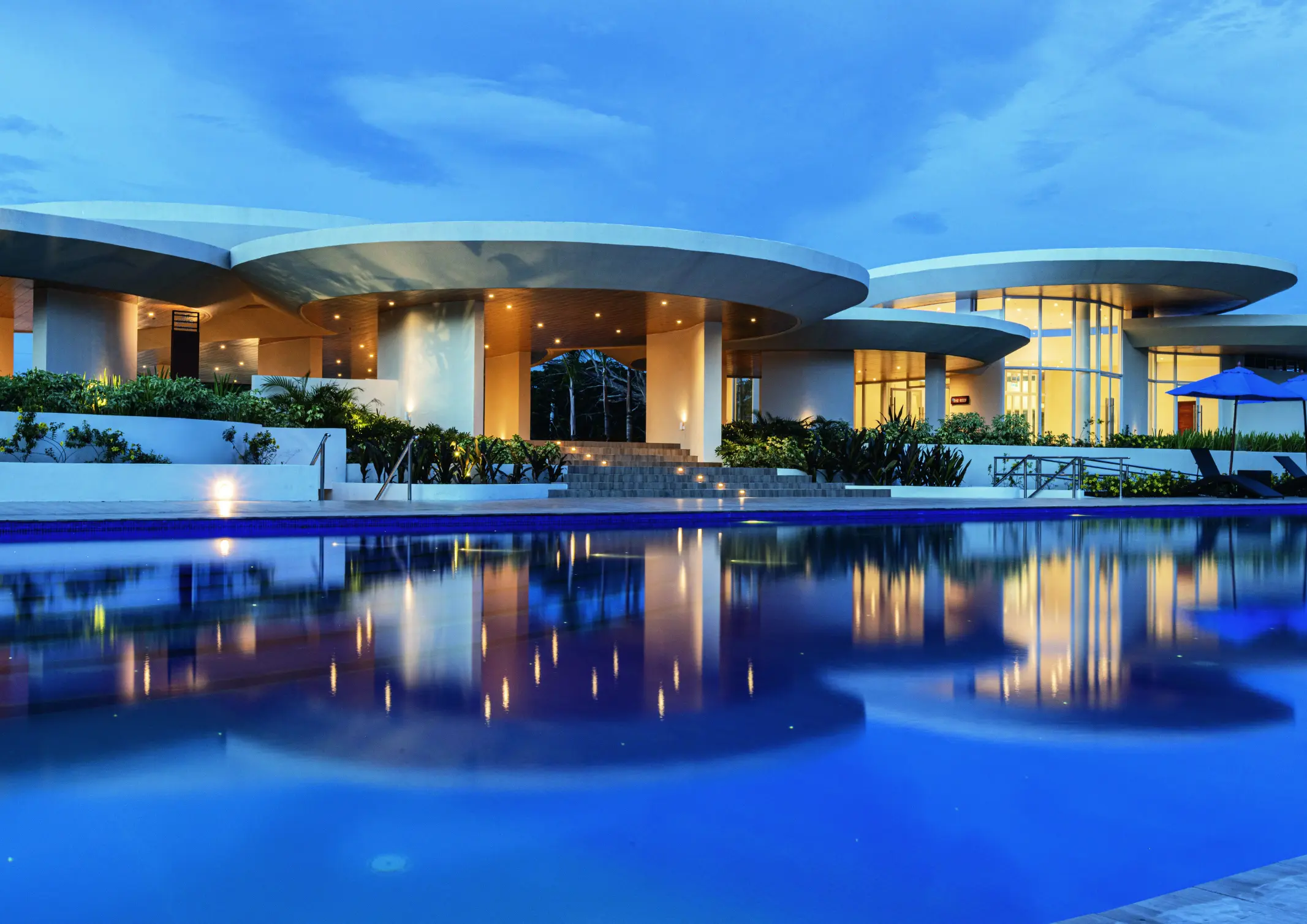
In their preservation efforts, the firm chooses to work around the existing natural resources. This includes encircling a tree to create a roundabout driveway rather than cutting the existing trees on the lot. “We frown on just talking about sustainability because we believe that it is a standard across all projects. Sustainability is in every project and challenge,” Jason adds.
“So, what we are doing: we try, as much as possible, to not touch a lot of natural resources. We try to work with that, or we recycle natural resources. If there’s a building that we can reuse again, give it a second life, why not?” states Nikki.
The firm balances client needs with its own core belief system by requiring clients to clearly communicate their values via Barchan’s platform, ranging from social media to publications. This approach ensures a fundamental understanding and alignment of vision before formal engagement. While architectural design is influenced by goals such as legacy, financial considerations, marketing, and sellability, the firm’s values are equally critical in shaping the final architectural outcome.
Emotional Narratives
Nikki employs a deeply collaborative design process that begins with extensive ideation and client conversations to fully grasp the client’s unique vision, spirit, and needs. This understanding is then merged with the firm’s own architectural sensibilities and translated into the practical context of building and design, prioritizing the client’s requirements throughout.
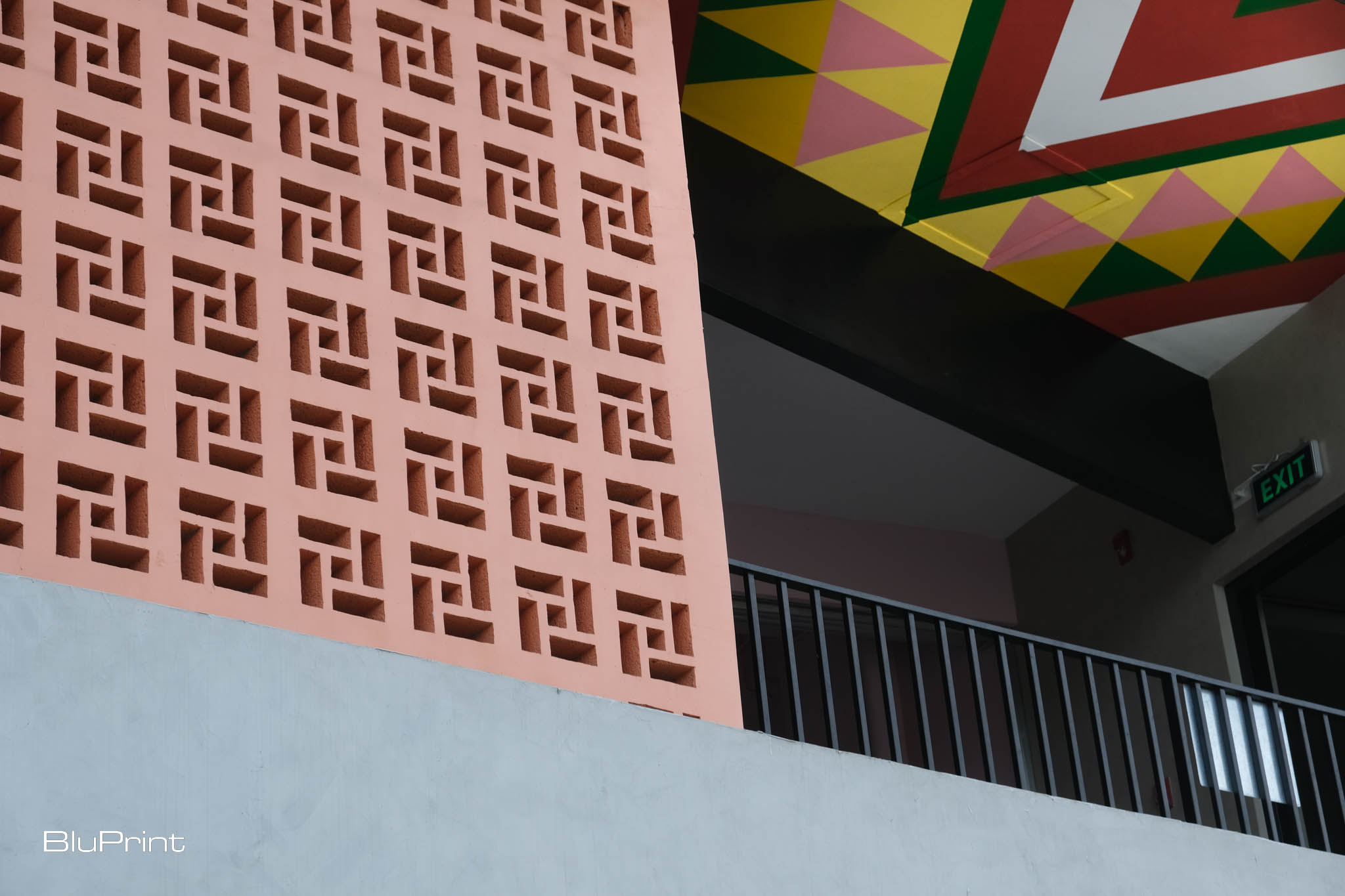
The ultimate aim is to create experiential architecture that resonates emotionally with clients and users, drawing inspiration from the optimistic spirit of Filipino culture to make the buildings catalysts for positive change. Furthermore, the process emphasizes innovation and experimentation to bridge standard expectations and deliver precisely what the client truly needs, resulting in architecture that is both functional and emotionally resonant.
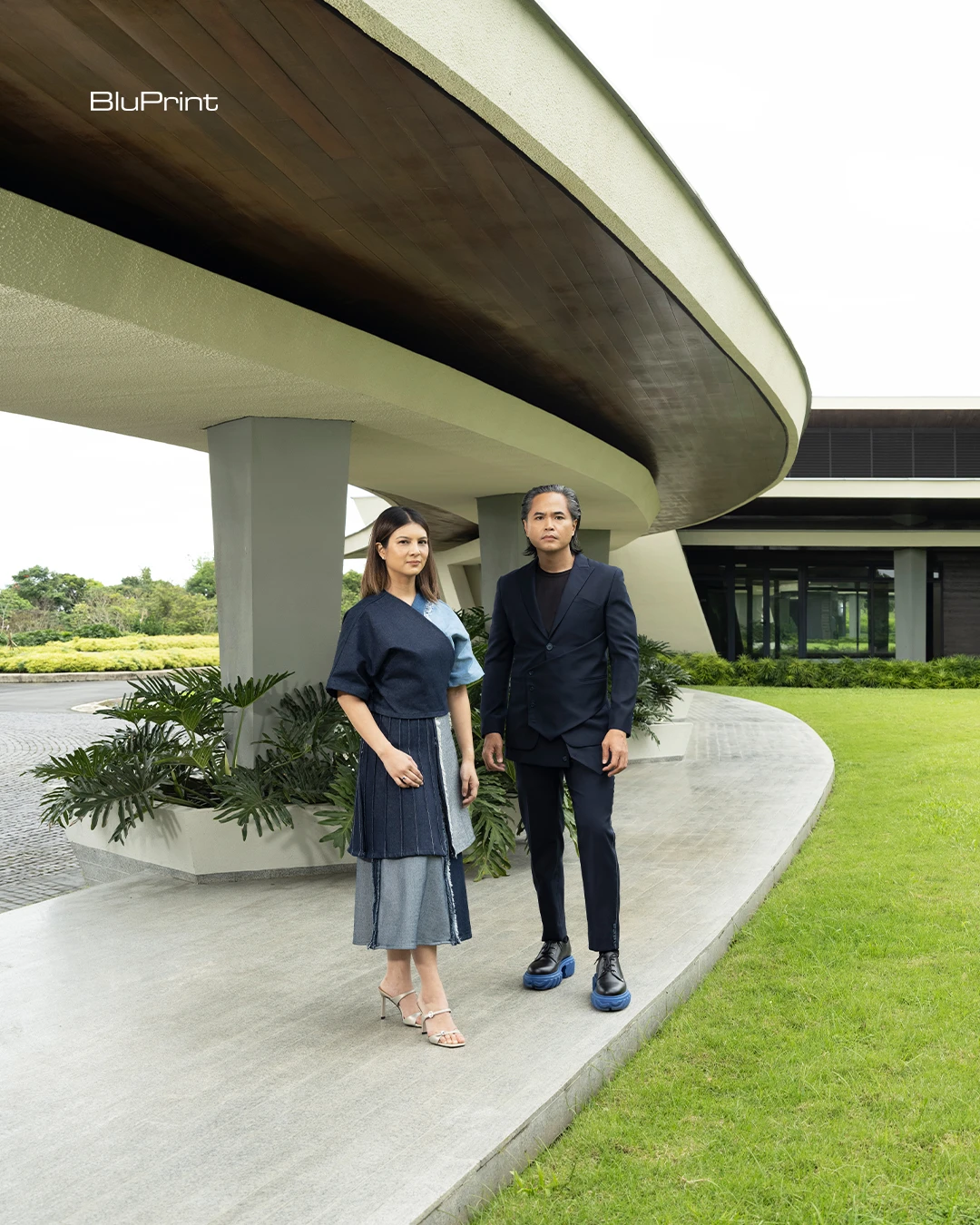
“I think there’s also soul in architecture,” Nikki explains, “We don’t produce cookie-cutter designs because we try to understand what the clients want. For the people to experience that, we want the architecture to speak for itself. But also, bringing in that soul, that heartfelt hard work. We put a lot of ourselves into projects. Hopefully, the goal is for the clients and the users of the space to feel that also.”
In this philosophy, architecture is responsible for more than just the creation of physical structures. The firm holds itself to a certain standard in the outputs it produces. Within this framework, the emotional narrative counters sociocultural issues, aligning with the firm’s beliefs.
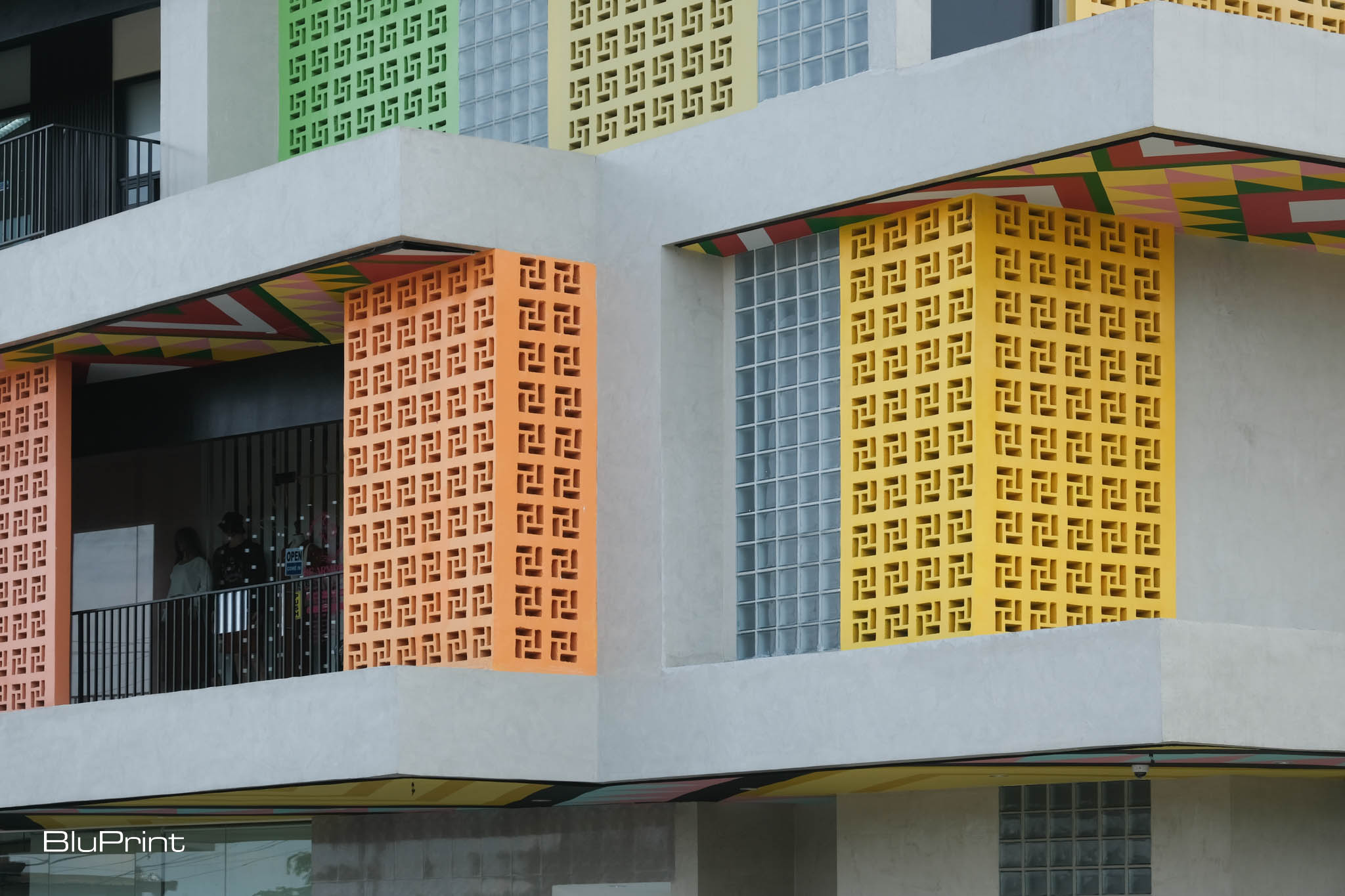
Jason believes that this includes responding to the Filipino “mentality of the small”, as well as the “pwede na ‘yan” mentality. “Our acceptance and resignation of our faith to corruption, to traffic, [and] to flooding. How do we counter that?” he laments.
For Jason and Nikki, the answer to these questions is architecture. “There are now bigger goals that we’ve set for ourselves because we believe in architecture’s capacity for positive change,” asserts Jason.
Their architectural projects are a reflection of their commitment to positive change. Driven by this mindset, Jason and Nikki integrate Filipino culture, sustainability, and progressive solutions into structures that strive towards being a beacon of hope for their local communities.
The Future Voices
The firm emphasizes the importance of architects to understand the influence they have in creating an impact on society, with Jason extending the act of continuity. Here, future generations are invited to build upon the efforts and breakthroughs of the previous generations. He suggests that recognizing this hard work serves as a platform to effect even greater positive change for the future.
“For my generation, we’ve taken that. We didn’t set it aside. We’ve taken that and improved on it, hopefully. For the next generation, I hope they can do the same. A certain level of continuity, if you may, that they recognize the efforts, hard work, and breakthroughs. You use that as a platform to now affect even better change for the next generation,” states Jason.
Jason and Nikki Buensalido, as well as the firm, are steadfast in their journey towards forward-thinking architectural solutions that merge cultural storytelling, sustainability, and collaboration. Through their architectural works, ranging from residential to civic, they are showcasing their commitment to their people, communities, culture, and environment.
Read More: Pueblo de Oro Townsquare Fuses Tradition and Modernity
Photographer: Ed Simon
Hair and Makeup: Cats del Rosario
Managing Editor: Maita de Jesus
Art Direction: Paula Sales
Associate Producer: Mae Talaid
Frequently Asked Questions
The firm moved away from a singular name to communicate that no project is the work of one person. Technically, this “decentralization” functions as a Design Democracy. By involving junior architects, associates, and partners in constant firm-wide dialogues, Barchan prevents “homogeneous thinking.” This diversity of experience acts as an automatic filter, allowing the team to generate a wider array of creative solutions for complex societal challenges.
While following the standard phases of Empathize, Ask, Ideate, Prototype, and Repeat, Barchan distinguishes itself during the Ideation stage. They incorporate deep insights into Filipino social behaviors—such as the “plurality of identity”—to guide tangible architectural solutions. This approach actively counters “colonial mentality” (the emulation of Mediterranean or Swiss styles) by prioritizing genuine cultural expression that reflects how Filipinos deal with one another in a physical space.
For Barchan, sustainability is not an optional add-on but a standard baseline for all projects. Technically, this involves working around natural resources rather than replacing them—such as encircling an existing tree to create a roundabout rather than cutting it down. They also prioritize Adaptive Reuse, giving second lives to existing structures. This is balanced with the client’s brief through a rigorous “values alignment” process before any formal engagement begins.
Principal Jason Buensalido identifies several sociocultural challenges, including the “pwede na ‘yan” (that’s good enough) mentality and the resignation toward issues like traffic and flooding. The firm uses Experiential Architecture to counter this. By creating structures that are “sparkplugs of optimism,” they aim to prove that architecture can be a beacon of hope and a catalyst for positive change in the community, rather than just a functional shell.
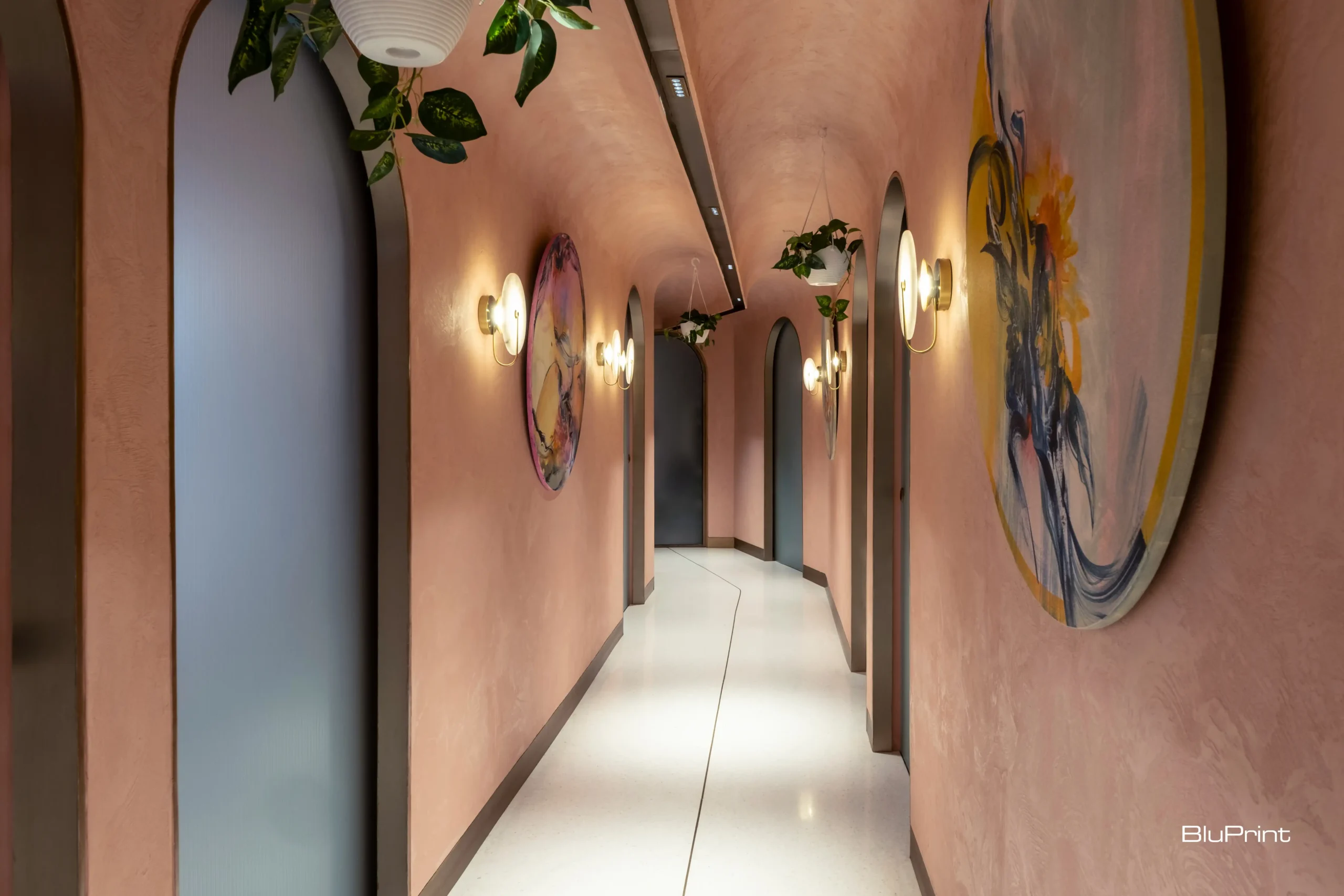
Nikki Buensalido emphasizes that there is “soul in architecture.” This is achieved by rejecting “cookie-cutter” designs in favor of bespoke systems that resonate emotionally with the user. In projects like CARA Laser Skin Care, the materiality, lighting, and softened volumes are choreographed to ensure the experience feels personal and transformative. The goal is for the architecture to speak for itself, creating a multi-sensory environment that reflects heartfelt hard work.
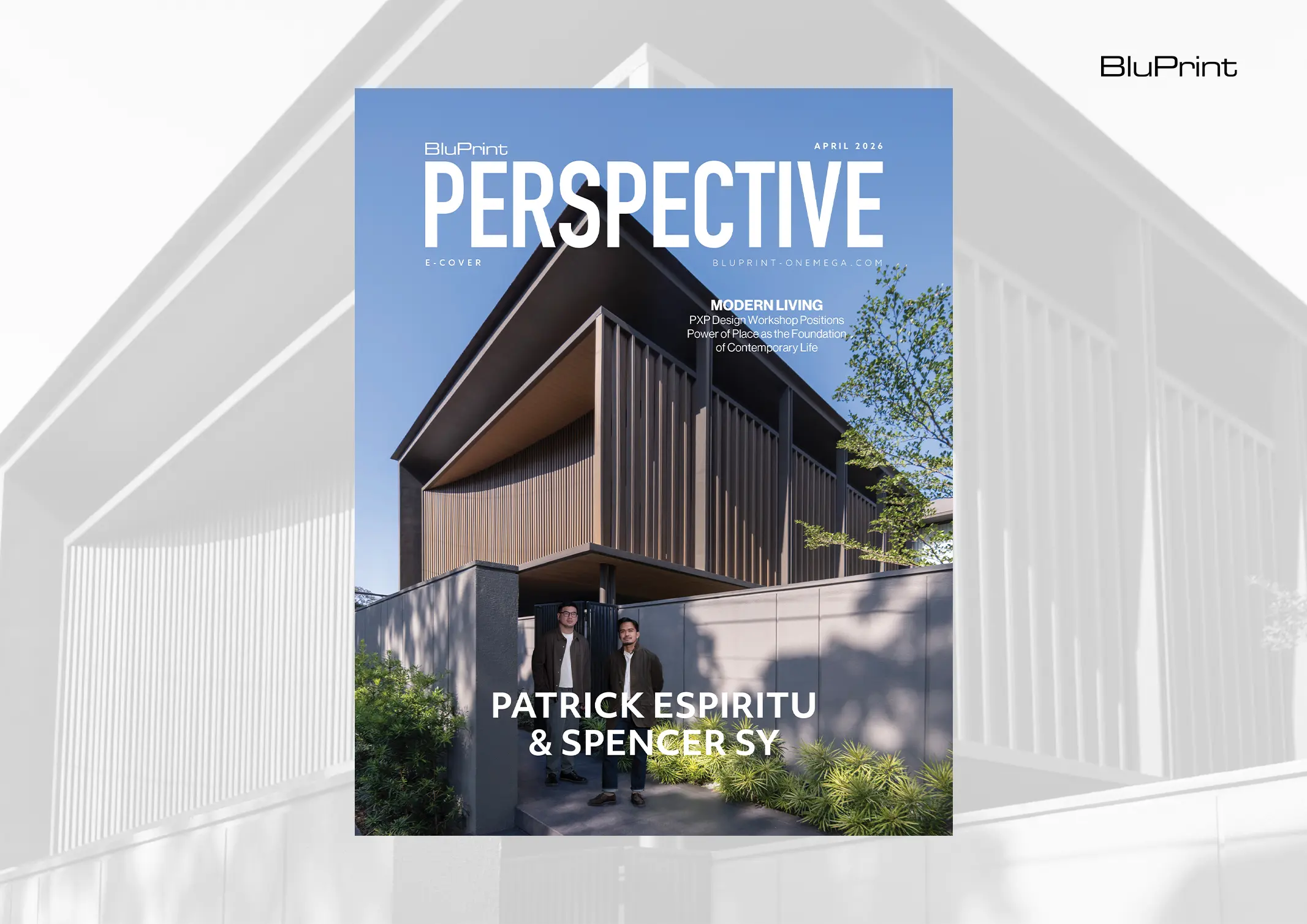
Architects Spencer Sy and Patrick Espiritu of PXP Design Workshop believe it is their responsibility to create spaces that improve how people live. The studio is known for modern residences and nature-integrated homes that show how the built environment can shape human interaction. Building a Practice in the Philippines As a child, Sy was drawn […]
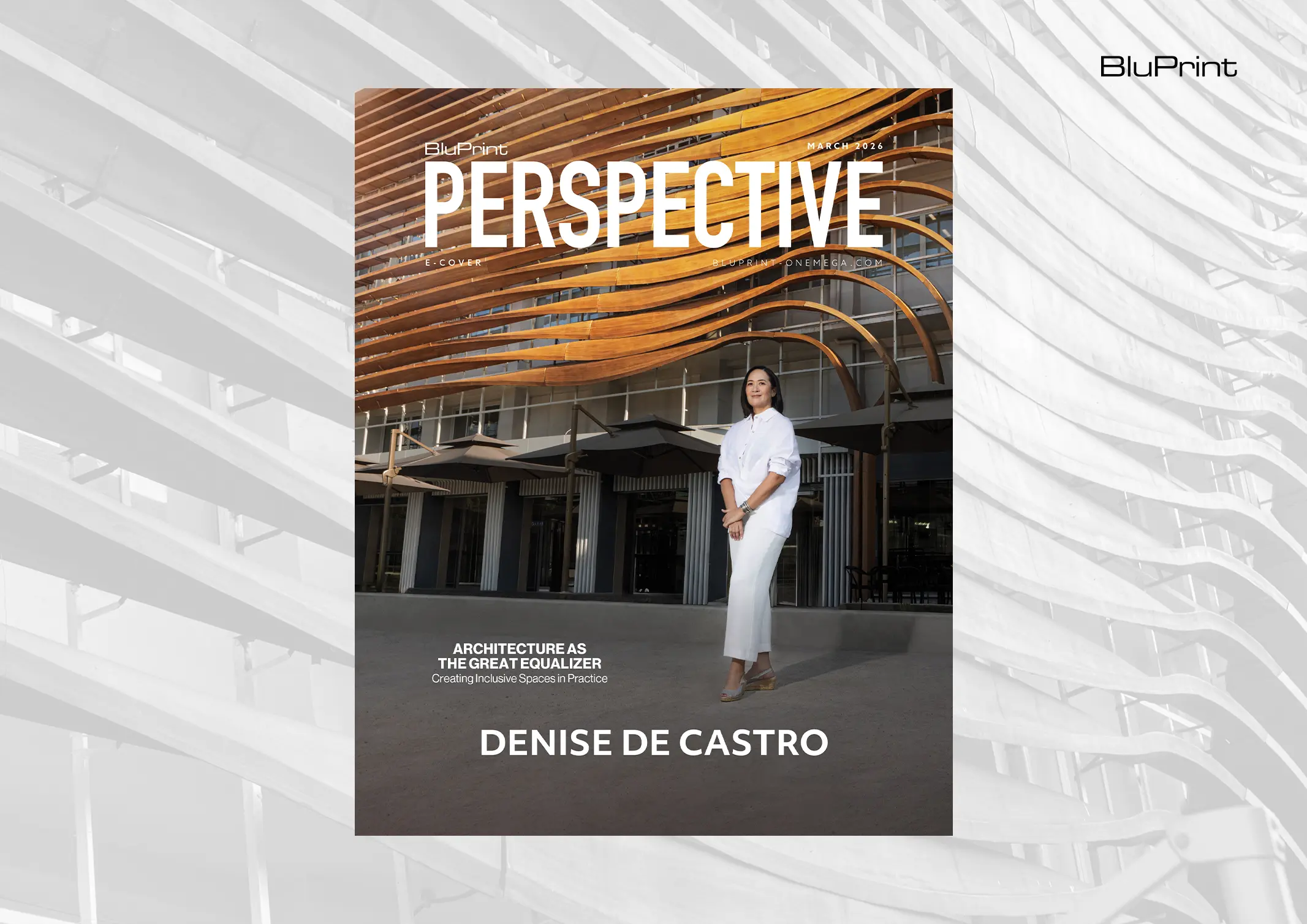
Denise de Castro, Principal Architect of DEQA Design Collaborative, believes that designing with equity in mind means starting at the workplace. Values and practices that your studio or office espouse inevitably filter down to the work that you do. Equitable design ensures that people with different needs and different backgrounds are supported through fair access, […]
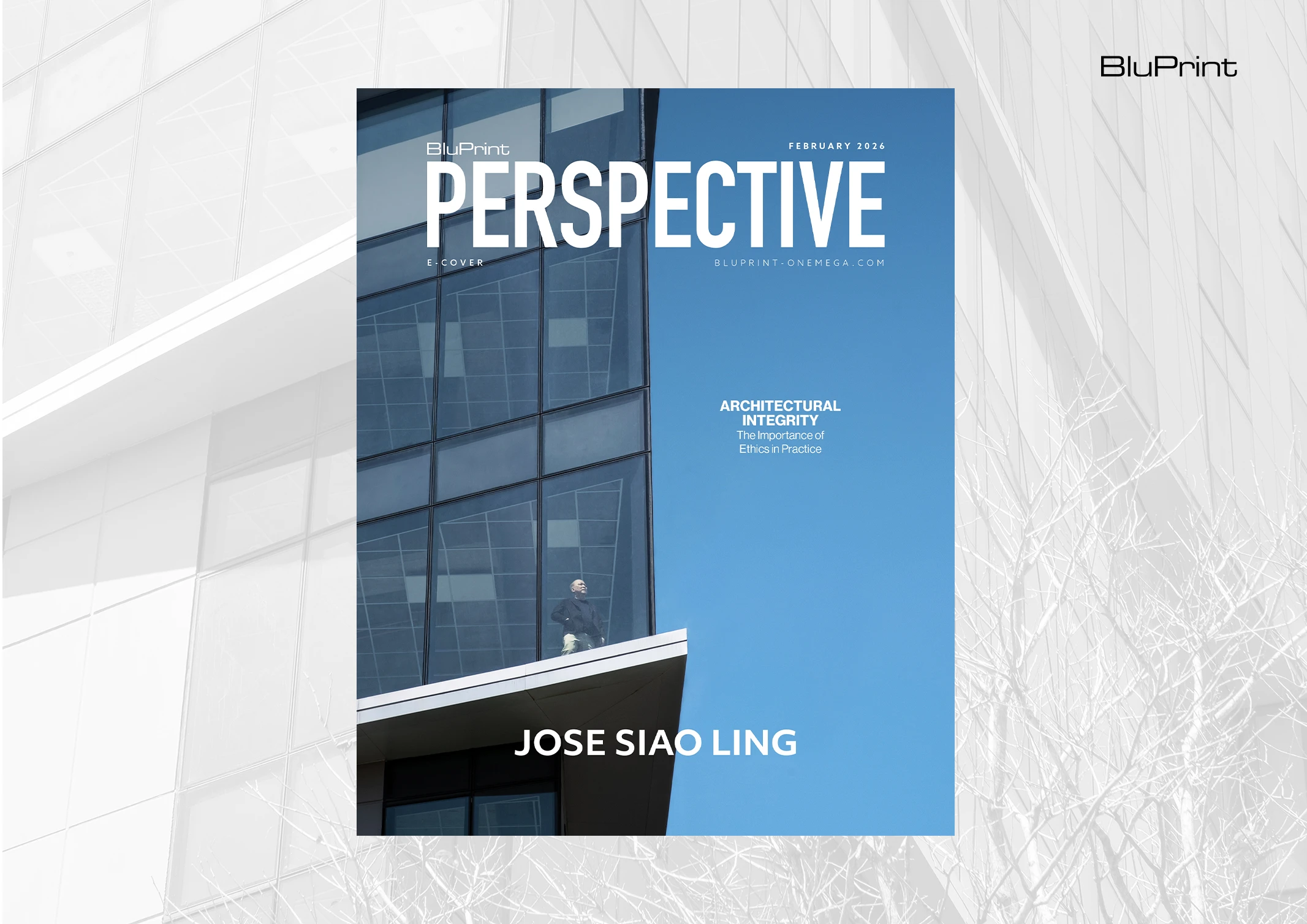
As the built environment evolves, the role of the architect demands reconsideration. For Jose Siao Ling, Co-Founder and Principal Architect of Jose Siao Ling & Associates (JSLA Architects), the role extends far beyond being a licensed professional who designs and oversees construction. By championing ethical practice, ISO-certified systems, and mentorship-driven leadership, he built a firm […]
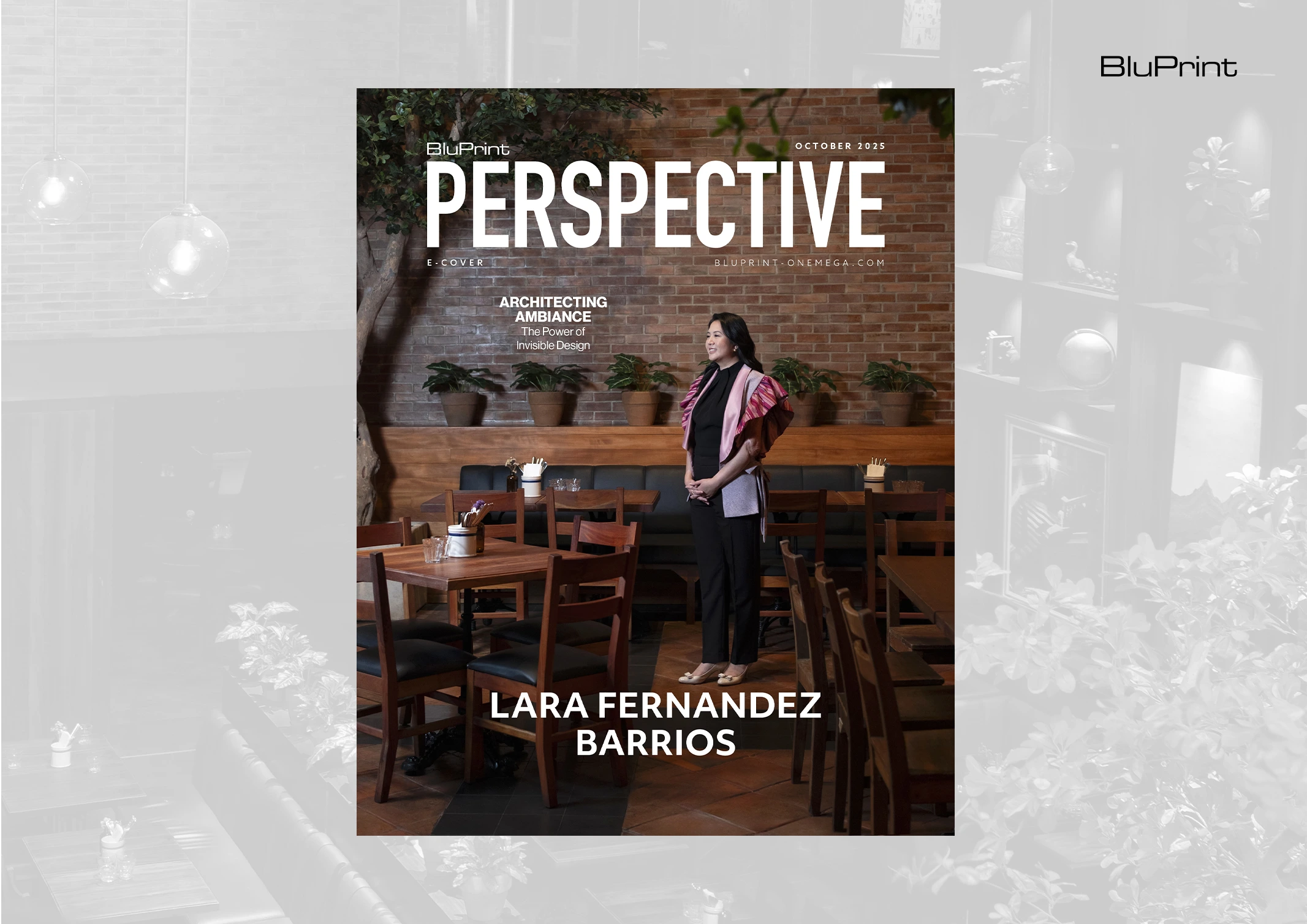
The genius of a well-designed space is often invisible, yet its presence is deeply felt. It’s there in the warmth of light that encourages you to linger, the balance of texture and materials, and in the intuitive layout that guides you effortlessly through the room. This translation of an idea into a tangible, atmospheric reality […]
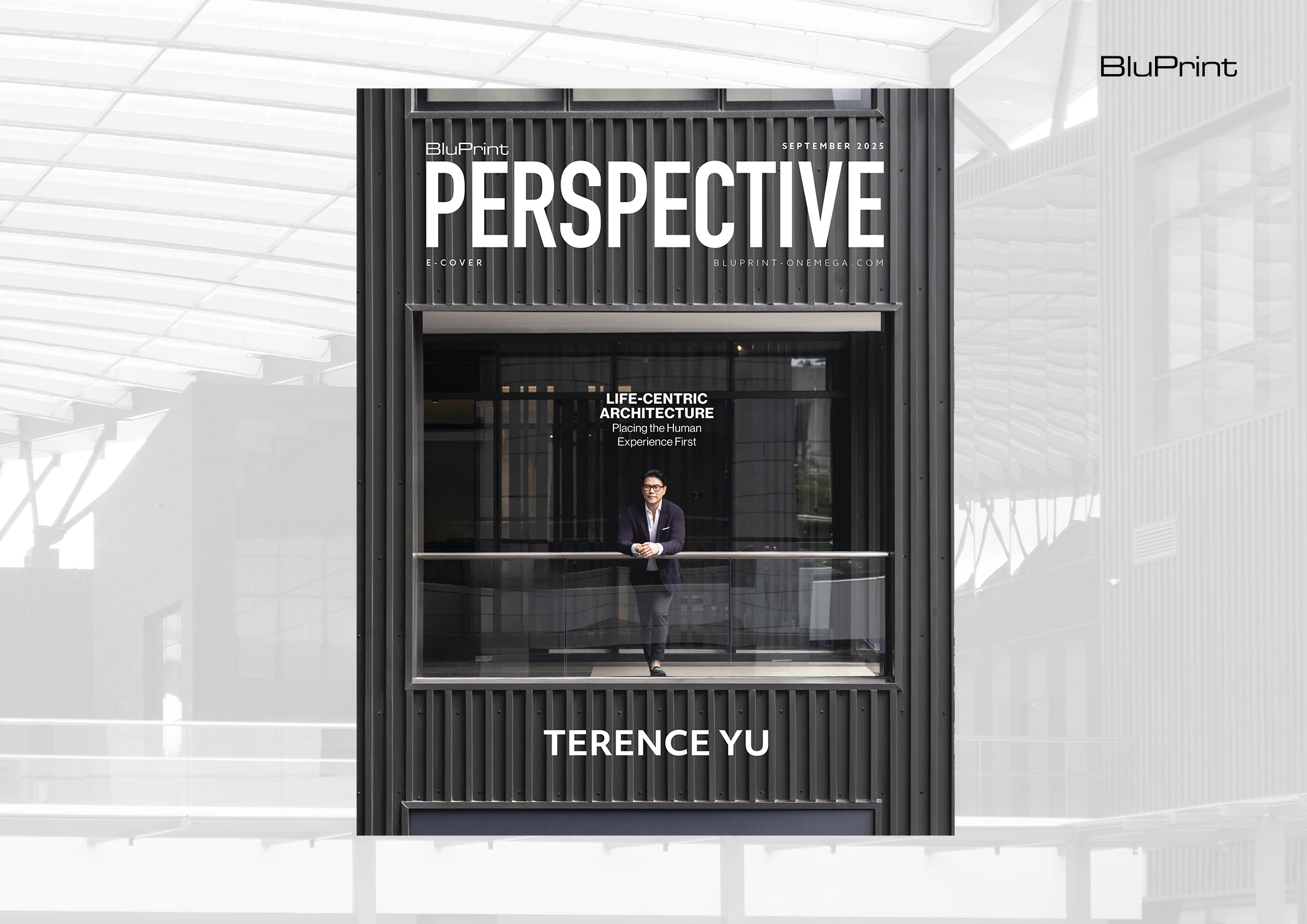
At its core, architectureArchitectureThe art and science of designing and constructing buildings, structures, and spaces that are functional, safe, and aesthetically pleasing. It encompasses the planning, design, materials, and techniques used to createGo to Architecture Glossary has always been about the human experience. While this fundamental purpose can sometimes be overlooked amid the complexities of […]
Read the issues.

Collect the volumes.

Recommended Video
Tap to Unmute
Unmute
0:00
0:00