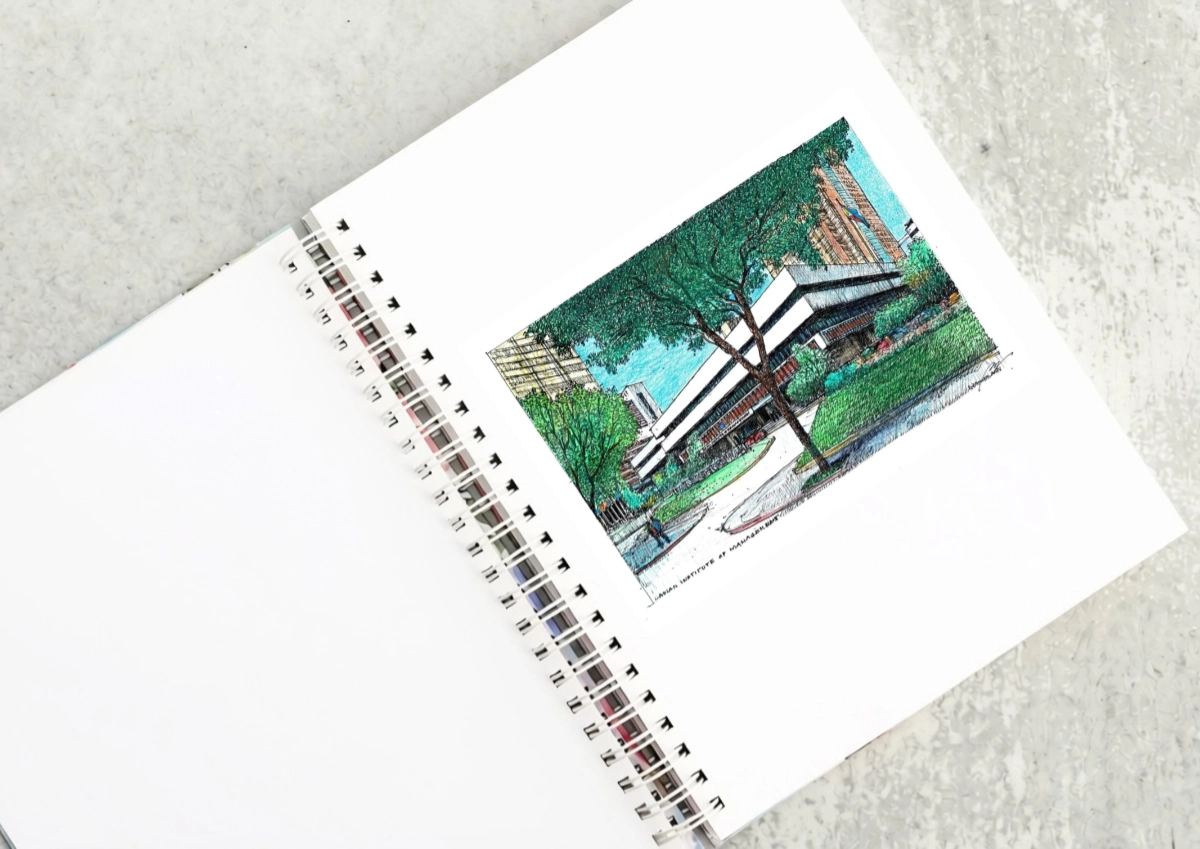
A Filipino Interpretation of Modernist Architecture Unlike the rest of Makati today, the northern end of Paseo de Roxas in Makati is anchored by a low complex rather than a tall skyscraper. This is the elegant Asian Institute of Management, designed by architect Gabriel Formoso and completed in 1971. In my opinion, the building is […]
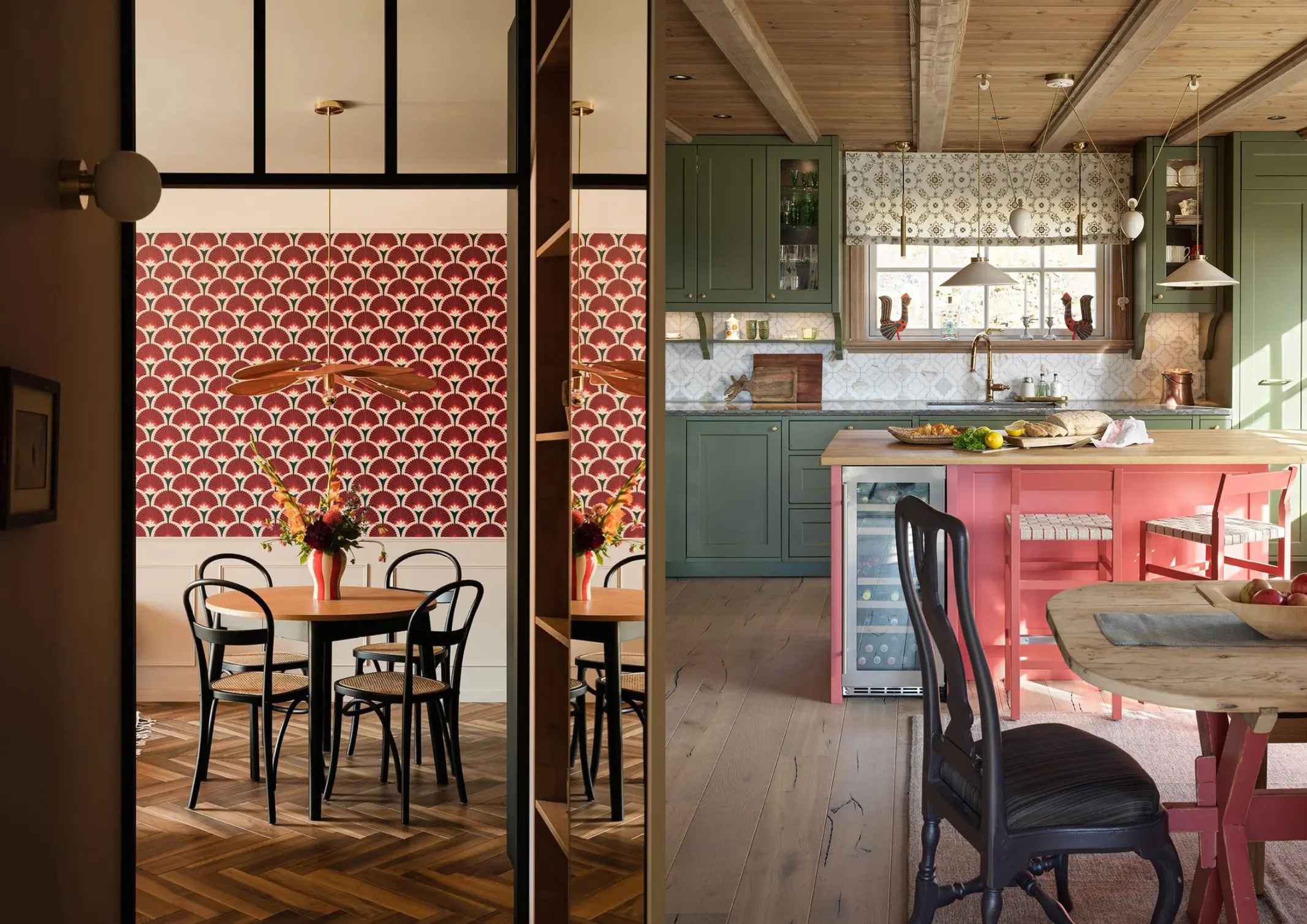
New Year, New Home: 2026 Interior Design Trends for the Filipino Home



As Filipinos embrace the new year and the changes it brings, they are also bringing an introspective look into their living spaces. BluPrint offers a list of interior design trends suitable for the modern Filipino home.
Modern Folk
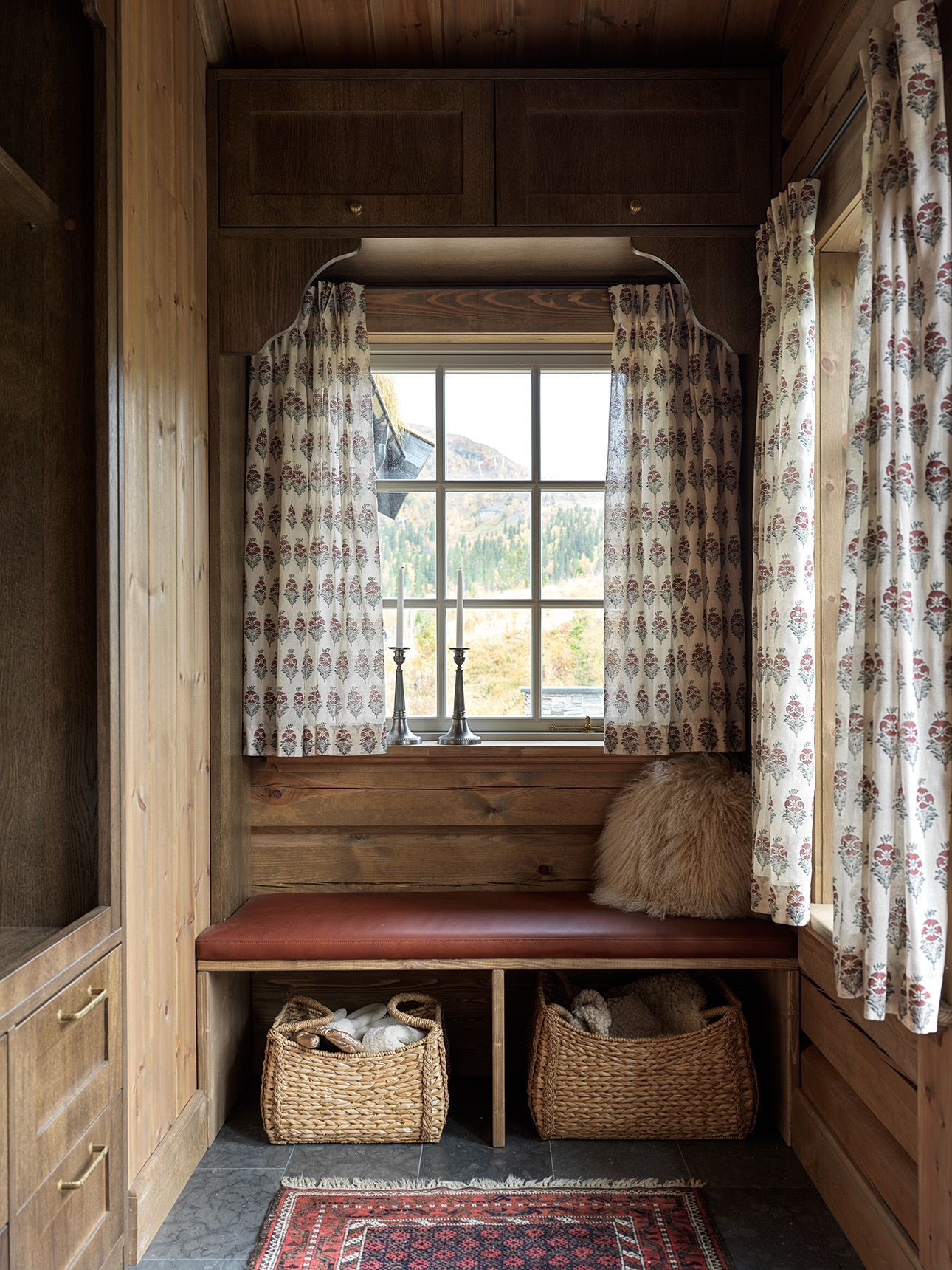
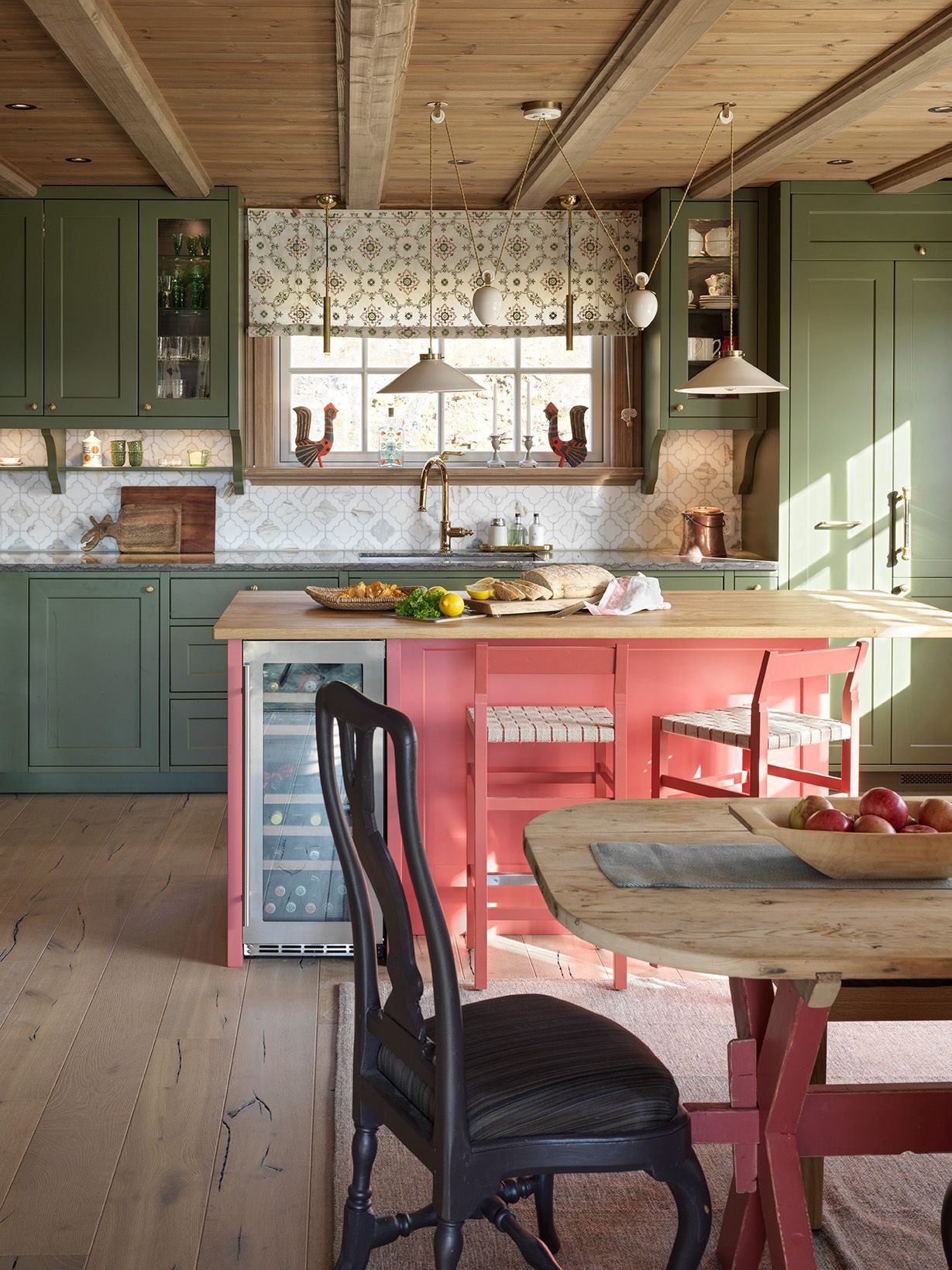
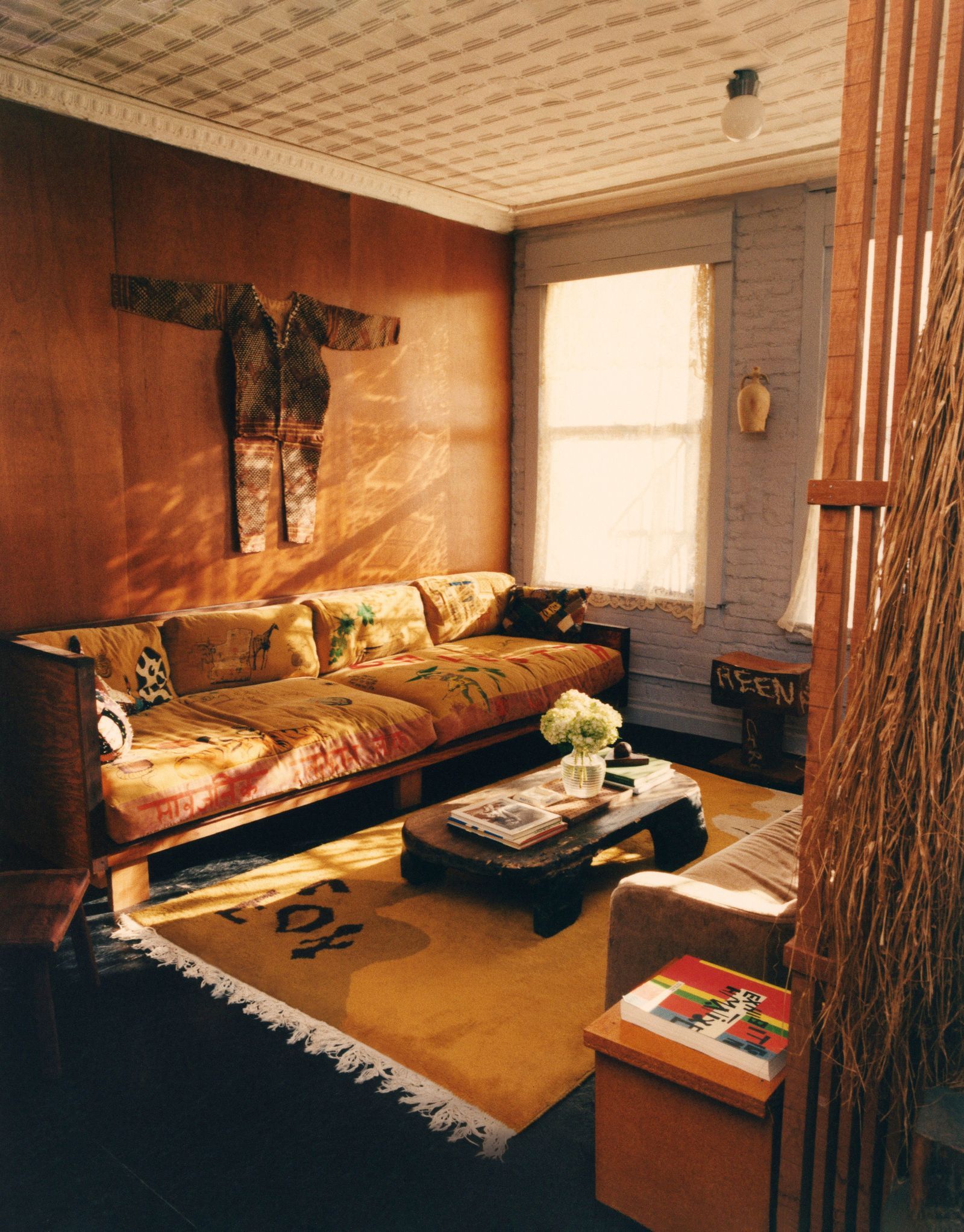
Modern folk blends traditional craftsmanship, cultural expressions, and natural materials with modern simplicity. This design style taps into the current culture of nostalgia, where heritage is reimagined with contemporary details. Acting as a counterculture to the dominant minimalist style, modern folk embraces patterns, colors, and unique ornamentation, crafting a space that feels both collected and intentional.
Deep, earthy tones, traditional textile weaving, and organic materials are prominent features of this design style. For instance, Filipino indigenous textiles are often integrated into upholstery and decor. In turn, this weaves heritage and design, placing cultural storytelling at the heart of the interior. Ultimately, this allows people to engage with their heritage while balancing it to their modern needs.
Slow Curation
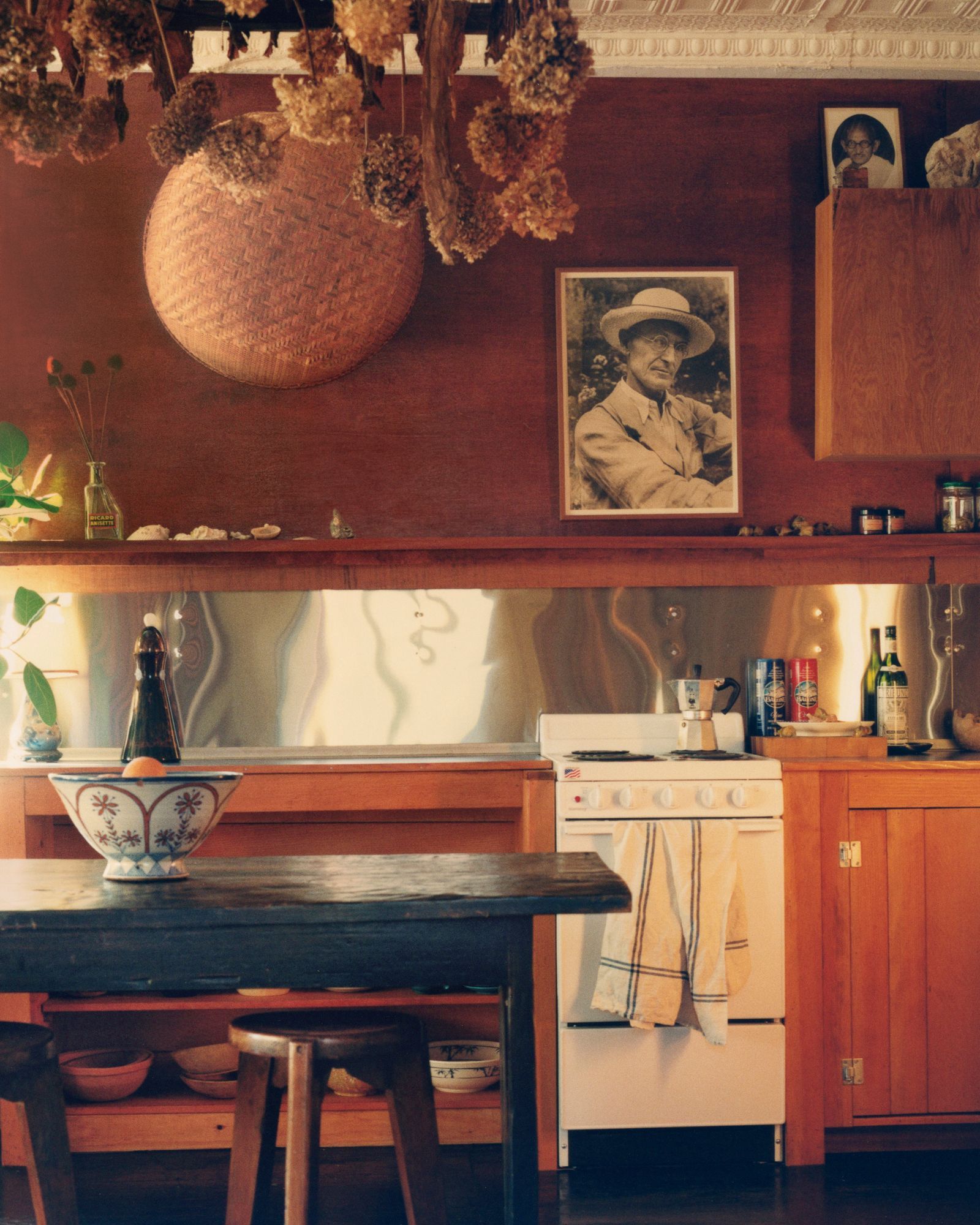
Interior design is not exempt from our fast-paced culture, exemplified by ready-to-assemble furniture and online shopping platforms that deliver people’s wants and needs with a mere click. Curating a personal interior design style has never been as accessible. Amidst this noise, an antithesis emerges: the art of slow curation.
Under this framework, interior design is defined by the intentional process of collecting furniture pieces that suit your design style over time. This marks a desire for less catalog-looking spaces. Instead, it allows individuals to build their personal style through experimentation. It ensures that their home reflects their personalities and experiences, rather than passing trends.
This can come in the form of mismatched dining chairs purchased from various second-hand thrift stores; ceramic bowls sourced from vintage stores; and art prints crafted by numerous local artists. By focusing on gradual transformation, people allow their homes to adapt alongside them—in both their personal style and changing needs.
Neo Deco
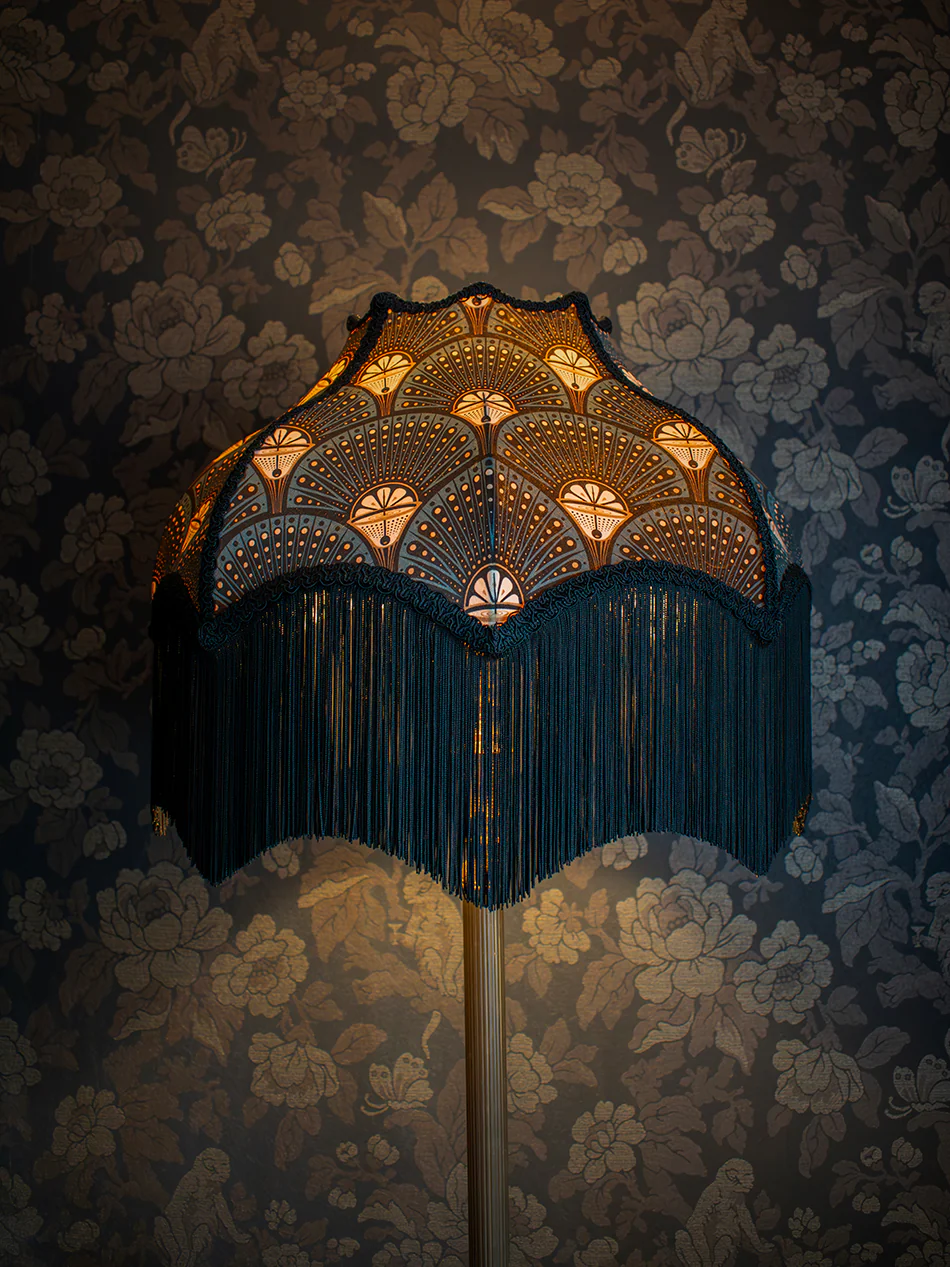
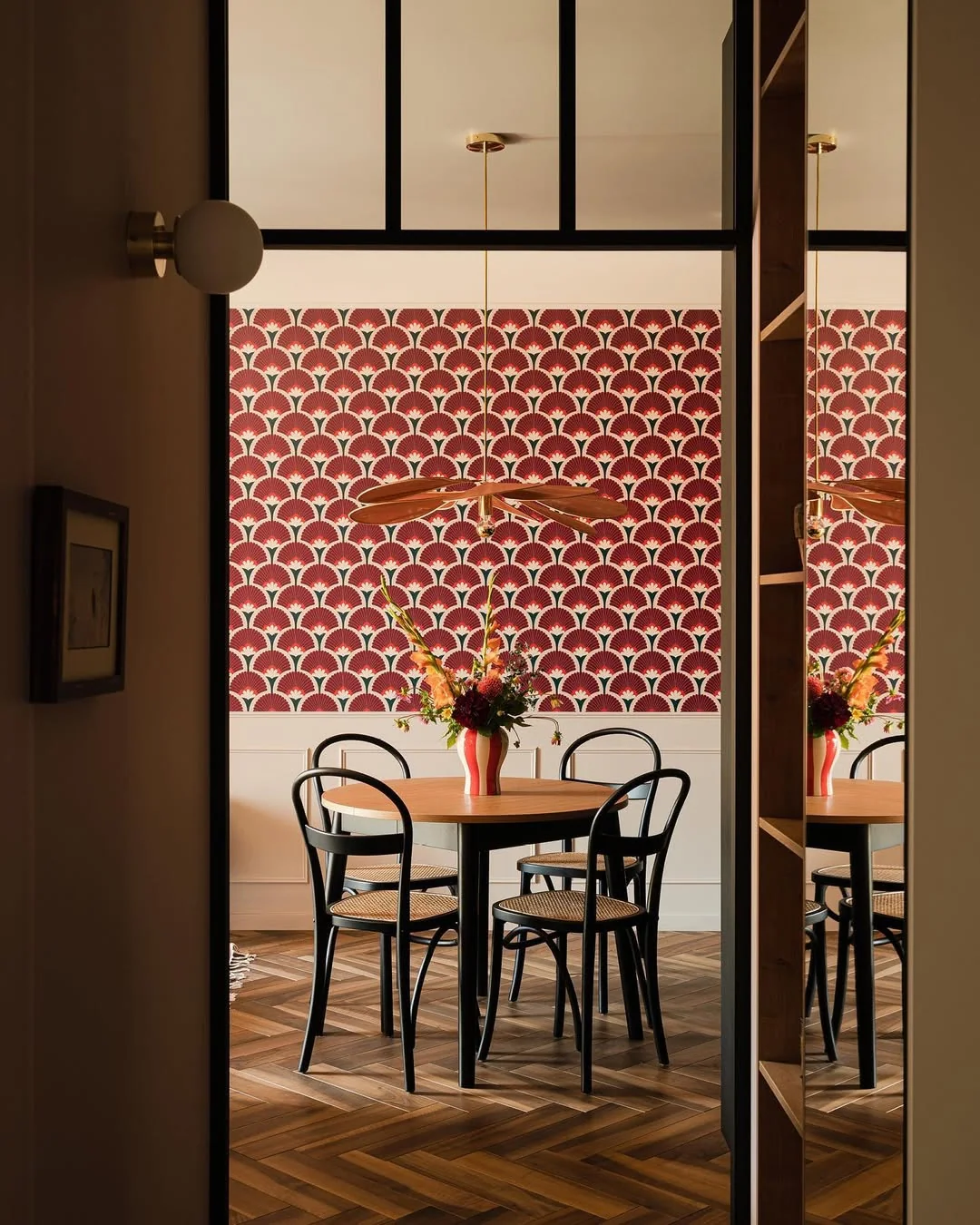
Art Deco, a style celebrating its centenary, is experiencing a contemporary resurgence through Neo Deco. This modern revival of a classic successfully marries the style’s signature 1920s glamour with contemporary functionality and materials.
Features like glossy lacquers are often found in kitchens, especially used on cabinetry, furniture, and accent pieces. Often in bold colors, it creates a sleek, reflective, and high-shine finish that evokes depth and drama. Paired with other materials, such as marble and wood, this feature offers a balanced look in interior spaces.
There is a strong emphasis on geometric patterns in this design style, with curved and sculptural accents serving as complementary silhouettes. In doing so, Neo Deco spaces are characterized by their layered textures. From velvet cushions and ribbed wood to fluted glass and stark lighting, the design style allows indulgence, countervailed with a modern, softer touch.
Elevated Maximalism
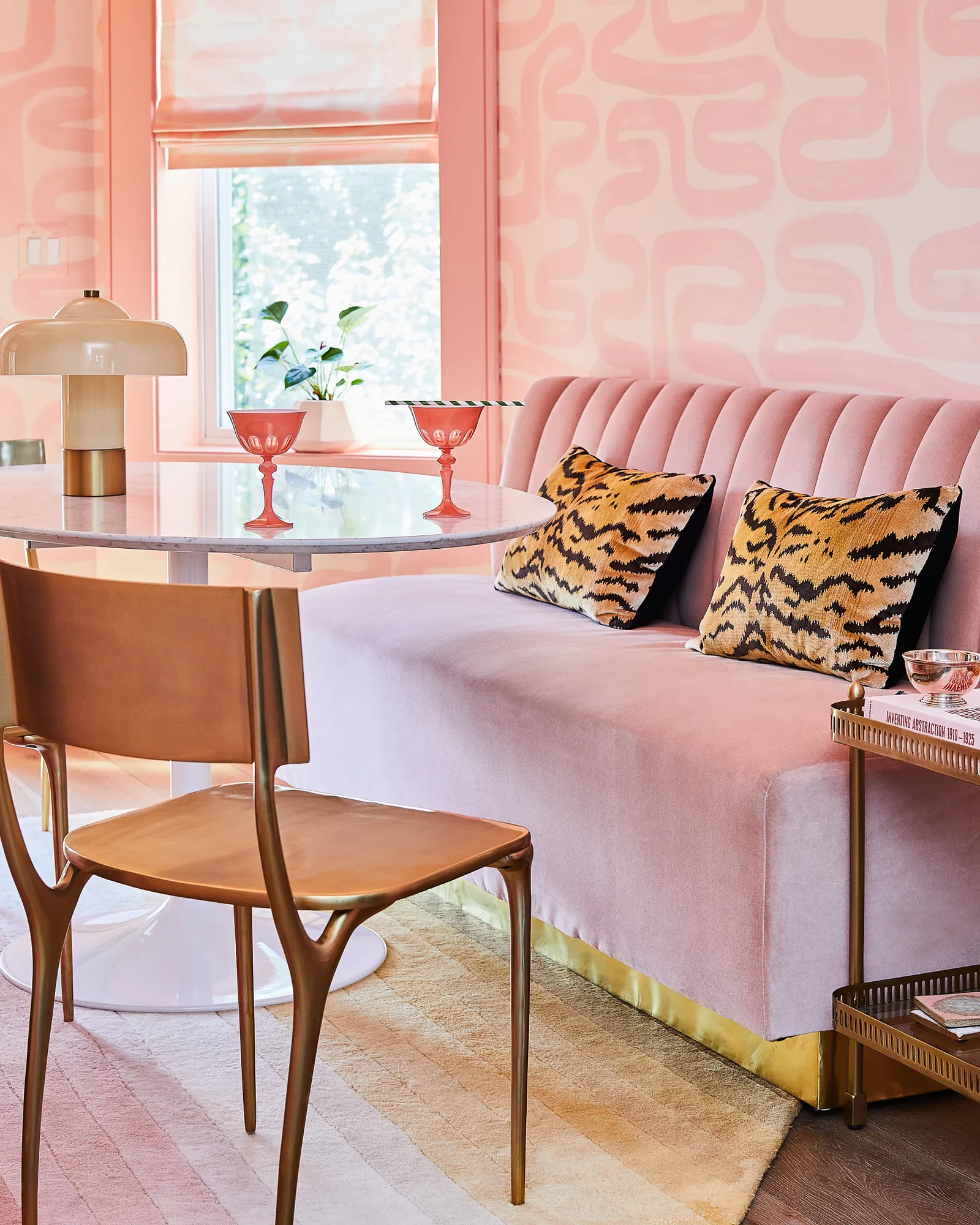
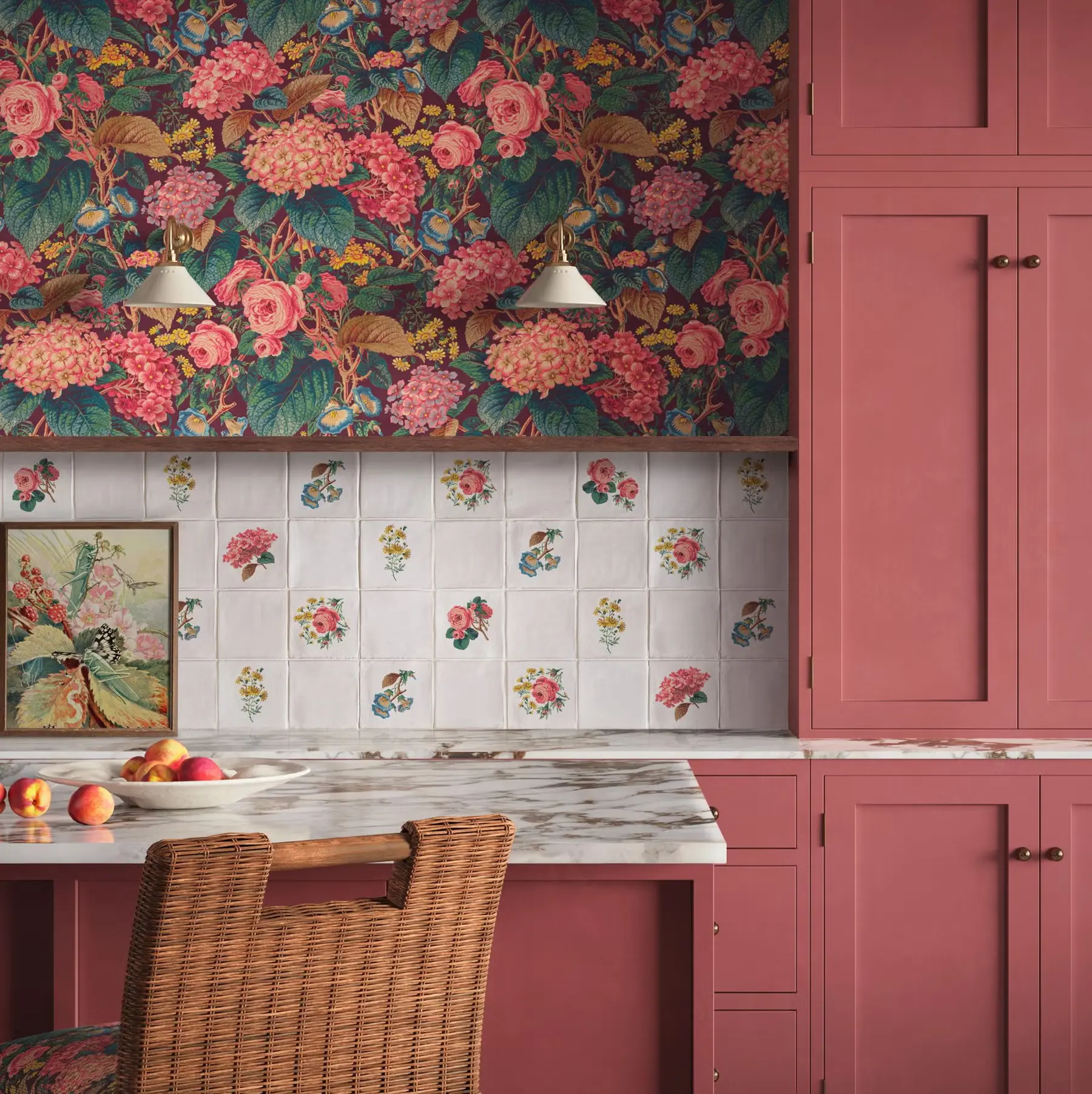
Elevated maximalism focuses on a deeply personal and vibrant aesthetic. Acting as a contemporary approach to the “more is more” philosophy, it intentionally crafts a curated space. Its abundance of material, color, and patterns translates into one of visual balance, rather than mere excess.
Saturated color palette, layered textures, and meaningful storytelling are vital elements of the trend. One of the ways in which people express this design style is through pattern splicing. It combines decorative, patterned, and solid-colored tiles to create a curated, layered effect without overwhelming the space. Often seen in kitchen backsplashes and restrooms, this feature establishes a playful character in otherwise auxiliary spaces.
Ultimately, genuine self-expression is the heart of this design trend.
Read More: How to Elevate Your Space with Cloud Dancer
Frequently Asked Questions
Modern Folk acts as a counterculture to standard minimalism by integrating traditional craftsmanship with modern simplicity. Technically, it focuses on weaving heritage into functional spaces. This involves using indigenous textiles for upholstery, organic materials for structural accents, and deep, earthy tones. It allows the modern homeowner to reimagine cultural storytelling without making the space feel like a museum, balancing nostalgia with contemporary needs.
Slow Curation is the antithesis of “fast-paced” design and ready-to-assemble catalog homes. It is an intentional, gradual process of collecting pieces over time rather than buying everything at once. From a design perspective, this creates a “non-catalog” look that evolves with the owner. Examples include mismatched dining chairs from various thrift stores or vintage ceramic bowls, ensuring the home reflects personal experience and experimentation rather than passing trends.
Neo Deco is the contemporary revival of 1920s Art Deco, marrying glamour with modern functionality. A key technical feature is the use of glossy lacquers—especially in kitchens—to create high-shine, reflective surfaces on cabinetry. This is balanced by pairing bold colors with natural materials like marble and wood. The aesthetic is further defined by geometric patterns and layered textures, such as fluted glass, ribbed wood, and sculptural silhouettes.
While based on a “more is more” philosophy, Elevated Maximalism emphasizes visual balance over mere excess. The technical approach involves “pattern splicing,” where decorative, patterned, and solid-colored tiles are combined to create a layered effect. This is most commonly applied to kitchen backsplashes and restrooms to add character to functional areas. It relies on a saturated color palette and layered textures to ensure the abundance of items feels curated and meaningful rather than overwhelming.
Glossy lacquers are becoming a favorite in Neo Deco and Elevated Maximalist designs because they offer a sleek, reflective finish that adds visual depth and drama to a room. Unlike matte finishes, lacquer provides a high-shine surface that interacts dynamically with lighting. When used on accent pieces or kitchen cabinets, it provides a durable, easy-to-clean surface that also serves as a bold decorative statement.
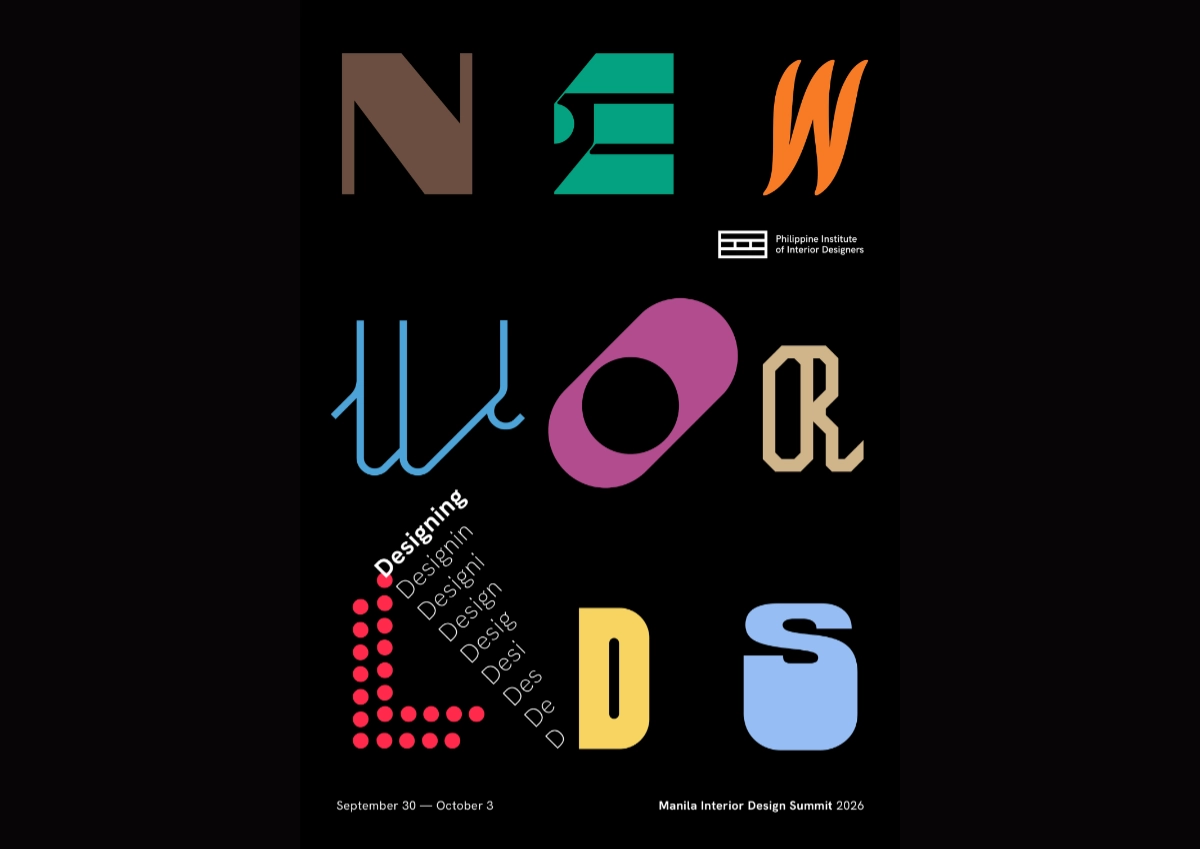
“Thailand has claimed urban creativity and livability. Singapore has institutional design leadership. Indonesia is emerging as a design hub. Vietnam is moving into design innovation. And the Philippines? Its position is not weak. It is simply unclaimed.” For IDr. Cecil Ravelas, National President of the Philippine Institute of Interior Designers (PIID), the challenge is not […]
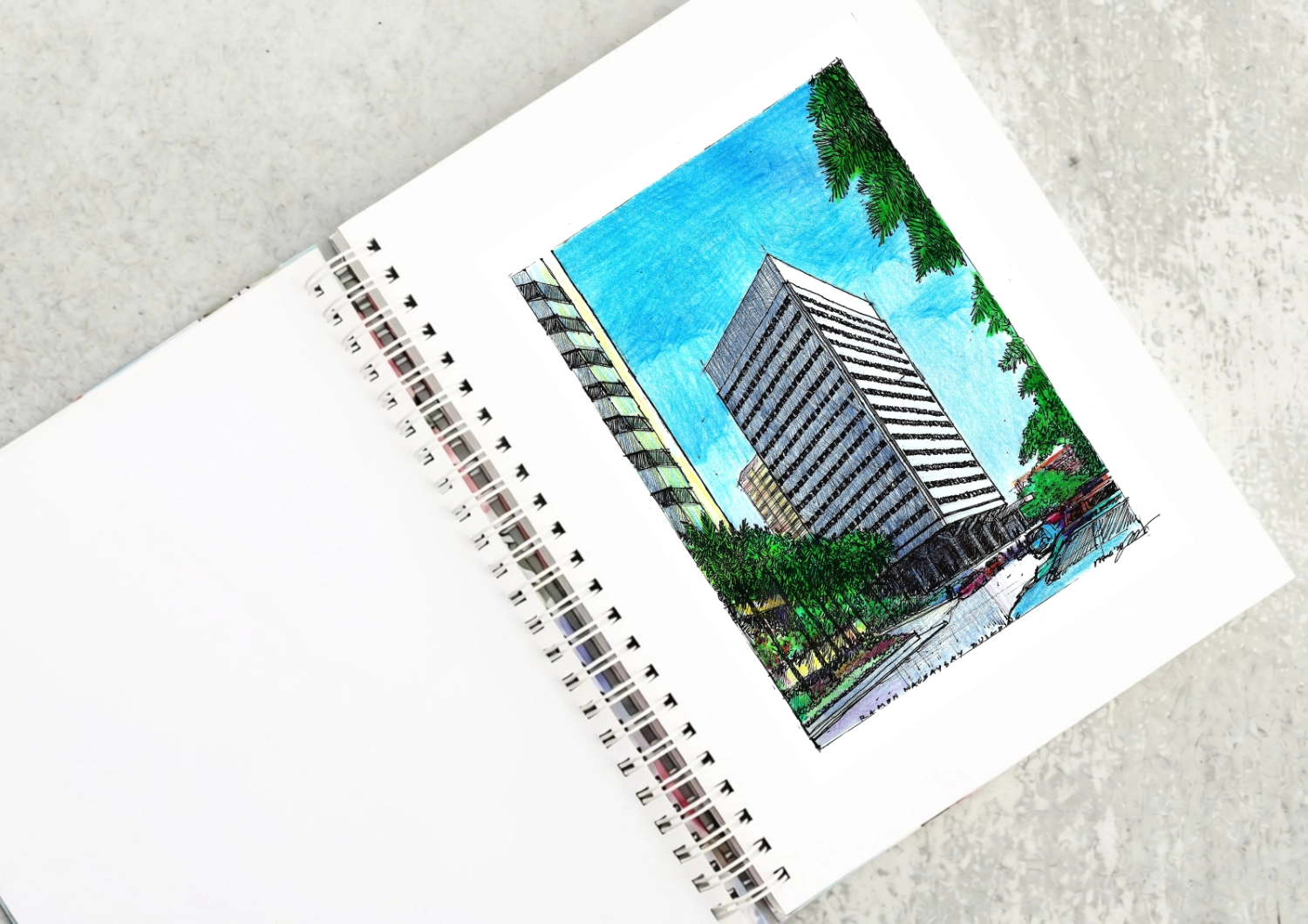
The Ramon Magsaysay Center as a Modernist Landmark Driving down Roxas boulevard from Rizal Park, what will catch your eye is the most elegant modernist structure in the country, the Ramon Magsaysay Center. Most established Filipino architects put it in their top ten lists of favorite buildings. It was designed by Alfredo J. Luz, who […]

Rinna Soriano’s favorite part of her work is sanding. At her workbench, she stays focused, following the grain, adjusting to changes in its direction. Narra, she has learned, can have interlocking grain. A piece of mango once proved particularly difficult until a worker explained that she had reached the point where a branch once grew […]
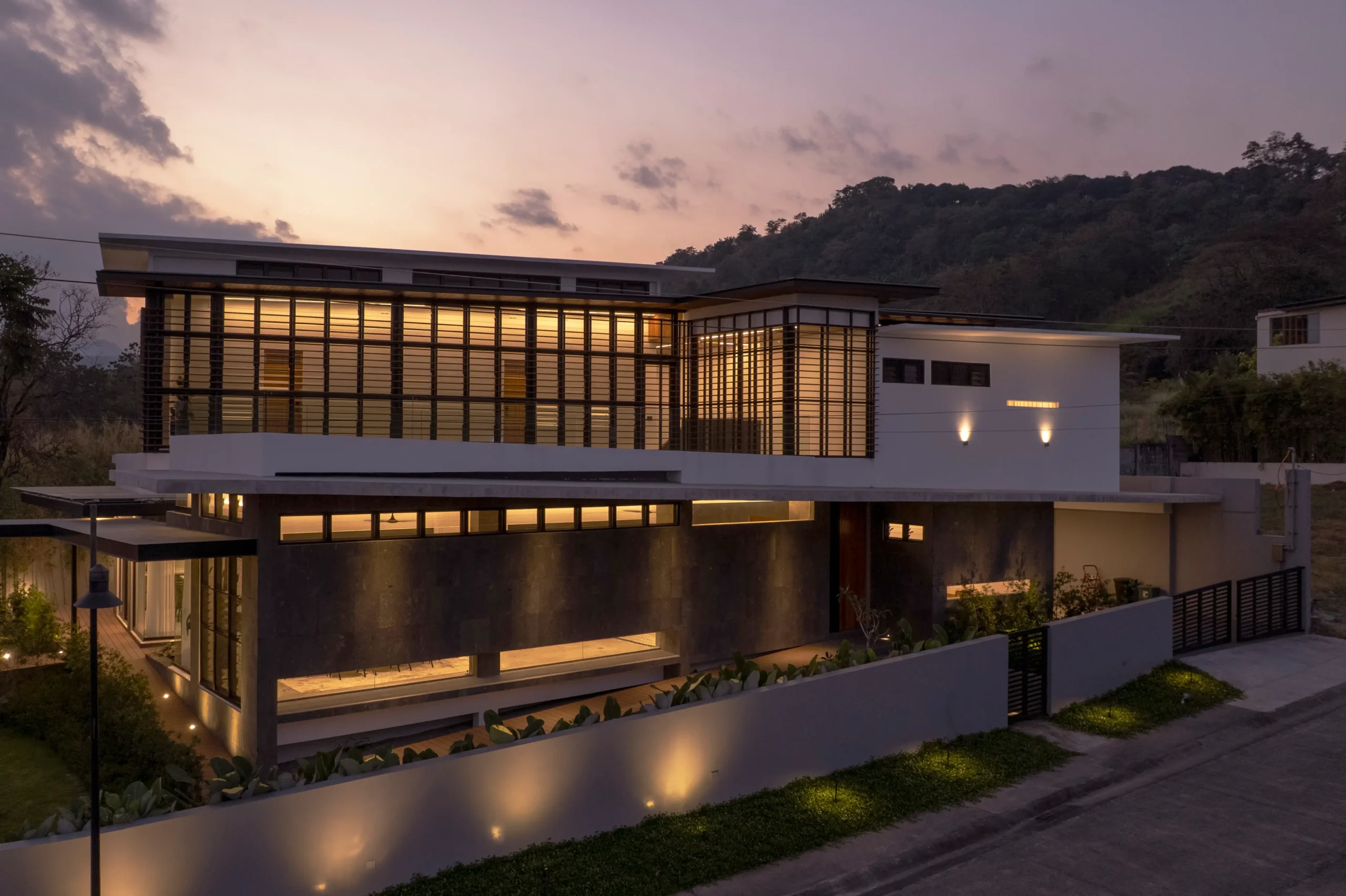
Filipino architectureArchitectureThe art and science of designing and constructing buildings, structures, and spaces that are functional, safe, and aesthetically pleasing. It encompasses the planning, design, materials, and techniques used to createGo to Architecture Glossary has long been associated with indigenous materials and vernacular design strategies, from bamboo and timber construction to jalousie windows, generous spaces, […]
Read the issues.

Collect the volumes.

Recommended Video
Tap to Unmute
Unmute
0:00
0:00