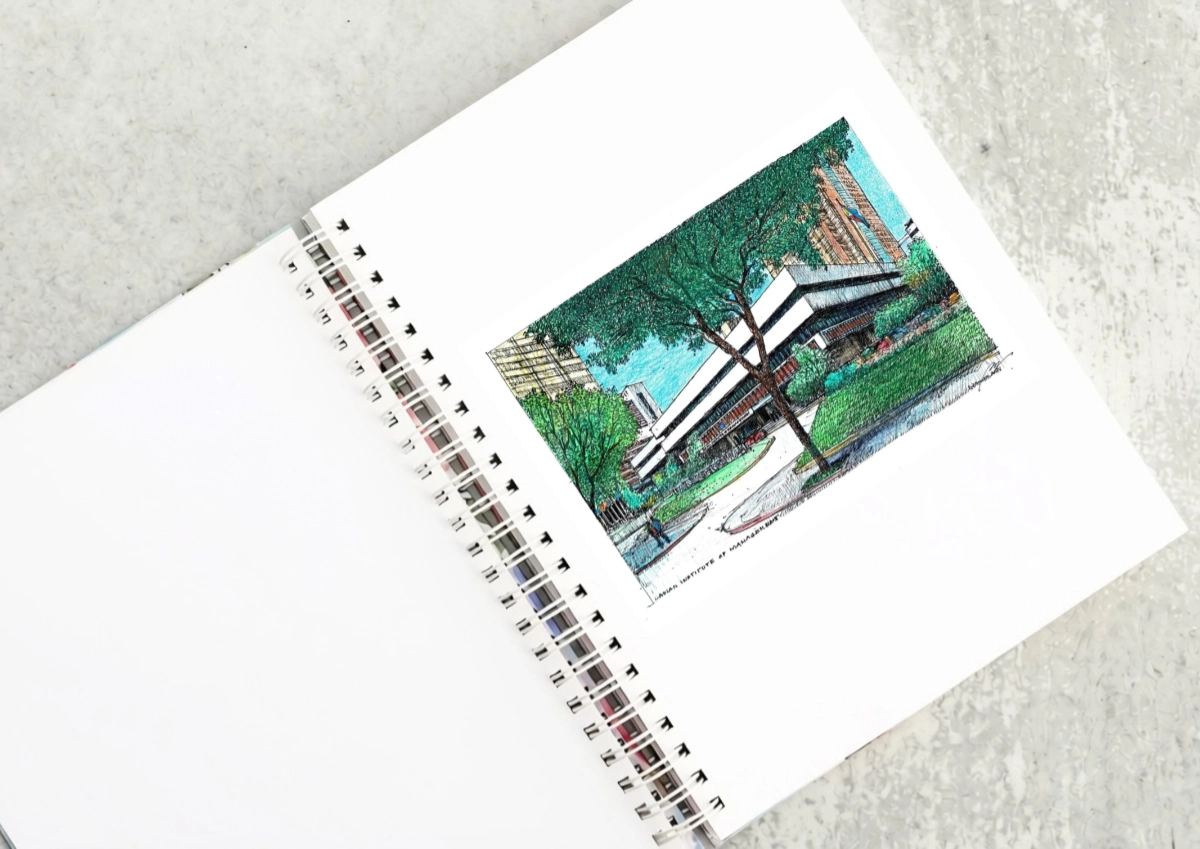
A Filipino Interpretation of Modernist Architecture Unlike the rest of Makati today, the northern end of Paseo de Roxas in Makati is anchored by a low complex rather than a tall skyscraper. This is the elegant Asian Institute of Management, designed by architect Gabriel Formoso and completed in 1971. In my opinion, the building is […]
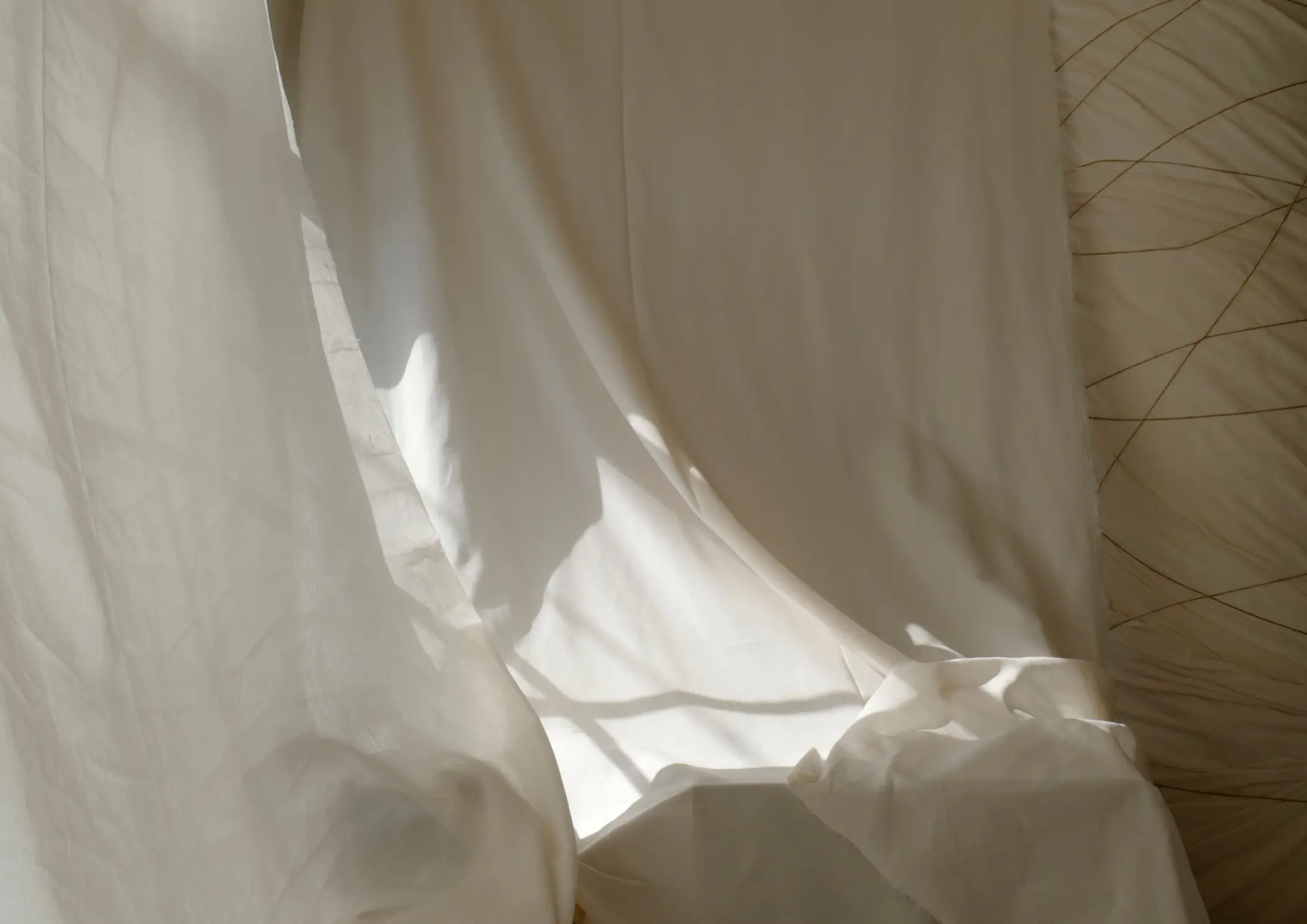
Hiblatech: How These Designers Reimagined Pineapple Leaf Waste



Textile waste, driven by fast fashion, is a major factor in the global environmental crisis. Materials such as polyester, rayon, and viscose are easy and cheap to produce. Due to their scalability and dependability, manufacturers rely on these materials for their products. Amidst this, Hiblatech sits at the forefront of innovation.
Through repurposing pineapple waste into fibers and nonwoven textiles, Hiblatech is straying away from environmentally harmful materials and processes. The brand is working with partners across the value chain, including the broader ecosystem of farmers, manufacturers, and fabricators, to create its repurposed materials.
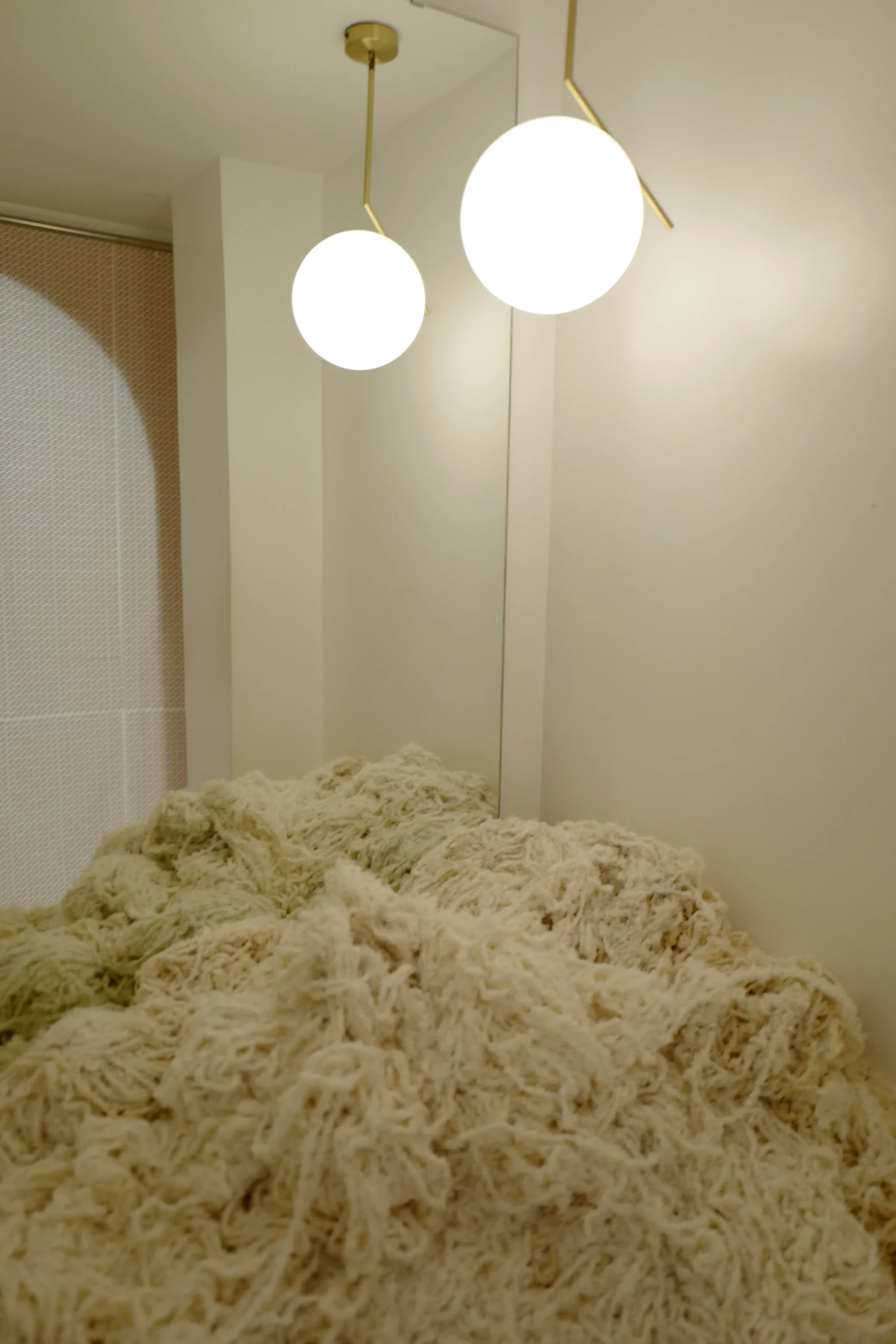
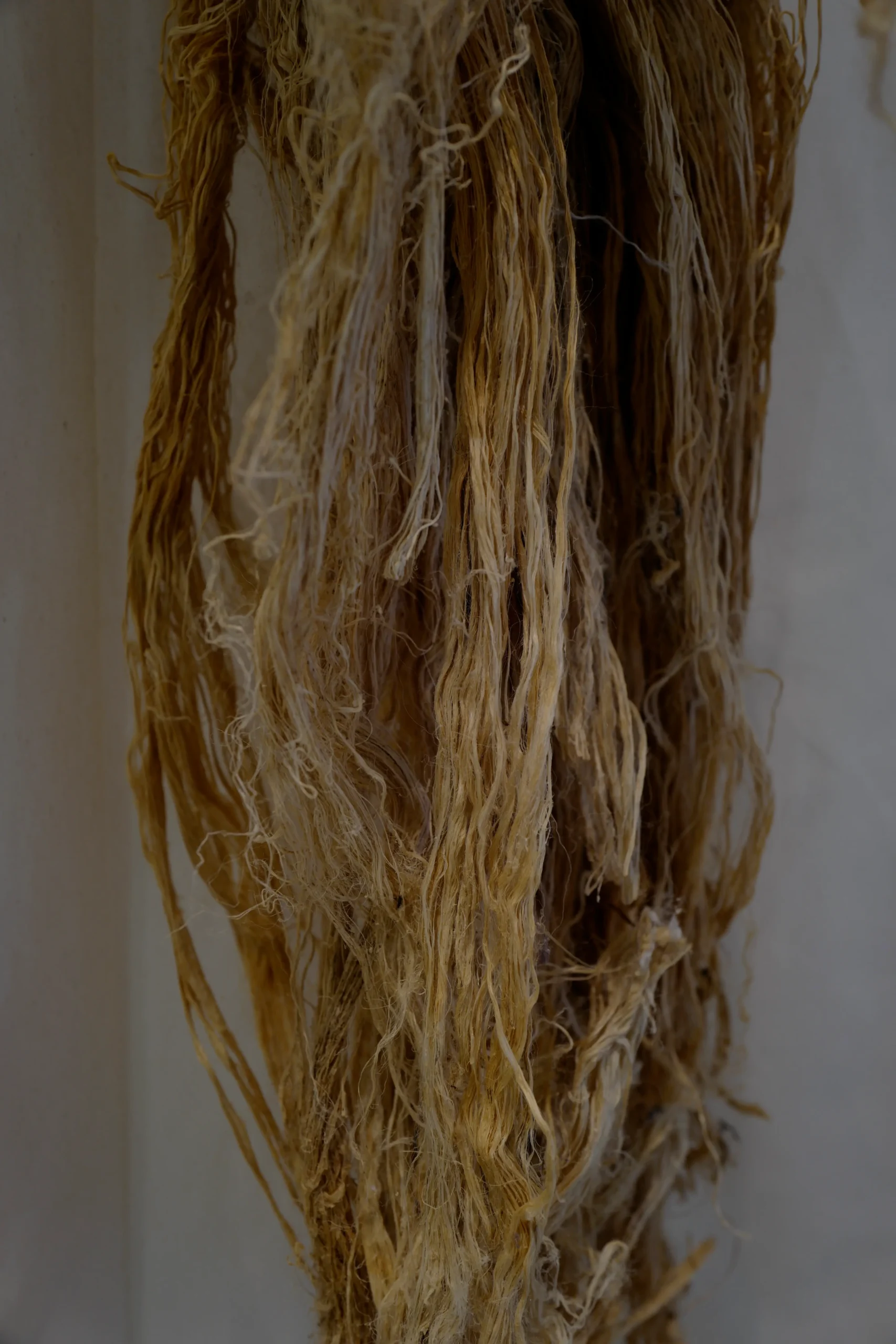
By working with partners across the value chain, the brand focuses on finding new applications for these materials—while exploring their potential for next-generation uses. Through this initiative, the brand invited ten designers to reimagine pineapple leaf waste. These designers explore form, function, and the evolving expression of material heritage.
From Waste to Fiber and Textile
Pineapple leaf fiber moves through several “life stages,” from raw fiber to engineered nonwoven fabrics. The company’s origin began with a series of encounters. One of the co-founders, Kristine Bañez, crossed paths with a long-time family friend, Chuck Lazaro of Asia Textile Mills. Lazara is a pioneer in natural fiber processing with over 40 years of experience in the industry. He is also the vice chairman of the Bureau of Philippine Standard Technical Committee on Textiles.
Through this collaboration, Hiblatech came to fruition. Hiblafelt, one of the company’s nonwoven fabrics, sits within an established textile category. However, it introduces a different material logic. It is designed to be built upon and open pathways for hybrid applications.
Co-founder Tina Sabarra explains, “It behaves differently and asks to be handled differently. And in doing so, it nudges designers, engineers, and makers into a less comfortable but potentially more generative space.”
More than just designing material innovation, Hiblatech also aims to create a positive impact for local farmers. One of the earlier goals of the brand was to grow demand so that the farmers involved in collecting and processing discarded leaves could earn more.
The Designs
A generative space is exactly what Hiblatech honed, as showcased by the works of the nine designers. All of them are distinct and unique in both design and purpose, ranging from lamps to sound panels.
Chini Lichangco
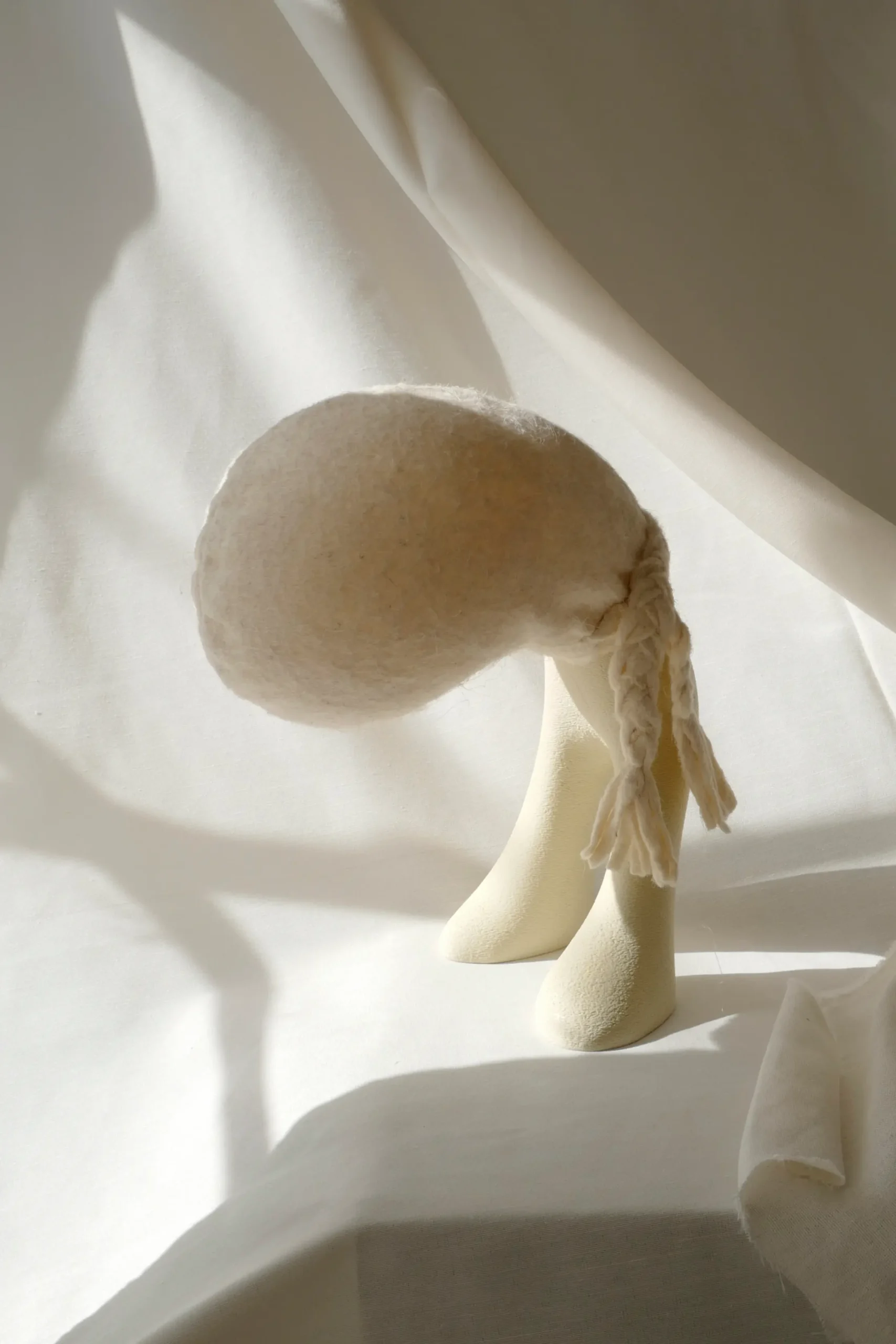
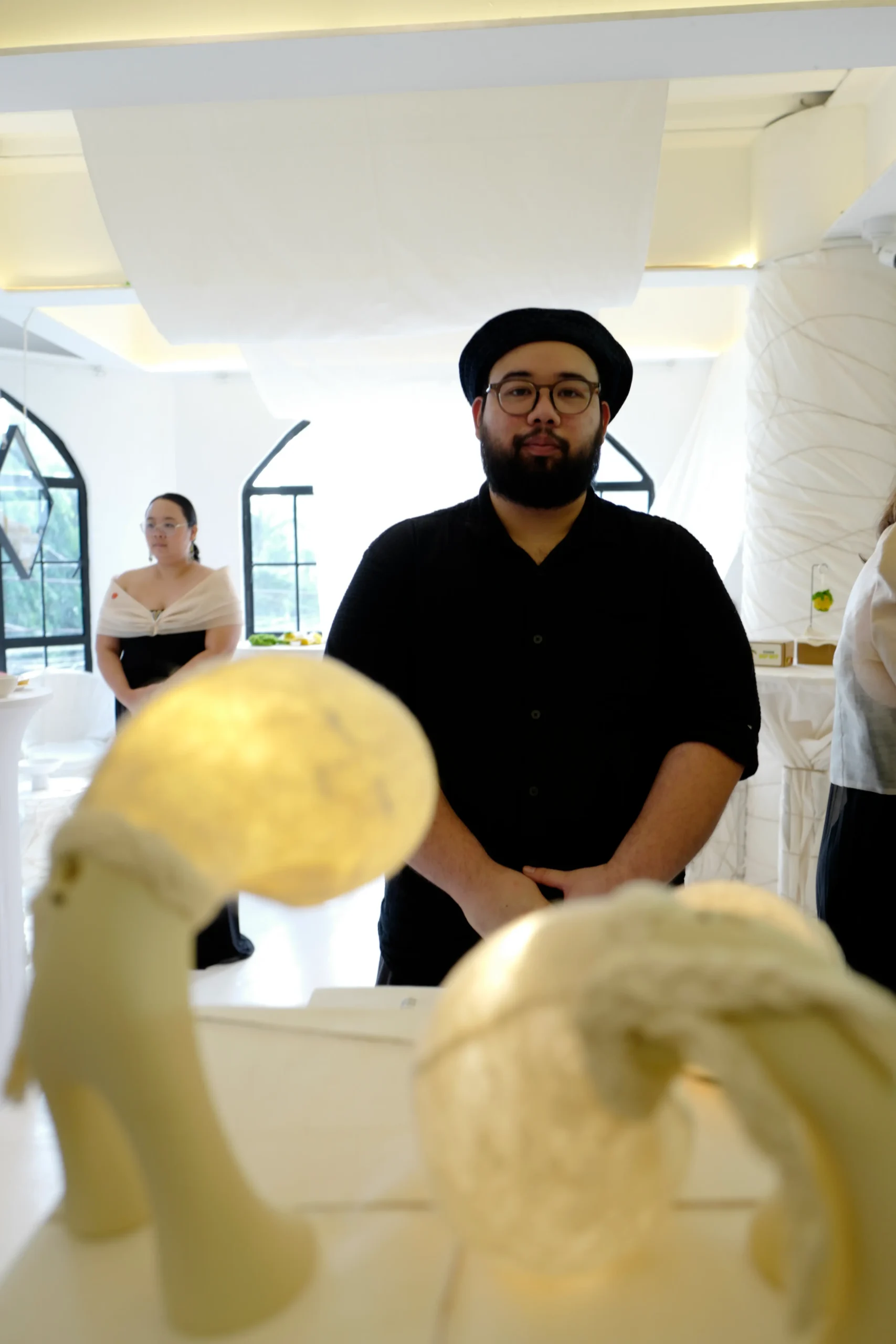
Chini Lichangco is a Manila-based designer who finds inspiration in memory, emotion, and the beauty of handmade objects. In “It’s Okay,” she hand-sculpted a collection of rechargeable lamps: Slouchy, Droopy, and Tippy. The collection was made out of clay and finished with hand-stitched pineapple fiber developed with Hiblatech. Sculpted in slumped, tilted forms, they reflect the quiet weight of anxiety and the ways our bodies reveal what words often conceal.
Edward Sibunga
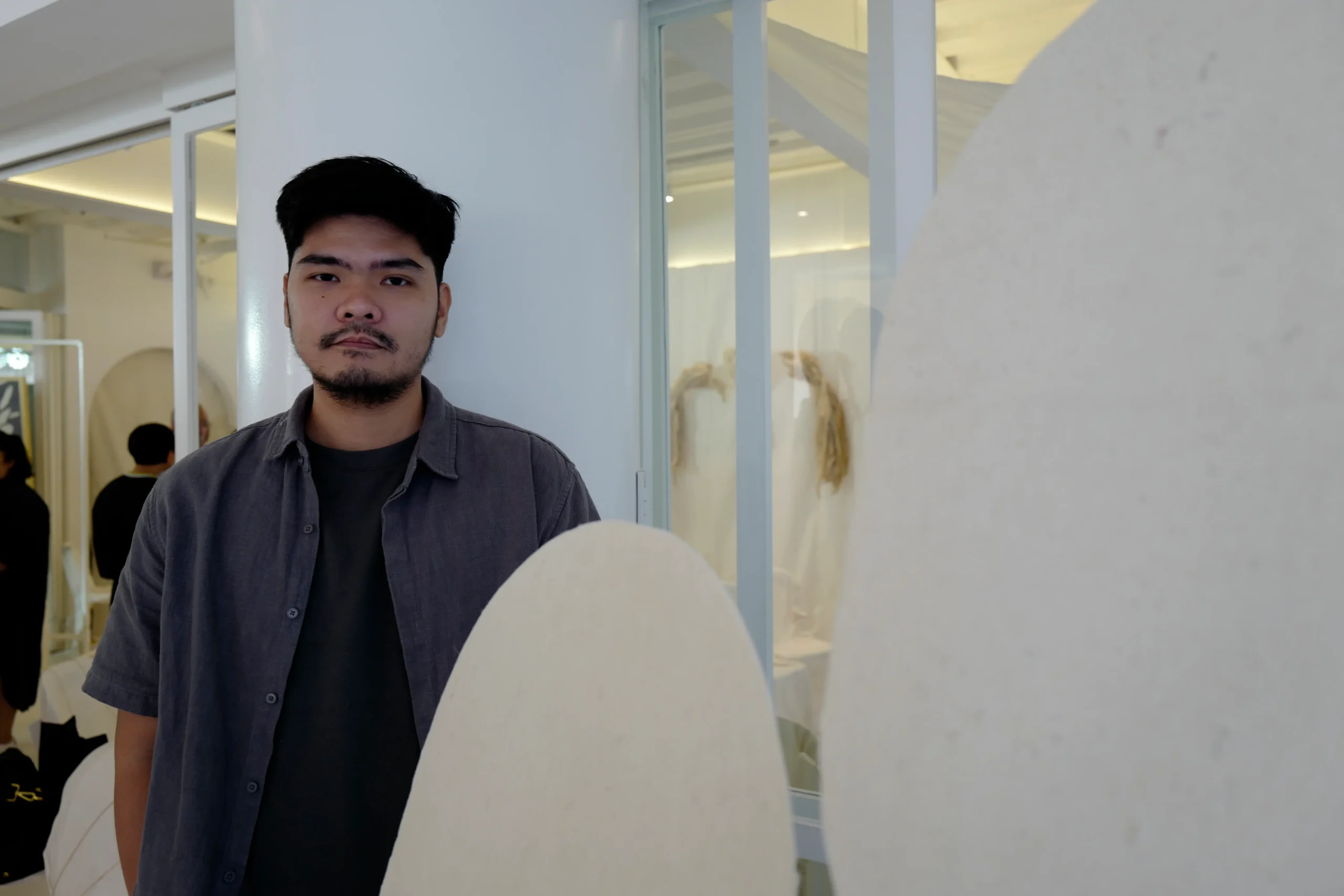
Edward Sibunga is a furniture designer and maker whose practice bridges contemporary form with traditional wood techniques. Working under the studio name e/lou, he crafted the “Piña Sound Panel” to explore how everyday materials can carry sound. He reversed the usual role of piña felt from sound dampener to sound source. A lightweight composite of laminated Hiblaflet and a plastic core is driven by vibration.
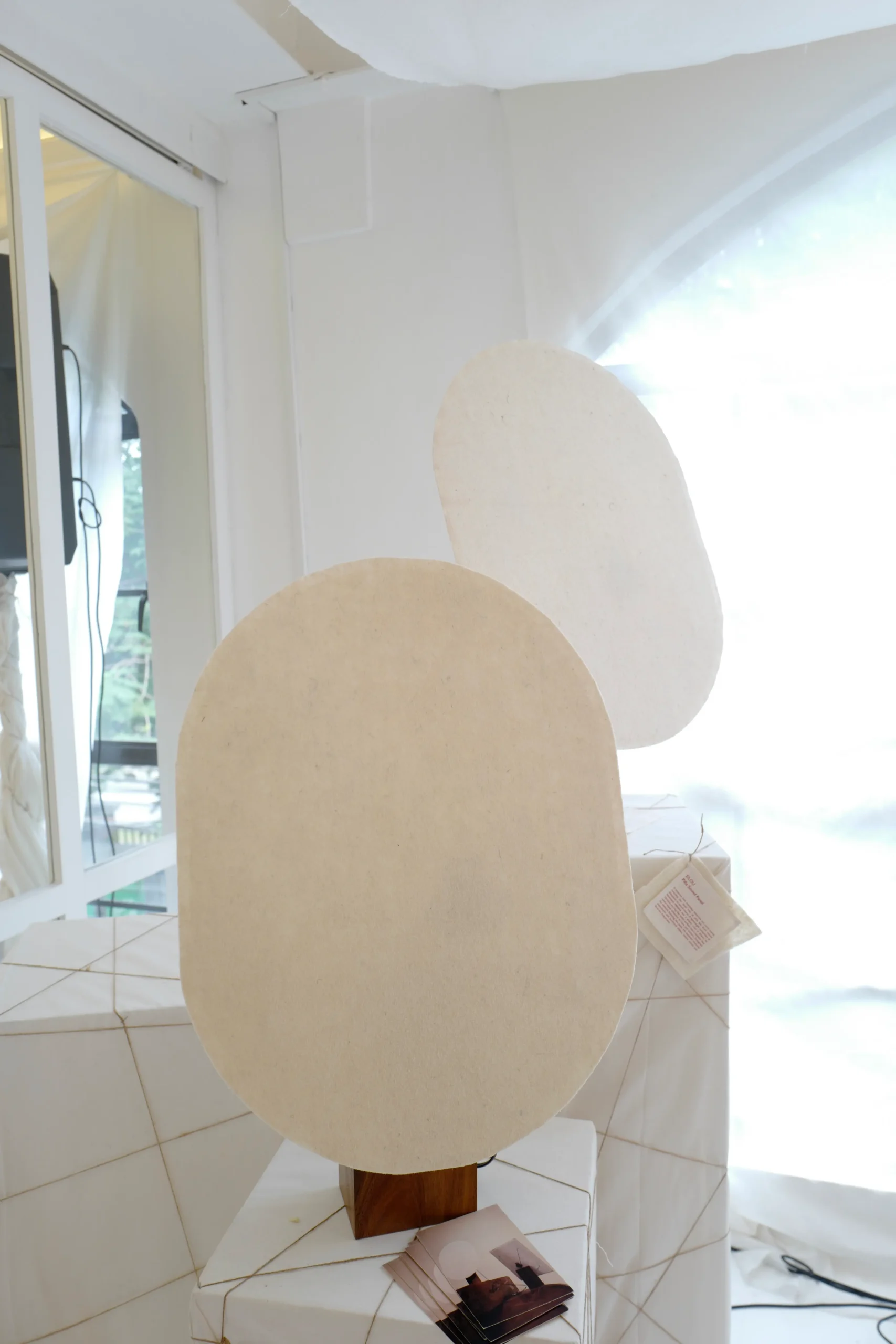
This turns the entire surface into a speaker that invites equal attention to tone and texture. Designed for ambient listening, the piece sits between material experiment and functional object, where sound and form are inseparable.
Jasser Aguila
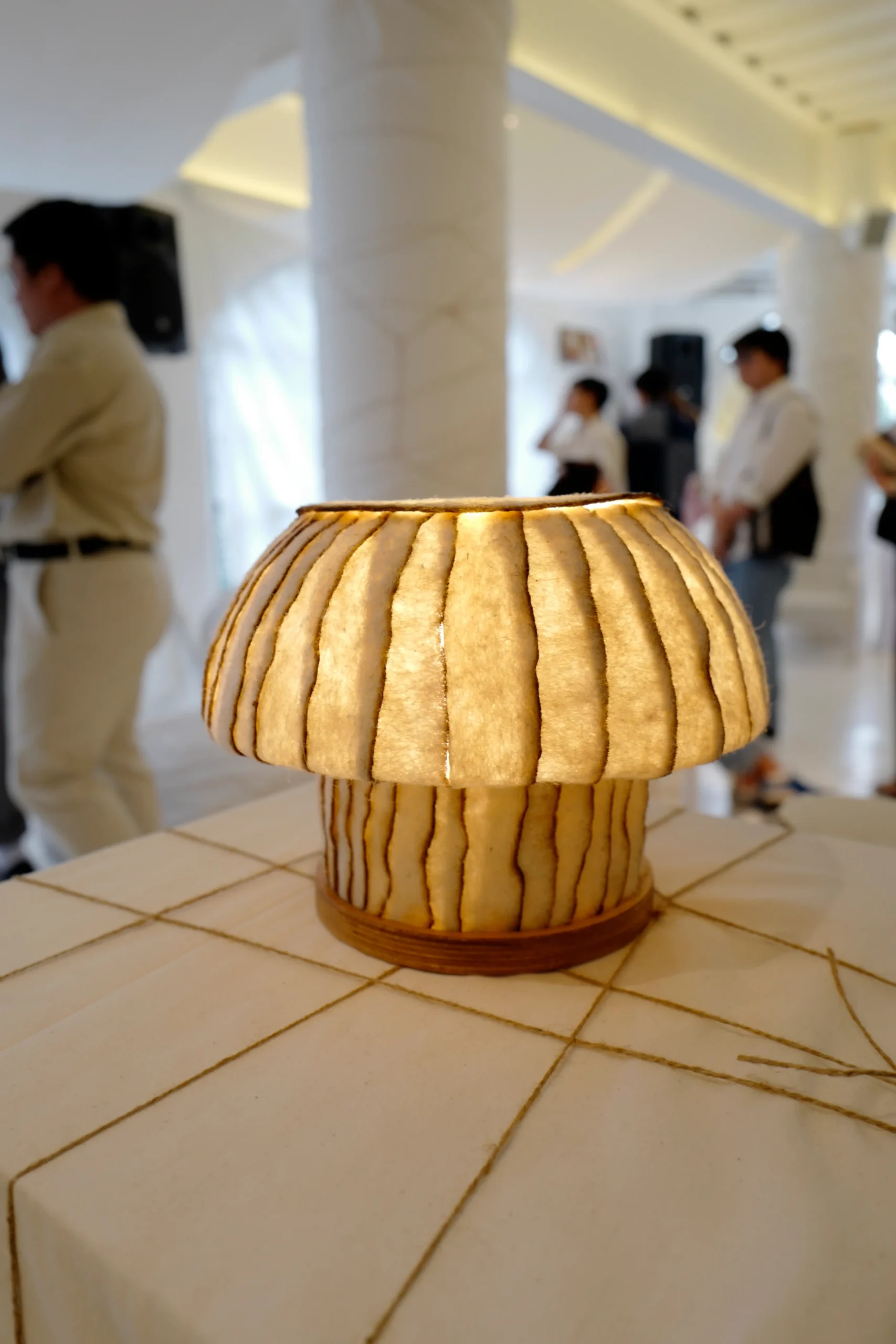

Jasser Aguila is a Filipino industrial designer whose work centers on storytelling, material curiosity, and emotional connection. His design approach blends playful forms with thoughtful experimentation. Often drawing from nature, craft traditions, and everyday observations, he designed “Kabu Lamps,” a sculptural lighting collection formed from hand-layered strips of Hiblafelt.
The edges of the strips were carefully burned to give the surface depth and character. When illuminated, the lamps emit a soft, warm glow that reveals the fiber’s translucency and the marks of its making. The pieces reflect a hands-on approach where material, light, and experimentation meet.
Razel Mari
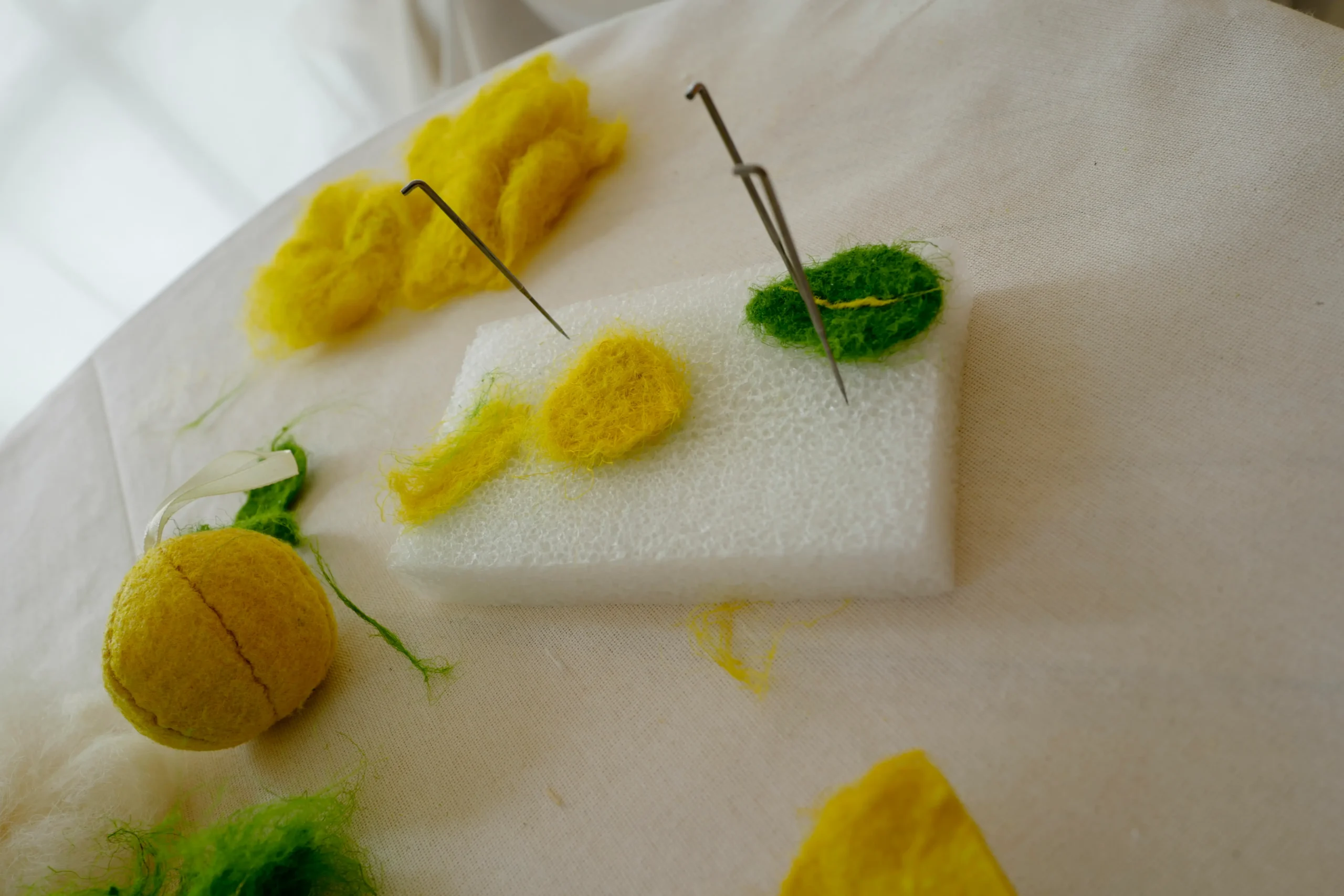
Razel Mari is an object-based artist from Plaridel, Bulacan. He explores and learns new processes in the realm of crafting to bring ideas to life. Dabbling in various materials and methods like ceramics, wood, and fibers, he crafted “Pinang DIY Kit” with Hiblafelt.
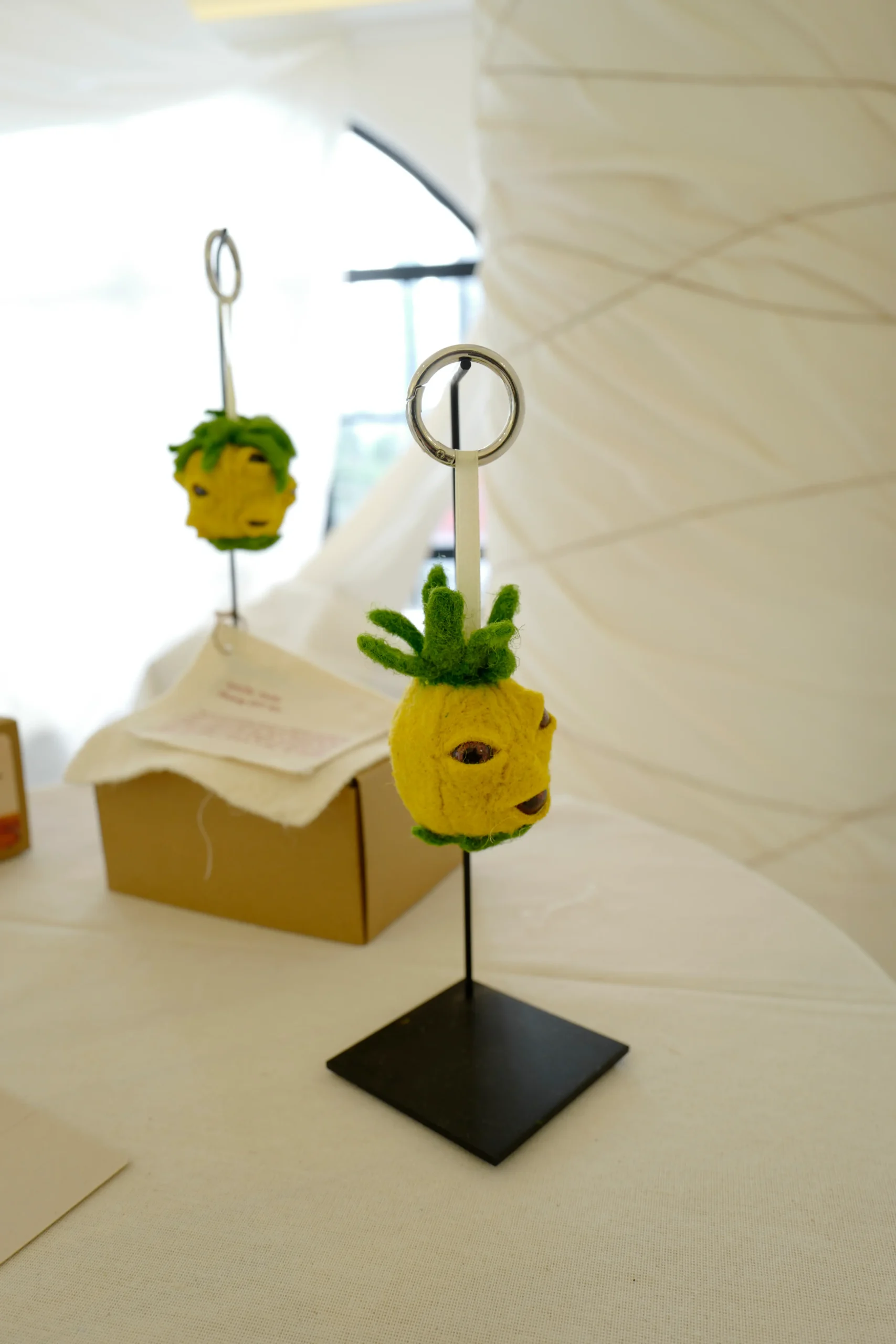
This do-it-yourself kit introduces Hiblafelt through the tactile process of needle felting. He invites participants to create a one-of-a-kind bag charm. Inspired by the childhood legend of the pineapple, each piece comes to life as you add its many eyes. Overall, his kit encourages a moment of play and material connection.
Selena Placino
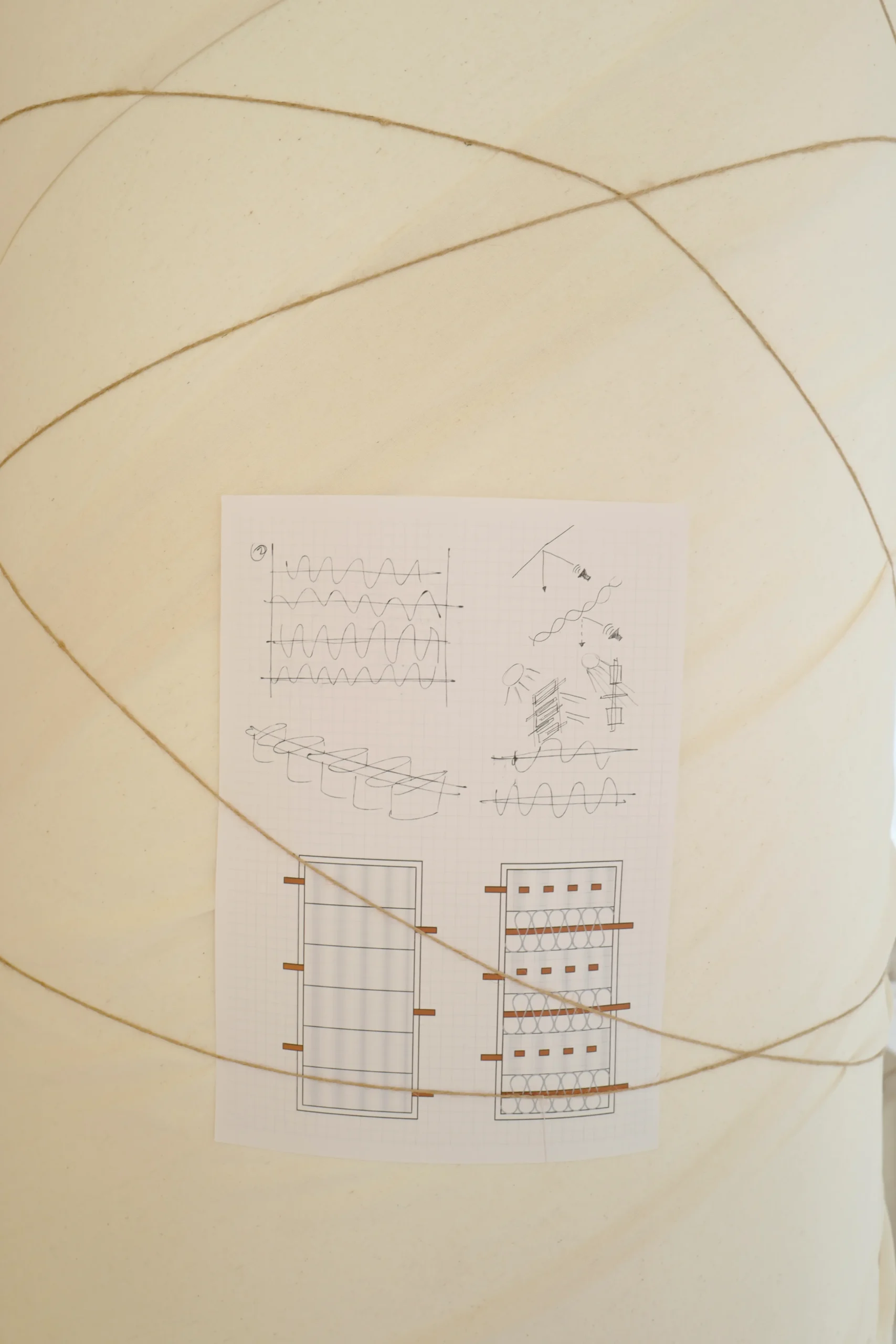
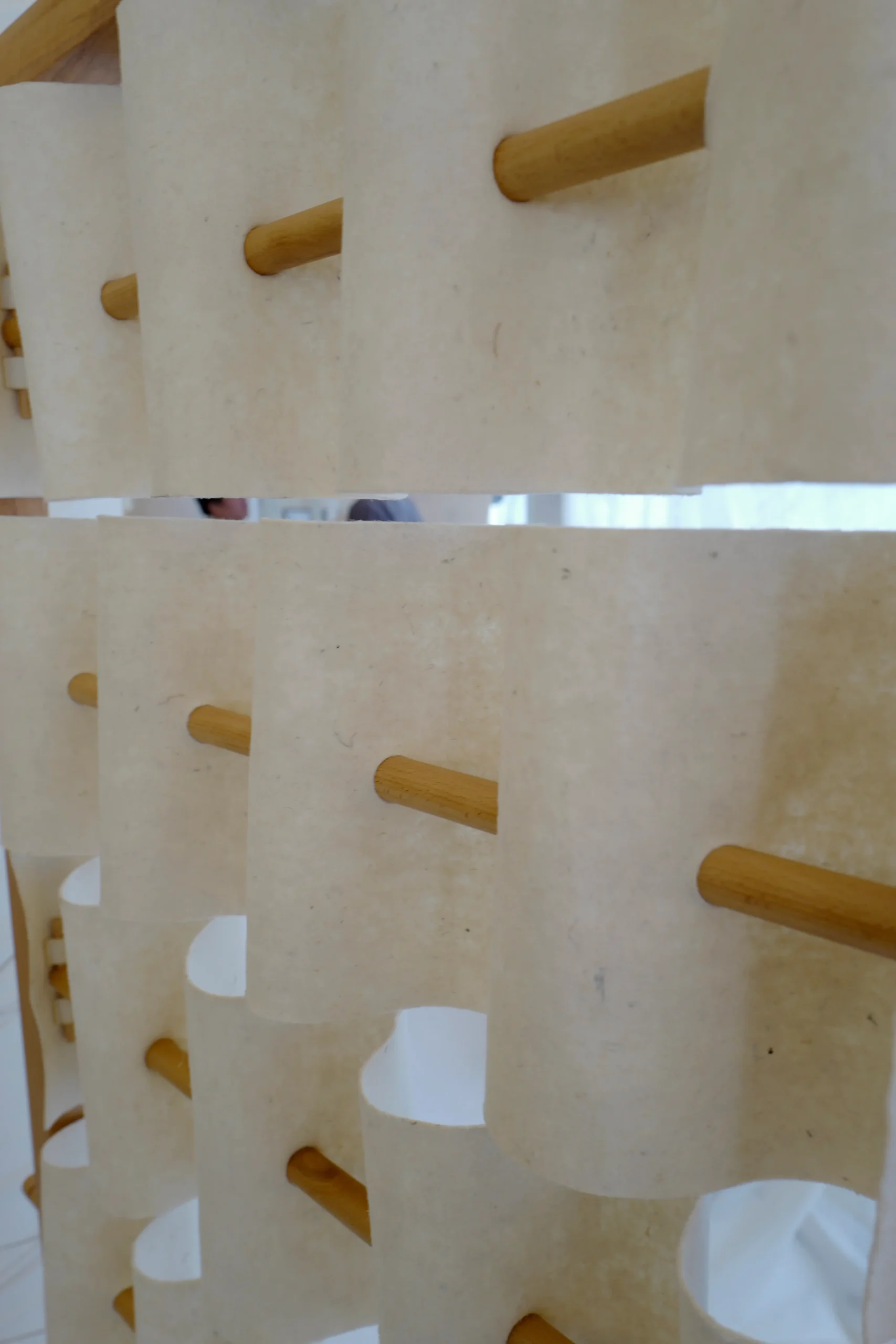
Selena Placino is an industrial engineer driven by observation of everyday culture, exploration, and a commitment to purposeful making. In “Ihawi,” she crafted a freestanding room divider that combines subtle sound absorption with playful interaction. The piece is crafted from Hiblatech’s dense, non-woven felt, which can gently soften sound while filtering light.
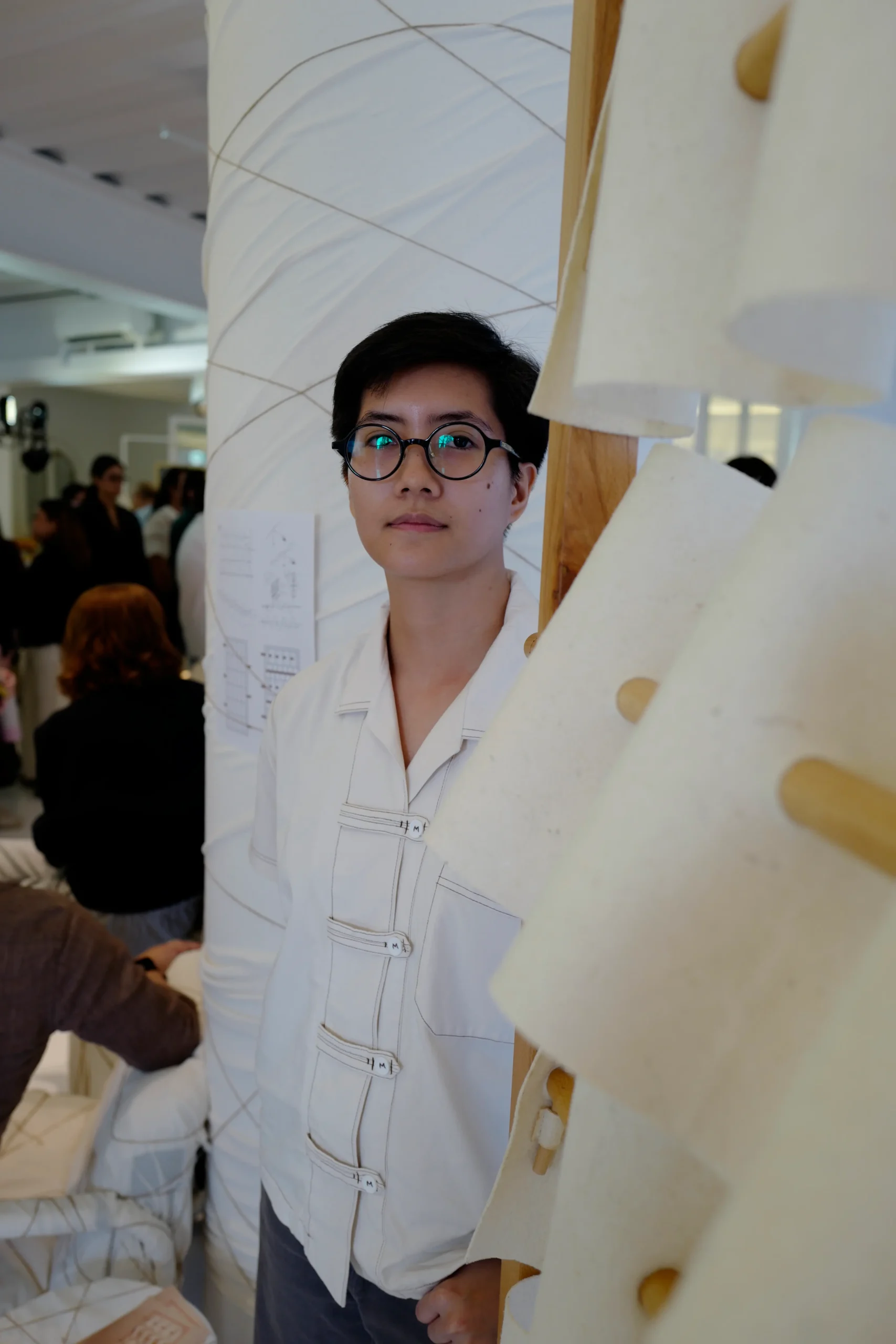
Drawing inspiration from the ihawan and the act of turning skewered food over the grill, the wooden rods allow the felt panels to rotate independently. The piece permits a play of light, shadow, and openness.
Jema Gamer
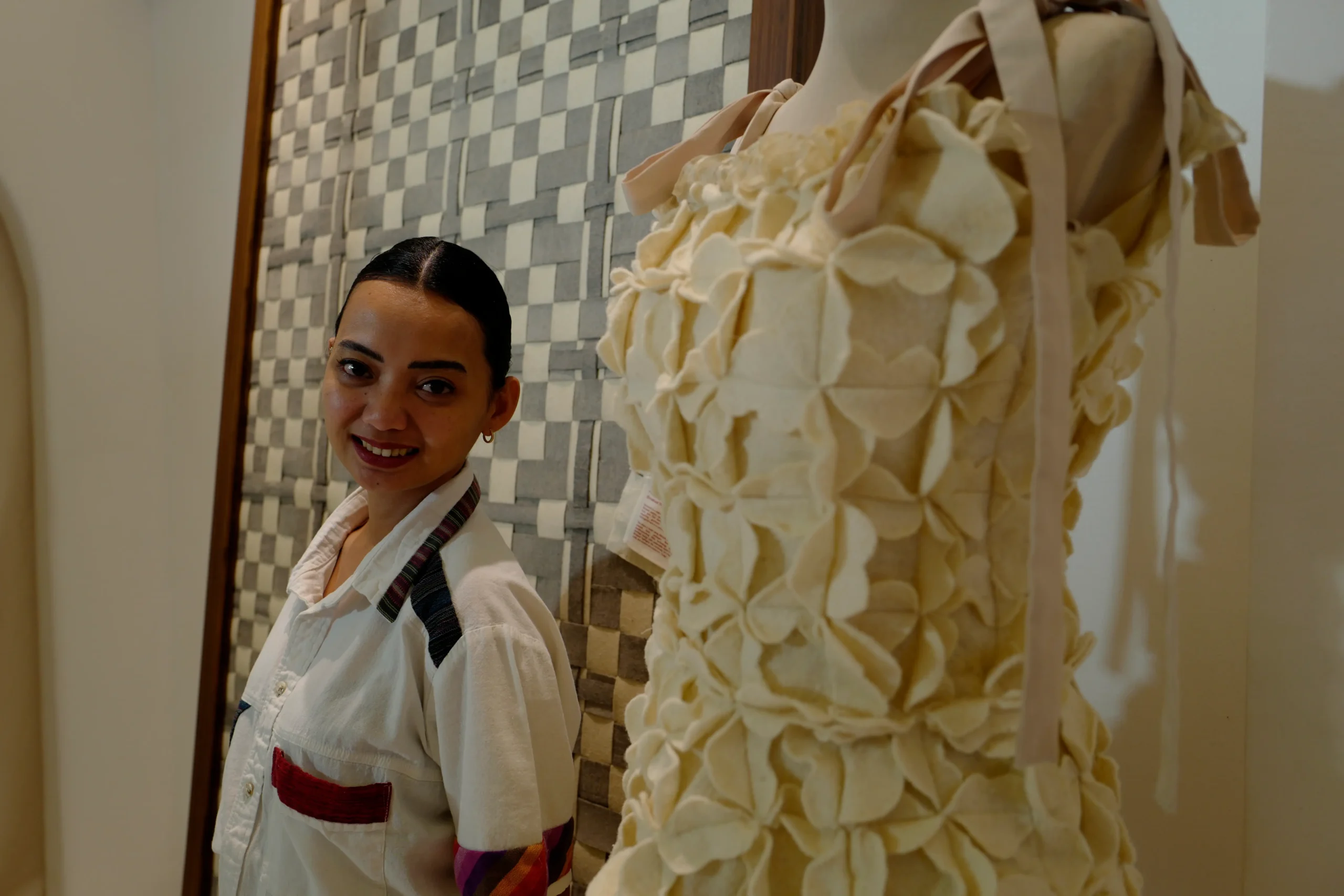
Jema Gamer is a fashion designer born, raised, and based in La Union. With her brand Modista, she acts as a local art and sustainable fashion advocate. As a community-centric brand, it aims to strike a balance between profit and social responsibility, while promoting Ilocandia’s culture.
Inspired by the organic form of orchids and the softness of ulap (clouds), Gamer designed “Orkilap”. The design follows the form of the petal shapes of the orchid flower, translating them into a fluid, sculptural silhouette. Crafted using pinyapel from Hiblatech, the piece is finished in the Color of the Year, Cloud Dancer. The tone is gently blended with the natural hue of the organic piña fibers. As a result, it creates a calm, airy palette that enhances the apron’s sense of lightness, sustainability, and elegance.
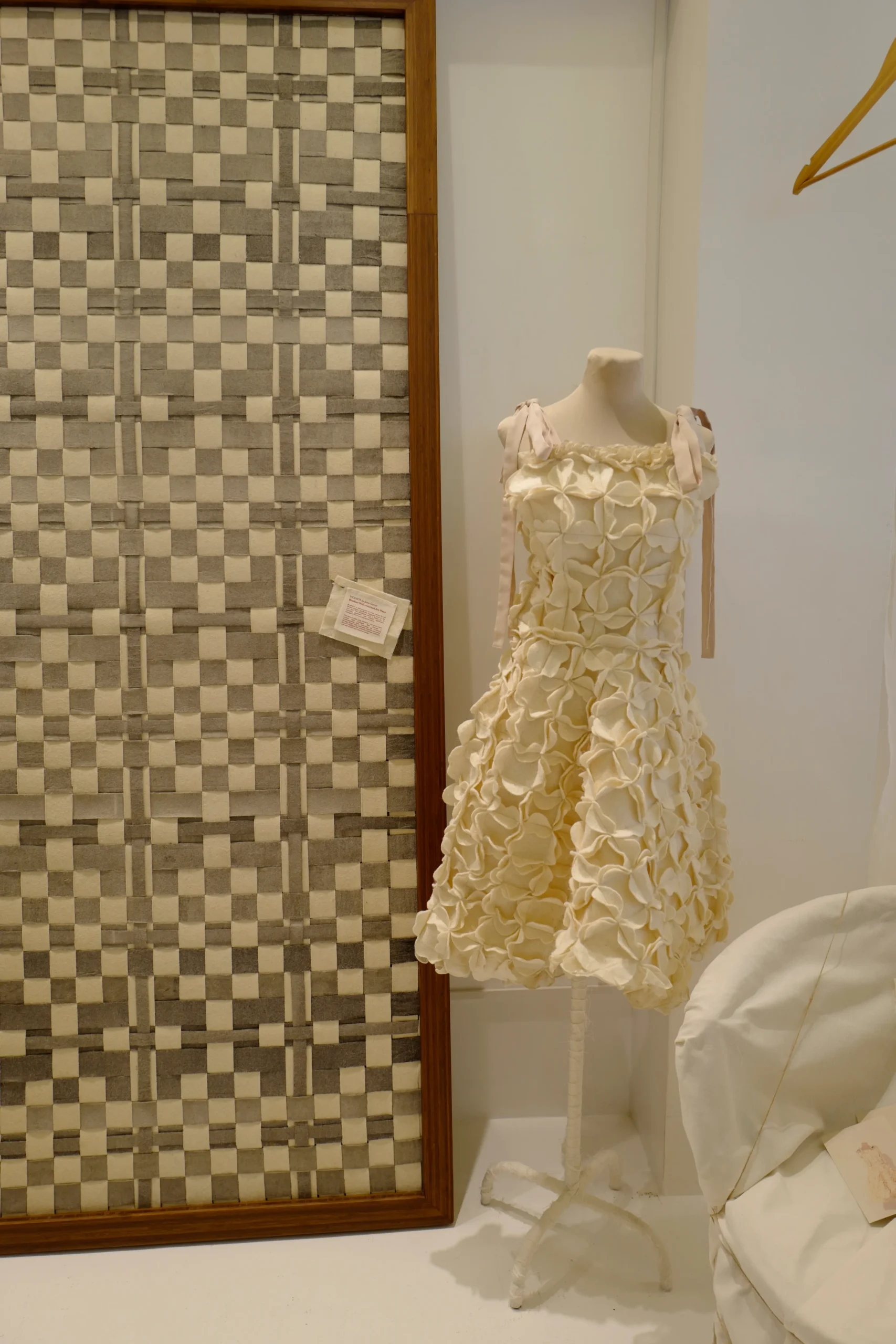
In addition to the garment, Gamer also created the “Binakel Wall-mounted Art Piece.” The art piece is inspired by the Binakol pattern, specifically sinanpadak pusa or the cat’s paw. This traditional motif is known for its repeating geometry and cultural significance—reimagined in a contemporary form.
The piece is made using pinyapel—a non-woven fabric created from pineapple fiber through a needle-punching hibla technology—as well. It combines heritage design with sustainable material innovation. As such, Binakael highlights the continuity between tradition, craft, and modern eco-conscious design.
Krete Manila
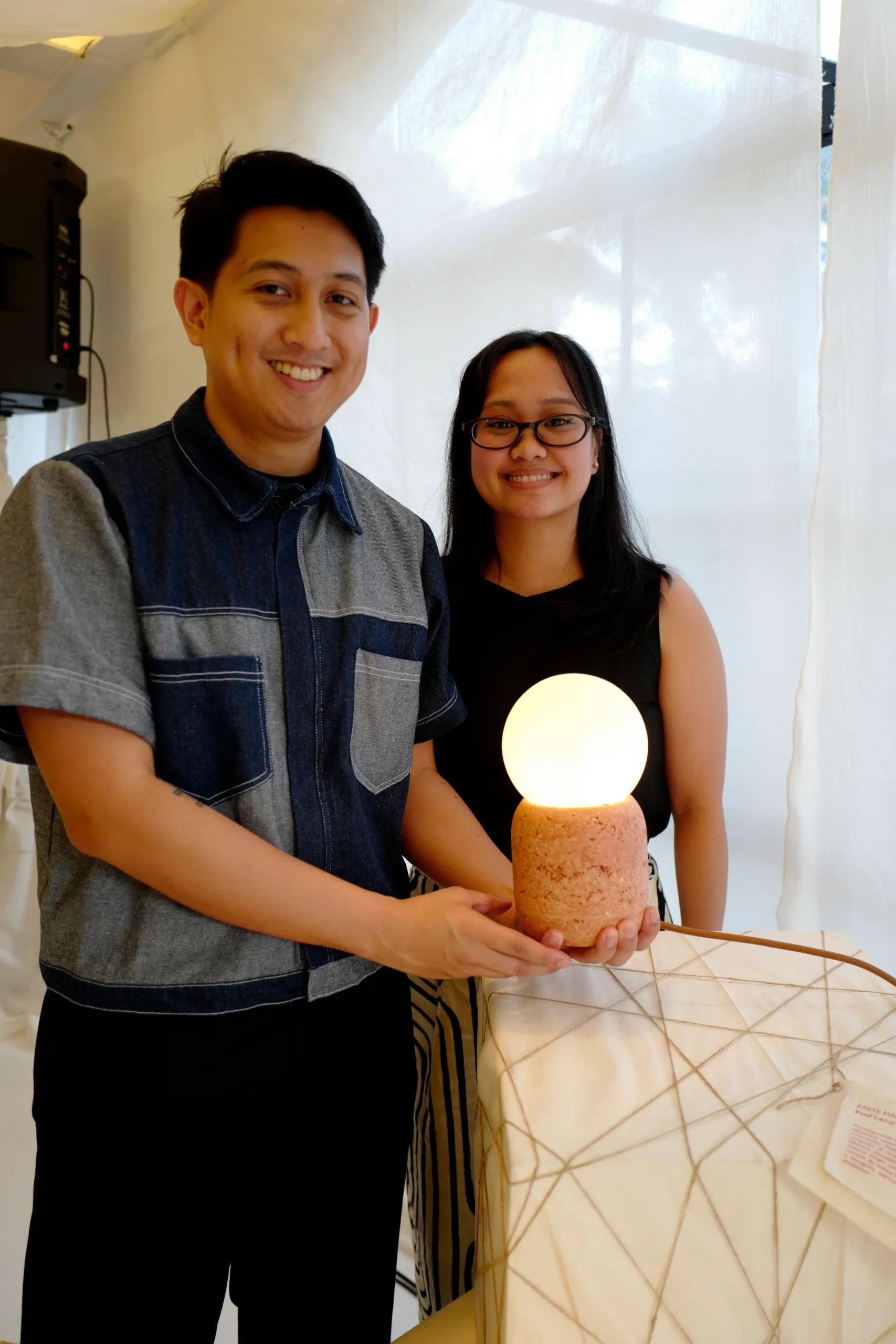
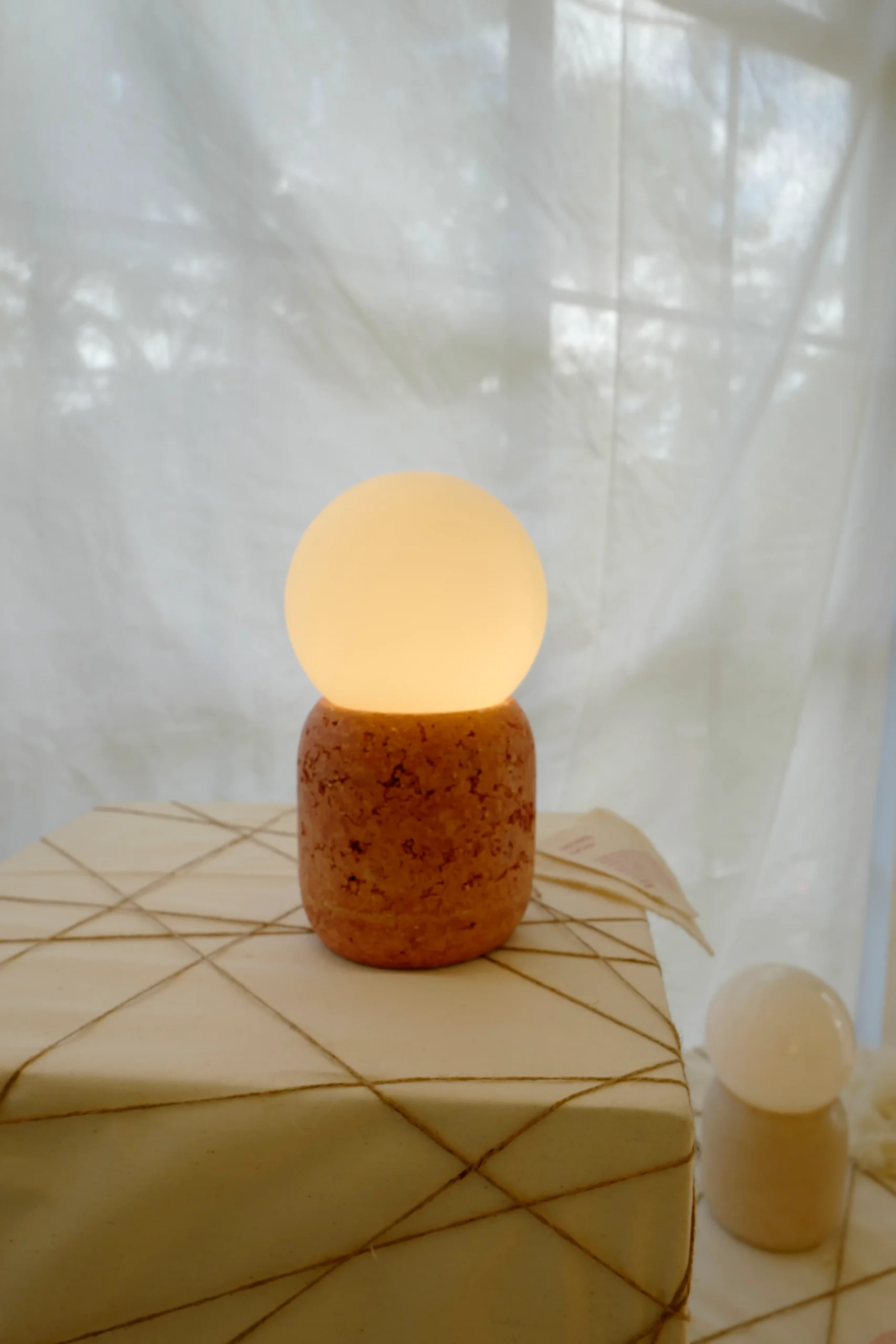
Krete Manila is a Filipino design studio led by Daniel Ubas and Viktoria Laguyo. Working at the intersection of material research, craft, and everyday objects, they are driven by experimentation. The studio explores concrete beyond its perceived weight and rigidity, treating it as a medium for testing, adaptation, and dialogue.
In “Pouf Lamp,” Krete Manila revisits a familiar silhouette through material refinement. Made from papercreate—a lightweight composite of recycled paper—and reinforced with Hiblatech pineapple fiber trims, the piece balances reduced weight with structural strength and tactile contrast.
Dee Javier
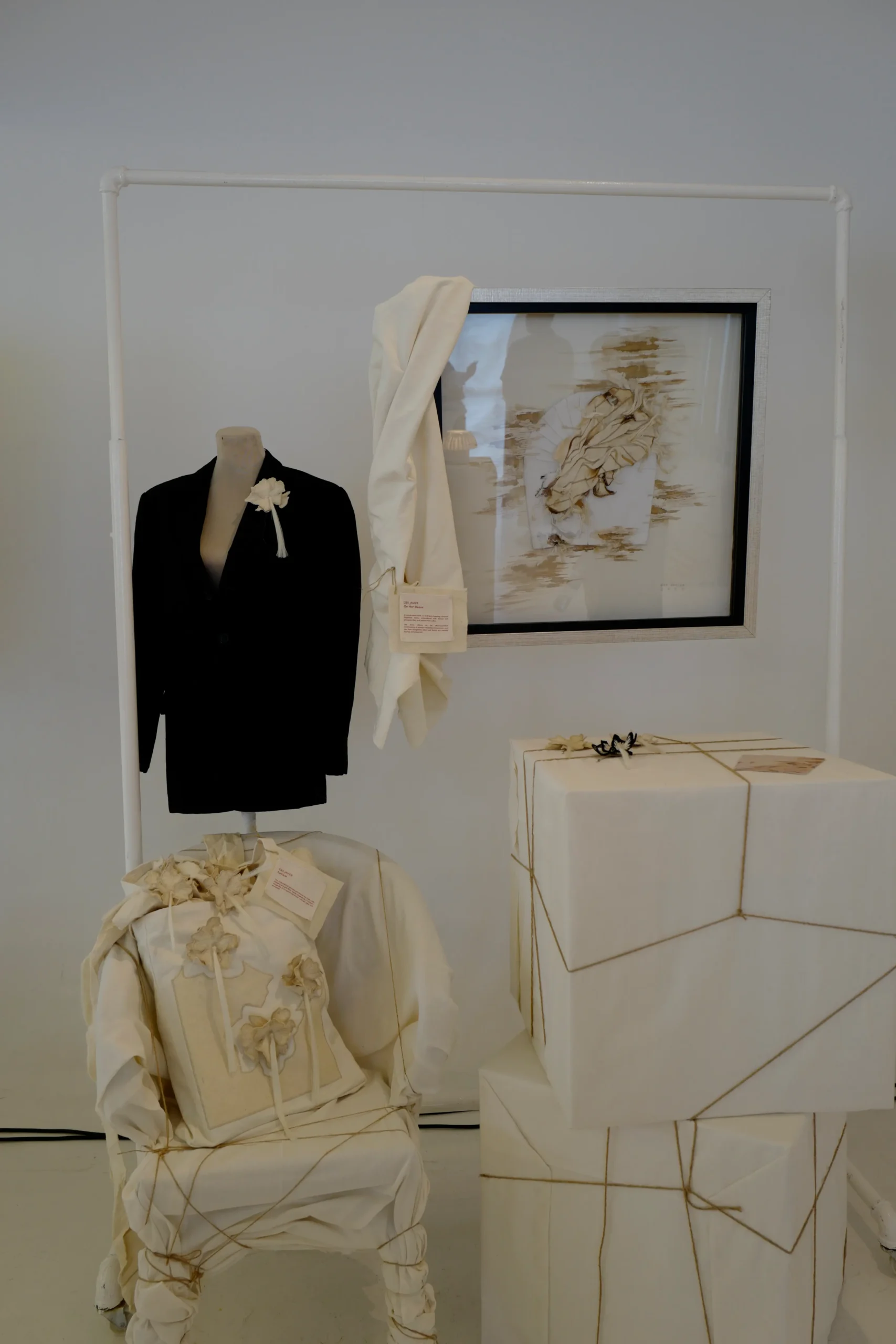
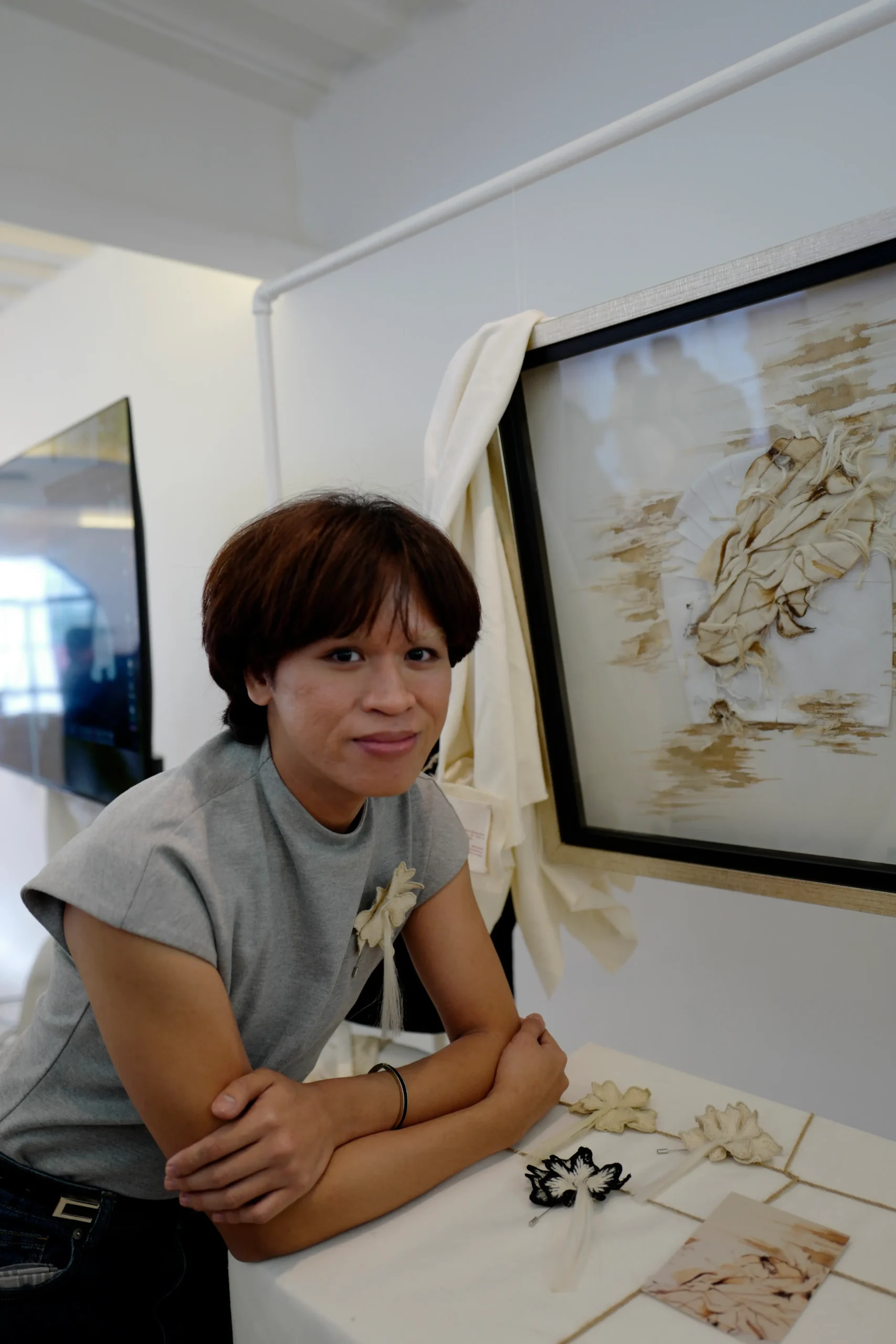
Dee Javier started her fashion design studies at Slim’s Fashion and Art School. Her projects are mostly inspired by experience, emotion, and stories. She is currently working as a designer for Josie Natori. She designed “On Her Sleeve” and “Letticia” for her reimagining of pineapple waste.
“On Her Sleeve” is a mixed-media work on twill fabric featuring a burned Filipiniana sleeve, embroidered with thread and pineapple fiber, and painted with coffee. The piece reflects on the often-unearthed contributions of women—including transwomen—and asks how recognition, labor, and history are marked, altered, and preserved. “A translation of women’s contribution to society,” describes Javier.
Meanwhile, “Letticia” is an embroidered tote bag and brooch made with Hiblafelt and piña fiber tassels. Inspired by a mother’s old garden, it is a gentle ode to her —simple, light, and grounded.
Marc Carcillar

Marc Carcillar is a fashion designer whose practice bridges fine-art painting and garment construction. Beginning with oil and watercolor on large canvases, he developed vivid, impressionistic ideas that inform his approach to fashion.
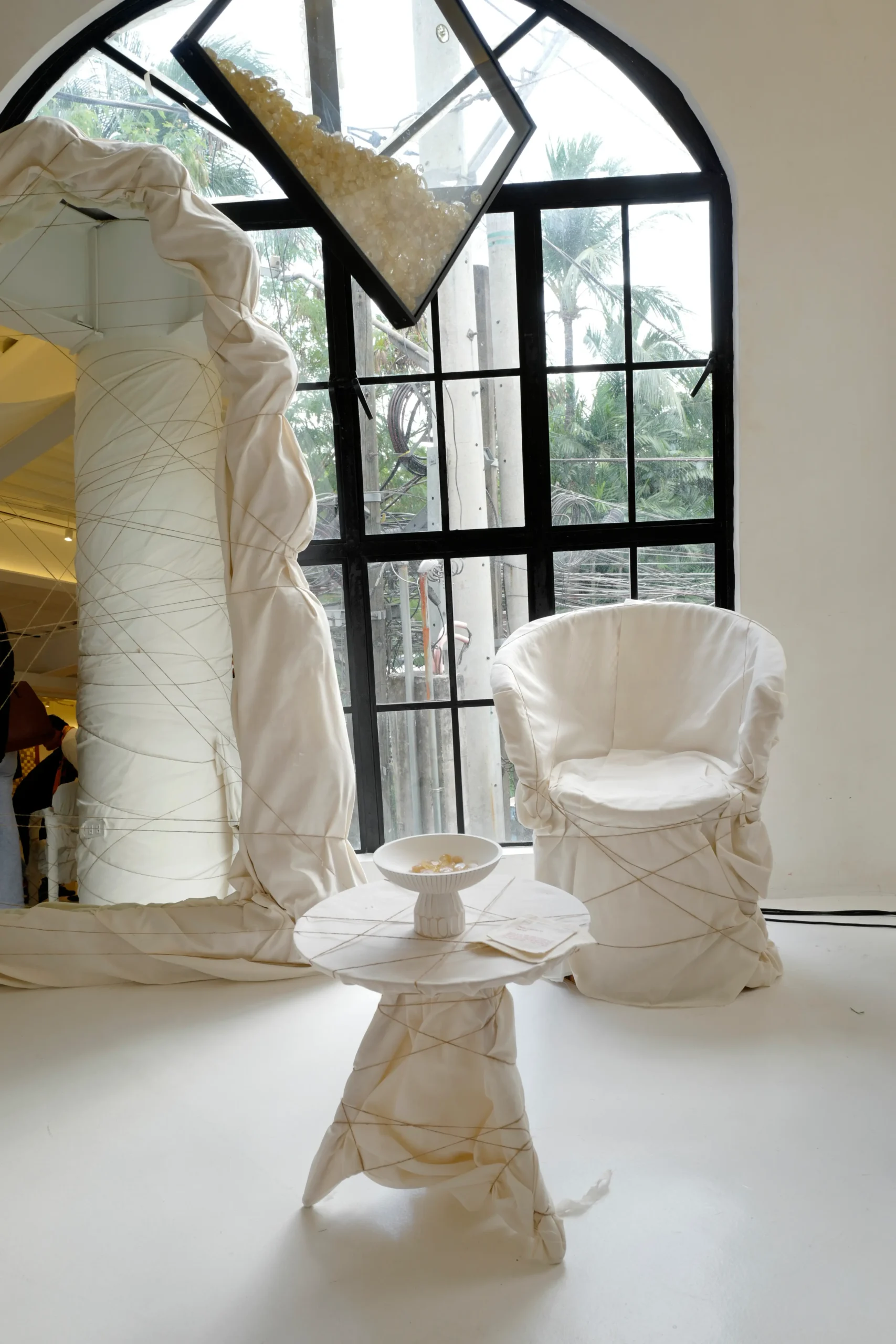
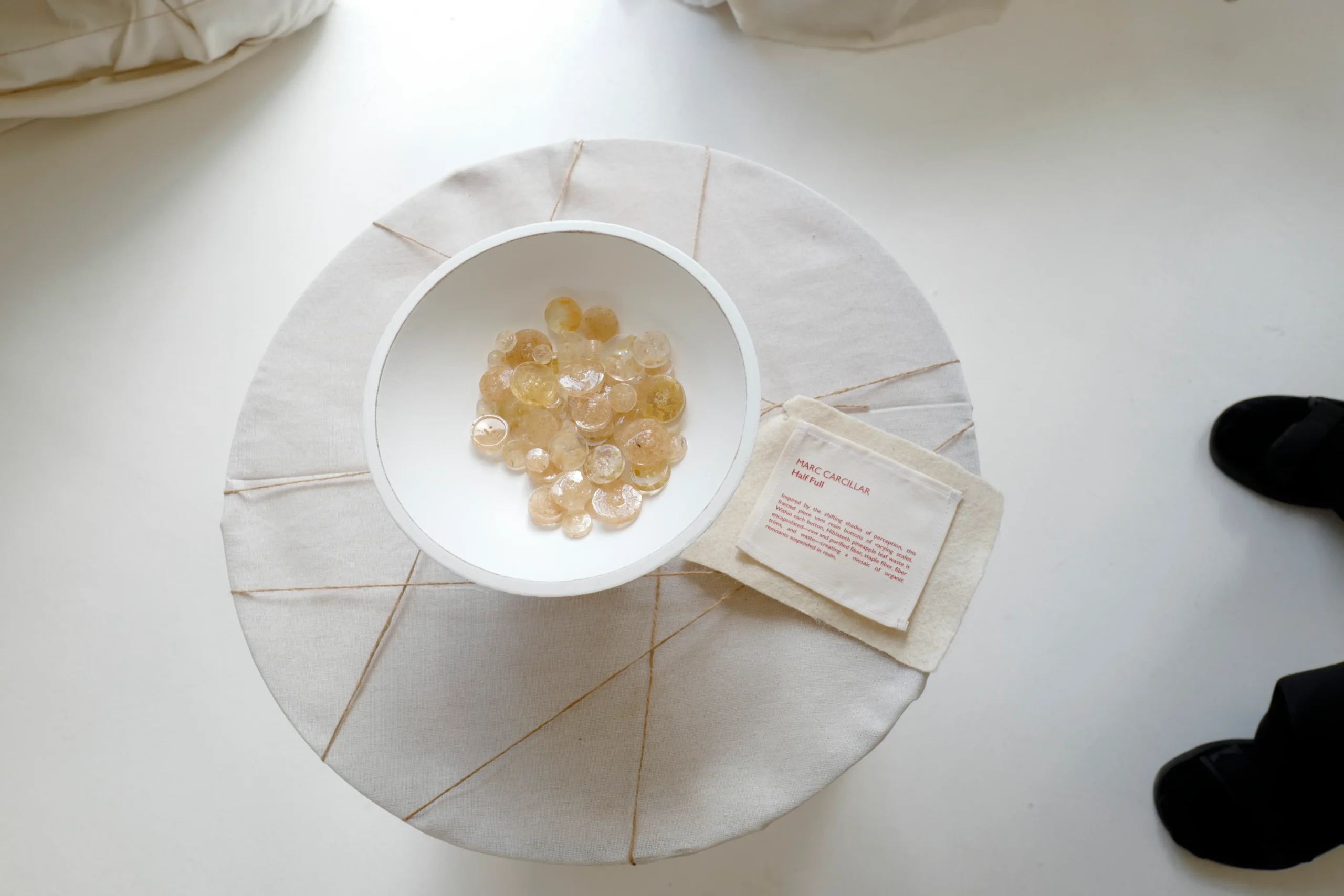
Inspired by the shifting shades of perception, “Half Full” uses resin buttons of varying scales. Within each button, Hiblatech pineapple leaf waste is encapsulated—raw and purified fiber, staple fiber, fiber trims, and waste—creating a mosaic of organic remnants suspended in resin.
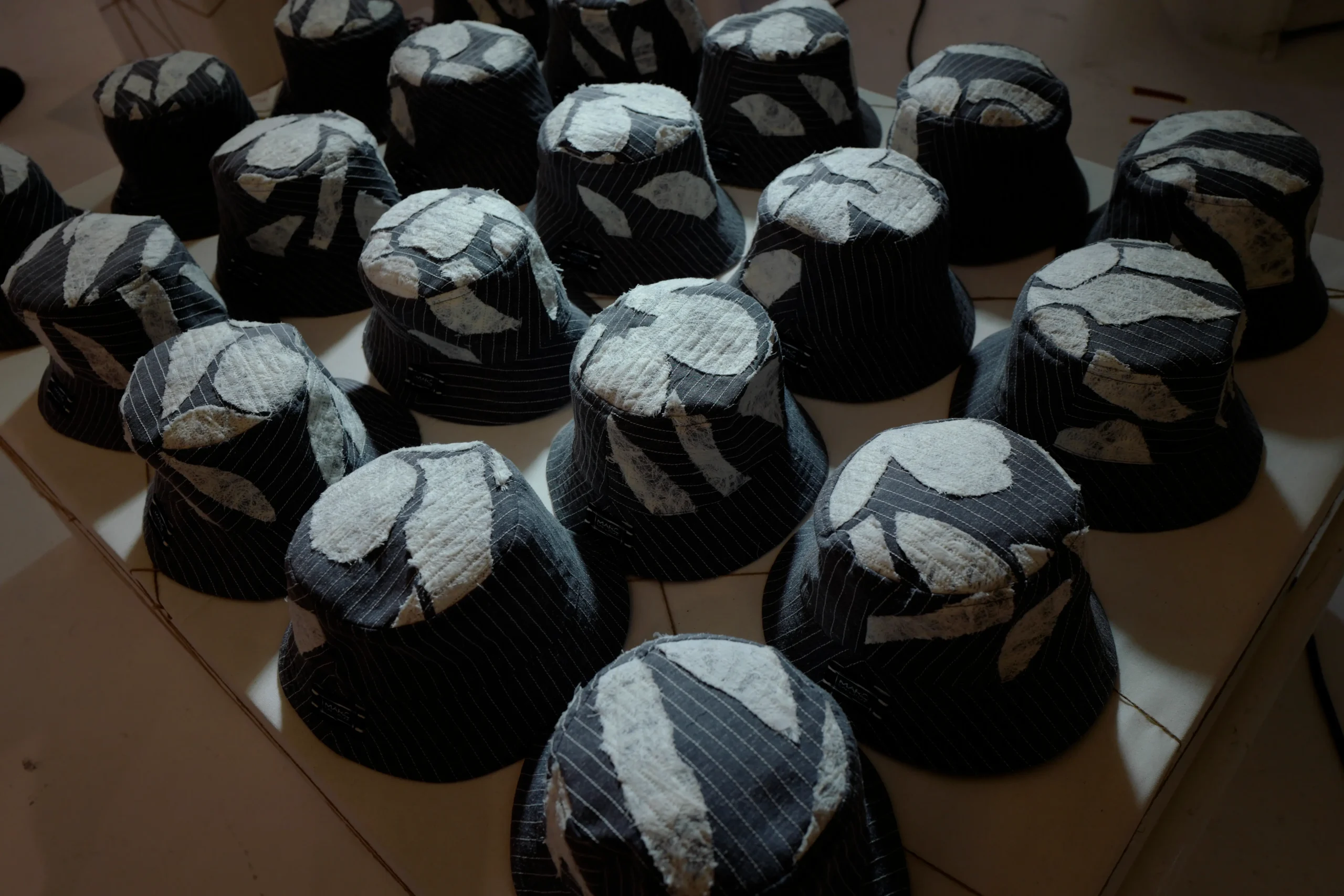
In addition to his art installation, he created “Fill in the Gap.” The Bucket Hat Series threads together Hiblatech-woven fabric, rugged topstitching, and translucent layers of laminated tulle, lace, and Hiblatech threads to blur truth and memory.
Learn More
Living sustainably depends on how we build. That means understanding the materials we choose not only for what they promise, but also for the effects they set in motion, taking responsibility for how they are developed, applied, and scaled.
Hiblatech continues to welcome collaborations and conversations with those willing to explore, test, and think alongside it. For more information, visit the website here: https://www.hiblatech.com
Photographs by Ed Simon.
Read More: Celebrating Philippine-Japanese Relations Through the Tree of Life
Frequently Asked Questions
Hiblafelt is a nonwoven fabric created from pineapple leaf fiber using “needle-punching” technology. Unlike traditional woven fabrics that rely on interlocking threads, this material introduces a dense, felted structure that behaves more like a composite. Co-founder Tina Sabarra notes that it “asks to be handled differently,” pushing engineers and designers to explore hybrid applications where the material can act as a structural reinforcement, a sound dampener, or a translucent light filter.
In his “Piña Sound Panel,” Sibunga reversed the traditional role of felt as a sound absorber. He created a lightweight composite by laminating Hiblafelt onto a plastic core. By attaching a vibration driver, he turned the entire surface of the panel into a speaker. The technical result is a functional object where the organic texture of the pineapple fiber actually influences the tone and resonance of the ambient sound produced.
Designers Jasser Aguila and Chini Lichangco utilized the material’s natural translucency. Aguila’s “Kabu Lamps” feature hand-layered strips of Hiblafelt with burned edges to add depth; when lit, the fibers create a soft, warm glow that highlights the organic “marks of making.” Lichangco’s “Slouchy” lamps combine clay forms with hand-stitched pineapple fiber to create a tactile finish that mimics the weight of human emotion and anxiety.
Jema Gamer used Pinyapel (another Hiblatech nonwoven variant) to create the “Orkilap” apron and the “Binakel Wall-mounted Art Piece.” Technically, these pieces demonstrate the material’s ability to hold fluid, sculptural silhouettes. The “Binakel” piece specifically reimagines traditional Ilocandia weaving patterns (sinanpadak pusa) using needle-punched technology, bridging the gap between ancient cultural motifs and modern eco-conscious fabric construction.
Beyond material science, Hiblatech is built on a value-chain ecosystem. By finding “next-generation” uses for discarded pineapple leaves—which are typically left to rot or burned—the company creates a new revenue stream for farmers. The goal is to scale demand so that the collection and processing of this “waste” becomes a profitable and sustainable secondary industry for agricultural communities across the Philippines.
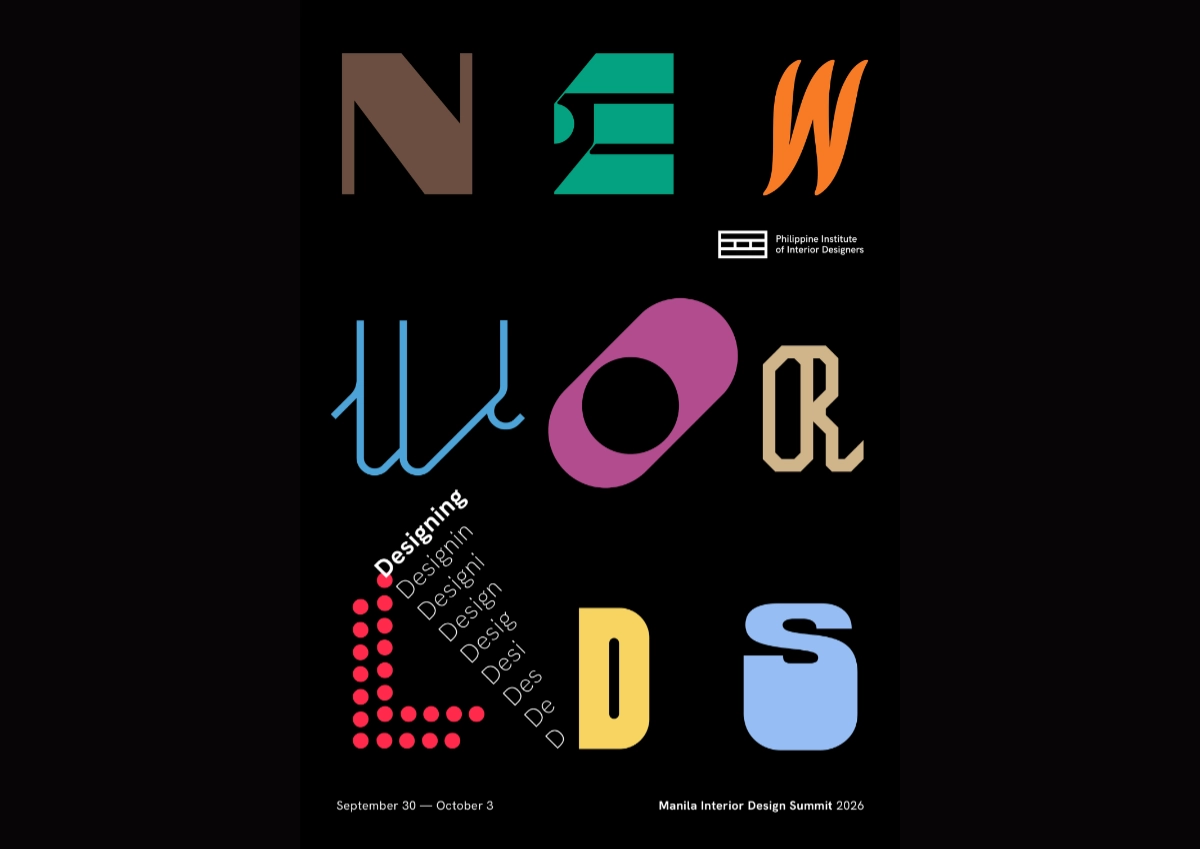
“Thailand has claimed urban creativity and livability. Singapore has institutional design leadership. Indonesia is emerging as a design hub. Vietnam is moving into design innovation. And the Philippines? Its position is not weak. It is simply unclaimed.” For IDr. Cecil Ravelas, National President of the Philippine Institute of Interior Designers (PIID), the challenge is not […]
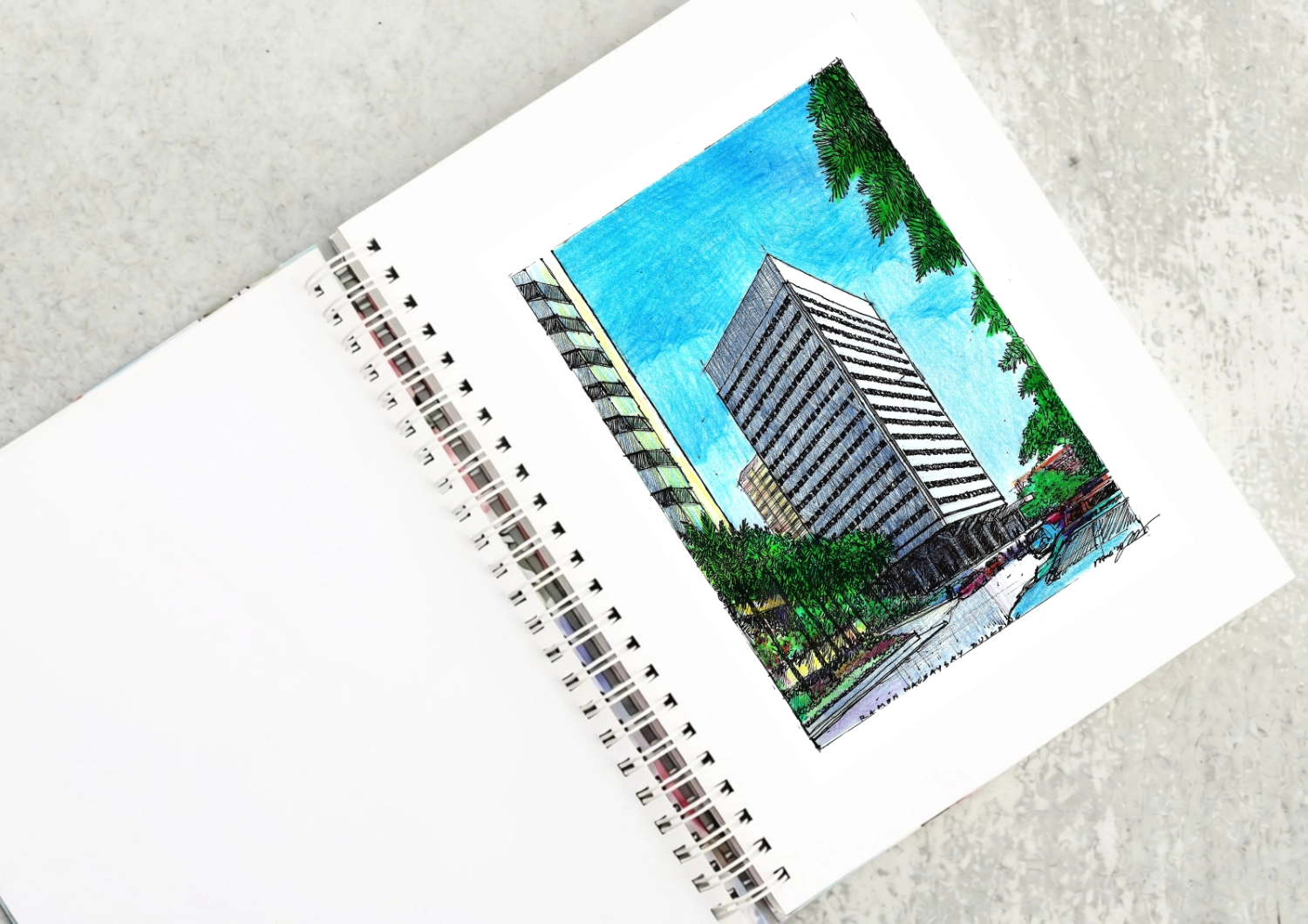
The Ramon Magsaysay Center as a Modernist Landmark Driving down Roxas boulevard from Rizal Park, what will catch your eye is the most elegant modernist structure in the country, the Ramon Magsaysay Center. Most established Filipino architects put it in their top ten lists of favorite buildings. It was designed by Alfredo J. Luz, who […]

Rinna Soriano’s favorite part of her work is sanding. At her workbench, she stays focused, following the grain, adjusting to changes in its direction. Narra, she has learned, can have interlocking grain. A piece of mango once proved particularly difficult until a worker explained that she had reached the point where a branch once grew […]
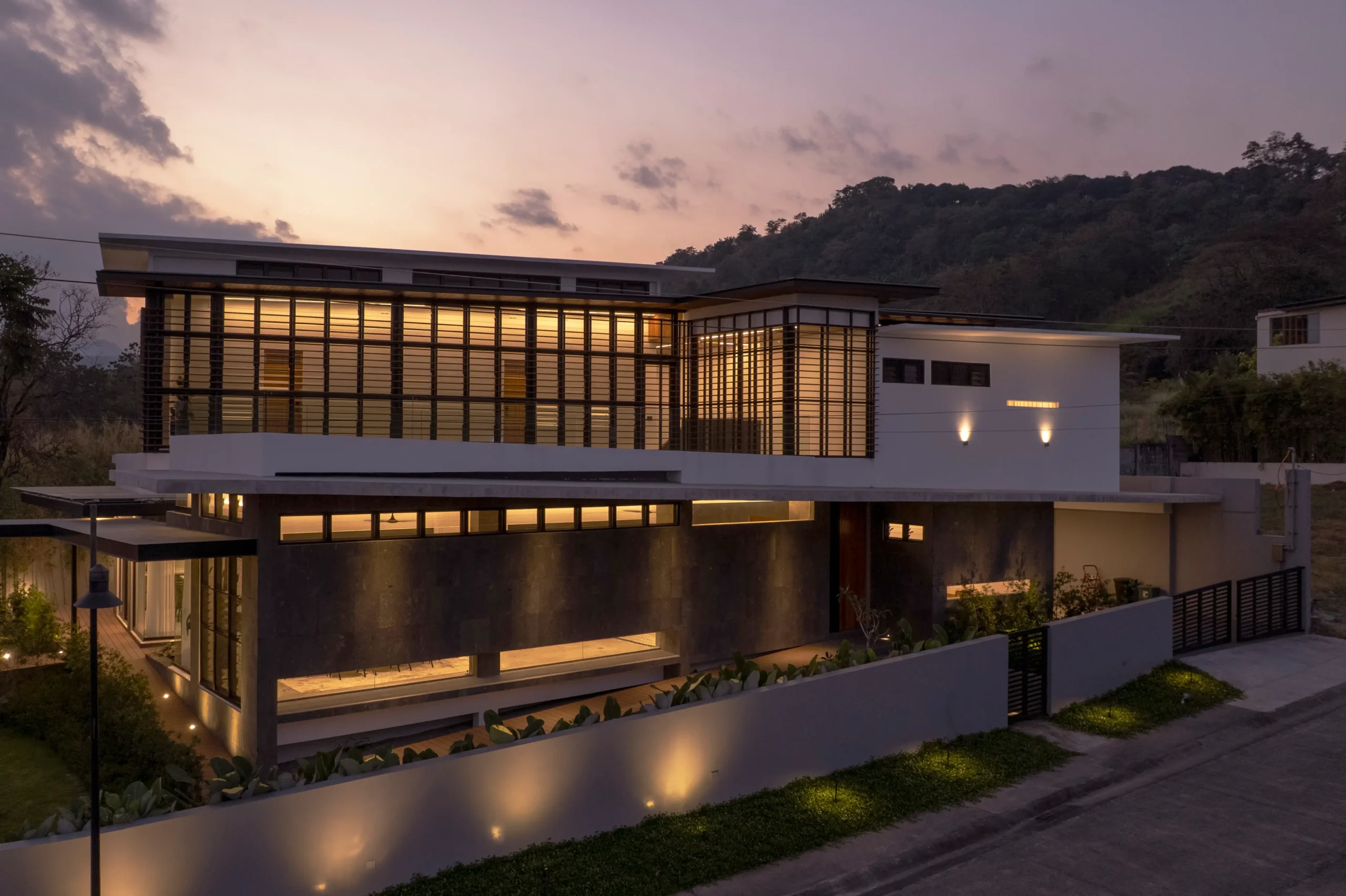
Filipino architectureArchitectureThe art and science of designing and constructing buildings, structures, and spaces that are functional, safe, and aesthetically pleasing. It encompasses the planning, design, materials, and techniques used to createGo to Architecture Glossary has long been associated with indigenous materials and vernacular design strategies, from bamboo and timber construction to jalousie windows, generous spaces, […]
Read the issues.

Collect the volumes.

Recommended Video
Tap to Unmute
Unmute
0:00
0:00