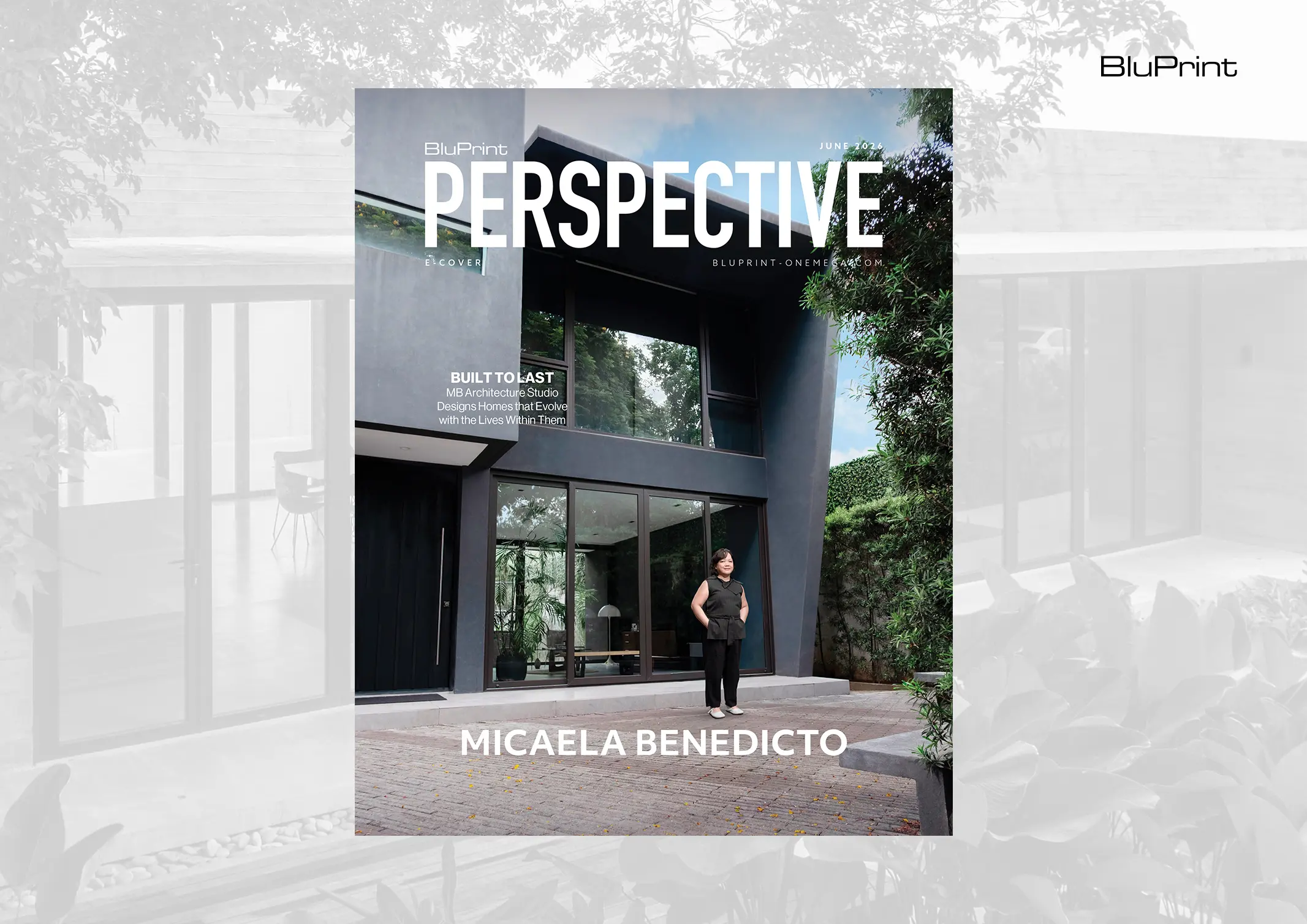
Since setting up her design firm, MB Architecture Studio, in 2007, Ar. Micaela Benedicto has built a diverse portfolio of architectural projects. Her works, whether residential or commercial, showcase a distinct spatial quality, “I like to create things that can go from something static to something that is alive and reactive,” Benedicto states. “In creating […]
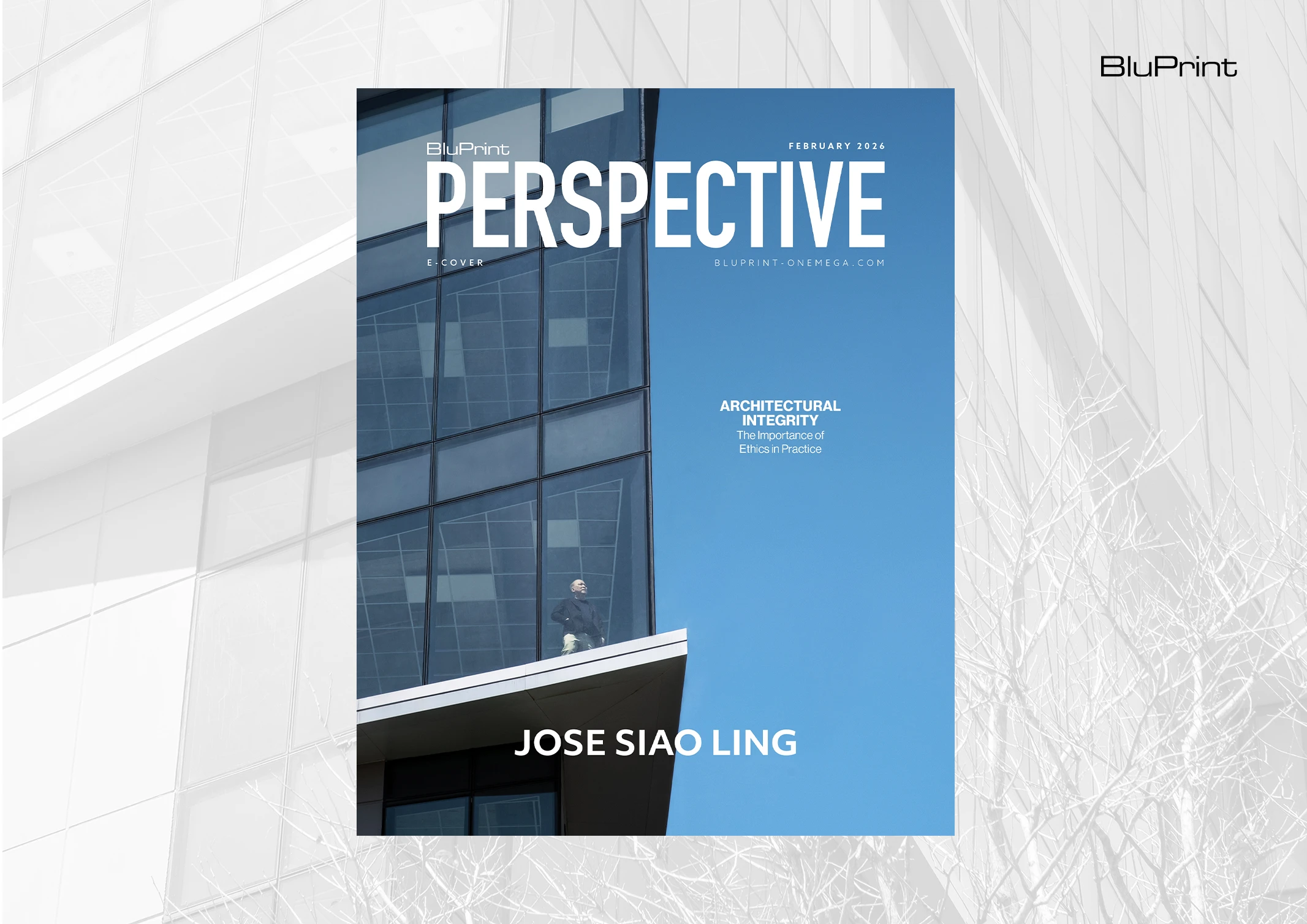
Jose Siao Ling: An Architectural Legacy Founded on Integrity



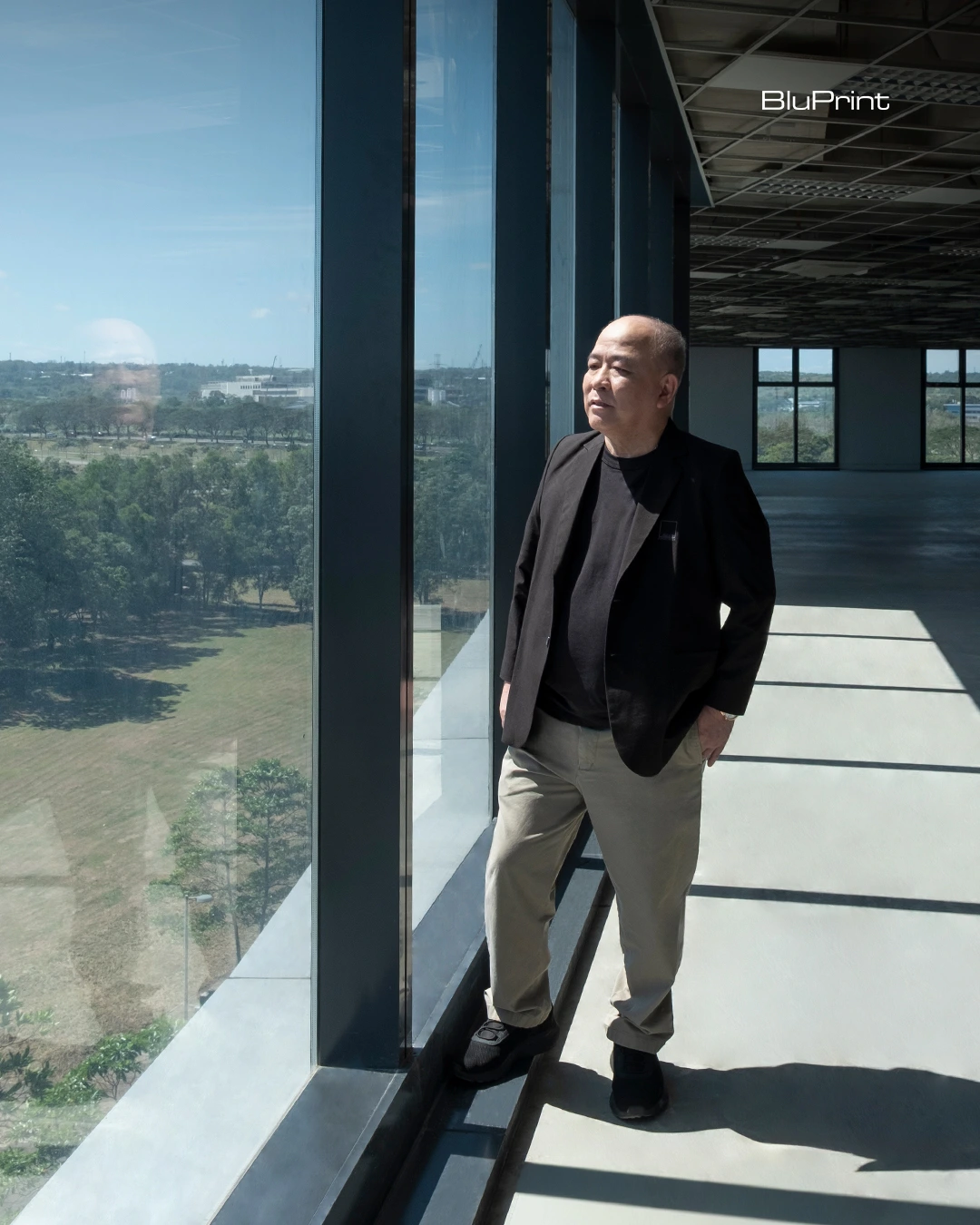
As the built environment evolves, the role of the architect demands reconsideration. For Jose Siao Ling, Co-Founder and Principal Architect of Jose Siao Ling & Associates (JSLA Architects), the role extends far beyond being a licensed professional who designs and oversees construction. By championing ethical practice, ISO-certified systems, and mentorship-driven leadership, he built a firm that has shaped nearly four decades of commercial and institutional architectureArchitectureThe art and science of designing and constructing buildings, structures, and spaces that are functional, safe, and aesthetically pleasing. It encompasses the planning, design, materials, and techniques used to createGo to Architecture Glossary in the Philippines.
In this month’s BluPrint Perspective, BluPrint sat down with Arch. Siao Ling to discuss the vital role of honesty, integrity, and ethics in architectureArchitectureThe art and science of designing and constructing buildings, structures, and spaces that are functional, safe, and aesthetically pleasing. It encompasses the planning, design, materials, and techniques used to createGo to Architecture Glossary. His journey, marked by a tumultuous start and decades of hard work, has blossomed into a legacy that is actively shaping the future leaders of Philippine architecture.
From Hong Kong to Manila: Founding JSLA in the 1980s
In July 1983, Siao Ling and his wife and co-founder, Ana Mangalino, moved to the Philippines to establish their own firm. Using savings earned as an Overseas Filipino Worker (OFW) in Hong Kong, Siao Ling launched his practice on shaky ground amid a time of political and social unrest.
Just one month after establishing his firm, Benigno “Ninoy” Aquino Jr. was assassinated. “We started in July; he was killed in August. We didn’t know [what was coming]. Finally, our budget was depleted. The money Ana and I had earned was exhausted,” Siao Ling recounts. The firm’s turning point came after completing a project for a client who would become a lifelong and multigenerational partner. This was the relationship that eventually saw JSLA design 40 of the client’s 85 malls.
In the early ‘80s, the local architectural landscape was fraught with misconduct. “A lot of the practice of architectureArchitectureThe art and science of designing and constructing buildings, structures, and spaces that are functional, safe, and aesthetically pleasing. It encompasses the planning, design, materials, and techniques used to createGo to Architecture Glossary [was] unethical. We have to sign a contract before we start a scheme, but many practiced without a contract. It was difficult to break these practices,” Siao Ling explains.
From the outset, he sought to challenge these norms, maintaining strict firm policies and insisting that every project begin through proper, ethical channels. This principled approach—now known as the “Siao Ling Way”—earned him enduring credibility in the field.
The Siao Ling Way: A Framework for Ethical Architectural Practice
With four decades of experience in architecture, Siao Ling developed his architectural philosophy. Founded on honesty and integrity, he calls this the Jose Siao Ling Way, or the “JSL” Way. Drawing from Senator Richard “Dick” Gordon, Siao Ling created his own iteration of the 5Fs: focus, flexible, firm, fast, and friendly.
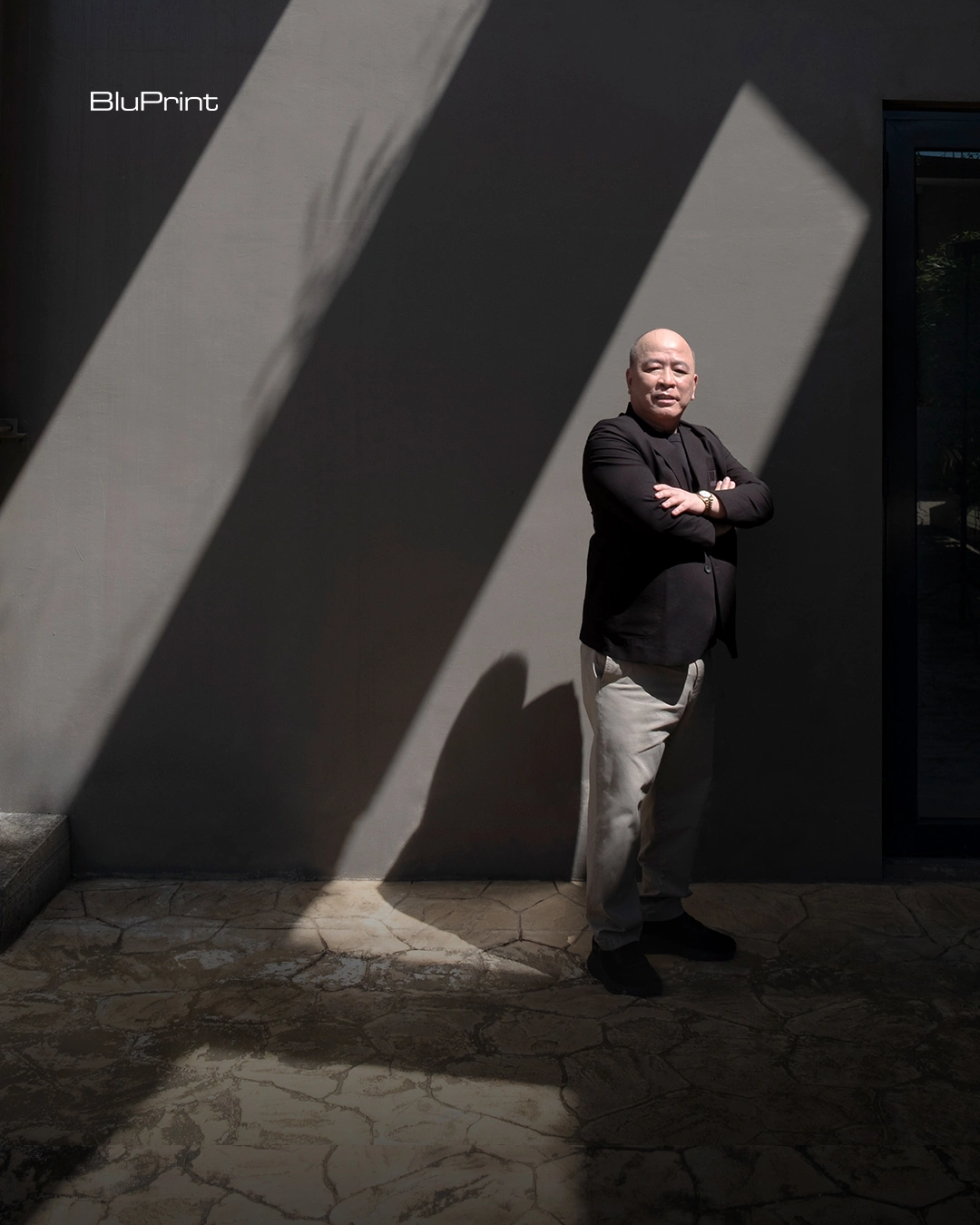
This requires the architect to demonstrate complete dedication to the task at hand; to translate complex processes into the client’s language; to stand by one’s professional word and expertise; to maximize efficiency for both the firm and its clients; and to maintain an approachable and kind demeanor.
“As a professional, [the clients] don’t know what you’re doing. You have to be flexible enough to go to their level and explain to them in their language, and [be] firm on whatever you said. Don’t be scared that they’ll get mad that you end up hesitating,” Siao Ling says.
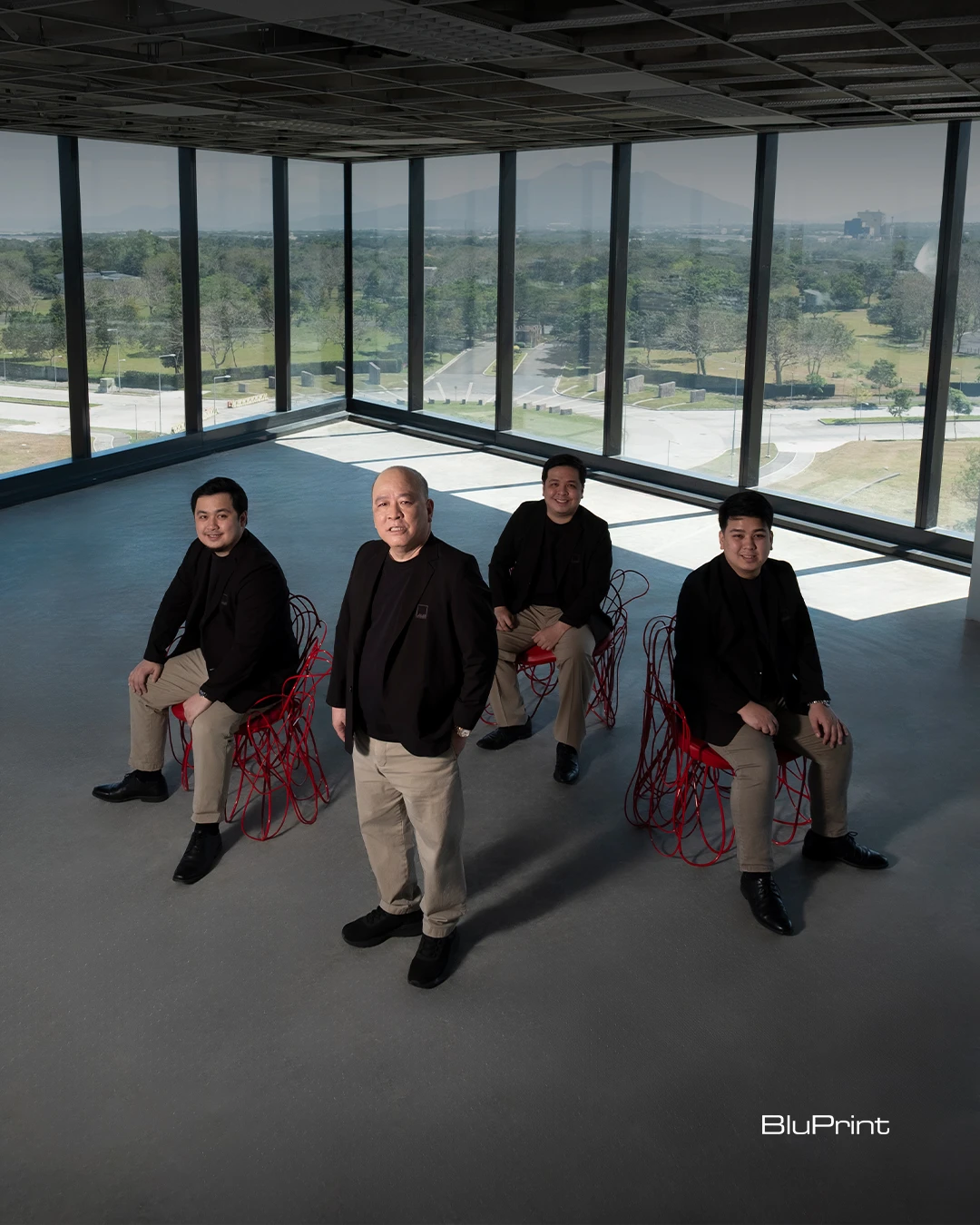
Today, JSLA is composed of over 150 staff members. As the principal architect, he imparts this philosophy to his architects and staff—all of whom he views as his children. “We always hire or get staff from new graduates [from] any university because they will be trained in our office as an architectural assistant. From there, we can train them to be honest, to be efficient, and to be a person [who] is ready to be a very respectable and reputable architect.”
To become a credible architect, Siao Ling also pushes a wider range of knowledge to his architects. He requires his architects to have a minimum of eight to fourteen projects each. Siao Ling shares, “The architect should be versatile enough to know all the different design capabilities.”
Setting the Standard: ISO 9001 Certification and Sustainable Building Practices
What began as a small firm has evolved into a corporate family practice with an ISO 9001:2015 certification in Quality Management Systems (QMS). In their 35th year, they applied for an ISO certification to ensure that the firm meets international standards. This certification laid down a standard procedure that streamlined the firm’s processes for each of its projects.
“In some projects, if the principal is present, the supervision is great; if they are gone, the quality suffers. This is unacceptable,” Siao Ling remarks. His established procedure manuals ensure that every project reaches the highest standard, regardless of his physical presence.
With this certification, Siao Ling is confident in his firm’s work. From the cost of printer ink and electricity bills to the design and planning of each project, he is aware of every detail. “We see to it that the building will be sustainable. I can proudly say that, to date, for about forty-two years, we have already built about 878 projects. Only one building has been demolished,” he says proudly.
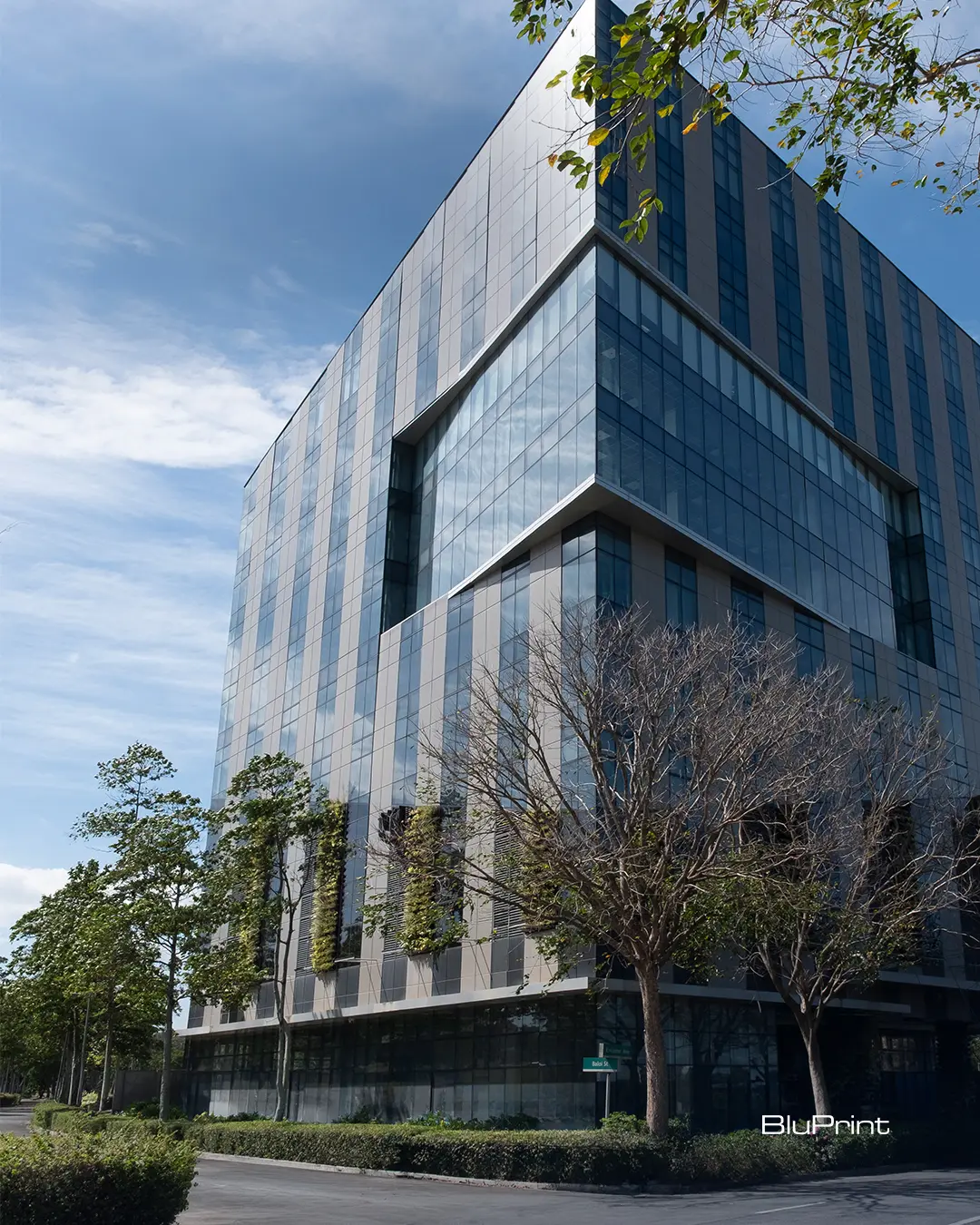
Situated in Nuvali, a prime example of this standard is the LHK South. The project features double-glazed windows to reduce HVAC stress, bicycle parking with shower facilities to encourage green commuting, and a sewage treatment plant that recycles water from the septic system to reduce freshwater consumption. A green rooftop further mitigates heat gain and pollution.
These features ensure that the building is sustainable and built for the local tropical climate. The procedure manual provides the guidelines for such matters. “Even if the principal architects leave in the near future, the others can continue our legacy,” Siao Ling states.
Breaking Barriers: Diversity and Professional Mentorship in Philippine Architecture
Reflecting on his career as an architect, he remembers being discriminated against due to his Chinese ethnicity. “During my time, when I applied, they didn’t like my Chinese eyes. Maybe they are insecure that I might get their client. I make it a promise [that I shall return], but I will never follow what they were doing. There will be no discrimination,” Siao Ling affirms.
JSLA maintains a strict no-discrimination policy regarding ethnicity and academic background. With this policy in mind, Siao Ling shares that many Filipino-Chinese architects have come from his firm. This is a full-circle moment for him. As someone who had been discriminated against, Siao Ling assures his firm is a safe space for those who come from a similar background.
Even after employees move on to start their own firms—which 85% to 90% of his former staff eventually do—the mentor-mentee bond remains. “If they have a problem, they call me. I give them a sketch; I teach them,” Siao Ling says.
Elevating Philippine Architecture: Talent, Standards, and Industry Reform
Siao Ling is a staunch believer in the world-class versatility of Filipino architects. However, he acknowledges that systemic issues—such as inconsistent fee structures and corruption—hinder the industry’s growth. “Too often, the price dives after the commissions. I removed that. I always teach my staff to not do that. I am proud that they are following in our JSLA small way,” he states.
Jose Siao Ling’s career is a testament to the fact that an architectural legacy isn’t just about what is built, but also how it is built. Through mentorship, standardized excellence, and a refusal to participate in unethical shortcuts, he has transformed his firm into a sanctuary for talent and a bastion of integrity. Forty-two years later, the “Siao Ling Way” has evolved from a personal philosophy into a professional standard for architects.
Read More: How Inclusive Design Promotes Community and Social Integration
Associate Producer: Mae Talaid
Hair and Makeup: Cats del Rosario
HMUA Asst. Barbie Farvis
Managing Editor: Maita de Jesus
MMA Digital: Paula Sales
MMA: Gabriel Ramos
MMA: Raechel Oro
Photographer: Ed Simon
Videographer: Kim Santos
Video Editor: Chelsea Coniega
Frequently Asked Questions
Jose Siao Ling is the Co-Founder and Principal Architect of Jose Siao Ling & Associates (JSLA Architects). He established the practice in July 1983 alongside his wife, Ana Mangalino, using savings earned as an Overseas Filipino Worker (OFW) in Hong Kong.
Over 42 years of operation, the firm has completed approximately 878 projects. Siao Ling takes particular pride in the longevity and structural integrity of his work, noting that only one building in the firm’s entire history has ever been demolished.
The JSL Way is an ethical and operational framework based on the “5Fs”: Focus, Flexible, Firm, Fast, and Friendly. This philosophy mandates that architects remain dedicated to the task, translate technical concepts into the client’s language, stand firm on professional expertise, maximize efficiency, and maintain an approachable demeanor.
JSLA is ISO-certified in Quality Management Systems (QMS), which standardizes every stage of a project through a procedure manual. This technical system ensures that the quality of design and site supervision remains consistent regardless of the principal architect’s physical presence, solving the common industry problem of quality suffering when leadership is away.
The firm is a major force in commercial architecture, having designed 40 out of 85 malls for a single long-term, multigenerational client. This relationship was the turning point that allowed the firm to survive the political and social unrest of the early 1980s.
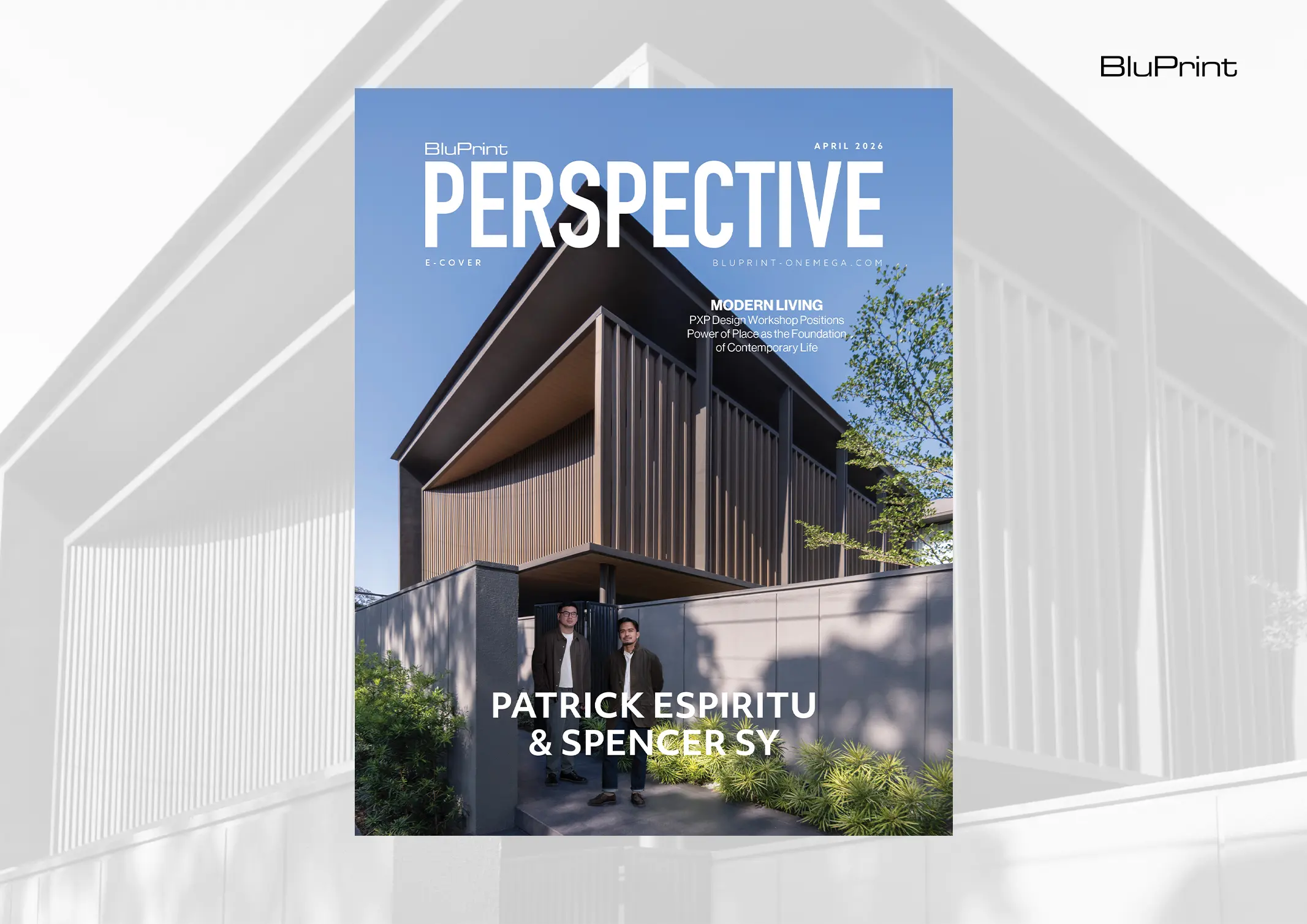
Architects Spencer Sy and Patrick Espiritu of PXP Design Workshop believe it is their responsibility to create spaces that improve how people live. The studio is known for modern residences and nature-integrated homes that show how the built environment can shape human interaction. Building a Practice in the Philippines As a child, Sy was drawn […]
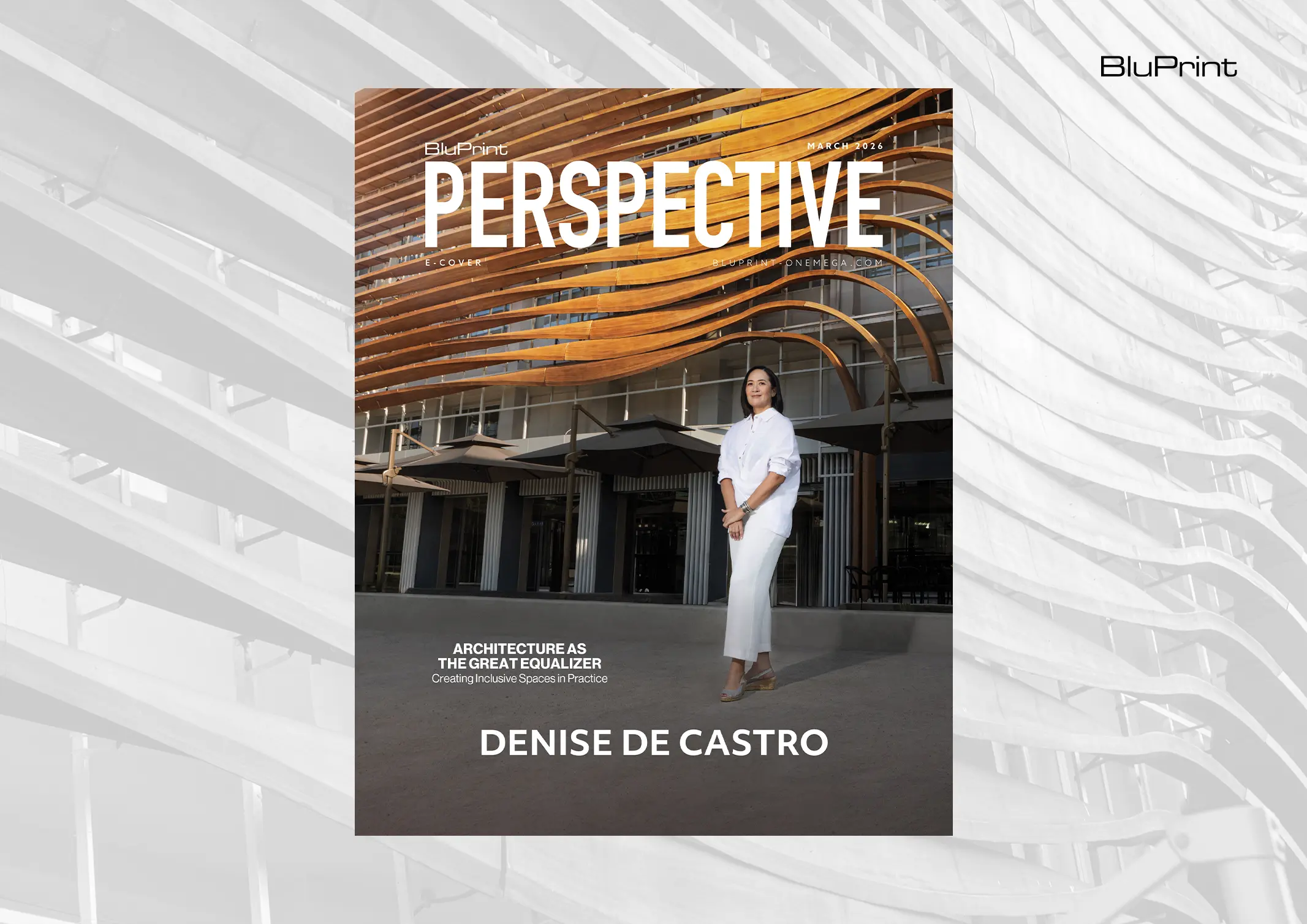
Denise de Castro, Principal Architect of DEQA Design Collaborative, believes that designing with equity in mind means starting at the workplace. Values and practices that your studio or office espouse inevitably filter down to the work that you do. Equitable design ensures that people with different needs and different backgrounds are supported through fair access, […]
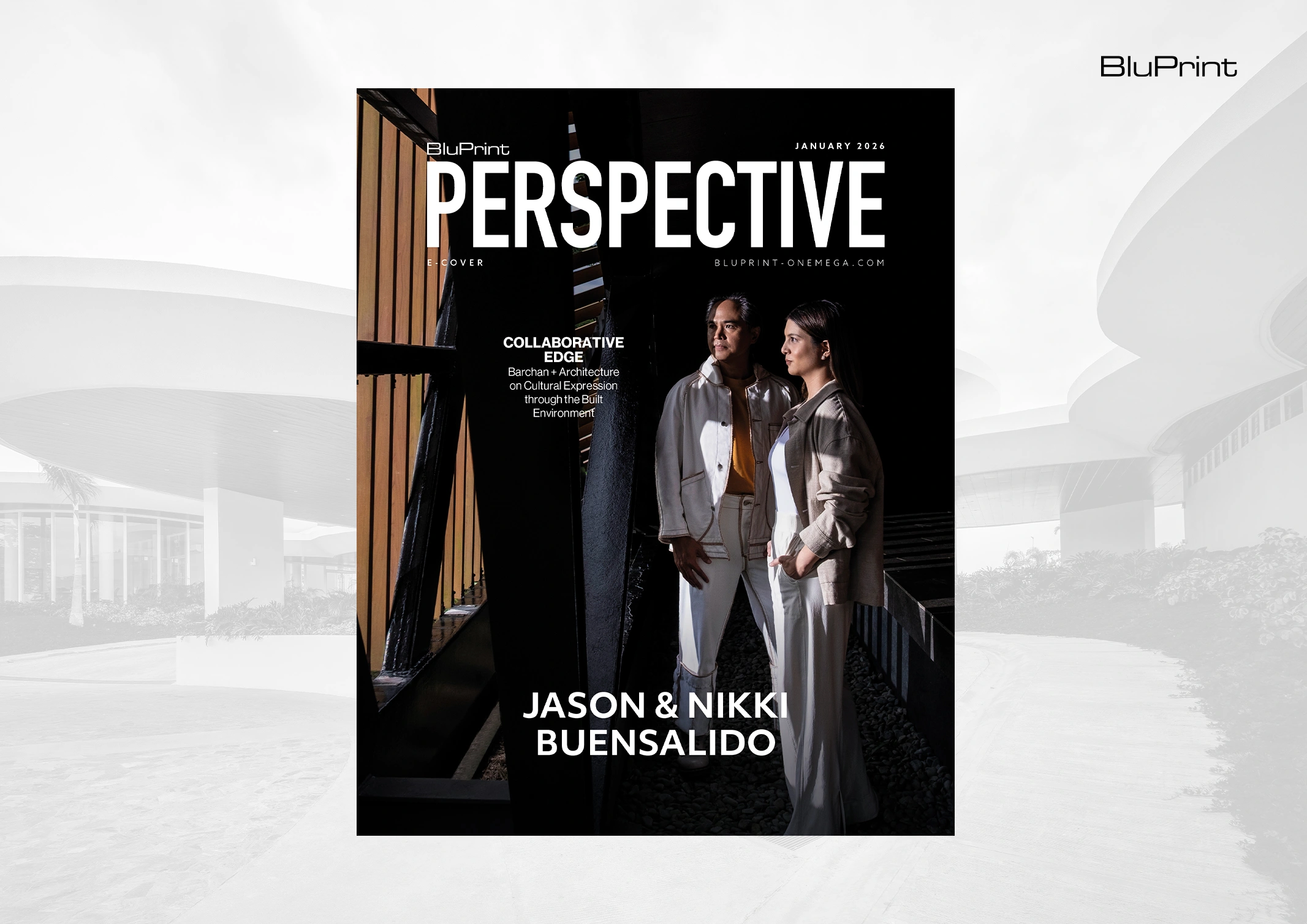
ArchitectureArchitectureThe art and science of designing and constructing buildings, structures, and spaces that are functional, safe, and aesthetically pleasing. It encompasses the planning, design, materials, and techniques used to createGo to Architecture Glossary extends beyond mere structures. It has the power to hold stories that reflect our current social milieu, while also presenting itself as […]
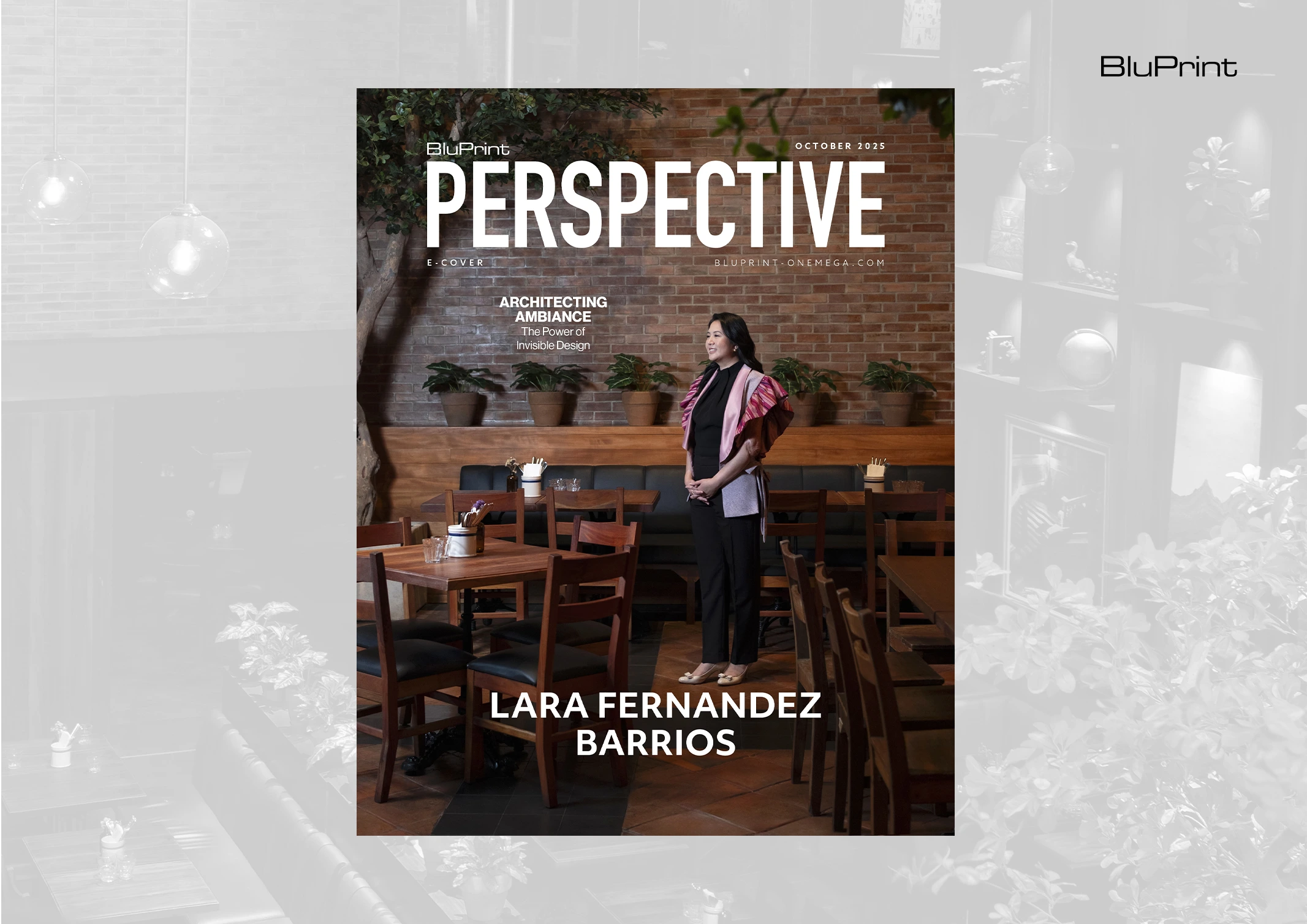
The genius of a well-designed space is often invisible, yet its presence is deeply felt. It’s there in the warmth of light that encourages you to linger, the balance of texture and materials, and in the intuitive layout that guides you effortlessly through the room. This translation of an idea into a tangible, atmospheric reality […]
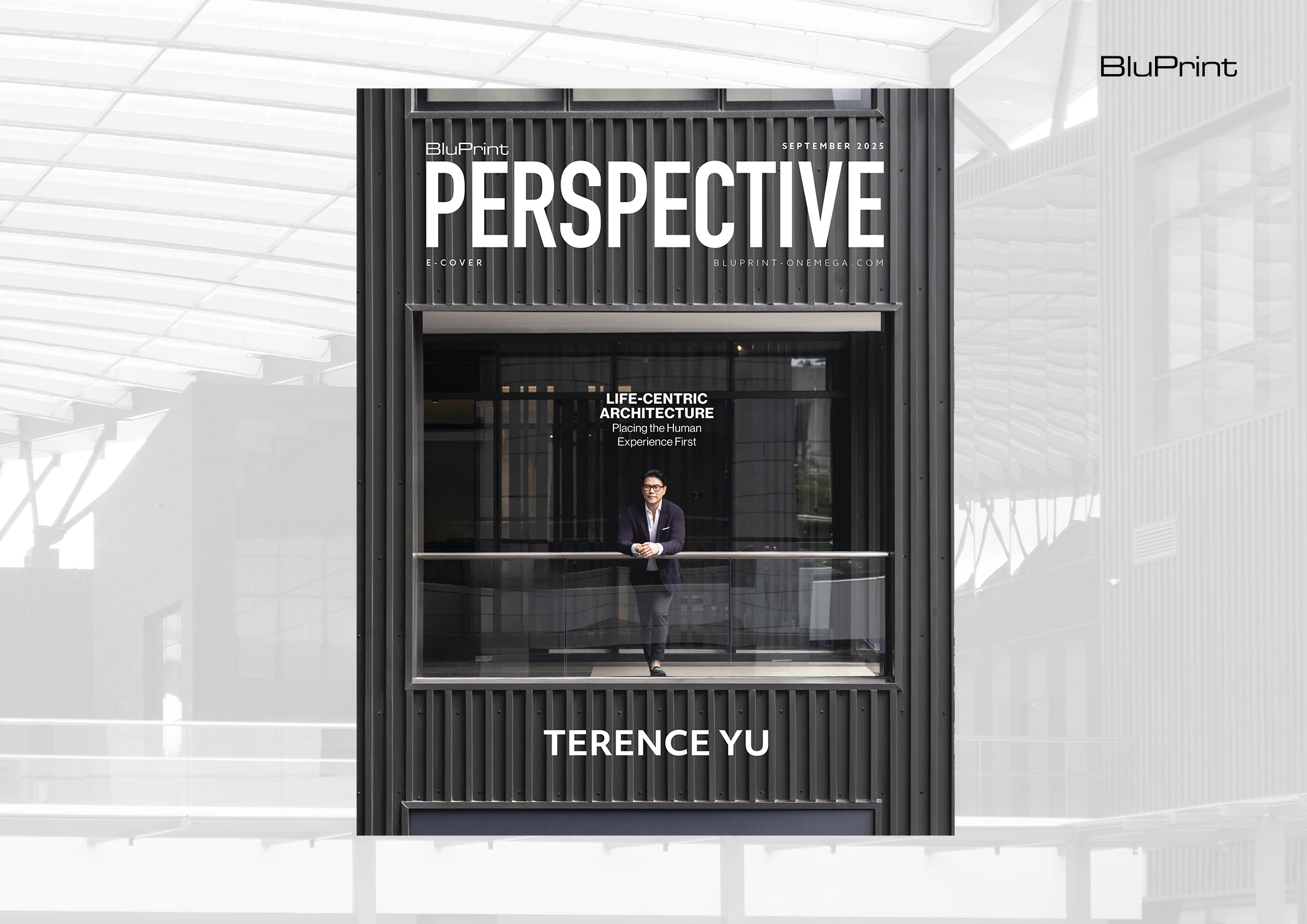
At its core, architectureArchitectureThe art and science of designing and constructing buildings, structures, and spaces that are functional, safe, and aesthetically pleasing. It encompasses the planning, design, materials, and techniques used to createGo to Architecture Glossary has always been about the human experience. While this fundamental purpose can sometimes be overlooked amid the complexities of […]
Read the issues.

Collect the volumes.

Recommended Video
Tap to Unmute
Unmute
0:00
0:00