Is it really possible to farm in Boracay Island?



Following the announcement of Boracay’s official closure for six months and the declaration of the island being an “agricultural land” that would be given back to the farmers according to President Rodrigo Duterte, Filipinos are baffled whether the island is possible to cultivate and farm on.
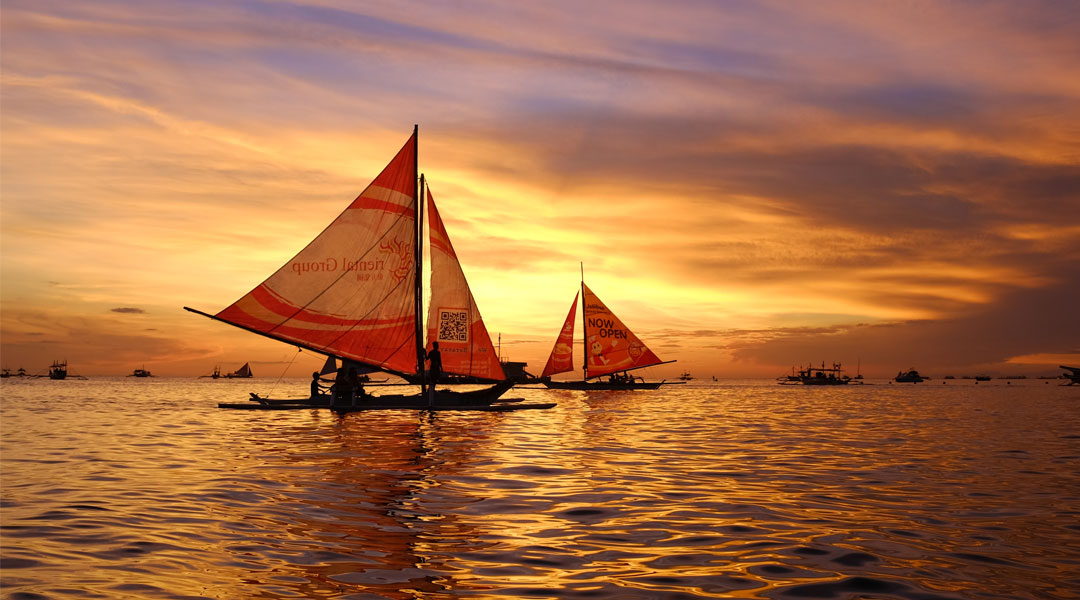
While the island is best known for its pristine white sand beaches, breath-taking sunsets, and large influx of tourists from year to year, the earlier Boracay Island dwellers used to depend on copra and fish. Tourism flourished when the natural resources began to deteriorate. The rest then, as they say, is history.
However, with the rampant and continuous degradation of the once-crystal-clear waters and white sand shores, the island’s development plans as well as its land use are in question.
Development plans
In January 3 earlier this year, a memorandum of agreement (MOA) between urban planner architect Felino Palafox and Boracay mayor Ciceron Cawaling was signed for the formulation of the Master Development Plan for Boracay, which may expand to the entire Malay, Aklan. The said master plan is expected to be formulated within seven months.
The local government aims to include sustainable architectural and tourism infrastructures, and hopes to entice more tourists.
However, with the closure of Boracay, who knows what will happen to the formulation of the island’s development master plan.
READ MORE: Palafox benefits from structuring business into two companies
Land disputes
In line with the development of Boracay, land ownership and land use have been two of the several issues revolving around the island. After the tourism boom in the famous island, the then-agricultural use of the land became tourism and commercial, paving the way to local and foreign land “claimants,” as referred to by the Court, establishing their residences and businesses on the island.
While these “claimants” have been paying their tax for decades, they do not officially own a title to the lands they’ve claimed and developed as their own. The ones who are granted titles are the heirs to Ciriaco Tirol in 1993—the only exception to the 2008 Supreme Court ruling upholding then President Gloria Macapagal-Arroyo’s Presidential Proclamation No. 1064 issued on May 22, 2006.
Land classification
Prior to PGMA’s proclamation, Boracay’s lands were unclassified, therefore presumed to be state-owned, and its lands as tourist and marine zones in Proclamation No. 1801 by late President Ferdinand Marcos in 1979. With then PGMA’s proclamation, the Boracay Island was classified as approximately 40% forest land and protected area and 60% alienable and disposable, and therefore subject to private ownership.
READ MORE: How do we make sure Asia’s megacities are healthy cities?
The confusion on how the lands of Boracay should be used ensues, especially when President Duterte ordered the closure of the 1,032-hectare island starting April 26 to make way for the “land reform” the island will be undergoing because it was, according to then PGMA’s proclamation, agricultural and forest land subject to distribution.
While the old Boracay thrived in copra and fish, would it be possible to farm in Boracay now? The white sand area would never be fit for farming, but we are yet to see how the master-plan-less land reform project in Boracay will be able to reap what they’re sowing. 
Frequently Asked Questions
Transitioning from commercial tourism to agriculture requires a return to Boracay’s pre-boom reliance on copra (dried coconut meat) and fishing. While the world-famous white sand beaches are not suitable for traditional farming, the interior “alienable and disposable” lands previously classified as agricultural could theoretically support coconut groves or small-scale crops. This substitution depends on reversing decades of commercial development to revive the soil and ecosystems that existed before tourism became the primary economic driver.
A frequent error in Boracay’s history was the “unclassified” status of its land prior to 2006, which led many to build businesses under the presumption of ownership based on tax payments. Despite decades of paying taxes, many claimants do not hold official land titles, as the Supreme Court ruled the island remains largely state-owned or agricultural. This mismatch between functional land use (resorts and hotels) and legal land classification (forest and agricultural) is the root cause of the current land reform conflicts.
The proclamation classifies approximately 40% of Boracay as protected forest land and 60% as alienable and disposable, directly restricting where architectural development can legally occur. This legal framework forces urban planners like Felino Palafox to navigate a “master-plan-less” landscape where land reform may prioritize distribution to farmers over sustainable tourism infrastructure. Any future development must now align with these strict agricultural and forest designations to avoid being declared illegal by the state.
Paying taxes on land does not equate to holding a legal title, a technicality that leaves many resort owners vulnerable to state-mandated land reforms. Because the island was historically classified as a marine zone and later as state-owned agricultural land, the government can legally reclaim areas for redistribution to farmers. This highlights a critical lesson for investors: tax declarations are merely “proof of possession” and are insufficient protection against federal land reclassification or reform programs.
The rapid transition from agricultural use to a high-density tourism hub led to the rampant degradation of crystal-clear waters and the deterioration of natural resources. As development ignored the island’s original land use limits, the lack of proper sewage and environmental management turned the “pristine” island into what was described as a “cesspool.” Reversing this damage involves a six-month closure to rehabilitate the ecosystem and potentially re-introduce sustainable land use practices that respect the island’s limited carrying capacity.

