In a world where our attention is a precious commodity, conscious living emerges as a thoughtful response. It’s a path to greater awareness, intention, and alignment with our deepest values. Unlike fleeting trends, it is an evolving approach that profoundly extends into the spaces we inhabit. To live with such intention means to cultivate a […]
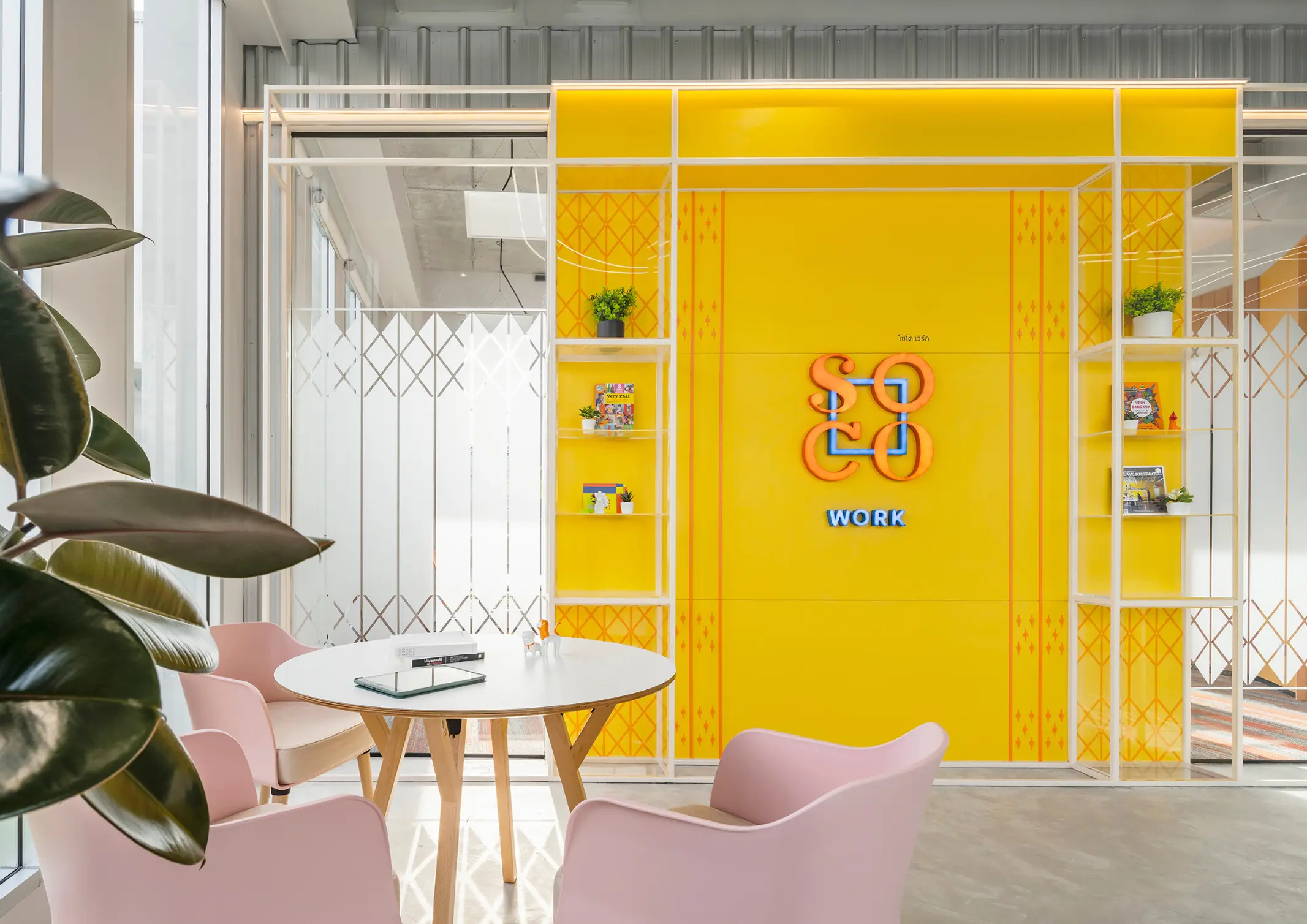
SOCO WORK: Bringing Thai Culture Into a Coworking Space



SOCO WORK, designed by Kungwansiri Tejavanija at pbm, is a coworking space for “people who love and embrace changes.” With the ever-changing organizational structure of the workforce, the perspective on workspaces has shifted accordingly.
The space draws from Thai culture to reimagine the coworking experience. The design is specifically inspired by the way Thai people season their food to suit their personal preferences. From remote work to small companies, this coworking space adapts to the evolving lifestyles of its users. The design approach, therefore, caters to a diverse set of prospective tenants.
The New Generation Workforce
The pandemic brought the workplace into the online realm as a health and safety precaution. Now, remote work continues to gain popularity amongst the new generation workforce due to efficiency and practicality. This shift in the work environment presents a challenge for individuals whose homes are not equipped to support their work needs.
Advertisement
SOCO WORK presents itself as a solution, offering fresh interpretations of what constitutes a coworking space. The designers likened the space to a delicious meal “seasoned with different styles of design to meet users’ diverse demands.”
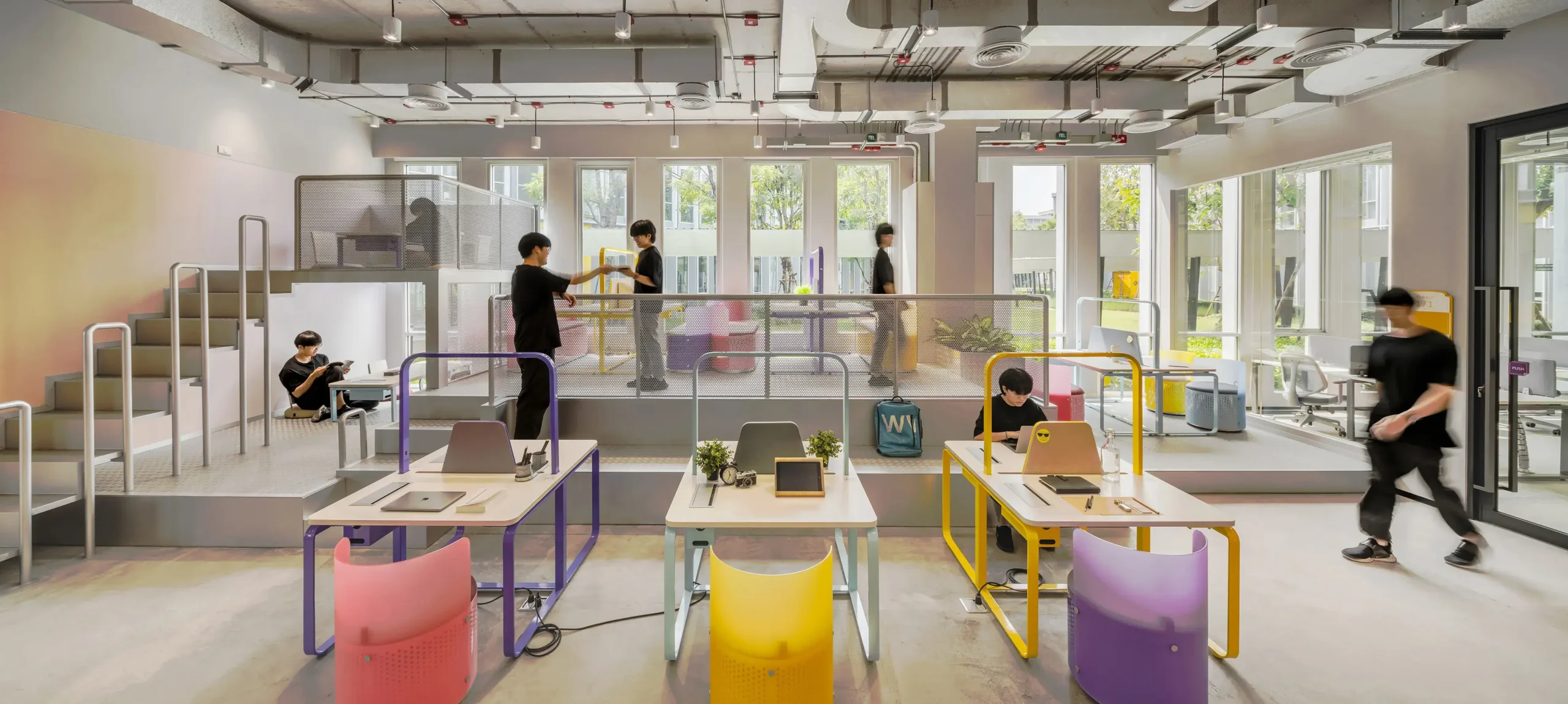
Individual and group users can find facilities that serve their distinct needs. The multi-function and meeting rooms allow for group meetings to take place. Meanwhile, the phonebooth area allows individuals to take online meetings and calls in a private room. A pantry is also available where users can take their breaks and socialize. Dedicated offices and hotseat areas make up most of the space, intended to accommodate users working individually.
Culture in Design
The designers translated human mobility in the city into intentional designs that promote the intuitive navigation of the space. In the hallways, there are road markings placed on the floors to signal their role as a facilitator of movement, acting as a simple transition between one place to another. The moment you walk past the arrival hall, you are greeted by a wall of traffic signs, as well as brochures and advertisement posters. The design approach is immediately understood.
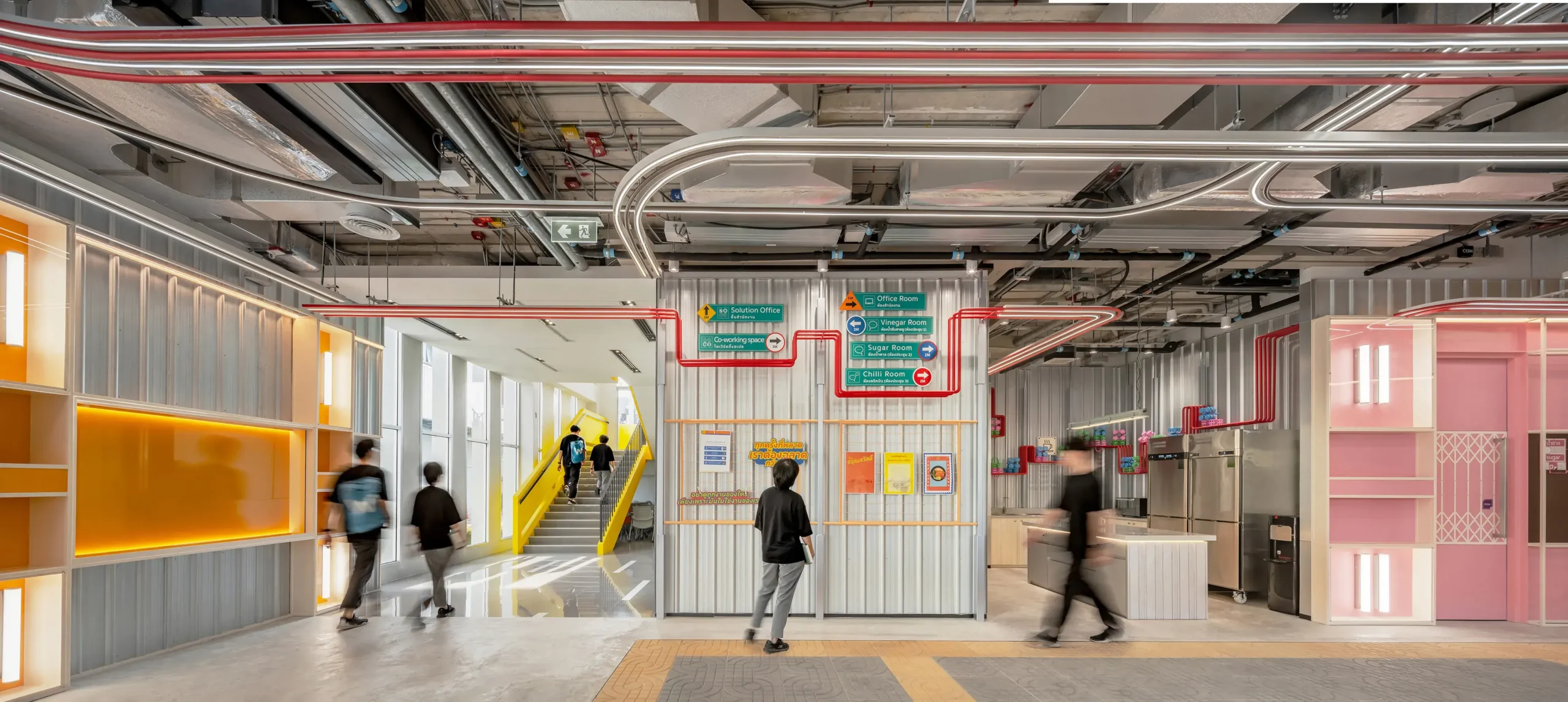
Suspended power and utility lines hang from the ceilings and walls, creating a sense of movement throughout the space. Inspired by rows of roadside utility poles and the sharp silhouettes of power lines, these elements guide the eye toward curated openings. For example, to the left of the utility line beneath the directional signs is the staircase to the solution office, while to the right lies the pantry.
Advertisement
Sliding partition walls enclose the private meeting rooms, resembling the wrought iron gates of local shophouse windows. The movable partition mimics shop owners opening and closing their stores. The exterior workspace, with paver blocks, resembles a parking lot where tables and chairs are positioned like parked cars.
The decorative elements incorporated into the space are commonplace items found in Bangkok, such as the utility lines and wrought iron. This is reflective of urban life, illustrating everyday scenes from the capital. In turn, it creates a “fresh and eclectic” coworking space.
Elevating the Workspace
The design “enables the spaces to be managed with the greatest efficiency, while strengthening the project’s strong points by increasing options for tenants.” Through spatial utilization and manipulation, the designers maximized the available space.
Advertisement
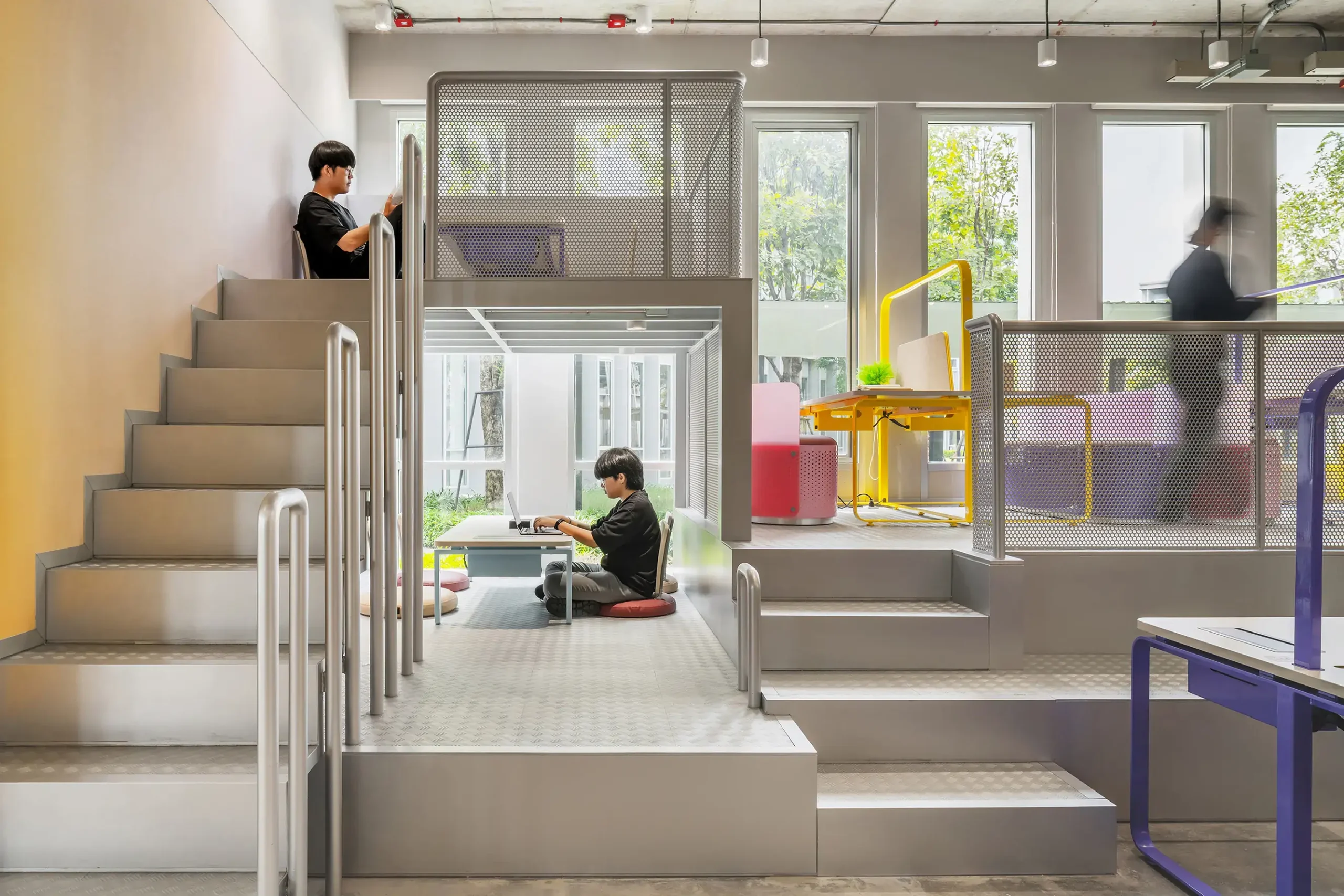
In the common area, steel platforms were used to elevate the seating, creating more personal space for users. On the left side of the platform, there is a two-tier seating arrangement. The elevated seating provides as much privacy as possible within the context of a shared workspace. Its perforated metal screen enclosure defines the area without completely isolating it.
The center of the platform houses the hot seat area. The desks are designed to support individual workers while also promoting collaboration among users through their face-to-face arrangement. The workstation features bright colors such as pink, yellow, violet, and light blue. The chairs also provide hidden storage where users can place their belongings without taking up desk space.
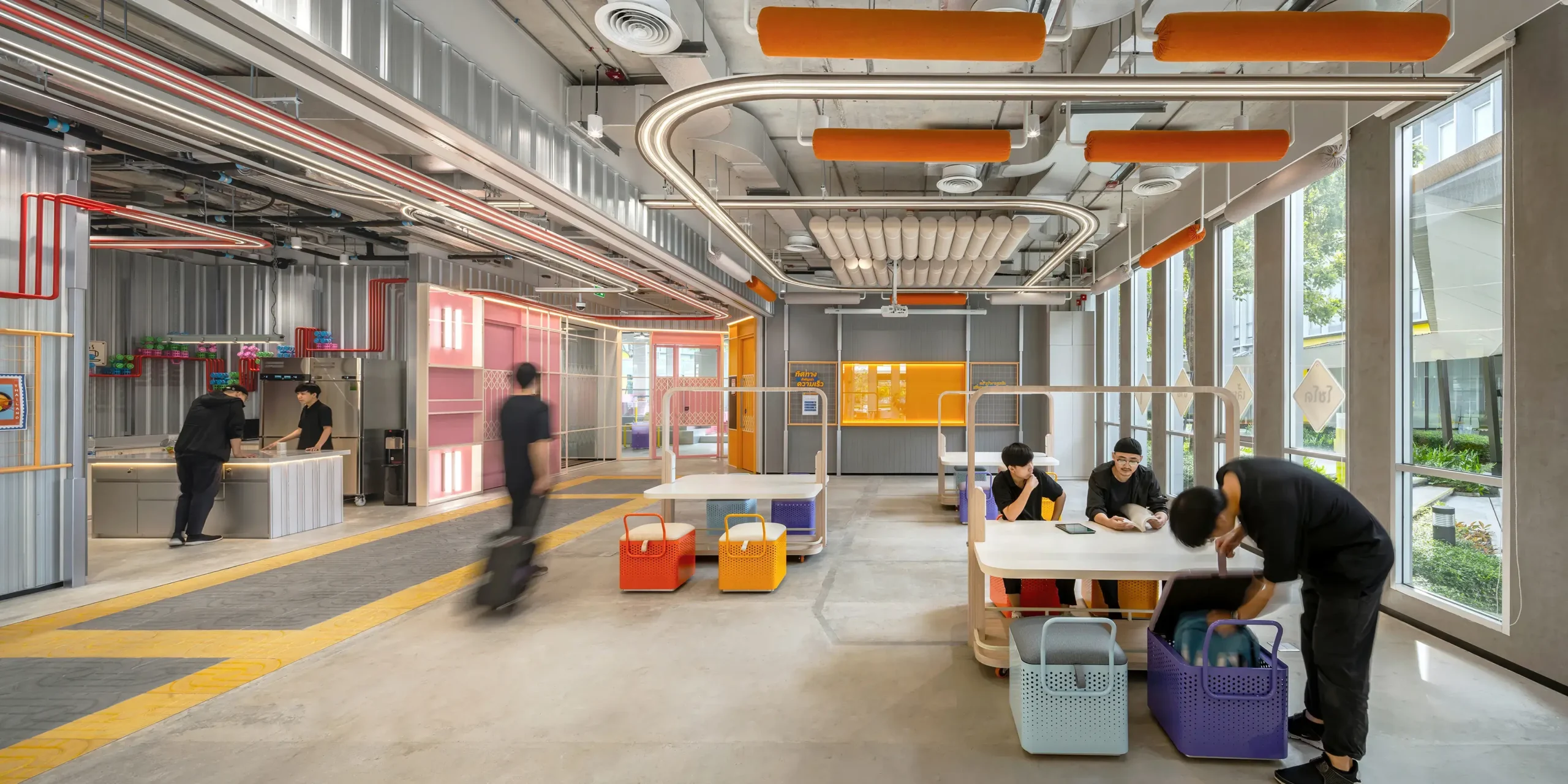
For those using the hot seat on ground level, the steel platform acts as their seat. This highlights its multifunctional design and efficiency. The spatial manipulation through varying the seating levels creates a more spacious and open common area.
Advertisement
The intentional placement of bright furniture and design elements brings vibrancy to the space. This contributes to the visual texture of the space as well, including the complementary steel and concrete floors.
Motivated by Thai culture, the design subverts the common notion that work occurs in stuffy and grey spaces. By integrating the colors of the capital city into the design, employees are provided with a colorful workspace that accommodates all their professional needs.
Photos provided by pbm
Read more: Neobio Museum Gives Visitors with Renewed Awe for Science
Advertisement
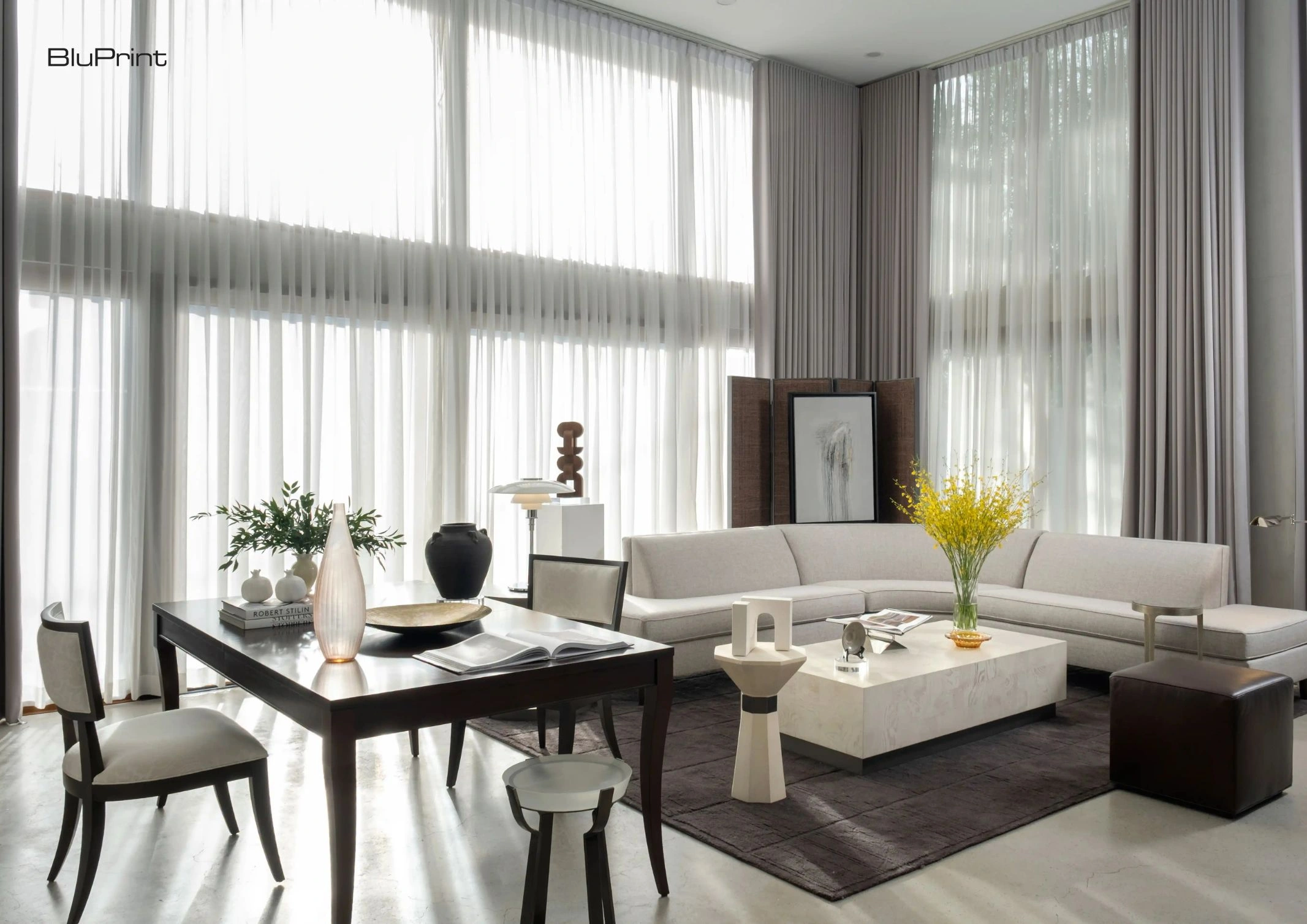
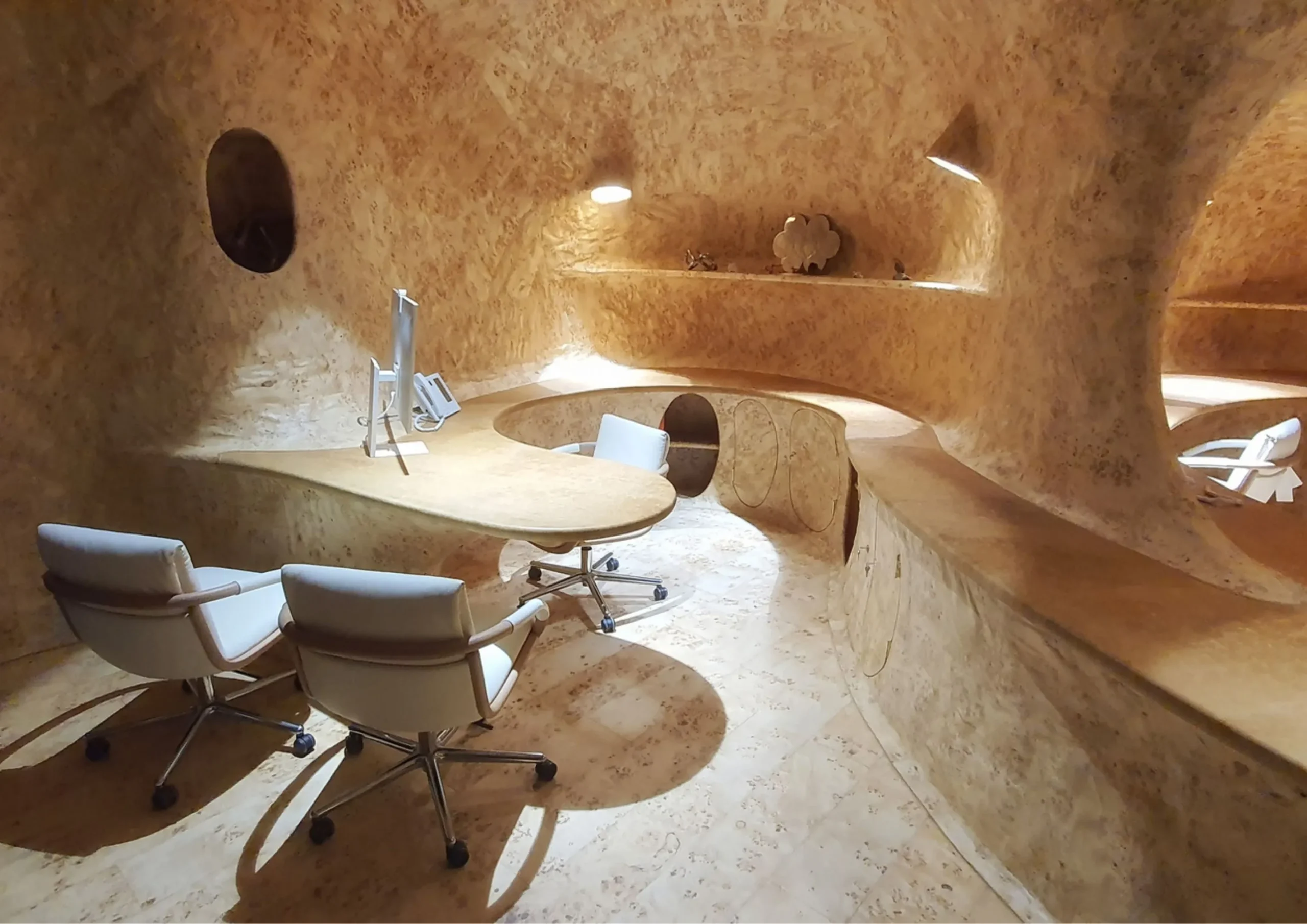
The modern work setting is a dynamic entity, constantly adapting to new technologies, work styles, and employee needs. As businesses strive for peak performance and efficiency, the design of their work environment has become a crucial element. This exploration into five modern office interior design ideas showcases how companies worldwide could be the blueprints to […]
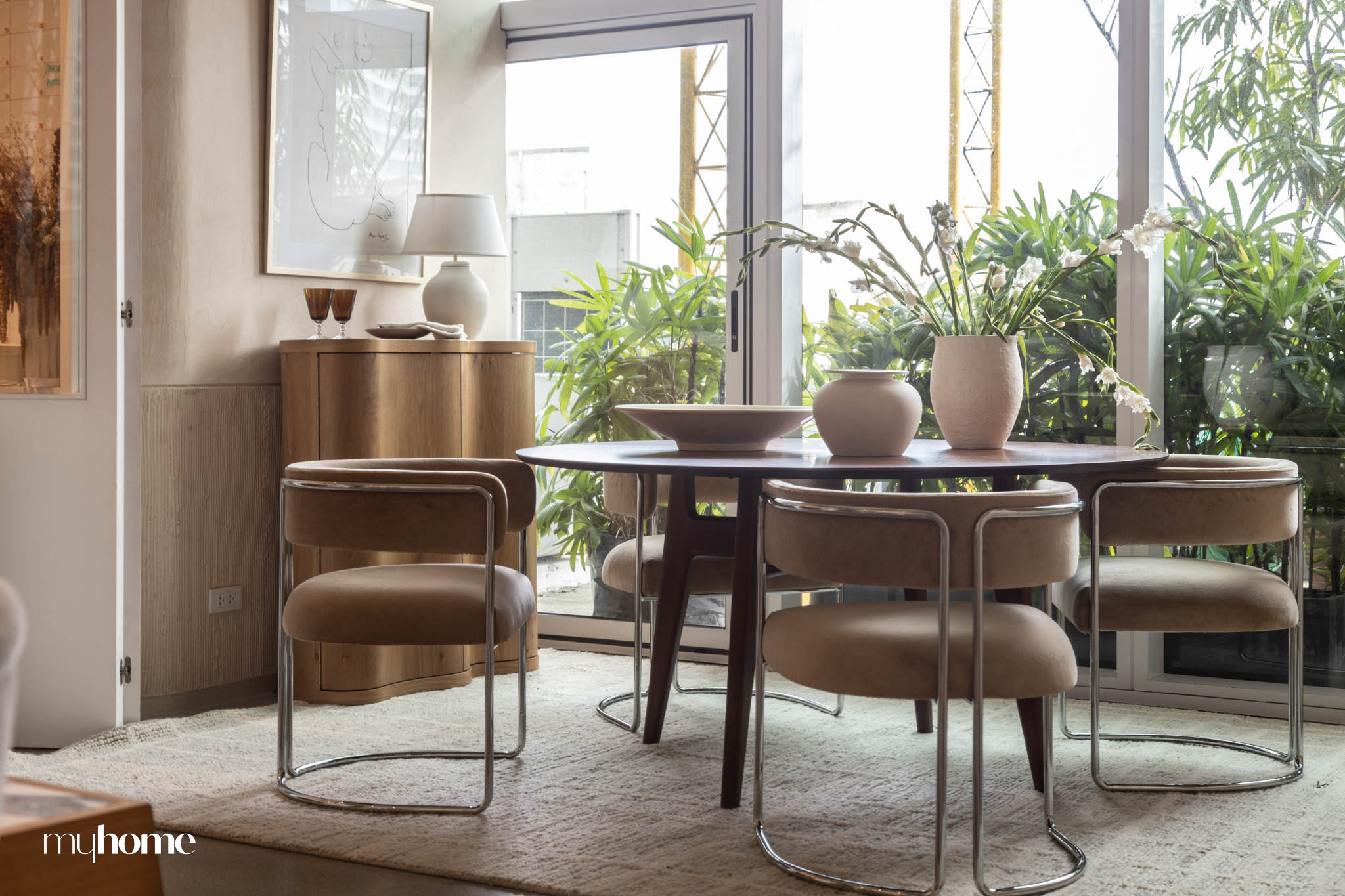
To celebrate the 10th anniversary of Crate and Barrel in the Philippines, MyHome magazine collaborated with the furniture and home décor brand to transform the atelier of renowned fashion designer Vania Romoff. The project captures the essence of Romoff’s creative space while showcasing Crate and Barrel’s timeless, contemporary pieces. This exciting collaboration reflects the harmonious […]
Advertisement
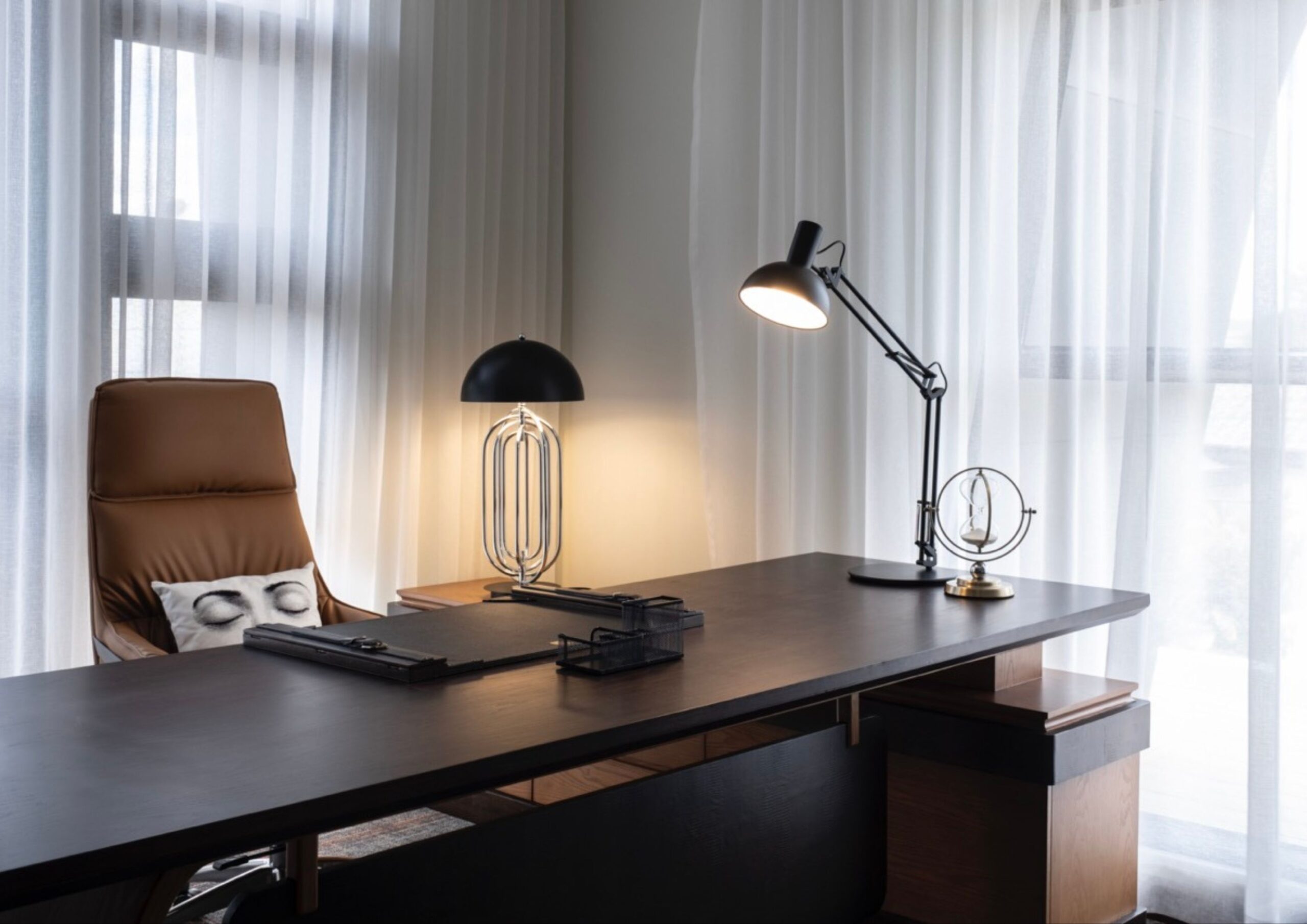
With the new academic year in full swing and hybrid setup still implemented, a conducive learning space at home is more crucial than ever. From desks and chairs to lamps and storage, home learning environments have evolved to meet the needs of today’s learners. To help boost focus and productivity, here’s a collection of study […]
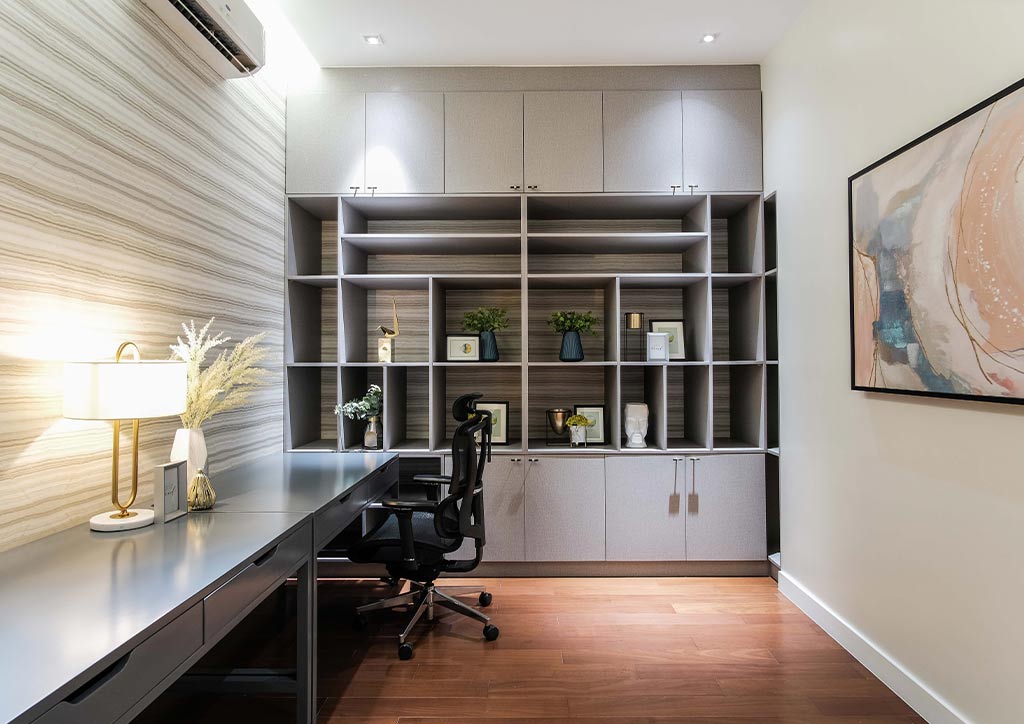
After over three years in quarantine, it might be time to update your pandemic-era home designs to align with current trends. While it feels like ages since the start of the pandemic, your home might still reflect a quarantine mindset. You likely still maintain a dedicated place for remote work and studying. But as we transition […]
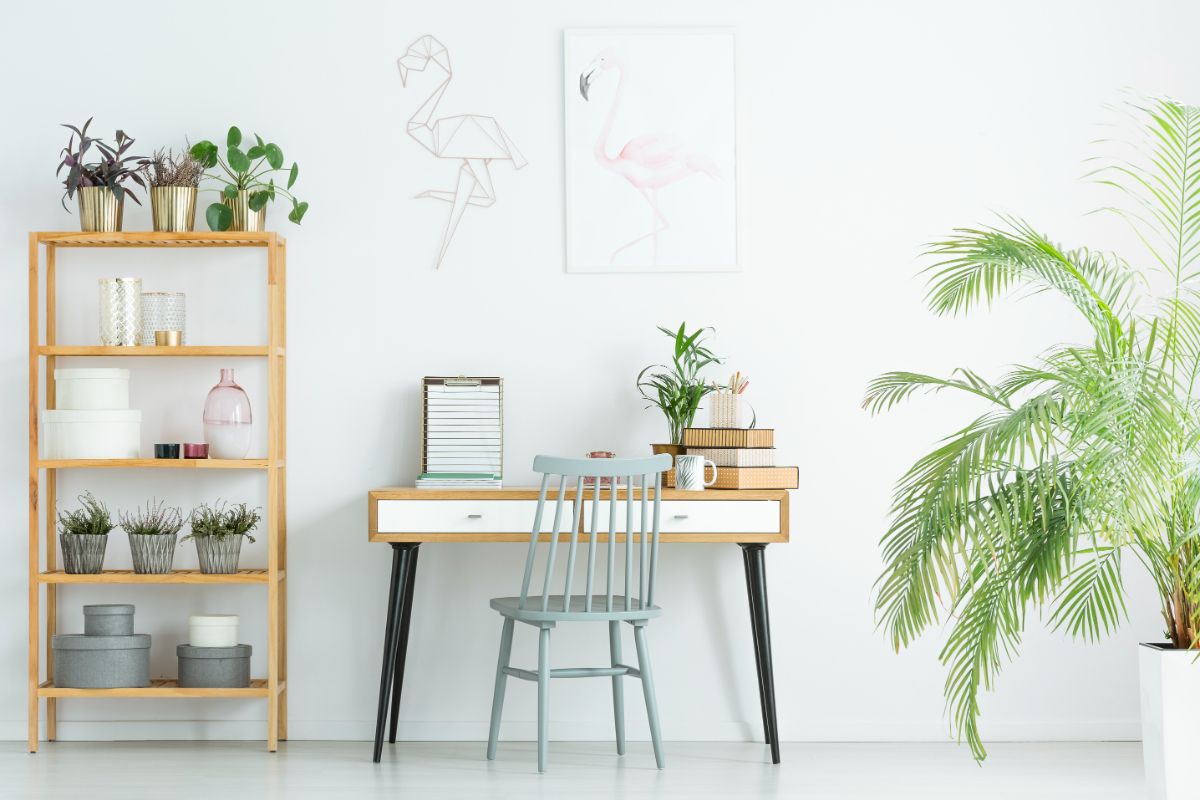
When the pandemic started, the home office became a necessity for creating clear lines between your work life and home life. Working from your bed became normalized and essentially created physical issues different from desk work. The biggest concern is that working at home blurs the lines between work and relaxation. This lack of separation […]
Advertisement

Download this month's BLUPRINT magazine digital copy from:



Subscribe via [email protected]