In a curated event presented by Focus Global Inc. and co-hosted by BluPrint, Technogym unveiled its Sand Stone Collection to the Philippine market at Bigger Pictures in Mandaluyong City. The launch brought together over 100 guests, including architects, designers, and media representatives, for an introduction to the collection and its approach to fitness equipment. The […]
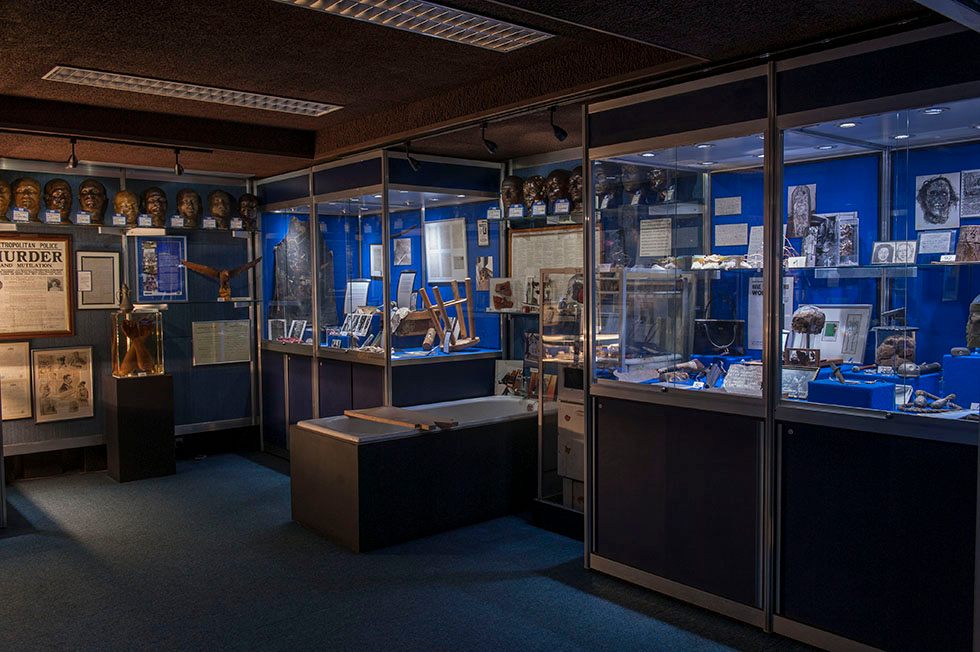
Murderabilia: How to Decorate with the Macabre


The Dahmer series, Ann Rule books, and the Suspect podcast. If you’re a true crime fan, these are only a few ways to feed your serial killer fetish. But would you dare to go as far as collecting real crime memorabilia? While it’s been around for a while, the industry of buying and selling murder-related objects remains controversial. Intrigued by the dark and unusual? Let’s delve into the world of decorating with items inspired by true crime.
Murderabilia and its Origins
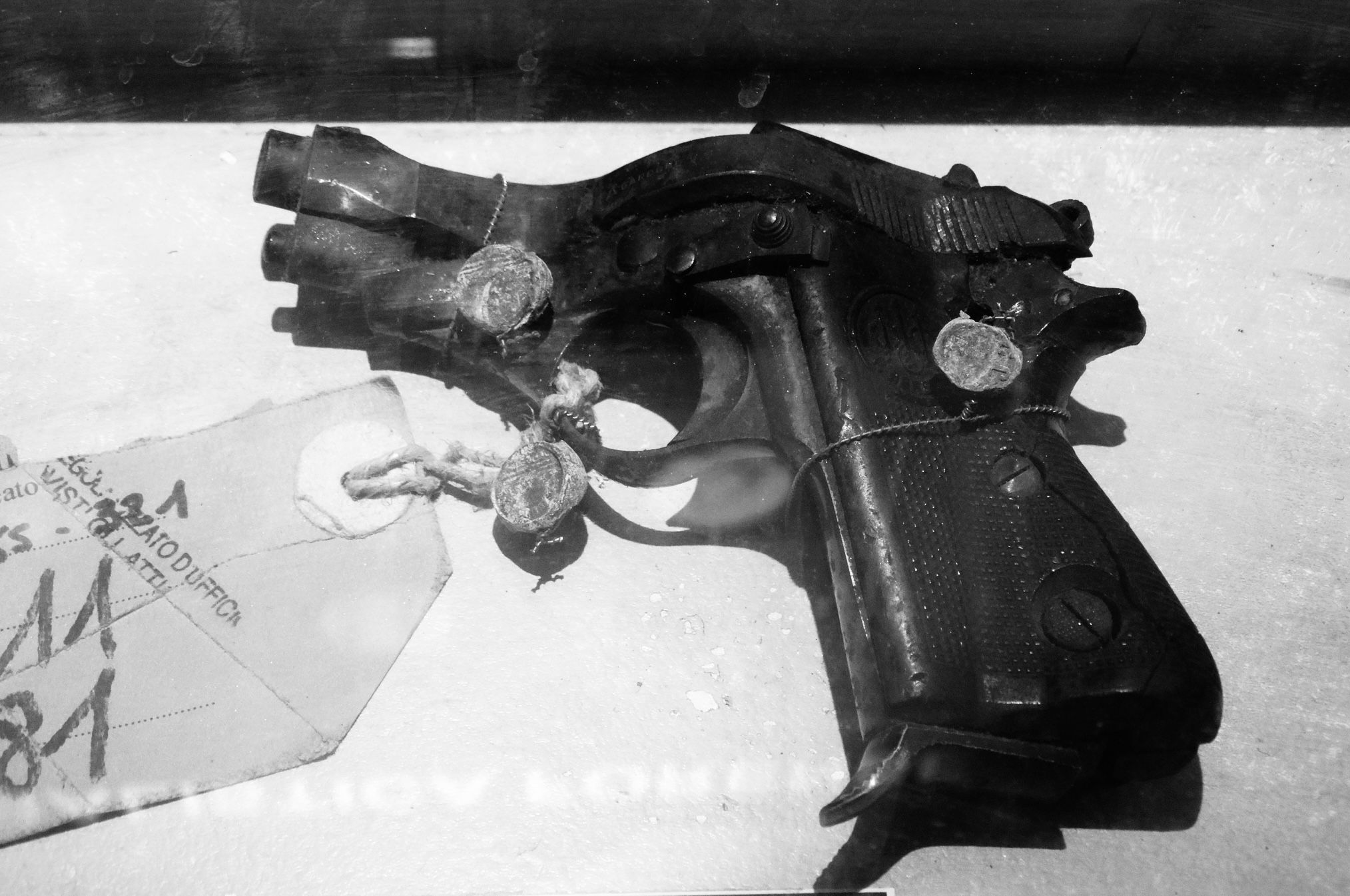
Coined by director and crime victim advocate Andy Kahan, murderabilia is any item associated with murderers or murder cases. It can be mugshots, vehicles, artworks, handwritten letters, clothes, hair strands, or any personal items connected to a crime scene.
The dark market of murderabilia is thought to begin in the late 1990s when Serial Killer Ink’s owner Eric Holler revealed selling crime items on eBay in 1997. He regarded collecting murderabilia as a “money-making business” and “a walk on the edge” of our inner darkness.
But according to Kahan, people have collected murderabilia since the primitive age. Such a long history we’re subconsciously unaware of explains why the interest remains even when it seems creepy and unlawful.
The Controversy of Murderabilia
Collecting true crime-related pieces isn’t a crime. But ever since murderabilia became a way for personal profit, it gained a negative connotation in the public’s view.
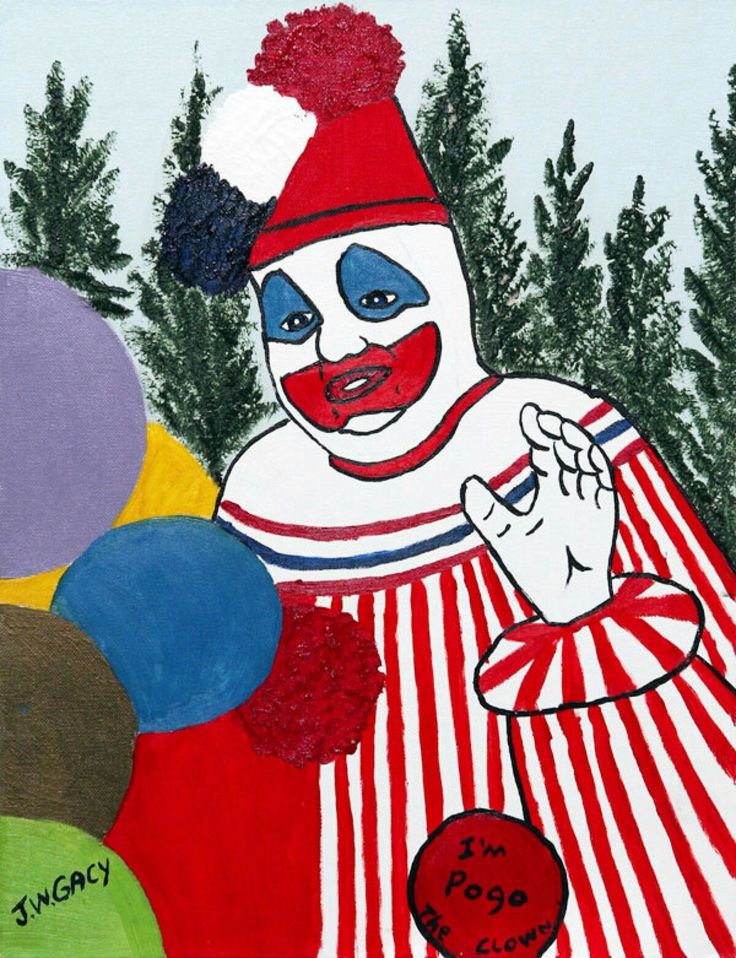
Kahan explained that people are free to collect any item they want. But he draws the line when the act becomes an exploitation of crime stories. Selling items like John Wayne Gacy paintings at an incredibly high price is where murderabilia loses its historical sense. Despite its questionable artistic merit compared to other meticulously-made artworks, the murderer’s paintings still receive a high regard simply because of its mainstream story. Instead of seeing them as memorabilia of the tragedy, these items become more of a trophy that people collect out of pride.
While expensive crime objects in online shops and auctions are still in demand, it doesn’t mean the real sense of collecting murderabilia is dead. Most pricey crime items are those related to serial killer stories popularized by the mainstream media. So, for true crime enthusiasts, you don’t have to be a victim of this system to get murderabilia.
Evidence of Reasons
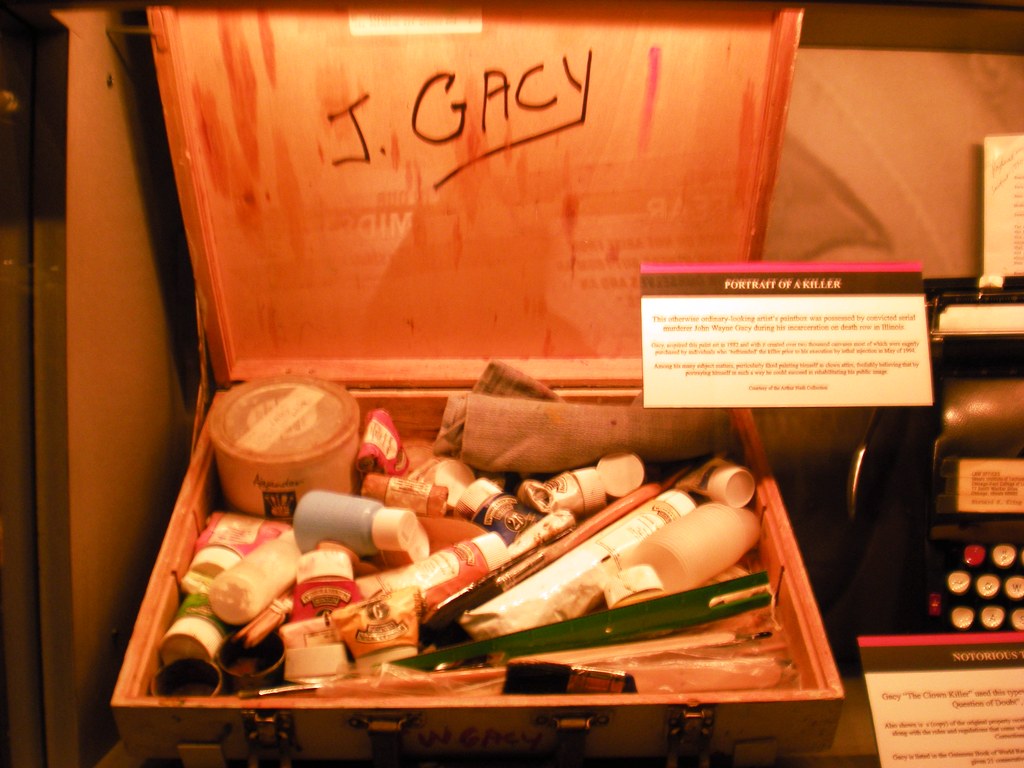
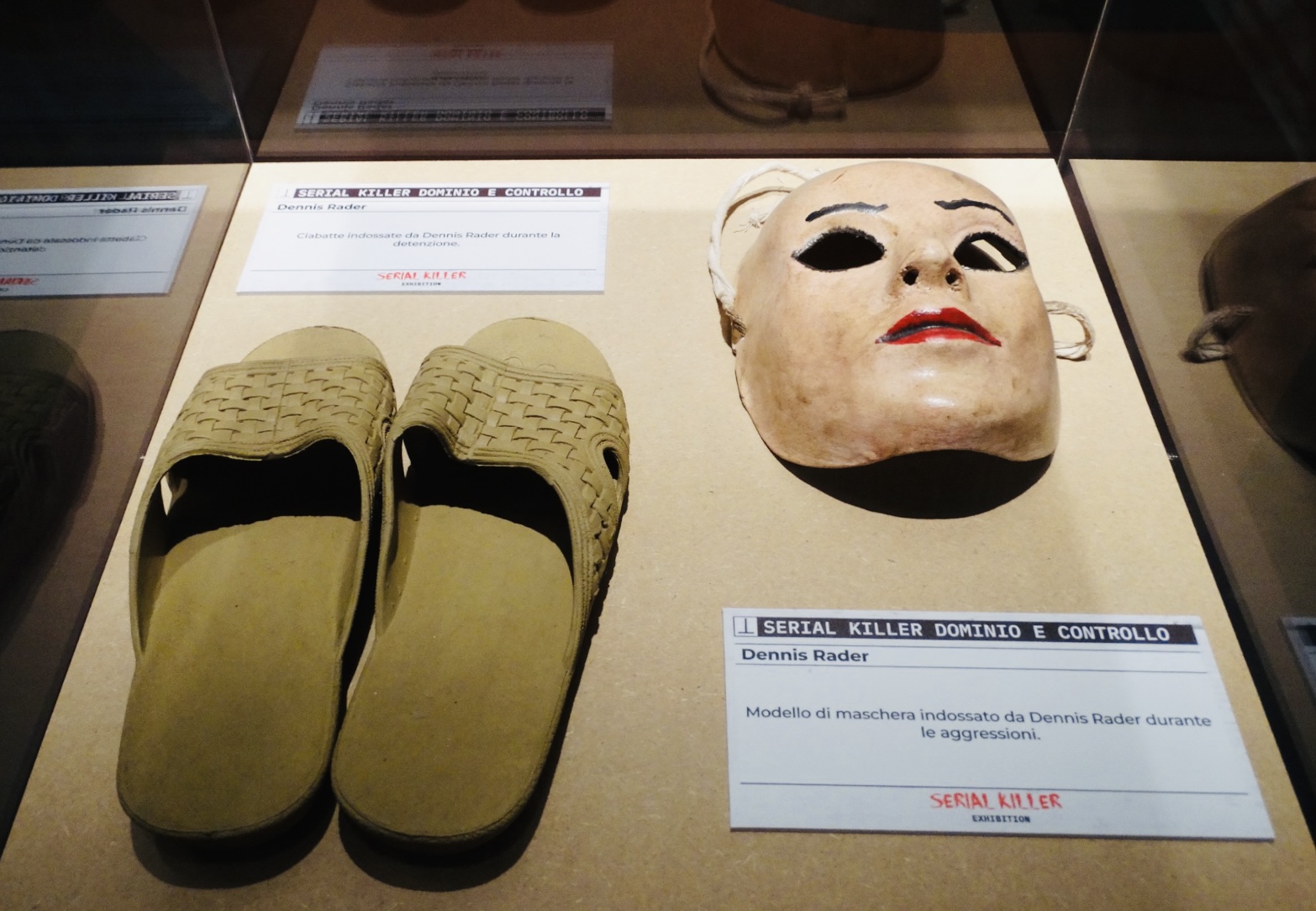
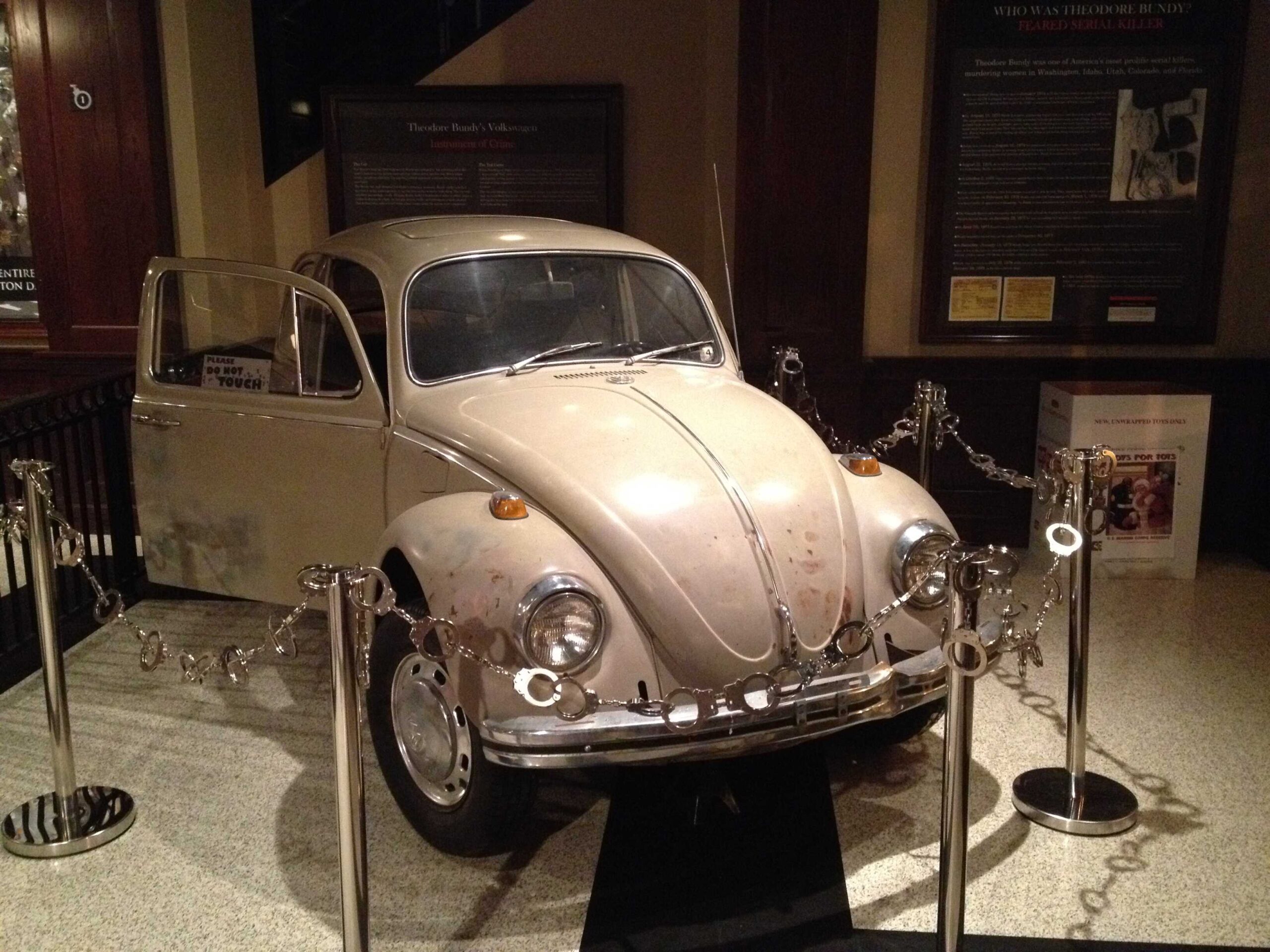
Apart from making a fortune, the reasons for collecting murderabilia is a spectrum, exploring psychological, social, and cultural aspects.
To seek thrill. Some find pleasure in collecting and consider it as an enjoyable way of connecting with the context of the crime. Owning murderabilia allows them to somehow experience an authentic connection to the crime story. It additionally gives a sense of satisfaction, particularly if the collector is knowledgeable of the tragedy.
To treasure historical artifacts. Like other collectors, people see murderabilia as tangible reminders of heinous events. Even if they are a part of tragedies, collecting preserves the evidence of their dark history.
To use as lucky charms. Influenced by interconnected cultures, carrying lucky charms is a common attachment of sentimental and religious values. And as crime stories leave emotional impact, people also seek protection from murderabilia as a way to repel or control this energy.
Guilty or Not Guilty
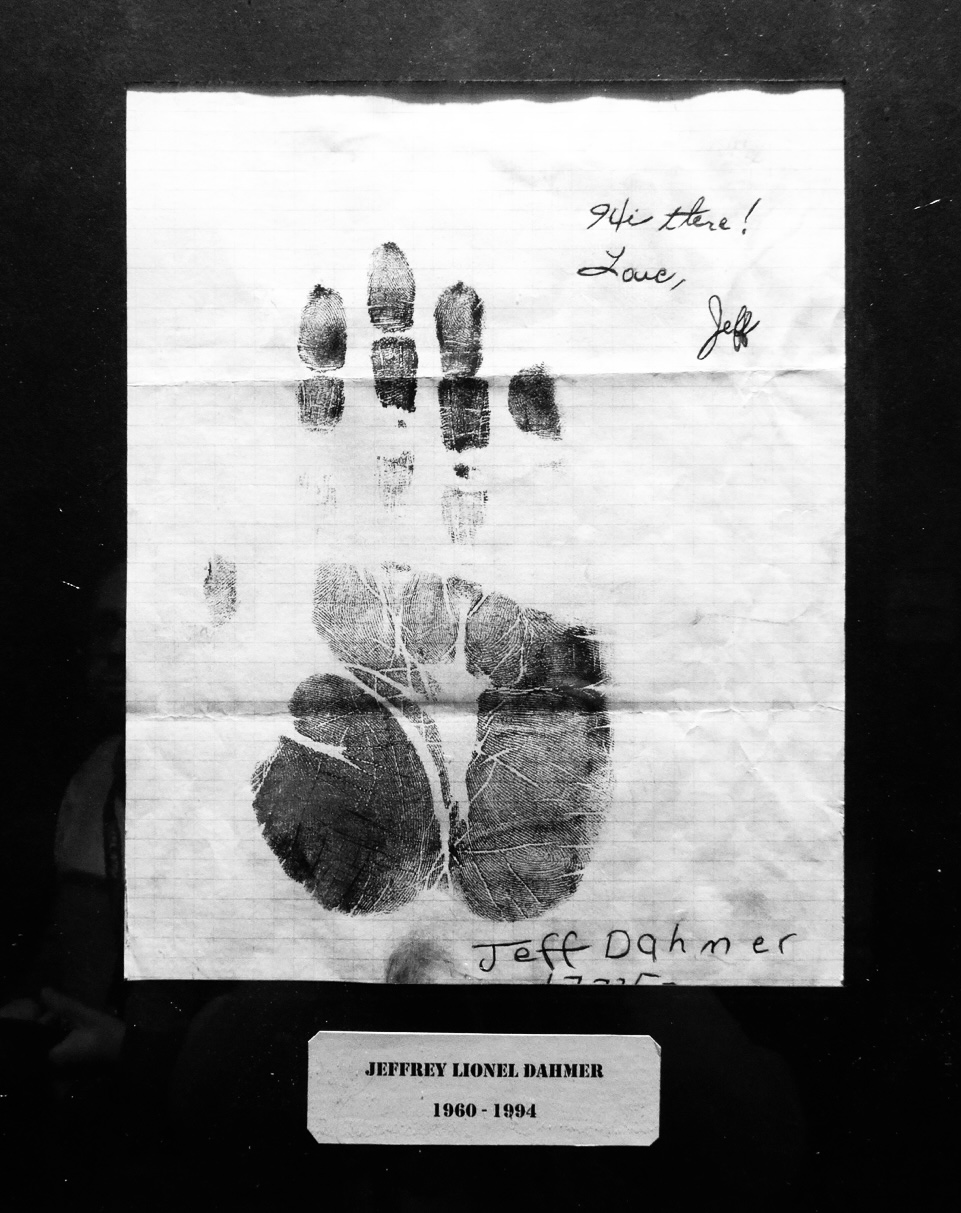
Murderabilia has been banned from eBay since 2001—and it’s one thing to consider when deciding to put them in your home. Because of their association with criminal acts, the ethical value of these items can be questionable.
It’s important to know who will benefit when you buy these items. When the media publicizes murder cases, killers sometimes gain profits by publishing their stories or turning them into bio-flicks. And there is a probability that collecting murderabilia will encourage similar crimes. So to ensure a clean conscience, first check the seller’s background. If it’s not for a charity or for the good of the crime victims, then it’s best not to make the purchase.
It’s also crucial to ask about the story of the crime item and how it reflects your morality. True crime collectors refuse to gather items related to pedophiles or cases with children victims. It all boils down to your perception and ethical leanings when it comes to collecting these sensitive objects.
It’s not a sin to get drawn into crime stories. As thinking beings driven by morals and free will, murderabilia could be a way to develop empathy by practicing your judgment on debatable things. Now that you uncovered the case of murderabilia, would you decorate your house with them?
Read more: Rich and Rare: Art Lovers Share Advice for Collectors

The principles behind a well-designed home are not unlike those behind a tailored garment. Both begin with an understanding of the individual, balancing proportion, material, and function to create something suited to its user. This shared approach informed “The Art of Bespoke,” an event hosted by Boffi | DePadova and Focus Global Inc., in collaboration […]
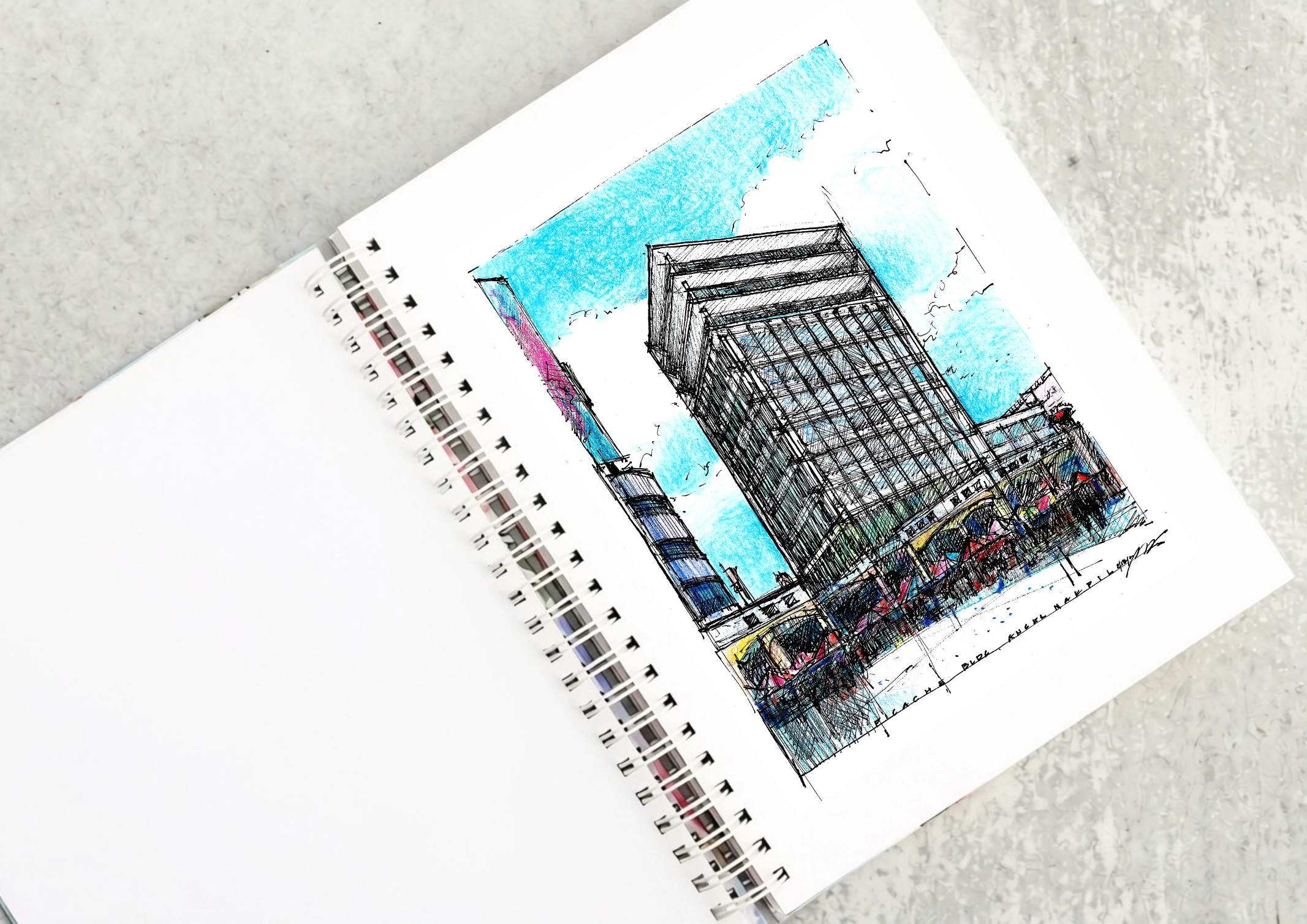
The Picache Building and the Rise of Manila’s First Skyscrapers Until Makati emerged as Metro Manila’s premier business, shopping, and entertainment district in the 1970s, downtown meant Quiapo in central Manila. From the Spanish colonial period to the late 1950s, the district was anchored by its historic Plaza Miranda and its eponymous church. It was […]
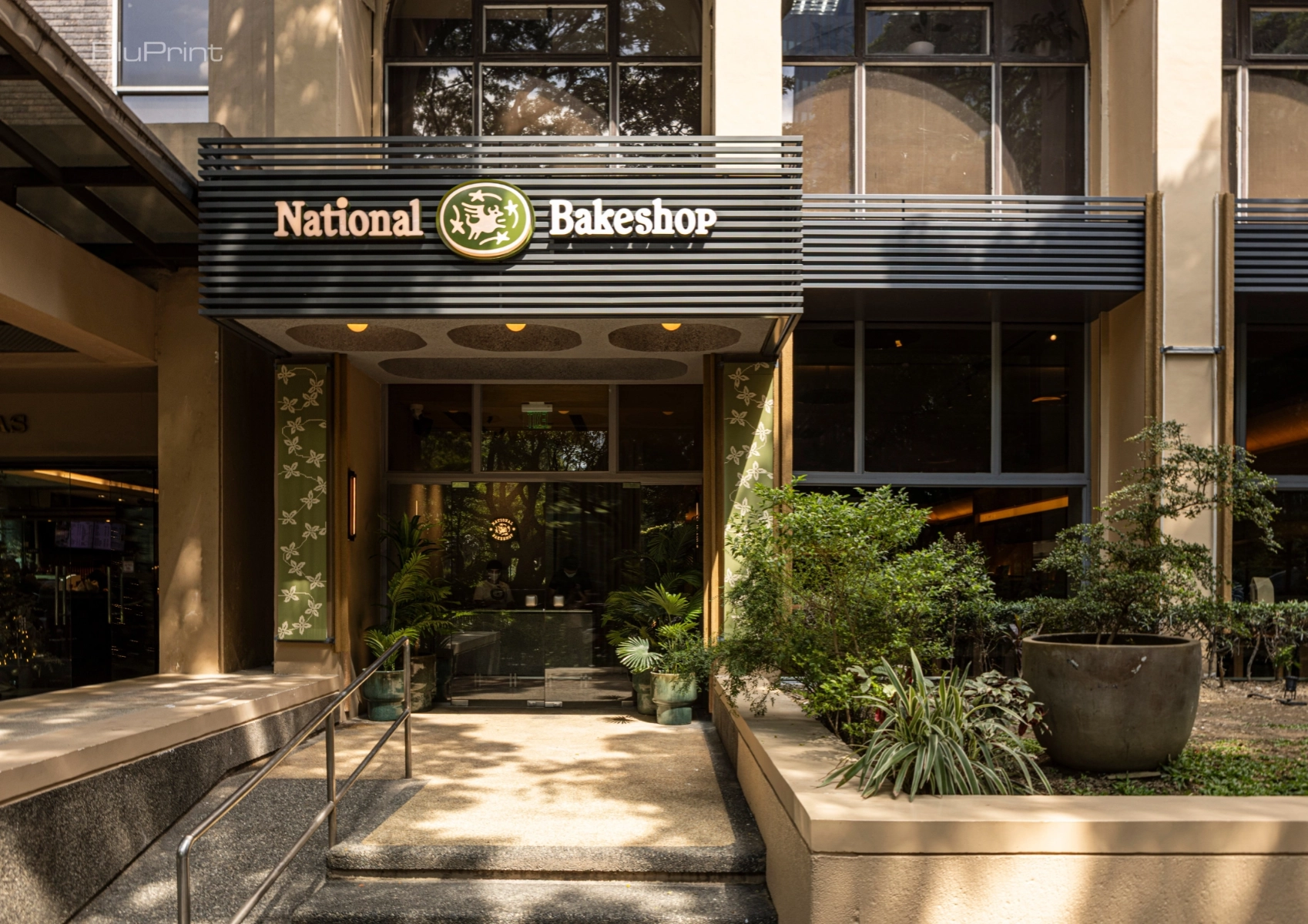
Architect Brian Ver was all set with the design for restaurateurs Dwight Co and Charlie Paw’s latest concept, National Bakeshop, when the contractor halted demolition. Brixter Builders, the general contractor of the project, discovered the original coffered ceilings after demolishing the drop ceiling of the previous tenant. The restaurant is located on the ground floor […]

Back for its third edition, the Philippine ArchitectureArchitectureThe art and science of designing and constructing buildings, structures, and spaces that are functional, safe, and aesthetically pleasing. It encompasses the planning, design, materials, and techniques used to createGo to Architecture Glossary and Allied Arts Festival (PAAAF) brought conversations around architecture and its related creative fields to […]
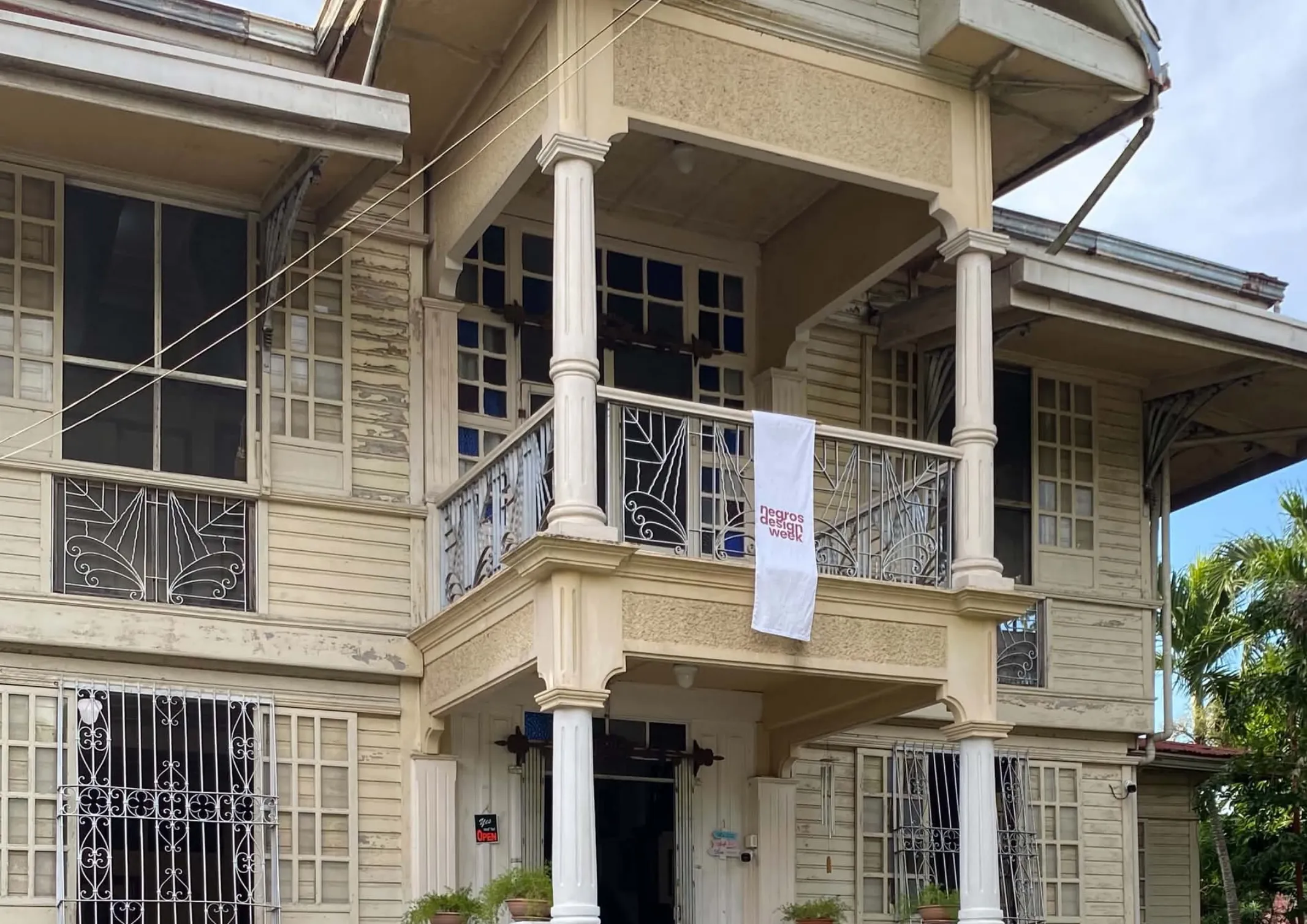
The future of design is not necessarily built by looking forward alone. Sometimes, it begins by looking back at the objects, traditions, and creative practices that have shaped generations. For Negros Design Week 2026, this relationship between the past and the future informed its theme, “50/50: A Hundred Years of Design.” The third edition of […]
Read the issues.

Collect the volumes.

Recommended Video
Tap to Unmute
Unmute
0:00
0:00