The seventh edition of the Anthology ASEAN ArchitectureArchitectureThe art and science of designing and constructing buildings, structures, and spaces that are functional, safe, and aesthetically pleasing. It encompasses the planning, design, materials, and techniques used to createGo to Architecture Glossary Festival brought together over 4,000 delegates from across the Philippines and Southeast Asia for three […]
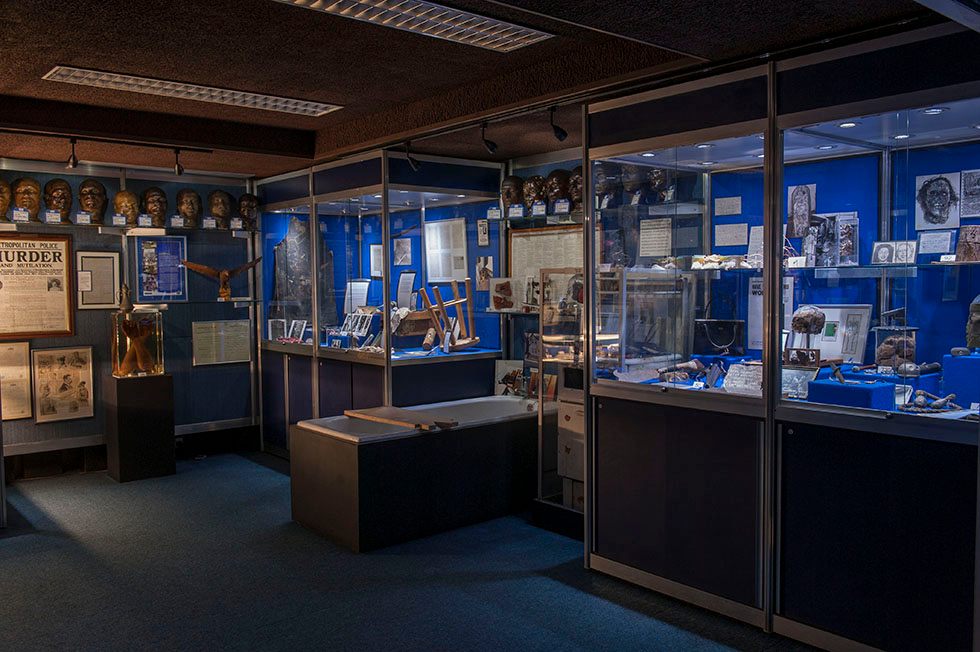
Murderabilia: How to Decorate with the Macabre



The Dahmer series, Ann Rule books, and the Suspect podcast. If you’re a true crime fan, these are only a few ways to feed your serial killer fetish. But would you dare to go as far as collecting real crime memorabilia? While it’s been around for a while, the industry of buying and selling murder-related objects remains controversial. Intrigued by the dark and unusual? Let’s delve into the world of decorating with items inspired by true crime.
Murderabilia and its Origins
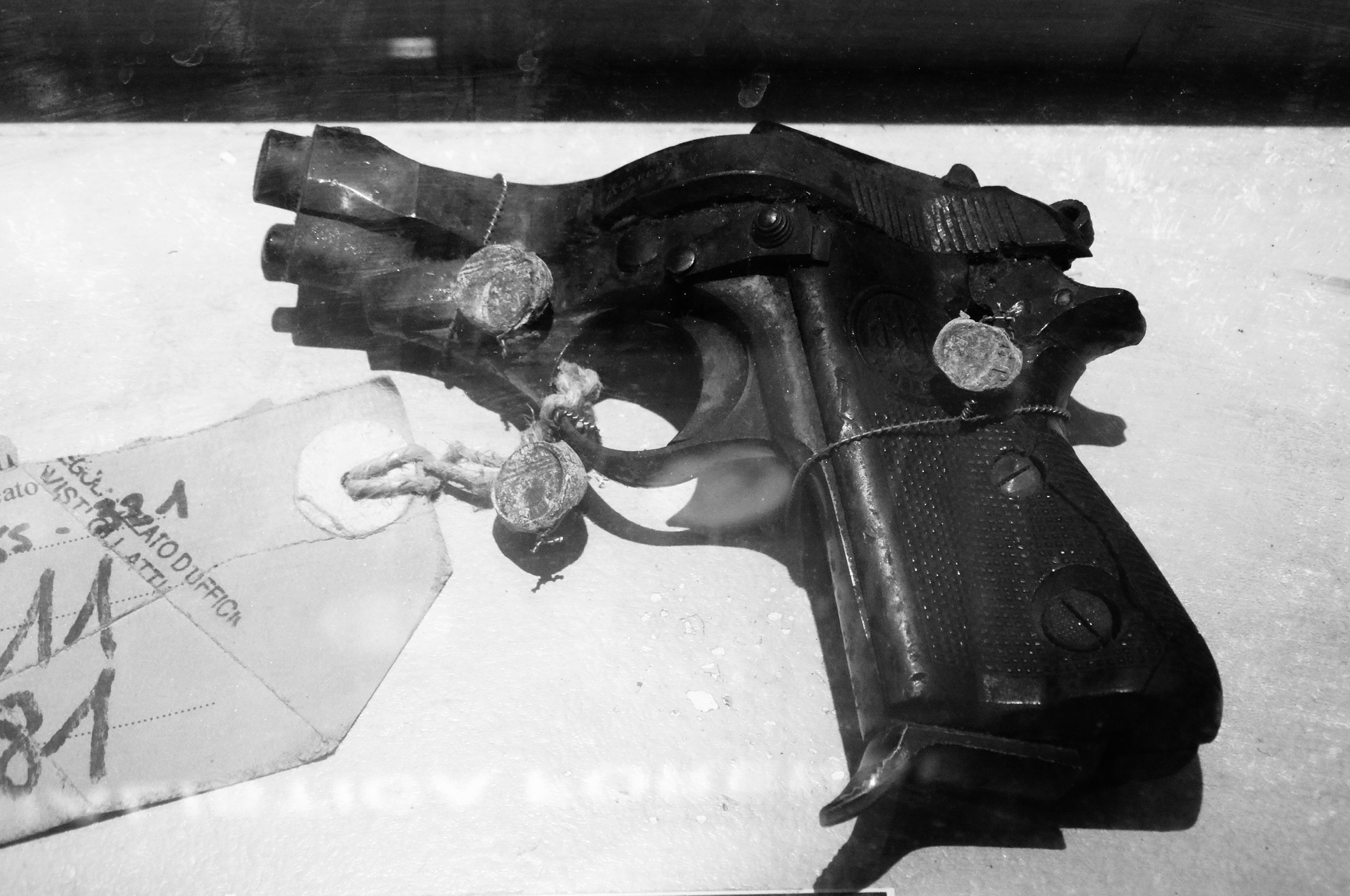
Coined by director and crime victim advocate Andy Kahan, murderabilia is any item associated with murderers or murder cases. It can be mugshots, vehicles, artworks, handwritten letters, clothes, hair strands, or any personal items connected to a crime scene.
The dark market of murderabilia is thought to begin in the late 1990s when Serial Killer Ink’s owner Eric Holler revealed selling crime items on eBay in 1997. He regarded collecting murderabilia as a “money-making business” and “a walk on the edge” of our inner darkness.
But according to Kahan, people have collected murderabilia since the primitive age. Such a long history we’re subconsciously unaware of explains why the interest remains even when it seems creepy and unlawful.
The Controversy of Murderabilia

Collecting true crime-related pieces isn’t a crime. But ever since murderabilia became a way for personal profit, it gained a negative connotation in the public’s view.
Kahan explained that people are free to collect any item they want. But he draws the line when the act becomes an exploitation of crime stories. Selling items like John Wayne Gacy paintings at an incredibly high price is where murderabilia loses its historical sense. Despite its questionable artistic merit compared to other meticulously-made artworks, the murderer’s paintings still receive a high regard simply because of its mainstream story. Instead of seeing them as memorabilia of the tragedy, these items become more of a trophy that people collect out of pride.
While expensive crime objects in online shops and auctions are still in demand, it doesn’t mean the real sense of collecting murderabilia is dead. Most pricey crime items are those related to serial killer stories popularized by the mainstream media. So, for true crime enthusiasts, you don’t have to be a victim of this system to get murderabilia.
Evidence of Reasons
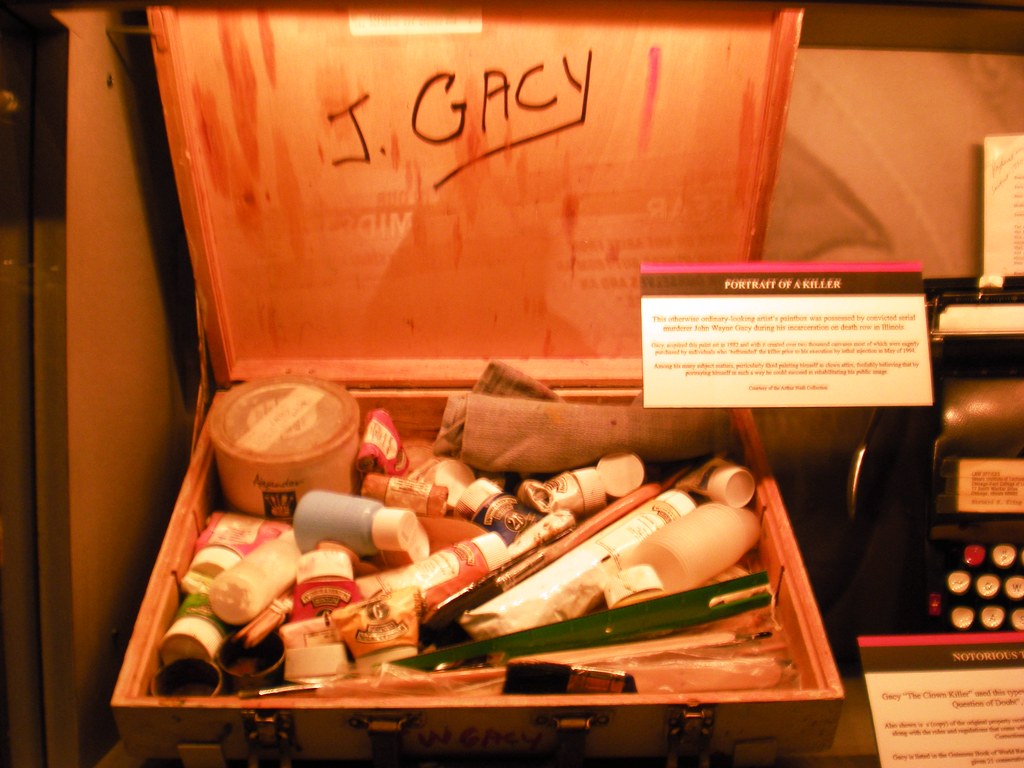
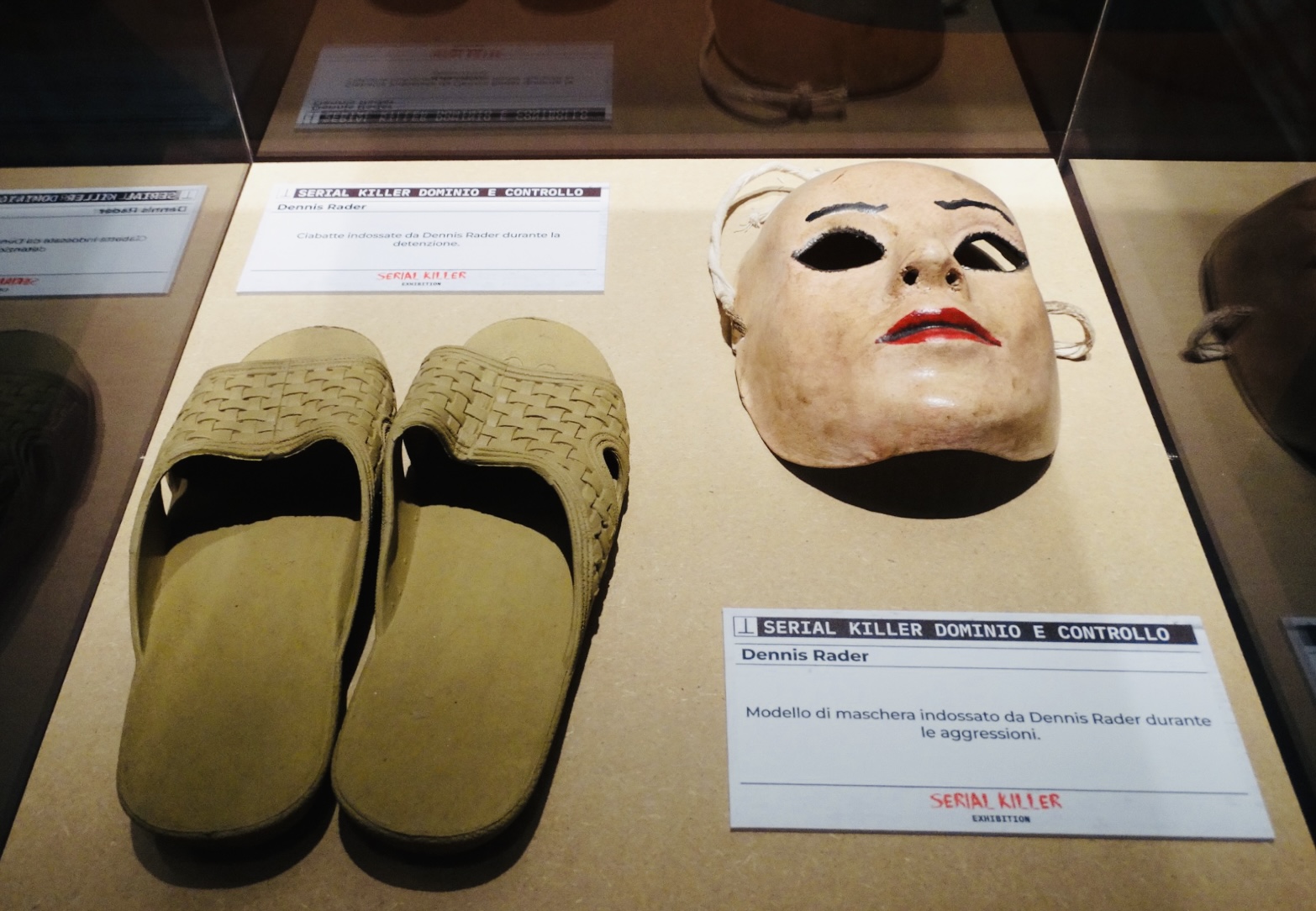
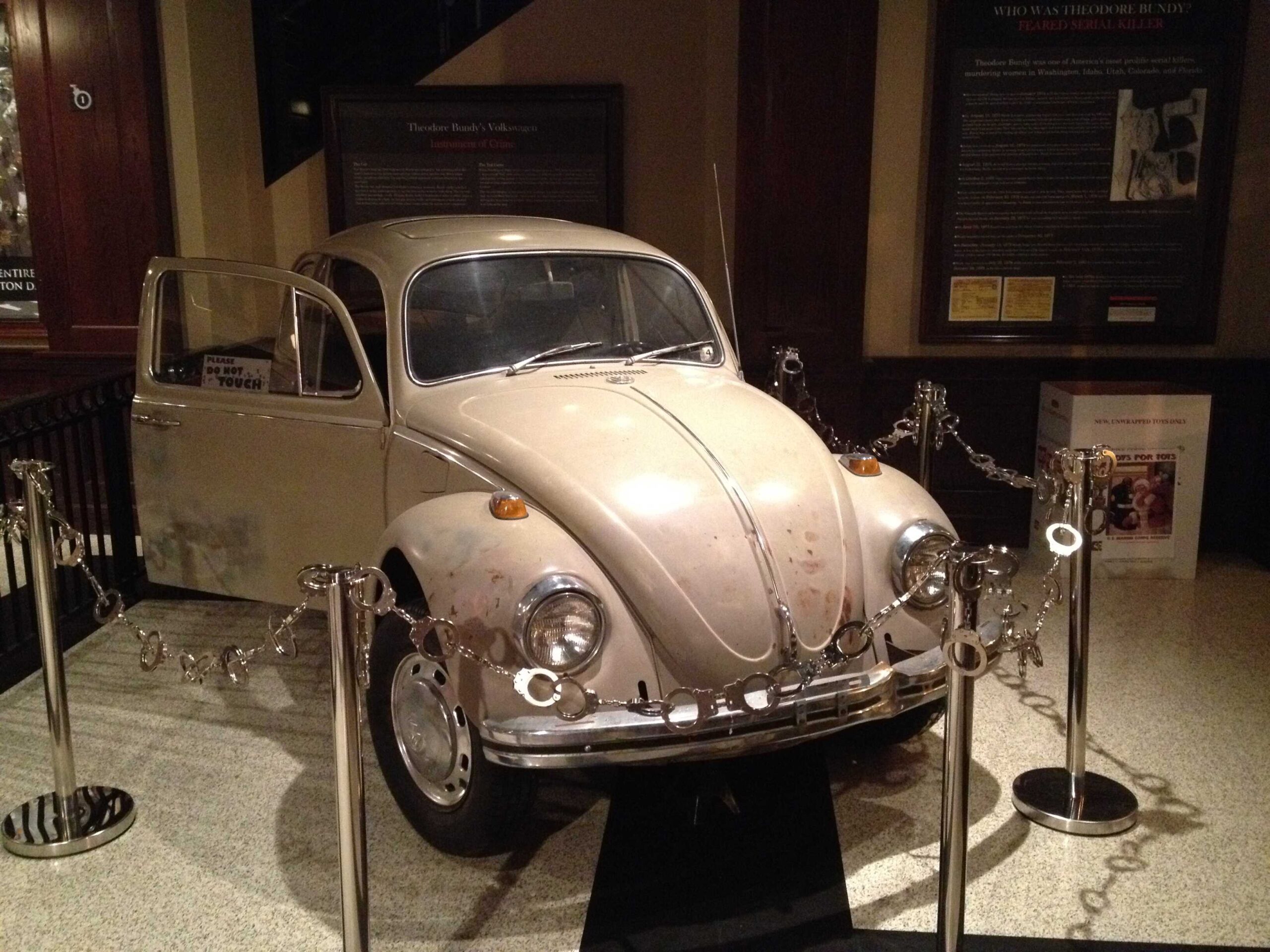
Apart from making a fortune, the reasons for collecting murderabilia is a spectrum, exploring psychological, social, and cultural aspects.
To seek thrill. Some find pleasure in collecting and consider it as an enjoyable way of connecting with the context of the crime. Owning murderabilia allows them to somehow experience an authentic connection to the crime story. It additionally gives a sense of satisfaction, particularly if the collector is knowledgeable of the tragedy.
To treasure historical artifacts. Like other collectors, people see murderabilia as tangible reminders of heinous events. Even if they are a part of tragedies, collecting preserves the evidence of their dark history.
To use as lucky charms. Influenced by interconnected cultures, carrying lucky charms is a common attachment of sentimental and religious values. And as crime stories leave emotional impact, people also seek protection from murderabilia as a way to repel or control this energy.
Guilty or Not Guilty
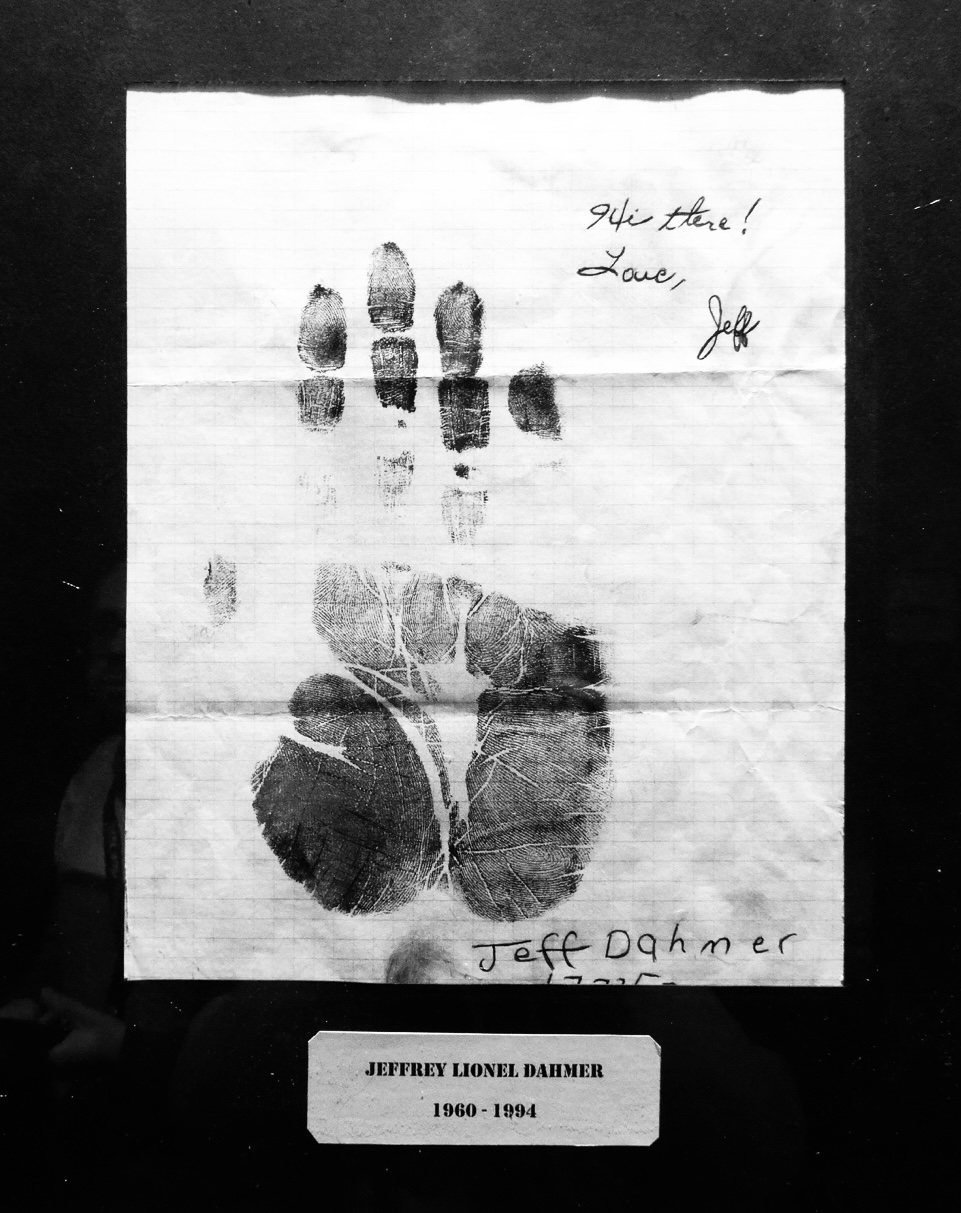
Murderabilia has been banned from eBay since 2001—and it’s one thing to consider when deciding to put them in your home. Because of their association with criminal acts, the ethical value of these items can be questionable.
It’s important to know who will benefit when you buy these items. When the media publicizes murder cases, killers sometimes gain profits by publishing their stories or turning them into bio-flicks. And there is a probability that collecting murderabilia will encourage similar crimes. So to ensure a clean conscience, first check the seller’s background. If it’s not for a charity or for the good of the crime victims, then it’s best not to make the purchase.
It’s also crucial to ask about the story of the crime item and how it reflects your morality. True crime collectors refuse to gather items related to pedophiles or cases with children victims. It all boils down to your perception and ethical leanings when it comes to collecting these sensitive objects.
It’s not a sin to get drawn into crime stories. As thinking beings driven by morals and free will, murderabilia could be a way to develop empathy by practicing your judgment on debatable things. Now that you uncovered the case of murderabilia, would you decorate your house with them?
Read more: Rich and Rare: Art Lovers Share Advice for Collectors


Bigkis is the act of binding. In Tagalog, the word can refer to something used to bind or encircle, as well as a bundle formed by tying several separate elements together. Figuratively, it can also mean a bond, union, or unity. The meanings move from the physical act of joining things together to the connection […]

Two sketches of Singapore connect BluPrint Editor in Chief Paulo G. Alcazaren’s personal and professional history with Shared Ground: ArchitectureArchitectureThe art and science of designing and constructing buildings, structures, and spaces that are functional, safe, and aesthetically pleasing. It encompasses the planning, design, materials, and techniques used to createGo to Architecture Glossary of Care, Culture, […]

Some have become household names – Coleman, Oster, and KitchenAid – products that have found their way into Filipino kitchens, homes and family routines. In home furnishings, brands such as B&B Italia, Ethan Allen, Sub-Zero, Miele, SieMatic, Louis Poulsen, Hunter Douglas, Tempur, and Technogym, have helped shape the way Filipinos live. From everyday essentials to […]

In a way, designers are the modern-day soothsayers and prophets. They design for the future, predicting how a room, a house, a building or a whole city will be used by people. They foresee how users will interact with a space, conjure exact shades of colors to elicit specific behavior and arrange furniture to build […]
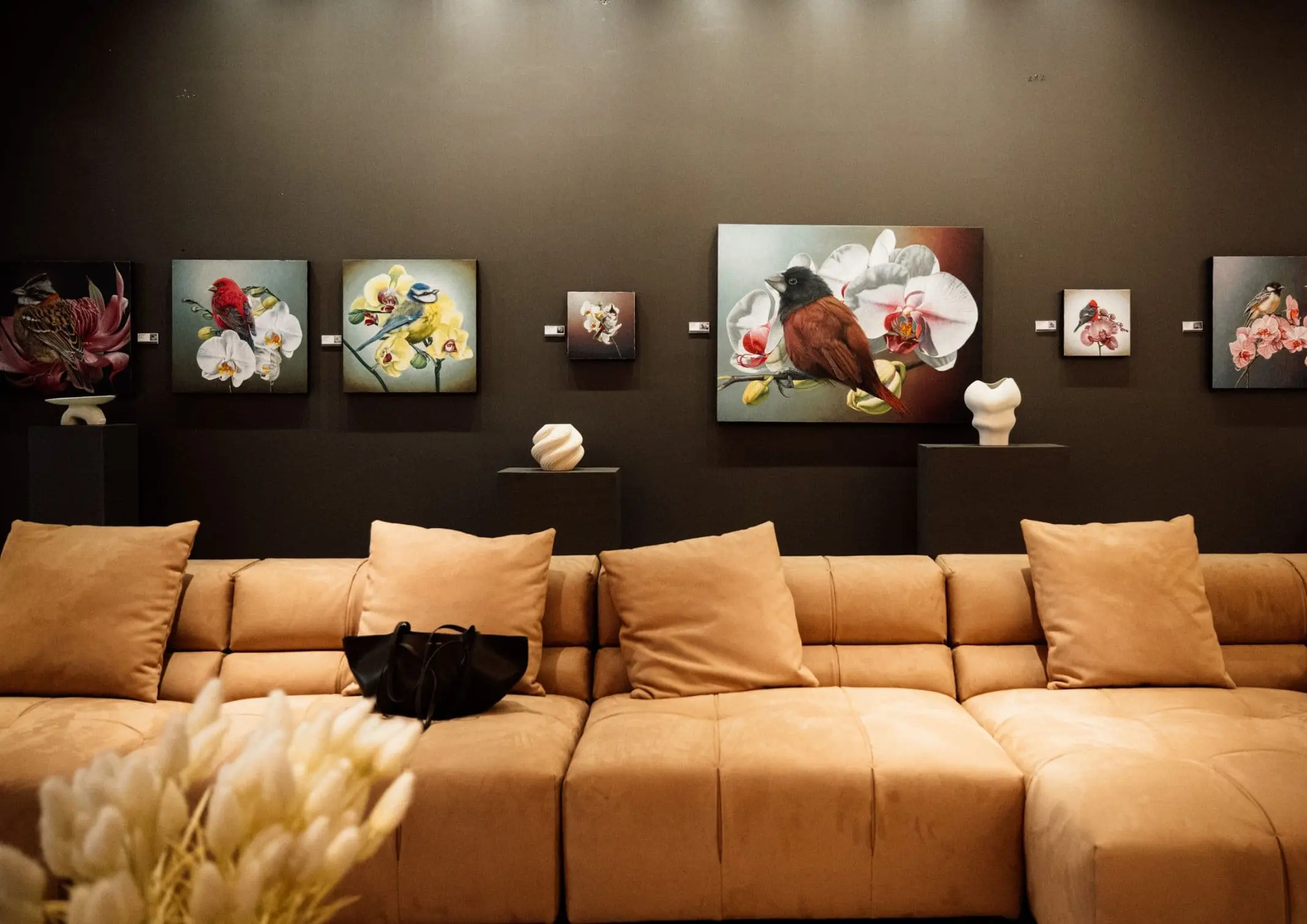
Art and furniture are often selected separately, yet their relationship can shape how a room looks and feels. The collaboration between Hooga and Galerie Joaquin explores how these elements can work together, bringing contemporary artworks into furnished residential settings at Hooga’s showroom in Uptown Mall, Bonifacio Global City. For Hooga, which curates furniture, lighting, and […]
Read the issues.

Collect the volumes.

Recommended Video
Tap to Unmute
Unmute
0:00
0:00