Archie G. Carrasco, Chairman and CEO of AGC Power Holdings Corp. (AGC PHC), has been named to The BoF 500 Class of 2026 under the Media category, joining The Business of Fashion’s global community of individuals shaping the fashion industry. Carrasco is among 100 new members from 33 countries and 48 nationalities selected for the […]
Silverlens @ 20: For the Love of Art and Exhibition



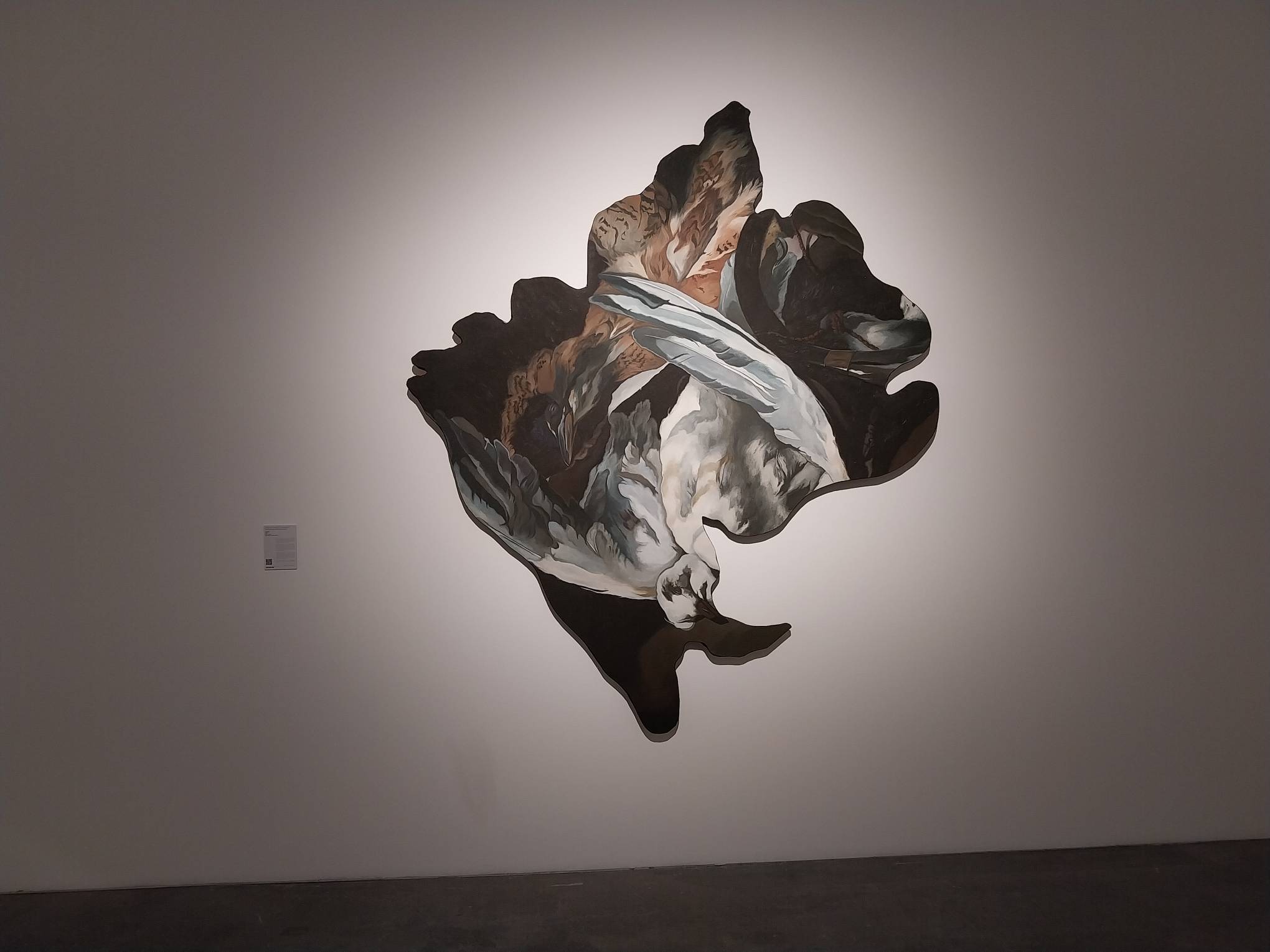
Markers: Silverlens @ 20 is the new exhibit by Silverlens Gallery. It focuses on multiple art pieces displayed throughout their history to celebrate the diversity of Filipino art and its continued evolution. The 20th anniversary exhibition was shown from March 21 to April 17, 2024.
Founded in 2004 by Isa Lorenzo and Rachel Rillo, Silverlens has evolved the way they choose and show art over the decades. Their shifting locales and roster of artists show a micro-history of how the local art scene has changed. Celebrating twenty years of existence cements their unique positioning in the Philippine art scene and what they were able to contribute to it.
“Not to get too philosophical, but weighing the gravity of this occasion could prompt one to question where the essence of a gallery truly resides,” Gary-Ross Pastrana wrote about the gallery.
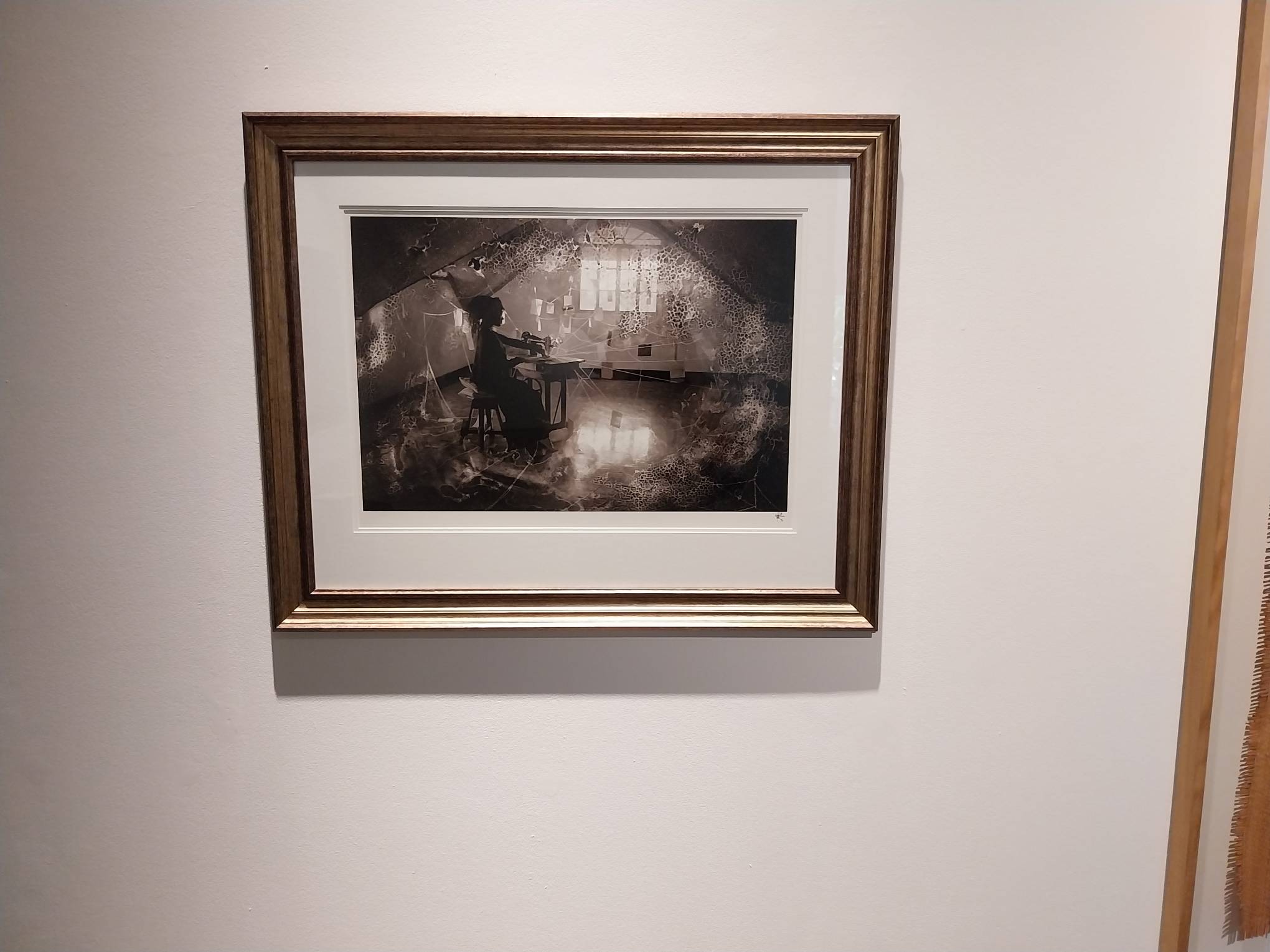
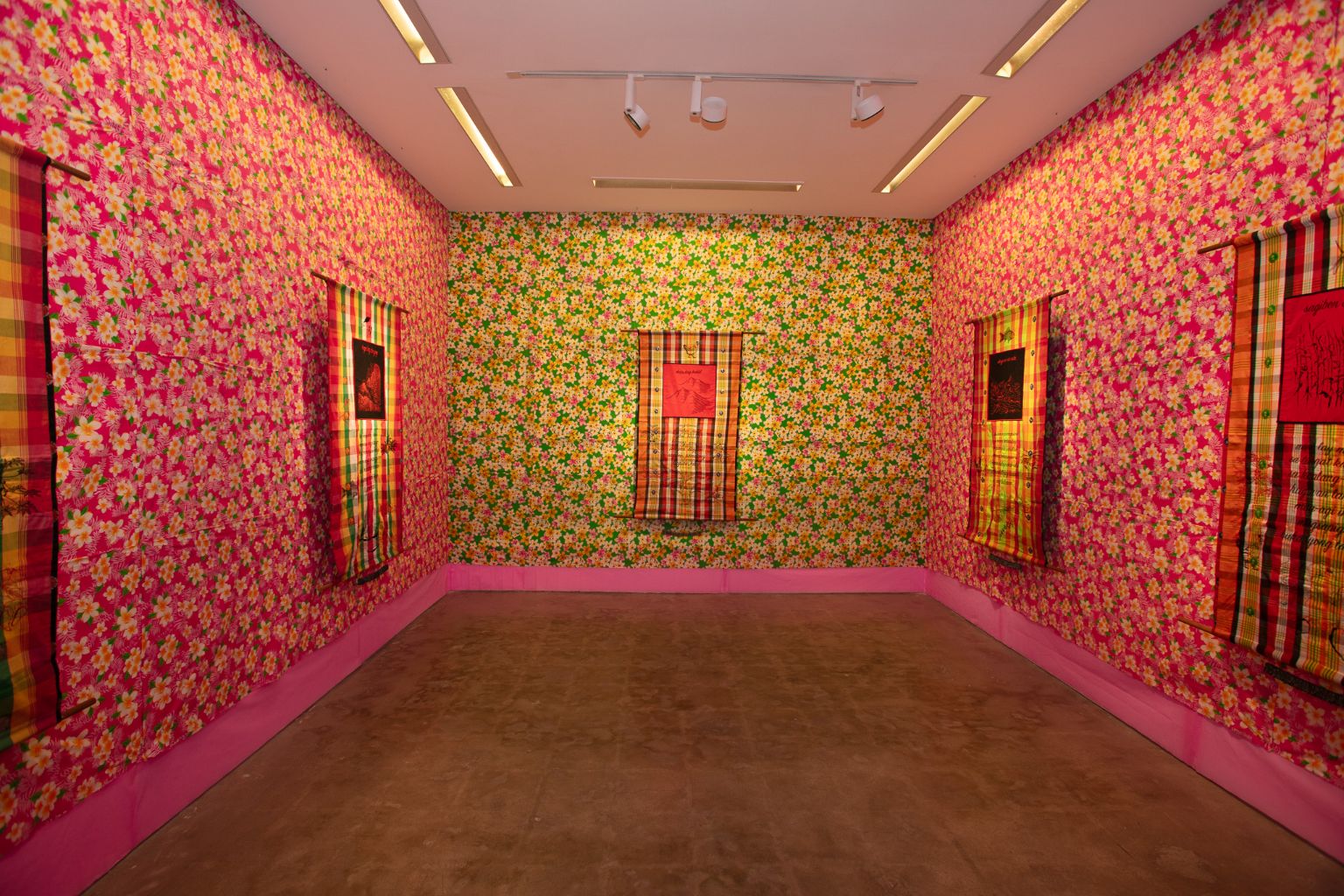
For this anniversary exhibit, Lorenzo and Rillo curated the pieces themselves, both from the gallery’s back catalog and their own private collections. Put together, it hopes to tell the narrative of the Silverlens’ existence and its ambition to showcase Filipino talent on a worldwide scale.
The Right Mindset
The art pieces themselves aren’t on a formal timeline where you can start from one point and go chronologically from there. It tells its story through feelings, journeying from unique work to unique work that exemplifies the mission and vision of the gallery.
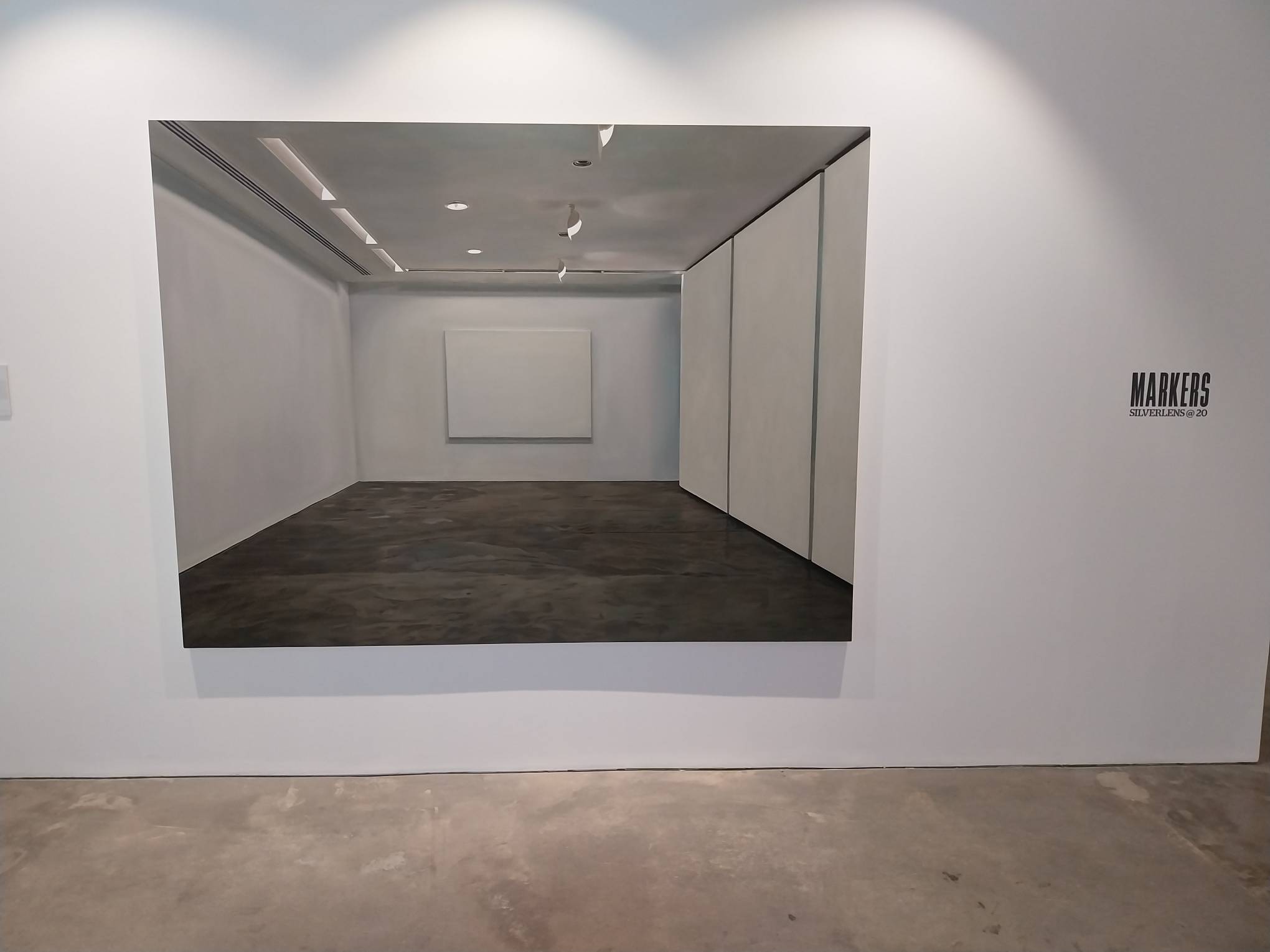
As you enter the exhibit, you’re greeted by Nona Garcia’s 2013 painting “Study for a Painting I.” It’s a painting of an empty white room with a blank canvas in the center. Making this the first painting one sees in the exhibit feels like meta-commentary on the exhibit’s ambitions. The emptiness is stark, and it feels like an invitation to participate in the process of creation.
Historical Timeline
Some of the works harken back to old methods that Silverlens used to show art. For example Gary-Ross Pastrana’s “Untitled,” which is a collage of paper-on index cards, shows Silverlens in their 20Square era, which accommodates the size of mall galleries at the time of its creation. Since then, they have evolved to showing artwork in warehouses.
Others, like Bernardo Pacquing’s 2003 painting “Damp Mortar,” portray the gallery’s admiration and continued exploration of innovative and challenging works. Pow Martinez’s “Swim Team (Blue)” also exemplify Silverlens’ unique tastes in the scene. The work’s distortion of faces in the oil painting showcases a unique perspective that only Martinez could give.
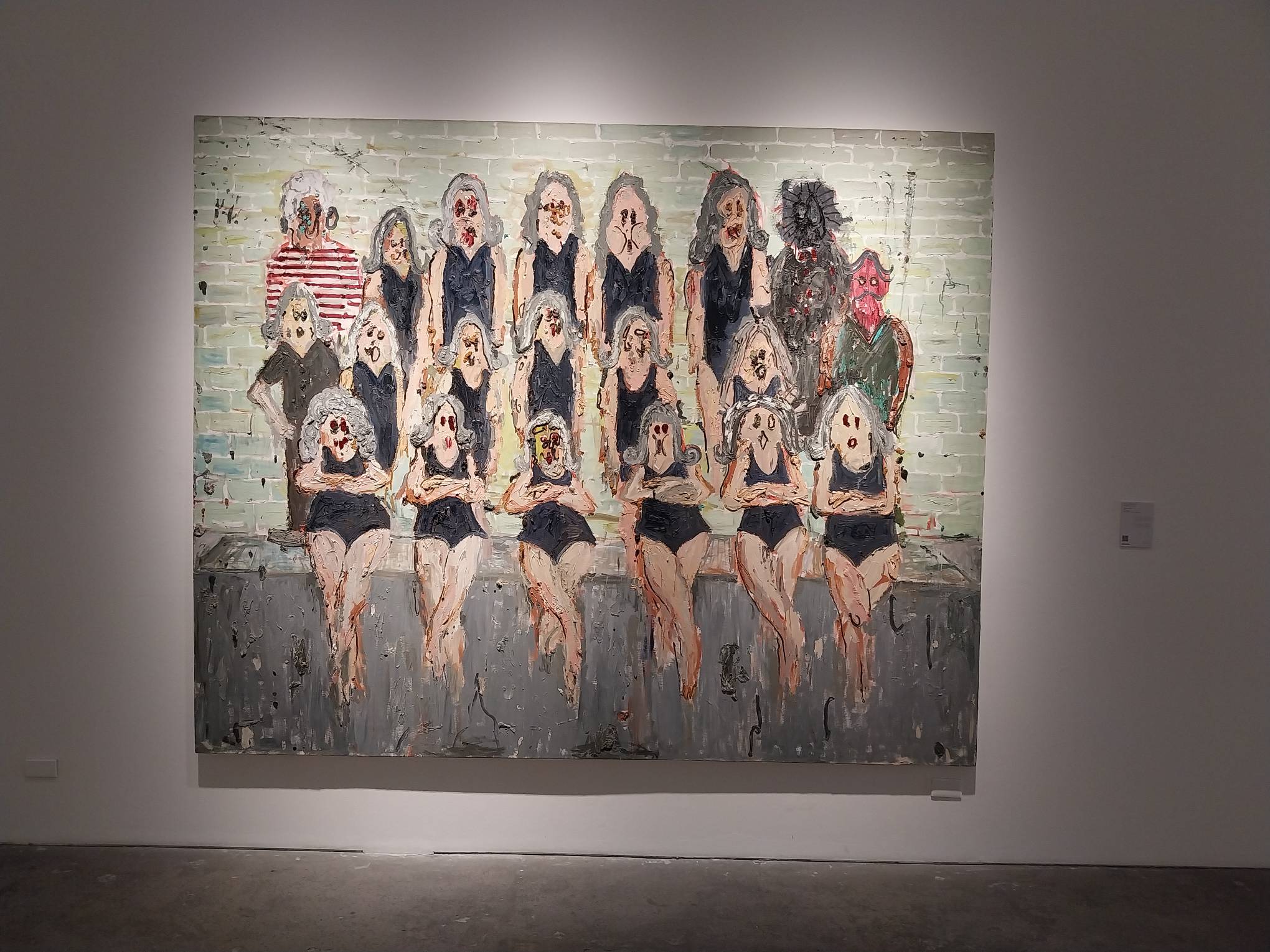
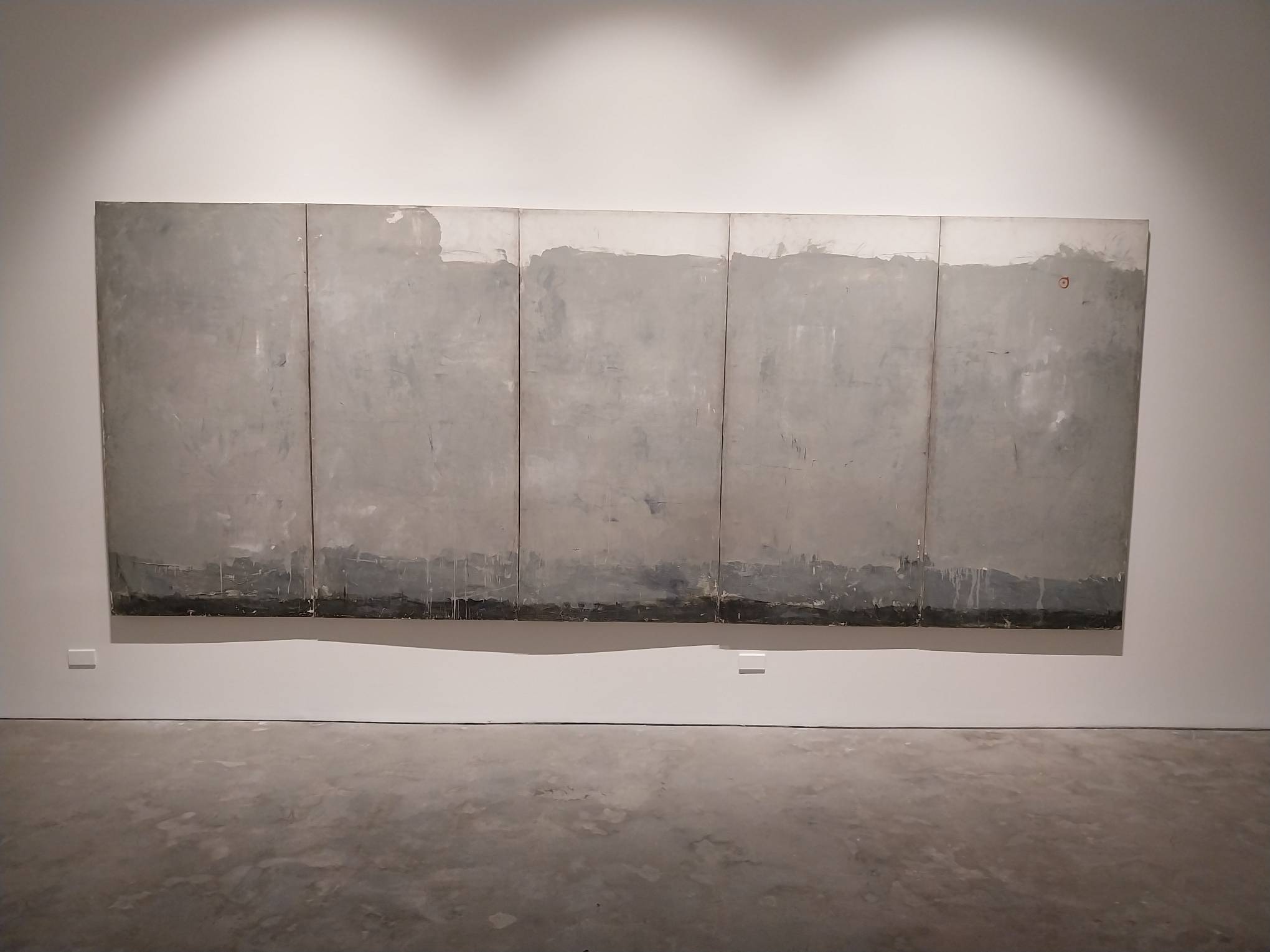
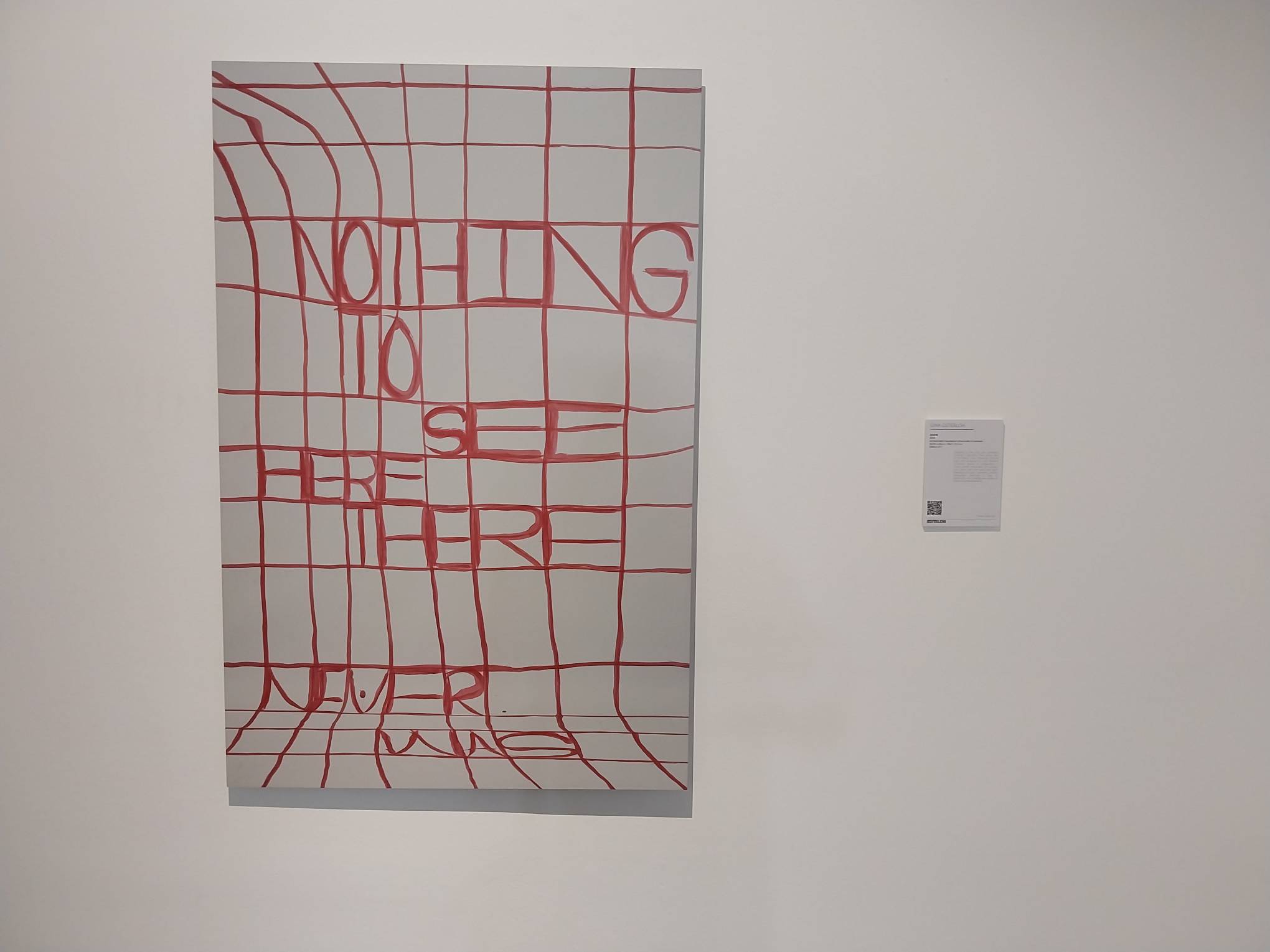
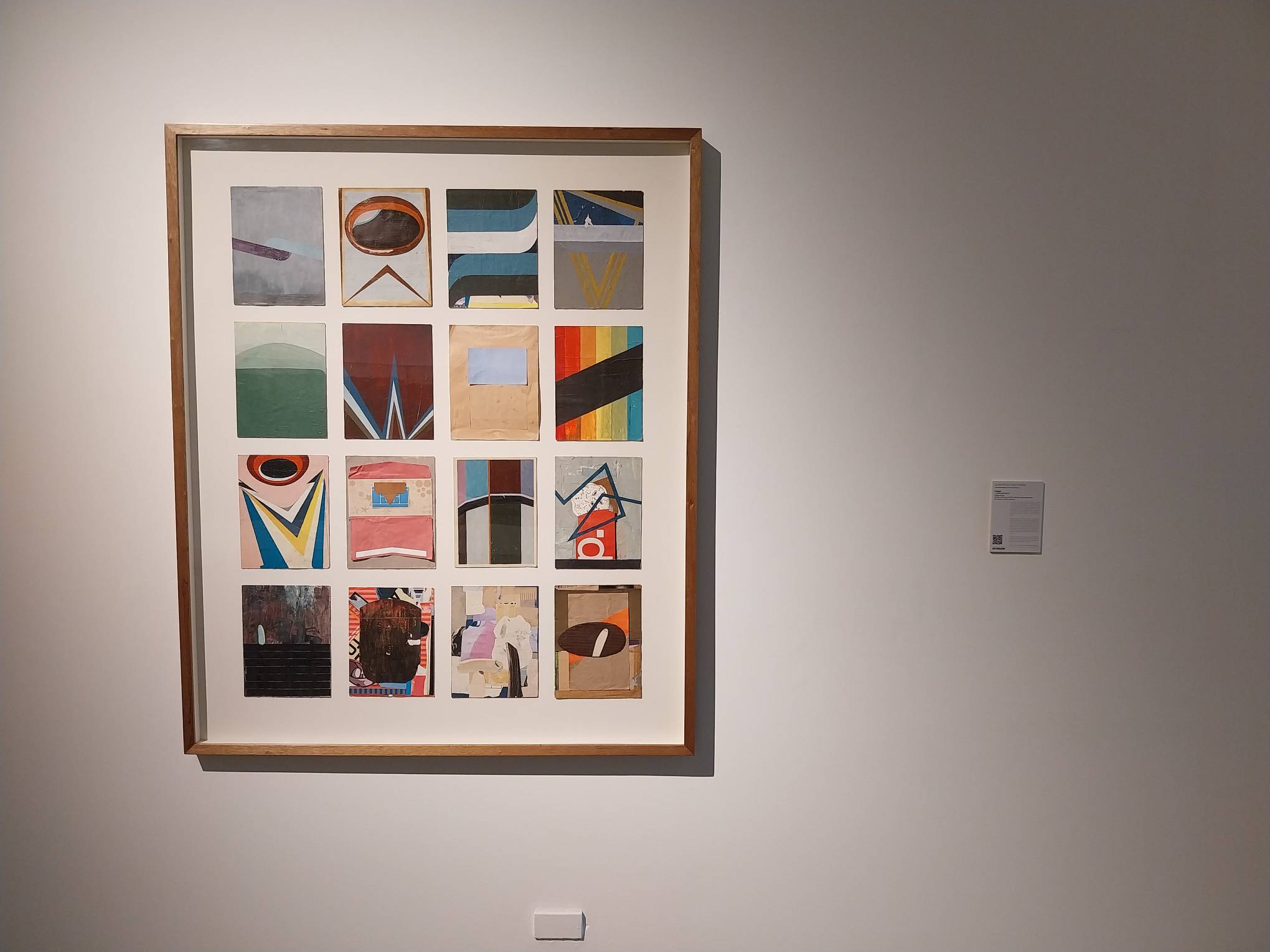
The exhibit contains a lot of stand-out work showcasing Silverlens’ distinct identity versus other galleries. Gina Osterloh’s “Grid #4” from 2014 portrays the words “Nothing to See Here There Never Was” in a strange way. The letters appear scrawled onto a tile wall by a vandal. It’s Osterloh’s effort to find a new perspective outside of the male gaze of scholars and critics.
The Strangeness of Art Creation
Other projects featured in the exhibit show more non-traditional Filipino artistry; its warping frontiers and how artists meet that in the moment.
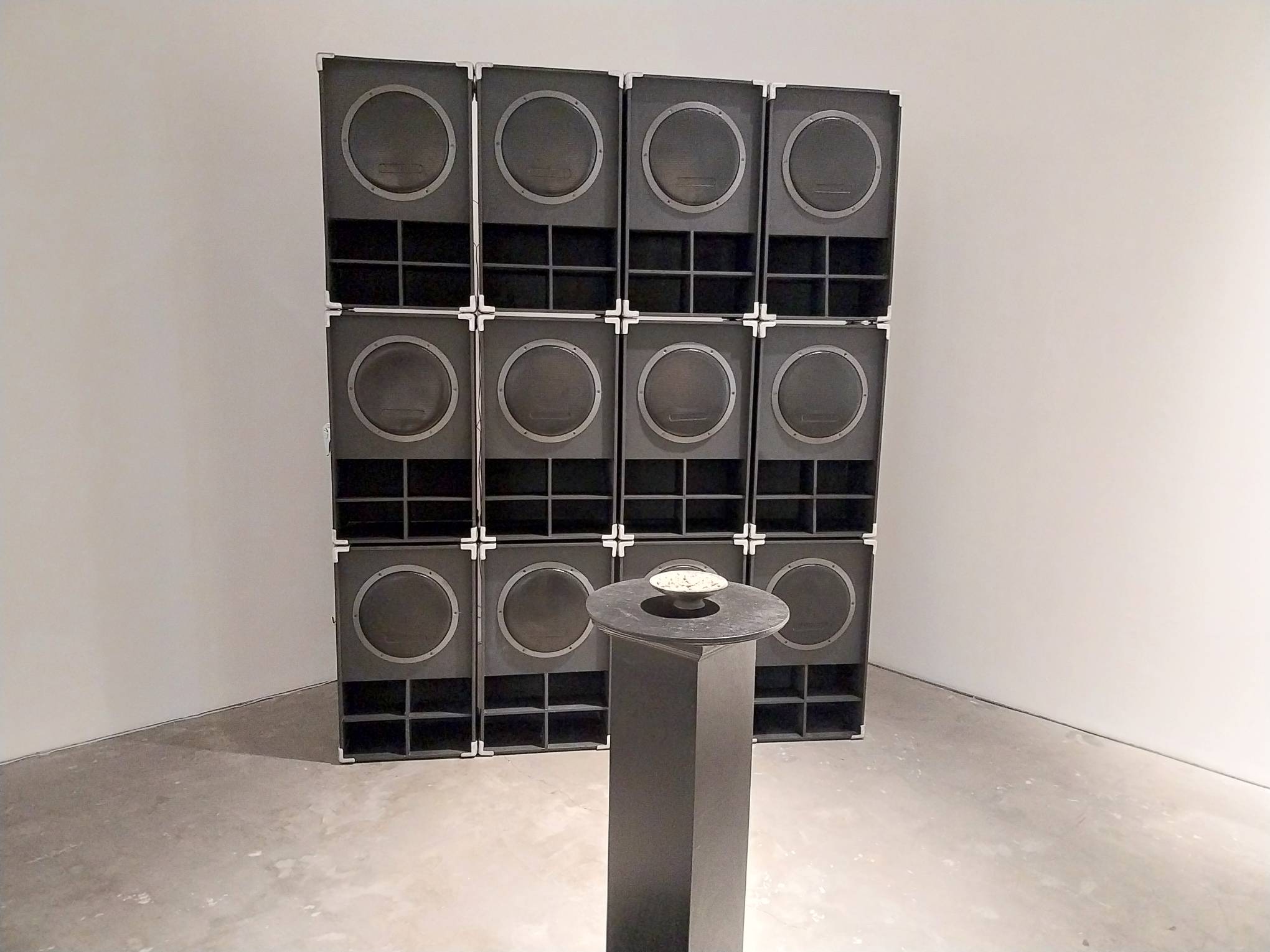
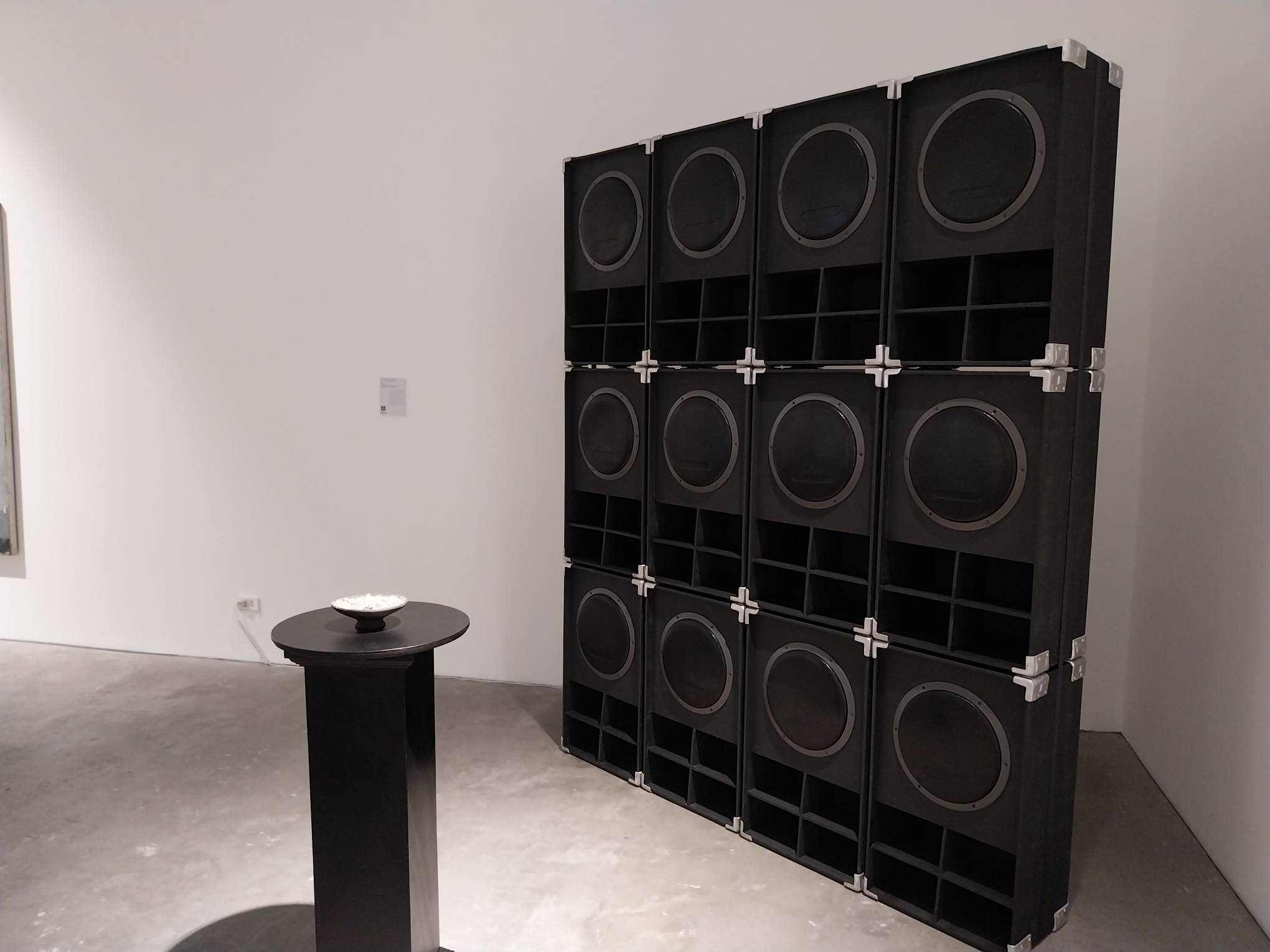
“4-7-8” by Corinne de San Jose is a set of 12 subwoofer speakers stacked up in groups of four playing “audio modulated to a frequency associated with improving memory.” Just a few meters away from it is incense from a medicinal plant. It was created by de San Jose to mourn the 1919 film Dalagang Bukid, the first Filipino film which has been lost to time.
The towering speakers play the audio frequency subtly and quietly. It forces you to listen and explore, to wonder how different our culture would be if lost artworks in our history were never lost to begin with. The choice of “4-7-8” shows art as participation, evolving beyond the canvas to make their statements of intent.
Representing and Simulating Reality
Another piece sparks a conversation of how big and interactive art can become. Martha Atienza’s 2015 piece “Endless Hours at Sea” encompasses a whole room to create a simulacrum of being inside a cargo ship. One part of the exhibit shows a projection of a ship window. Across it is a simulation of the ocean, with sounds of clicking and ocean waves mimicking the sounds of a ship.
It’s meant to portray the plight of the seaman and their continual battle against the water. There’s also an emotional component to it that reminds you of an OFW relative, and the loneliness of being out at sea for months on end.
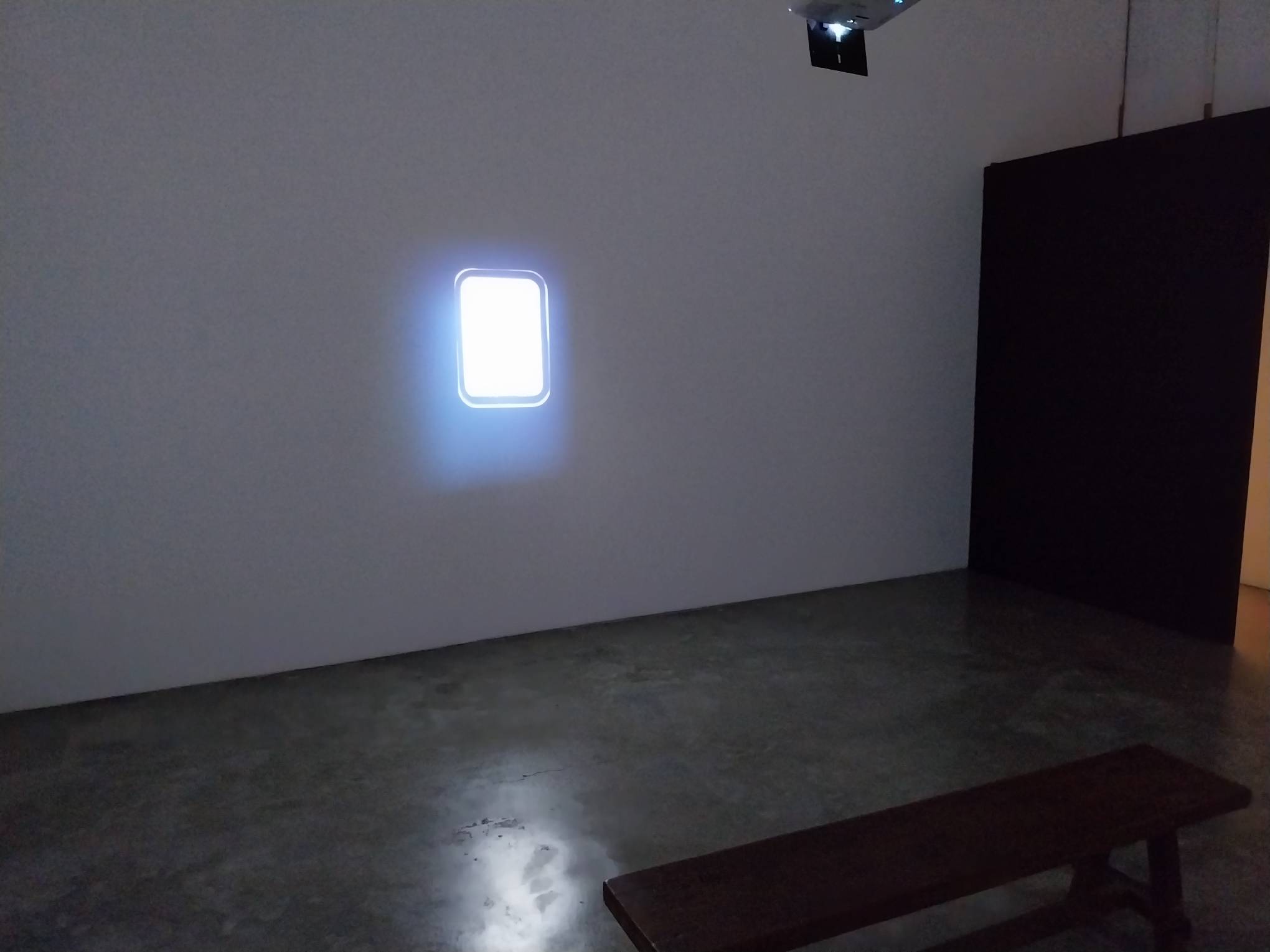
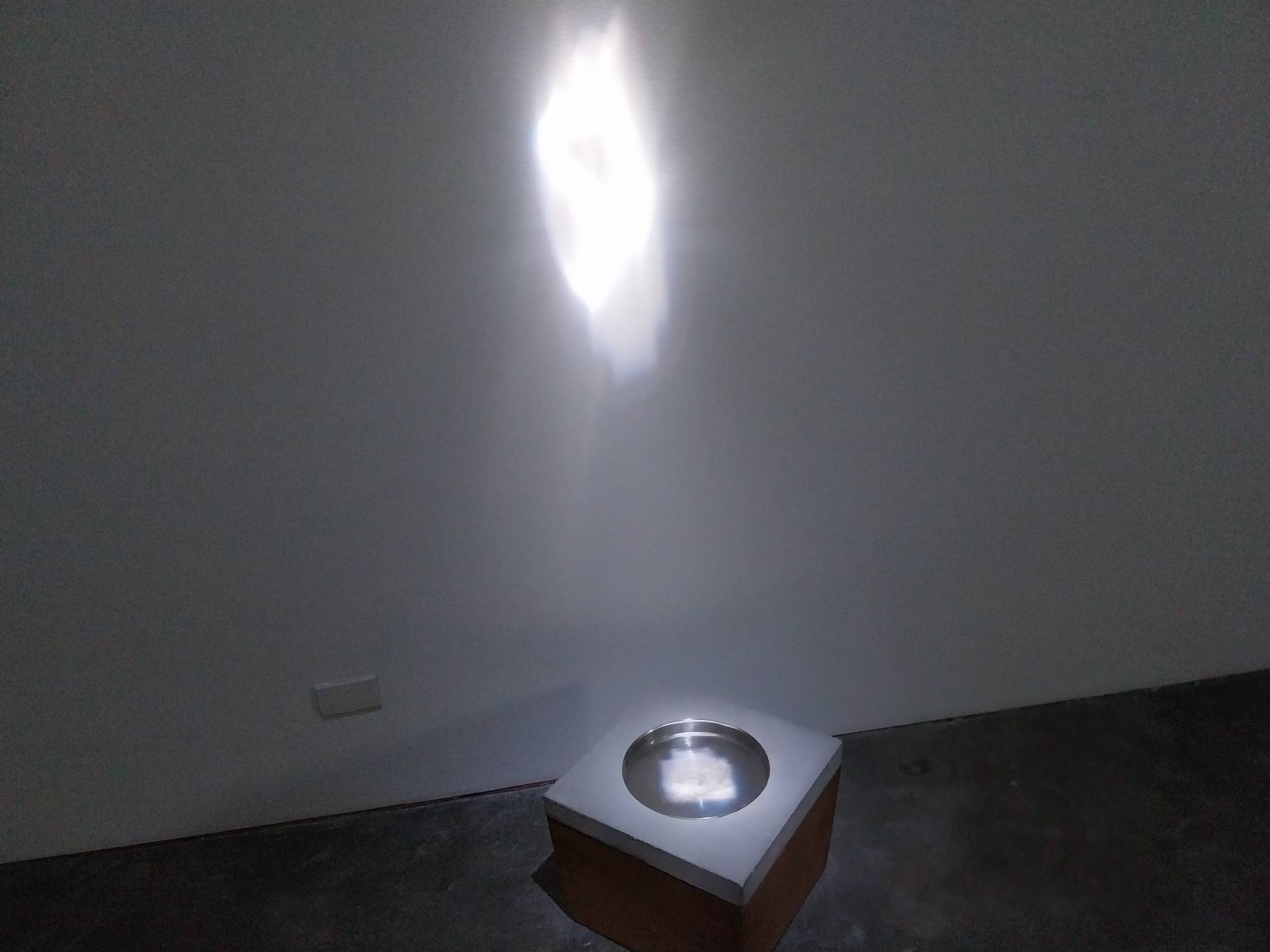
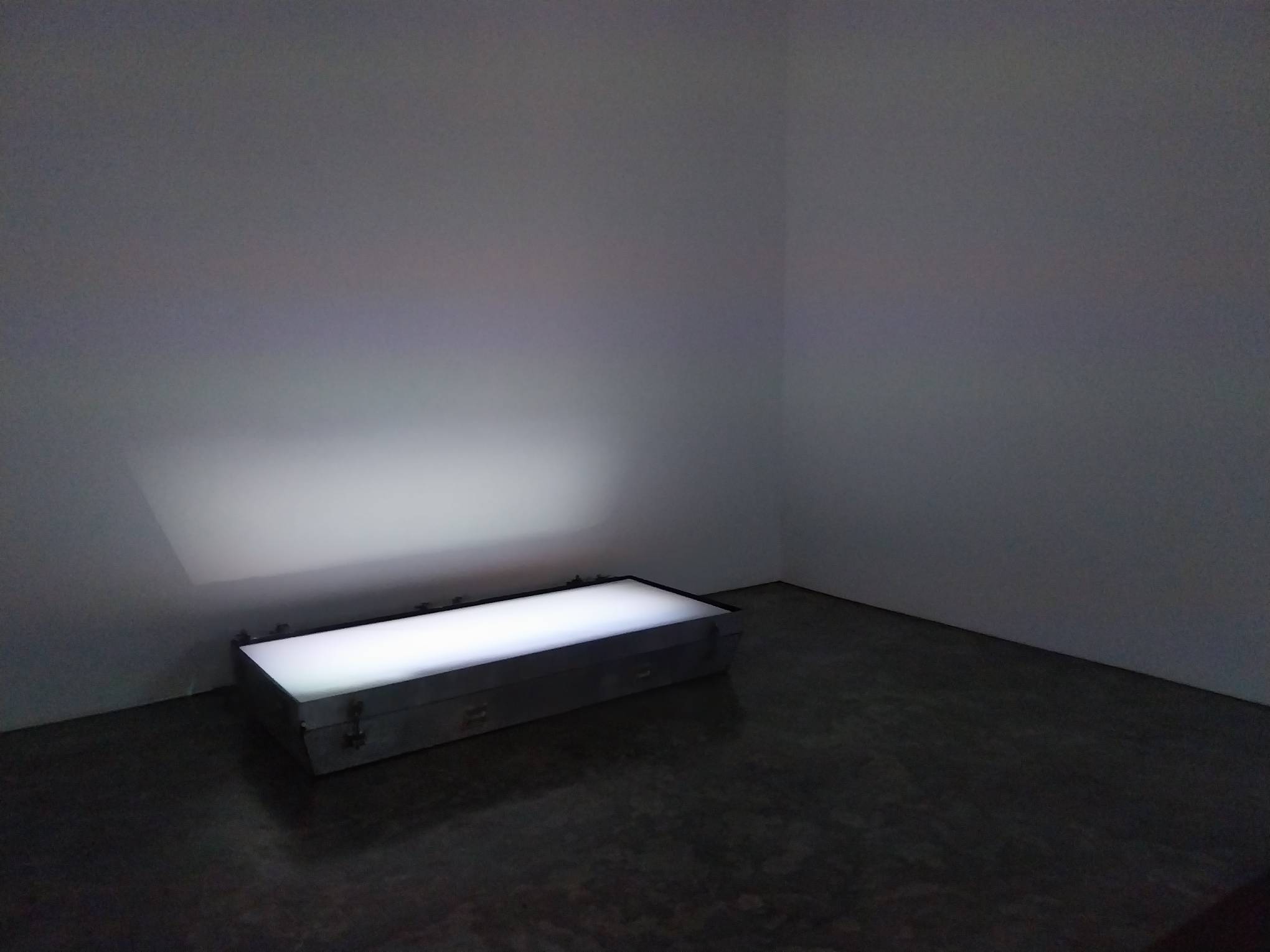
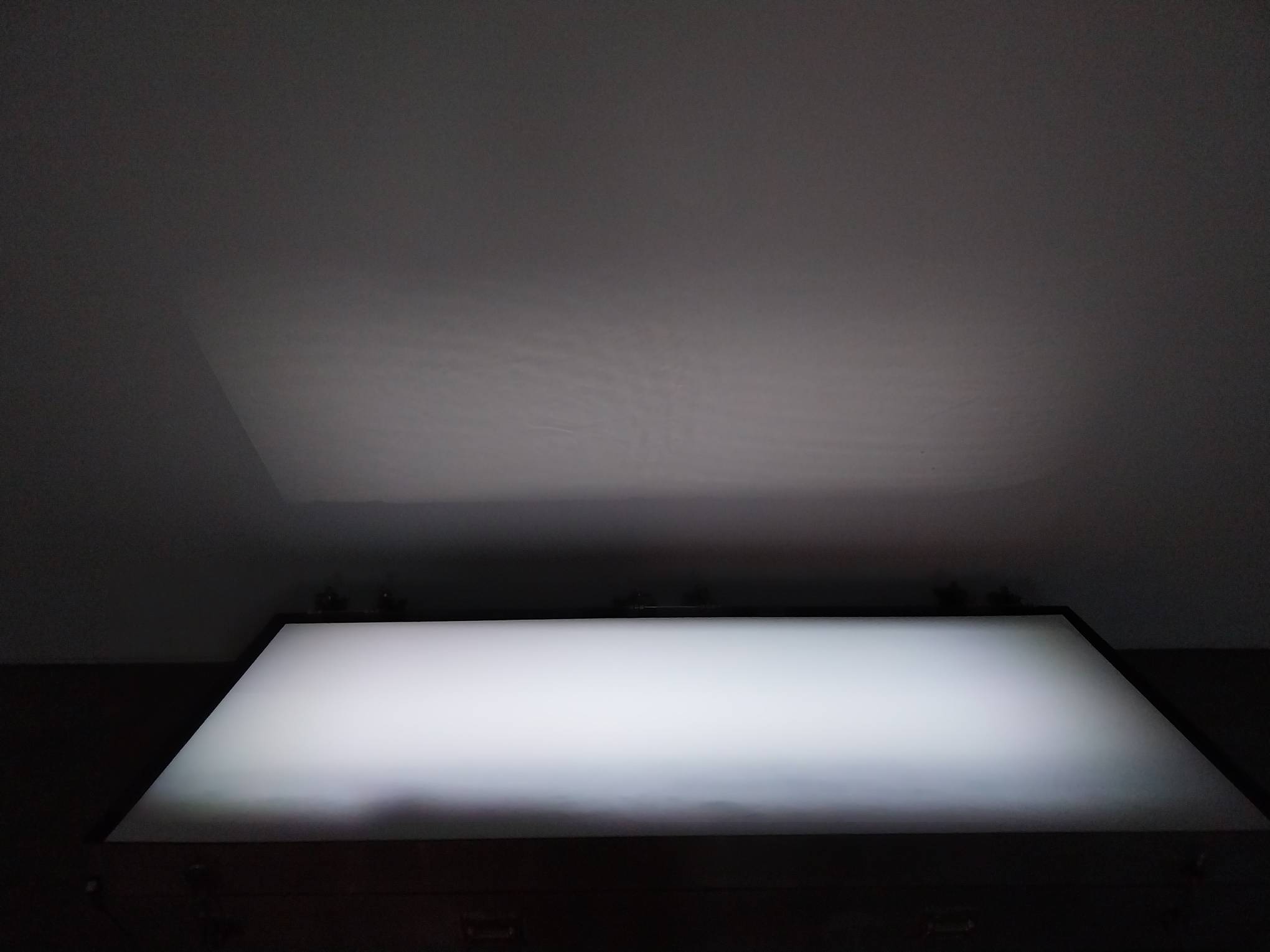
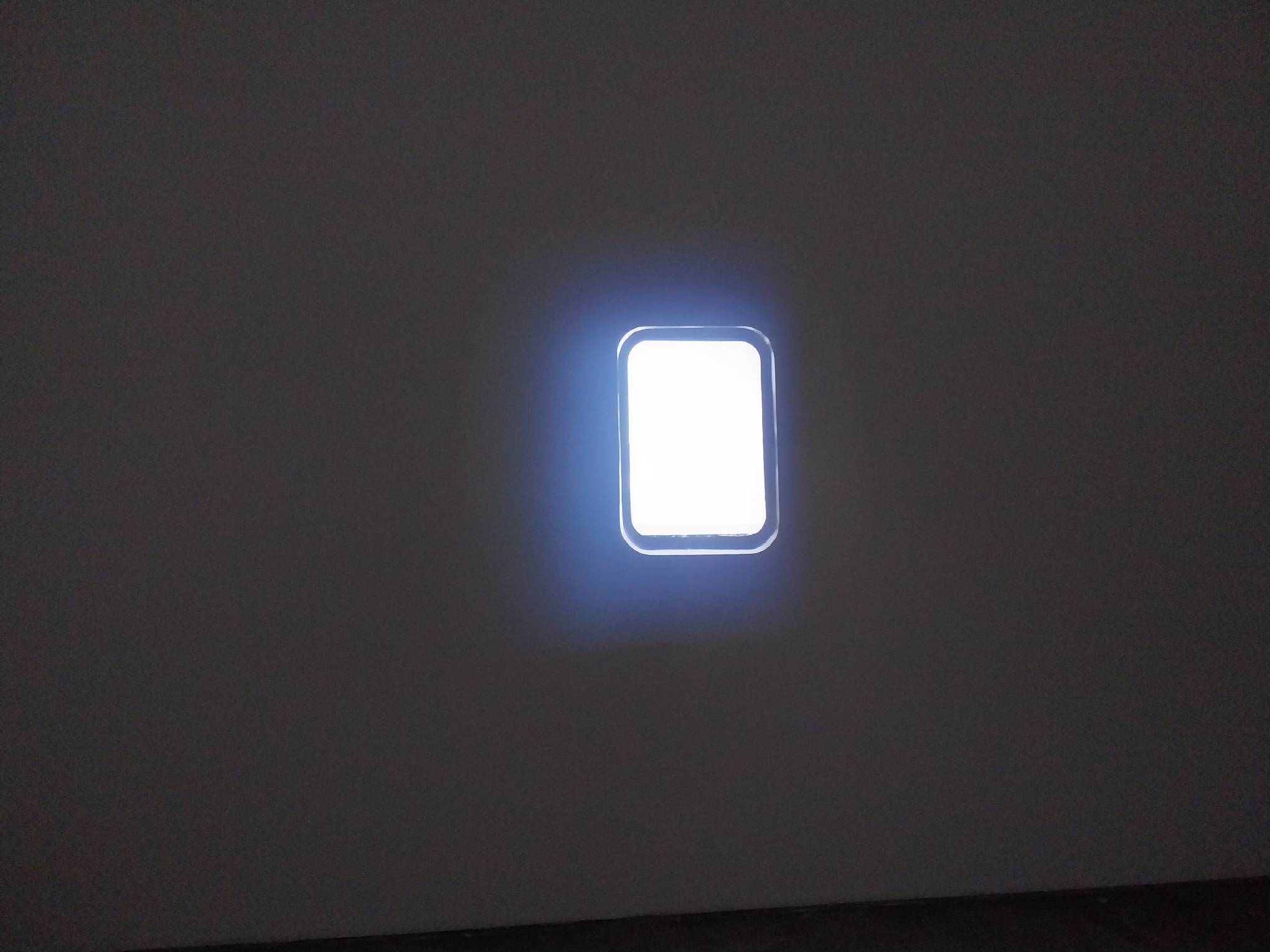
But it also exemplifies the idea of the allegory of the cave in the most literal sense. We’re seeing a simulation, a shadow of what the seamen themselves experience, and we craft our conclusions of the meaning from it. But can representing reality replace it in actuality? Can the knowledge we glean from these representations be enough to understand the emotional reality of it all?
That’s an interesting component of the artwork, one that questions the reality vs. representation fights of art as a whole.
Twenty Years of Silverlens
Summing up the lifetime of any institution is hard to do, even with a whole exhibit’s worth of works. Markers: Silverlens @ 20 uses its space not just to sum up their history, but to show forward where the gallery will go from here. Art will always change to meet the cultural moment of the time, and Silverlens ushers the next two decades with hope of continually pushing for art’s evolution into the strange and the dynamic.
Related reading: BluPrint magazine celebrates two decades of design journalism


Culture in design does not always announce itself through a recognizable motif, material, or symbol. It can also be embedded in the relationships designers build, the knowledge they listen to, the materials they choose, and the decisions they make in response to communities and their environments. This distinction emerged throughout the 2026 International Design Conference […]
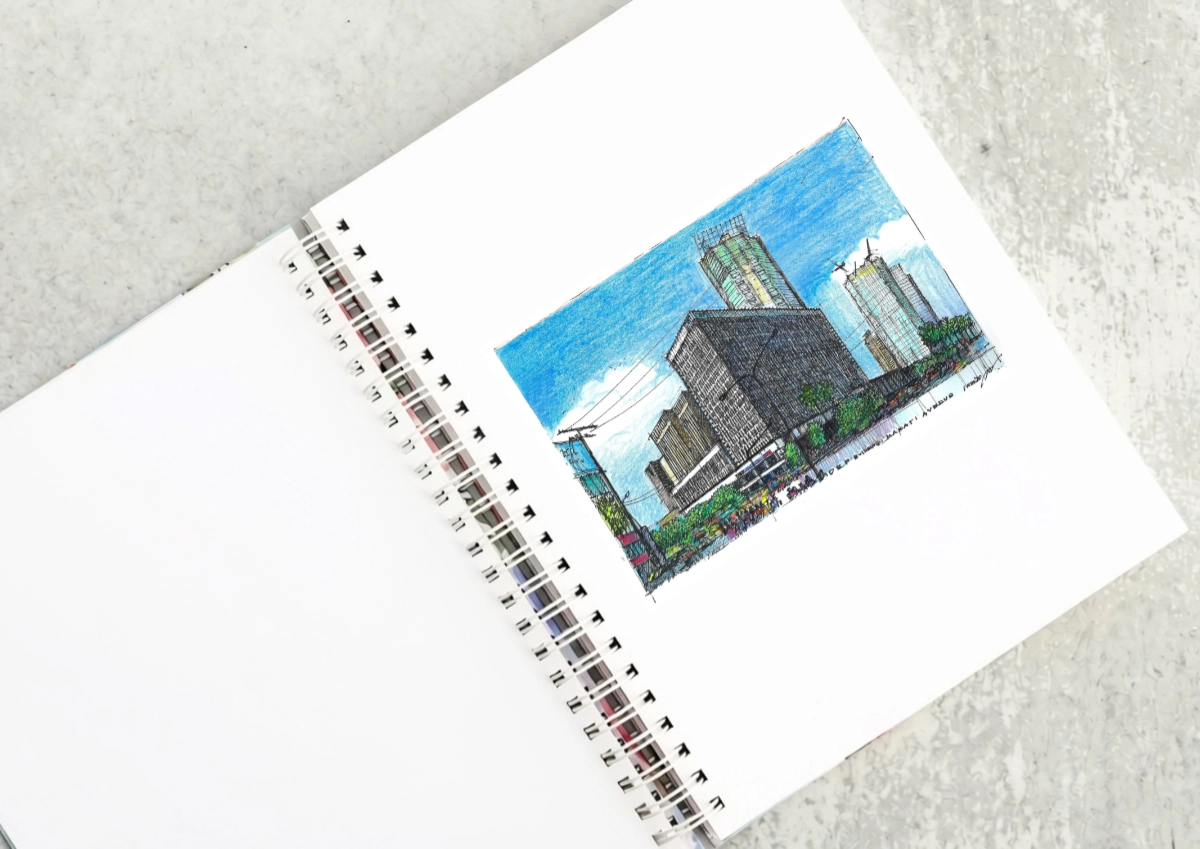
The DBP Building as a Landmark of the International Style At the corner of Sen. Gil Puyat Avenue and Makati Avenue stands a landmark of the Makati Central Business District. It is one of the last still standing that were built in the first wave of construction in district fifty years ago. The Development Bank […]

“Buildings only become architectureArchitectureThe art and science of designing and constructing buildings, structures, and spaces that are functional, safe, and aesthetically pleasing. It encompasses the planning, design, materials, and techniques used to createGo to Architecture Glossary when they are shared,” said William Ti Jr., founder of the Anthology Festival and WTA Architecture and Design Studio, […]
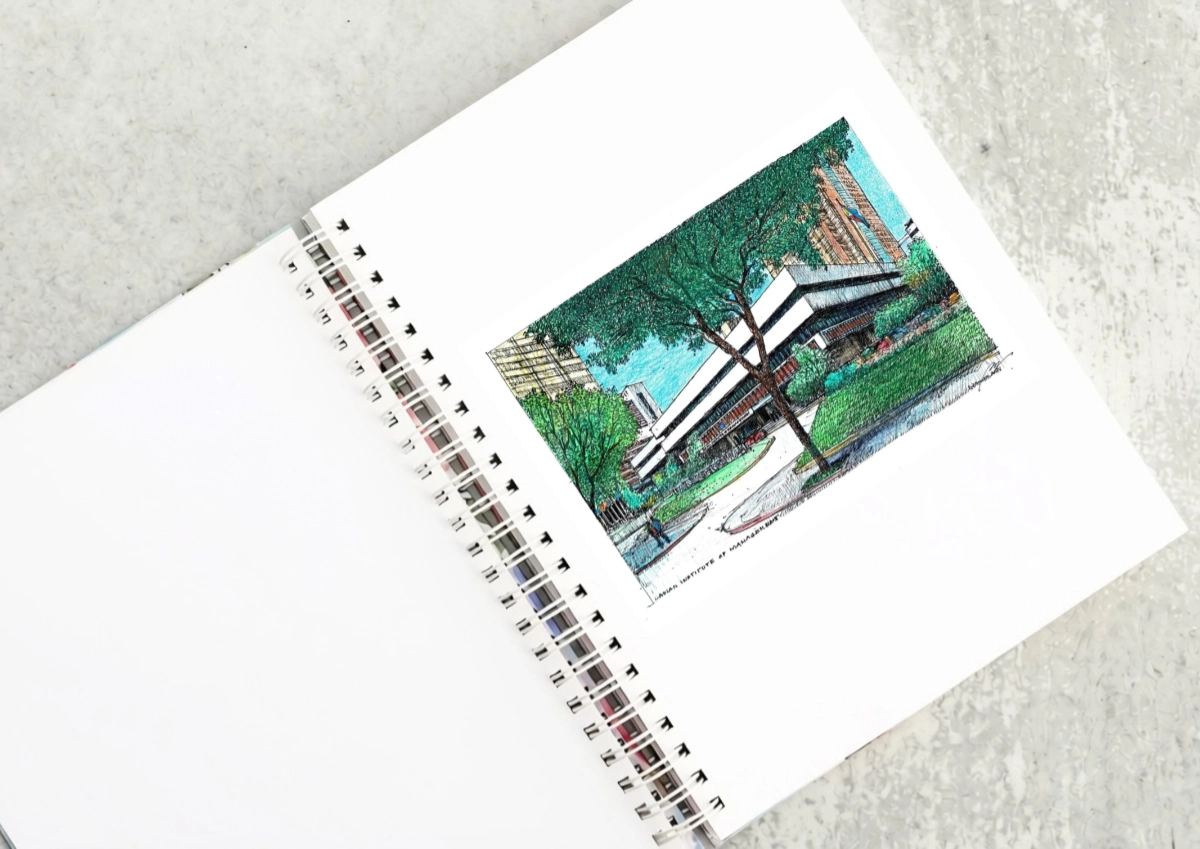
A Filipino Interpretation of Modernist Architecture Unlike the rest of Makati today, the northern end of Paseo de Roxas in Makati is anchored by a low complex rather than a tall skyscraper. This is the elegant Asian Institute of Management, designed by architect Gabriel Formoso and completed in 1971. In my opinion, the building is […]
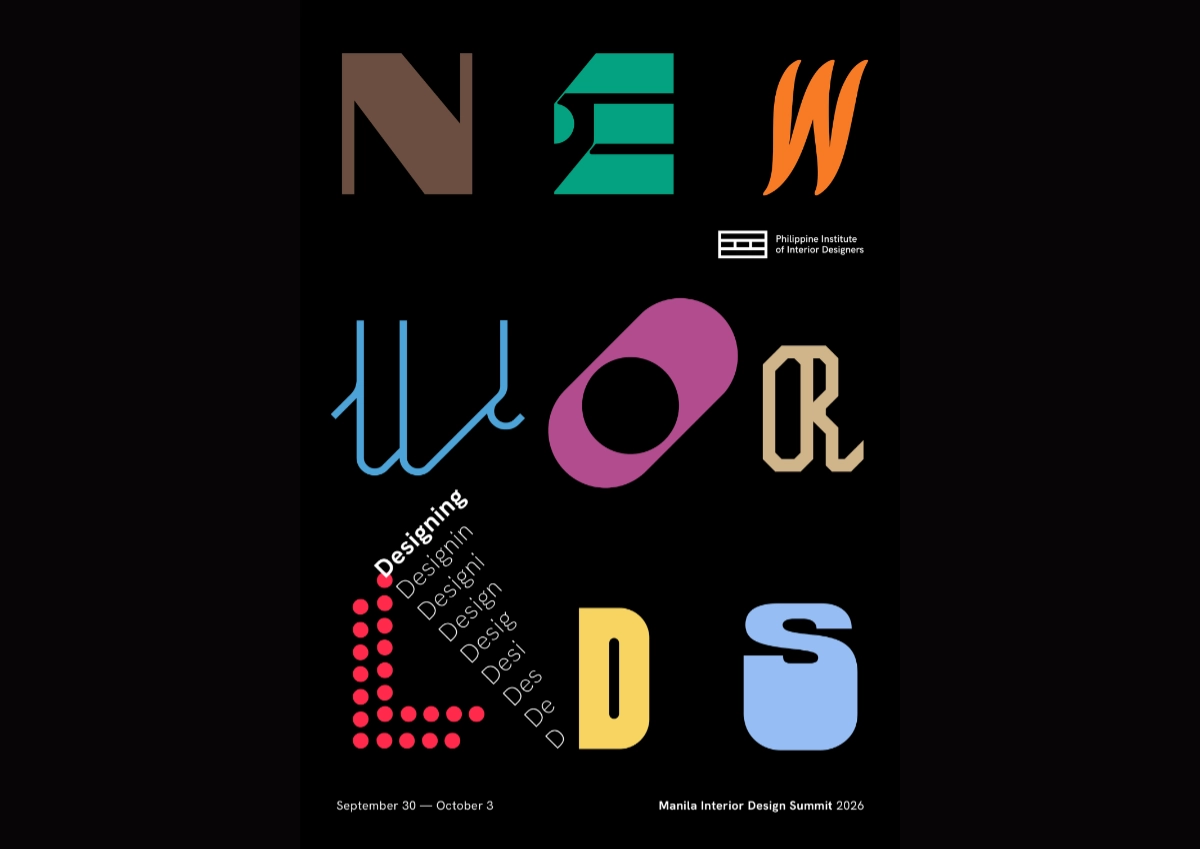
“Thailand has claimed urban creativity and livability. Singapore has institutional design leadership. Indonesia is emerging as a design hub. Vietnam is moving into design innovation. And the Philippines? Its position is not weak. It is simply unclaimed.” For IDr. Cecil Ravelas, National President of the Philippine Institute of Interior Designers (PIID), the challenge is not […]
Read the issues.

Collect the volumes.

Recommended Video
Tap to Unmute
Unmute
0:00
0:00