Bigkis is the act of binding. In Tagalog, the word can refer to something used to bind or encircle, as well as a bundle formed by tying several separate elements together. Figuratively, it can also mean a bond, union, or unity. The meanings move from the physical act of joining things together to the connection […]
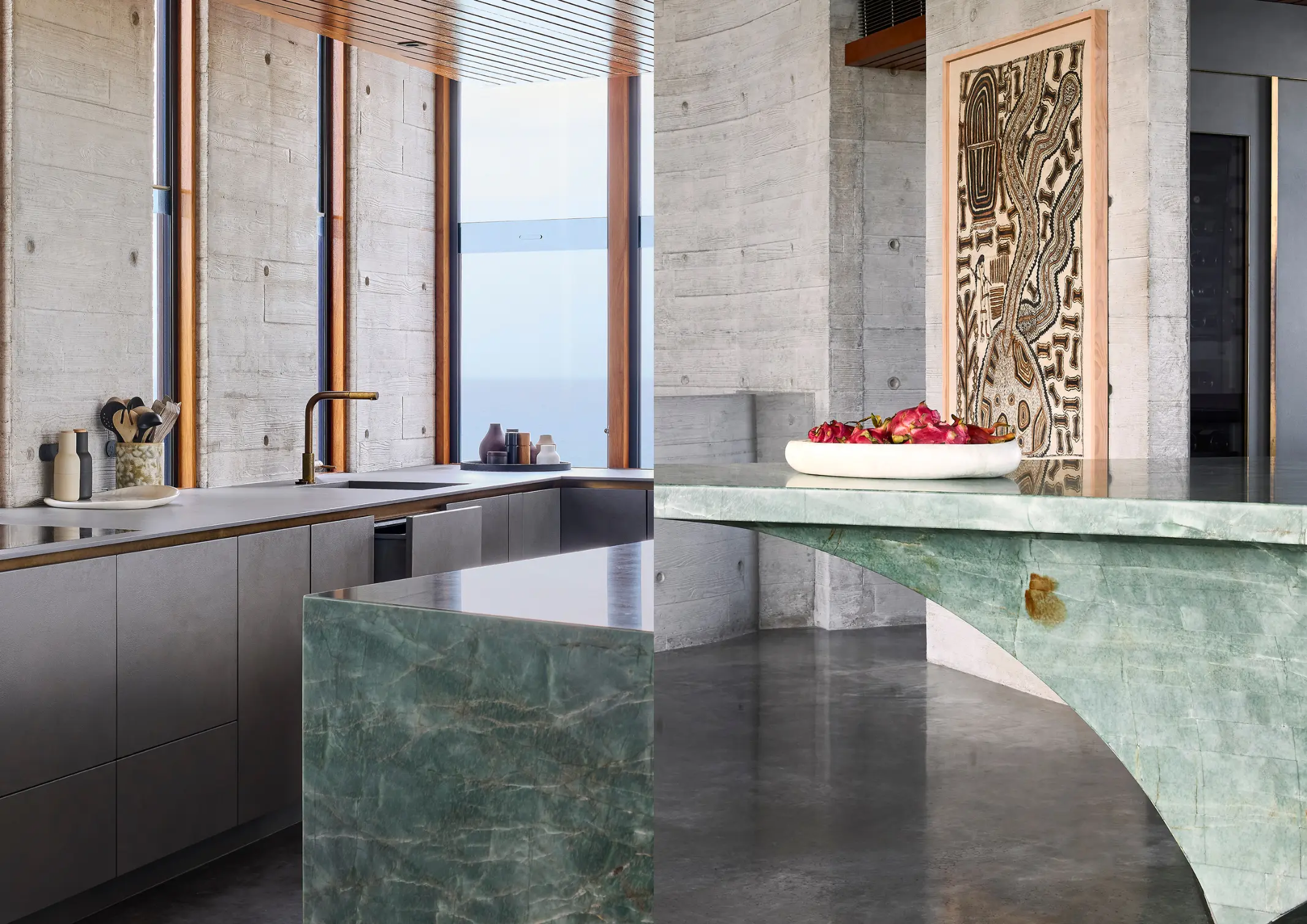
Fisher & Paykel: A Legacy of Innovation and Design Freedom



For more than nine decades, Fisher & Paykel has approached design with a simple but exacting belief: that the best living environments are those shaped by people, place, and purpose. Rooted in New Zealand and deeply attuned to island and coastal living, the brand’s philosophy centres on quiet performance, material honesty, and appliances that integrate seamlessly into architectureArchitectureThe art and science of designing and constructing buildings, structures, and spaces that are functional, safe, and aesthetically pleasing. It encompasses the planning, design, materials, and techniques used to createGo to Architecture Glossary rather than compete with it.
That ethos finds a natural alignment in The House at Lizard Island, a remote guesthouse designed by Queensland practice JDA Co. on the fringes of the Great Barrier Reef.
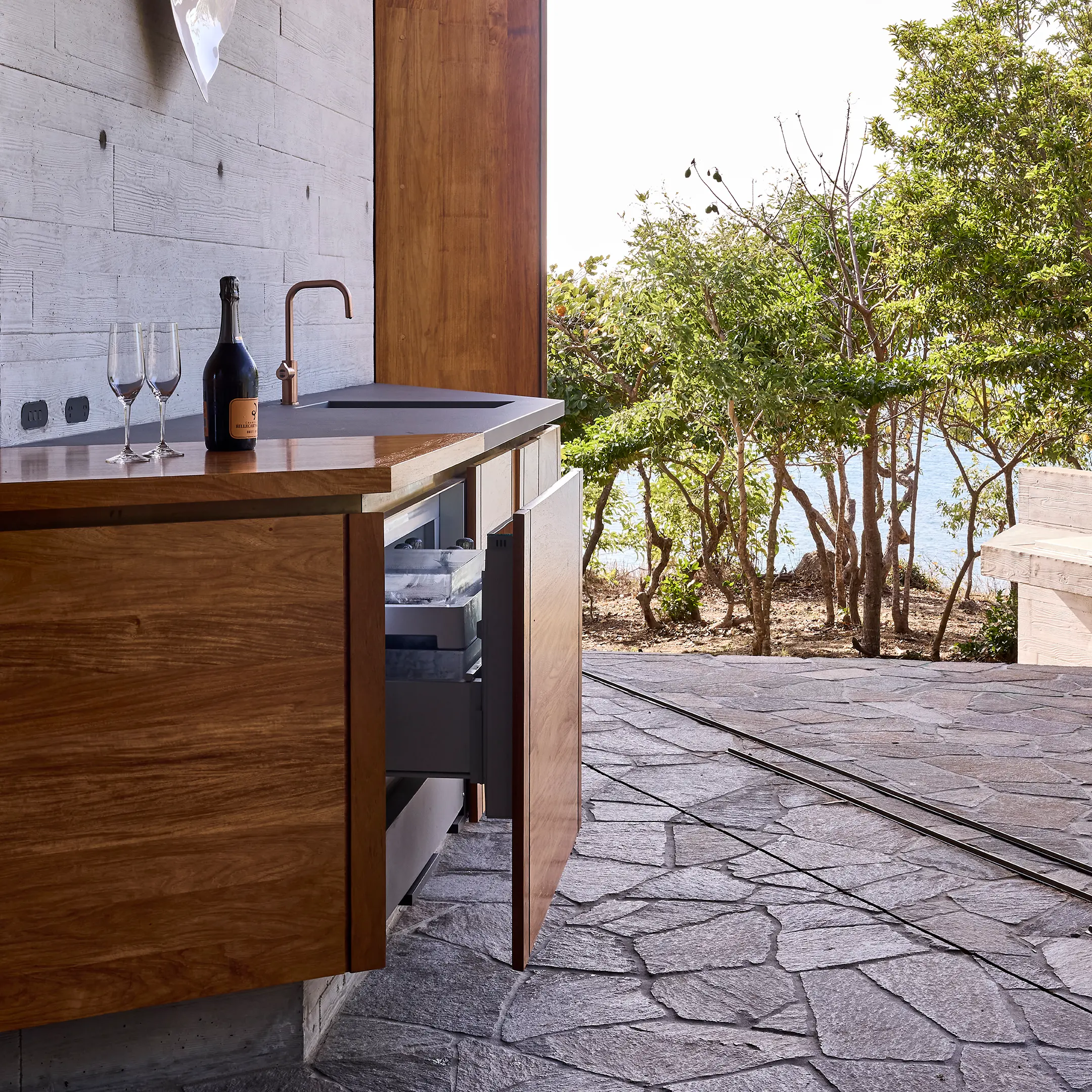
Where Kitchen Design Meets the Coastal Elements
Set within Lizard Island National Park, the project presented extraordinary challenges — granite outcrops, intense sun, salt-laden air and cyclonic winds while honouring the environmental sensitivity required within a national park. Developed over several years in close collaboration with its owners, the project reflects JDA Co.’s ambition to create a house that could endure decades of island living while remaining deeply responsive to place. Rather than imposing on the landscape, the architecture appears as though it has been shaped by it.
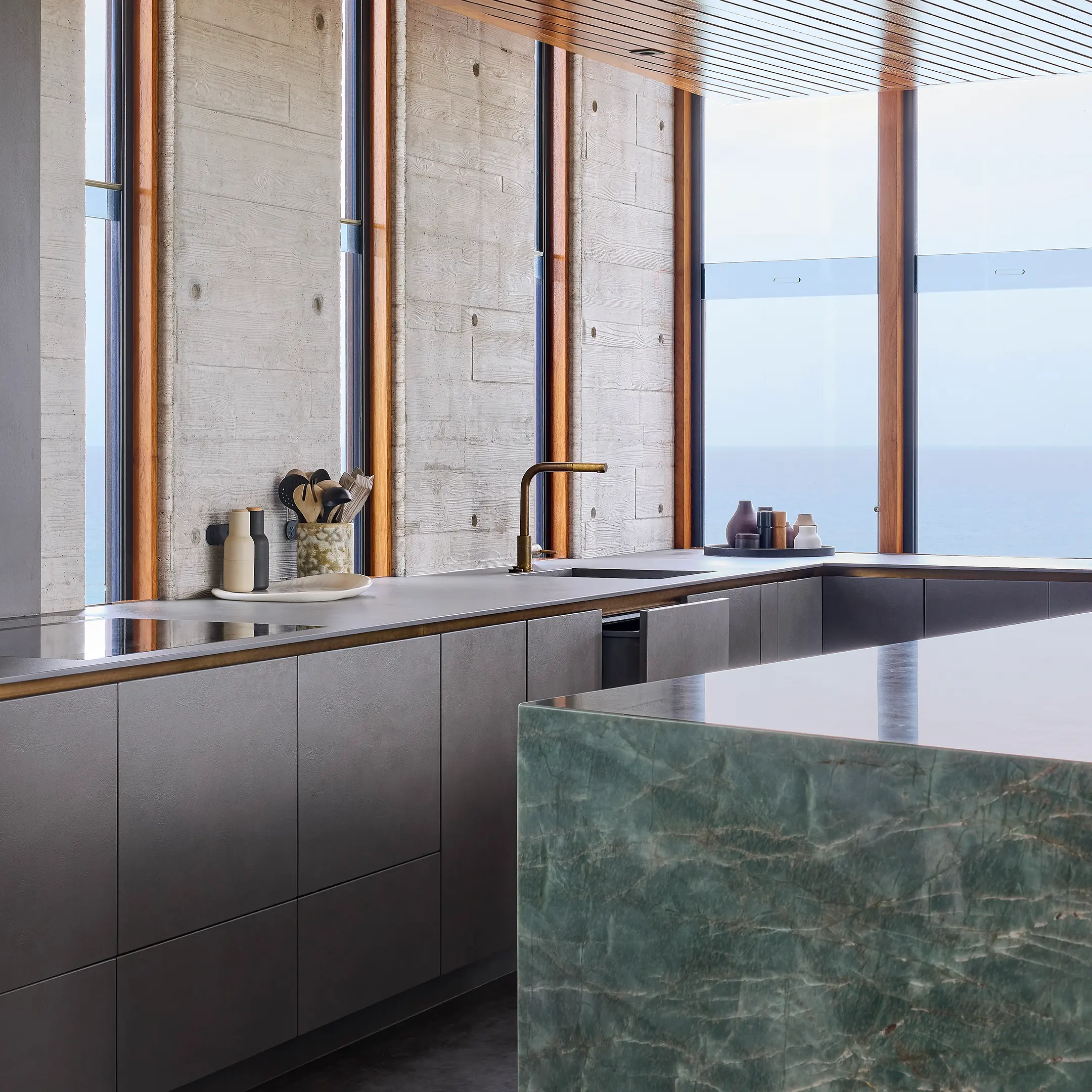
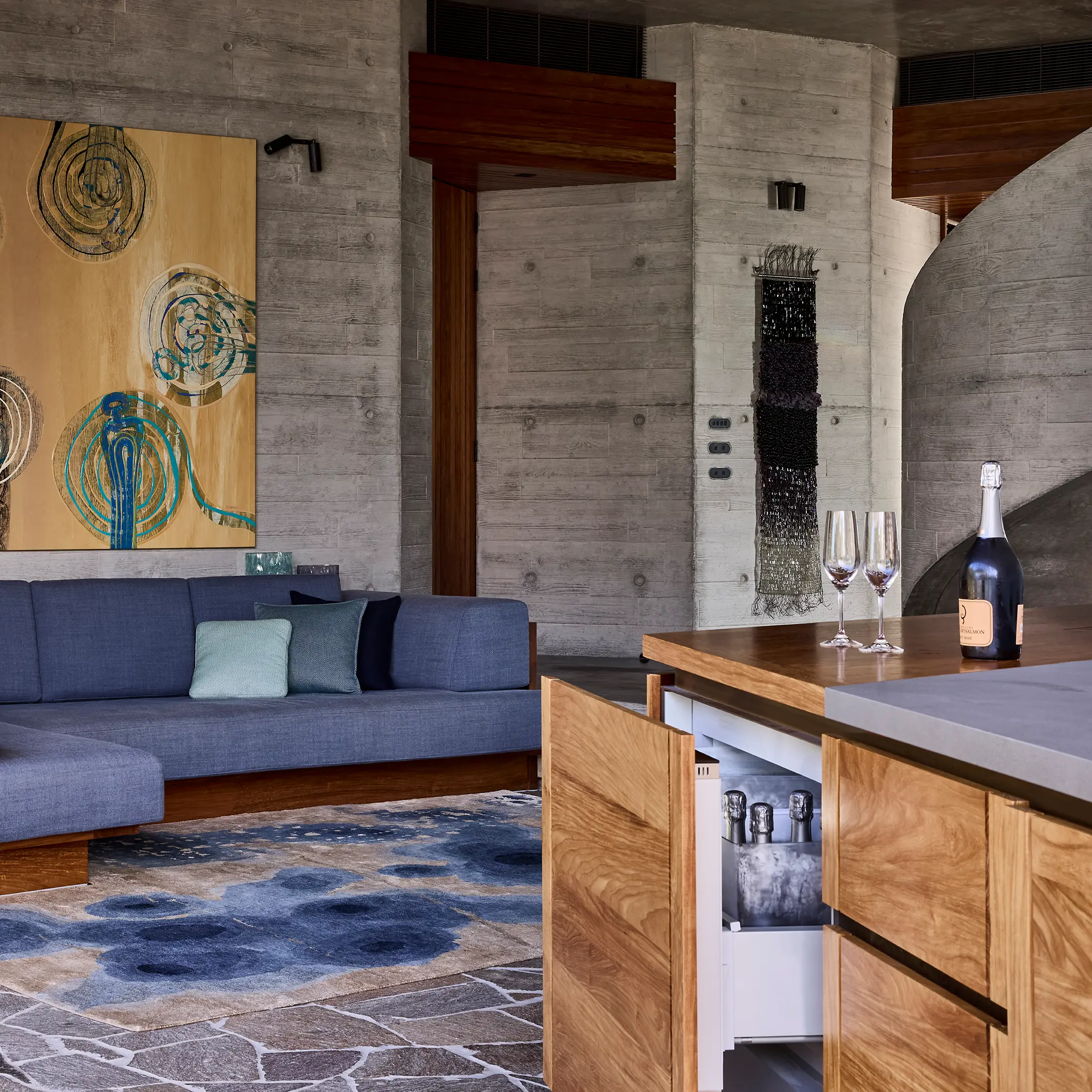
The home’s board-formed concrete structure and perforated copper blades serve two functions. Board-formed concrete gives the house a grounded, almost geological presence, while perforated copper blades line the façadeFaçadeThe exterior face of a building, particularly the principal front facing a street or public space. More than decoration, a façade shapes a building's identity and performance, managing light, heat,Go to Façade Glossary, filtering light and acting as debris shields during cyclonic winds. Narrow slit windows draw prevailing breezes through the home, allowing it to ventilate naturally in tropical heat. Internally, the house unfolds across two levels. The lower level offers an enveloping, cave-like retreat for wet or windy days, while bedrooms are conceived as secluded sanctuaries, each framing a distinct outlook, from distant headlands to Hibiscus Beach, where turtles nest along the shore.
Above, the primary living, dining and kitchen spaces open fully to the ocean. Retractable glazing dissolves the boundary between indoors and out, transforming the interior into a covered pavilion — an approach that resonates strongly with tropical living across the Asia-Pacific region.
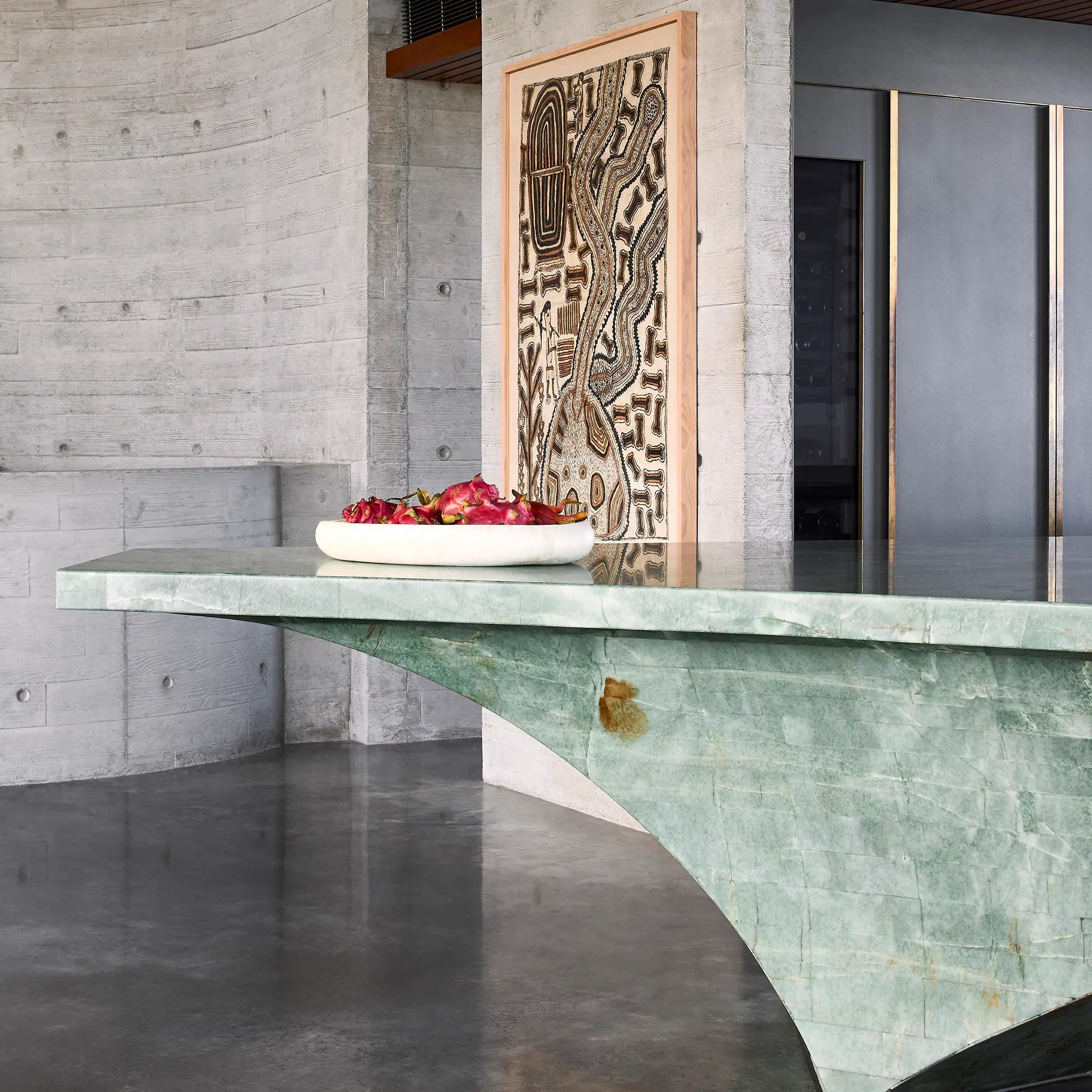
The kitchen, anchored by a curving emerald quartzite island, is both functional and social. Here, Fisher & Paykel appliances are fully concealed behind ceramic-faced cabinetry, quietly supporting daily rituals and hosting, particularly in Far North Queensland’s humid conditions.
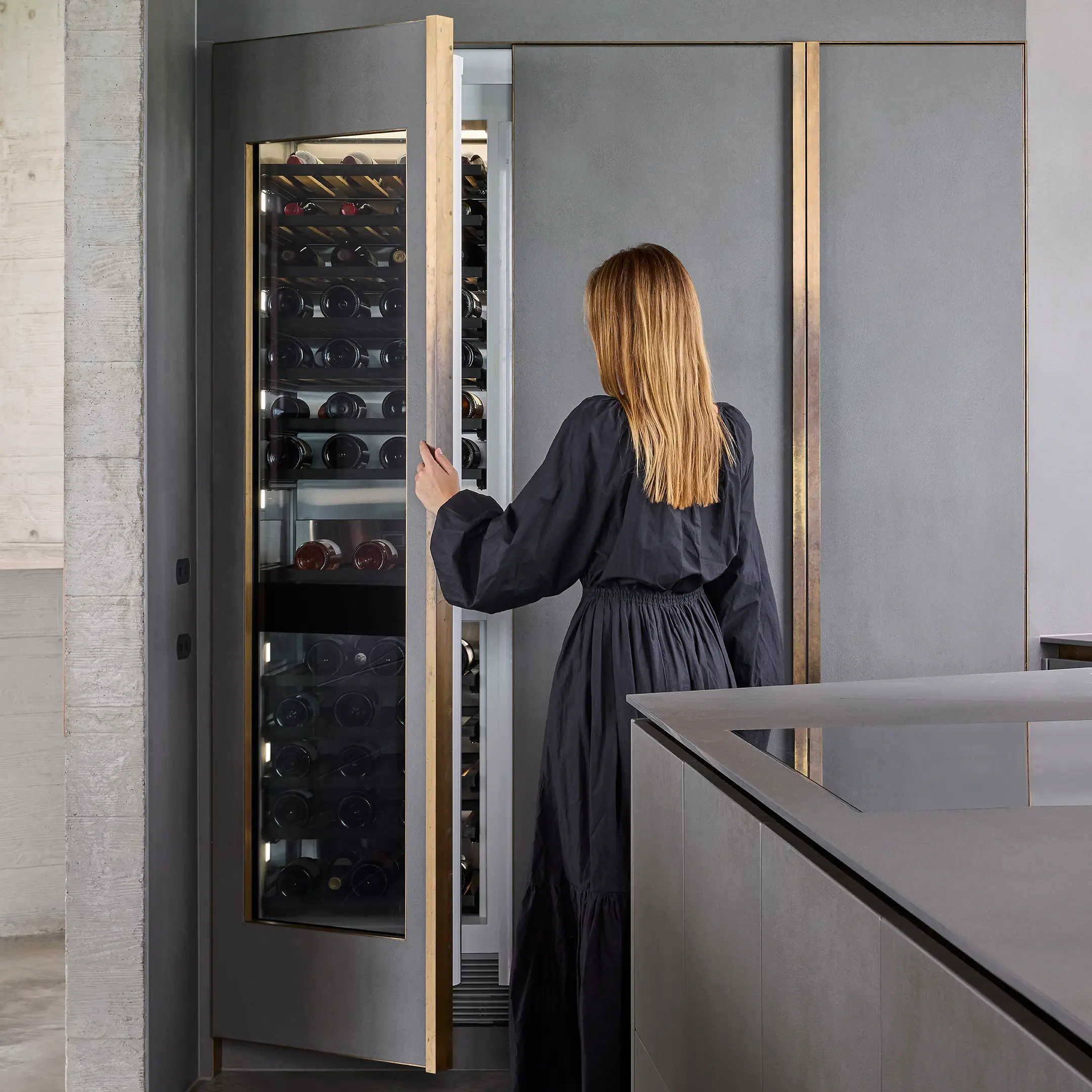
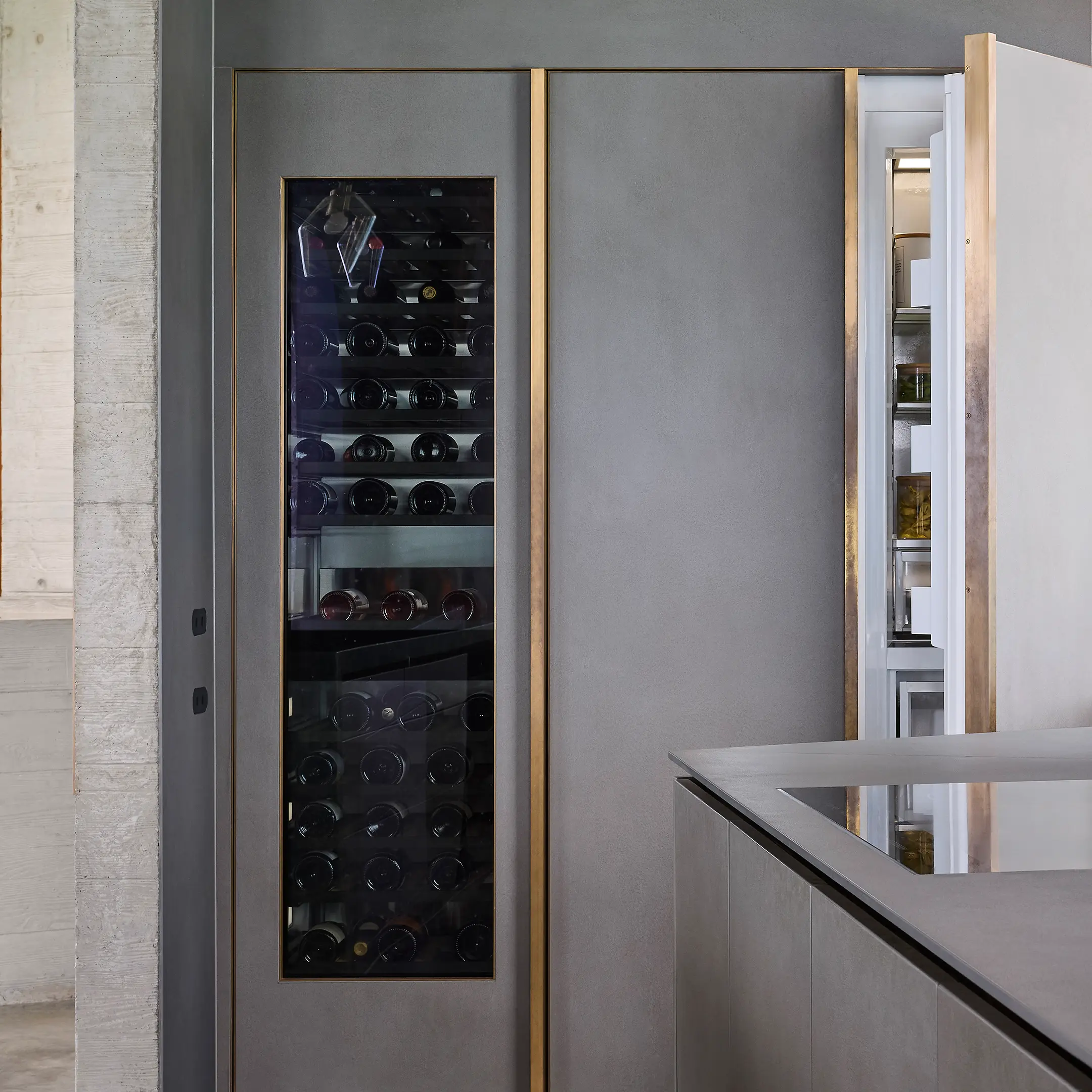
Throughout the interior, colours and finishes are drawn directly from the island itself. The architects foraged for flowers, leaves and stones to inform the palette, and worked closely with the Dingaal Aboriginal people, the traditional custodians of Lizard Island, on seed propagation and ecological understanding.
For Fisher & Paykel, The House at Lizard Island reflects a broader design philosophy: technology that serves architecture, performance that supports lifestyle, and products that belong in their environment. It is not about visibility, but about contribution—an approach that feels increasingly relevant in the future of tropical, design-led living.
About Fisher & Paykel
Established in 1934, Fisher & Paykel began in New Zealand as an emerging global design leader in luxury appliances. With kitchens being positioned as the social heart of the home, the company’s Social Kitchen philosophy recognizes that kitchens have evolved beyond working spaces.
Through initiatives like their Future Design Workshop, the brand collaborates directly with leading architects and designers across Australia and New Zealand. This ensures that their appliances enable rather than constrain creative vision.
Fisher & Paykel is distributed in the Philippines by TW & Company Inc. Discover more at fisherpaykelph.com or visit their showroom at the G/F The Renaissance Condominium, 215 Salcedo, Legaspi Village, Makati City, Metro Manila.
Location: Great Barrier Reef, Australia
Project Type: Island Guesthouse
Architect: JDA Co.
Photographer: Pablo Veiga
Luxury Appliances: Fisher & Paykel
Read More: Smart Luxe: Home Appliances Worth Investing In
Frequently Asked Questions
The brand’s philosophy focuses on “quiet performance” and “material honesty,” ensuring appliances integrate into the architecture rather than competing with it. In this project, Fisher & Paykel appliances are fully concealed behind ceramic-faced cabinetry. This supports the architectural goal of creating a seamless, functional kitchen that serves as the social heart of the home without disrupting the visual connection to the surrounding Great Barrier Reef environment.
Located within a national park on the fringes of the Great Barrier Reef, the site presented extreme conditions including granite outcrops, intense tropical sun, salt-laden air, and the threat of cyclonic winds. The architects had to honor the environmental sensitivity of the park while building a structure resilient enough to endure decades of harsh coastal island living.
The house utilizes board-formed concrete for a grounded, geological presence and perforated copper blades that filter light and act as debris shields during cyclones. Narrow slit windows allow for natural ventilation by drawing prevailing breezes through the home. On the upper level, retractable glazing allows the living areas to open fully to the ocean, transforming the interior into a covered pavilion—a classic approach to tropical Asia-Pacific living.
The interior palette was directly informed by the island’s natural colors, with architects foraging for local flora and stones to select finishes. Additionally, the team worked closely with the Dingaal Aboriginal people, the traditional custodians of Lizard Island, to incorporate ecological understanding and seed propagation into the project’s development.
Established in 1934, the company views the kitchen as the social heart of the home rather than just a workspace. Through initiatives like the “Future Design Workshop,” they collaborate with architects to ensure their technology serves the architecture and supports the user’s lifestyle. Their goal is to provide “design freedom,” where appliances belong in their environment and enable, rather than constrain, a designer’s creative vision.
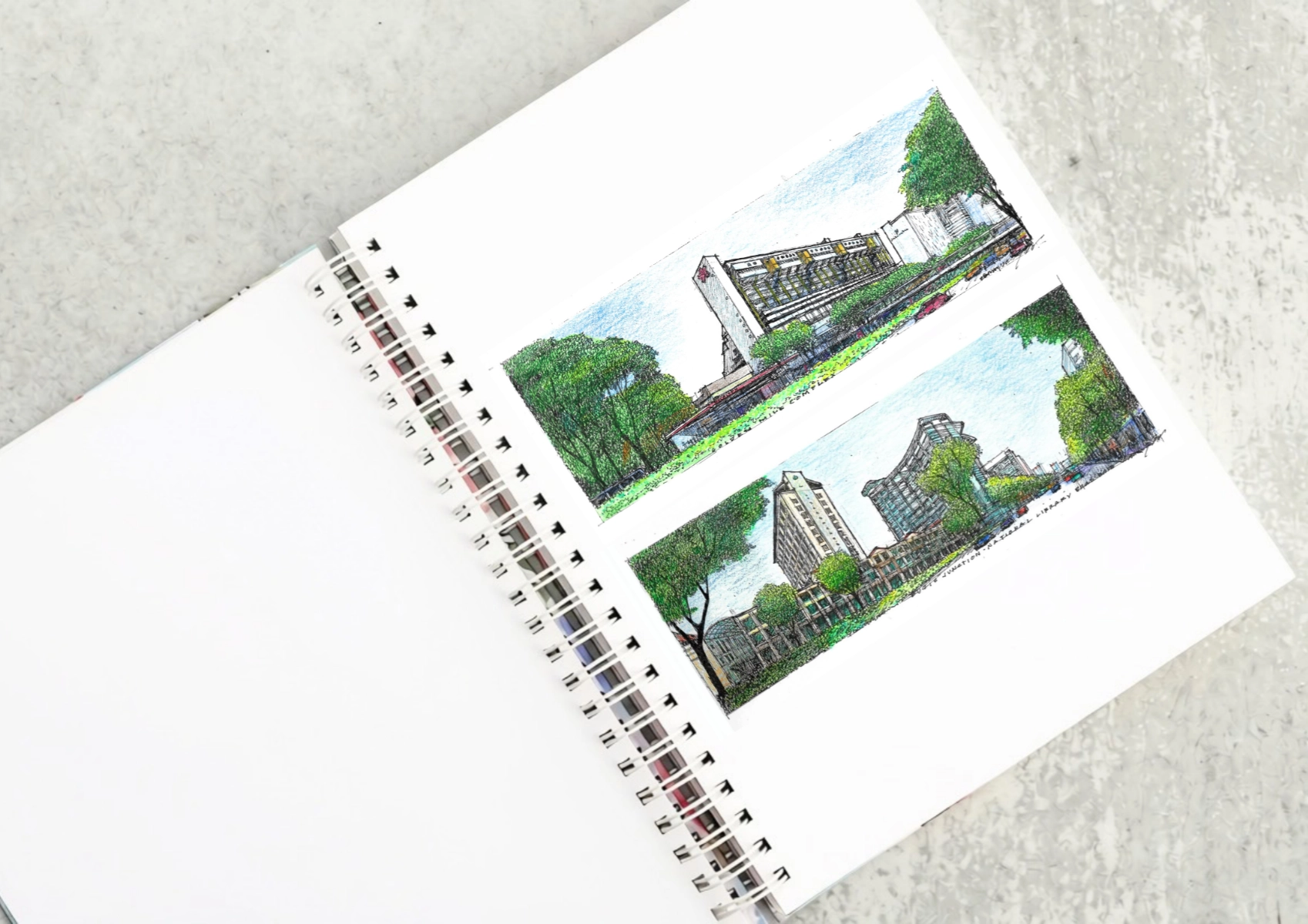
Two sketches of Singapore connect BluPrint Editor in Chief Paulo G. Alcazaren’s personal and professional history with Shared Ground: ArchitectureArchitectureThe art and science of designing and constructing buildings, structures, and spaces that are functional, safe, and aesthetically pleasing. It encompasses the planning, design, materials, and techniques used to createGo to Architecture Glossary of Care, Culture, […]
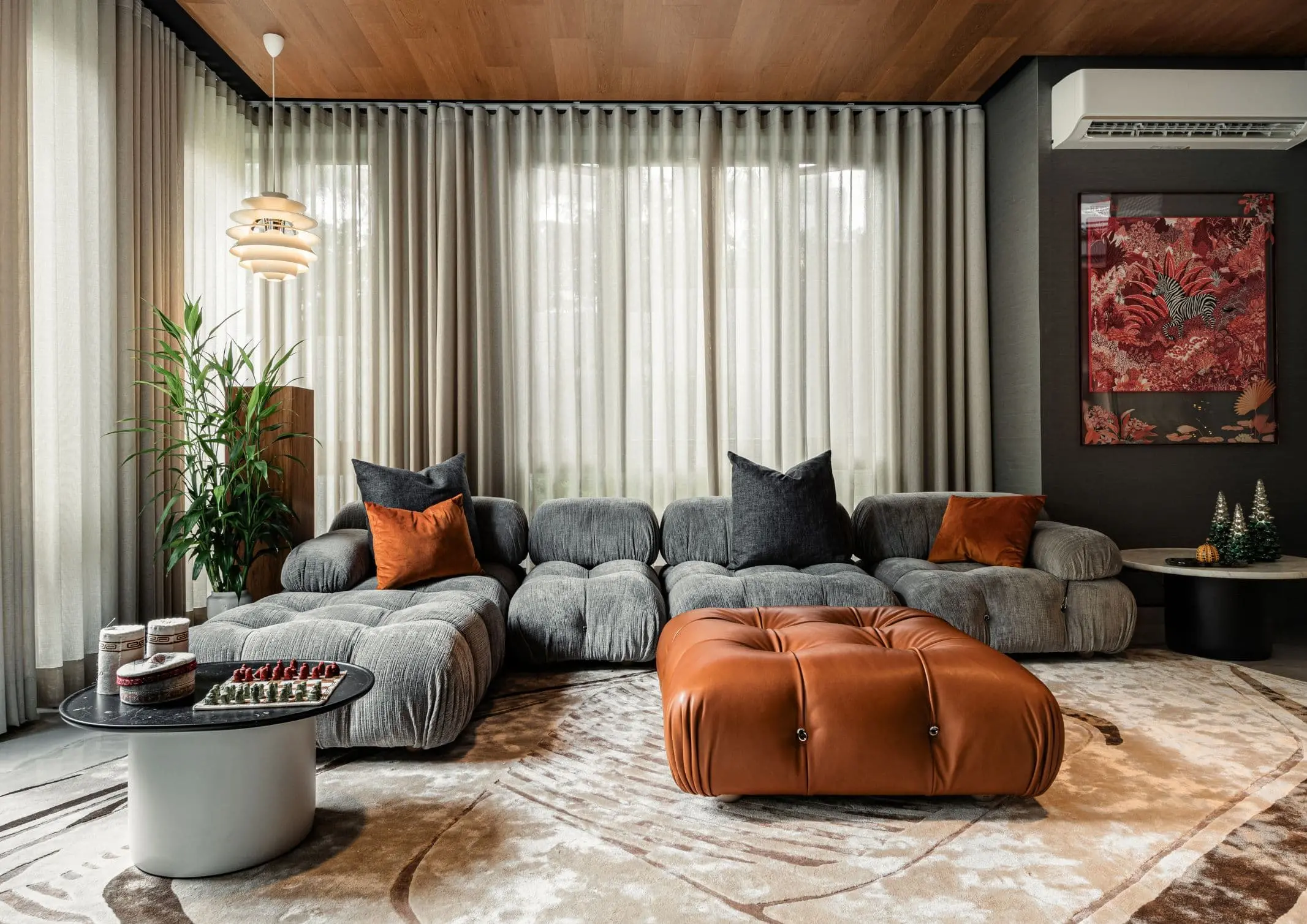
Some have become household names – Coleman, Oster, and KitchenAid – products that have found their way into Filipino kitchens, homes and family routines. In home furnishings, brands such as B&B Italia, Ethan Allen, Sub-Zero, Miele, SieMatic, Louis Poulsen, Hunter Douglas, Tempur, and Technogym, have helped shape the way Filipinos live. From everyday essentials to […]
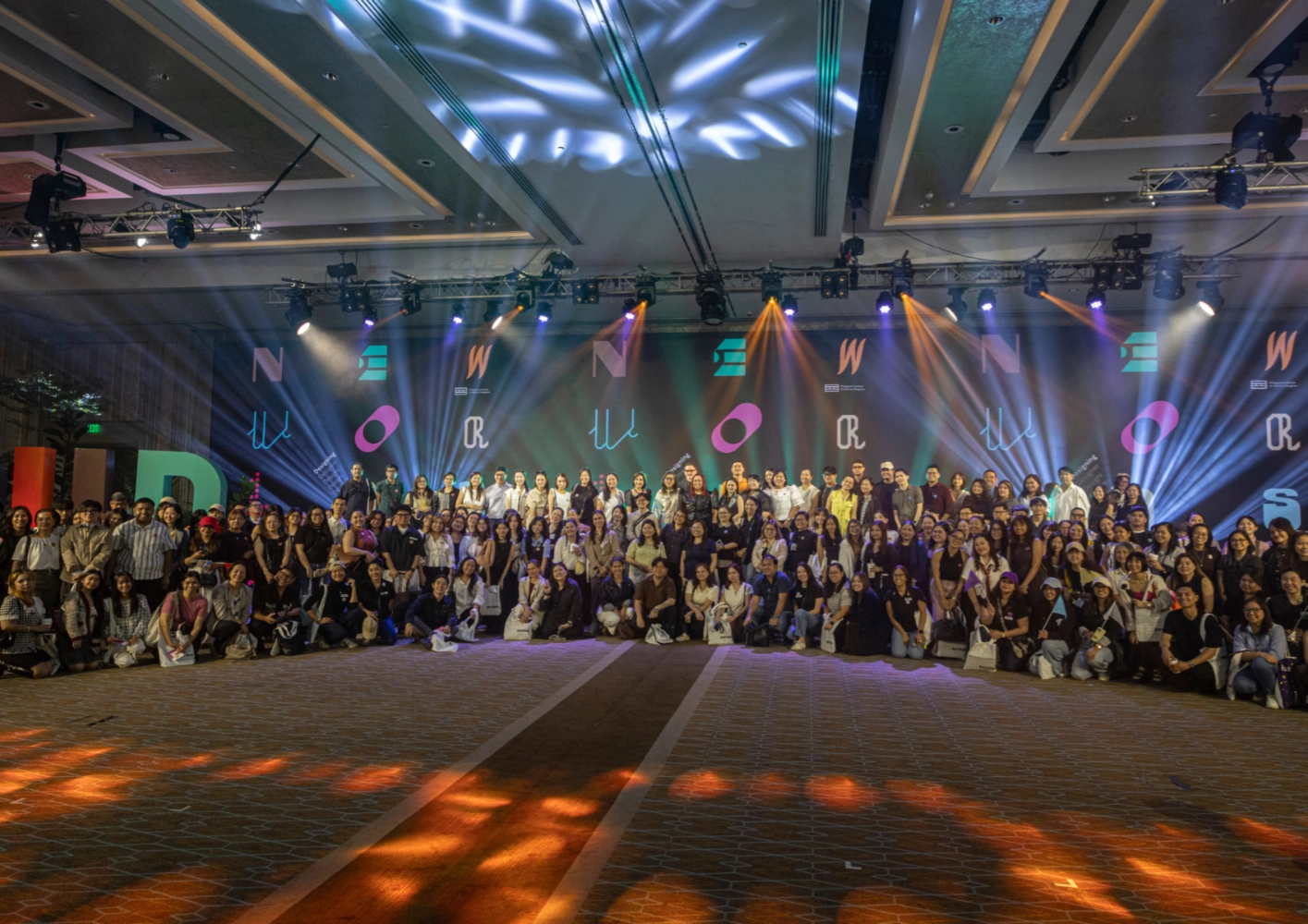
In a way, designers are the modern-day soothsayers and prophets. They design for the future, predicting how a room, a house, a building or a whole city will be used by people. They foresee how users will interact with a space, conjure exact shades of colors to elicit specific behavior and arrange furniture to build […]
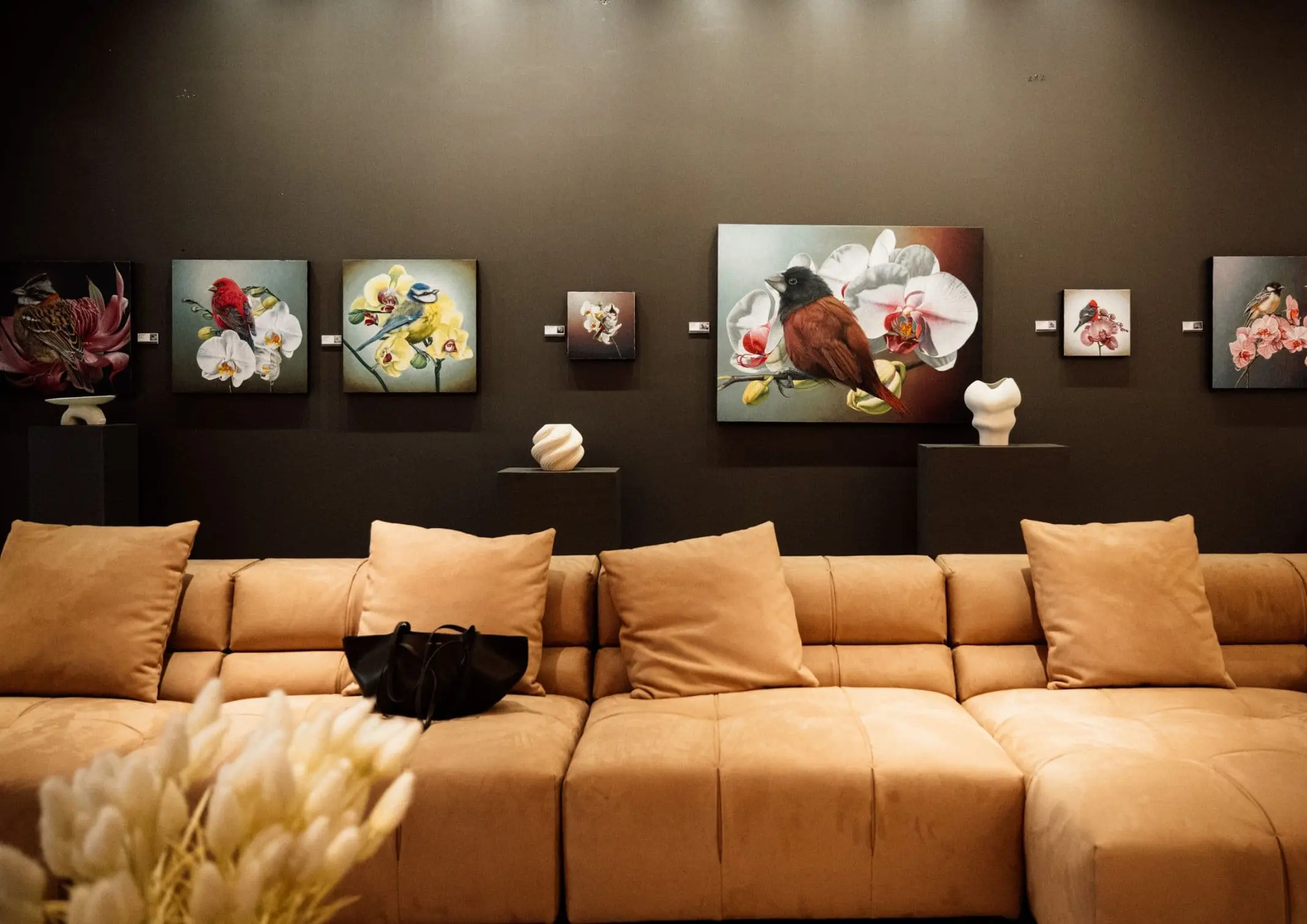
Art and furniture are often selected separately, yet their relationship can shape how a room looks and feels. The collaboration between Hooga and Galerie Joaquin explores how these elements can work together, bringing contemporary artworks into furnished residential settings at Hooga’s showroom in Uptown Mall, Bonifacio Global City. For Hooga, which curates furniture, lighting, and […]
Read the issues.

Collect the volumes.

Recommended Video
Tap to Unmute
Unmute
0:00
0:00