How can better-planned cities create the conditions for more creative, livable, and resilient urban environments? “Makati Urban Recipes for a City’s Survival,” a colloquium held at the Ayala Museum on September 15, brought together architects and practitioners from the fields of urbanism and the creative economy to discuss how design, planning, and collaboration can address […]
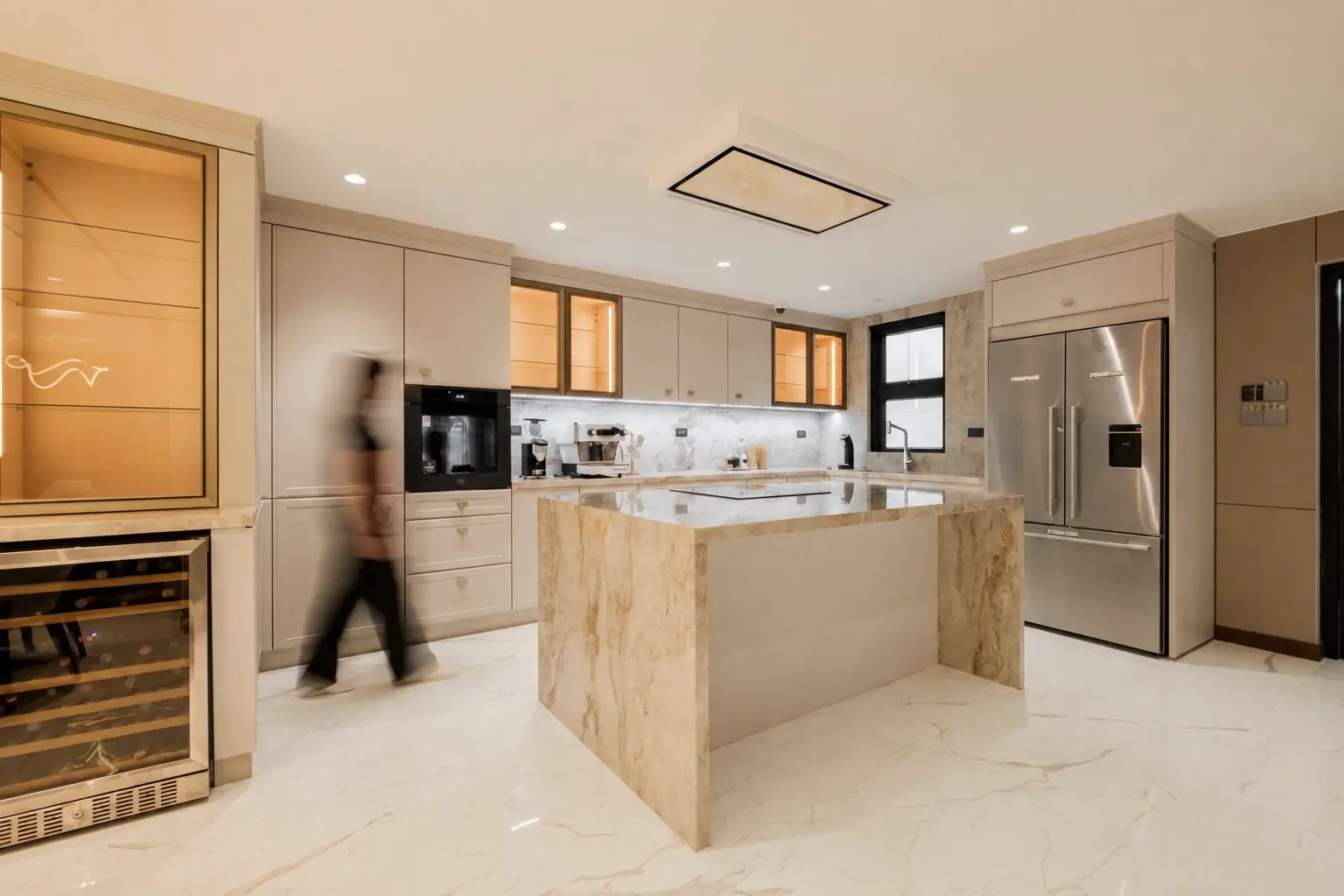
5 Qualities Designers Look for in a Kitchen Built to Last



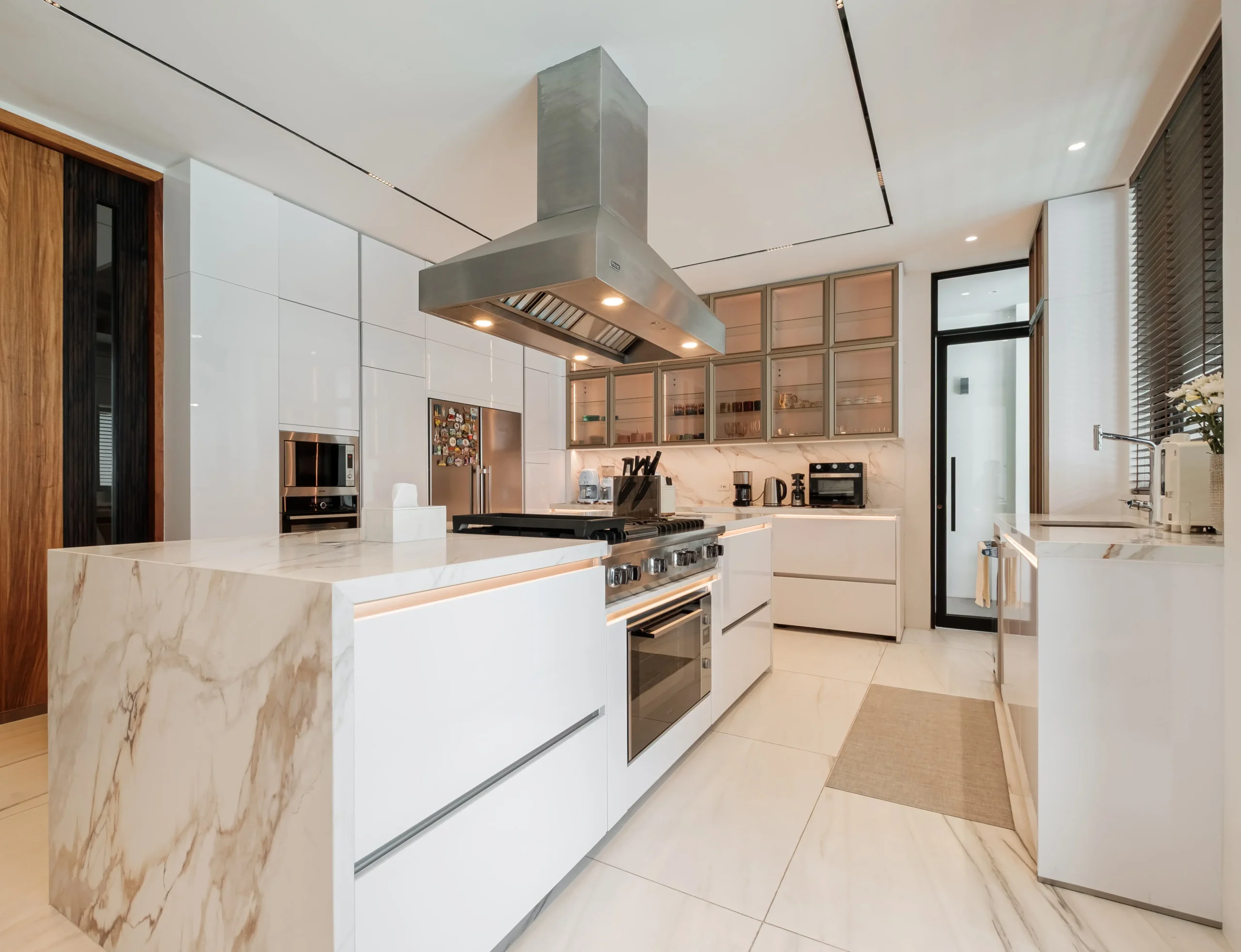
A kitchen is one of the hardest-working spaces in a home. It must withstand daily wear, changing routines, evolving technologies, and shifting lifestyle needs while remaining visually coherent within the larger architectural narrative.
While every project has its own requirements, experienced designers often return to a similar set of considerations when evaluating a kitchen. Here are five qualities that contribute to a kitchen’s long-term performance, usability, and relevance.
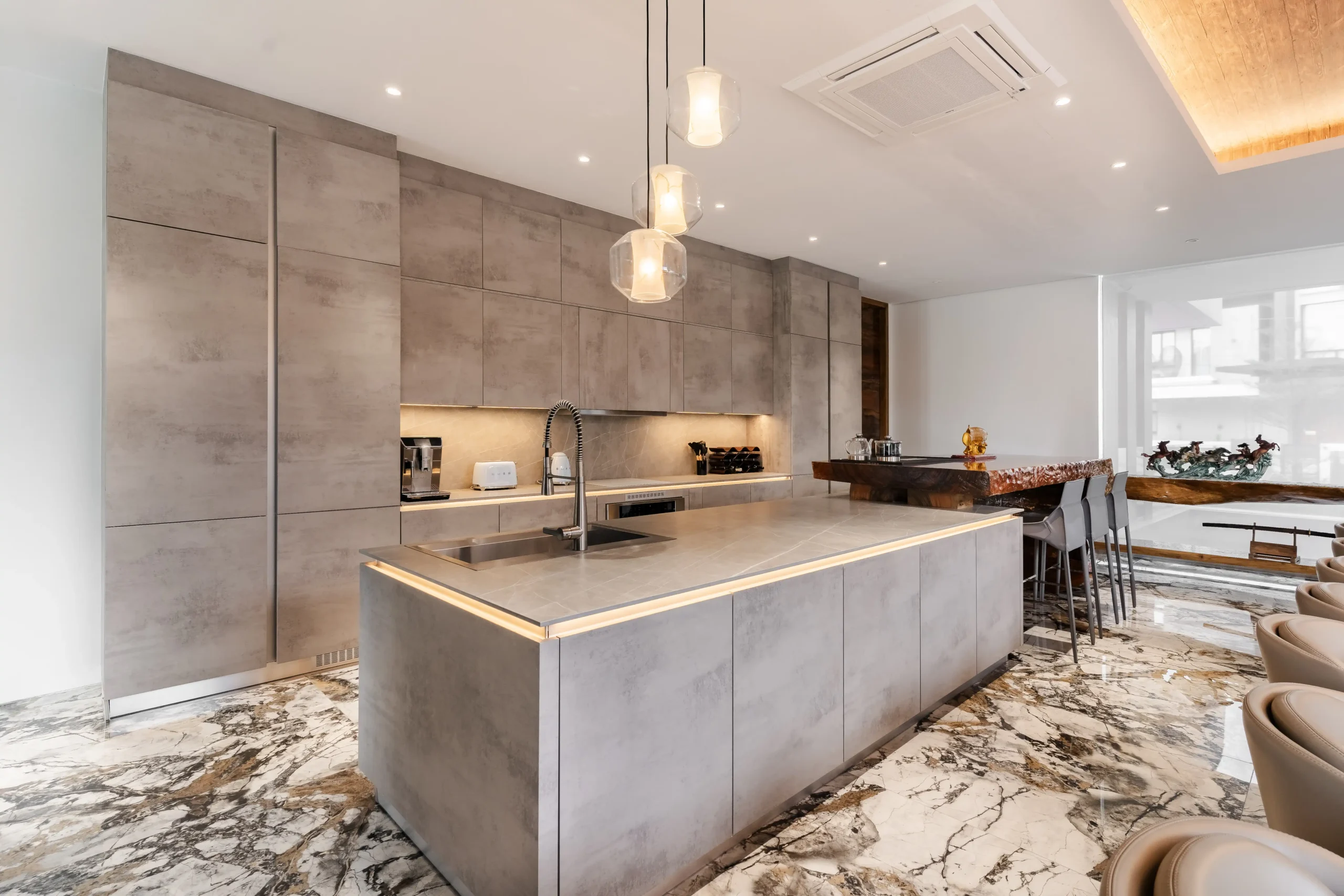
1. Look Beyond the Layout
A successful kitchen is more than a well-arranged floor planFloor PlanA scaled drawing showing a building's layout as seen from above, as if sliced horizontally at roughly waist height. It maps rooms, walls, doors, windows, circulation, and fixed furniture, helpingGo to Floor Plan Glossary.
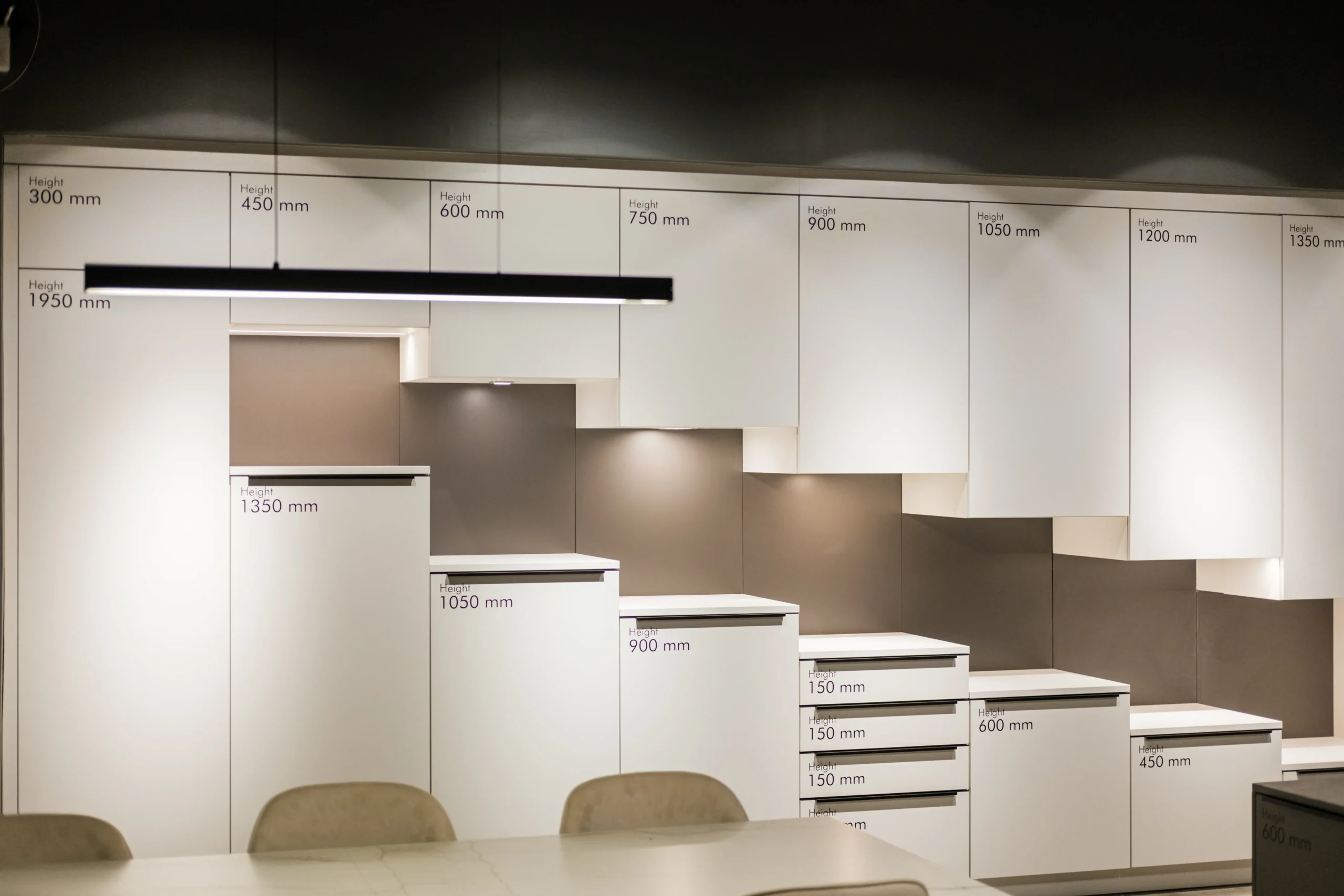
While layouts determine how people move through a space, the system behind the layout often determines how effectively a kitchen can adapt to different requirements. Cabinet dimensions, storage modules, appliance integration, and alignment strategies all influence how flexible a kitchen can be over time.
This becomes particularly important when working across multiple residential typologies or when accommodating changing user needs. A strong planning system allows designers to maintain consistency while responding to different spatial conditions.
For this reason, many kitchen manufacturers develop dimensional frameworks that guide planning decisions. Nolte Küchen’s Matrix system is one example, providing a structured approach to cabinet heights, proportions, and storage configurations that allows layouts to remain flexible without sacrificing visual coherence.
Related Reading: 5 Kitchen Interior Design Ideas We Love for 2025
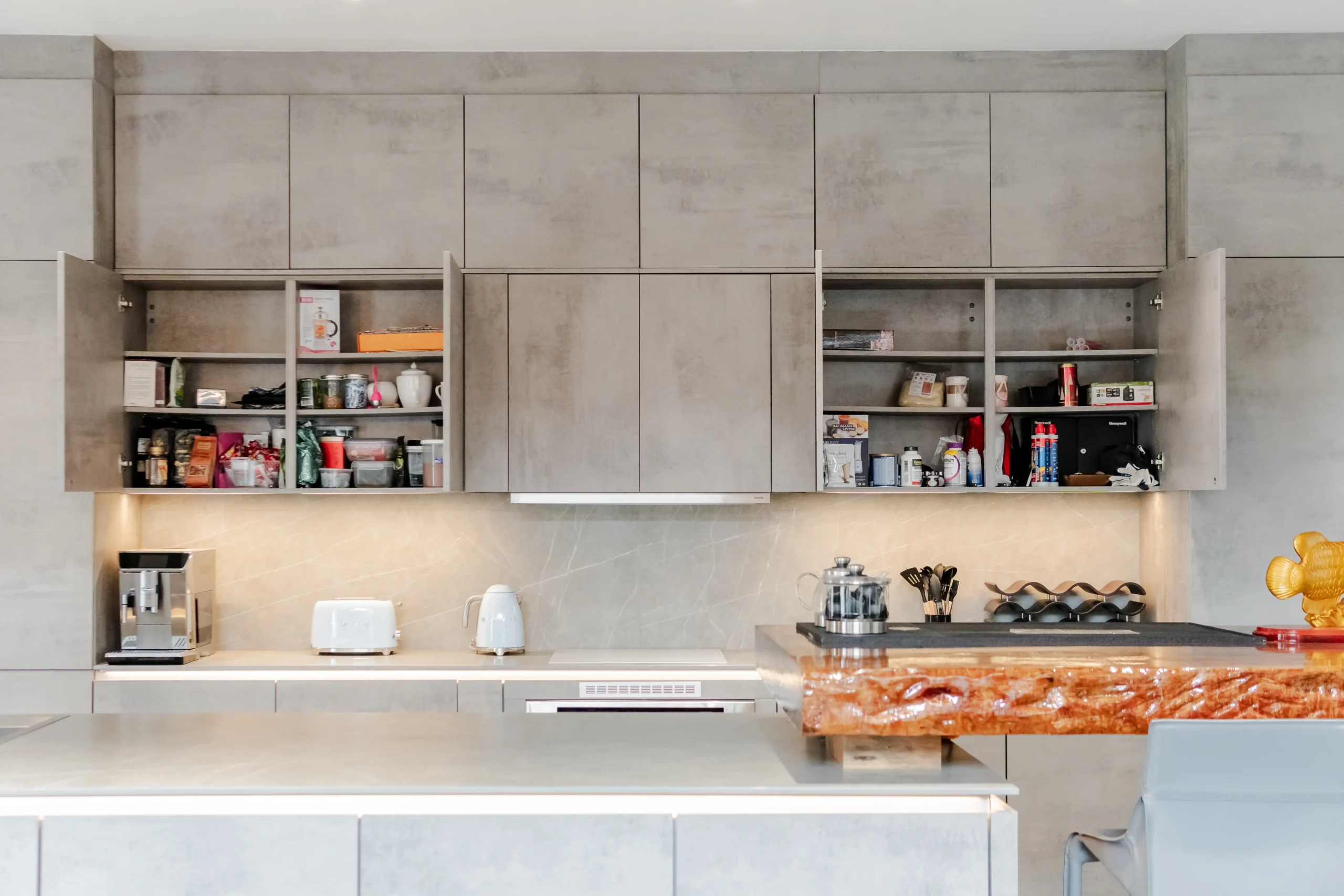
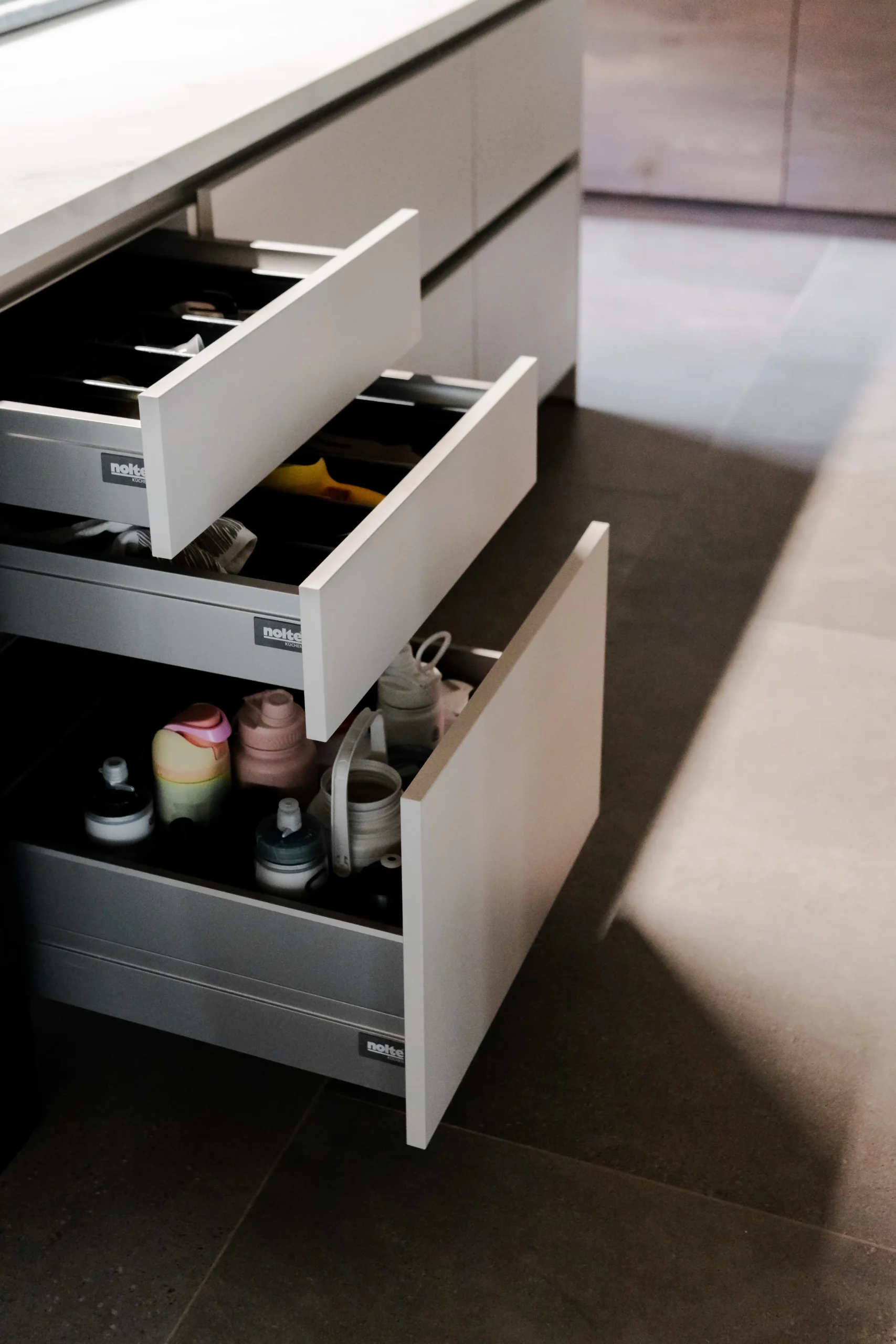
2. Consider How the Kitchen Looks With the Cabinet Doors Open
Most kitchens are designed and presented with every cabinet closed, but rarely experienced that way.
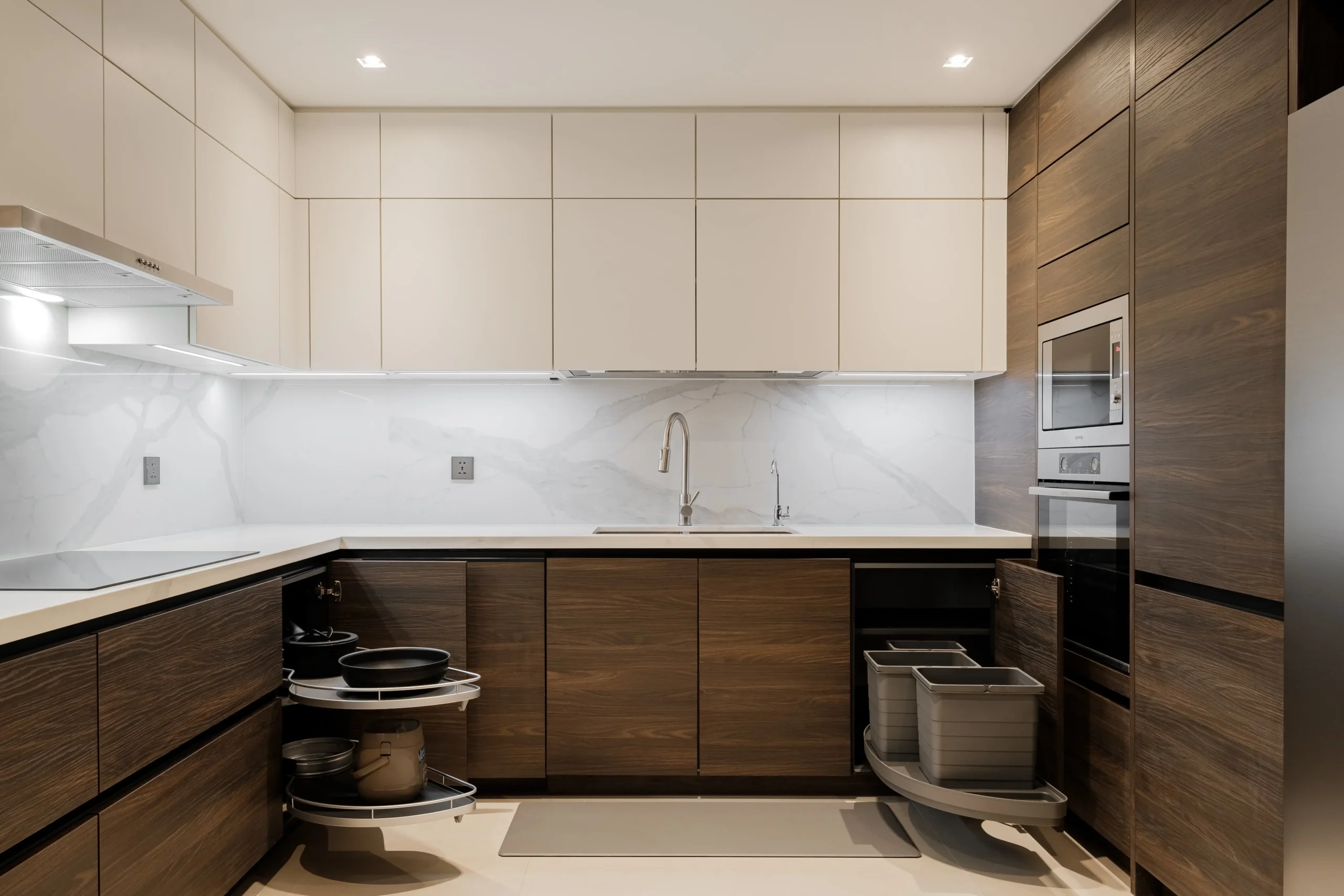
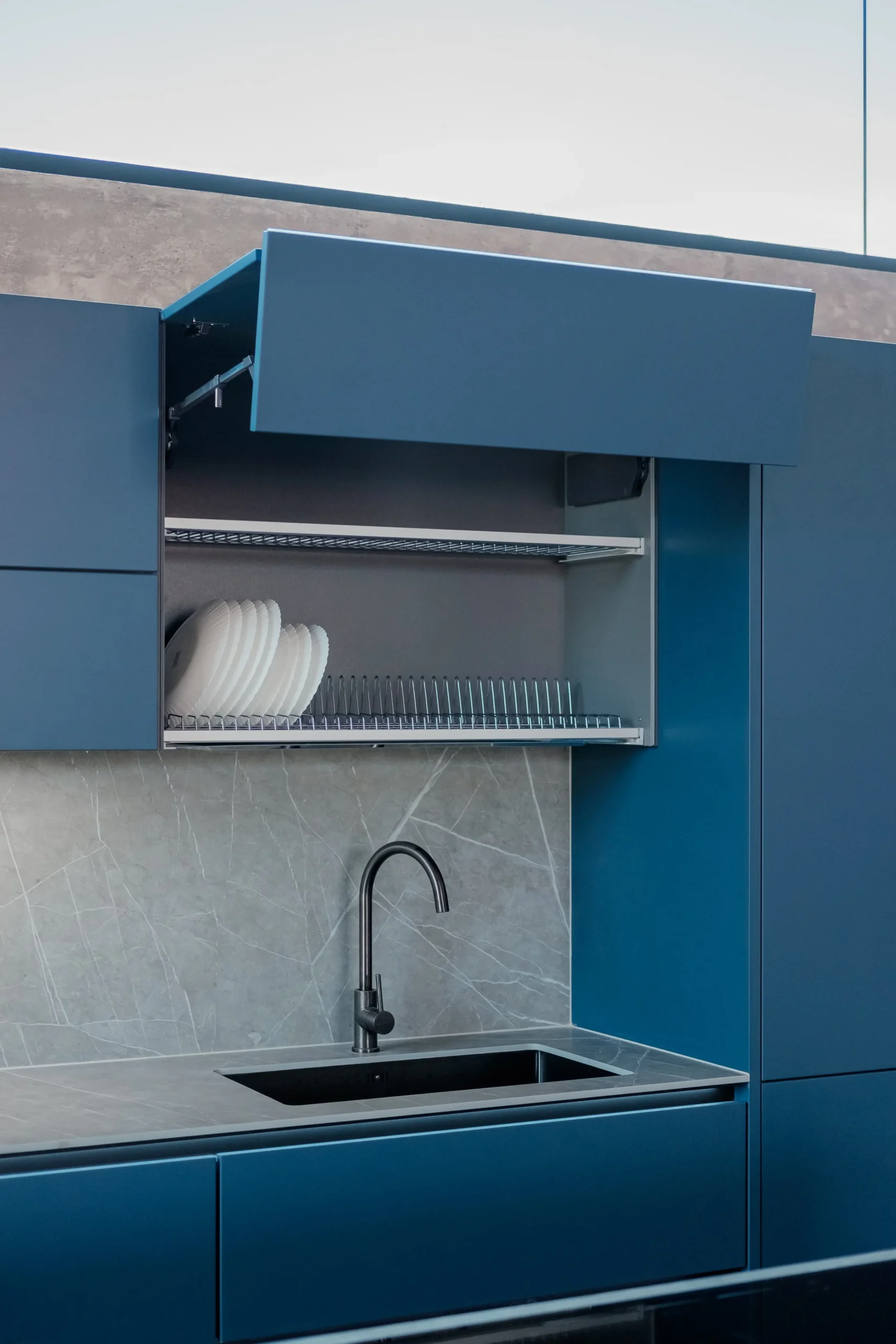
Once doors, drawers, and pantries are opened, the interior of the kitchen becomes part of the visual experience. Exposed shelving, drawer sides, cabinet interiors, and organizational systems all contribute to how the space is perceived in daily use. Designers who pay attention to continuity create kitchens that extend design thinking beyond the exterior surfaces.
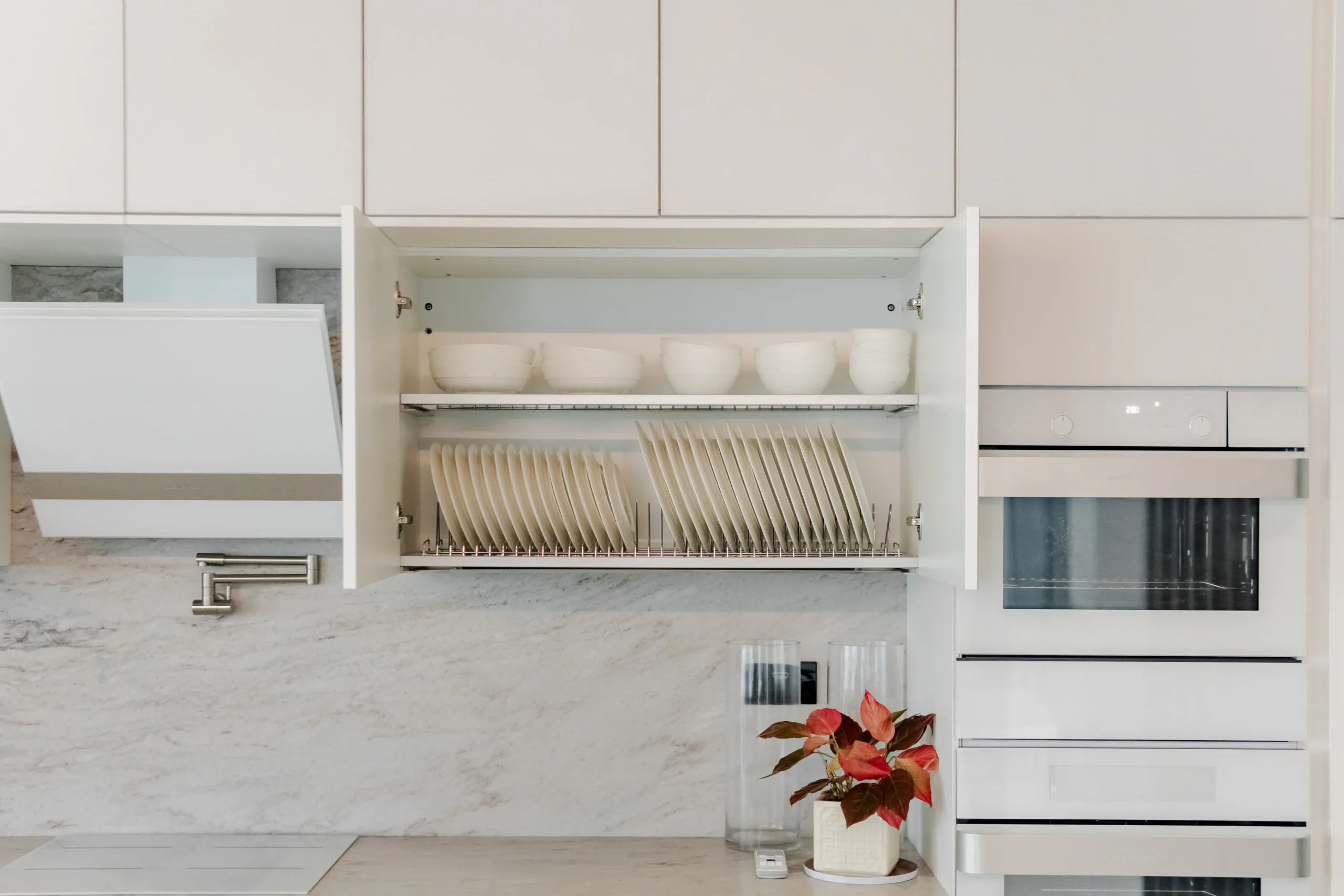
Continuity often extends to the construction of the cabinetry itself. Matching front finishes and carcase finishes can create a more cohesive visual experience, particularly when cabinets are open or viewed from different angles.
Nolte Küchen supports this approach through coordinated storage solutions, interior organization systems, and material selections that help maintain visual consistency even when the kitchen is actively in use. Often overlooked, these choices significantly influence how a kitchen functions and feels over time.
3. Separate Appearance from Performance
A finish may look beautiful in a showroom but perform very differently after years of everyday use.
This is why experienced designers evaluate materials through multiple lenses. Beyond color and texture, they consider durability, maintenance requirements, resistance to wear, and how surfaces age over time.
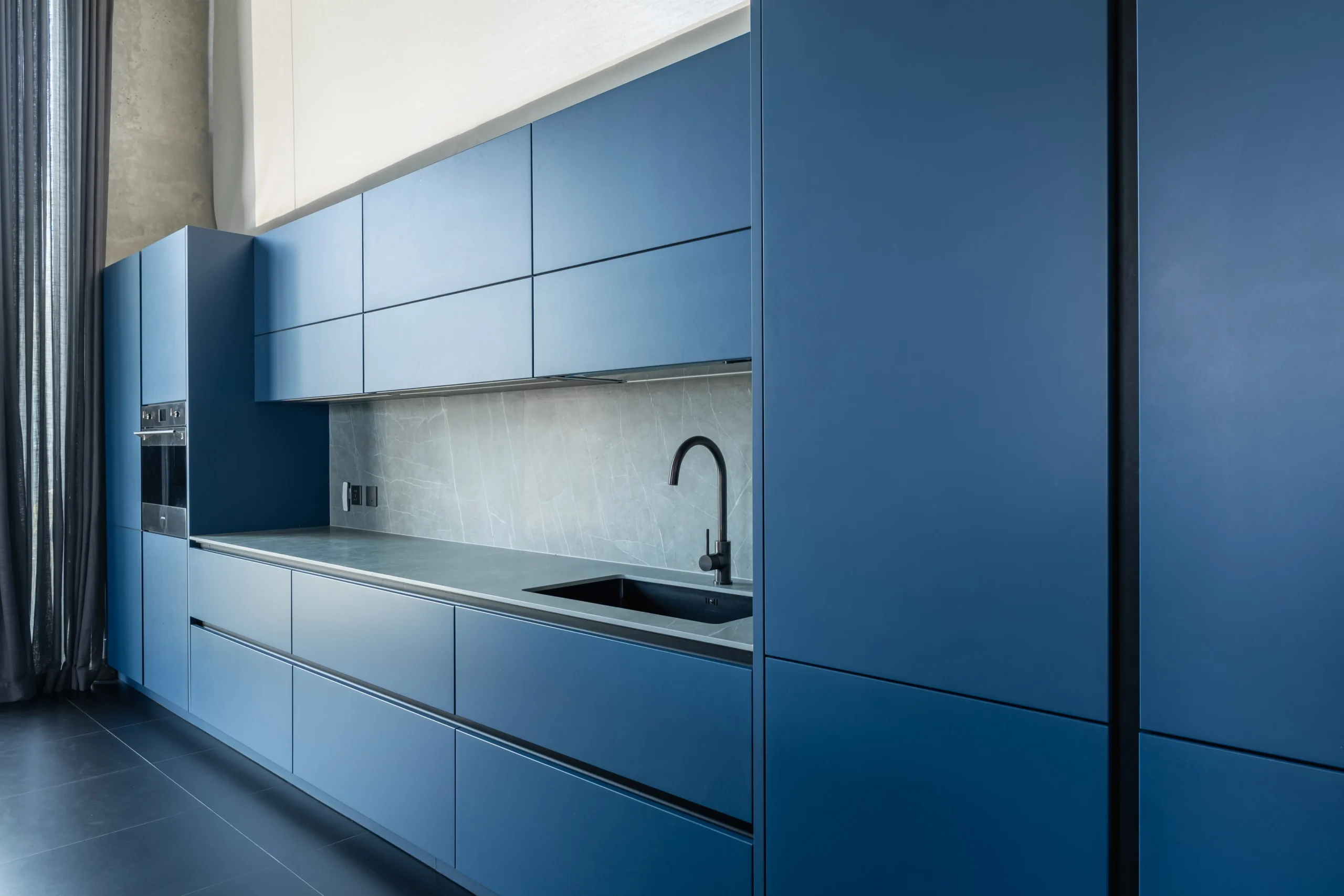
Matte lacquers, wood reproductions, acrylic surfaces, and genuine wood veneers each offer different advantages depending on the project. The goal is not necessarily to specify the most expensive material, but to choose one whose performance aligns with how the kitchen will actually be used.
Recent developments in surface technology reflect this shift toward long-term usability. Nolte Küchen’s Anti-Fingerprint 2.0 finish, for example, was developed to reduce visible fingerprints and simplify maintenance, helping surfaces retain their appearance through everyday use.
Related Reading: Multi-Purpose Appliances that Will Revolutionize Your Kitchen
4. The Best Details Are Often Invisible
Some of the most important decisions in kitchen design are more felt than seen.
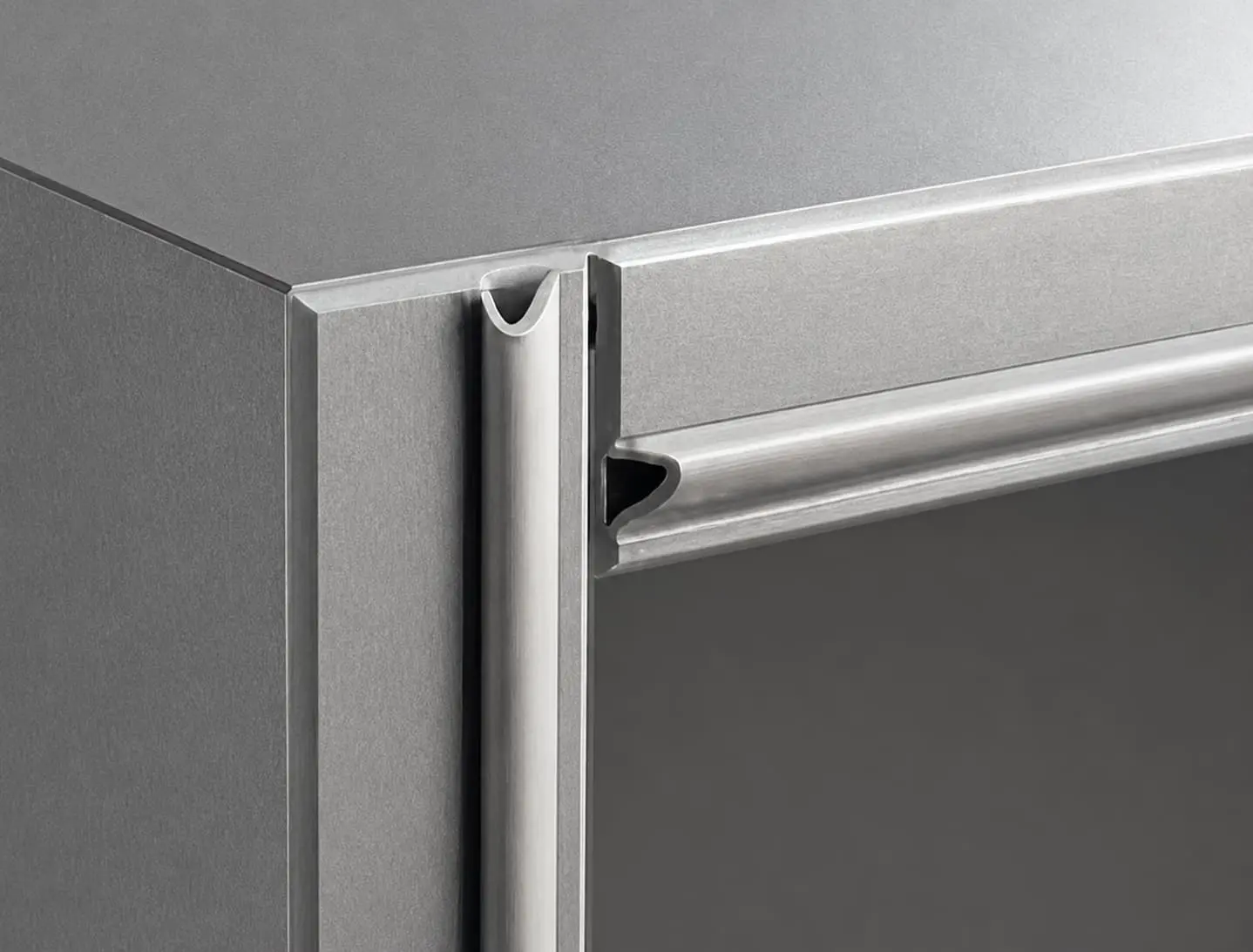
Hinges, drawer systems, shelf supports, hardware, and internal fittings receive far less attention than countertops or cabinet fronts. A drawer that opens smoothly after years of use, shelving that supports heavy loads without sagging, or hardware that maintains alignment through repeated operation all contribute to the overall quality of a kitchen built to last.
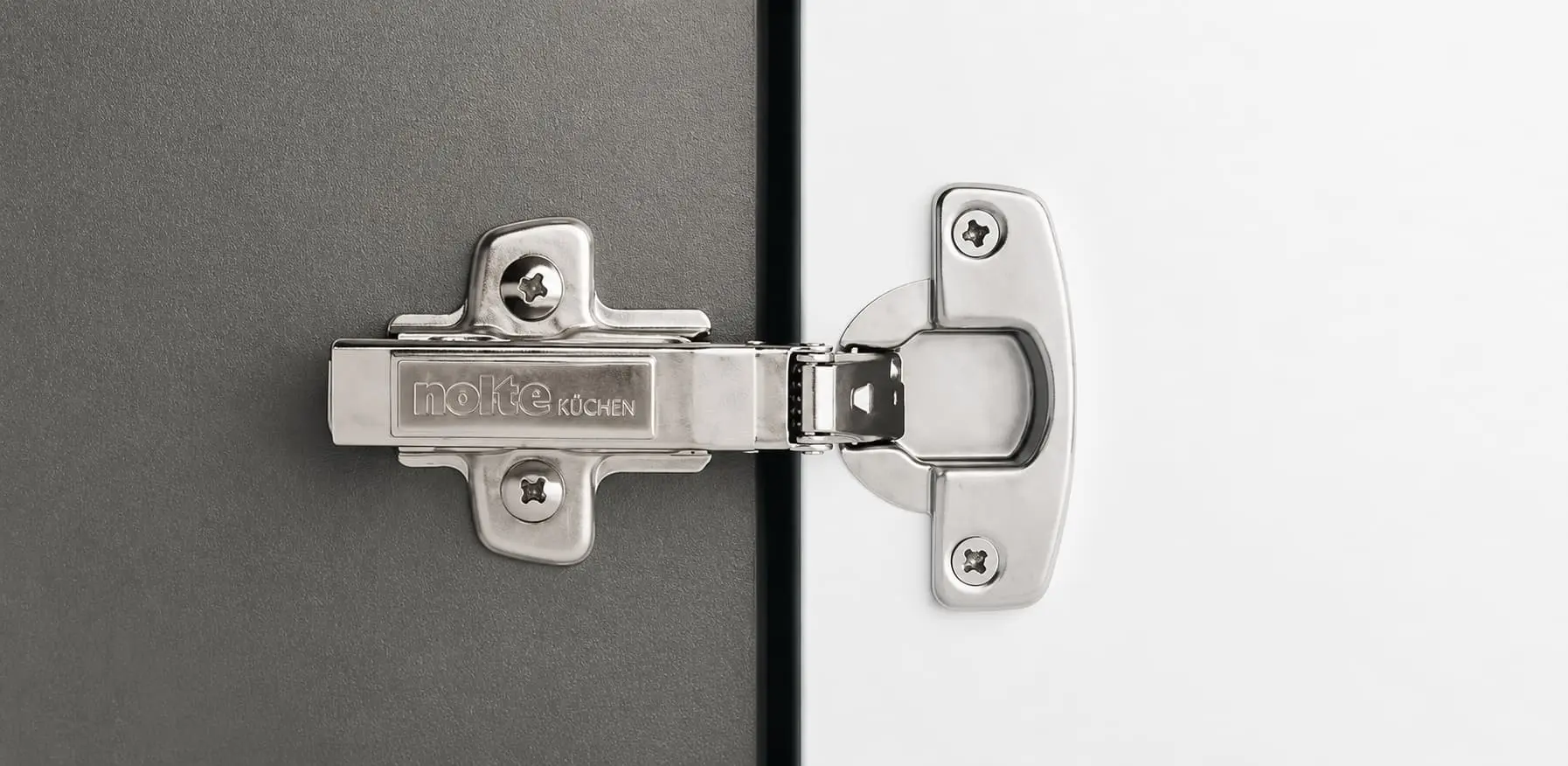
Manufacturers often invest heavily in these hidden components. Features such as built-in dust seals, weight-rated drawer systems, reinforced shelving, and precision-engineered fittings rarely appear in project photographs, yet they play an important role in how a kitchen performs over time. These details help protect interiors, support daily wear, and maintain functionality through years of use.
Nolte Küchen’s ongoing refinements to fittings, drawer systems, shelving solutions, and hardware reflect a broader industry understanding that longevity depends as much on unseen performance as on visible design. These details may not appear in technical drawings or project renders, but they affect the overall daily experience of the kitchen.
5. Prioritize Versatility Across Different Ways of Living
The best kitchen solution is not always the same for every project.
A luxury residence, a condominium development, and a starter home may have different budgets, priorities, and design requirements. The challenge for designers is maintaining quality and design coherence while responding to those realities.
Nolte addresses this through multiple product lines designed for different project types. Rather than applying a single approach across all residential needs, the brand offers solutions that can respond to different lifestyles, project scales, and levels of customization.
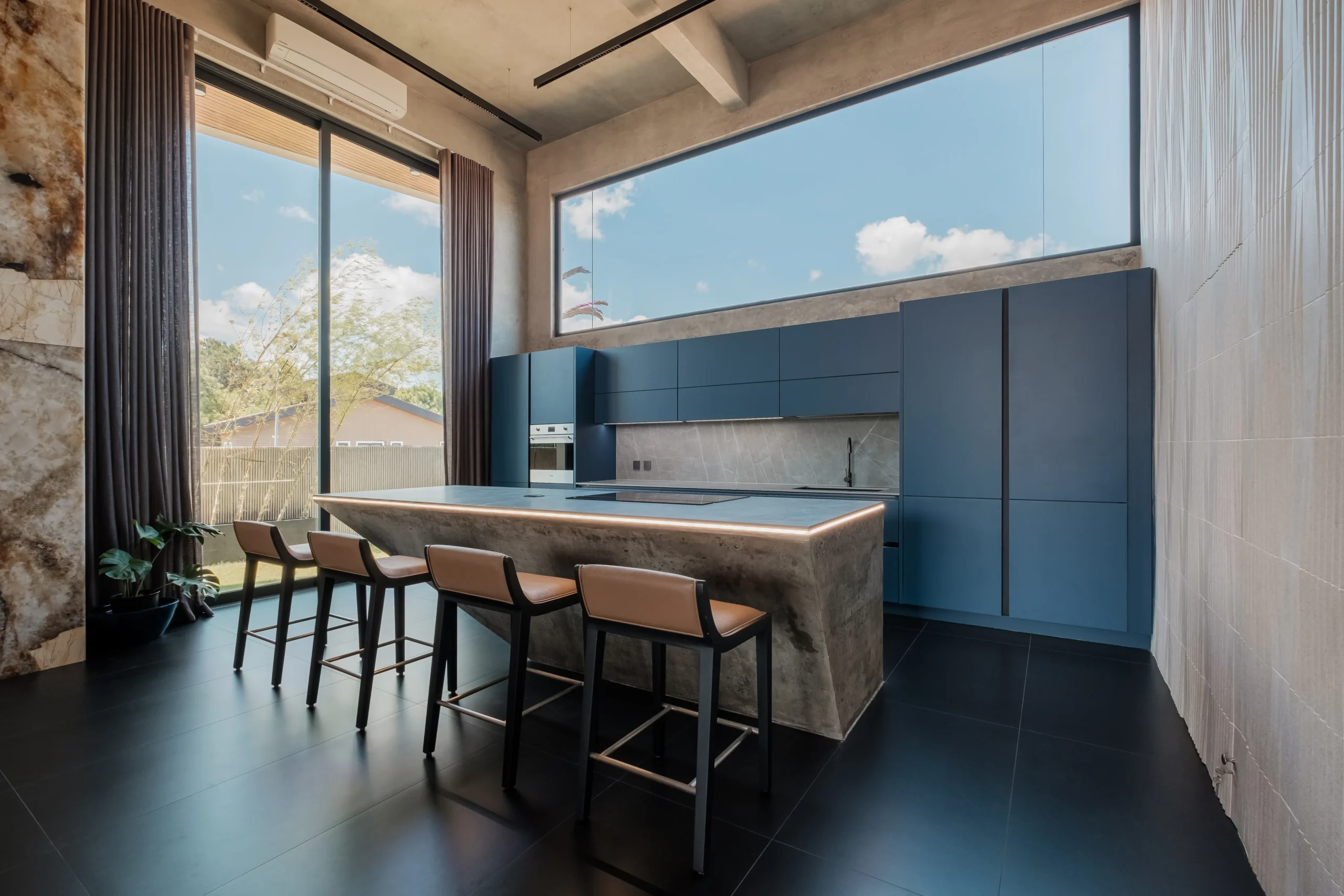
At the premium end, nolteneo serves as the brand’s high-end offering, distinguished by elevated material selections, architectural finishes, and designer-focused series that allow for a more individualized and expressive kitchen environment. Nolte Küchen functions as the core collection, combining system-based planning, design flexibility, and functionality suited to a wide range of residential applications. Express Küchen provides a more streamlined and accessible option that maintains the quality and reliability associated with German kitchen manufacturing.
A kitchen built to last is not always the most expensive one. Often, it is the one that is most appropriate to the needs of the project and the people who will use it.
A Kitchen Built to Last Is Built on Decisions
While aesthetics often capture attention first, it is the less visible qualities that determine how successfully a kitchen performs over time. In many cases, longevity is not defined by a single material or feature, but by the system that supports it. As kitchens evolve alongside the people who use them, designers are increasingly looking beyond aesthetics alone toward solutions that balance flexibility, durability, and long-term performance.
Related Reading: 7 Condo Kitchen Layouts We Are Totally Digging Right Now
About Nolte Küchen
Founded in Germany, Nolte Küchen is recognized for its system-based approach to kitchen design, combining precision manufacturing, adaptable planning frameworks, and a broad range of material and finish options. Its kitchens are designed to balance functionality, durability, and design flexibility across a variety of residential applications.
In the Philippines, Nolte Küchen is exclusively represented by Kassi Distributors Inc. (KDI), a distributor of premium interior systems and international cabinetry brands. Working closely with homeowners, architects, interior designers, and developers, KDI provides technical expertise, project coordination, and access to Nolte Küchen’s German-made kitchen systems.
Frequently Asked Questions
A timeless kitchen balances aesthetics with functionality. Rather than relying on trends alone, designers often prioritize flexible layouts, durable materials, thoughtful storage solutions, and details that continue to perform well over time.
A planning system provides the framework that supports a kitchen’s long-term usability. By coordinating dimensions, storage modules, and cabinet configurations, it allows designers to maintain consistency while adapting to different spatial requirements and lifestyle needs.
Beyond appearance, designers evaluate materials based on durability, maintenance requirements, resistance to wear, and how they age through everyday use. The goal is to select materials that support both the design intent and the practical demands of daily life.
Many of the qualities that contribute to a kitchen’s longevity are found in less visible components, including hinges, drawer systems, internal organization, hardware, and fittings. These elements often have a significant impact on how a kitchen functions over time.
Nolte Küchen is exclusively represented in the Philippines by Kassi Distributors Inc. (KDI). Through its showroom and project support services, KDI works with homeowners, architects, interior designers, and developers to provide access to Nolte Küchen’s German-made kitchen systems and planning solutions.

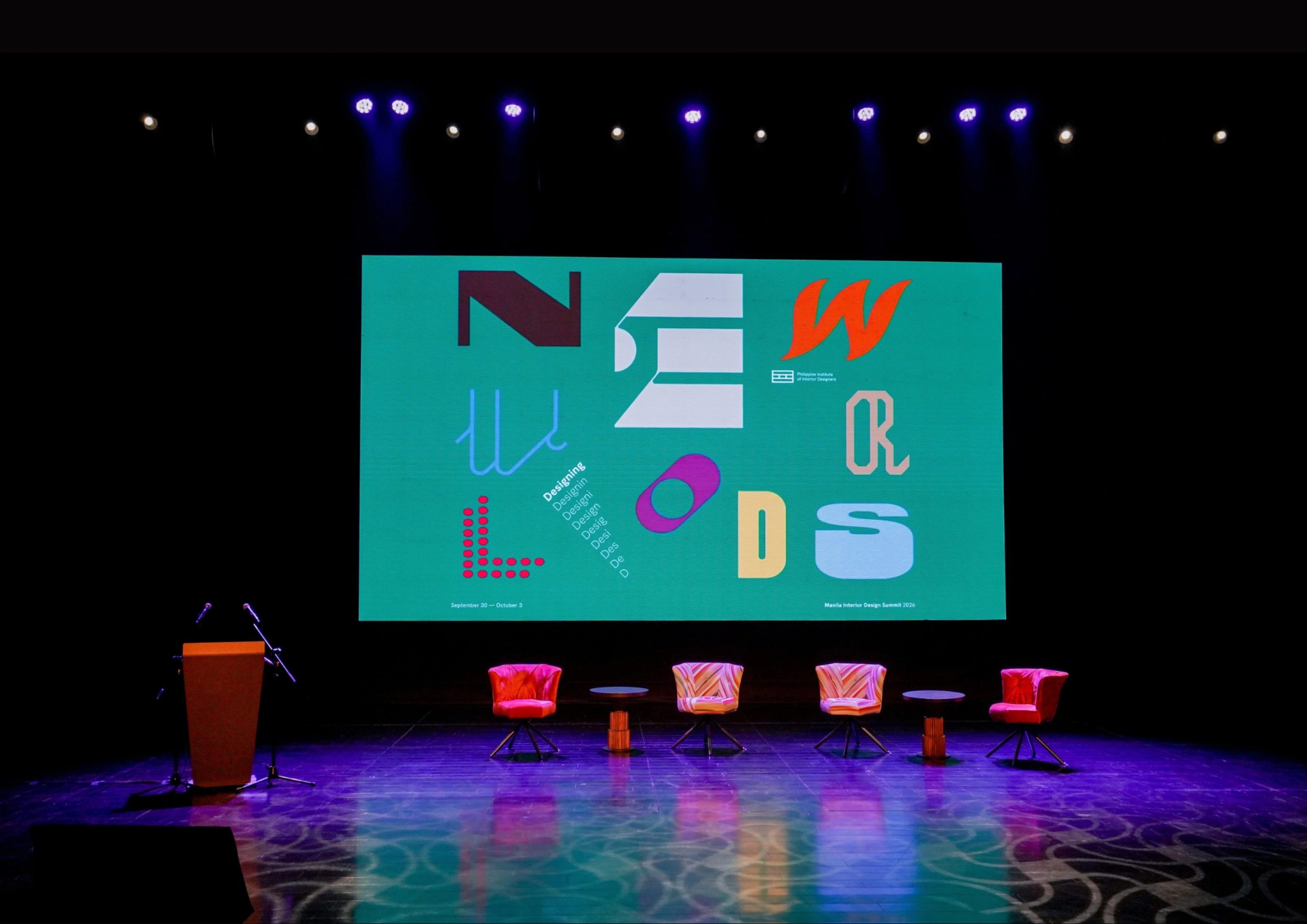
The fourth Manila Interior DesignInterior DesignThe discipline of planning and shaping interior spaces for function, comfort, safety, and beauty. It covers layout, lighting, materials, finishes, furniture, and color, and in the Philippines is a licensedGo to Interior Design Glossary Summit (MIDS) brought together more than 300 delegates for four days of conversations, exhibitions, and design […]
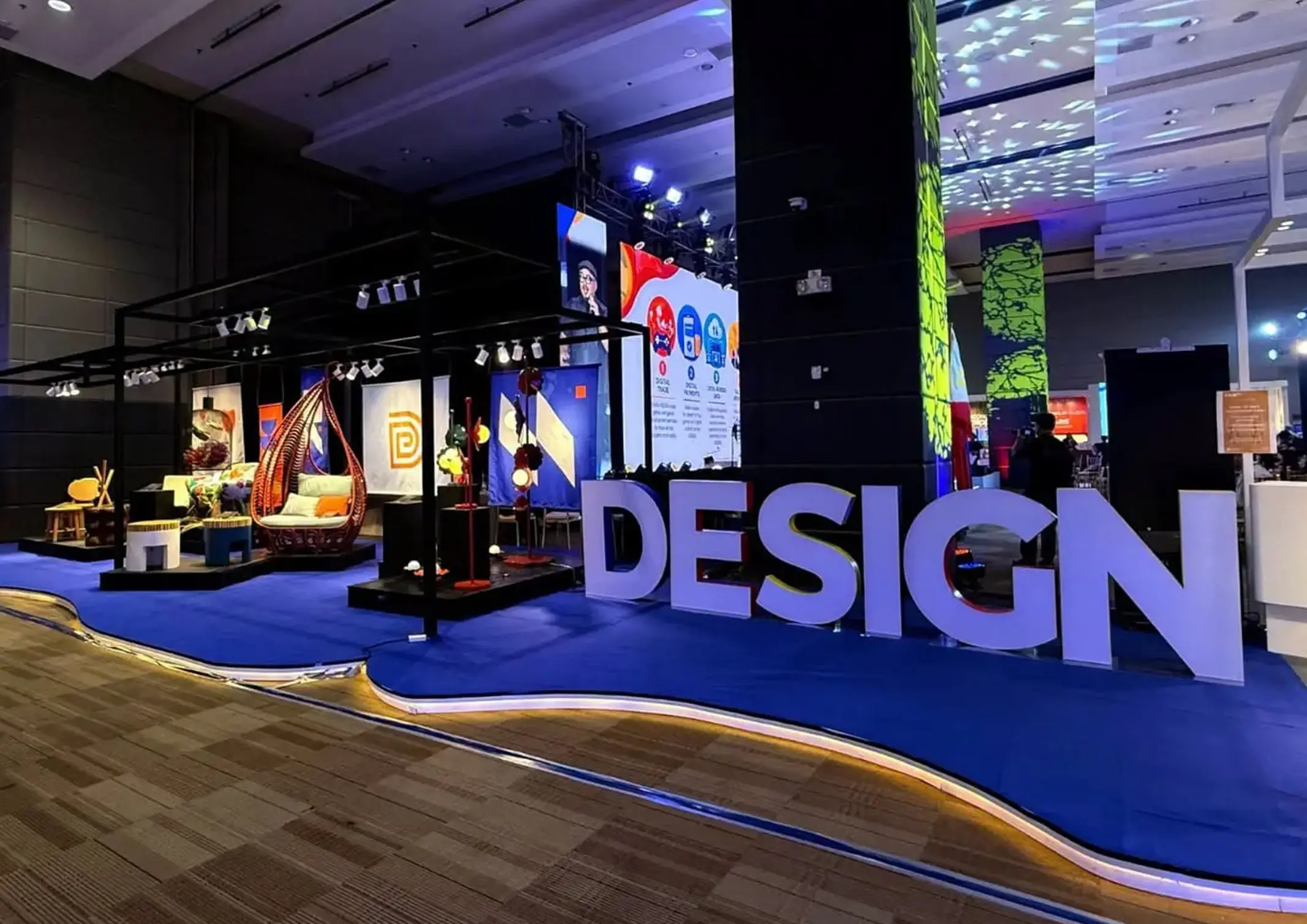
Held at the SMX Convention Center Aura in Taguig City, the first ASEAN Creative Industries Expo by Malikhaing Pinoy (ASEAN MPEx) features nine creative domains, including design, visual arts, digital interactive media, and performing arts. Organized by the Department of Trade and Industry (DTI), the event includes exhibitions, cultural performances, industry talks, and pitching sessions […]
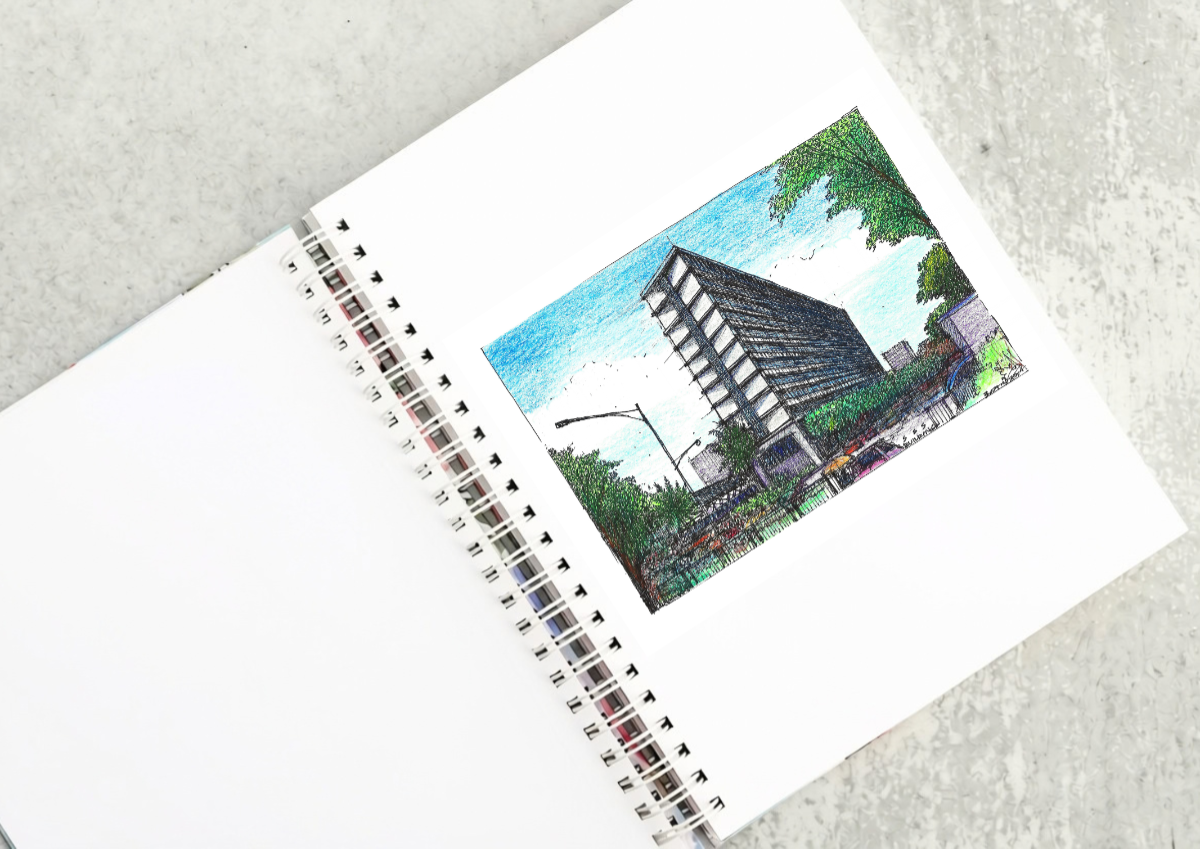
The SSS Building as an Expression of Civic Modernism My favorite modernist landmark in Quezon City is the SSS building on East Avenue. Designed by National Artist for ArchitectureArchitectureThe art and science of designing and constructing buildings, structures, and spaces that are functional, safe, and aesthetically pleasing. It encompasses the planning, design, materials, and techniques […]

Archie G. Carrasco, Chairman and CEO of AGC Power Holdings Corp. (AGC PHC), has been named to The BoF 500 Class of 2026 under the Media category, joining The Business of Fashion’s global community of individuals shaping the fashion industry. Carrasco is among 100 new members from 33 countries and 48 nationalities selected for the […]
Read the issues.

Collect the volumes.

Recommended Video
Tap to Unmute
Unmute
0:00
0:00