The seventh edition of the Anthology ASEAN ArchitectureArchitectureThe art and science of designing and constructing buildings, structures, and spaces that are functional, safe, and aesthetically pleasing. It encompasses the planning, design, materials, and techniques used to createGo to Architecture Glossary Festival brought together over 4,000 delegates from across the Philippines and Southeast Asia for three […]

What the UAP OBRA 2026 Winners Say About the Direction of Philippine Architecture



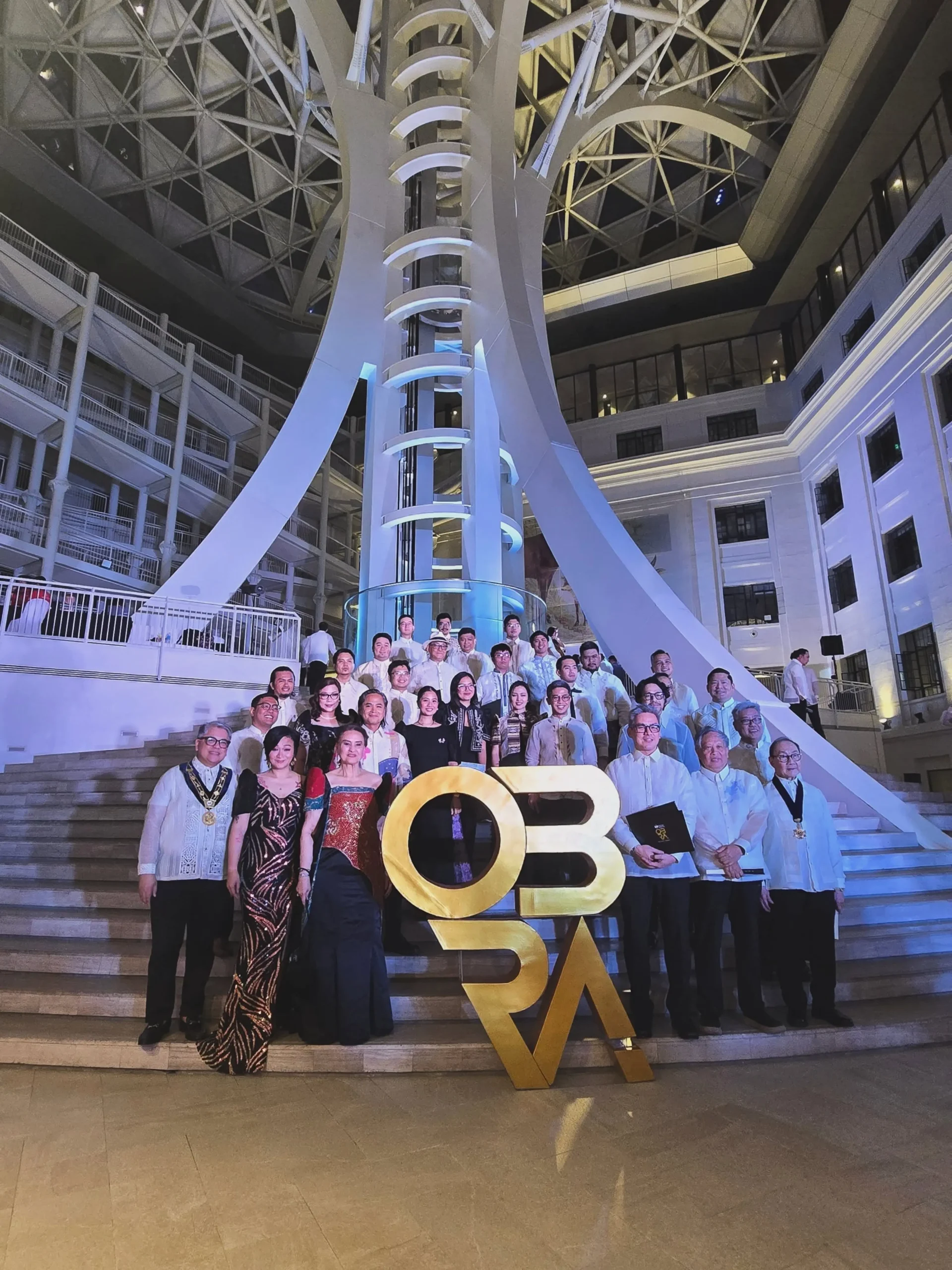
ArchitectureArchitectureThe art and science of designing and constructing buildings, structures, and spaces that are functional, safe, and aesthetically pleasing. It encompasses the planning, design, materials, and techniques used to createGo to Architecture Glossary awards often document more than just individual achievements. They also recognize the work, effort, and vision behind any architecture project, revealing the priorities, values, and trajectories of a profession at a given moment. The United Architects of the Philippines’ (UAP) OBRA continues to serve as one such marker, recognizing practitioners whose contributions help shape the built environment and influence architectural discourse in the country.
Awarded every two years, the program invites entries from UAP members in good standing with projects that were completed from 2020 onward, whether in the Philippines or abroad.
Related Reading: OBRA 2026: UAP Launches the Design Excellence Awards
Beyond Categories: How Excellence is Measured
From the word obra, which means “work of art,” the award highlights projects that exemplify Filipino design excellence across hospitality, residential, institutional or complex-type of architectureArchitectureThe art and science of designing and constructing buildings, structures, and spaces that are functional, safe, and aesthetically pleasing. It encompasses the planning, design, materials, and techniques used to createGo to Architecture Glossary. Each should be culturally significant, shaping the identity and improving the lives of communities, as well as demonstrating the three authoritative pillars that UAP established.
The first pillar is Vision, which acknowledges forward-looking design that anticipates change, integrates innovation in materials, construction and technology, and responds to environmental imperatives aligned with the United Nations Sustainable Development Goals.
The second pillar is Artistry, where projects demonstrate cultural depth and formal strength. It honors the mastery of space, form, proportion, light, and detail, and recognizes architecture that interprets Filipino identity and context with clarity and resonance.
The final pillar is Universality, which highlights the project’s impact and inclusivity. It values architectureArchitectureThe art and science of designing and constructing buildings, structures, and spaces that are functional, safe, and aesthetically pleasing. It encompasses the planning, design, materials, and techniques used to createGo to Architecture Glossary that expresses shared cultural values, reflects lived traditions, strengthens communities, and upholds accessibility, equity, and human dignity.
Beyond these guiding principles, the awards are divided into four categories that recognize varying levels of architectural achievement.
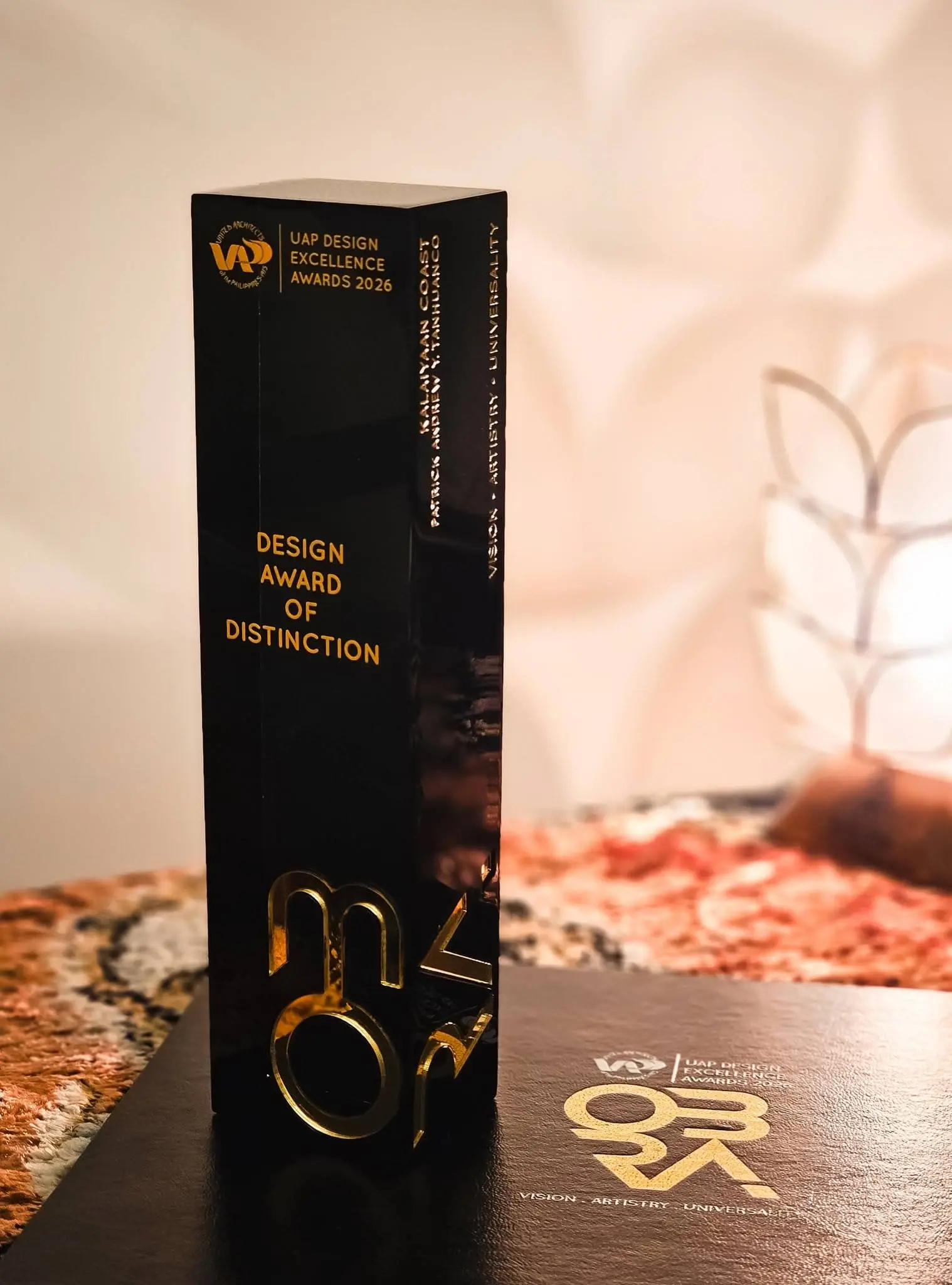
The People’s Choice Award recognizes projects that resonate strongly with both the public and design peers, while still meeting UAP standards. The Design Award of Merit is given to highly commendable projects that demonstrate exceptional execution, clarity of purpose, and professional excellence. The Design Award of Distinction represents top-tier recognition for projects that exemplify innovation and cultural significance across architectural typologies. At the highest level is the Maestro de Obra, awarded to architects and design firms whose work not only fulfills but exceeds the three pillars and serves as a benchmark for contemporary Filipino architecture.
Related Reading: The UAP Celebrates 100 years of Architecture in the Philippines
The People and Practices Behind This Year’s Awards
This year’s recipients demonstrate how the UAP’s criteria translate into built work, with projects ranging from adaptive reuse developments and hospitality spaces to eco-tourism destinations and cultural landmarks.
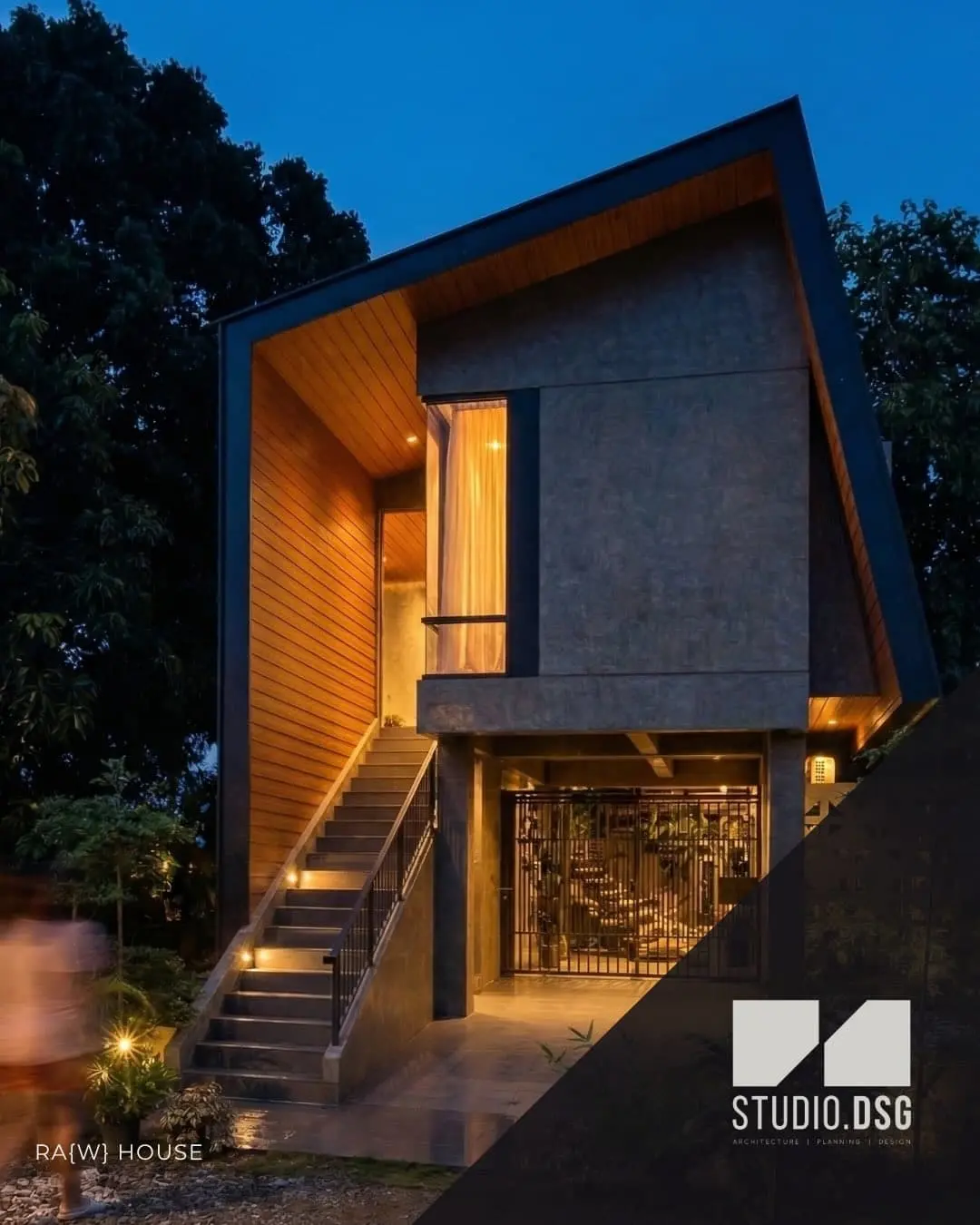
Representing the People’s Choice Award is architect John Derick R. Dasugo for his RA[W] Stilt House residential project. More than a contemporary interpretation of Filipino elements such as the silong, the project reimagines provincial, specifically Bicolano, architectureArchitectureThe art and science of designing and constructing buildings, structures, and spaces that are functional, safe, and aesthetically pleasing. It encompasses the planning, design, materials, and techniques used to createGo to Architecture Glossary for present-day living while maintaining a connection to traditional spatial practices.
Under the Design Award of Merit category, this year’s recipients include Ar. Edwin A. Rivera, Ar. Jason S. Co, Ar. Kim Jaffna H. Pineda, Ar. Clyde Louie B. De Guzman, Ar. Jefte D. Madlansacay, Ar. Noriel M. Estipular, Ar. Daniel Vicente A. Lichauco, and Ar. Royal Christopher L. Pineda.
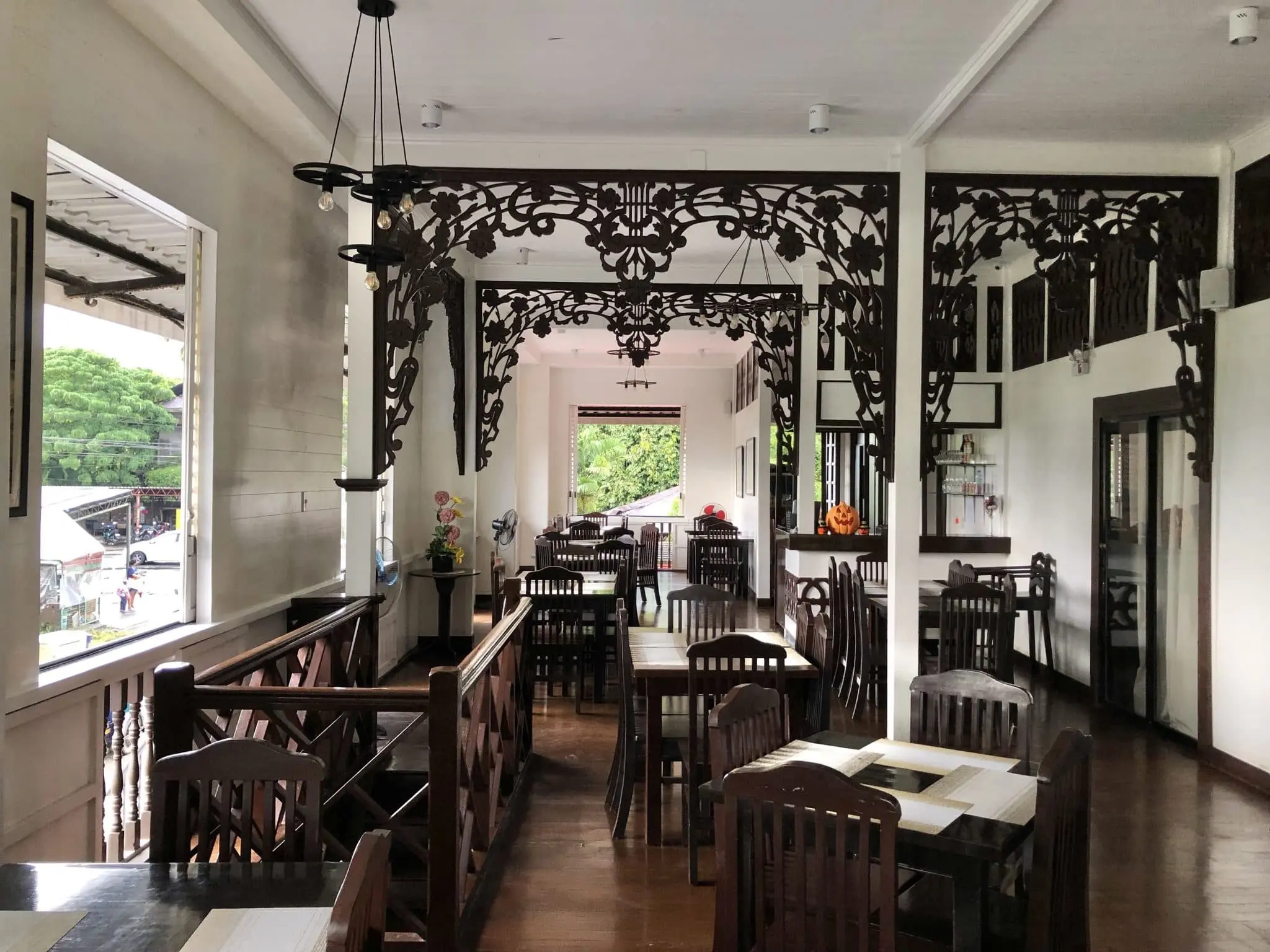
Among the notable projects is architect Clyde Louie B. De Guzman’s 1898 Casa and Restaurante, an adaptive reuse project that transformed a historical ancestral house into a contemporary destination while preserving its cultural value. Recognized by the National Historical Commission of the Philippines (NHCP), the project demonstrates how architecture can create renewed relevance for heritage structures.
Another recipient under the same category is Casa Nuan by architect Kim Jaffna H. Pineda in Bacolor, Pampanga. The villa incorporates local materials throughout its architectureArchitectureThe art and science of designing and constructing buildings, structures, and spaces that are functional, safe, and aesthetically pleasing. It encompasses the planning, design, materials, and techniques used to createGo to Architecture Glossary and interiors, utilizing Narra wood, Adobe stones, Mactan marble, and Araal stone alongside locally produced furnishings crafted by Filipino artisans.
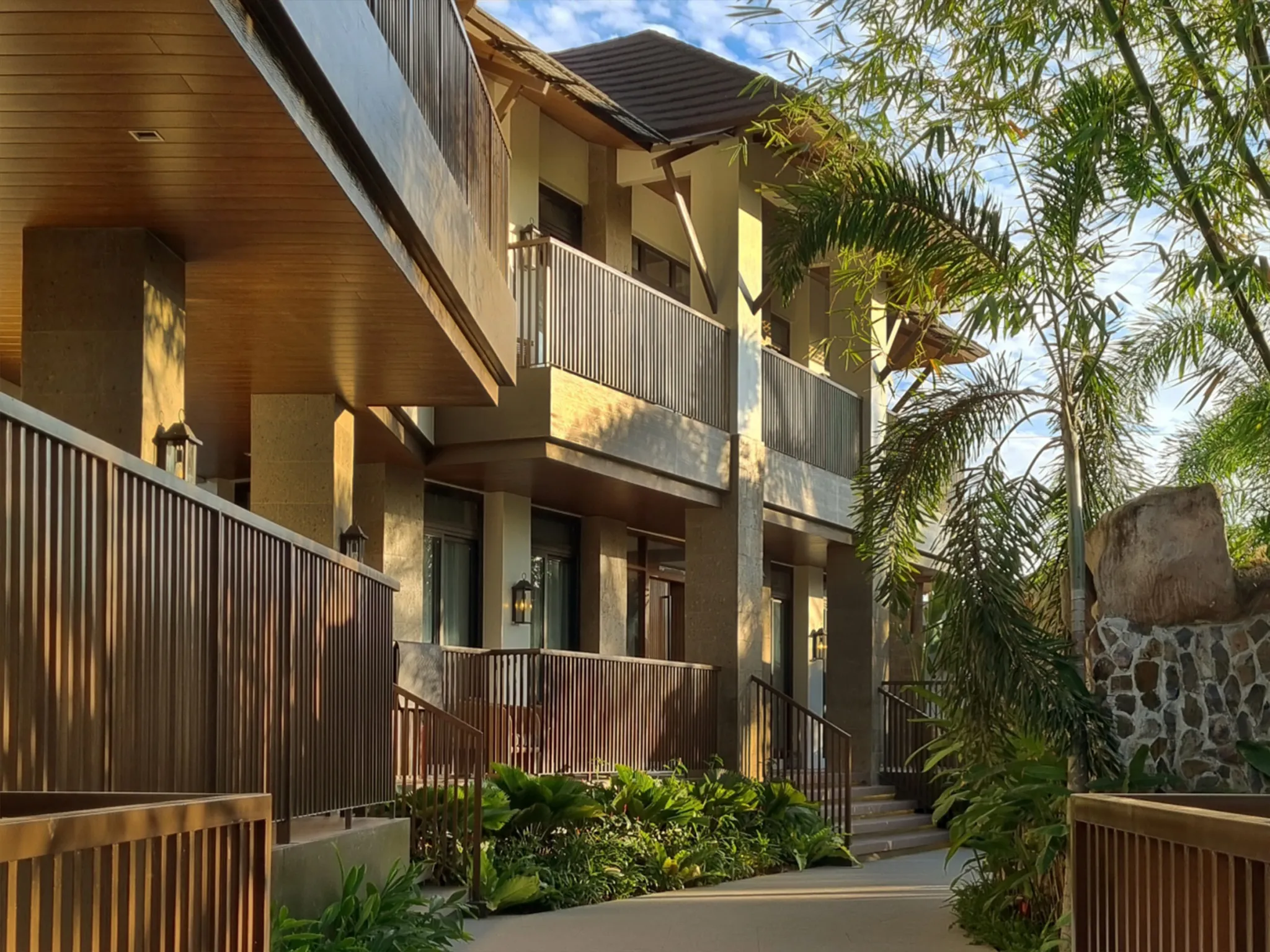
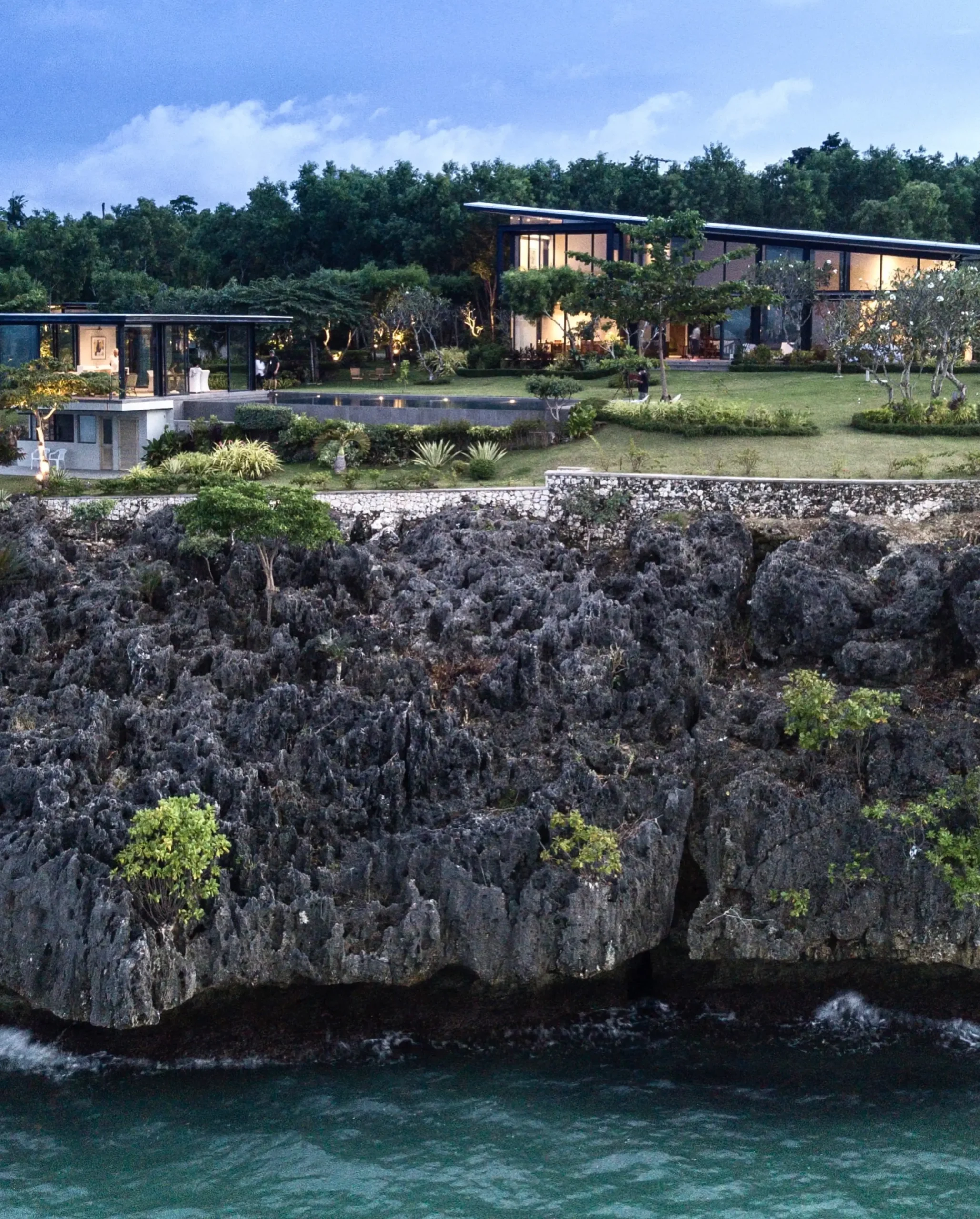
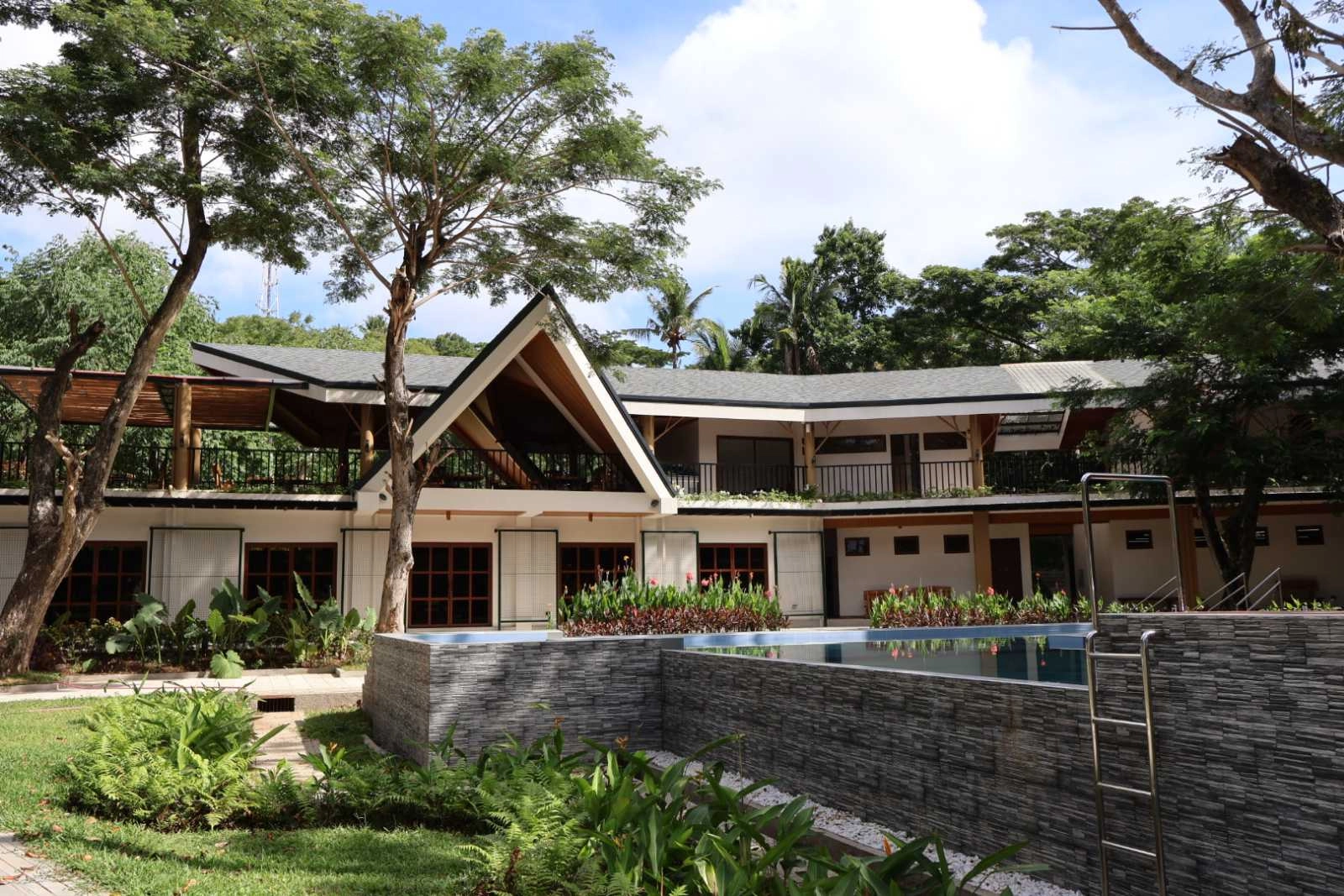
Recipients of the Design Award of Distinction include Ar. Buck Richnold Sia, T+A Design Studio, Ar. Ronnie Yumang, Ar. Gian Paolo R. Priela, and Ar. Charina Amanda Buscaino-Javier. Among them is T+A Design Studio’s Kalaiyaan Coast in San Juan, Batangas, a 4.4-hectare nature and camping resort designed to work with the site’s existing forest conditions rather than reshape them, creating an environmentally responsive hospitality experience.
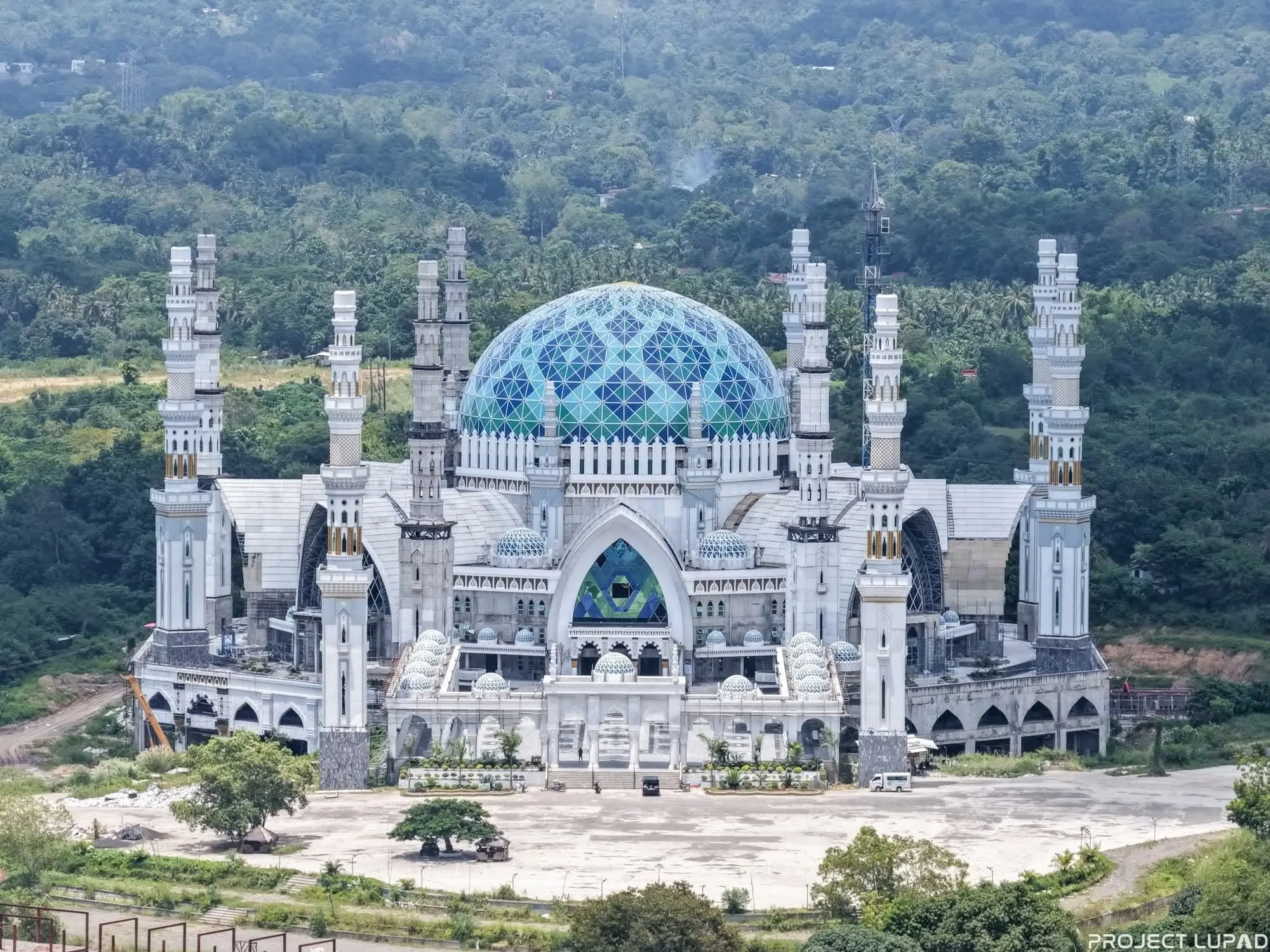
At the highest level, this year’s Maestro de Obra recipients include architect Richard Garcia of GALA Architecture for the Sadik Grand Mosque in Zamboanga City, and architect Christian Salandanan of Sangay Architects for Kaway’an EcoPark in General Trias, Cavite.
Set to become the largest mosque in the Philippines and one of Southeast Asia’s largest, the Sadik Grand Mosque incorporates Islamic architectural elements including domes, minarets, Arabic calligraphy, and expansive courtyards to create a space rooted in spirituality and cultural expression.
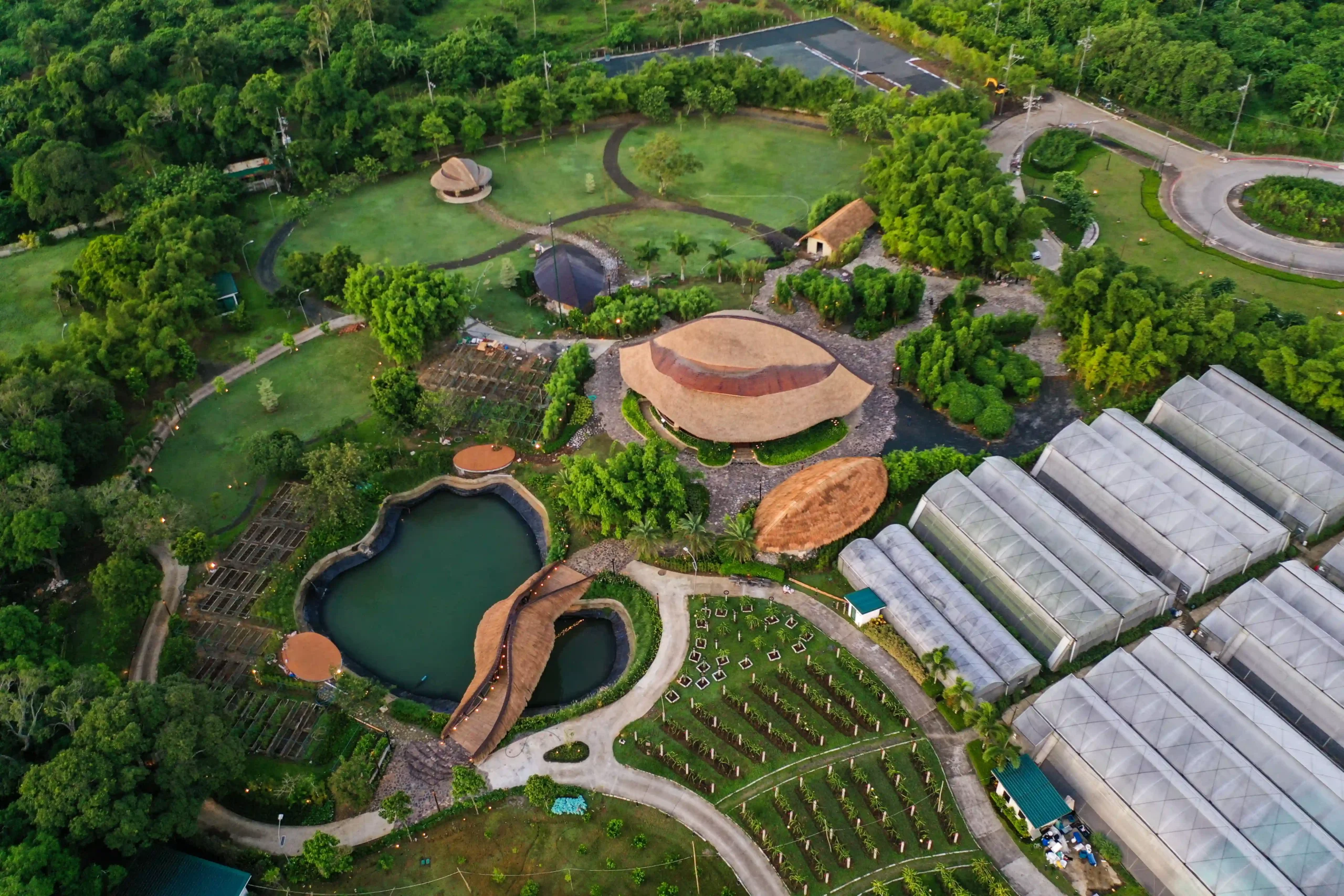
Meanwhile, Kaway’an EcoPark transformed a three-hectare site originally intended for housing into an eco-tourism destination built primarily with bamboo and locally sourced materials, reflecting a design approach grounded in Filipino craftsmanship and heritage.
Related Reading: Revitalized First United Building Bags Malasakit Gran Prix Award at 2024 Good Design Award PH
Emerging Patterns in Philippine Architecture
While the OBRA awards recognized individual architects and design firms, one thing is common between these projects and practices—each one illustrates that Philippine architecture has evolved beyond just absorbing international and contemporary design trends. It has moved to appreciating local materials and traditional craftsmanship, integrating them into modern living. These projects also value Filipino heritage, from partnering and supporting local artisans, to preserving historical landmarks and providing them with a renewed purpose.
One thing remains clear, the significance of the UAP OBRA Awards extends beyond recognition itself. More than highlighting individual achievements, it reflects the values shaping contemporary Philippine architecture today—one that increasingly balances innovation with local context, honors craftsmanship and heritage, and demonstrates how Filipino design continues to contribute to a broader architectural discourse.
About UAP OBRA
The UAP OBRA is the flagship biennial awards program, recognizing outstanding architectural projects by UAP members in good standing. Derived from the Filipino word obra, meaning “work of art,” the awards honor projects that exemplify design excellence, innovation, cultural significance, and community impact through the UAP’s three guiding pillars: Vision, Artistry, and Universality.
Frequently Asked Questions
The UAP OBRA is a biennial awards program by the United Architects of the Philippines that recognizes outstanding architectural projects and practitioners.
Practicing architects and design firms with projects completed from 2020 onward, designed by UAP members in good standing, may submit entries.
The awards include the People’s Choice Award, Design Award of Merit, Design Award of Distinction, and Maestro de Obra.
Projects are assessed through UAP’s three pillars: Vision, Artistry, and Universality, which cover innovation, design excellence, cultural significance, and community impact.
The winners reflect a growing emphasis on local materials, traditional craftsmanship, adaptive reuse, sustainability, and architecture rooted in Filipino context and heritage.
Bigkis is the act of binding. In Tagalog, the word can refer to something used to bind or encircle, as well as a bundle formed by tying several separate elements together. Figuratively, it can also mean a bond, union, or unity. The meanings move from the physical act of joining things together to the connection […]
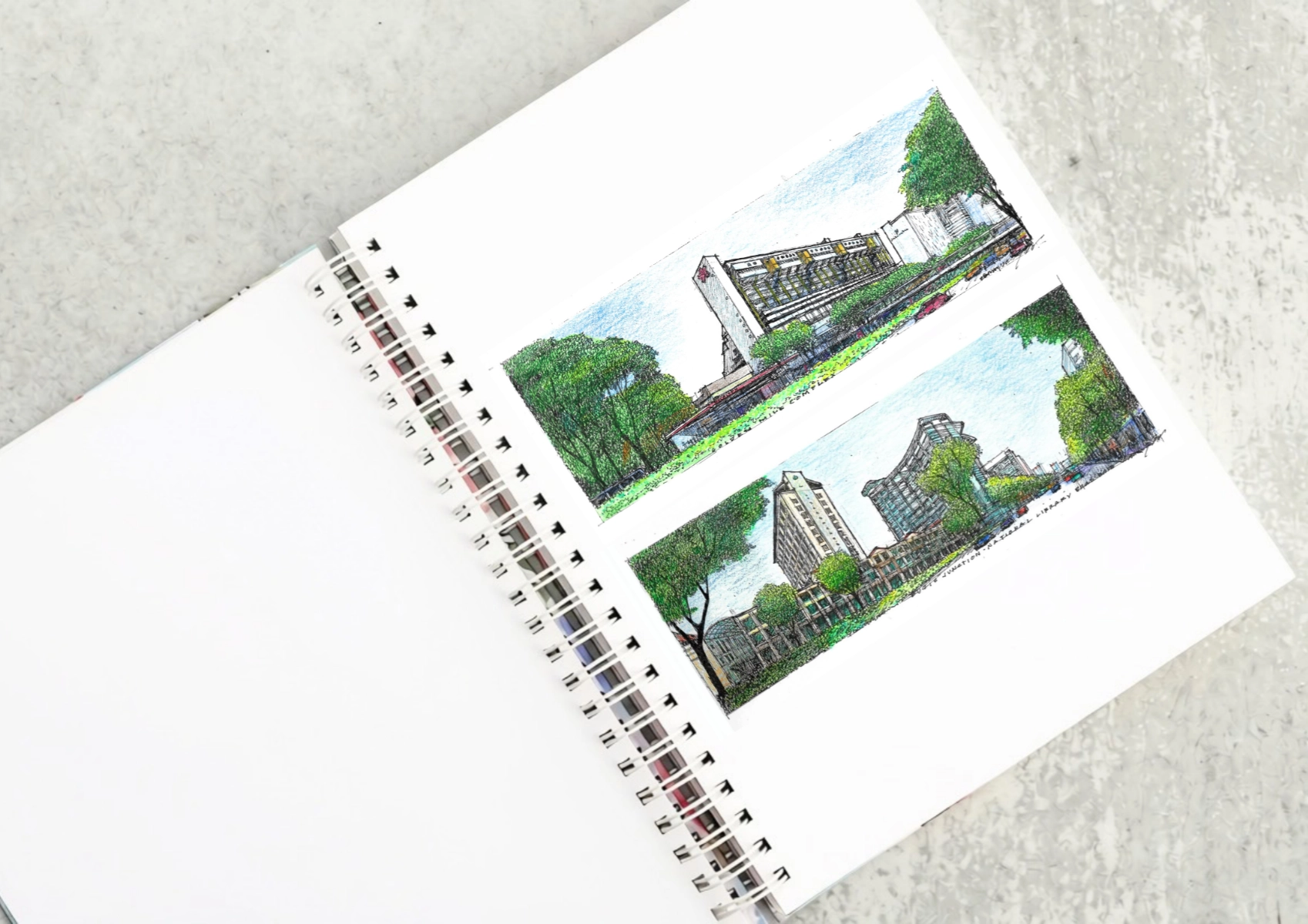
Two sketches of Singapore connect BluPrint Editor in Chief Paulo G. Alcazaren’s personal and professional history with Shared Ground: ArchitectureArchitectureThe art and science of designing and constructing buildings, structures, and spaces that are functional, safe, and aesthetically pleasing. It encompasses the planning, design, materials, and techniques used to createGo to Architecture Glossary of Care, Culture, […]
Some have become household names – Coleman, Oster, and KitchenAid – products that have found their way into Filipino kitchens, homes and family routines. In home furnishings, brands such as B&B Italia, Ethan Allen, Sub-Zero, Miele, SieMatic, Louis Poulsen, Hunter Douglas, Tempur, and Technogym, have helped shape the way Filipinos live. From everyday essentials to […]

In a way, designers are the modern-day soothsayers and prophets. They design for the future, predicting how a room, a house, a building or a whole city will be used by people. They foresee how users will interact with a space, conjure exact shades of colors to elicit specific behavior and arrange furniture to build […]
Read the issues.

Collect the volumes.

Recommended Video
Tap to Unmute
Unmute
0:00
0:00