In a curated event presented by Focus Global Inc. and co-hosted by BluPrint, Technogym unveiled its Sand Stone Collection to the Philippine market at Bigger Pictures in Mandaluyong City. The launch brought together over 100 guests, including architects, designers, and media representatives, for an introduction to the collection and its approach to fitness equipment. The […]
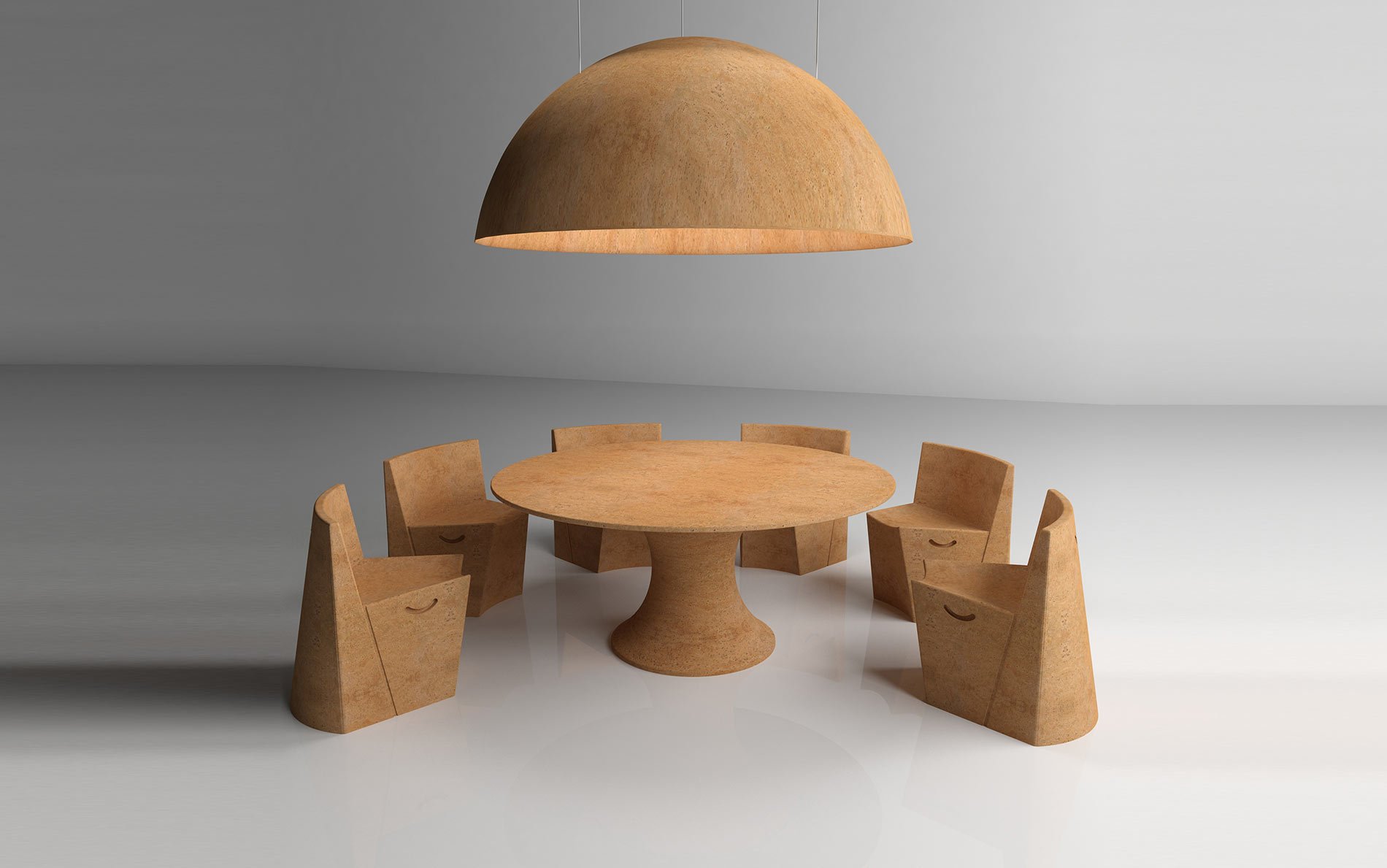
Cork Furniture: Sustainable Luxury for a Greener Home


This isn’t your grandma’s bulletin board. Cork furniture offers a stunning combination of aesthetics, functionality, and environmental responsibility.
Forget the flatpack furniture and generic plastic—a new wave of sustainable designSustainable DesignAn approach to architecture and design that minimizes environmental impact while supporting human wellbeing over the long term. It considers energy, water, materials, waste, and site across a building's entireGo to Sustainable Design Glossary is here. Cork, the very material that keeps your favorite vintage fresh, is transforming into the hottest trend in eco-conscious furniture. Read on to discover how cork can elevate your home into a haven of natural beauty and mindful living.
The Diligent Work Behind Cork
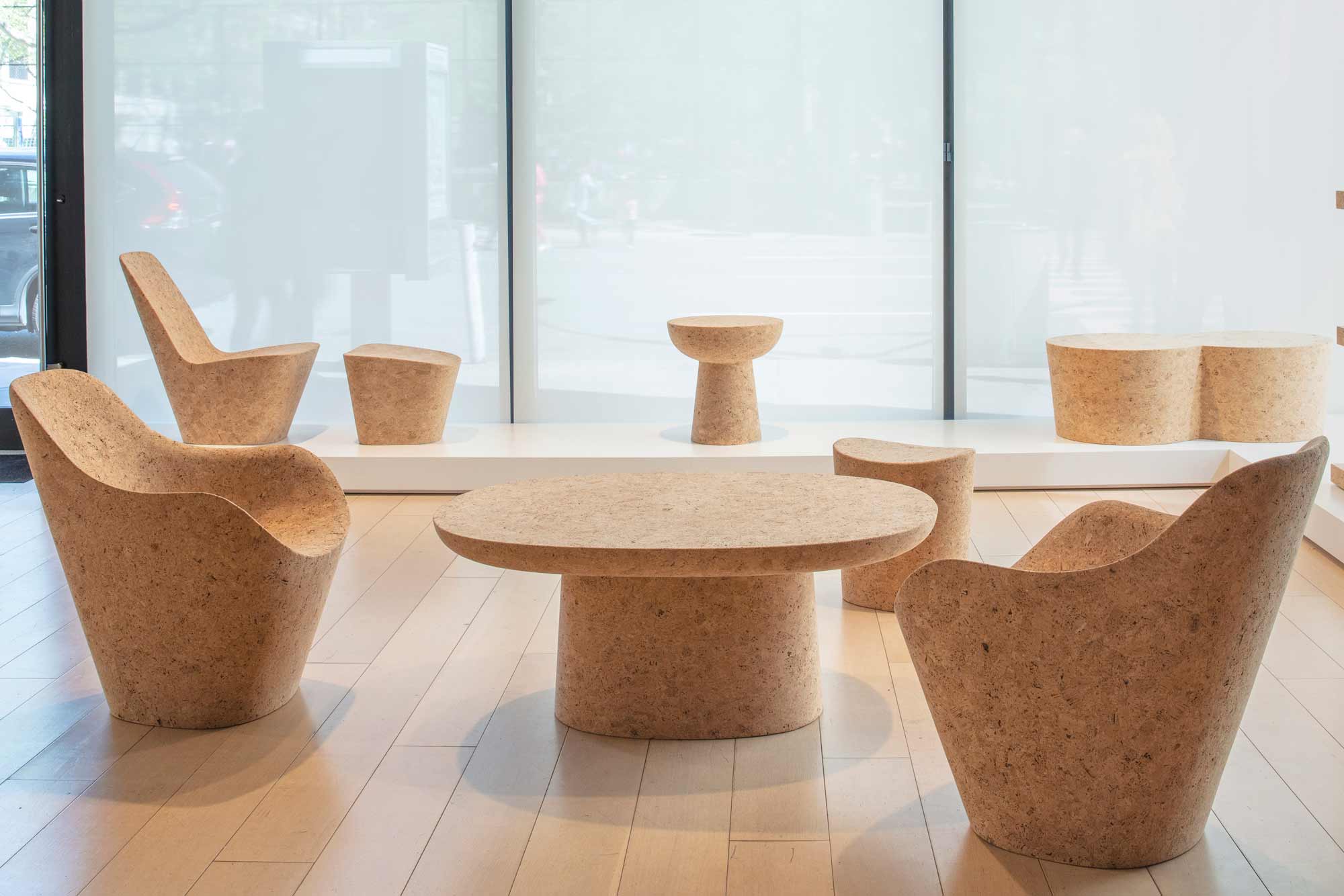
Cork furniture is mainly made of raw cork oak tree bark through an ancient hand-made process. The harvesting method begins by a skillful stripping of the bark. The bark is then chipped into smaller chunks and dried in the sun or heated with steam. This activates a natural binder called suberin that makes strong interparticle bonds, which increases cork’s density and durability.
Harvesters repeat this process every nine years and do not harm the cork oak trees in any way. In fact, harvesting their bark helps in regenerating the trees’ vigor and can make them live up to 250 years.
Mediterranean countries like Portugal and Spain are the major producers of cork, distributing at least 80 percent of the products worldwide. So, cork furniture has that natural southwest European style, bringing a traditional yet modern, and homely vibe to your house.
Due to its spongy quality, furniture makers use metal, wood, or plastic to give the cork shape, structure, and sturdiness. Special coatings like polyurethane and hard wax oil are commonly used sealants that smoothen out its natural rough surface.
Perks of Cork
Cork furniture prides itself on its sustainable and eco-friendly characteristics. First, the cork harvesting process does not involve cutting trees, maintaining cork oak woodlands and the biodiversity living in them. It also prevents desertification since a stripped off cork oak tree can absorb carbon dioxide while its bark regenerates. In addition, cork production bears zero waste as the leftover dust powers furnaces during cork’s insulation process.
Because it’s a natural material, cork is biodegradable, recyclable, and renewable. Even their air-filled cells make them excellent thermal insulators that can regulate temperature and reduce energy consumption in your home.
Besides its green benefits, cork is also known for its resilience to pressure. It can be placed in high traffic areas like the living room, dining area, and kitchen. Despite being lightweight, it’s also fireproof and can serve as a fire barrier due to its slow combustibility. Cork’s resistance to water and moisture additionally repels oxidation, decay, and microbes, making it useful for up to 50 years.
Apart from providing a soft, velvety, and comfortable feel, cork furniture is beneficial for our health, too. University of Porto proves that cork’s antistatic surface wards off dust and toxins and has anti-carcinogenic properties.
Tips to Integrate Cork Furniture
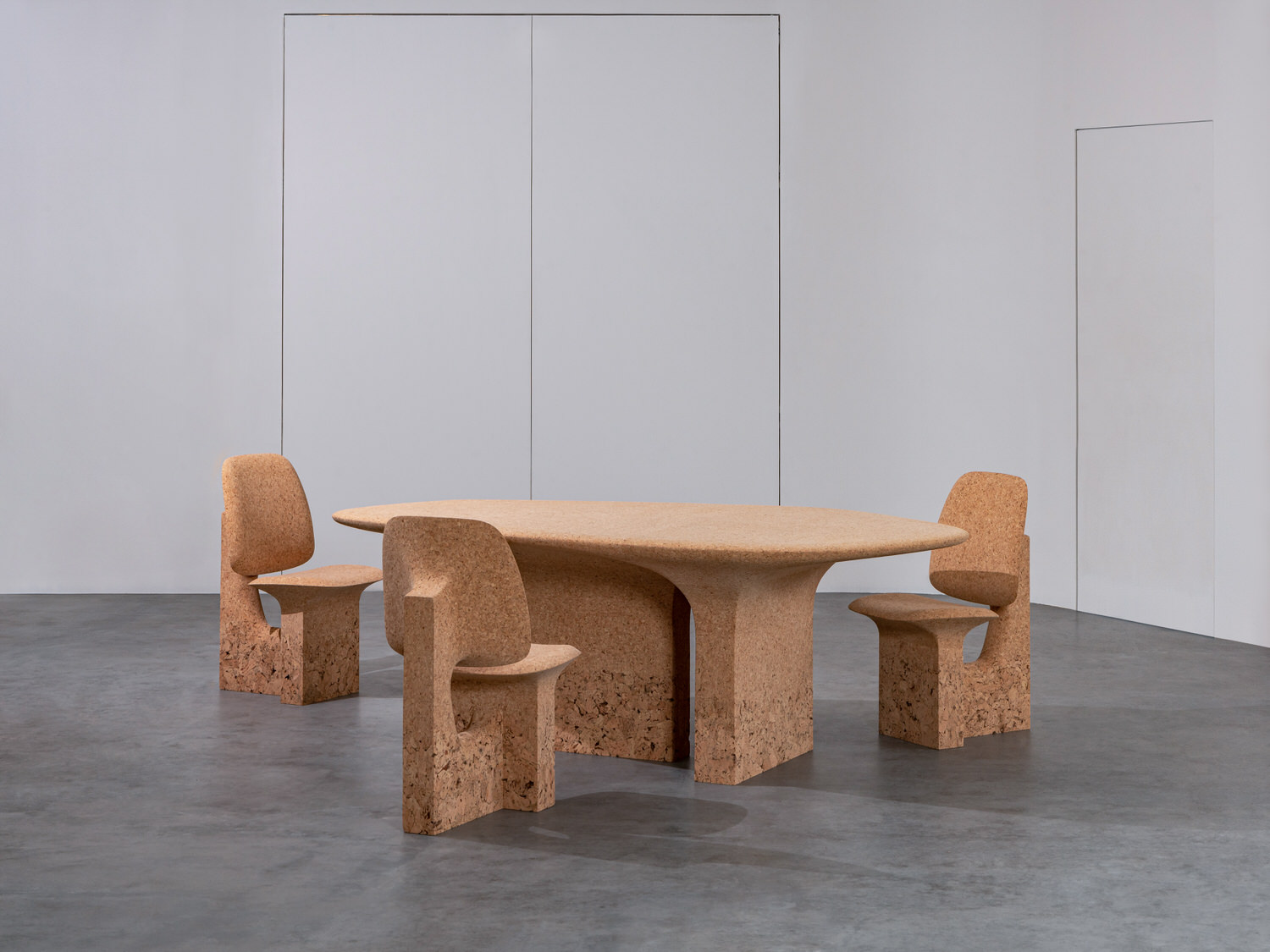
Given its shapeable characteristics, interior designers use cork for couches, tables, chairs, shelves, and storage. And while you can incorporate them in your home as they are, here are some tips you can apply to amplify their designs.
Incorporate Biophilic DesignBiophilic DesignAn approach that strengthens the connection between people and nature within the built environment. It uses daylight, natural ventilation, plants, water, organic forms, and natural materials to improve wellbeing, focus,Go to Biophilic Design Glossary. Cork furniture, with its raw light brown hue, blends well with greenery. This brings a touch of nature indoors and creates a relaxing ambiance with the combination of earthy colors. For sofas and stools, you can place them against a green wall or next to potted plants. Plants can also elevate simple side tables. For shelves and cabinets with limited space, choose smaller potted plants with less foliage spread. This will ensure they fit comfortably within the gaps.
Add natural textiles. Although cork furniture is already soft and spongy, you can still add natural fabrics to make them comfier. Textiles like cotton or linen provide additional texture while still keeping the furniture’s natural and laid-back look. Throw pillows and blankets make a perfect match for cork couches. Tables look great with runners, placemats, or tablecloths. And adding cushioned pads makes sitting on cork chairs even more comfortable.
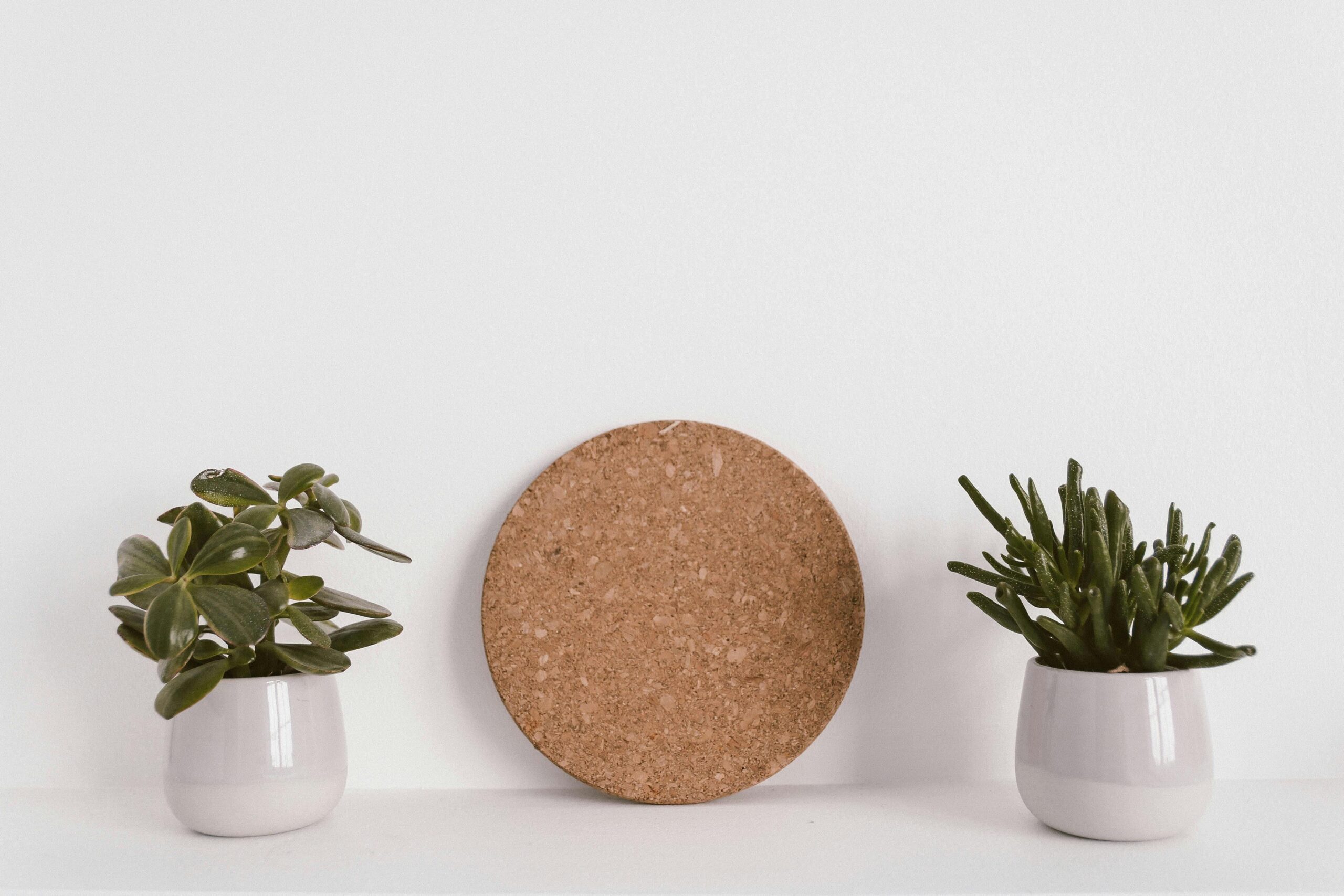
Match with cork accessories. Complement your cork furniture with accessories to achieve a visually unified and stylish interior appearance. You can include cork coasters on your tablescape while trays can help organize open shelves. Hang pinboards above side tables and desks.
Cork may never escape its association with wine and notice boards. But now that it graces homes with practicality and sustainability, this material extends its potential beyond its common usage. Cork furniture, more than offering a unique style, reintroduces a natural product in a more evident light in interior design.
Read more: Top 4 Sustainable Local Materials in the Philippines

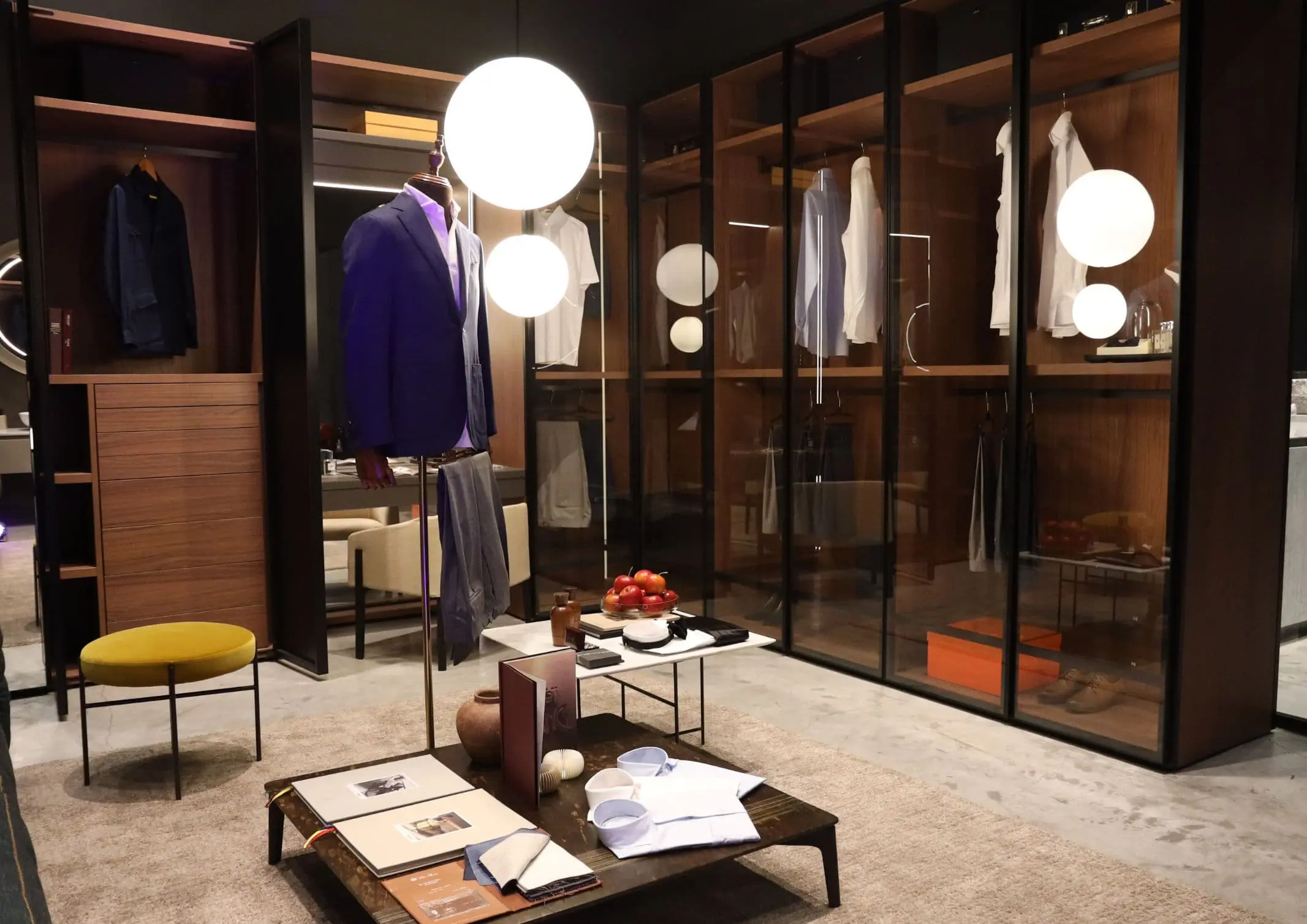
The principles behind a well-designed home are not unlike those behind a tailored garment. Both begin with an understanding of the individual, balancing proportion, material, and function to create something suited to its user. This shared approach informed “The Art of Bespoke,” an event hosted by Boffi | DePadova and Focus Global Inc., in collaboration […]
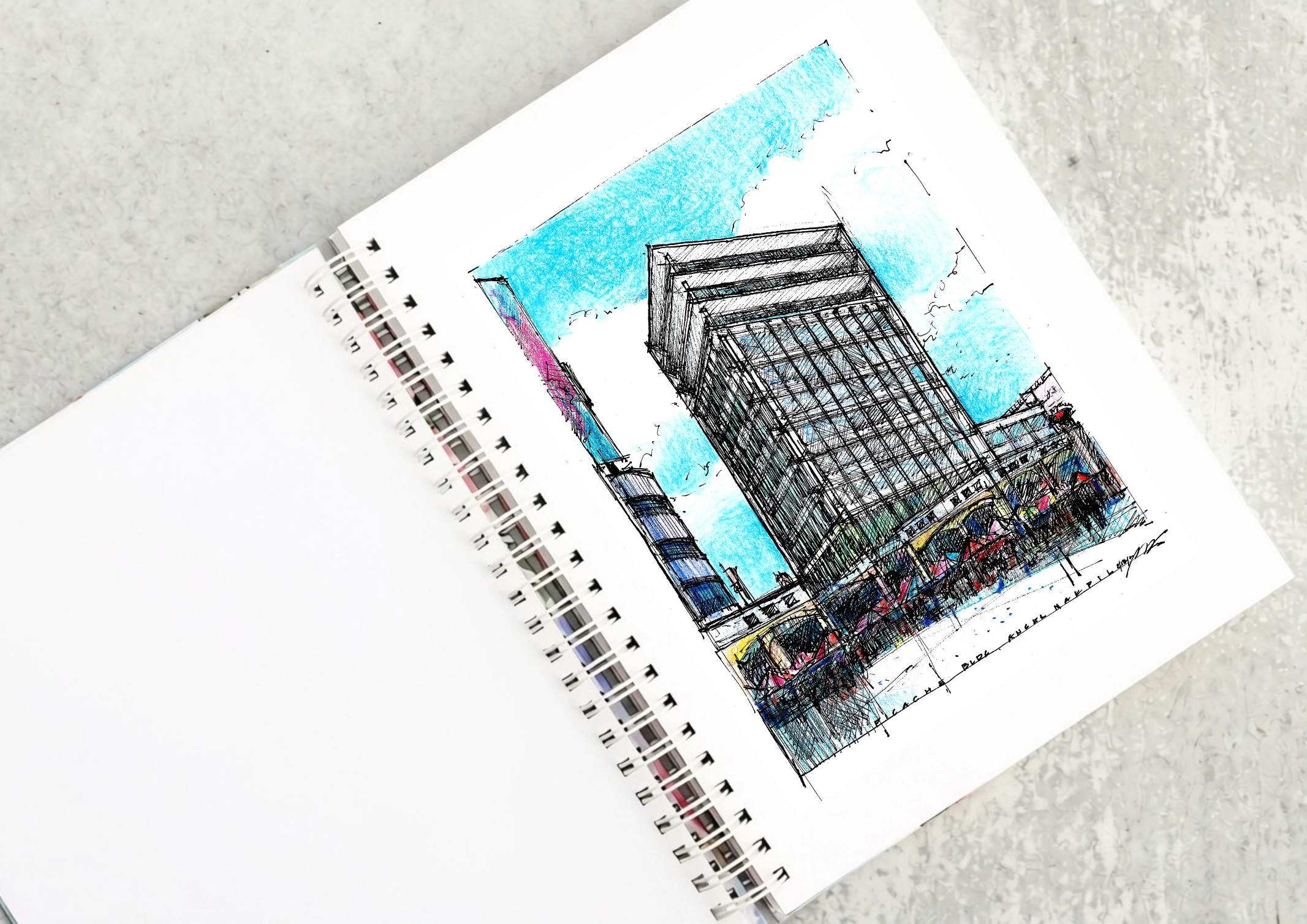
The Picache Building and the Rise of Manila’s First Skyscrapers Until Makati emerged as Metro Manila’s premier business, shopping, and entertainment district in the 1970s, downtown meant Quiapo in central Manila. From the Spanish colonial period to the late 1950s, the district was anchored by its historic Plaza Miranda and its eponymous church. It was […]
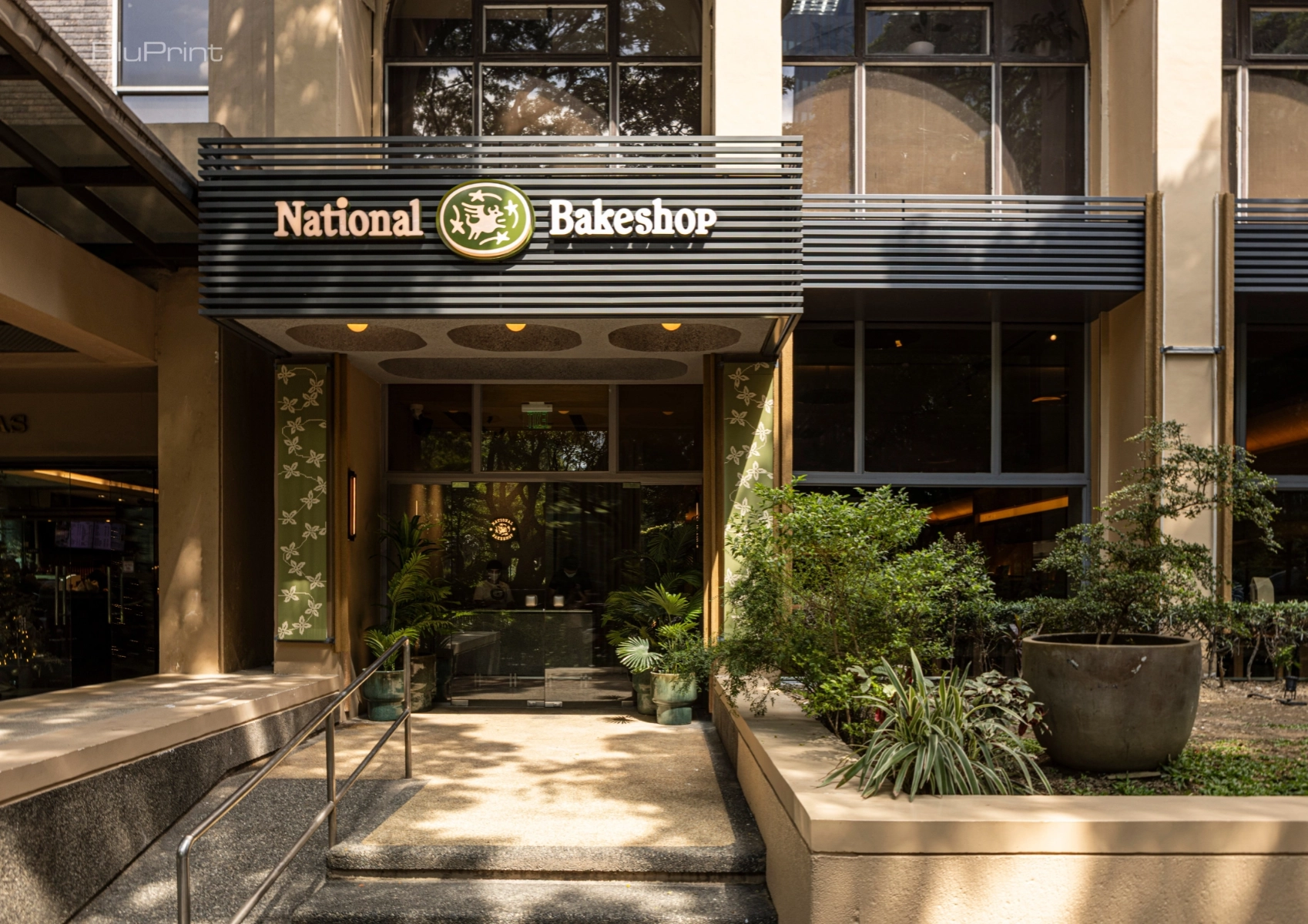
Architect Brian Ver was all set with the design for restaurateurs Dwight Co and Charlie Paw’s latest concept, National Bakeshop, when the contractor halted demolition. Brixter Builders, the general contractor of the project, discovered the original coffered ceilings after demolishing the drop ceiling of the previous tenant. The restaurant is located on the ground floor […]

Back for its third edition, the Philippine ArchitectureArchitectureThe art and science of designing and constructing buildings, structures, and spaces that are functional, safe, and aesthetically pleasing. It encompasses the planning, design, materials, and techniques used to createGo to Architecture Glossary and Allied Arts Festival (PAAAF) brought conversations around architecture and its related creative fields to […]

The future of design is not necessarily built by looking forward alone. Sometimes, it begins by looking back at the objects, traditions, and creative practices that have shaped generations. For Negros Design Week 2026, this relationship between the past and the future informed its theme, “50/50: A Hundred Years of Design.” The third edition of […]
Read the issues.

Collect the volumes.

Recommended Video
Tap to Unmute
Unmute
0:00
0:00