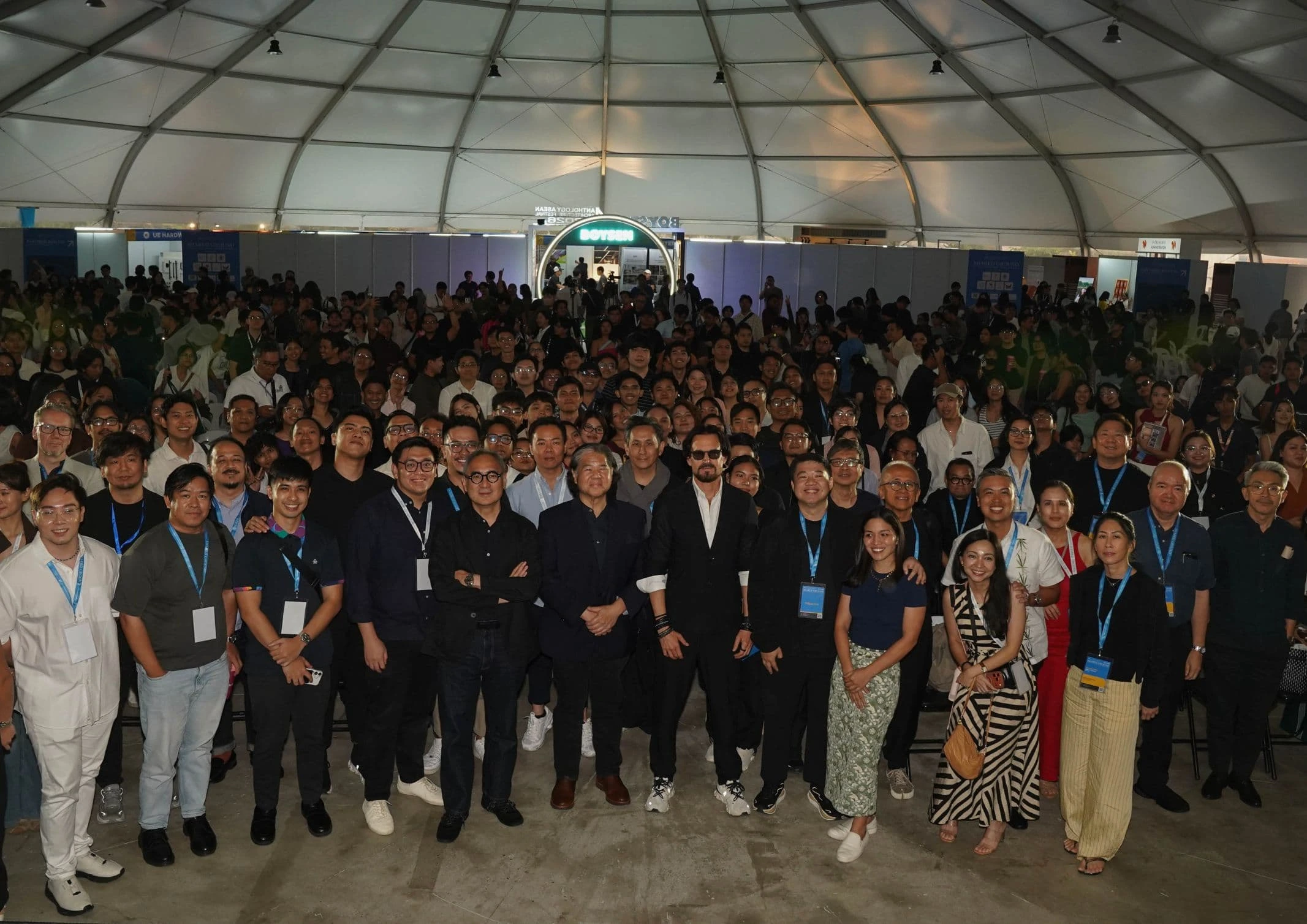
The seventh edition of the Anthology ASEAN ArchitectureArchitectureThe art and science of designing and constructing buildings, structures, and spaces that are functional, safe, and aesthetically pleasing. It encompasses the planning, design, materials, and techniques used to createGo to Architecture Glossary Festival brought together over 4,000 delegates from across the Philippines and Southeast Asia for three […]
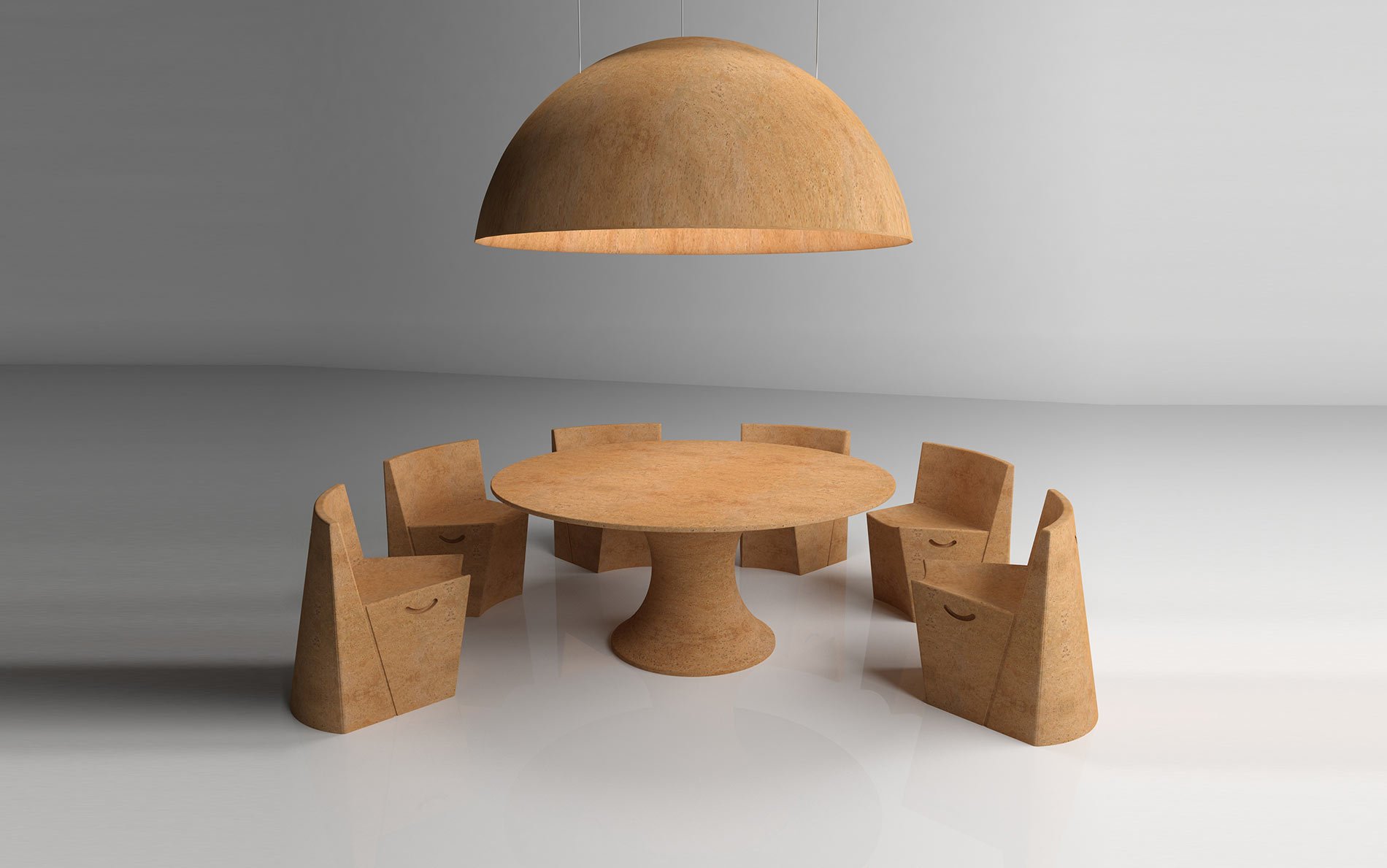
Cork Furniture: Sustainable Luxury for a Greener Home



This isn’t your grandma’s bulletin board. Cork furniture offers a stunning combination of aesthetics, functionality, and environmental responsibility.
Forget the flatpack furniture and generic plastic—a new wave of sustainable designSustainable DesignAn approach to architecture and design that minimizes environmental impact while supporting human wellbeing over the long term. It considers energy, water, materials, waste, and site across a building's entireGo to Sustainable Design Glossary is here. Cork, the very material that keeps your favorite vintage fresh, is transforming into the hottest trend in eco-conscious furniture. Read on to discover how cork can elevate your home into a haven of natural beauty and mindful living.
The Diligent Work Behind Cork
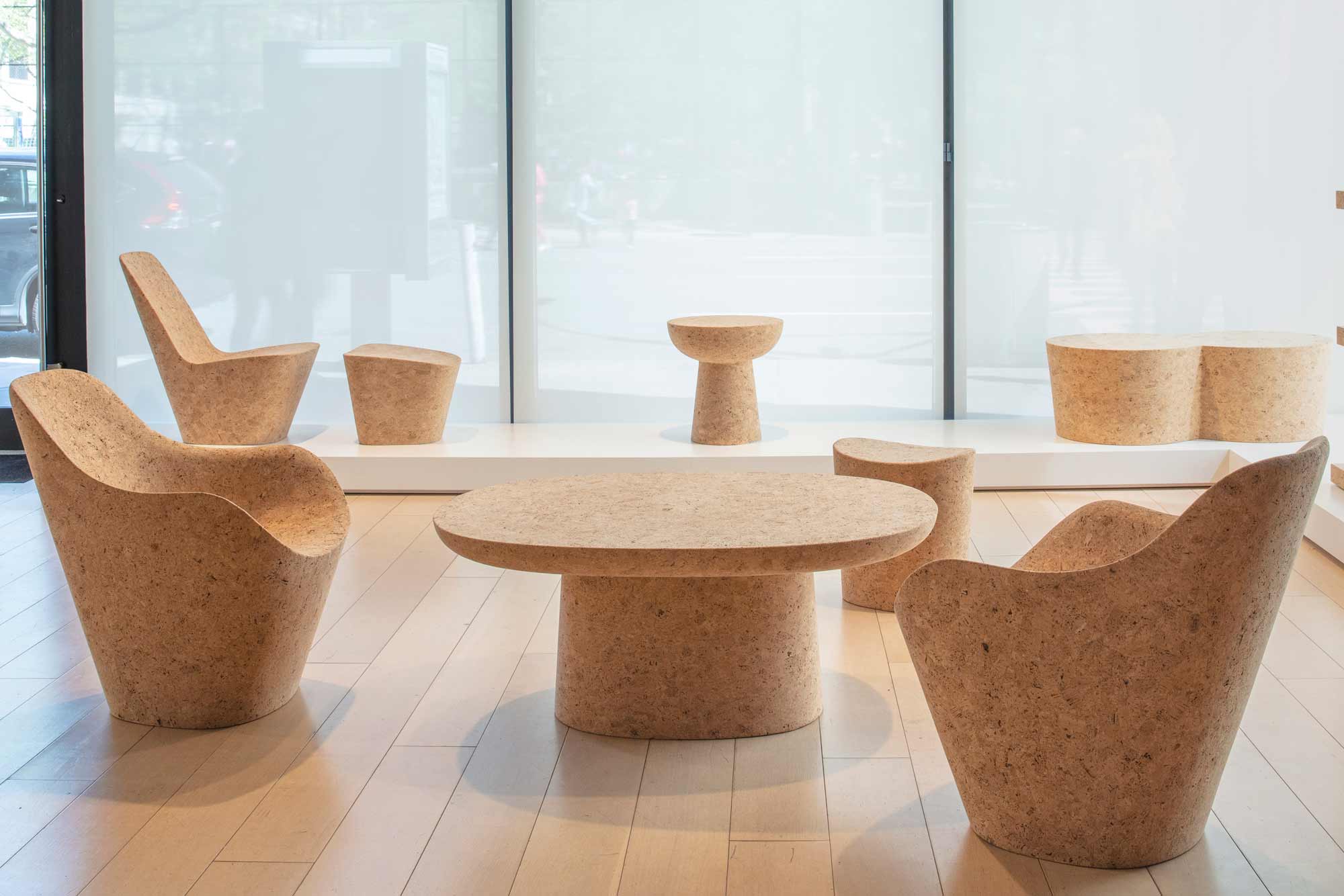
Cork furniture is mainly made of raw cork oak tree bark through an ancient hand-made process. The harvesting method begins by a skillful stripping of the bark. The bark is then chipped into smaller chunks and dried in the sun or heated with steam. This activates a natural binder called suberin that makes strong interparticle bonds, which increases cork’s density and durability.
Harvesters repeat this process every nine years and do not harm the cork oak trees in any way. In fact, harvesting their bark helps in regenerating the trees’ vigor and can make them live up to 250 years.
Mediterranean countries like Portugal and Spain are the major producers of cork, distributing at least 80 percent of the products worldwide. So, cork furniture has that natural southwest European style, bringing a traditional yet modern, and homely vibe to your house.
Due to its spongy quality, furniture makers use metal, wood, or plastic to give the cork shape, structure, and sturdiness. Special coatings like polyurethane and hard wax oil are commonly used sealants that smoothen out its natural rough surface.
Perks of Cork
Cork furniture prides itself on its sustainable and eco-friendly characteristics. First, the cork harvesting process does not involve cutting trees, maintaining cork oak woodlands and the biodiversity living in them. It also prevents desertification since a stripped off cork oak tree can absorb carbon dioxide while its bark regenerates. In addition, cork production bears zero waste as the leftover dust powers furnaces during cork’s insulation process.
Because it’s a natural material, cork is biodegradable, recyclable, and renewable. Even their air-filled cells make them excellent thermal insulators that can regulate temperature and reduce energy consumption in your home.
Besides its green benefits, cork is also known for its resilience to pressure. It can be placed in high traffic areas like the living room, dining area, and kitchen. Despite being lightweight, it’s also fireproof and can serve as a fire barrier due to its slow combustibility. Cork’s resistance to water and moisture additionally repels oxidation, decay, and microbes, making it useful for up to 50 years.
Apart from providing a soft, velvety, and comfortable feel, cork furniture is beneficial for our health, too. University of Porto proves that cork’s antistatic surface wards off dust and toxins and has anti-carcinogenic properties.
Tips to Integrate Cork Furniture
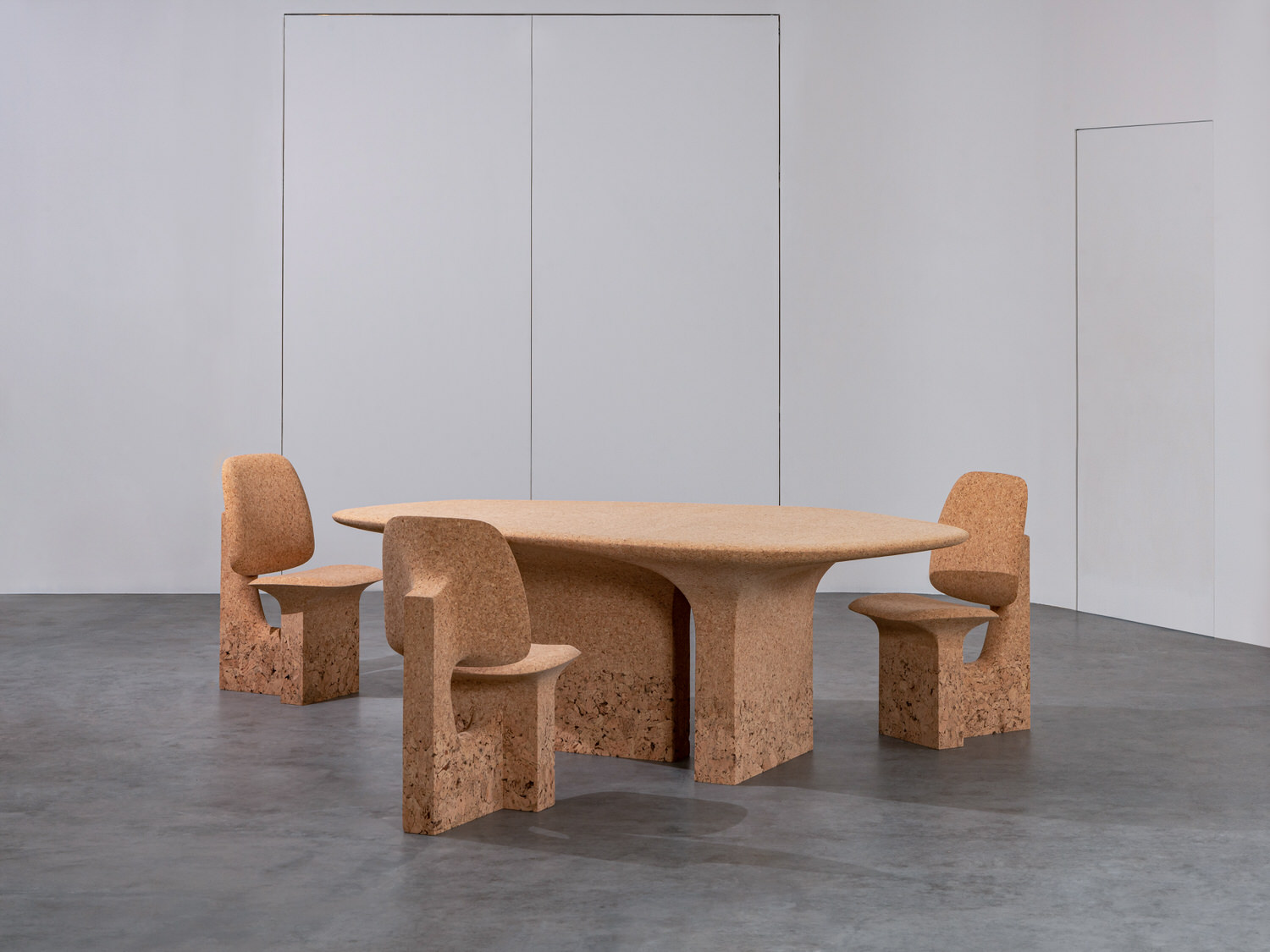
Given its shapeable characteristics, interior designers use cork for couches, tables, chairs, shelves, and storage. And while you can incorporate them in your home as they are, here are some tips you can apply to amplify their designs.
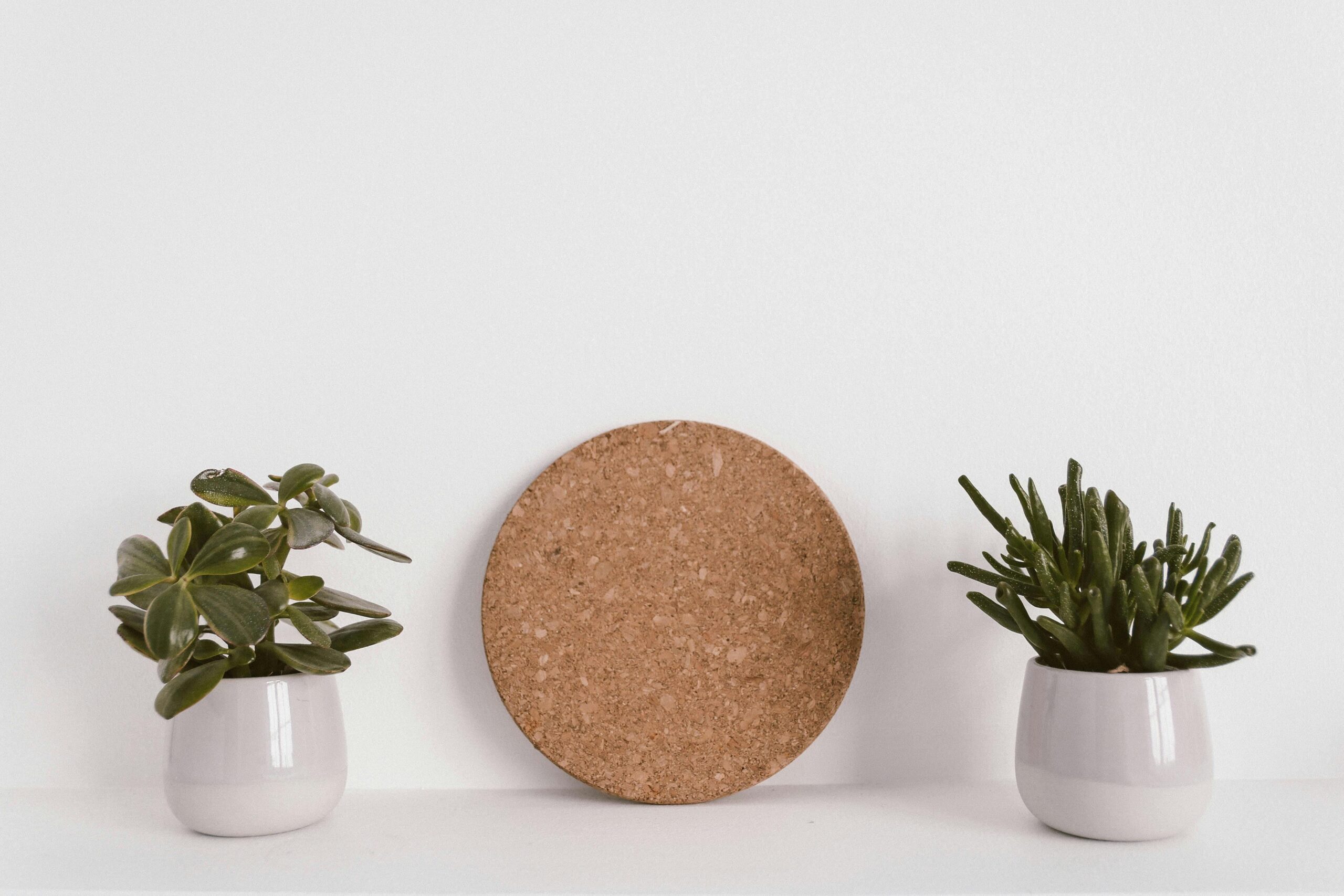
Incorporate Biophilic DesignBiophilic DesignAn approach that strengthens the connection between people and nature within the built environment. It uses daylight, natural ventilation, plants, water, organic forms, and natural materials to improve wellbeing, focus,Go to Biophilic Design Glossary. Cork furniture, with its raw light brown hue, blends well with greenery. This brings a touch of nature indoors and creates a relaxing ambiance with the combination of earthy colors. For sofas and stools, you can place them against a green wall or next to potted plants. Plants can also elevate simple side tables. For shelves and cabinets with limited space, choose smaller potted plants with less foliage spread. This will ensure they fit comfortably within the gaps.
Add natural textiles. Although cork furniture is already soft and spongy, you can still add natural fabrics to make them comfier. Textiles like cotton or linen provide additional texture while still keeping the furniture’s natural and laid-back look. Throw pillows and blankets make a perfect match for cork couches. Tables look great with runners, placemats, or tablecloths. And adding cushioned pads makes sitting on cork chairs even more comfortable.
Match with cork accessories. Complement your cork furniture with accessories to achieve a visually unified and stylish interior appearance. You can include cork coasters on your tablescape while trays can help organize open shelves. Hang pinboards above side tables and desks.
Cork may never escape its association with wine and notice boards. But now that it graces homes with practicality and sustainability, this material extends its potential beyond its common usage. Cork furniture, more than offering a unique style, reintroduces a natural product in a more evident light in interior design.
Read more: Top 4 Sustainable Local Materials in the Philippines
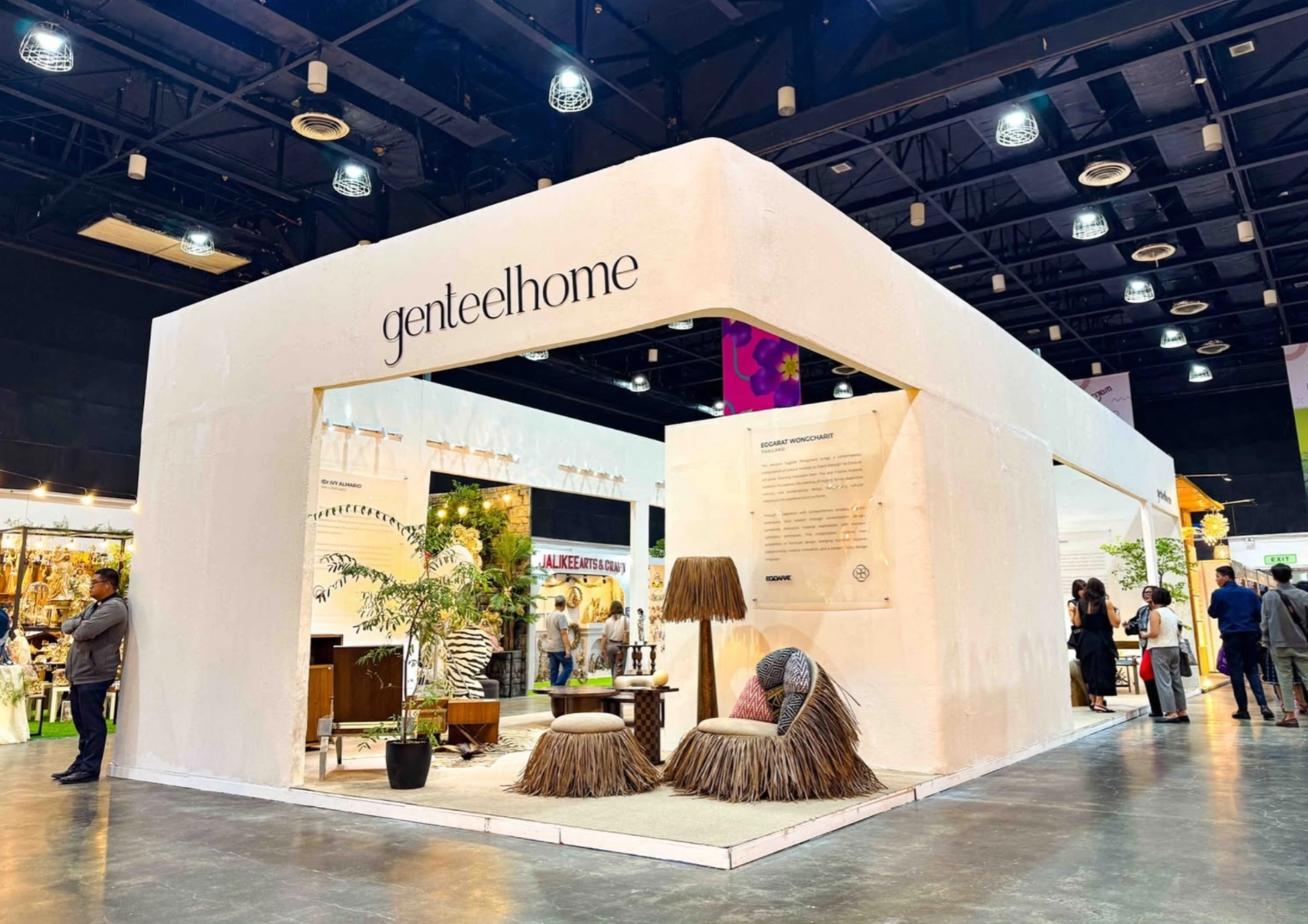
Bigkis is the act of binding. In Tagalog, the word can refer to something used to bind or encircle, as well as a bundle formed by tying several separate elements together. Figuratively, it can also mean a bond, union, or unity. The meanings move from the physical act of joining things together to the connection […]
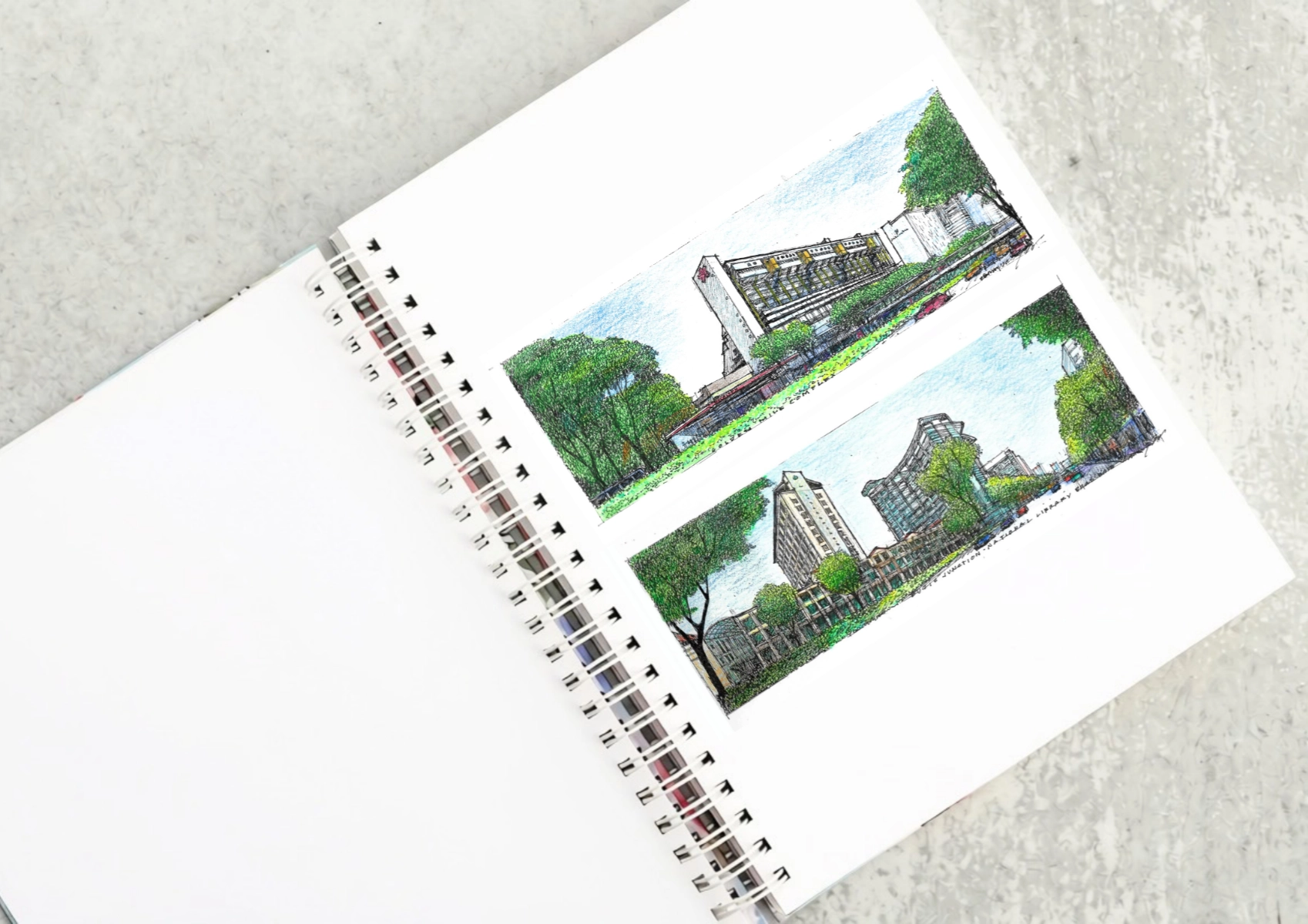
Two sketches of Singapore connect BluPrint Editor in Chief Paulo G. Alcazaren’s personal and professional history with Shared Ground: ArchitectureArchitectureThe art and science of designing and constructing buildings, structures, and spaces that are functional, safe, and aesthetically pleasing. It encompasses the planning, design, materials, and techniques used to createGo to Architecture Glossary of Care, Culture, […]
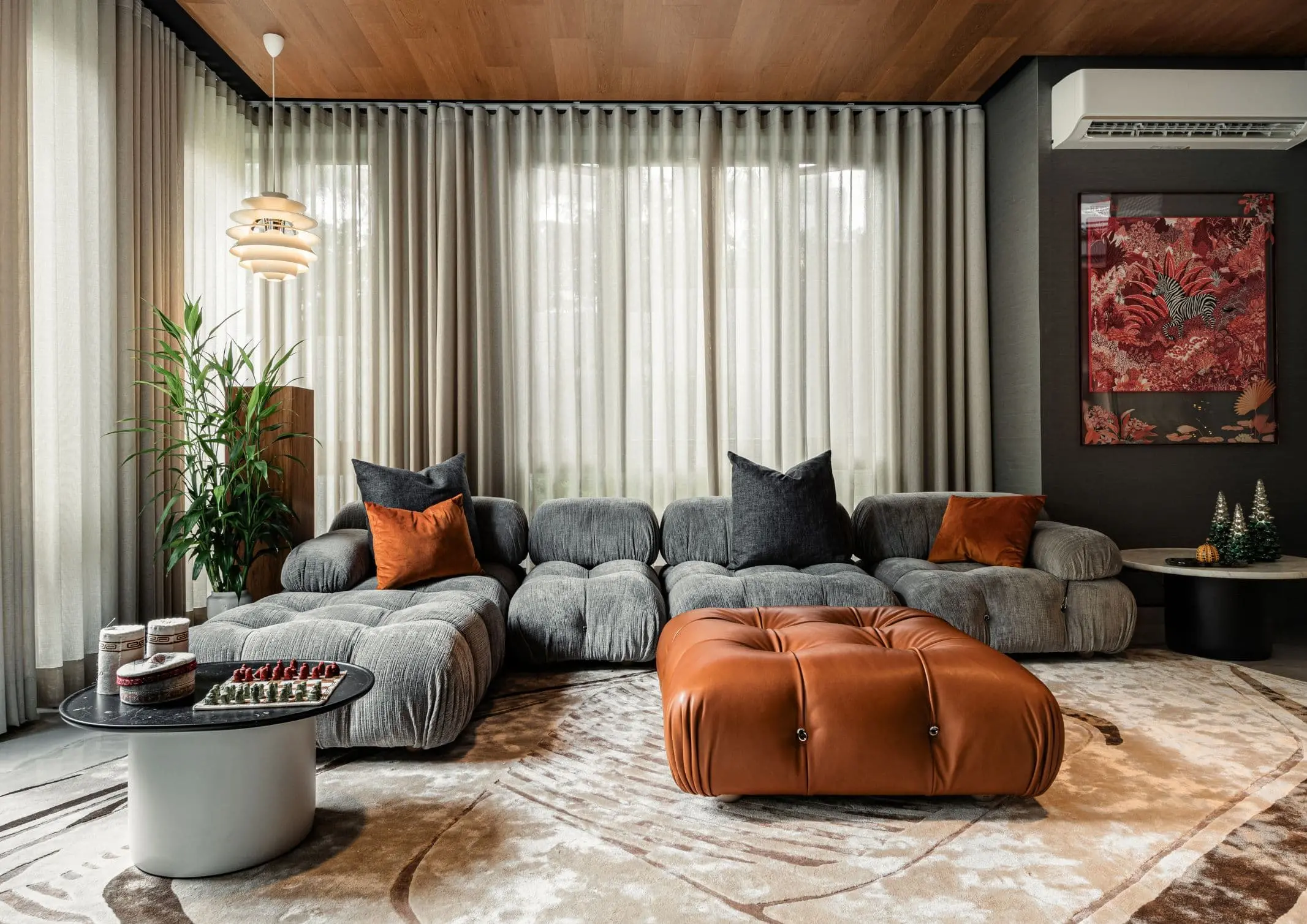
Some have become household names – Coleman, Oster, and KitchenAid – products that have found their way into Filipino kitchens, homes and family routines. In home furnishings, brands such as B&B Italia, Ethan Allen, Sub-Zero, Miele, SieMatic, Louis Poulsen, Hunter Douglas, Tempur, and Technogym, have helped shape the way Filipinos live. From everyday essentials to […]

In a way, designers are the modern-day soothsayers and prophets. They design for the future, predicting how a room, a house, a building or a whole city will be used by people. They foresee how users will interact with a space, conjure exact shades of colors to elicit specific behavior and arrange furniture to build […]
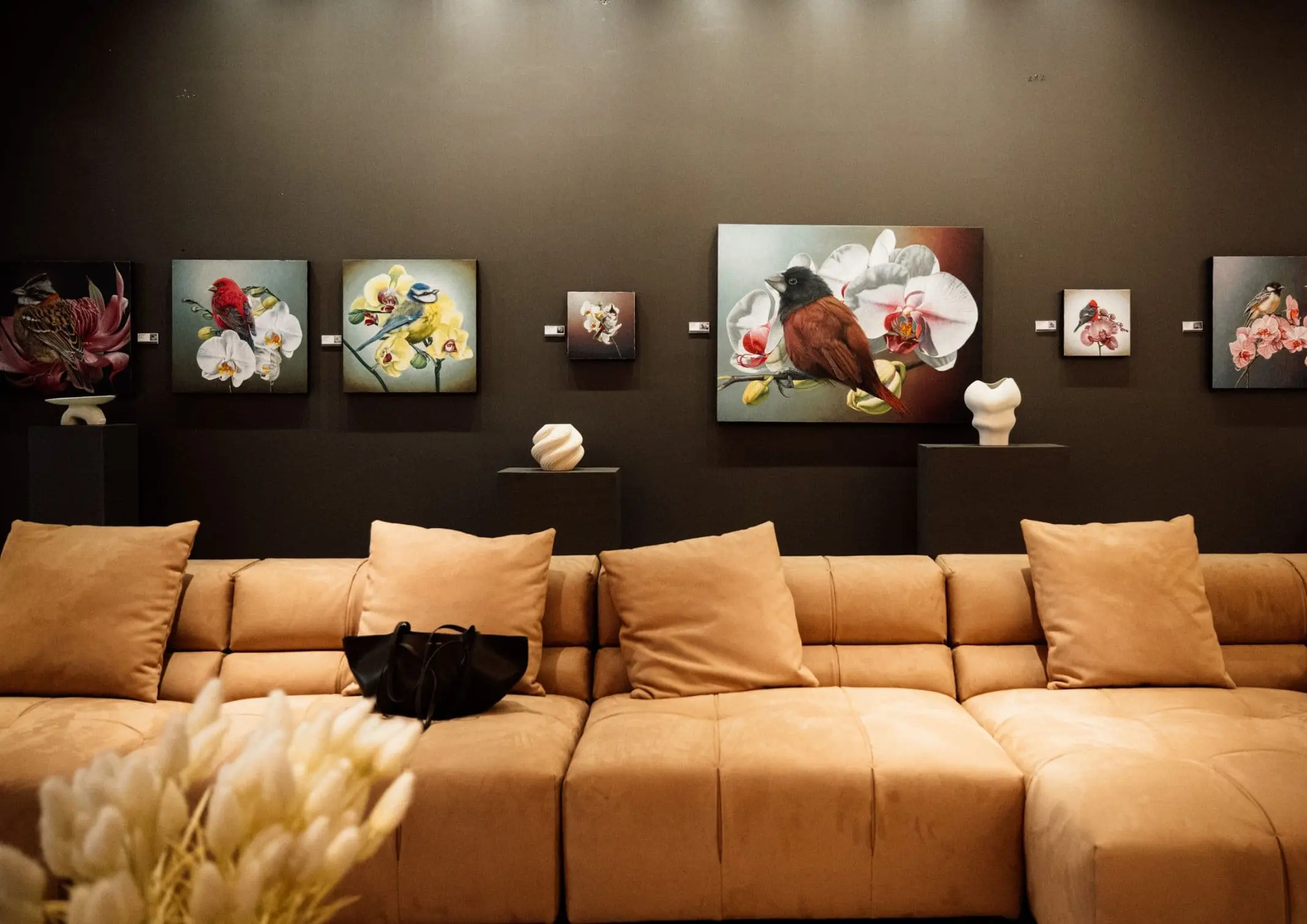
Art and furniture are often selected separately, yet their relationship can shape how a room looks and feels. The collaboration between Hooga and Galerie Joaquin explores how these elements can work together, bringing contemporary artworks into furnished residential settings at Hooga’s showroom in Uptown Mall, Bonifacio Global City. For Hooga, which curates furniture, lighting, and […]
Read the issues.

Collect the volumes.

Recommended Video
Tap to Unmute
Unmute
0:00
0:00