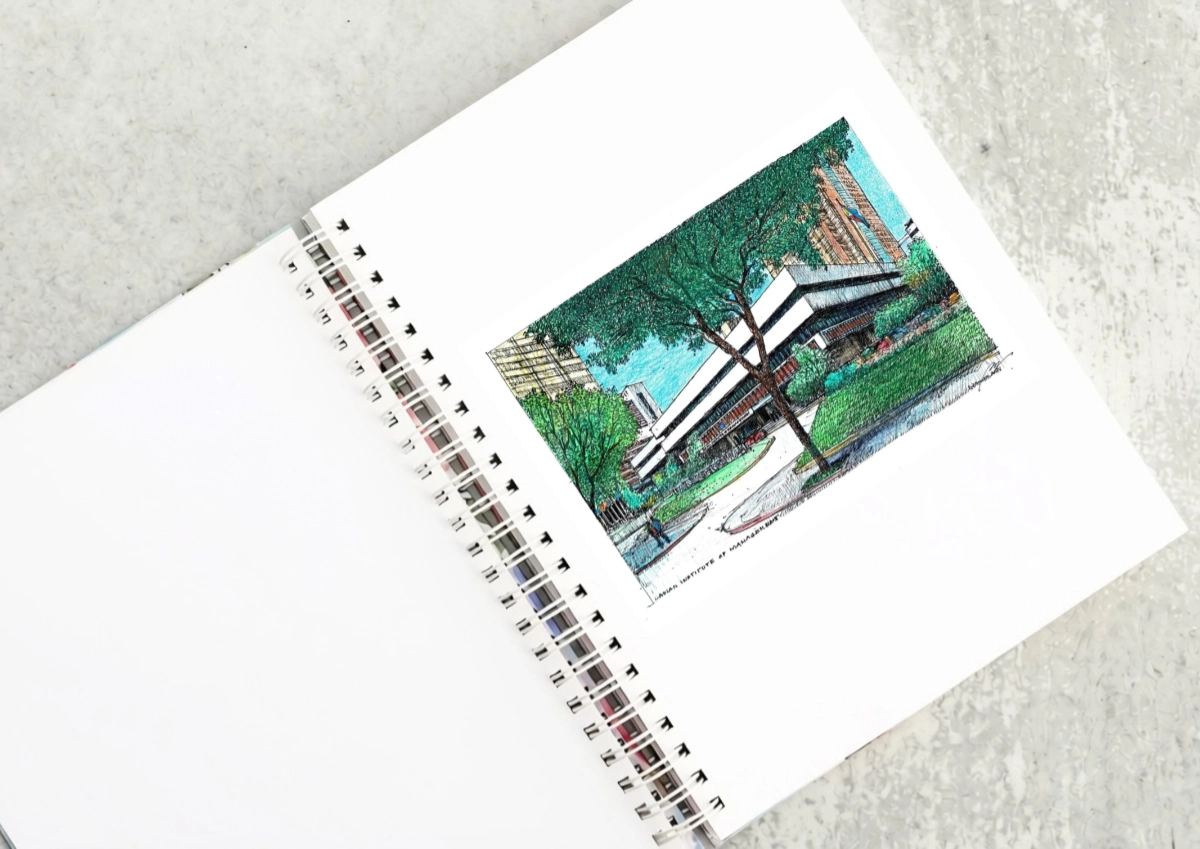
A Filipino Interpretation of Modernist Architecture Unlike the rest of Makati today, the northern end of Paseo de Roxas in Makati is anchored by a low complex rather than a tall skyscraper. This is the elegant Asian Institute of Management, designed by architect Gabriel Formoso and completed in 1971. In my opinion, the building is […]
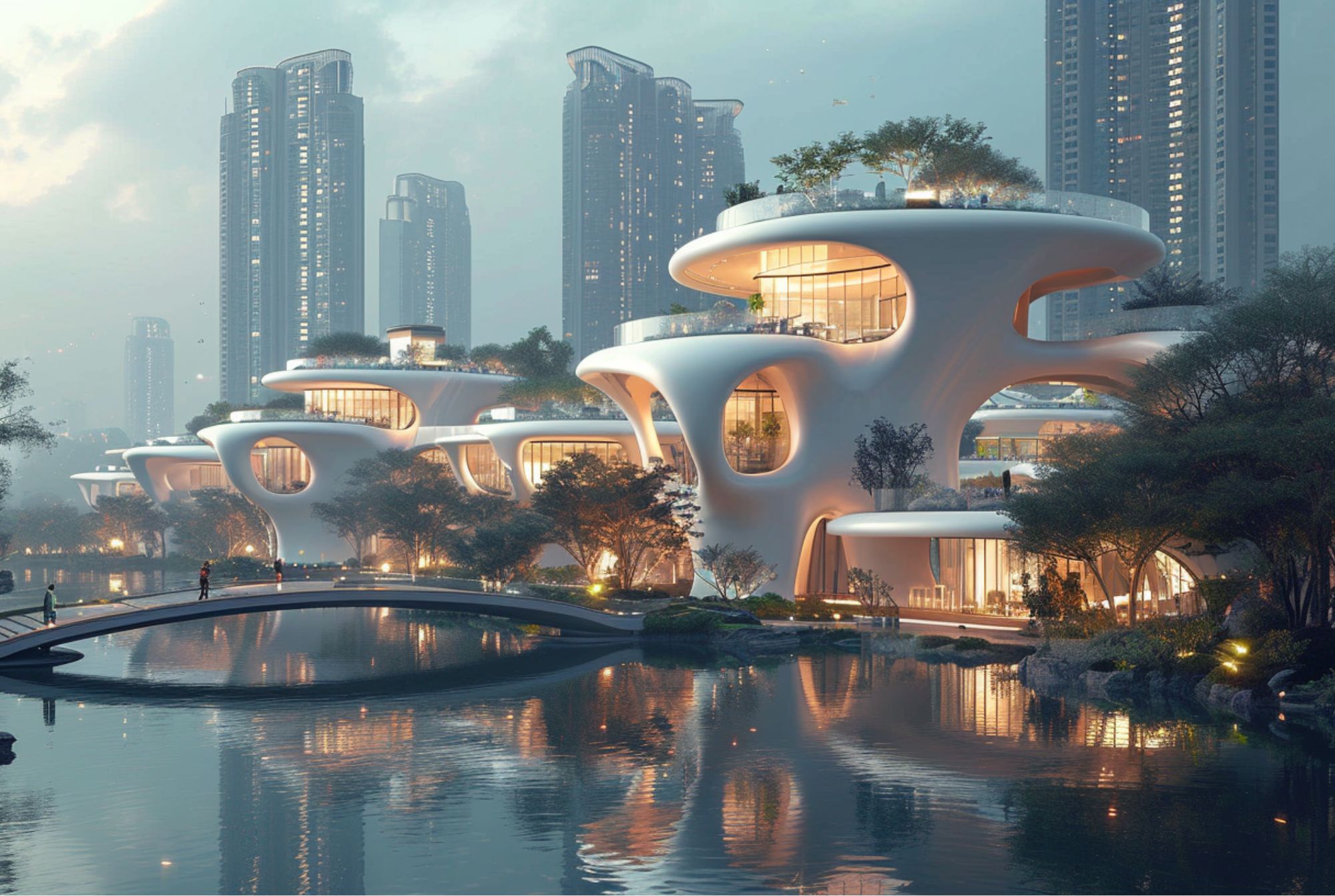
How Is Artificial Intelligence Disrupting the World of Architecture?



Architects have long been the visionaries who shape our built environment. But with the rise of Artificial Intelligence (AI), a question lingers: will AI disrupt the very essence of architectureArchitectureThe art and science of designing and constructing buildings, structures, and spaces that are functional, safe, and aesthetically pleasing. It encompasses the planning, design, materials, and techniques used to createGo to Architecture Glossary? While some architects fear being replaced by machines, a closer look reveals a more nuanced future – one where AI acts as a powerful tool, augmenting human creativity rather than supplanting it.
AI Applications
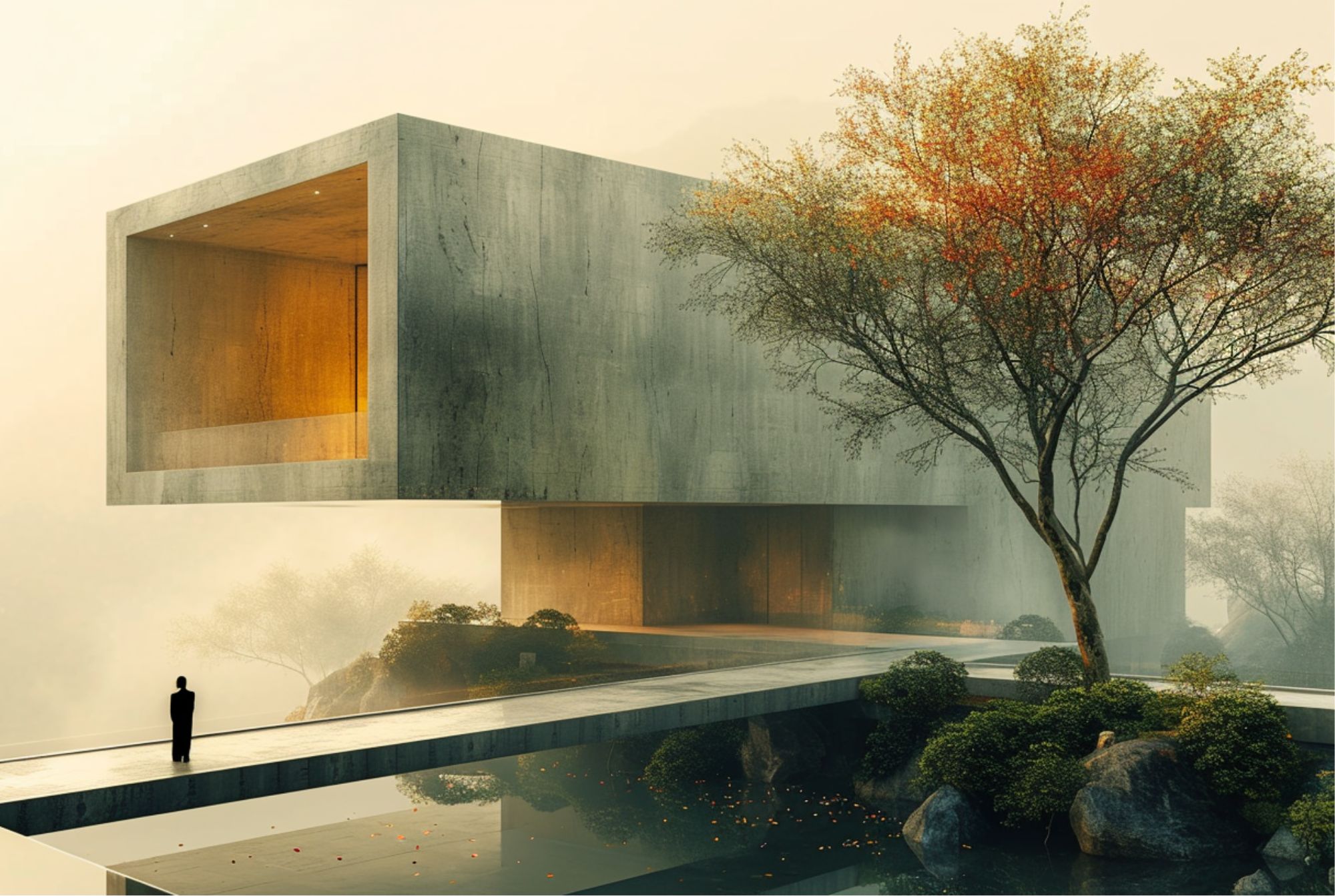
Artificial intelligence in architectureArchitectureThe art and science of designing and constructing buildings, structures, and spaces that are functional, safe, and aesthetically pleasing. It encompasses the planning, design, materials, and techniques used to createGo to Architecture Glossary has a multifaceted impact. One exciting avenue is its ability to explore previously unimaginable forms. AI can generate designs that play with curvilinear shapes, radical angles, and futuristic aesthetics. It can even blur the lines between established architectural genres, leading to entirely new styles. This capability pushes boundaries and opens doors to previously unexplored design possibilities.
Furthermore, AI can breathe new life into classical elements. Imagine AI-generated reinterpretations of columns, where the classic form is reimagined for a modern context. This ability to reinvent the familiar can lead to innovative and visually striking designs.
However, a crucial point to remember is that AI is not a replacement for the human element. The architect’s role remains central in the design process. AI tools are best utilized as a means to generate ideas and explore possibilities. The human touch then takes over, incorporating these ideas, refining them, and ensuring the design aligns with functional and aesthetic goals. This collaboration between human and machine paves the way for a more iterative and efficient design process.
A Non-Traditional Approach
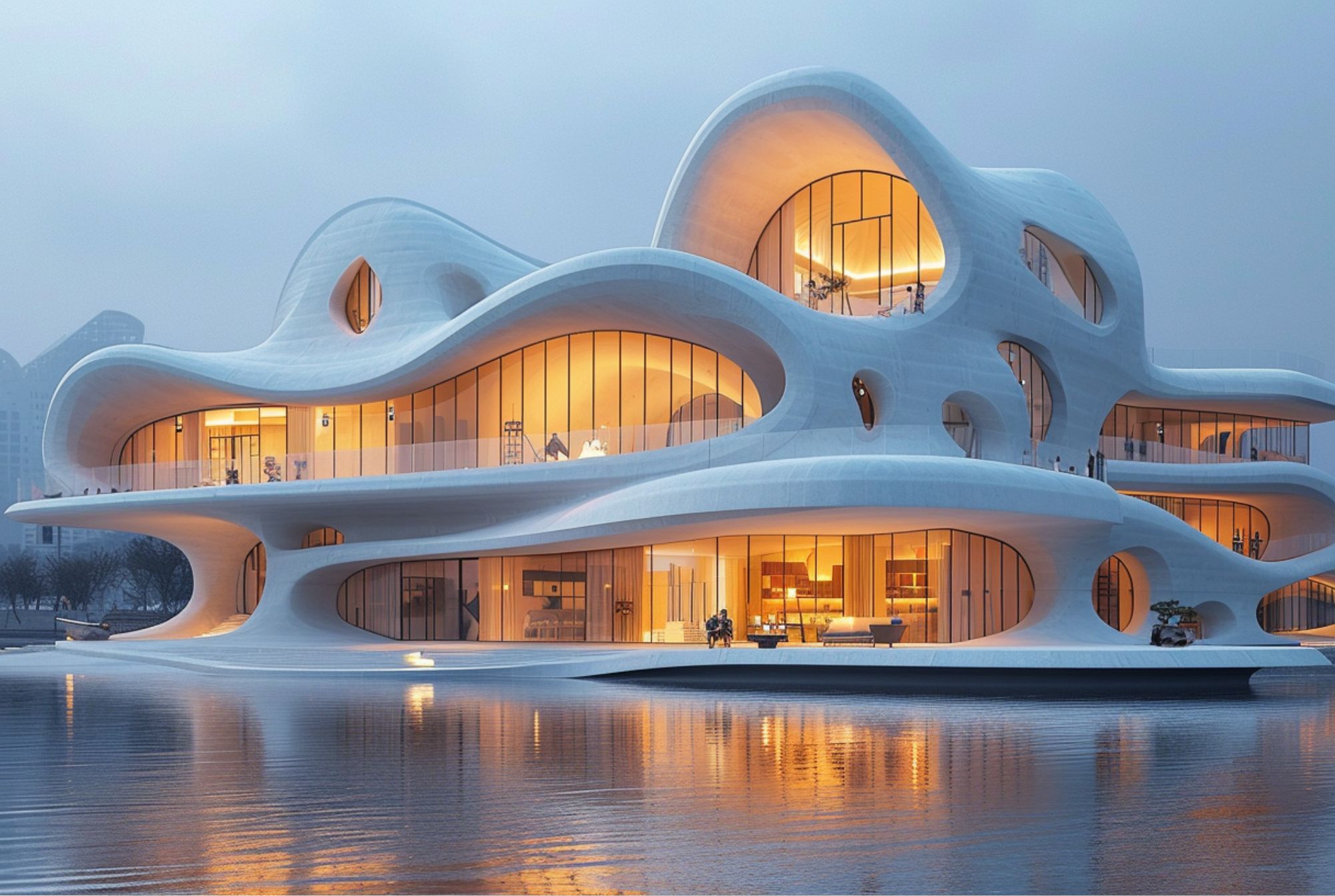
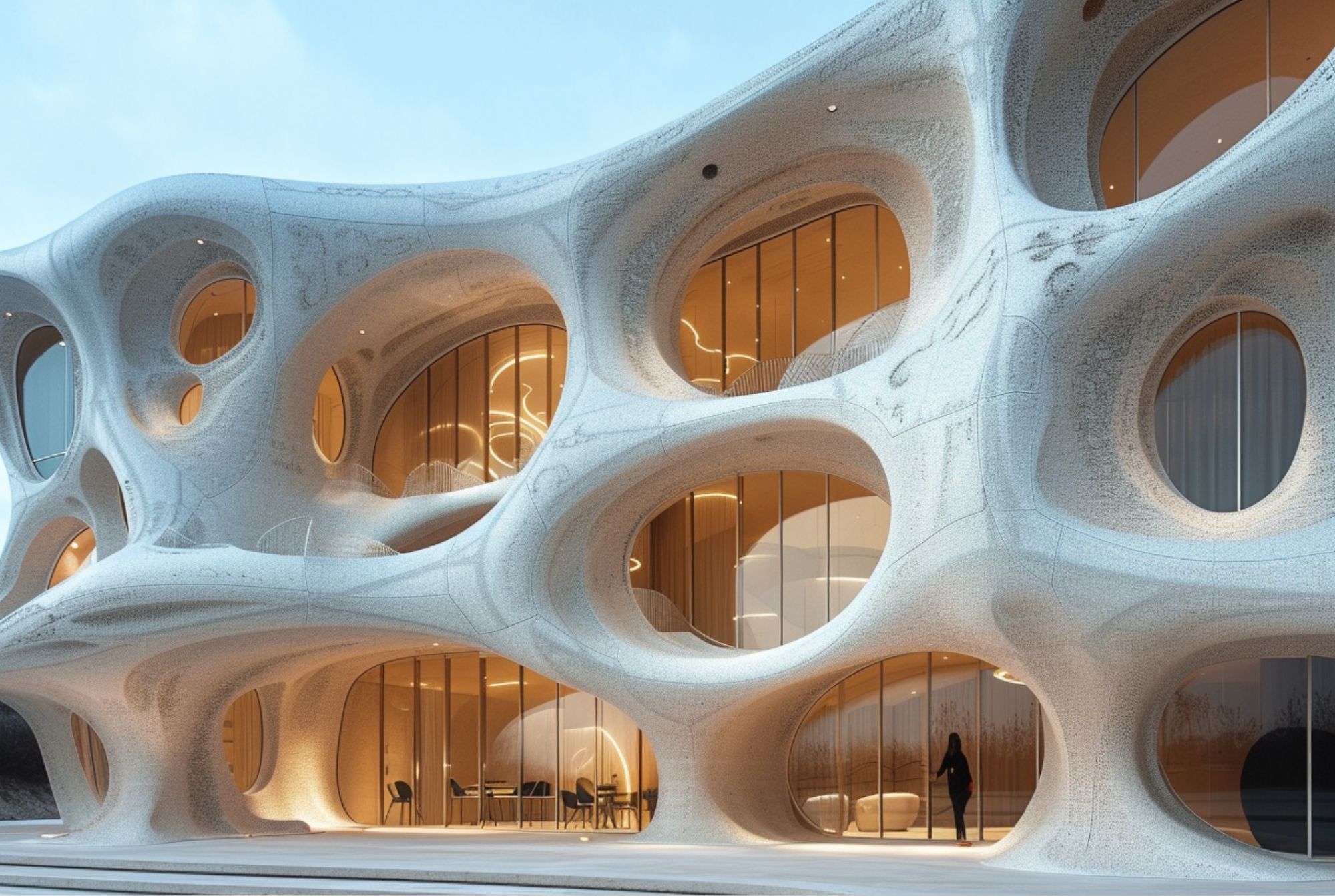
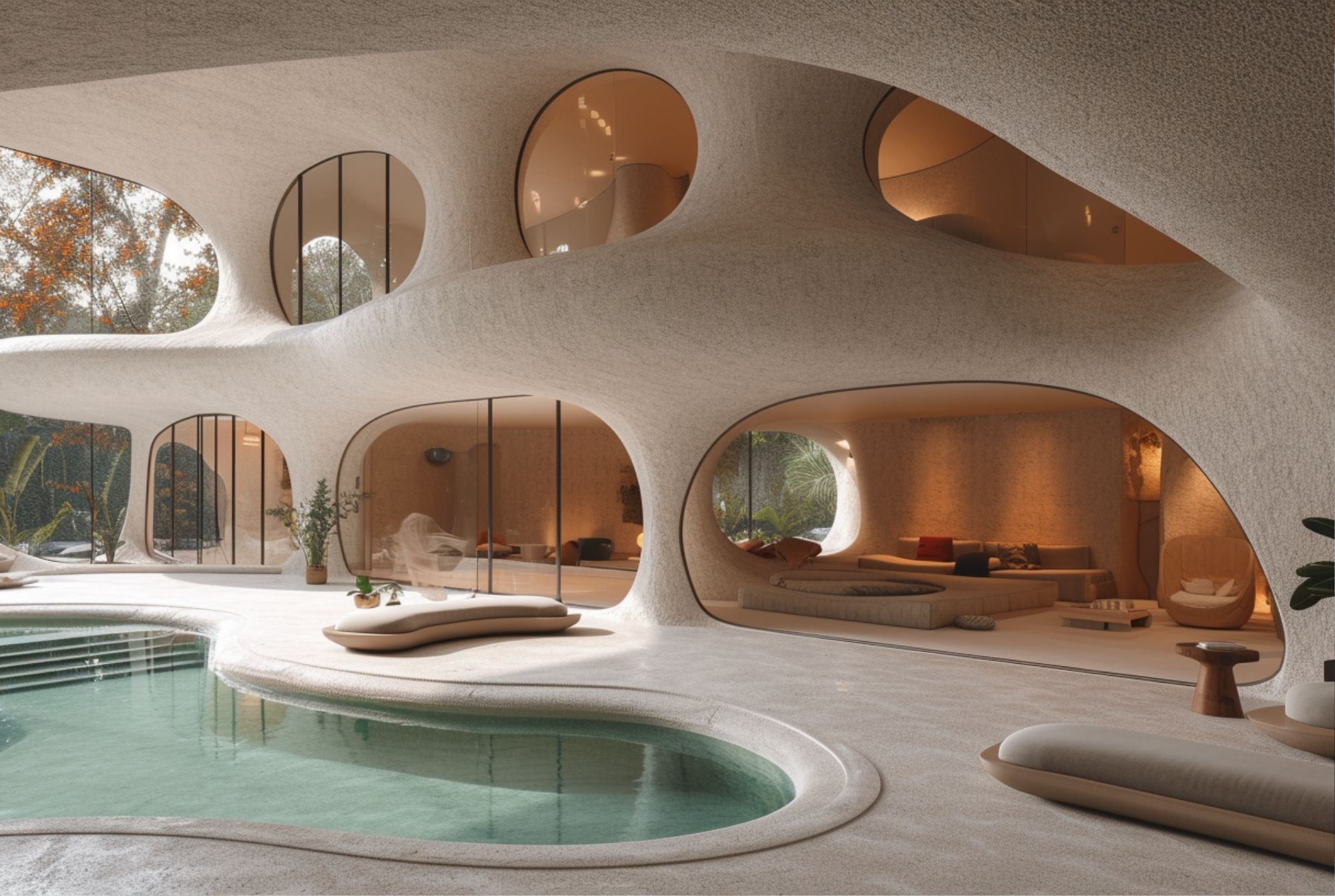
Architects can leverage AI to explore design thinking beyond their traditional disciplines. Imagine an AI-powered collaboration that combines the flowing lines of a shark-mouth bag with the futuristic flair of haute couture, resulting in a truly groundbreaking building design. This ability to break free from disciplinary silos opens doors to fresh perspectives and unexpected design solutions.
Several AI tools are already making waves in the architectural world. Studios like Mavimatt are utilizing AI to design furniture collections. Midjourney, Looka’ai, and Stability AI are offering varying degrees of control over the design process, with Stability AI’s ControlNet offering architects greater control over the final outcome.
These tools allow architects to “embrace the accident” in design. By prompting AI with specific parameters, architects can generate unexpected variations and happy accidents that spark new ideas. Furthermore, AI allows for infinite iterations, enabling architects to refine their designs with unparalleled speed and precision.
However, AI is not a magic bullet. The importance of hand sketching remains paramount. These sketches can still be used as prompts for AI, feeding the machine with a starting point that reflects the architect’s vision. The focus should not be on the perfect AI-generated design, but rather on using AI as a springboard for creative exploration.
Tim Fu on Using Artificial Intelligence in Architecture
During the United Architects of the Philippines’ 49th National Convention, Tim Fu—formerly of Zaha Hadid Architects and now the principal of Studio Tim Fu—exemplifies this approach. They have structured their office around AI technology, with dedicated research teams exploring different AI tools and design teams integrating these tools into their workflow. This human-centric approach ensures that AI remains a tool, not a dictator of design.
Another advantage of AI is its ability to translate design concepts into realistic models. By transferring styles to real-world models, architects can create near-photorealistic AI renders that provide a clear picture of their vision to clients. This clarity fosters better communication and earlier feedback, leading to more successful projects.


AI can also be used to create a sense of familiarity by incorporating traditional elements into contemporary forms. By working with different datasets, both historical and contemporary, architects can leverage AI to develop innovative facades and structures that resonate with their surrounding environment.
However, it’s important to remember that artificial intelligence in architecture is a tool, not a designer. It lacks its own style and relies on prompts from human architects. This means that every architect can develop their own unique style through the AI design process. Ultimately, the human touch guides the selection of parameters and refines the design based on functional and aesthetic considerations. This ensures that the final product is both innovative and adheres to the architect’s vision.
Architecture Remains Human-Centric
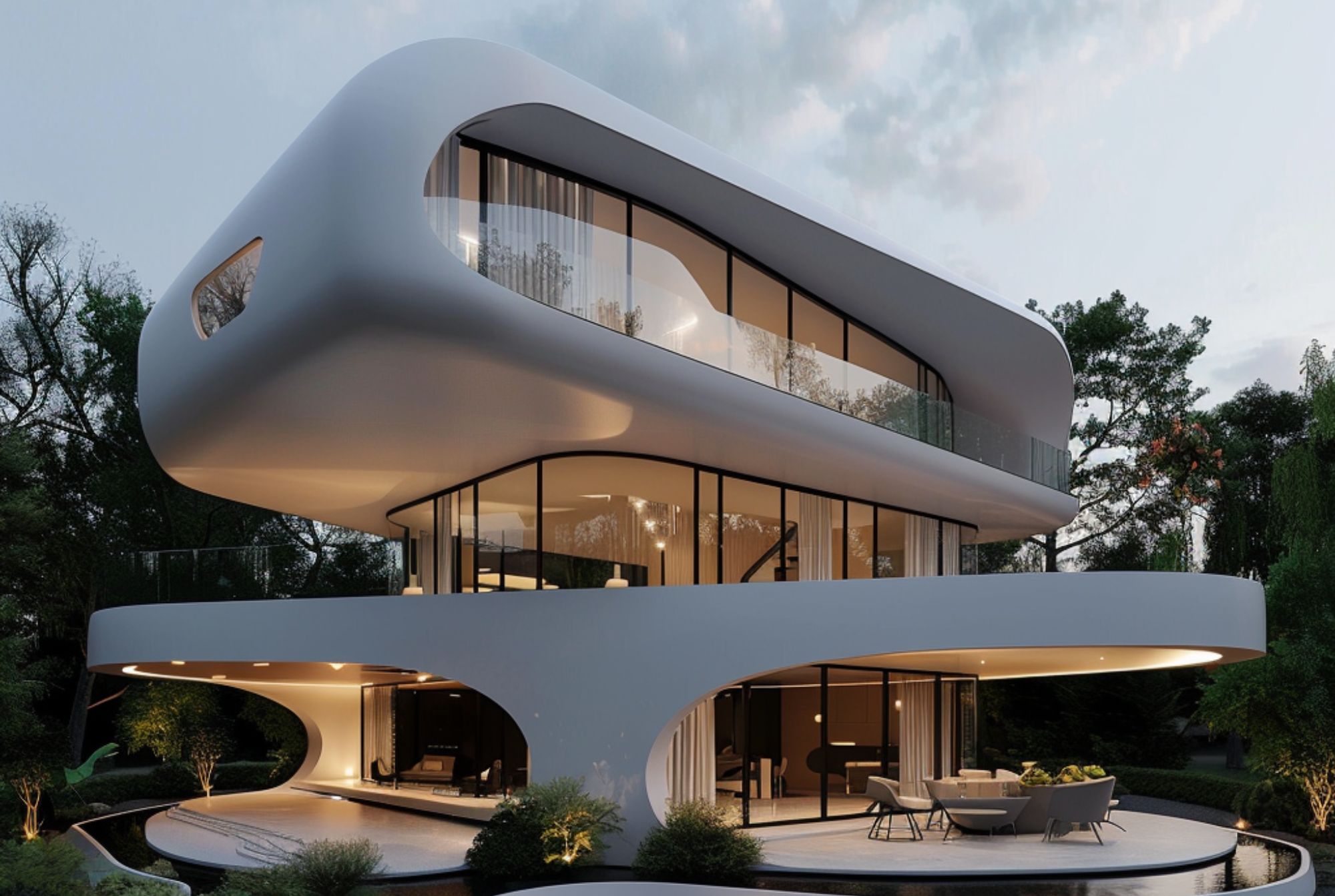
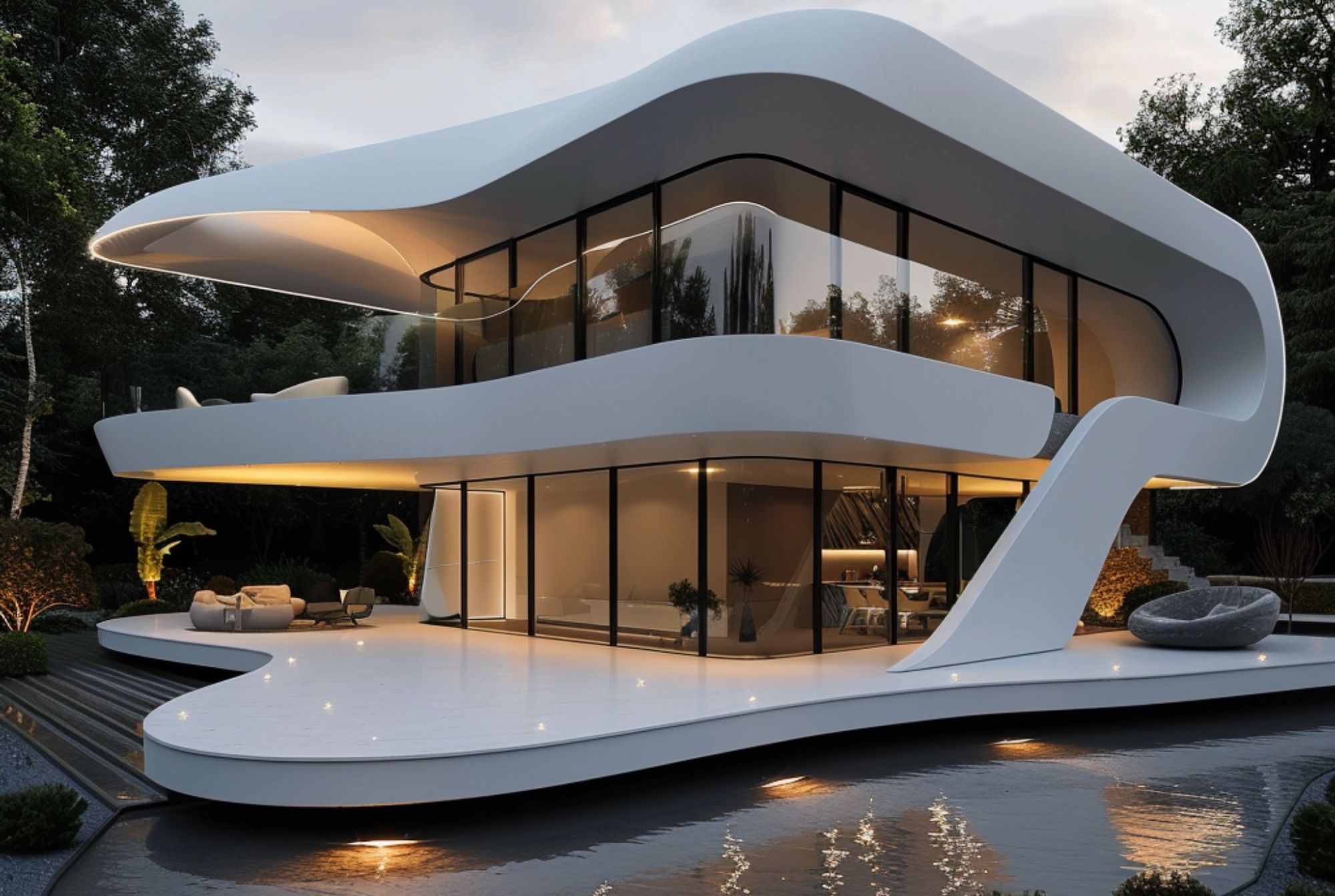
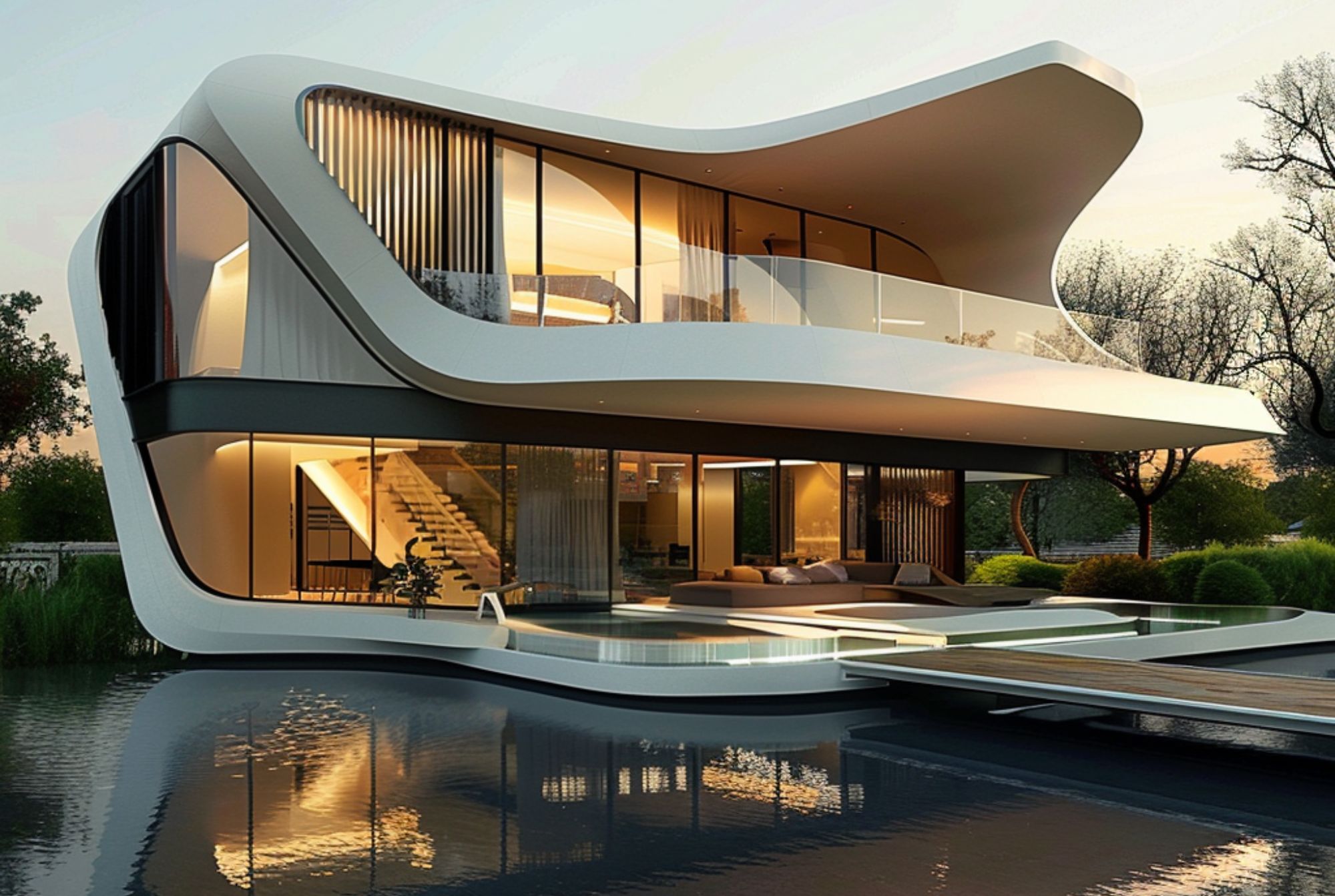
While AI cannot replace the need for human rationalization and problem-solving in design, it can provide architects with valuable quantitative data that allows clients to better understand the project’s potential. This data can facilitate clearer communication and better feedback throughout the design process.
AI tools like Stable Diffusion can offer more accurate results, while Midjourney can generate more creative variations. The key lies in striking a balance between control and creativity, allowing architects to harness the full potential of AI.
Ultimately, AI represents a spectrum of possibilities. Architects can choose the level of involvement they desire, from traditional sketching to AI-powered modeling and detailing. This flexibility allows architects to seamlessly integrate AI into their existing workflow, creating a hybrid design process that leverages the strengths of both humans and machines.
While artificial intelligence in architecture continues to make waves, it’s important to remember it’s still in its early stages. However, AI is rapidly evolving, and those who can adapt to this changing landscape might just be the ones who get ahead.
Read more: Bahay na Bato Architecture: 10 Amazing Homes
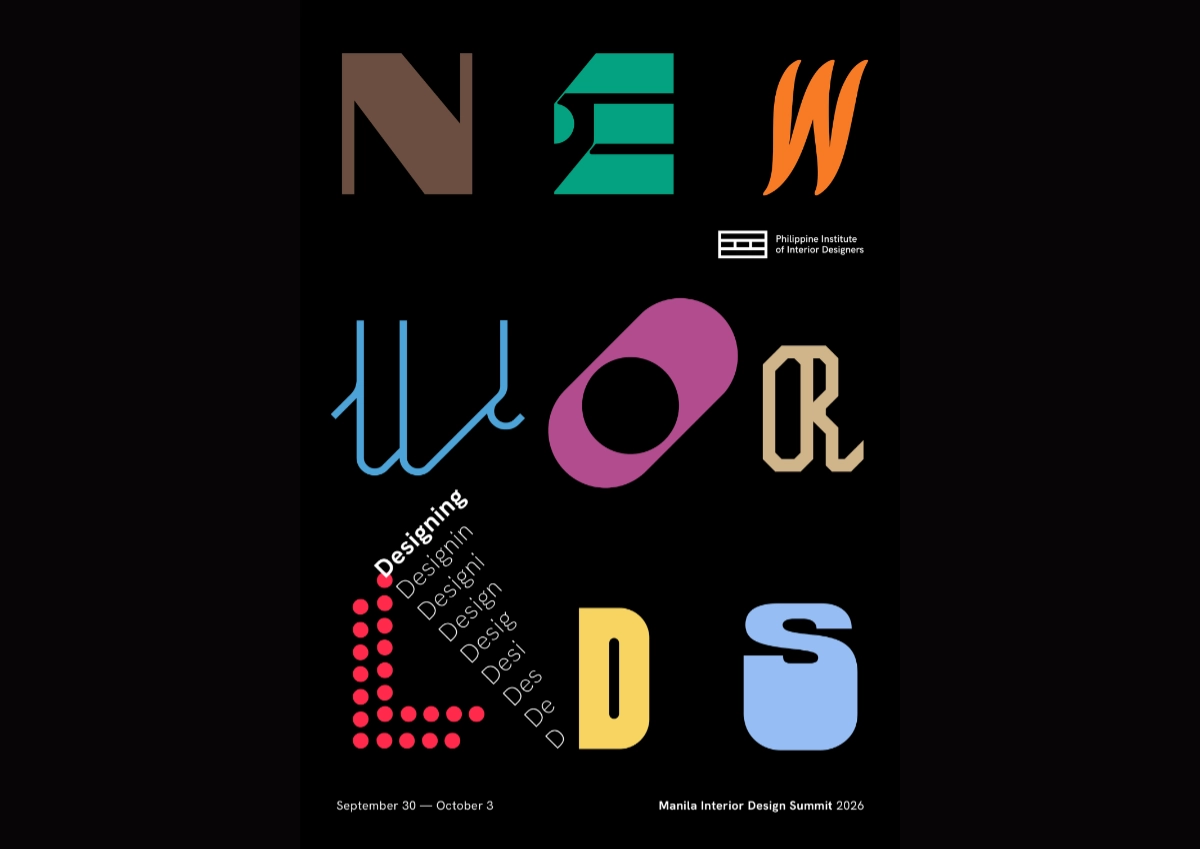
“Thailand has claimed urban creativity and livability. Singapore has institutional design leadership. Indonesia is emerging as a design hub. Vietnam is moving into design innovation. And the Philippines? Its position is not weak. It is simply unclaimed.” For IDr. Cecil Ravelas, National President of the Philippine Institute of Interior Designers (PIID), the challenge is not […]
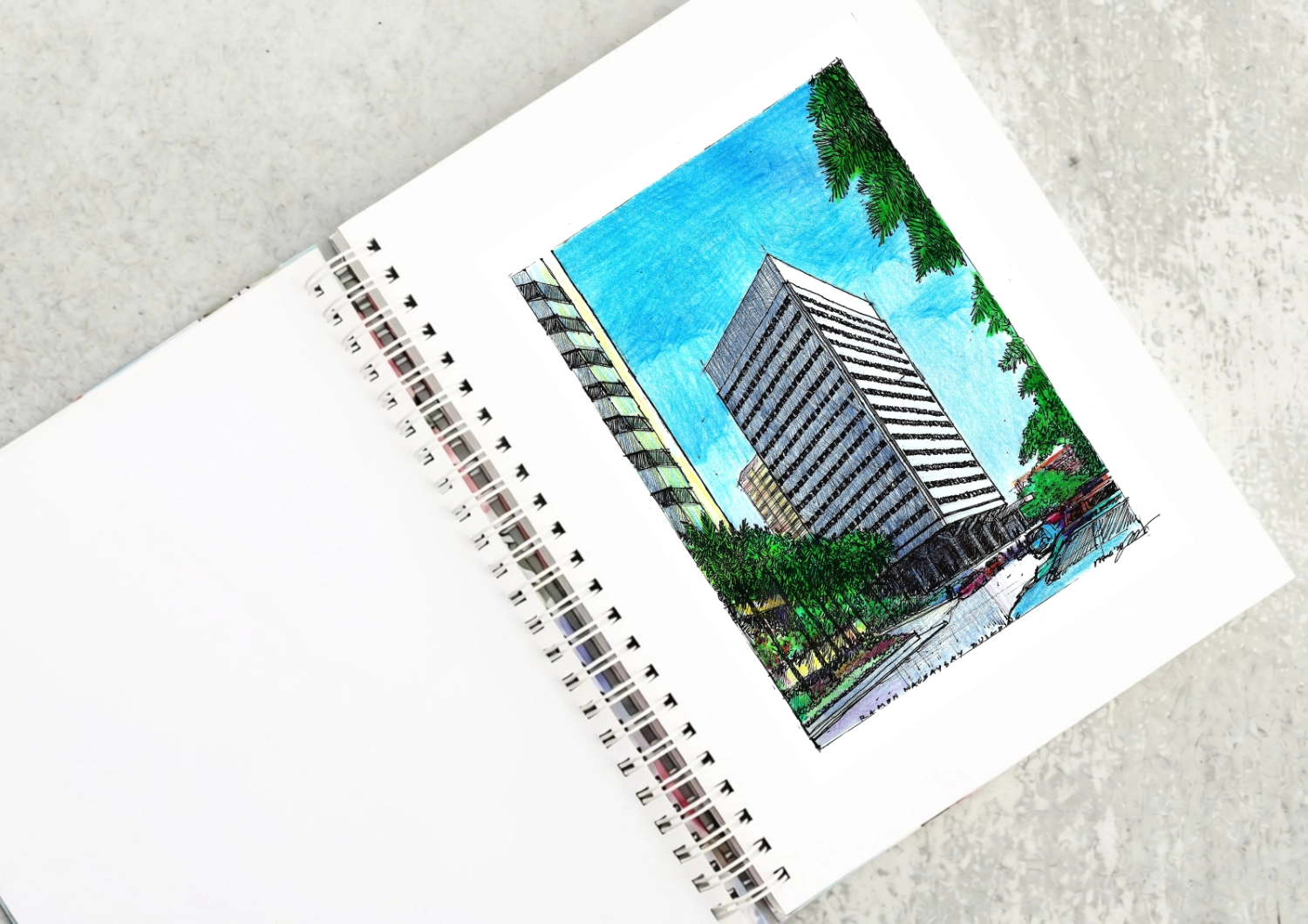
The Ramon Magsaysay Center as a Modernist Landmark Driving down Roxas boulevard from Rizal Park, what will catch your eye is the most elegant modernist structure in the country, the Ramon Magsaysay Center. Most established Filipino architects put it in their top ten lists of favorite buildings. It was designed by Alfredo J. Luz, who […]

Rinna Soriano’s favorite part of her work is sanding. At her workbench, she stays focused, following the grain, adjusting to changes in its direction. Narra, she has learned, can have interlocking grain. A piece of mango once proved particularly difficult until a worker explained that she had reached the point where a branch once grew […]
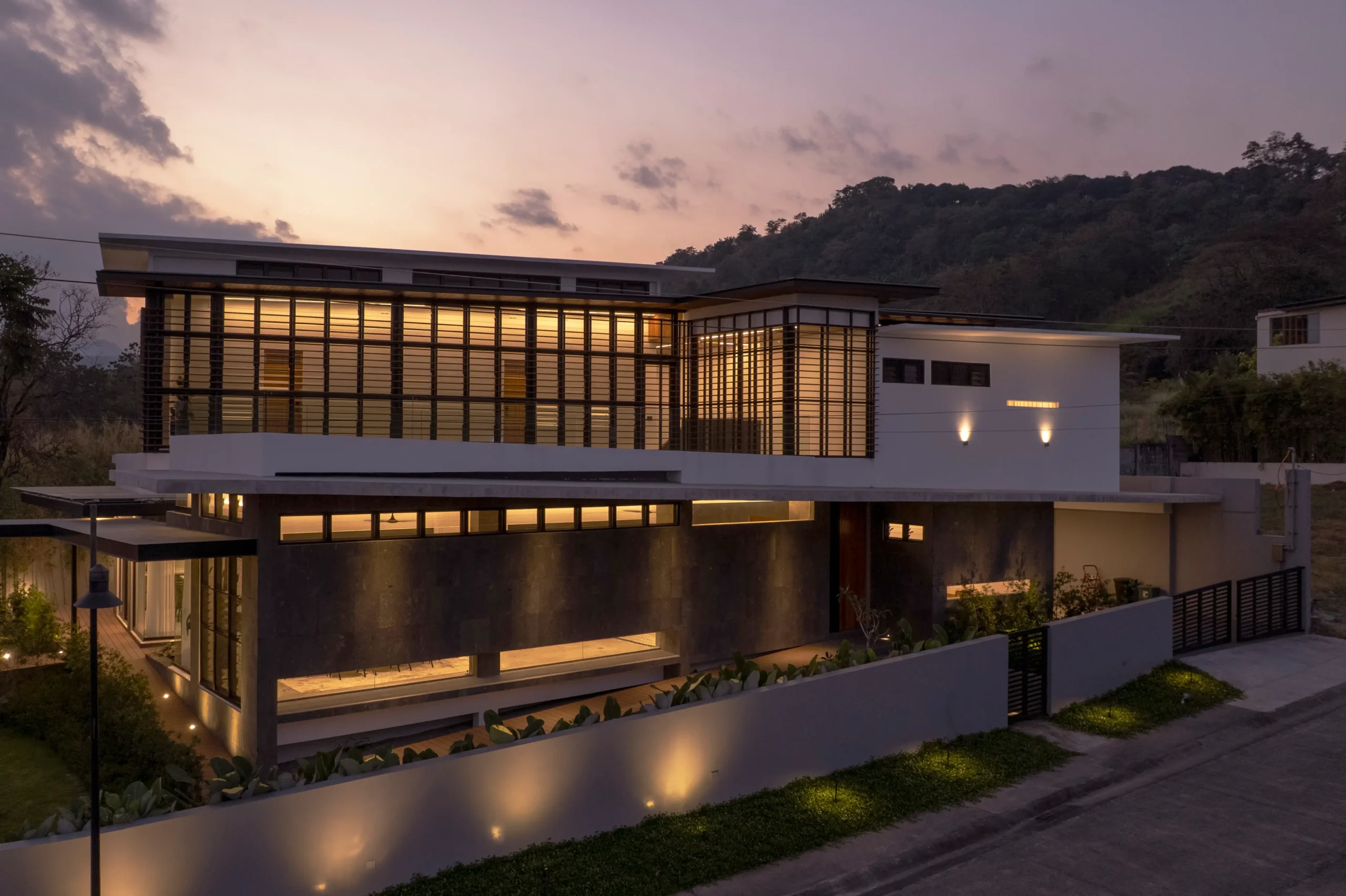
Filipino architectureArchitectureThe art and science of designing and constructing buildings, structures, and spaces that are functional, safe, and aesthetically pleasing. It encompasses the planning, design, materials, and techniques used to createGo to Architecture Glossary has long been associated with indigenous materials and vernacular design strategies, from bamboo and timber construction to jalousie windows, generous spaces, […]
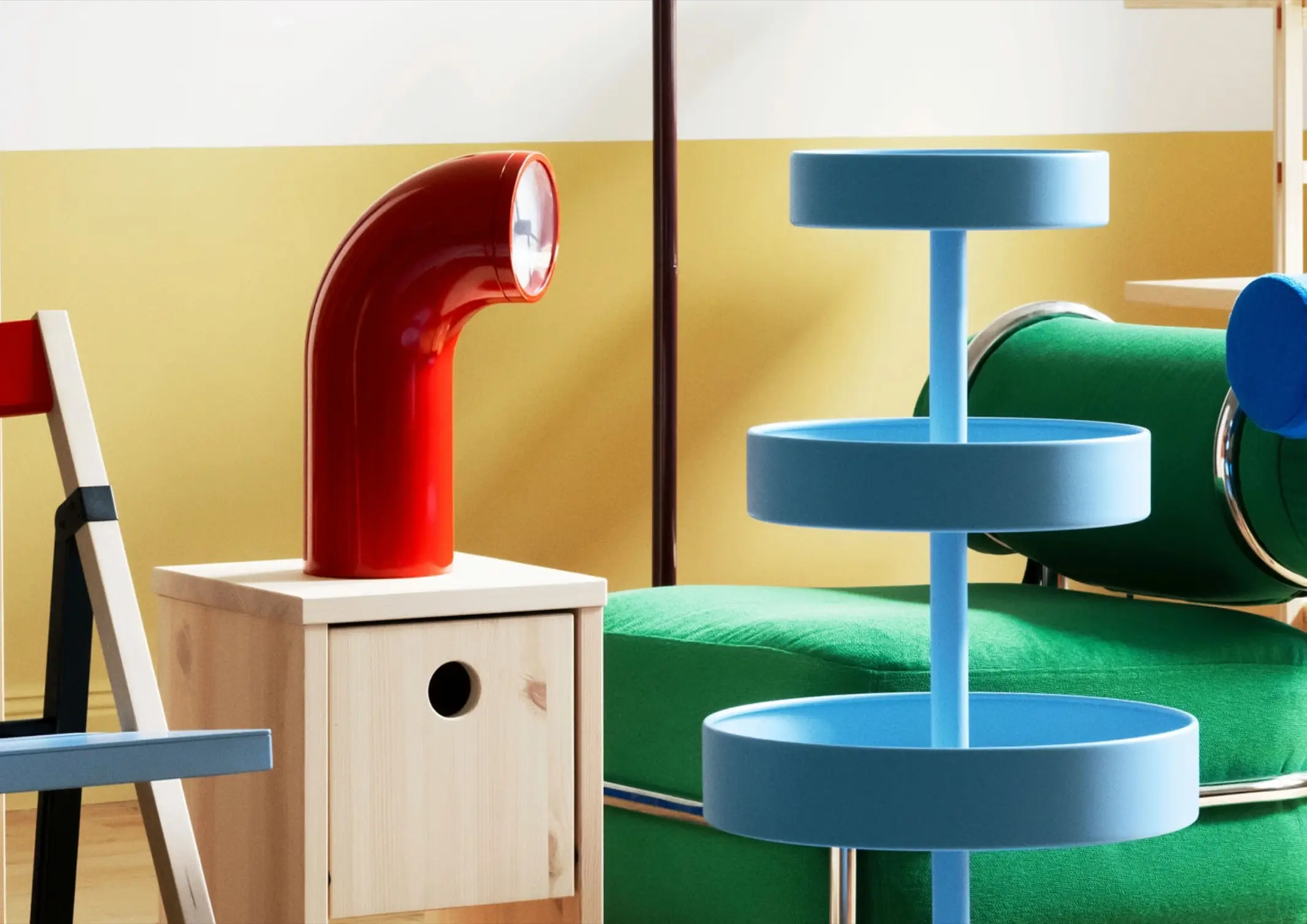
A chair does not always prescribe how to sit in it. A lamp can be more than a source of light. A clock can be more than a way to tell the time.These small departures from convention are at the center of IKEA PS 2026. The latest iteration of IKEA’s experimental PS series comprises more […]
Read the issues.

Collect the volumes.

Recommended Video
Tap to Unmute
Unmute
0:00
0:00