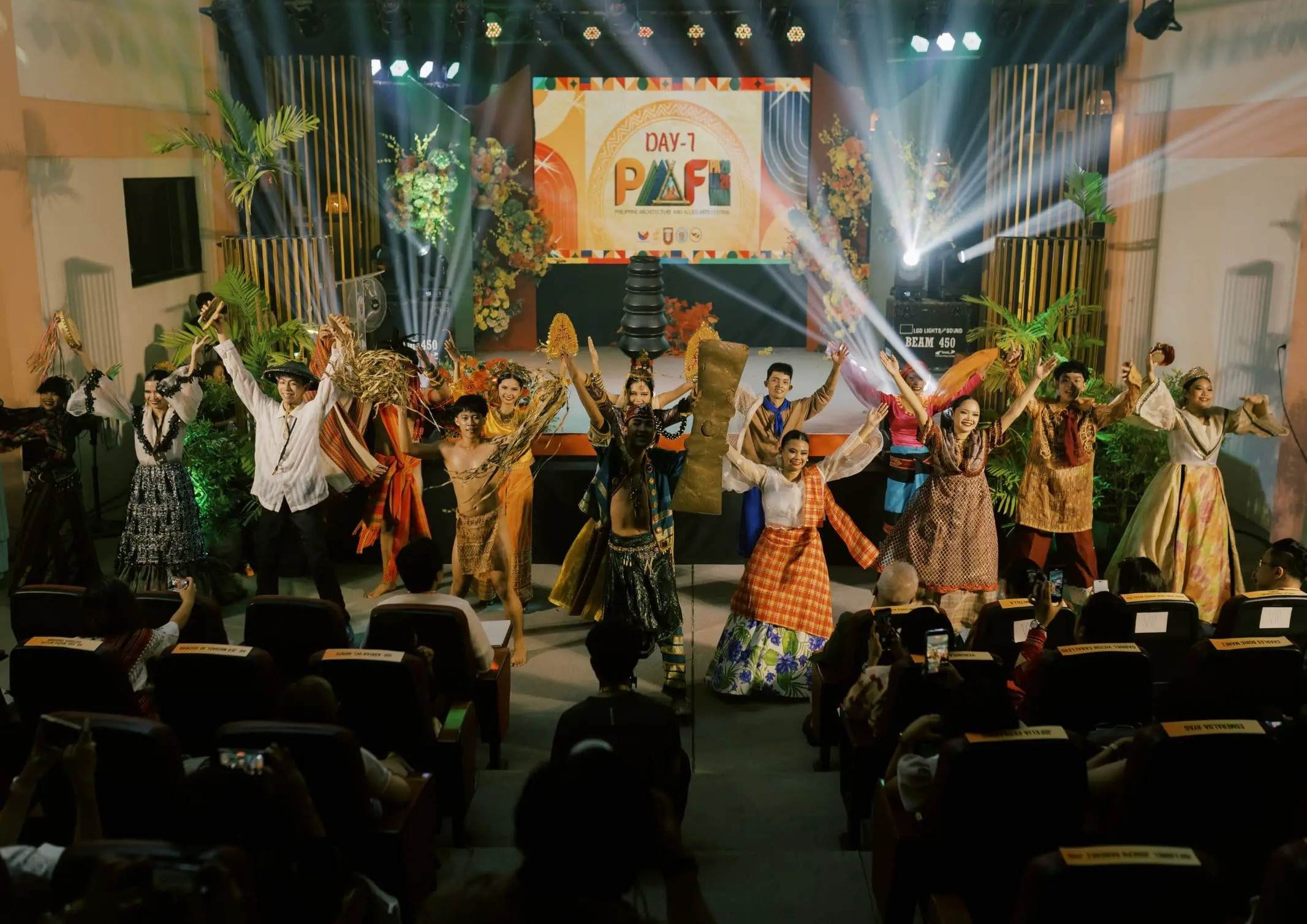
Back for its third edition, the Philippine ArchitectureArchitectureThe art and science of designing and constructing buildings, structures, and spaces that are functional, safe, and aesthetically pleasing. It encompasses the planning, design, materials, and techniques used to createGo to Architecture Glossary and Allied Arts Festival (PAAAF) brought conversations around architecture and its related creative fields to […]

Salvador Alonday’s ‘Copula’ Deconstructs Our Myths and Worship


Copula was the recent exhibit for artist Salvador Alonday shown in Artinformal Gallery in Makati from April 25 to May 23, 2024.
Alonday’s exhibit explores the use of different media to sift through the history we have with our religious symbols. From paintings to vases to busts and statues, the artist attempts to decontextualize our myths and to better understand their meanings.


“At every encounter, our symbols become alive in communion with the moment when they were first created, and across a lifetime, we fashion links for reciprocal beckoning of the internal and external,” he wrote about the exhibit. “The meaning is ready even before the object becomes manifest, separated only by a thin veil of recognition of that harmonious interplay of patterns in a world where everything and everyone are connected.”
The Mundanity of Religion
Copula presents religious and mythical beings with a degree of ordinariness in their interactions with the world. We usually depict these things with a sense of awe; one can look at Renaissance paintings to see how religious and mythical figures tend to be bathed in adoration.
But Salvador Alonday’s approach to the figures gives a sense of detachment to the proceedings—not necessarily removing their power, but rather removing their mystique. Some of the paintings even riff on established myths from history.


“Trans-fixion & Lilitu” portrays a nude woman sitting on a table while looking at a partially-living bust of what appears to be Medusa. Instead of fearing the gorgon, she has an expression of boredom with her eyes closed. The piece is accompanied by a terracotta statue of a woman, fitted back together after being broken into pieces, looking up with distaste for the audience.
“Sa Lilim ng NarraNarraThe national tree of the Philippines, Pterocarpus indicus, prized for its durable, reddish-gold hardwood and handsome grain. Traditionally used for furniture, flooring, and carved panels, narra is now protected fromGo to Narra Glossary,” meanwhile, shows a tikbalang sitting naked just outside a nearby bahay kubo. The creature looks at the house questioningly, as if waiting to be met outdoors by someone else.
Reinterpreting Religious Symbols
The paintings and works in other media demonstrate the lack of wonder one would most likely feel when seeing these creatures in our day-to-day lives. A hybrid creature or a deity could strike fear in a lot of people. But with how we process our lives around us, it’s also likely that our minds will find ways to justify it within our environments. They do belong in it as much as we do.
The other side of this exhibit shows our own processes to justify and normalize the strange. “The Block” or “Amelēs Potamos: Ilog ng Pagkalimot” portrays people melding into their surroundings as they struggle to understand the strangeness happening in front of them.


Alonday doesn’t give them expressions of wonder or fear or the like. For the most part, it’s just confusion or begrudging acceptance. They don’t know what’s happening, and the surprise is evident in their faces, but it is happening, and their expressions contain the feelings of people who are working out the proper response to the situation.
Copula partakes in the long line of deconstructive paintings related to our religious and mythical views. It questions our worship, the way we see some of these figures in our history: are they really as magical or important as we think they are, or have we confused being different to being a figure worthy of worship?
Related reading: ‘Clouds Come Floating’: Exploration of Skill and Creativity as Worship
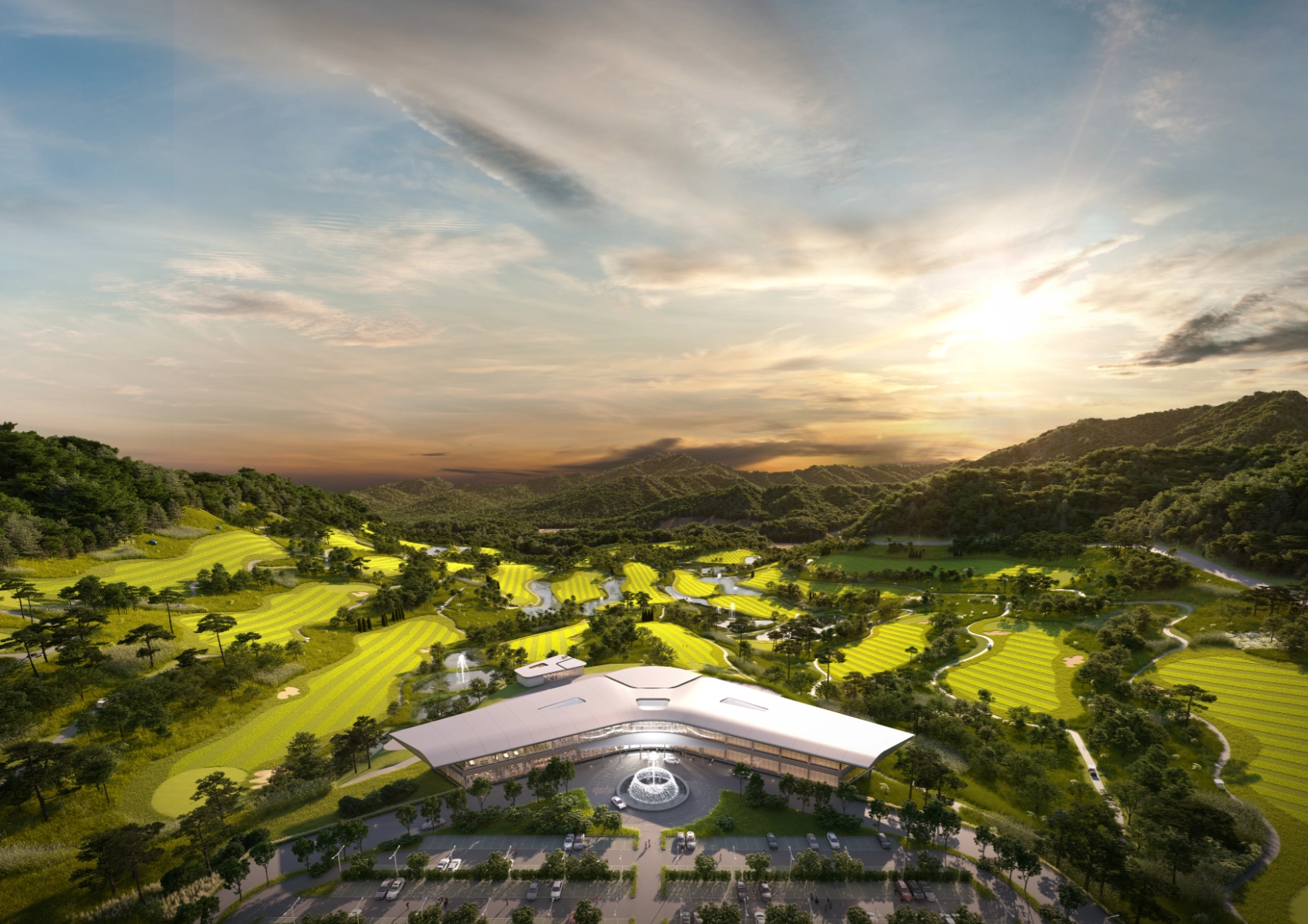
“Our first question is, ‘Who will use this place, and what will they experience here?’” says HAENGLIM Architects & Engineers President Onejae Lee. For golf and leisure projects, this extends across the visitor journey, from arrival and the first encounter with the landscape to recreation, dining, relaxation, and departure, while also accounting for staff circulation […]
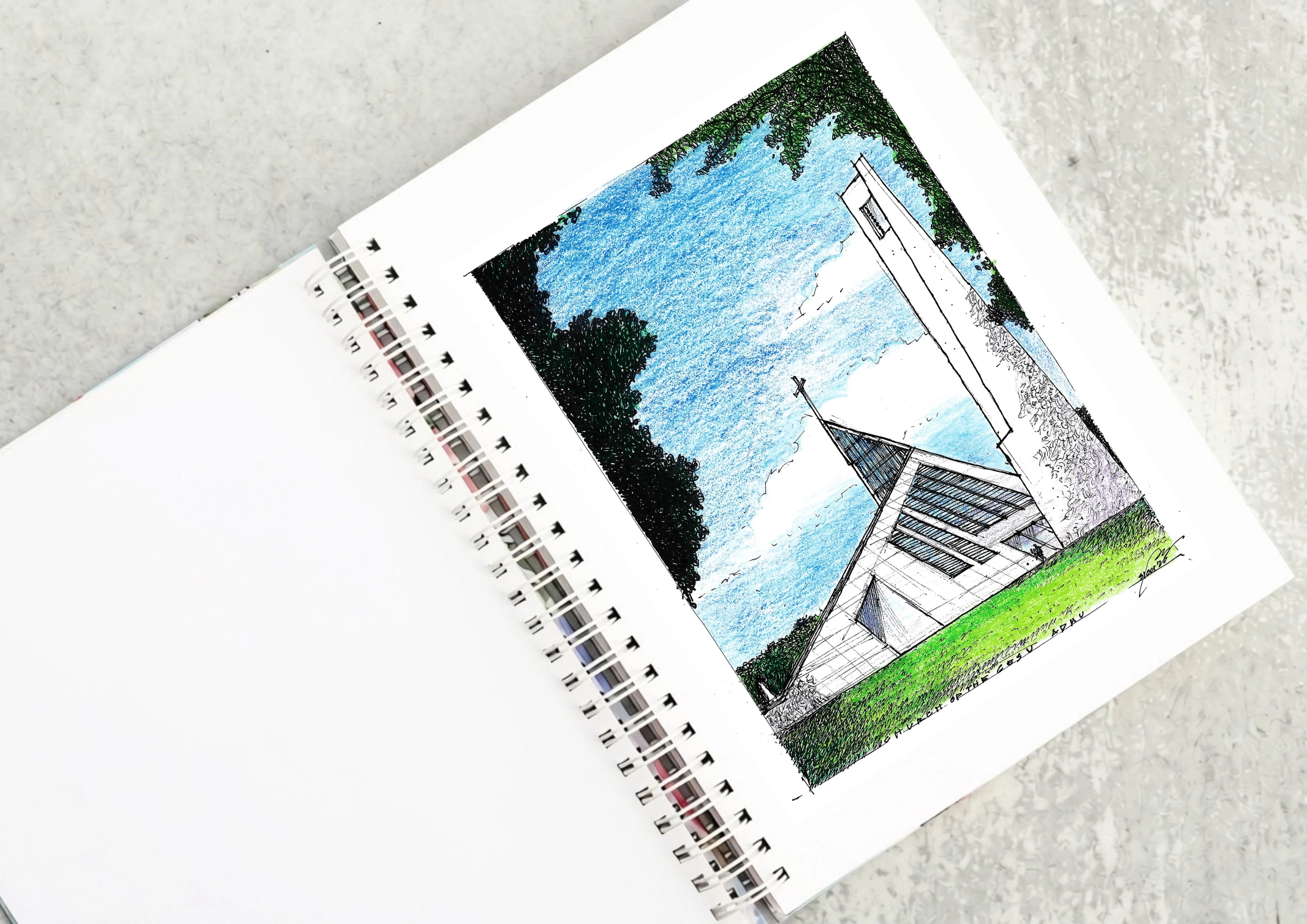
The Church of the Gesù as a Modernist Jesuit Landmark The Church of the Gesu, located at the campus of the Ateneo de Manila University, is its physical and spiritual landmark. Its elegant carillon can be glimpsed past the Arete Museum as one enters tree-rich grounds. High-flying Atenistas pursue academic goals bajo las campanas (under […]
There is no excerpt because this is a protected post.
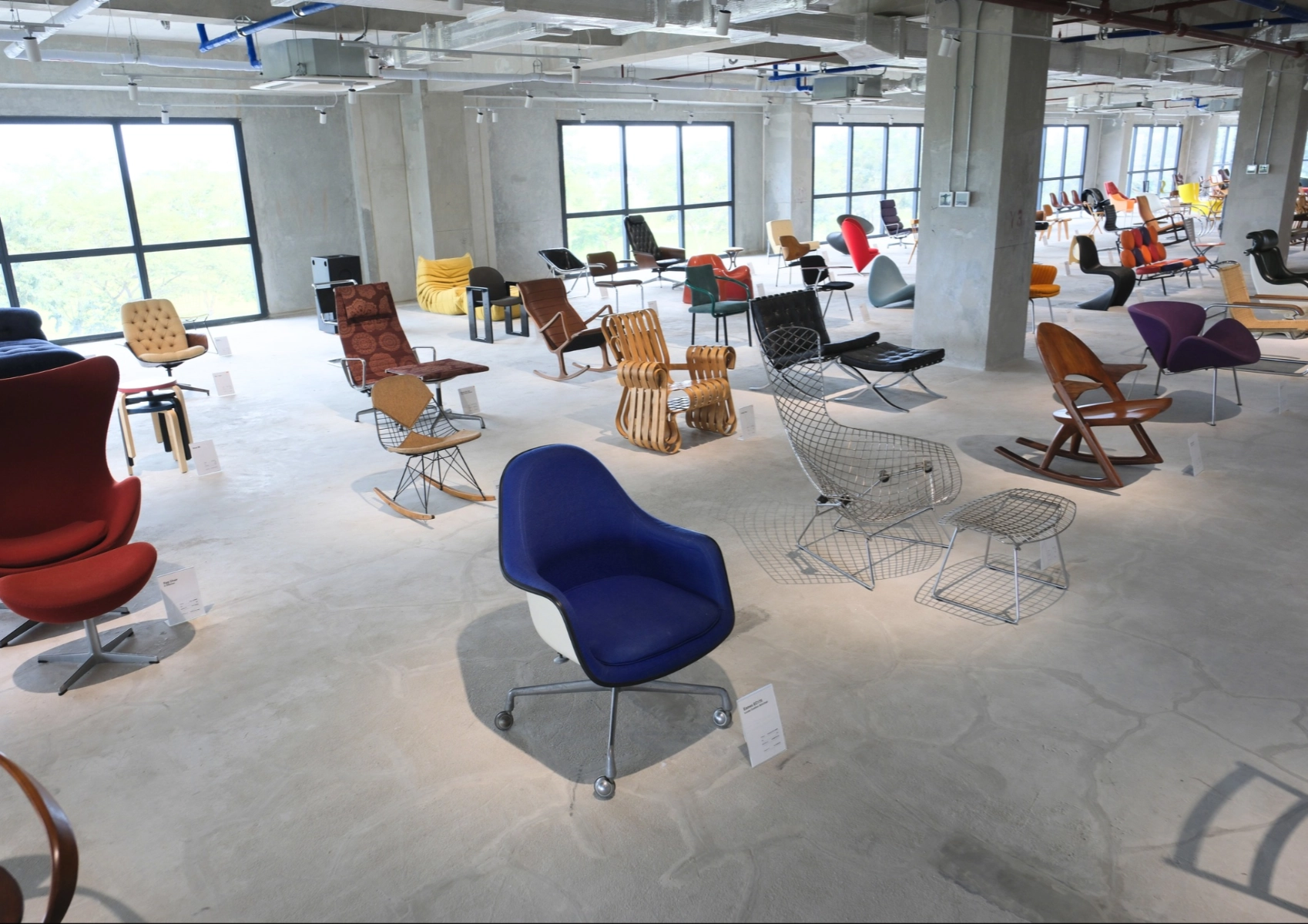
There are 197 chairs on the unfinished yet pristine concrete floor. Take a step forward, and you might accidentally step into a name card on the floor introducing the Panton Chair by Verner Panton in front of you. Back up a few paces in caution, and you run the risk of actually bumping into the […]
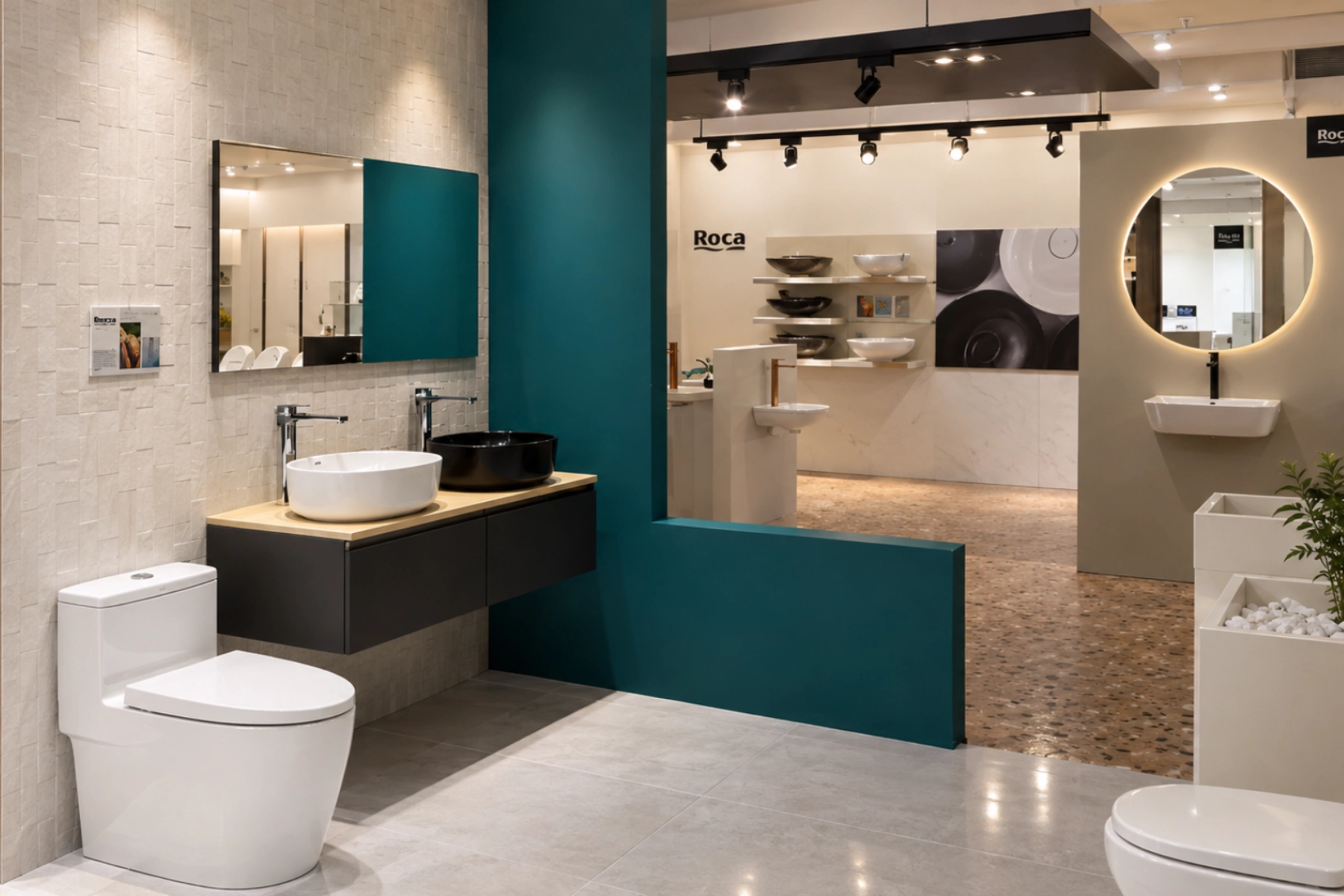
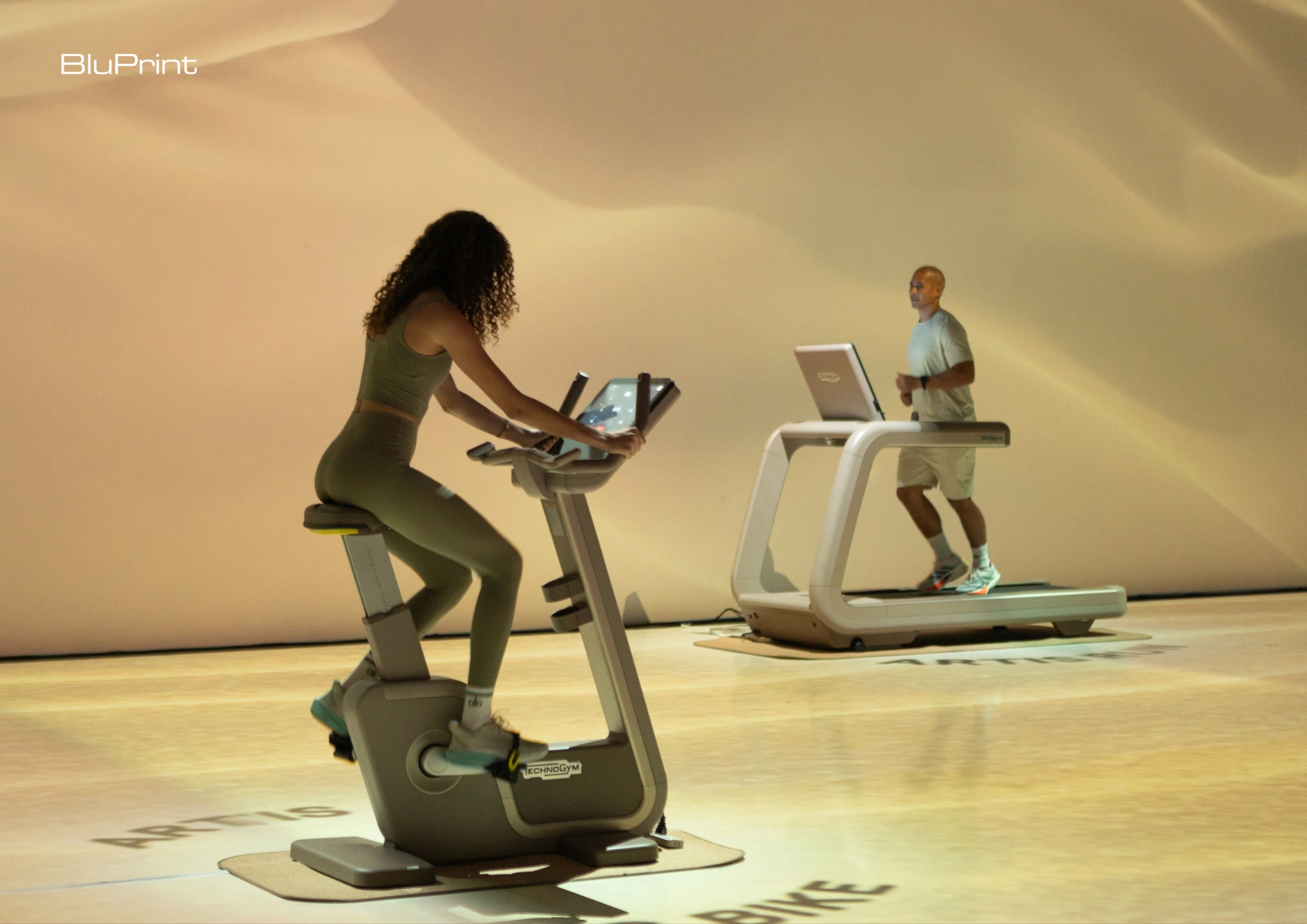
Comfort is an essential consideration in bathroom design. In a compact condominium, it may begin with efficient planning and fixtures that maximize limited space. In a private residence, it may involve generous proportions, personalized details, and greater privacy. In hotels and commercial developments, comfort must also account for different users, frequent use, and operational requirements. […]
Read the issues.

Collect the volumes.

Recommended Video
Tap to Unmute
Unmute
0:00
0:00