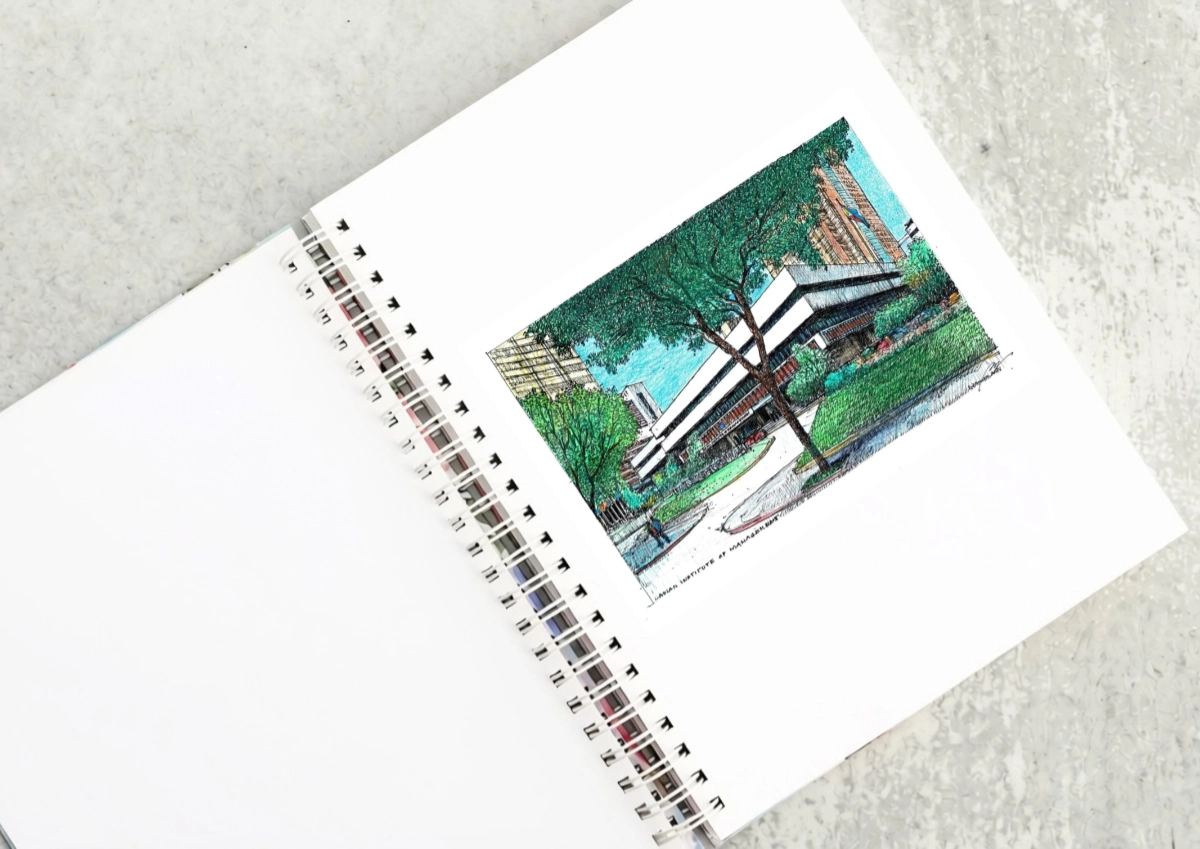
A Filipino Interpretation of Modernist Architecture Unlike the rest of Makati today, the northern end of Paseo de Roxas in Makati is anchored by a low complex rather than a tall skyscraper. This is the elegant Asian Institute of Management, designed by architect Gabriel Formoso and completed in 1971. In my opinion, the building is […]
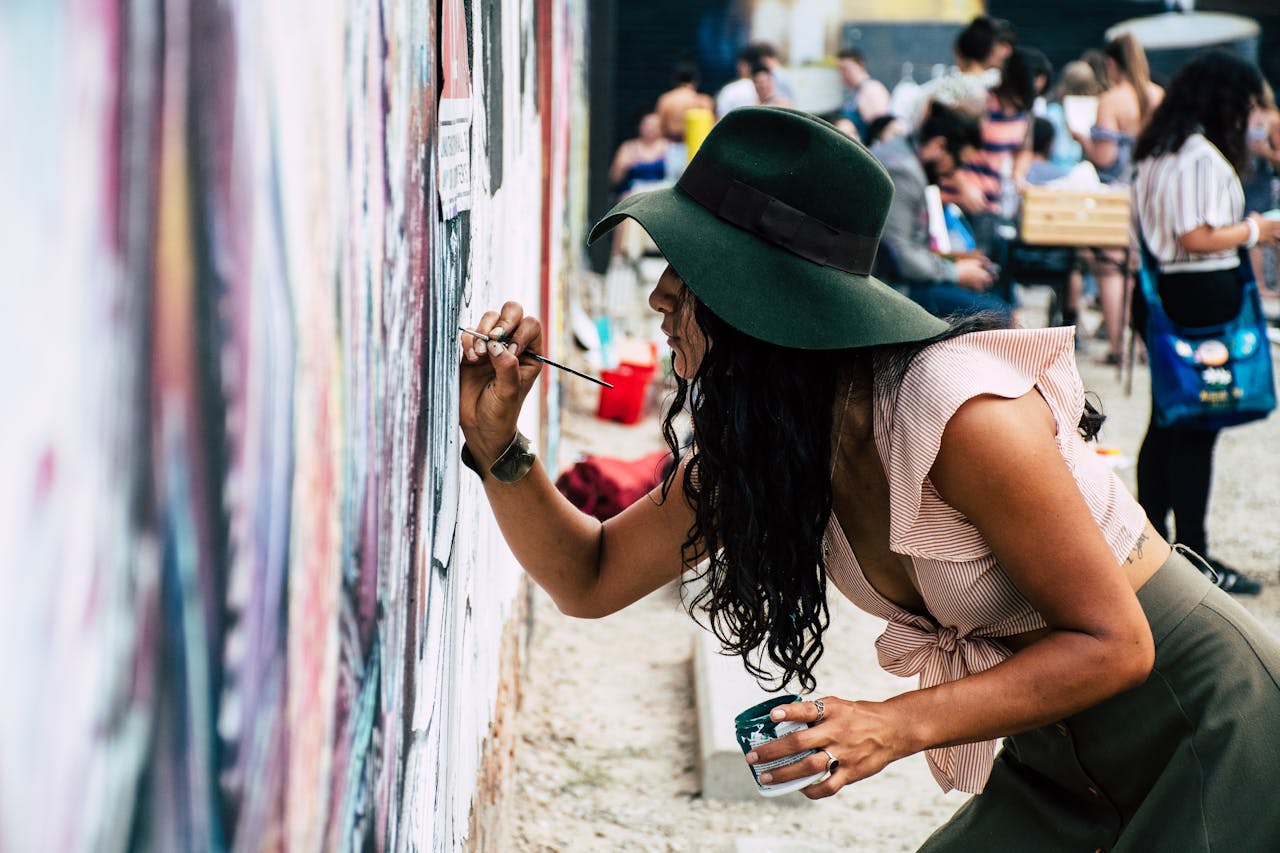
Artists Pivot to Cara as Anti-AI Sentiment Grows Among Artists



One of the biggest news stories for social media in recent weeks is Cara, a social media platform specifically created for artists. Its uniqueness as a platform stems not from catering to artists, but its prohibition of AI-generated art on its platform. It comes as artists look for an alternative platform that share their anti-AI sentiments.
Founded by Singaporean photographer Zhang Jingna, the volunteer-run app provides artists with the ability to showcase their portfolios for public viewing. One can post photographs, videos, and even GIFs of their art. There’s also a jobs board for people looking for human artists to commission or employ.
What has attracted artists to the platform, however, is its anti-AI stance. The app contains a third-party filter that detects and rejects AI art. As an organization, none of the images posted are being used to train an AI, and scraping is forbidden. It also offers services that prevent artists’ works from being scraped for the use of artificial intelligence. A collaboration with Glaze allows artists to prevent machines from mimicking the artist’s works.
Scraping Information to Use in Datasets
For much of the past few years, platforms like Instagram and DeviantArt became the defacto place for artists to post and promote their works. However, the recent advent of generative AI images has turned this over its head.
DeviantArt has been flooded with AI art from bots as more and more of its creative community abandons the website. Moreover, artists sued the company over allegations that they used millions of images in the website to train DreamUp, the website’s AI image generator, without permission from the artists.

Meanwhile, Meta, Instagram’s parent company, announced that they will be training their in-house AI program with data from its social media sites. While creators can opt out of this for countries in the European Union, most countries’ users would need to make their posts private to keep itself out of the scraping.
That announcement, more than anything, instigated the migration of artists to Cara. Over 300,000 users downloaded the app in June 2024 so far. Its user base grew from 40,000 users to more than 650,000 almost overnight, causing the app to crash temporarily.
The Unethical Practice of AI Scraping
Artists push against image generative AI as anti-creativity due to how it tends to copy the works it trains on. Much of the datasets used on AI contain copyrighted images taken without consent of the artist.
Different practices show that copyrighted works and writing appear to be part of training datasets despite denials from AI tech companies. The DeviantArt case mentioned above found a smoking gun in the form of spreadsheets and screenshots from Midjourney allegedly showing artists whose works were used to train the AI.

On record, companies like OpenAI admitted that they need copyrighted works to train their artificial intelligence. When questioned regarding the matter, OpenAI, DeviantArt, Meta, and so on have argued that the use of the works fall under Fair Use.
The perception of artificial intelligence as anti-artist have been growing since its public introduction. OpenAI’s Chief Technology Officer Mira Murati cemented this perception recently. In a talk at Dartmouth University, Murati said that she believes that the creative jobs replaced by generative AI should not have been there in the first place.
“Some creative jobs maybe will go away, but maybe they shouldn’t have been there in the first place,” she said.
The Pedigree Behind Cara
As a company, Cara’s concern centers on the protection of the artist’s intellectual property, something which websites like DeviantArt and Instagram have failed to do.
“[While] generative AI can be a powerful tool, we cannot ignore that AI companies are using datasets trained on copyrighted work and private personal data without our consent,” the company said. “We understand that platforms may not have the power to solve the unethical and legal issues surrounding such datasets alone, but we believe that at the very least, they [should show] solidarity and respect for artists and their communities in such times.”
The app’s founder, Zhang Jingna, gives the project extra credibility due to her recent trials. She recently won an appeal, for example, against photographer Jeff Dieschburg, who plagiarized her work in a winning entry for Harper’s Bazaar Vietnam in 2017.
Beyond that, Zhang is a visible activist against unethical AI scraping. She and others sued Google for allegedly using copyrighted material to train their in-house image generator. She’s also a plaintiff for the aforementioned case against DeviantArt. While she’s not necessarily anti-AI, she has pushed back against corporations’ trampling on artist rights.
“There’s a nuance to how we see things, but I don’t think people understand that the art we do is not a product,” she told TechCrunch during an interview.
Related reading: How Is Artificial Intelligence Disrupting the World of Architecture?
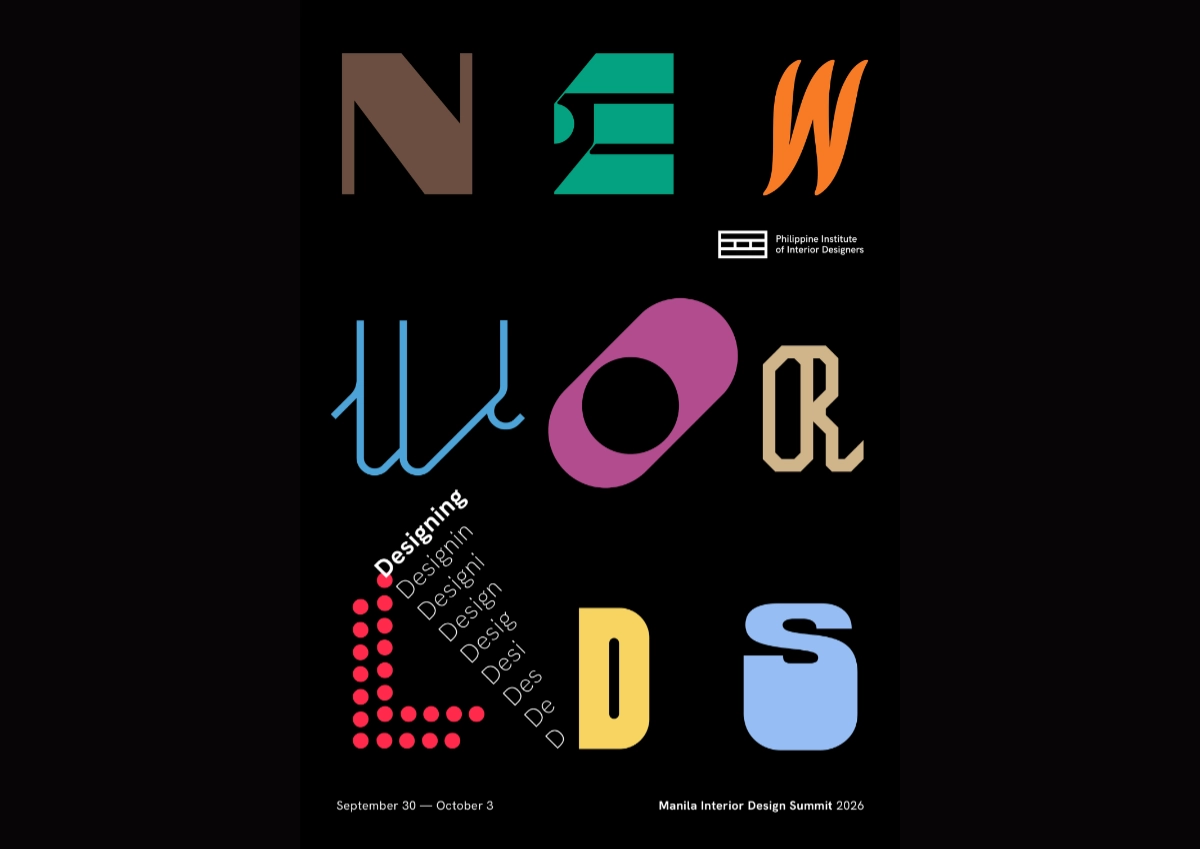
“Thailand has claimed urban creativity and livability. Singapore has institutional design leadership. Indonesia is emerging as a design hub. Vietnam is moving into design innovation. And the Philippines? Its position is not weak. It is simply unclaimed.” For IDr. Cecil Ravelas, National President of the Philippine Institute of Interior Designers (PIID), the challenge is not […]
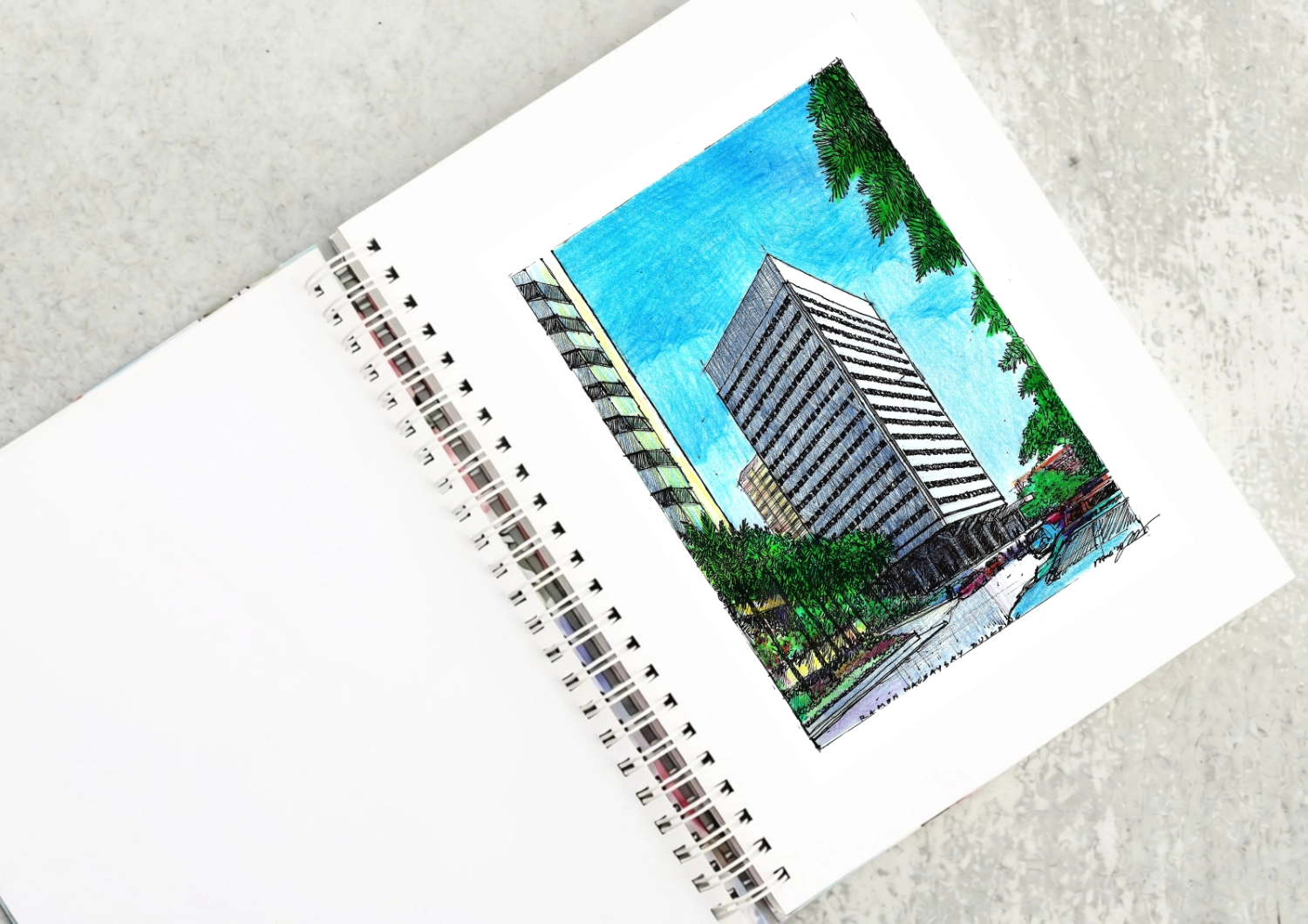
The Ramon Magsaysay Center as a Modernist Landmark Driving down Roxas boulevard from Rizal Park, what will catch your eye is the most elegant modernist structure in the country, the Ramon Magsaysay Center. Most established Filipino architects put it in their top ten lists of favorite buildings. It was designed by Alfredo J. Luz, who […]

Rinna Soriano’s favorite part of her work is sanding. At her workbench, she stays focused, following the grain, adjusting to changes in its direction. Narra, she has learned, can have interlocking grain. A piece of mango once proved particularly difficult until a worker explained that she had reached the point where a branch once grew […]
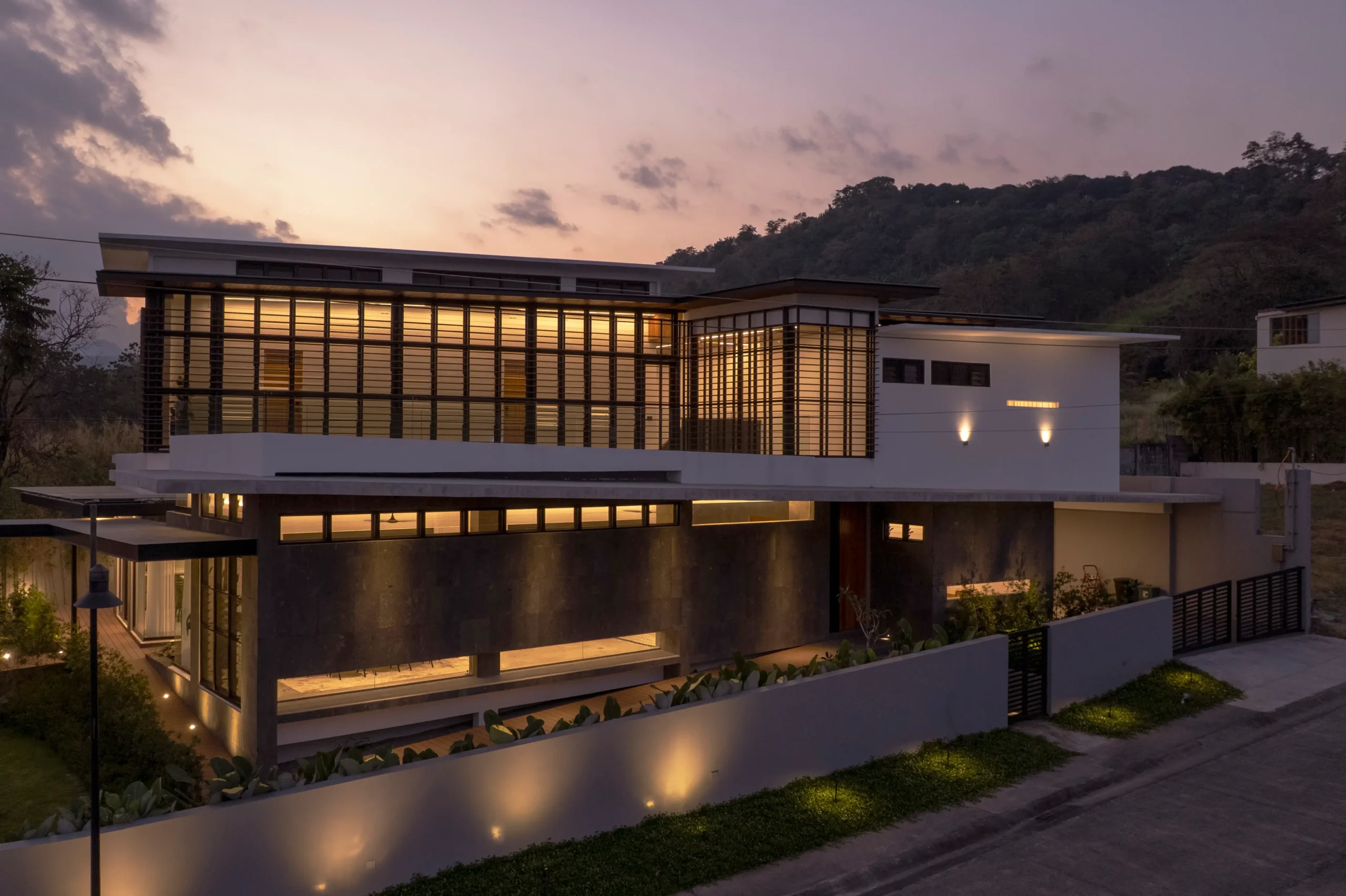
Filipino architectureArchitectureThe art and science of designing and constructing buildings, structures, and spaces that are functional, safe, and aesthetically pleasing. It encompasses the planning, design, materials, and techniques used to createGo to Architecture Glossary has long been associated with indigenous materials and vernacular design strategies, from bamboo and timber construction to jalousie windows, generous spaces, […]
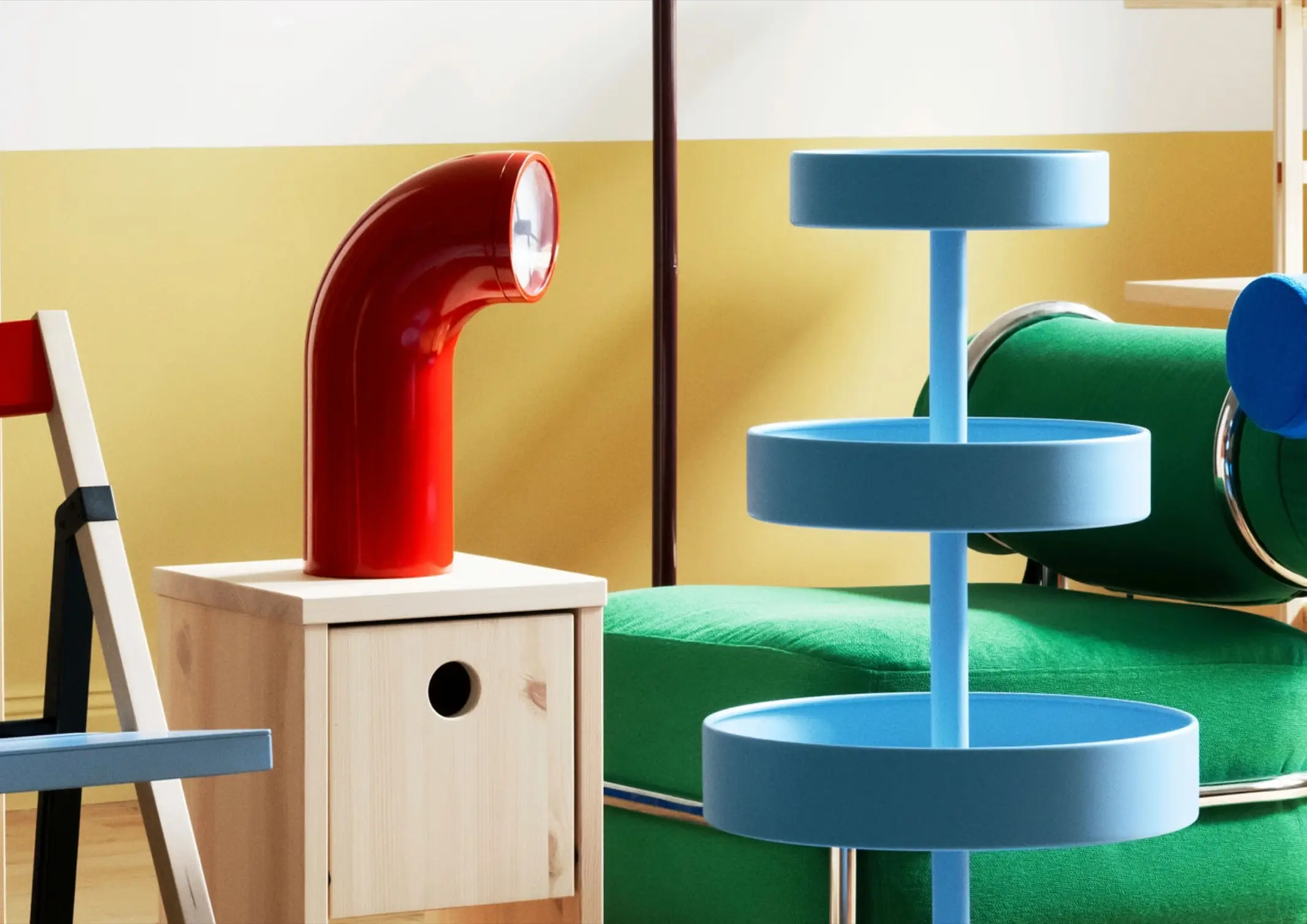
A chair does not always prescribe how to sit in it. A lamp can be more than a source of light. A clock can be more than a way to tell the time.These small departures from convention are at the center of IKEA PS 2026. The latest iteration of IKEA’s experimental PS series comprises more […]
Read the issues.

Collect the volumes.

Recommended Video
Tap to Unmute
Unmute
0:00
0:00