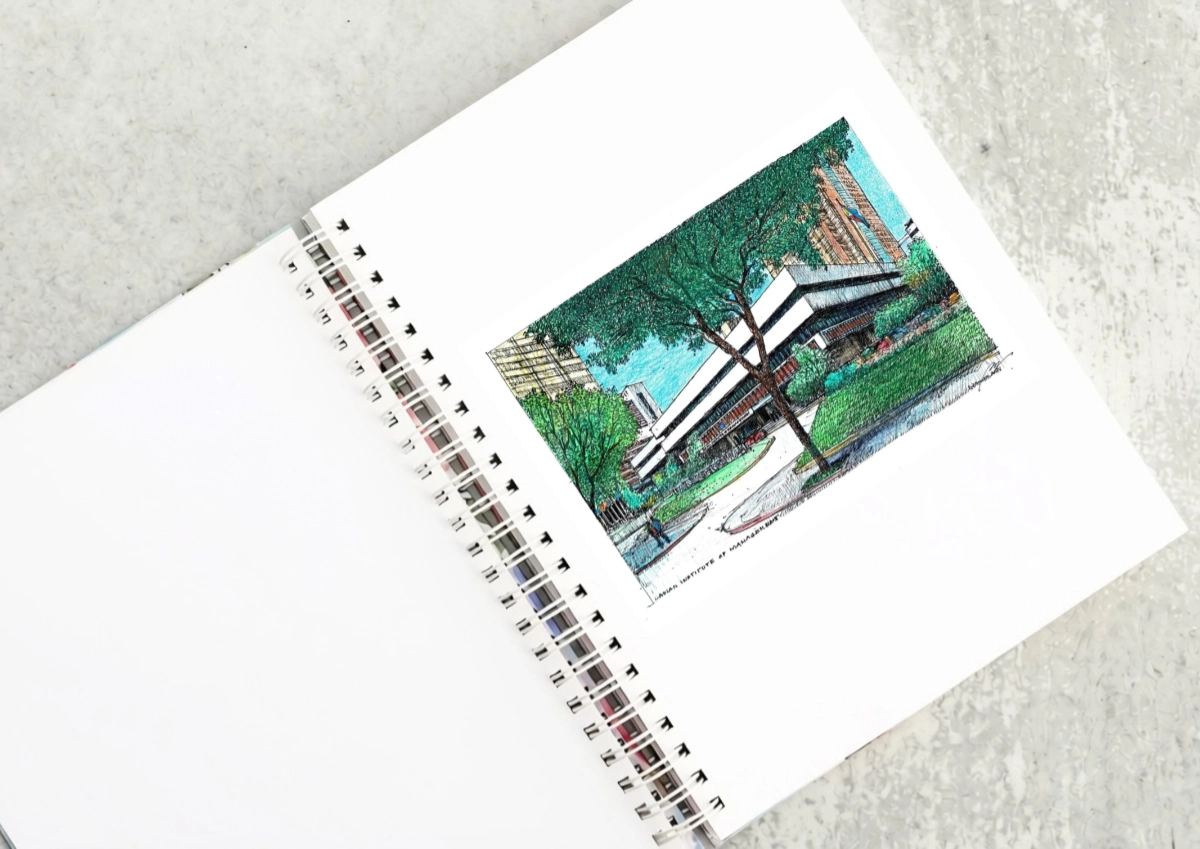
A Filipino Interpretation of Modernist Architecture Unlike the rest of Makati today, the northern end of Paseo de Roxas in Makati is anchored by a low complex rather than a tall skyscraper. This is the elegant Asian Institute of Management, designed by architect Gabriel Formoso and completed in 1971. In my opinion, the building is […]
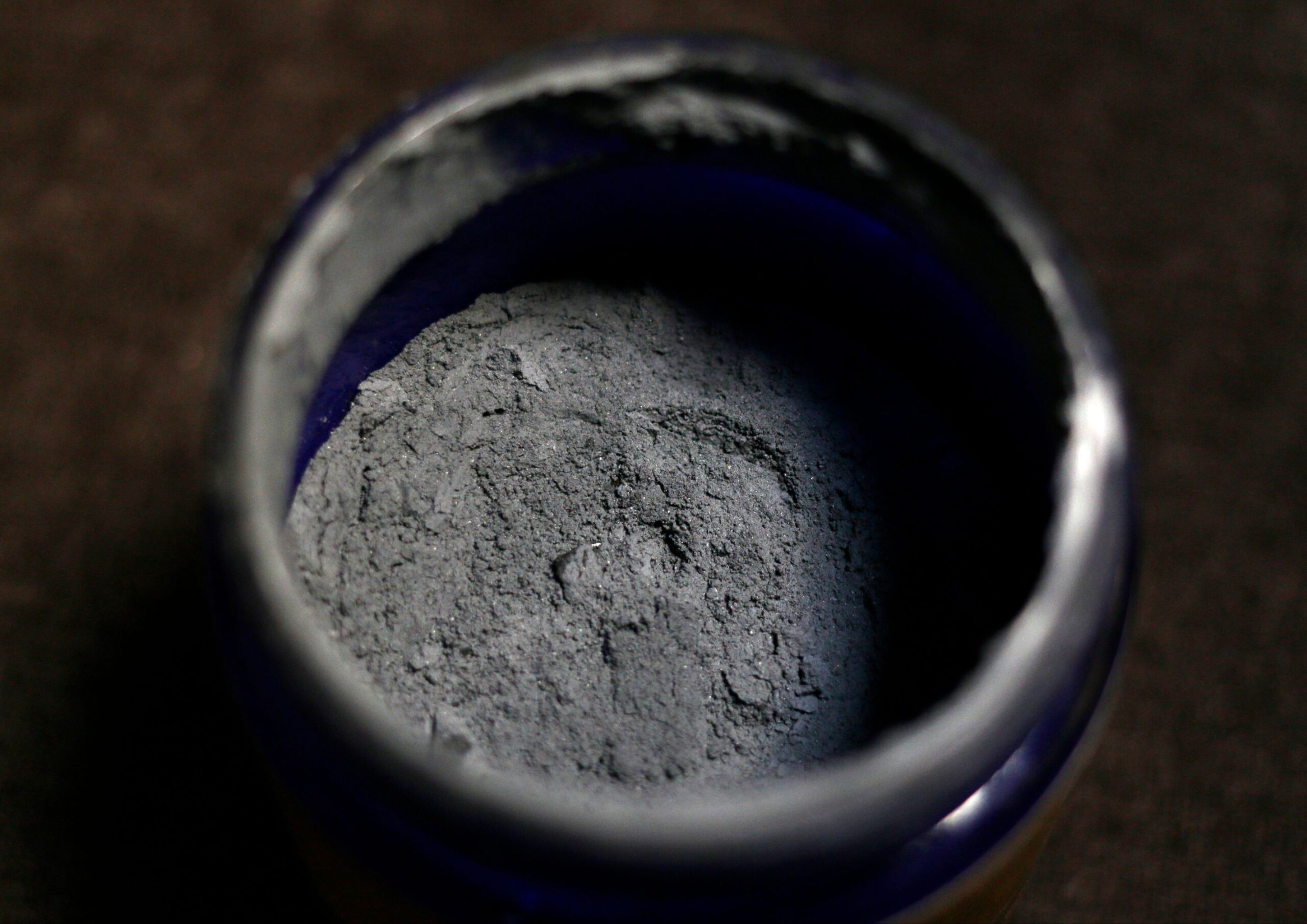
How to Use Activated Charcoal for a Fresher Home



Activated charcoal isn’t just an ingredient in medicines and beauty products; it’s a versatile powerhouse for your home as well. It purifies the air, eliminates odors, and even extends the life of your produce—all with a natural, eco-friendly solution. From detoxifying your living space to enhancing your daily routines, here’s how activated charcoal can create a fresher home.
Eliminate Odor

Unpleasant odors inevitably linger in various areas of your home, like spoiled food in refrigerators, damp clothes in the laundry area, and stinky shoes by the entryway. To naturally neutralize these unwanted smells, create DIY activated charcoal pouches from breathable fabrics like cheesecloth or muslin.
You can do this either with the no-sew or sewn method. For the no-sew method, cut two squares of fabrics and layer them on top of each other. Fold the edges about an inch and tie them securely with string or ribbon to create a pouch. As for the sewn method, sew only three sides of the fabric squares together, leaving an opening at the top.
Fill the pouches about two-thirds full of the activated charcoal. This prevents overstuffing, allowing the air to flow across the natural material’s pores. Then, you can put the pouches in the location of the odor source.
For strong odors, place multiple or larger-sized pouches to maximize odor absorption. Remember to replace them after two to four weeks or sooner if the odor persists. Better to label the pouches with the date they were filled for easier tracking. Simply discard the old charcoal and fill the pouch with the same amount of activated charcoal.
Purify the Air

Aside from odors, there are more unseen particles and microorganisms that pollute indoor air. Common culprits include anything from dust to volatile organic compounds emitted from furniture, cleaning products, or paints.
As a passive air purifier, activated charcoal can trap airborne pollutants. While not a complete solution for severe air quality problems, filling open containers with this natural material is a great hack to improve indoor air quality, particularly in high-traffic and poorly ventilated areas.
You can place the charcoal in baskets, bowls, or ceramic pots, as these commonly have good ventilation on all sides. Consider using visually appealing containers to complement your home’s design.
Fill up half of your chosen container with activated charcoal and place them around the house. For better coverage, add multiple containers, especially in larger rooms. Note that charcoal dust can clog air vents and electronics, so keep it away from these items and areas.
To maintain their effectiveness, replace the charcoal every two to three months; sooner if you notice them accumulating dust. Combine this hack with proper ventilation by strategically opening windows and turning on exhaust fans to guarantee fresher indoor air.
Absorb Excess Moisture
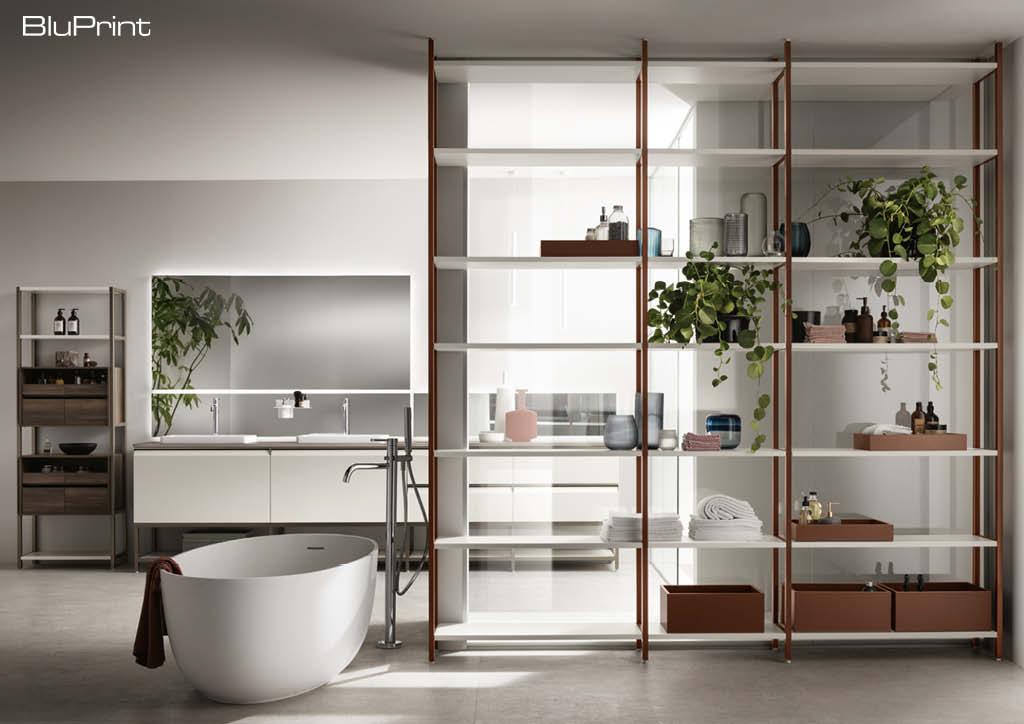
Excess moisture can accumulate in damp and humid areas like closets, bathrooms, and kitchens. This allows mold and mildew to thrive and breed, potentially causing respiratory problems, allergies, and even property damage.
You can make sachets to take advantage of activated charcoal’s moisture absorption capabilities using a mesh bag or any breathable fabric. As with the pouches, secure three sides of the fabric and leave the top open to fill it with activated charcoal.
Hang or place your DIY sachets in moisture-prone areas, and replace them every two to three months. But once you notice the sachets becoming damp, you can discard the old charcoal and fill it again.
Regularly implementing this hack can reduce excess moisture in these problem areas, making them less hospitable for mold and mildew growth.
Filter Water
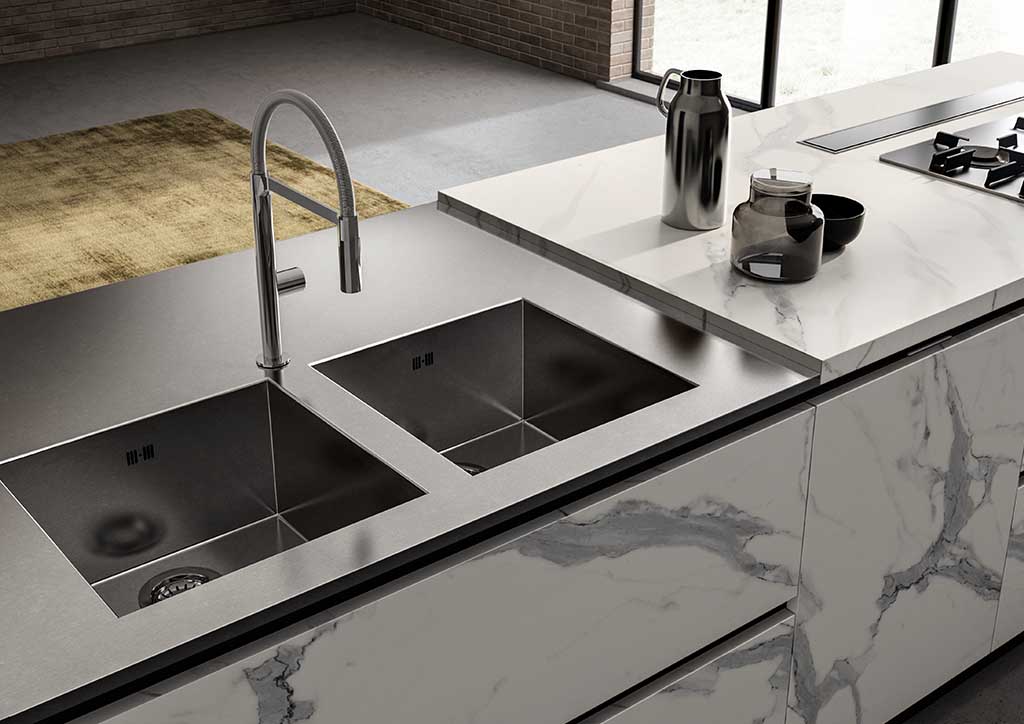
Public water systems typically treat water to remove harmful bacteria and parasites. However, traces of disinfectants like chlorine can still be present. Although activated charcoal has limited capabilities to fully eliminate these water pollutants, it can be your emergency backup when no other clean water source is readily available. It can also be your quick first line of defense to filter out toxins without stripping the water of important minerals.
To create a DIY filter using food-grade activated charcoal, place about a quarter cup in the center of a cotton cloth. Then, securely tie the cloth to make a tiny pouch. For added filtration, you can place the pouch inside a coffee filter before tying it shut.
Afterwards, pour about a cup of water into a non-reactive container like stainless steel, ceramic, glass, or metal bowl. Place the DIY activated charcoal pouch into the water and let it sit for 30 minutes. Finally, carefully remove the pouch and strain the water through another clean cloth or coffee filter to remove any charcoal dust.
Remember that activated charcoal can only remove some odor and taste and becomes easily saturated over time. So, you have to replace the pouch after filtering five to 10 cups or if the water taste or smell doesn’t improve.
Activated charcoal has already proven its power and effectiveness in various applications, and now in making fresher and healthier homes, too. So, if you’re curious on how to utilize it in your home, this DIY guide unlocks the roadmap to discover it yourself.
Read more: Best Natural Ways to Improve Air Quality in Your City Home

“Thailand has claimed urban creativity and livability. Singapore has institutional design leadership. Indonesia is emerging as a design hub. Vietnam is moving into design innovation. And the Philippines? Its position is not weak. It is simply unclaimed.” For IDr. Cecil Ravelas, National President of the Philippine Institute of Interior Designers (PIID), the challenge is not […]
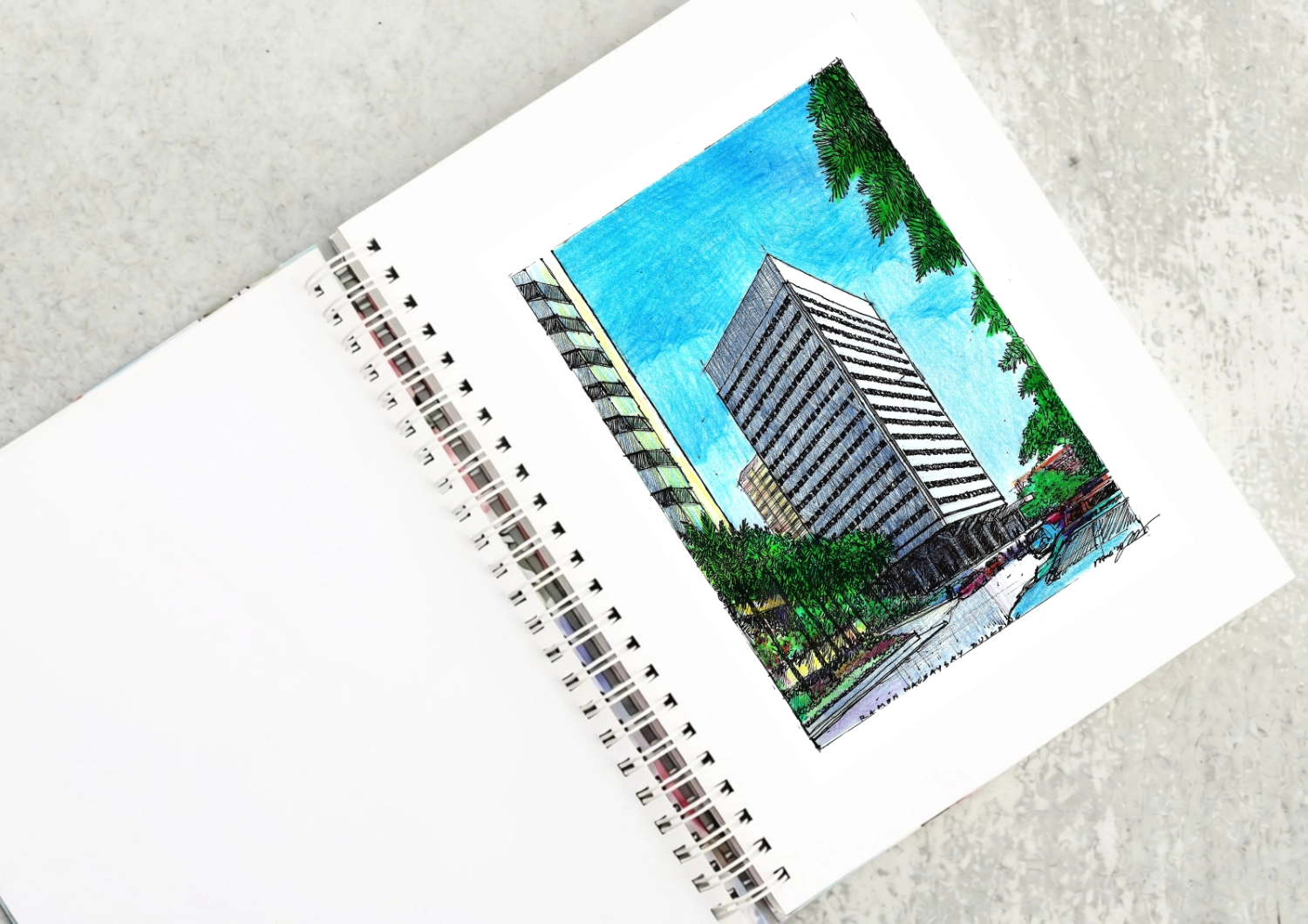
The Ramon Magsaysay Center as a Modernist Landmark Driving down Roxas boulevard from Rizal Park, what will catch your eye is the most elegant modernist structure in the country, the Ramon Magsaysay Center. Most established Filipino architects put it in their top ten lists of favorite buildings. It was designed by Alfredo J. Luz, who […]

Rinna Soriano’s favorite part of her work is sanding. At her workbench, she stays focused, following the grain, adjusting to changes in its direction. Narra, she has learned, can have interlocking grain. A piece of mango once proved particularly difficult until a worker explained that she had reached the point where a branch once grew […]

Filipino architectureArchitectureThe art and science of designing and constructing buildings, structures, and spaces that are functional, safe, and aesthetically pleasing. It encompasses the planning, design, materials, and techniques used to createGo to Architecture Glossary has long been associated with indigenous materials and vernacular design strategies, from bamboo and timber construction to jalousie windows, generous spaces, […]

A chair does not always prescribe how to sit in it. A lamp can be more than a source of light. A clock can be more than a way to tell the time.These small departures from convention are at the center of IKEA PS 2026. The latest iteration of IKEA’s experimental PS series comprises more […]
Read the issues.

Collect the volumes.

Recommended Video
Tap to Unmute
Unmute
0:00
0:00