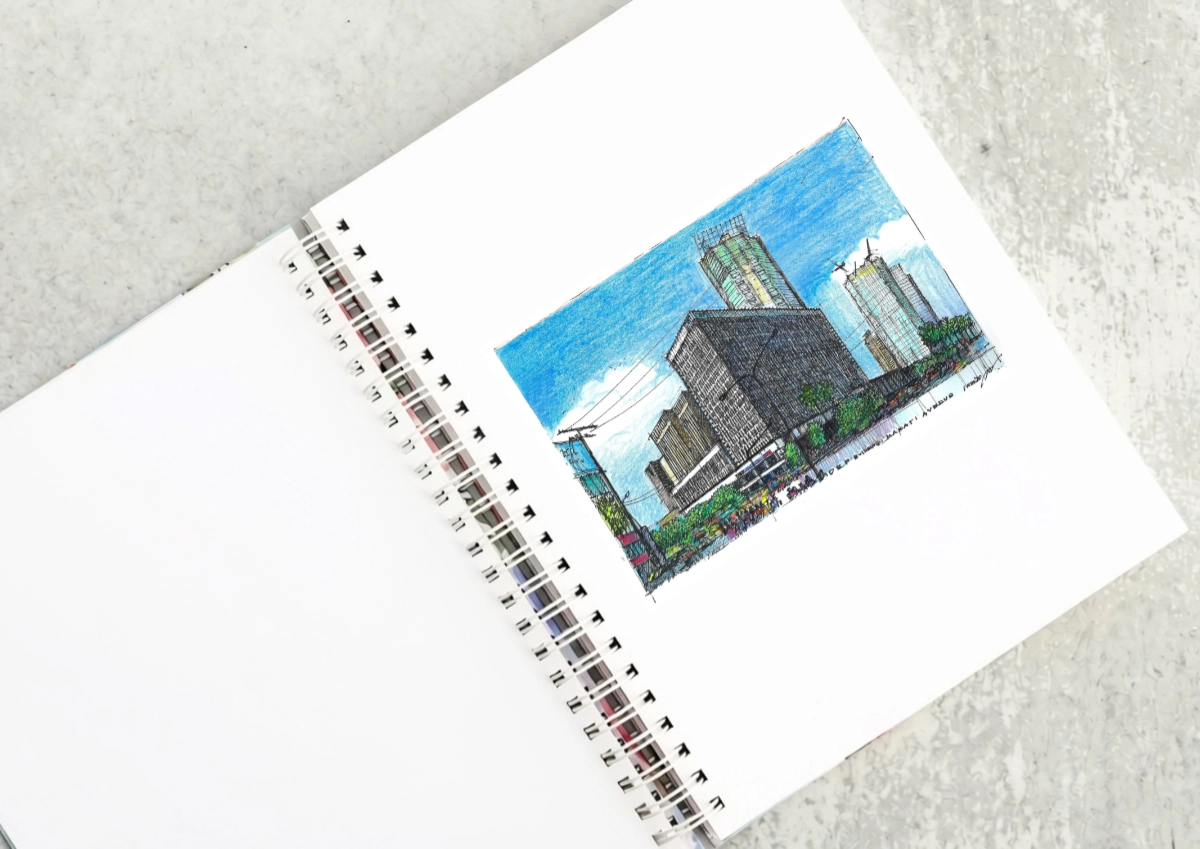
The DBP Building as a Landmark of the International Style At the corner of Sen. Gil Puyat Avenue and Makati Avenue stands a landmark of the Makati Central Business District. It is one of the last still standing that were built in the first wave of construction in district fifty years ago. The Development Bank […]
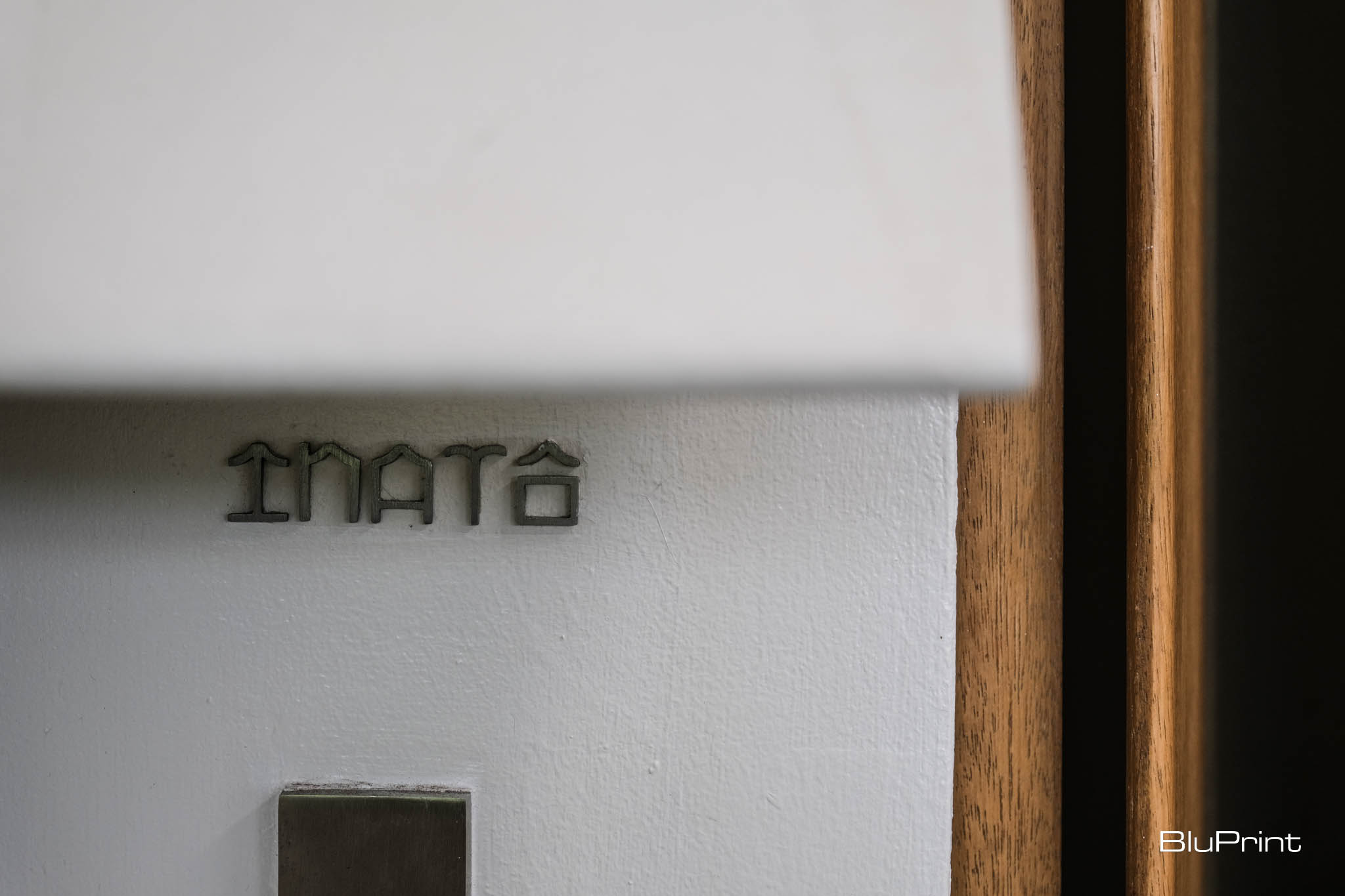
Inatô Restaurant: A Taste of Filipino Warmth and Creativity



Tucked away in a quiet corner, Inatô, a concept by Toyo Eatery group, stands as a testament to the beauty of Filipino design, culture, and dining. Conceptualized by Studio Ong, headed by Architect Charisse Ong and Interior Designer Coleen Ong, in collaboration with Chef Jordy Navarra and May Navarra, the restaurant is more than just a place to eat—it’s a space where comfort, authenticity, and artistry meet. The interior design of Inatô, with its unique use of materials like banana peels and oyster shells, reflects the deep connection between food, culture, and community, creating a truly memorable dining experience.

Inspiration Behind the Design
The design journey for Inatô began with understanding the vision of Chef Jordy and May. As the designers explain, “The conceptualization process was highly hinged on conversations with Chef Jordy and Ms. May and what experience they want to provide, including spending time to get to know Toyo Eatery’s culture. Although Inatô’s brief was to be intentionally different from its neighbor, we gained inspiration from the intangibles, which are Filipino, Authentic, [and] Raw experiences.”
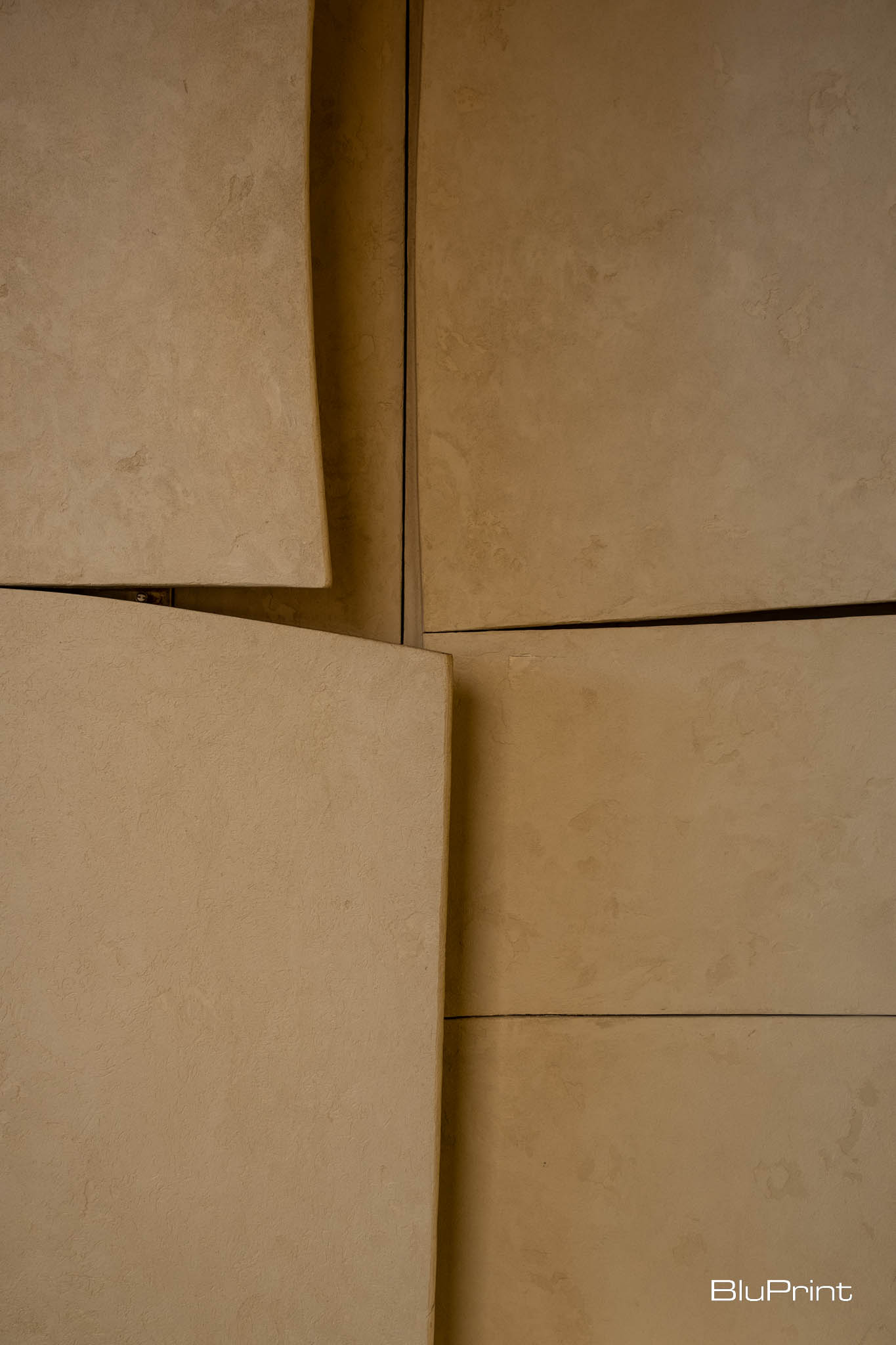
This philosophy of embracing the raw and the authentic shines through in the choice of materials. The designers infused the interiors with elements that evoke the essence of Filipino life. They transformed a blank wall into an organic, textured backdrop made from beloved, ubiquitous banana peels, creating both a visual and conversational centerpiece for diners.
Comfort and Familiarity
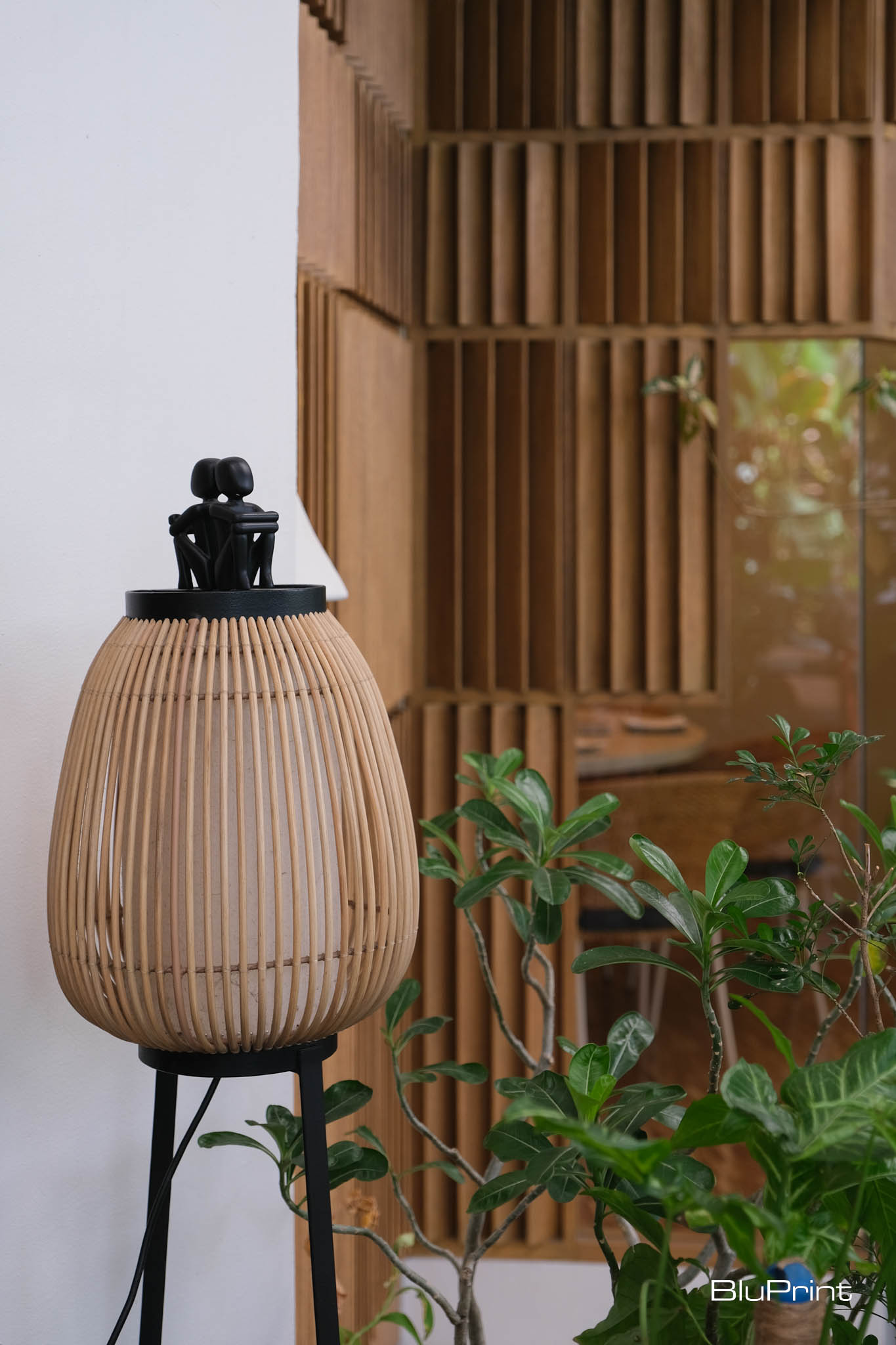
Studio Ong’s design approach to Inatô involved reimagining traditional Filipino materials with a contemporary twist. From capiz shell accents to custom-made ipil ipil parquet flooring, every chosen detail evokes a sense of warmth and familiarity. “With every project, we try to advocate Filipino design through its warmth and familiar use of materials, as well as partner with our own local furniture designers,” they shared.
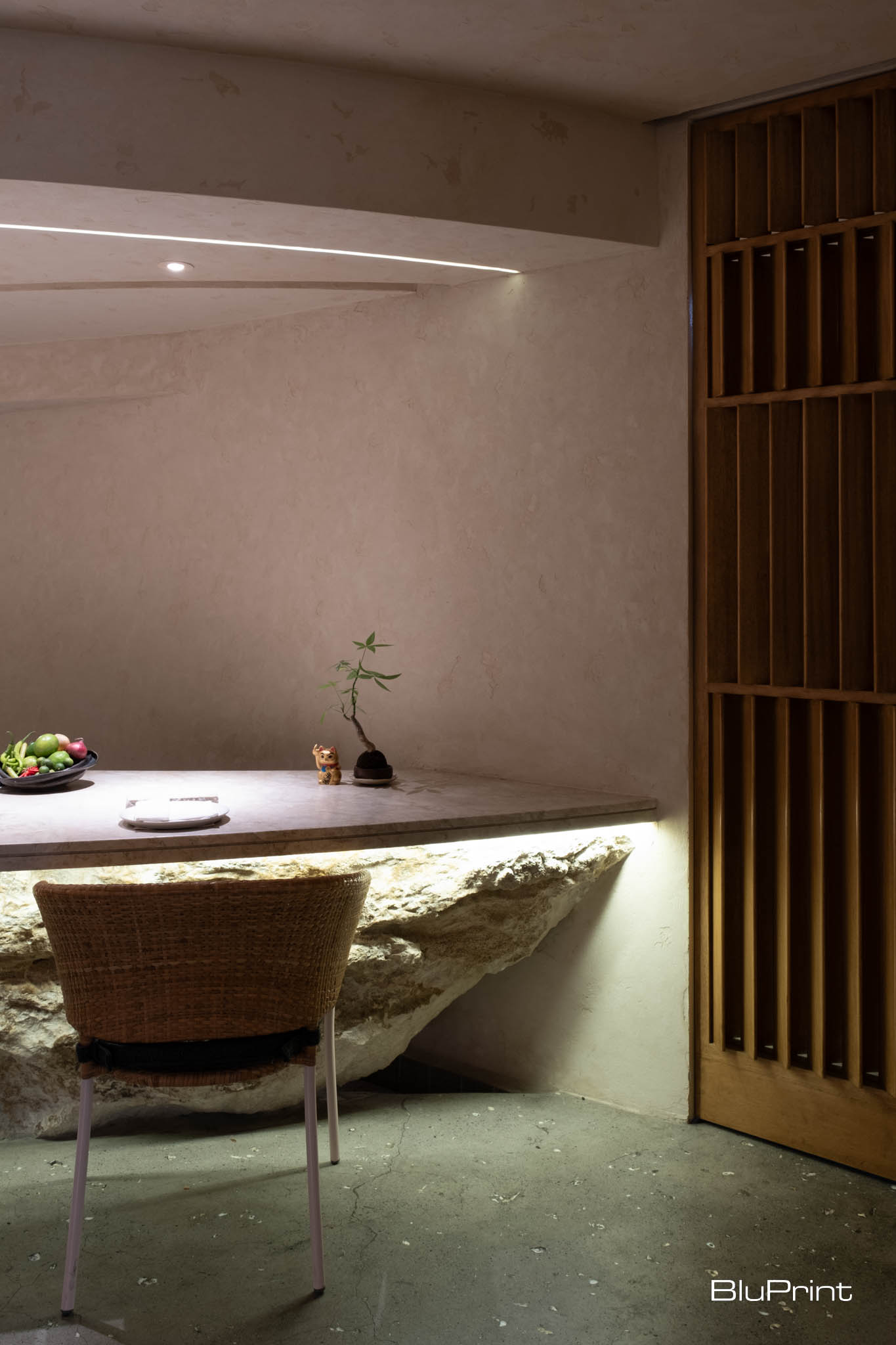
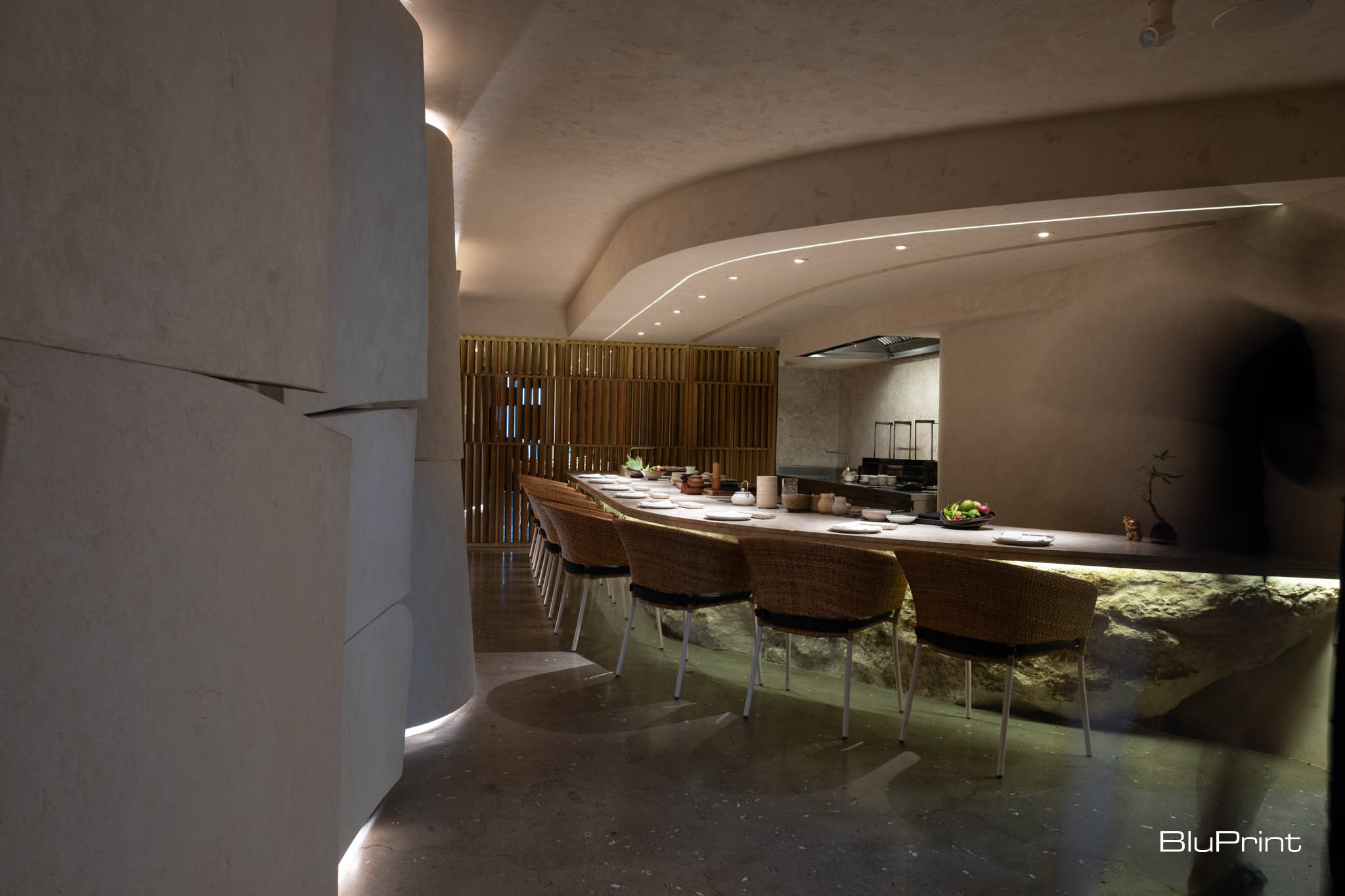
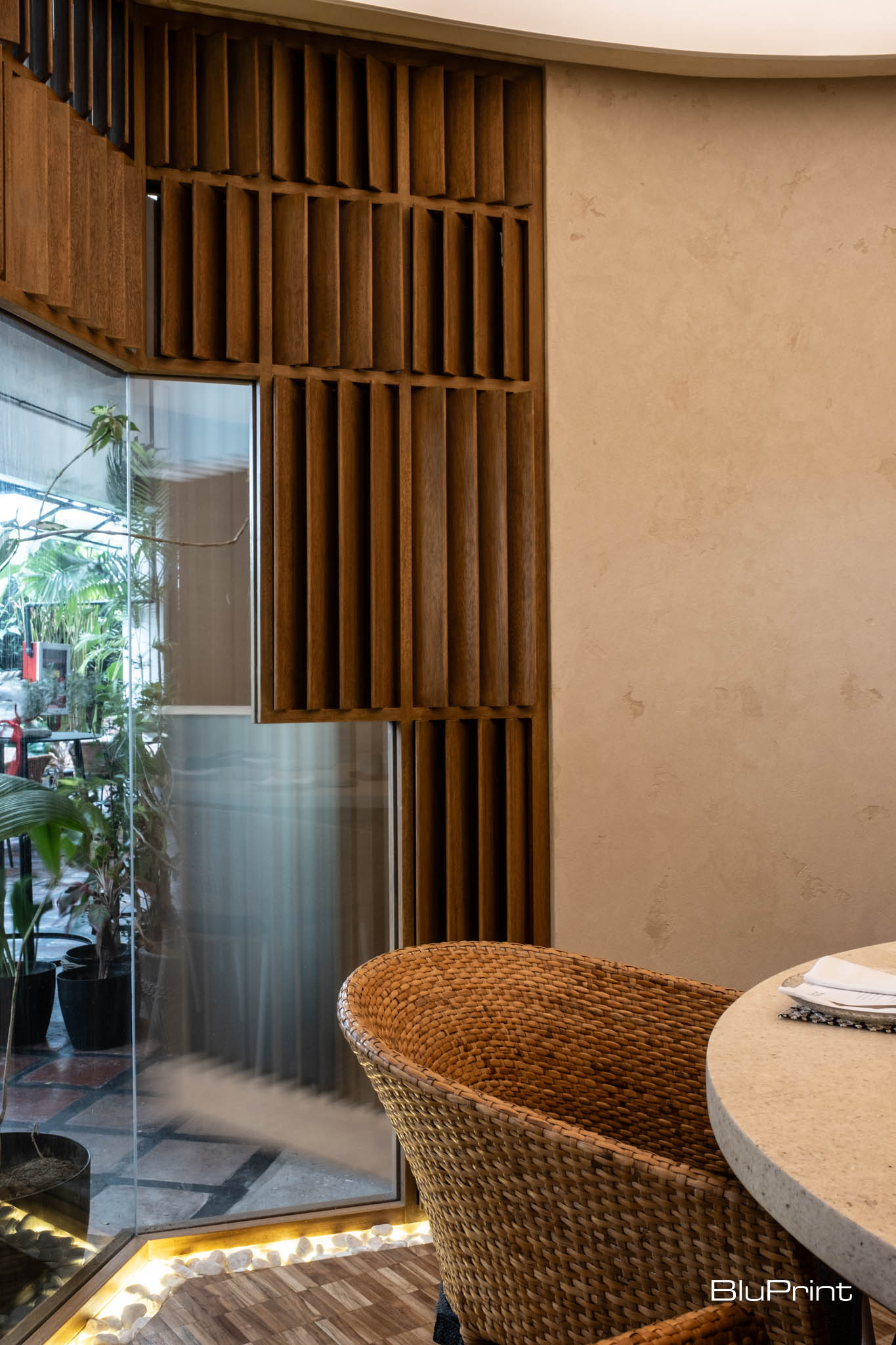
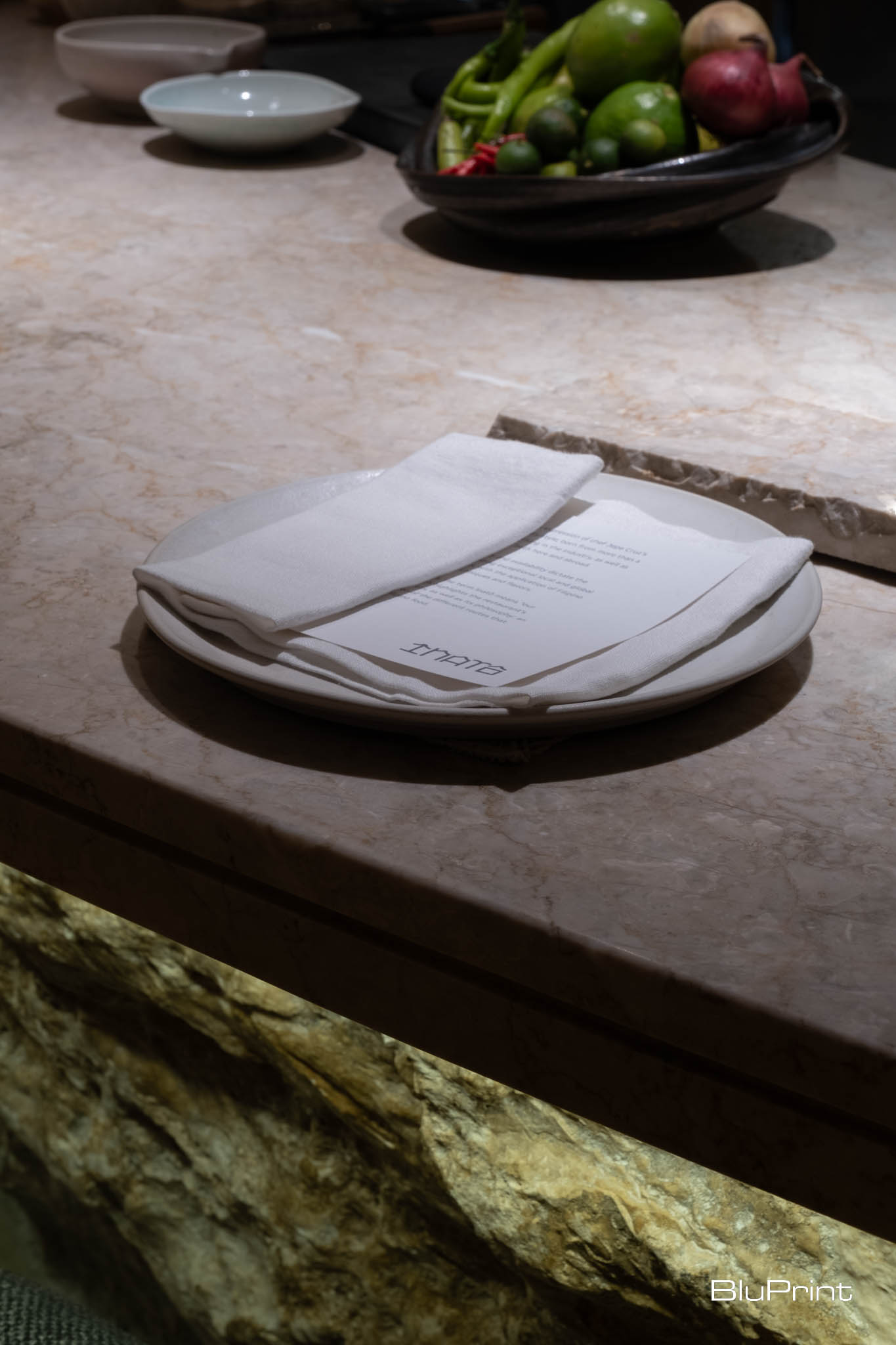
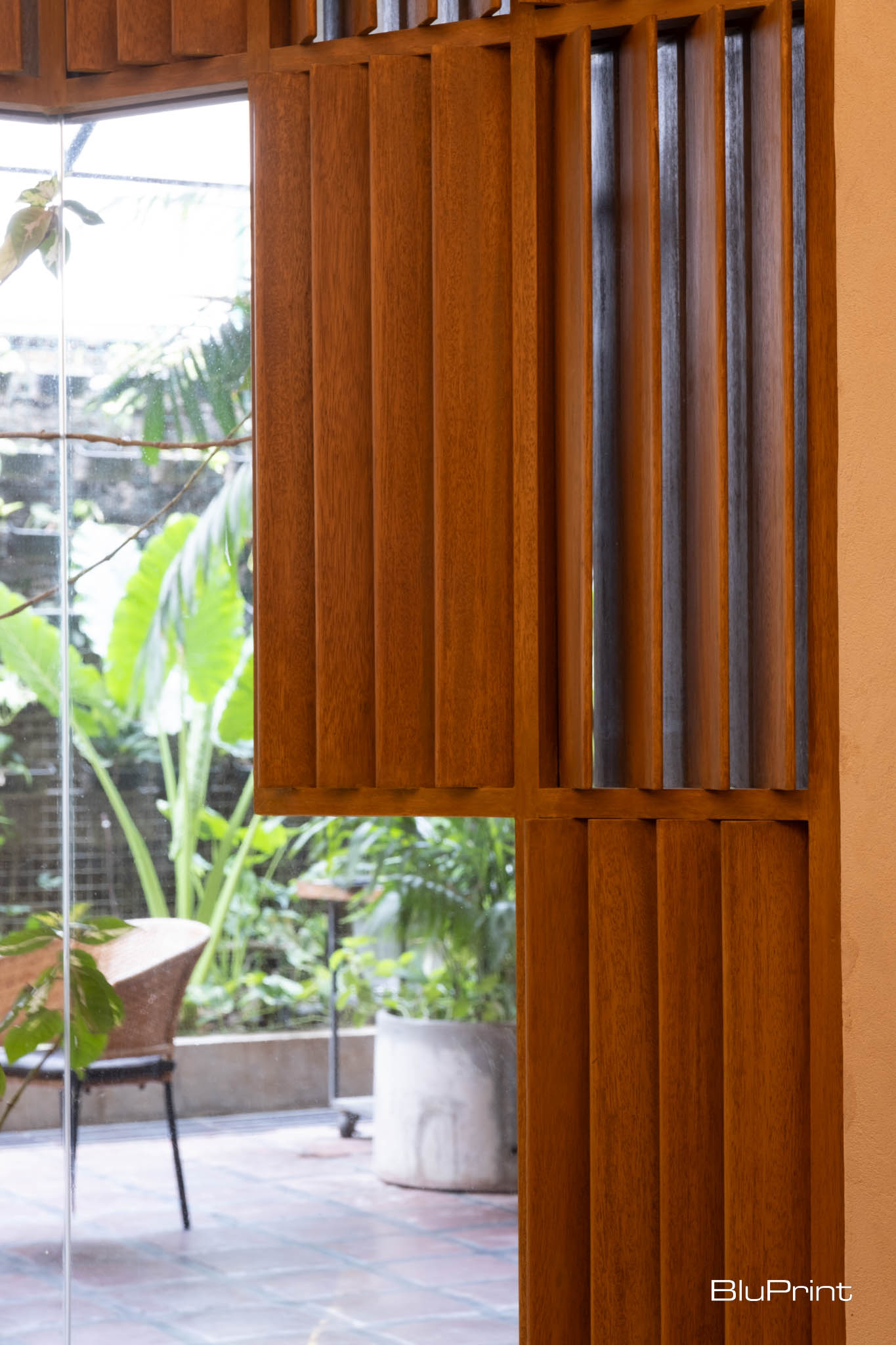
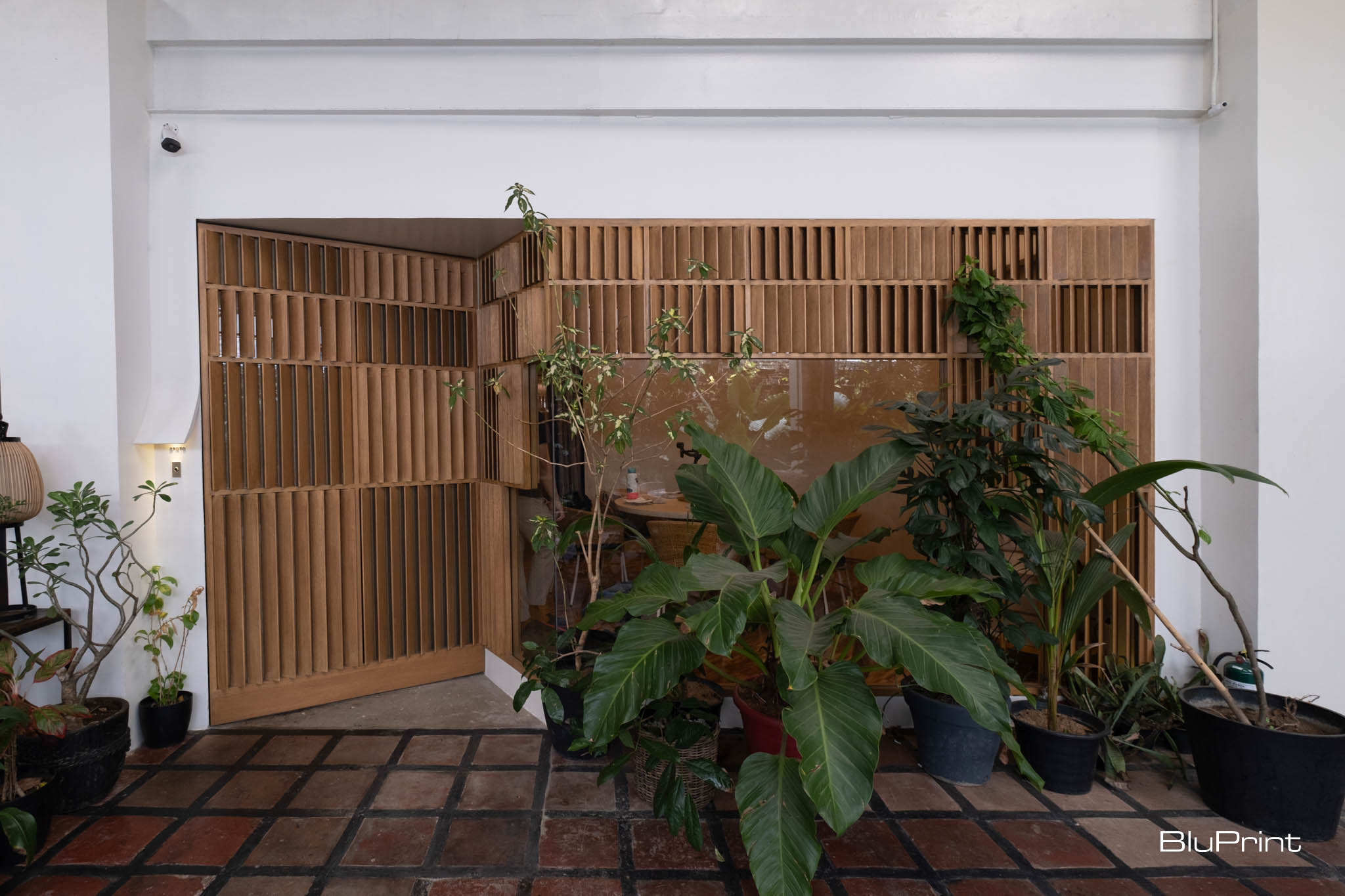
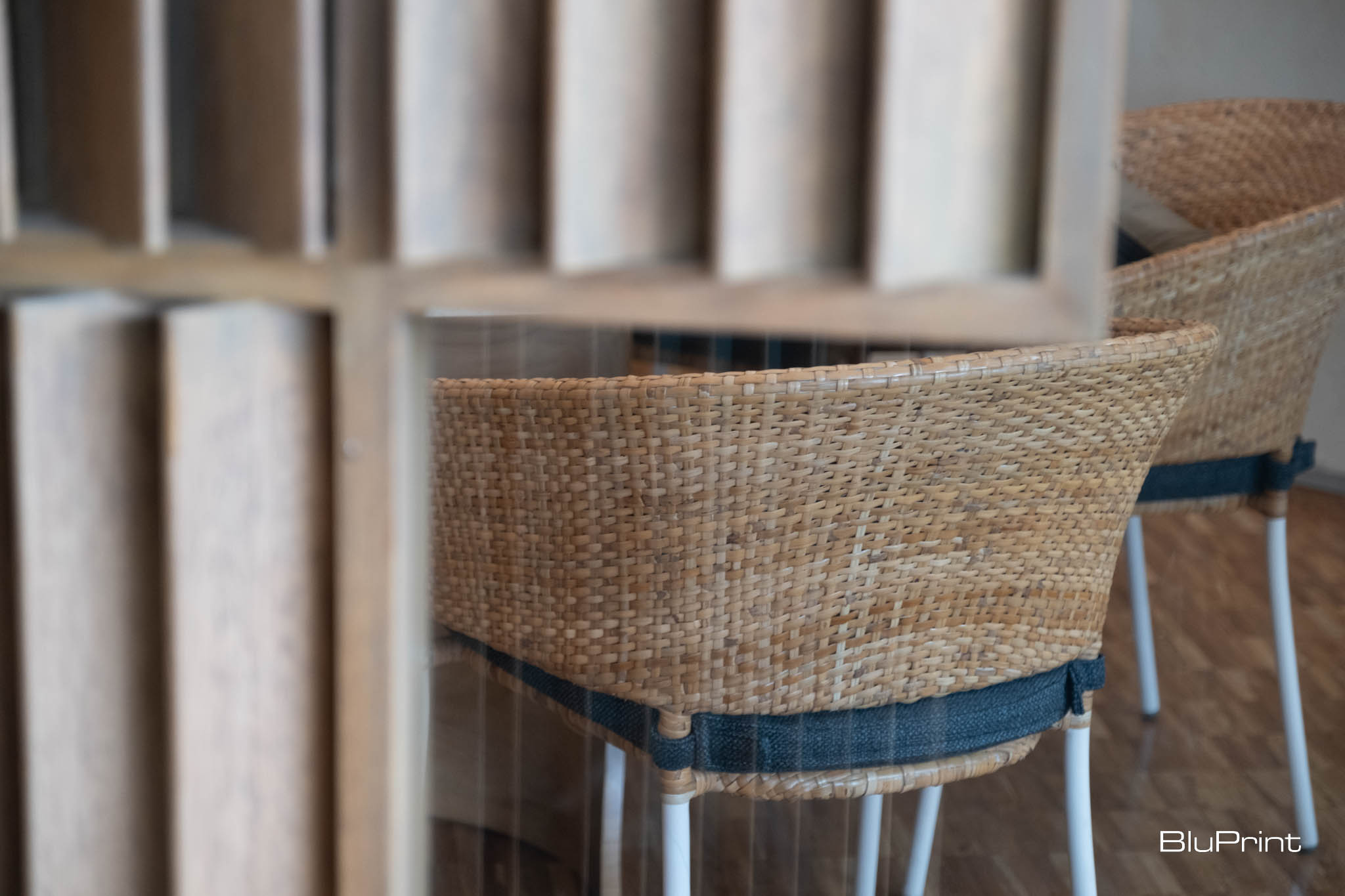
They even embraced the restaurant’s low ceiling rather than alter it, creating an intimate atmosphere enhanced by soft, warm lighting. pieces by renowned designers Kenneth Cobonpue and Vito Selma, whose works contribute to the space’s distinct Filipino character, highlight local craftsmanship.
Communal Dining and Filipino Hospitality
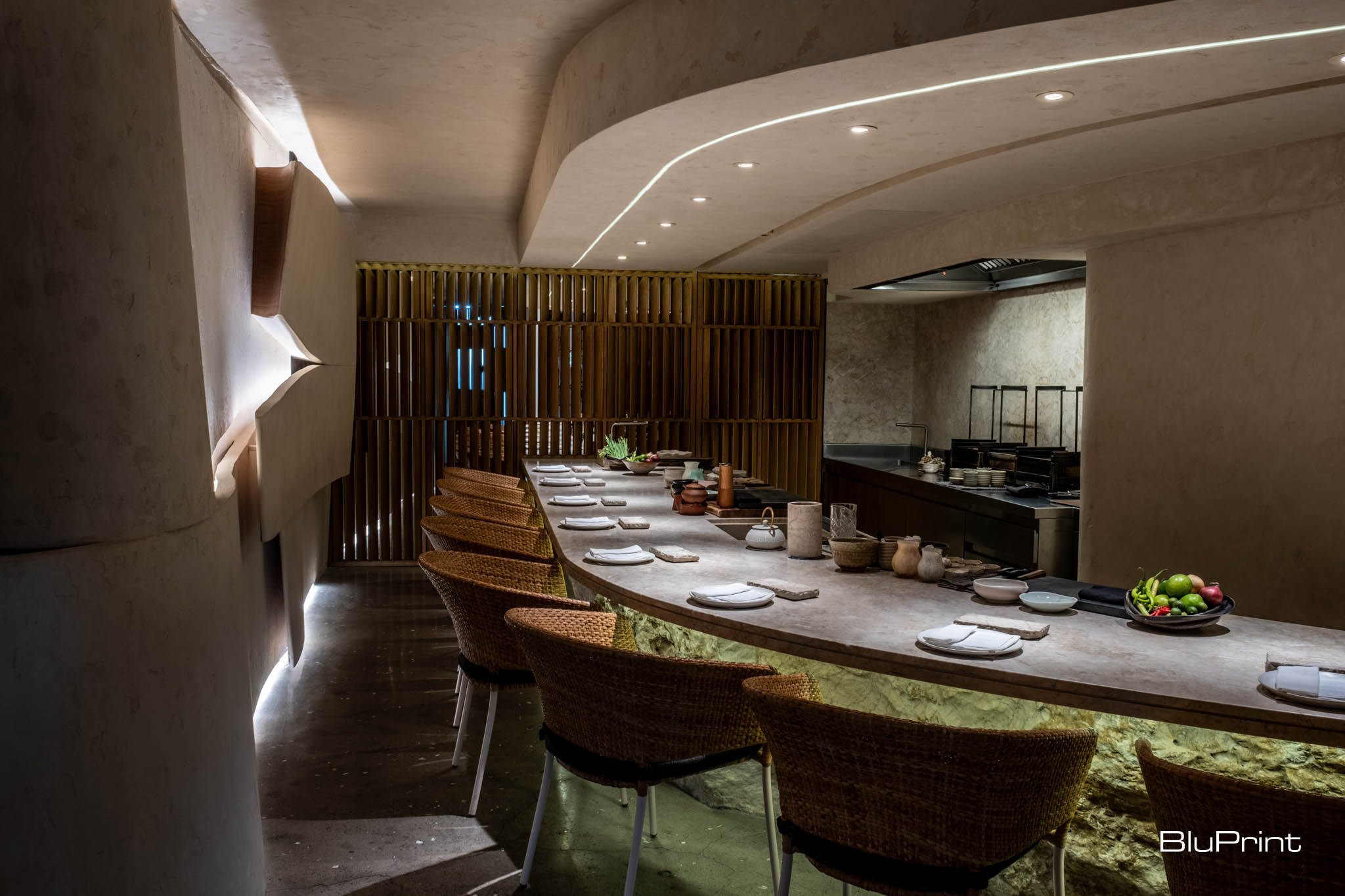
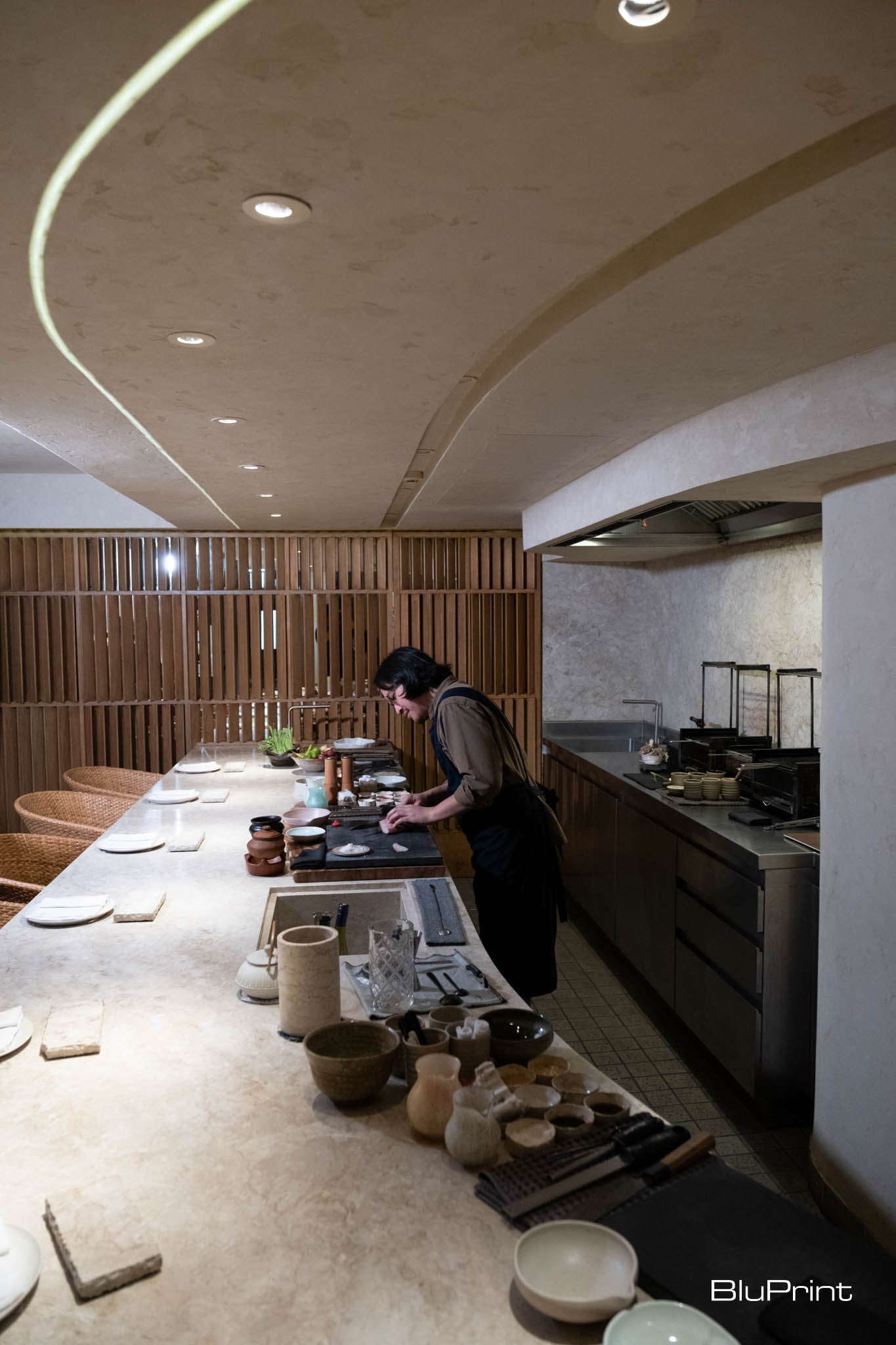
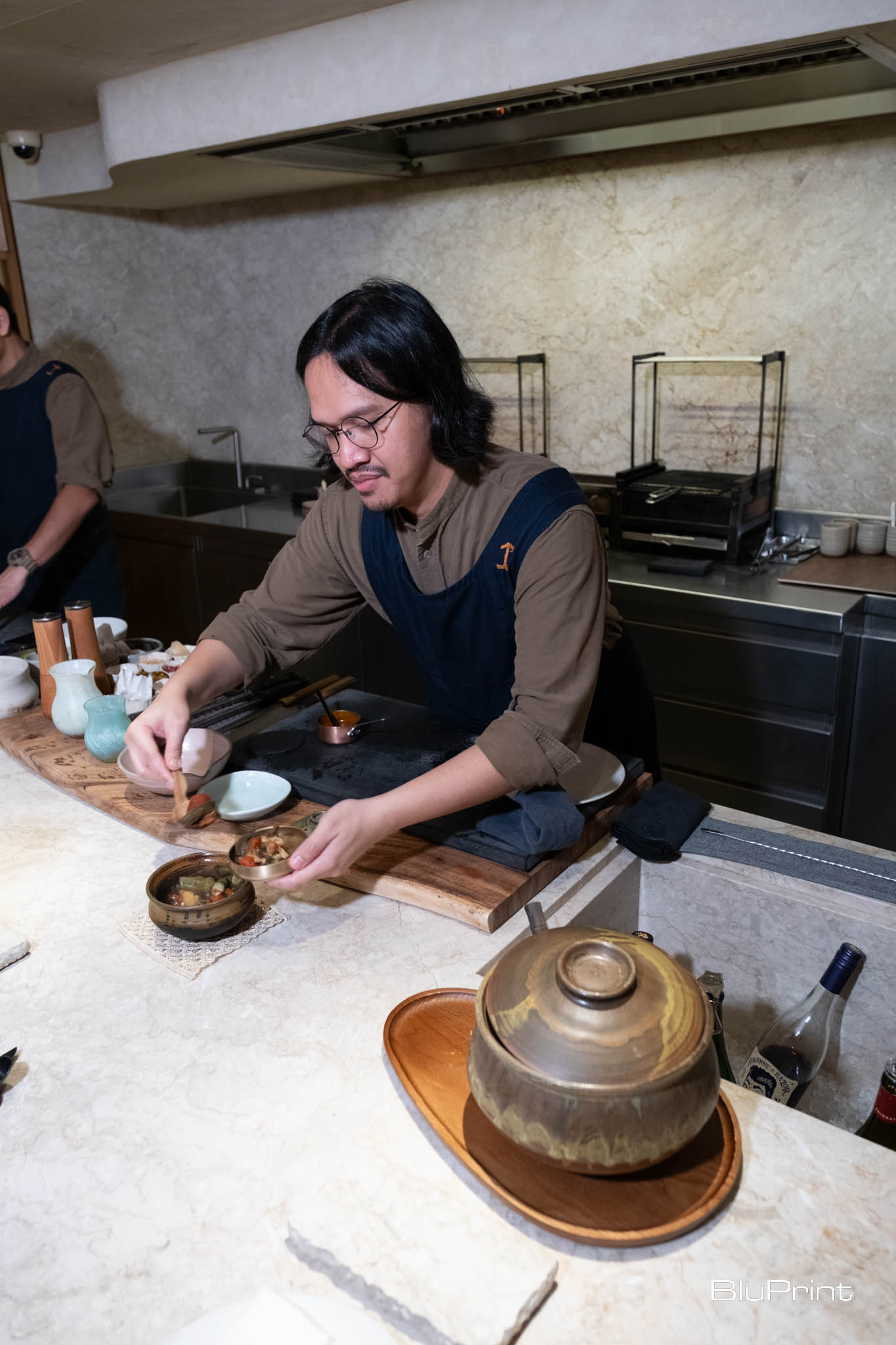
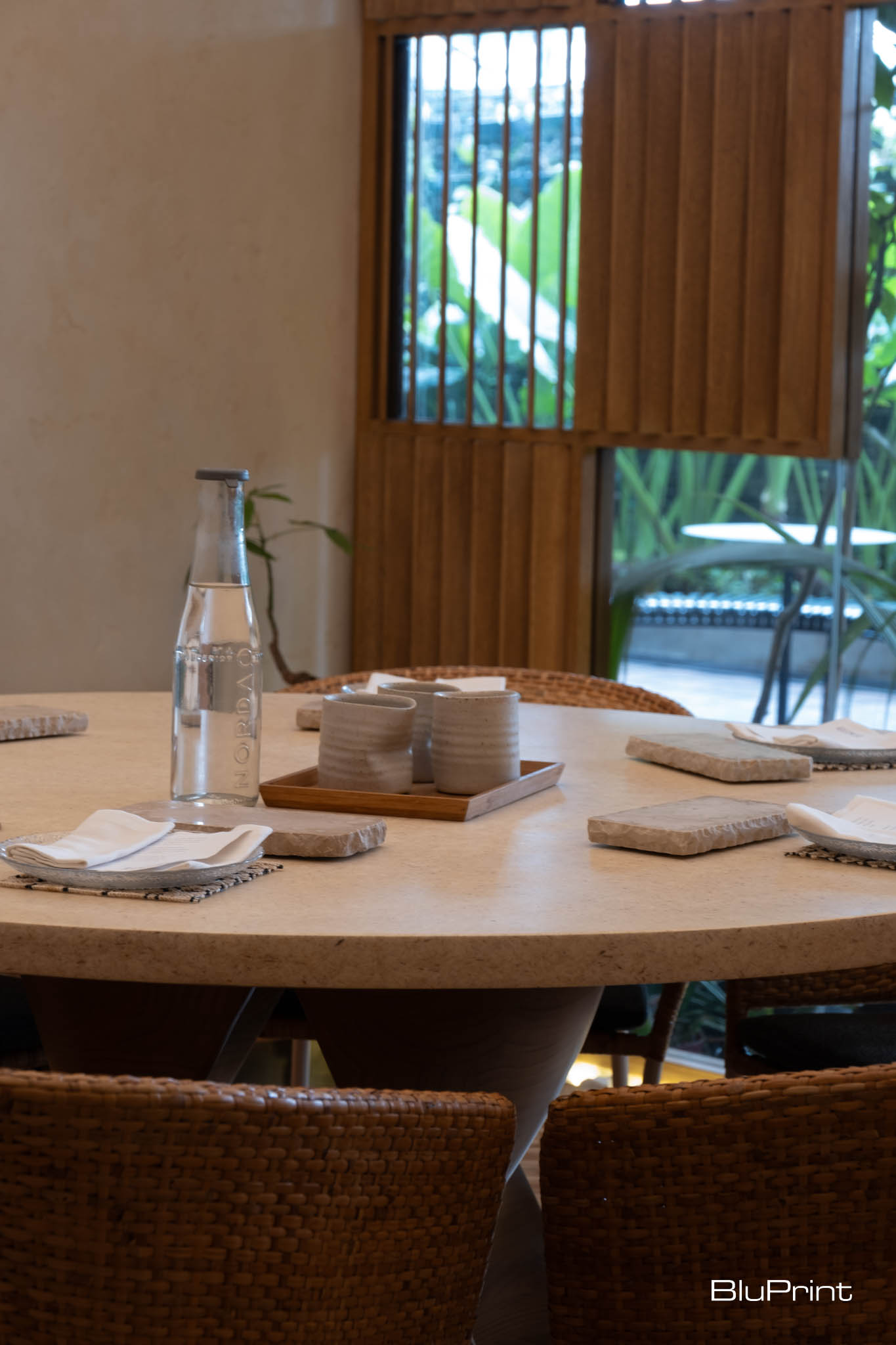
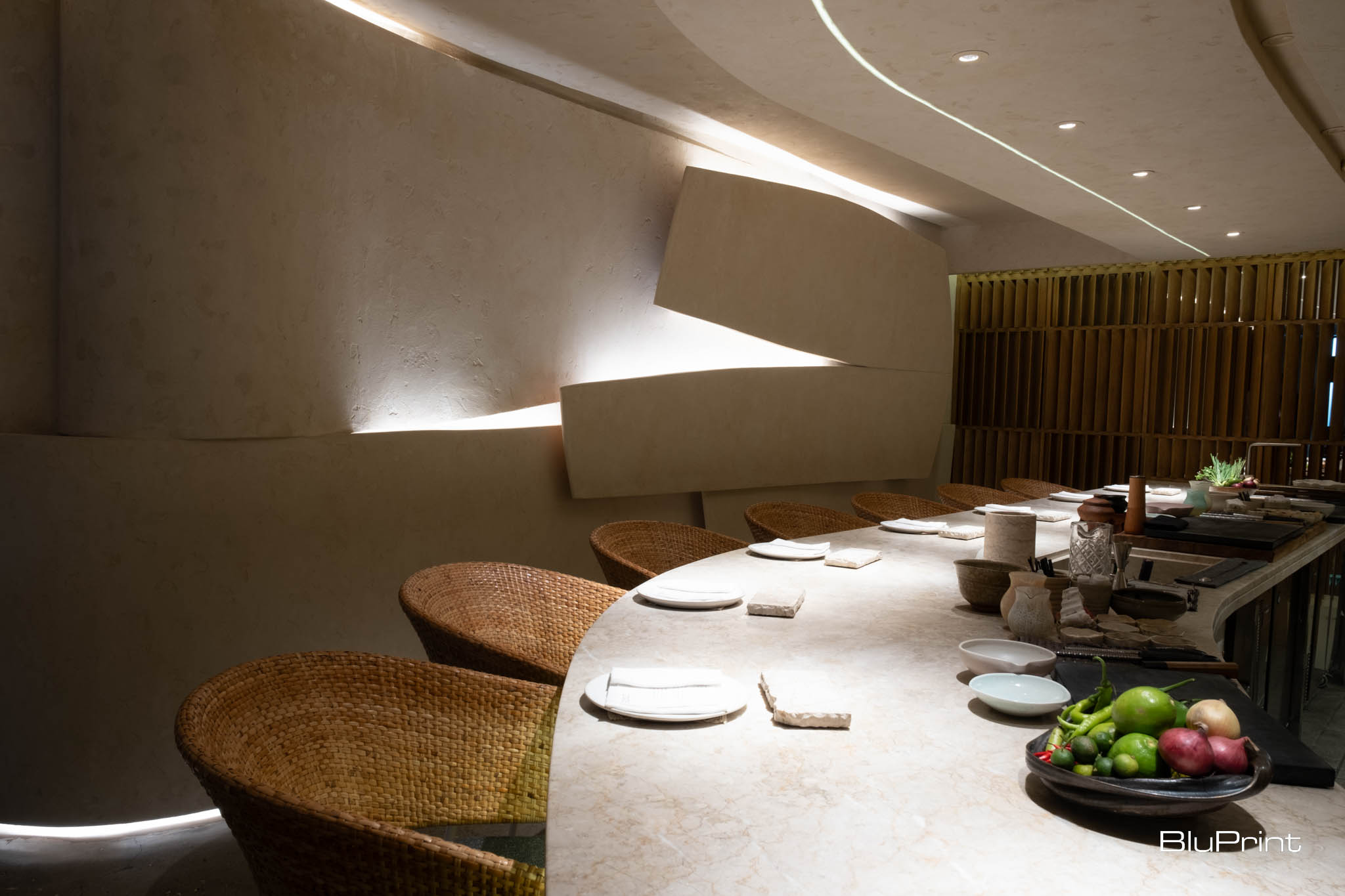
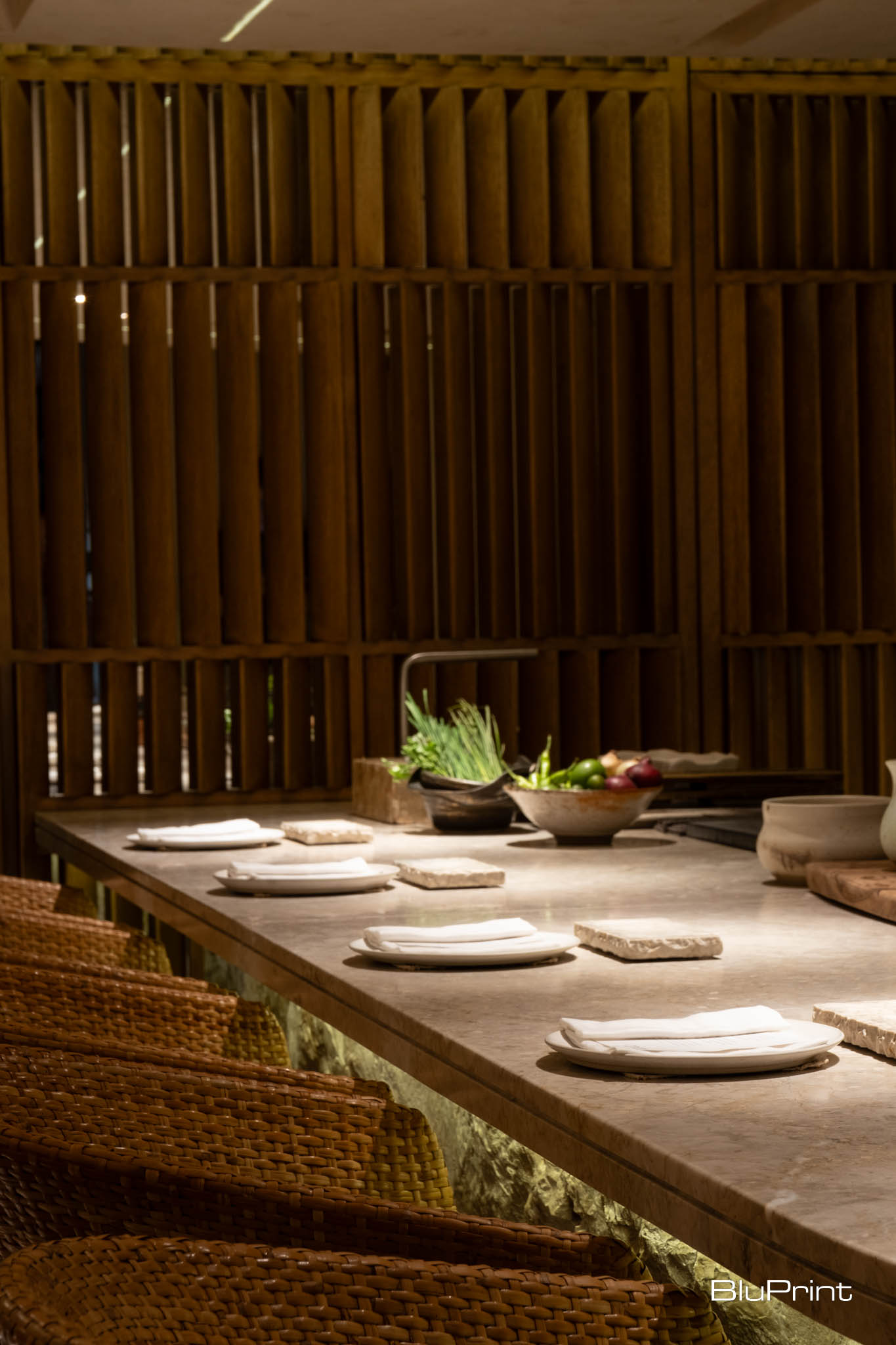
Central to the restaurant’s layout is the Chef’s bar, which not only serves as the focal point of the space but also fosters the communal spirit of Filipino dining. “The Chef’s bar encourages you to mingle with your neighbors and make new friends, like typical Filipinos do,” the designers explain. Carefully planned seating are both ergonomic and inviting, ensuring that guests feel at home while they dine.
Innovative Use of Local Materials
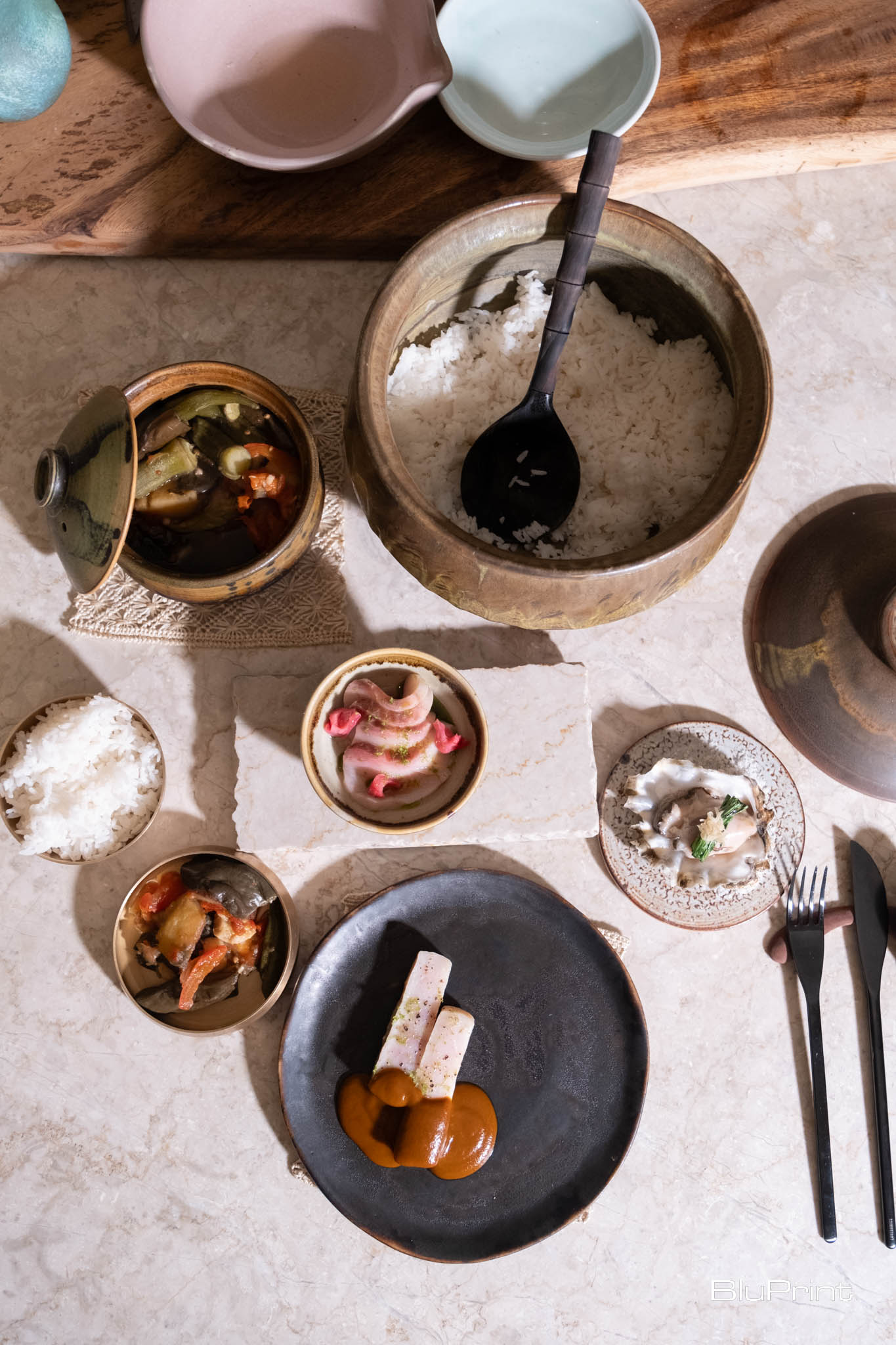
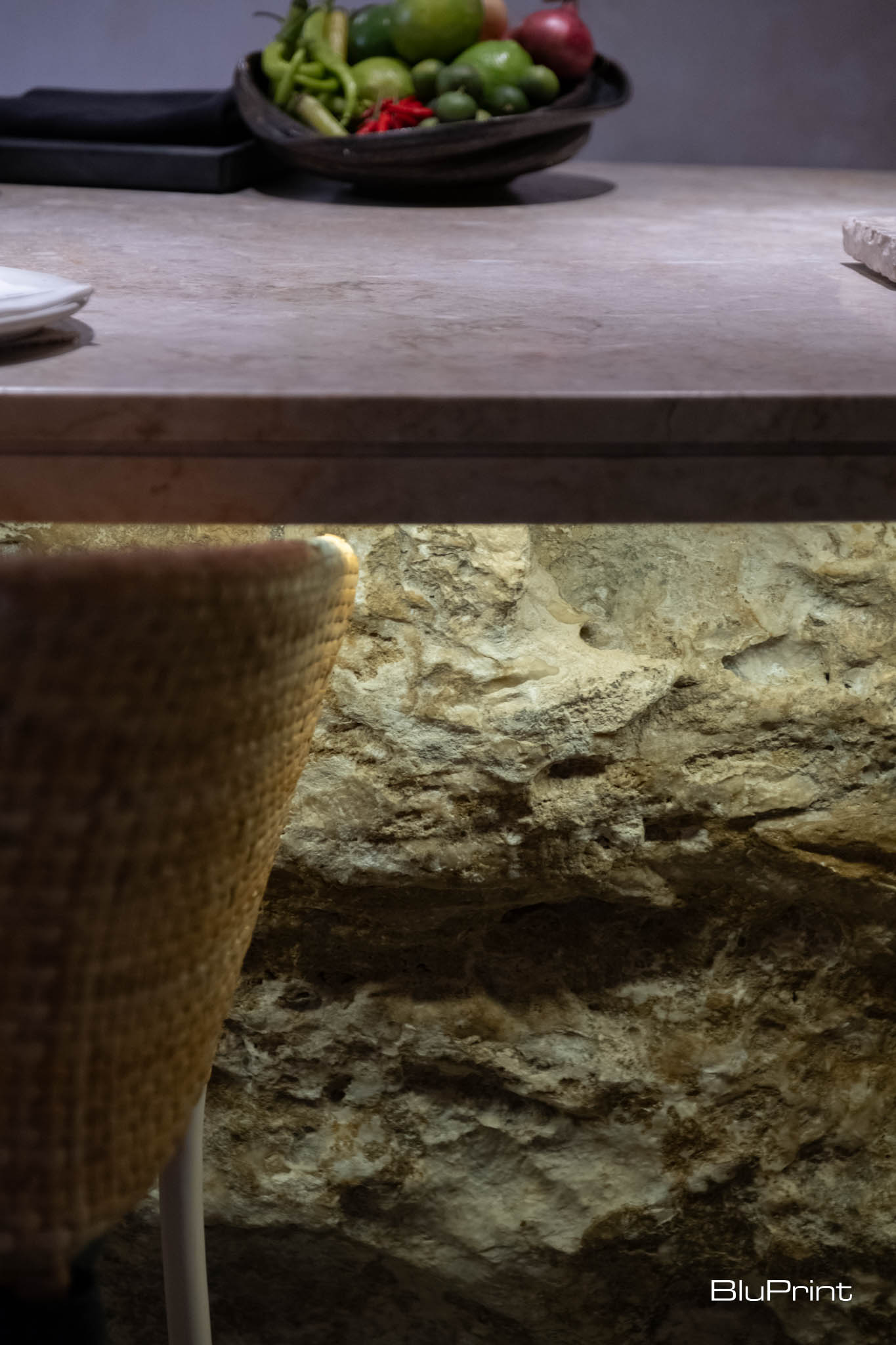
Inatô’s aesthetic is deeply rooted in the use of local materials. The ipil ipil parquet flooring and rice husk resin tabletops are both nods to the country’s rich natural resources and a commitment to sustainability. The crushed oyster shells embedded in the concrete flooring are another standout feature, adding a touch of texture and storytelling to the space.


A Theatrical Dining Experience
The design of Inatô goes beyond aesthetics; it’s about crafting an experience that engages all the senses. The restaurant’s layout, intentionally designed to bring the kitchen to the forefront, allows guests to witness the artistry behind their meals. “We wanted everyone to feel at home and feel comfortable,” the designers note, emphasizing how they designed the space to make diners feel as if they are part of the culinary process.
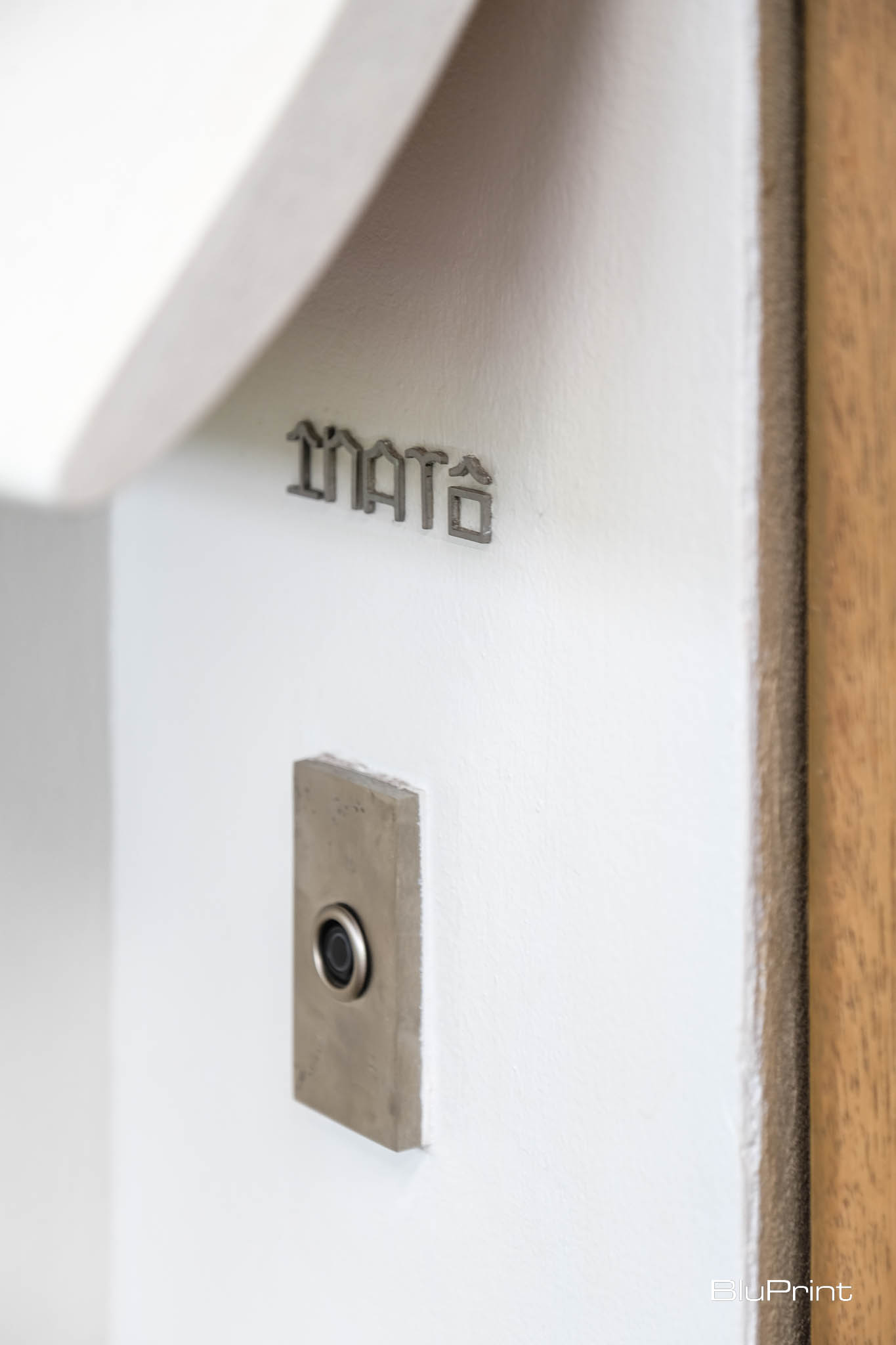
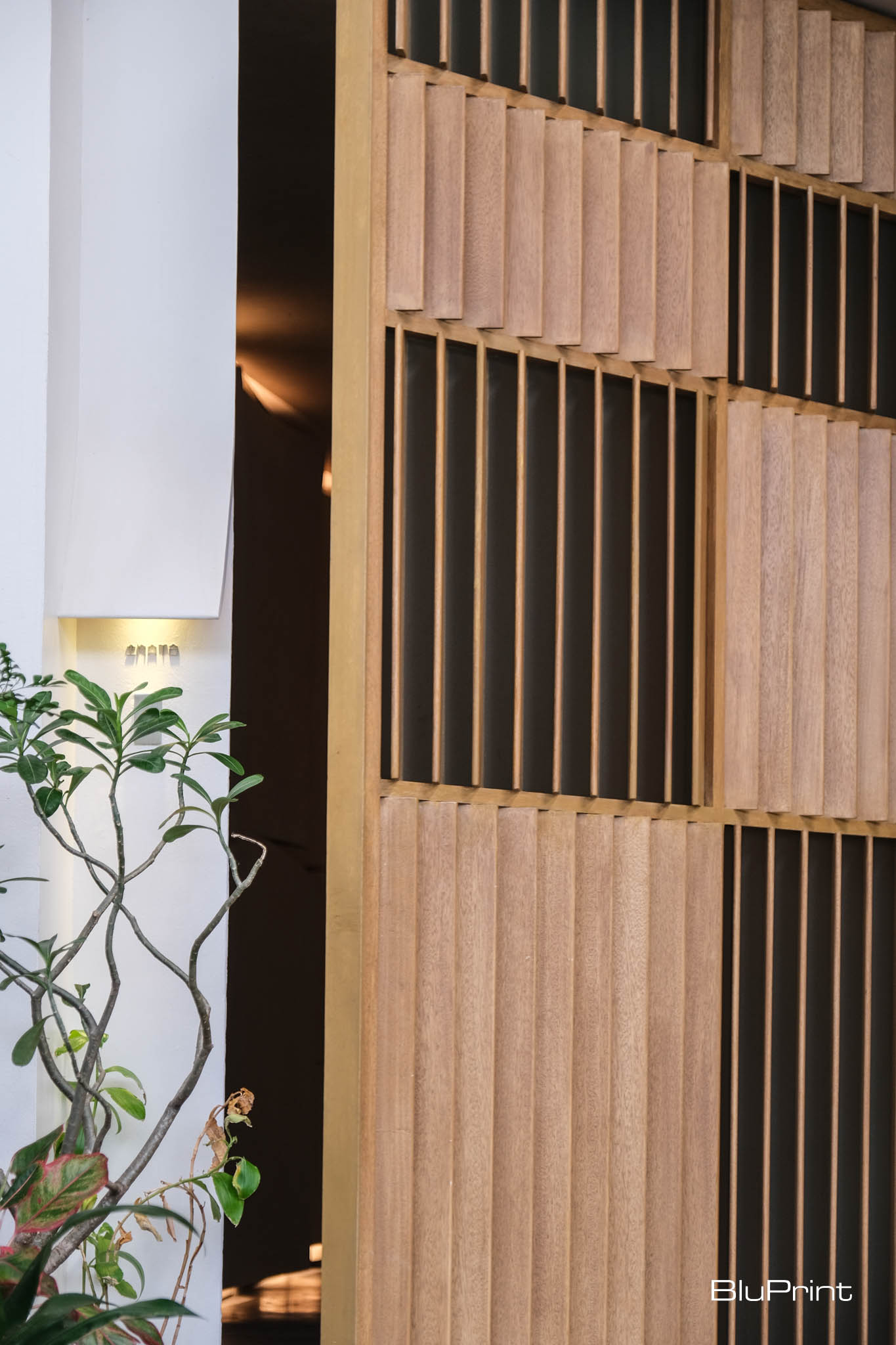
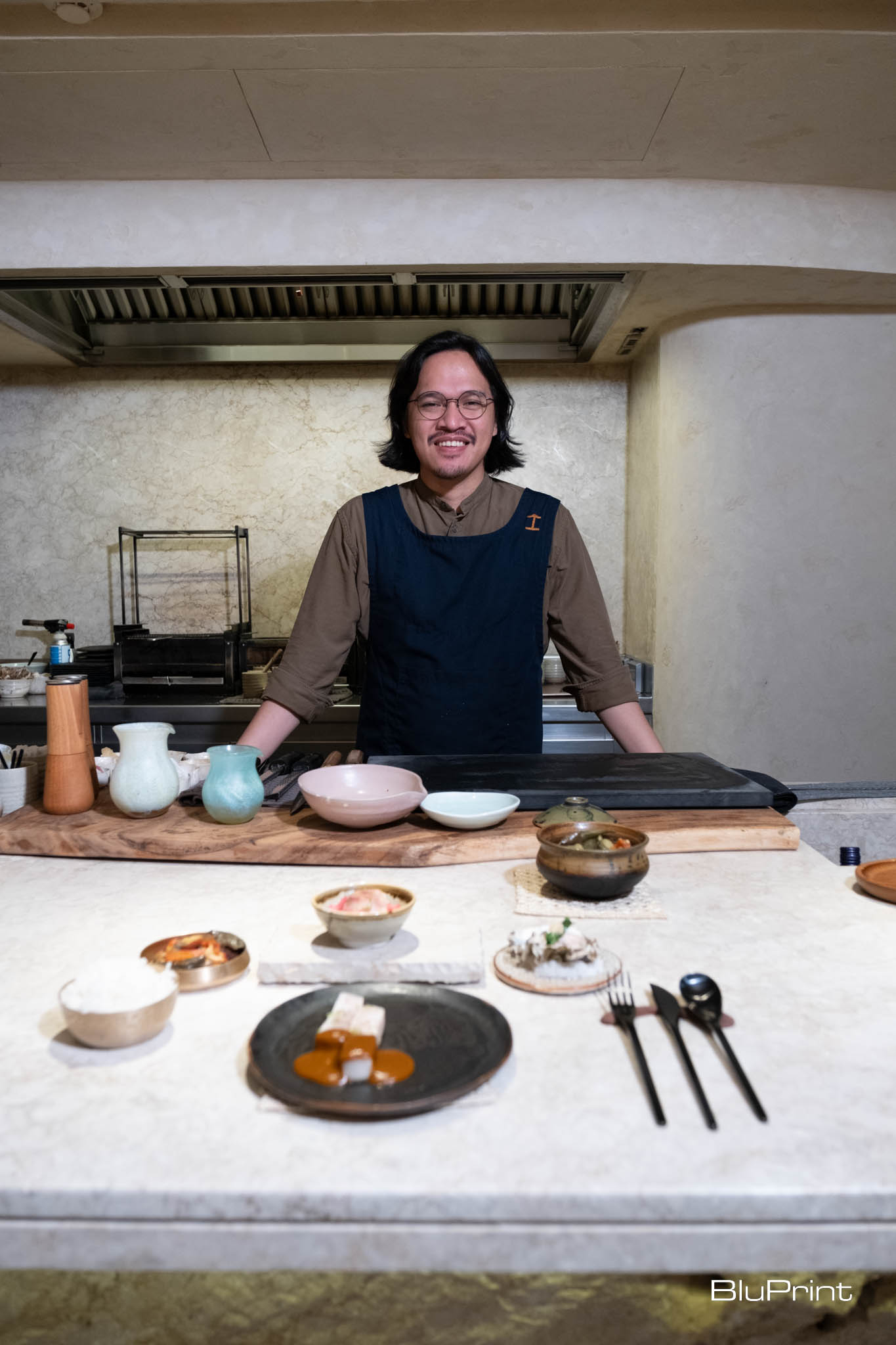
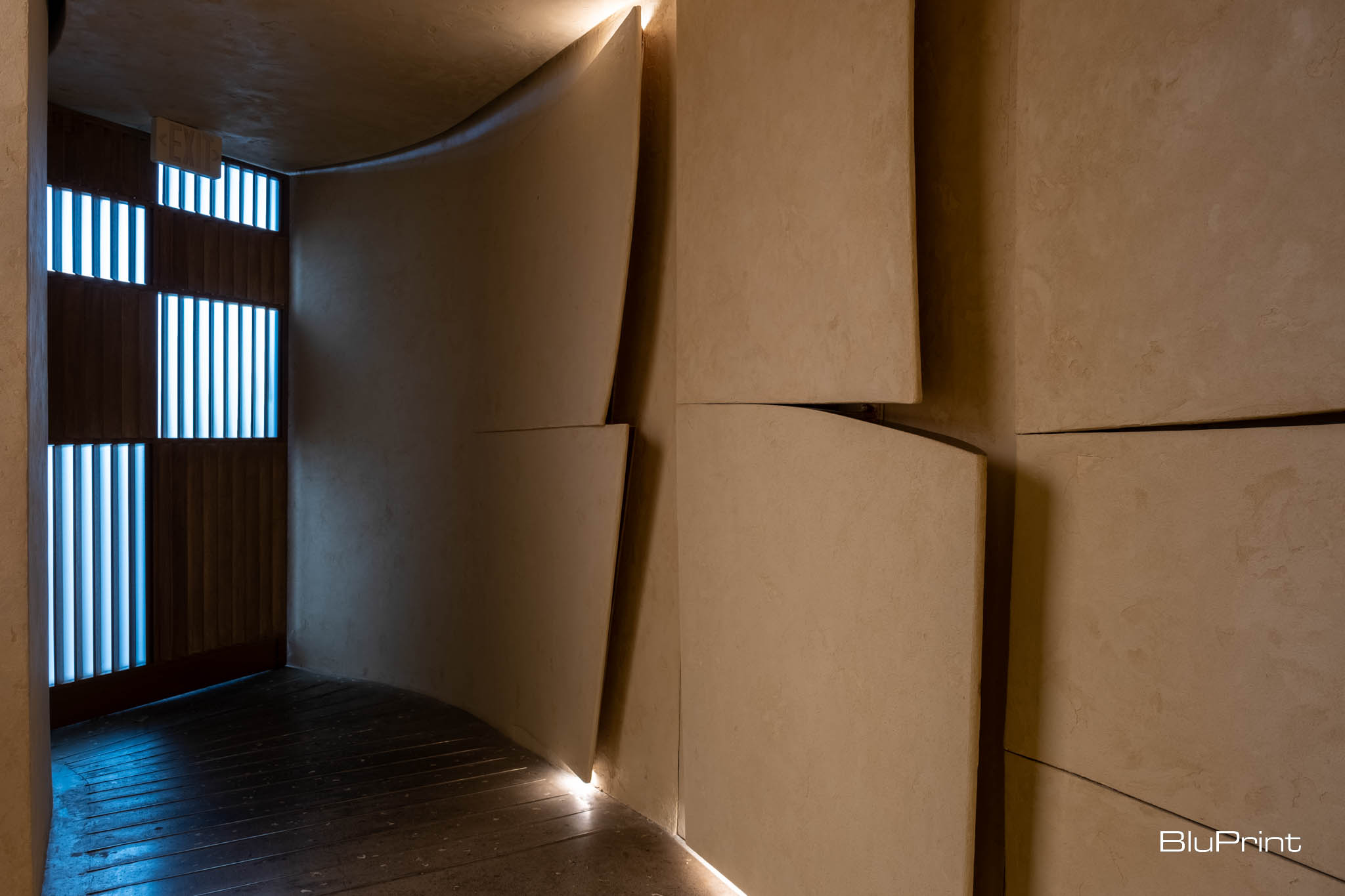
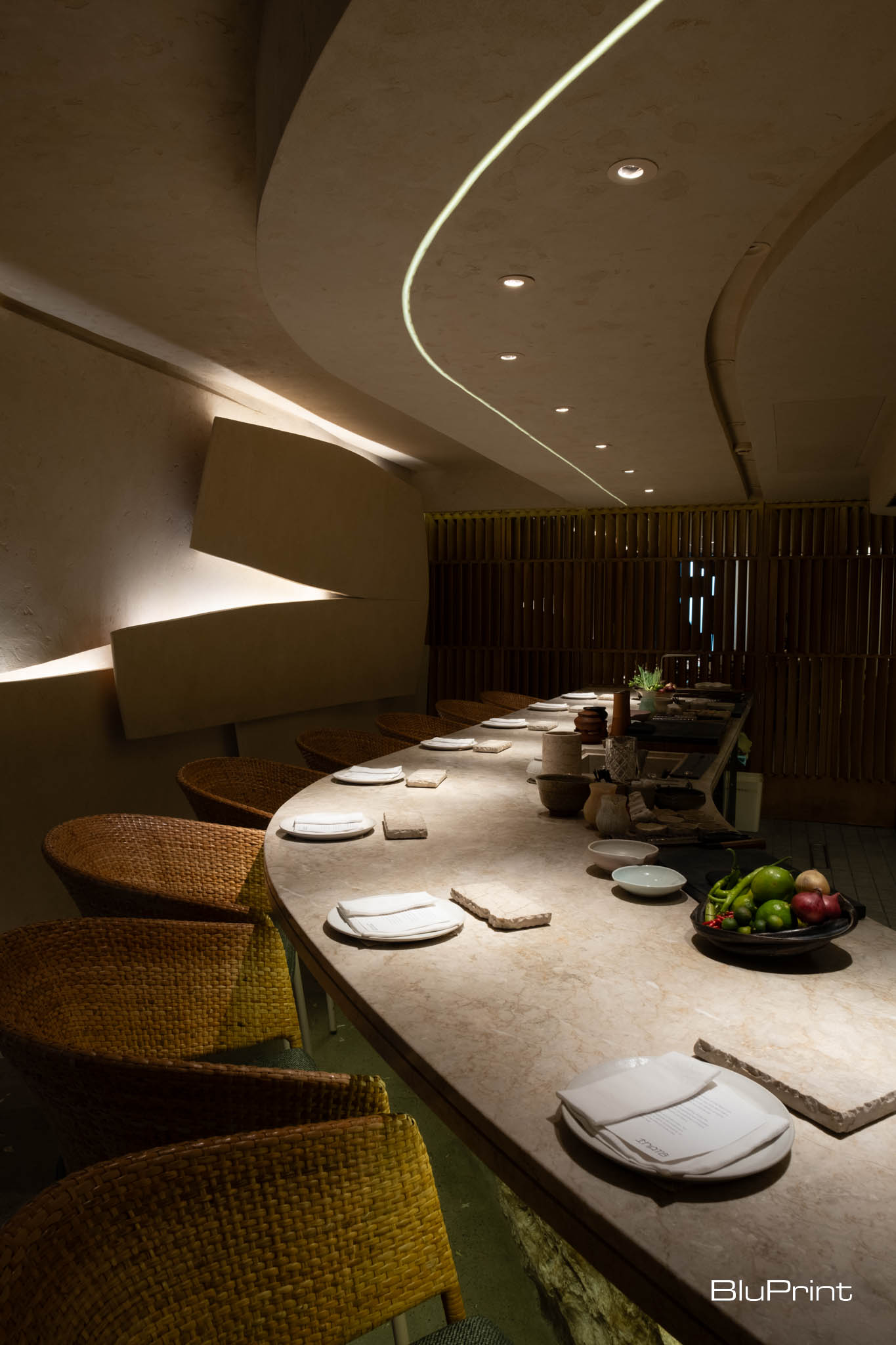
From the moment guests ring the doorbell and greeted by Chef JP Cruz, the experience at Inatô is carefully curated to build anticipation and excitement. The interplay of curves and lines in the design, the use of plantation blinds, and the subtle lighting all contribute to creating a mood that is both intimate and welcoming.
Reflecting Filipino Roots and Philosophy
The restaurant’s name, “Inatô,” speaks to the casual, unpretentious hospitality that Filipinos are known for. Studio Ong’s design reflects this spirit by deconstructing elements of the Filipino home and reinterpreting them in the restaurant’s interiors. The use of full-stretched fabric on the ceiling mimics the open, airy feel of a traditional Filipino lanai, despite the lack of natural light in the space.
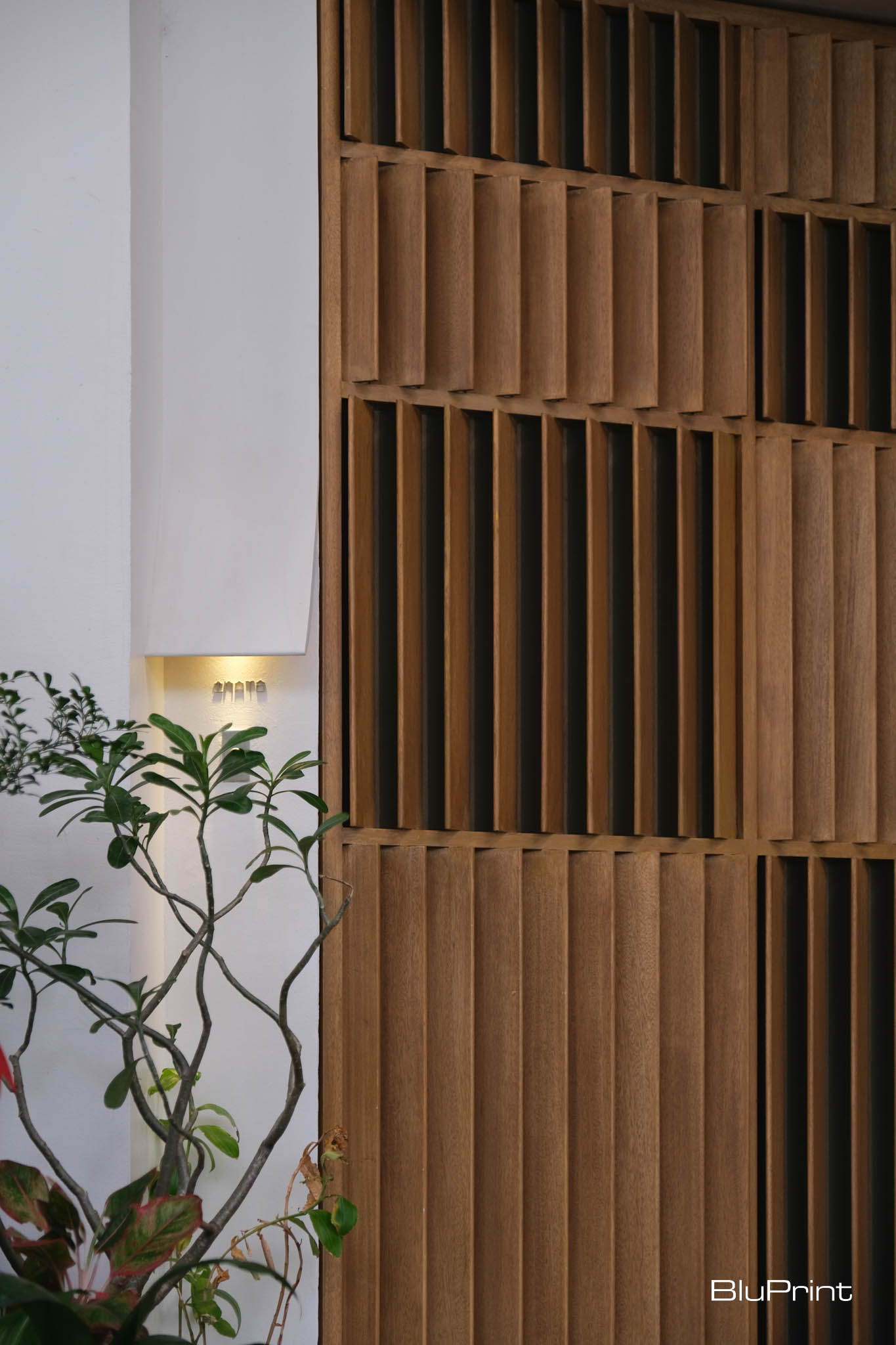
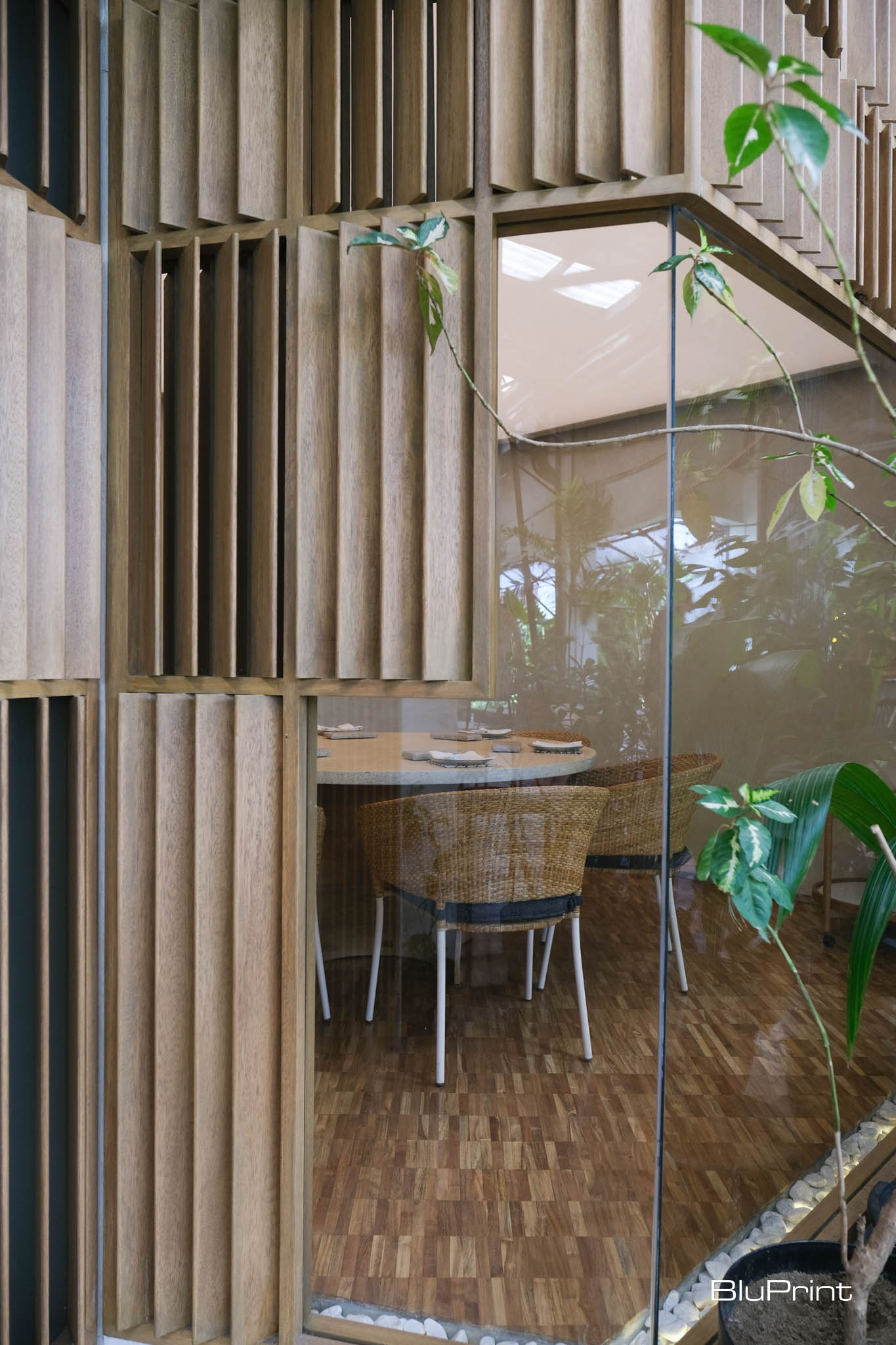
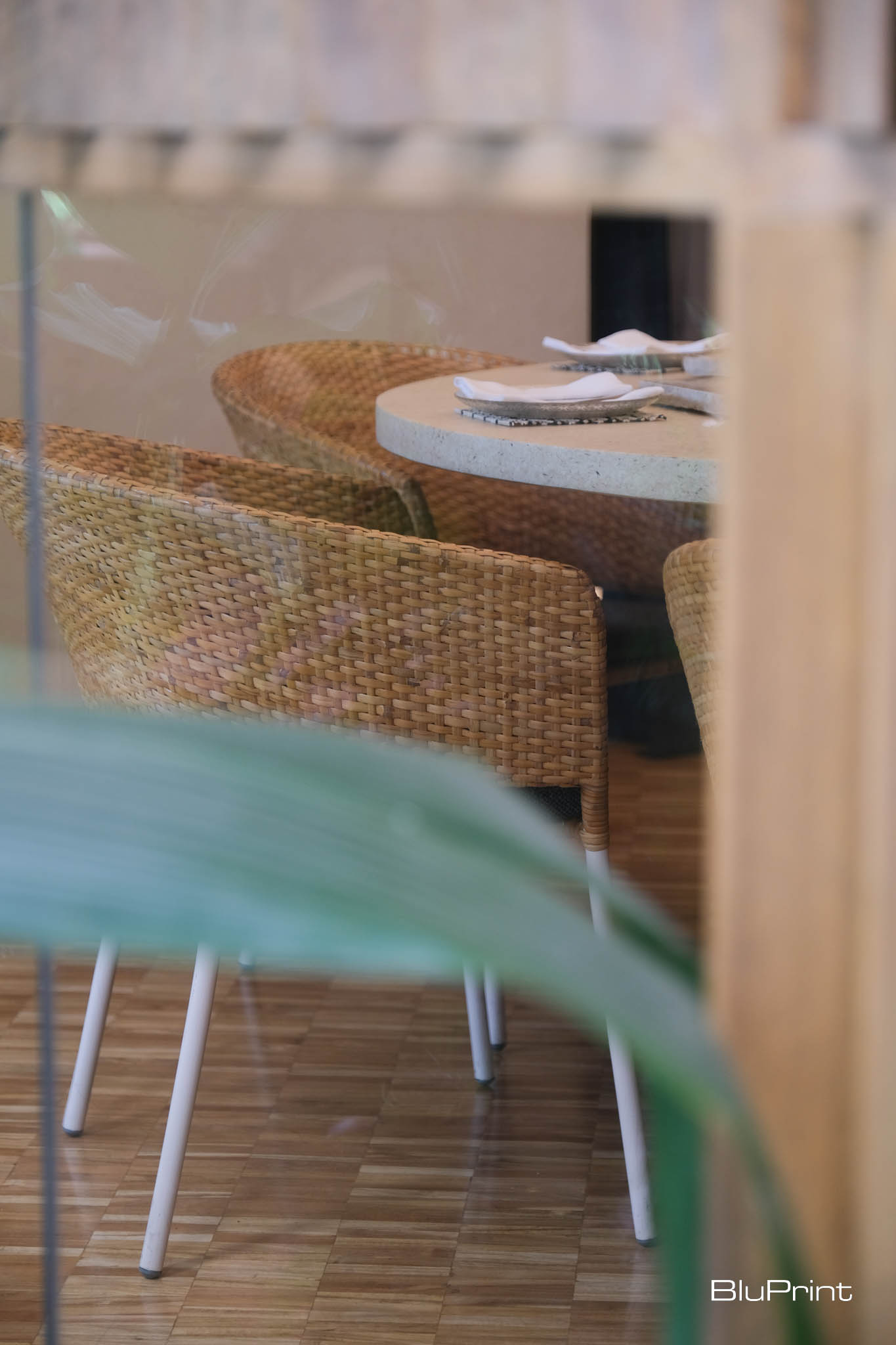
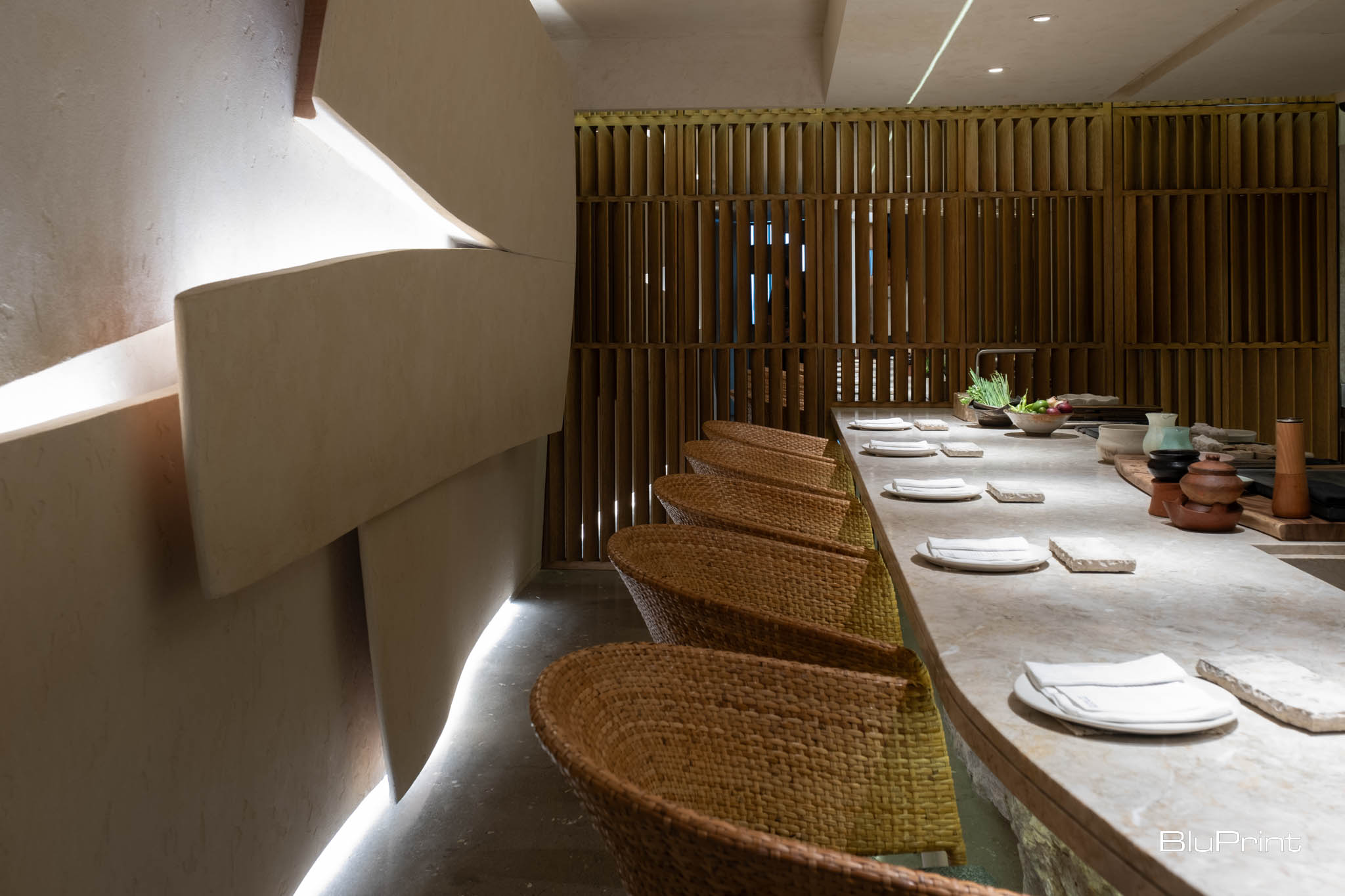
Studio Ong’s thoughtful approach to incorporating local materials, fostering communal interaction, and evoking the warmth of Filipino hospitality makes Inatô a standout in the Manila dining scene. They meticulously crafted every element, from the music to the lighting, to make guests feel at home while also encouraging them to appreciate the beauty of Filipino creativity. As the designers put it, “We want it to be a space where people feel good, [to] create a memorable experience that would make them want to go back and share it with more friends.”
Watch BluPrint ArchitectureArchitectureThe art and science of designing and constructing buildings, structures, and spaces that are functional, safe, and aesthetically pleasing. It encompasses the planning, design, materials, and techniques used to createGo to Architecture Glossary of Dining for an exclusive tour:
Photography by Ed Simon
Read more: Asador Alfonso: A Spanish Culinary Haven in Cavite
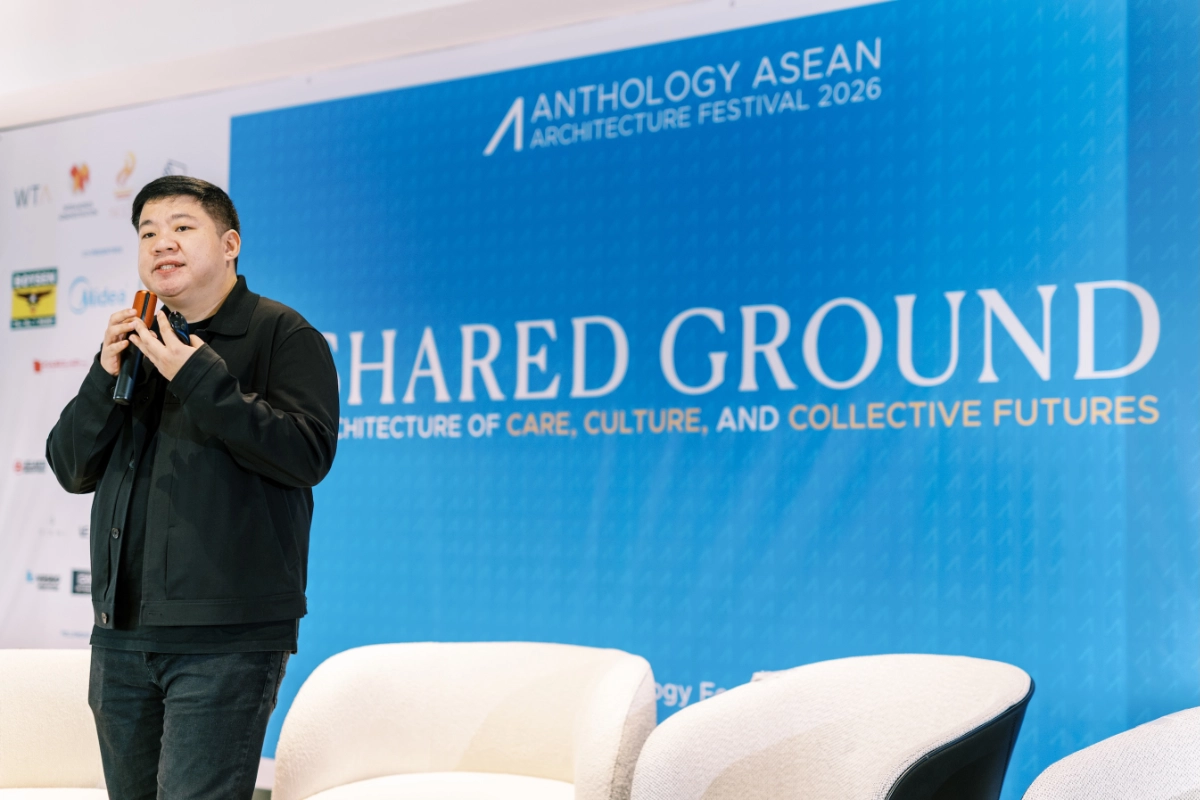
“Buildings only become architectureArchitectureThe art and science of designing and constructing buildings, structures, and spaces that are functional, safe, and aesthetically pleasing. It encompasses the planning, design, materials, and techniques used to createGo to Architecture Glossary when they are shared,” said William Ti Jr., founder of the Anthology Festival and WTA Architecture and Design Studio, […]
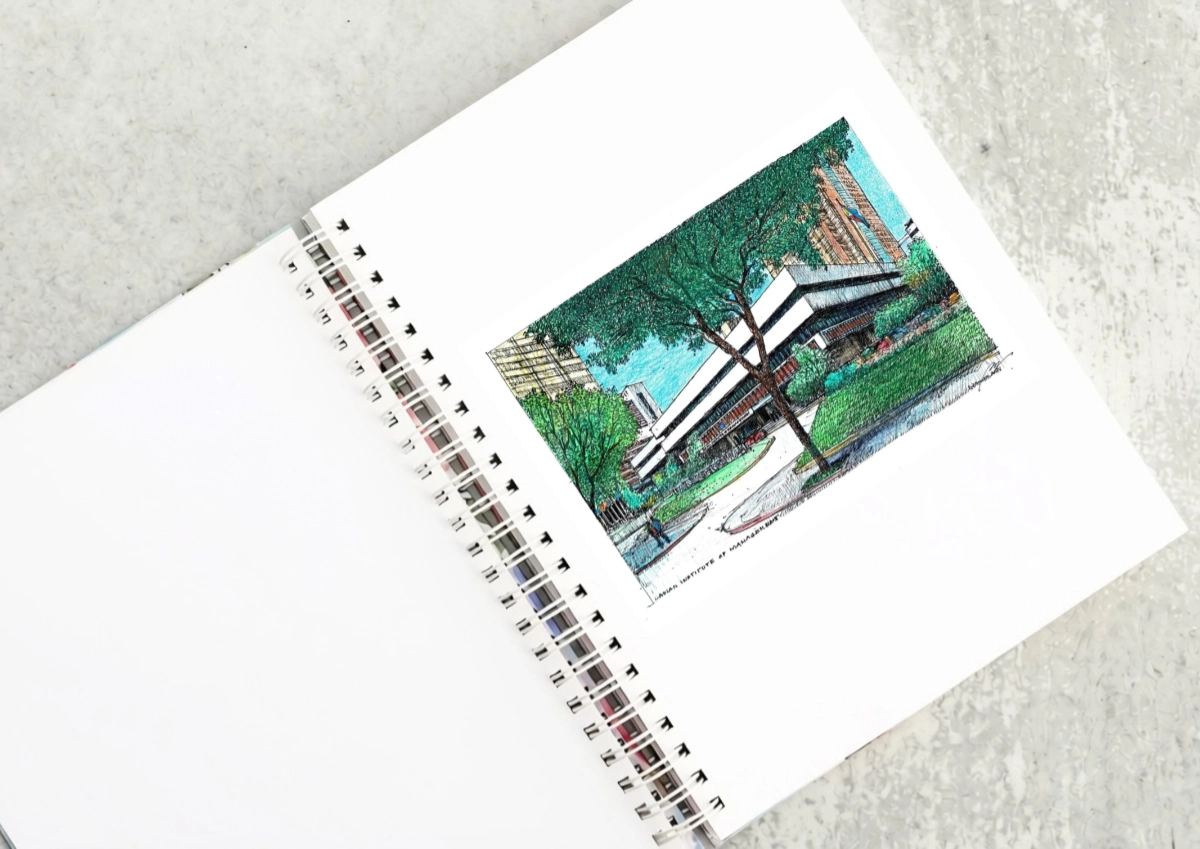
A Filipino Interpretation of Modernist Architecture Unlike the rest of Makati today, the northern end of Paseo de Roxas in Makati is anchored by a low complex rather than a tall skyscraper. This is the elegant Asian Institute of Management, designed by architect Gabriel Formoso and completed in 1971. In my opinion, the building is […]

“Thailand has claimed urban creativity and livability. Singapore has institutional design leadership. Indonesia is emerging as a design hub. Vietnam is moving into design innovation. And the Philippines? Its position is not weak. It is simply unclaimed.” For IDr. Cecil Ravelas, National President of the Philippine Institute of Interior Designers (PIID), the challenge is not […]
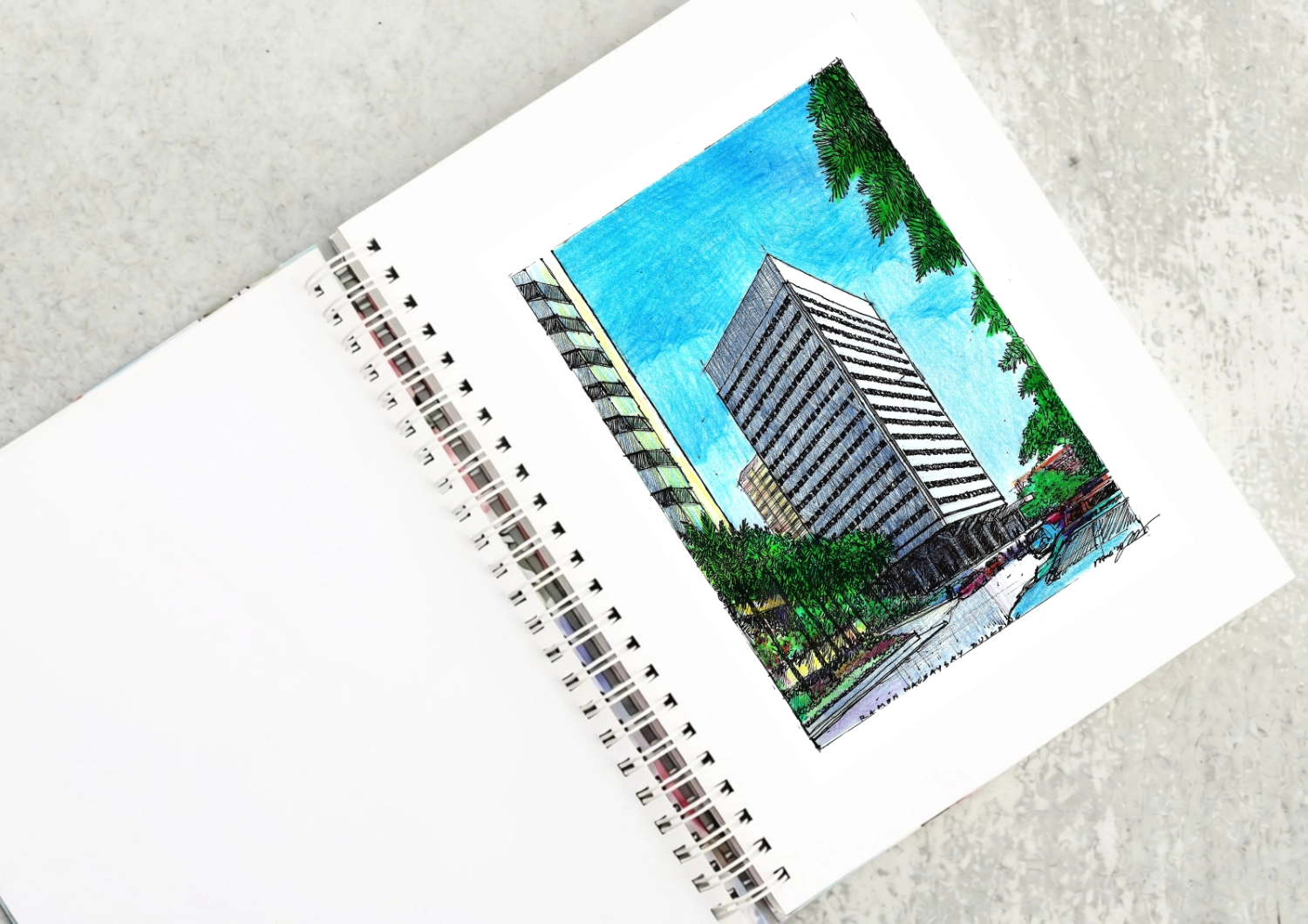
The Ramon Magsaysay Center as a Modernist Landmark Driving down Roxas boulevard from Rizal Park, what will catch your eye is the most elegant modernist structure in the country, the Ramon Magsaysay Center. Most established Filipino architects put it in their top ten lists of favorite buildings. It was designed by Alfredo J. Luz, who […]

Rinna Soriano’s favorite part of her work is sanding. At her workbench, she stays focused, following the grain, adjusting to changes in its direction. Narra, she has learned, can have interlocking grain. A piece of mango once proved particularly difficult until a worker explained that she had reached the point where a branch once grew […]
Read the issues.

Collect the volumes.

Recommended Video
Tap to Unmute
Unmute
0:00
0:00