A Filipino Interpretation of Modernist Architecture Unlike the rest of Makati today, the northern end of Paseo de Roxas in Makati is anchored by a low complex rather than a tall skyscraper. This is the elegant Asian Institute of Management, designed by architect Gabriel Formoso and completed in 1971. In my opinion, the building is […]
“Zóbel: The Future of the Past” Celebrates Fernando Zóbel’s Centennial



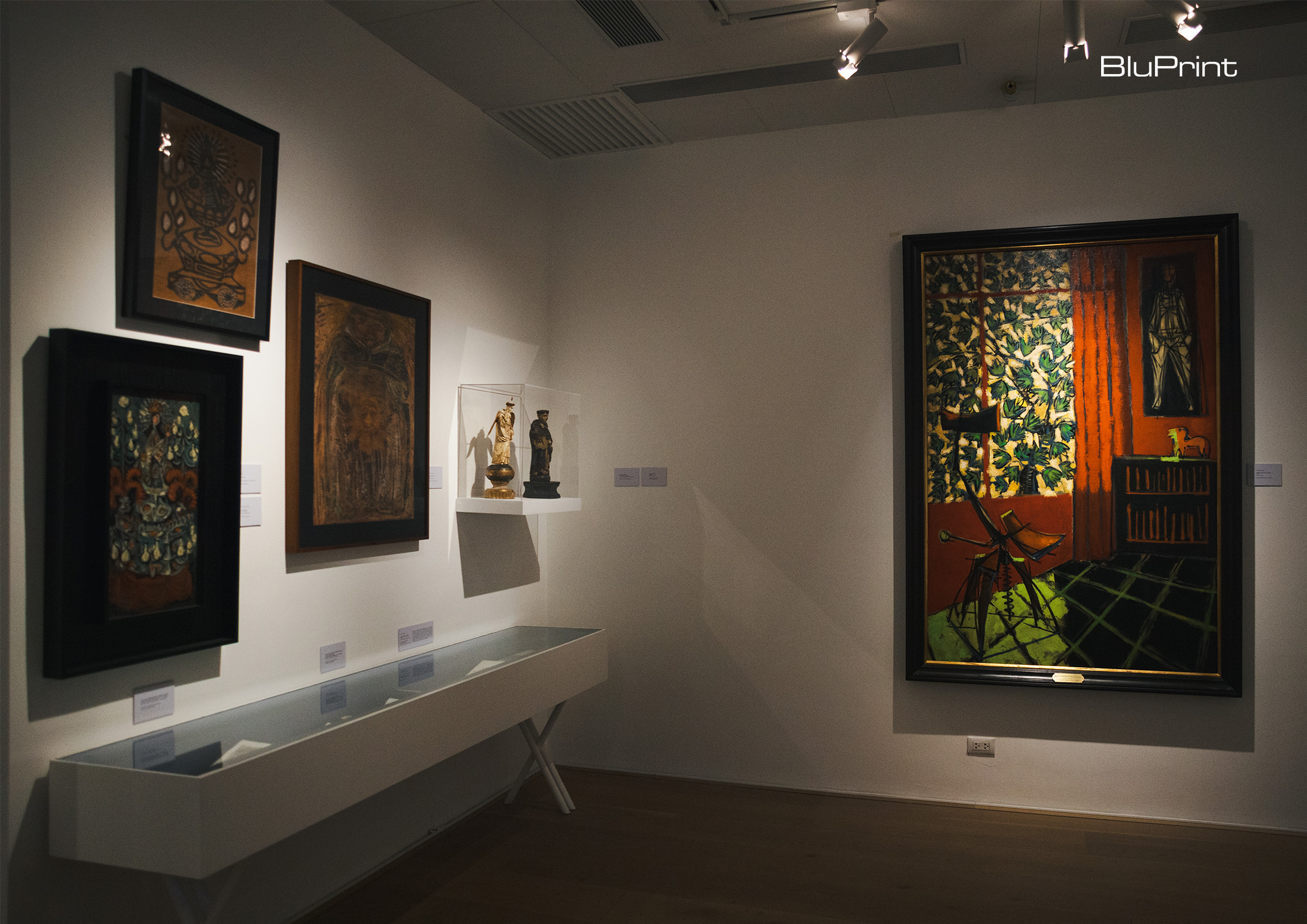
Ayala Museum proudly hosted the Asian premiere of “Zóbel: The Future of the Past” on September 14, 2024. First showcased at Spain’s Museo Nacional del Prado in 2022, this comprehensive exhibition is a tribute to Fernando Zóbel. The renowned artist and art critic played a pivotal role in shaping both Philippine and global art history.
This landmark multimedia exhibition simultaneously celebrates the museum’s 50th anniversary, Zóbel’s birth centenary, and Ayala Corporation’s 190th year. Felipe Pereda, the Fernando Zóbel de Ayala Professor of Spanish Art at Harvard University, and Manuel Fontán del Junco, Director of Museums and Exhibitions at Fundación Juan March, Madrid, co-curated “Zóbel: The Future of the Past”. Together, they trace Zóbel’s artistic journey from the figurative to the abstract.
The exhibition features over 200 works, including the artist’s never-before-seen sketchbooks, offering an intimate look at Zóbel’s artistic process. His carefully composed journals and candid photographs take visitors on a journey through his global travels, museum visits, and artistic gatherings. All offer insight into his profound perception of the world around him.
Drawing from private collections and renowned institutions from around the globe, it showcases his ability to bridge artistic traditions across continents. It is only the second exhibition at the Prado dedicated to a 20th-century artist, following Pablo Picasso. This distinction highlights Zóbel’s unique position in the art world, having deep ties to both Spain and the Philippines,
A Global Artist with Deep Roots
Born in Manila in 1924, Fernando Zóbel’s early life and education straddled the Philippines and the United States. He studied history and literature at Harvard University. After returning to Manila, he became a key figure in the local art scene. This period saw collaborations with modernists masters like Vicente Manansala, HR Ocampo, and Cesar Legaspi.
In the late 1950s, Zóbel relocated to Spain, where the Prado Museum became Zobel’s “laboratory”. He was endlessly inspired by the masterpieces of El Greco, Francisco Goya, Francisco de Zurbarán, Jusepe de Ribera, and Diego Velázquez.
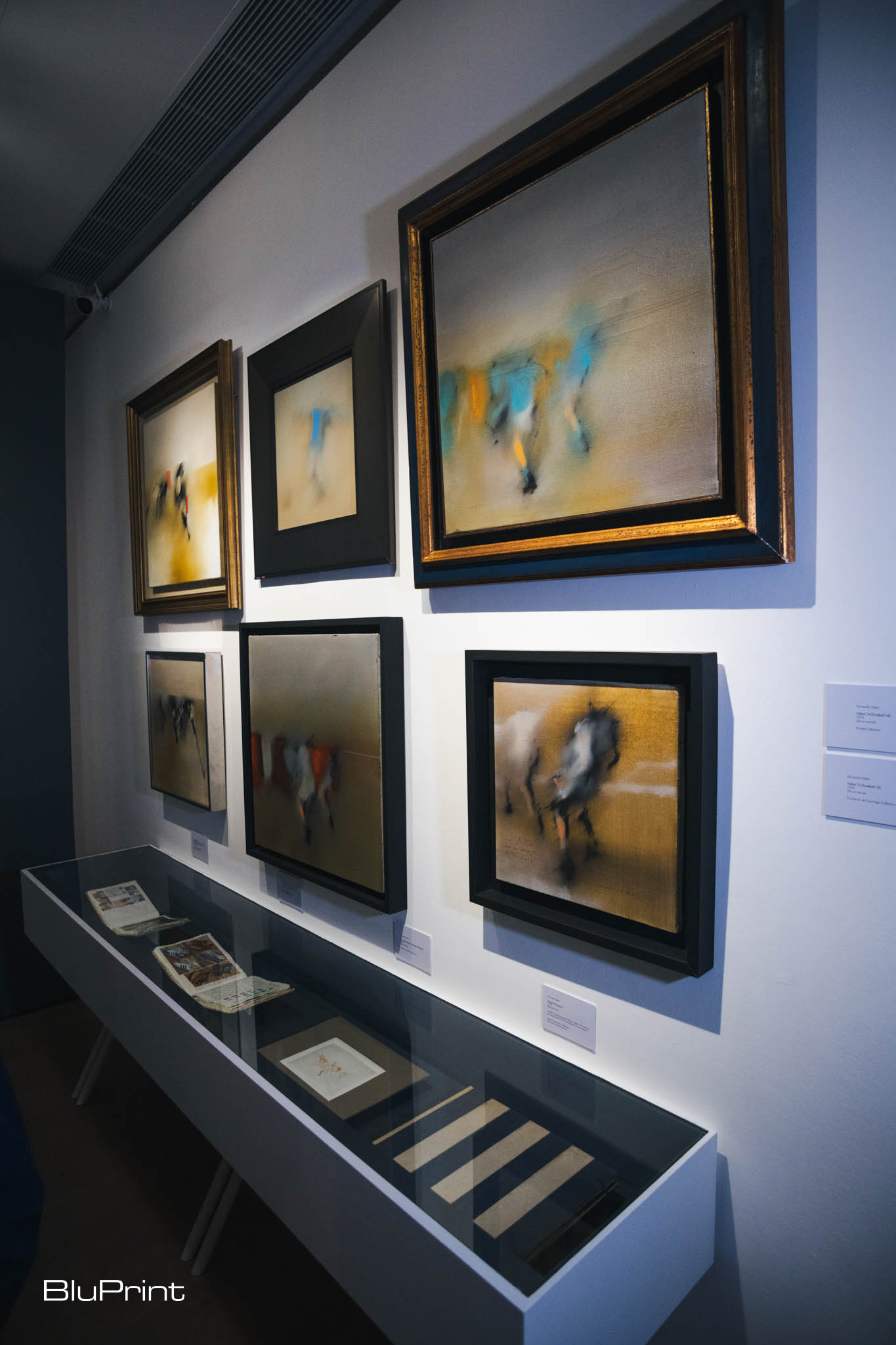
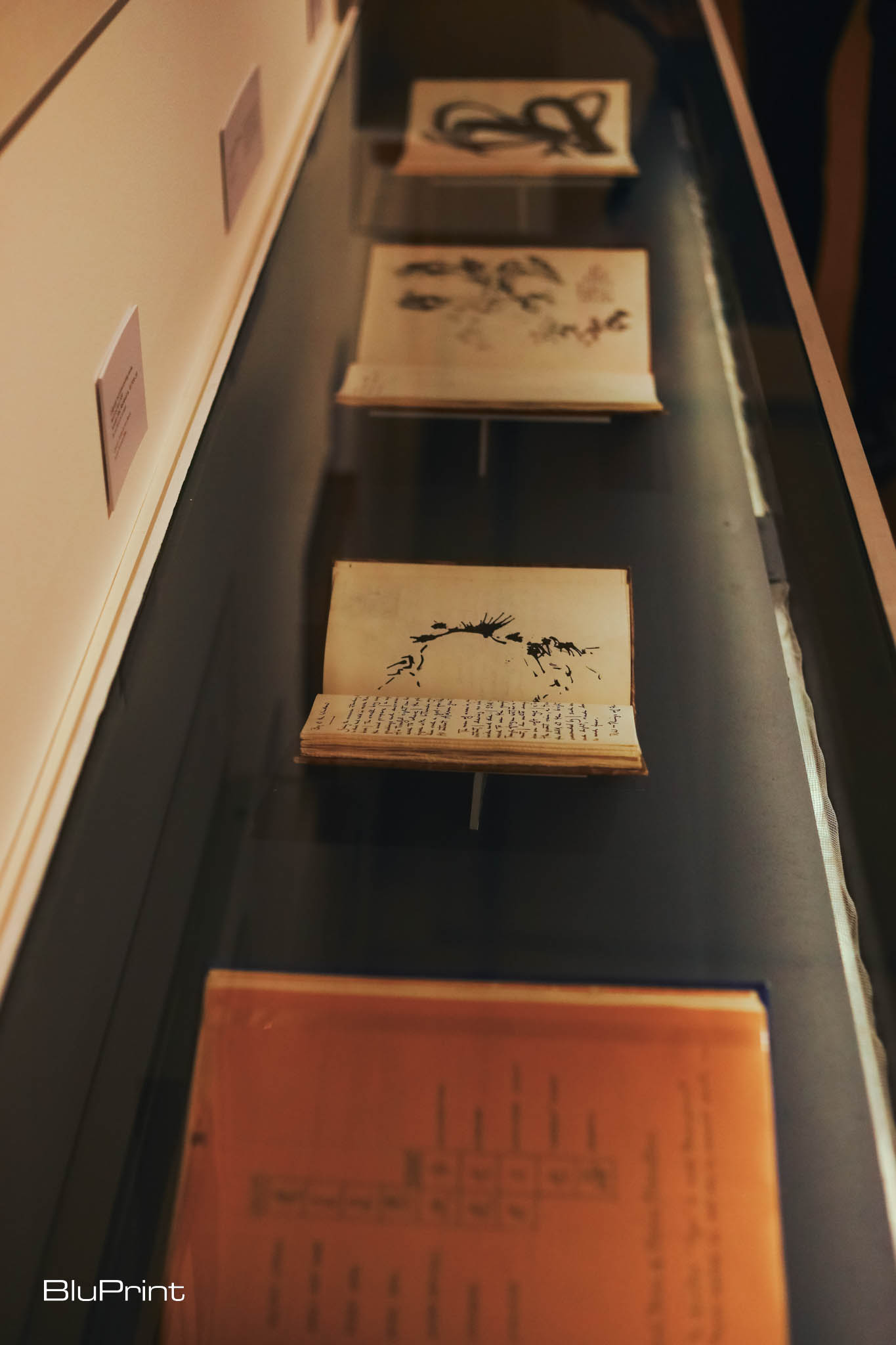
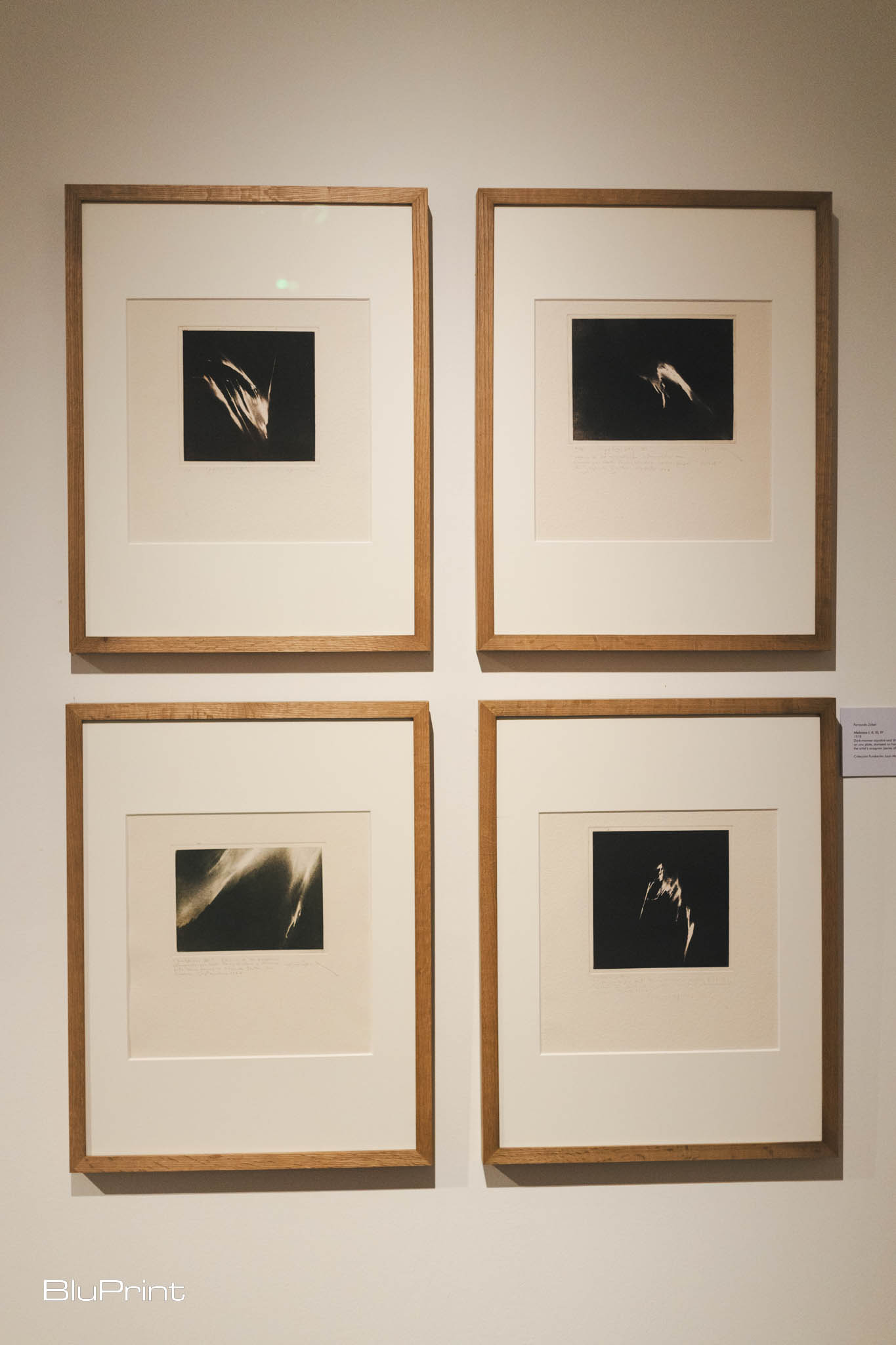
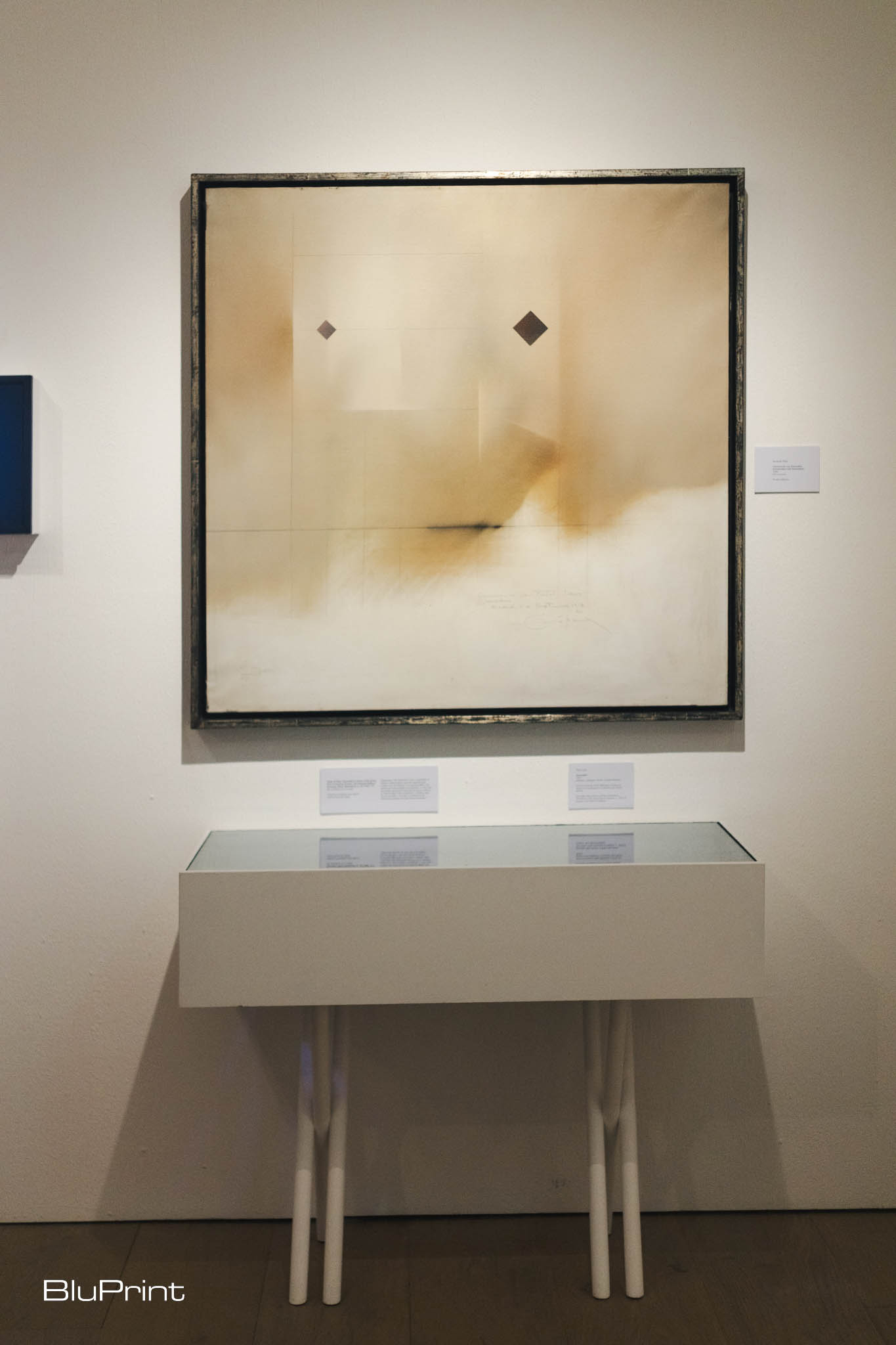
Zobel was captivated by “the sophisticated complexity of Velasquez’s realism.” He dedicated almost an entire sketchbook (which is part of the exhibition) to interpreting and deconstructing Velázquez’s “The Spinners” (1657). “Page by page, Zobel analyzes the master’s creative process, seeking to uncover the underlying, in a sense invisible, structure of the composition.”
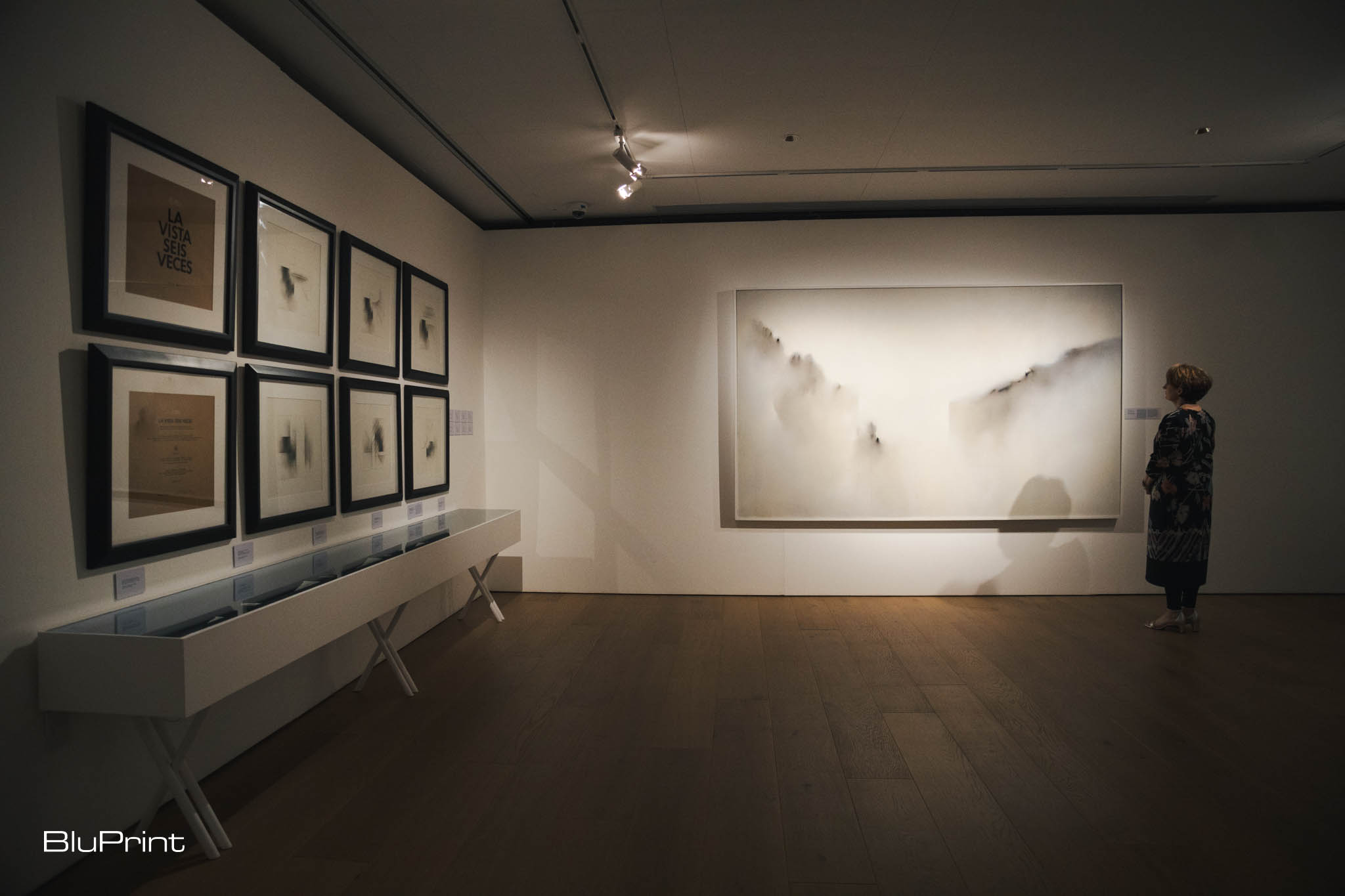
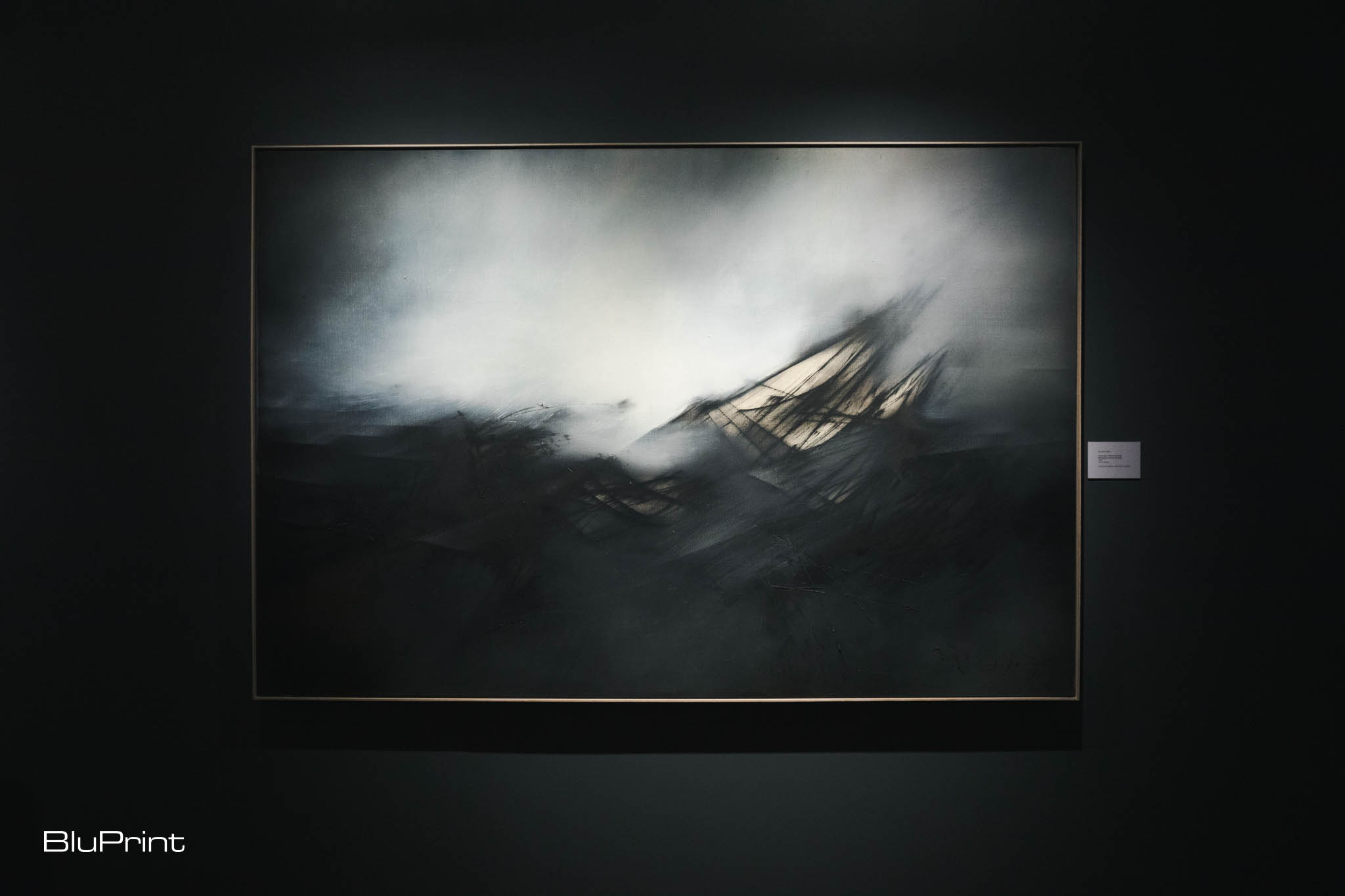
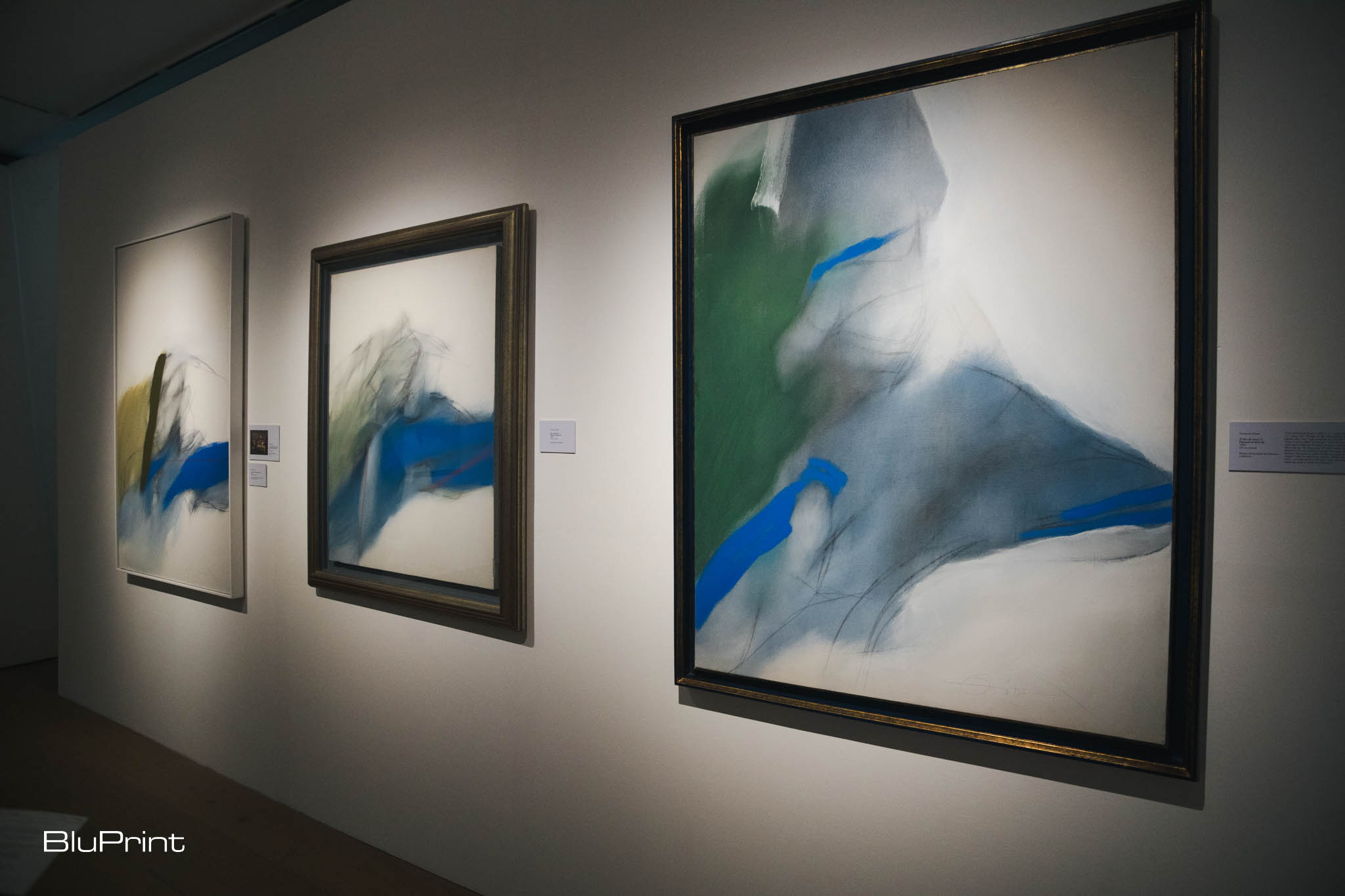
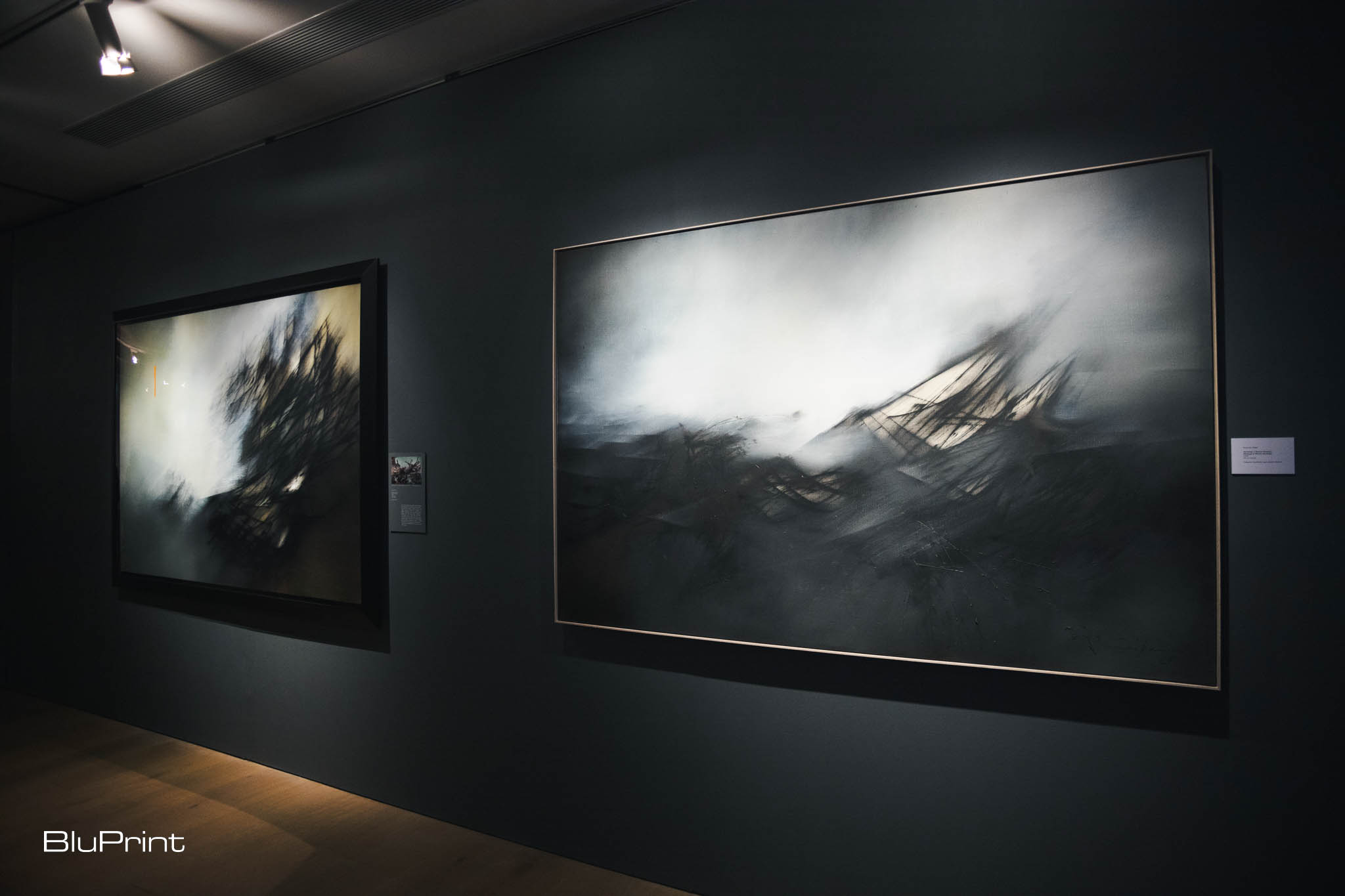
It was also around this time when his large-format pieces emerged, famously known as the Black Series. These feature “sweeping black strokes on a white canvas, and blending drawing and painting techniques in a single gesture”. American abstract expressionists like Mark Rothko, Franz Kline, and Jackson Pollock clearly influenced him. However his technique also showed a distinct Asian influence, particularly from Sino-Japanese calligraphy.
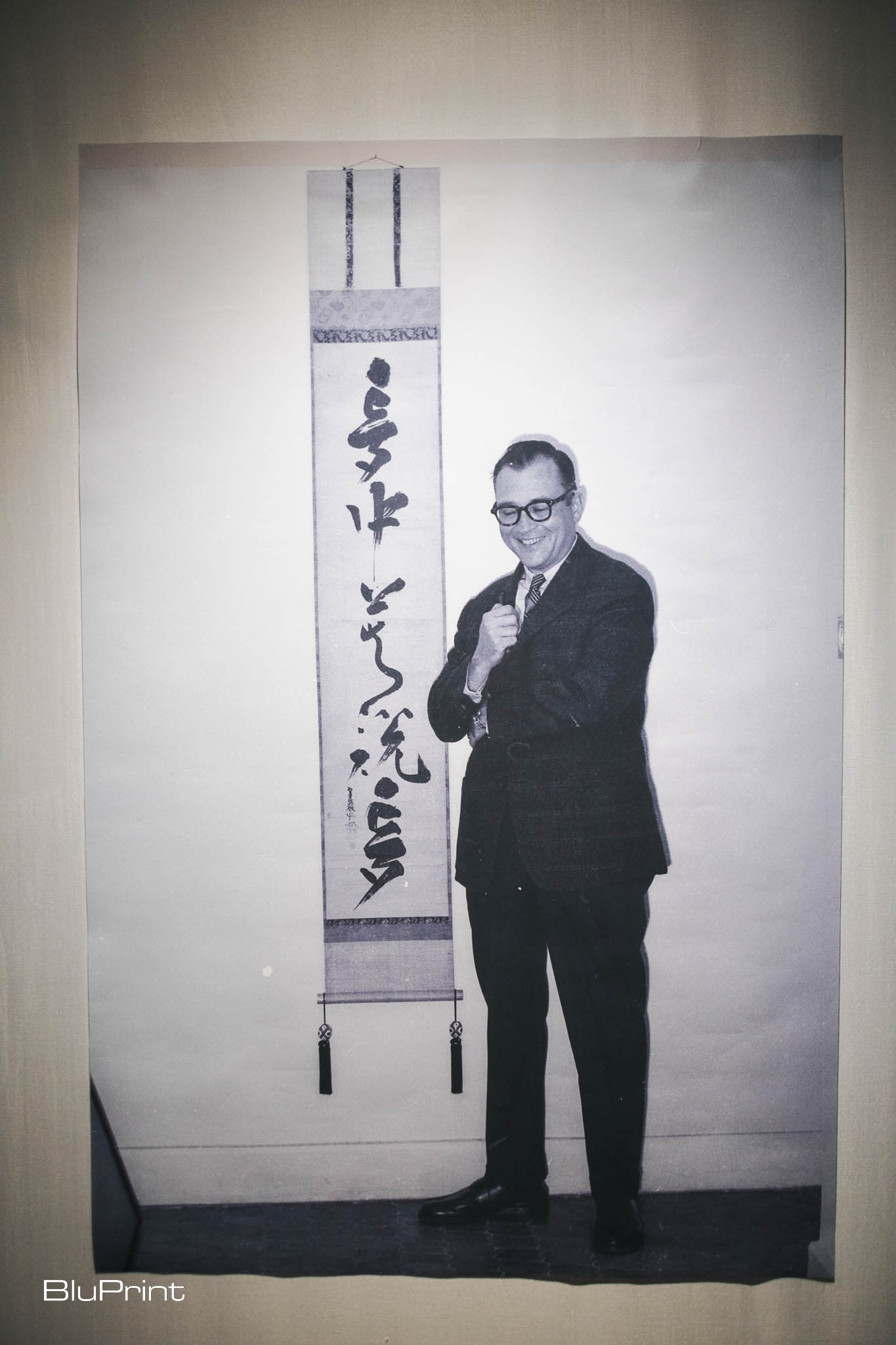
The exhibit cites artists like Munakata Shiko and Morita Shiryu, along with other Japanese, Korean, and Chinese artists. They were instrumental in Zobel’s exploration of “calligraphy as a form of abstract art”. This blend of influences helped him transcend geographical and cultural boundaries, making his work universally resonant.
A Dialogue with the Past and Future
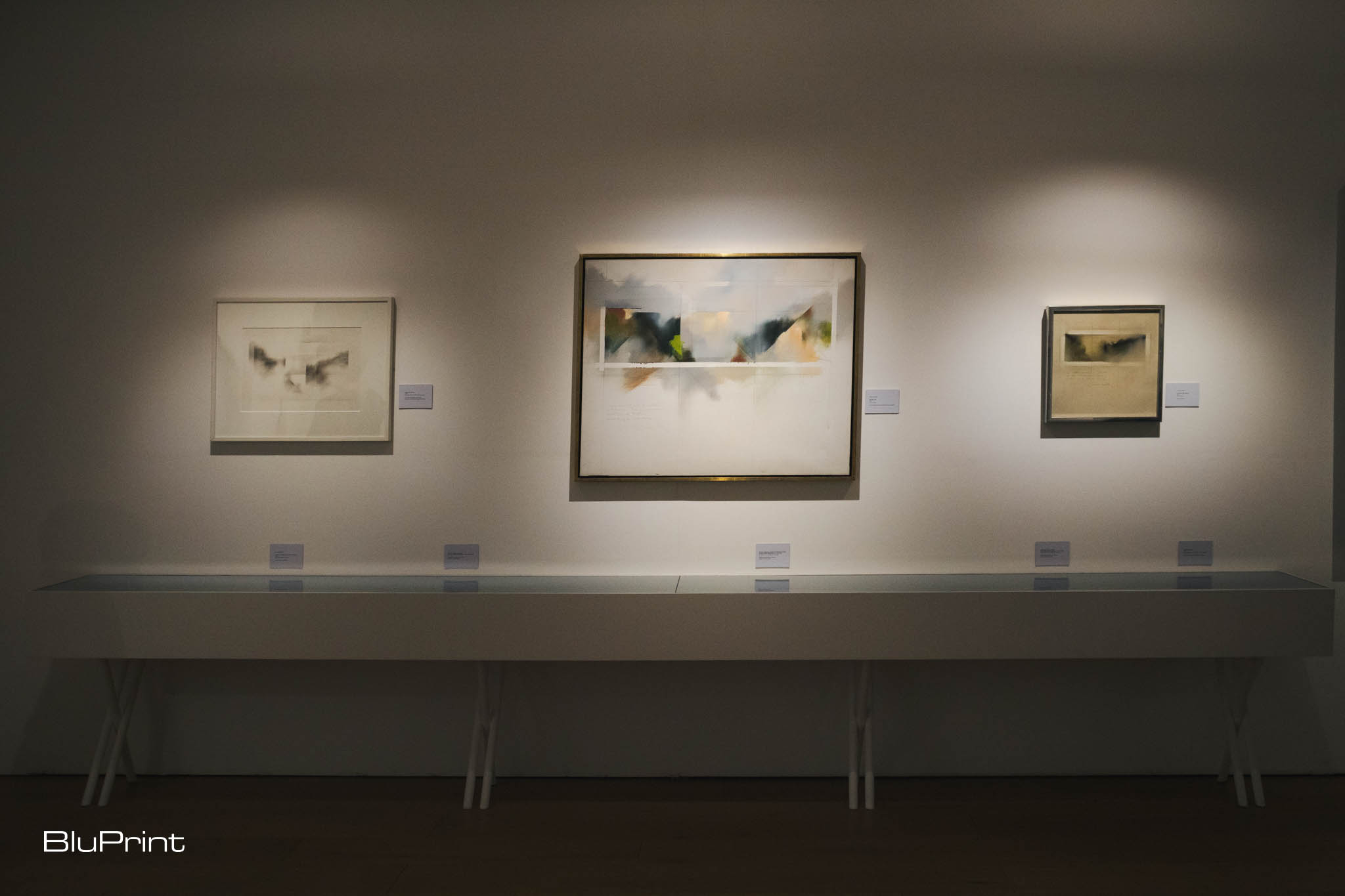
Among the exhibition’s highlights are works from Zóbel’s Diálogos. Here, the artist reinterprets iconic masterpieces by artists like Degas, Thomas Eakins, and Rubens. These pieces showcase Zóbel’s unique approach to art as a form of dialogue, where he re-examines and reimagines the works of the past.
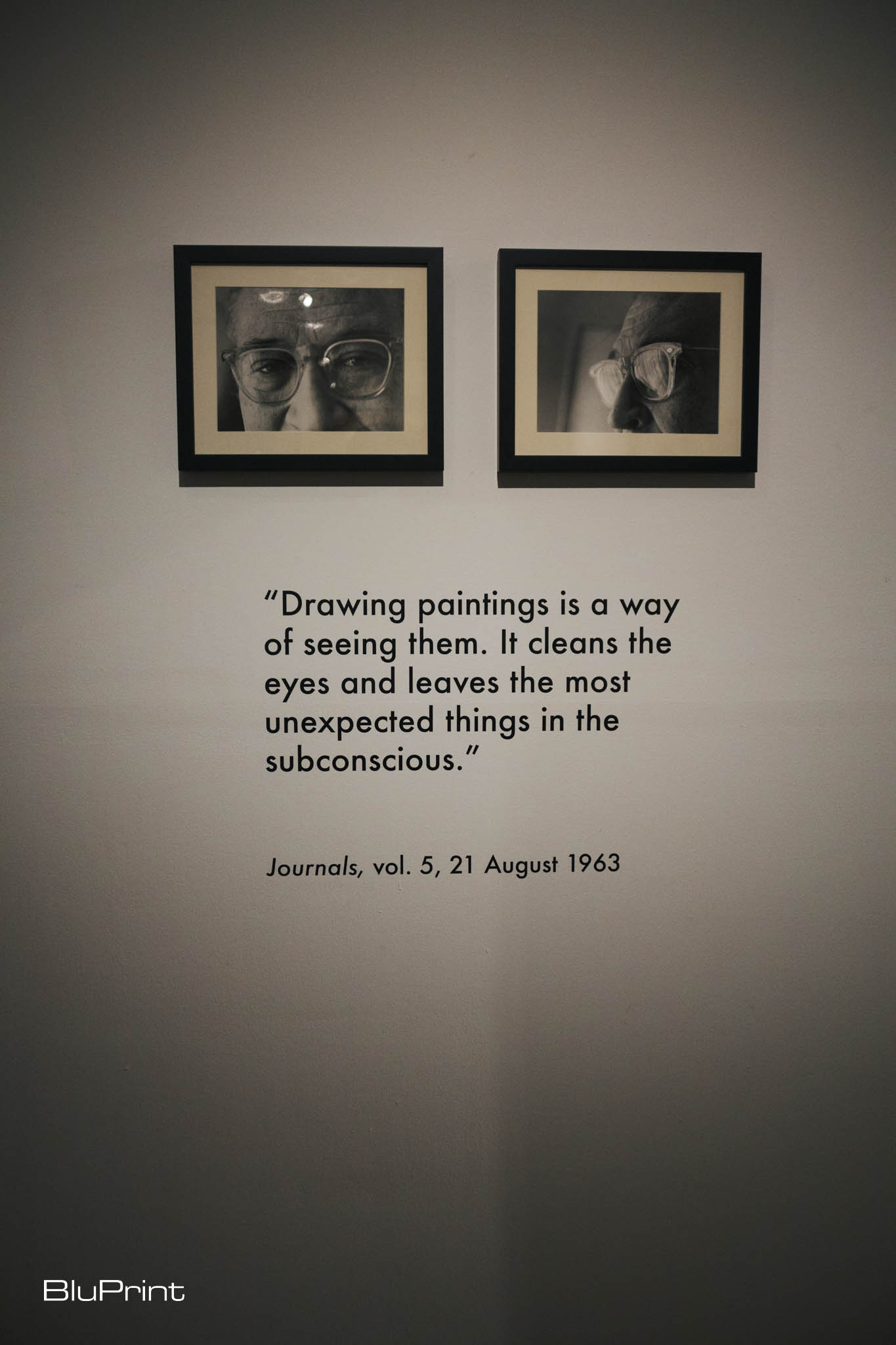
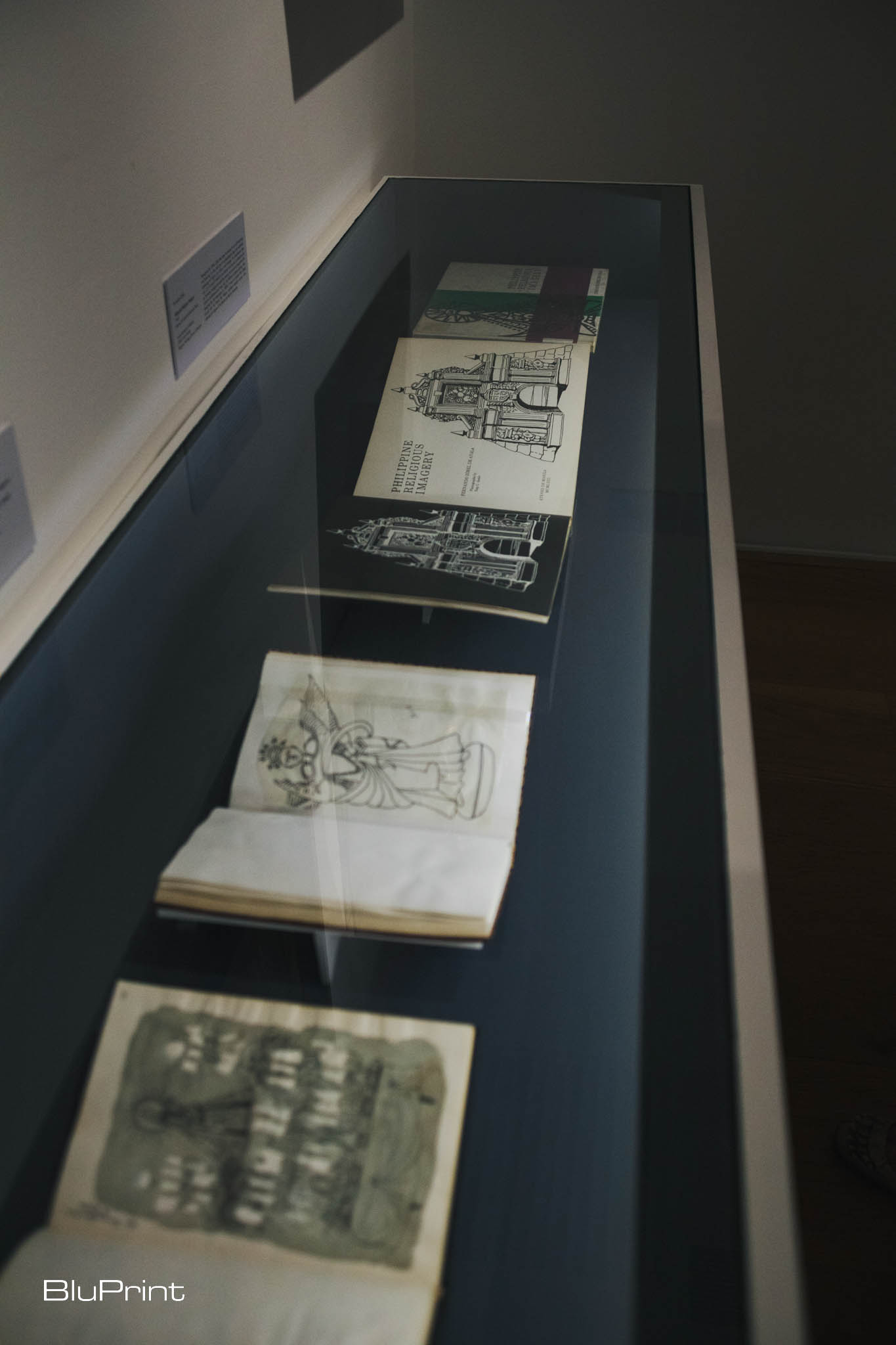
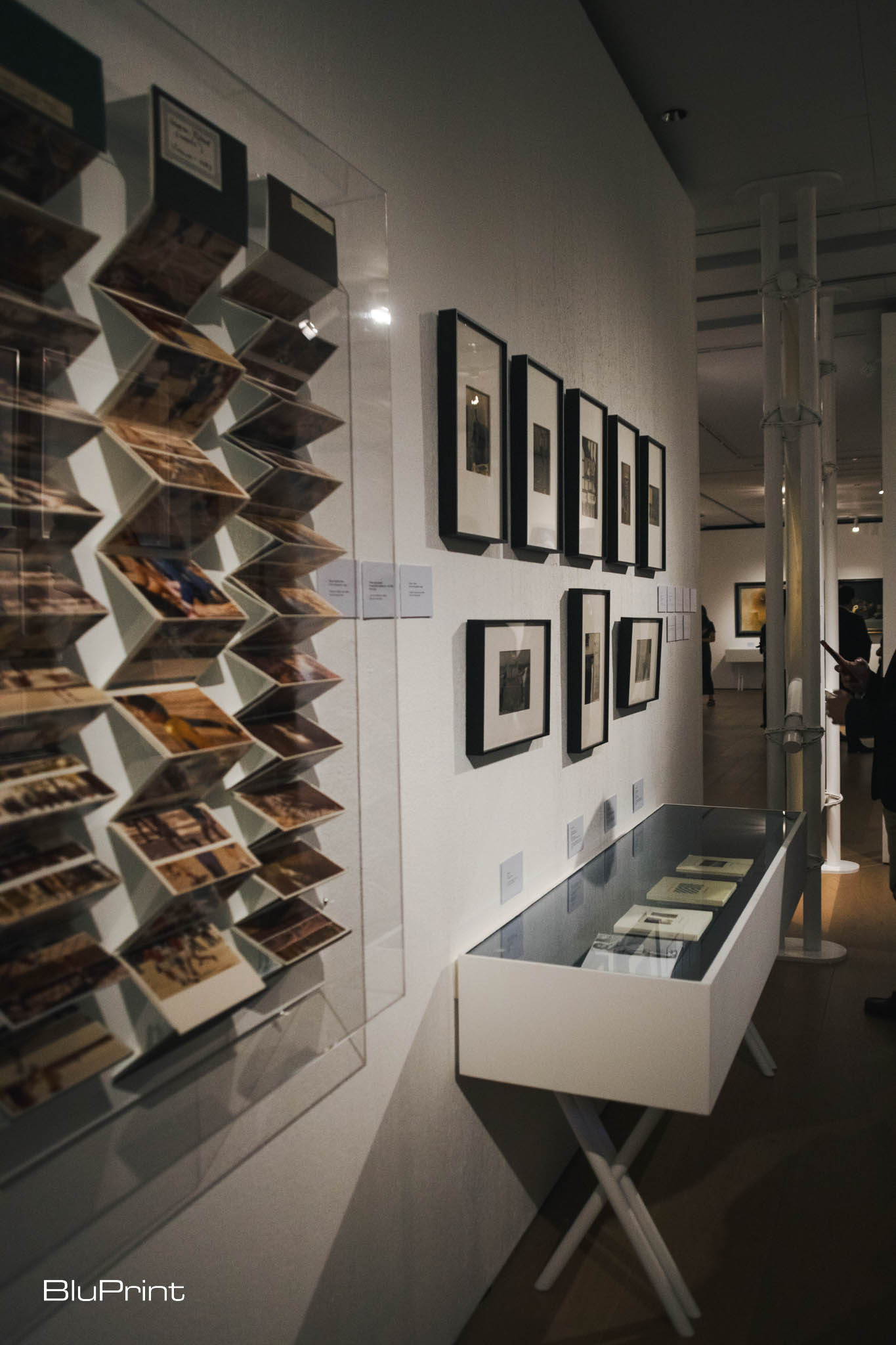
His process of drawing paintings was a way of seeing them more deeply. As he once said: “Drawing paintings is a way of seeing them. It cleans the eyes and leaves the most unexpected things in the subconscious.”
These sketches served as a foundation for many of his abstract compositions, turning his artistic exploration into a conversation across time.
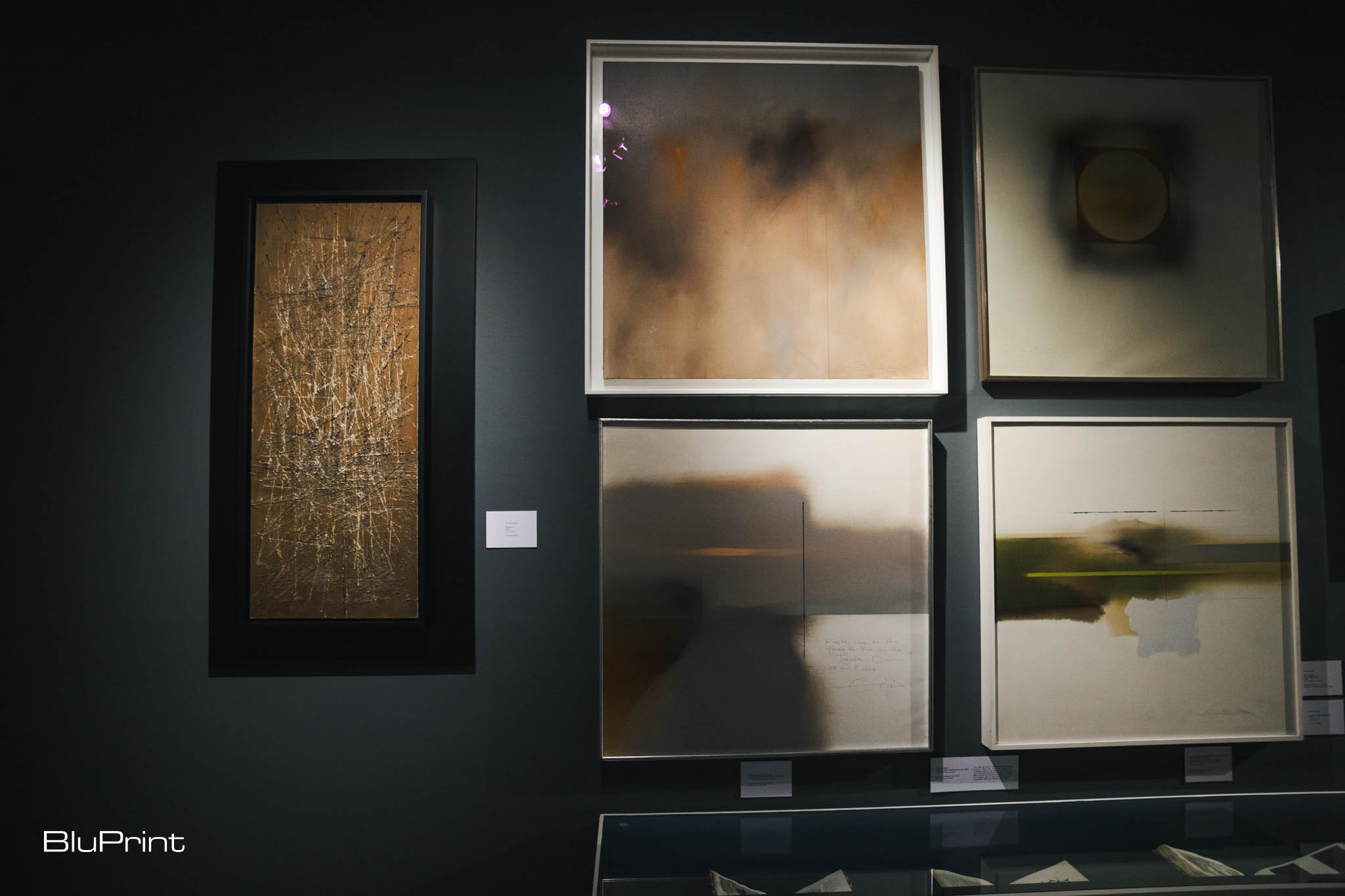
The exhibition reflects Zóbel’s belief in the relevance of studying the masters to inform contemporary art. Art existed in conversation with history. His practice of copying and deconstructing classical works transformed into a dialogue with the masters. It allowed him to create modern pieces that paid homage to the past while pushing artistic boundaries.
For him, modernism was not a rejection of tradition but rather a rediscovery and reinterpretation of it. His works demonstrate that the future of art lies in understanding and engaging with the past. It is a philosophy that guided his entire career.
The Legacy of Fernando Zóbel
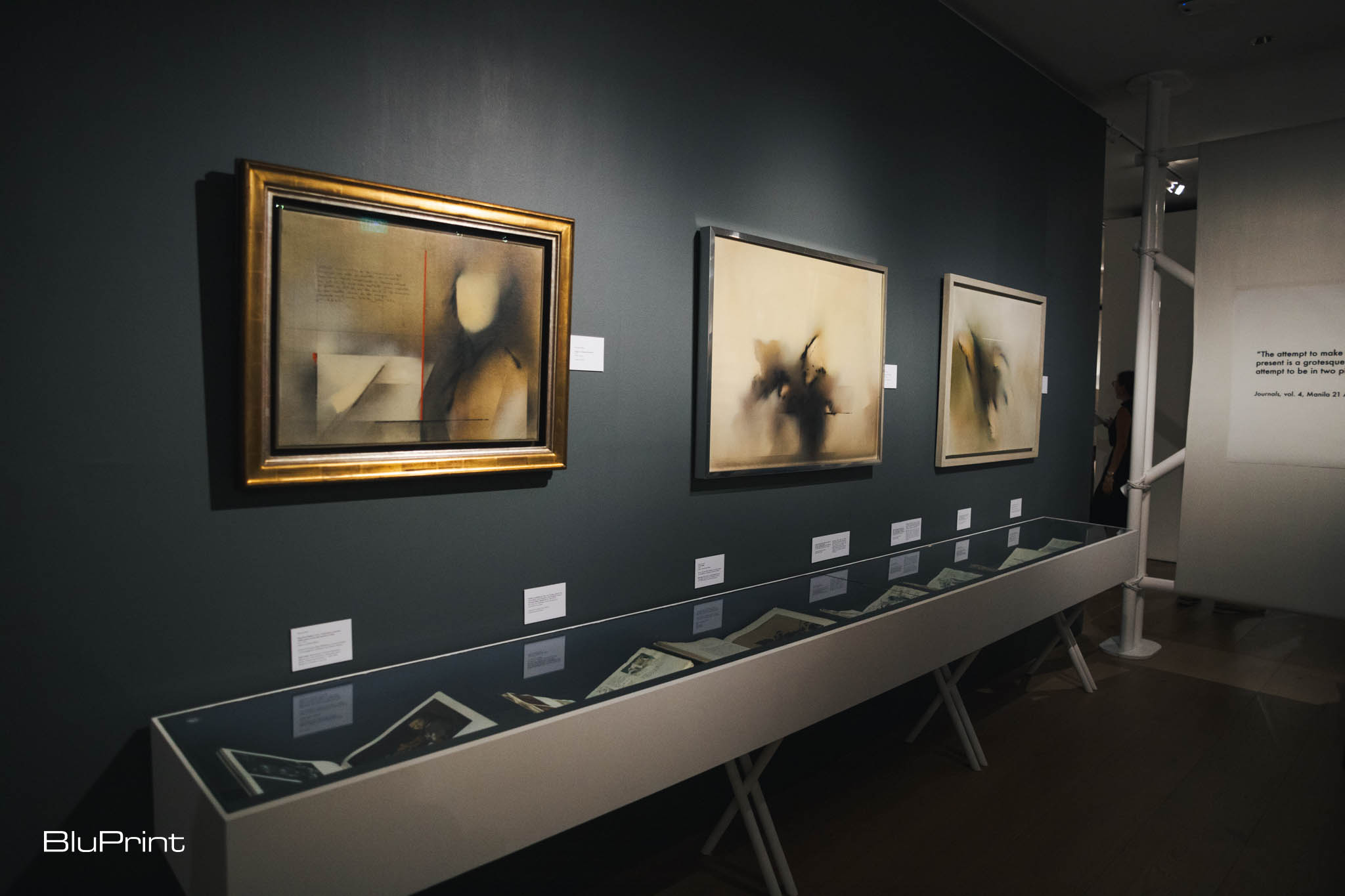
Beyond his artistic pursuits, Zóbel was a scholar, collector, and educator. In the Philippines, he helped shape the local modernist movement and promoted modern art through teaching and writing. His influence led to the founding of the Ateneo Art Gallery, the Philippines’ first modern art museum, in 1960. He later established the Museo de Arte Abstracto Español in Cuenca in 1966. This further solidified his legacy as a champion of modern art.
His contributions earned him several honors, including Spain’s Civil Order of Alfonso X and the Royal Order of Isabella the Catholic. The Philippine government also posthumously awarded him the Presidential Medal of Merit.
A Cultural Milestone
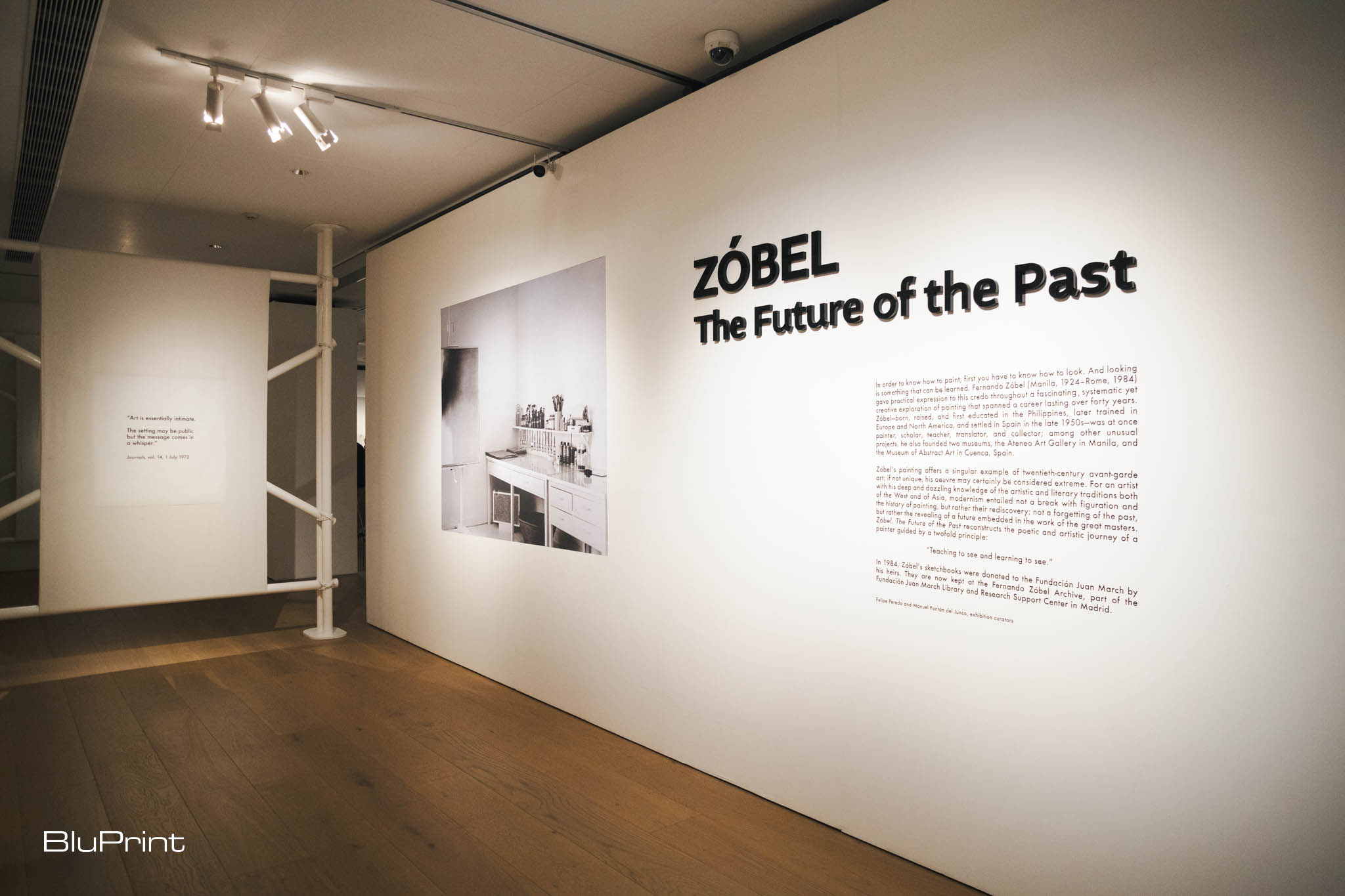
This Manila iteration of “Zóbel: The Future of the Past” is a tribute to Zóbel’s lasting impact on modern art. The mix of works from private collections, personal photographs, and loans from prestigious institutions, provides an intimate look into Zóbel’s life and legacy. Notably, his reinterpretations of Degas, Thomas Eakins, and Peter Paul Rubens, drawn from his Diálogos, reveal how drawing was Zóbel’s method of “seeing”—a way to cleanse the eyes and uncover the unexpected.
The Asian premiere of “Zóbel: The Future of the Past” celebrates Fernando Zóbel’s centennial and his lasting influence on Philippine and Spanish art. His ability to navigate and bridge the artistic traditions of East and West has made him a pioneer of modern art. This exhibition invites audiences to see through his eyes—whether they are art aficionados or newcomers.
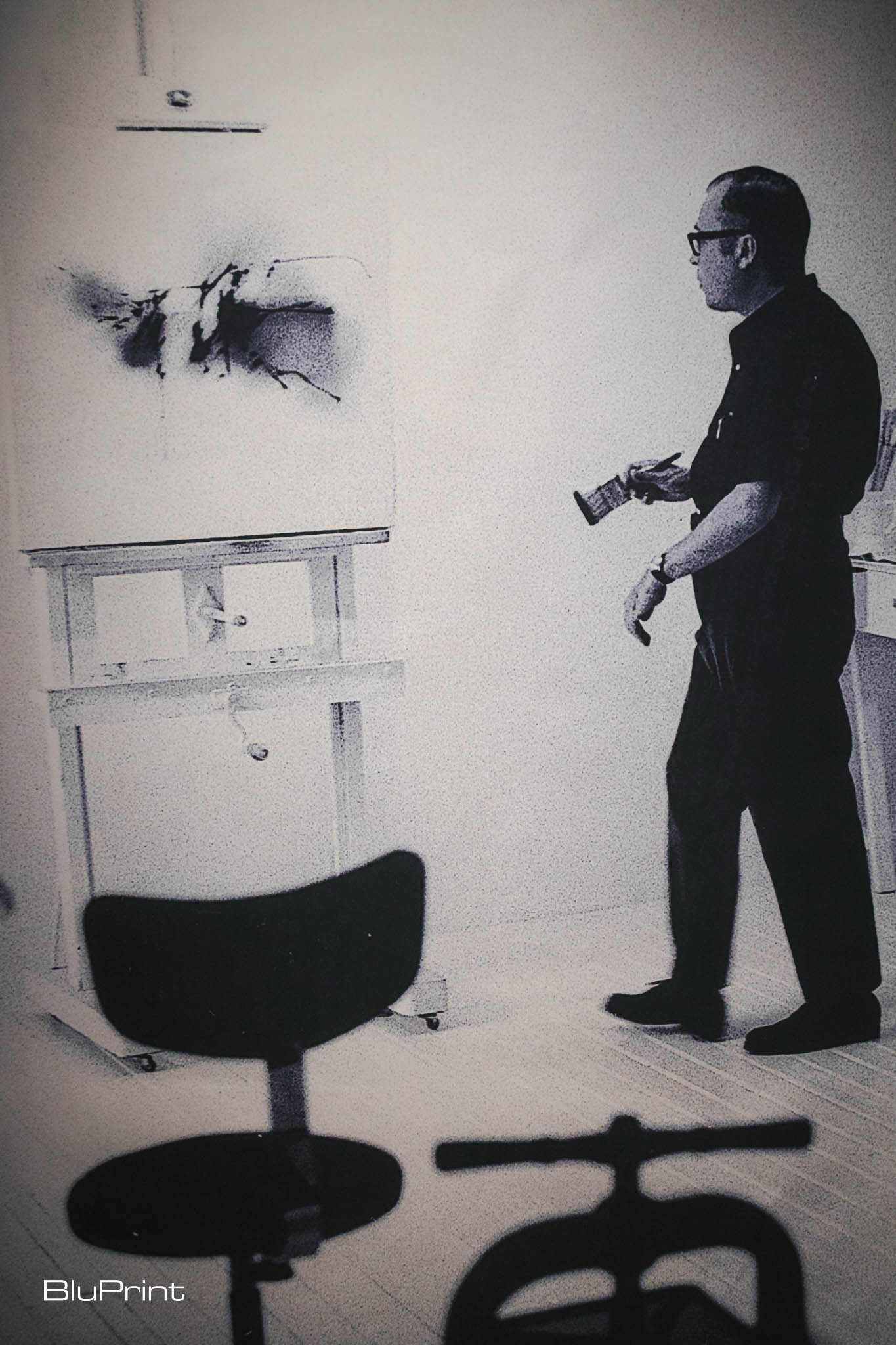
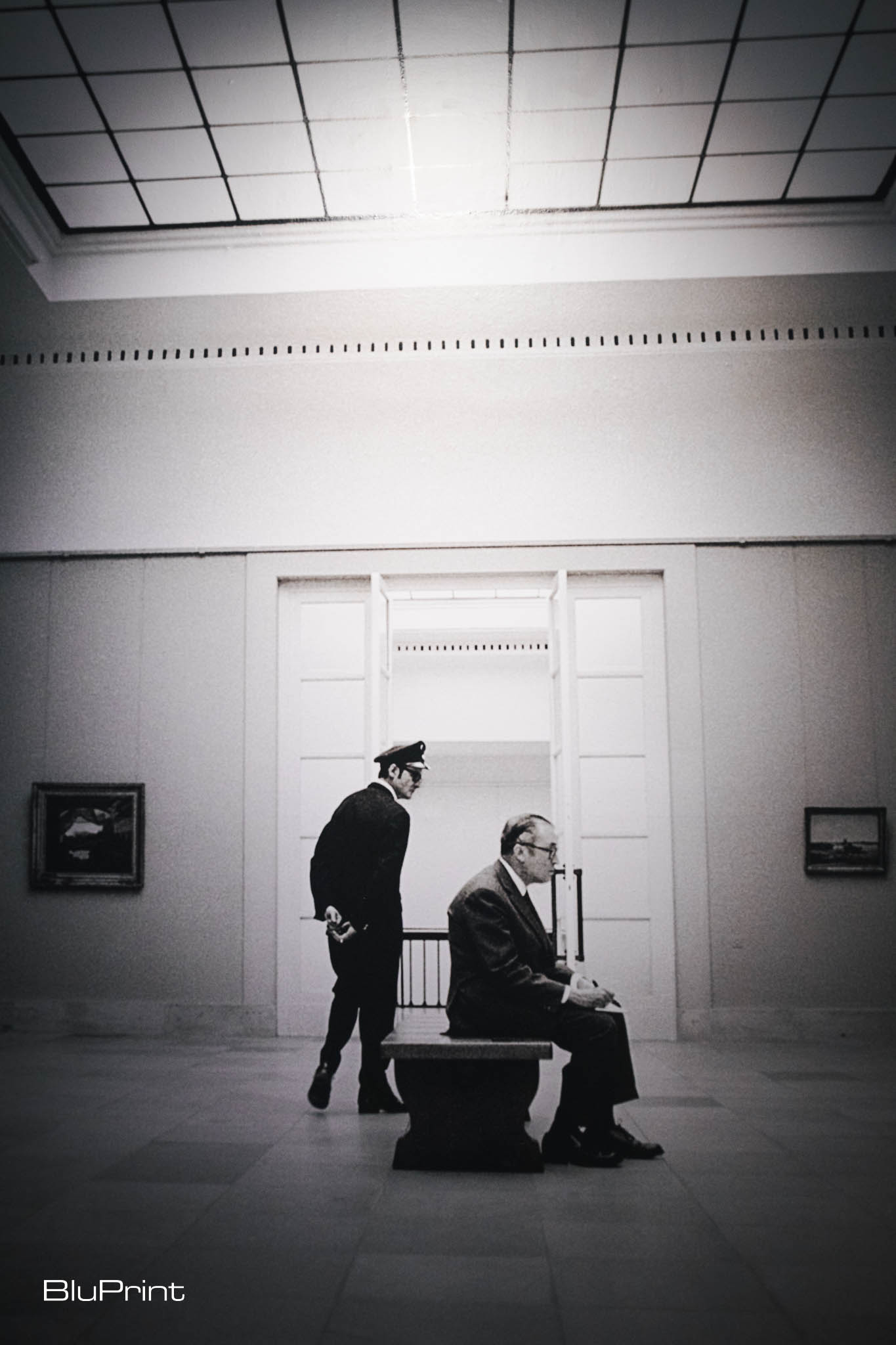
The exhibition will run until January 26, 2025. It offers a unique opportunity to experience the artistic journey of a visionary who transformed the Philippine art scene and left an indelible mark on the global art community.
“Zóbel: The Future of the Past” is organized by Ayala Foundation and Ayala Museum, co-presented by Ayala Corporation, and supported by the Embassy of Spain and the Embassy of the United States in the Philippines. BPI, Cathay Pacific, and Makati Shangri-La serve as official partners.
Photography by Excel Panlaque
Read more: Ayala Museum builds Fernando Zobel catalogue raisonne
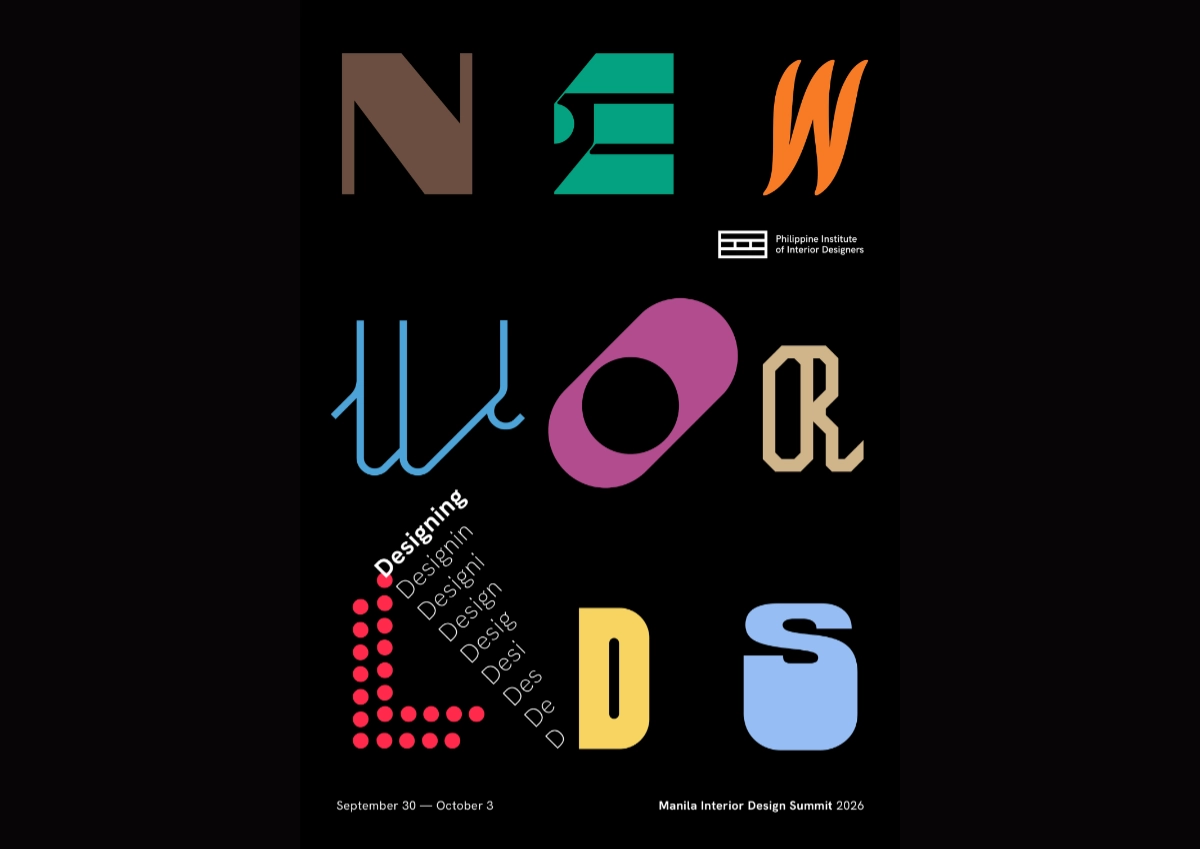
“Thailand has claimed urban creativity and livability. Singapore has institutional design leadership. Indonesia is emerging as a design hub. Vietnam is moving into design innovation. And the Philippines? Its position is not weak. It is simply unclaimed.” For IDr. Cecil Ravelas, National President of the Philippine Institute of Interior Designers (PIID), the challenge is not […]
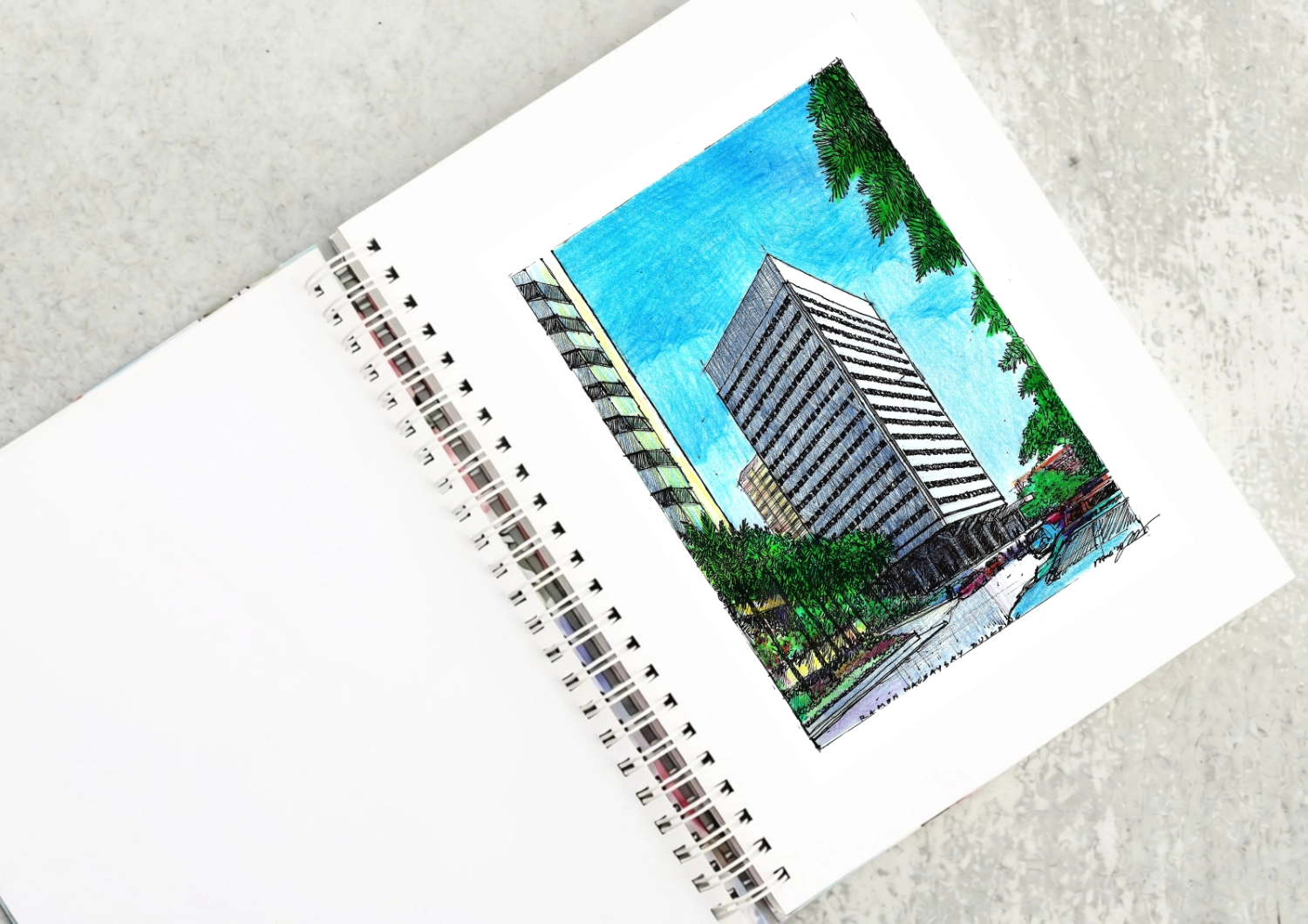
The Ramon Magsaysay Center as a Modernist Landmark Driving down Roxas boulevard from Rizal Park, what will catch your eye is the most elegant modernist structure in the country, the Ramon Magsaysay Center. Most established Filipino architects put it in their top ten lists of favorite buildings. It was designed by Alfredo J. Luz, who […]

Rinna Soriano’s favorite part of her work is sanding. At her workbench, she stays focused, following the grain, adjusting to changes in its direction. Narra, she has learned, can have interlocking grain. A piece of mango once proved particularly difficult until a worker explained that she had reached the point where a branch once grew […]
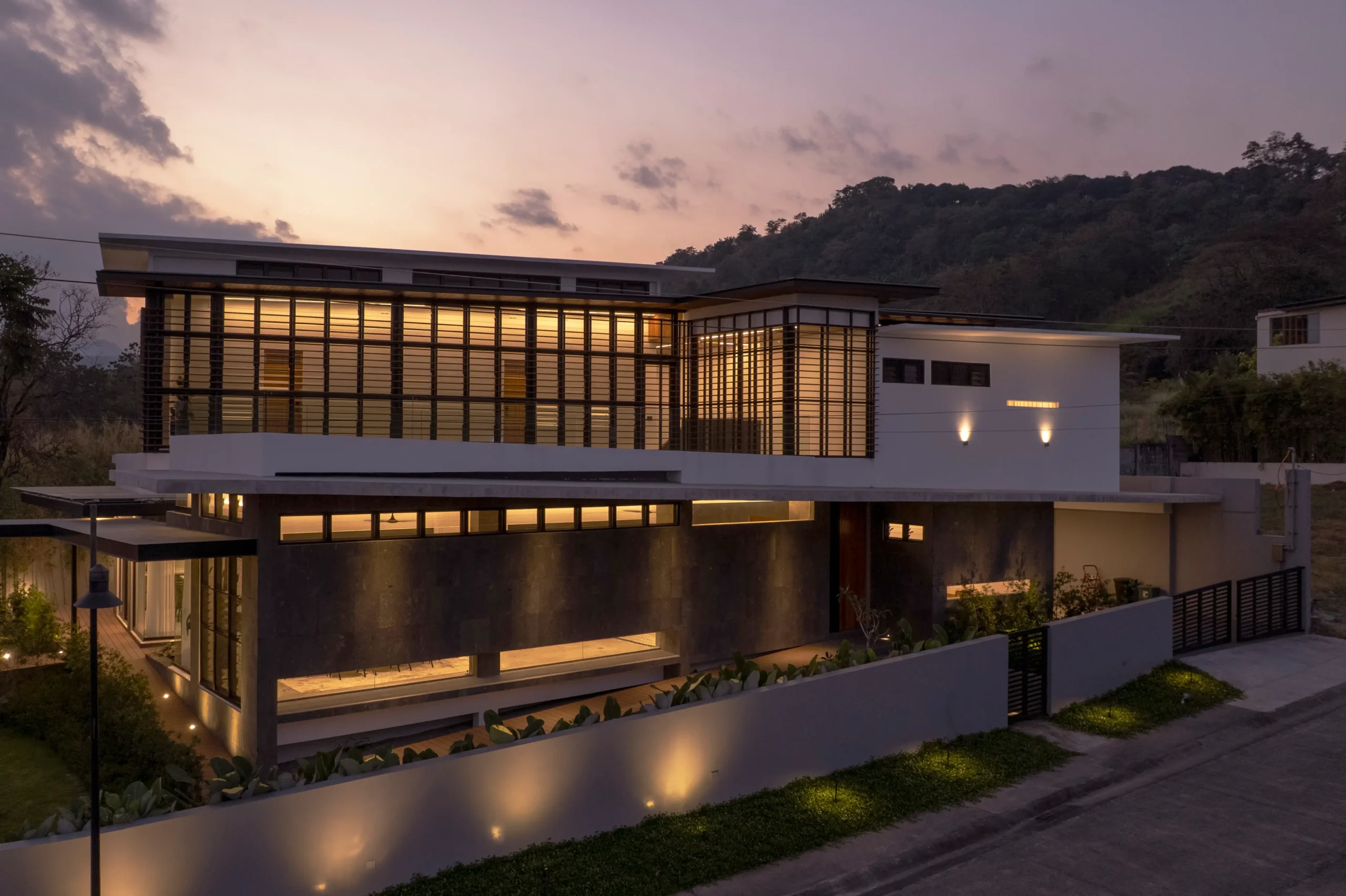
Filipino architectureArchitectureThe art and science of designing and constructing buildings, structures, and spaces that are functional, safe, and aesthetically pleasing. It encompasses the planning, design, materials, and techniques used to createGo to Architecture Glossary has long been associated with indigenous materials and vernacular design strategies, from bamboo and timber construction to jalousie windows, generous spaces, […]
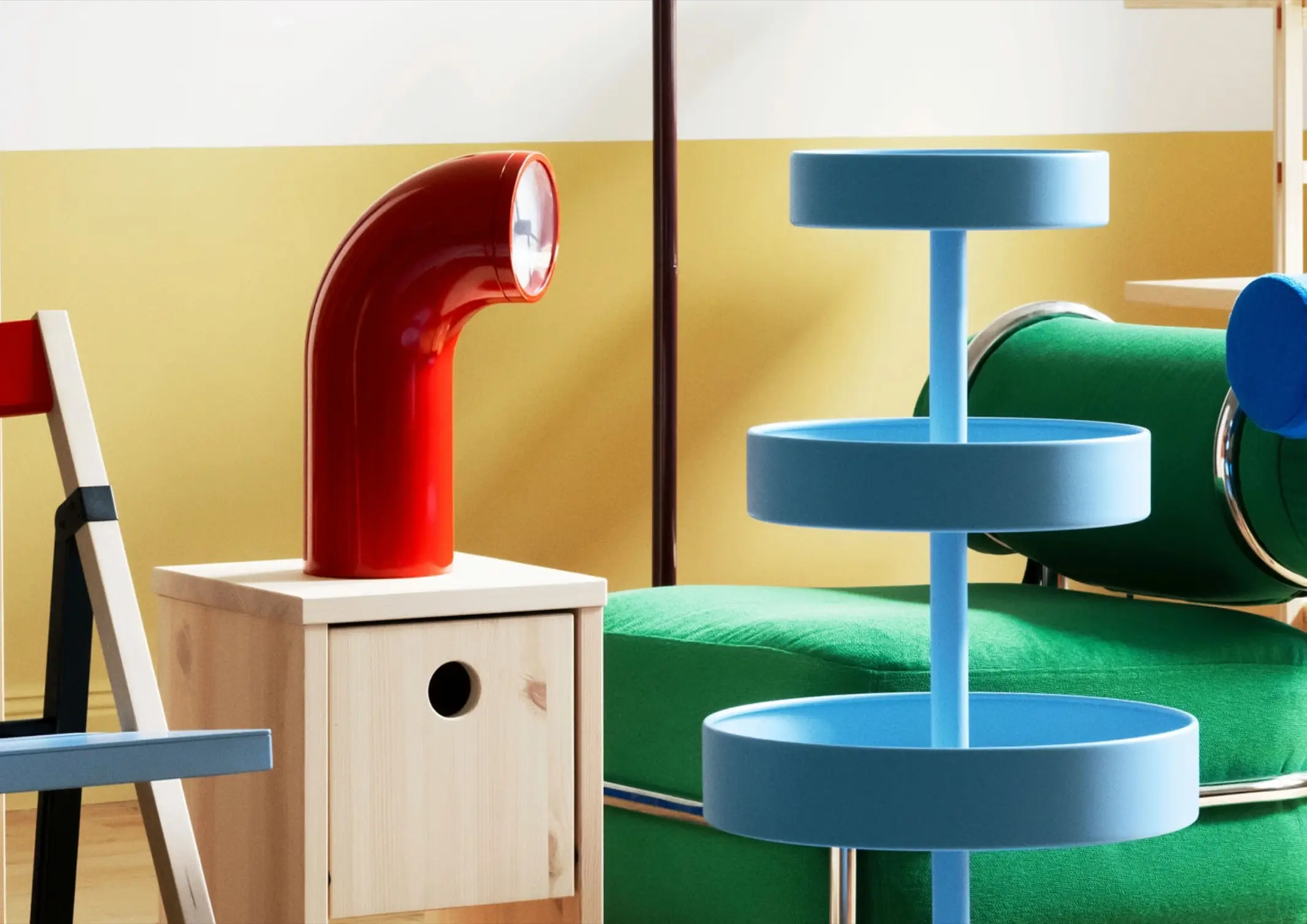
A chair does not always prescribe how to sit in it. A lamp can be more than a source of light. A clock can be more than a way to tell the time.These small departures from convention are at the center of IKEA PS 2026. The latest iteration of IKEA’s experimental PS series comprises more […]
Read the issues.

Collect the volumes.

Recommended Video
Tap to Unmute
Unmute
0:00
0:00