Archie G. Carrasco, Chairman and CEO of AGC Power Holdings Corp. (AGC PHC), has been named to The BoF 500 Class of 2026 under the Media category, joining The Business of Fashion’s global community of individuals shaping the fashion industry. Carrasco is among 100 new members from 33 countries and 48 nationalities selected for the […]
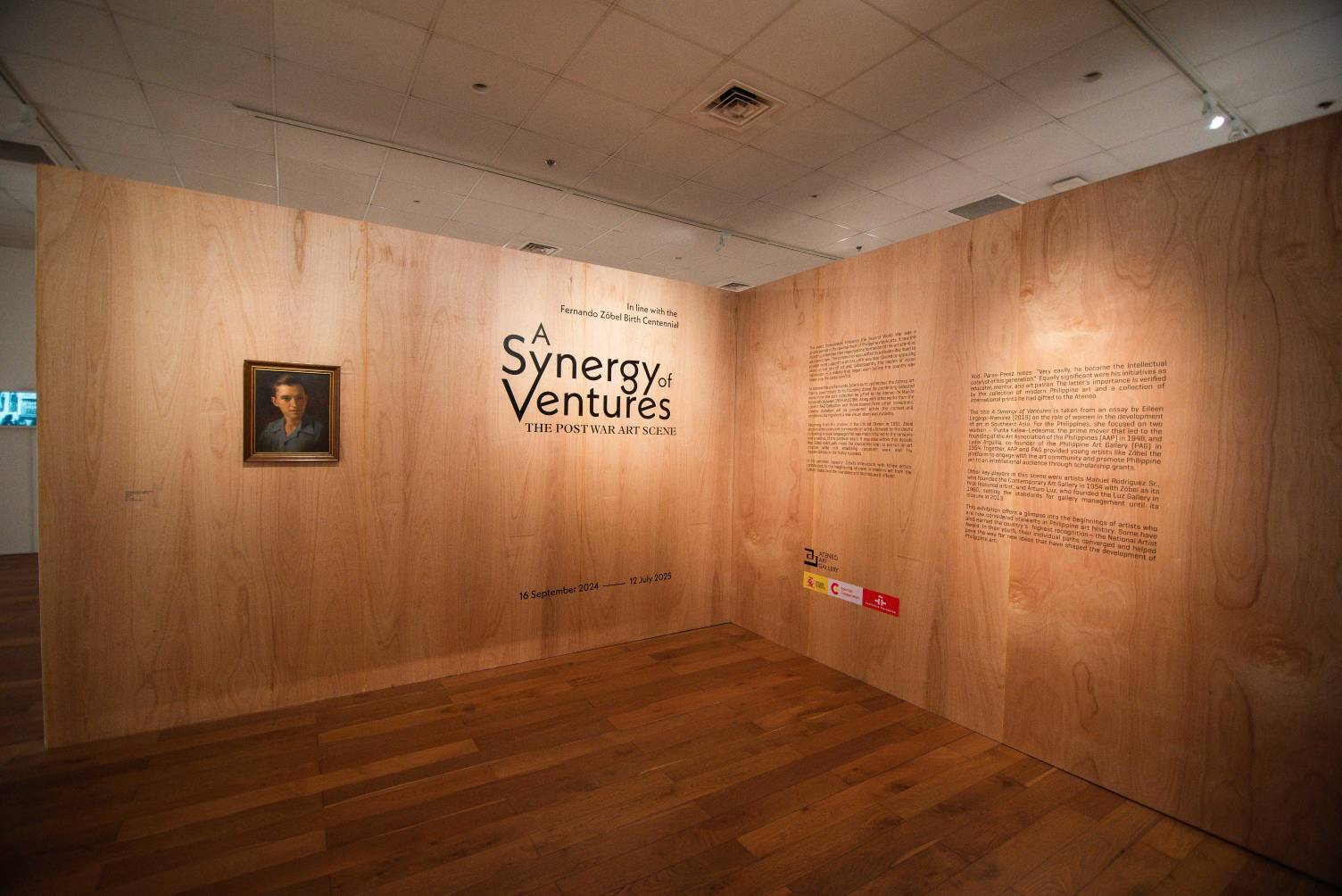
‘A Synergy of Ventures’ Showcases Collection of Post-WWII Artwork



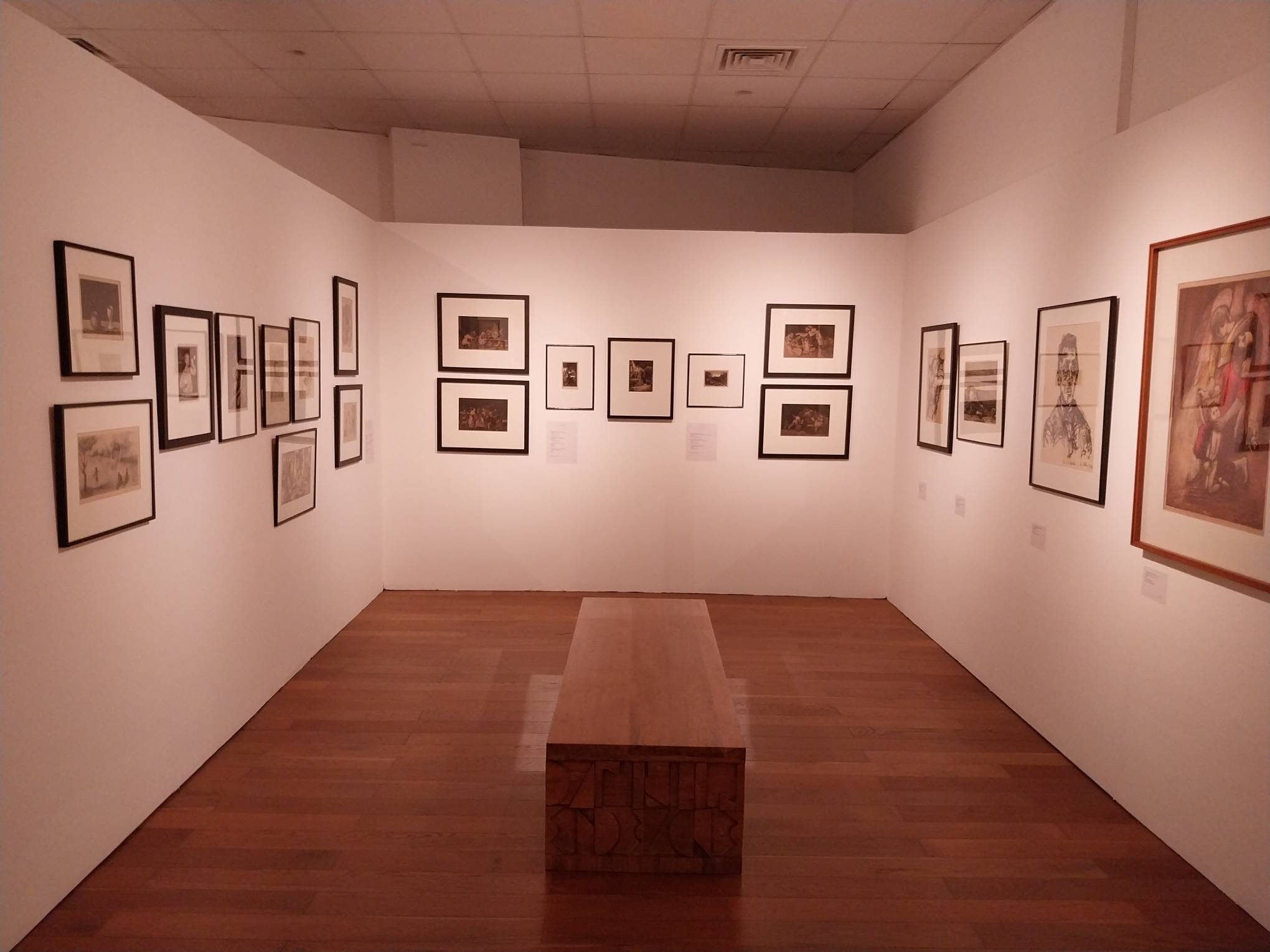
A Synergy of Ventures: The Postwar Art Scene, the new exhibit at Ateneo Art Gallery, puts into historical context the massive shift of artistry in the Philippines after World War II. The exhibition seeks to highlight the different influential trends in the country at the time, from modernism to abstraction to Neo-Realism.
The name comes from an essay by Eileen Legaspi-Ramirez that discusses “the role of women in the development of art in Southeast Asia.” This focused on the founders of the Art Association of the Philippines and the Philippine Art Gallery: Purita Kalaw-Ledesma and Lydia Arguilla.
For this exhibit, the focus is on another important figure of the art movement, Fernando Zóbel, who helped create the Ateneo Art Gallery in 1960.
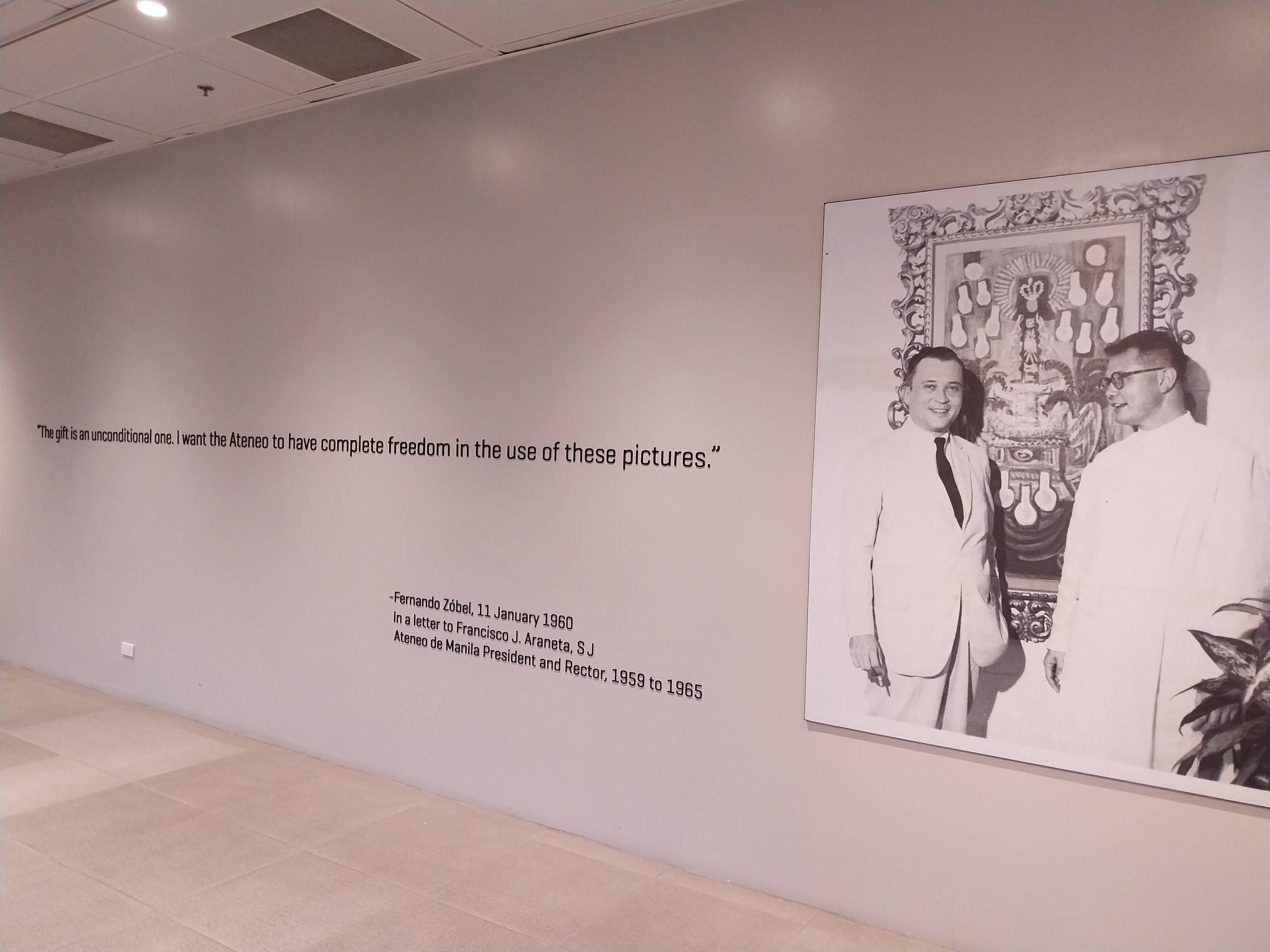
Much of the works shown will be from the collection of Zóbel. Other works come from the collections of the family of Purita Kalaw Ledesma, the Kalaw-Ledesma Foundation, Inc. (KLFI), and the Cultural Center of the Philippines.
“This exhibition offers a glimpse into the beginnings of artists who are now considered stalwarts in Philippine art history,” the exhibit notes said. “Some have also earned the country’s highest recognition — the National Artist Award. In their youth, their individual paths converged and helped pave the way for new ideas that have shaped the development of Philippine art.”
Redefining Philippine Art History
The most fascinating thing about A Synergy of Ventures is the diversity of the movements it highlights. Its curation takes care to involve as many influential and important artists to its roster as possible.
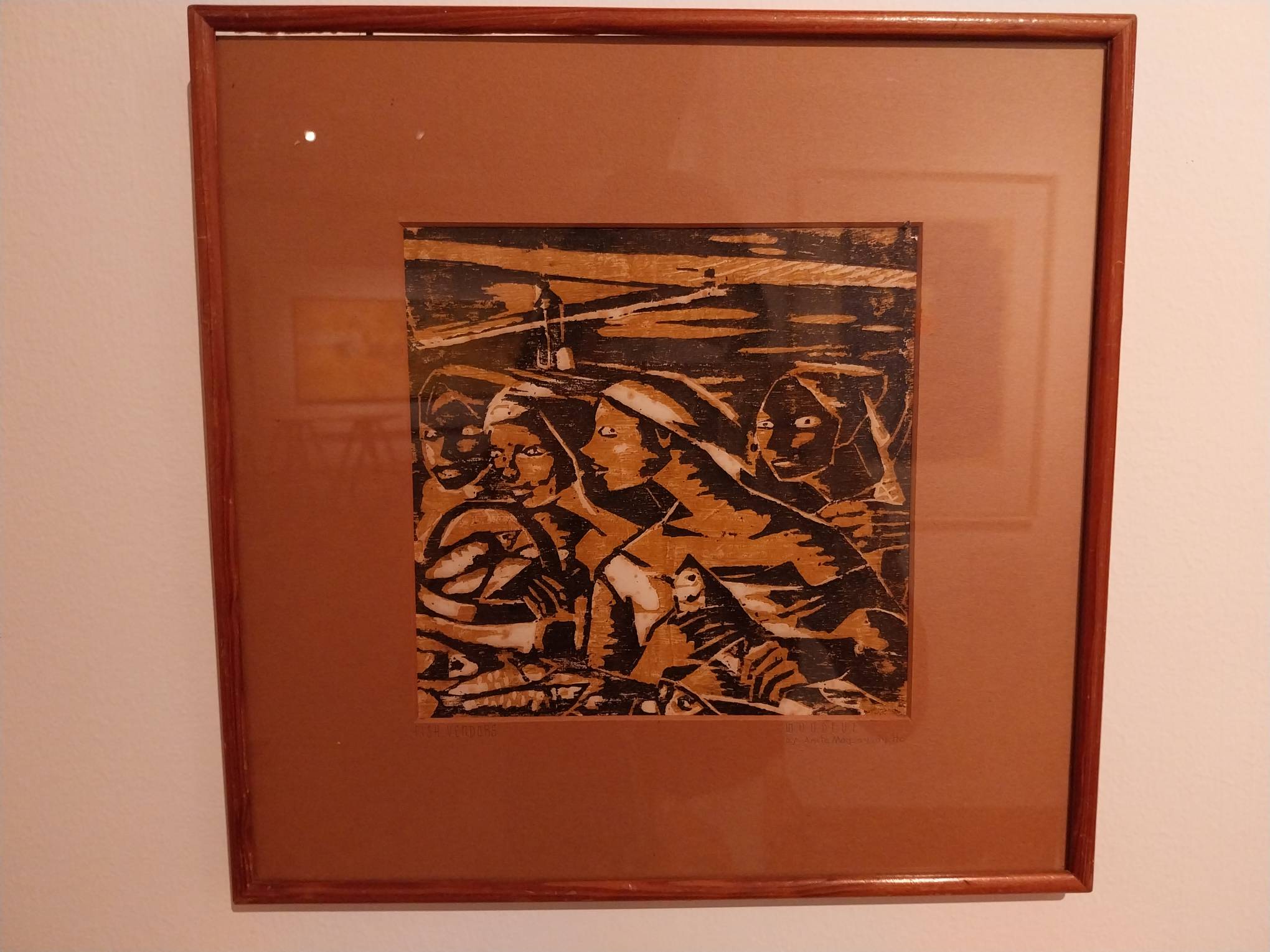
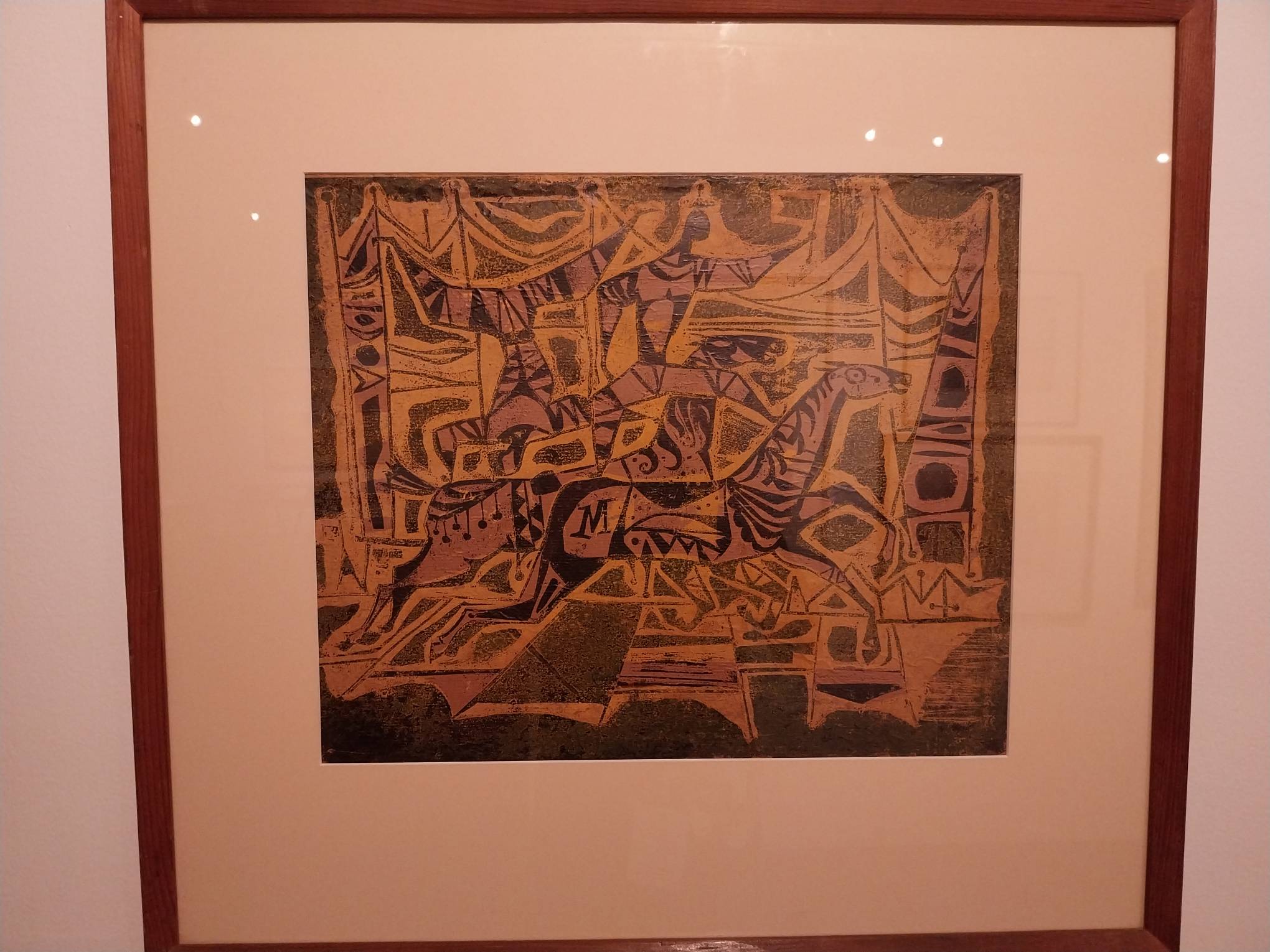
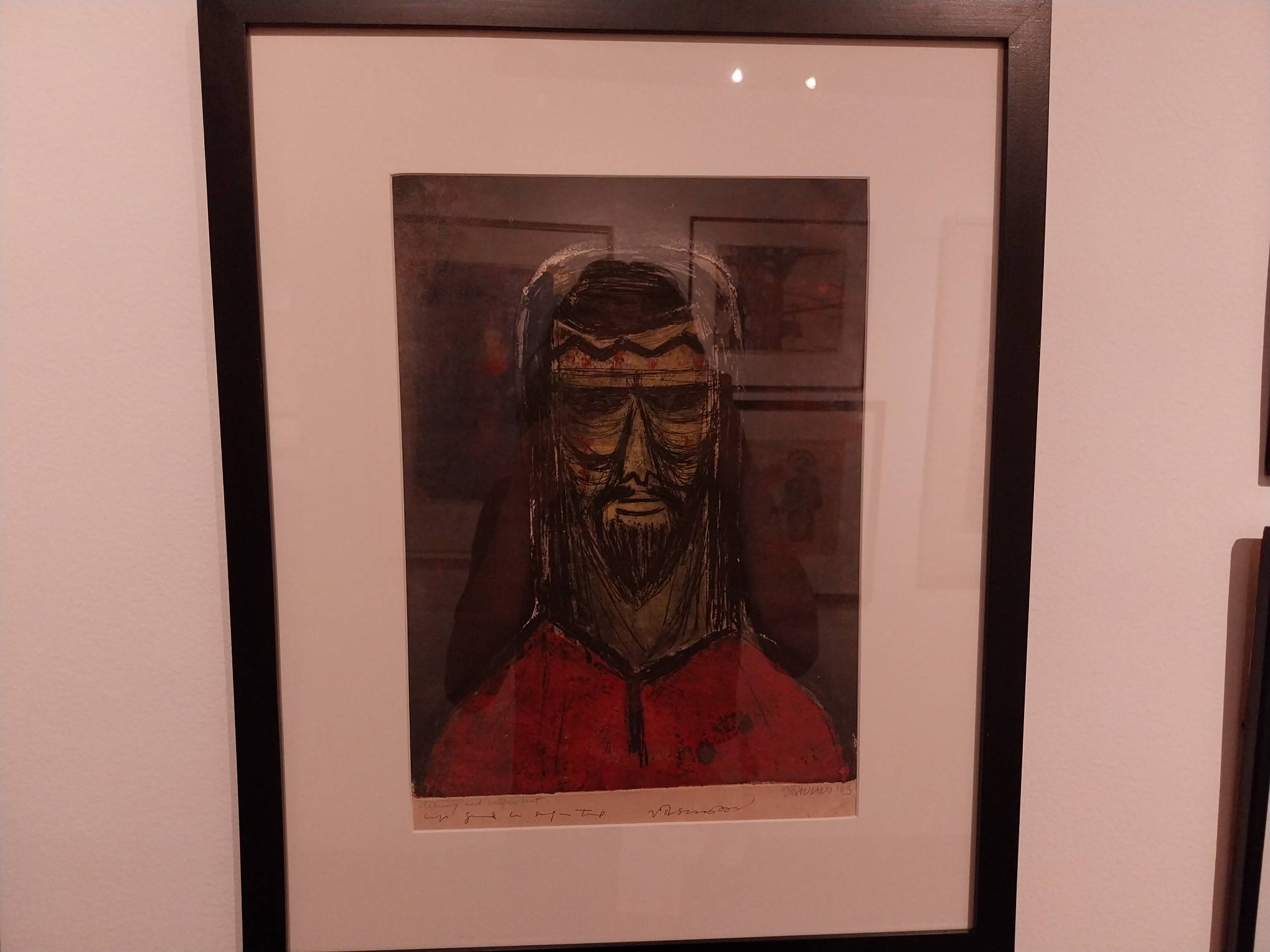
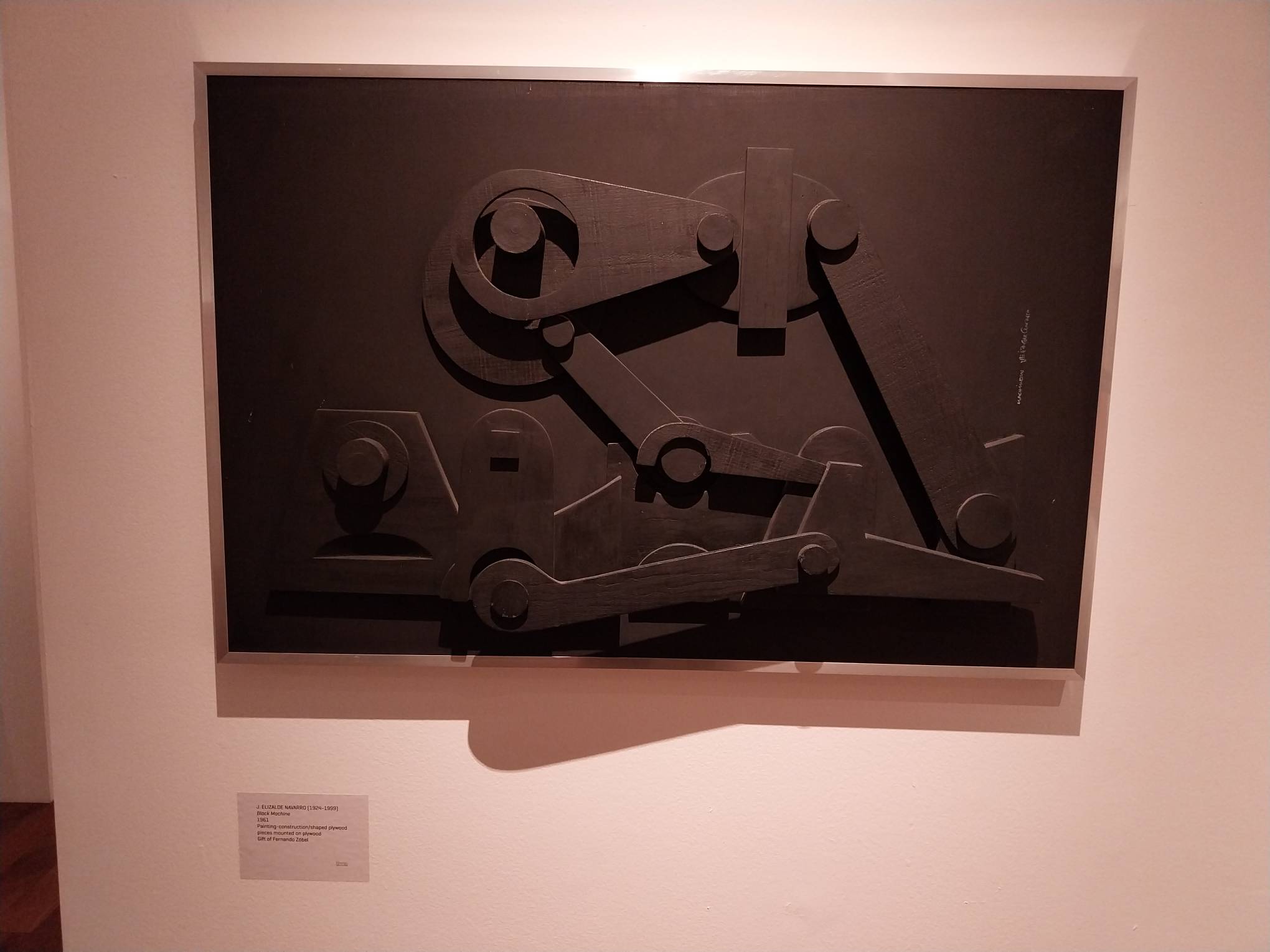
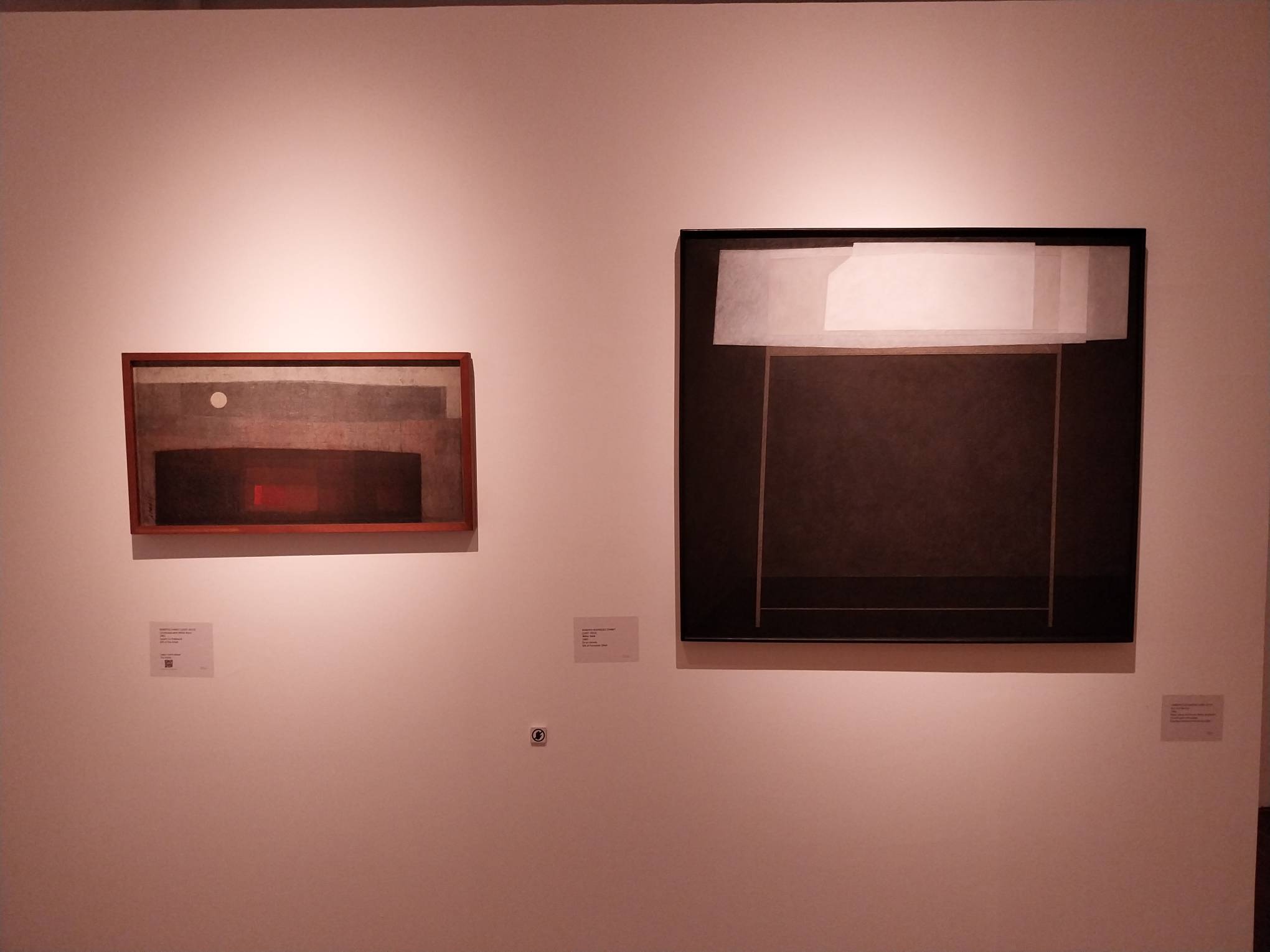
There’s the headline star Fernando Zóbel, whose birth centennial made the exhibit happen. But this also features other important figures like Arturo Luz, Lee Aguinaldo, Hernando Ocampo, Anita Magsaysay-Ho, and more. At times, it feels absolutely daunting to go through the exhibit with the large variety of works being displayed.
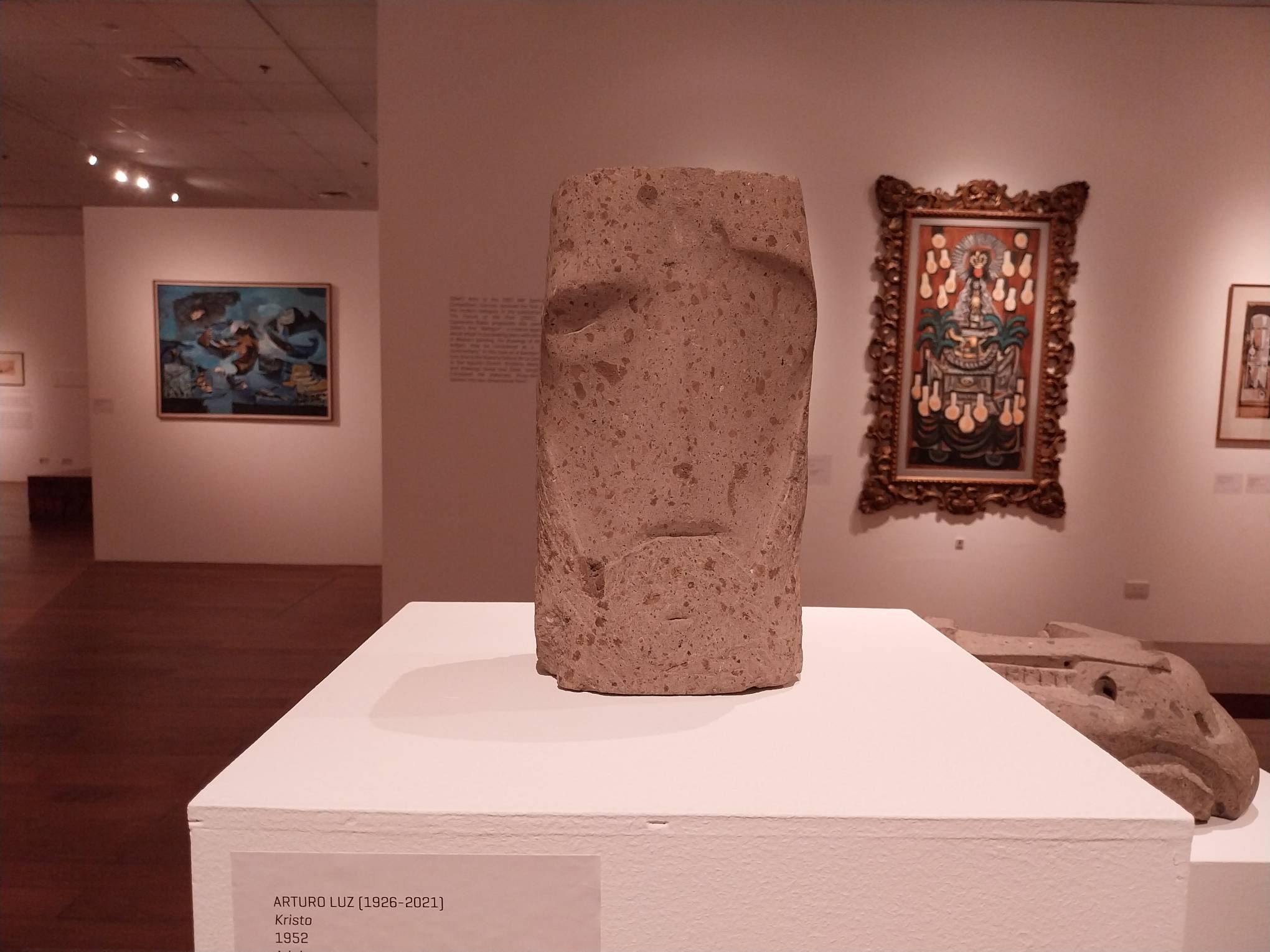
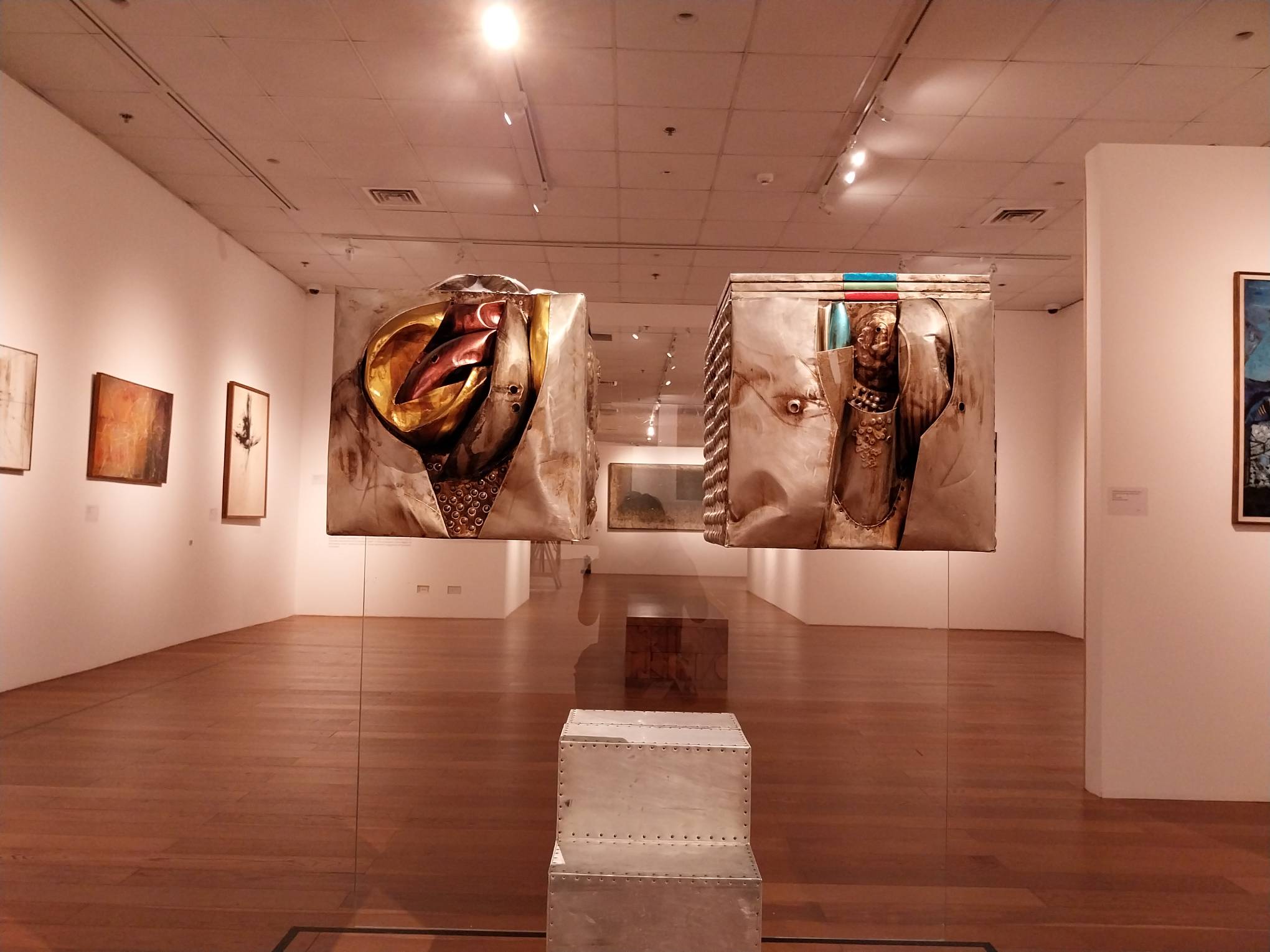
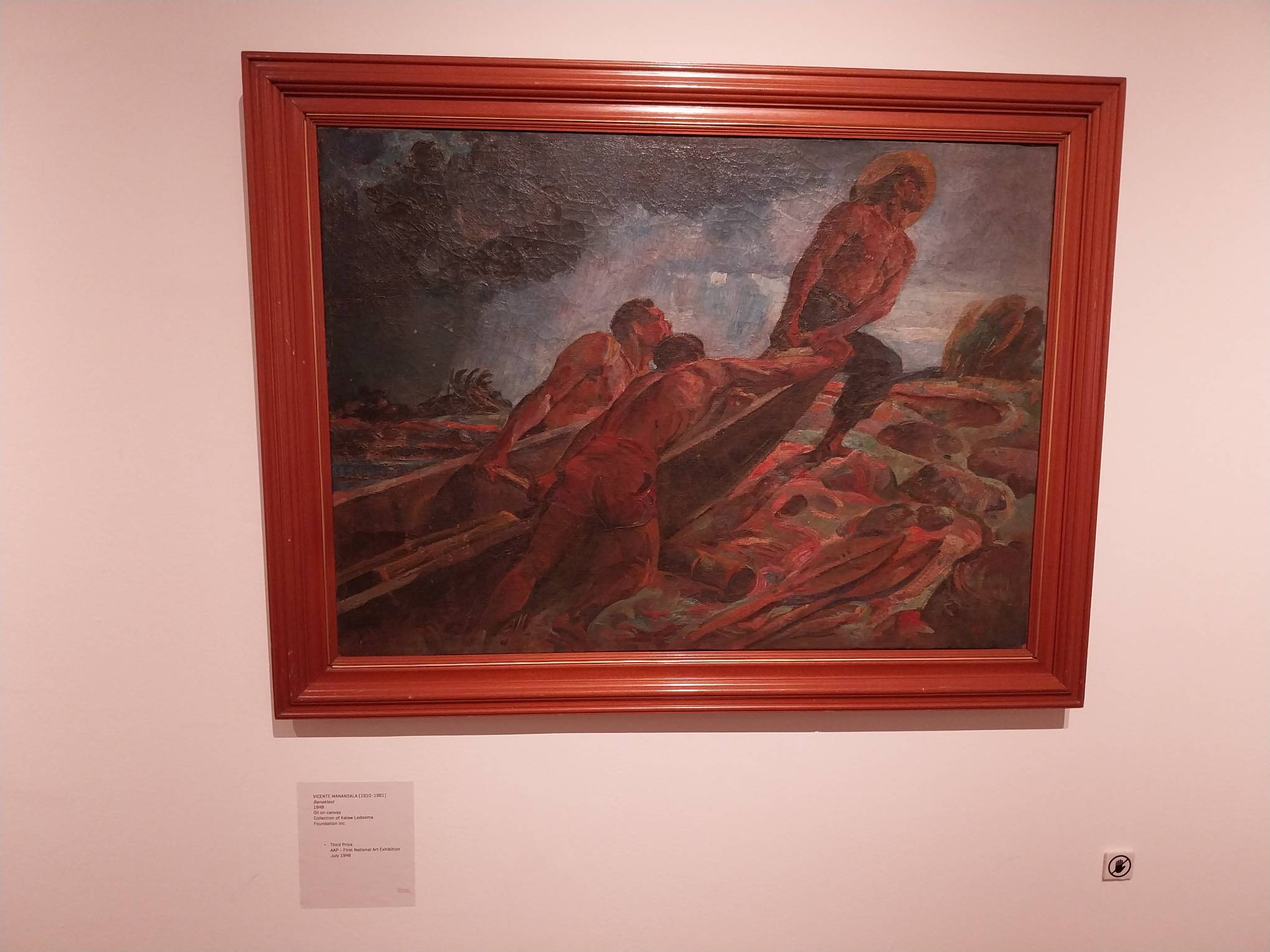
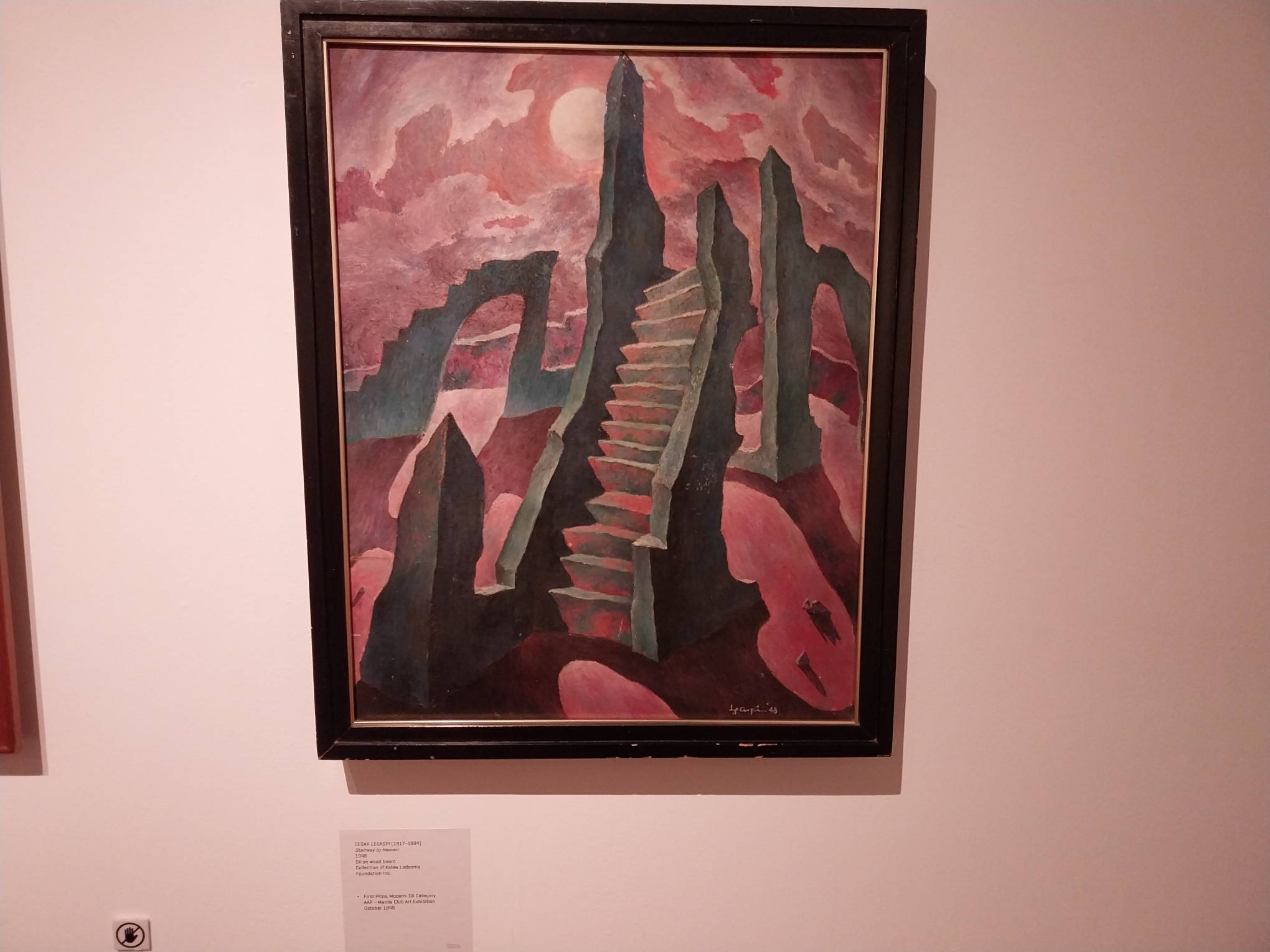
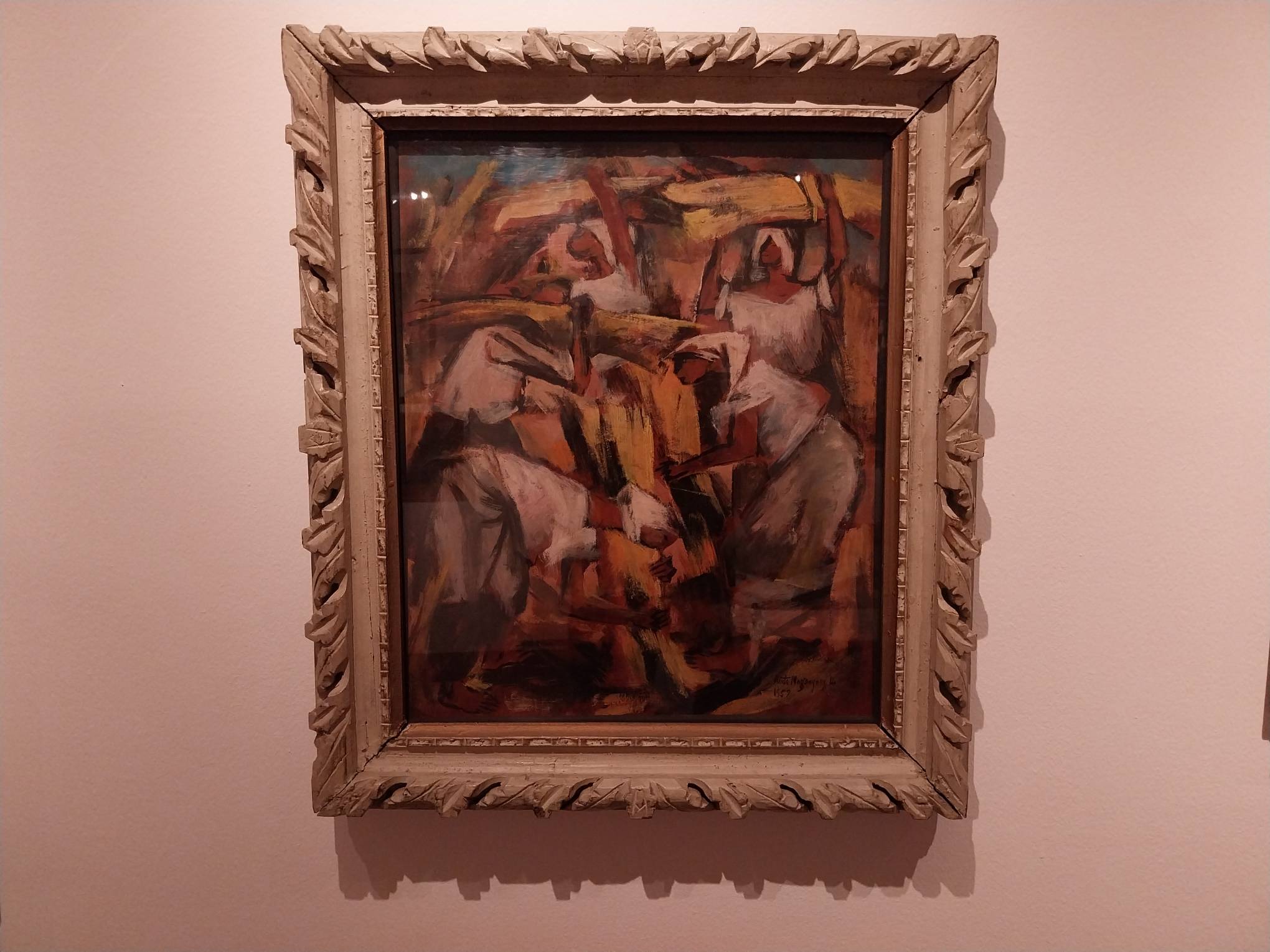
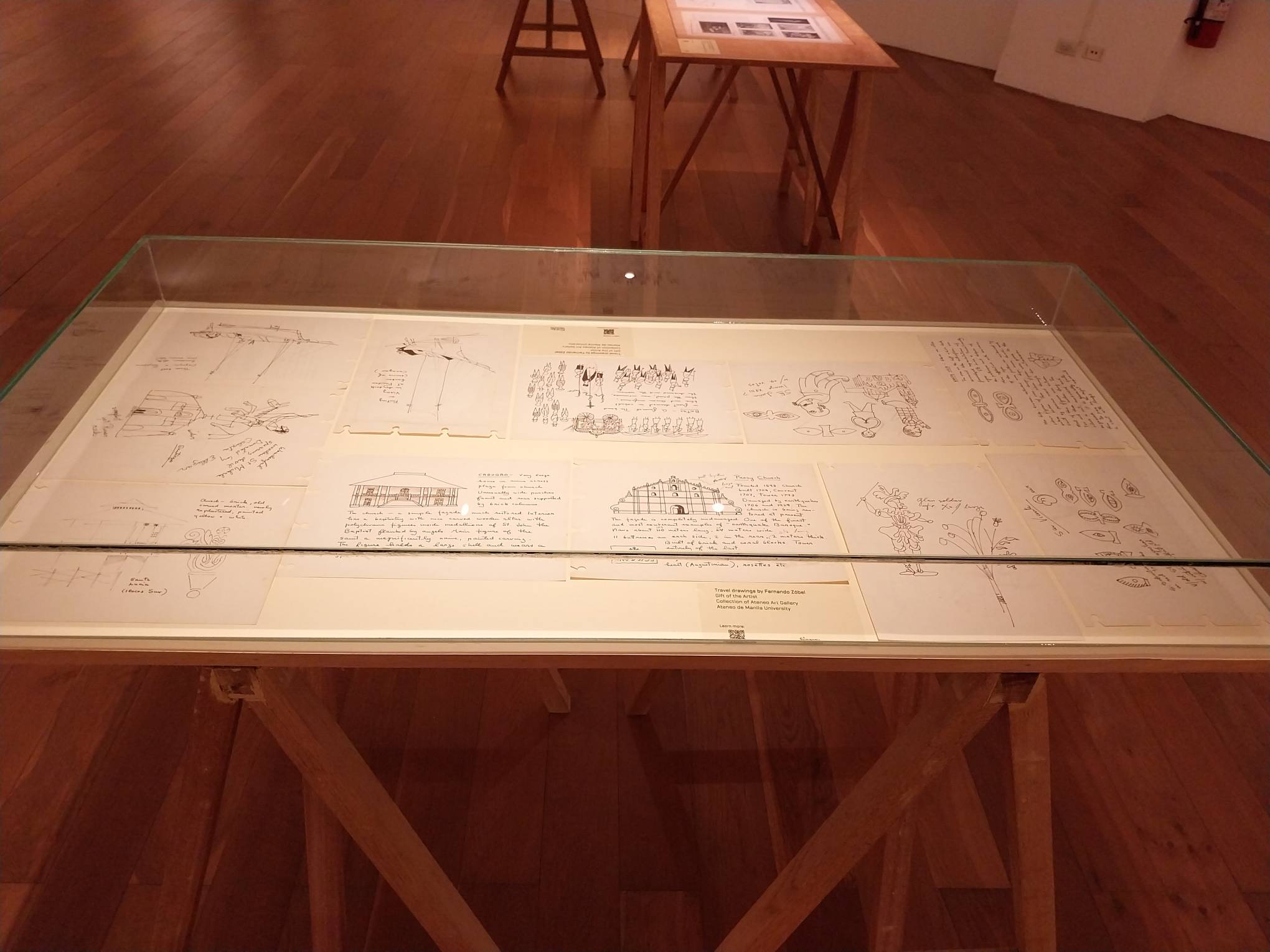
But going beyond that curational aspect, the exhibit also showcases written works that highlight the importance of the pieces. From newspaper articles to whole artbooks open for scrolling, it gives the context of these paintings for the country. Art students who go through this exhibit will likely come out more knowledgeable about the prevailing styles of the time.
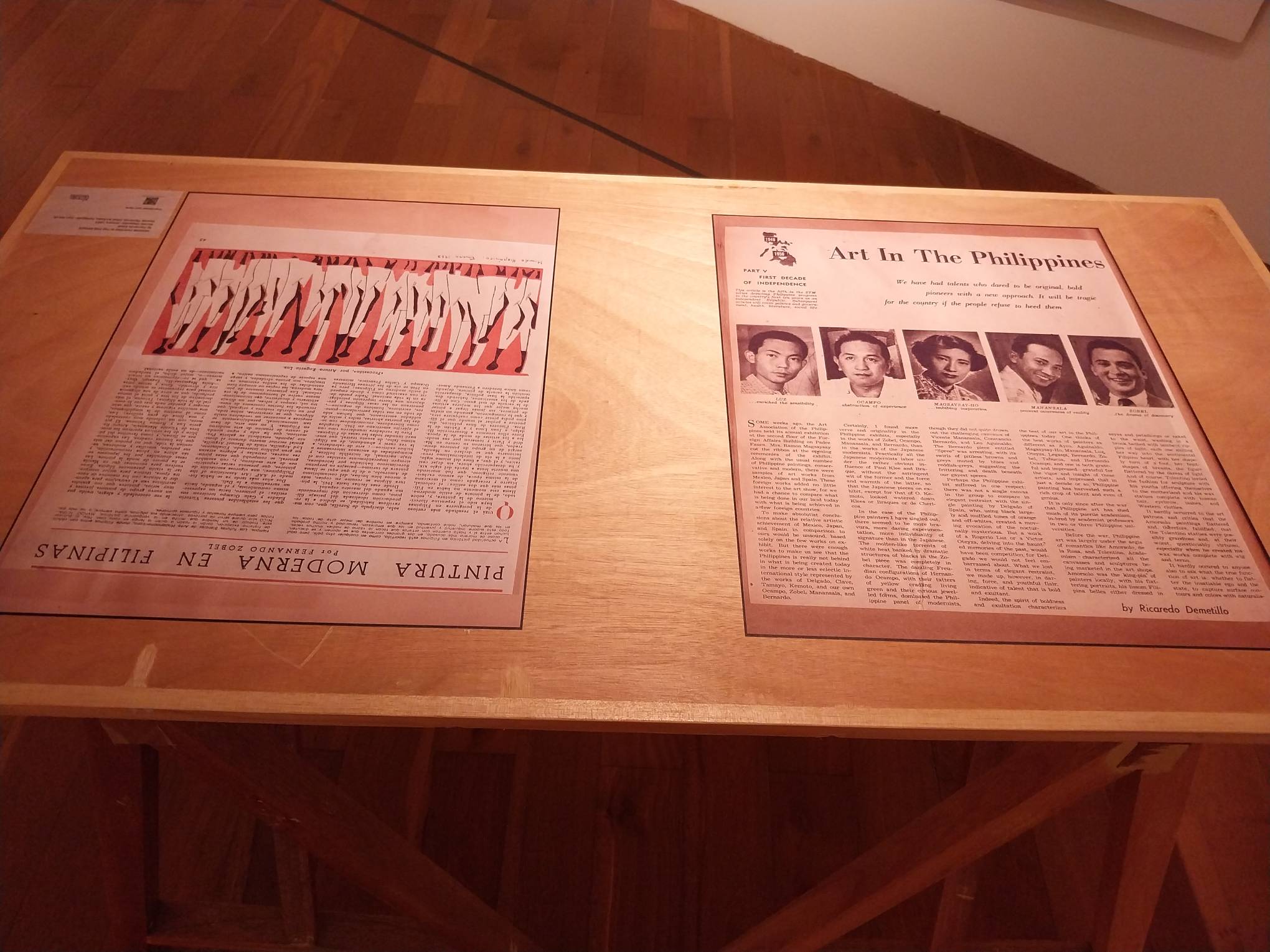
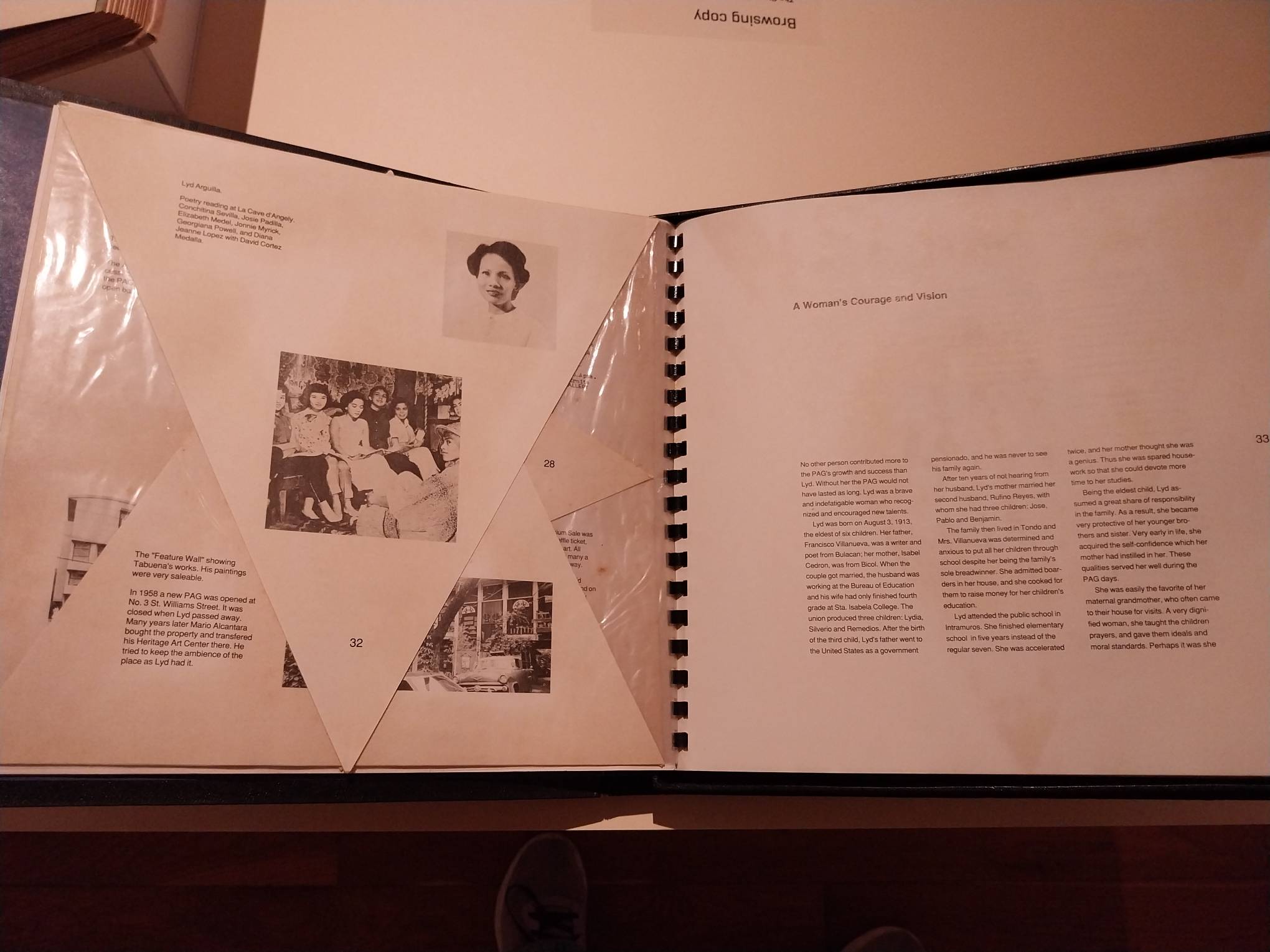
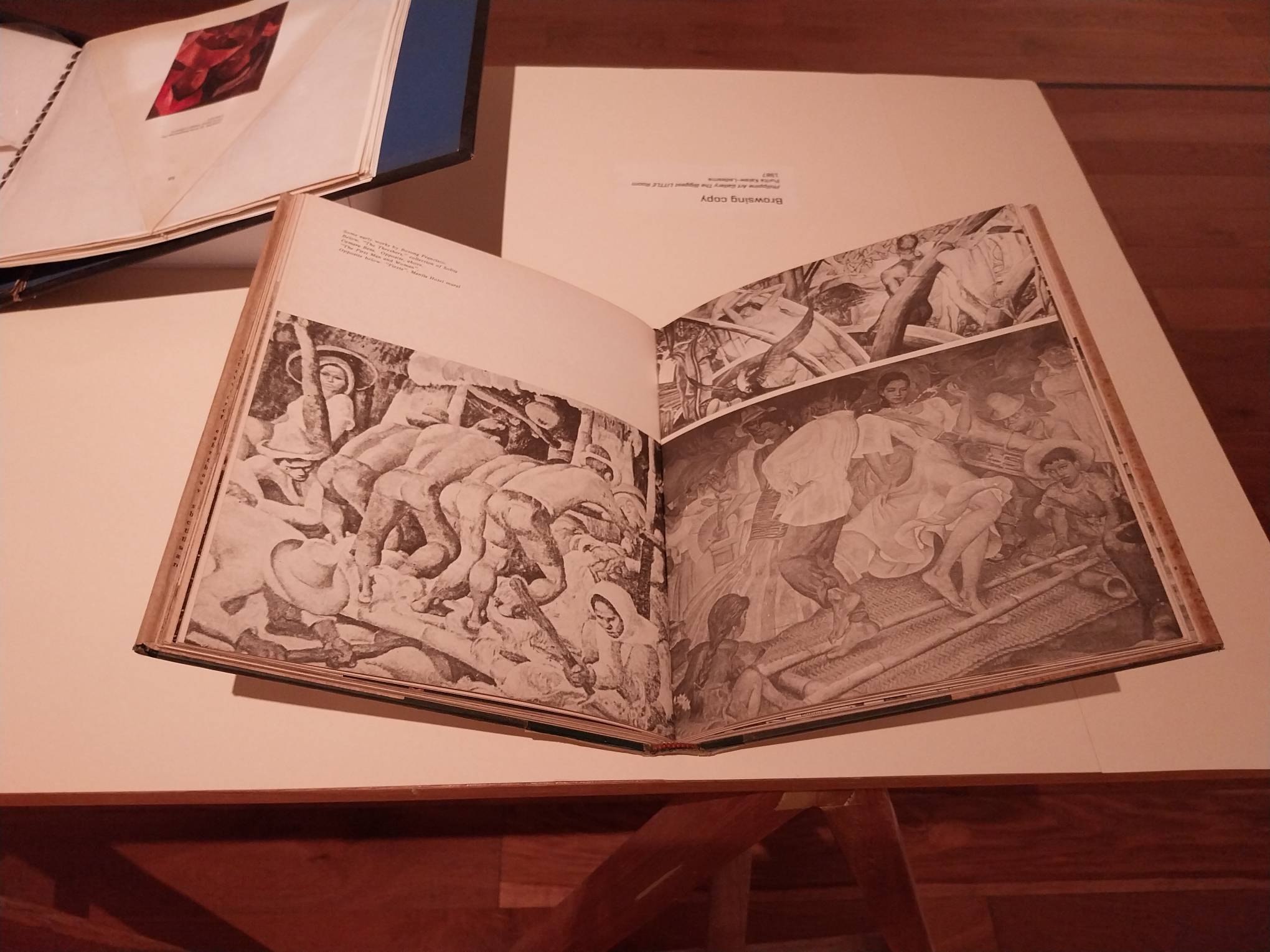
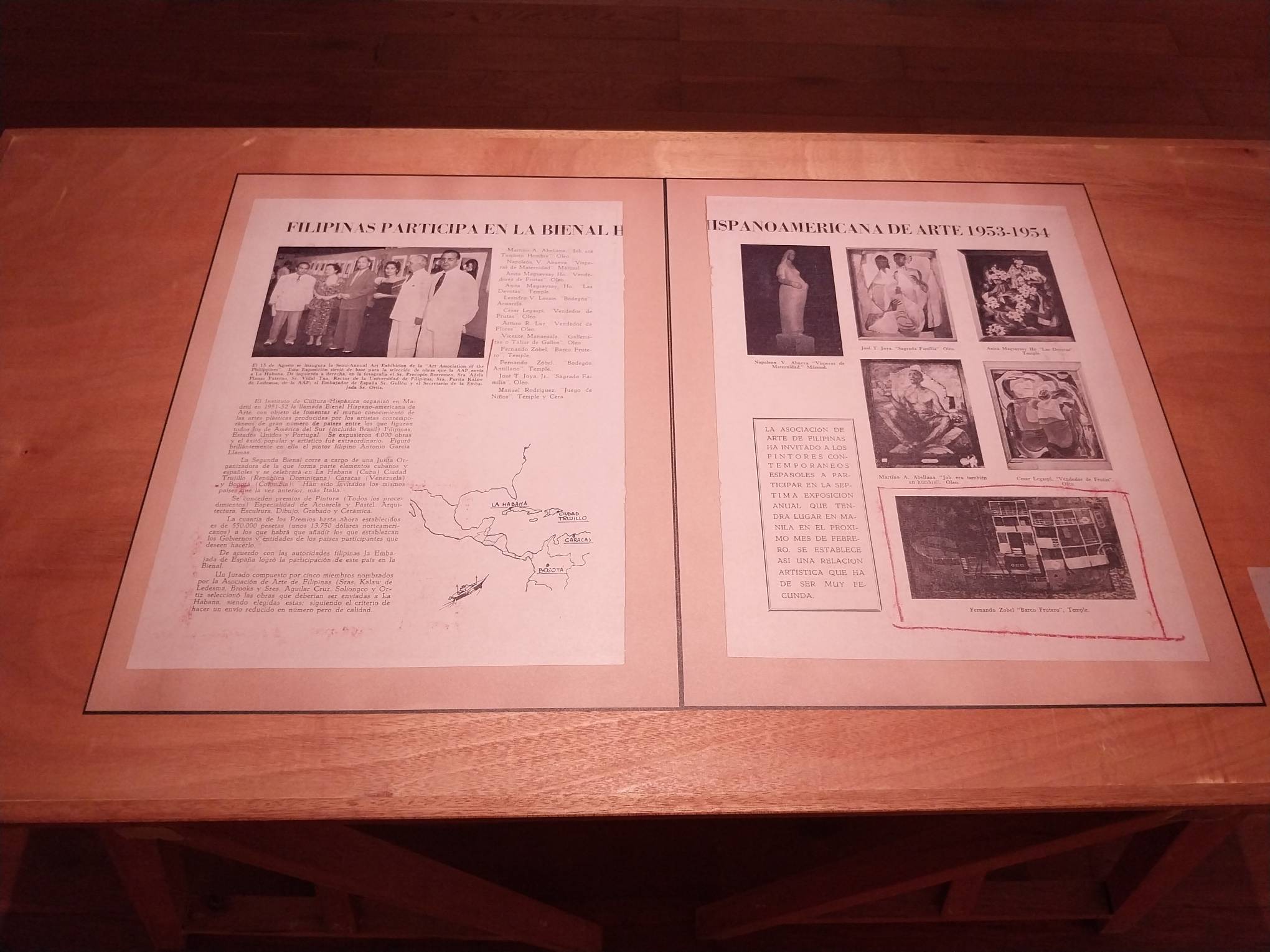
It moves through different movements of artistry happening at the same time. From modernism to abstract expressionism to neo-realism, they emphasize the different congruent phases of art in the country—and more than that, how they ended up affecting us in the modern day.
Fernando Zóbel, Figure of Interest
Another curious thing about A Synergy of Ventures is just how much it features Fernando Zóbel. The works featured here mainly come from his collection, but it really does create a portrait of his importance to the period. It personalizes him to the viewers to make him relatable: one is greeted entering the exhibit with a list of his classes and grades while going to Ateneo de Manila.
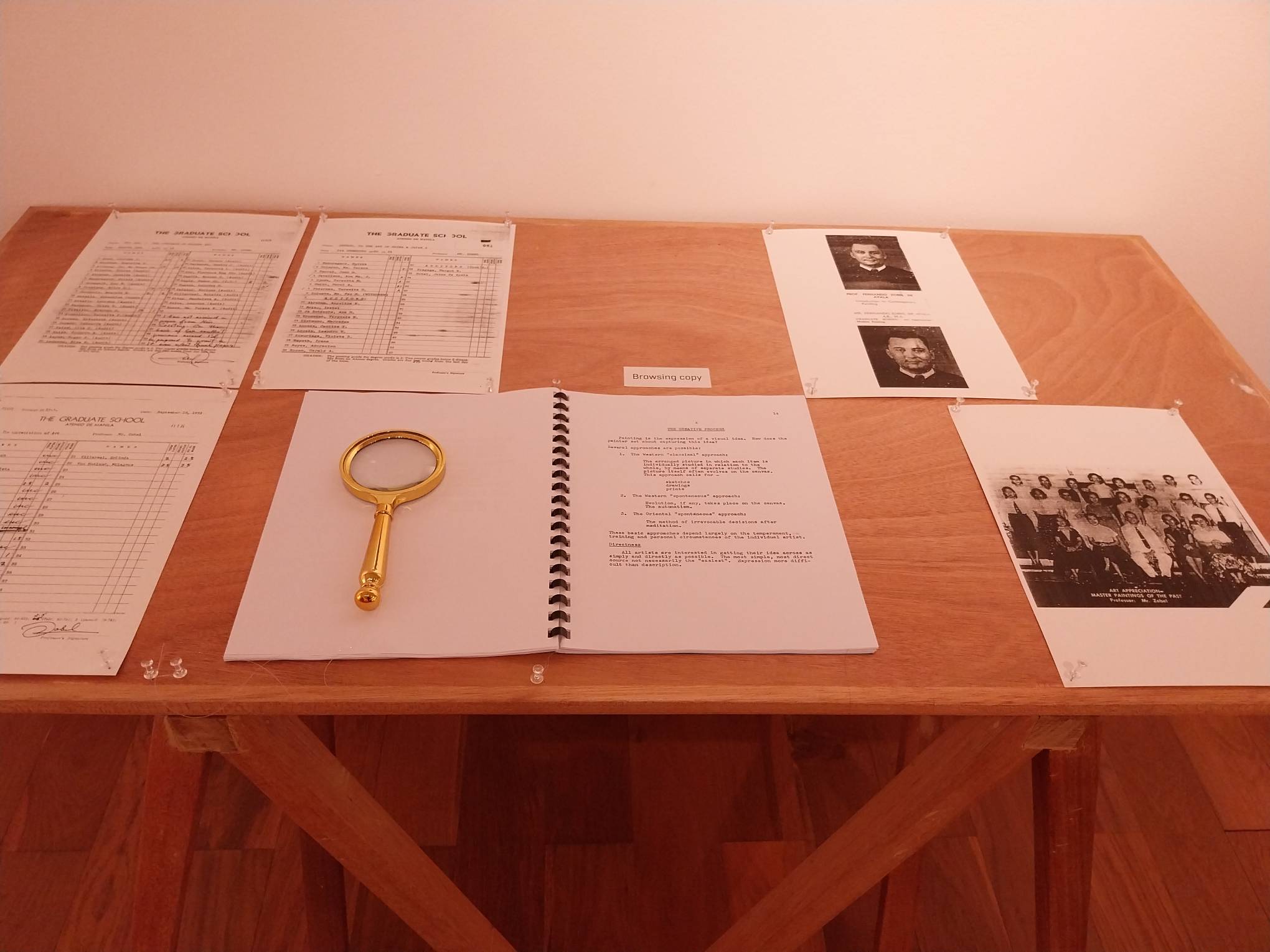
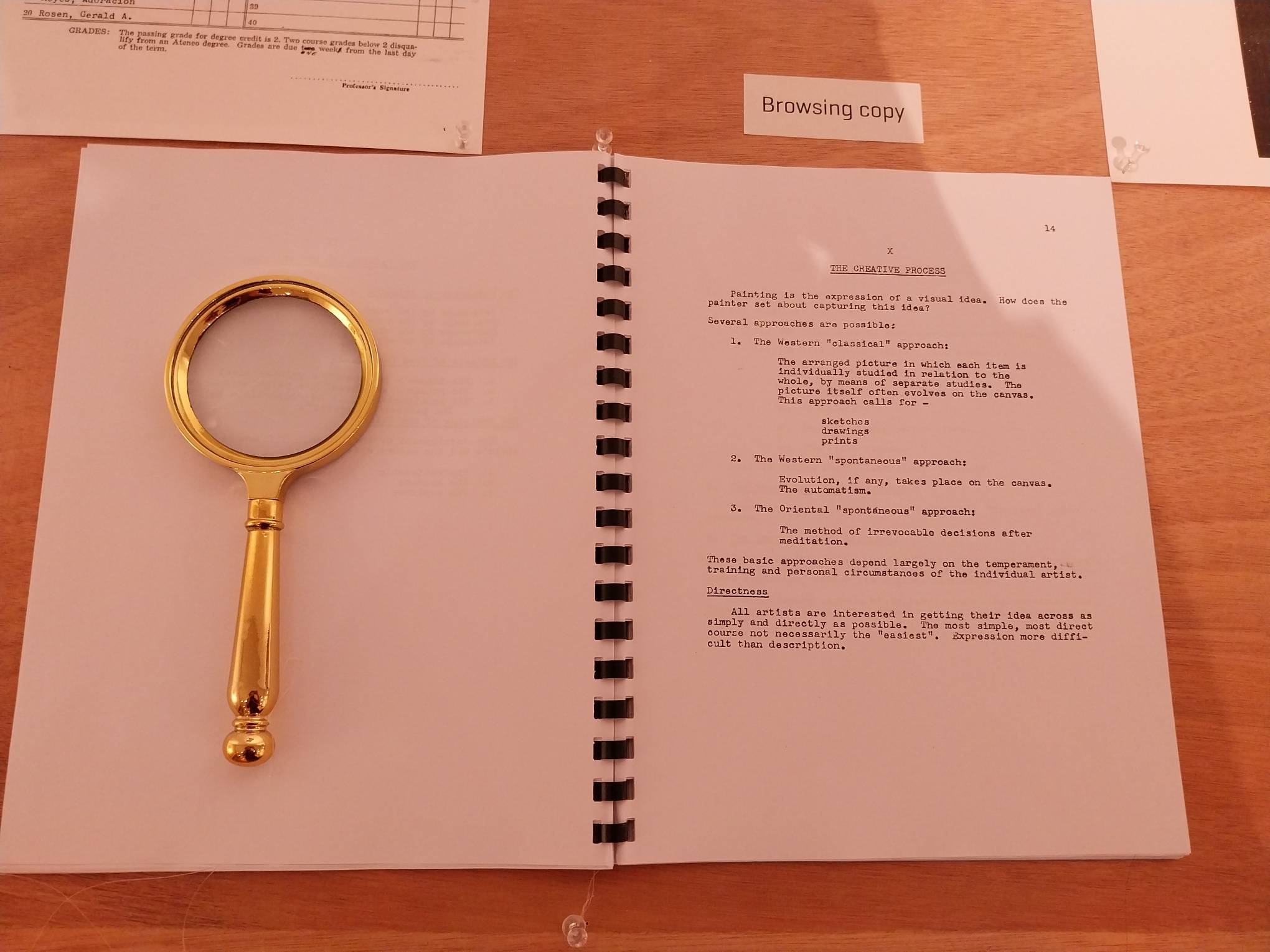
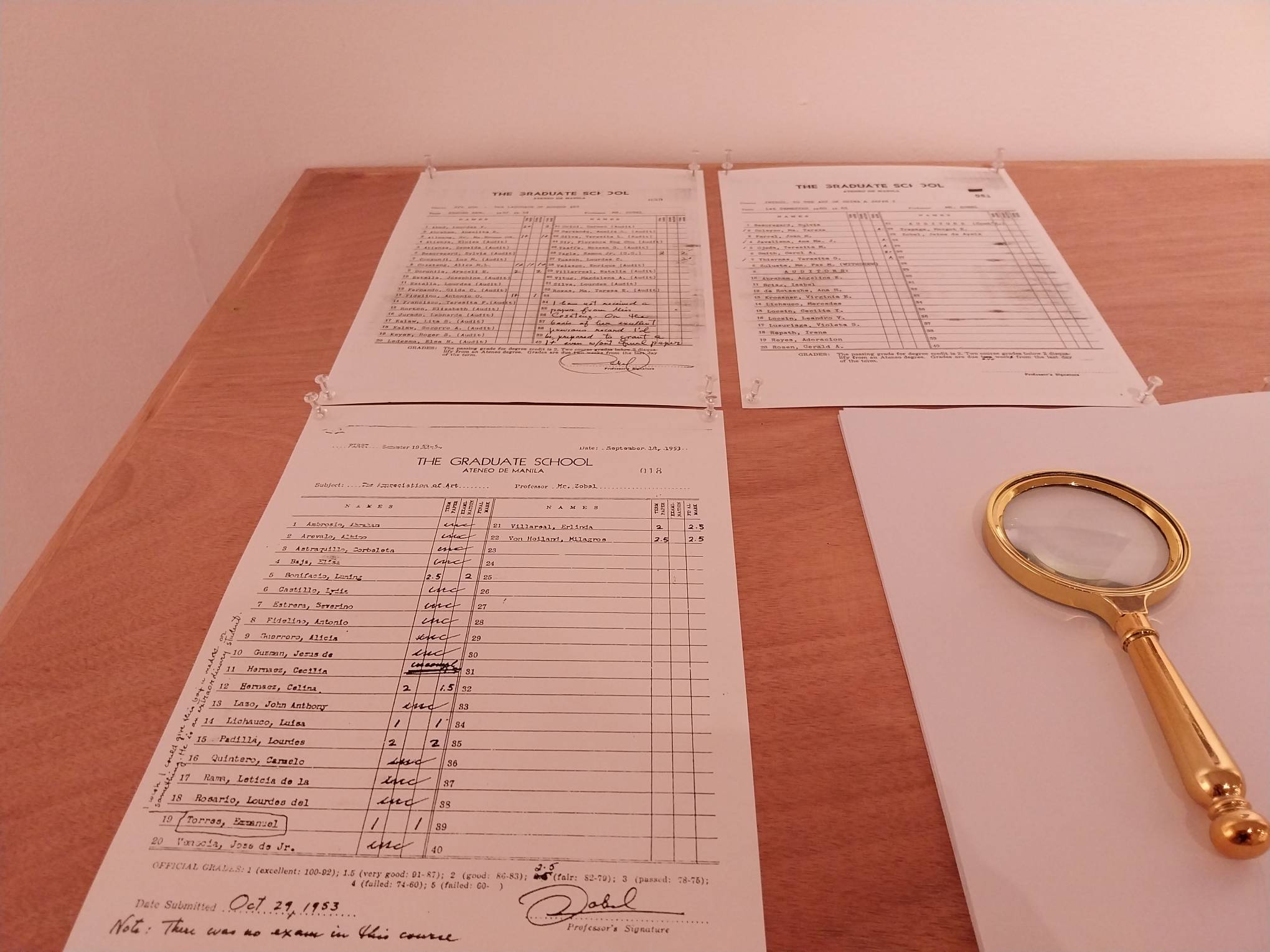
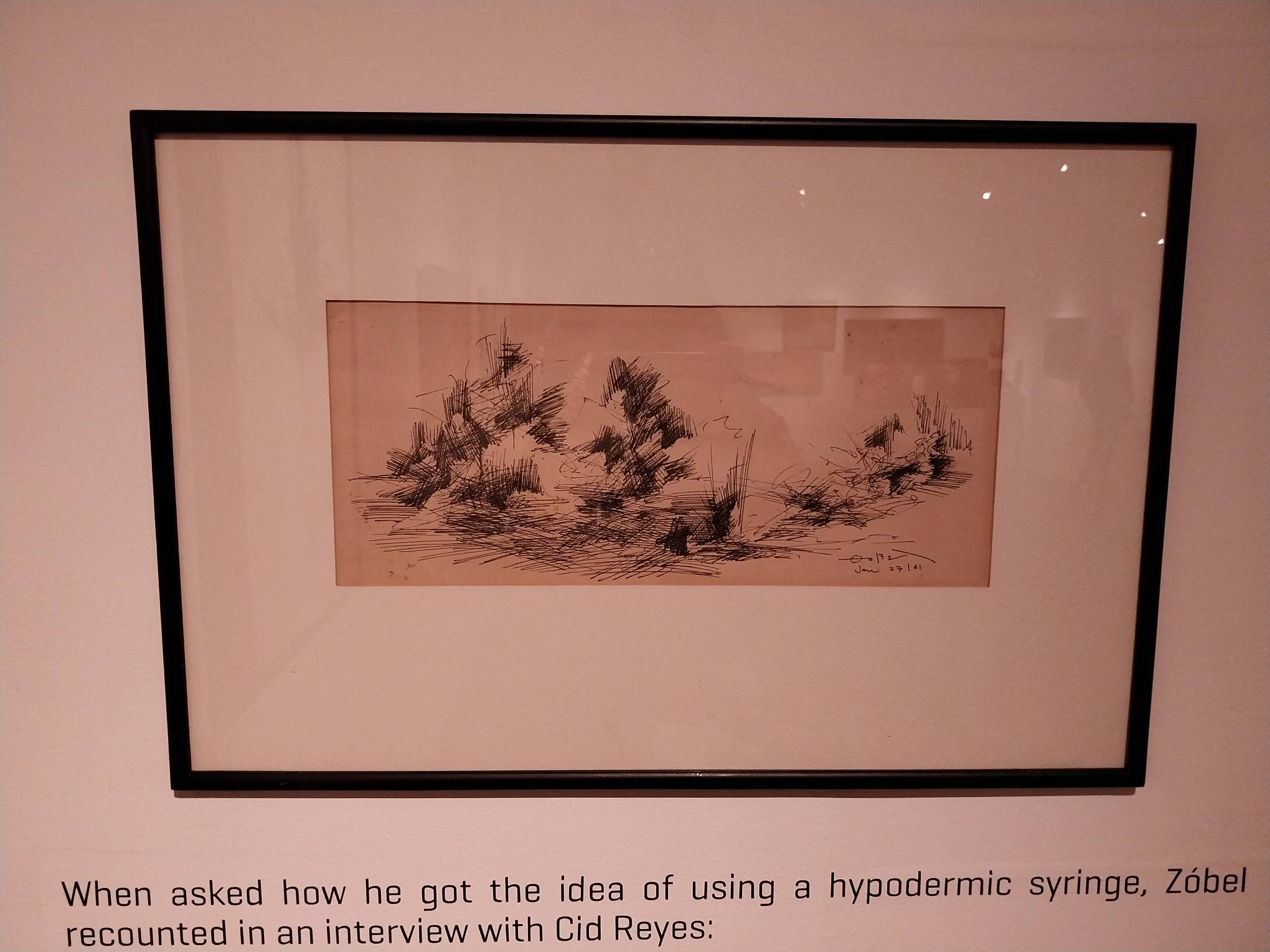
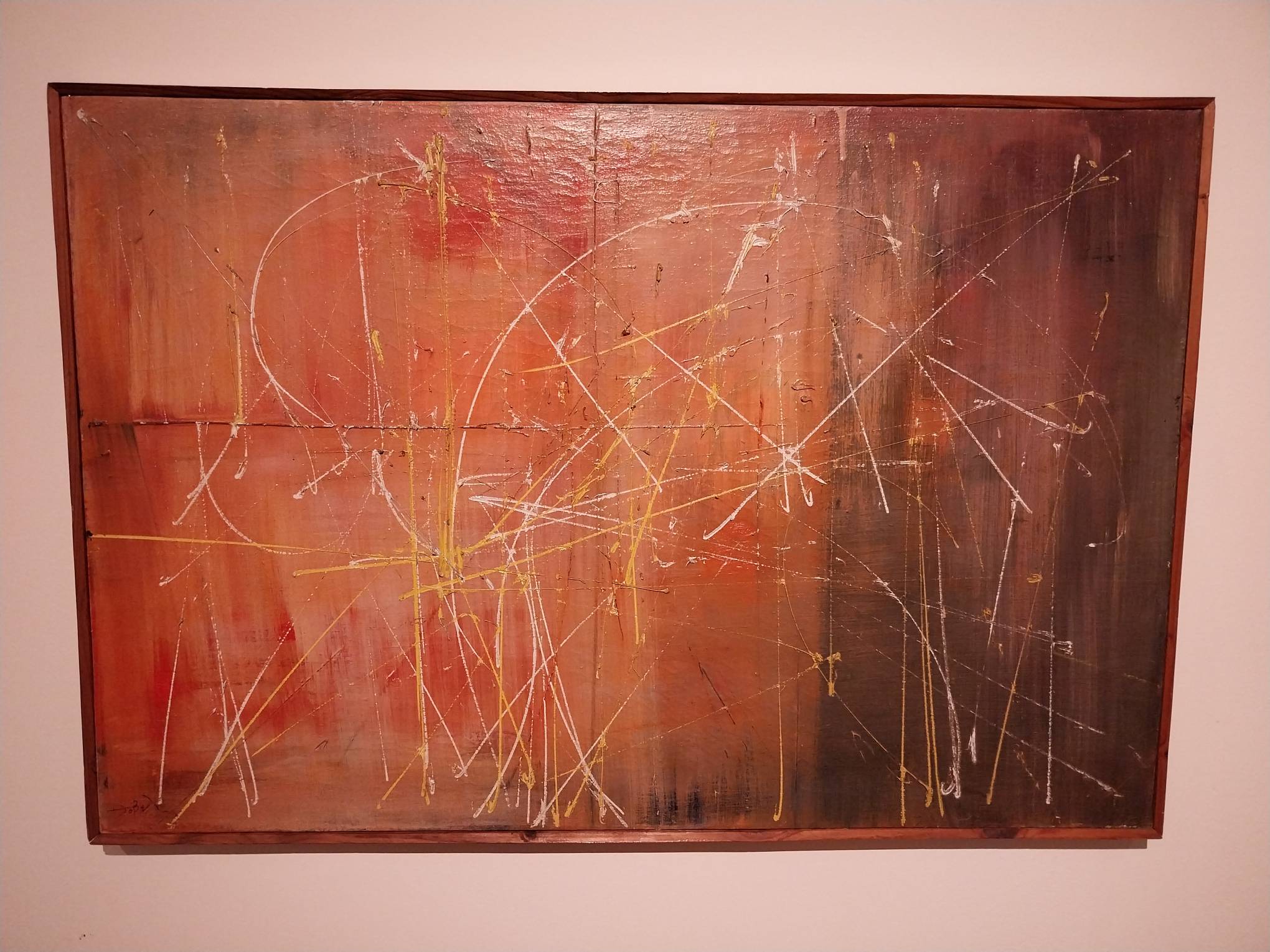
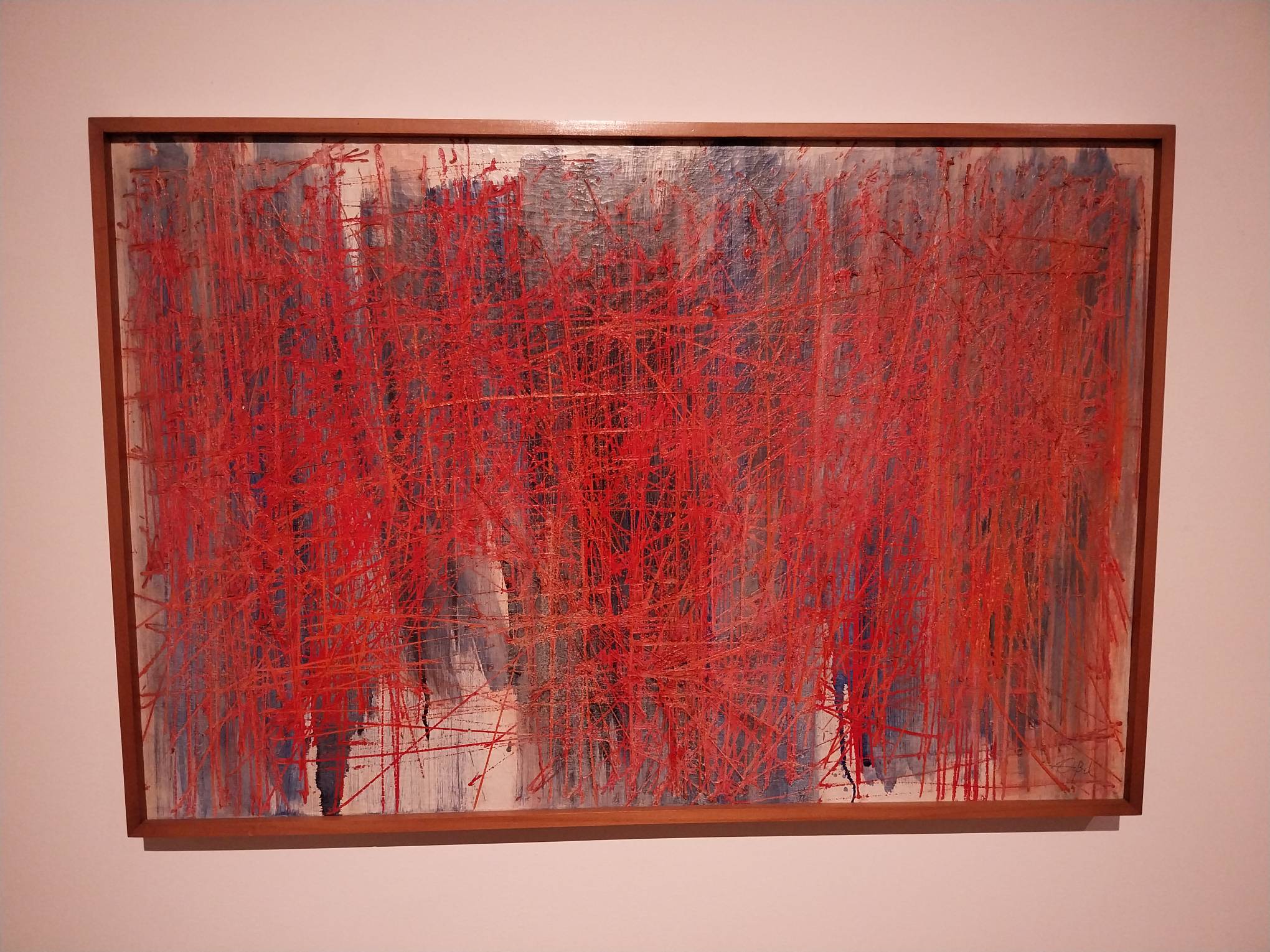
He played multiple roles in his life, from curator to painter to collector. This exhibit contains a multitude of his paintings, with the gallery noting what awards it won while he was alive. His paintings skewed closer to abstraction, taking cues from expressionists in his use of color and paint splatter.
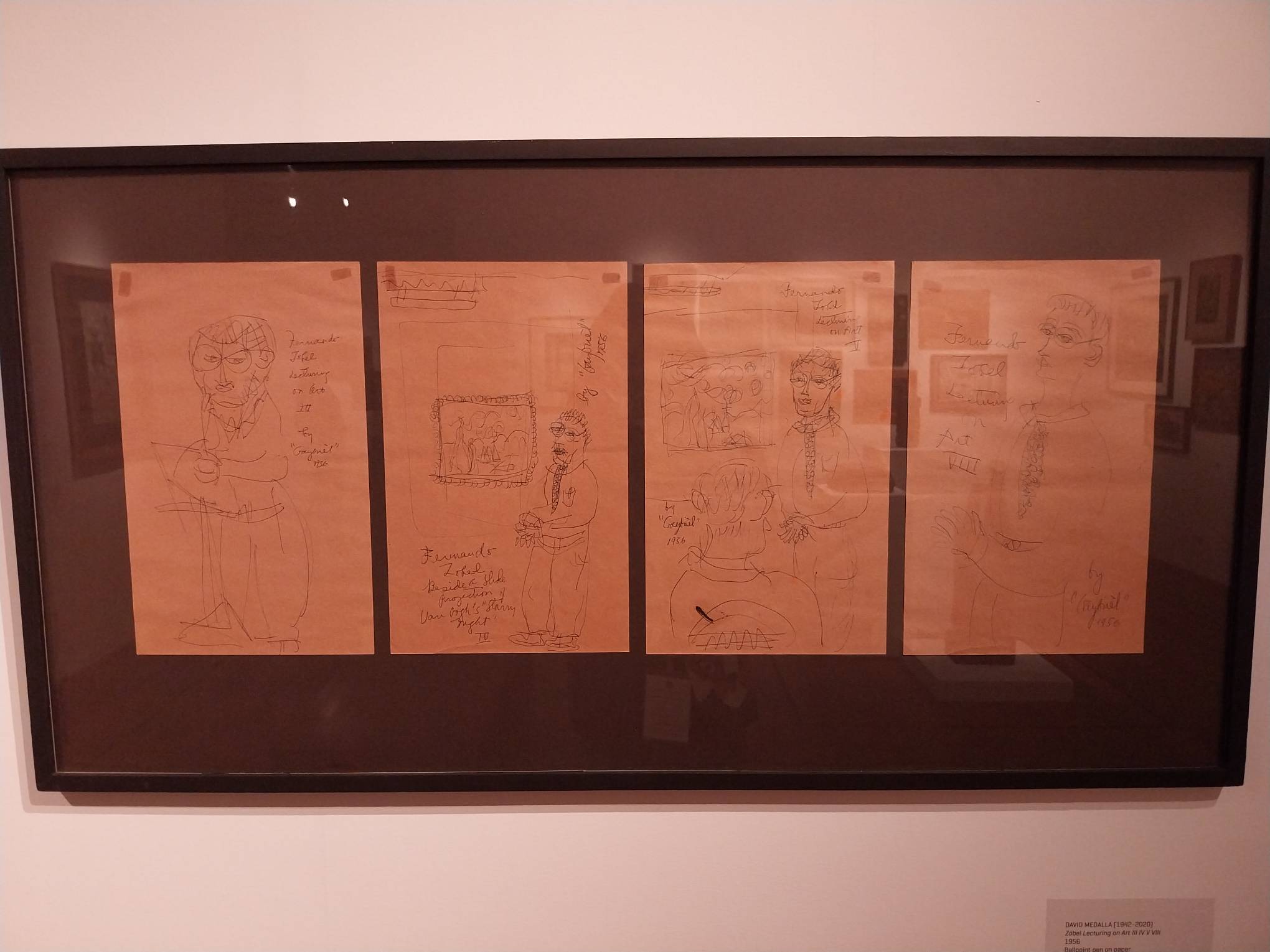
Even some of the works here feature him in action. A series of sketches shown in the exhibit, “Zobel Lecturing on Art” by David Medalla, portray his active role in defining art for the Philippines.
His collection goes beyond his work, however. Many of the paintings featured here come from his collection that he donated to the Ateneo Art Gallery, or from the Purchase Fund he established to help the gallery acquire paintings. The artists featured here spread across the world—not just Filipino artists but foreign ones like Edouard Manet, Francisco Goya, and Georges Roualt.
Developing the Future of Philippine Visual Arts
A Synergy of Ventures offers more than a lesson of history for its viewers. It reminds us that fostering artistry requires attention, funding, and effort. Developing our current future for art requires more than passivity, more than likes and sharing on social media. It requires the kind of focused intentionality that creates an environment of creation for artists in the country.
Zóbel ushered modern sensibilities into Filipino art through his own paintings, but also through his efforts and funding ensuring that artists can create for another day. The exhibit works as a celebration of his legacy, and as a way of showcasing the influential branches that his undertaking allowed.
Article photos by Elle Yap. Featured image courtesy of Ateneo Art Gallery.
Related reading: Drawing Room: A Complete Overview of a Historical Social Space

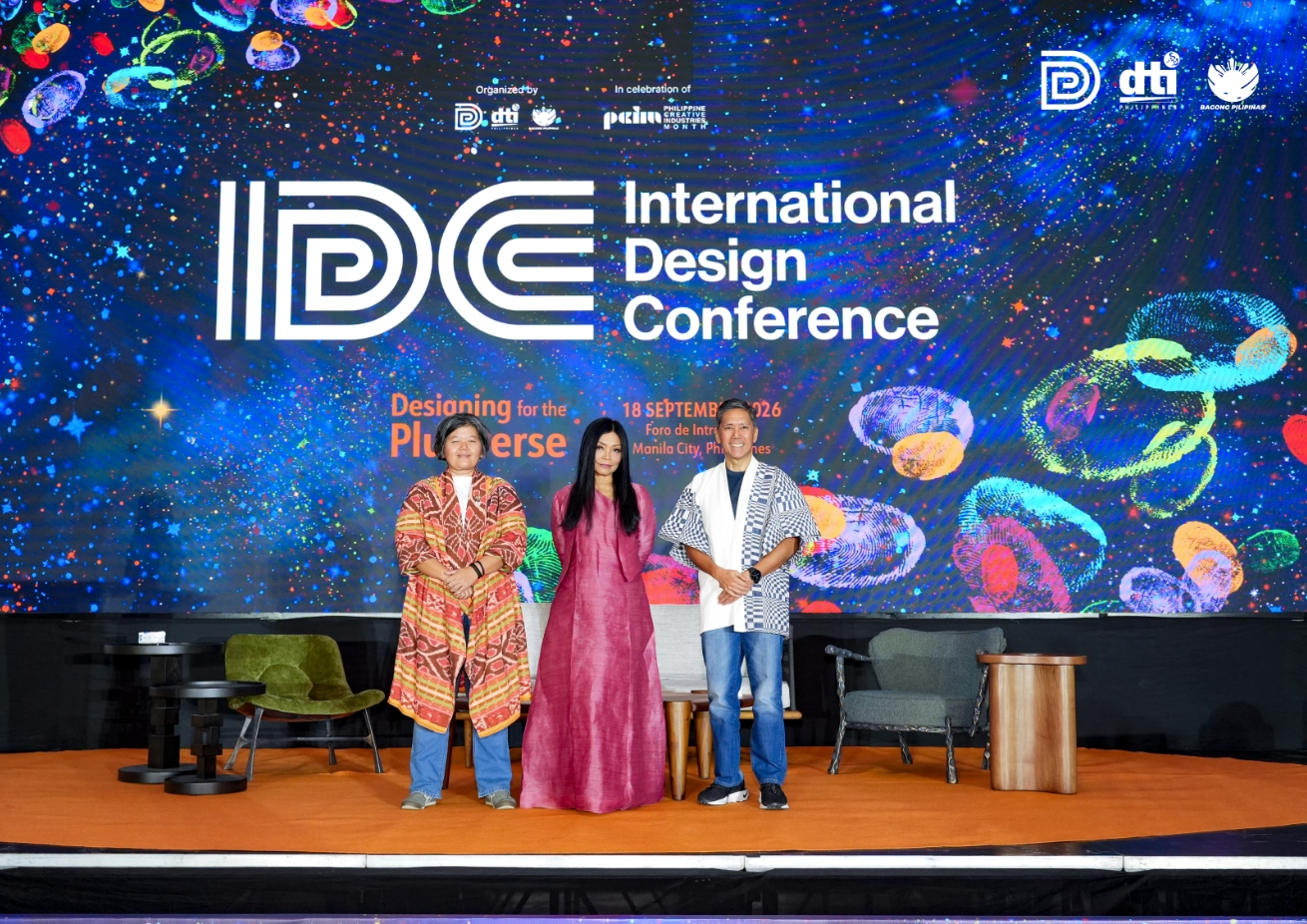
Culture in design does not always announce itself through a recognizable motif, material, or symbol. It can also be embedded in the relationships designers build, the knowledge they listen to, the materials they choose, and the decisions they make in response to communities and their environments. This distinction emerged throughout the 2026 International Design Conference […]
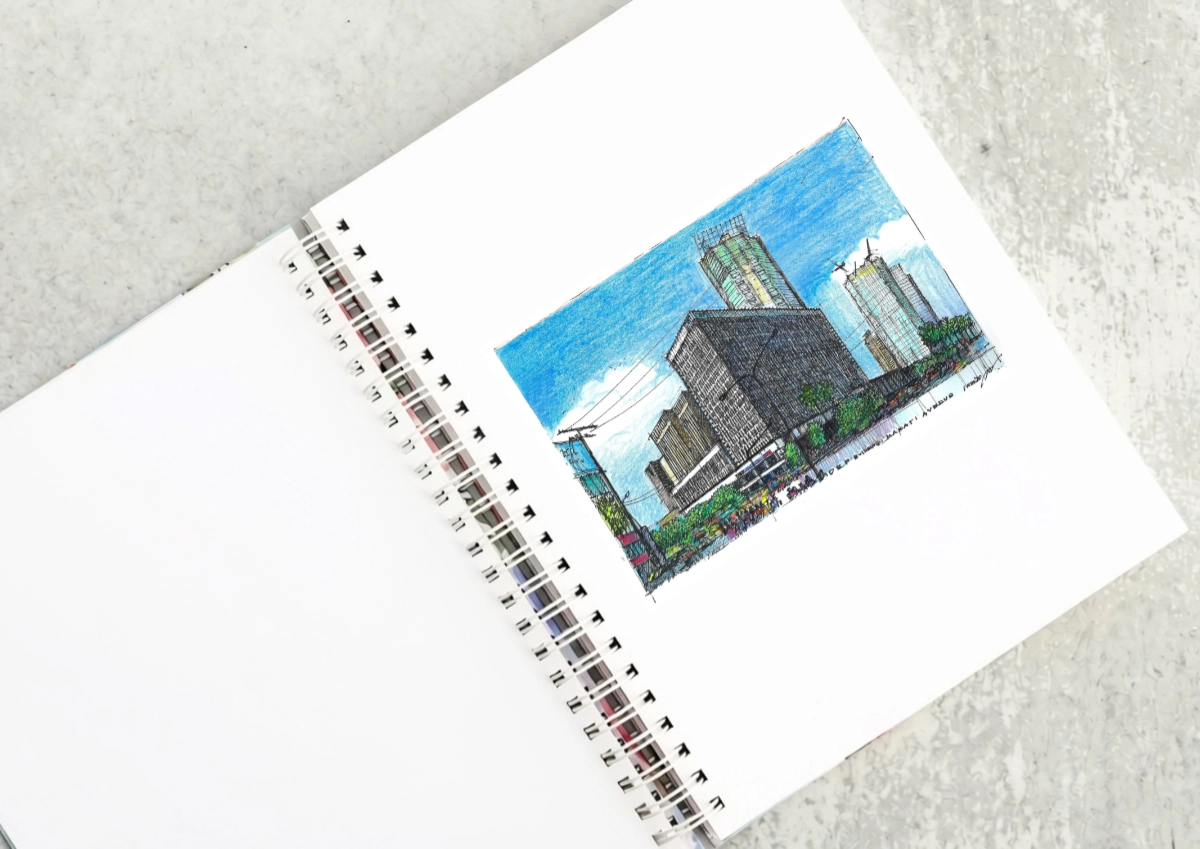
The DBP Building as a Landmark of the International Style At the corner of Sen. Gil Puyat Avenue and Makati Avenue stands a landmark of the Makati Central Business District. It is one of the last still standing that were built in the first wave of construction in district fifty years ago. The Development Bank […]
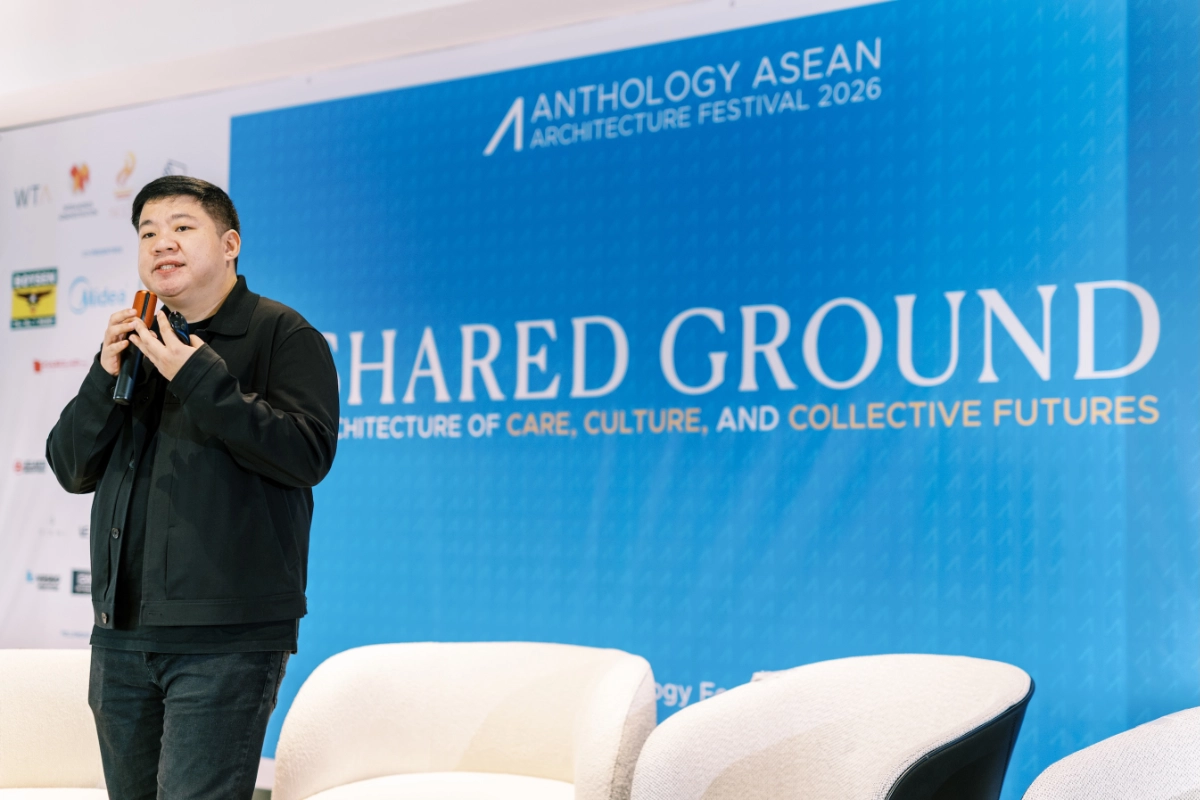
“Buildings only become architectureArchitectureThe art and science of designing and constructing buildings, structures, and spaces that are functional, safe, and aesthetically pleasing. It encompasses the planning, design, materials, and techniques used to createGo to Architecture Glossary when they are shared,” said William Ti Jr., founder of the Anthology Festival and WTA Architecture and Design Studio, […]
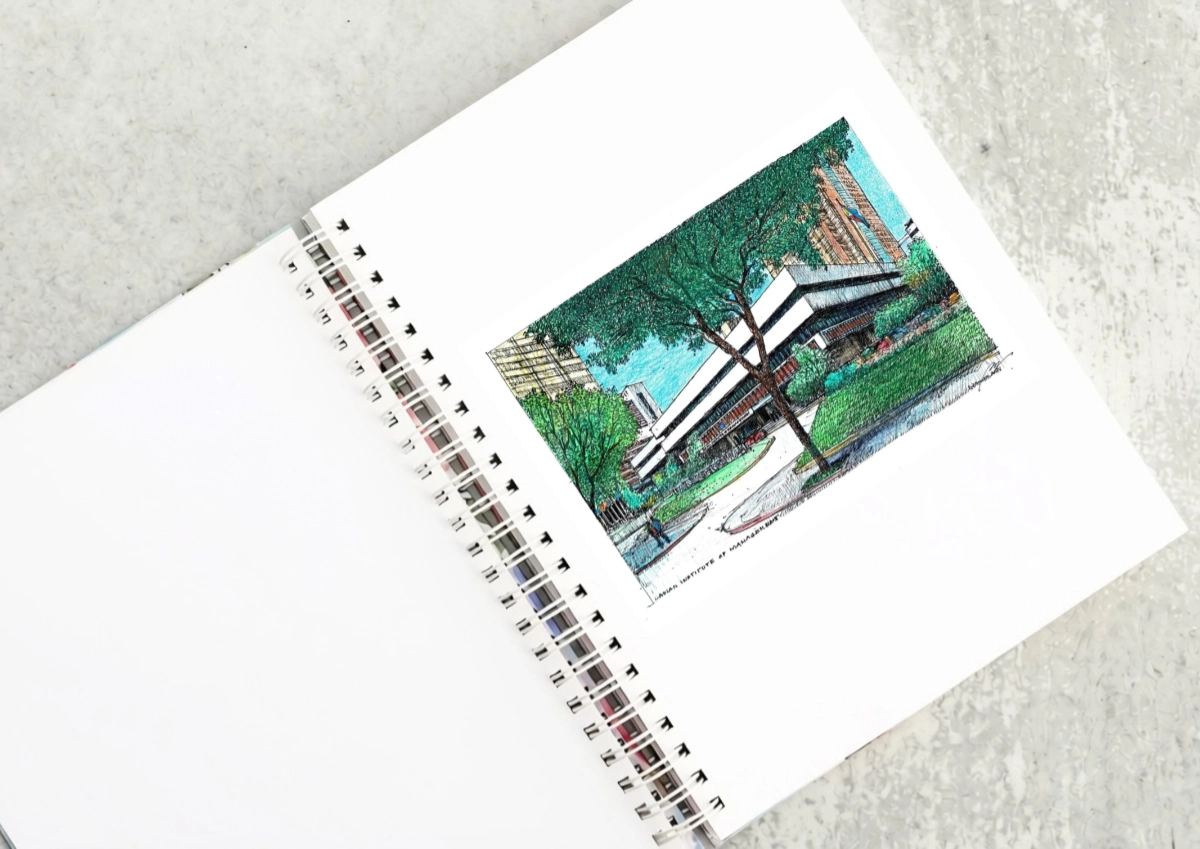
A Filipino Interpretation of Modernist Architecture Unlike the rest of Makati today, the northern end of Paseo de Roxas in Makati is anchored by a low complex rather than a tall skyscraper. This is the elegant Asian Institute of Management, designed by architect Gabriel Formoso and completed in 1971. In my opinion, the building is […]
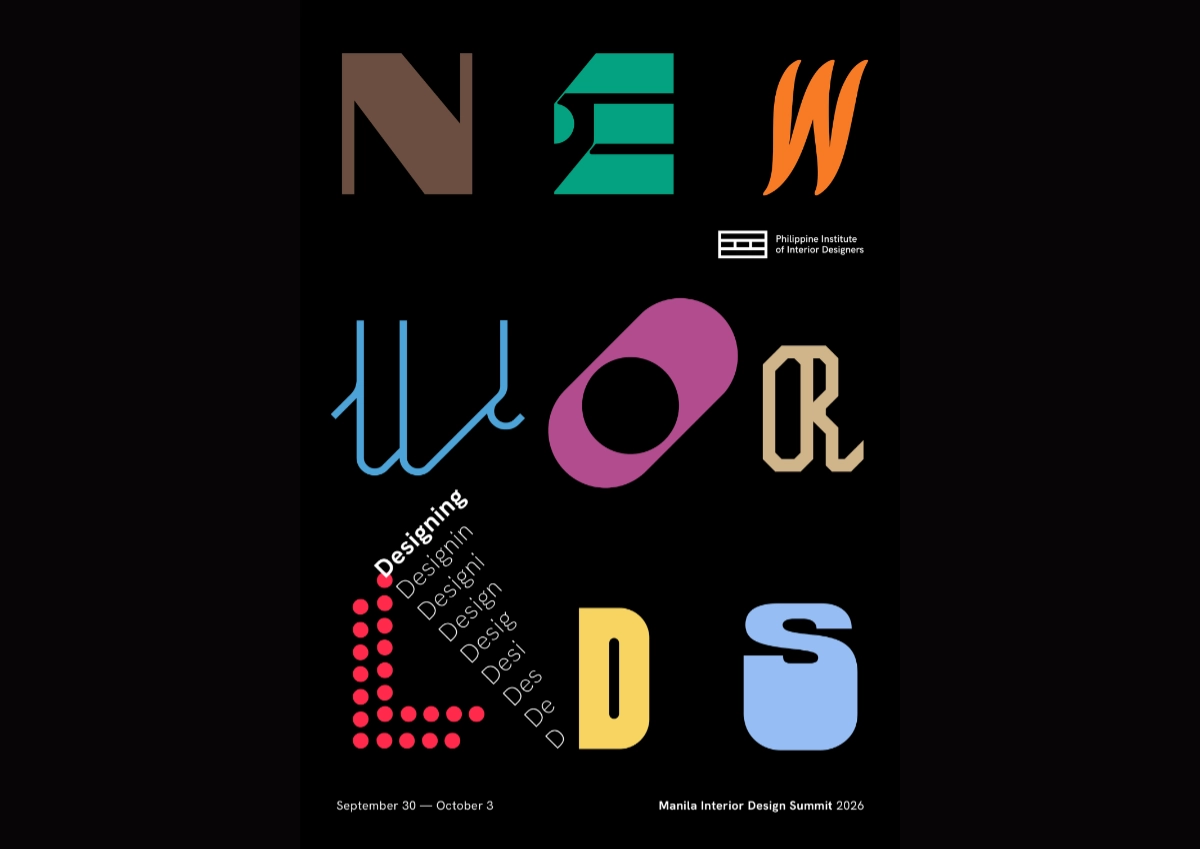
“Thailand has claimed urban creativity and livability. Singapore has institutional design leadership. Indonesia is emerging as a design hub. Vietnam is moving into design innovation. And the Philippines? Its position is not weak. It is simply unclaimed.” For IDr. Cecil Ravelas, National President of the Philippine Institute of Interior Designers (PIID), the challenge is not […]
Read the issues.

Collect the volumes.

Recommended Video
Tap to Unmute
Unmute
0:00
0:00