Archie G. Carrasco, Chairman and CEO of AGC Power Holdings Corp. (AGC PHC), has been named to The BoF 500 Class of 2026 under the Media category, joining The Business of Fashion’s global community of individuals shaping the fashion industry. Carrasco is among 100 new members from 33 countries and 48 nationalities selected for the […]
Drawing Room: A Complete Overview of a Historical Social Space



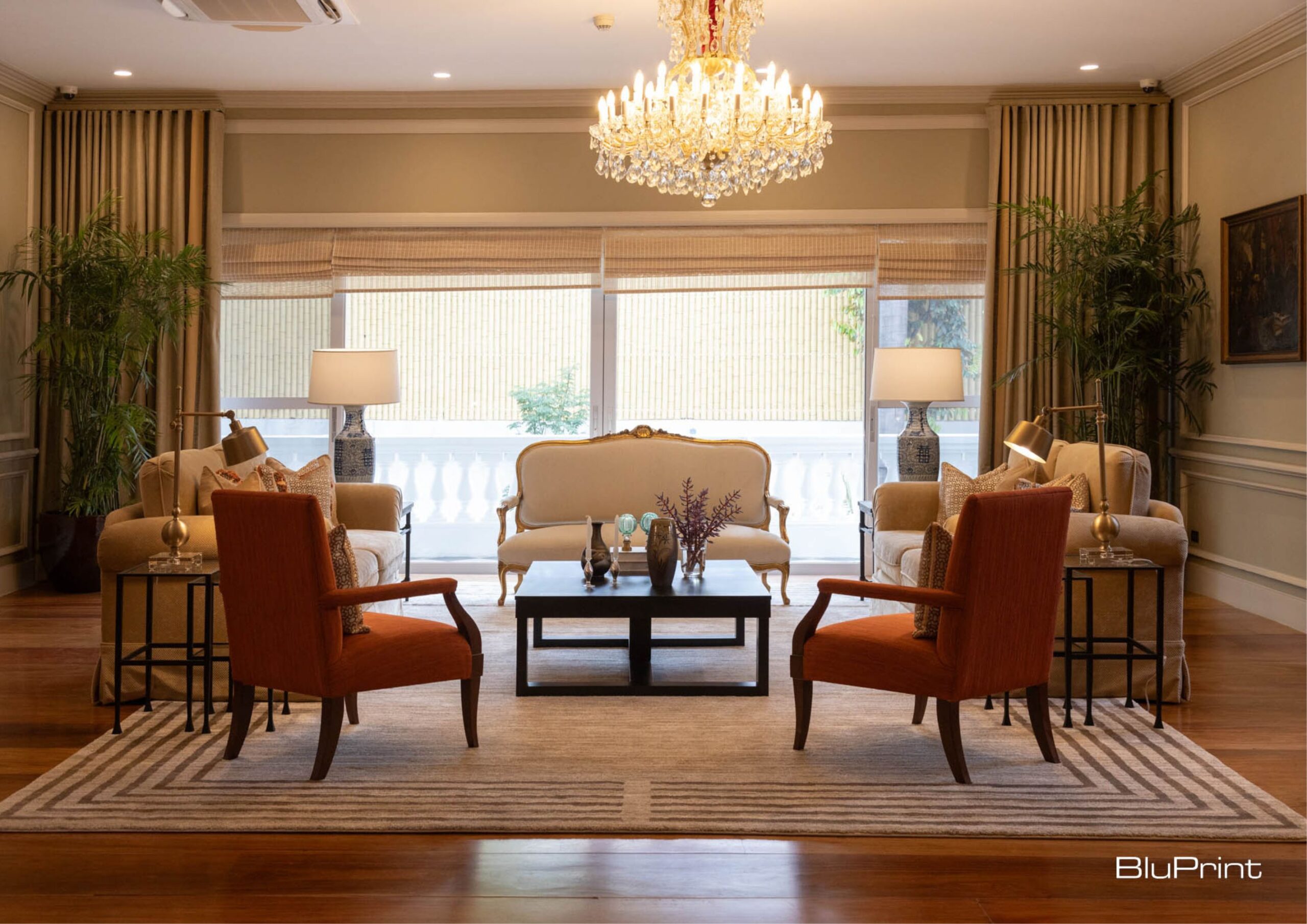
For homeowners who like to entertain, the usual communal spaces like the living room, dining area, and patio are indispensable. With ample space and comfortable seating, they’re the perfect go-to spots for hosting gatherings and other social events. But with the recent resurgence of traditional interior styles, another space ideal for entertaining reenters the spotlight. The drawing room is a timeless, historical social space, offering a formal yet inviting setting for accommodating family, friends, and guests.
Drawing Rooms Throughout History
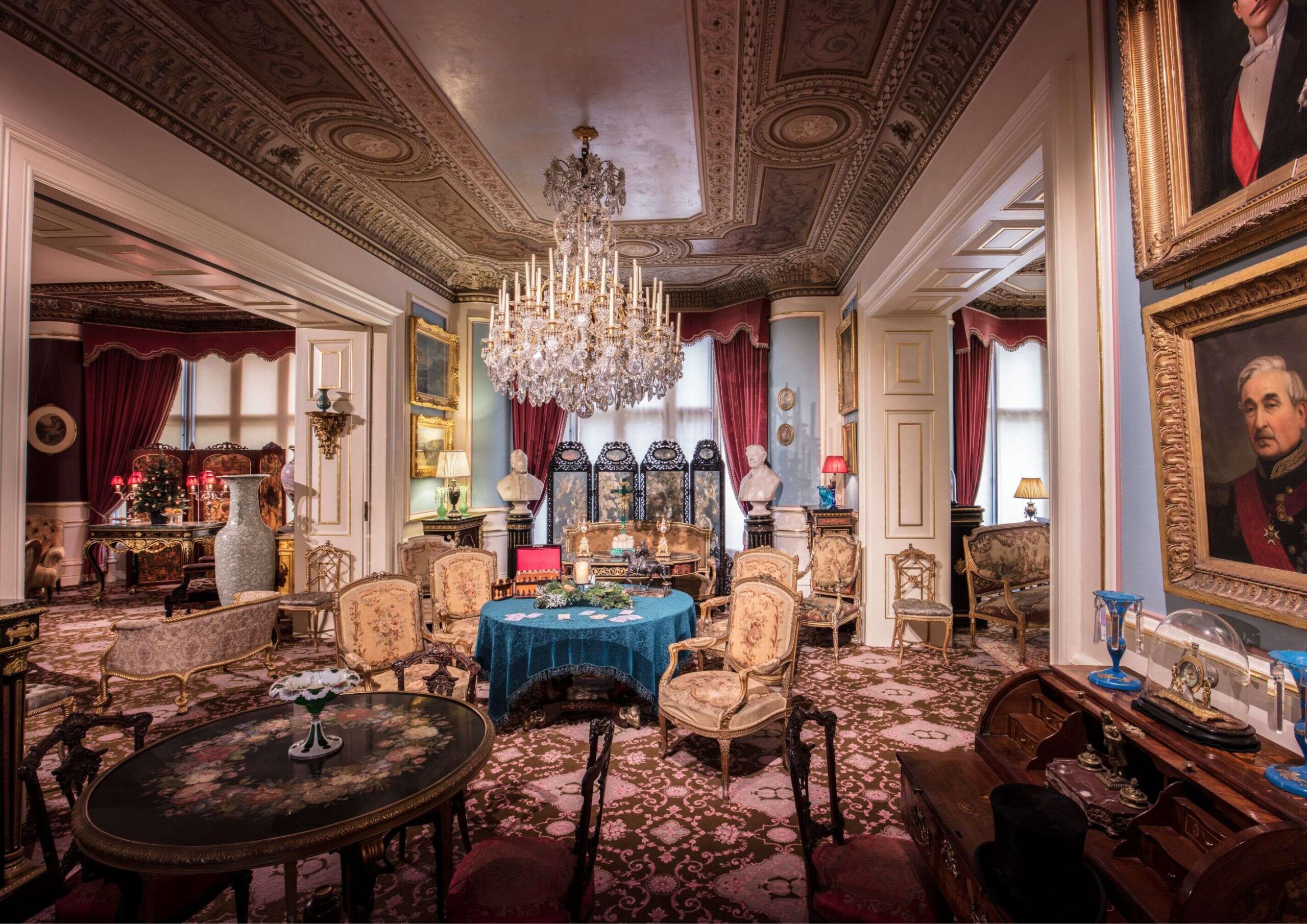
In reality, a drawing room is a shortened version of the term “withdrawing room.” It was first found in a 1635 memoir entitled Steward’s Household Accounts and widely used until the 1800s.
Back in the 1600s, large private houses had a dedicated area near the entrance where homeowners and guests could withdraw after dining. This featured large windows and various seating options to make conversations and activities like singing or playing instruments more relaxing.
In the context of Victorian-era England, this was where homeowners and esteemed guests can have some privacy from their staff. It was also the waiting area for selected court members on royal morning receptions.
During the Civil War, Americans often considered the drawing room as an extension of the parlor. It was the usual spot where women could retreat from the political discussions that typically took place in the men’s domain.
This communal space served a similar purpose in the mid-20th century. After dinner, women would leave the table and retire to the drawing room to have a separate conversation or activity. The men would later join them later in their conversation over drinks and cigars.
Such a long history only proves how drawing rooms played a significant role in the social fabric of various societies. While the specific functions and decor may have changed over time, they continue to be a beloved and versatile space. Even as homeowners’ lifestyles evolve, these rooms remain as valuable settings for special and professional in-home occasions.
Are Drawing Rooms Similar to Living Rooms and Dens?

Quick answer—no. Due to the more informal and casual indoor living today, these three different spaces may be used interchangeably. While they’re all ideal for accommodating guests, drawing rooms, living rooms, and dens have their own distinct characteristics and purposes.
For starters, drawing rooms, through their association with traditional homes, are typically reserved for very important social events and may feature ornate and classic furnishings. Exuding a sense of sophistication and refinement, they facilitate a more conversation-focused setting. Somehow, they give the impression of being the most formal compared to living rooms and dens.
When it comes to living rooms, they can be more versatile and slightly informal. Often located at the heart of a home, they can be a space for various activities like watching TV, playing games, or simply relaxing. You can place an entertainment center and comfy seating where you curl up or even put your feet up. They can also reflect the family’s style and personality by including decor like family photos, artwork, plants, or throw pillows. In a sense, living rooms are the hub of the home, good for general and everyday use.
As for dens, they can be smaller, more secluded, and private since they’re meant for relaxation, entertainment, and pursuing hobbies. These casual spaces exude the most informal and laid-back ambiance of the three since they often feature comfortable furnishings and personal touches. Dens are perfect for unwinding after a long day or enjoying a quiet evening with friends or family.
It’s important to note that a den can function as a living room, and vice versa. However, a den can’t be a drawing room, but a living room can only be one if it’s formal and elegant.
Drawing Room Inspirations
It’s safe to say that drawing rooms aren’t exclusive to traditional homes anymore. They can take form from a variety of interior styles as long as they embody a certain level of sophistication and elegance. Among the perfect examples are these three.
Personalized Drawing Room
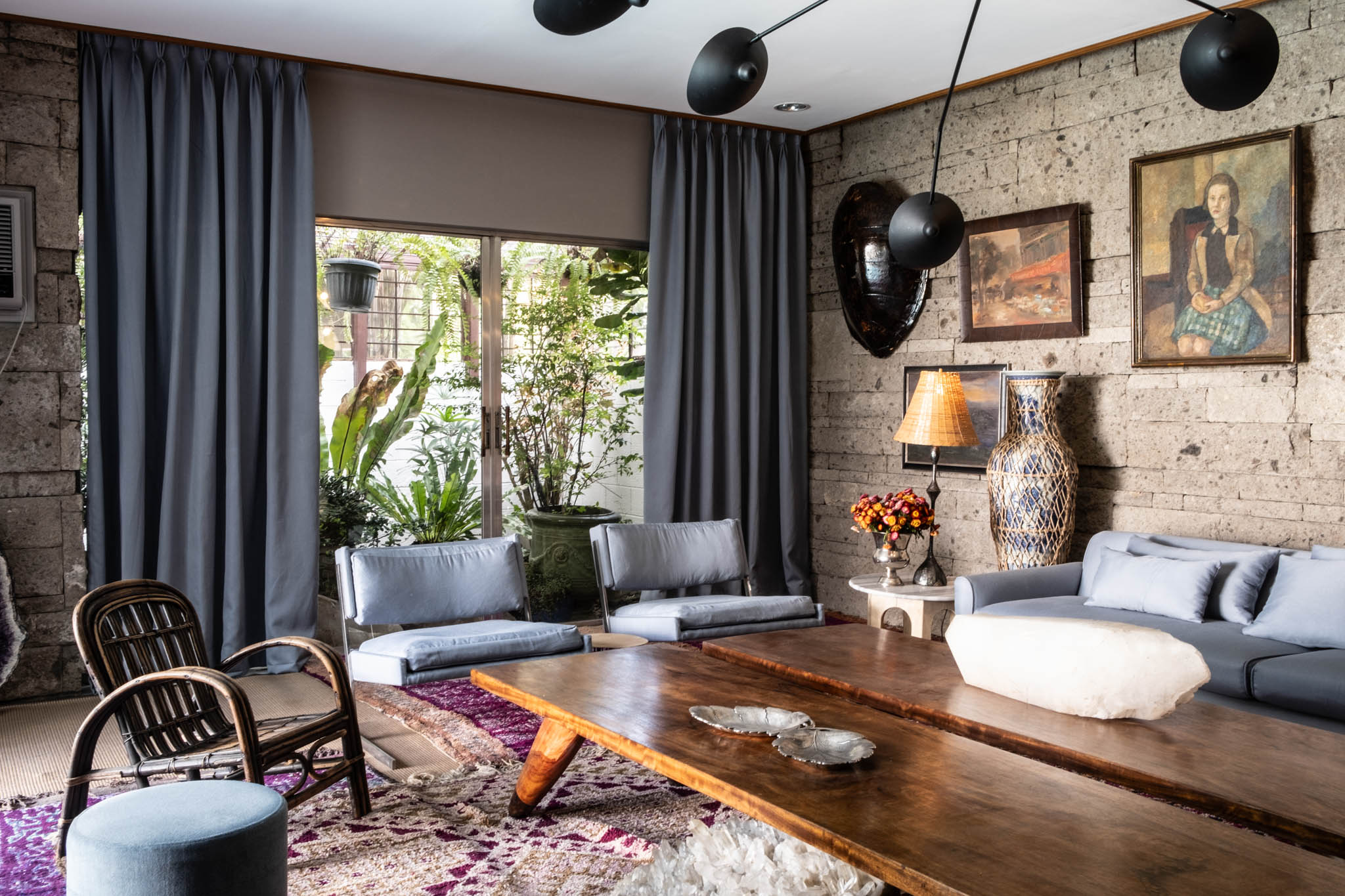
With various seating furniture placed around the long wooden coffee tables, this drawing room easily encourages social interaction. Adding the unique lighting fixtures and the natural light coming from the large glass doors, it’s a perfect spot to withdraw to. But what further characterizes it is its chic vintage look given off by the bespoke pieces displayed in the space. From the stone walls to floors, the artwork and decor collected and cherished over time make a great conversation starter. More than reflecting the owner’s personality and taste, these meaningful personal items add a different level of sophistication. And that quality makes this room a true place of respite, where one can entertain guests or simply be themselves.
Poolside Social Space
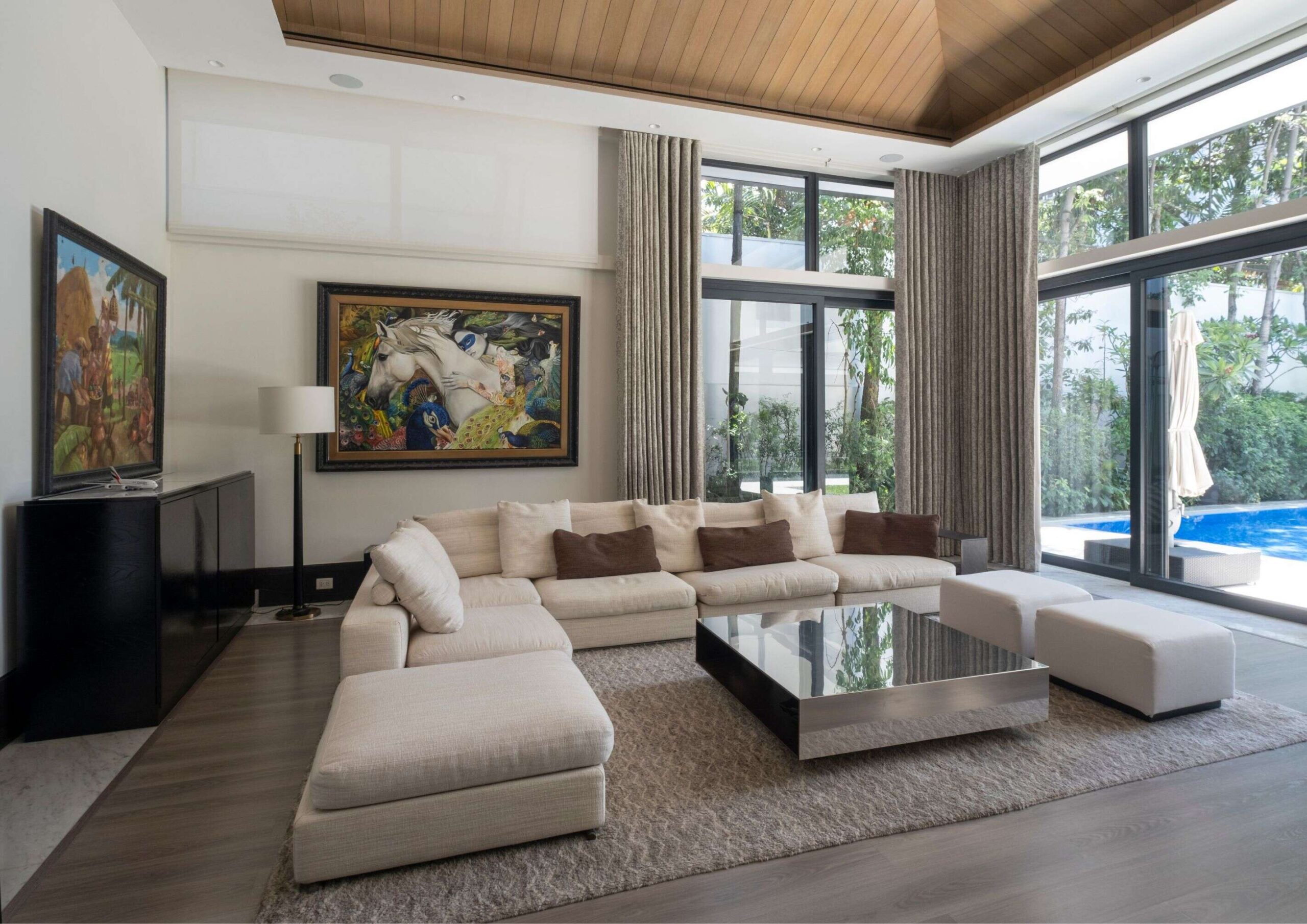
Thanks to its floor-to-ceiling windows and high ceilings, natural light easily floods the room. It also provides a clear view of the pool and greenery outside as you chill out on that plush sectional sofa. The ample space additionally allows for comfortable movement and a sense of airiness, perfect for a large group of guests. Not to mention the neutral color scheme, adding a timeless and versatile touch to the overall inviting ambiance. This space, with the furniture and minimal furnishings, already provides the essentials of a drawing room. But with the two large paintings, the room breaks its monochromatic look to bring a pop of color.
Traditional Drawing Room
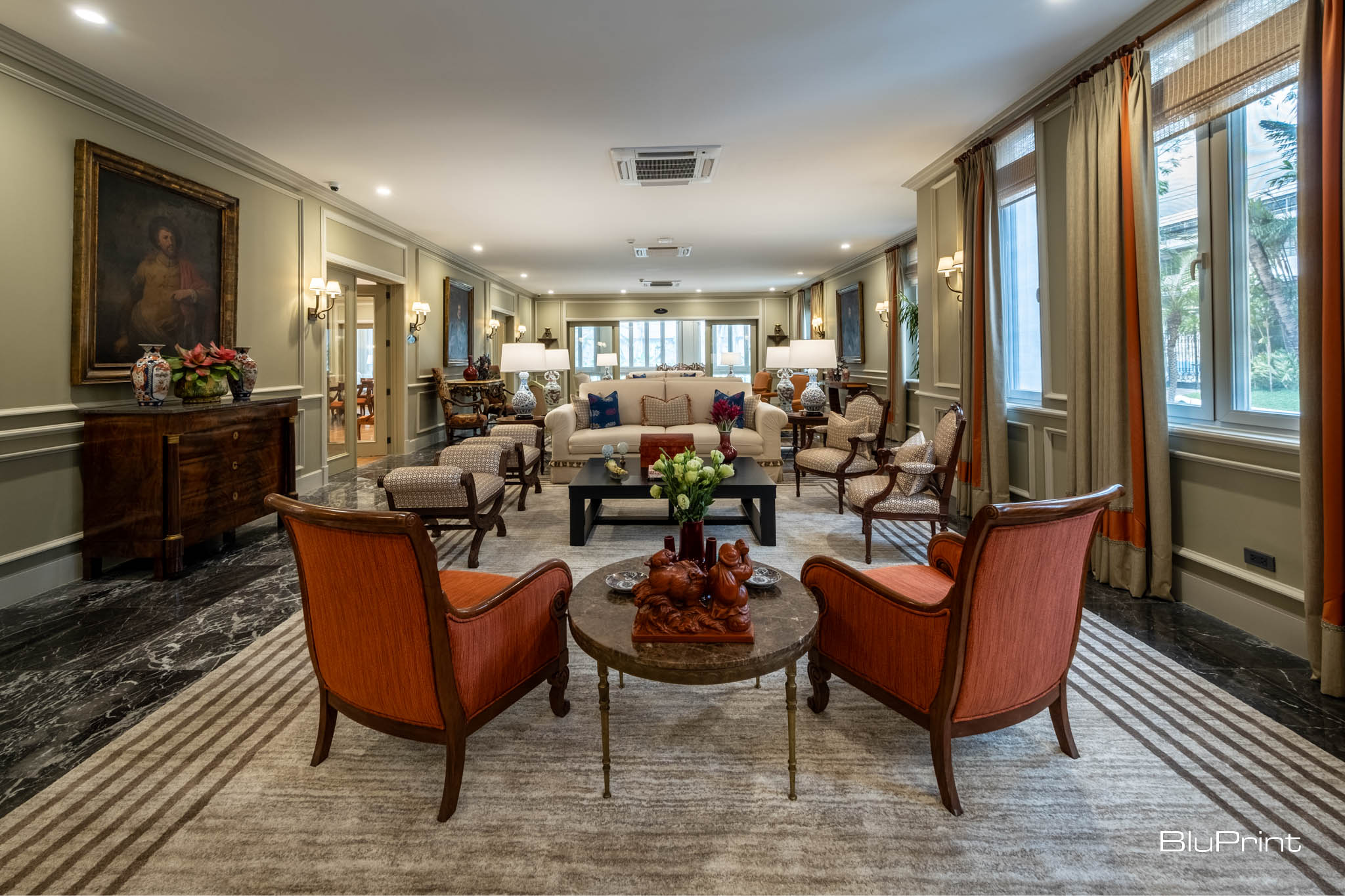
More than the spacious area, its classic design takes you back to the traditional setup of drawing rooms before. The sets of upholstered armchairs and sofas with ornate moldings occupy the majority of the enclosed room. And with the rug spanning the length of the room, it further underscores a sense of intimacy and grandeur. The wall sconces and lamps paired with the light neutral and warm tones give a warm ambiance to the space. One more noticeable feature are the antique chest and paintings tucked to the walls. This setup doesn’t overwhelm the room and allows making conversations to be the main focus.
Beyond formality and elegance, drawing rooms set the stage for memorable gatherings and social events. They’re the spaces capturing the essence of conversation and connection to make homes comfortable, not just for their inhabitants, but to every person welcomed inside.
Read more: Best Fall Colors of 2024 to Decorate Your Home
Frequently Asked Questions (FAQs)
Drawing room is a shortened version of “withdrawing room,” first found in a 1635 memoir entitled Steward’s Household Accounts. The term was widely used until the 1800s to describe a space where people could withdraw after dining.
In the 1600s, large private houses had drawing rooms near the entrance where homeowners and guests could withdraw after dining. These spaces featured large windows and various seating options to make conversations and activities like singing or playing instruments more relaxing.
Drawing rooms provided privacy for homeowners and esteemed guests away from their staff. They also served as waiting areas for selected court members during royal morning receptions.
Americans considered drawing rooms as extensions of the parlor where women could retreat from political discussions. It was a separate space from the men’s domain for different conversations and activities.


Culture in design does not always announce itself through a recognizable motif, material, or symbol. It can also be embedded in the relationships designers build, the knowledge they listen to, the materials they choose, and the decisions they make in response to communities and their environments. This distinction emerged throughout the 2026 International Design Conference […]
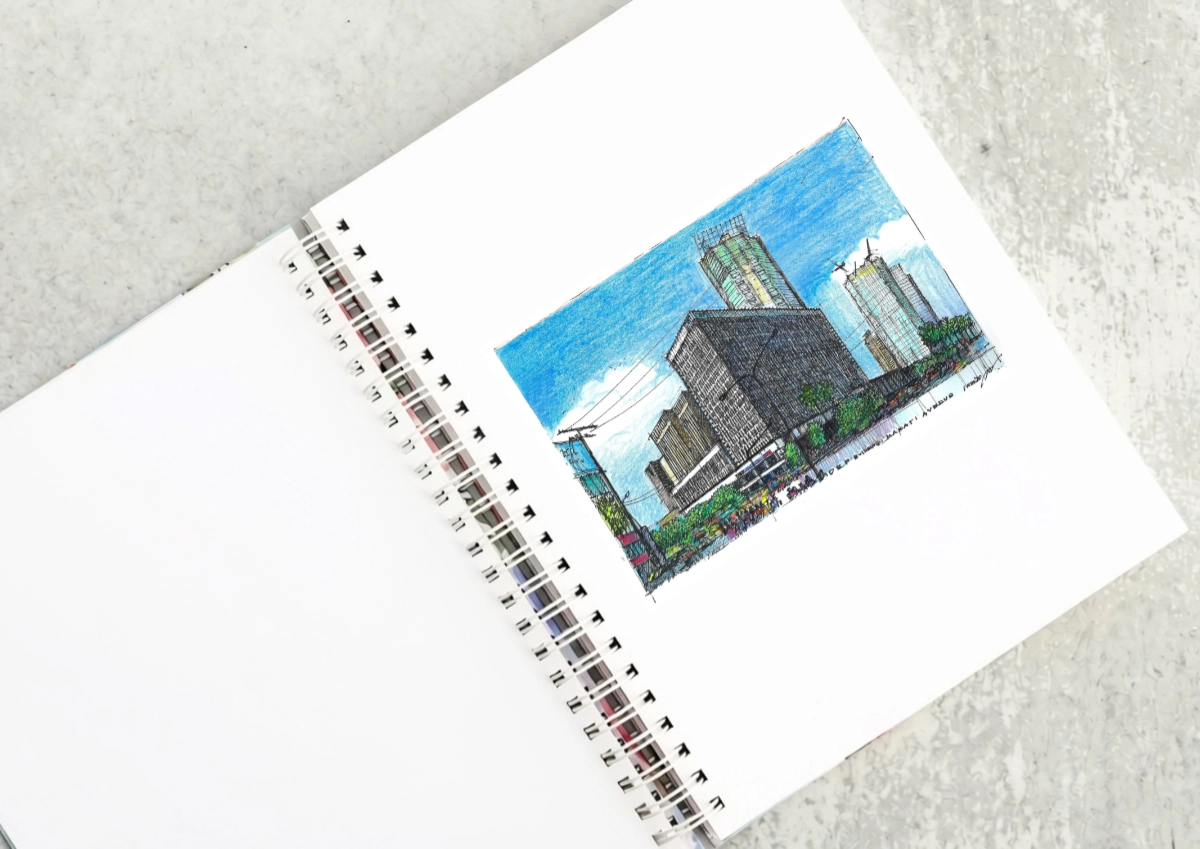
The DBP Building as a Landmark of the International Style At the corner of Sen. Gil Puyat Avenue and Makati Avenue stands a landmark of the Makati Central Business District. It is one of the last still standing that were built in the first wave of construction in district fifty years ago. The Development Bank […]

“Buildings only become architectureArchitectureThe art and science of designing and constructing buildings, structures, and spaces that are functional, safe, and aesthetically pleasing. It encompasses the planning, design, materials, and techniques used to createGo to Architecture Glossary when they are shared,” said William Ti Jr., founder of the Anthology Festival and WTA Architecture and Design Studio, […]
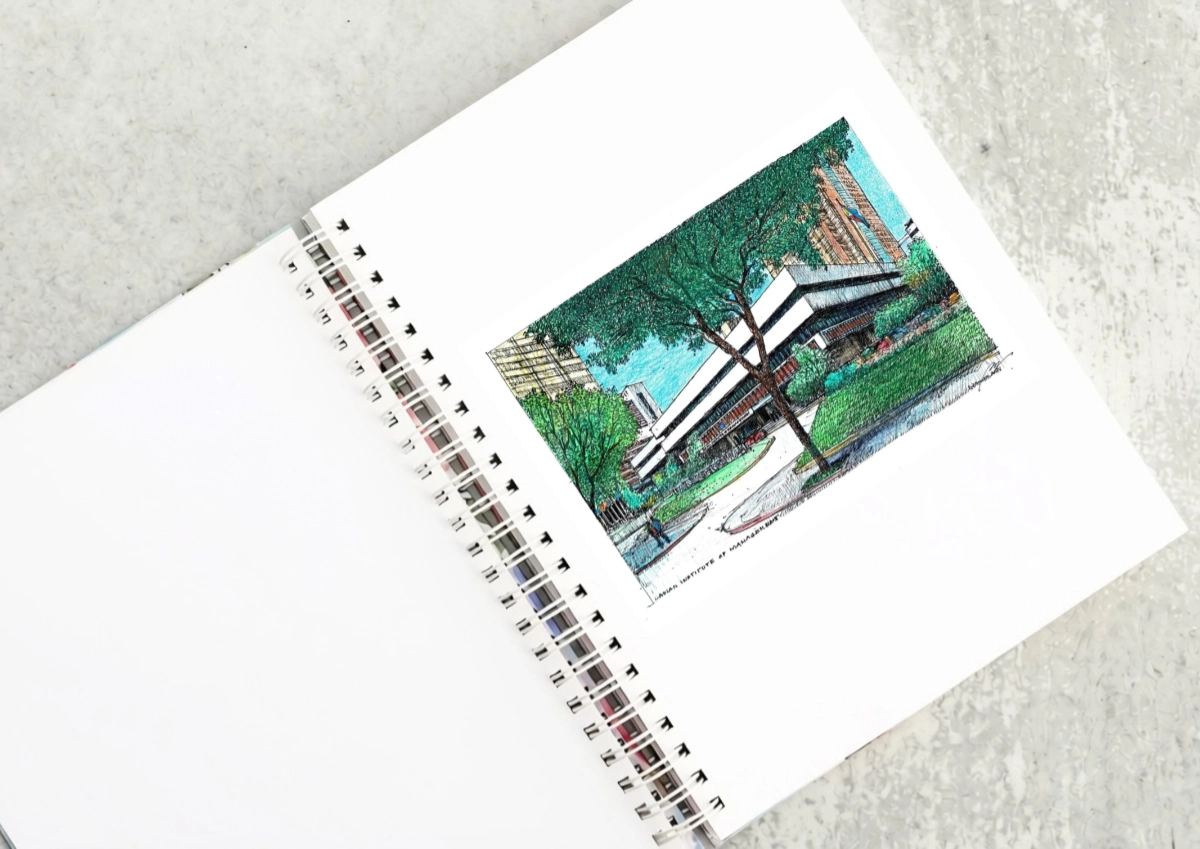
A Filipino Interpretation of Modernist Architecture Unlike the rest of Makati today, the northern end of Paseo de Roxas in Makati is anchored by a low complex rather than a tall skyscraper. This is the elegant Asian Institute of Management, designed by architect Gabriel Formoso and completed in 1971. In my opinion, the building is […]

“Thailand has claimed urban creativity and livability. Singapore has institutional design leadership. Indonesia is emerging as a design hub. Vietnam is moving into design innovation. And the Philippines? Its position is not weak. It is simply unclaimed.” For IDr. Cecil Ravelas, National President of the Philippine Institute of Interior Designers (PIID), the challenge is not […]
Read the issues.

Collect the volumes.

Recommended Video
Tap to Unmute
Unmute
0:00
0:00