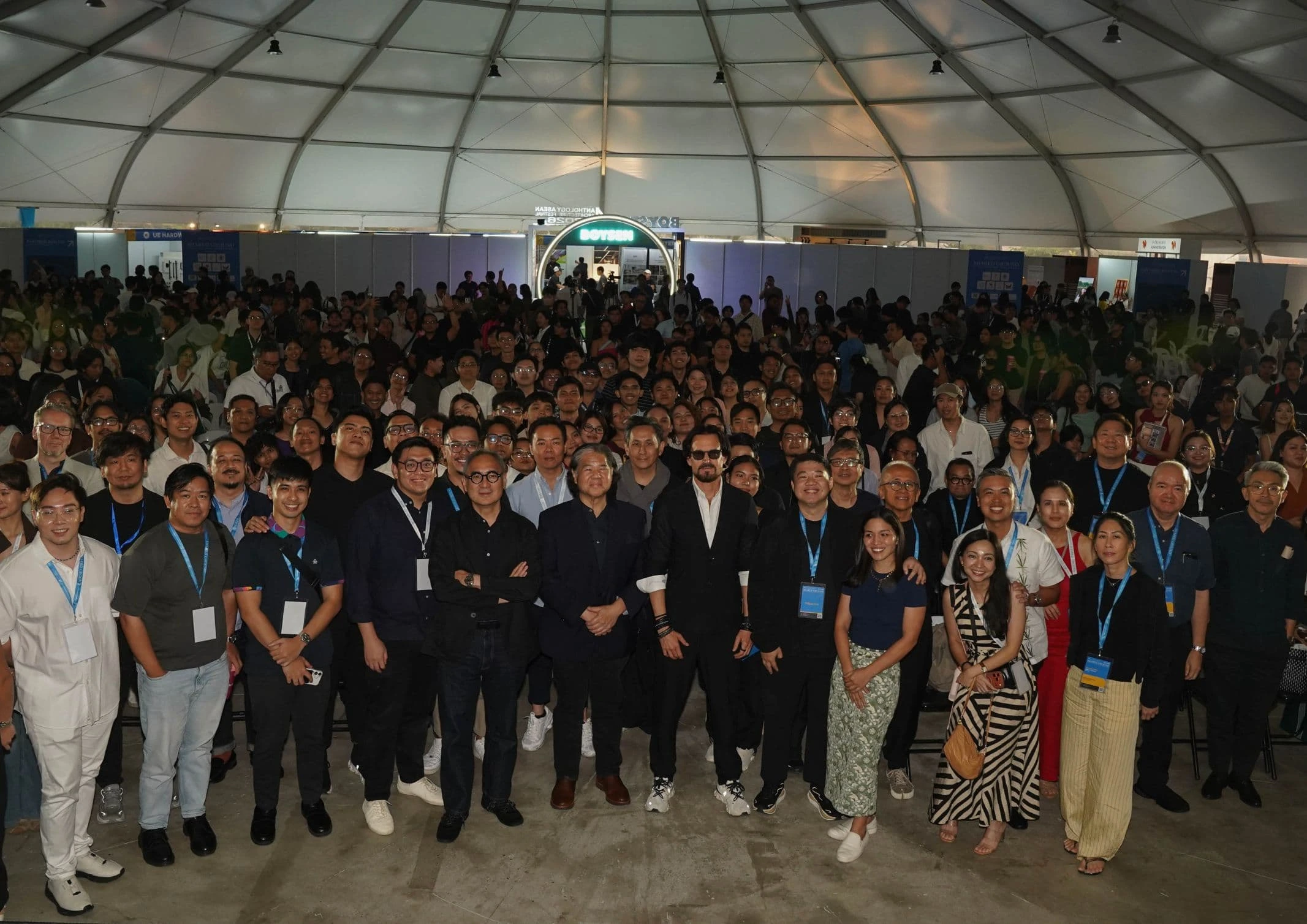
The seventh edition of the Anthology ASEAN ArchitectureArchitectureThe art and science of designing and constructing buildings, structures, and spaces that are functional, safe, and aesthetically pleasing. It encompasses the planning, design, materials, and techniques used to createGo to Architecture Glossary Festival brought together over 4,000 delegates from across the Philippines and Southeast Asia for three […]
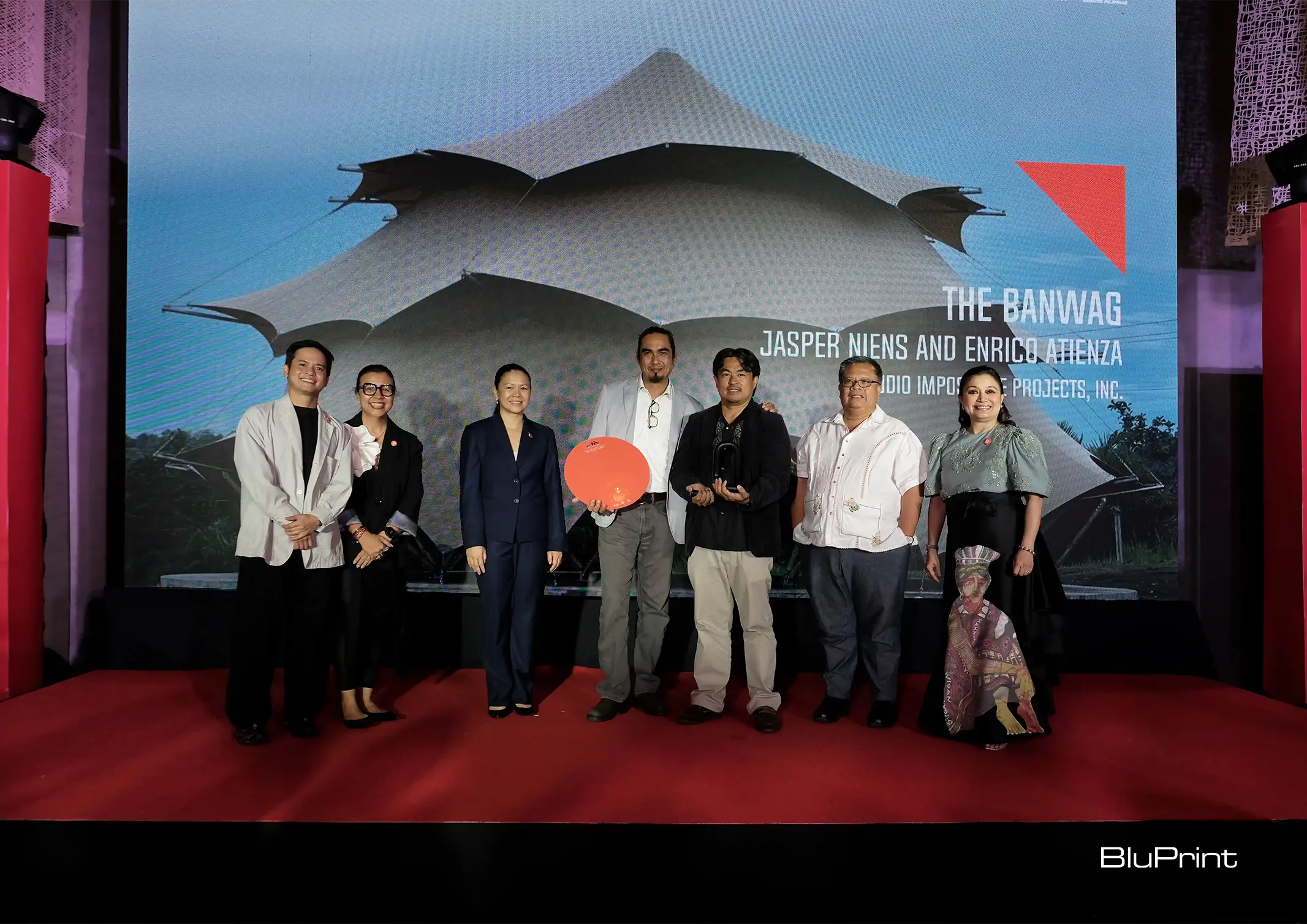
The Banwag: A Beacon of Malasakit in Filipino Design



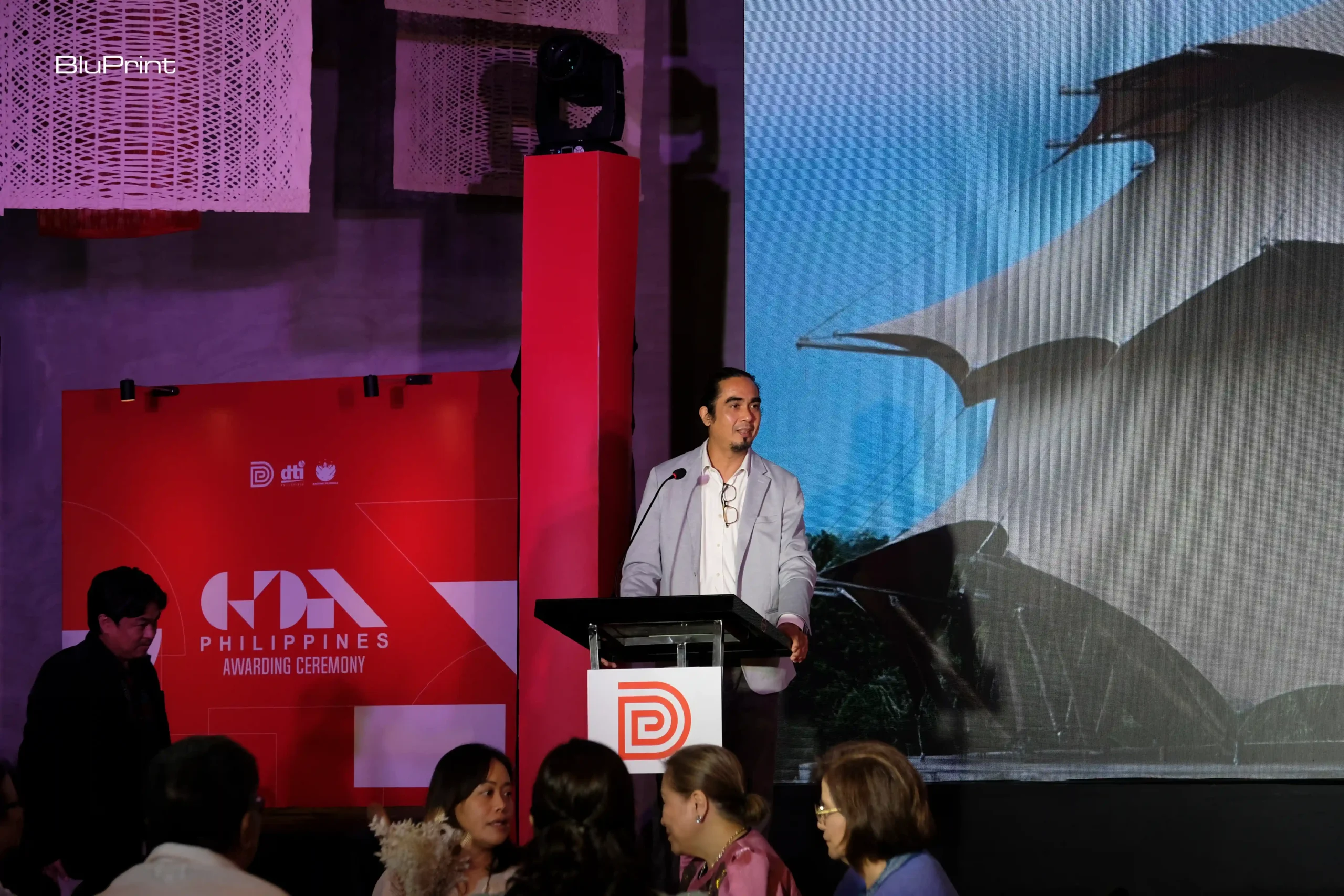
In Parang, Maguindanao, a simple community pavilion is helping create space for dialogue, connection, and coexistence among Muslim, Christian, and Lumad communities. Known as The Banwag, the project by Studio Impossible Projects Inc. recently received the Gran Prix Malasakit Award, the highest honor at the 2026 Good Design Award Philippines, recognizing its embodiment of malasakit through design excellence and positive social impact.
Built by a team of only seven people, including Impossible Projects founders Jasper Niens and Rick Atienza, the structure was designed to achieve these goals: utilize local materials and reduce dependence on imported resources; minimize labor by using an engineering system that requires less machinery, and create an original, design that is as sustainable as it is innovative.
Related Reading: When Malasakit Is Placed at the Heart of Filipino Design: Good Design Award Philippines 2026
Creating Unique Solutions for the Philippines
When the Studio Impossible founders envisioned The Banwag, they wanted to come up with something that could easily be identified as “Made in the Philippines.” Atienza emphasized that they wanted a structure that stood apart from the buildings of Dubai, Singapore, and Indonesia.
Because sourcing traditional wood posed a challenge, the team decided on using bamboo, an abundant local resource. However, the material presented a challenge: no two poles were exactly alike and there were very few experts on using it as a building material.
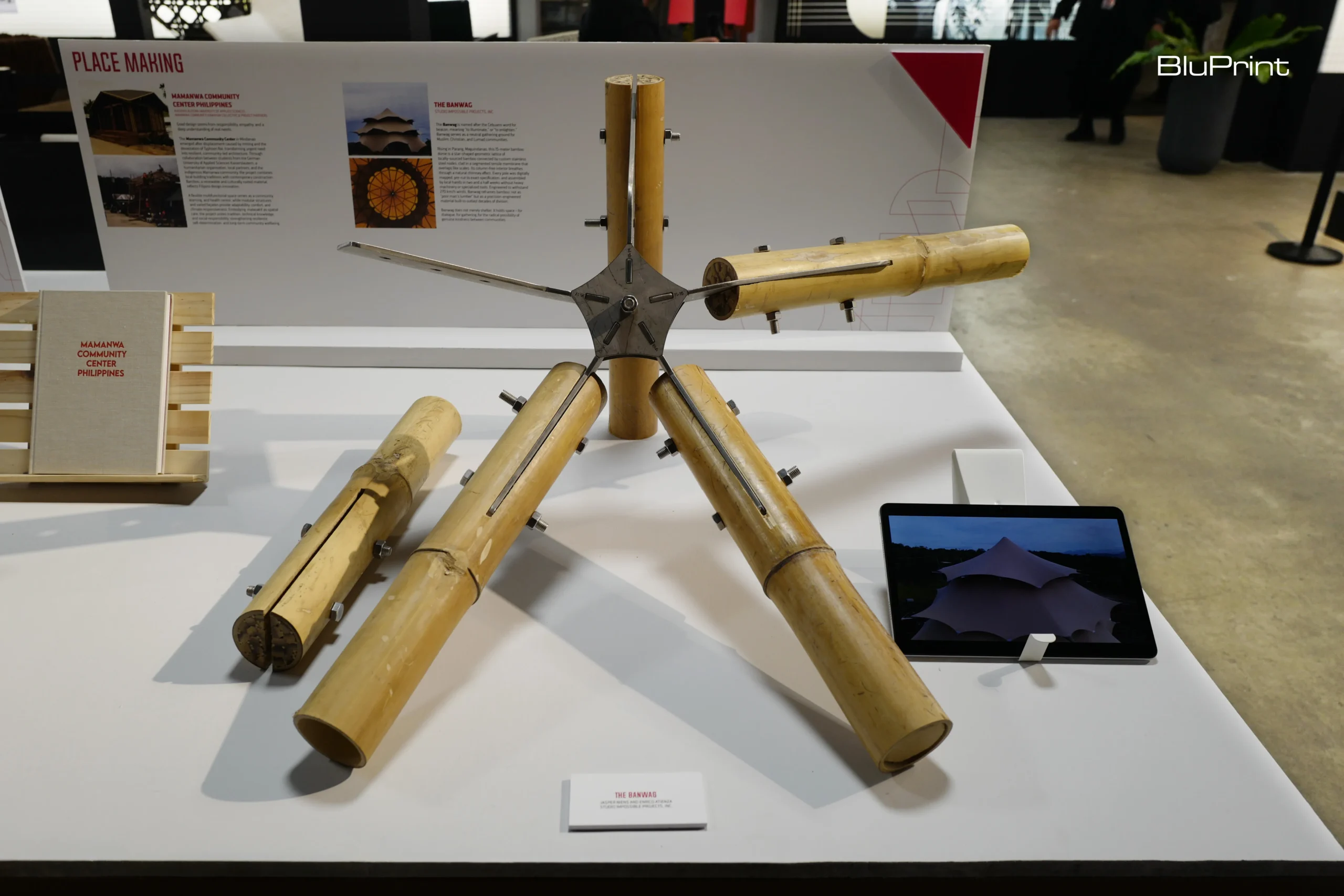
Their solution was to build a system that utilized shorter lengths of bamboo joined with stainless steel. Each pair of bamboo and steel joinery were marked and joined together, making the process simple enough that The Banwag was assembled without the use of heavy machinery. It took only seven people and six months to complete and that included planning, fabrication of the bamboo components, and construction.
“If you notice the bamboo poles, the reason why they are short is, one, structurally. But two is kasi yung labor naman yung without using a crane, without using big, big technology. If you look at the technology that went into building the Jewel in Singapore, it’s the same for this. Exactly the same, except that we’re using local materials,” Atienza says.
Related Reading: Revitalized First United Building Bags Malasakit Gran Prix Award at 2024 Good Design Award PH
Thinking Outside the Box and Placing Malasakit at the Heart of Design
For Atienza, creating innovative yet sustainable designSustainable DesignAn approach to architecture and design that minimizes environmental impact while supporting human wellbeing over the long term. It considers energy, water, materials, waste, and site across a building's entireGo to Sustainable Design Glossary begins with understanding the materials they are working with.
“If you’re a designer, know what the material wants to do. There’s this architect that said, ‘what does the brick want to be?’ For us, the question is, ‘what does bamboo want to be?’ So do that and then stop—stop going to Instagram and looking at what other people are doing,” he says.
This philosophy also serves as a springboard for Studio Impossible Projects’ future initiatives, as the team continues to explore new possibilities for bamboo construction.
“We want to build bigger, better [structures]. We want to go towards engineered bamboo,” Atienza continues, “You know, for us, this just showcases what you can do with raw power because it’s raw material. So imagine what you can do with engineered bamboo—possibilities are endless, right?”
More than an architectural structure, The Banwag demonstrates how Filipino design can respond to local realities through ingenuity, resourcefulness, and malasakit. By rethinking the potential of materials already within reach, Studio Impossible Projects shows that innovation does not always require looking outward.
“Everything is produced in the Philippines—the fabric, the steel, the bamboo—it’s all done locally. And it shows you that you can do parametric computational design in a Philippine setting with local solutions,” he says.

Related Reading: Likhang Filipino Exhibition Halls: A New Showcase for Filipino Creativity
Photographed by Ed Simon.
About the Good Design Award Philippines
The Good Design Award Philippines (GDA) is a biennial design recognition program organized by the Design Center of the Philippines that celebrates outstanding Filipino innovations rooted in malasakit (caring). Launched in 2019, the awards recognize designs across multiple disciplines that improve quality of life, address real-world challenges, and promote Philippine design on the global stage through innovation, sustainability, and meaningful social impact.
Frequently Asked Questions
The Banwag is a community pavilion in Parang, Maguindanao, designed by Studio Impossible Projects Inc. Named after the Visayan word for “beacon,” it serves as a shared gathering space for Muslim, Christian, and Lumad communities.
The Banwag received the Gran Prix Malasakit Award, the highest recognition at the 2026 Good Design Award Philippines, for demonstrating design excellence while embodying the Filipino value of malasakit through sustainability, innovation, and positive social impact.
The team selected Philippine bamboo because it is an abundant local resource that reduces dependence on imported materials. Bamboo also aligned with the project’s goal of creating a distinctly Filipino and sustainable building approach.
Studio Impossible Projects developed a modular system using shorter bamboo poles connected with custom stainless steel joinery. Each bamboo piece and steel connector was coded, allowing the structure to be assembled efficiently without heavy machinery.
The Banwag was designed by Studio Impossible Projects Inc., led by founders Jasper Niens and Rick Atienza, together with a seven-person team that handled the planning, fabrication, and construction of the project.
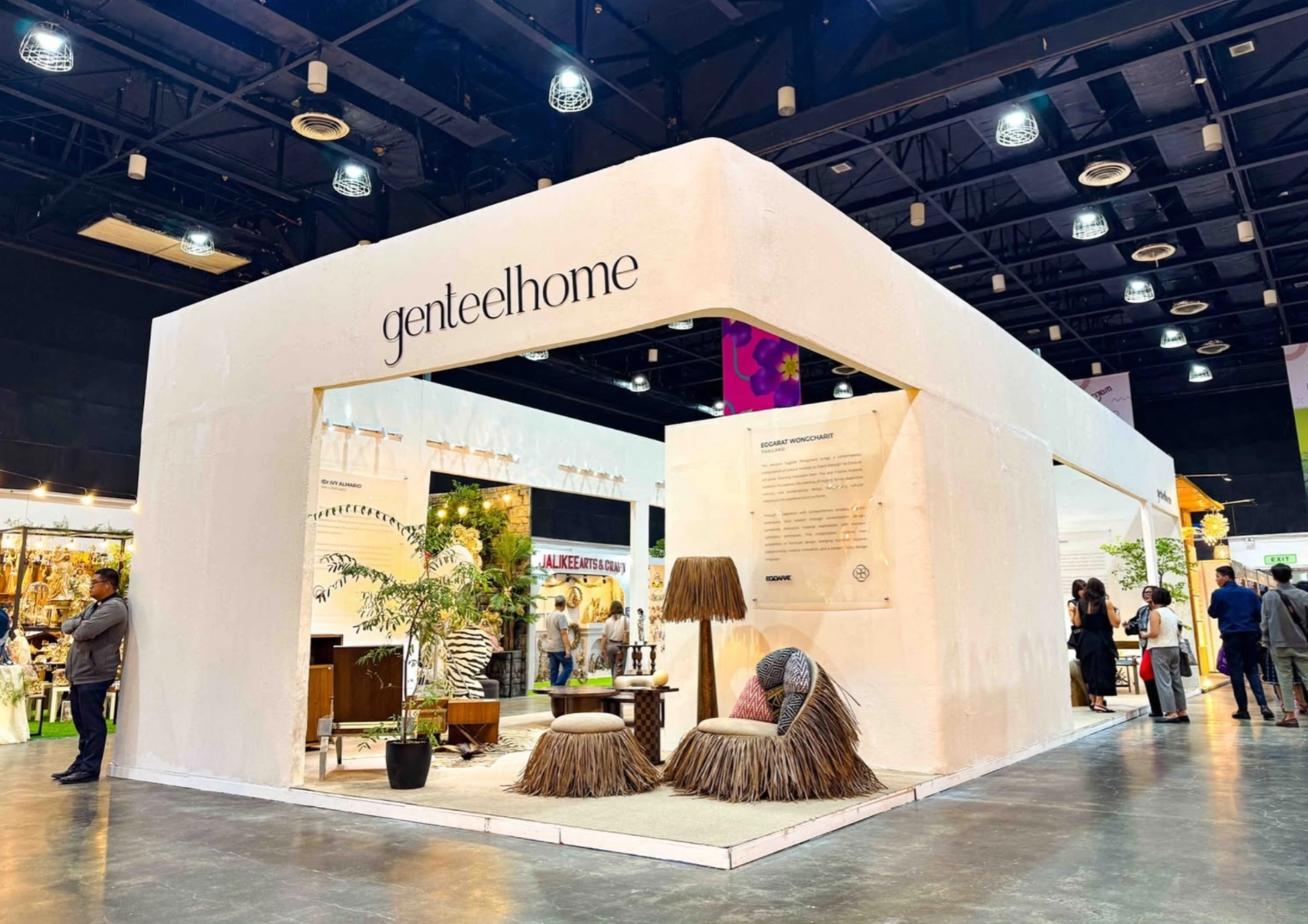
Bigkis is the act of binding. In Tagalog, the word can refer to something used to bind or encircle, as well as a bundle formed by tying several separate elements together. Figuratively, it can also mean a bond, union, or unity. The meanings move from the physical act of joining things together to the connection […]
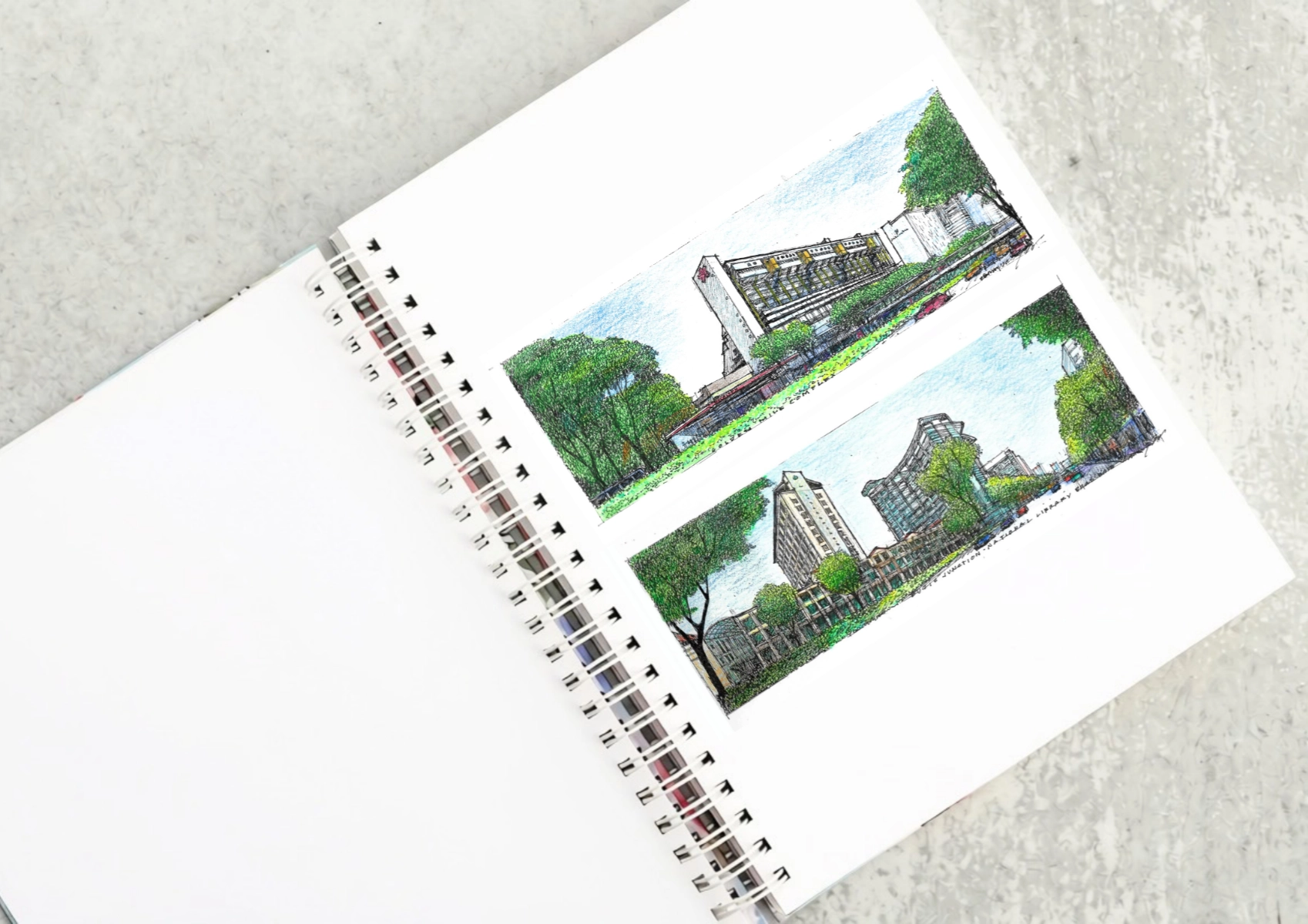
Two sketches of Singapore connect BluPrint Editor in Chief Paulo G. Alcazaren’s personal and professional history with Shared Ground: ArchitectureArchitectureThe art and science of designing and constructing buildings, structures, and spaces that are functional, safe, and aesthetically pleasing. It encompasses the planning, design, materials, and techniques used to createGo to Architecture Glossary of Care, Culture, […]
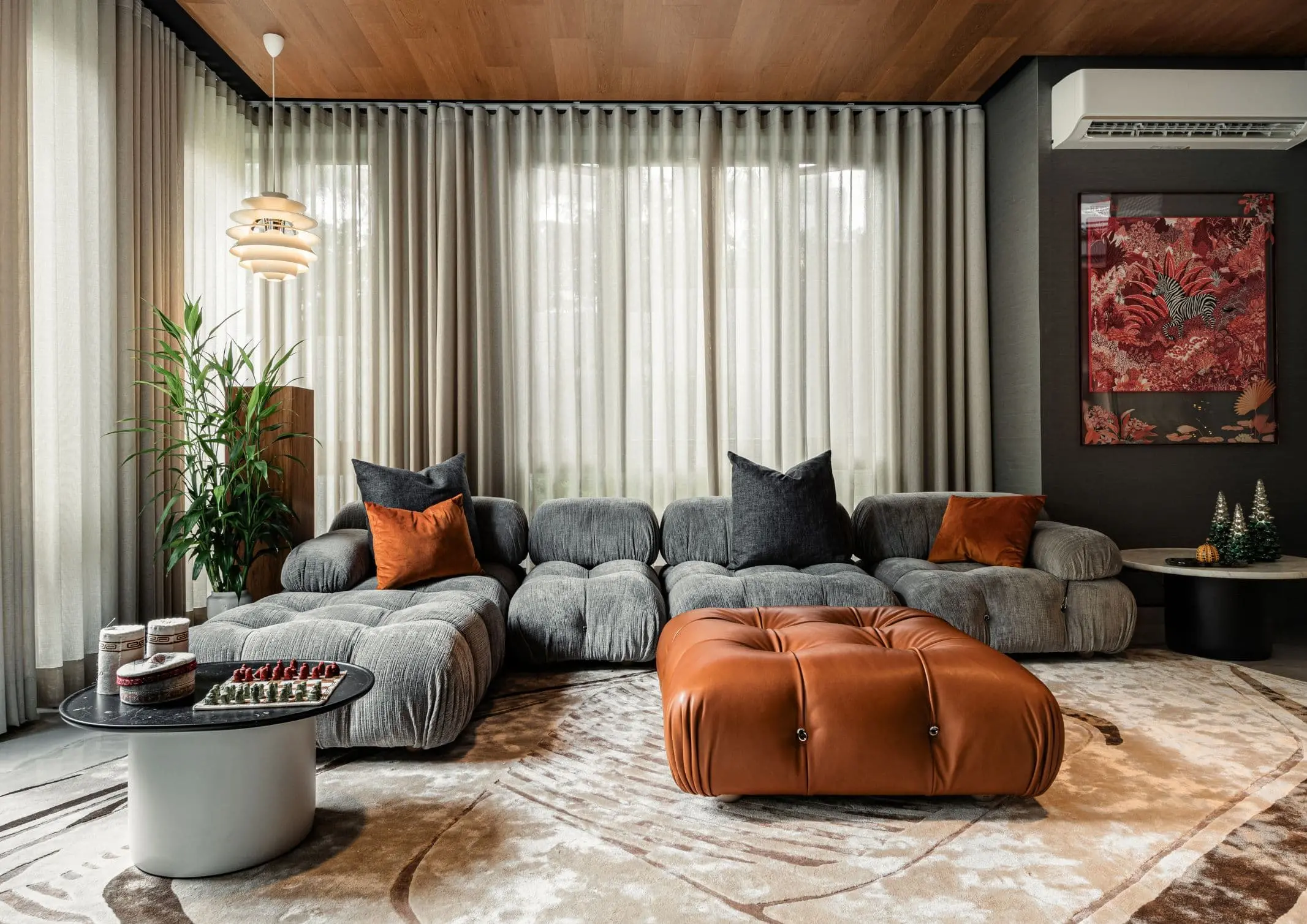
Some have become household names – Coleman, Oster, and KitchenAid – products that have found their way into Filipino kitchens, homes and family routines. In home furnishings, brands such as B&B Italia, Ethan Allen, Sub-Zero, Miele, SieMatic, Louis Poulsen, Hunter Douglas, Tempur, and Technogym, have helped shape the way Filipinos live. From everyday essentials to […]
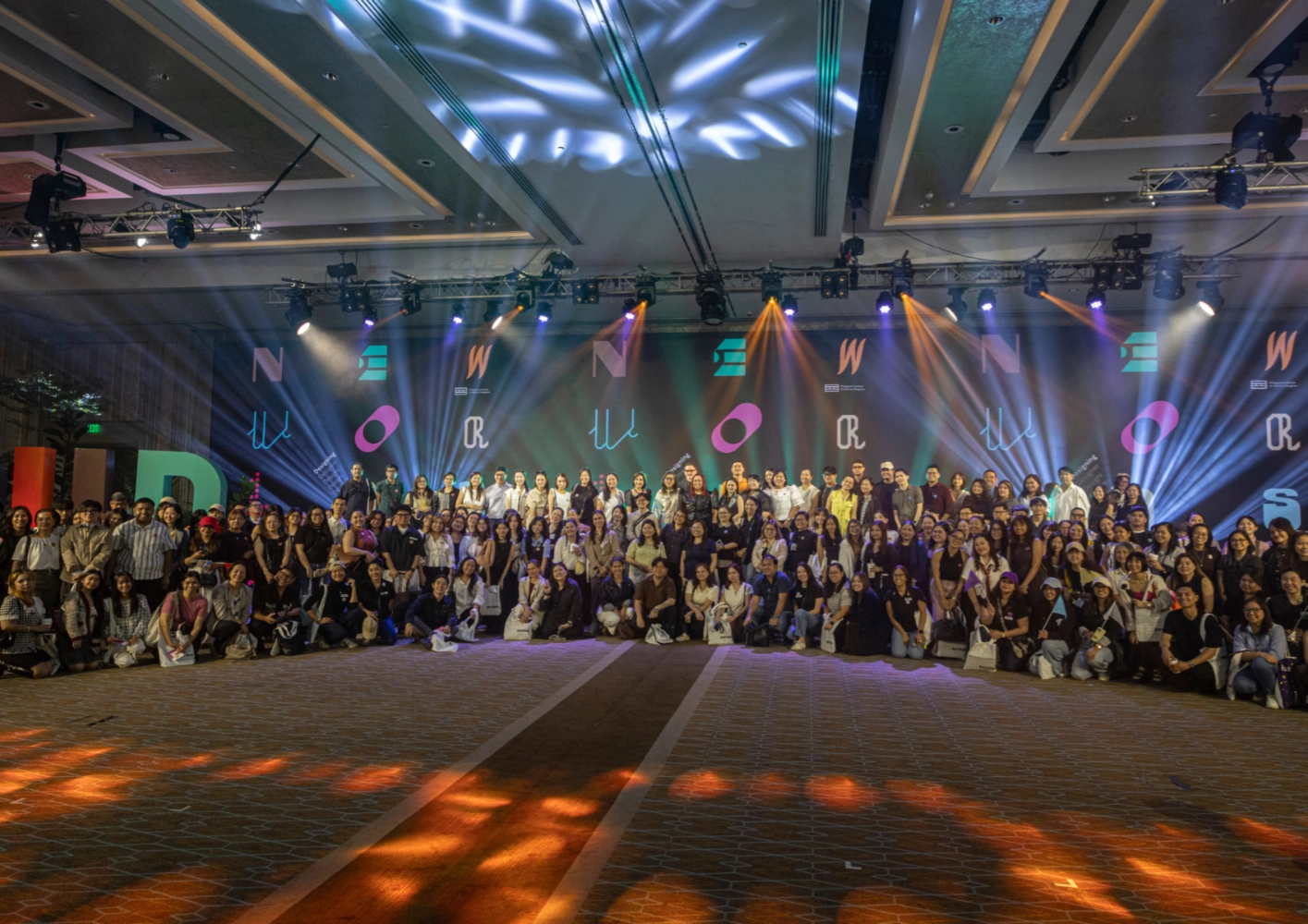
In a way, designers are the modern-day soothsayers and prophets. They design for the future, predicting how a room, a house, a building or a whole city will be used by people. They foresee how users will interact with a space, conjure exact shades of colors to elicit specific behavior and arrange furniture to build […]
Read the issues.

Collect the volumes.

Recommended Video
Tap to Unmute
Unmute
0:00
0:00