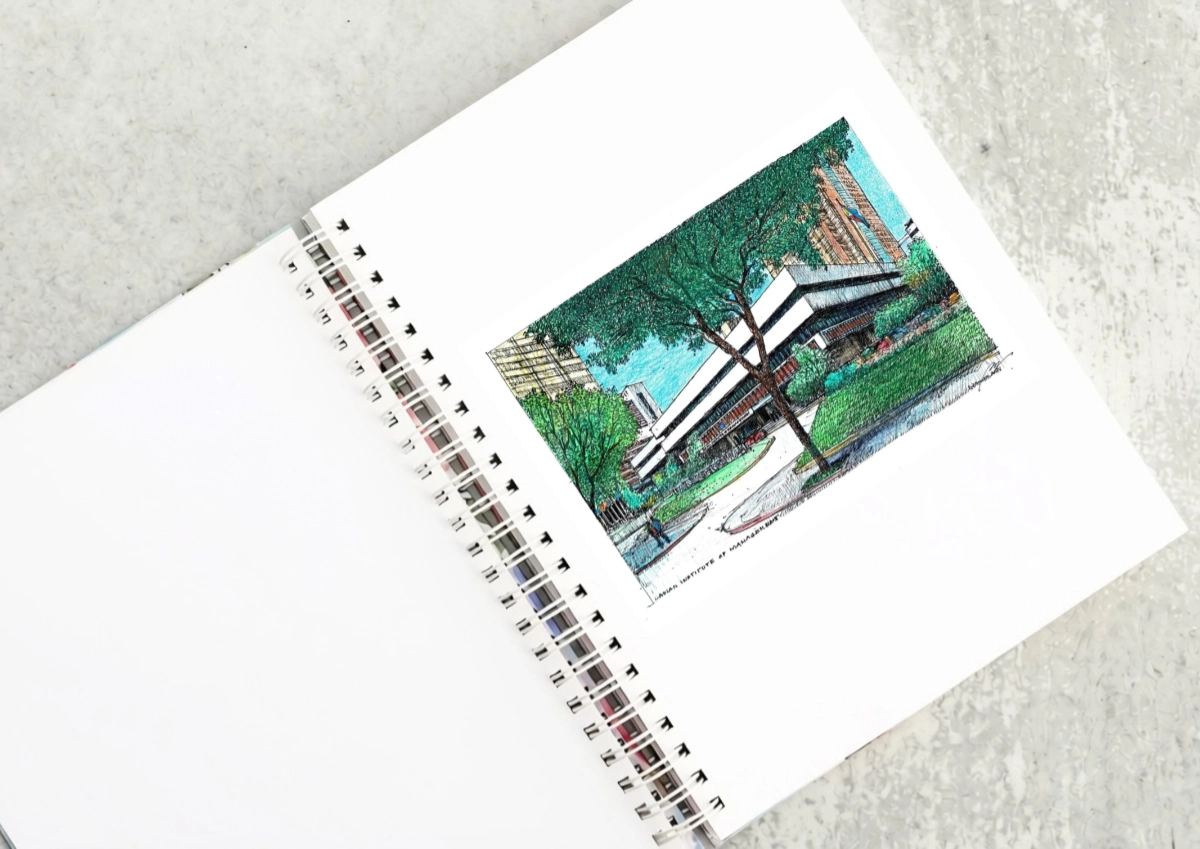
A Filipino Interpretation of Modernist Architecture Unlike the rest of Makati today, the northern end of Paseo de Roxas in Makati is anchored by a low complex rather than a tall skyscraper. This is the elegant Asian Institute of Management, designed by architect Gabriel Formoso and completed in 1971. In my opinion, the building is […]
‘Project Belonging Pt. 2’ and the Filipino Migrant Experience



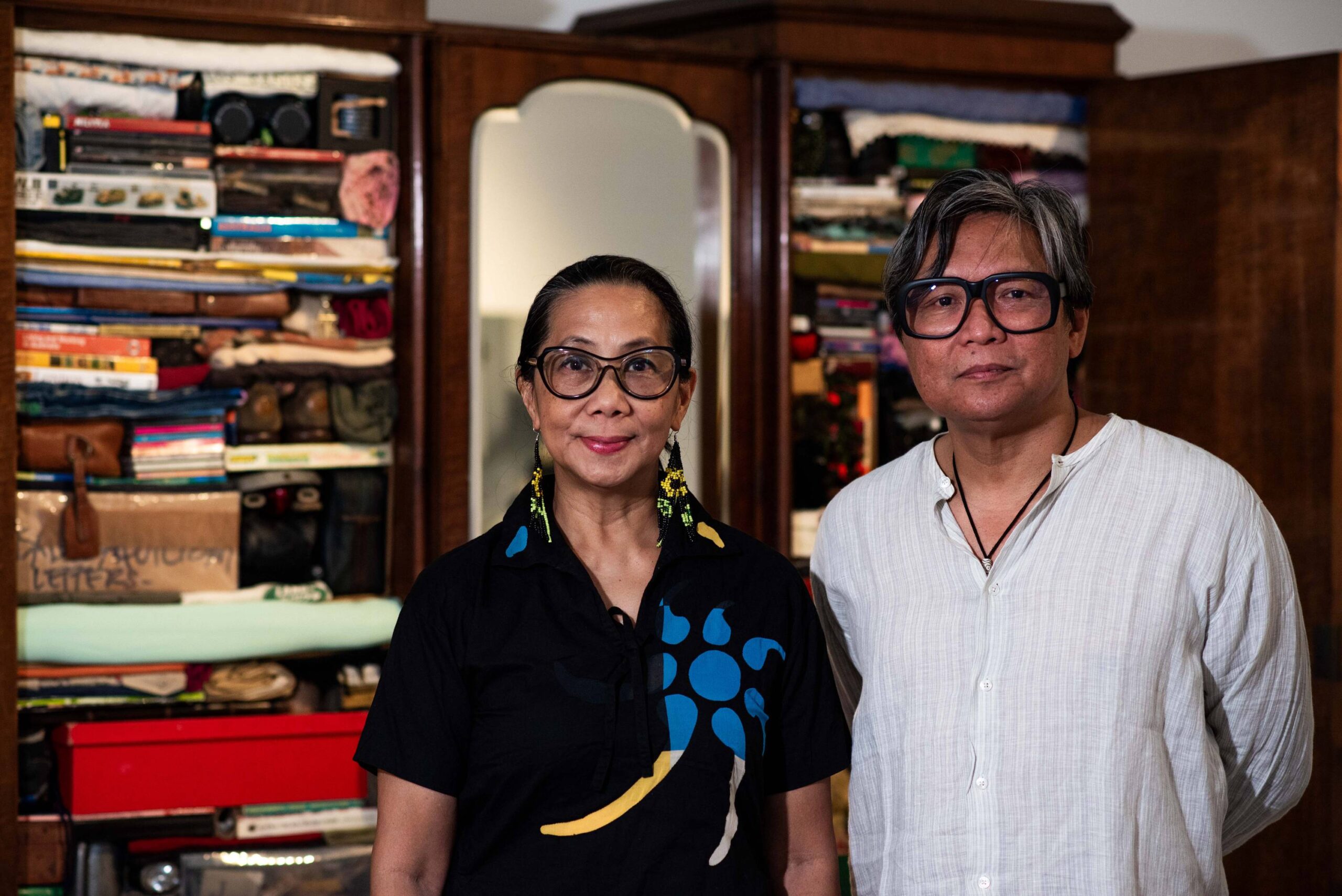
Project Belonging: From There to Here—The Familiar in the Foreign is the second and final part of the series curated by Kristine Guzman. For this exhibit, Isabel and Alfredo Aquilizan showcase the tumultuous and strange experiences of the Filipino migrant.
The first part, debuting a couple of months ago, prominently featured Spanish artist Enrique Marty deconstructing the idea of the family. That exhibit contained a small portion of artwork from the Aquilizans.
For this second part, the Aquilizans have the spotlight. They created three massive sculptures exploring the idea of community in a cultural milieu where many people are forced to leave their community to find opportunities on other shores. How do we compress a community for a person who’s estranged in a land different from where they grew up?
Compressing a Life
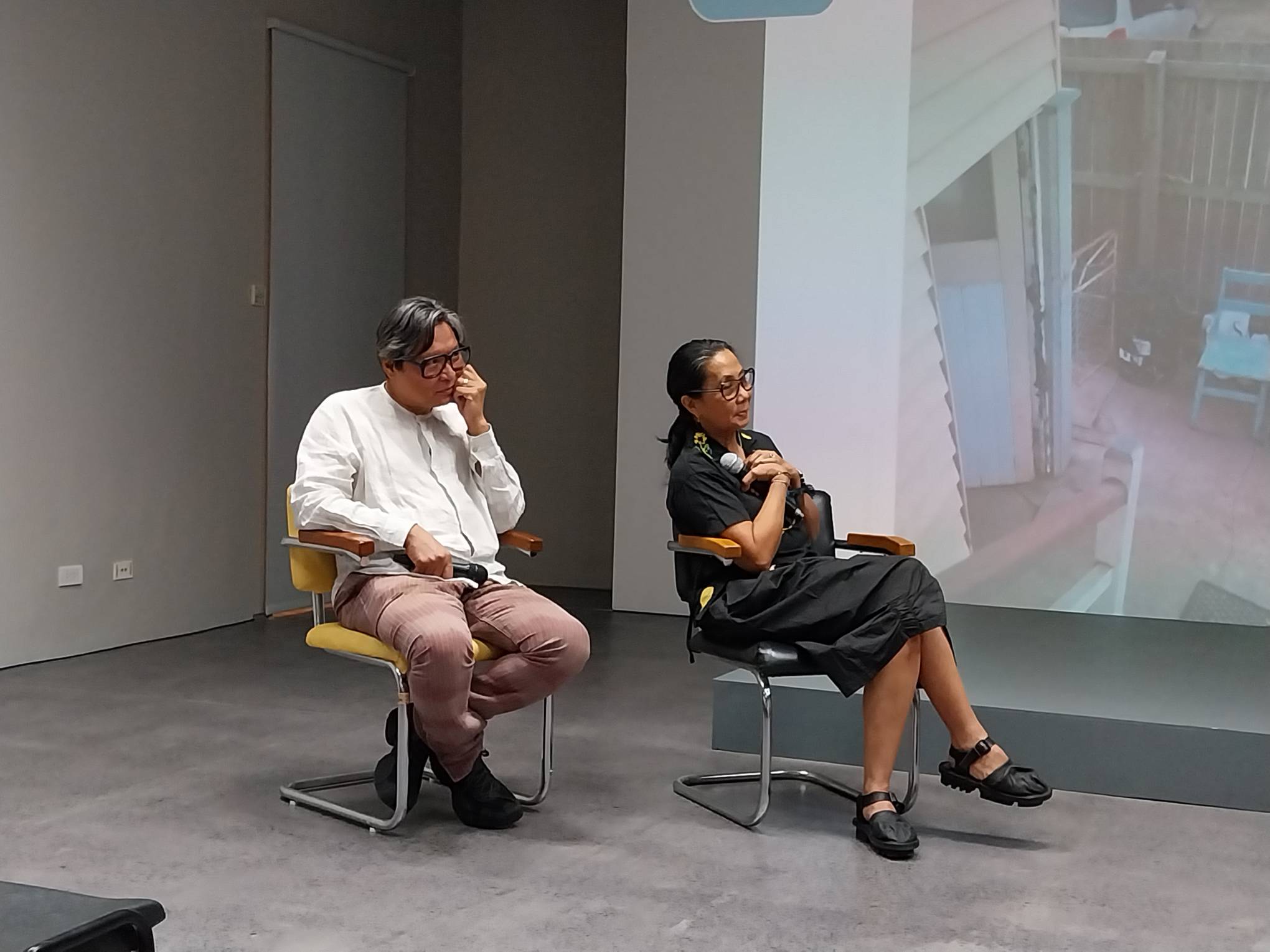
Before the official opening of the exhibit, Guzman interviewed the Aquilizans to explore their past oeuvre, many of which revolved around similar themes as the ones they explore in Project Belonging.
The couple’s work, featured in different countries, function as physical representatives of migrant communities. They use objects to represent larger ideas exploring the anguish of separation—how their belongings tend to fit easily in small compact spaces, and how we repurpose belongings to fix the hole of what was missing.
“Actually, the materials, the objects dictate where [and] what will happen to it. That’s our working process. So we respond to that,” Isabel Aquilizan said.
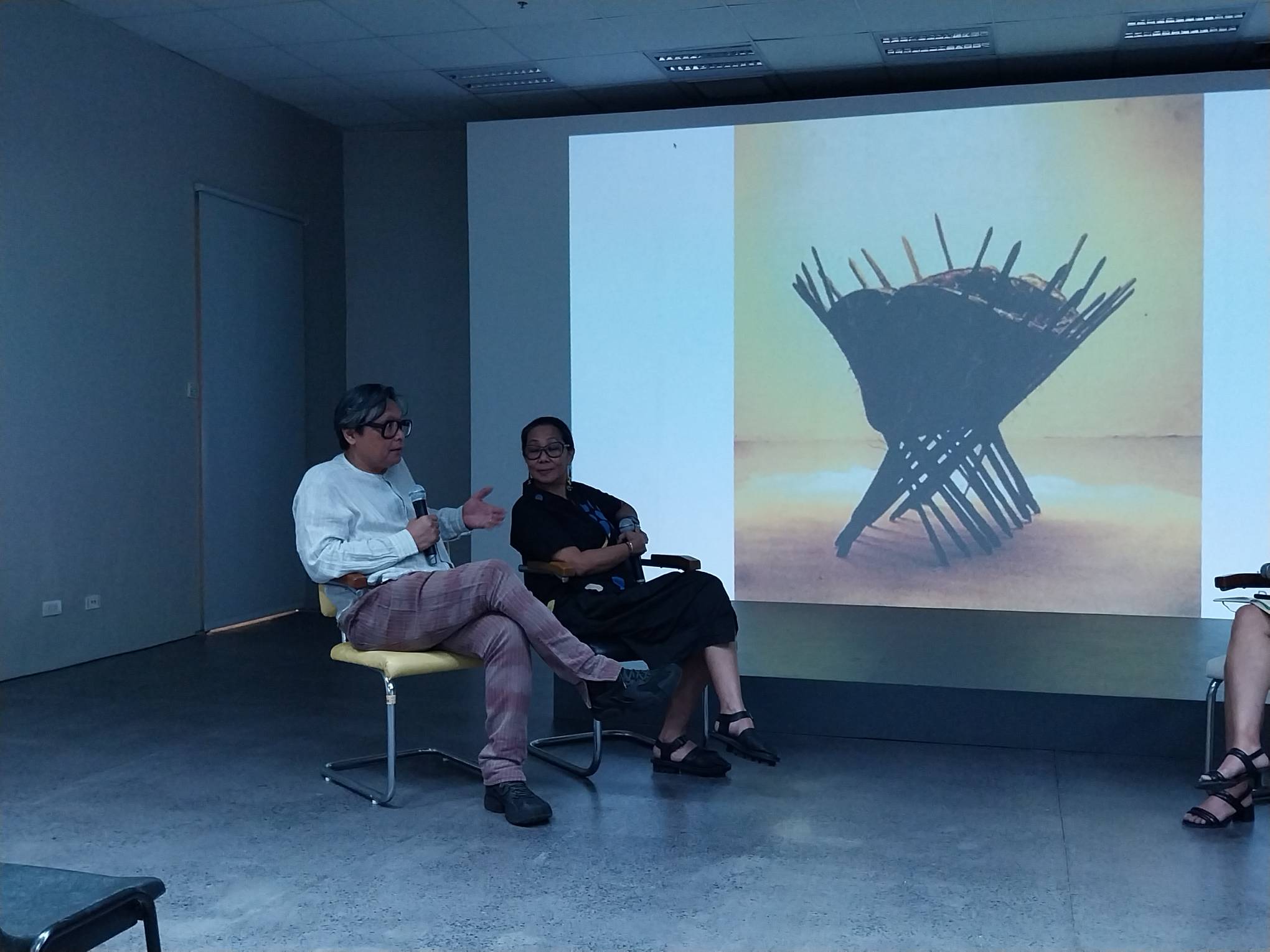
As early as the 1990s, Alfredo Aquilizan made “The Dream Boat,” a crib made from the wood of the bed that he slept on for two years during his Master’s degree pursuit in London. He also collected white baby sweaters during that time period because his wife Isabel, back in the Philippines, was pregnant with their child.
History and Community Through Objects
The Aquilizans and their family emigrated to Australia in 2006. This move inspired their 2007-2008 work “Address,” which compressed all of their belongings into 145 balikbayan boxes. The work, shown in Adelaide and Singapore, explored the ability to box in belongings and transplant one’s self to new places.
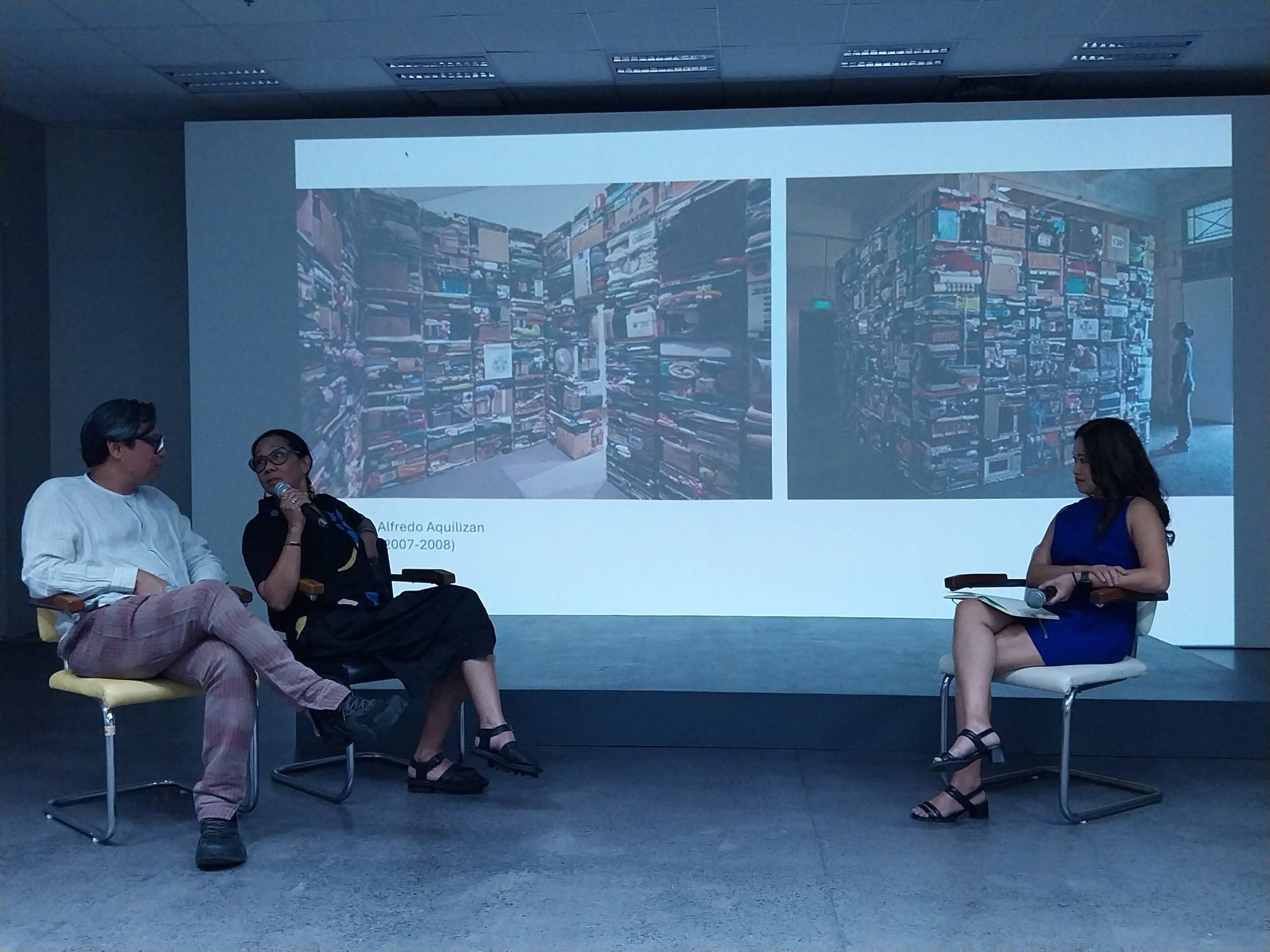
“That idea of recycling, it’s always been in the Filipino culture,” Isabel Aquilizan said. “You know, you always repair. You don’t really throw much.”
Since then, they’ve worked around the world in different biennales and art festivals, exploring the migratory experience in places like Thailand, Korea, and Russia. Their works are tactile and collaborative, learning about the different communities in some of the locations they’ve worked in, gathering objects and reforming them to represent the profound meaning hidden in the ordinary experience of our lives.
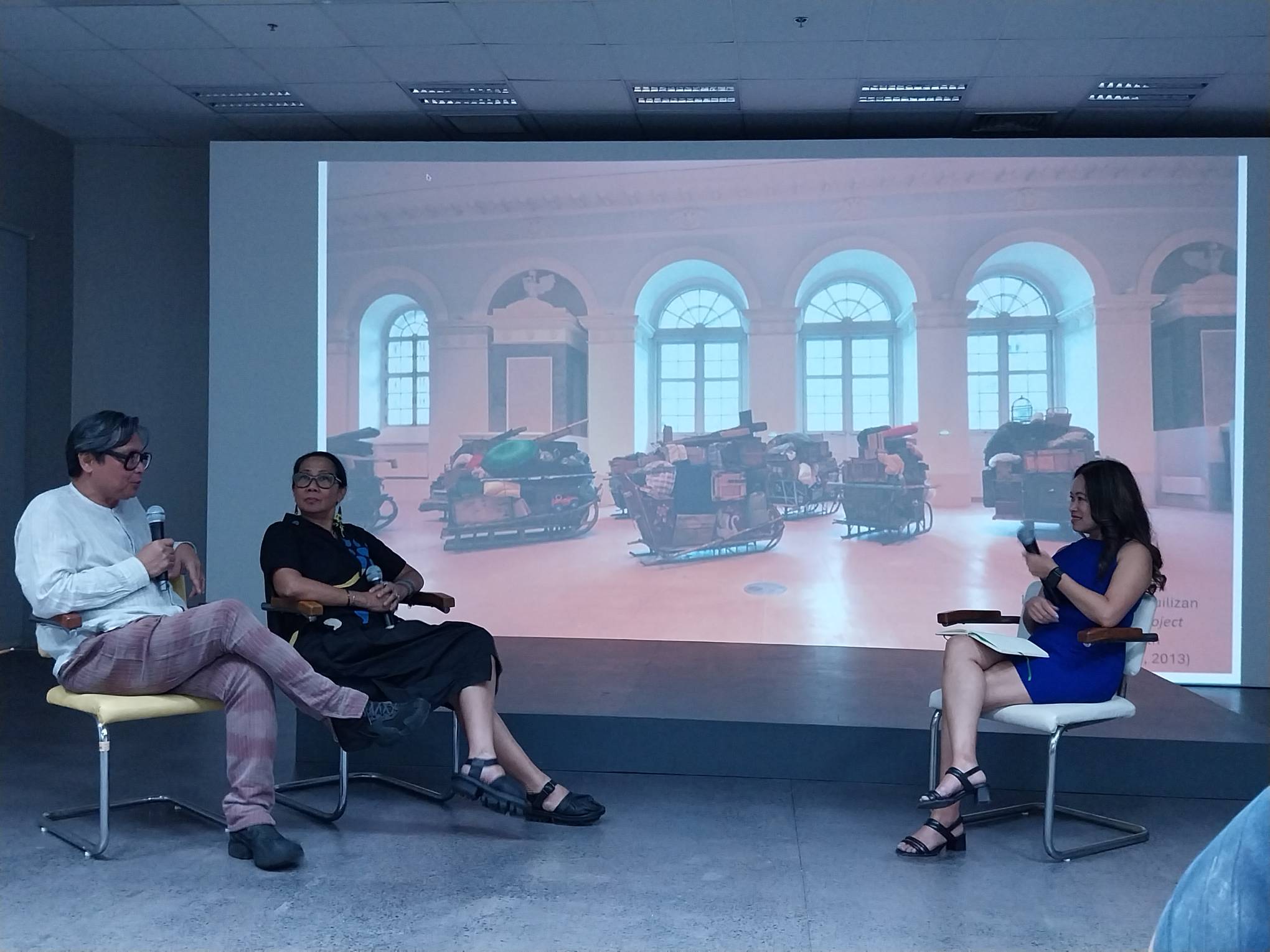
“We can talk and talk about all these projects, but I think at the end of the day, it’s just responding to the place. It’s just basically responding to the materials that we use every day and it’s just responding to the situation,” Alfredo Aquilizan said.
Cultural Exchanges and Meaning
Project Belonging Part 2 ended up containing three works from the Aquilizans. All three works craft themselves around the idea of finding community in foreign lands—defining and creating familiarity even in unfamiliar spaces.
“Not to mention that when the audience engages with the work, it would also multiply that layer of narratives coming from their personal experiences as well. So the multiplicity of stories is just a meaning. Continues, goes on and on,” Isabel Aquilizan said.
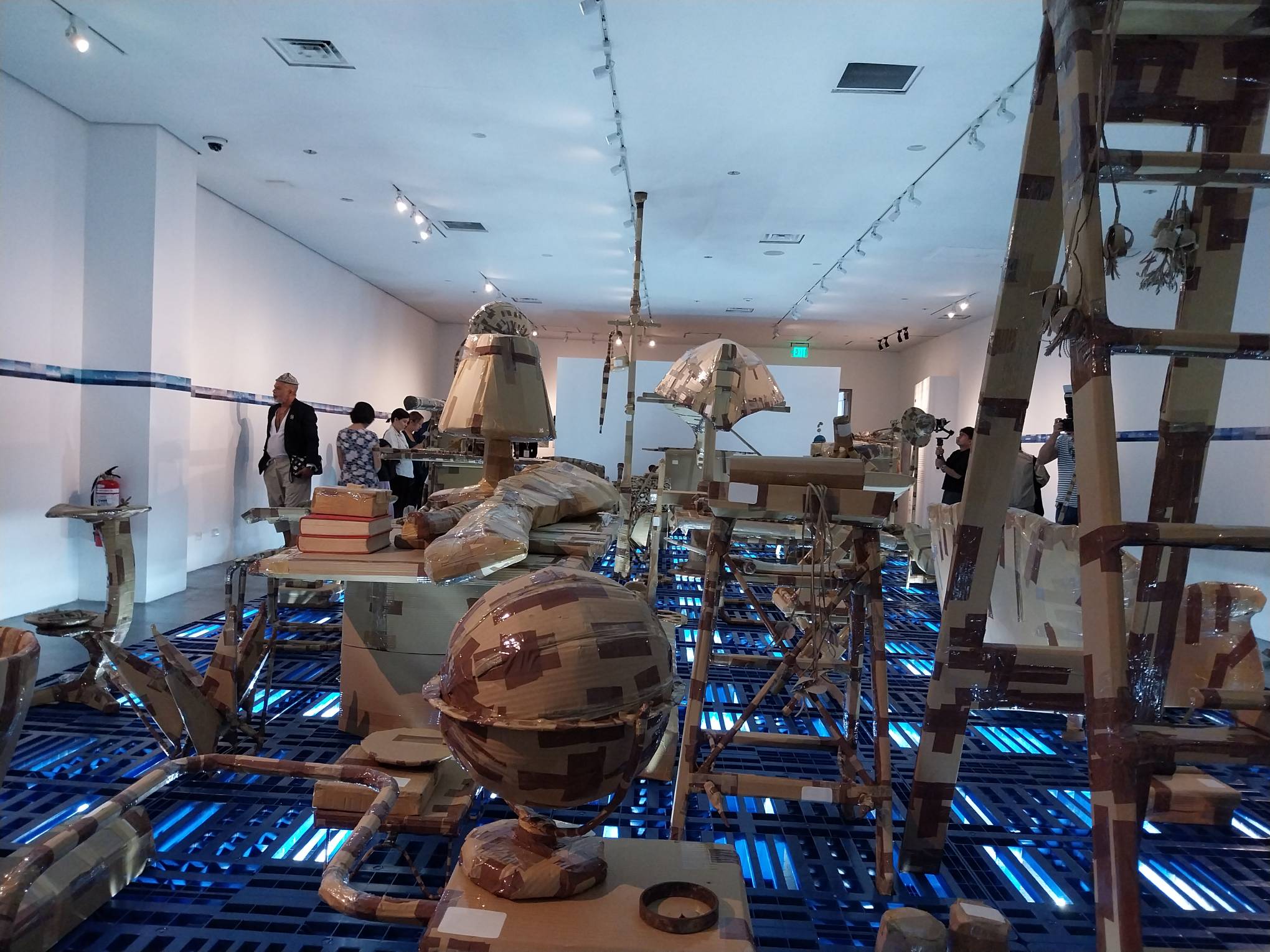
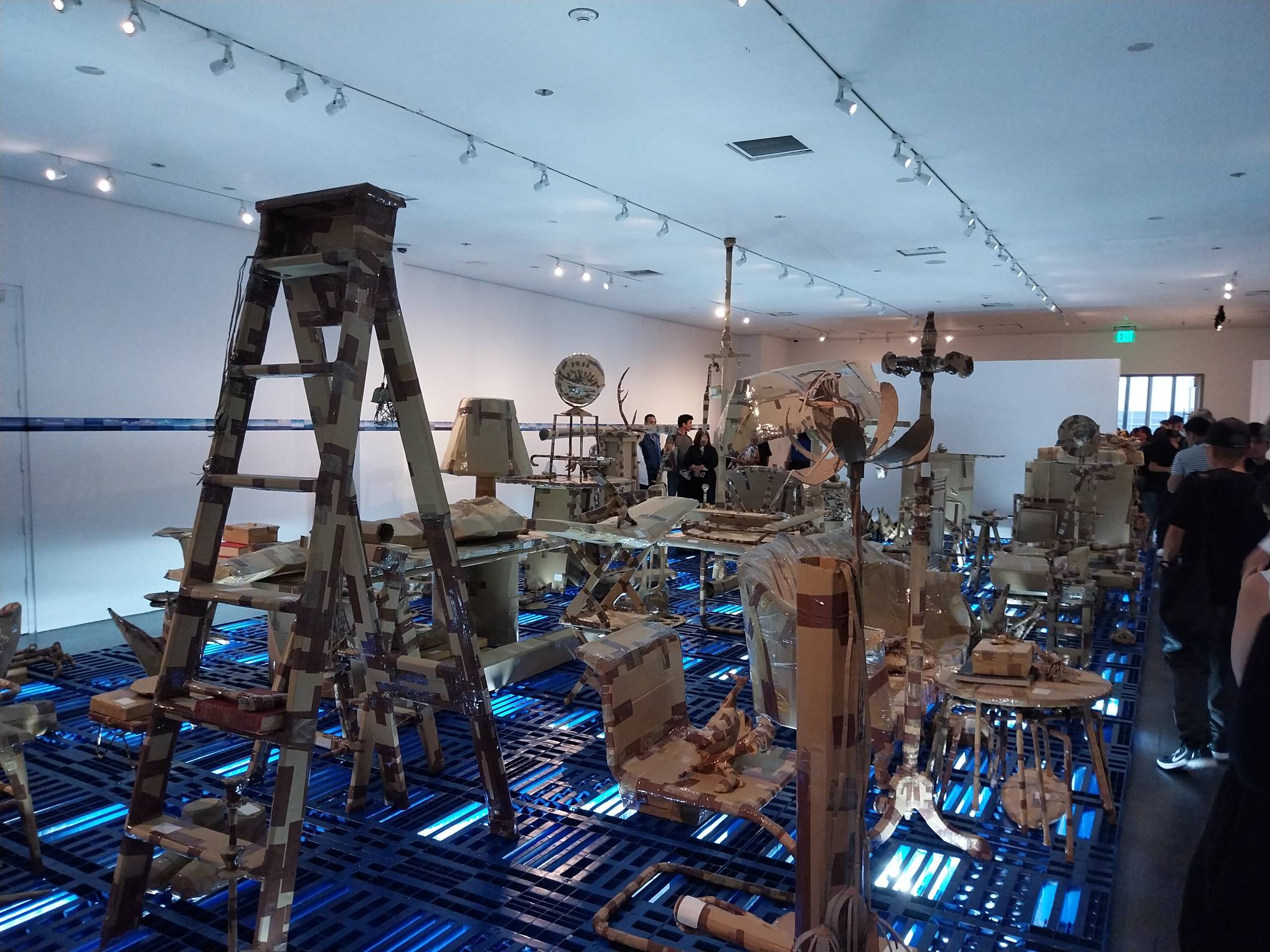
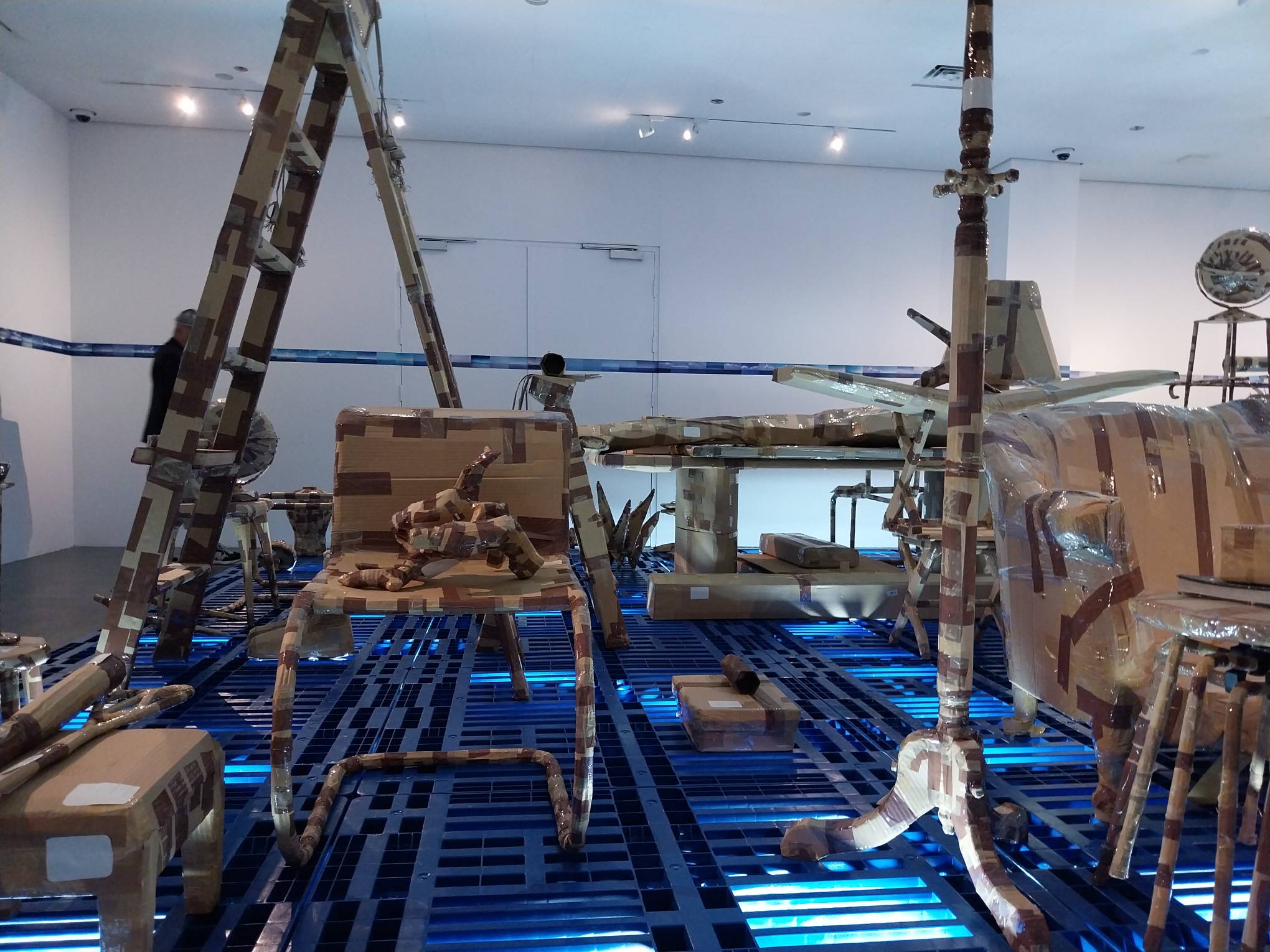
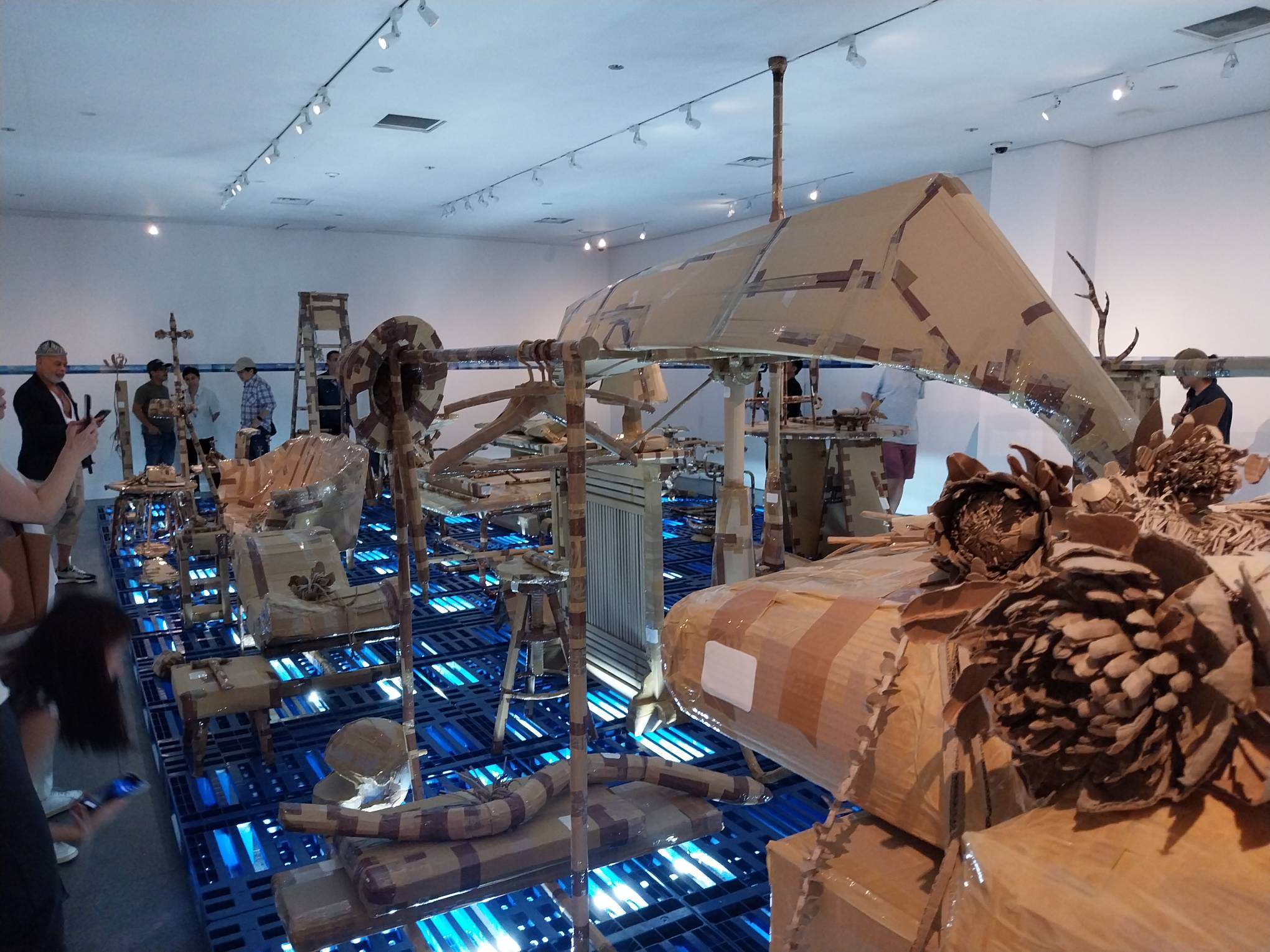
The biggest and newest is 2024’s “Nothing to Declare,” which has a whole household’s worth of items wrapped in brown paper and put on top of blue plastic pallets. It’s a breath-taking installation in scale and form, giving us a summary of their lives in Australia—their “lived experiences, memories, and emotions.”
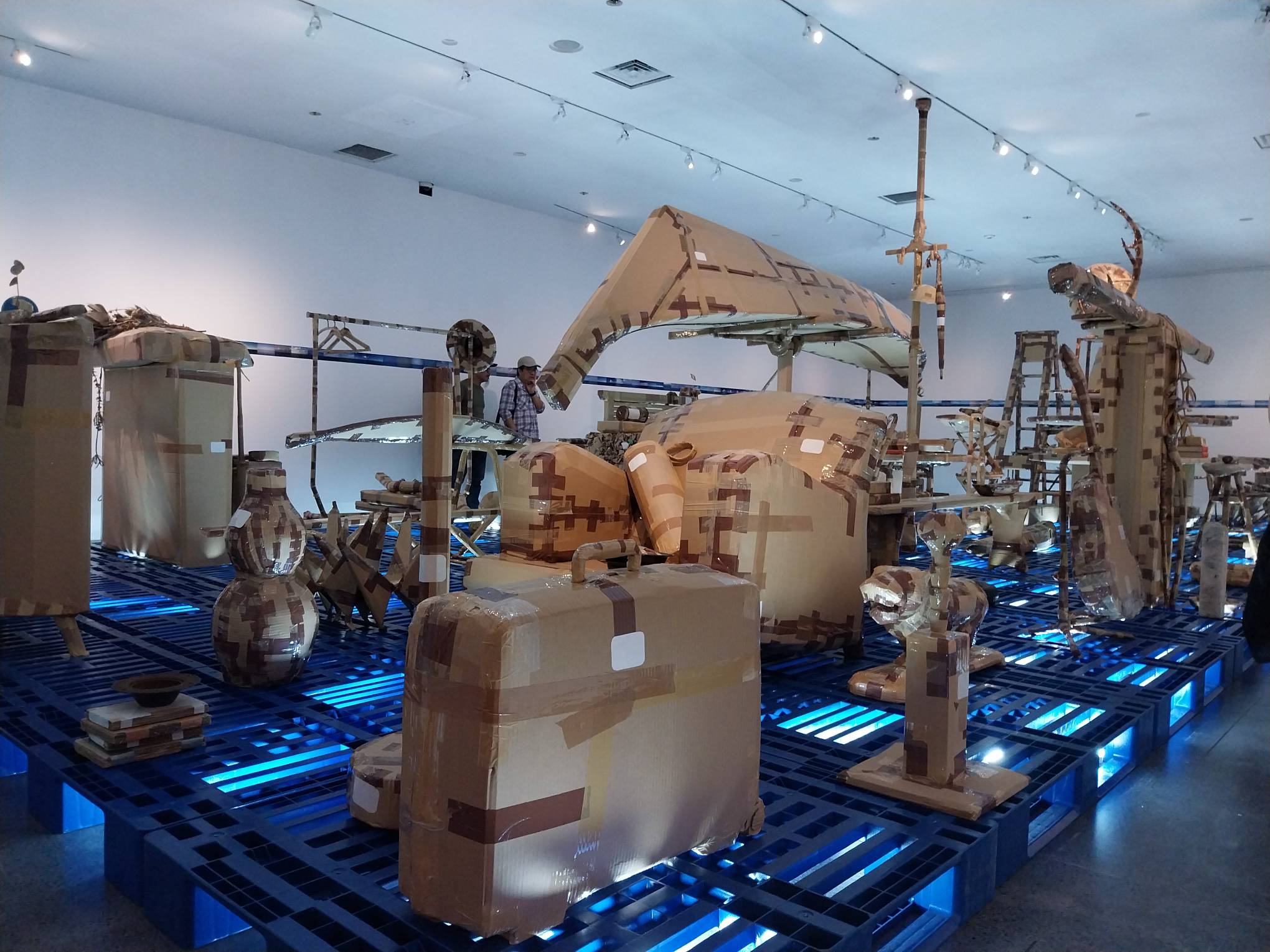
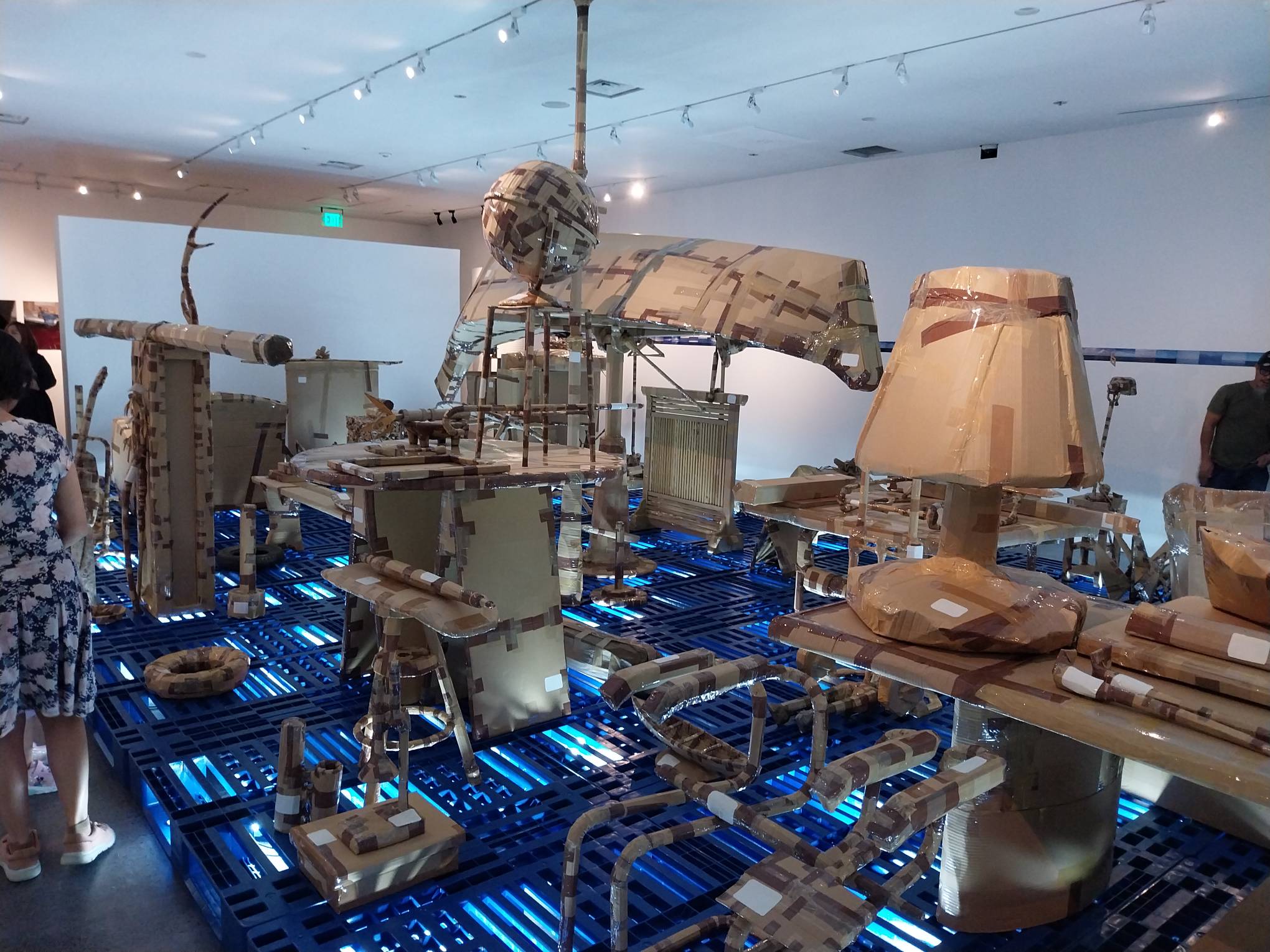
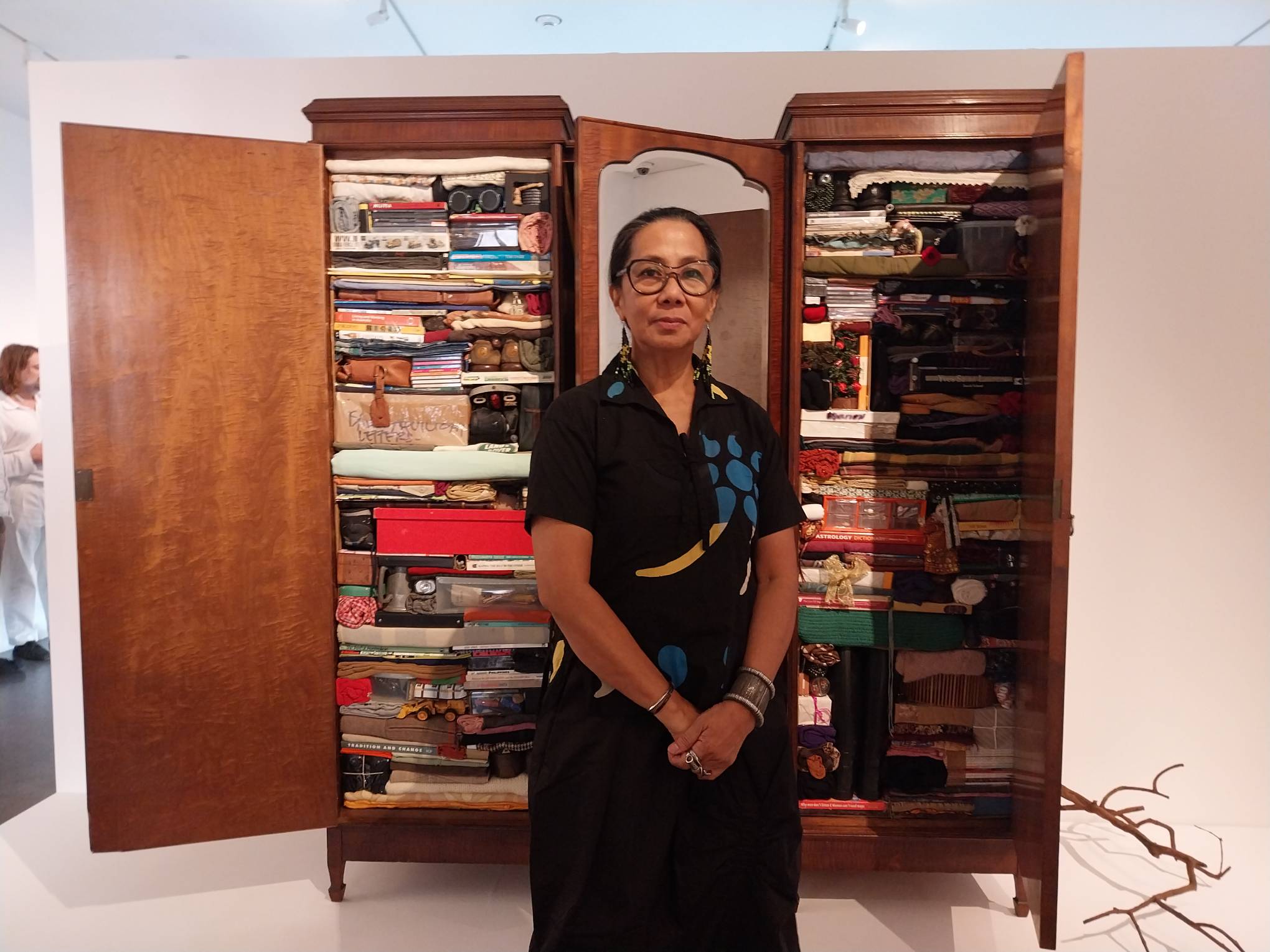
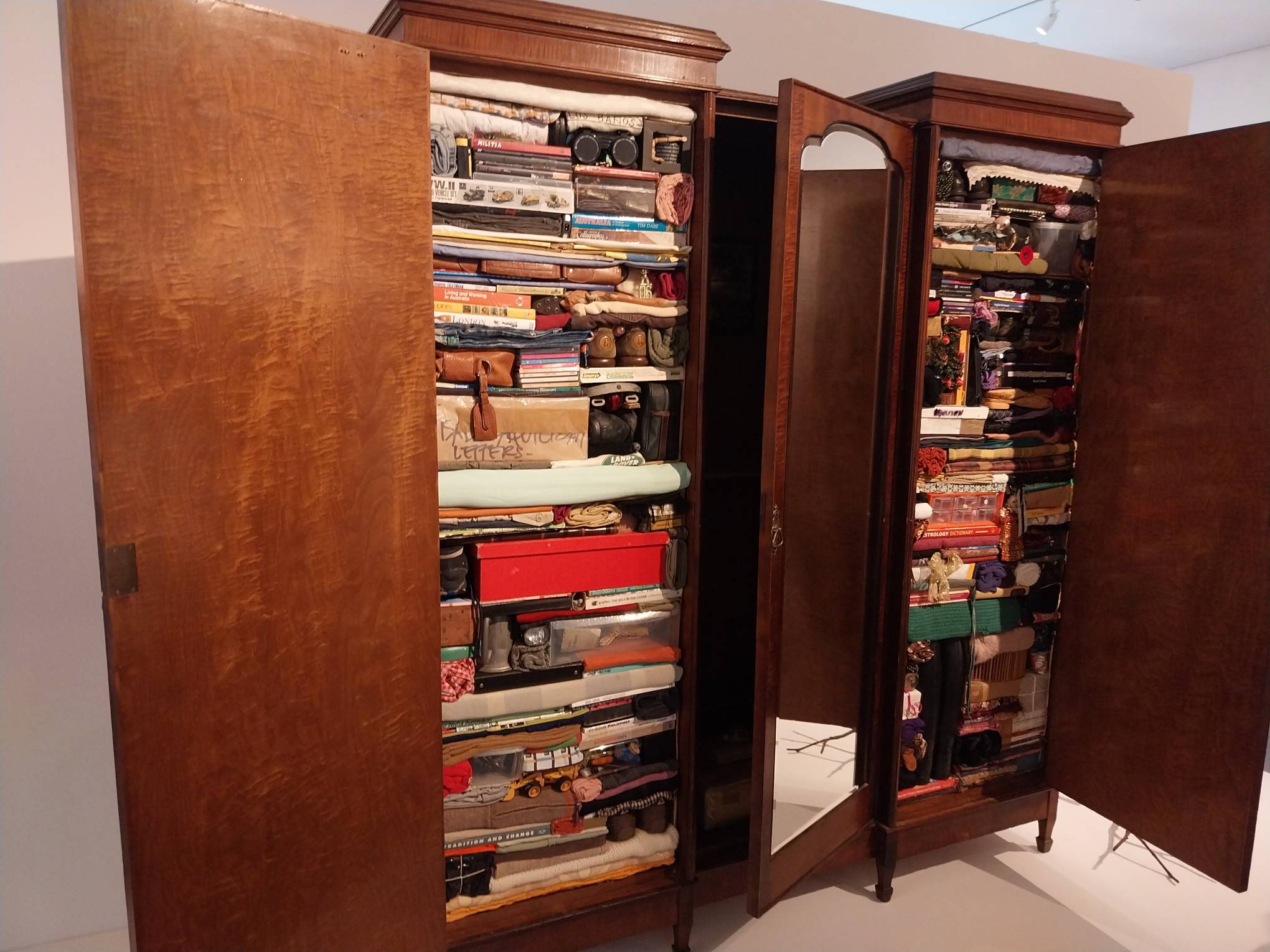
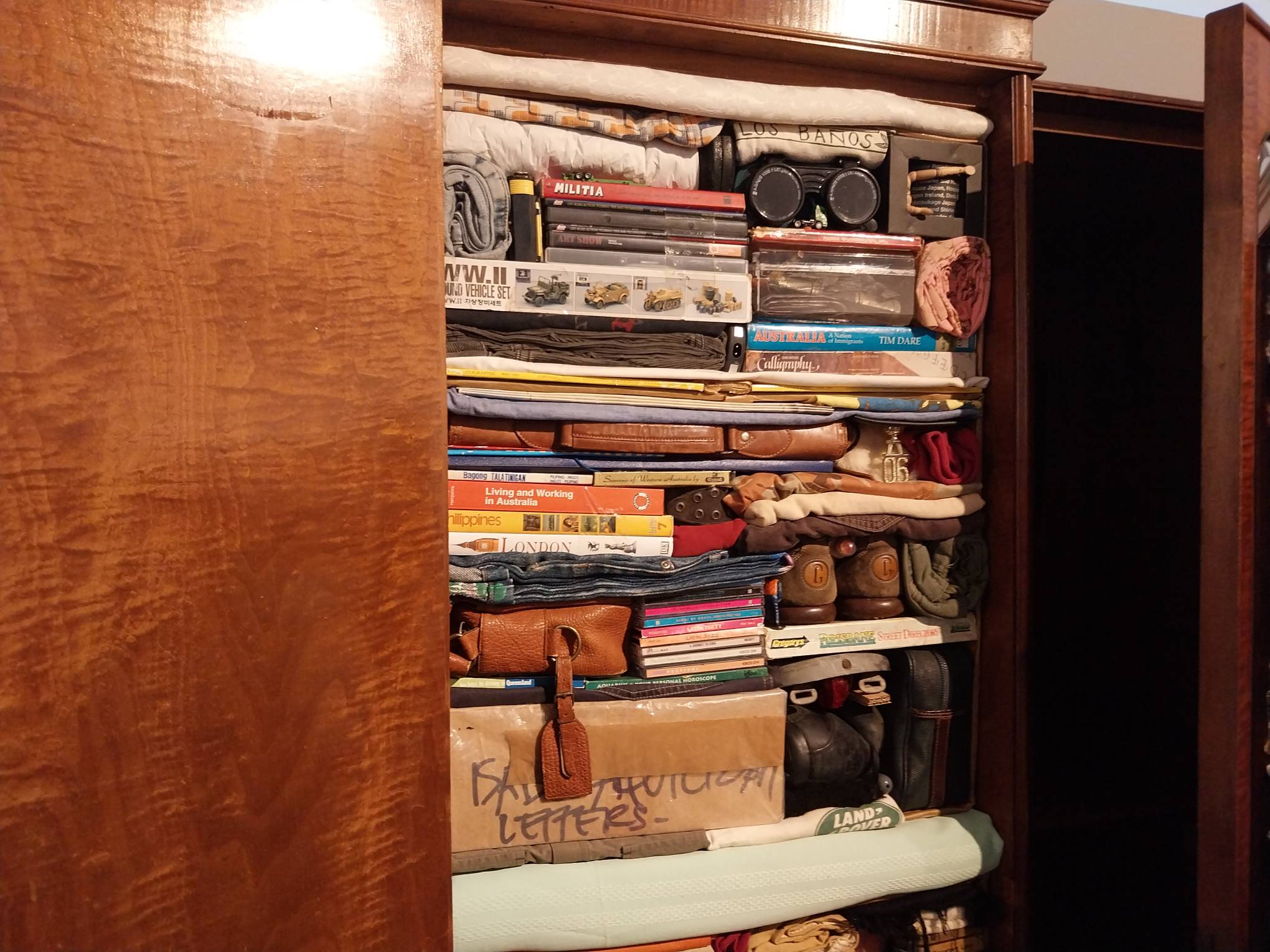
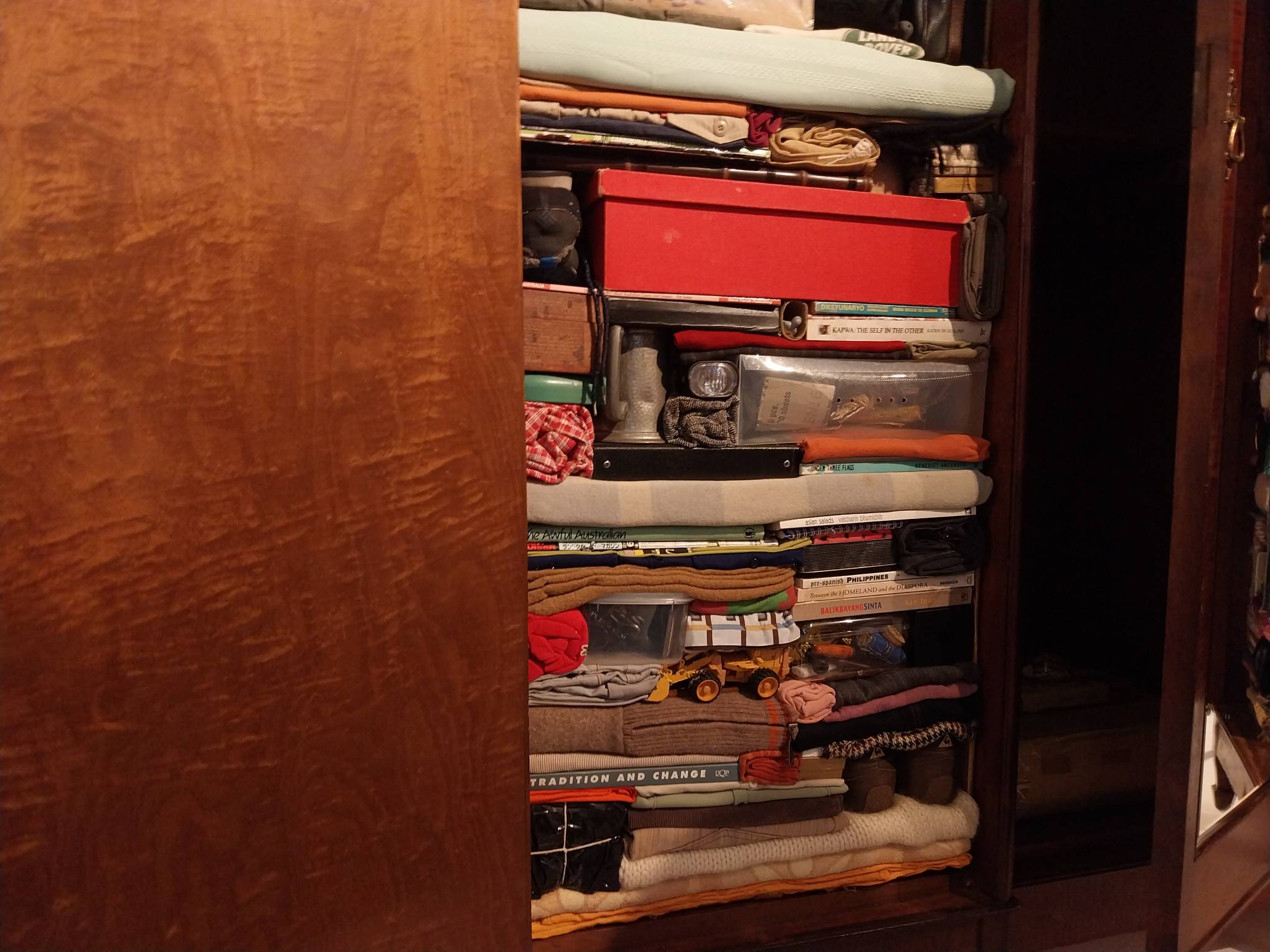
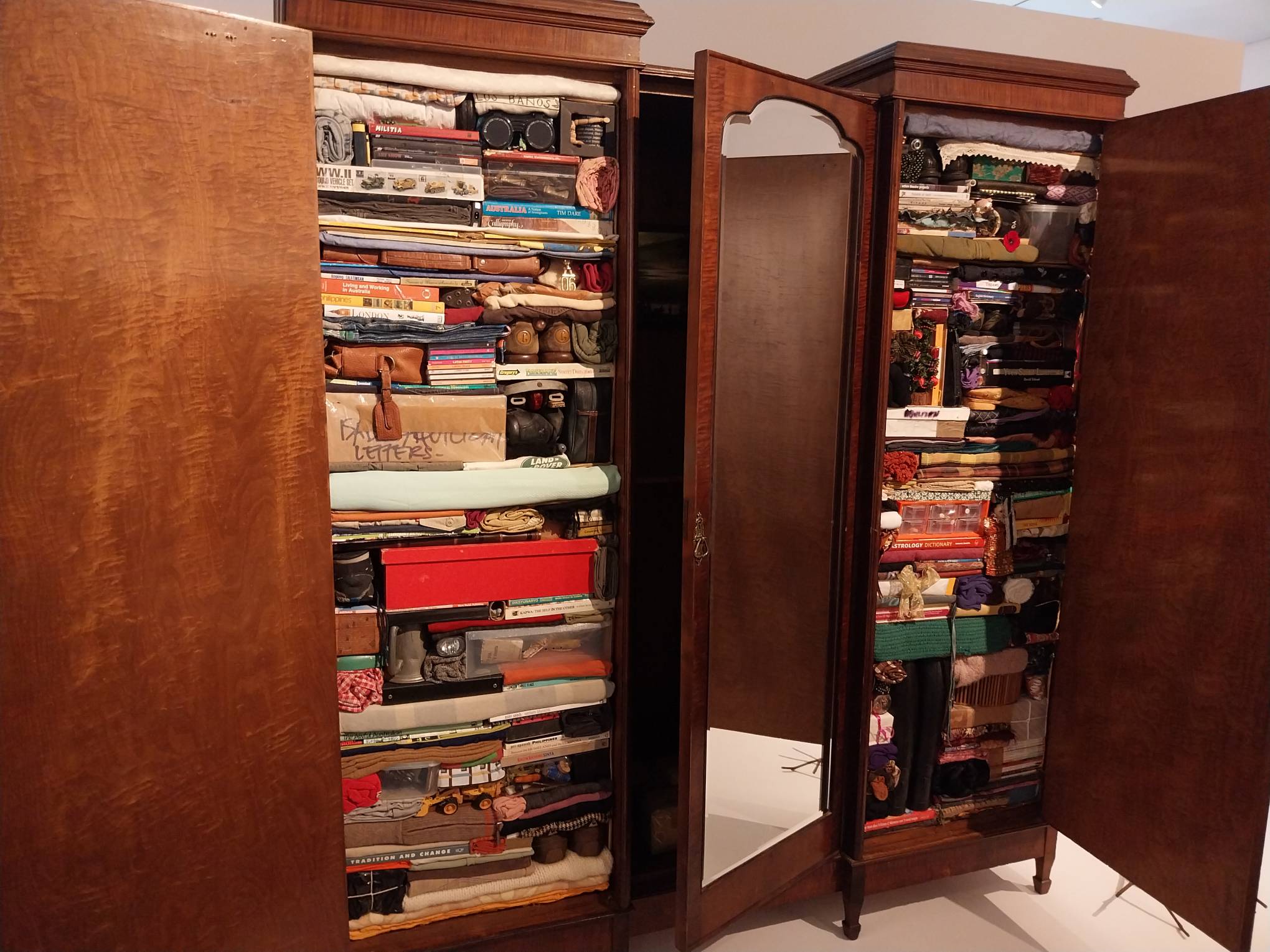
Another work exhibited is 2011’s “Foreigners: Project Another Country.” This installation shows off a wooden wardrobe filled to the brim with objects from the two: books, CDs, pillow cases, toys, shoes and more. A mirror divides the two sides, an invitation from the couple for “self-reflection” to the viewers.
Collecting and Collaborations
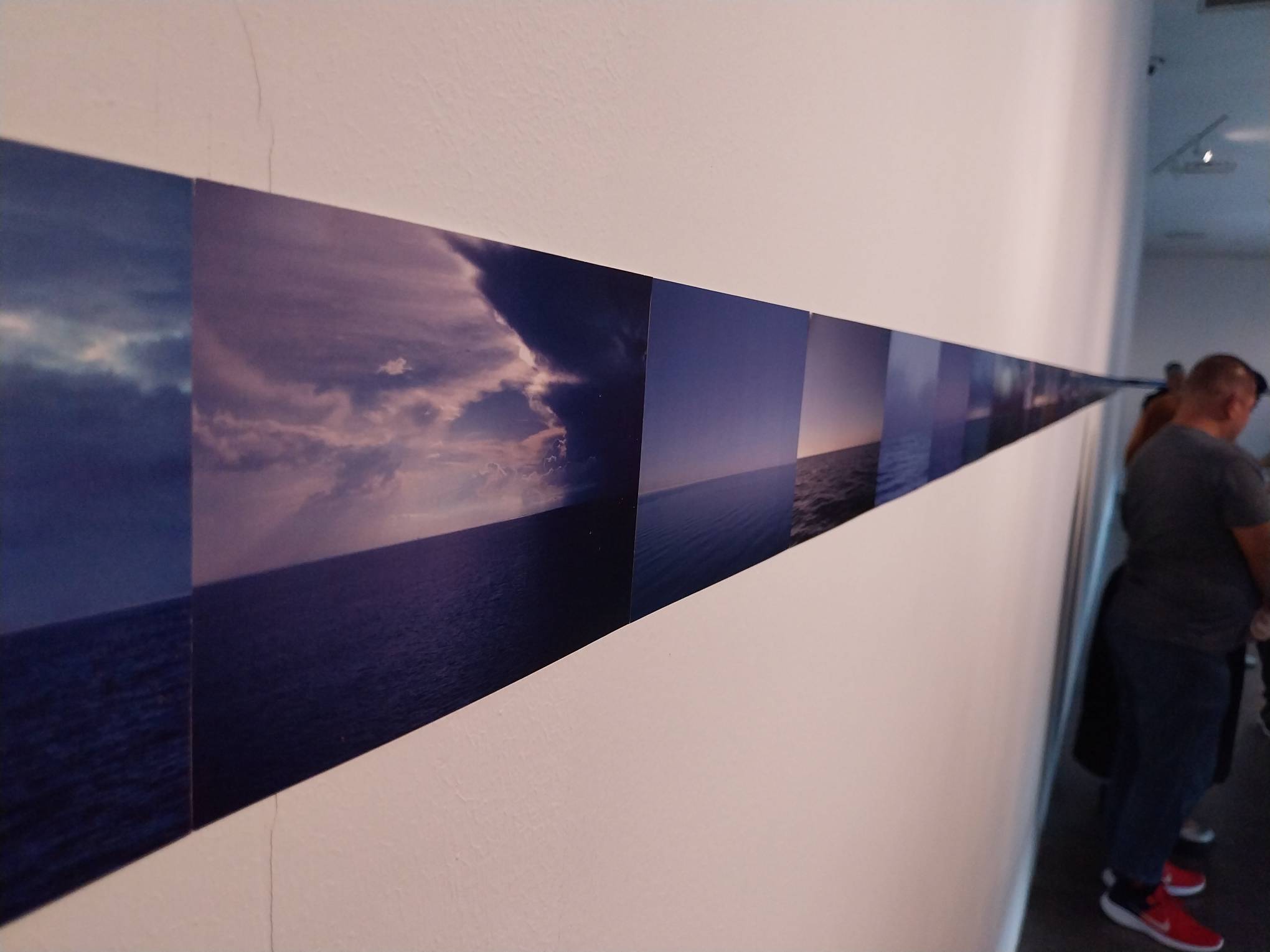
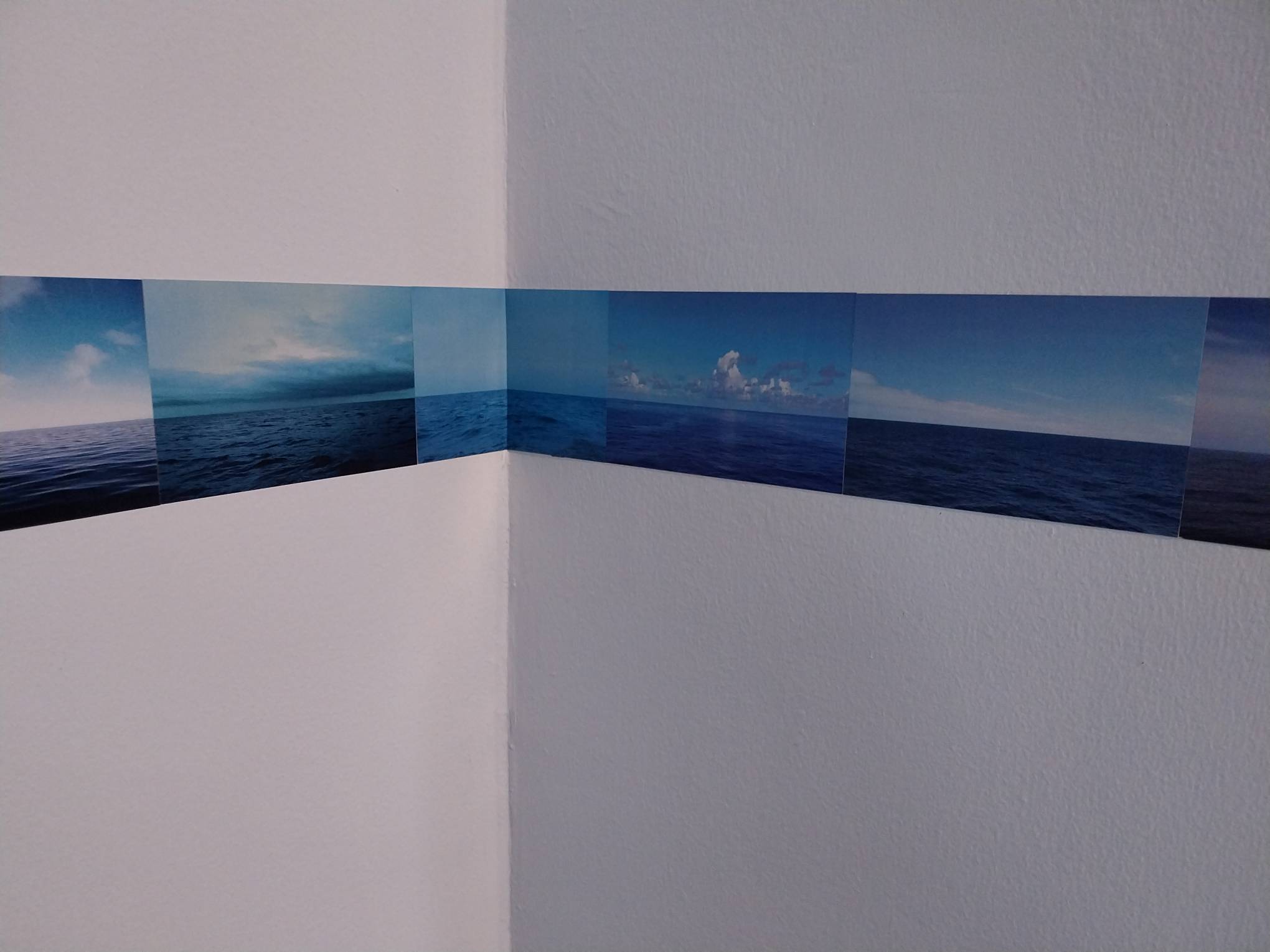
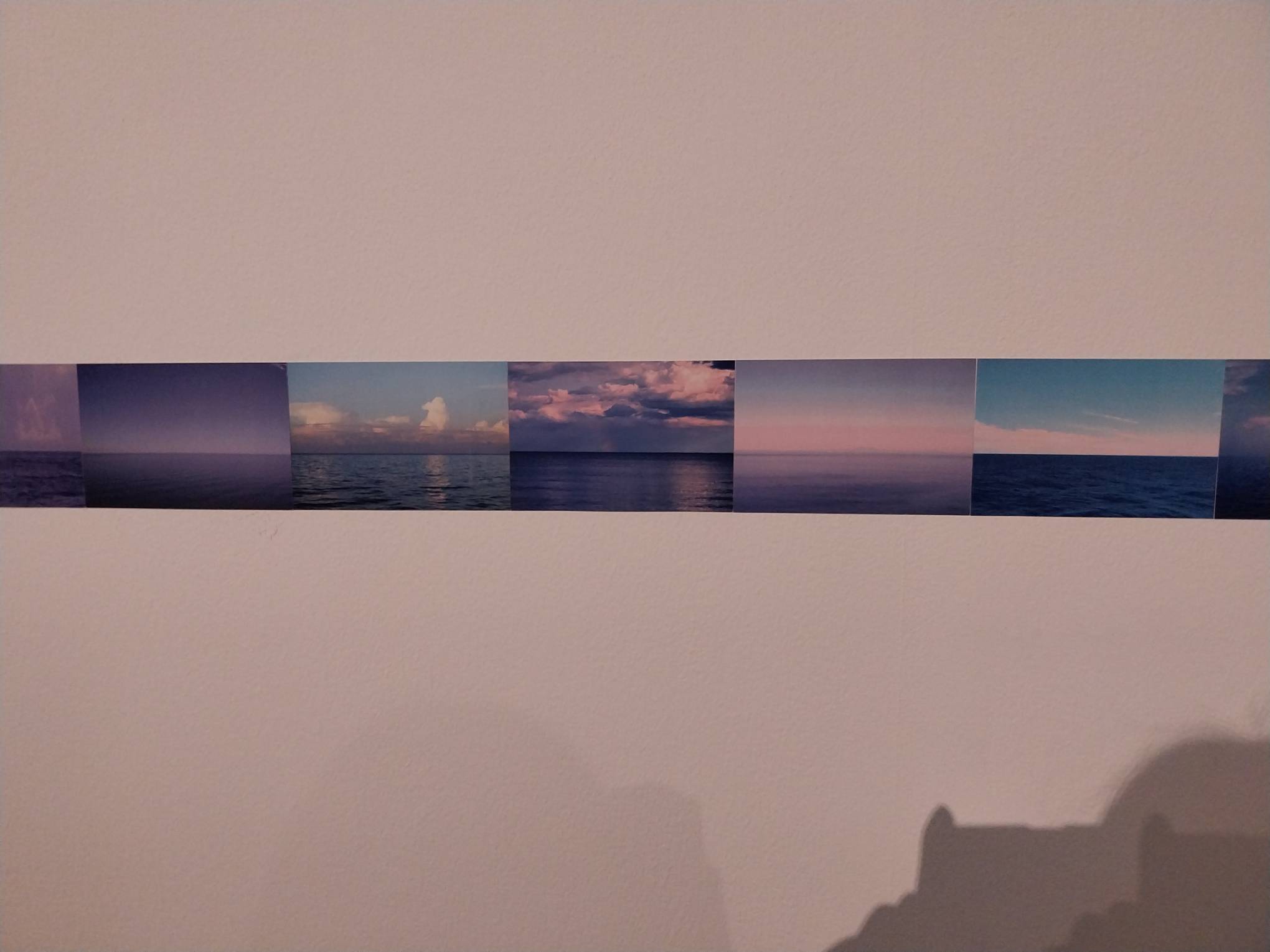
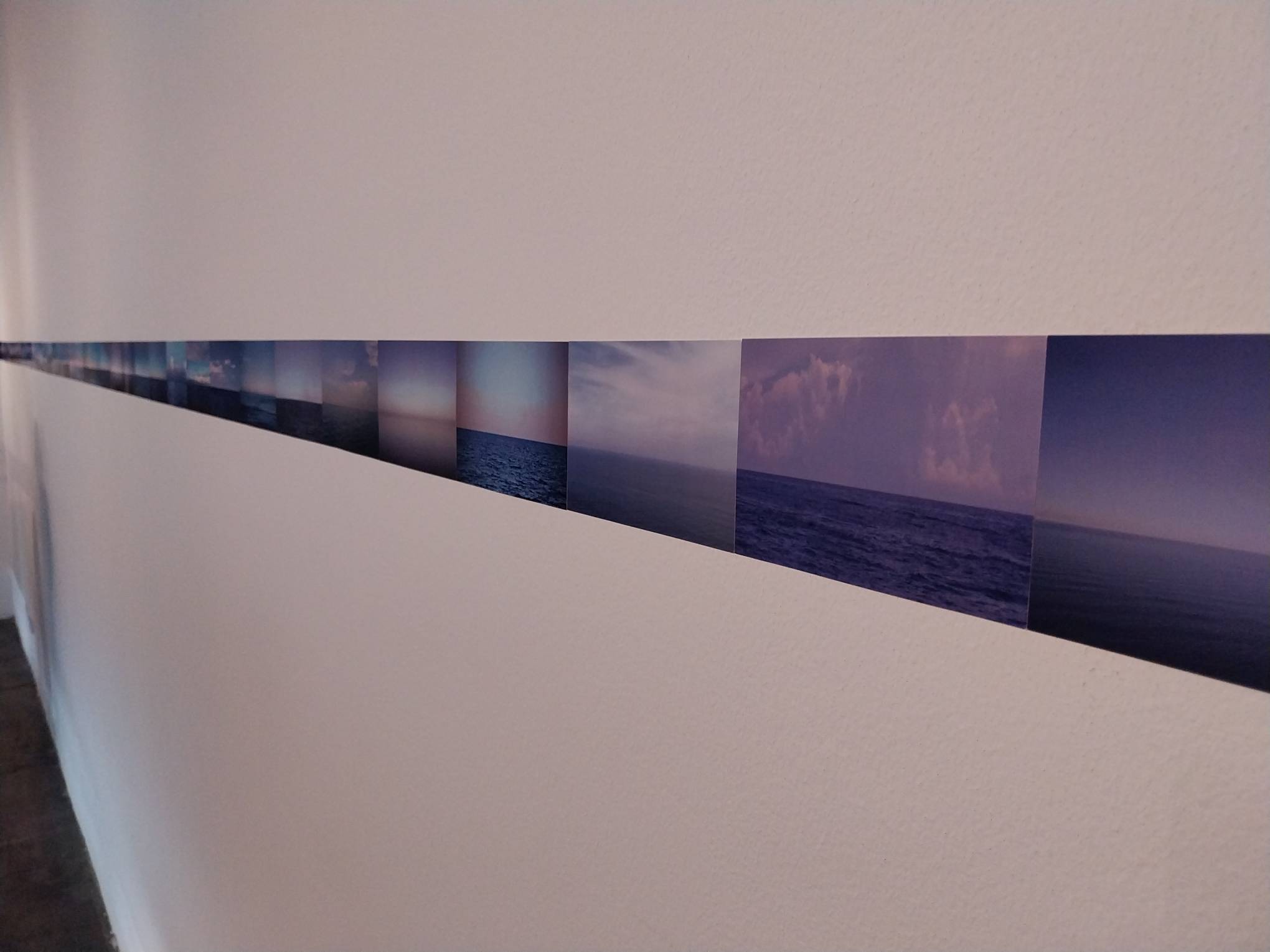
The final work, “Horizon Line,” utilizes postcards of ocean landscapes, circling most of the room. These postcards were sent over by people between 2017 and 2024, and it’s part of the way that they engage with the community as a whole. “They represent an act of collecting, a collaborative process where individual narratives become part of a greater whole,” the exhibit write-up said.
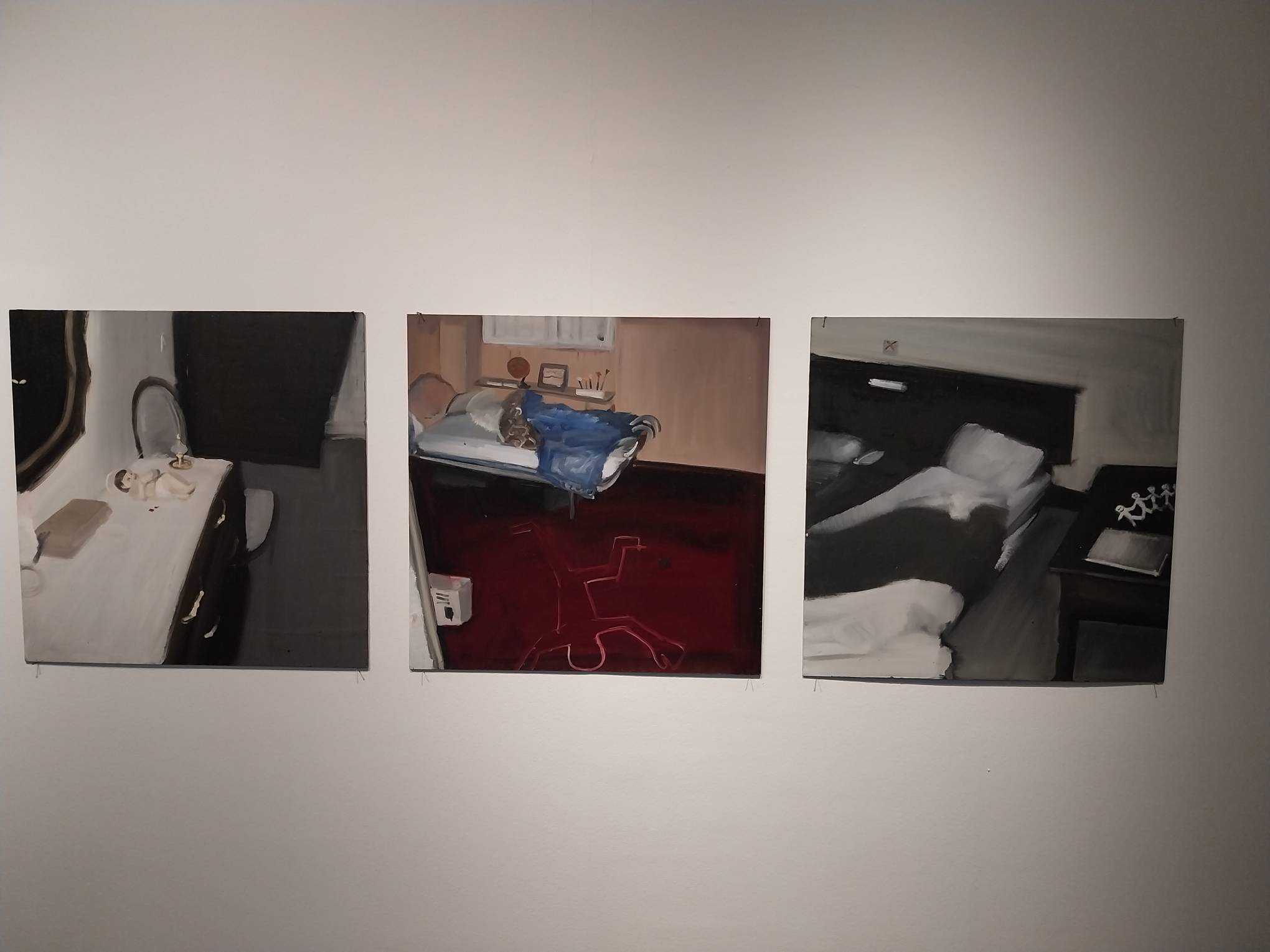
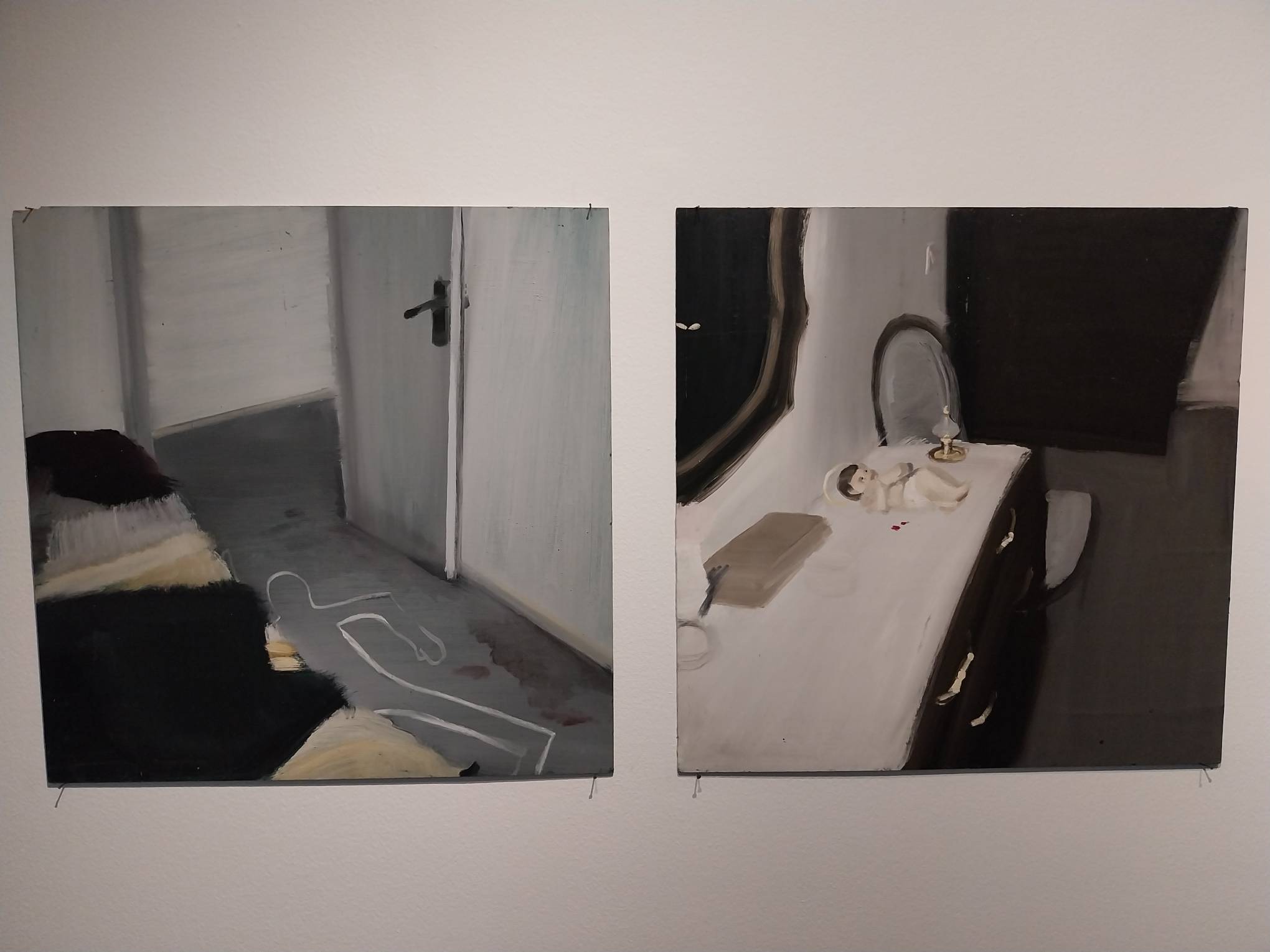
Marty’s contributions to the second part of Project Belonging are paintings from Vergüenza (Shame). These paintings showcase scenes from the artists’ home, finding strangeness or uncanniness in these familiar settings. “The work dialogues with the Aquilizans wardrobe and installation which symbolize the Heimlich-the intimate and the familiar, the private and the concealed,” the exhibit write-up said.
Redefining Home for the Migrant
For now, the Aquilizans have found themselves replanted in the Philippines yet again after decades of residing in Australia. The Project Belonging series appears to be their first exhibits since their homecoming. They look forward to re-exploring and rebuilding a new community in the country again, finding new quirks and ideas on the meaning of community within their homeland.
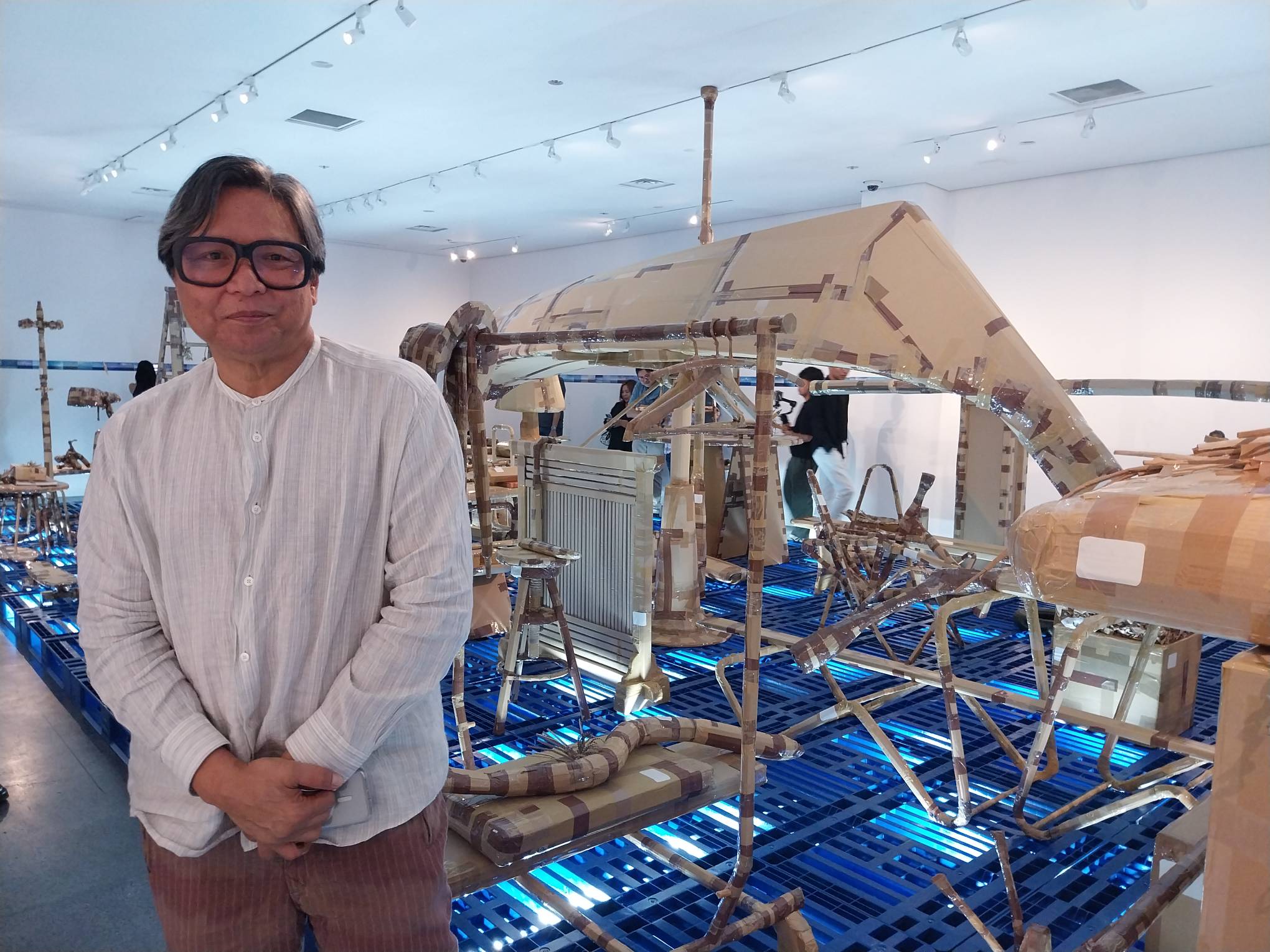
“We always say that when you leave home, you don’t have a place you call home anymore,” Alfredo Aquilzan said during the talk. “You become foreign. …Every time we go home, come back here, you see things differently. You become some kind of a foreigner.”
“You look at things from the inside and yet you’re looking at it and seeing things from the outside as well,” he continued.
Photos by Elle Yap. Featured image by Clefvan Pornela, courtesy of Ateneo Art Gallery.
Related reading: ‘The Heart of Every Mountain is Ocean’: Turning Kalinga Textile into Art
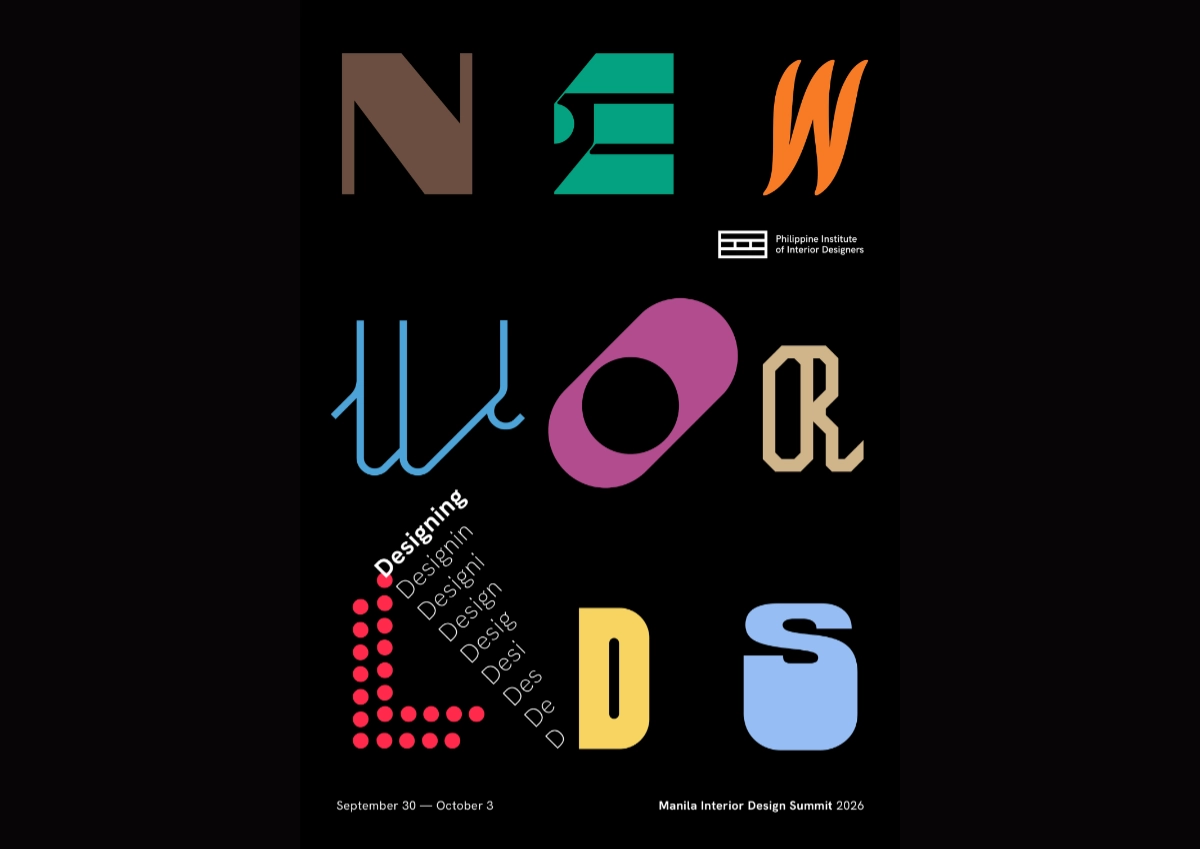
“Thailand has claimed urban creativity and livability. Singapore has institutional design leadership. Indonesia is emerging as a design hub. Vietnam is moving into design innovation. And the Philippines? Its position is not weak. It is simply unclaimed.” For IDr. Cecil Ravelas, National President of the Philippine Institute of Interior Designers (PIID), the challenge is not […]
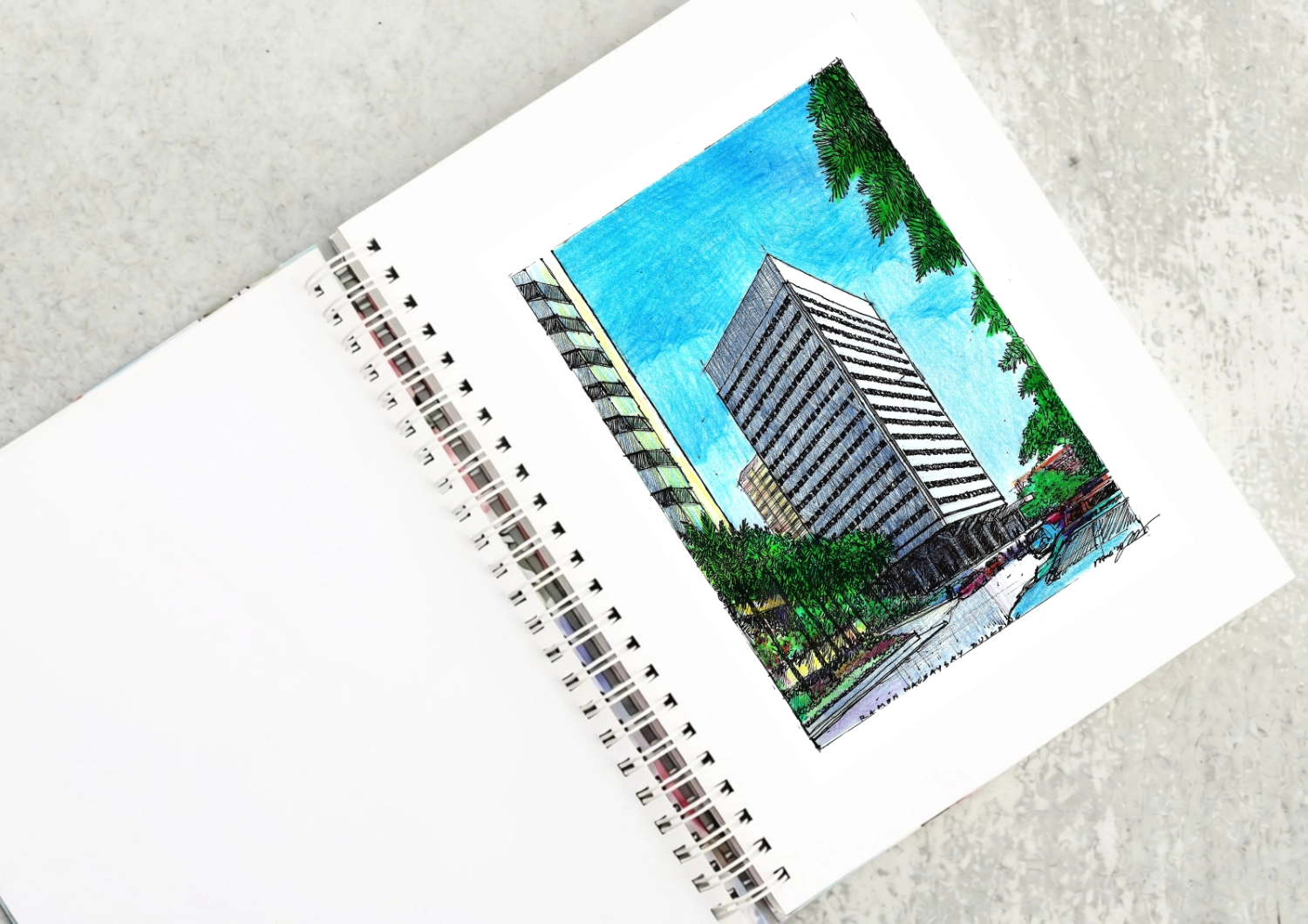
The Ramon Magsaysay Center as a Modernist Landmark Driving down Roxas boulevard from Rizal Park, what will catch your eye is the most elegant modernist structure in the country, the Ramon Magsaysay Center. Most established Filipino architects put it in their top ten lists of favorite buildings. It was designed by Alfredo J. Luz, who […]

Rinna Soriano’s favorite part of her work is sanding. At her workbench, she stays focused, following the grain, adjusting to changes in its direction. Narra, she has learned, can have interlocking grain. A piece of mango once proved particularly difficult until a worker explained that she had reached the point where a branch once grew […]
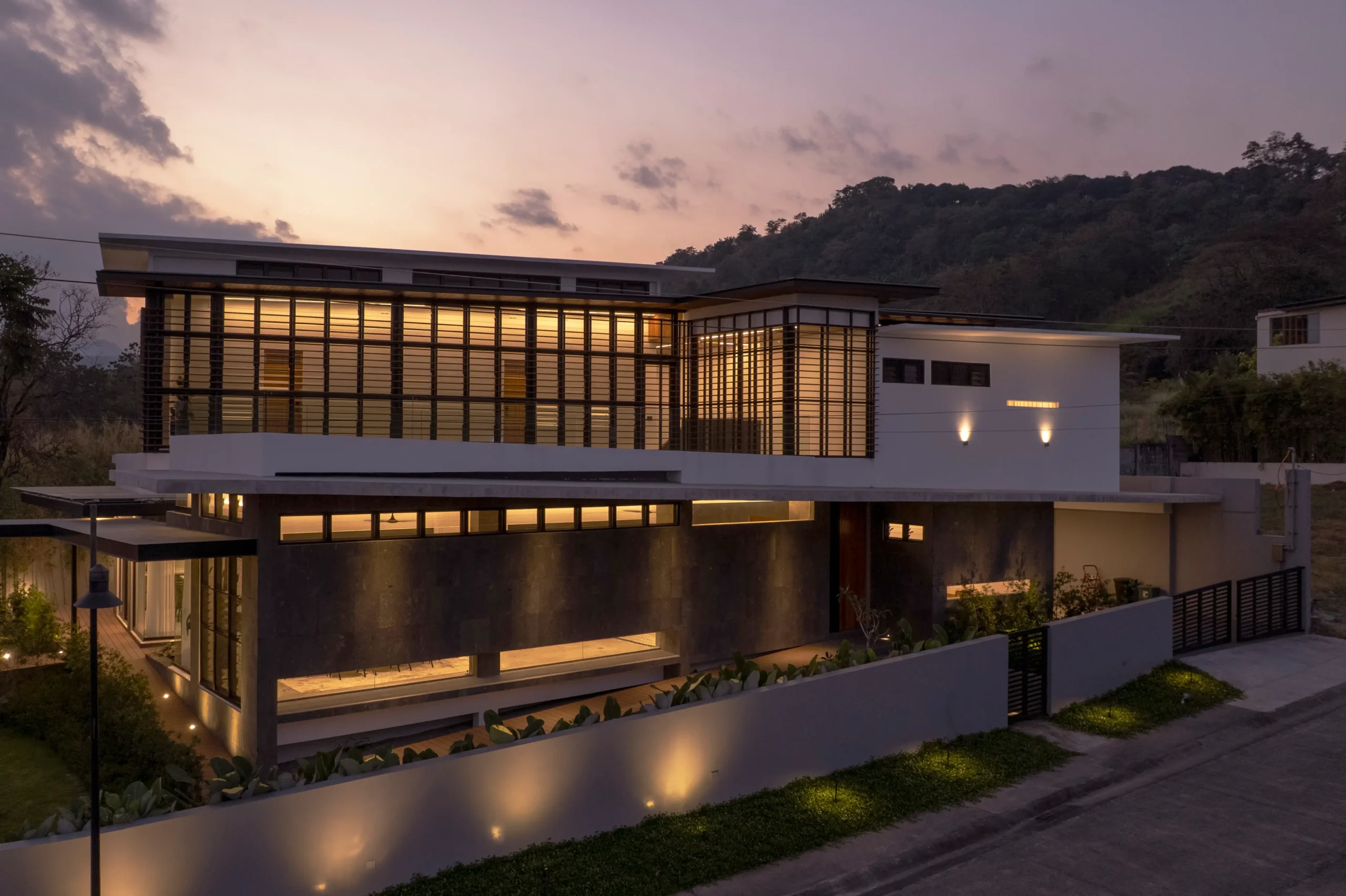
Filipino architectureArchitectureThe art and science of designing and constructing buildings, structures, and spaces that are functional, safe, and aesthetically pleasing. It encompasses the planning, design, materials, and techniques used to createGo to Architecture Glossary has long been associated with indigenous materials and vernacular design strategies, from bamboo and timber construction to jalousie windows, generous spaces, […]
Read the issues.

Collect the volumes.

Recommended Video
Tap to Unmute
Unmute
0:00
0:00