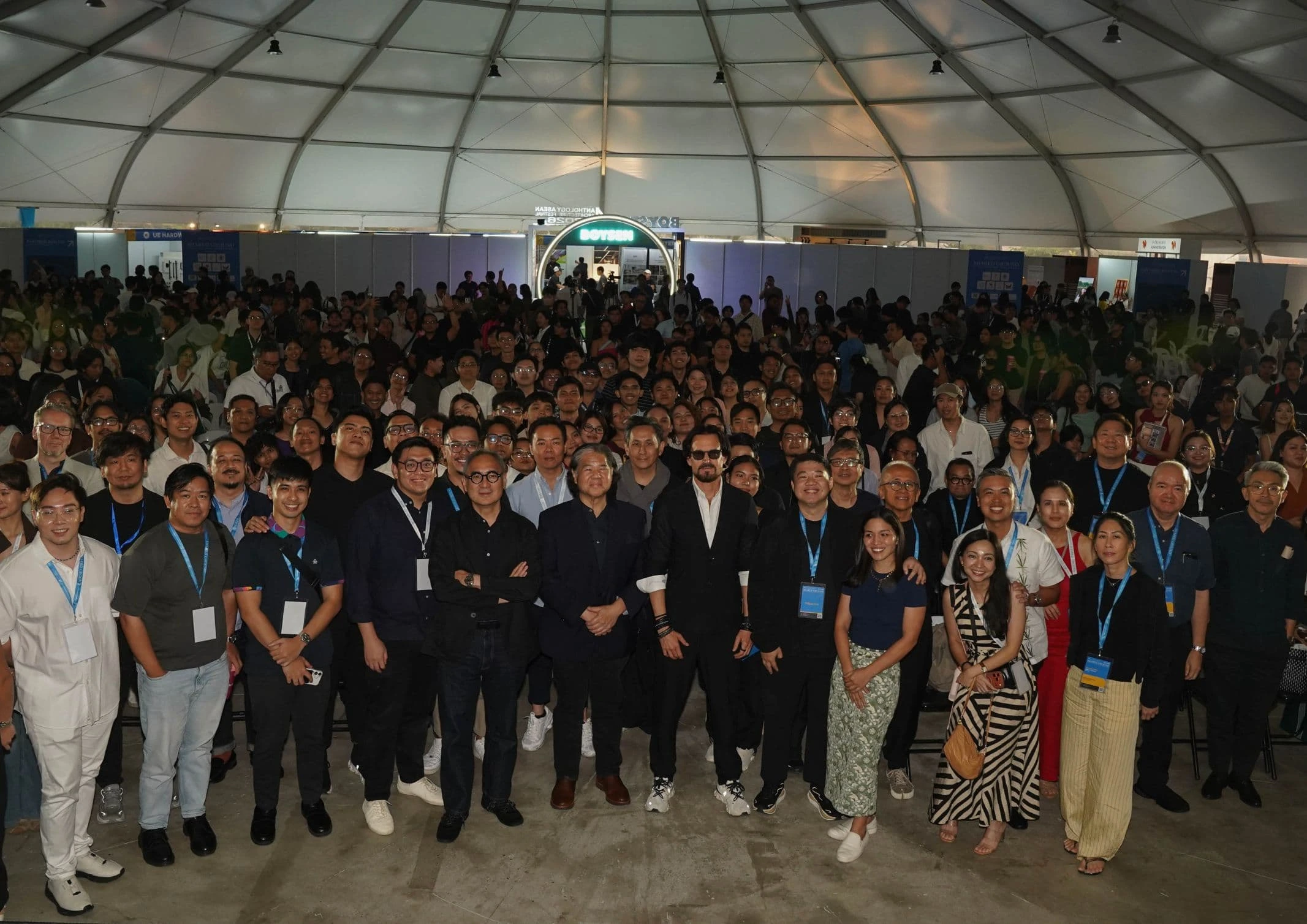
The seventh edition of the Anthology ASEAN ArchitectureArchitectureThe art and science of designing and constructing buildings, structures, and spaces that are functional, safe, and aesthetically pleasing. It encompasses the planning, design, materials, and techniques used to createGo to Architecture Glossary Festival brought together over 4,000 delegates from across the Philippines and Southeast Asia for three […]
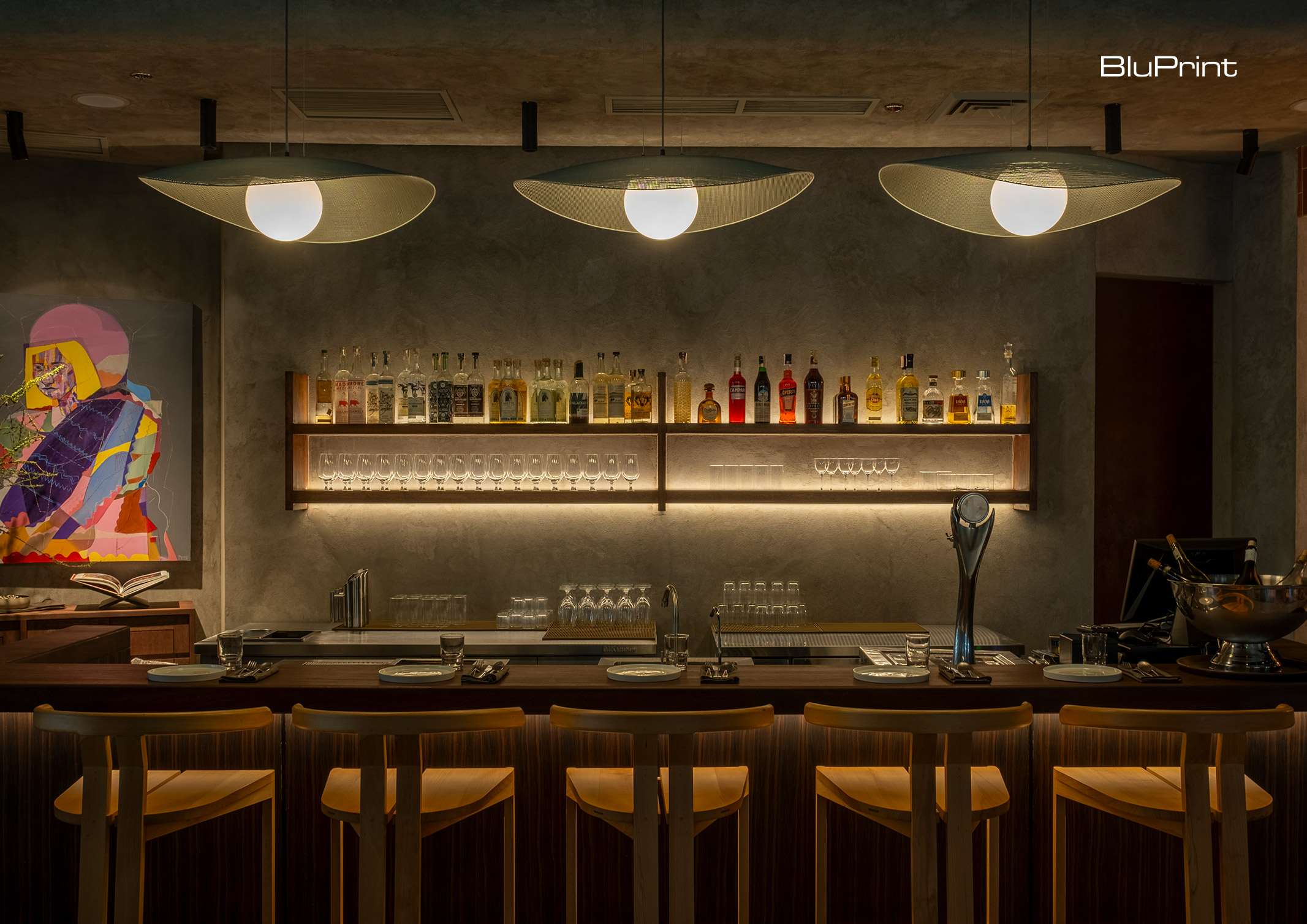
Los Tacos: Authentic by Design



What started as a budding enterprise in Chef Patrick Curitana’s own home has now expanded into a 138-square-meter restaurant with seating for 52 guests. The design of Los Tacos reflects this journey, mirroring the essence of its culinary offerings: authentic, evolving, and deeply personal.
While the restaurant embraces its larger scale, it retains the warmth and intimacy of its origins, balancing an open, inviting atmosphere with a refined yet casual dining experience. More than just a backdrop for enjoying exceptional food, Los Tacos is an extension of the chef’s home. It’s a space thoughtfully designed to grow, adapt, and mature alongside the restaurant’s ever-evolving story.
Honest to Goodness
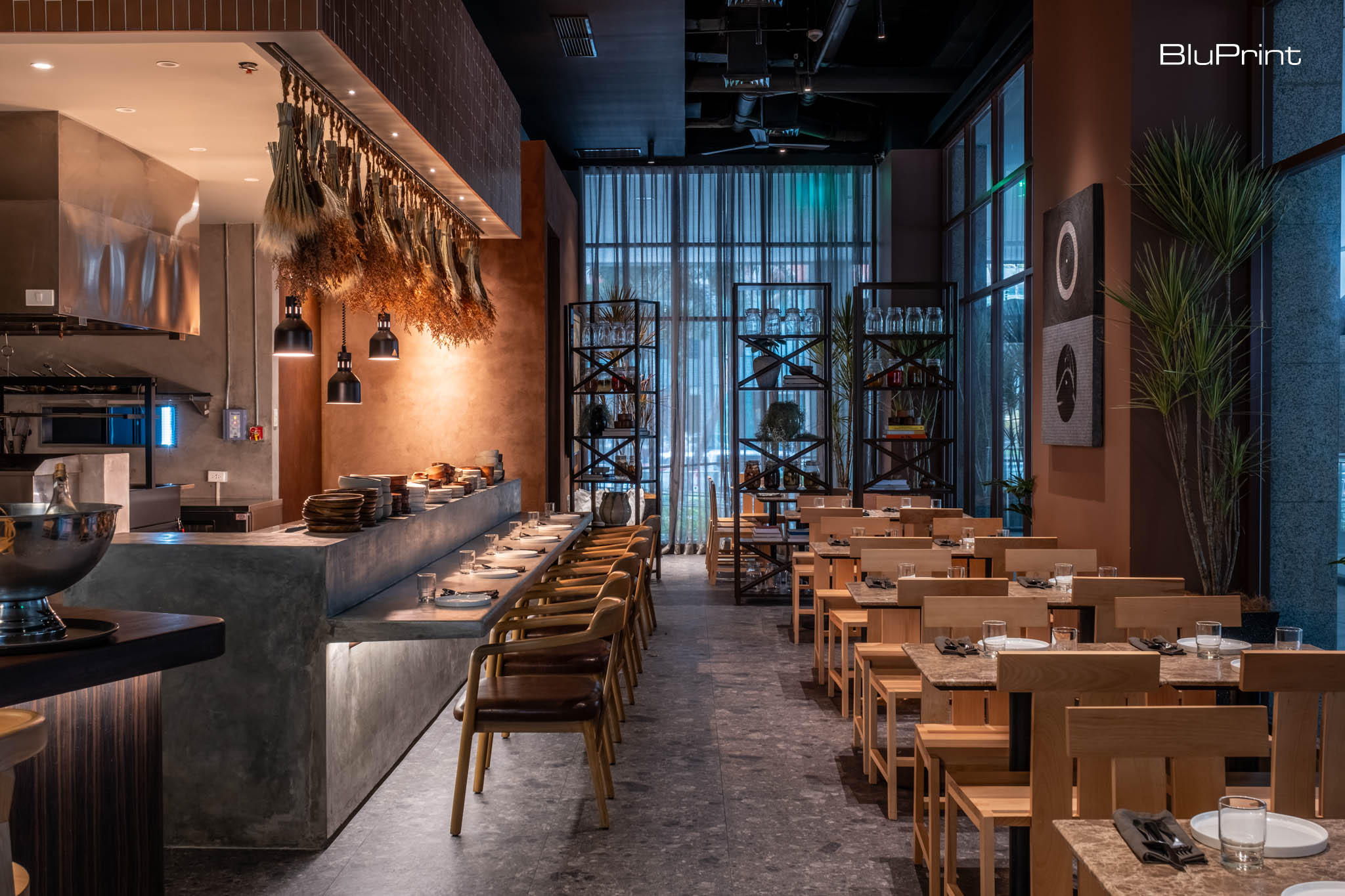
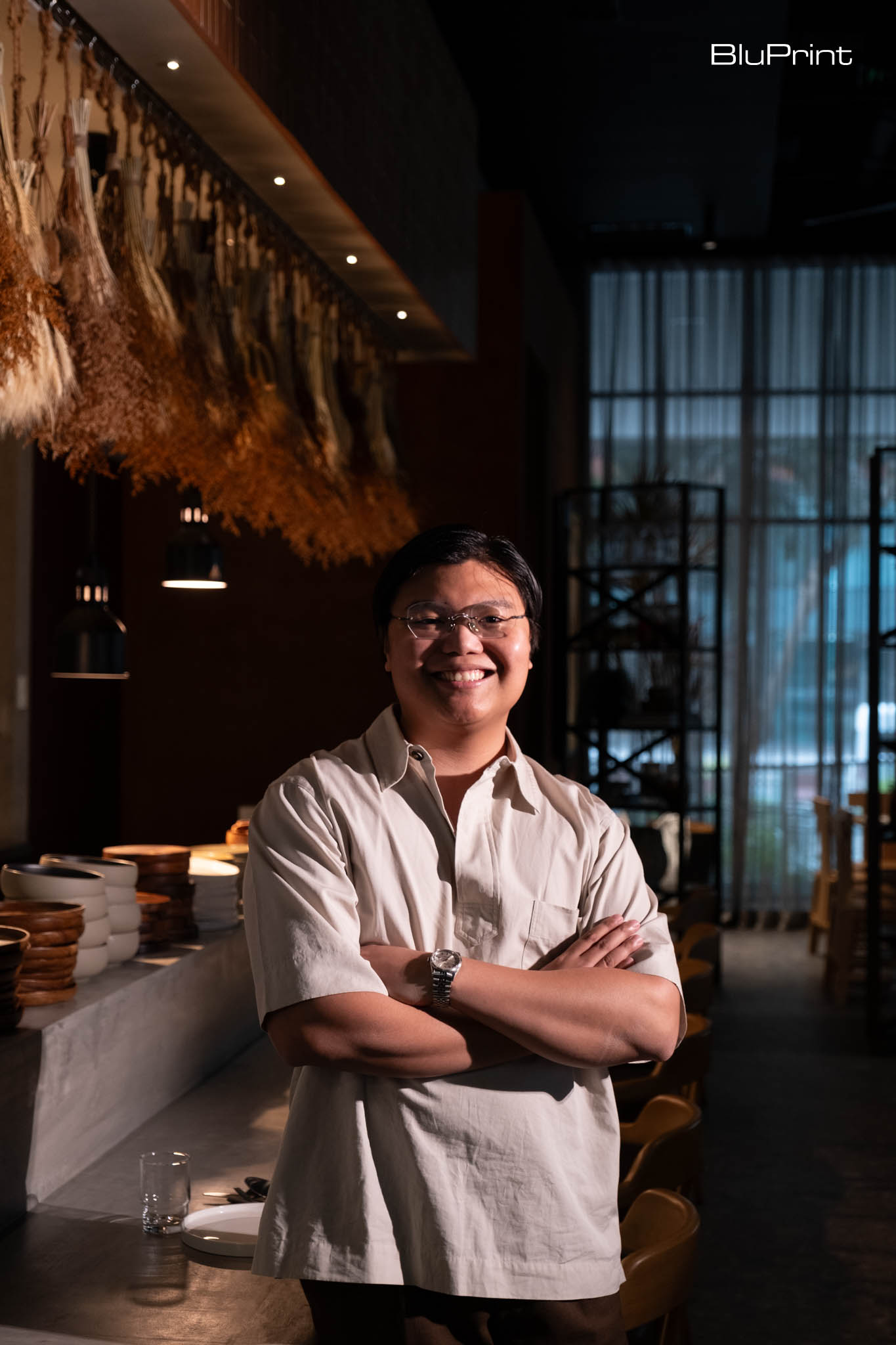
Two primary principles guided the design of Los Tacos from the outset: honesty and growth. “It was really more to house Chef,” said the restaurant’s architect, Brian Ver, discussing the initial approach to the space. The goal was clear: create a space that embodies the ethos of the Chef Patrick Curitana and his culinary philosophy.
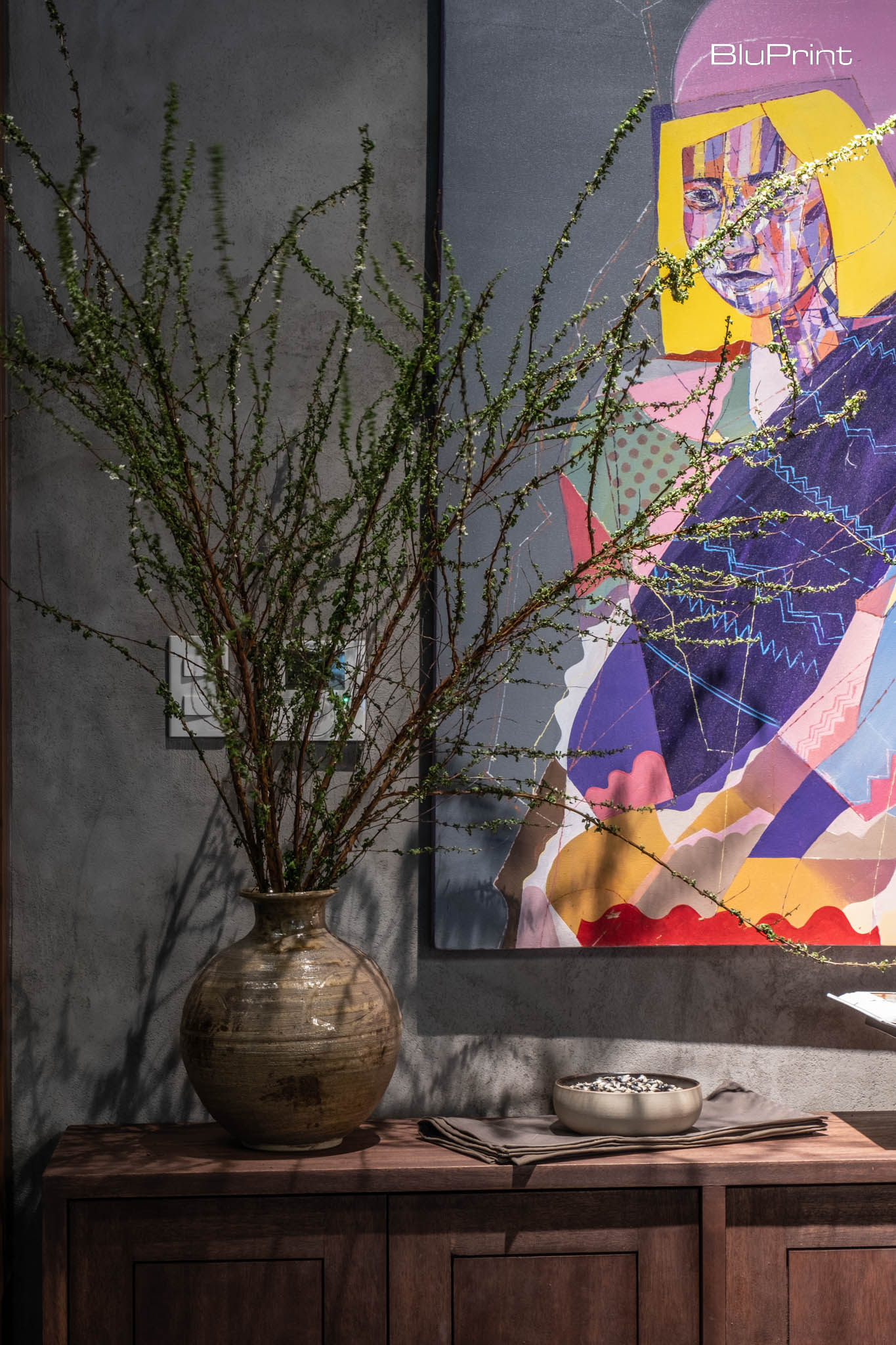
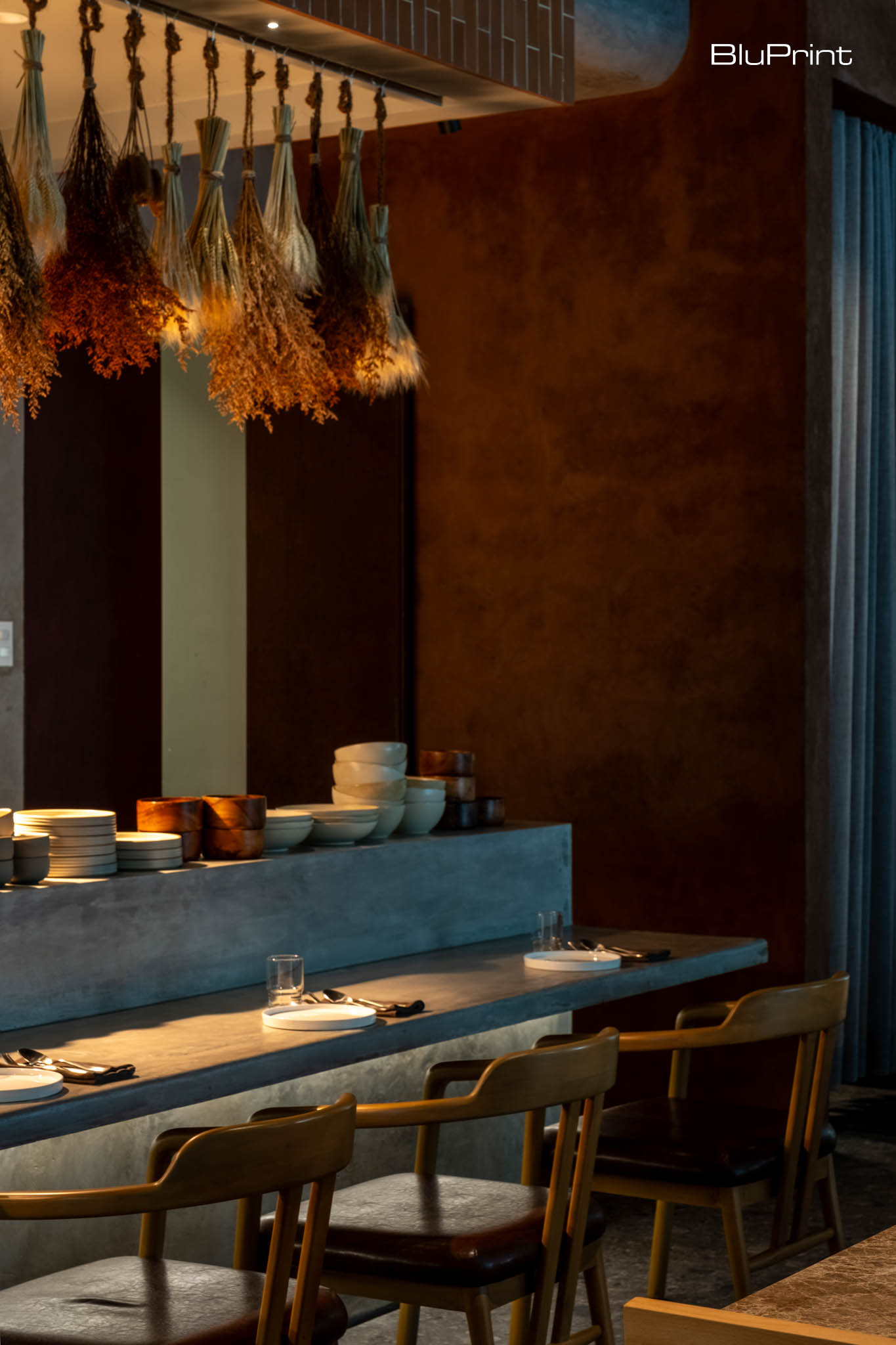
One of the most striking elements of the design is its use of materials. “A lot of it is grounded on being honest,” Ver explained. He prioritized natural finishes throughout the restaurant, from the tables and chairs to the walls. The raw textures and organic finishes offer diners a sense of comfort and warmth—elements that make the space feel both intimate and personal.
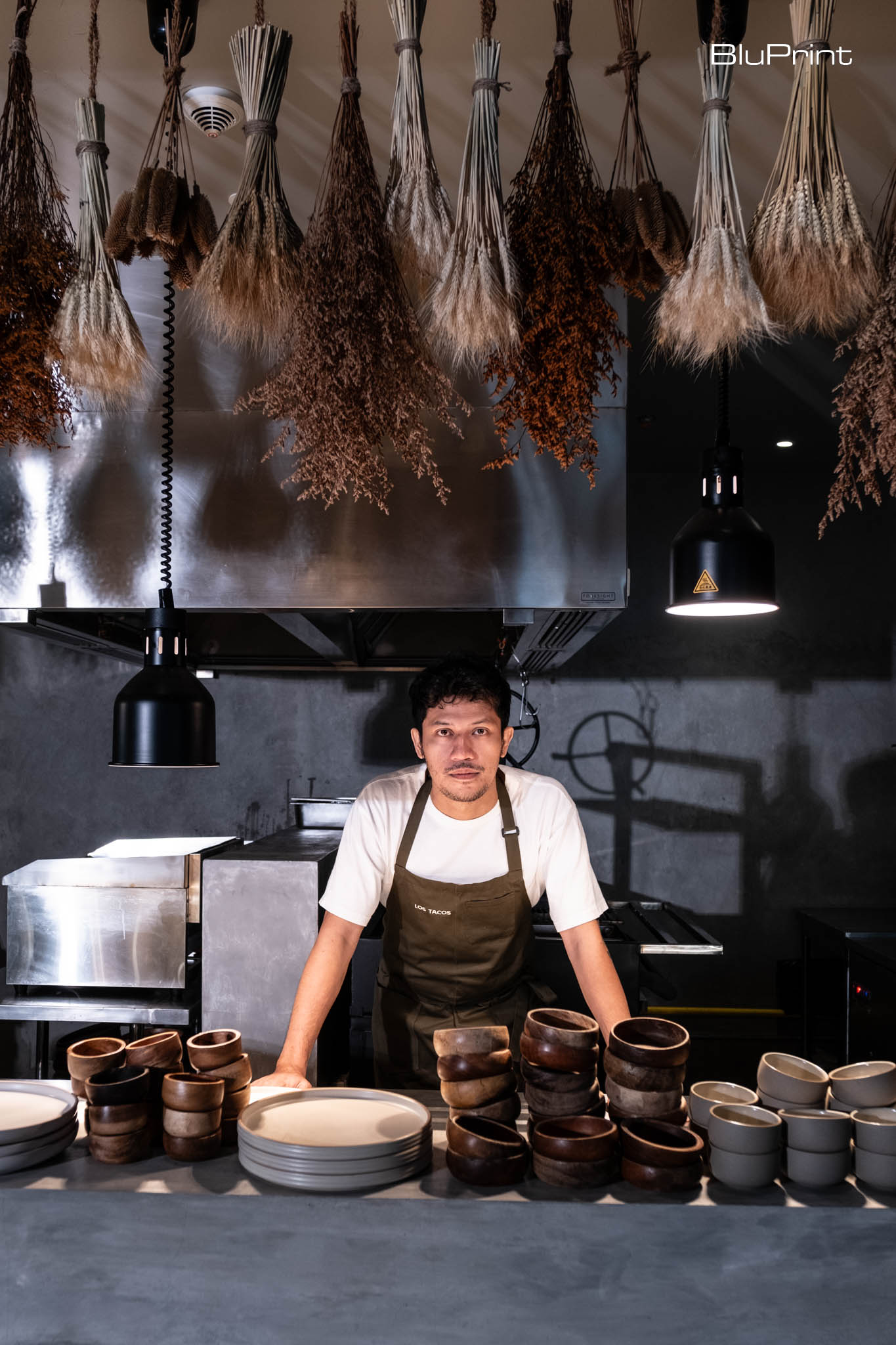
These choices reflect a simplicity that complements the authenticity of the food. Curitana is a huge proponent of the masa forward movement. He is among the aficionados who embrace nixtamalizing heirloom Mexican corn, turning it into masa to create delicious dishes and thriving businesses.
A Continually Evolving Space
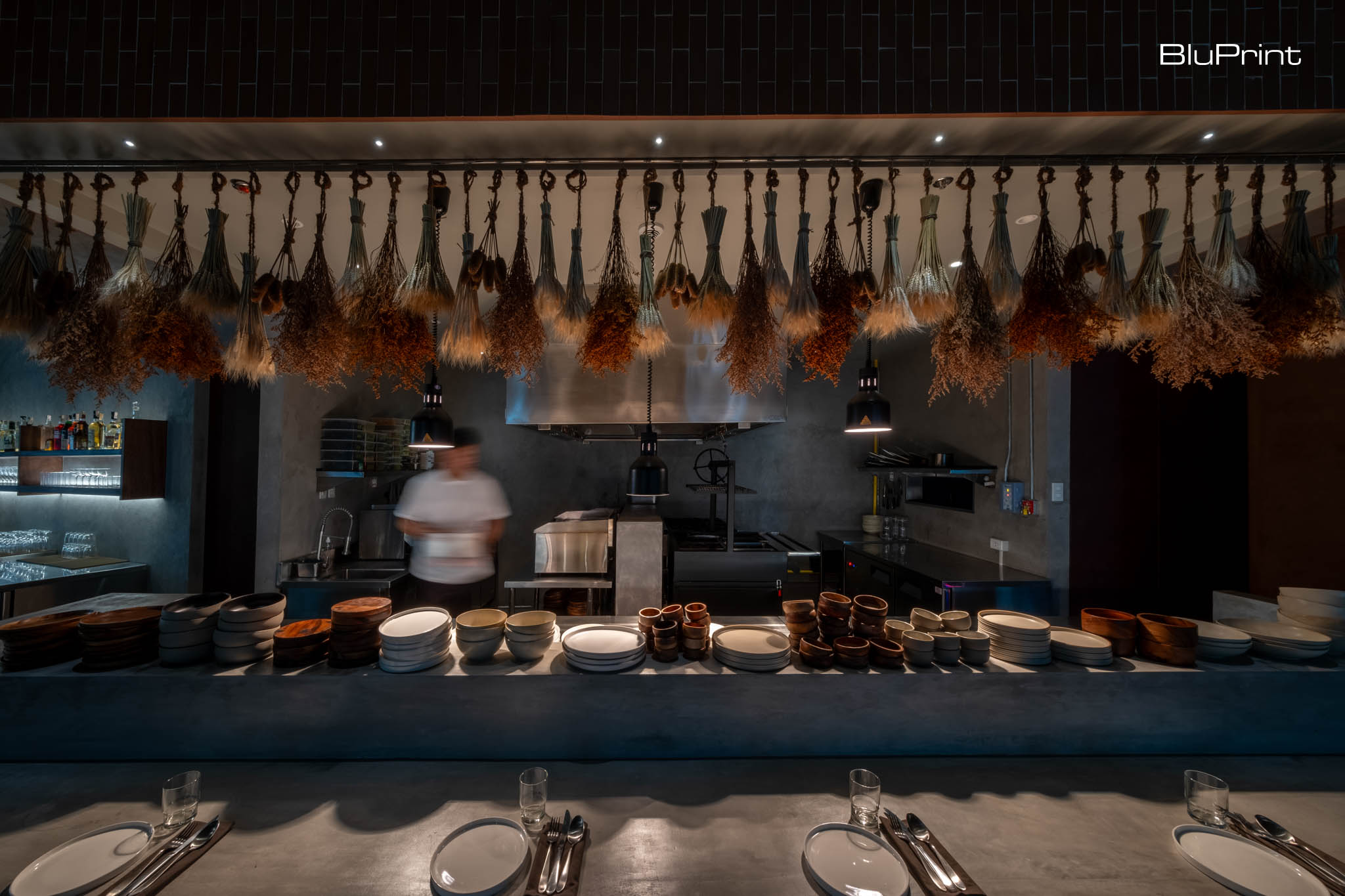
Just as the menu at Los Tacos will evolve, the restaurant’s design is intended to grow with it. “We really wanted to create a continuation of what happened before,” Ver shared. The space is designed with flexibility in mind, allowing it to adapt and evolve alongside the restaurant’s culinary journey. “The space is open to changes,” he emphasized. “It’s supposed to grow, and the menu is going to grow in the future.”
The concept of growth is not just about expanding the menu, but also about maturing the space over time. This is particularly evident in the chef’s table area, which is a central feature of the restaurant. Guests are encouraged to engage with the food and the chef in an intimate, almost theatrical experience. As Ver noted, “The space is really like a stage where you can watch Chef do his thing.”
The dynamic exchange between the chef and diners fosters a sense of connection, making the dining experience more personal and interactive. This interaction reinforces the idea of transparency in both the food and the space.
From Welcoming to Intimate
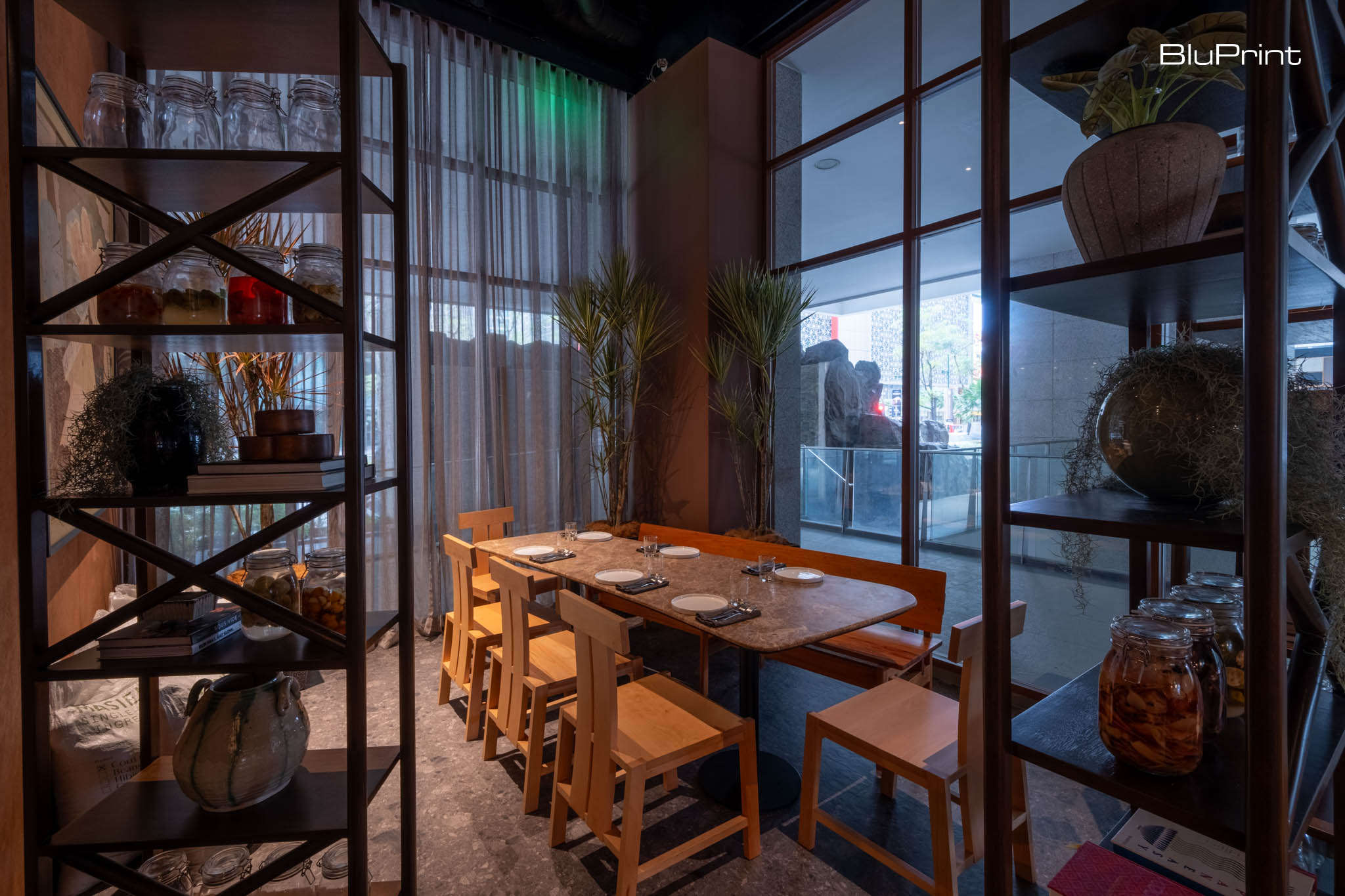
Upon entering Los Tacos, diners are greeted by a spacious and inviting atmosphere. “We really wanted to start off with a very welcoming space right at the beginning,” said Ver. As guests move deeper into the restaurant, the space transitions from open to enclosed, culminating in the private dining area. Here, the space transitions into a more cozy, secluded space for those seeking an even more intimate dining experience.
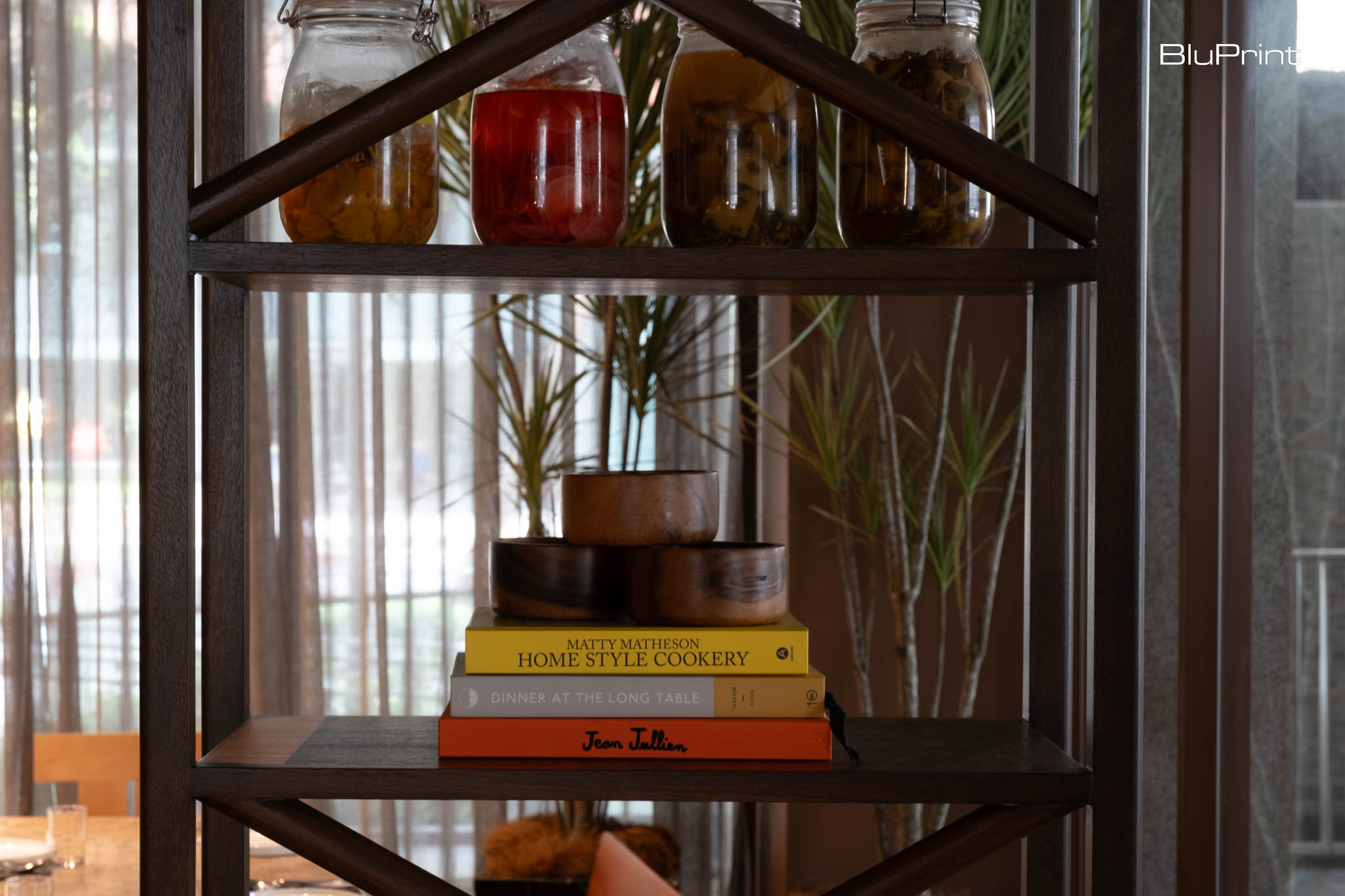
The restaurant is divided into two main sections: the dining area on one side and the kitchen on the other. This design allows diners to not only witness the chef’s process but also feel connected to the team working behind the scenes. “The way we design the floor planFloor PlanA scaled drawing showing a building's layout as seen from above, as if sliced horizontally at roughly waist height. It maps rooms, walls, doors, windows, circulation, and fixed furniture, helpingGo to Floor Plan Glossary is really more to have both the diners look at the chef and also have the chef look out at everyone,” Ver shares, underlining the importance of this reciprocal relationship.
A Nod to Mexican Heritage
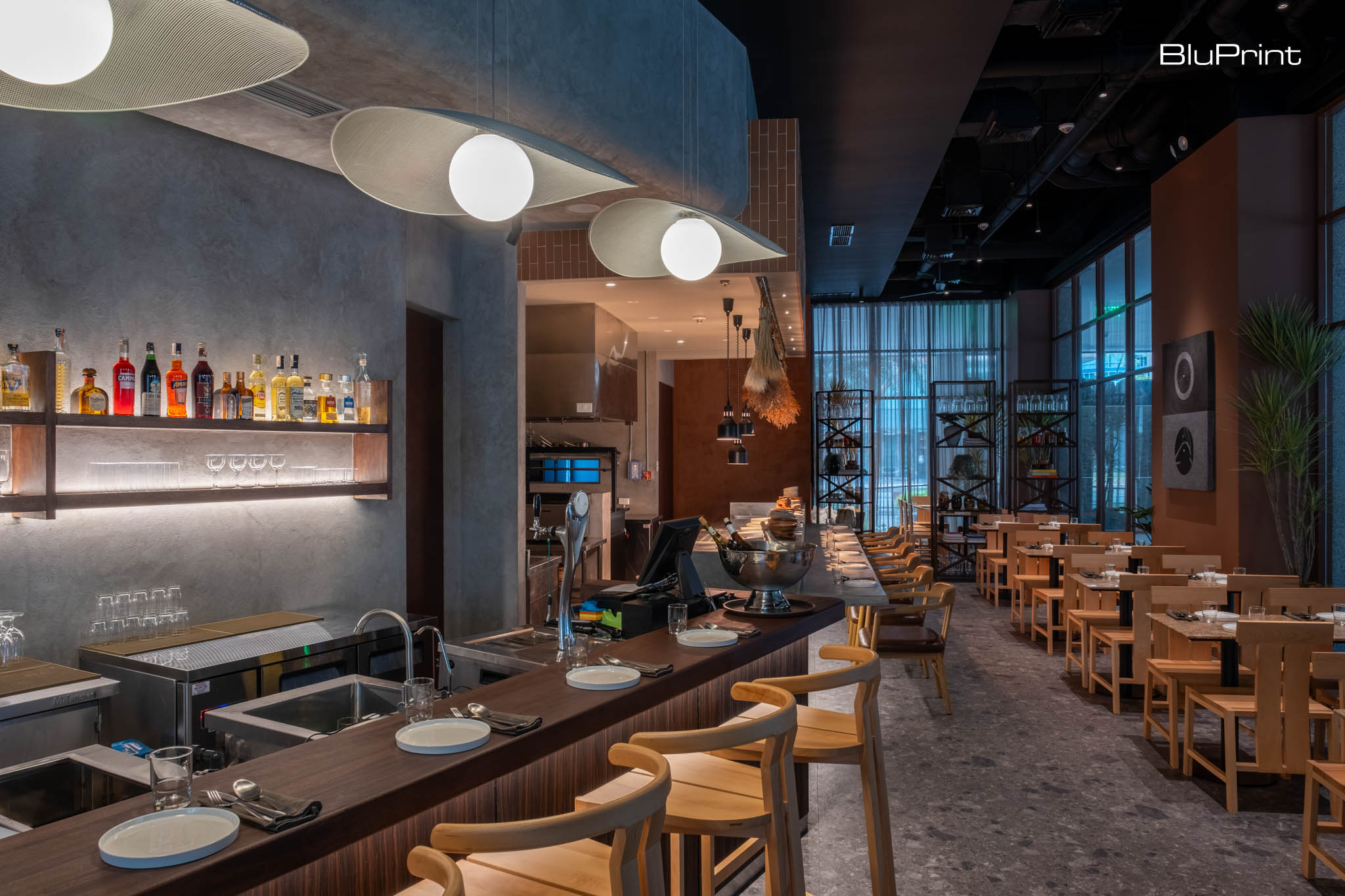
Every detail of Los Tacos was carefully thought out, from the furniture to the finishes.Ver designed the furniture himself in collaboration with Lamana. He took great care in choosing forms and materials that would be both functional and aesthetically pleasing. “I’d like to think the forms for the chairs have a bit of a Mexican hint to the design,” he remarked. However, he gave these elements a contemporary twist, ensuring that they didn’t feel overly literal or out of place in a modern setting.
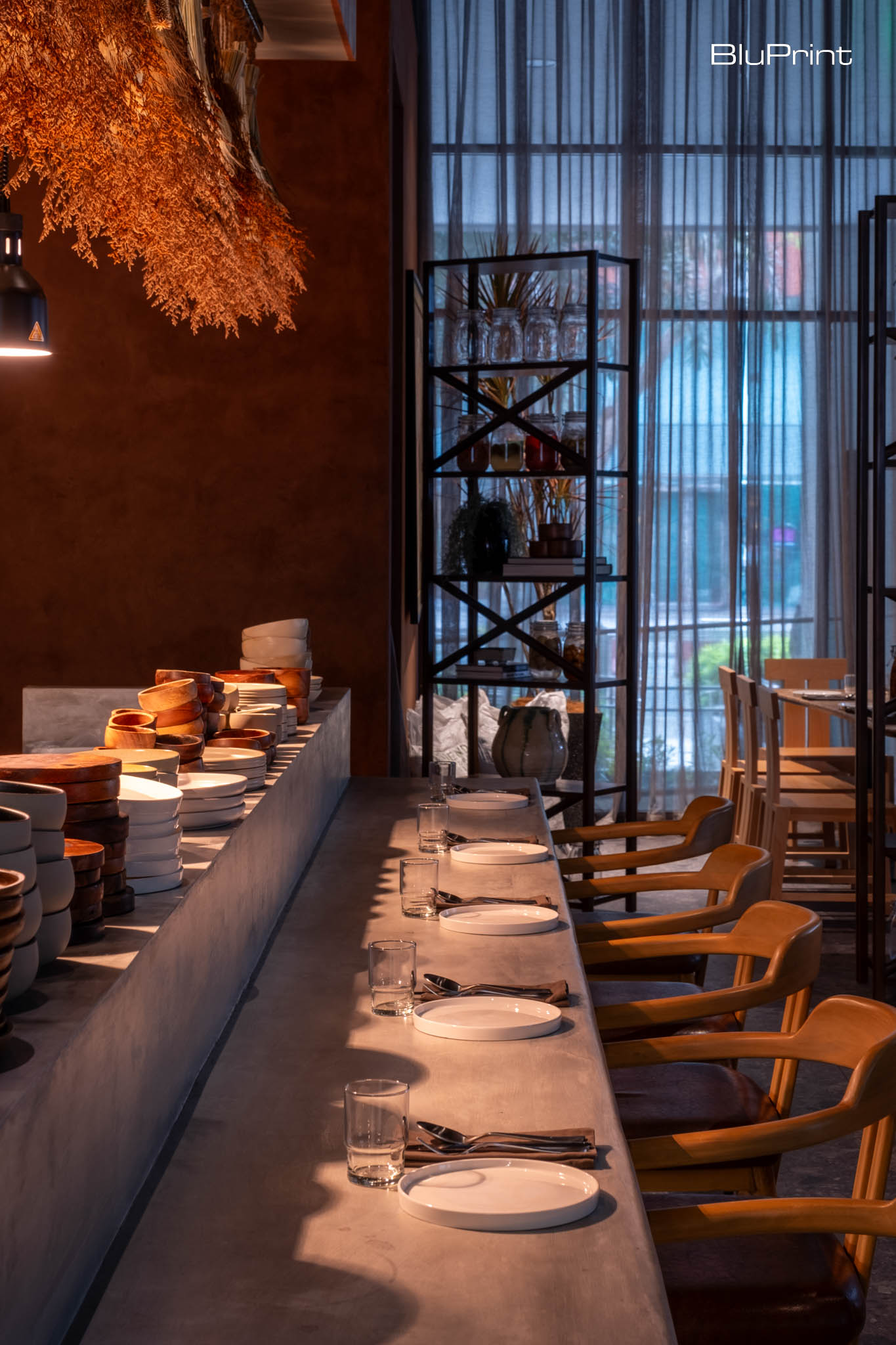
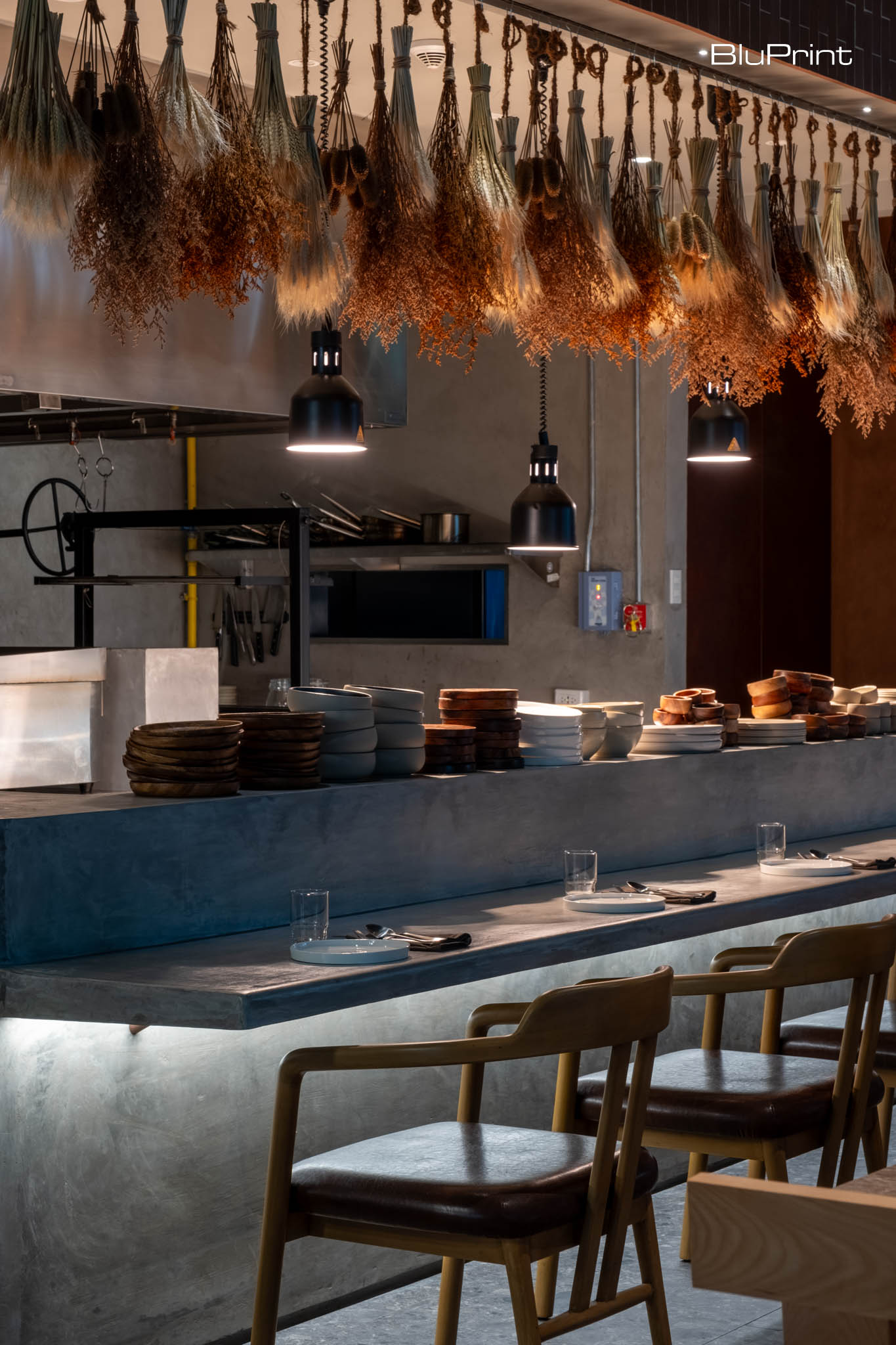
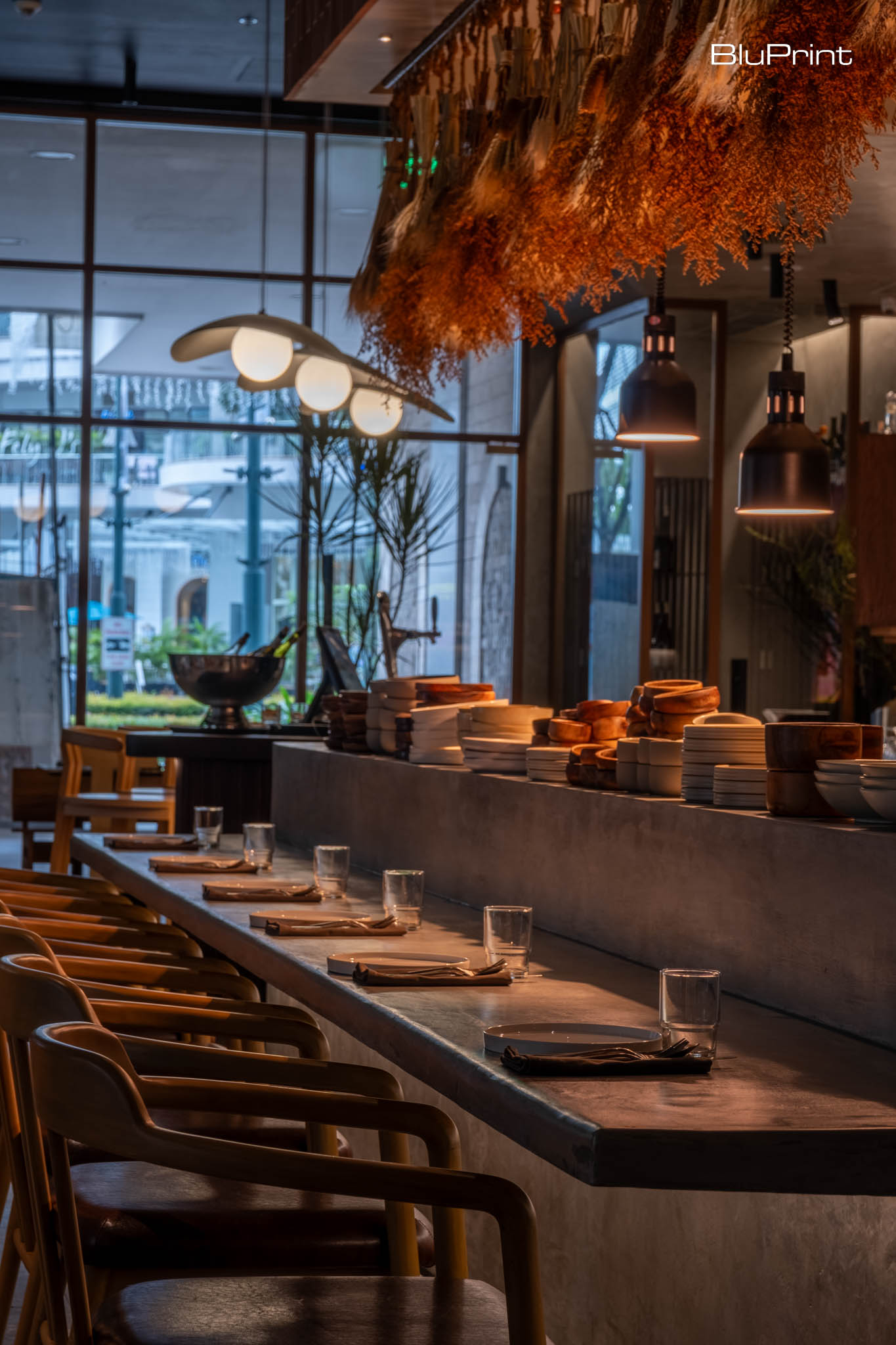
For the chef’s counter, he opted for a concrete finish to maintain simplicity and focus attention on the cooking process. “It’s really more to highlight what’s happening behind the counter,” he explained. The use of Machuca finishes and terracotta tones throughout the space subtly evokes the Mexican roots of the restaurant’s cuisine. It also creates a tactile experience that connects diners to the story behind the food.
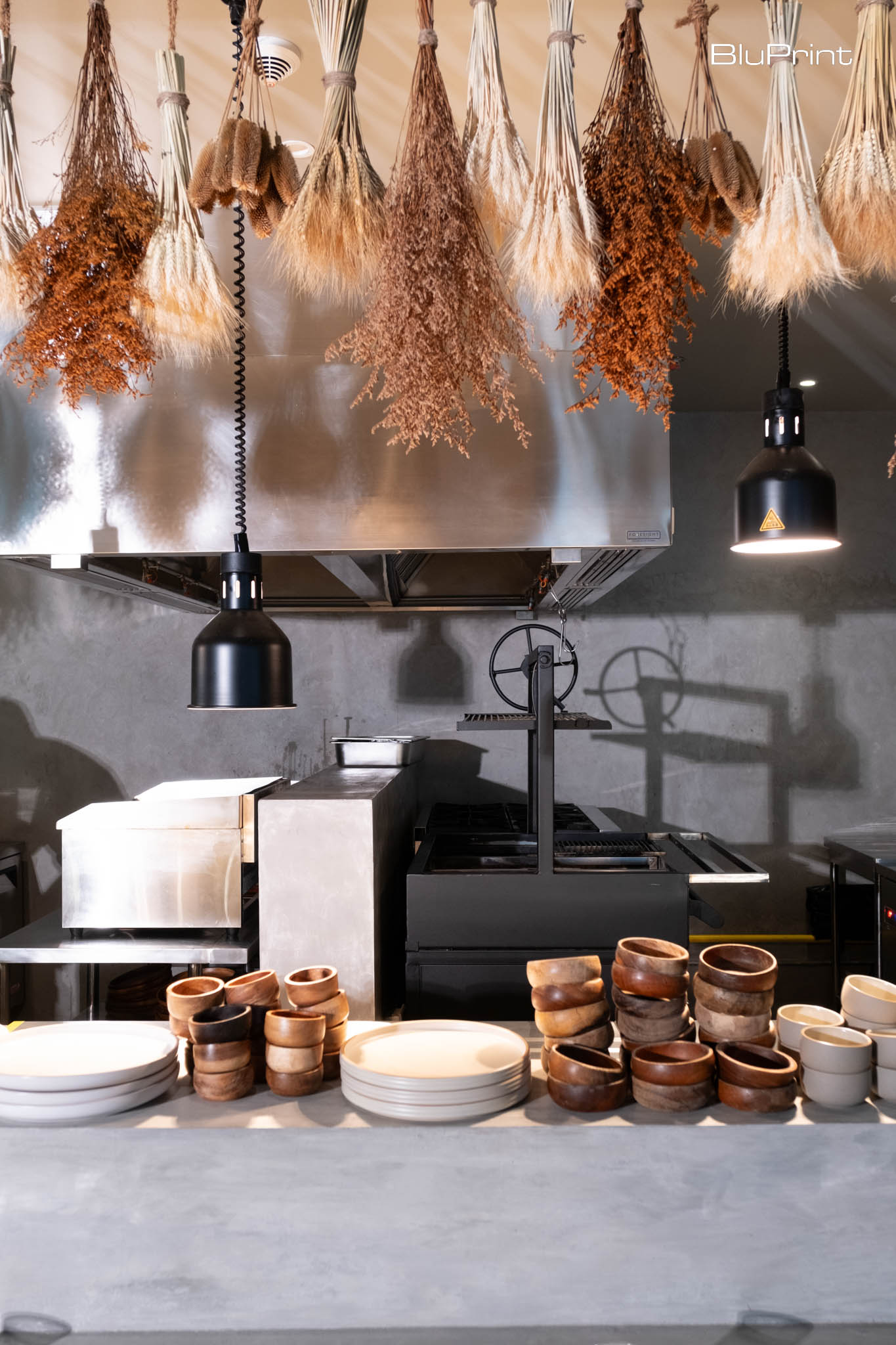
The choice of materials extends beyond the furniture and finishes. “We really wanted to tap into Oaxaca, Mexico, which is the origin of the molinito, which is a very, very important aspect of this restaurant,” Ver noted. The molinito or corn mill, of which Chef Pat is very proud of, is vital for creating masa for its authentic corn tortillas. By incorporating natural, earthy tones and textures, the design honors the heritage of the restaurant’s ingredients and cooking techniques.
Fine Dining, Made Casual
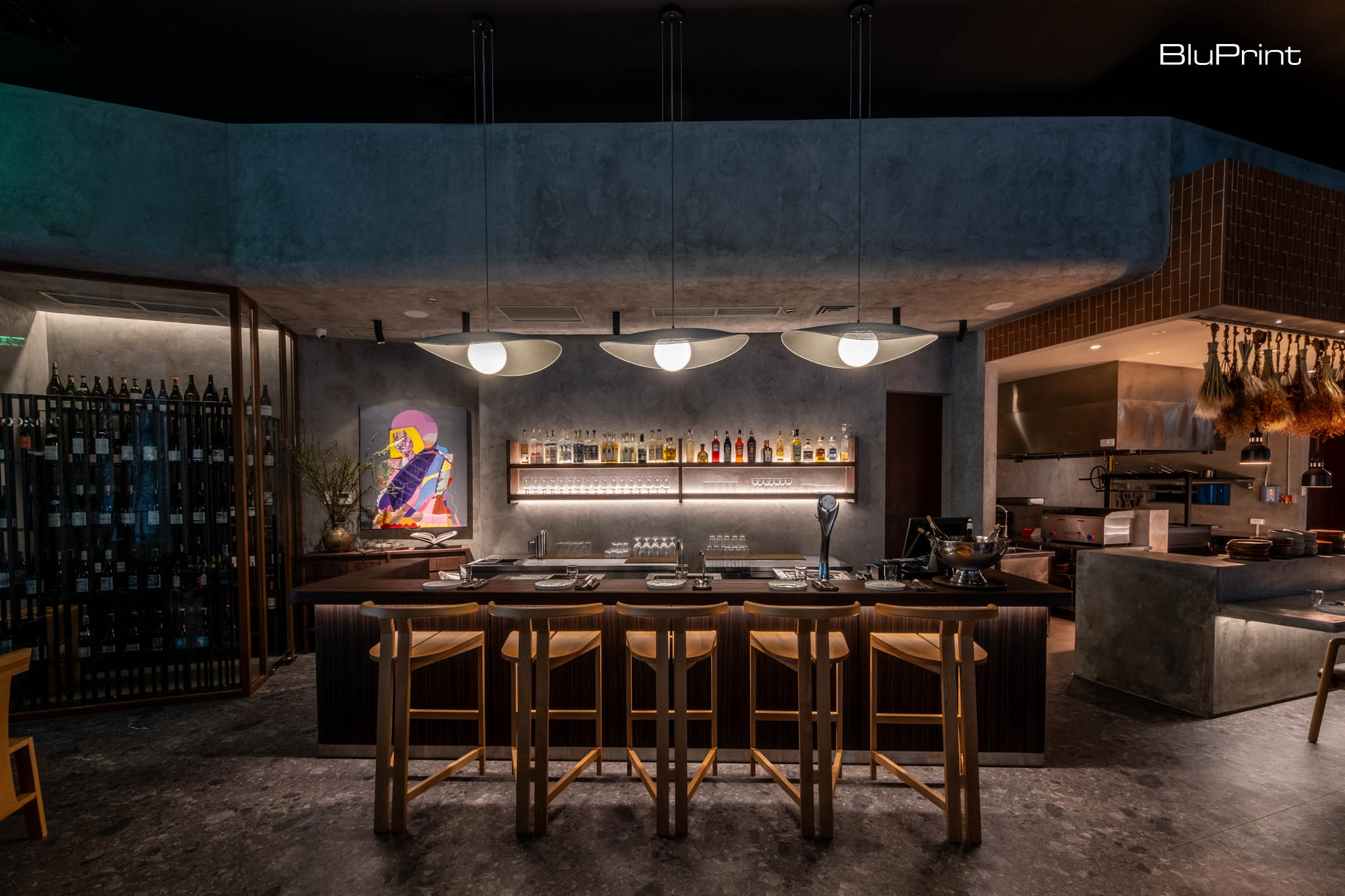
Lighting also plays a key role in setting the mood at Los Tacos, particularly in the evenings. The restaurant is designed to create an intimate, almost magical atmosphere once the sun sets. A fun and quirky detail in the design is the taco-shaped light legs that Chef Pat requested, adding a playful element to the space without compromising its sophistication.
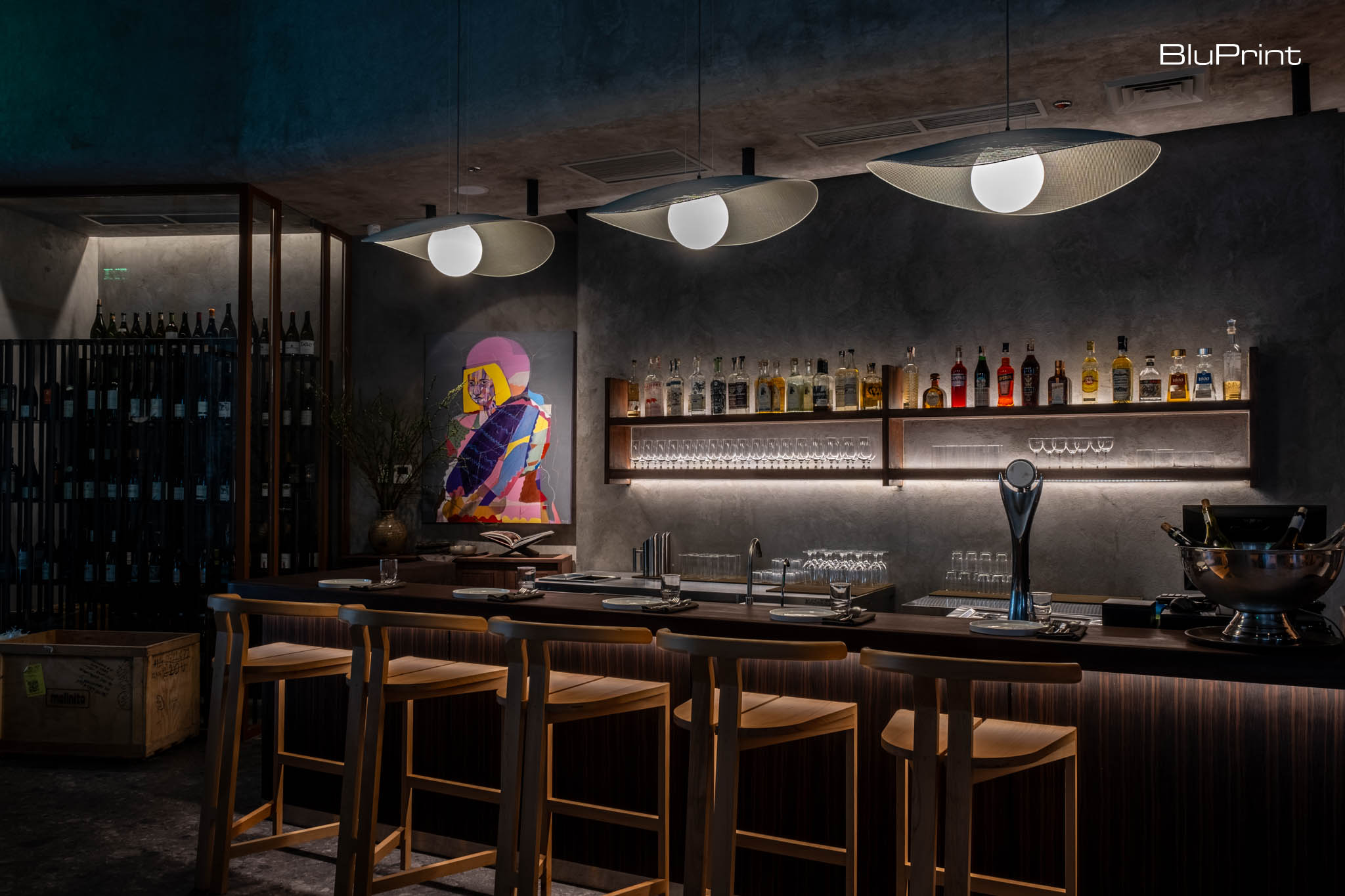
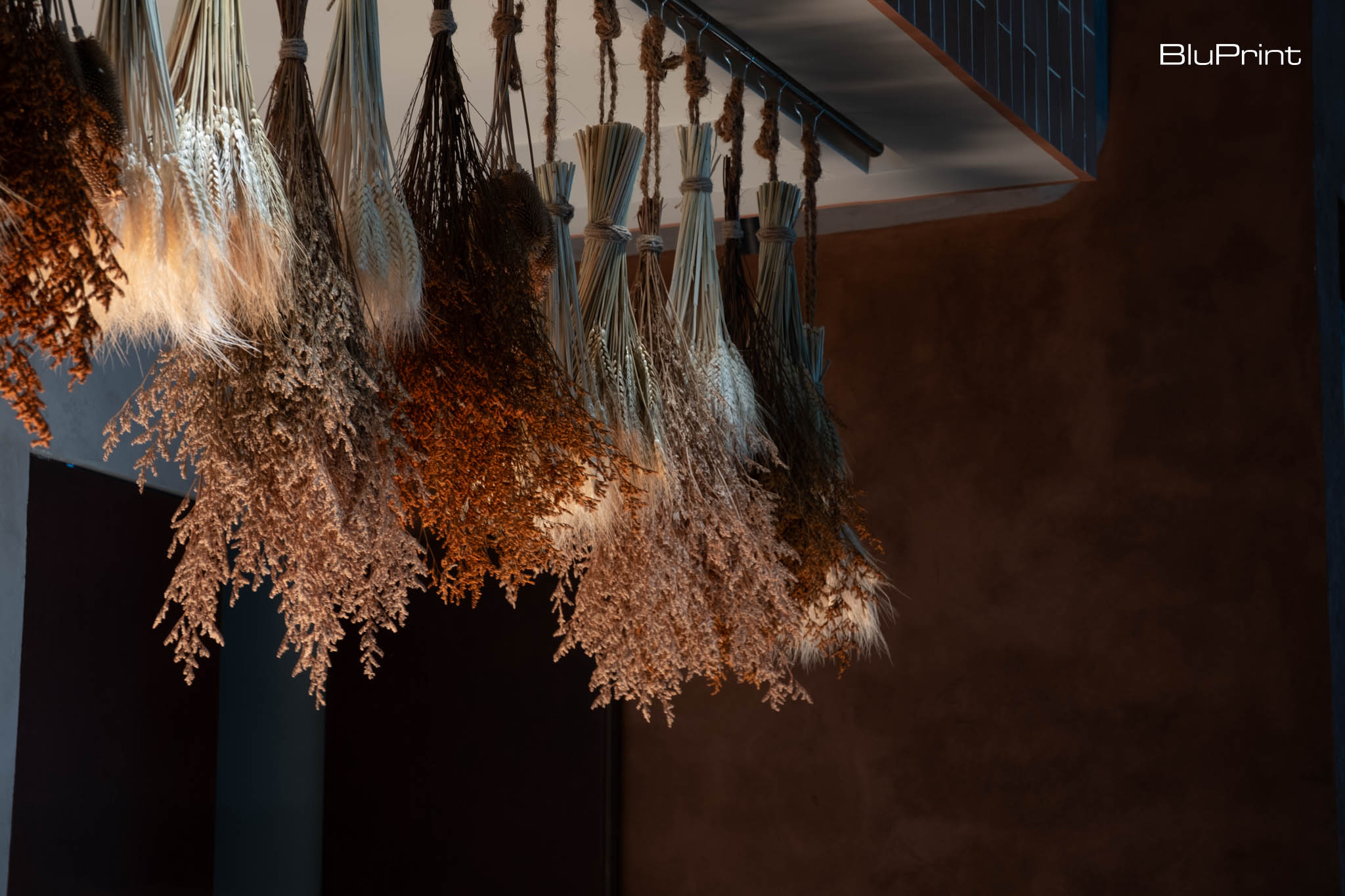
Perhaps the most unique feature of the restaurant is the space above the chef’s table. This area was intentionally designed to be flexible and ever-changing. “Right now we have some dried flowers arranged, but in the future, we might introduce a display,” Ver explained. This space serves as a metaphor for the restaurant itself—constantly evolving and open to new ideas.
At the heart of Los Tacos is a desire to redefine what fine dining means. Chef Pat, who has always been particular about the experience he offers, wanted to create a setting where elevated food could be enjoyed in a relaxed, approachable manner.
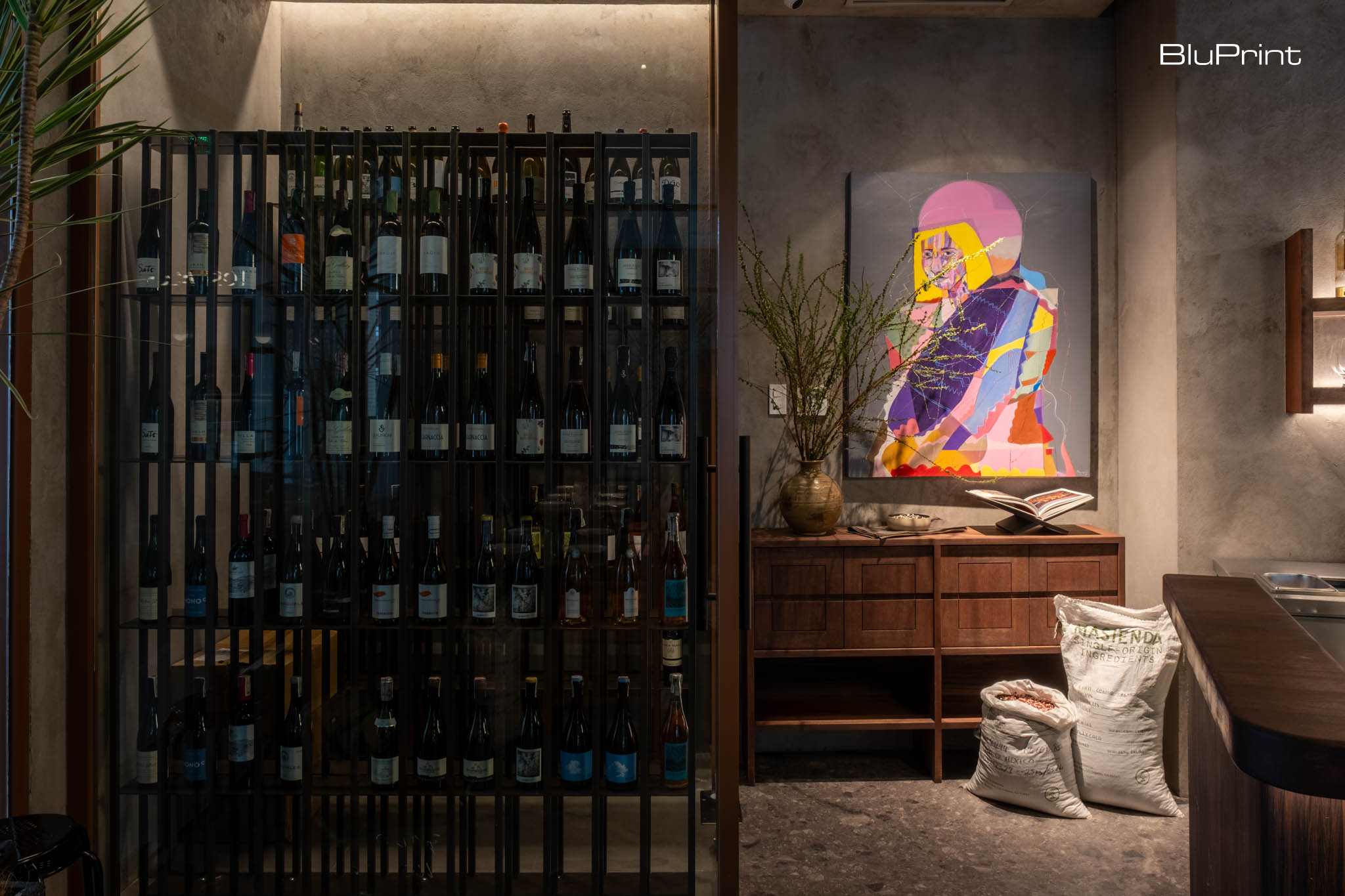
The restaurant’s beverage program mirrors this, which includes a carefully curated wine cellar designed to complement the restaurant’s menu. “We can choose between wine and we also have beer on tap,” Ver explained, emphasizing the casual yet sophisticated nature of the space. The inclusion of beer on tap in a fine dining setting adds a touch of fun and informality to the overall experience.
The Story Continues…
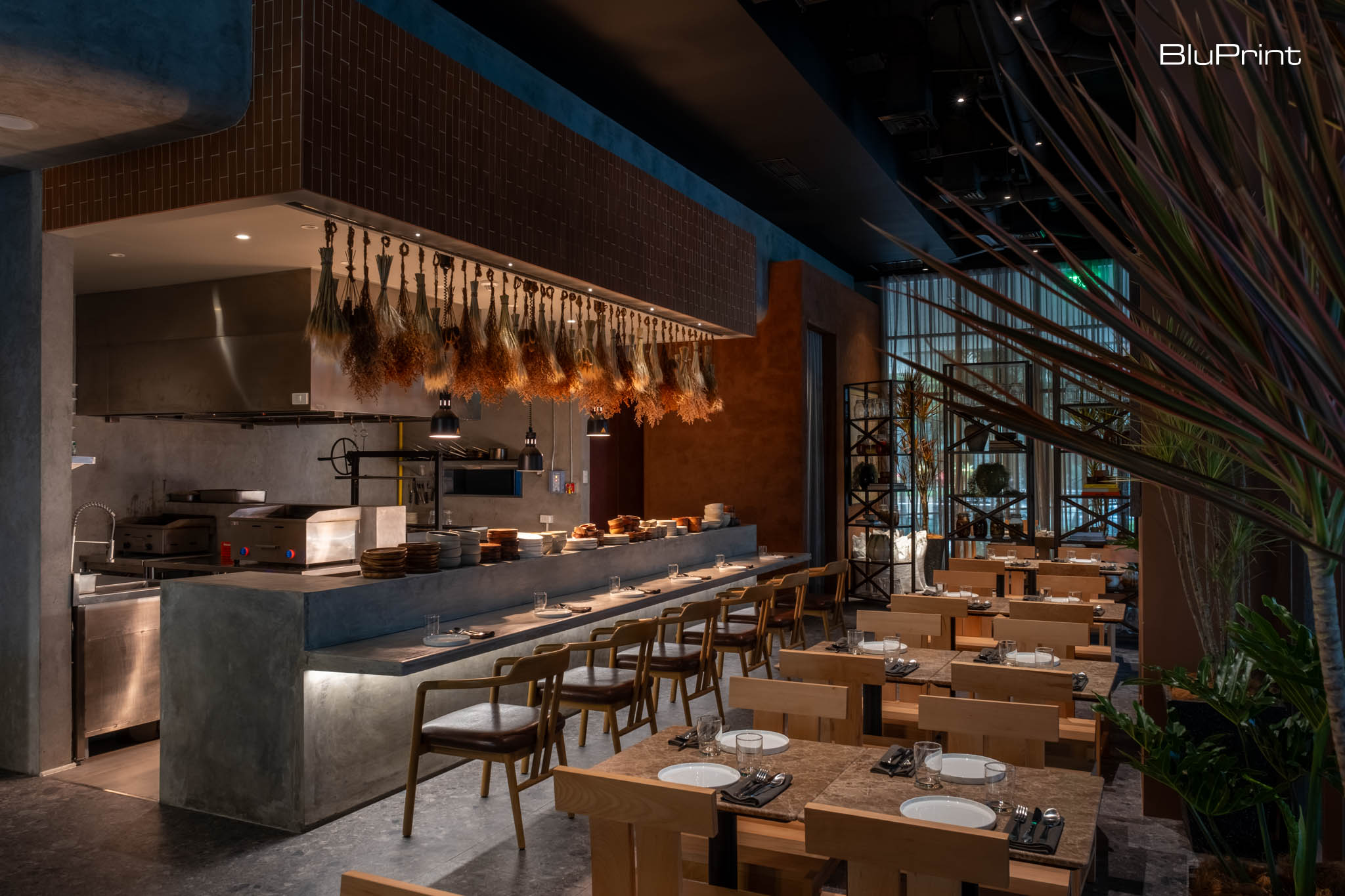
Los Tacos is a restaurant that invites diners to experience not just great food, but a space that reflects the passion, growth, and authenticity of its chef. Through thoughtful design, attention to detail, and a deep connection to the origins of its cuisine, Los Tacos offers a dining experience that is as much about the journey as it is about the destination. Whether you’re seated at the chef’s table, enjoying a private meal, or simply watching the magic unfold from your seat, Los Tacos is a place where food, design, and personality come together to create something truly special.
Photography by Ed Simon.
Styled by Jegs Santos.
Read more: Architecture of Dining: The Best Restaurant Interior Design of 2024
Frequently Asked Questions
The design is guided by the principles of honesty and growth, aiming to reflect Chef Patrick Curitana’s culinary journey from a home-based business to a professional 138-square-meter space. Architect Brian Ver used natural finishes and raw textures to create a “masa-forward” environment that feels intimate, personal, and grounded in the authenticity of Mexican cuisine.
The floor plan is split between a central kitchen and a 52-seat dining area, designed specifically so diners and the culinary team can maintain a reciprocal line of sight. The chef’s table acts as a theatrical stage, fostering a deep sense of connection and transparency as guests watch the nixtamalization and cooking processes unfold.
The design subtly evokes Oaxacan heritage through terracotta tones, Machuca tiles, and natural, earthy textures that honor the origins of the corn mill, or molinito. Custom furniture designed in collaboration with Lamana features contemporary Mexican silhouettes, while playful taco-shaped light legs add a touch of personality requested by the chef.
The space is engineered to move from a bright, welcoming entrance to a more enclosed and secluded private dining area for intimate gatherings. Lighting plays a crucial role in this transition, shifting the mood from a casual daytime spot to a sophisticated, “magical” evening setting that bridges the gap between fine dining and approachability.
Architect Brian Ver created a flexible environment that allows the physical space to mature alongside the restaurant’s changing menu. This is best exemplified by the area above the chef’s table, which currently features dried flowers but is designed to host various artistic displays or installations in the future to reflect the restaurant’s growth.
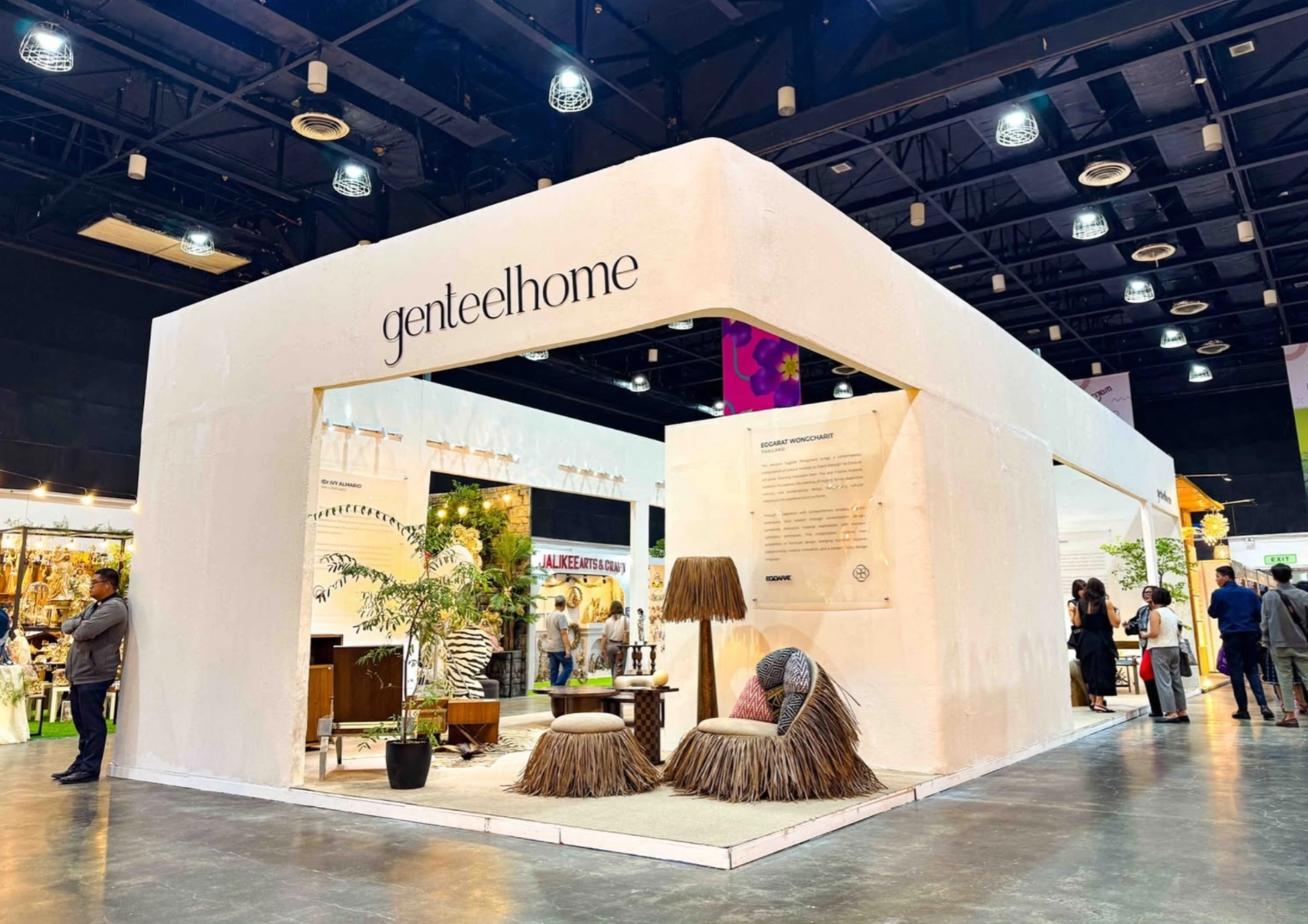
Bigkis is the act of binding. In Tagalog, the word can refer to something used to bind or encircle, as well as a bundle formed by tying several separate elements together. Figuratively, it can also mean a bond, union, or unity. The meanings move from the physical act of joining things together to the connection […]
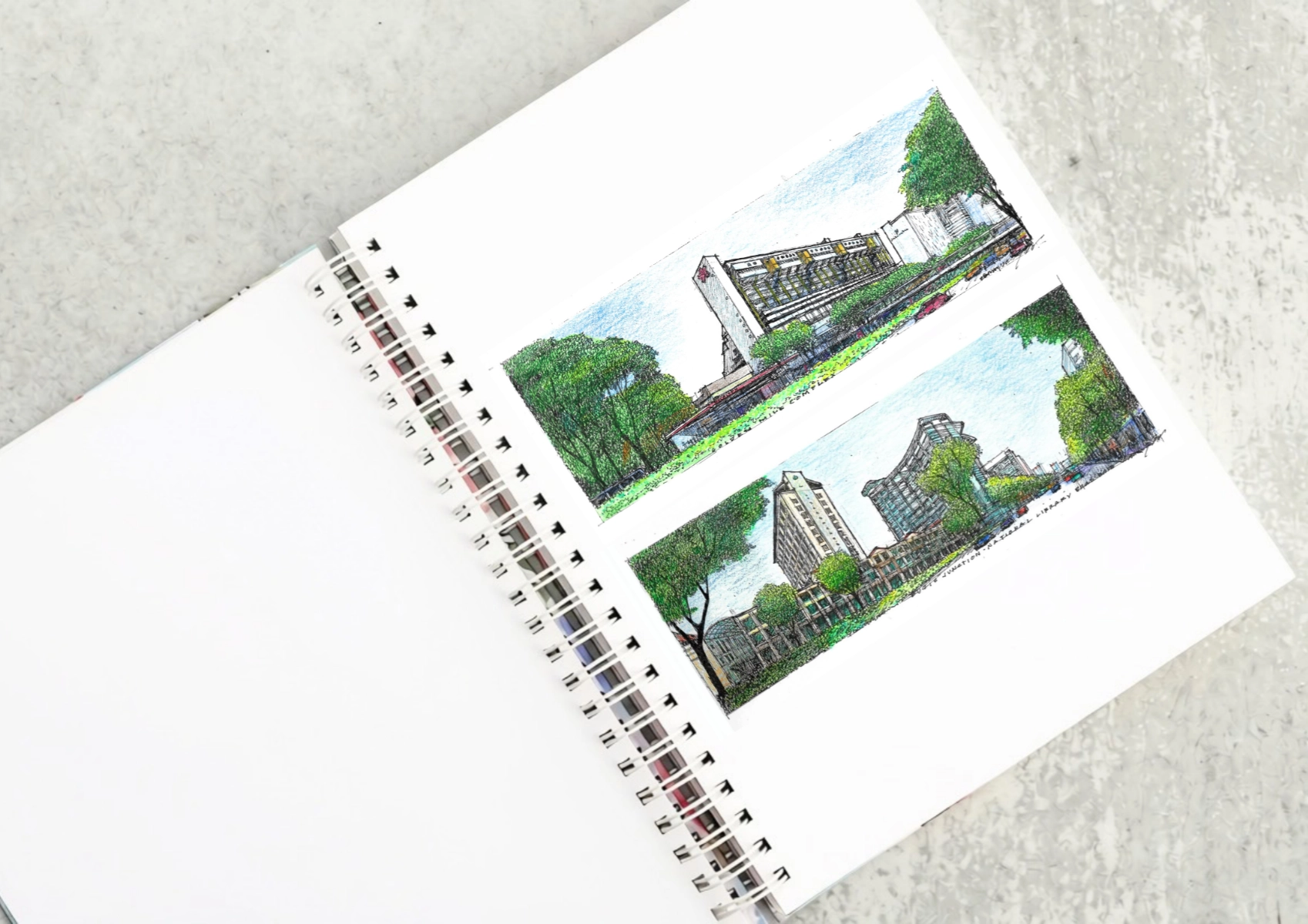
Two sketches of Singapore connect BluPrint Editor in Chief Paulo G. Alcazaren’s personal and professional history with Shared Ground: ArchitectureArchitectureThe art and science of designing and constructing buildings, structures, and spaces that are functional, safe, and aesthetically pleasing. It encompasses the planning, design, materials, and techniques used to createGo to Architecture Glossary of Care, Culture, […]
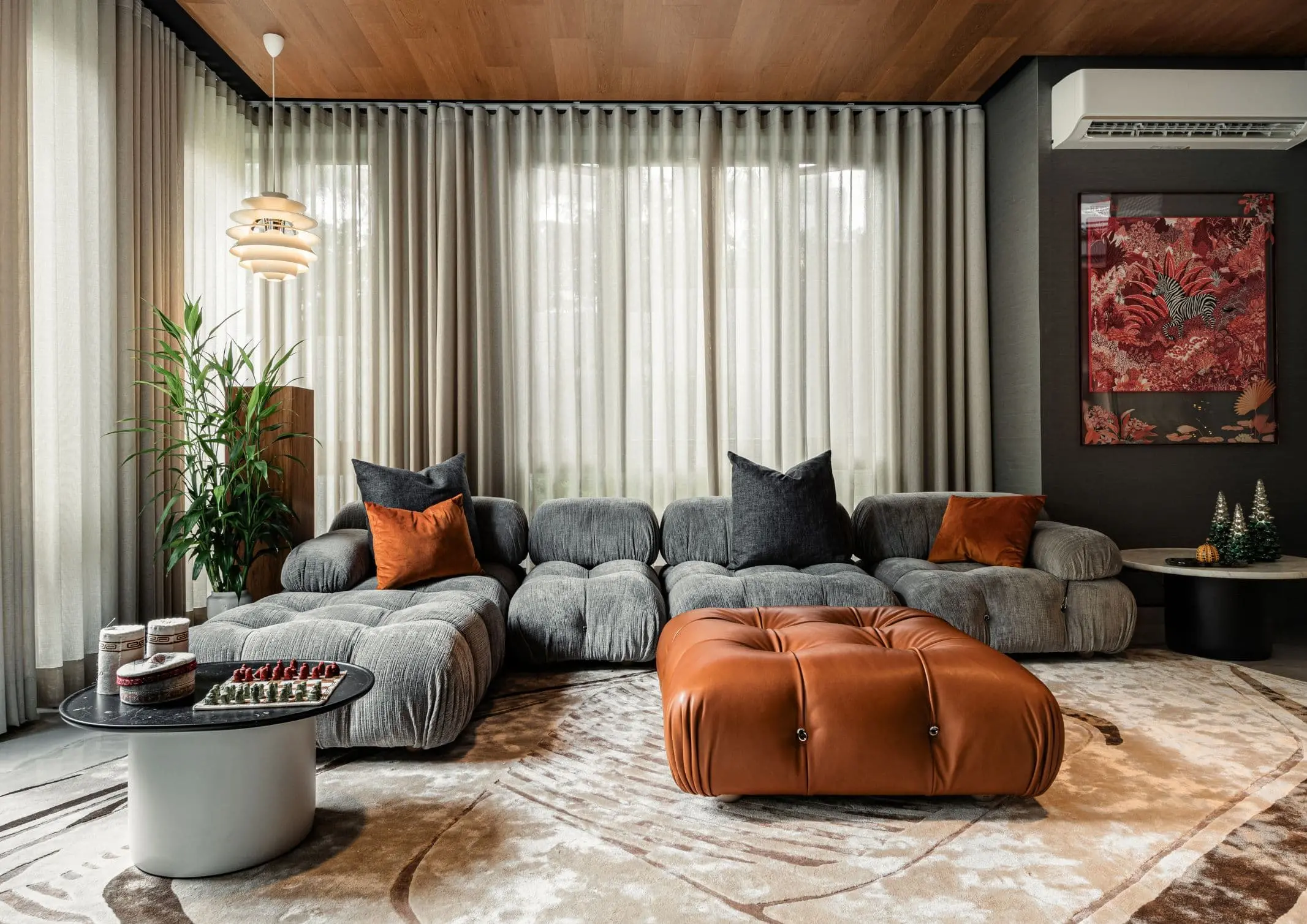
Some have become household names – Coleman, Oster, and KitchenAid – products that have found their way into Filipino kitchens, homes and family routines. In home furnishings, brands such as B&B Italia, Ethan Allen, Sub-Zero, Miele, SieMatic, Louis Poulsen, Hunter Douglas, Tempur, and Technogym, have helped shape the way Filipinos live. From everyday essentials to […]

In a way, designers are the modern-day soothsayers and prophets. They design for the future, predicting how a room, a house, a building or a whole city will be used by people. They foresee how users will interact with a space, conjure exact shades of colors to elicit specific behavior and arrange furniture to build […]
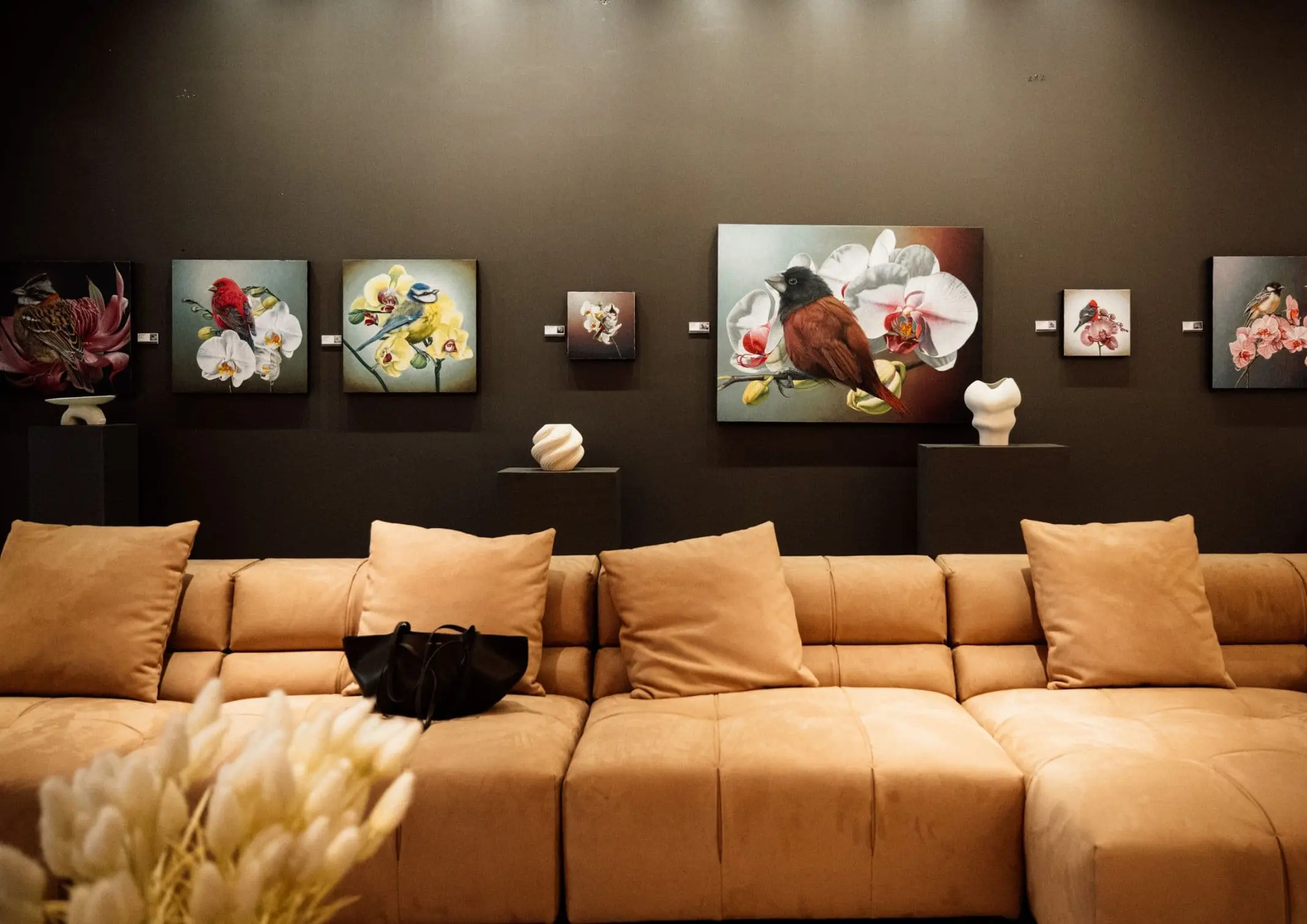
Art and furniture are often selected separately, yet their relationship can shape how a room looks and feels. The collaboration between Hooga and Galerie Joaquin explores how these elements can work together, bringing contemporary artworks into furnished residential settings at Hooga’s showroom in Uptown Mall, Bonifacio Global City. For Hooga, which curates furniture, lighting, and […]
Read the issues.

Collect the volumes.

Recommended Video
Tap to Unmute
Unmute
0:00
0:00