Art Deco: Modernity and Design at the National Museum



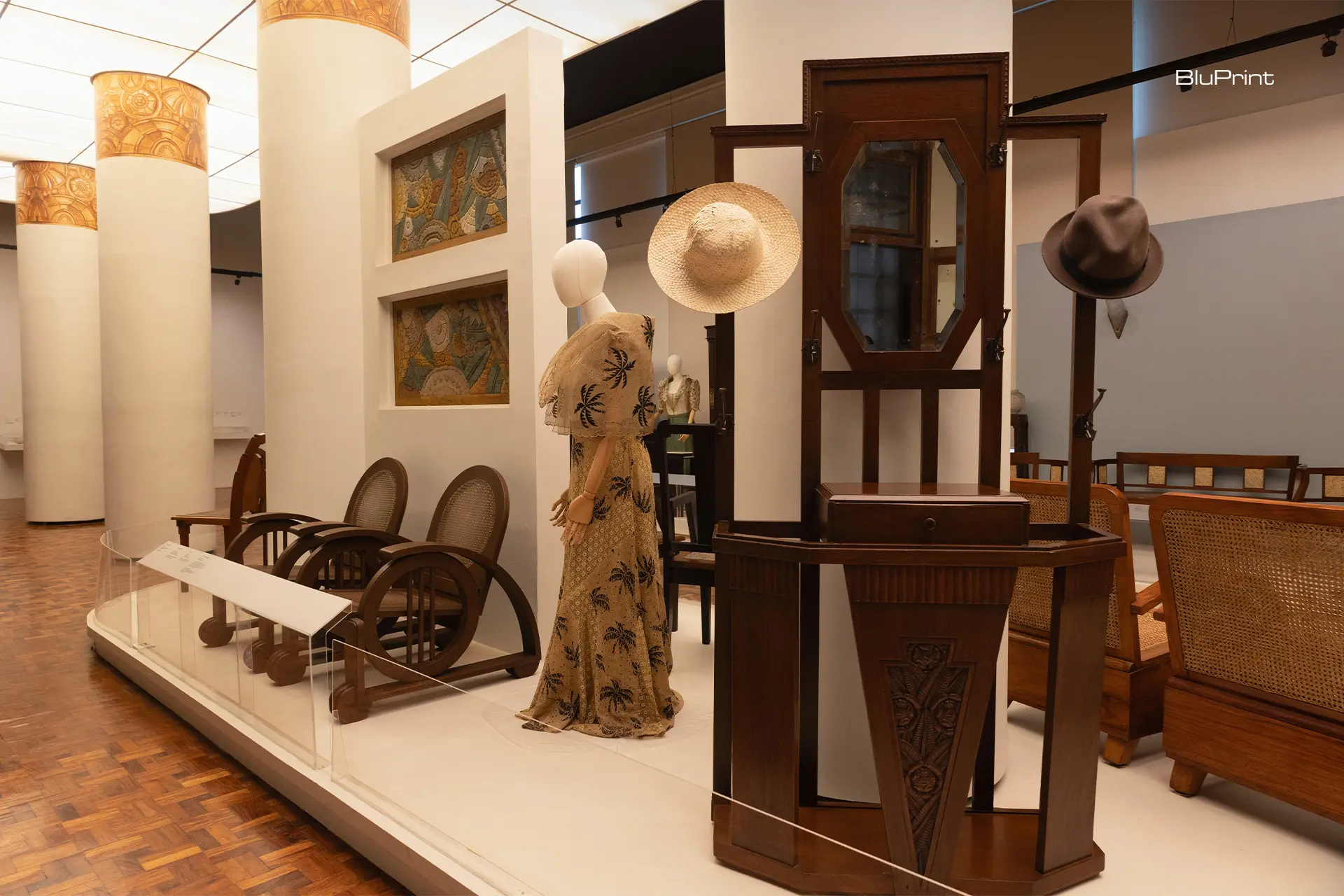
Running from November 27, 2025, to May 31, 2026, the exhibition traces how Art DecoArt DecoA decorative design style popular in the 1920s and 1930s, known for bold geometry, stepped forms, stylized ornament, and rich materials. Manila holds notable examples, including the Metropolitan Theater andGo to Art Deco Glossary moved from global design movement to localized expression through Philippine architecture, furnishings, fashion, and everyday life.
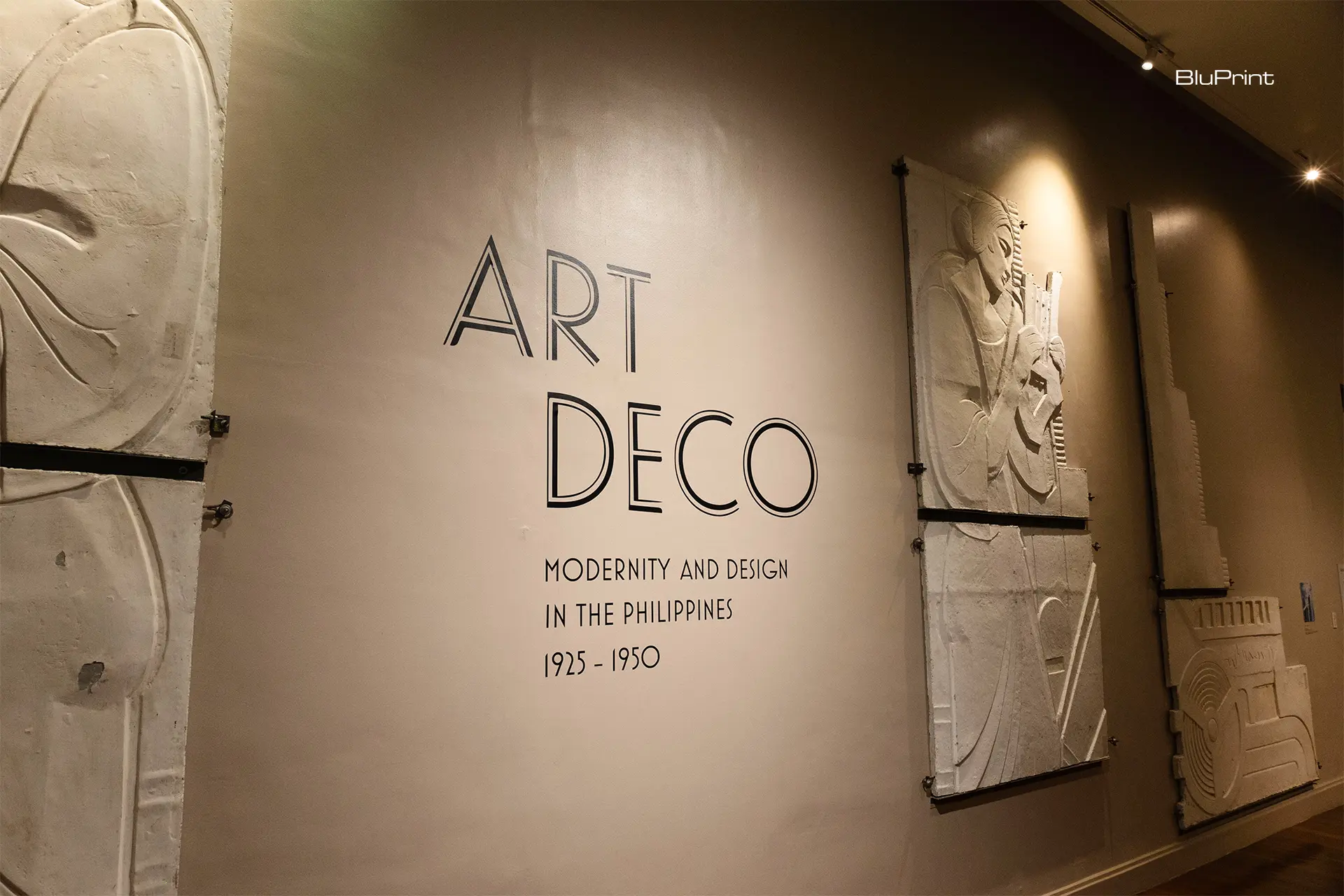
The National Museum of Fine Arts’ Art Deco: Modernity and Design in the Philippines 1925-1950 explored the history of the Art DecoArt DecoA decorative design style popular in the 1920s and 1930s, known for bold geometry, stepped forms, stylized ornament, and rich materials. Manila holds notable examples, including the Metropolitan Theater andGo to Art Deco Glossary style in the Philippines since its inception in Paris. In an interview with BluPrint, Museum Curator of the Architectural, Arts, and Built Heritage Division, Arnulfo F. Dado, states: “The importance of Art Deco lies in how it represents a turning point in our history. Because architecture represents this important design movement, it is part of our history.”
Related Reading: 5 Iconic Art Deco Buildings of Retro Manila
Tracing the Arrival of Art Deco in the Philippines
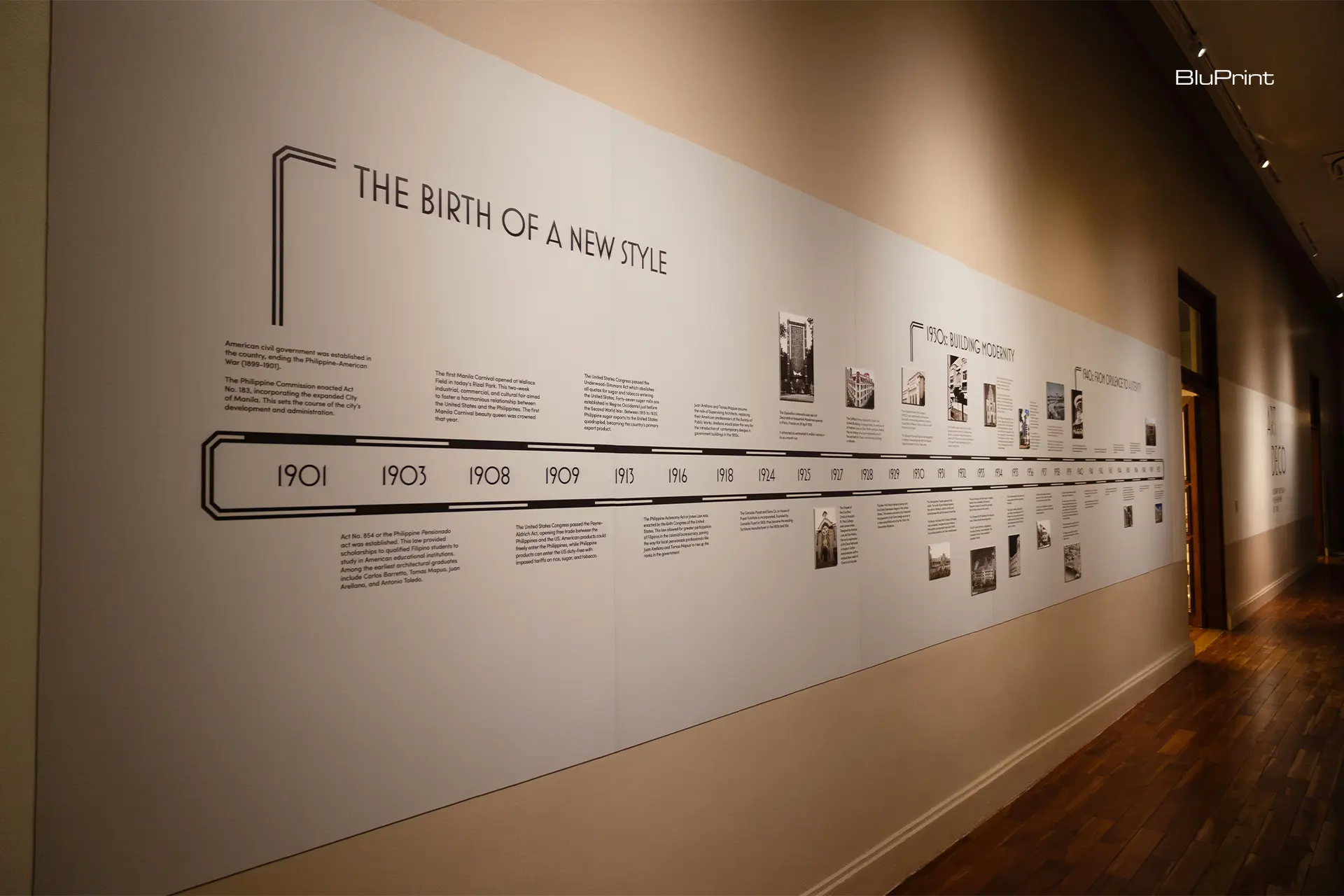
Consisting of two galleries, the exhibition tells a narrative of how Art Deco entered the Philippines and subsequently impacted the built environment. The Exposition Internationale des Arts Décoratifs et Industriels Modernes of 1925 triggered the global formalization of Art Deco. Embraced by the Philippines, the style was adapted to suit Filipino culture.
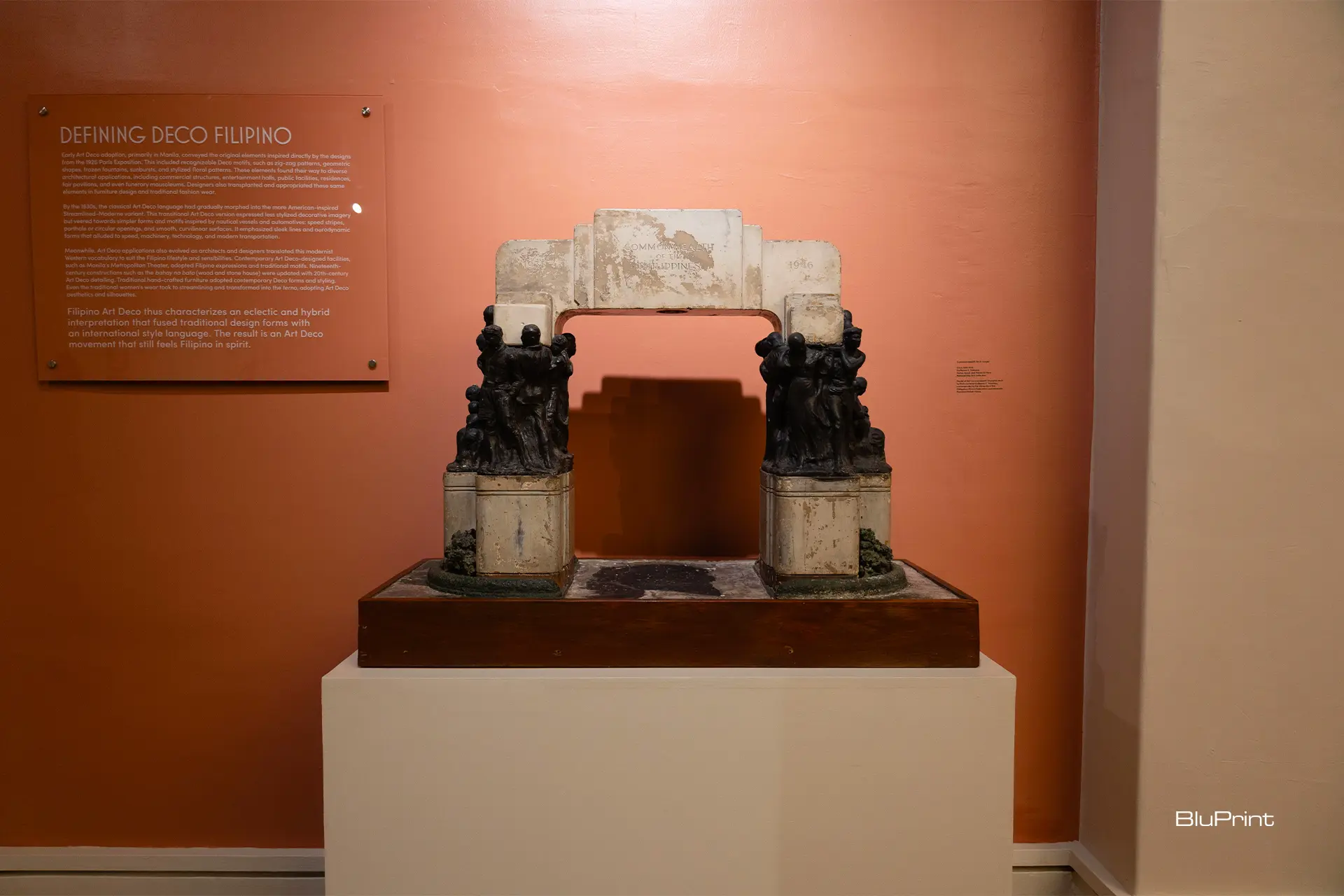
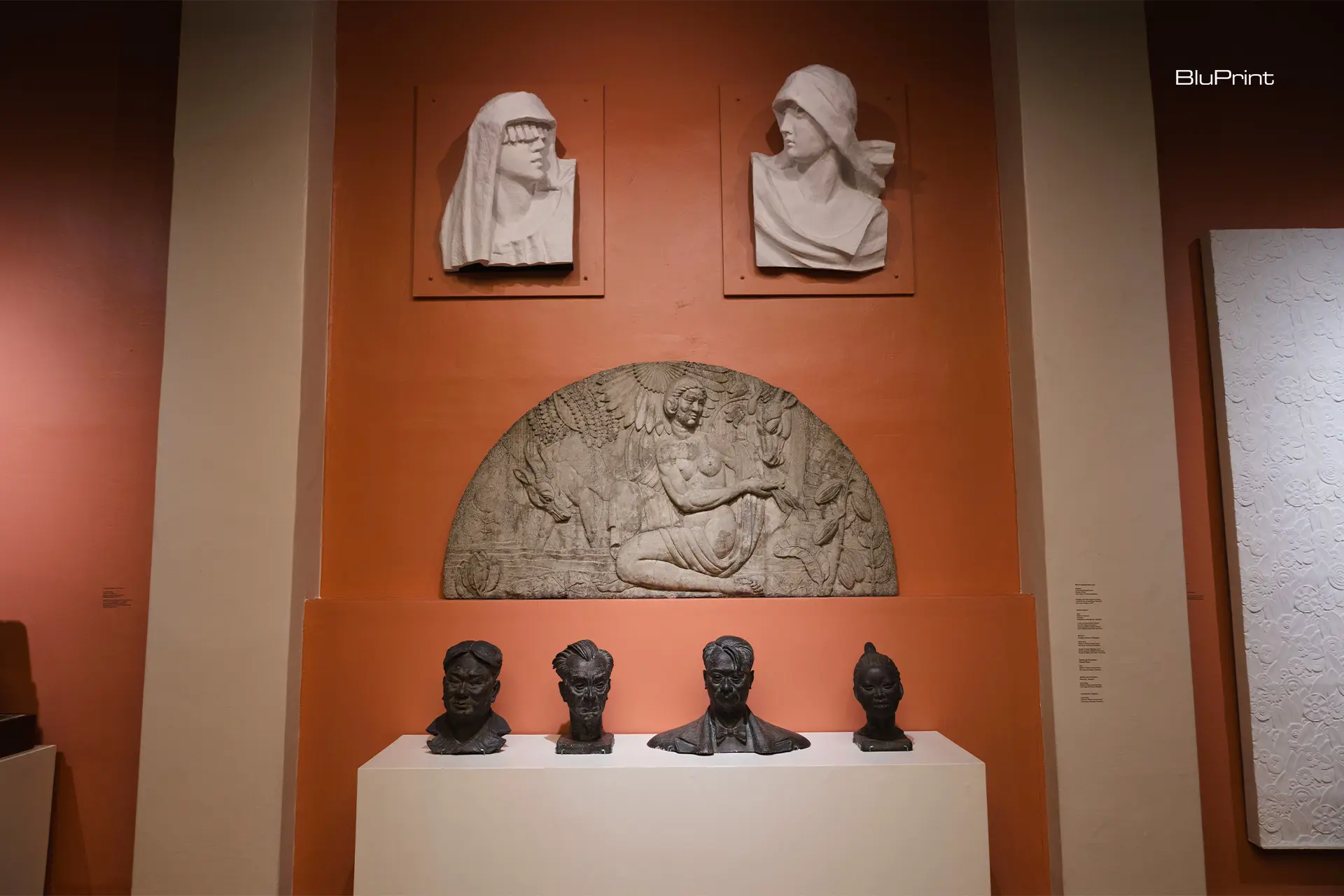
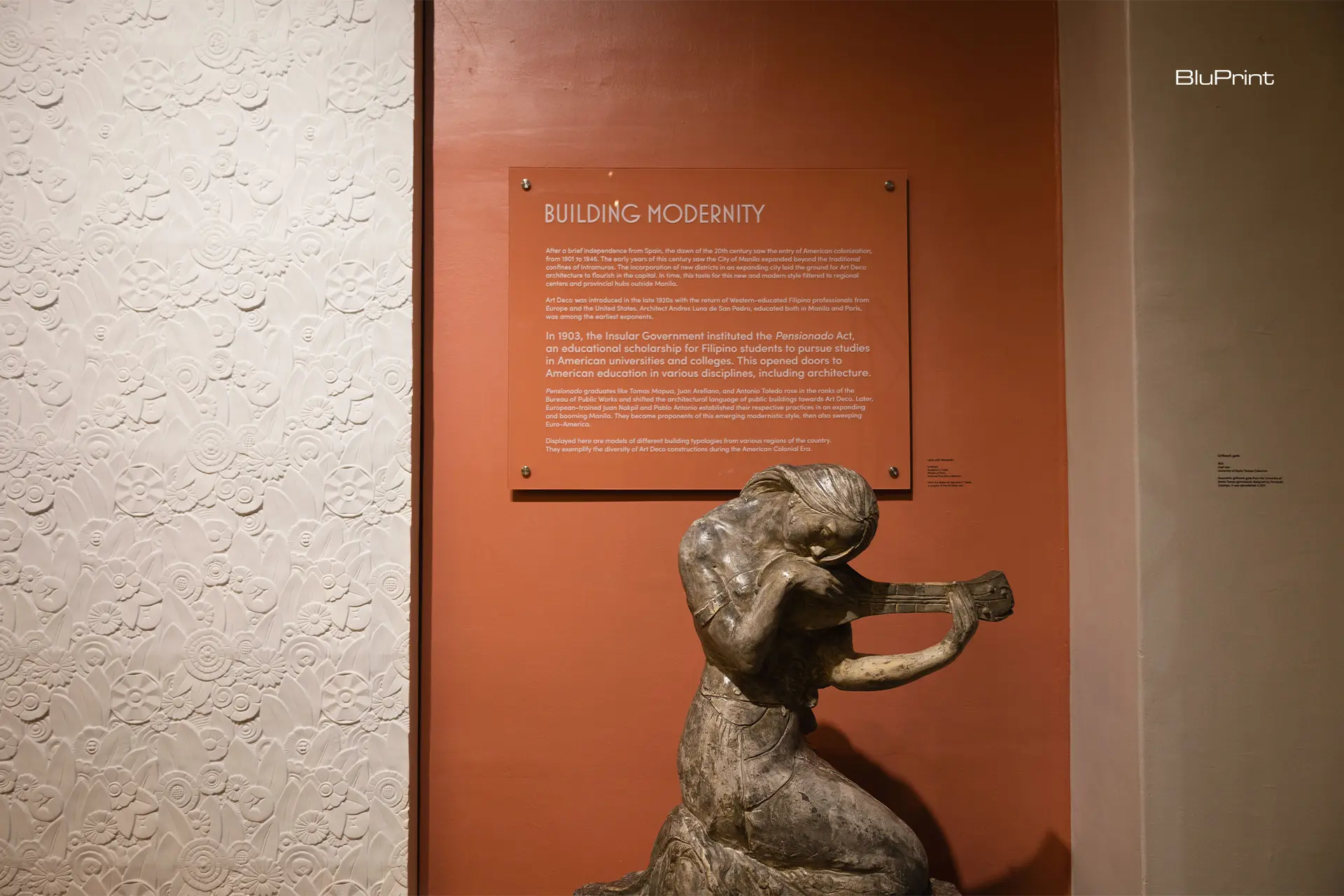
In the first gallery, the narrative focused on how the style came into the country. The objects displayed reflect the era’s growth, having arrived during a significant economic milestone marked by the introduction of free trade. This marked the beginning of new structures like cinemas and theaters.
Related Reading: The Romantic Architecture of Old Theaters
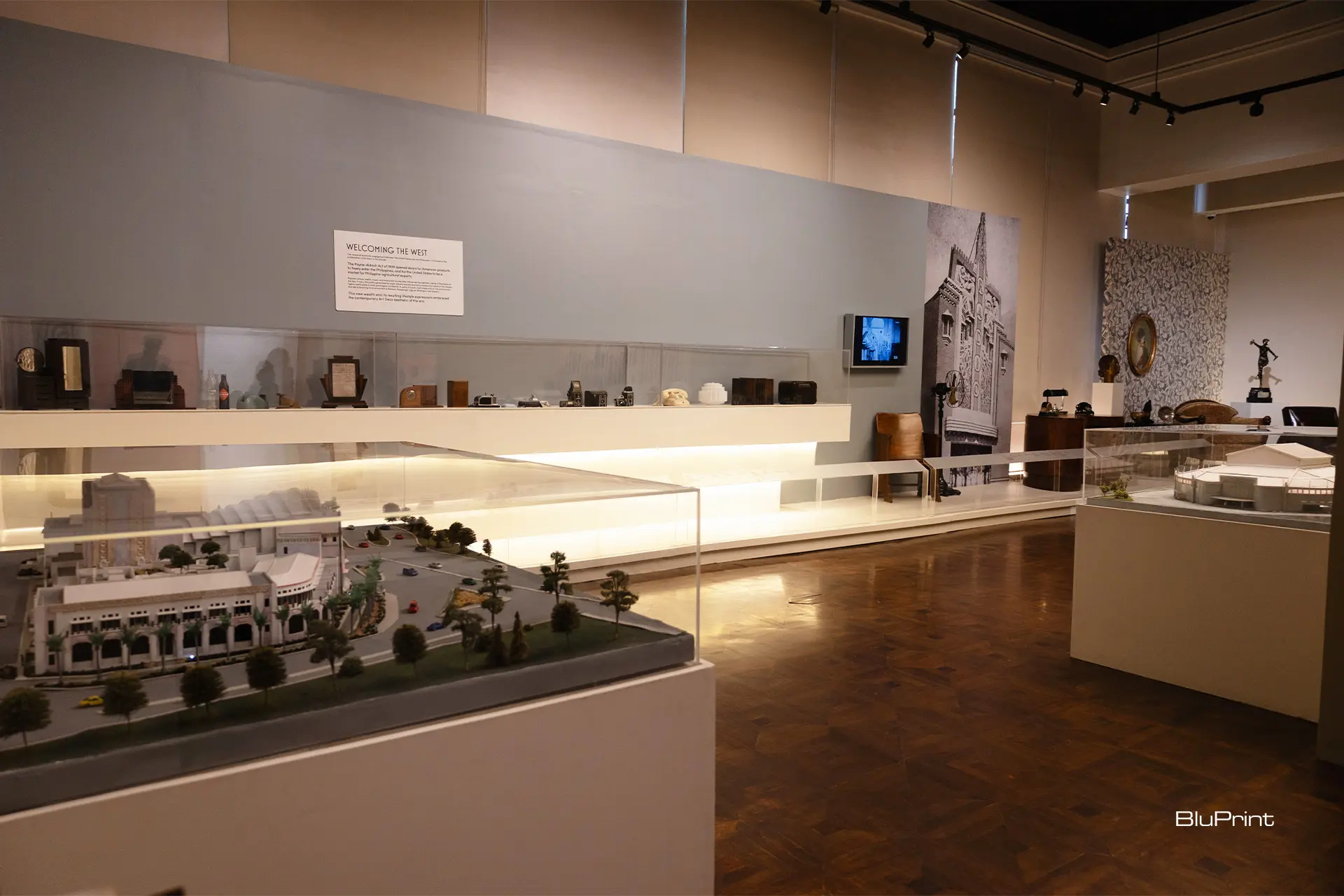
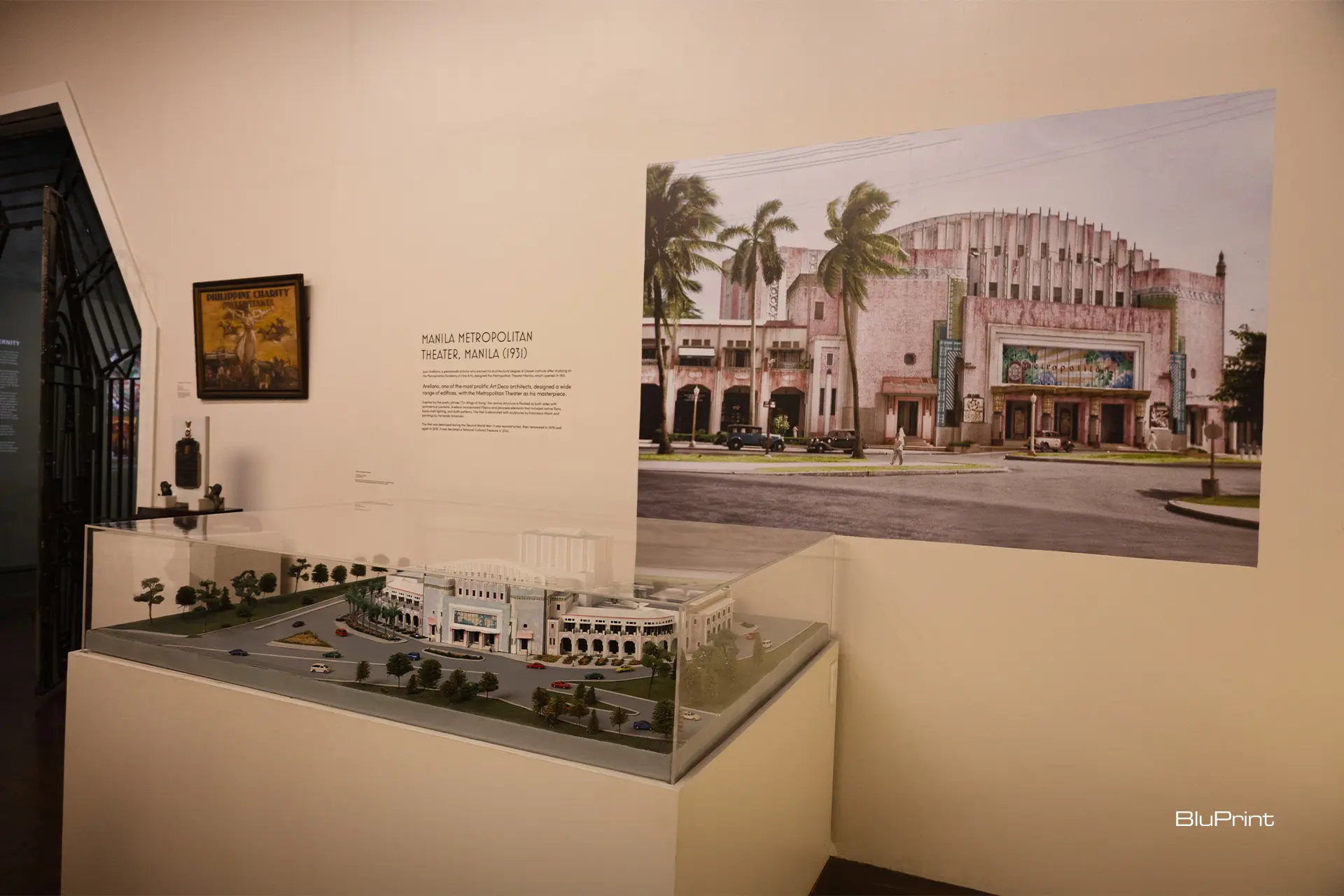
“I find one of our heritage theaters—along with other theaters—to be very important. The ornamentation of these theaters gives us an idea of how we lived then and how we embraced the way of life, including the enjoyment of cinema and entertainment. The same can be seen in the houses, architectural interiors, furnishings, and furniture,” Dado expresses.
Related Reading: Juan Arellano’s Mastery and His Art Deco Buildings
This sentiment is seen in the exhibition’s second gallery, which features furniture, clothing, and accessories. “It was adapted to how we use materials. If you see the furniture, they show the range of materials used in our country. Wood was used in ways reflecting how Filipinos translated the design in terms of fashion and material use,” Dado adds.
Building a Collection Through Collaboration
Dado reflects on how the exhibition was built through collaboration with the museum researchers and collectors. This partnership with collectors allowed the museum to present items, such as furniture, that typically remain hidden within private collections. “In this exhibition, we emphasize that it is a collection of the nation, not just the National Museum, but the people’s collection put together in one exhibition,” Dado states.
Other than the galleries themselves, the exhibition also held public programs such as Modern Lenses: Photography Through Art DecoArt DecoA decorative design style popular in the 1920s and 1930s, known for bold geometry, stepped forms, stylized ornament, and rich materials. Manila holds notable examples, including the Metropolitan Theater andGo to Art Deco Glossary Period Pieces. Spearheaded by photography professor Roderick Javier, the program showcased photography techniques during the Art Deco period. It illustrated how the photography of that time was different compared to today’s cellphone photography in relation to lighting and fashion—underscoring why cameras and film equipment were displayed in the galleries.
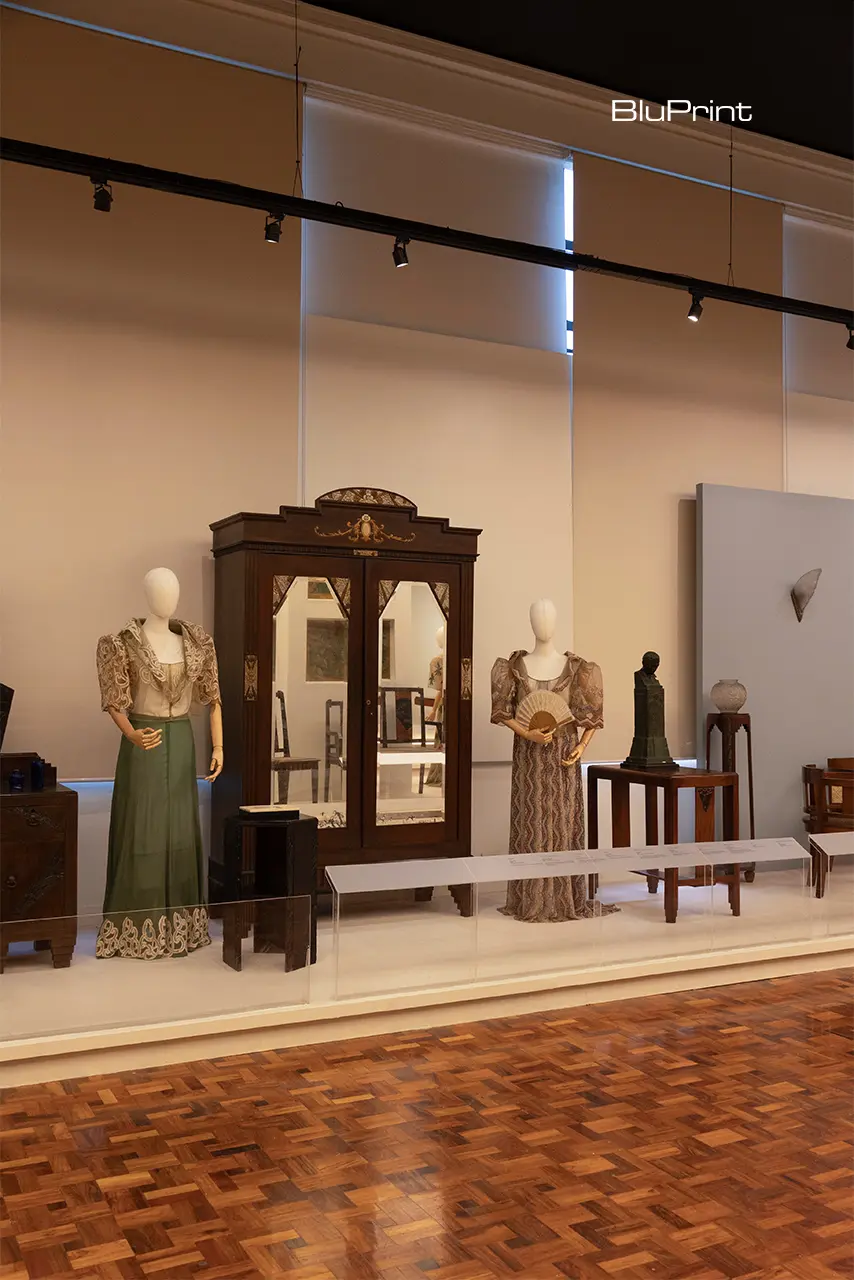
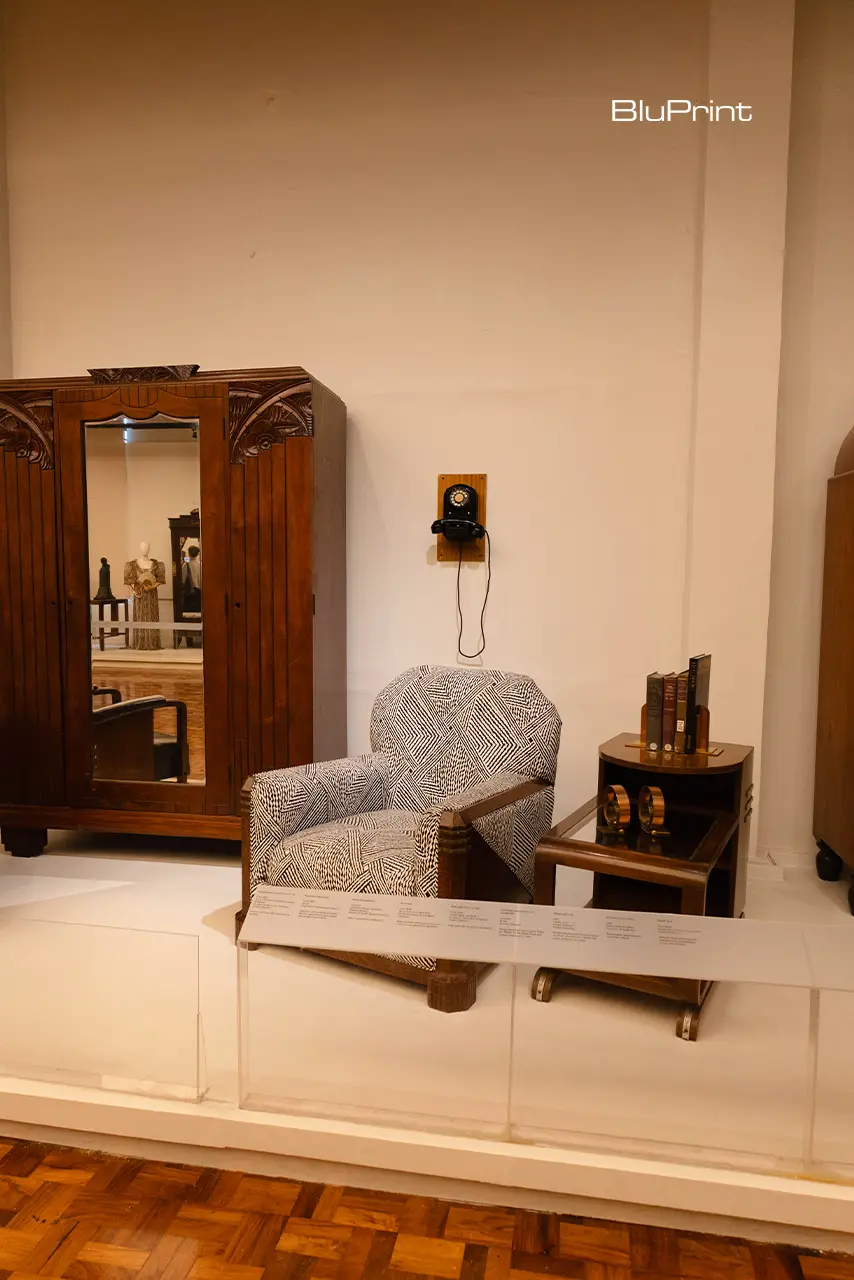
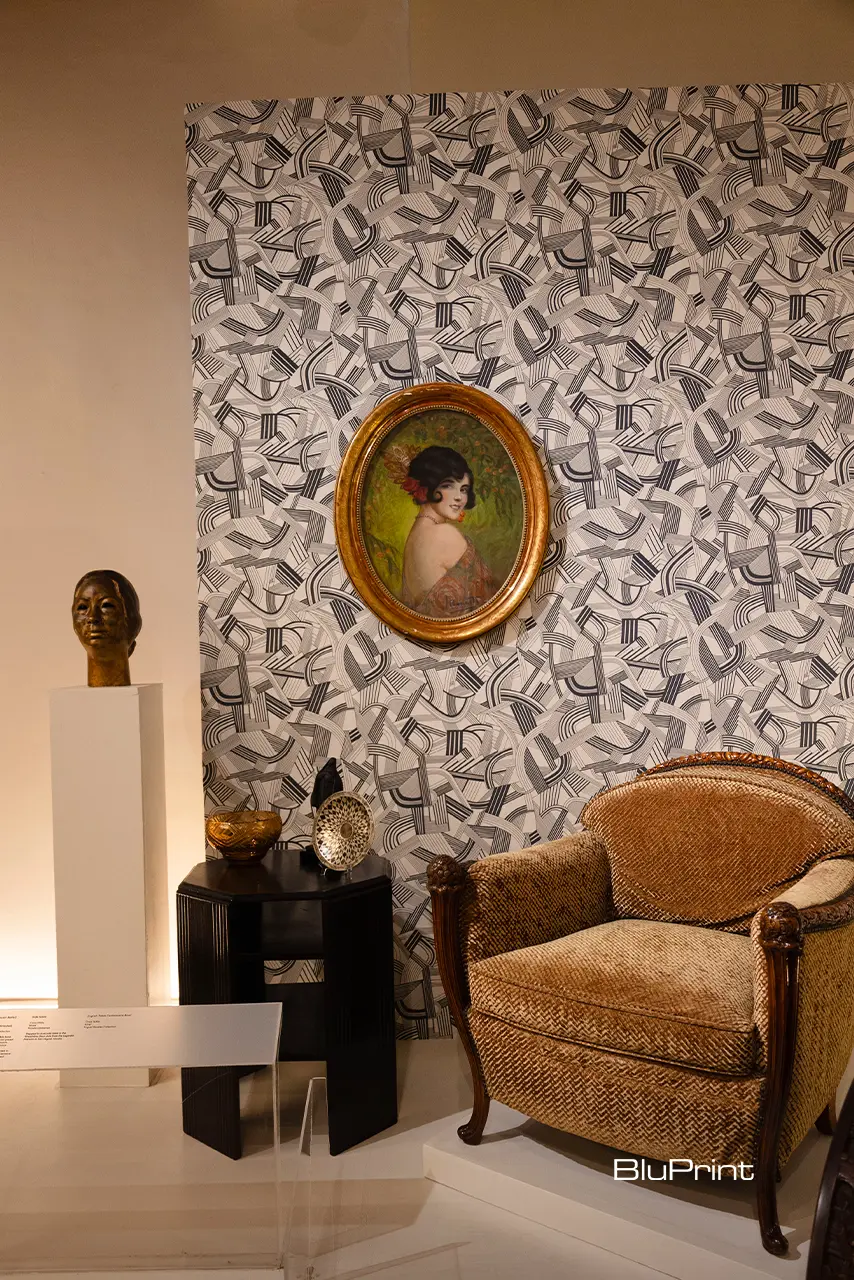
On the importance of this exhibition, Dado shares: “One reason is the expression of our built heritage—and not just built heritage, but heritage as a whole. When we say our heritage, we mean the expression of our creativity, ingenuity, and so on. It is also an expression of the resources we have: our ecology, in terms of the materials in our buildings, our furniture, our fashion, our technology. We can see all of that. It is a whole spectrum of what resources we have.”
Taking the Exhibition Beyond Manila
Due to positive audience reception, the National Museum is taking the exhibition outside of Metro Manila. Still in progress, there are plans to craft a mobile, scaled-down, miniature version of the exhibition.
For Filipinos living outside of the capital, you can anticipate more from the National Museum’s Art DecoArt DecoA decorative design style popular in the 1920s and 1930s, known for bold geometry, stepped forms, stylized ornament, and rich materials. Manila holds notable examples, including the Metropolitan Theater andGo to Art Deco Glossary exhibition.
Related Reading: How the UPV Museum of Art and Cultural Heritage Became a Model of Adaptive Reuse
Frequently Asked Questions
Stemming from the 1920s and 1930s, Art Deco is a design movement that emerged in Paris just before World War I. The style is characterized by geometric shapes, symmetry, and streamlined forms, including materials such as chrome and stainless steel.
The National Museum of Fine Arts is located along Padre Burgos Avenue in Rizal Park, Ermita, Manila
Operating Hours: Tuesdays to Sundays, 9:00 AM to 6:00 PM (Closed on Mondays)
No, admission is free.
The closest train stations are United Nations (U.N.) Avenue Station and Central Terminal Station on the LRT Line 1 (LRT-1). From either station, you can take a short walk or a pedicab or tricycle to the museum grounds in Rizal Park.

