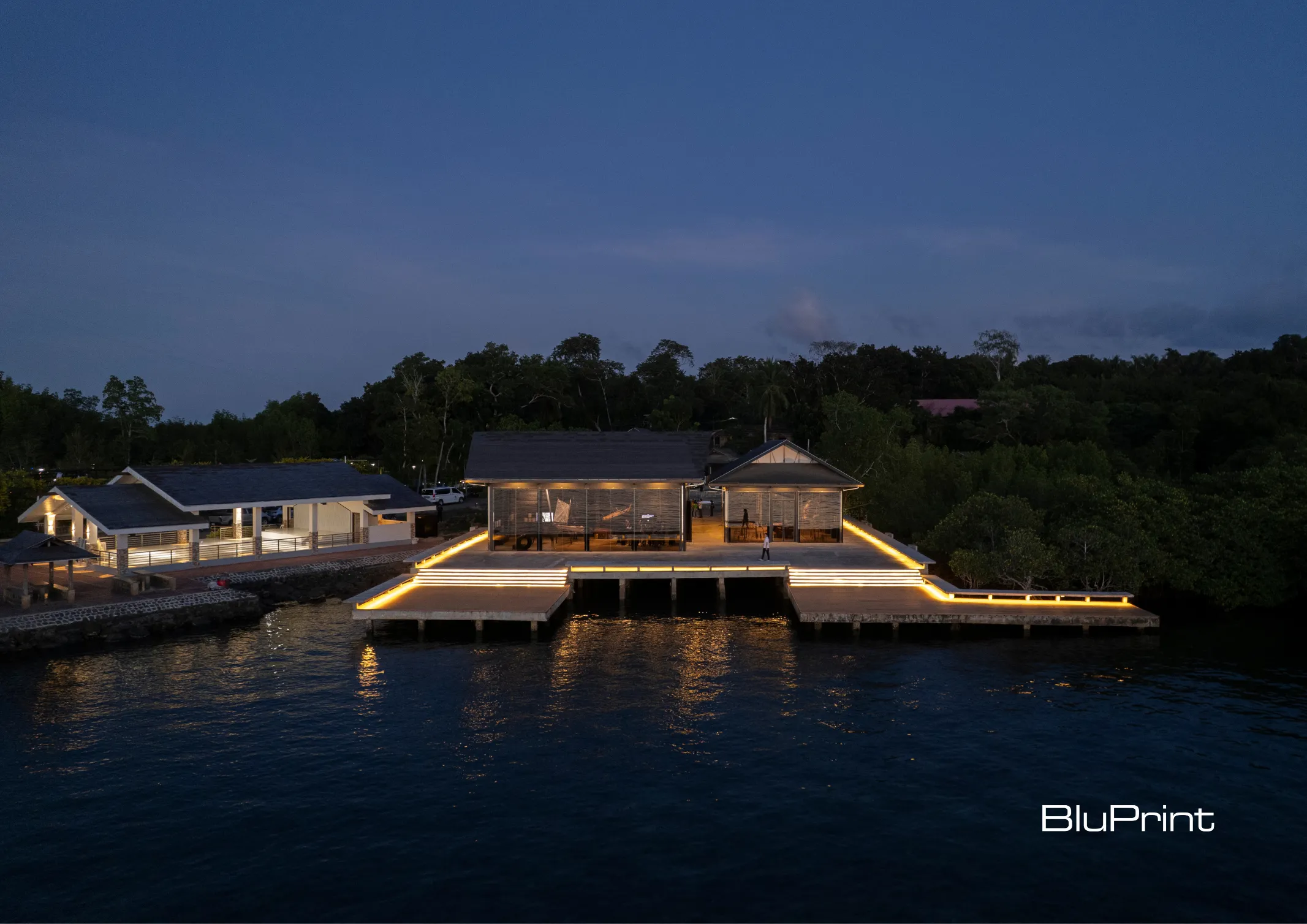
A museum tells stories, not only through the artifacts it houses, but also through the spaces that bring them together. And Basilan’s first museum, Museo Pantán, does just that. Located along the coast of Fuego-Fuego Beachfront, the building embraces its coastal landscape, offering an architectural expression of the city’s culture and relationship with its surroundings. […]
The Design Story Behind the World’s First Ippudo Ramen Bar


Ippudo has long been synonymous with ramen-making mastery, but with the debut of its first-ever Ramen Bar concept, the brand ventures into a bold new direction. Here, heritage and innovation converge in a strikingly modern space. Hong Kong-based architectureArchitectureThe art and science of designing and constructing buildings, structures, and spaces that are functional, safe, and aesthetically pleasing. It encompasses the planning, design, materials, and techniques used to createGo to Architecture Glossary firm DEFT translated the brand’s storied identity into a fresh, contemporary experience. The result is a space that is both inviting and dynamic, a balance of tradition and reinvention. In this exclusive interview with BluPrint, Architect Peter Lampard of DEFT shared insights into the creative vision behind the innovative Ippudo Ramen Bar.
Honoring Tradition Through a Contemporary Lens
Standard Hospitality Group (SHG), the company also behind Yabu, Kiwami, and Elephant Grounds, is a long time collaborator of IPPUDO (Chikaranomoto Holdings). Together, they proudly unveiled this groundbreaking new concept on March 27 at Uptown Mall, BGC. SHG CEO John Concepcion revealed the Japanese brand gave them free reign in reimagining the ramen experience from the ground up.
“At its core, Ippudo Ramen Bar still holds mastery and authority,” explains Lampard. “It made sense to us to lean into Ippudo’s heritage, looking into ephemera from its beginnings in the 80s. Typewritten documents stood out the most, with their confidence and raw edge. Additionally, this reference felt like a good foil to the store design’s sleeker look.” The result is a design that pays homage to Ippudo’s origins. It embraces a more minimalist, forward-thinking aesthetic—expressing tradition and innovation in equal measure.
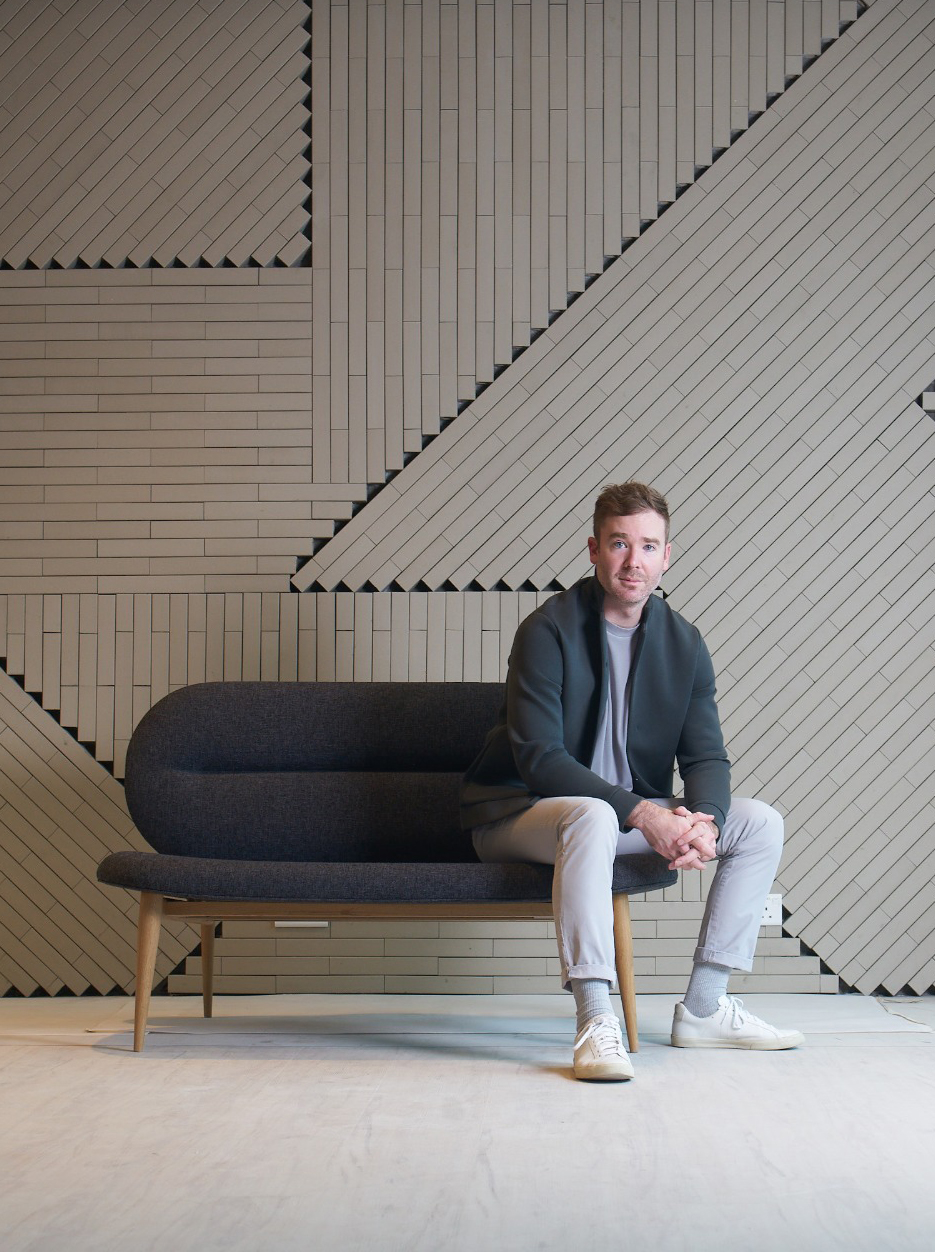
The success of any dining space depends on how it makes customers feel, and DEFT designed Ippudo Ramen Bar to be an immersive experience. “We wanted the atmosphere to feel both inviting and dynamic, a space where customers could fully immerse themselves in the experience,” says Lampard. To achieve this, the team prioritized balanced indirect lighting. This effectively softens the ambiance while accentuating the textures and warmth of the space.
Considerate acoustic design also plays a crucial role. “We integrated textiles and timber wall finishes to absorb sound and create an intimate yet lively feel, avoiding that hollow echo you sometimes get in modern spaces,” he adds. Meanwhile, the use of hand-painted cement floor tiles adds a tactile, artisanal touch, grounding the sleek design with a sense of craft. Together, these materials—wood, fabric, and subtle earth tones—create a cocoon-like environment that enhances the dining experience beyond just the food itself.
Striking the Balance
The essence of a ramen bar is rooted in tradition, yet Ippudo infuses it with a contemporary edge. “We anchored the design around the iconic ramen bar counter—it’s the heart of the space, a nod to the traditional Japanese ramen shop where the craft unfolds right in front of you,” Lampard explains. The symmetrical layout lends a sense of order and discipline. Abstract shapes and a contemporary color palette—muted metallics and bold accents—introduce a modern dynamism.
“It’s about honoring the simplicity and focus of tradition while letting the space breathe with a modern sensibility that feels fresh and relevant,” he continues. The end result is a seamless dialogue between past and present, a space that respects heritage without feeling beholden to it.
A few key elements make Ippudo Ramen Bar a visual and sensory standout. “The glowing katcha fabric-clad feature bowl display above the bar is a showstopper—it’s this luminous, almost sculptural moment that draws your eye and celebrates the ramen bowl as an icon,” says Lampard.
The carefully framed main window, another highlight, offers passersby a curated glimpse of the vibrant interior. “It’s both an invitation and a tease, framing the energy of the interior,” he adds. Meanwhile, the metallic-clad facade creates a striking contrast—a hard, almost industrial shell that encloses the warmth within. “These features don’t just stand out visually; they tell the story of Ippudo’s evolution in a bold, tangible way.”
Enhancing the Culinary Experience Through Design
Beyond aesthetics, the design of Ippudo Ramen Bar was crafted to elevate the dining experience. “We made sure everyone has a view of the kitchen—it’s open and unmissable, letting customers see the action of the kitchen team, the precision, the movement,” Lampard explains. The acoustics, carefully tuned to maintain a lively but controlled energy. Even during peak hours, the space never feels overwhelming.
The efficient seating plan maximizes space without feeling cramped, catering to both quick solo diners and those settling in for a longer meal. “It’s all about creating this dynamic, communal vibe where the design doesn’t just support the menu—it amplifies the whole experience into something memorable and engaging.”
With Ippudo Ramen Bar, DEFT has successfully redefined what a ramen experience can be. It’s a celebration of craftsmanship, not just in the food but in the space itself—where every design choice enhances the ritual of enjoying a perfect bowl of ramen.
The new Ippudo Ramen Bar opens its doors to the public at Uptown BGC on March 29, 2025.
Photos courtesy of Standard Hospitality Group.
Read more: Architecture of Dining: The Best Restaurant Interior Design of 2024
Frequently Asked Questions
The design concept for Ippudo Ramen Bar focuses on a “heritage meets innovation” approach, blending the brand’s 1980s origins with a sleek, minimalist aesthetic. Architecture firm DEFT utilized typewritten documents from Ippudo’s history as a raw, confident foil to the store’s contemporary finishes. This strategic juxtaposition ensures the space feels both deeply rooted in Japanese ramen mastery and forward-thinking enough to redefine the modern dining experience.
The interior prioritizes an immersive atmosphere through balanced indirect lighting and thoughtful acoustic engineering that uses textiles and timber to prevent hollow echoes. Every seat is strategically positioned to offer a view of the open kitchen, allowing diners to witness the precision of the ramen-making craft. These elements, combined with hand-painted cement floor tiles, create a tactile and intimate environment that amplifies the communal energy of the space.
Key architectural highlights include a glowing katcha fabric-clad feature bowl display above the central bar and a striking metallic-clad industrial facade. The central ramen bar acts as the heart of the layout, referencing traditional Japanese shops while maintaining a symmetrical, disciplined order. Additionally, a carefully framed main window serves as a curated invitation, allowing passersby to glimpse the vibrant, high-energy action occurring within the restaurant.
DEFT achieves balance by anchoring the restaurant around the traditional ramen counter while introducing a contemporary palette of muted metallics and abstract shapes. The design respects the simplicity and focus of a classic Japanese ramen shop but allows the space to breathe with modern sensibilities. This seamless dialogue ensures that the heritage of the brand is honored without making the architecture feel dated or beholden to past trends.
Acoustics and lighting are vital for setting a “cocoon-like” mood that feels lively yet controlled, preventing the overwhelming noise levels typical of high-traffic malls. By using sound-absorbing wood and fabric wall finishes, DEFT creates a space where solo diners and groups can interact comfortably. Indirect lighting further softens the hard industrial edges of the metallic shell, emphasizing the warmth and artisanal craft that defines the Ippudo Ramen Bar experience.
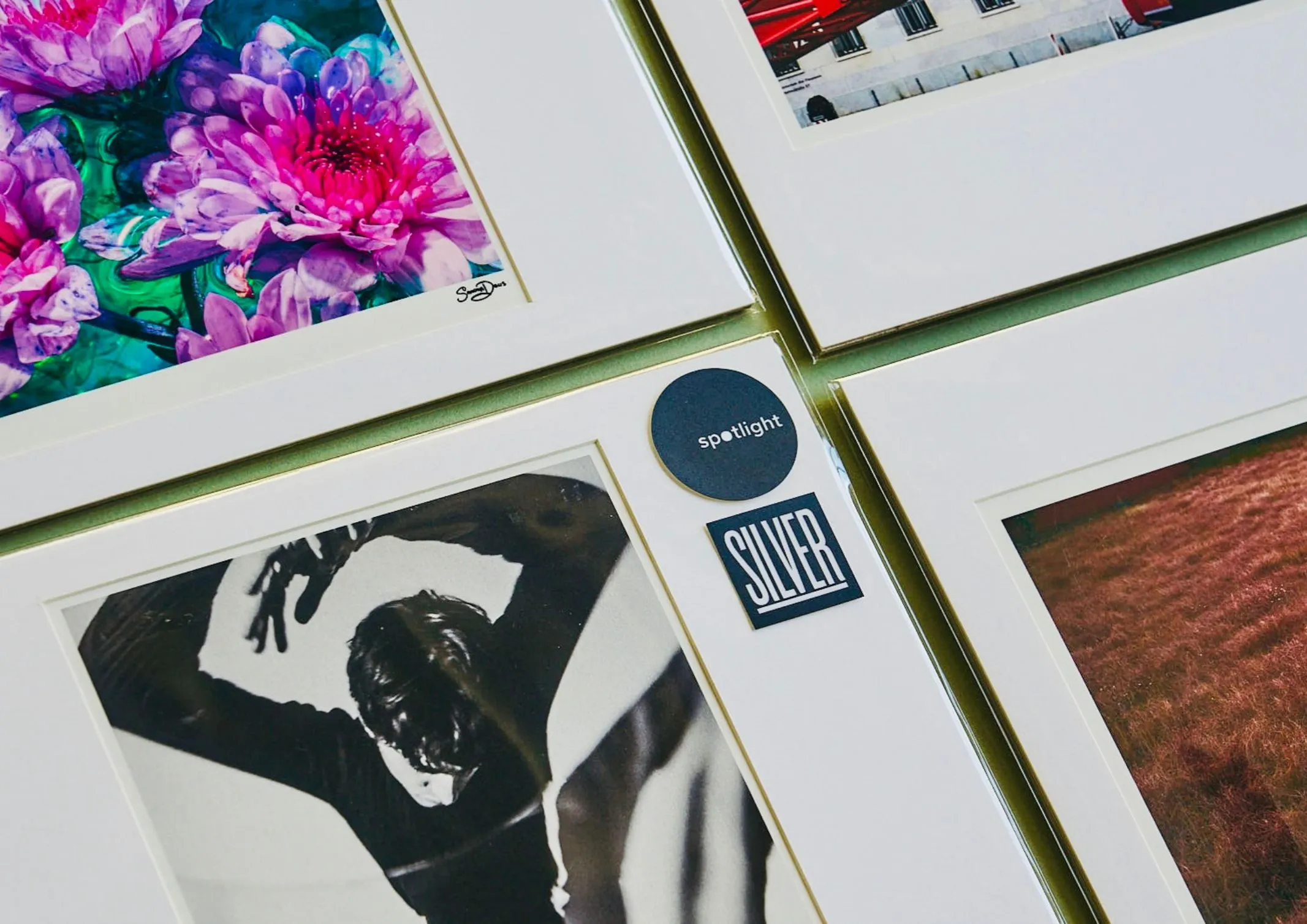
Art has a way of changing how we experience a space. A photo, in particular, can tell stories without relying on words. Through the way a subject is framed, how light falls across a scene, or which details are brought into focus, an image communicates its own perspective of the world. These visual decisions form […]
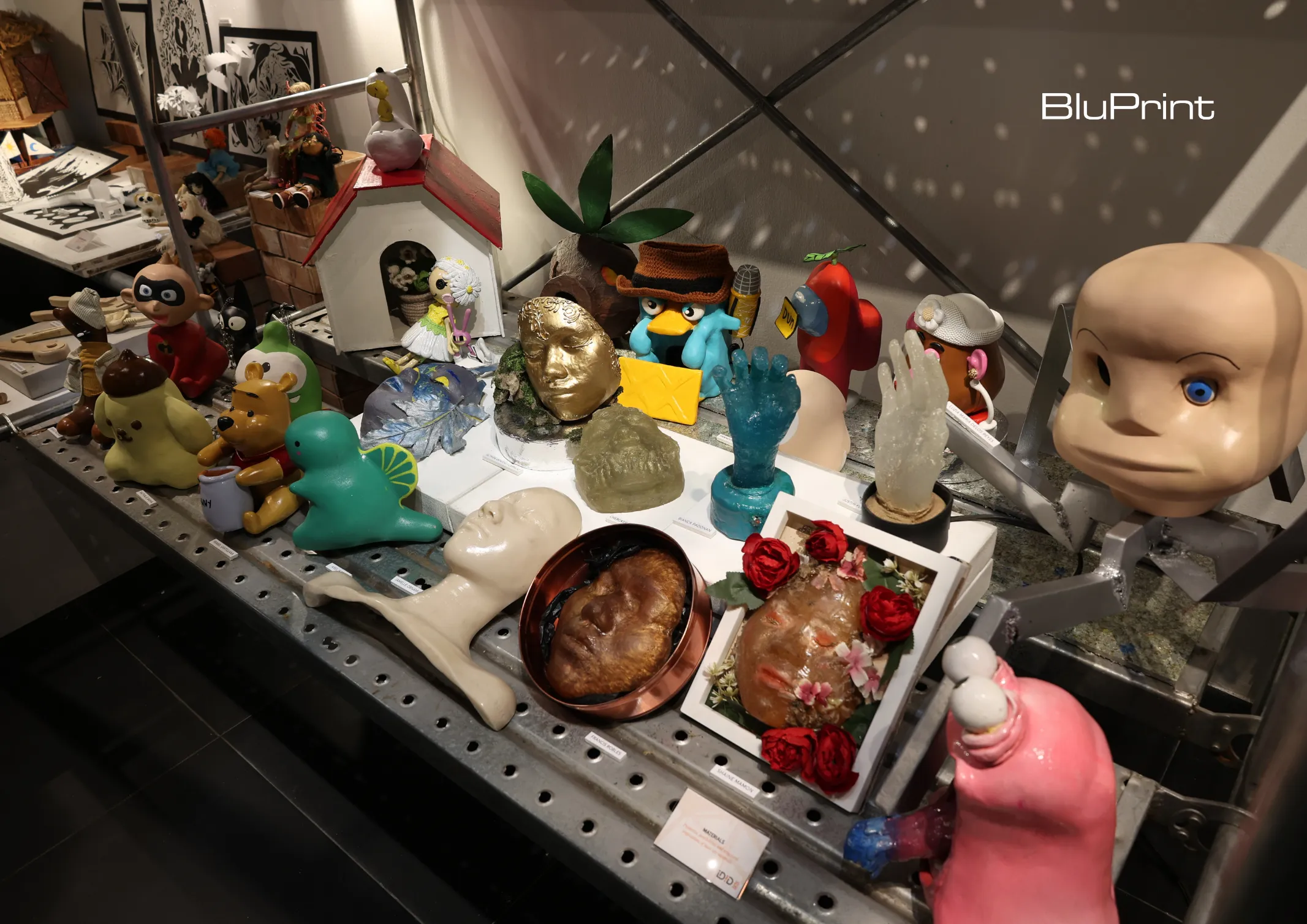
Design is not limited to the creation of finished objects. It is also a process of experimentation, problem-solving, and exchanging ideas across disciplines. This approach to making took center stage at the 2026 edition of MakersCon Philippines, held from November 12 to 13 at the University of the Philippines (UP) Fine Arts Gallery (Parola) in […]
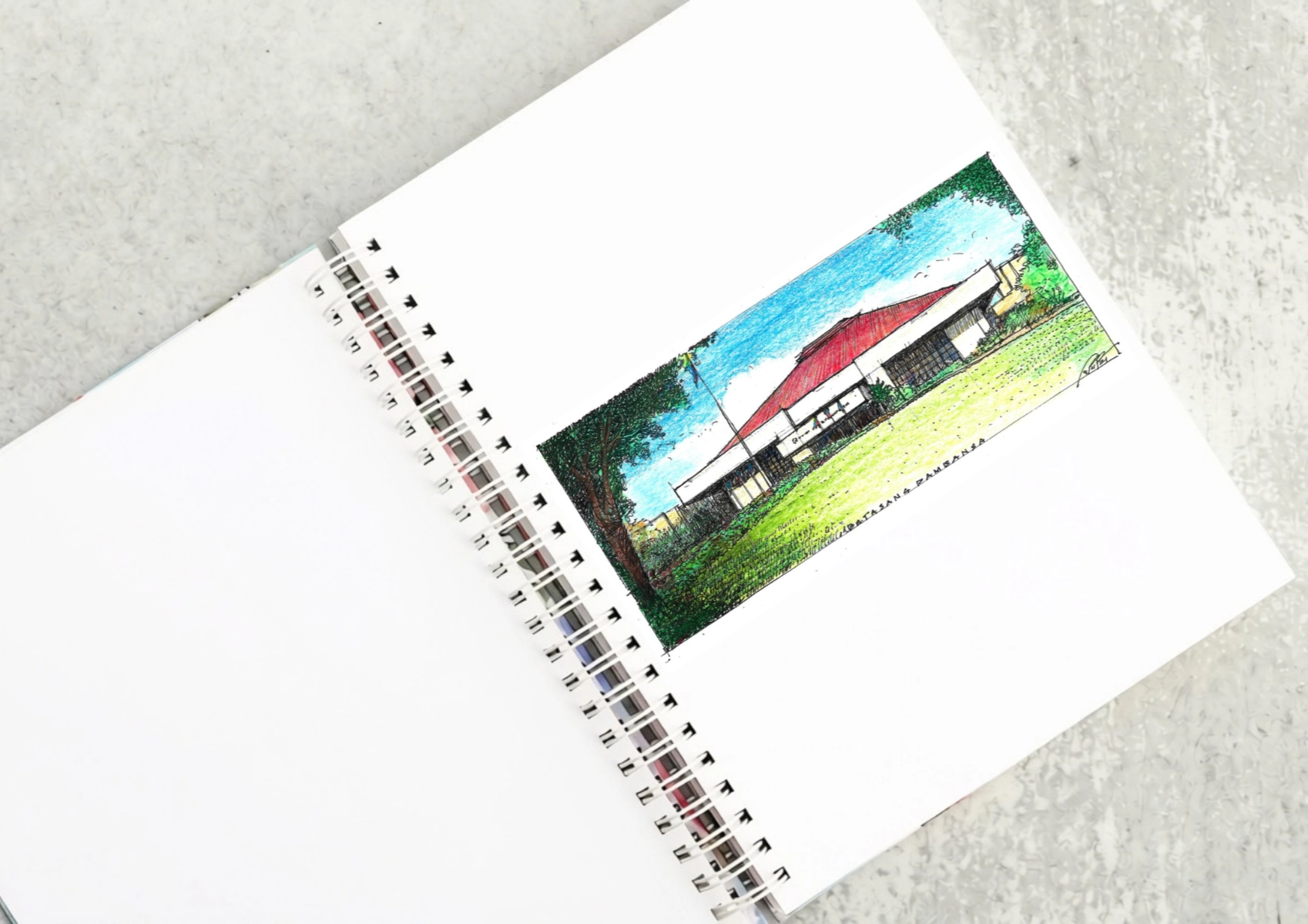
The Batasang Pambansa as a Landmark of Philippine Civic Architecture The congress of the Republic of the Philippines is housed in a complex in Quezon City. It was the first and only of the three main branches of the government to move to what was, for a period, the capital of the Philippines. The Batasang […]
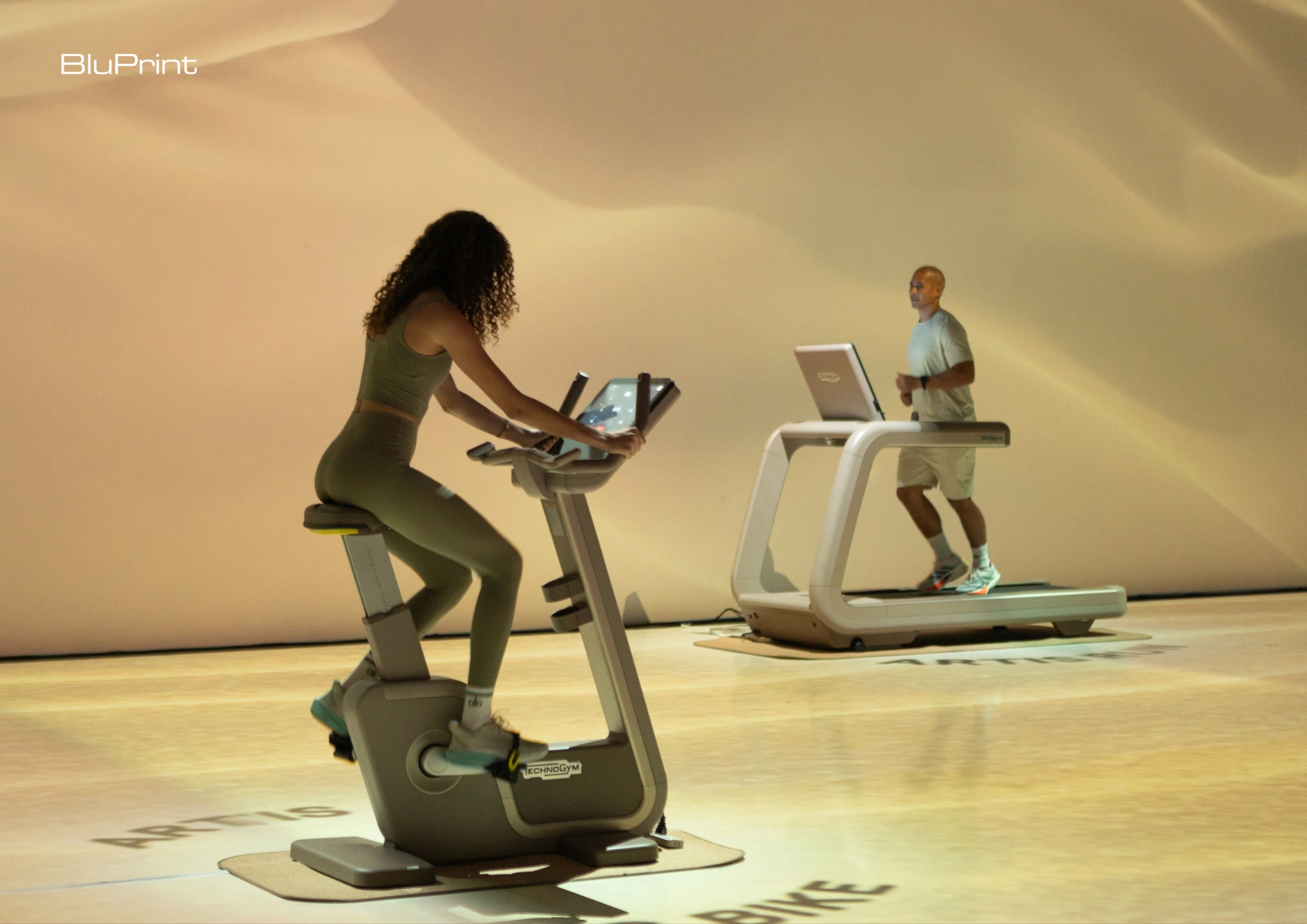
In a curated event presented by Focus Global Inc. and co-hosted by BluPrint, Technogym unveiled its Sand Stone Collection to the Philippine market at Bigger Pictures in Mandaluyong City. The launch brought together over 100 guests, including architects, designers, and media representatives, for an introduction to the collection and its approach to fitness equipment. The […]
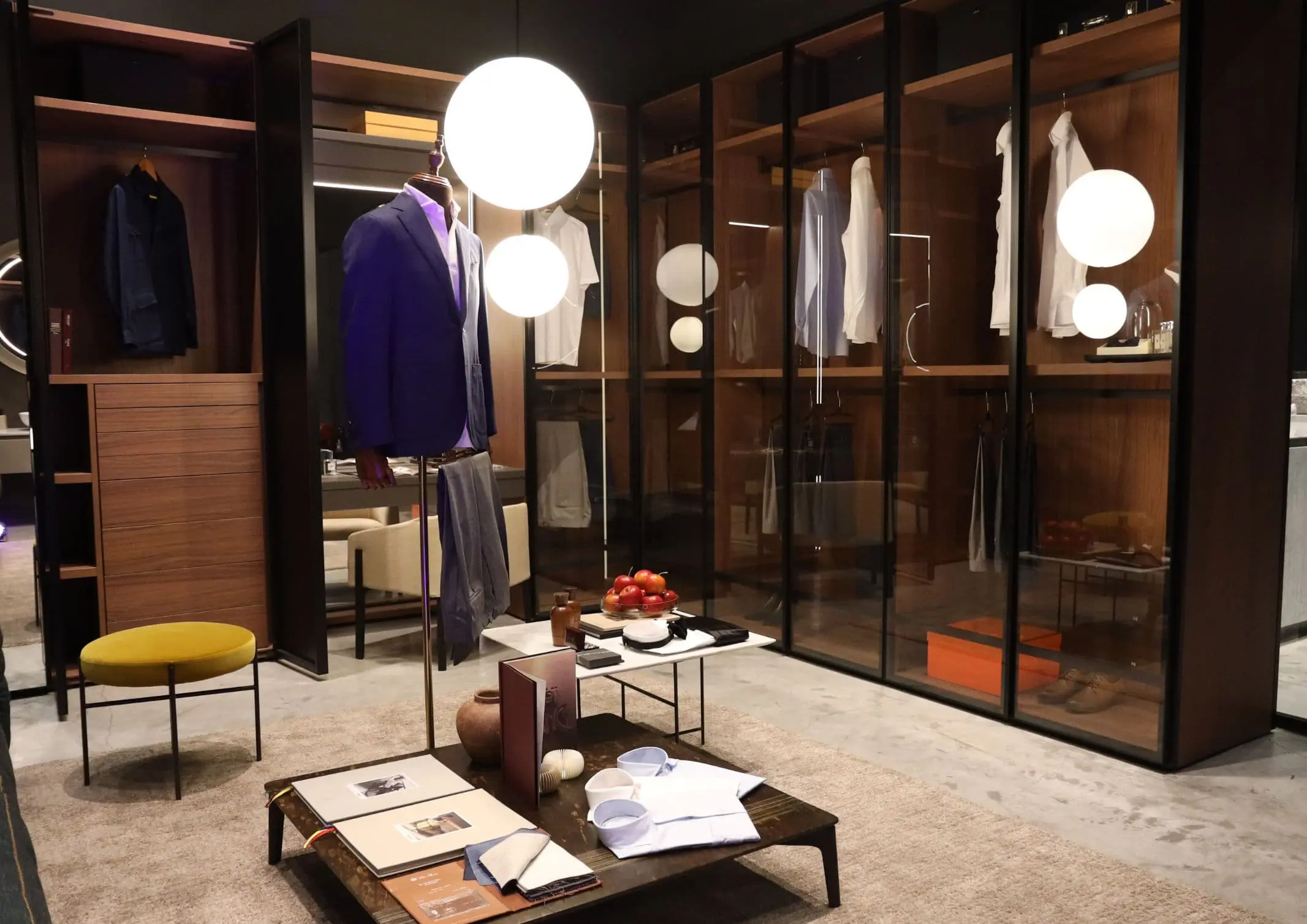
The principles behind a well-designed home are not unlike those behind a tailored garment. Both begin with an understanding of the individual, balancing proportion, material, and function to create something suited to its user. This shared approach informed “The Art of Bespoke,” an event hosted by Boffi | DePadova and Focus Global Inc., in collaboration […]
Read the issues.

Collect the volumes.

Recommended Video
Tap to Unmute
Unmute
0:00
0:00